
Skip to content
VIICompare13 attributes · 0 shared goals
Home/Compare/Aibika vs Durian

Aibika vs Durian

Aibika (Abelmoschus manihot) and Durian (Durio zibethinus) — side-by-side cultivation, uses, and safety.

SIDE A

Aibika

Abelmoschus manihot
Malvaceaeedible
SIDE B
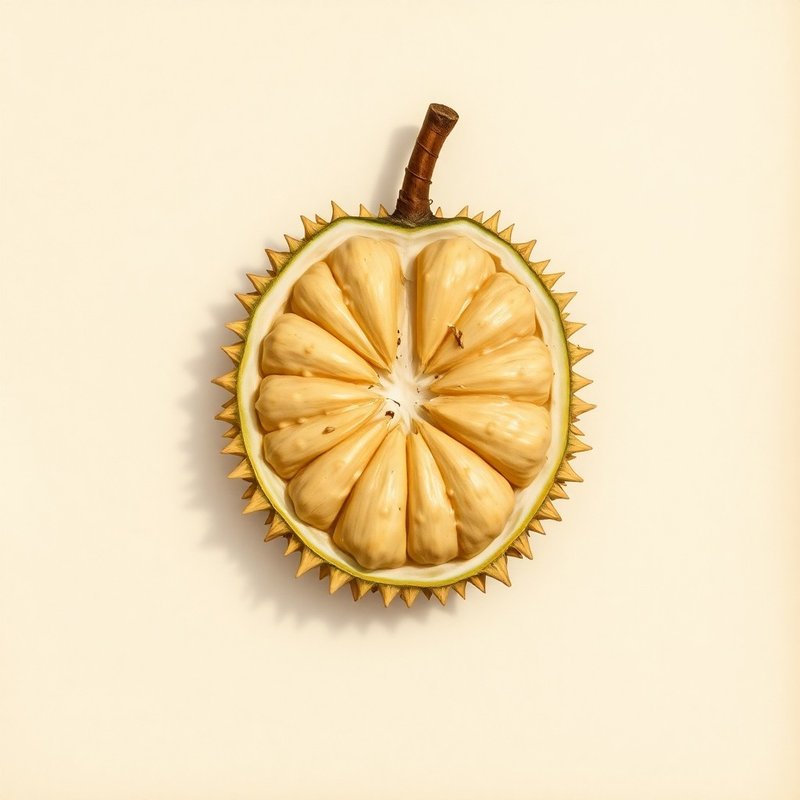
Durio zibethinus (Durian) — botanical photograph

Durian

Durio zibethinus
Malvaceaeedible
I

Side-by-side attributes

AttributeAibikaDurian
Latin nameAbelmoschus manihotDurio zibethinus
FamilyMalvaceaeMalvaceae
Edibleyesyes
Medicinalnono
Life cyclePerennial
Mature height3.0 m30.0 m
LightFull sunFull sun
WaterMoistMoist
SoilLight (sandy), Medium, Heavy (clay)Light (sandy), Medium, Heavy (clay)
Hardiness8-1110-12
pH range
Edible partsFlowers, Leaves, ShootsFlowers, Fruit, Leaves, Seed, Shoots
Propagation
III

Which to pick

Both have their place

Aibika and Durian cover similar territory. Pick based on what you can actually grow (climate, soil) and what's locally available. See the cultivation rows above for the deciding factors.

IV

Frequently asked

What is the main difference between Aibika and Durian?

Aibika (Abelmoschus manihot) and Durian (Durio zibethinus) are both in the Malvaceae family. See the side-by-side table above for cultivation needs, edible parts, and medicinal uses.

Can Aibika and Durian be combined?

Plant combinations should be evaluated case by case. Check the safety/contraindications section on each plant's profile (Aibika and Durian) before mixing. Some combinations are synergistic, others can interact with medication.

Are these plants safe?

Every plant profile includes a Cautions section with contraindications, drug interactions, and population warnings. Consult a healthcare professional before using either for medicinal purposes.

Endpaper · archive updates

Primește digest-ul săptămânal

Un email curat pe săptămână — profile noi de plante, note sezoniere de cultivare, adăugiri în arhiva de remedii. Gratuit, fără tracking, dezabonare oricând.
Free, weekly· unsubscribe anytime