
Sugar maple
Acer saccharum
Educational content — not medical, botanical, or professional advice. Plant identification, safety, and edibility depend on local conditions, cultivars, and correct identification. Consult a qualified botanist or forager before consuming or handling wild specimens. How we source & review →
Garden journal pausedUse profile notes below
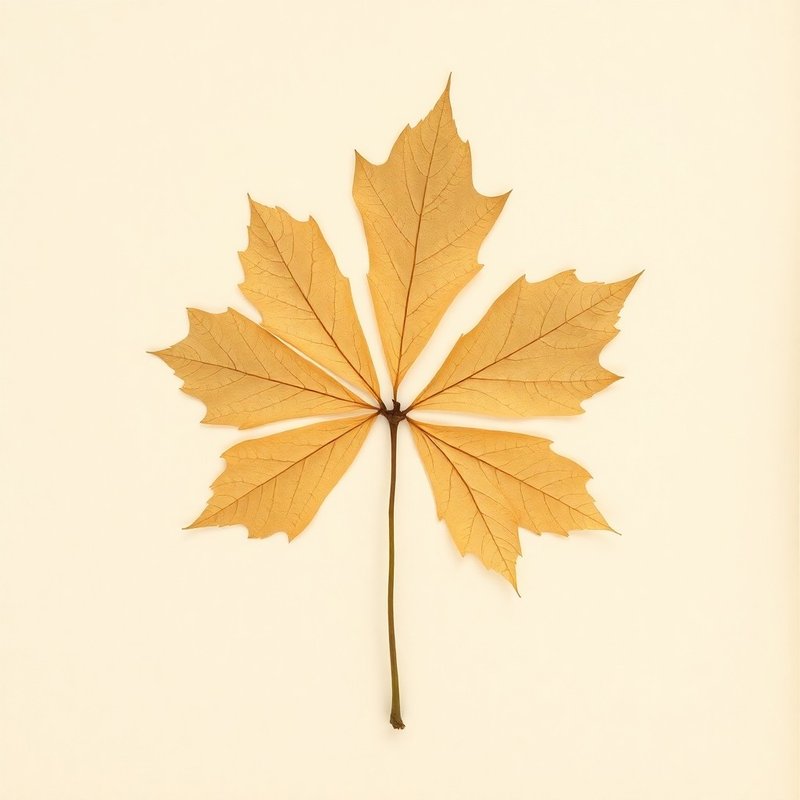
Pl. 1BD6 — Acer saccharum
Acer saccharumAcer saccharumAcer saccharumAcer saccharumAcer saccharumAcer saccharumAcer saccharumAcer saccharumAcer saccharumAcer saccharumAcer saccharumAcer saccharumAcer saccharumAcer saccharum
IPrezentare
Prezentare
Sugar maple (Acer saccharum) is a large, deciduous tree native to the northeastern and midwestern United States, as well as parts of Canada and Mexico. This tree can be found in a variety of habitats, including forests and woodlands, and is known for its sweet sap, which can be tapped and boiled down to produce maple syrup. The sugar maple grows best in full to partial sun and prefers moist, well-drained soil that can be light (sandy), medium, or heavy (clay). It is hardy in zones 3-8 and can grow up to 30 meters tall. The tree is valued for its ornamental qualities, with vibrant autumn foliage that turns a brilliant shade of red, orange, and yellow. Its edible parts include the inner bark, leaves, sap, and seeds, making it a versatile resource for both culinary and ecological purposes. Cultivated for its sap, which is used to make maple syrup, and its ornamental value, the sugar maple is a dynamic accumulator, meaning it can help improve soil quality by absorbing nutrients from deeper soil layers. While the tree is not medicinal, its sap and leaves can be used in various ways, such as boiling the sap to make syrup or using the leaves as a natural preservative. The sugar maple is also cultivated for its lumber, which is used in furniture and flooring, and its ability to serve as a companion plant, enhancing the growth of nearby plants through its root system.
Quick answers
What is Sugar maple?
Sugar maple (Acer saccharum) is a large, deciduous tree native to the northeastern and midwestern United States, as well as parts of Canada and Mexico.
Growingconditions · propagation · uses
VCultivare
Cultivare
Sugar maple, or Acer saccharum, thrives in full to partial sun and prefers moist, well-drained soil that can be light (sandy), medium, or heavy (clay). It is hardy in zones 3-8, making it suitable for temperate regions. This perennial tree can grow up to 30 meters tall and is native to the eastern United States and parts of Canada. For cultivation, ensure the soil pH is between 3.7 and 7.9, and provide adequate moisture. Propagate through seeds or by dividing the inner bark. Leaves, sap, and seeds are edible parts of the plant.
Light
Full sun, Partial sun/shade
Water
Moist
Soil
Light (sandy), Medium, Heavy (clay)
Hardiness
3-8
Life cycle
Perennial
Habit
Tree, Shrub
Mature size
30.0 m tall
Soil pH
3.7–7.9
VIEdible & utility
Edible & utility
Edible parts:Inner barkLeavesSapSeed
Edible uses: Sweetener
Other uses:CompanionAnimal feedFire starterPotashPreservativeLumberDynamic accumulator
Contextrange · companions · related
VIIDistribuție
26 native · 2 introduced
Distribuție
26 native · 2 introducedDistribution across2 continents· 26 native· 2 introduced
Europe1 region
introduced (1)Poland
Asia2 regions
native (1)Georgia
introduced (1)South Korea
Broader regions
native:Alabama, Arkansas, Florida, Illinois, Indiana, Iowa, Kansas, Kentucky, Louisiana, Maryland, Mexico Northeast, Michigan, Minnesota, Missouri, New York, North Carolina, Ontario, Pennsylvania, Québec, South Carolina, Tennessee, Texas, Vermont, West Virginia, Wisconsin
IXSpecimen gallery
1 image
Specimen gallery
1 imageXI
Explore further
XII
About this entry
- Last updated
- Citation
- How to cite this entry · Submit a correction
Back to the cataloguePlant id · 1bd62cdb-5244-4be7-af35-6f0a3c74d151
Decision aid
Choosing between Sugar maple and something else?
Continue reading
❦❦❦❦
Endpaper · archive updates
Primește digest-ul săptămânal
Un email curat pe săptămână — profile noi de plante, note sezoniere de cultivare, adăugiri în arhiva de remedii. Gratuit, fără tracking, dezabonare oricând.
Newsletter returning soon.
We are rebuilding the update list around a lightweight editorial workflow. New dispatches will resume after the next content review cycle.