
Skip to content
IIIFolio · plant profile№ 69FAedible
Data provenancePermapeopleTreflePFAFPOWOreviewed 14 Oct 2026methodology → read

Amaranthus polygamus
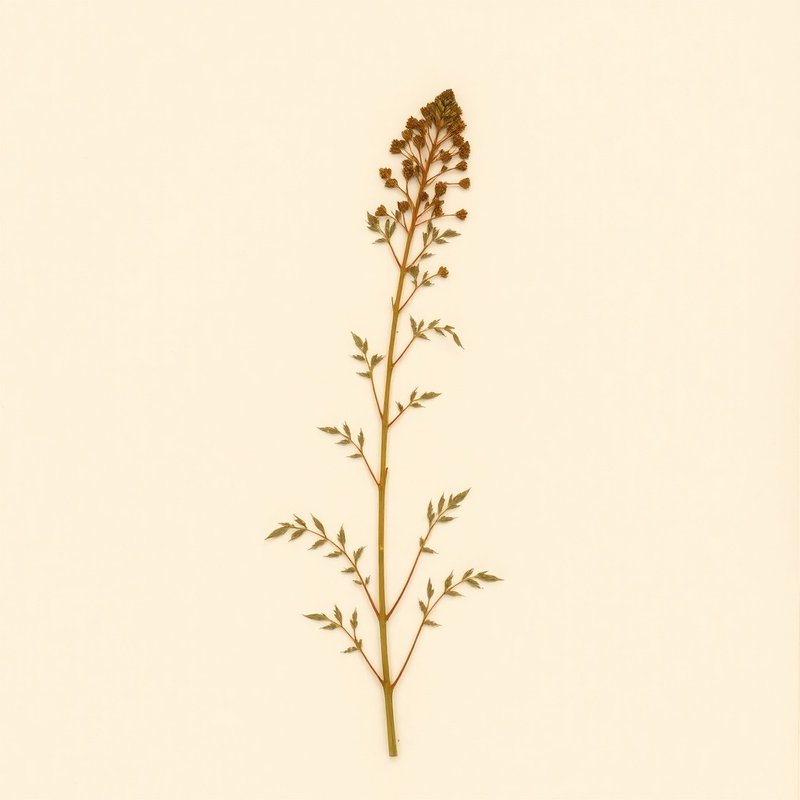
Amaranthus polygamus
Educational content — not medical, botanical, or professional advice. Plant identification, safety, and edibility depend on local conditions, cultivars, and correct identification. Consult a qualified botanist or forager before consuming or handling wild specimens. How we source & review →
Updated·Quick Q&A →
Garden journal pausedUse profile notes below
Amaranthus polygamus (Amaranthus polygamus) — botanical photograph
Pl. 69FA — Amaranthus polygamus
Amaranthus polygamusAmaranthus polygamusAmaranthus polygamusAmaranthus polygamusAmaranthus polygamusAmaranthus polygamusAmaranthus polygamusAmaranthus polygamusAmaranthus polygamusAmaranthus polygamusAmaranthus polygamusAmaranthus polygamusAmaranthus polygamusAmaranthus polygamus
I

Prezentare

Amaranthus polygamus, un anual preferent de lumină cu o origine nativă care se extinde din Assam și Bangladesh până în Asia de Sud-Est, este cunoscut pentru frunzele și semințele sale comestibile. Această plantă se dezvolte în condiții umide și poate adapta la diverse tipuri de sol, inclusiv solițiști, medie și argilași. Găsit natural în regiuni precum India, Laos și Filipine, Amaranthus polygamus a fost cultivat pentru valoarea sa nutrițională, fiind o sursă importantă de alimente în multe zone ale habitatului său nativ. Un caracter distinctiv este capacitatea sa de creștere bine sub lumină plină, iar altul este adaptabilitatea sa la diferite condiții de sol, permitând-i să se extindă prin diverse mediuni.

Quick answers

What is Amaranthus polygamus?

Amaranthus polygamus, un anual preferent de lumină cu o origine nativă care se extinde din Assam și Bangladesh până în Asia de Sud-Est, este cunoscut pentru frunzele și semințele sale comestibile.

Growingconditions · propagation · uses
V

Cultivare

Amaranthus polygamus se dezvolte în lumină plină și necesită un sol umed care este bine drenat sau argilaș. Își crește cel mai bine în solițiști, medie sau grele și este o plantă anuală. Pentru a cultiva această varietate comestibilă, asigurați-vă că solul rămâne constant umed în timp ce oferiți suficient lumină. Coloniați frunzele și semințele pentru utilizare culinară. Notați că suportul său nativ sugerează că poate fi durabil în regiuni temperate, dar verificați condițiile locale înainte de a plante.
Light
Full sun
Water
Moist
Soil
Light (sandy), Medium, Heavy (clay)
Life cycle
Annual
For first-time growers

How to grow Amaranthus polygamus for the first time

8steps

Start with Amaranthus polygamus for a simple and rewarding gardening experience.

  1. 1

    What you'll need

    Seeds, small pots or direct garden space, water can, trowel.

  2. 2

    Best time to plant

    Plant in spring after the last frost when temperatures are warm.

  3. 3

    Soil and container prep

    Choose a location with full sun. Ensure soil is well-draining and rich in organic matter.

  4. 4

    Sowing or transplanting

    Direct sow seeds 1/2 inch deep, about 6 inches apart. Transplant seedlings when they have two sets of true leaves.

  5. 5

    First two weeks

    Water regularly to keep soil moist but not waterlogged. Monitor for pests and diseases.

  6. 6

    Ongoing care

    Continue regular watering, especially during dry spells. Mulch around plants to retain moisture and suppress weeds.

  7. 7

    Harvest or pruning

    Prune regularly by cutting back stems to encourage bushy growth and prevent flowering. Harvest leaves as needed for cooking.

  8. 8

    Common mistakes

    Overwatering, planting in heavy soil, neglecting regular pruning, not providing enough sunlight.

VI

Edible & utility

Edible parts:LeavesSeed
Edible uses: The amaranthus polygamus plant is edible and its leaves and seeds can be consumed. The leaves are often eaten fresh or cooked in various dishes, while the seeds can be harvested and used as a grain, either raw or after roasting.
Other uses:DyeDynamic accumulator
Contextrange · companions · related
VII

Distribuție

20 native · 48 introduced
Distribution across5 continents· 20 native· 48 introduced
Europe1 region
introduced (1)France
Asia21 regions
native (9)BangladeshIndiaLaosMyanmarNepalPhilippinesSri LankaThailandVietnam
introduced (12)CambodiaChinaIraqJapanKazakhstanMaldivesPakistanSaudi ArabiaSouth KoreaTaiwanUzbekistanYemen
Americas4 regions
introduced (4)CubaDominican RepublicHaitiPuerto Rico
Africa10 regions
introduced (10)AngolaBeninCameroonEgyptEritreaEthiopiaMauritiusMozambiqueSierra LeoneSudan
Oceania3 regions
introduced (3)FijiNew CaledoniaVanuatu
Broader regions
native:Borneo, Jawa, Lesser Sunda Is., Line Is., Malaya, Maluku, New Guinea, Solomon Is., Sulawesi, Sumatera
introduced:Cayman Is., Central African Repu, Christmas I., Hainan, Marianas, Marquesas, Nansei-shoto, Panamá, Society Is., South China Sea, Western Australia
IX

Specimen gallery

1 image
Amaranthus polygamus (Amaranthus polygamus) — botanical photograph
Amaranthus polygamus (Amaranthus polygamus)
XI

Explore further

XII

About this entry

Last updated
Citation
How to cite this entry · Submit a correction
Back to the cataloguePlant id · 69fabd58-6128-4617-8adc-ba5e49c2b8c9
❦❦❦❦
Endpaper · archive updates

Primește digest-ul săptămânal

Un email curat pe săptămână — profile noi de plante, note sezoniere de cultivare, adăugiri în arhiva de remedii. Gratuit, fără tracking, dezabonare oricând.

Newsletter returning soon.
We are rebuilding the update list around a lightweight editorial workflow. New dispatches will resume after the next content review cycle.
iCare notes