
Aster fastigiatus
IPrezentare
Prezentare
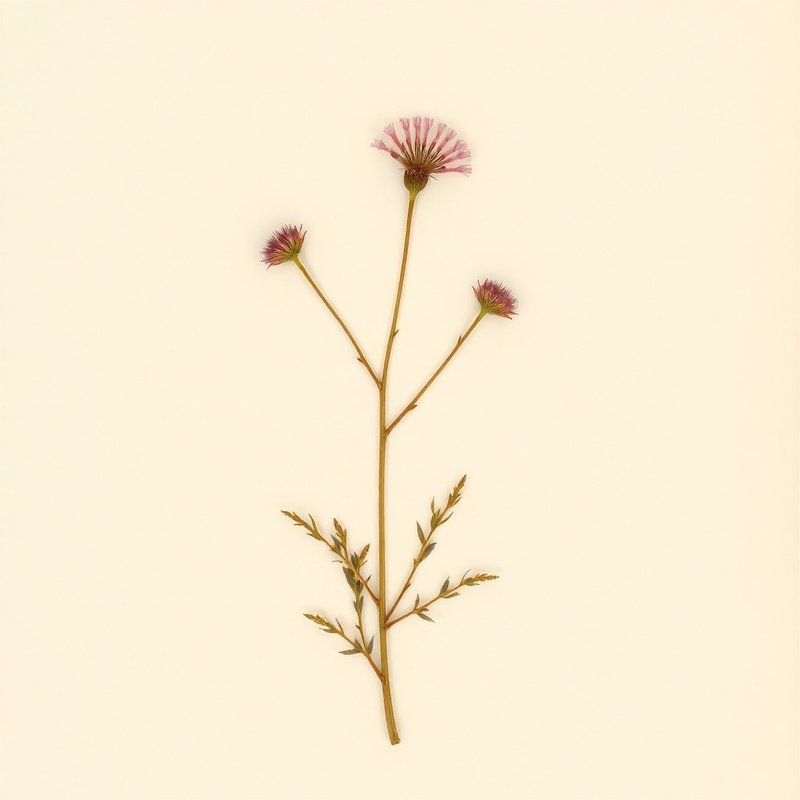
Aster fastigiatus, membru al familiei Asteraceae, este o plantă perenicolă nativă în regiuni precum Amur, nord-vestul Chinei, și Japonia. Cunoscut pentru cerințele sale de lumină a plămânilor sole, preferența sa pentru condițiile umide cu terenuri bine drenate de tip ușoar (sân), mediu sau greu (argilă), acest plant se dezvolte în mediuni similare cu cele din zona sa nativă. Având o înălțime de 0,6 metri, Aster fastigiatus este apreciat nu numai pentru calitățile sălbatici sale, ci și pentru folii sale comestibile, făcându-l un adăugare versatilă la gardenuri și landscaped.
What is Aster fastigiatus?
Aster fastigiatus, membru al familiei Asteraceae, este o plantă perenicolă nativă în regiuni precum Amur, nord-vestul Chinei, și Japonia.
VCultivare
Cultivare
How to grow Aster fastigiatus for the first time
Skip is a great choice for beginners due to its hardiness and low maintenance requirements.
- 1
What you'll need
Aster fastigiatus seeds or young plants, a garden fork, compost, and mulch.
- 2
Best time to plant
Plant Skip in early spring after the last frost or in late summer for fall blooms.
- 3
Soil and container prep
Prepare soil that is light (sandy), medium, or heavy (clay) with good drainage. Ensure containers have adequate holes for water to escape.
- 4
Sowing or transplanting
Direct sow seeds in the garden after danger of frost has passed, or start them indoors 4-6 weeks before planting outside. Transplant young plants if needed, spacing them about 30 cm apart.
- 5
First two weeks
Water Skip regularly to keep soil moist but not waterlogged. Mulch around the base to retain moisture and suppress weeds.
- 6
Ongoing care
Provide full sun for at least six hours a day. Water when the top inch of soil feels dry, especially during hot weather. Deadhead spent flowers to encourage more blooms.
- 7
Harvest or pruning
Prune Skip in late winter before new growth begins to maintain its shape and promote healthy flowering.
- 8
Common mistakes
Overwatering, not providing enough sunlight, neglecting to deadhead flowers, planting too close together, and using heavy mulch that can suffocate the plant.
VIEdible & utility
Edible & utility
VIIDistribuție
12 native · 0 introduced
Distribuție
12 native · 0 introducedIXSpecimen gallery
1 image
Specimen gallery
1 imageXSee also
8 related
See also
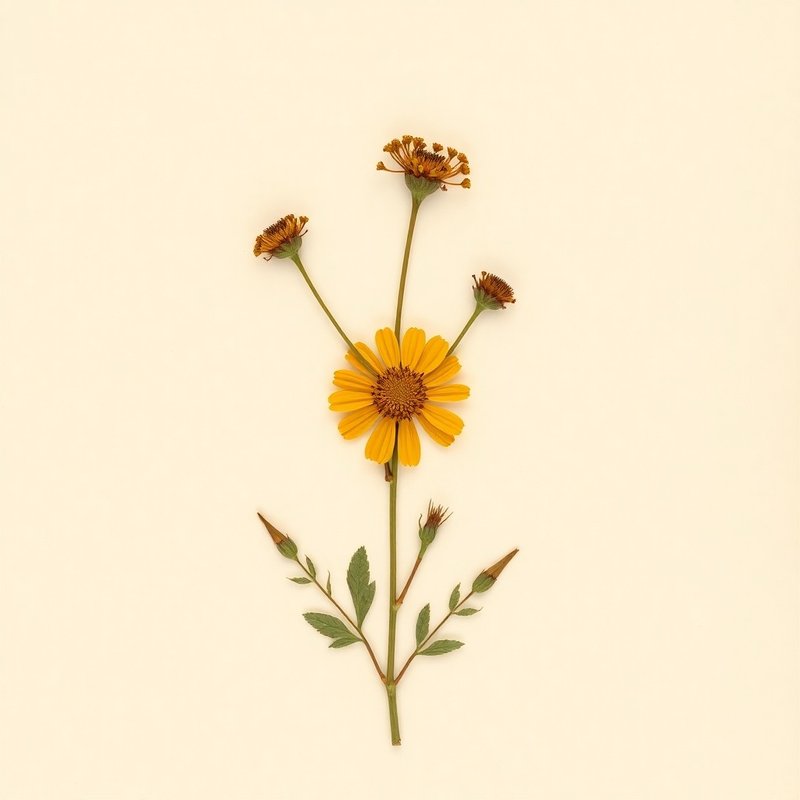
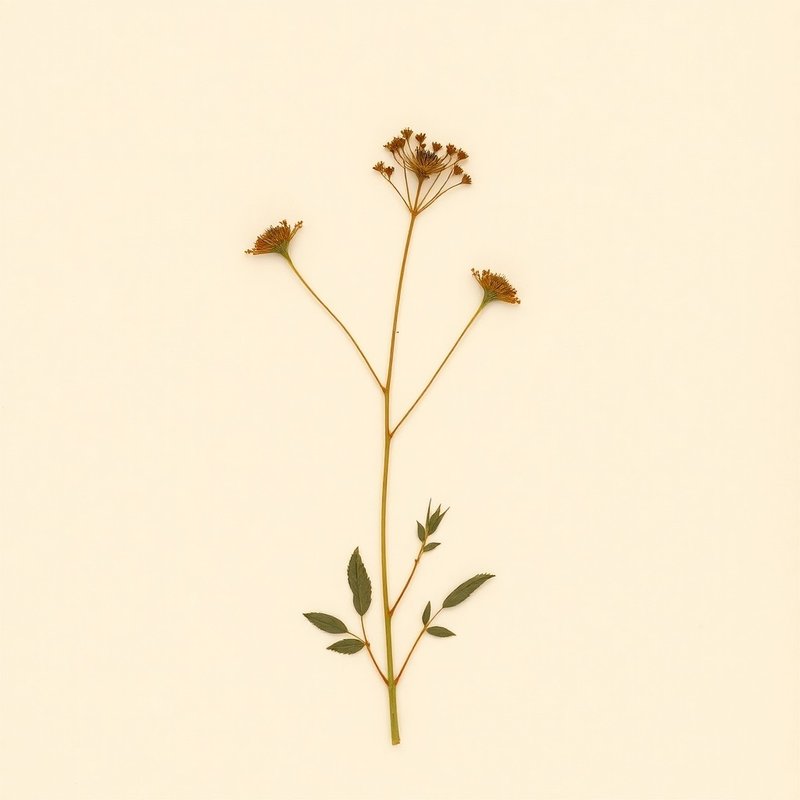
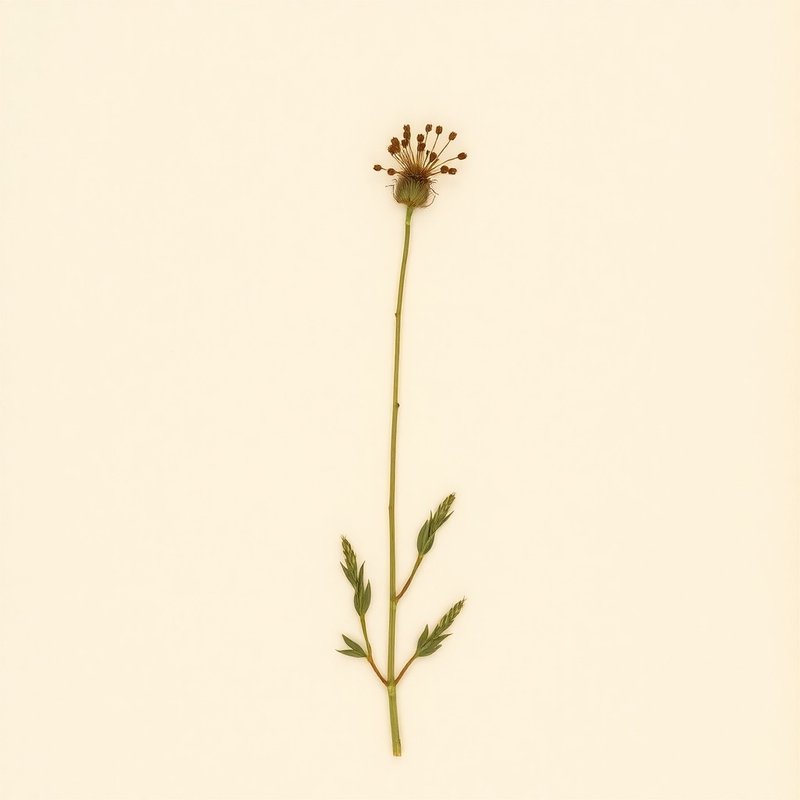
8 relatedPlants you might compare or use together — scored by shared family (Asteraceae), common use cases, and growing requirements.
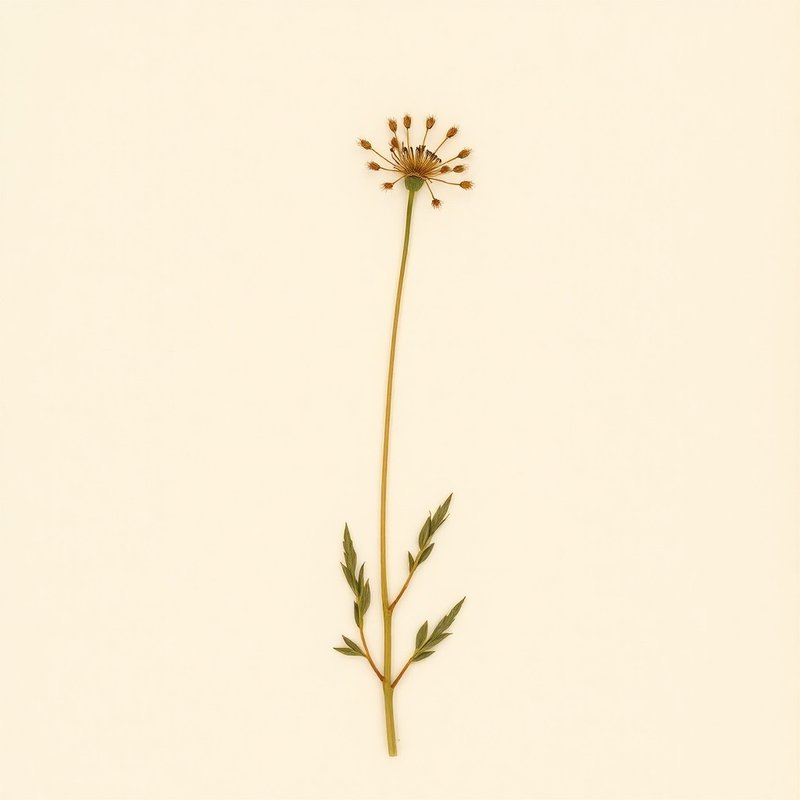
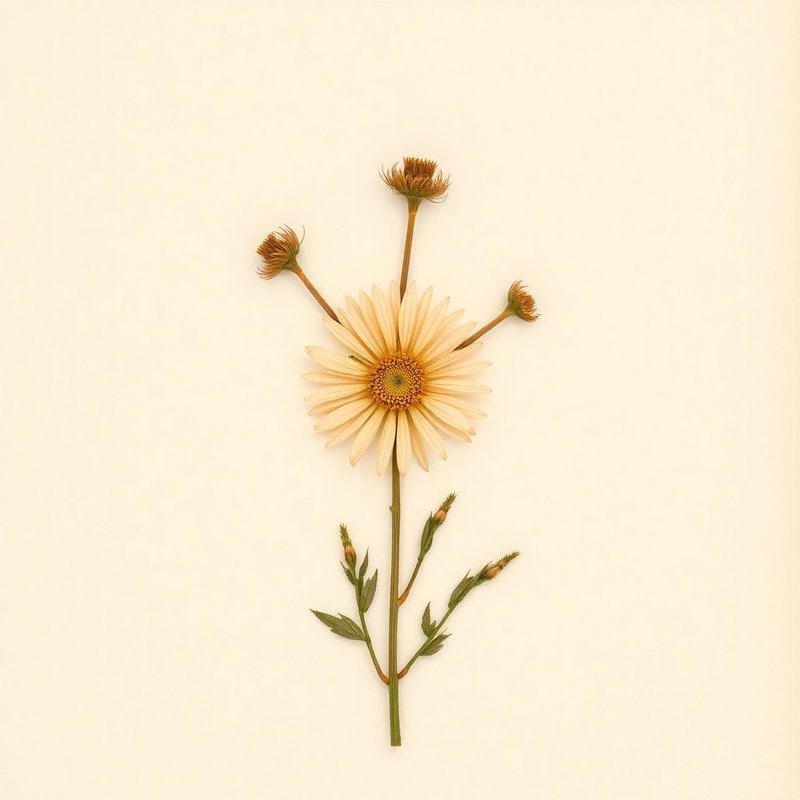

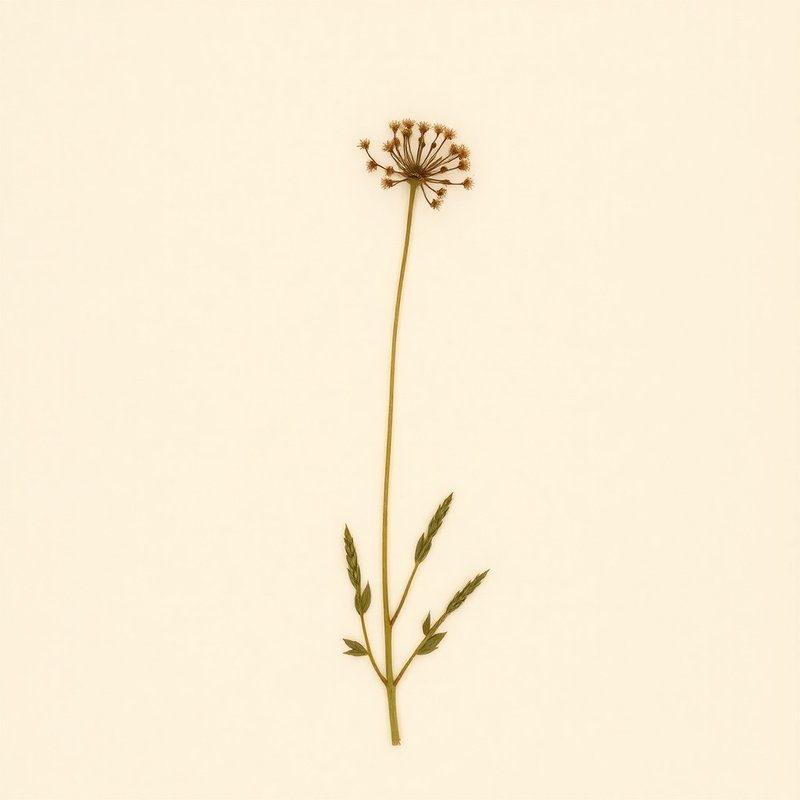

Explore further
About this entry
- Last updated
- Citation
- How to cite this entry · Submit a correction
Continue reading
Primește digest-ul săptămânal
Un email curat pe săptămână — profile noi de plante, note sezoniere de cultivare, adăugiri în arhiva de remedii. Gratuit, fără tracking, dezabonare oricând.