
Athyrium melanolepis
IPrezentare
Prezentare
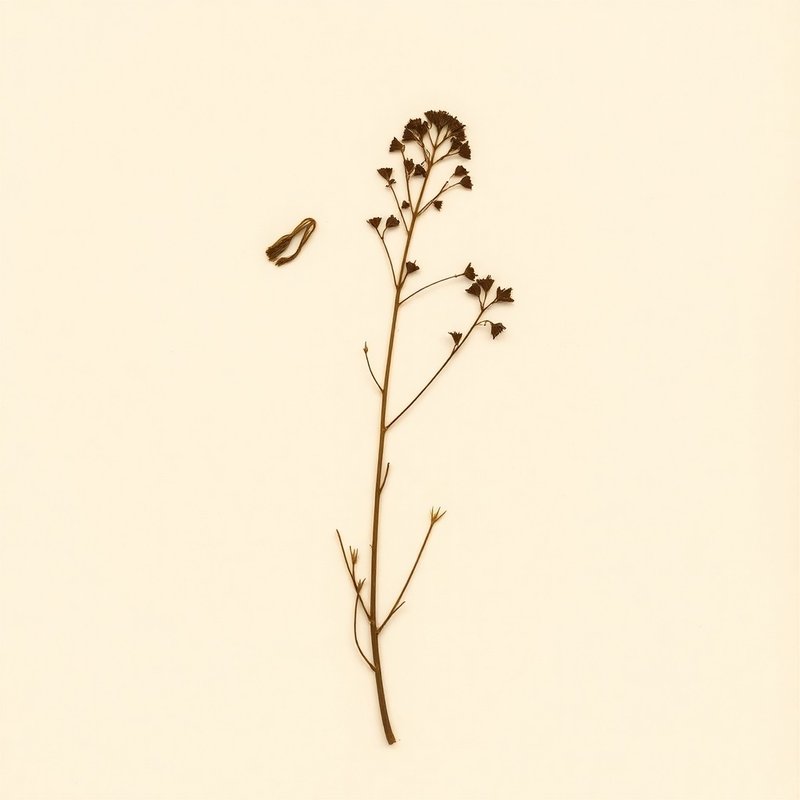
Athyrium melanolepis, cunoscut sub numele de fâneca japoneză, este nativ din Japonia, Coreea și Manchuria. Această plantă se dezvolte în semisombritere sau sombritire completă cu condiții umide sau ușor pluvioase și poate crește în sustratul de tip liniștit (sândal), mediu sau greu (argila). Având o înălțime de aproximativ 0,3 m, acest plant este valorificat pentru frunzele sale comestibile, care pot fi folosite în diverse aplicații culinare. Caracteristicile sale distincte includ frunzi divizate la mic nivel care îi conferă o aparență delicate, făcându-l un plant ornamental atrăgător în gardeni și landscaped.
What is Athyrium melanolepis?
Athyrium melanolepis, cunoscut sub numele de fâneca japoneză, este nativ din Japonia, Coreea și Manchuria. Această plantă se dezvolte în semisombritere sau sombritire completă cu condiții umide sau ușor pluvioase și poate crește în sustratul de tip liniștit (sândal), mediu sau greu (argila).
VCultivare
Cultivare
How to grow Athyrium melanolepis for the first time
Start with Athyrium melanolepis by planting it in a partially shaded area with moist soil, and you'll have a low-maintenance addition to your garden.
- 1
What you'll need
Athyrium melanolepis plants or seeds, potting mix suitable for ferns, mulch, and water.
- 2
Best time to plant
Plant Athyrium melanolepis in early spring or late fall when the weather is cooler.
- 3
Soil and container prep
Use a well-draining potting mix that can retain moisture. Ensure containers have drainage holes.
- 4
Sowing or transplanting
Transplant young Athyrium melanolepis plants from the nursery into your garden or pots, spacing them about 30 cm apart.
- 5
First two weeks
Keep the soil consistently moist and provide light shade to help the plant establish itself.
- 6
Ongoing care
Water regularly, especially during dry spells. Keep the area around the plants weed-free and mulch lightly.
- 7
Harvest or pruning
Prune dead or yellowing fronds in early spring to maintain a neat appearance.
- 8
Common mistakes
Overwatering, planting in full sun, using heavy clay soil without drainage, and neglecting regular watering.
VIEdible & utility
Edible & utility
VIIDistribuție
3 native · 0 introduced
Distribuție
3 native · 0 introducedIXSpecimen gallery
1 image
Specimen gallery
1 imageExplore further
About this entry
- Last updated
- Citation
- How to cite this entry · Submit a correction
Continue reading
Primește digest-ul săptămânal
Un email curat pe săptămână — profile noi de plante, note sezoniere de cultivare, adăugiri în arhiva de remedii. Gratuit, fără tracking, dezabonare oricând.