Skip to content
IIIFolio · plant profile№ 3FF2medicinal · edible
Data provenancePermapeopleTrefleWikipediaPFAFPOWOeditorially reviewedreviewed 21 Oct 2026methodology → read
Home/Plants/Apocynaceae

Madagascar Periwinkle

Catharanthus roseusfam. Apocynaceae
Educational content — not medical, botanical, or professional advice. Always consult a qualified clinician before using any herbal preparation — especially during pregnancy, breastfeeding, while on medication, or for children. How we source & review →
medicinaledibleperennialedibleedible leafmedicinalperennial
Updated·Quick Q&A →
Garden journal pausedUse profile notes below
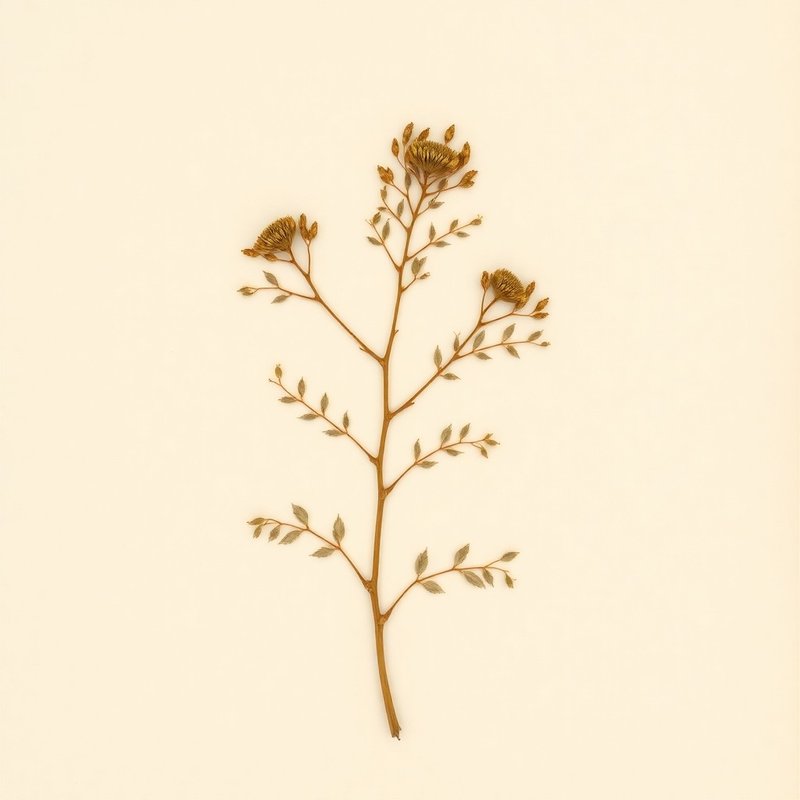
Catharanthus roseus (Madagascar Periwinkle) — botanical photograph
Pl. 3FF2 — Catharanthus roseus
Catharanthus roseusCatharanthus roseusCatharanthus roseusCatharanthus roseusCatharanthus roseusCatharanthus roseusCatharanthus roseusCatharanthus roseusCatharanthus roseusCatharanthus roseusCatharanthus roseusCatharanthus roseusCatharanthus roseusCatharanthus roseus
I

Prezentare

Periwinculul din Madagascar (Catharanthus roseus), cunoscut botanic ca Catharanthus roseus, este o plantă perenă nativă de Madagascar. Înflorită în soarele plin sau parțial și preferă sustrat umed, bine drenat care poate fi ușor (sândal), mediu sau greu (argil). Această plantă rezistentă crește până la 0,7 m de înălțime și este valorificată atât pentru apere ornamentale cât și proprietățile sale medicinale. Foliile sunt comestibile, făcându-le o adăugare versatilă în gardeni și aplicațiile culinare. De asemenea, Periwinculul din Madagascar a fost folosit în medicina tradicională, evidențianând astfel rolul său dual ca plantă ornamentală și medicinală.

Quick answers

What is Madagascar Periwinkle?

Periwinculul din Madagascar (Catharanthus roseus), cunoscut botanic ca Catharanthus roseus, este o plantă perenă nativă de Madagascar. Înflorită în soarele plin sau parțial și preferă sustrat umed, bine drenat care poate fi ușor (sândal), mediu sau greu (argil).

Compare with:Greigia sphacelata→Sand apricot-vine→Guinea gumvine→all comparisons →
IV·b

Mixology suggestions

2 drafts
Editorial drafts. These pairings are AI-suggested from traditional herbal lore. Always verify with a qualified herbalist before brewing.
Evening Calm
sleep
tea
Traditional bedtime infusion.
Stress Relief
stress
tincture
Historically used for calming effects.
Growingconditions · propagation · uses
V

Cultivare

Periwinculul din Madagascar (Catharanthus roseus) se dezvoltă în soarele plin sau parțial și preferă sustrat umed care poate fi ușor (sândal), mediu sau greu (argil). Poate crește până la 0,7 m de înălțime și este rezistent în zonele 9-12, făcând-o potrivită pentru climile subtropicale. Pentru propagație, folosiți cutiiere din părți ale plantei. Părțile comestibile sunt foile, care se pot consuma ca legume verzi sau utilizate în diverse aplicații culinare.
Light
Full sun, Partial sun/shade
Water
Moist
Soil
Light (sandy), Medium, Heavy (clay)
Hardiness
9-12
Life cycle
Perennial
Mature size
0.7 m tall
For first-time growers

How to grow Madagascar Periwinkle for the first time

7steps

Start with Madagascar Periwinkle as a simple, low-maintenance plant for beginners.

  1. 1

    What you'll need

    Seeds or small plants, potting soil, containers, and water.

  2. 2

    Best time to plant

    Plant in spring after the last frost when temperatures are consistently above 15°C (60°F).

  3. 3

    Soil and container prep

    Use well-draining soil with a mix of light, medium, or heavy texture. Ensure containers have drainage holes.

  4. 4

    Sowing or transplanting

    Start seeds indoors 8-10 weeks before the last frost or directly sow in warm weather. Transplant outdoors when plants are about 5 cm (2 inches) tall.

  5. 5

    First two weeks

    Keep soil moist and place in a sunny spot, ensuring it receives full to partial sun daily.

  6. 6

    Ongoing care

    Water regularly but avoid overwatering. Fertilize lightly every 4-6 weeks with a balanced plant food.

  7. 7

    Harvest or pruning

    Prune after flowering to encourage new growth and remove dead leaves as needed.

VI

Edible & utility

Edible parts:Leaves
Edible uses: Tea
Other uses:Animal feed
Contextrange · companions · related
VII

Distribuție

1 native · 115 introduced
Distribution across5 continents· 1 native· 115 introduced
Europe4 regions
introduced (4)CyprusItalyPortugalSpain
Asia10 regions
introduced (10)BangladeshCambodiaChinaIndiaMaldivesMyanmarPhilippinesTaiwanThailandVietnam
Americas14 regions
introduced (14)BahamasBelizeCosta RicaCubaDominican RepublicEl SalvadorFrench GuianaGuatemalaHaitiHondurasJamaicaNicaraguaPuerto RicoUnited States
Africa23 regions
native (1)Madagascar
introduced (22)AngolaBeninBurkina FasoCameroonChadComorosCôte d'IvoireDjiboutiEritreaEthiopiaGabonGambiaKenyaMauritiusMozambiqueSenegalSeychellesSierra LeoneTanzaniaTogoTunisiaUganda
Oceania5 regions
introduced (5)FijiNauruNew CaledoniaSamoaTonga
Broader regions
introduced:Alabama, Aldabra, Andaman Is., Argentina Northeast, Aruba, Ascension, Borneo, California, Cape Provinces, Caroline Is., Cayman Is., Central American Pac, Chagos Archipelago, Christmas I., Cook Is., East Himalaya, Easter Is., Florida, Galápagos, Gilbert Is., Gulf of Guinea Is., Jawa, Kazan-retto, Kermadec Is., Kriti, Laccadive Is., Leeward Is., Lesser Sunda Is., Malaya, Marianas, Marquesas, Marshall Is., Mexico Southeast, Mexico Southwest, Mozambique Channel I, Netherlands Antilles, New Guinea, Nicobar Is., Niue, Ogasawara-shoto, Panamá, Phoenix Is., Queensland, Réunion, Rodrigues, Society Is., South China Sea, Southwest Caribbean, St.Helena, Sumatera, Tokelau-Manihiki, Trinidad-Tobago, Tuamotu, Tubuai Is., Turks-Caicos Is., Wake I., Windward Is., Zaïre
IX

Specimen gallery

1 image
Catharanthus roseus (Madagascar Periwinkle) — botanical photograph
Madagascar Periwinkle (Catharanthus roseus)
X

See also

3 related

Plants you might compare or use together — scored by shared family (Apocynaceae), common use cases, and growing requirements.
same family · Apocynaceae
Botanical relatives — often share phytochemistry + growing needs.
XI

Explore further

XII

About this entry

Last updated
Citation
How to cite this entry · Submit a correction
Back to the cataloguePlant id · 3ff24240-1c4e-4776-ae17-ba0d75ad1867
❦❦❦❦
Endpaper · archive updates

Primește digest-ul săptămânal

Un email curat pe săptămână — profile noi de plante, note sezoniere de cultivare, adăugiri în arhiva de remedii. Gratuit, fără tracking, dezabonare oricând.

Newsletter returning soon.
We are rebuilding the update list around a lightweight editorial workflow. New dispatches will resume after the next content review cycle.
iCare notes