
Skip to content
IIIFolio · plant profile№ 9DF5edible
Data provenancePermapeopleTrefleWikipediaPFAFPOWOreviewed 13 Oct 2026methodology → read

Judas Tree

Cercis siliquastrum
Educational content — not medical, botanical, or professional advice. Plant identification, safety, and edibility depend on local conditions, cultivars, and correct identification. Consult a qualified botanist or forager before consuming or handling wild specimens. How we source & review →
edibletreesedible
Updated·Quick Q&A →
Garden journal pausedUse profile notes below
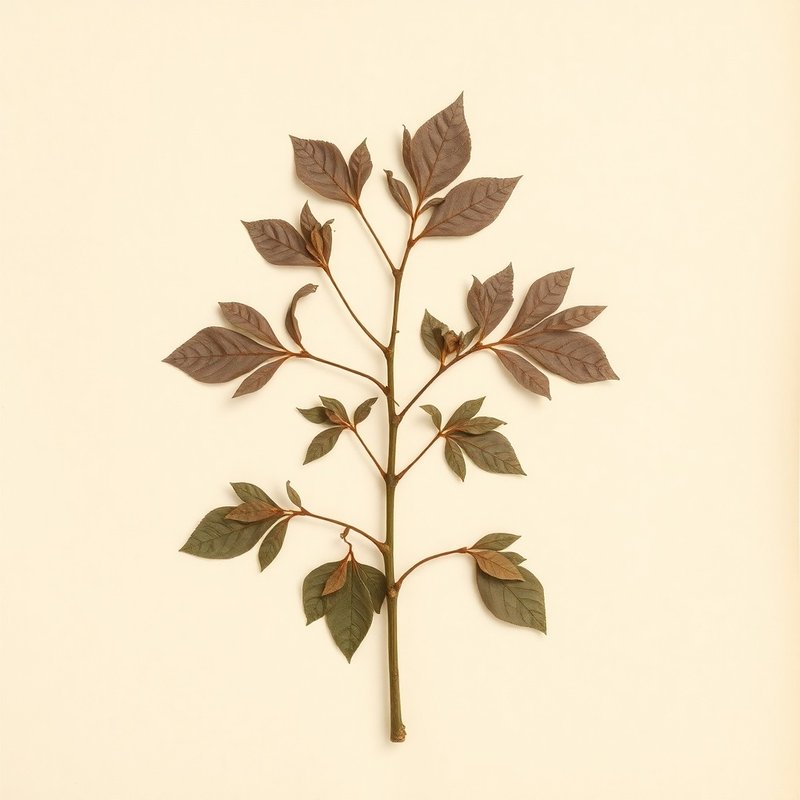
Cercis siliquastrum (Judas Tree) — botanical photograph
Pl. 9DF5 — Cercis siliquastrum
Cercis siliquastrumCercis siliquastrumCercis siliquastrumCercis siliquastrumCercis siliquastrumCercis siliquastrumCercis siliquastrumCercis siliquastrumCercis siliquastrumCercis siliquastrumCercis siliquastrumCercis siliquastrumCercis siliquastrumCercis siliquastrum
I

Prezentare

Judas Tree (Cercis siliquastrum) este un arbore decidu original din zonele din Afeganistan, Albania, Bulgaria și Grecia. Înfloresc în soarele plin sau în semipadure și toleranță la diverse tipuri de sucuri, de la sucuri ușoare (sândal) până la sucuri grele (argila). Această plantă se dezvoltă până la 12 metri în înălțime și este valorosă ornamental, oferind flori de culoare albastru-rosie care floresc timp de primăvară înainte ca frunzele să apară. În plus, părți din plantă sunt consumabile, cu atât florile cât și podurile semințelor fiind comestibile. Judas Tree se găsește în habitaturi care variază de la zone ușoare până la zone umide pe teritoriul său original.

Quick answers

What is Judas Tree?

Judas Tree (Cercis siliquastrum) este un arbore decidu original din zonele din Afeganistan, Albania, Bulgaria și Grecia. Înfloresc în soarele plin sau în semipadure și toleranță la diverse tipuri de sucuri, de la sucuri ușoare (sândal) până la sucuri grele (argila).

Growingconditions · propagation · uses
V

Cultivare

Judas Tree (Cercis siliquastrum) se dezvoltă în soarele plin sau în semipadure și preferă sucuri bine-aeriate de tip ușoar (sândal), mediu sau greu (argila). Este toleranță la lipsa apări, dar funcționează cel mai bine în condiții umide. Durabil în zonele 6-9, acest arbore poate crește până la 12 metri în înălțime. Pentru propagare, semințele sunt metoda preferată. Părți consumabile includ florile și podurile semințelor, făcându-l o adăugare utilă atât în landscape-uri cât și în jardine.
Light
Full sun, Partial sun/shade
Water
Dry, Moist
Soil
Light (sandy), Medium, Heavy (clay)
Hardiness
6-9
Mature size
12.0 m tall
For first-time growers

How to grow Judas Tree for the first time

8steps

Start with a simple Judas Tree to experience growing a beautiful flowering tree.

  1. 1

    What you'll need

    A young Judas Tree sapling, well-draining soil, and a container or planting site.

  2. 2

    Best time to plant

    Plant in early spring when the ground is workable but before new growth starts.

  3. 3

    Soil and container prep

    Ensure your soil has good drainage. For containers, use a mix of light sandy loam with some perlite or sand for better drainage.

  4. 4

    Sowing or transplanting

    Transplant the sapling carefully, ensuring not to damage the roots during the process.

  5. 5

    First two weeks

    Water regularly but avoid overwatering. Keep the soil moist until new growth appears.

  6. 6

    Ongoing care

    Provide full sun or partial shade and water when the top inch of soil feels dry. Prune lightly in late winter to maintain shape.

  7. 7

    Harvest or pruning

    Prune in late winter to encourage a healthy structure and remove any dead or weak branches.

  8. 8

    Common mistakes

    Overwatering, planting in heavy soil, not providing enough sunlight, and neglecting winter protection in colder climates.

VI

Edible & utility

Edible parts:FlowersSeedpod
Edible uses: The Judas Tree's flowers and seedpods are edible. The flowers can be eaten raw or used in salads, while the seedpods are typically cooked before consumption. Both parts add a mild flavor to dishes.
Other uses:LumberNitrogen fixer
Contextrange · companions · related
VII

Distribuție

16 native · 17 introduced
Distribution across3 continents· 16 native· 17 introduced
Europe10 regions
native (5)AlbaniaBulgariaFranceGreeceItaly
introduced (5)AustriaPortugalRomaniaRussiaUkraine
Asia9 regions
native (5)AfghanistanIranIraqPalestineTurkey
introduced (4)IndiaPakistanTurkmenistanUzbekistan
Africa3 regions
introduced (3)AlgeriaMoroccoTunisia
Broader regions
native:East Aegean Is., Kriti, Lebanon-Syria, Turkey-in-Europe, Yugoslavia
introduced:South Australia, Tadzhikistan, Transcaucasus
IX

Specimen gallery

1 image
Cercis siliquastrum (Judas Tree) — botanical photograph
Judas Tree (Cercis siliquastrum)
XI

Explore further

XII

About this entry

Last updated
Citation
How to cite this entry · Submit a correction
Back to the cataloguePlant id · 9df5d510-2781-4063-961f-0d8113fd2ff7
Decision aid
Choosing between Judas Tree and something else?
Compare with another plant

Continue reading

❦❦❦❦
Endpaper · archive updates

Primește digest-ul săptămânal

Un email curat pe săptămână — profile noi de plante, note sezoniere de cultivare, adăugiri în arhiva de remedii. Gratuit, fără tracking, dezabonare oricând.

Newsletter returning soon.
We are rebuilding the update list around a lightweight editorial workflow. New dispatches will resume after the next content review cycle.
iCare notes