
Cotoneaster microphyllus
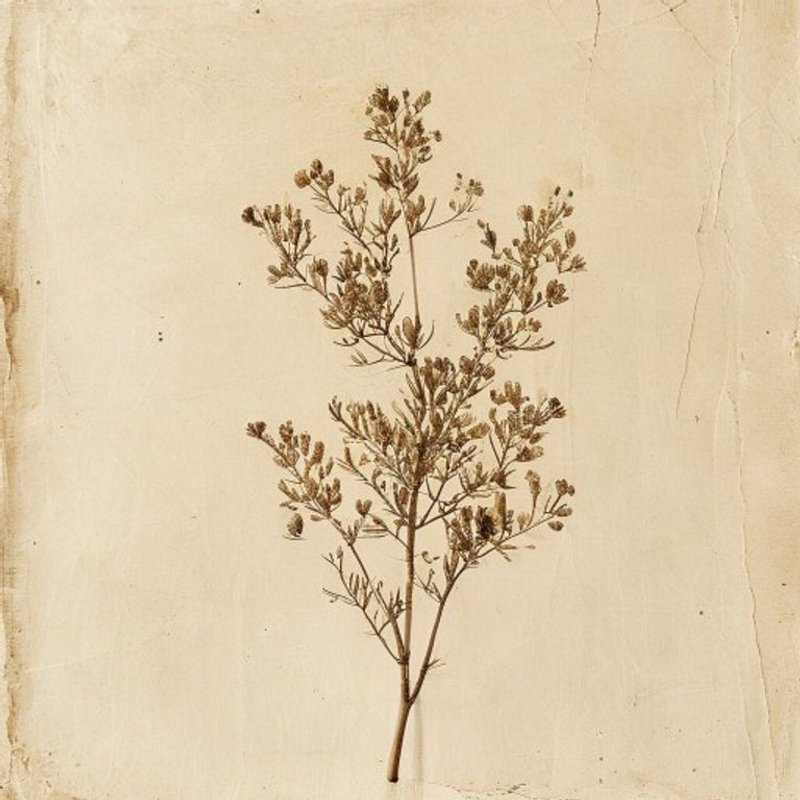
IPrezentare
Prezentare
Cotoneaster microphyllus, membră a familiei Rosaceae, este nativ în regiuni precum Assam, China Central-Sud, Himalaya Central-Est, India, Myanmar, Nepal, Pakistan și Tibet. Această mică arborețelă se dezvoltă în soarele plin până la o zonă de umbra parțială și poate tolera diverse tipuri de suoli, de la suoli ușoară (sândal) până la suoli grei (argil), precum și condiții umide sau sec. Durabil în zonele 4-8, atinge o înălțime de aproximativ 1 metru. Cunoscut pentru fructele sale comestibile, acest plant este atât ornamental cât și util pentru cei care caută să cultive surse de alimente în climatul potrivit.
What is Cotoneaster microphyllus?
Cotoneaster microphyllus, membră a familiei Rosaceae, este nativ în regiuni precum Assam, China Central-Sud, Himalaya Central-Est, India, Myanmar, Nepal, Pakistan și Tibet.
VCultivare
Cultivare
How to grow Cotoneaster microphyllus for the first time
Start with a simple and low-maintenance plant like Skip (Cotoneaster microphyllus) for your first gardening experience.
- 1
What you'll need
A young Skip plant, garden gloves, a trowel, and some mulch.
- 2
Best time to plant
Plant in early spring or late autumn when the weather is mild.
- 3
Soil and container prep
Ensure the soil is well-draining. For containers, use a mix of light (sandy), medium, and heavy (clay) soils.
- 4
Sowing or transplanting
Transplant young Skip plants directly into the garden or a large container with enough space for growth.
- 5
First two weeks
Water regularly to keep the soil moist but not waterlogged. Avoid direct sunlight during this period.
- 6
Ongoing care
Provide full sun to partial shade, and water when the soil feels dry. Prune in late winter or early spring for shape and size control.
- 7
Harvest or pruning
Prune Skip plants in late winter or early spring to maintain their shape and encourage new growth.
- 8
Common mistakes
Overwatering, planting in full sun without partial shade, not providing enough space for growth, and neglecting regular pruning.
VIEdible & utility
Edible & utility
VIIDistribuție
9 native · 10 introduced
Distribuție
9 native · 10 introducedIXSpecimen gallery
1 image
Specimen gallery
1 imageXSee also
8 related
See also
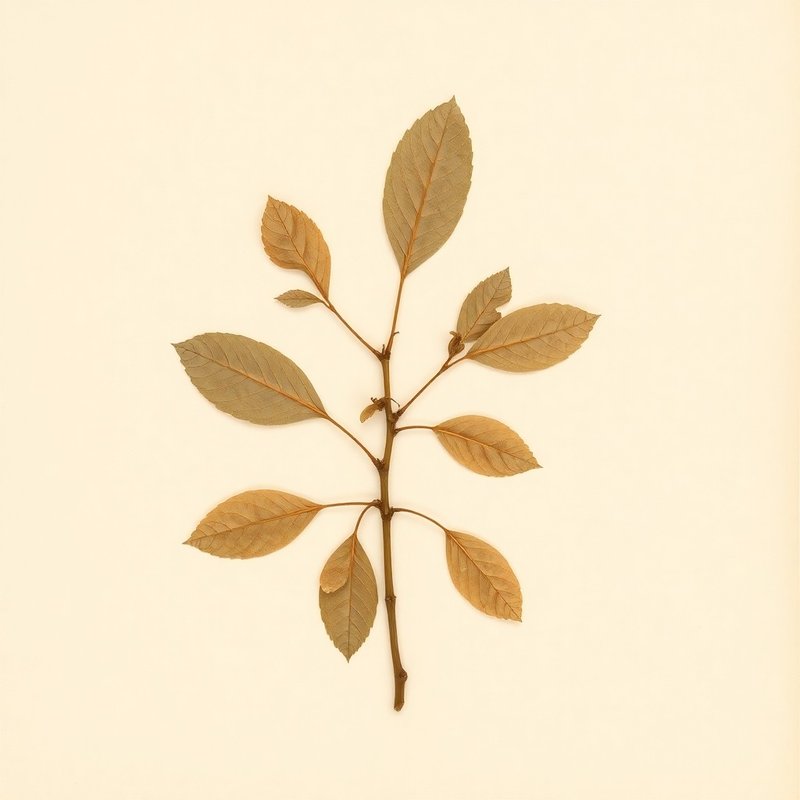
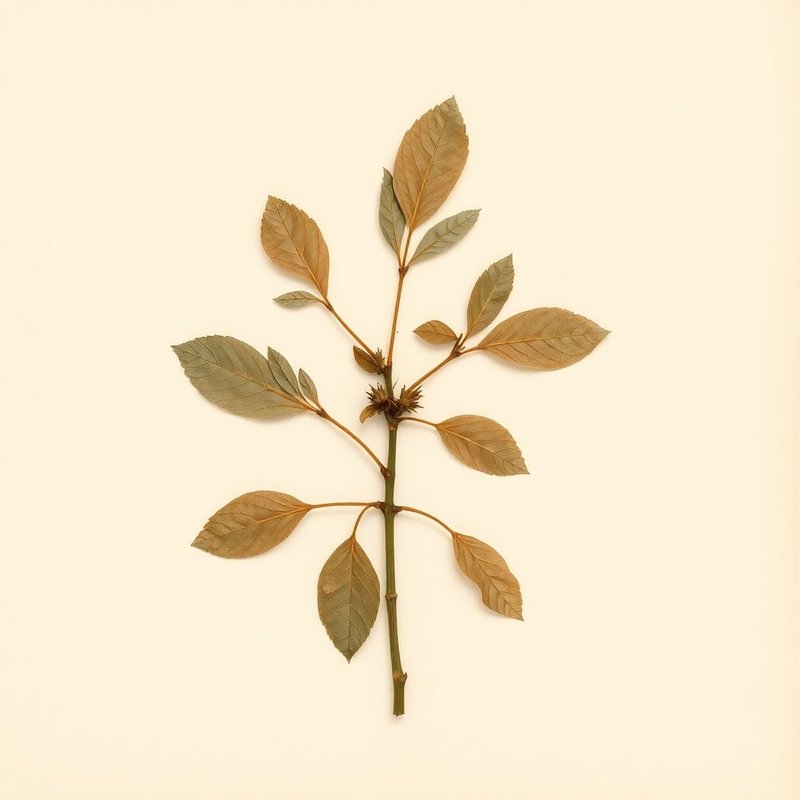
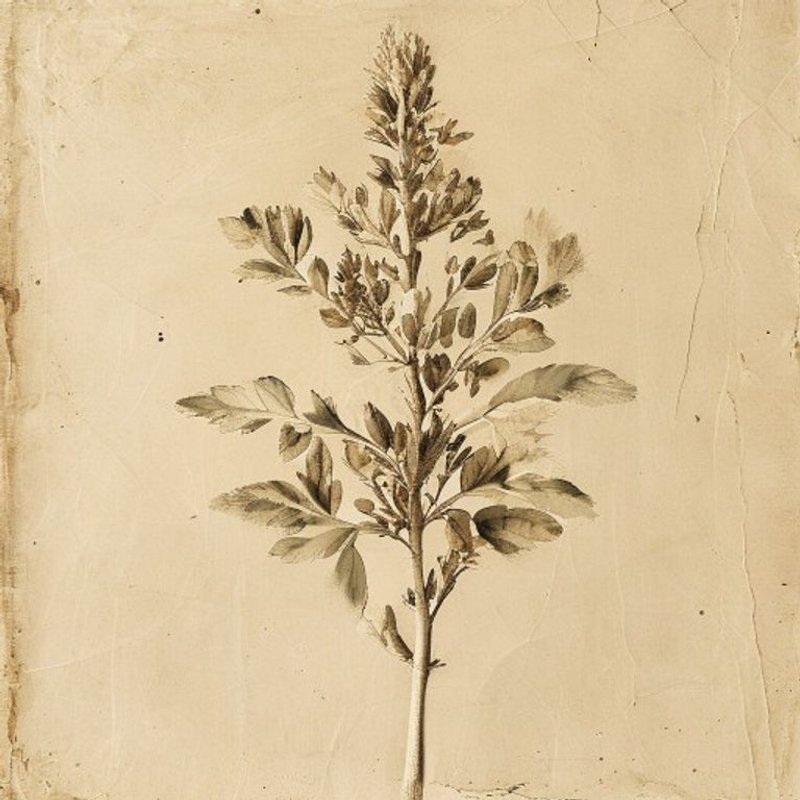
8 relatedPlants you might compare or use together — scored by shared family (Rosaceae), common use cases, and growing requirements.

Explore further
About this entry
- Last updated
- Citation
- How to cite this entry · Submit a correction
Continue reading
Primește digest-ul săptămânal
Un email curat pe săptămână — profile noi de plante, note sezoniere de cultivare, adăugiri în arhiva de remedii. Gratuit, fără tracking, dezabonare oricând.