
Korean Honey Locust
IPrezentare
Prezentare
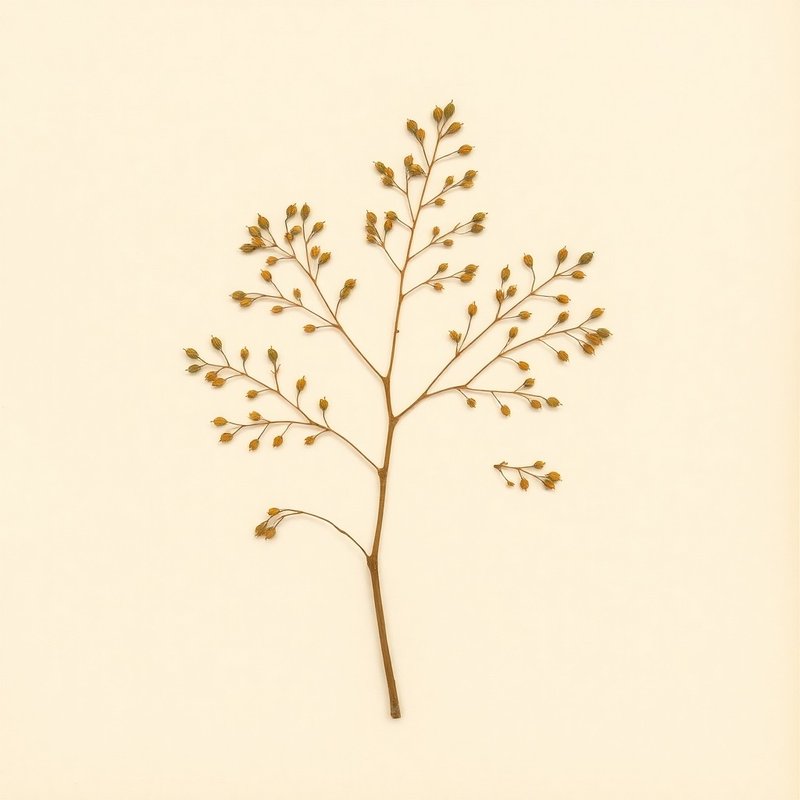
Gleditsia koraiensis, locuit de Korean Honey Locust, este un arbor decuțiat nativ în păduri din China Centrala-De Nord, Sud-Est, Japonia, Coreea și Manchuria. Cunoscut pentru podurile sale cu semințe edibile și utilizările medicinale documentate, această plantă se dezvoltă în soare complet cu preferința sa pentru condiții securi până la umide. Puteți crește-o până la 20 de metri și adaptează bine la diverse tipuri de sol, inclusiv soluri ușoare (sândal), medii și grele (argila). Caracteristicile sale distincte se găsesc în atât podurile sale cu semințe edibile cât și în utilizările medicinale documentate, făcând-o o adunare valabilă pentru jardine botanice și landscaped.
What is Korean Honey Locust?
Gleditsia koraiensis, locuit de Korean Honey Locust, este un arbor decuțiat nativ în păduri din China Centrala-De Nord, Sud-Est, Japonia, Coreea și Manchuria.
IV·bMixology suggestions
2 drafts
Mixology suggestions
2 draftsVCultivare
Cultivare
How to grow Korean Honey Locust for the first time
Start with planting a Korean Honey Locust in your garden for its hardiness and beauty.
- 1
What you'll need
Korean Honey Locust seedlings or seeds, potting mix if container growing.
- 2
Best time to plant
Plant in spring after the last frost or fall before the first freeze.
- 3
Soil and container prep
Use well-draining soil; for containers, choose a pot at least 30 cm wide.
- 4
Sowing or transplanting
Transplant seedlings directly into the garden or start seeds indoors 6-8 weeks before planting outdoors.
- 5
First two weeks
Water regularly to keep soil moist but not waterlogged; avoid direct sunlight for new transplants.
- 6
Ongoing care
Provide full sun and regular watering, especially during dry periods. Prune lightly in late winter or early spring.
- 7
Harvest or pruning
Prune to maintain shape and remove dead branches; seedpods can be collected for decorative purposes.
- 8
Common mistakes
Overwatering, planting in heavy soil, not providing enough sunlight, neglecting winter protection.
VIEdible & utility
Edible & utility
VIIDistribuție
5 native · 0 introduced
Distribuție
5 native · 0 introducedIXSpecimen gallery
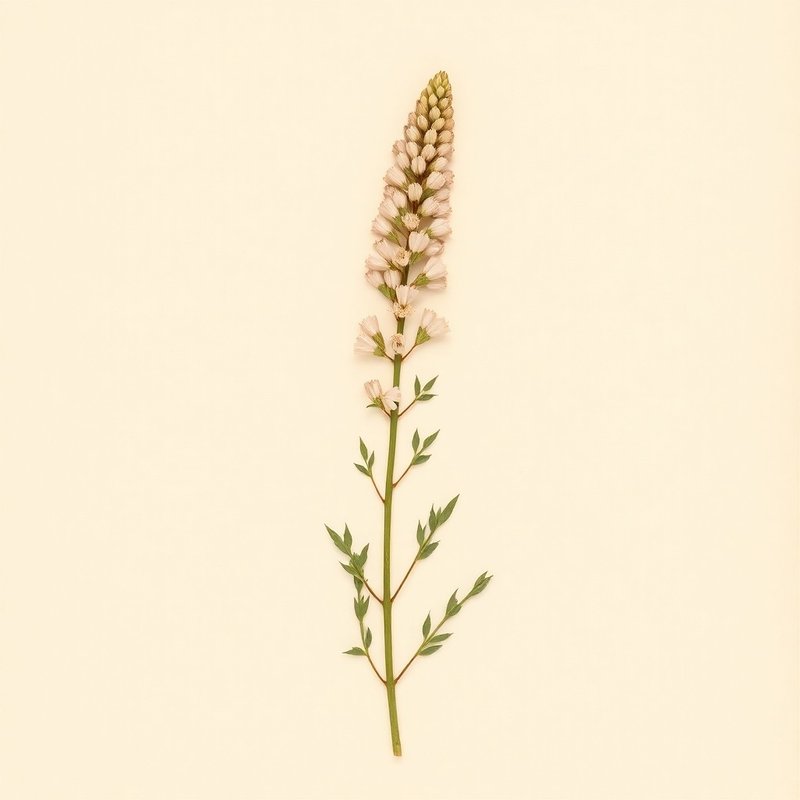
1 image
Specimen gallery
1 imageXSee also
8 related
See also
8 relatedPlants you might compare or use together — scored by shared family (Fabaceae), common use cases, and growing requirements.




Explore further
About this entry
- Last updated
- Citation
- How to cite this entry · Submit a correction
Continue reading
Primește digest-ul săptămânal
Un email curat pe săptămână — profile noi de plante, note sezoniere de cultivare, adăugiri în arhiva de remedii. Gratuit, fără tracking, dezabonare oricând.