
Desert Juniper
IPrezentare
Prezentare
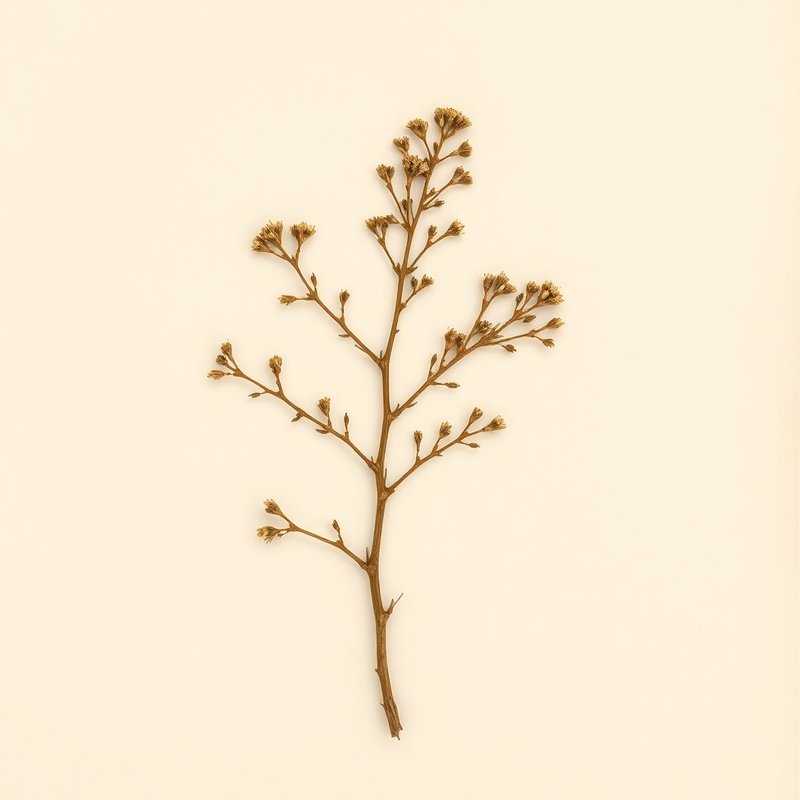
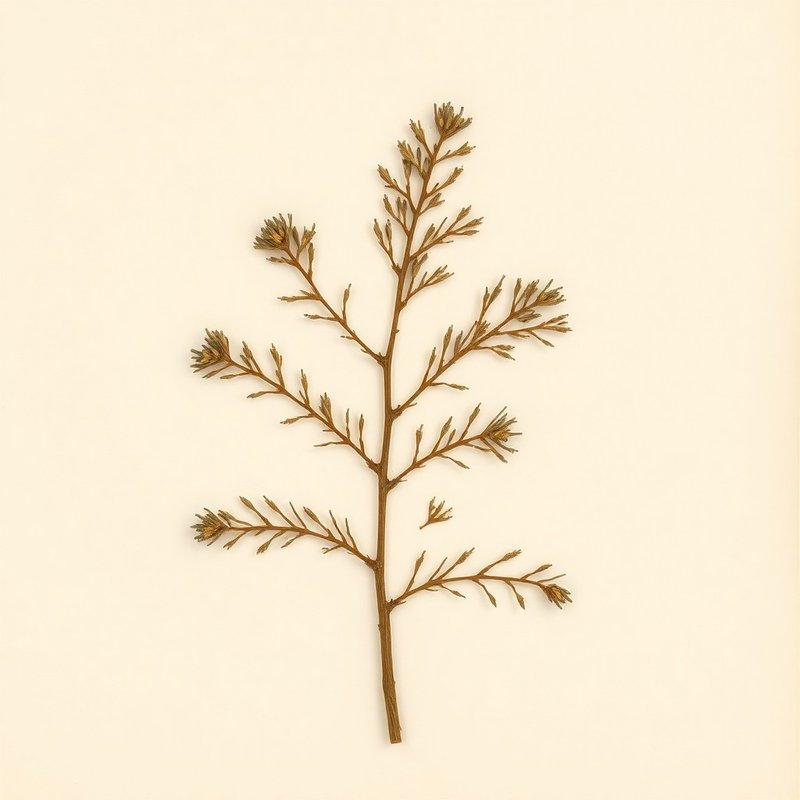
Juniperul desert (Juniperus osteosperma) este un arbore nativ în zonele aride și semiaride din Arizona, California, Colorado, Idaho, Montana, Nevada, New Mexico, Utah și Wyoming. Cunoscut pentru capacitățile sale de a supraviețui în condiții ușoare, acest tip de juniper poate crește până la 12 metri în înălțime. Este atât alimentar, cât și medicinal, având utilizări documentate care l-au făcut un plant valoros pentru comunitățile indigene. Un caracteristică distinctivă a Juniperului desert este preferința sa pentru lumină, soare plin și adaptabilitatea sa față de diverse tipuri de suoli, inclusiv suoli ușoari (sândal), medii și argilați, cu un interval de pH de 6,5–8,2. Fructul acestui arbore este o parte alimentară utilizată pentru a oferi sustenție în habitatul său nativ.
What is Desert Juniper?
Juniperul desert (Juniperus osteosperma) este un arbore nativ în zonele aride și semiaride din Arizona, California, Colorado, Idaho, Montana, Nevada, New Mexico, Utah și Wyoming. Cunoscut pentru capacitățile sale de a supraviețui în condiții ușoare, acest tip de juniper poate crește până la 12 metri în înălțime.
IV·bMixology suggestions
1 draft
Mixology suggestions
1 draftVCultivare
Cultivare
How to grow Desert Juniper for the first time
Start with planting Desert Juniper in a sunny spot and well-draining soil for a rewarding beginner project.
- 1
What you'll need
Desert Juniper saplings, garden gloves, trowel, watering can.
- 2
Best time to plant
Plant in spring or fall when temperatures are mild and rainfall is expected.
- 3
Soil and container prep
Ensure the soil drains well; amend with sand if necessary. For containers, use a mix of loam, perlite, and peat.
- 4
Sowing or transplanting
Transplant saplings from nursery pots to your garden bed. Dig a hole twice as wide but not deeper than the root ball.
- 5
First two weeks
Water thoroughly after planting. Keep soil moist but not waterlogged during establishment.
- 6
Ongoing care
Water sparingly, especially in established years. Fertilize lightly once a year if needed.
- 7
Harvest or pruning
Prune to shape and remove dead branches as needed; harvest fruit for culinary use when ripe.
- 8
Common mistakes
Overwatering, planting in heavy soil, neglecting to prune, not providing enough sunlight.
VIEdible & utility
Edible & utility
VIIDistribuție
9 native · 0 introduced
Distribuție
9 native · 0 introducedIXSpecimen gallery
1 image
Specimen gallery
1 imageXSee also
8 related
See also
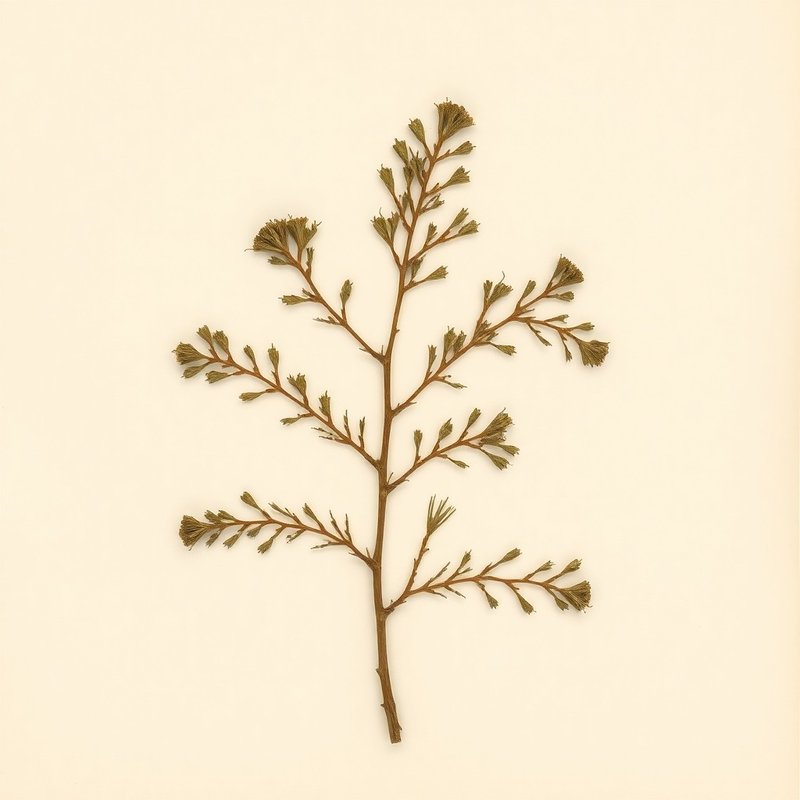
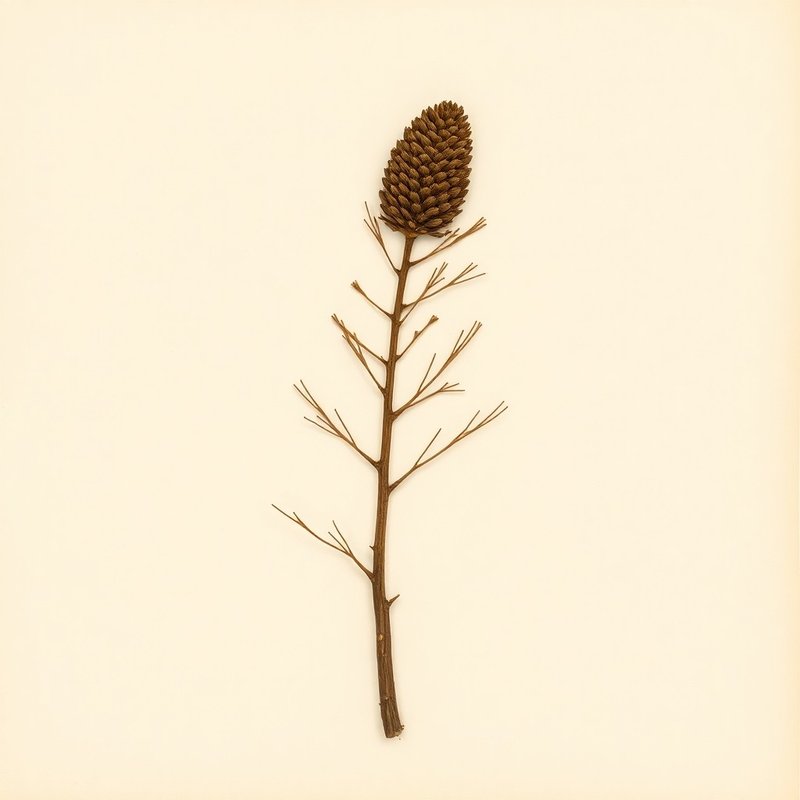
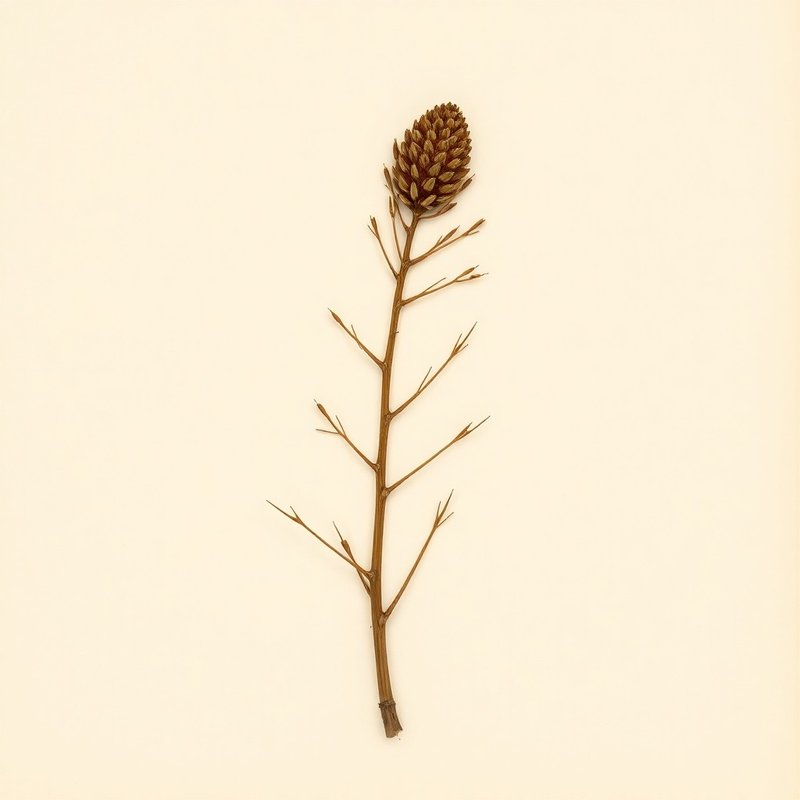
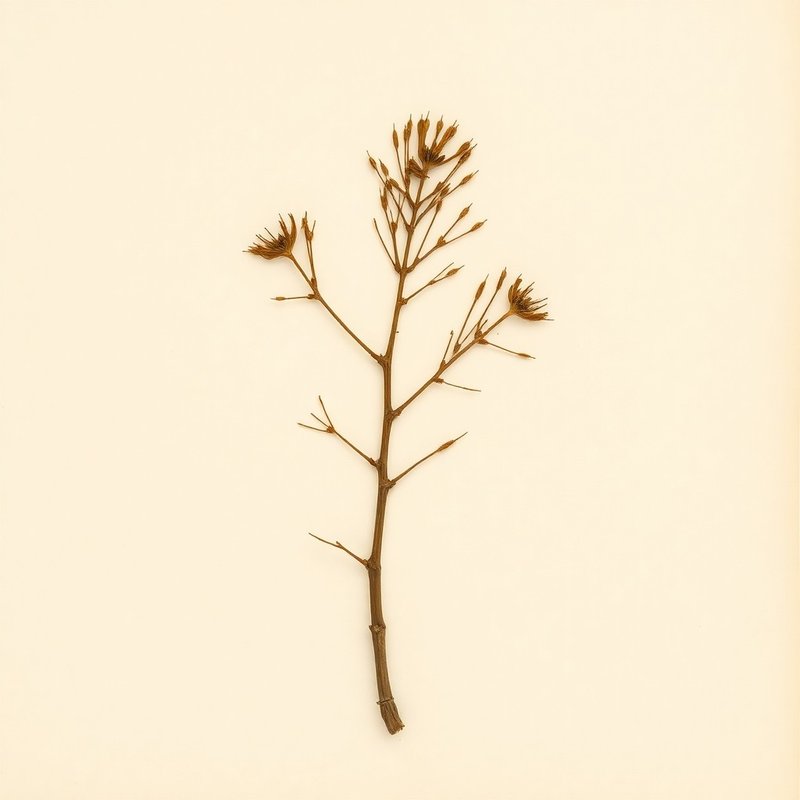
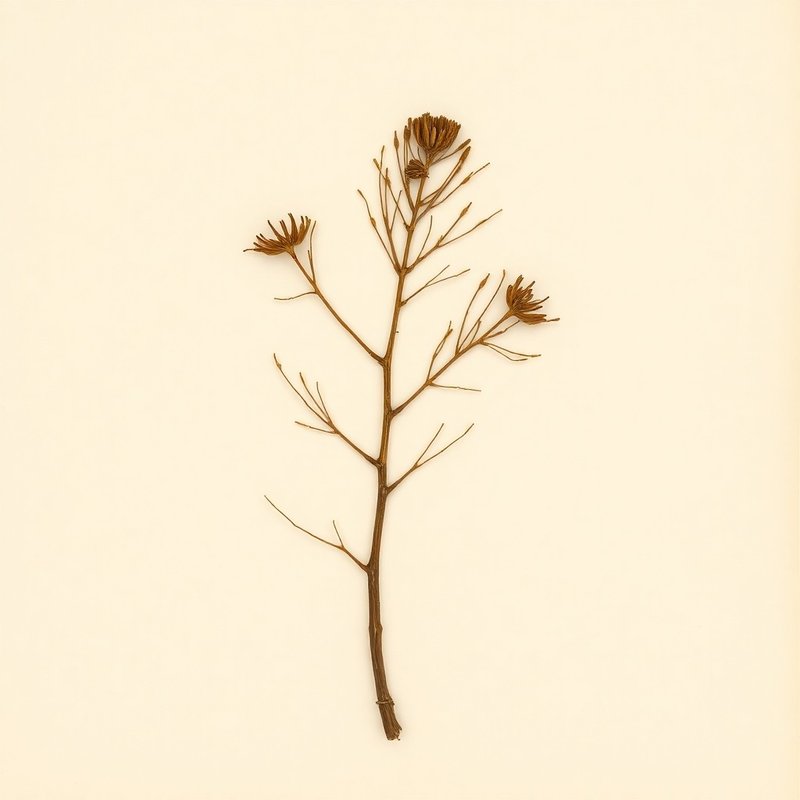
8 relatedPlants you might compare or use together — scored by shared family (Pinaceae), common use cases, and growing requirements.


Explore further
About this entry
- Last updated
- Citation
- How to cite this entry · Submit a correction
Continue reading
Primește digest-ul săptămânal
Un email curat pe săptămână — profile noi de plante, note sezoniere de cultivare, adăugiri în arhiva de remedii. Gratuit, fără tracking, dezabonare oricând.