
Fang Feng
Ledebouriella seseloides
Educational content — not medical, botanical, or professional advice. Plant identification, safety, and edibility depend on local conditions, cultivars, and correct identification. Consult a qualified botanist or forager before consuming or handling wild specimens. How we source & review →
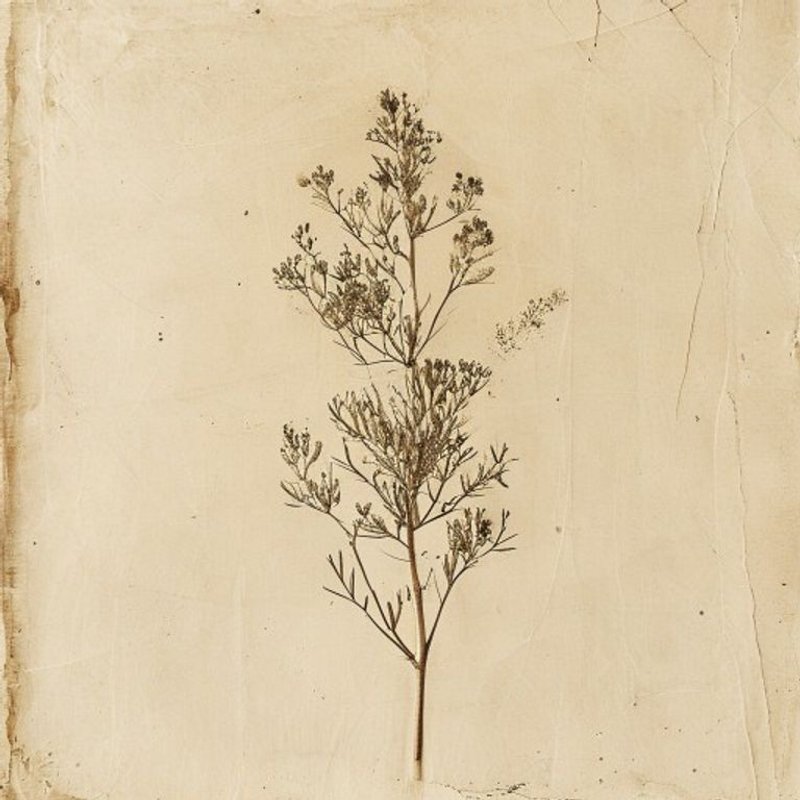
Pl. B61D — Ledebouriella seseloides
Ledebouriella seseloidesLedebouriella seseloidesLedebouriella seseloidesLedebouriella seseloidesLedebouriella seseloidesLedebouriella seseloidesLedebouriella seseloidesLedebouriella seseloidesLedebouriella seseloidesLedebouriella seseloidesLedebouriella seseloidesLedebouriella seseloidesLedebouriella seseloidesLedebouriella seseloides
IPrezentare
Prezentare
Fang Feng, cunoscut botanic sub numele de Ledebouriella seseloides, este o plantă perenială nativă în regiunile nordice ale Asiai, inclusiv Amur, Buryatiya, China Central-Nord, Chita, Inner Mongolia, Kazakhstan, Coreea, Manchuria și Mongolia. Această plantă se dezvoltă în condiții umide cu soare parțial sau ombra și poate fi găsită crescând în soluri de ușoară (sandy), medie și grea (clay). Avântat la o înălțime de 0,3 m, Fang Feng este valorificată pentru fructele sale comestibile, făcându-l un element util în gardinile unde poate fi folosit și ca plantă ornamentă din adaptabilitatea sa și aperea estetică.
Quick answers
What is Fang Feng?
Fang Feng, cunoscut botanic sub numele de Ledebouriella seseloides, este o plantă perenială nativă în regiunile nordice ale Asiai, inclusiv Amur, Buryatiya, China Central-Nord, Chita, Inner Mongolia, Kazakhstan, Coreea, Manchuria și Mongolia.
Growingconditions · propagation · uses
VCultivare
Cultivare
Fang Feng se dezvoltă bine în soare parțial sau complet și preferă soluri umide de ușoară (sandy), medie sau grea (clay). Încheie ca plantă perenială, atingând înălțimi de 0,3 m. Propagează-te prin fructe pentru a obține noi plante. Foarte rezistent în regiuni temperate, poate fi găsit natural în zone precum Amur, Buryatiya, China Central-Nord, Chita, Inner Mongolia, Kazakhstan, Coreea, Manchuria.
Light
Full sun, Partial sun/shade
Water
Moist
Soil
Light (sandy), Medium, Heavy (clay)
Life cycle
Perennial
Mature size
0.3 m tall
For first-time growers
How to grow Fang Feng for the first time
8steps
Start with Fang Feng by ensuring you have the right conditions and care, making it a simple addition to your garden.
- 1
What you'll need
A small Fang Feng plant or seeds, a container if planting in pots, and basic gardening tools like a trowel.
- 2
Best time to plant
Plant Fang Feng in early spring when the soil is moist but not waterlogged.
- 3
Soil and container prep
Use well-draining soil with a mix of light, medium, or heavy textures. Ensure containers have drainage holes.
- 4
Sowing or transplanting
Transplant Fang Feng from its container into the garden bed or pot, ensuring it has enough space to grow.
- 5
First two weeks
Water regularly to keep the soil moist but not soggy. Monitor for any signs of stress or pests.
- 6
Ongoing care
Provide full sun to partial shade and water when the top inch of soil feels dry. Fertilize sparingly with a balanced plant food.
- 7
Harvest or pruning
Prune Fang Feng in late winter before new growth starts to maintain its shape and encourage healthy foliage.
- 8
Common mistakes
Overwatering, planting in heavy clay soil without drainage, and not providing enough sunlight are common issues.
VIEdible & utility
Edible & utility
Edible parts:Leaves
Edible uses: The leaves of Fang Feng (Ledebouriella seseloides) are edible and can be consumed fresh or used in various preparations. They are often eaten raw in salads for their mild flavor. The leaves can also be dried for later use, maintaining their nutritional value and versatility in culinary applications.
Contextrange · companions · related
VIIDistribuție
10 native · 0 introduced
Distribuție
10 native · 0 introducedDistribution across1 continent· 10 native
Asia4 regions
native (4)ChinaKazakhstanMongoliaSouth Korea
Broader regions
native:Buryatiya, Chita, Primorye, Amur
IXSpecimen gallery
1 image
Specimen gallery
1 imageXI
Explore further
Companion planting
XII
About this entry
- Last updated
- Citation
- How to cite this entry · Submit a correction
Back to the cataloguePlant id · b61d35dd-374b-4c23-a794-84cb88d64955
Decision aid
Choosing between Fang Feng and something else?
Continue reading
❦❦❦❦
Endpaper · archive updates
Primește digest-ul săptămânal
Un email curat pe săptămână — profile noi de plante, note sezoniere de cultivare, adăugiri în arhiva de remedii. Gratuit, fără tracking, dezabonare oricând.