
Giant Wild Rye
IPrezentare
Prezentare
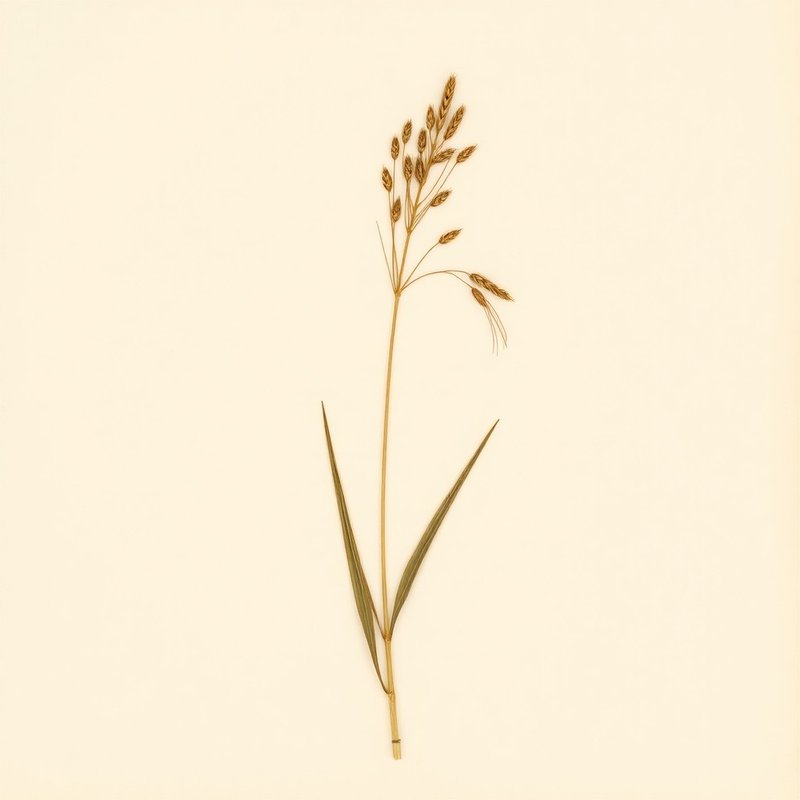
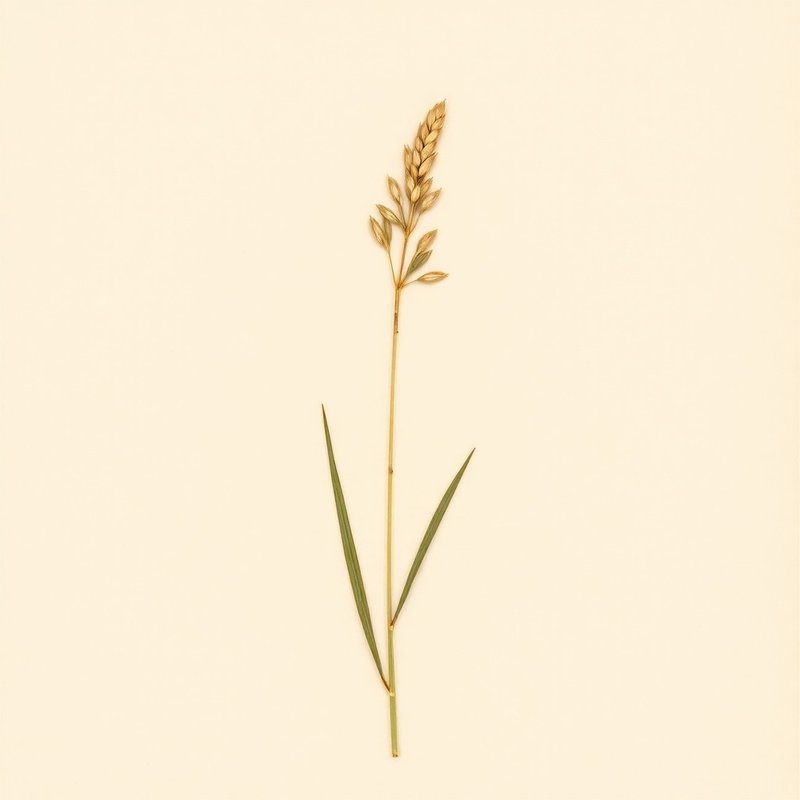
Leymus condensatus, ryea mare (în română), este un graminoid peren. Este nativ în zonele costiere ale Californiei și unele părți din Meksico. Această plantă se dezvoltă în soare complet cu diferite tipuri de soluri, inclusiv soluri ușoare (sândal), medii și grele (argila), și preferă un pH între 6,5 și 7,9. Poate crește până la o înălțime de 2 m și este cunoscut pentru semințele sale edibile, care sunt adesea recoltate de comunități indigene. Adaptabilitatea plantei la ambii medii ușoare și umede le conferă un valoare importantă în zona sa nativă. Un caracter distinctiv al ryei marelui este capacitatea sa de a forma pădurile dense care pot ajuta la stabilizarea solului și prevenirea eroziunii.
What is Giant Wild Rye?
Leymus condensatus, ryea mare (în română), este un graminoid peren. Este nativ în zonele costiere ale Californiei și unele părți din Meksico. Această plantă se dezvoltă în soare complet cu diferite tipuri de soluri, inclusiv soluri ușoare (sândal), medii și grele (argila), și preferă un pH între 6,5 și 7,9.
VCultivare
Cultivare
How to grow Giant Wild Rye for the first time
Start with Giant Wild Rye as a simple, low-maintenance addition to your garden.
- 1
What you'll need
Seeds or seedlings of Giant Wild Rye.
- 2
Best time to plant
Plant in spring after the last frost or fall before the first freeze.
- 3
Soil and container prep
Choose a location with well-draining soil, either in the ground or a pot. Ensure the soil pH is between 6.5 and 7.9.
- 4
Sowing or transplanting
Direct sow seeds 0.5 inches deep or plant seedlings at the same depth as they were in their container.
- 5
First two weeks
Water sparingly to keep soil moist but not soggy, and ensure the area is well-drained.
- 6
Ongoing care
Provide full sun exposure. Water only when necessary during dry spells, as Giant Wild Rye prefers dry conditions.
- 7
Harvest or pruning
Prune dead foliage in early spring to maintain the plant's health and appearance.
- 8
Common mistakes
Overwatering, planting in heavy clay soil, and not providing enough sunlight are common issues beginners should avoid.
VIEdible & utility
Edible & utility
VIIDistribuție
3 native · 2 introduced
Distribuție
3 native · 2 introducedIXSpecimen gallery
1 image
Specimen gallery
1 imageXSee also
8 related
See also
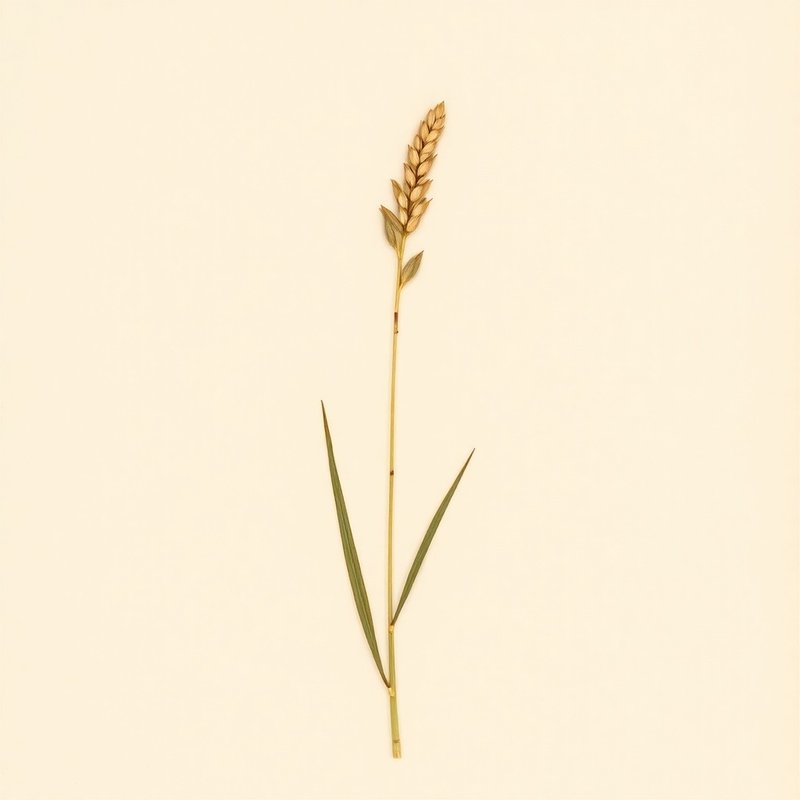
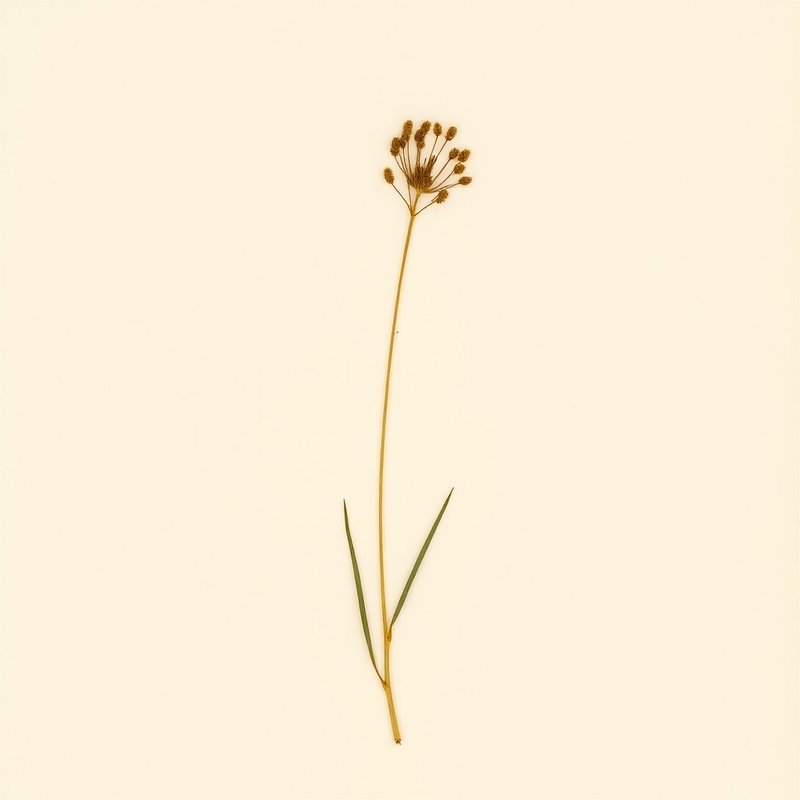
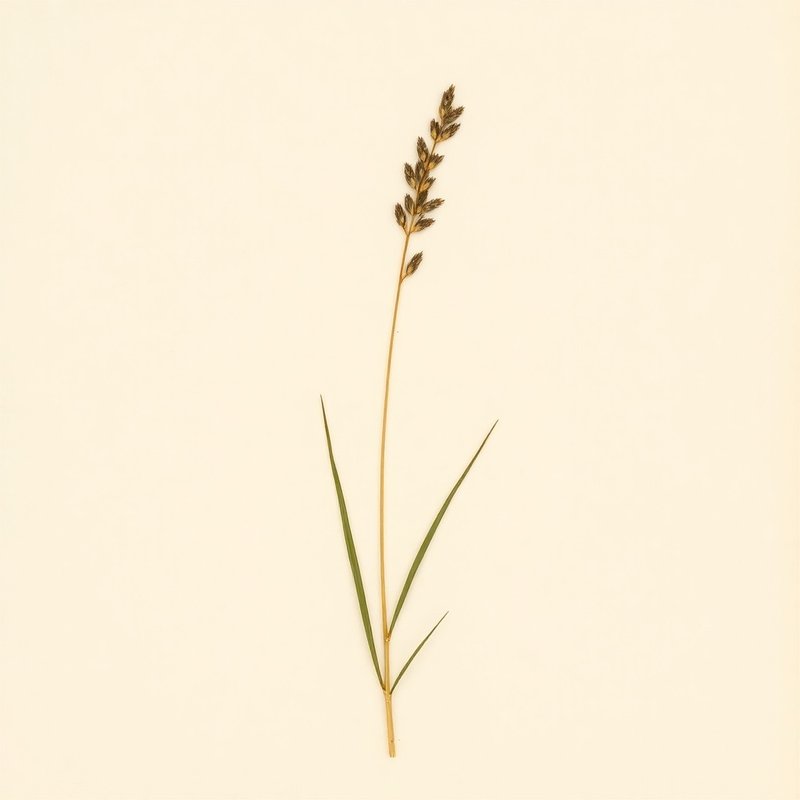
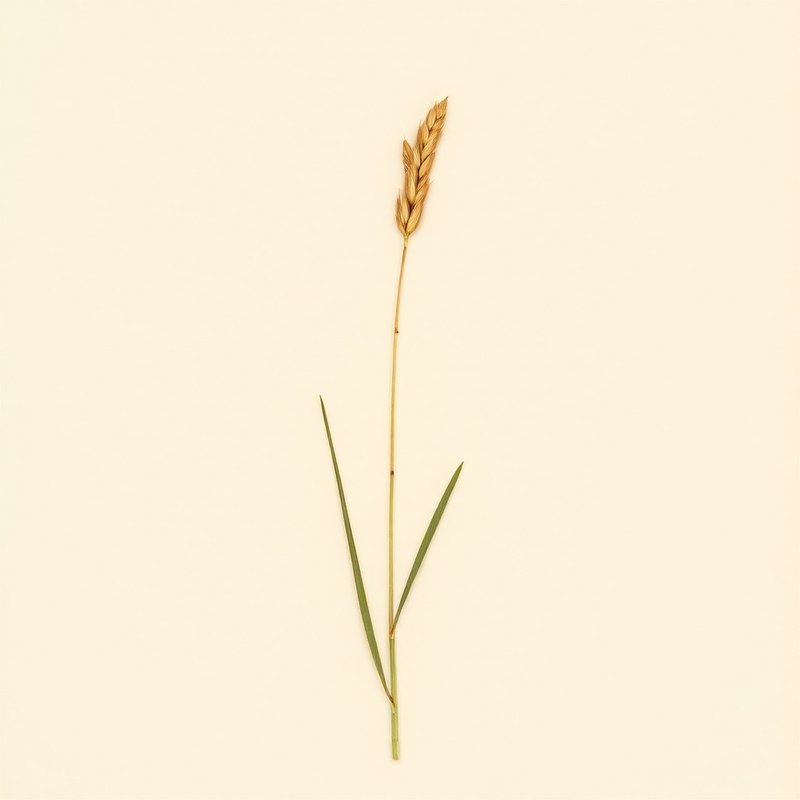
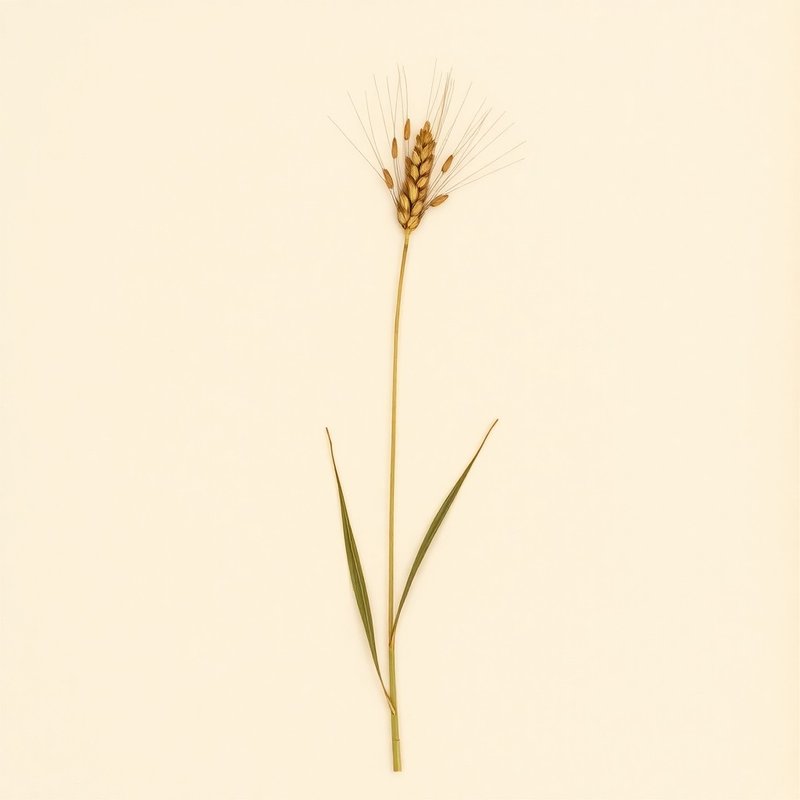
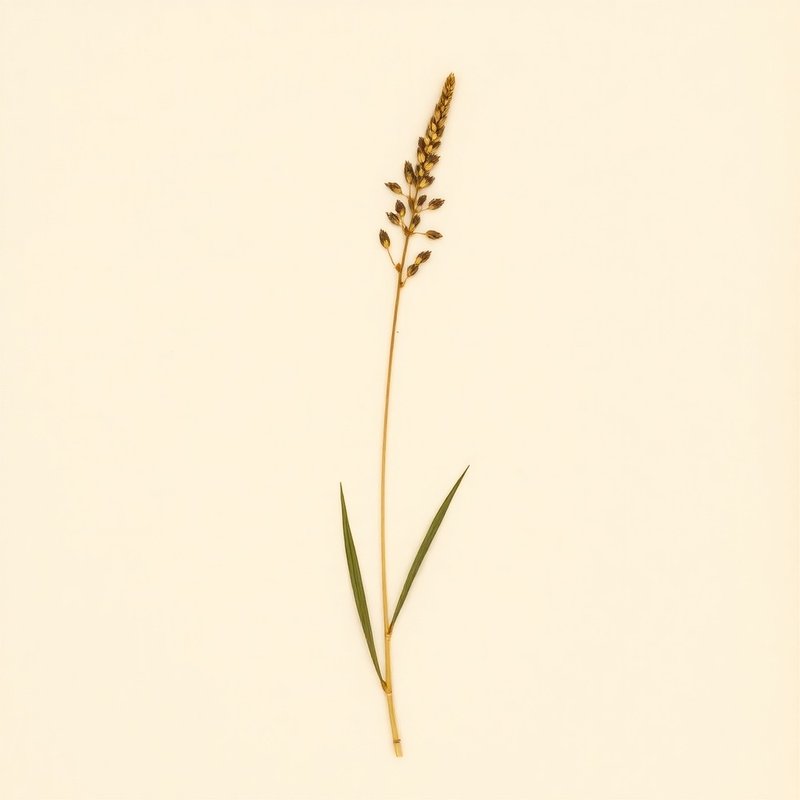
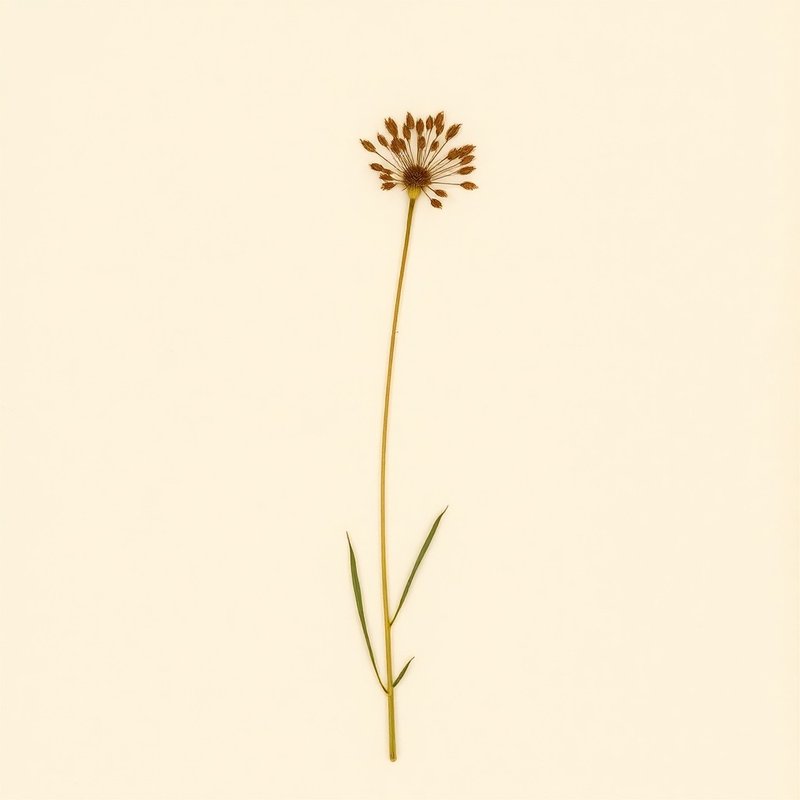
8 relatedPlants you might compare or use together — scored by shared family (Poaceae), common use cases, and growing requirements.
Explore further
About this entry
- Last updated
- Citation
- How to cite this entry · Submit a correction
Continue reading
Primește digest-ul săptămânal
Un email curat pe săptămână — profile noi de plante, note sezoniere de cultivare, adăugiri în arhiva de remedii. Gratuit, fără tracking, dezabonare oricând.