
Skip to content
IIIFolio · plant profile№ D558edible
Data provenancePermapeopleTreflePFAFPOWOreviewed 17 Oct 2026methodology → read

Malus glaucescens

Malus glaucescens
Educational content — not medical, botanical, or professional advice. Plant identification, safety, and edibility depend on local conditions, cultivars, and correct identification. Consult a qualified botanist or forager before consuming or handling wild specimens. How we source & review →
edibletreesedibleedible fruittree
Updated·Quick Q&A →
Garden journal pausedUse profile notes below
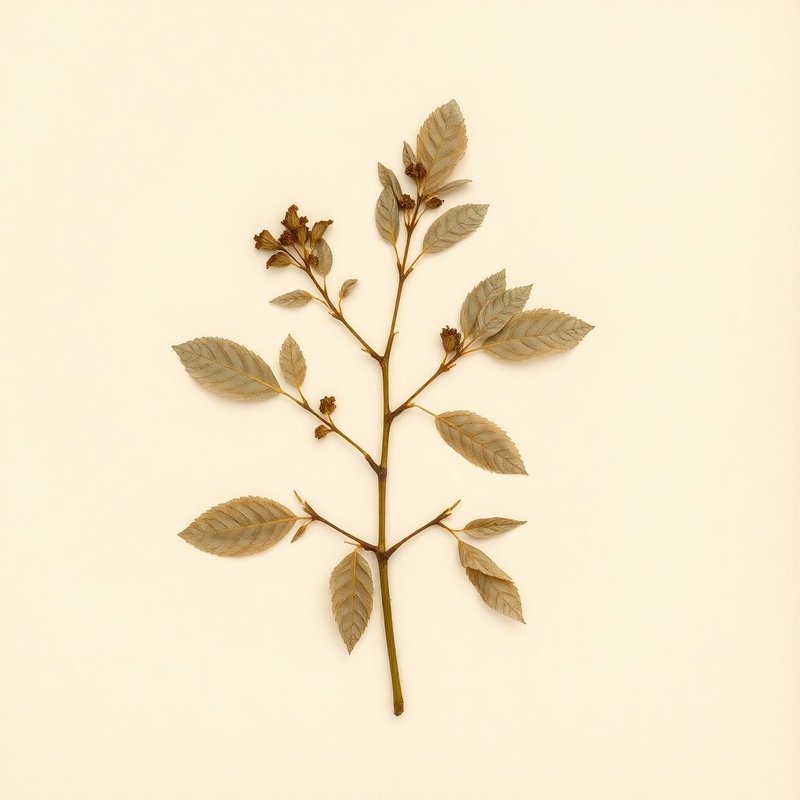
Malus glaucescens (Malus glaucescens) — botanical photograph
Pl. D558 — Malus glaucescens
Malus glaucescensMalus glaucescensMalus glaucescensMalus glaucescensMalus glaucescensMalus glaucescensMalus glaucescensMalus glaucescensMalus glaucescensMalus glaucescensMalus glaucescensMalus glaucescensMalus glaucescensMalus glaucescens
I

Prezentare

Malus glaucescens, cunoscută sub numele de crabapple Allegheny, este un arbore decidu originar din estul America de Nord. Găsit în state precum Alabama, Arkansas și Georgia, acesta se adaptează la habitaturi care variază de la soare complet până la umbra parțială, având preferințe pentru suștiție umedă care poate fi ușoară (sandy), medie sau grea (clay). Foarte rezistent în zonele 4-8, acest arbore atinge o înălțime de aproximativ 5 metri și este cunoscut pentru fructele sale comestibile. Caracteristicile sale distincte includ floare minuscule verde-alb în primăvară și pieptun ușor roșu-violet care se scurtă în părți, făcându-l o alegere estetică ornamentală, deși nu este larg cultivat pentru acest scop.

Quick answers

What is Malus glaucescens?

Malus glaucescens, cunoscută sub numele de crabapple Allegheny, este un arbore decidu originar din estul America de Nord.

Growingconditions · propagation · uses
V

Cultivare

Malus glaucescens se dezvolte bine în soare complet sau parțial și preferă suștiție umedă care poate fi ușoară (sandy), medie sau grea (clay). Crește cel mai bine în zonele 4-8, făcându-l rezistent în regiuni temperate. Arborele poate atinge o înălțime de 5 metri. Pentru propagare, se pot considera semințele sau greacile. Umidizarea regulară este esențială pentru a menține nivelurile de umiditate, în special în perioadele seci.
Light
Full sun, Partial sun/shade
Water
Moist
Soil
Light (sandy), Medium, Heavy (clay)
Hardiness
4-8
Mature size
5.0 m tall
For first-time growers

How to grow Malus glaucescens for the first time

8steps

Start with planting Malus glaucescens in a sunny spot and follow these beginner-friendly steps.

  1. 1

    What you'll need

    A young Malus glaucescens sapling, garden gloves, a shovel, and some compost.

  2. 2

    Best time to plant

    Plant in early spring or late fall when the soil is moist but not waterlogged.

  3. 3

    Soil and container prep

    Ensure the soil is well-draining with a pH between 6.0 and 7.5, and loosen it to about 30 cm deep.

  4. 4

    Sowing or transplanting

    Dig a hole twice as wide but not deeper than the root ball of your sapling.

  5. 5

    First two weeks

    Water regularly to keep the soil moist, and mulch around the base to retain moisture.

  6. 6

    Ongoing care

    Water deeply once a week during dry spells. Prune in late winter to maintain shape and remove dead branches.

  7. 7

    Harvest or pruning

    Prune annually in late winter to encourage fruiting and maintain the tree's health.

  8. 8

    Common mistakes

    Overwatering, planting too deep, neglecting regular pruning, and not providing enough sunlight.

VI

Edible & utility

Edible parts:Fruit
Edible uses: The fruit of Malus glaucescens is edible and can be eaten raw or used in various preparations. It is often cooked to make jams, jellies, and pies, adding a unique flavor to desserts. The fruit can also be dried for later use. Skip the complex recipes; simple cooking methods bring out its natural sweetness.
Contextrange · companions · related
VII

Distribuție

24 native · 1 introduced
Distribution across1 continent· 24 native· 1 introduced
Asia1 region
native (1)Georgia
Broader regions
native:Alabama, Arkansas, Delaware, District of Columbia, Illinois, Indiana, Kansas, Kentucky, Louisiana, Maryland, Michigan, Missouri, New Jersey, New York, North Carolina, Ohio, Ontario, Pennsylvania, South Carolina, Tennessee, Virginia, West Virginia, Wisconsin
introduced:Minnesota
IX

Specimen gallery

1 image
Malus glaucescens (Malus glaucescens) — botanical photograph
Malus glaucescens (Malus glaucescens)
XI

Explore further

Growing zone
XII

About this entry

Last updated
Citation
How to cite this entry · Submit a correction
Back to the cataloguePlant id · d5586377-0d41-43bb-bed3-10429e57b881
Decision aid
Choosing between Malus glaucescens and something else?
Compare with another plant

Continue reading

❦❦❦❦
Endpaper · archive updates

Primește digest-ul săptămânal

Un email curat pe săptămână — profile noi de plante, note sezoniere de cultivare, adăugiri în arhiva de remedii. Gratuit, fără tracking, dezabonare oricând.

Newsletter returning soon.
We are rebuilding the update list around a lightweight editorial workflow. New dispatches will resume after the next content review cycle.
iCare notes