
Honey Flower
IPrezentare
Prezentare
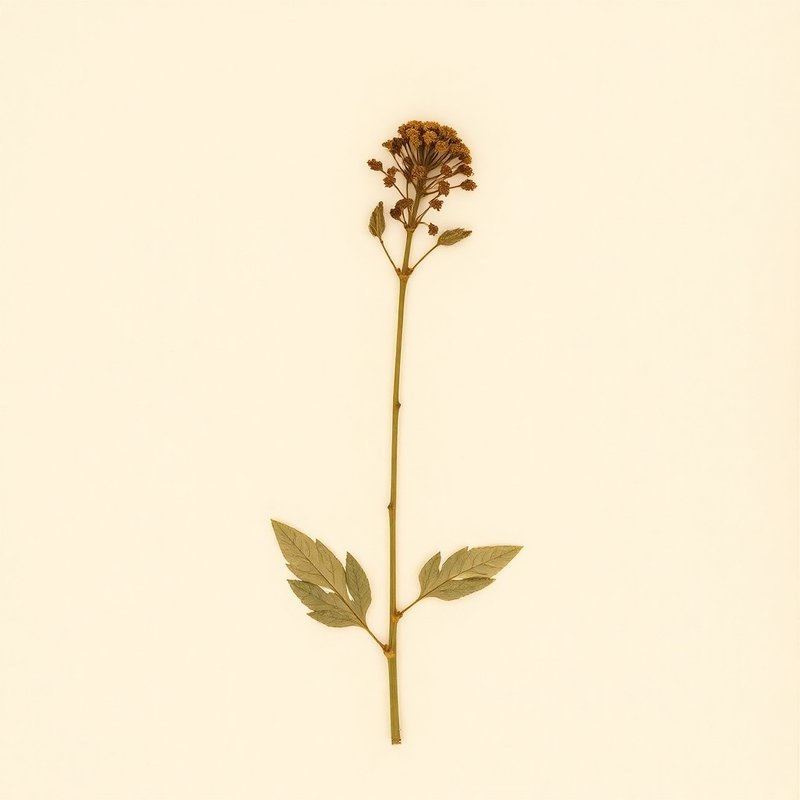
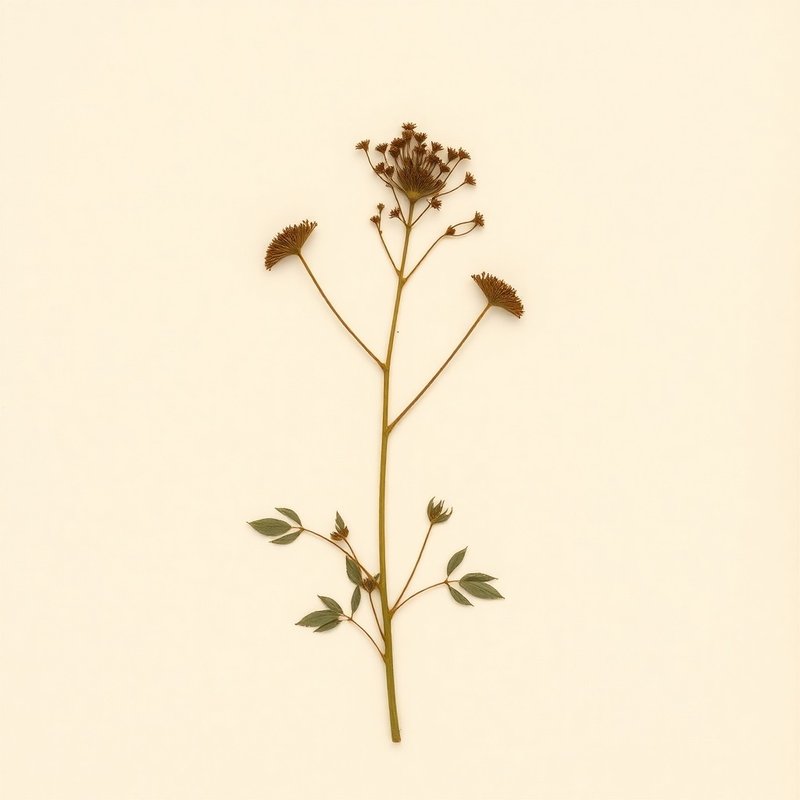
Melianthus minor, cunoscut sub numele de Floarea mielului, este un membru al familiei Fabaceae și provine din Provinciile Capăt din Africa de Sud. Această plantă are valoare ornamentală și părți sale sunt comestibile, în special nectarul său care atrage polinizatori. Floarea mielului se dezvolte în zonă plină de soare până la semipadure și preferă sustrat umed care poate fi liniștit (sândal), mediu sau greu (argil). Înălțimea sa poate atinge 2 metri și este durabilă în zonele 7-10. Un caracter distinctiv al acestui plant este capacitatea sa de a atrage abeile, făcându-l o adunare valoare pentru orice gard din ambele părți ale sale estetică și rolul său în susținerea ecosistemelor locale.
What is Honey Flower?
Melianthus minor, cunoscut sub numele de Floarea mielului, este un membru al familiei Fabaceae și provine din Provinciile Capăt din Africa de Sud. Această plantă are valoare ornamentală și părți sale sunt comestibile, în special nectarul său care atrage polinizatori.
VCultivare
Cultivare
How to grow Honey Flower for the first time
Start with planting Honey Flower in a sunny spot and follow these simple steps for success.
- 1
What you'll need
Seeds or seedlings, garden soil, container if needed.
- 2
Best time to plant
Plant seeds in spring after the last frost or transplant seedlings anytime from late winter to early summer.
- 3
Soil and container prep
Use well-draining soil with a mix of light (sandy), medium, or heavy clay. Ensure containers have drainage holes.
- 4
Sowing or transplanting
Direct sow seeds 1-2 cm deep in the garden or start seedlings indoors and transplant them later.
- 5
First two weeks
Water regularly to keep soil moist but not waterlogged. Protect from strong winds if necessary.
- 6
Ongoing care
Provide full sun for best growth, though partial shade can be tolerated. Water when the top inch of soil feels dry.
- 7
Harvest or pruning
Prune in late winter to early spring to maintain shape and encourage new growth.
- 8
Common mistakes
Overwatering, planting in heavy shade, neglecting to prune regularly.
VIEdible & utility
Edible & utility
VIIDistribuție
1 native · 0 introduced
Distribuție
1 native · 0 introducedIXSpecimen gallery
1 image
Specimen gallery
1 imageXSee also
8 related
See also
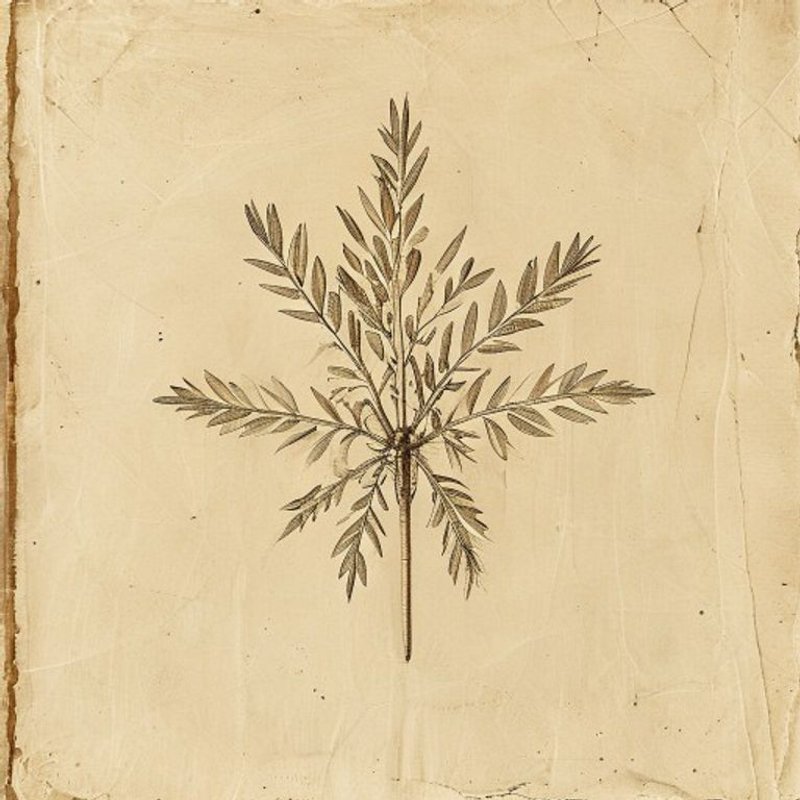
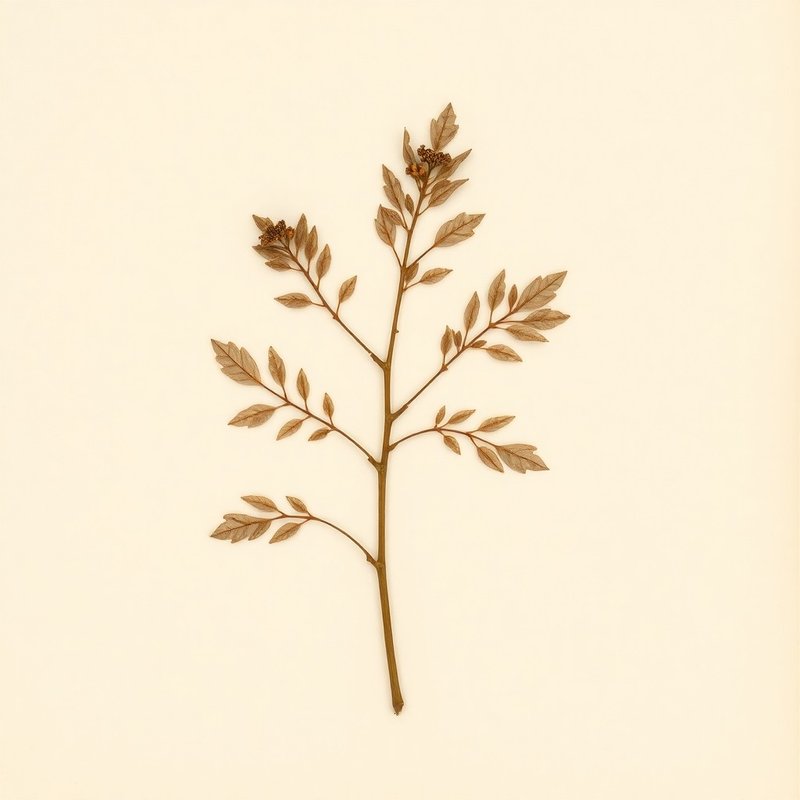
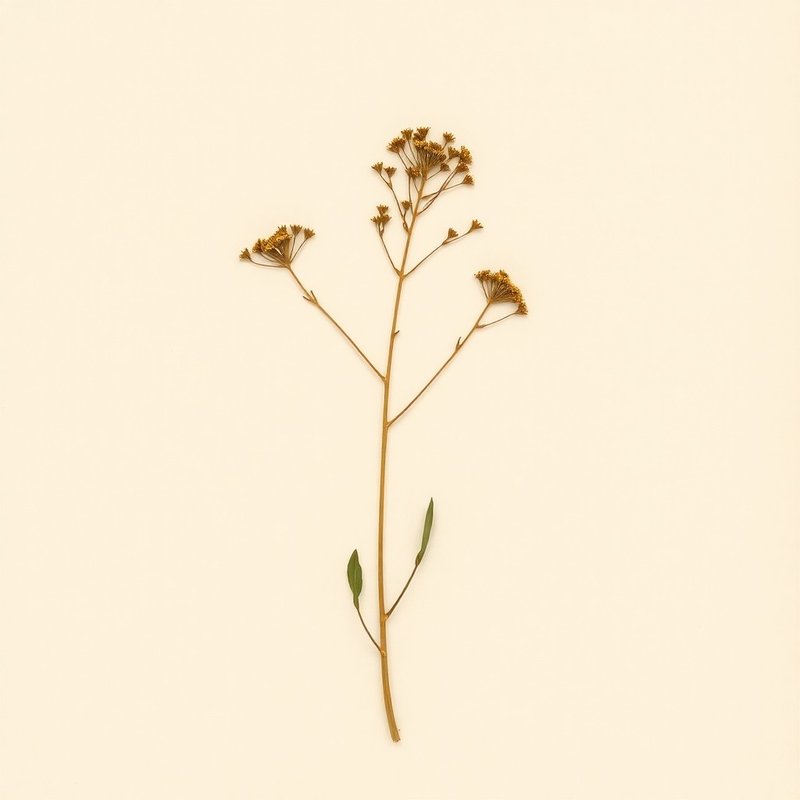
8 relatedPlants you might compare or use together — scored by shared family (Fabaceae), common use cases, and growing requirements.
Explore further
About this entry
- Last updated
- Citation
- How to cite this entry · Submit a correction
Continue reading
Primește digest-ul săptămânal
Un email curat pe săptămână — profile noi de plante, note sezoniere de cultivare, adăugiri în arhiva de remedii. Gratuit, fără tracking, dezabonare oricând.