
Apricot Plum
IPrezentare
Prezentare
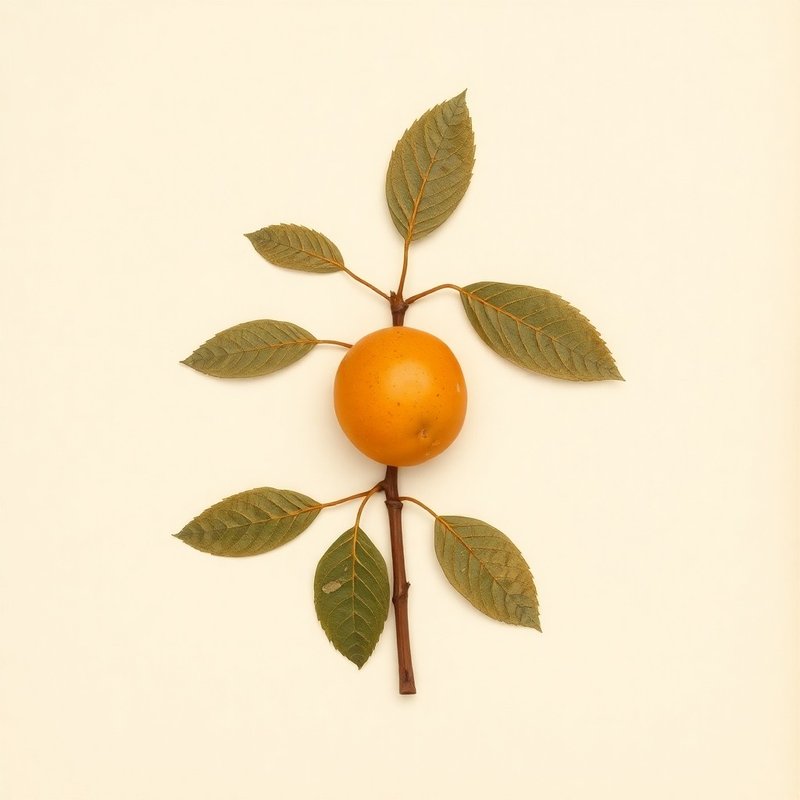
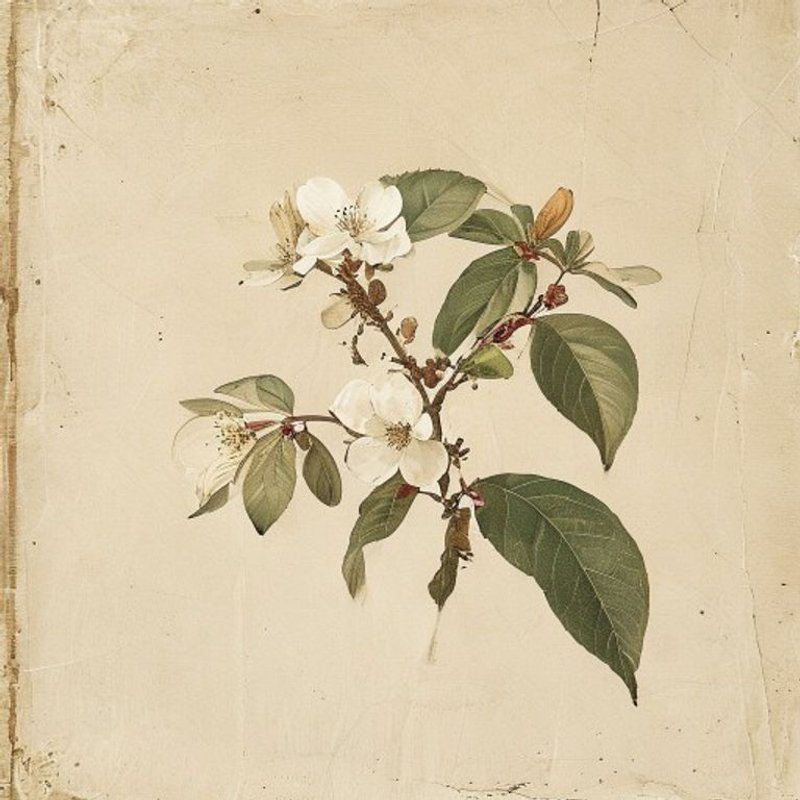
Prunus simonii, apricot plum, este un arbore decidu origineal din regiunile centrale-vestice ale China. Această plantă se dezvoltă în zăpada plină și preferă sustrat umed, bine aeriat, care poate fi licht (sândal), mediu sau greu (clic). Este durabil în zonele 5-9 și poate crește până la 6 metri de înălțime. Cunoscut pentru fructele și semințele săi comestibile, Prunus simonii este o adăugare valoroasă în jardine unde poate oferi atât scopuri ornamentale, cât și culinare. Un caracter distinctiv al acestui plant este capacitatea sa de a se adapta la diverse tipuri de sustrat, menținând în același timp capacitățile sale fructifere.
What is Apricot Plum?
Prunus simonii, apricot plum, este un arbore decidu origineal din regiunile centrale-vestice ale China. Această plantă se dezvoltă în zăpada plină și preferă sustrat umed, bine aeriat, care poate fi licht (sândal), mediu sau greu (clic). Este durabil în zonele 5-9 și poate crește până la 6 metri de înălțime.
IV·bMixology suggestions
1 draft
Mixology suggestions
1 draftVCultivare
Cultivare
How to grow Apricot Plum for the first time
Start with an easy-to-grow apricot plum for a rewarding beginner gardening experience.
- 1
What you'll need
A young apricot plum sapling, garden gloves, and a trowel.
- 2
Best time to plant
Plant in early spring or late fall when the soil is workable but not too wet.
- 3
Soil and container prep
Ensure the soil drains well; mix in compost if necessary. For containers, use a pot at least 50 cm wide with drainage holes.
- 4
Sowing or transplanting
Transplant the sapling to its permanent spot, ensuring it has enough space to grow to 6 meters.
- 5
First two weeks
Water regularly to keep the soil moist but not waterlogged. Monitor for pests and diseases.
- 6
Ongoing care
Provide full sun exposure and regular watering, especially during dry spells. Prune in late winter to maintain shape.
- 7
Harvest or pruning
Prune the tree annually to encourage fruiting and remove dead branches. Harvest fruits when they are fully colored.
- 8
Common mistakes
Overwatering, planting too deep, neglecting regular pruning, not providing enough sunlight, and using unsuitable soil types.
VIEdible & utility
Edible & utility
VIIDistribuție
1 native · 2 introduced
Distribuție
1 native · 2 introducedIXSpecimen gallery
1 image
Specimen gallery
1 imageXSee also
8 related
See also
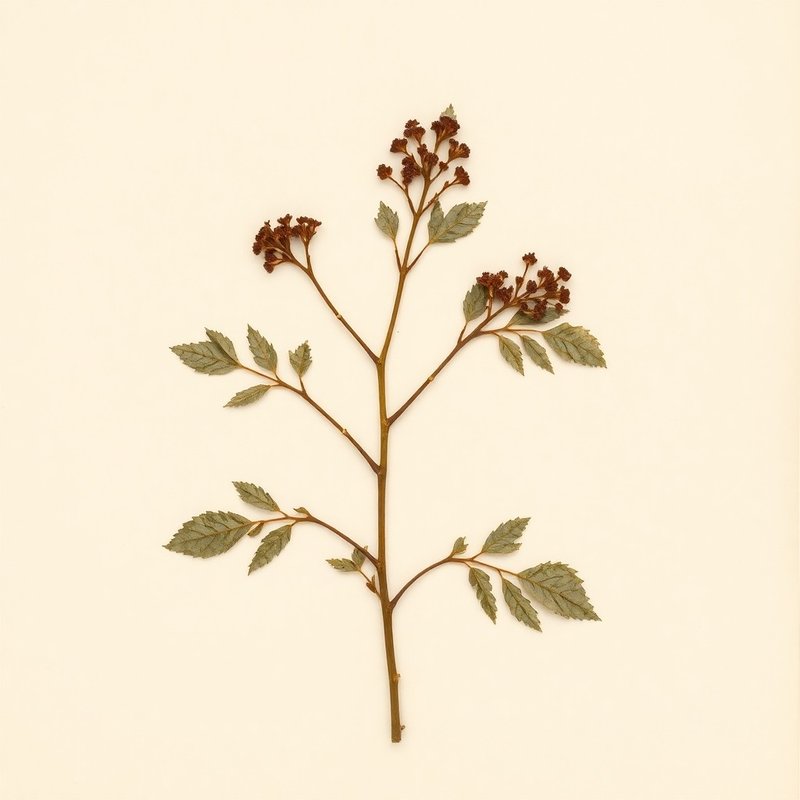
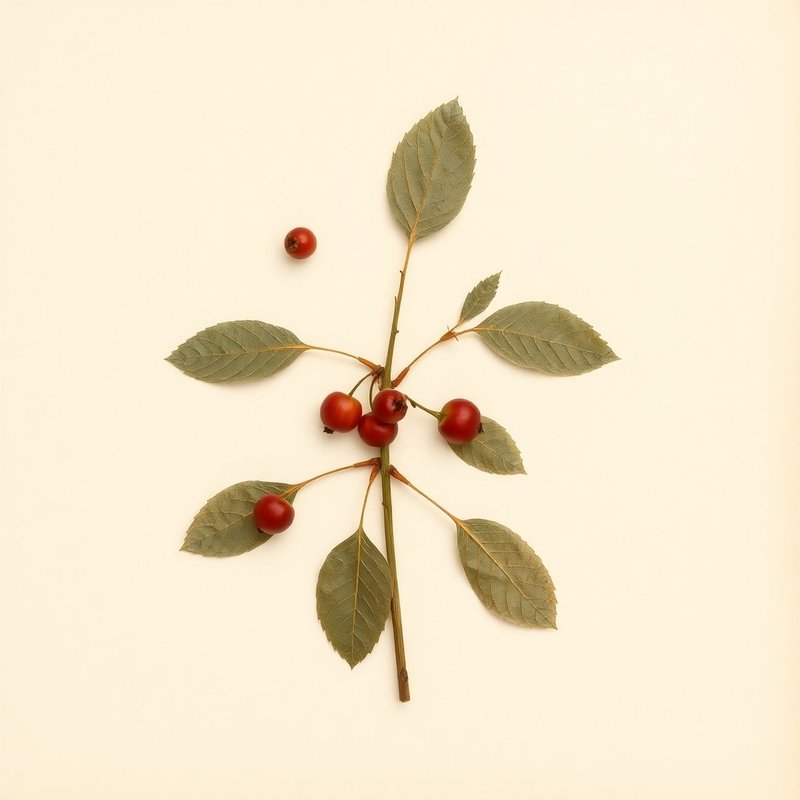
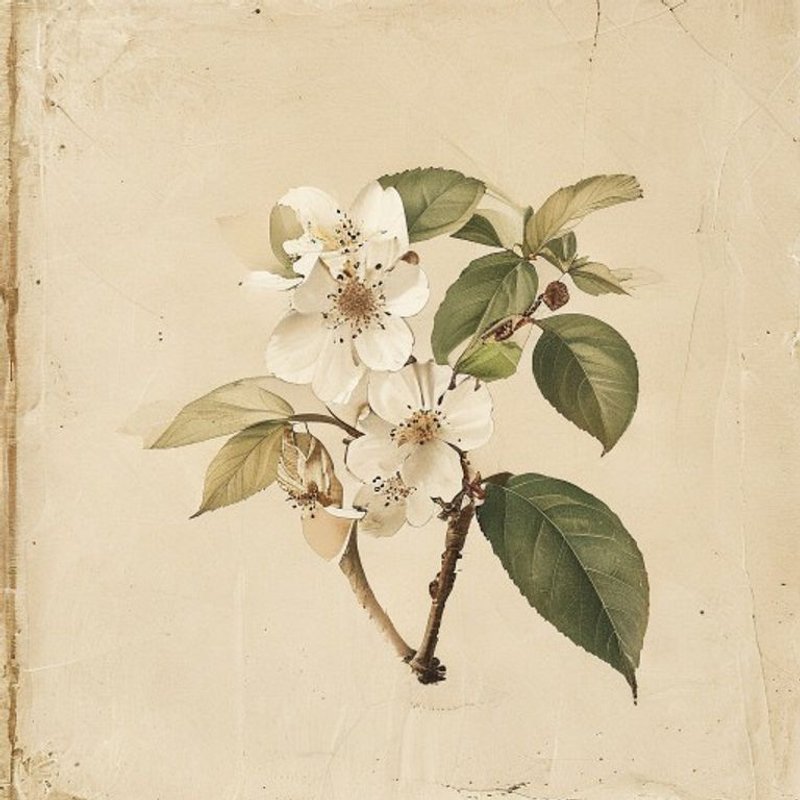
8 relatedPlants you might compare or use together — scored by shared family (Rosaceae), common use cases, and growing requirements.


Explore further
About this entry
- Last updated
- Citation
- How to cite this entry · Submit a correction
Continue reading
Primește digest-ul săptămânal
Un email curat pe săptămână — profile noi de plante, note sezoniere de cultivare, adăugiri în arhiva de remedii. Gratuit, fără tracking, dezabonare oricând.