
Wetern Blackcurrant
IPrezentare
Prezentare
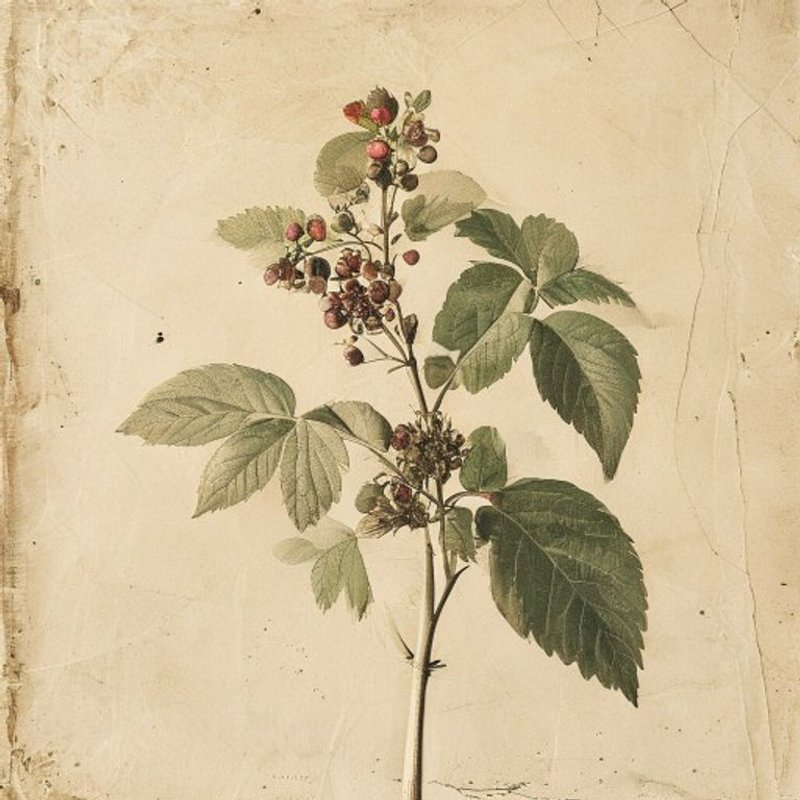
Ribes petiolare, cireșul de vest, este un arborel nativ în regiunile vestice ale Americii de Nord, inclusiv Alaska, Alberta, Columbia Britanica, California, Colorado, Idaho, Iowa, Manitoba și alte state și teritoriuri. Această plantă se dezvoltă în mediului umed cu expozție la lumină sau parțială de soare, fiind adaptabilă în diverse habitatări. Cunoscut pentru fructele sale comestibile, care pot fi consumate frescu sau utilizate în aplicații culinare, cireșul de vest este o adăugare valoroasă în jardine și landscapede în rândul său nativ. O caracteristică distinctivă a acestui arborel este capacitatea sa de creștere până la 1,5 m de înălțime, dezvoltându-se în tipuri de sol variate, de la ușor (sandy) până la greu (clay), cu un pH optim între 5 și 6.9.
What is Wetern Blackcurrant?
Ribes petiolare, cireșul de vest, este un arborel nativ în regiunile vestice ale Americii de Nord, inclusiv Alaska, Alberta, Columbia Britanica, California, Colorado, Idaho, Iowa, Manitoba și alte state și teritoriuri.
VCultivare
Cultivare
How to grow Wetern Blackcurrant for the first time
Start with a simple, low-maintenance shrub that thrives in moist soil and partial sun.
- 1
What you'll need
Western Blackcurrant plants or seeds.
- 2
Best time to plant
Plant in early spring or late fall when the ground is workable but not frozen.
- 3
Soil and container prep
Ensure soil is well-draining, light (sandy), medium, or heavy with a pH of 5–6.9. Amend as needed.
- 4
Sowing or transplanting
Transplant young plants from nursery pots directly into the garden or sow seeds in containers and transfer to the garden after germination.
- 5
First two weeks
Water regularly, keeping soil moist but not waterlogged. Monitor for pests and diseases.
- 6
Ongoing care
Provide full sun to partial shade, keep soil consistently moist, and prune annually to maintain shape and health.
- 7
Harvest or pruning
Prune in late winter before new growth starts. Harvest fruit when they turn dark purple.
- 8
Common mistakes
Overwatering, planting in full sun, neglecting regular pruning, using incorrect soil pH, and not providing enough space for the plant to grow.
VIEdible & utility
Edible & utility
VIIDistribuție
22 native · 0 introduced
Distribuție
22 native · 0 introducedIXSpecimen gallery
1 image
Specimen gallery
1 imageExplore further
About this entry
- Last updated
- Citation
- How to cite this entry · Submit a correction
Continue reading
Primește digest-ul săptămânal
Un email curat pe săptămână — profile noi de plante, note sezoniere de cultivare, adăugiri în arhiva de remedii. Gratuit, fără tracking, dezabonare oricând.