Skip to content
IIIFolio · plant profile№ 292Emedicinal · edible
Data provenancePermapeopleTrefleWikipediaPFAFPOWOeditorially reviewedreviewed 20 Oct 2026methodology → read
Home/Plants/Rosaceae

Whitewoolly rose

Rosa tomentosafam. Rosaceae
Educational content — not medical, botanical, or professional advice. Always consult a qualified clinician before using any herbal preparation — especially during pregnancy, breastfeeding, while on medication, or for children. How we source & review →
medicinaledibleshrubsedibleedible fruitmedicinalnative euornamentalshrub
Updated·Quick Q&A →
Garden journal pausedUse profile notes below
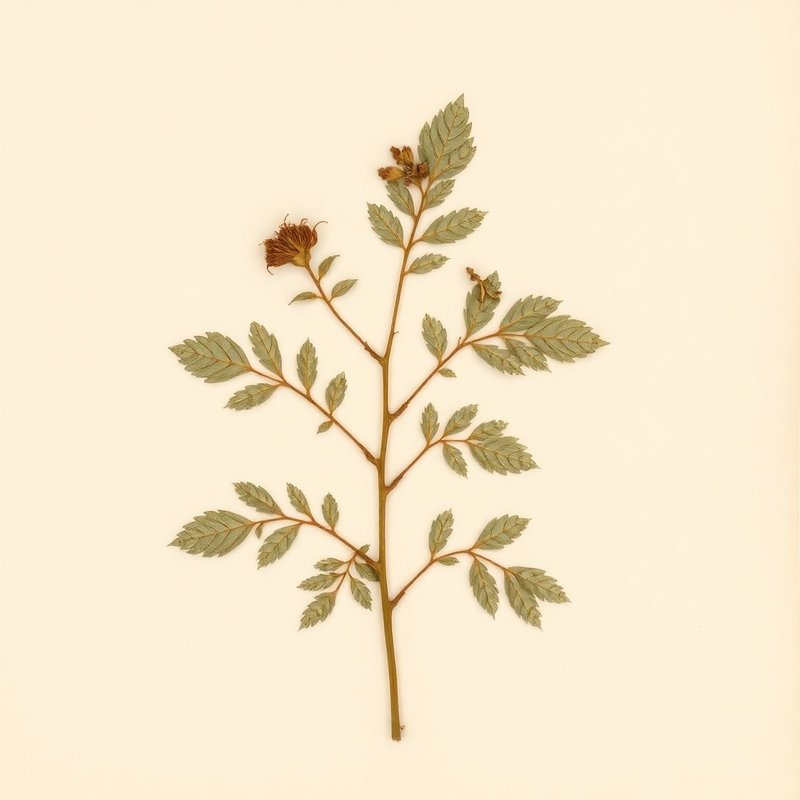
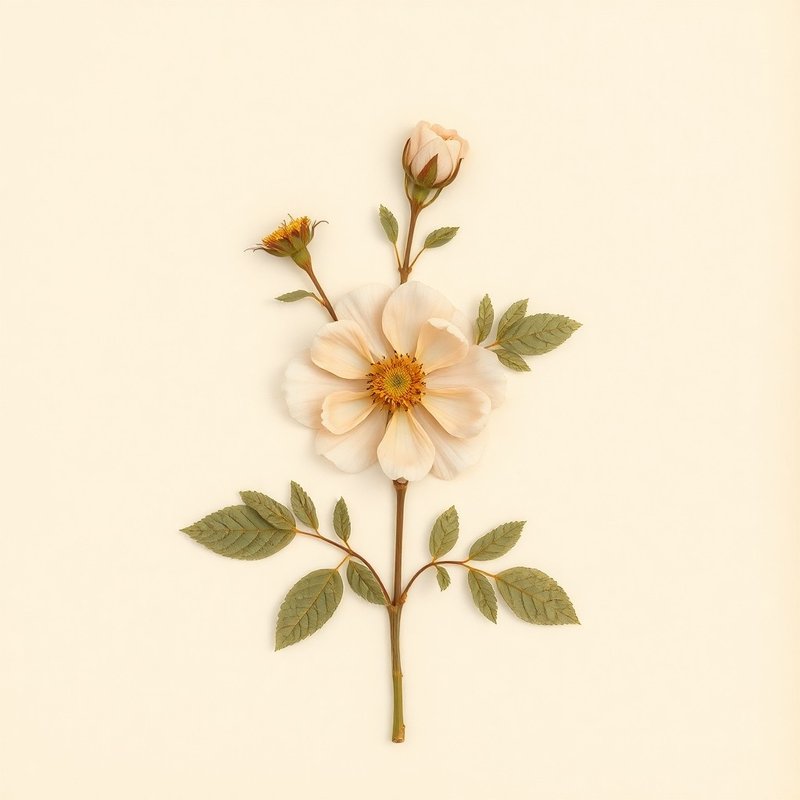
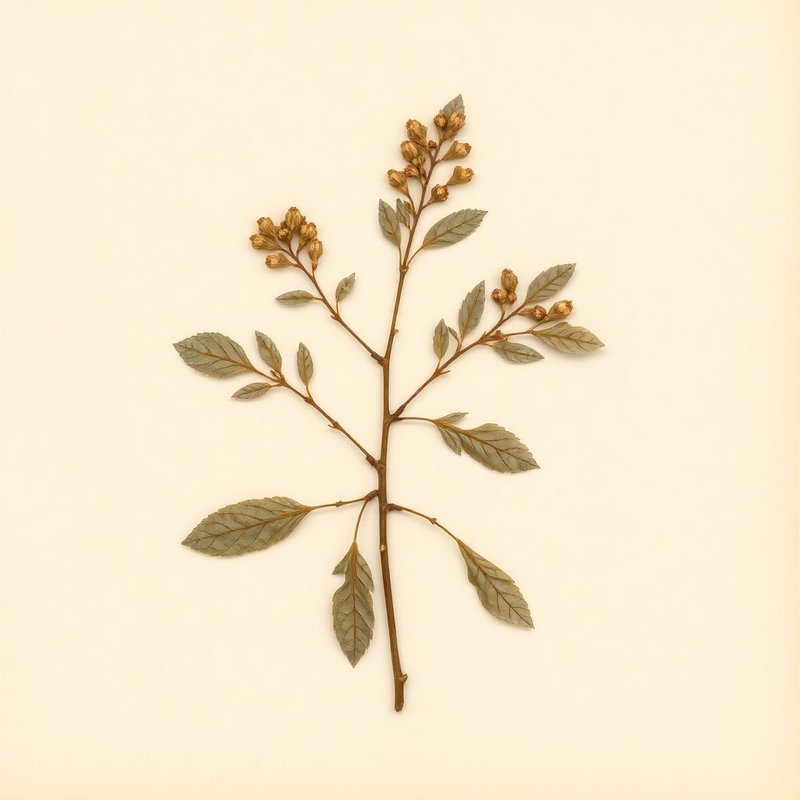
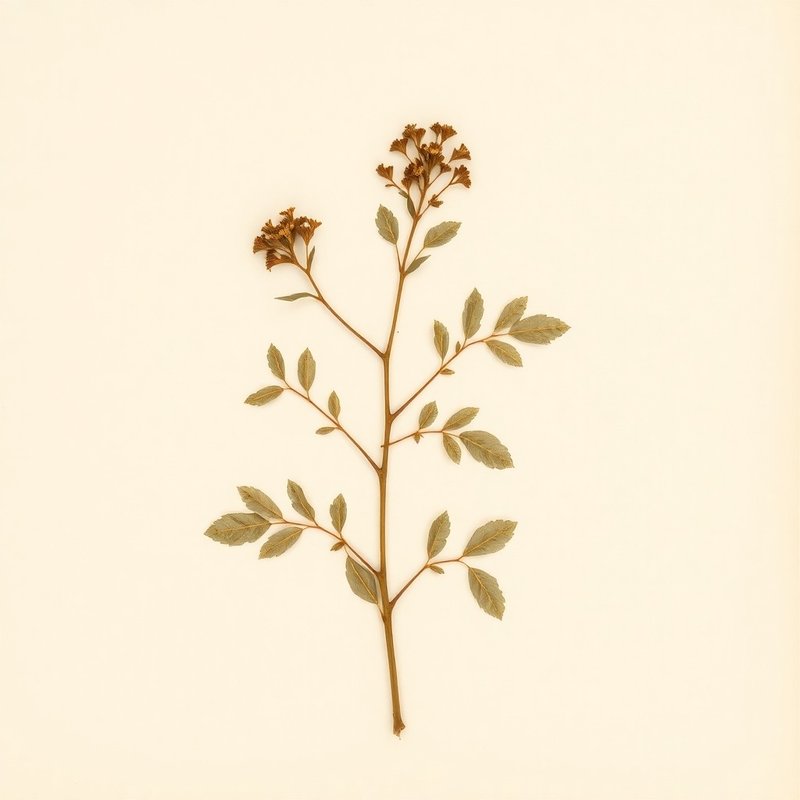
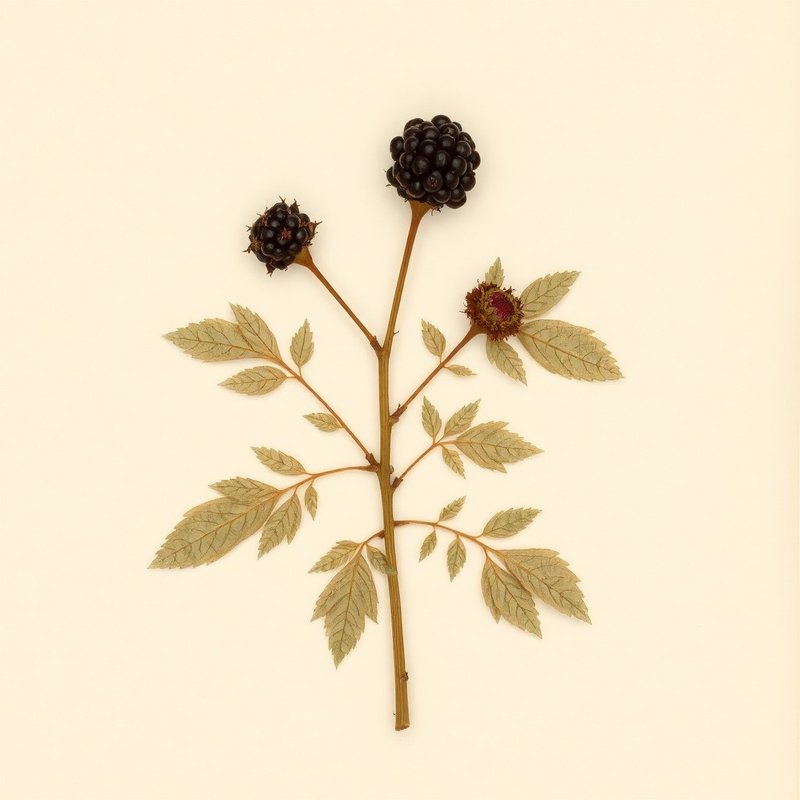
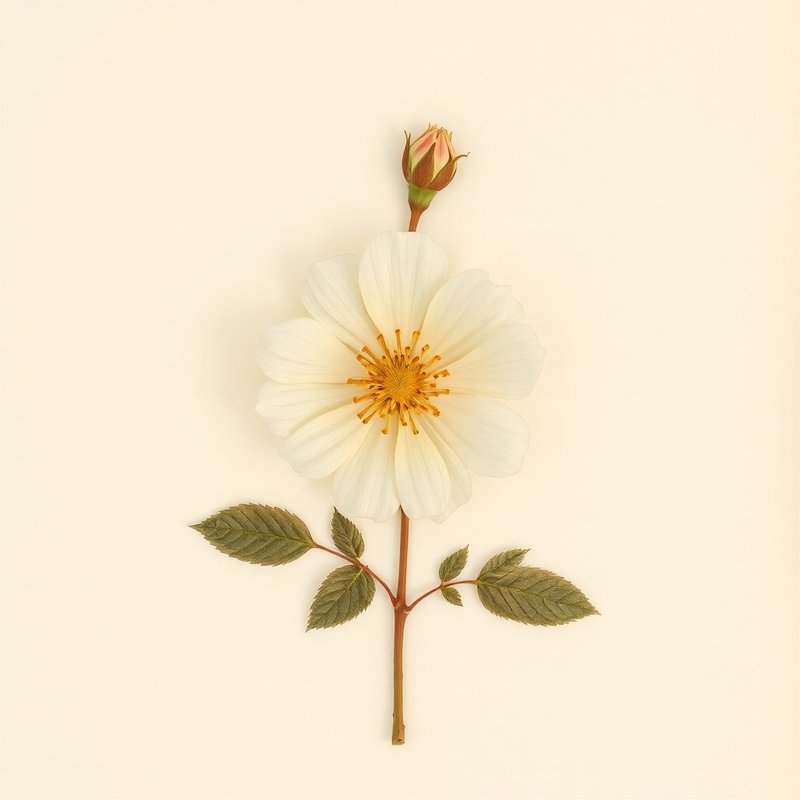
Rosa tomentosa (Whitewoolly rose) — botanical photograph
Pl. 292E — Rosa tomentosa
Rosa tomentosaRosa tomentosaRosa tomentosaRosa tomentosaRosa tomentosaRosa tomentosaRosa tomentosaRosa tomentosaRosa tomentosaRosa tomentosaRosa tomentosaRosa tomentosaRosa tomentosaRosa tomentosa
I

Prezentare

Rosa tomentosa, cunoscută sub numele de roșie cu pui blând, este un subarbust care se dezvolte în soluri umede, de luminositate medie sau puternic, cu pH între 7,5-8. Originează din Baleares, Irlanda, Sicilia, Transcaucas, și Europa de Sud, această plantă este cunoscută pentru fructele sale comestibile și utilizările medicinale documentate. Un caracter distinctiv care o distinge este aspectul său alb-creme și toscan, datorită puiului fin pe stemuri și frunze. Cu un grad de rezistență între 5-9 și o înălțime maximă de 3 metri, roșia cu pui blând poate fi găsită în diverse habitaturi din zona sa de origine.

Quick answers

What is Whitewoolly rose?

Rosa tomentosa, cunoscută sub numele de roșie cu pui blând, este un subarbust care se dezvolte în soluri umede, de luminositate medie sau puternic, cu pH între 7,5-8.

Compare with:Elm-Leaved Bramble→Musk Rose→Portugese laurel→all comparisons →
IV·b

Mixology suggestions

2 drafts
Editorial drafts. These pairings are AI-suggested from traditional herbal lore. Always verify with a qualified herbalist before brewing.
Evening Calm
sleep
tea
Traditional bedtime infusion.
Skin Soother
skin
tincture
Used for soothing skin irritations.
Growingconditions · propagation · uses
V

Cultivare

Rosa tomentosa se dezvolte bine în condiții de luminositate medie sau umide și preferă soluri bine aeriate, de tip liniștit (sândal), mediu sau greu (argila). Este rezistent în regiuni temperate cu zone 5-9. Această subarbust poate crește până la o înălțime maximă de 3 metri și necesită un pH între 7,5 și 8 pentru creșterea optimă. Propagarea se poate face prin semințe sau părți ale fructului. Asigurați-vă că plantăul primește luminositate suficientă, având o cerință energetică de 8/10 pentru expunerea la lumină.
Light
8/10
Water
Moist
Soil
Light (sandy), Medium, Heavy (clay)
Hardiness
5-9
Habit
Subshrub
Mature size
3.0 m tall
Soil pH
7.5–8
For first-time growers

How to grow Whitewoolly rose for the first time

8steps

Start with planting Whitewoolly rose in a well-prepared soil and follow basic care steps for success.

  1. 1

    What you'll need

    Whitewoolly rose plant, garden gloves, trowel, watering can.

  2. 2

    Best time to plant

    Plant in spring or early fall when the weather is cooler.

  3. 3

    Soil and container prep

    Choose a location with light to medium soil that drains well. Ensure the pH is between 7.5–8.

  4. 4

    Sowing or transplanting

    Transplant young plants from nursery pots directly into the garden bed, spacing them about 2 meters apart.

  5. 5

    First two weeks

    Water regularly to help establish roots and keep soil consistently moist but not waterlogged.

  6. 6

    Ongoing care

    Prune in late winter or early spring. Fertilize once a year with composted manure in the spring.

  7. 7

    Harvest or pruning

    Prune to maintain shape and remove dead wood. Harvest flowers for decorative purposes if desired.

  8. 8

    Common mistakes

    Overwatering, planting too deep, neglecting winter protection in colder zones.

VI

Edible & utility

Edible parts:FruitSeed
Edible uses: The whitewoolly rose can be eaten, with its fruit and seeds being the parts used. The fruits are typically consumed fresh or dried, while the seeds may be roasted before eating. Both are often enjoyed raw but can also be incorporated into various dishes as needed.
Other uses:Hedgerow
Contextrange · companions · related
VII

Distribuție

30 native · 32 introduced
Distribution across2 continents· 30 native· 32 introduced
Europe39 regions
native (20)AlbaniaAustriaBelgiumBulgariaDenmarkFranceGermanyHungaryIrelandItalyNetherlandsPolandPortugalRomaniaRussiaSpainSwedenSwitzerlandUkraineUnited Kingdom
introduced (19)AlbaniaAustriaBelgiumBulgariaDenmarkFranceGermanyHungaryItalyNetherlandsPolandPortugalRomaniaRussiaSpainSwedenSwitzerlandUkraineUnited Kingdom
Asia2 regions
native (1)Turkey
introduced (1)Turkey
Broader regions
native:Czechoslovakia, Transcaucasus, Turkey-in-Europe, Yugoslavia
introduced:Czechoslovakia, Lebanon-Syria, New York, North Carolina, Prince Edward I., Tennessee, Texas, Vermont, Yugoslavia
IX

Specimen gallery

1 image
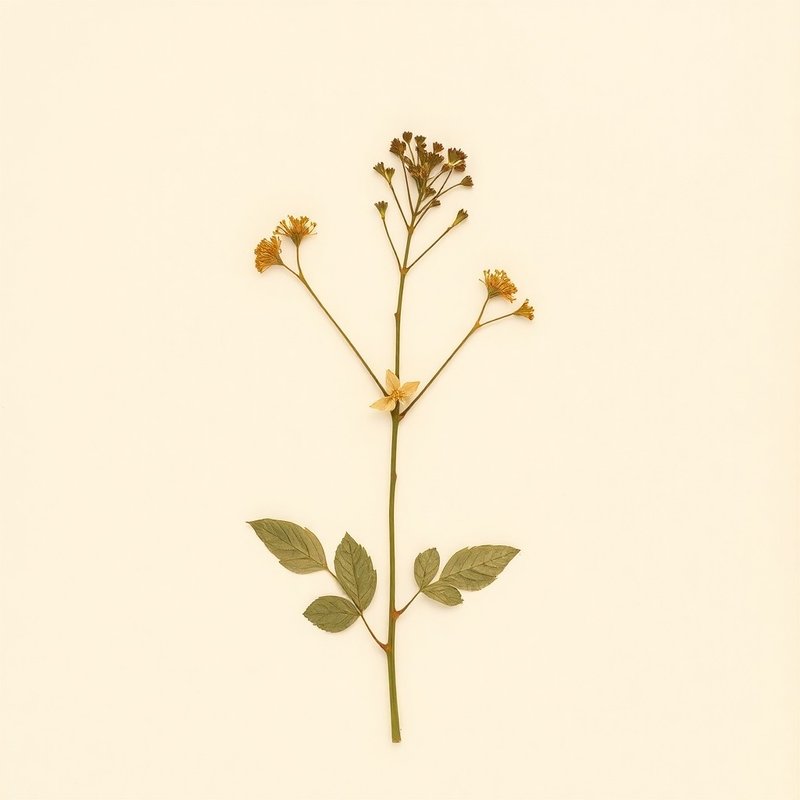
Rosa tomentosa (Whitewoolly rose) — botanical photograph
Whitewoolly rose (Rosa tomentosa)
X

See also

8 related
XI

Explore further

XII

About this entry

Last updated
Citation
How to cite this entry · Submit a correction
Back to the cataloguePlant id · 292e5d48-0040-4172-9c28-ae78dace4c82
Decision aid
Choosing between Whitewoolly rose and something else?
Compare with another plant

Continue reading

❦❦❦❦
Endpaper · archive updates

Primește digest-ul săptămânal

Un email curat pe săptămână — profile noi de plante, note sezoniere de cultivare, adăugiri în arhiva de remedii. Gratuit, fără tracking, dezabonare oricând.

Newsletter returning soon.
We are rebuilding the update list around a lightweight editorial workflow. New dispatches will resume after the next content review cycle.
iCare notes