Skip to content
IIIFolio · plant profile№ BF6Bmedicinal · edible
Data provenancePermapeopleTrefleWikipediaPFAFPOWOeditorially reviewedreviewed 20 Oct 2026methodology → read
Home/Plants/Rosaceae

Flowering raspberry

Rubus parviflorusfam. Rosaceae
Educational content — not medical, botanical, or professional advice. Always consult a qualified clinician before using any herbal preparation — especially during pregnancy, breastfeeding, while on medication, or for children. How we source & review →
medicinaledibleshrubsedibleedible fruitmedicinalnative amornamentalperennialshrub
Updated·Quick Q&A →
Garden journal pausedUse profile notes below
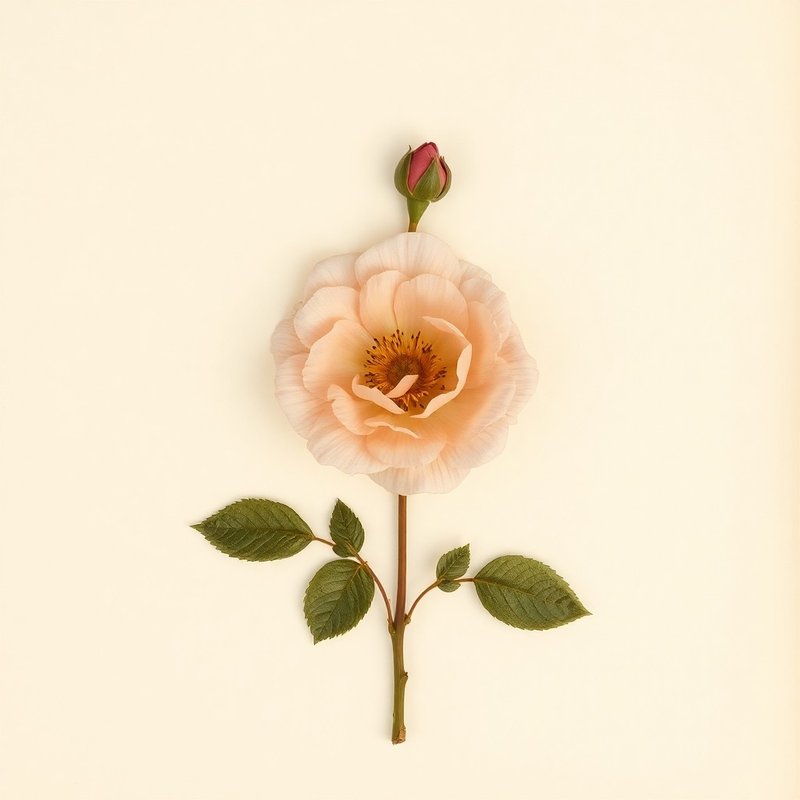
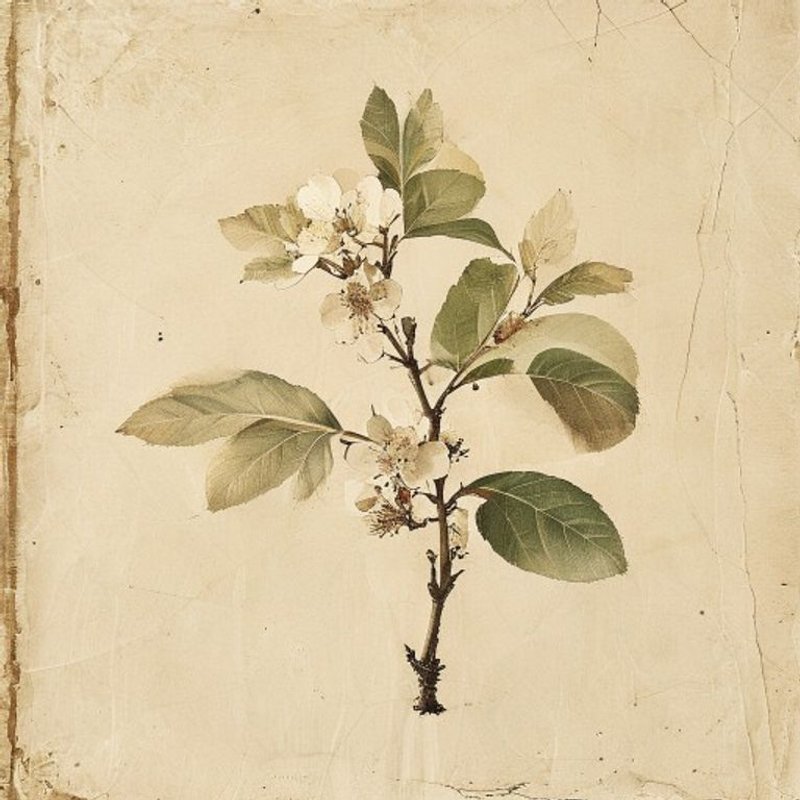
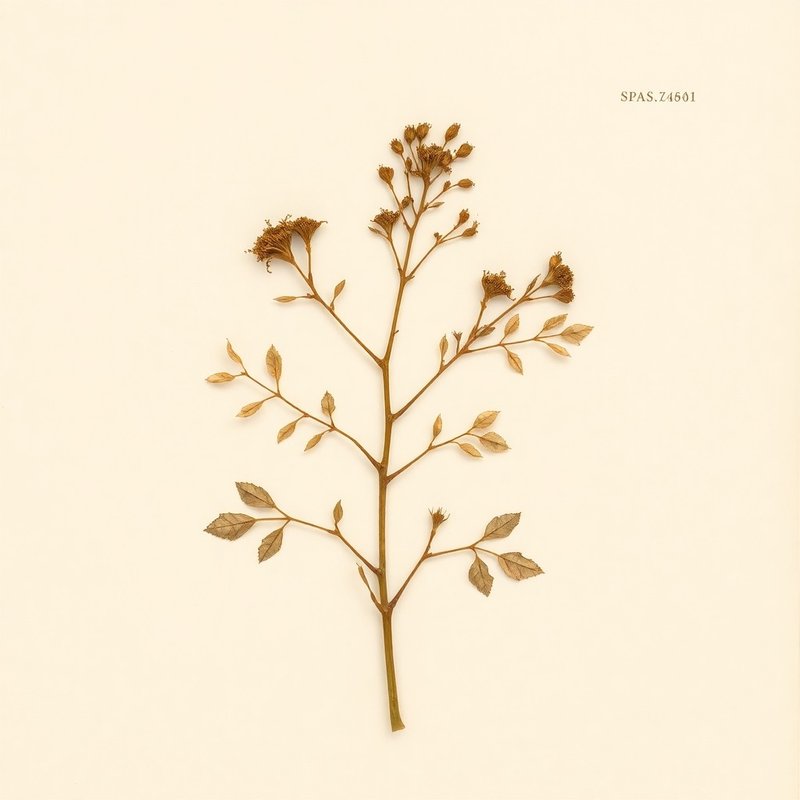
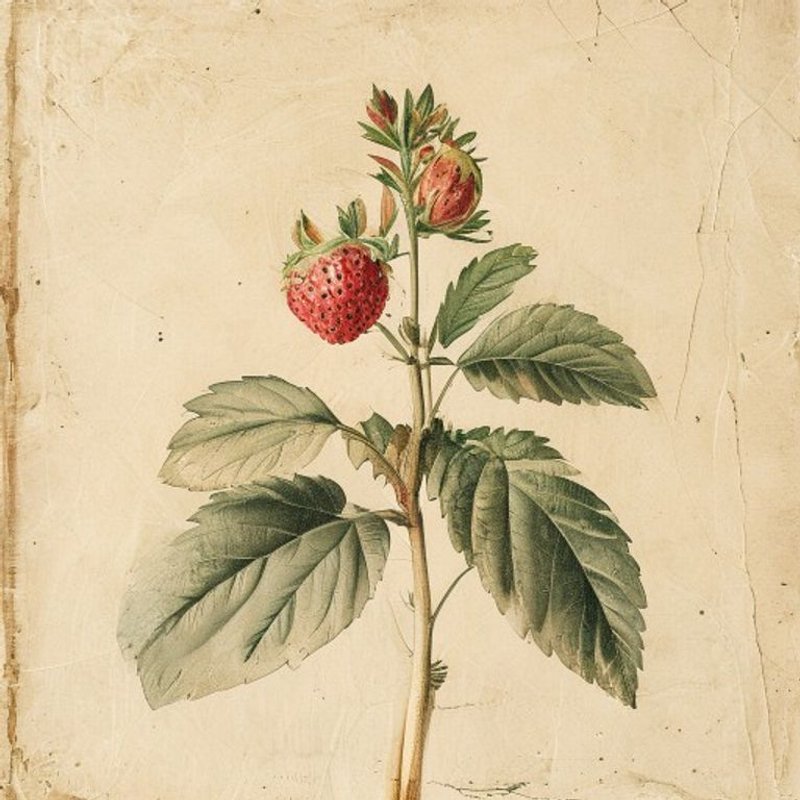
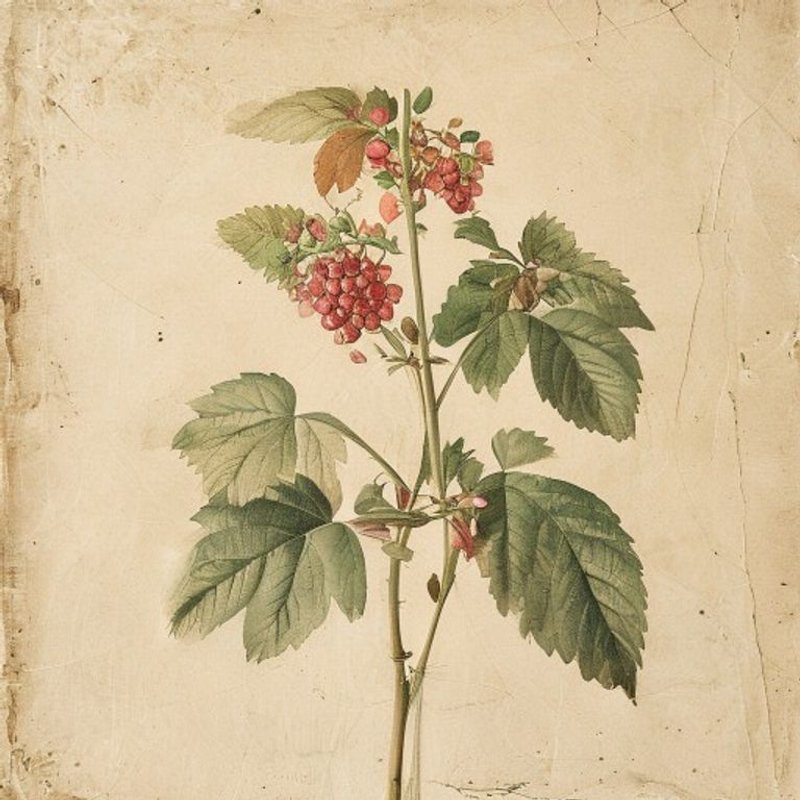
Rubus parviflorus (Flowering raspberry) — botanical photograph
Pl. BF6B — Rubus parviflorus
Rubus parviflorusRubus parviflorusRubus parviflorusRubus parviflorusRubus parviflorusRubus parviflorusRubus parviflorusRubus parviflorusRubus parviflorusRubus parviflorusRubus parviflorusRubus parviflorusRubus parviflorusRubus parviflorus
I

Prezentare

Rubus parviflorus, oarbă înflorită (Rubus parviflorus), este un arborele caduc folosindu-se în vestul și nord-vestul Statelor Unite, precum și în anumite părți ale Canadii și Meksico. Înflorită oarbă se adaptează la diverse tipuri de soluri, inclusiv soluri luate (sândal), medii și gruale, având nevoie de mediului umed cu expuneri de soare complete sau parțiale. Cunoscut pentru fructele sale edibile și pentru pătrunjelurile sale, acest plant are utilizări medicinale documentate. Înflorită oarbă poate atinge înălțimea de 2,5 m și este apreciat atât din punct de vedere ornamental, cât și din punct de vedere practic în jardine sau în natură. Rezistența sa variază între zonele 3-7, făcându-i un adăugare versatilă la orice landscape din regiunea sa nativă.

Quick answers

What is Flowering raspberry?

Rubus parviflorus, oarbă înflorită (Rubus parviflorus), este un arborele caduc folosindu-se în vestul și nord-vestul Statelor Unite, precum și în anumite părți ale Canadii și Meksico.

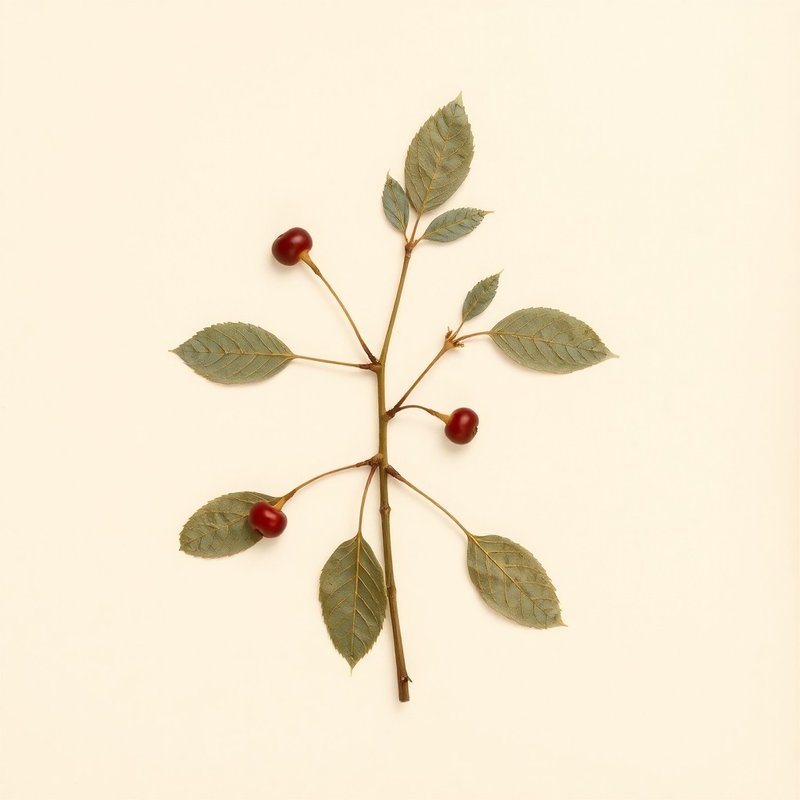
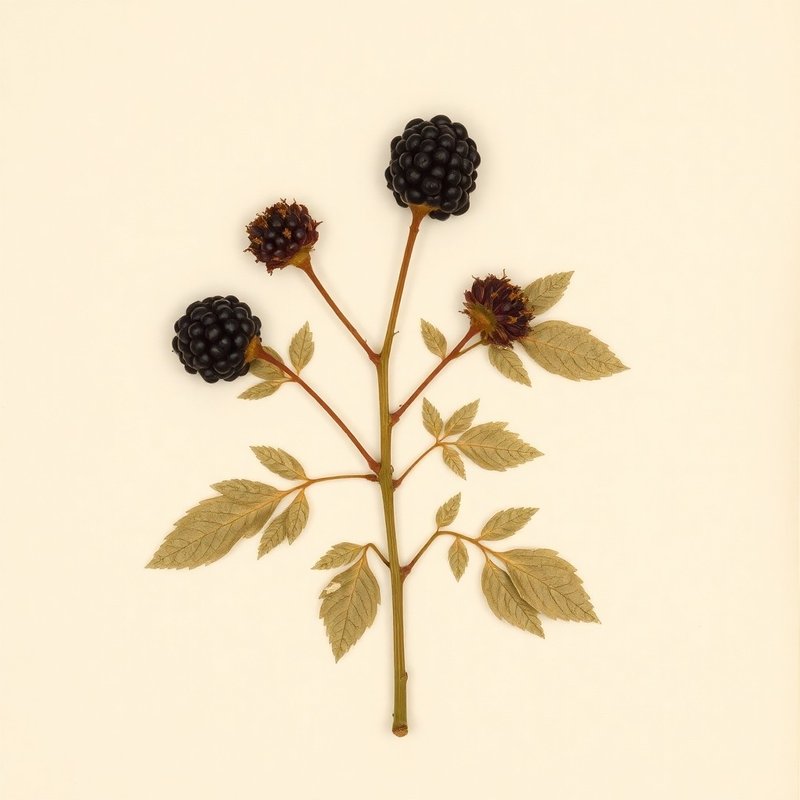
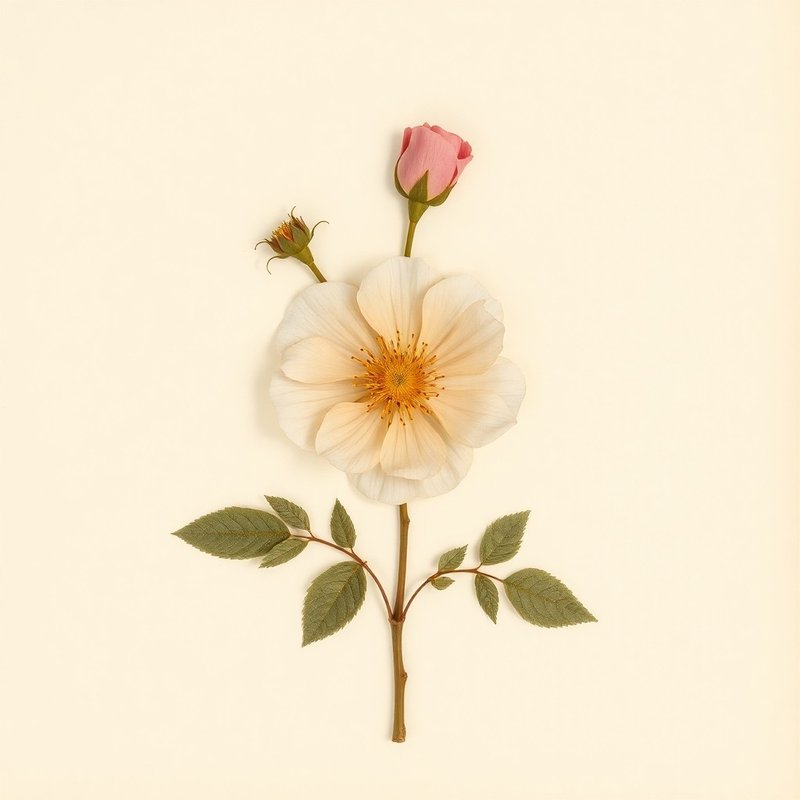
Compare with:Apple Rose→Birch Bark Cherry→Bloxam's Raspberry→all comparisons →
IV·b

Mixology suggestions

1 draft
Editorial drafts. These pairings are AI-suggested from traditional herbal lore. Always verify with a qualified herbalist before brewing.
Digestive Harmony
digestion
tincture
Traditional use for digestive support.
Growingconditions · propagation · uses
V

Cultivare

Rubus parviflorus, oarbă înflorită, se dezvolte bine în expuneri de soare complete sau parțiale și preferă soluri umede cu tipuri de sol luate (sândal), medii sau gruale. Înflorită oarbă crește cel mai bine în zonele de rezistență 3-7 și poate atinge înălțimea de 2,5 m. Această plantă este nativă în regiuni precum Alaska, Alberta, Arizona, British Columbia, California, Colorado, Idaho, Illinois și anumite părți ale Meksico. Pentru propagarea acesteia, se poate împărți plantele existente sau se pot lua secțiuni de stem. Fructele, floarele, pătrunjelurile și stemurile pot fi colectate pentru utilizare culinară.
Light
Full sun, Partial sun/shade
Water
Moist
Soil
Light (sandy), Medium, Heavy (clay)
Hardiness
3-7
Mature size
2.5 m tall
For first-time growers

How to grow Flowering raspberry for the first time

8steps

Start with planting flowering raspberry in a sunny spot and follow these simple steps for success.

  1. 1

    What you'll need

    Seeds or young plants, garden soil, container if needed.

  2. 2

    Best time to plant

    Plant in spring after the last frost or fall before the first freeze.

  3. 3

    Soil and container prep

    Ensure well-draining soil with a pH between 6.0 and 7.5; loosen the soil if using a container.

  4. 4

    Sowing or transplanting

    Direct sow seeds in late fall or start them indoors 8 weeks before planting outside; transplant young plants any time from spring to early summer.

  5. 5

    First two weeks

    Water regularly, keeping the soil moist but not waterlogged. Avoid direct sunlight for a few days after planting.

  6. 6

    Ongoing care

    Provide full sun or partial shade; keep soil consistently moist; mulch to retain moisture and suppress weeds.

  7. 7

    Harvest or pruning

    Prune in late winter before new growth starts, removing dead canes and thinning out younger ones for better air circulation.

  8. 8

    Common mistakes

    Overwatering, planting in heavy clay soil, neglecting to prune, not providing enough sunlight.

VI

Edible & utility

Edible parts:FlowersFruitShootsStem
Edible uses: The flowering raspberry is edible and its flowers, fruit, shoots, and stems can be consumed. The fruit is typically eaten fresh or used in jams and preserves. The young shoots are often picked and eaten raw or cooked as a vegetable. Skip the stems, which are tough and not commonly consumed.
Other uses:DyePackingSoapGround cover
Contextrange · companions · related
VII

Distribuție

23 native · 9 introduced
Distribution across2 continents· 23 native· 9 introduced
Europe8 regions
introduced (8)DenmarkGermanyIrelandNorwayRussiaSwedenSwitzerlandUnited Kingdom
Americas1 region
native (1)United States
Broader regions
native:Alberta, Arizona, British Columbia, California, Colorado, Idaho, Illinois, Iowa, Mexico Northeast, Mexico Northwest, Michigan, Minnesota, Montana, Nevada, New Mexico, Ontario, Oregon, South Dakota, Utah, Washington, Wisconsin, Wyoming
introduced:Czechoslovakia
IX

Specimen gallery

1 image
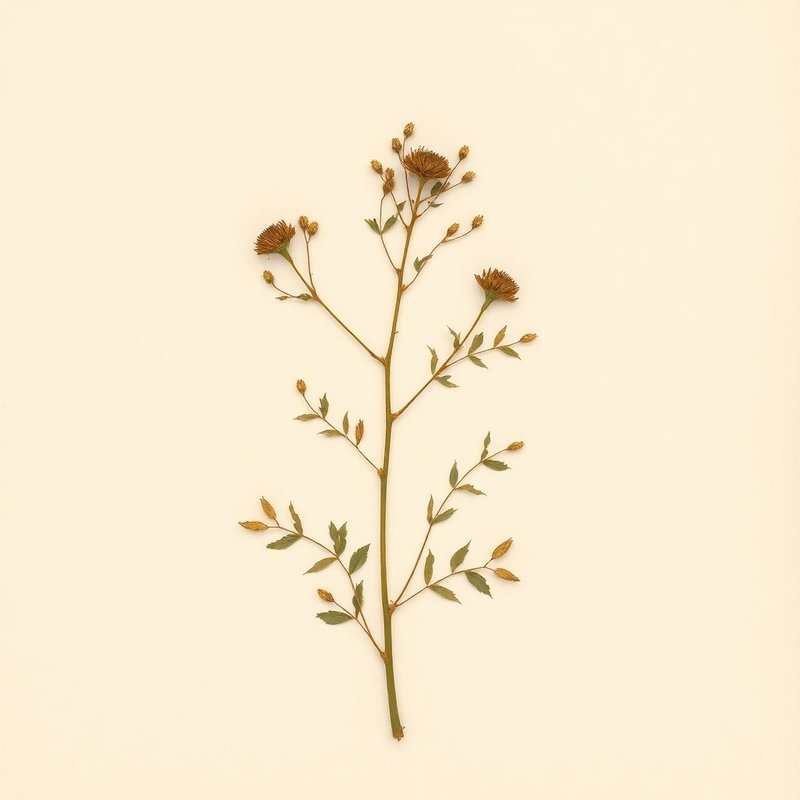
Rubus parviflorus (Flowering raspberry) — botanical photograph
Flowering raspberry (Rubus parviflorus)
X

See also

8 related
XI

Explore further

XII

About this entry

Last updated
Citation
How to cite this entry · Submit a correction
Back to the cataloguePlant id · bf6b2aa6-91d8-451c-9943-d76e44f0741d
❦❦❦❦
Endpaper · archive updates

Primește digest-ul săptămânal

Un email curat pe săptămână — profile noi de plante, note sezoniere de cultivare, adăugiri în arhiva de remedii. Gratuit, fără tracking, dezabonare oricând.

Newsletter returning soon.
We are rebuilding the update list around a lightweight editorial workflow. New dispatches will resume after the next content review cycle.
iCare notes