
Japanese Raspberry
IPrezentare
Prezentare
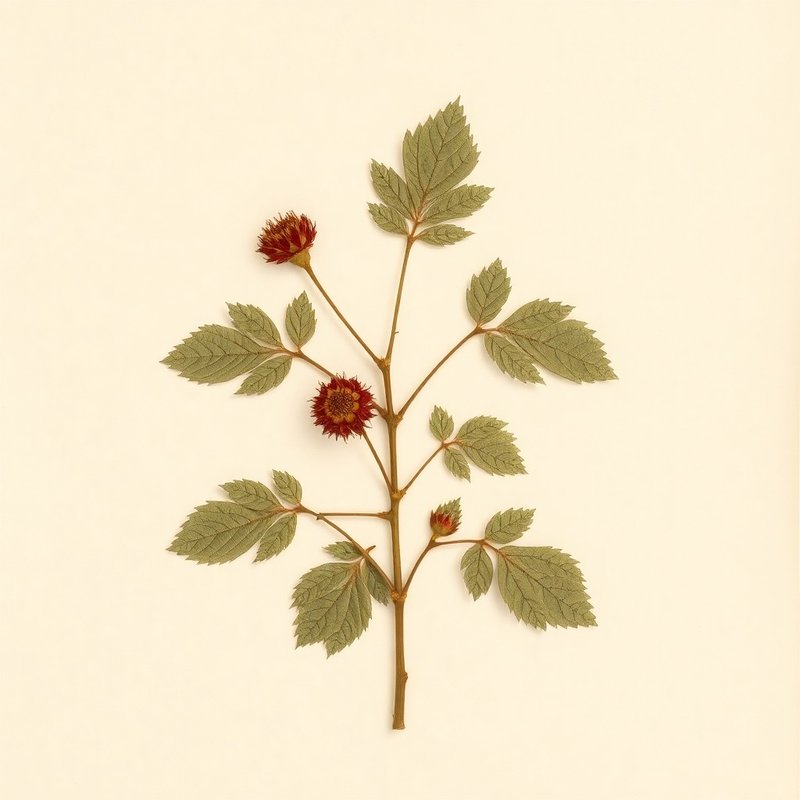
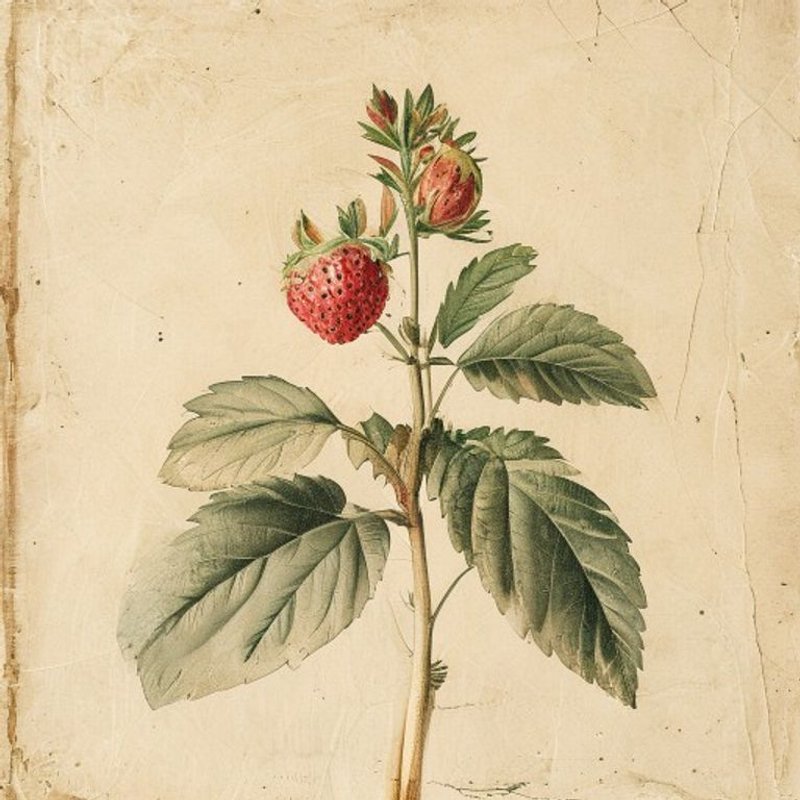
Raspberry japonez (Rubus parvifolius), cunoscut scientific sub denumirea de Rubus parvifolius, este un arbust originează în estul sud-estului Statelor Unite, inclusiv Alabama, Connecticut, Delaware, District of Columbia, Florida, Georgia, Louisiana, Maryland și părți din Estul Nou și Regiunea Mid-Atlantic. Această plantă se dezvolte în sustrat umed, de luminositate medie sau medie-vârf și poate crește până la 1 metru în înălțime. Cunoscut pentru fructele sale comestibile, Raspberry japonez este atât ornamental, cât și util ca sursă de alimentare. Caracteristicile distincte ale acestuia se reflectă în abilitatea sa de a adapta la diferite habitaturi, inclusiv soarele plină până la o umbră parțială, făcând-o o adăugare versatilă în jardine și landscapede.
What is Japanese Raspberry?
Raspberry japonez (Rubus parvifolius), cunoscut scientific sub denumirea de Rubus parvifolius, este un arbust originează în estul sud-estului Statelor Unite, inclusiv Alabama, Connecticut, Delaware, District of Columbia, Florida, Georgia, Louisiana, Maryland și părți din Estul Nou și Regiunea Mid-Atlantic.
IV·bMixology suggestions
1 draft
Mixology suggestions
1 draftVCultivare
Cultivare
How to grow Japanese Raspberry for the first time
Start with planting Japanese Raspberry in a sunny spot and follow these steps for success.
- 1
What you'll need
Japanese Raspberry plants or seeds, garden soil, mulch, and water.
- 2
Best time to plant
Plant in spring after the last frost or in fall before the first freeze.
- 3
Soil and container prep
Ensure the soil is well-draining with a pH between 6.0 and 7.0; mix compost into the soil if needed.
- 4
Sowing or transplanting
Transplant young plants from nursery pots to your garden, spacing them about 1 meter apart.
- 5
First two weeks
Water regularly to keep the soil moist; mulch around the base to retain moisture and suppress weeds.
- 6
Ongoing care
Provide full sun or partial shade, water when dry, and prune in late winter to encourage new growth.
- 7
Harvest or pruning
Prune after fruiting to remove old canes; harvest the berries once they turn red.
- 8
Common mistakes
Overwatering, not providing enough sun, and neglecting winter pruning are common pitfalls.
VIEdible & utility
Edible & utility
VIIDistribuție
34 native · 16 introduced
Distribuție
34 native · 16 introducedVIIIGarden companions
1 pair
Garden companions
1 pairThese plants help — by repelling pests, fixing nitrogen, attracting pollinators, or sharing space well.
IXSpecimen gallery
1 image
Specimen gallery
1 imageXSee also
8 related
See also
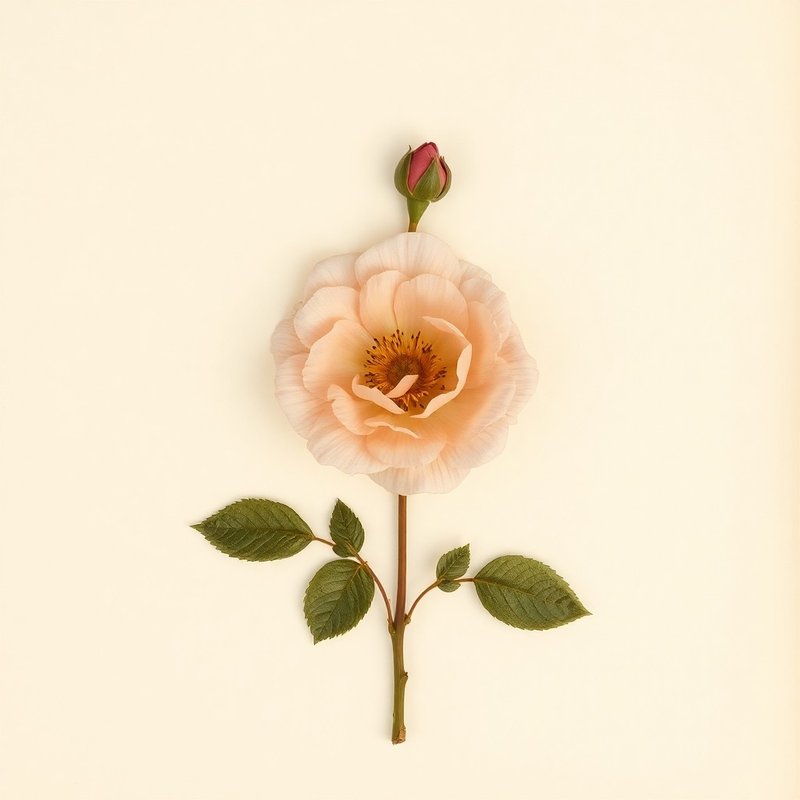
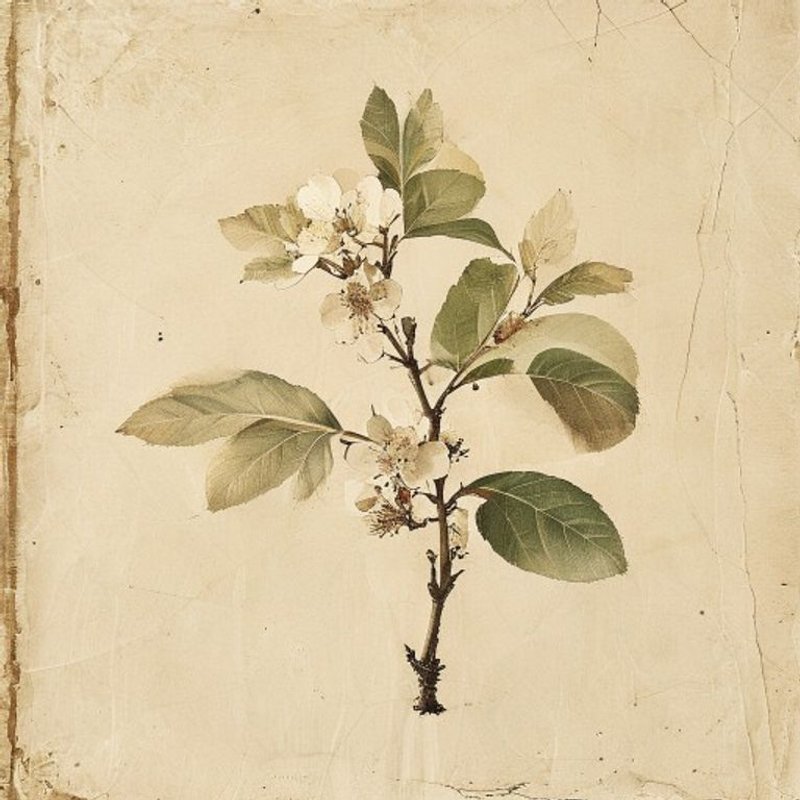
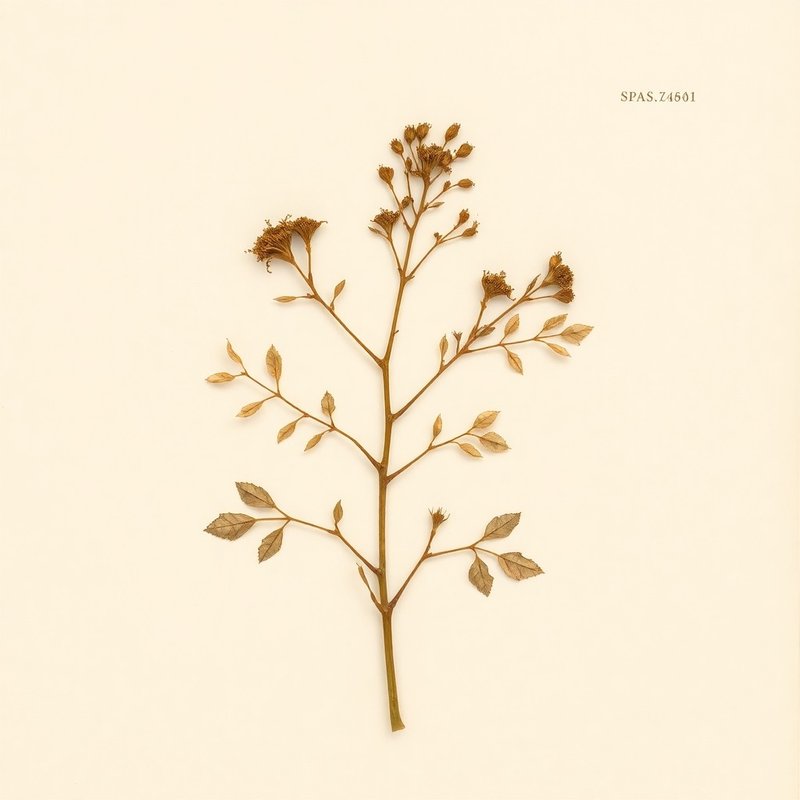
8 relatedPlants you might compare or use together — scored by shared family (Rosaceae), common use cases, and growing requirements.
Explore further
About this entry
- Last updated
- Citation
- How to cite this entry · Submit a correction
Continue reading
Primește digest-ul săptămânal
Un email curat pe săptămână — profile noi de plante, note sezoniere de cultivare, adăugiri în arhiva de remedii. Gratuit, fără tracking, dezabonare oricând.