
Salvia glabrescens
IPrezentare
Prezentare
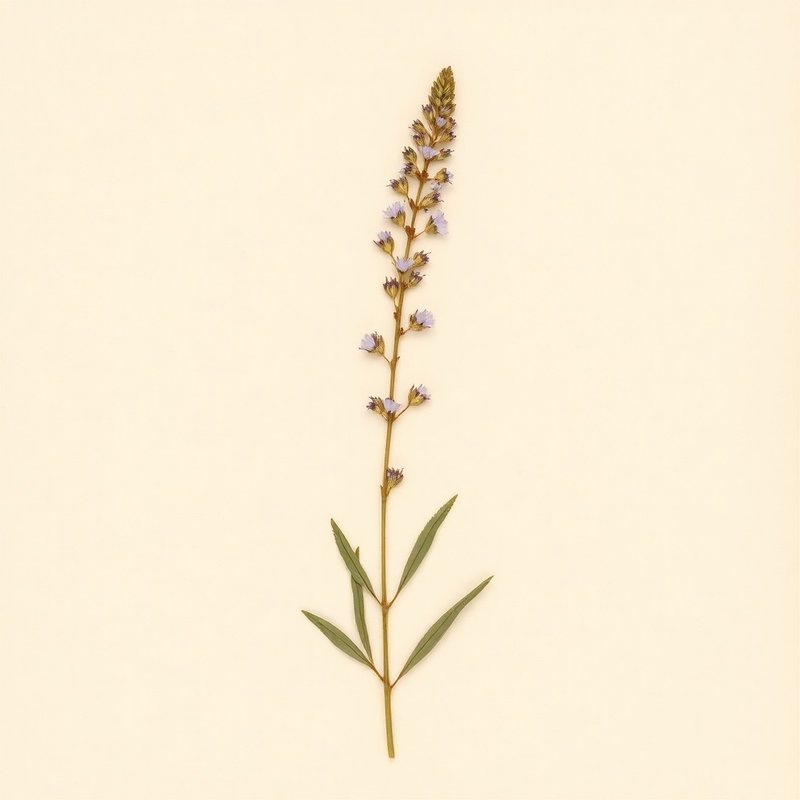
Salvia glabrescens, un membru al familiei Lamiaceae și cunoscută sub numele de Skip, este o perenă nativă din Japonia. Această plantă se dezvolte în zonă plină de soare până la semipadure, crescând până la 0,3 m în înălțime. Prefere sustratul bine drenat care poate fi liniștit sau mediu, și toleranța sa la condițiile umide și sec sunt amănunțite. Cunoscută pentru folii sale comestibile, utilizate adesea în aplicații culinare, Skip are și utilizări medicinale documentate. Caracteristicile sălbatici ale acesteia includ adaptabilitatea sa la diverse condiții de creștere și valoarea ornamentală din cauza foliilor sale atractive.
What is Salvia glabrescens?
Salvia glabrescens, un membru al familiei Lamiaceae și cunoscută sub numele de Skip, este o perenă nativă din Japonia. Această plantă se dezvolte în zonă plină de soare până la semipadure, crescând până la 0,3 m în înălțime.
IV·bMixology suggestions
2 drafts
Mixology suggestions
2 draftsVCultivare
Cultivare
How to grow Salvia glabrescens for the first time
Start with Skip by ensuring you have the right conditions and care, making it a simple yet rewarding project for beginners.
- 1
What you'll need
Skip seeds or young plants, small pots if starting from seed, well-draining soil, and a container or garden bed.
- 2
Best time to plant
Plant Skip in spring after the last frost, ensuring warm temperatures for successful growth.
- 3
Soil and container prep
Use a light, sandy soil with good drainage. For containers, choose one that is at least 20 cm deep.
- 4
Sowing or transplanting
Direct sow seeds in the garden after the last frost or start them indoors 4-6 weeks before planting outside. Transplant young plants carefully to avoid damaging roots.
- 5
First two weeks
Keep Skip moist during establishment, but do not overwater. Provide partial shade if necessary until it becomes more established.
- 6
Ongoing care
Skip prefers full sun with some afternoon shade in hot climates. Water when the soil feels dry to the touch and mulch to retain moisture. Fertilize sparingly, every 4-6 weeks with a balanced fertilizer.
- 7
Harvest or pruning
Prune Skip after flowering to encourage bushier growth and prevent self-seeding. Remove any dead leaves or stems as needed throughout the growing season.
- 8
Common mistakes
Overwatering, planting in heavy soil, neglecting to prune, and not providing enough sunlight are common pitfalls for beginners.
VIEdible & utility
Edible & utility
VIIDistribuție
1 native · 0 introduced
Distribuție
1 native · 0 introducedIXSpecimen gallery
1 image
Specimen gallery
1 imageXSee also
8 related
See also
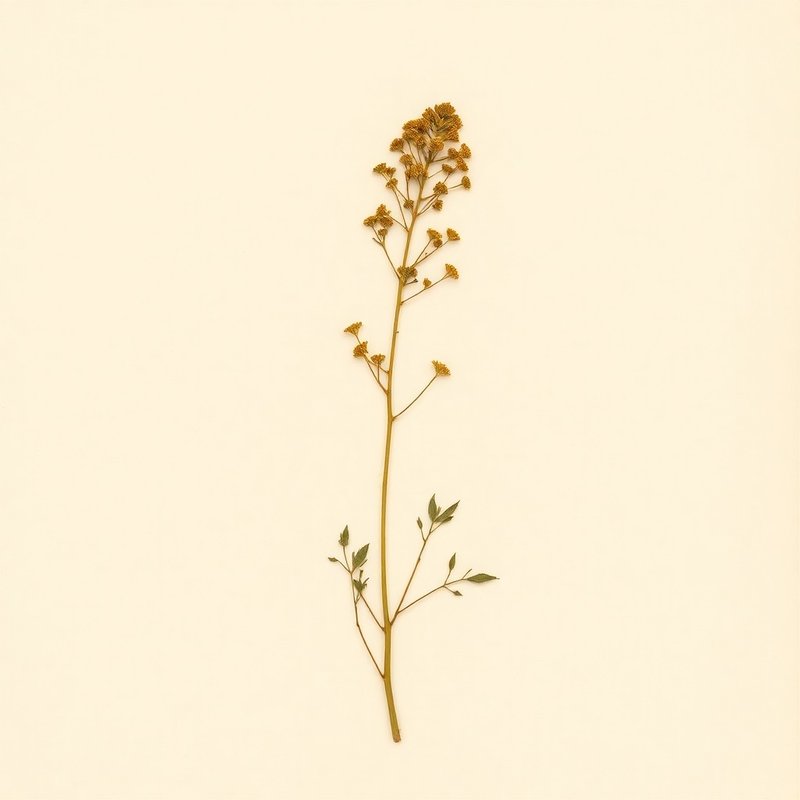
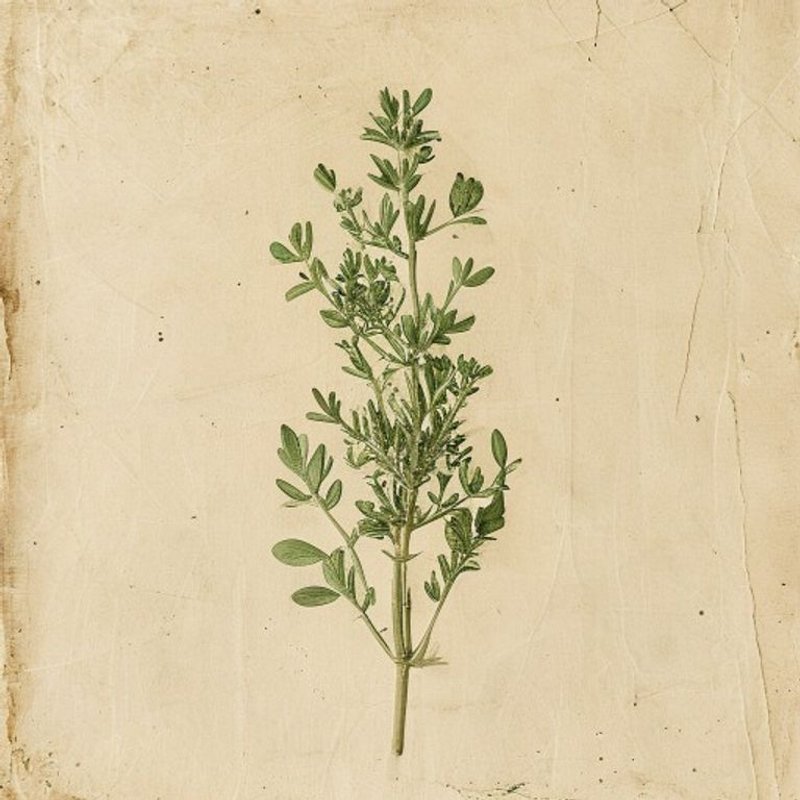
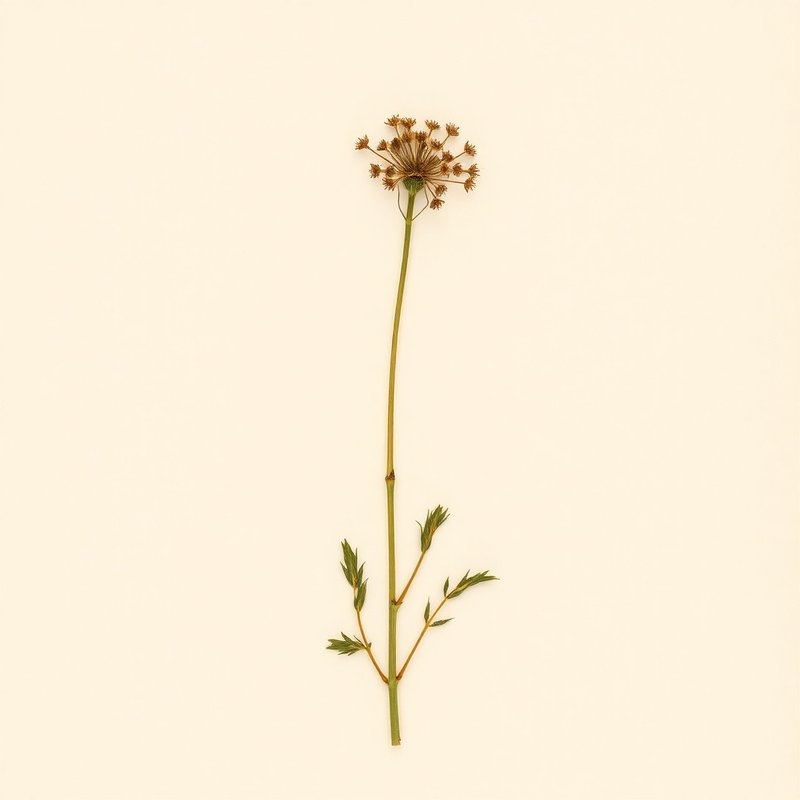
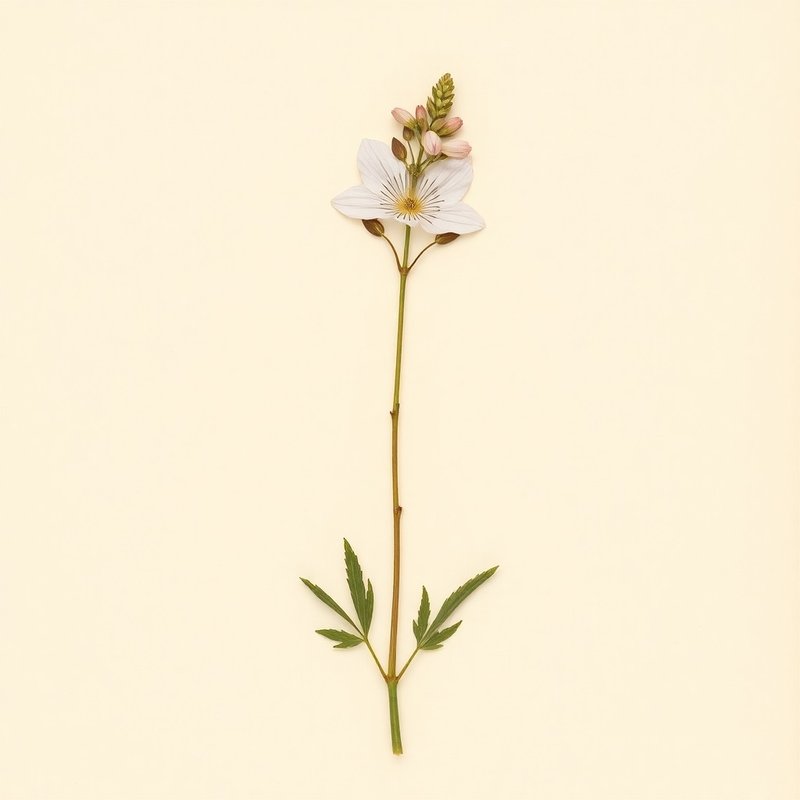
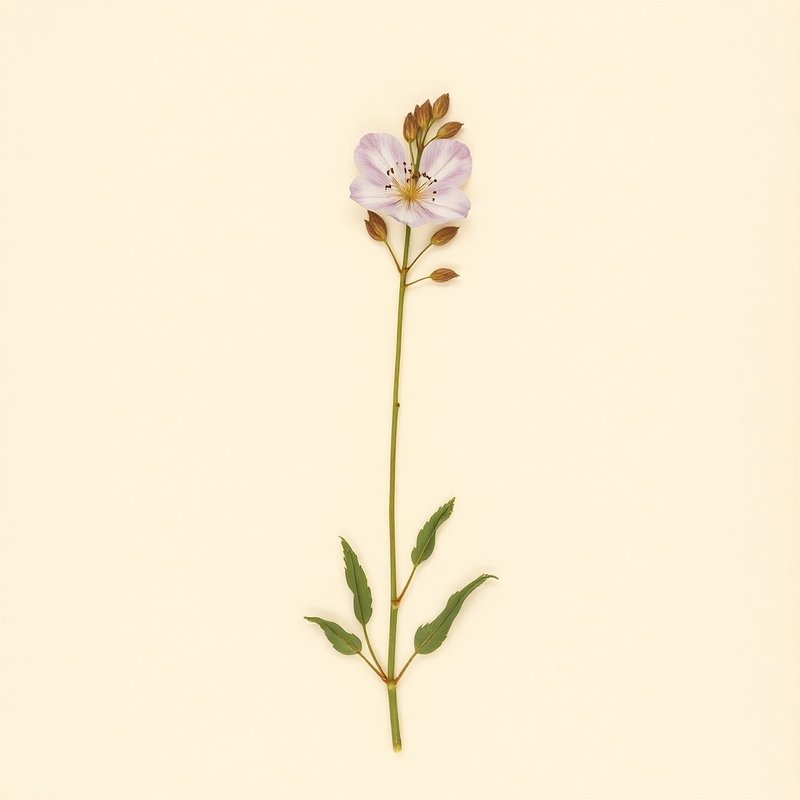
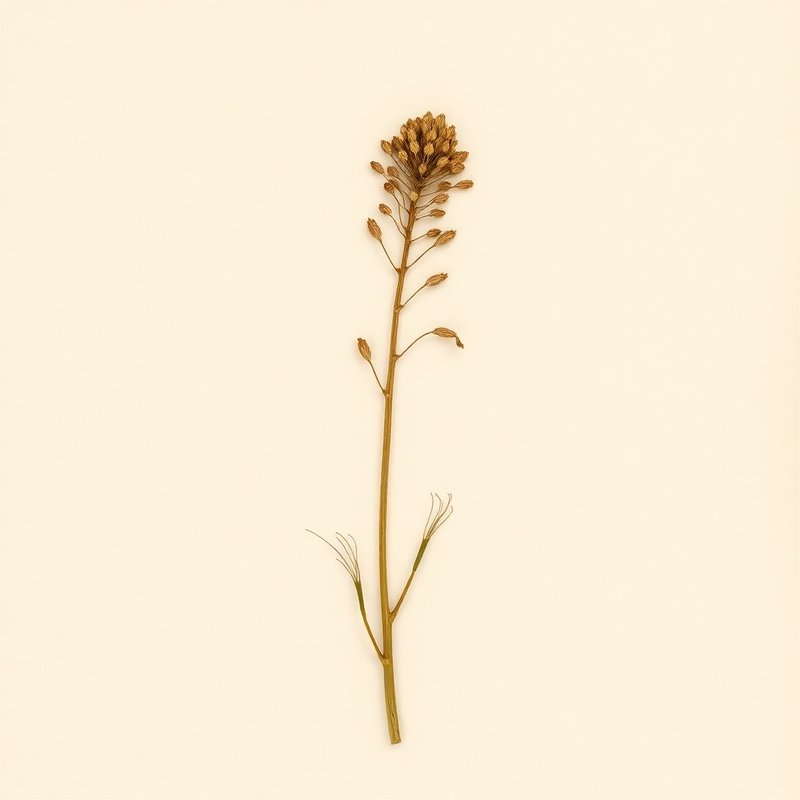
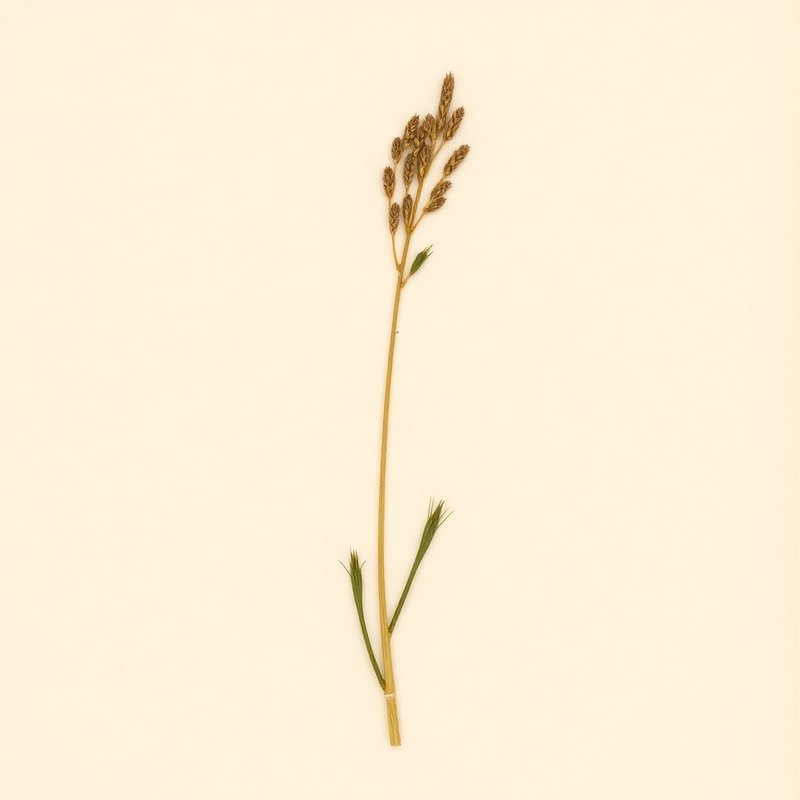
8 relatedPlants you might compare or use together — scored by shared family (Lamiaceae), common use cases, and growing requirements.
Explore further
About this entry
- Last updated
- Citation
- How to cite this entry · Submit a correction
Continue reading
Primește digest-ul săptămânal
Un email curat pe săptămână — profile noi de plante, note sezoniere de cultivare, adăugiri în arhiva de remedii. Gratuit, fără tracking, dezabonare oricând.