
Asiatic Sweetleaf
IPrezentare
Prezentare
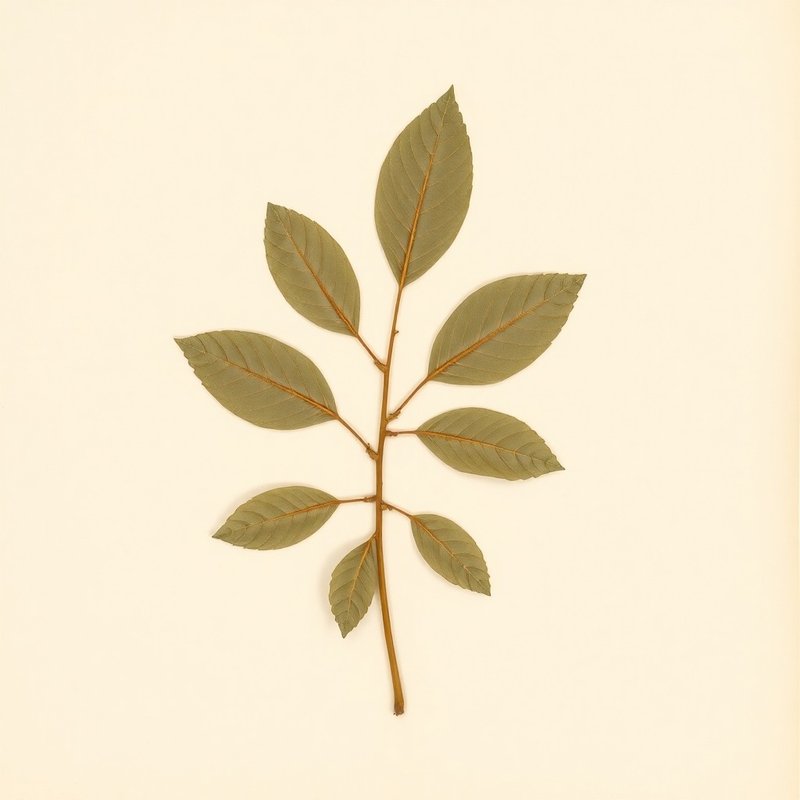
Symplocos paniculata, dulcea din Asia (Symplocos paniculata), este un arbore mic sau un buște nativ în regiuni din Asia, inclusiv Assam, Bangladesh, China, Himalaile de Est și Vest, Hainan, Inner Mongolia, Japonia, Laos, Manchuria, Myanmar, Nepal, Taiwan, Tibet și Vietnam. Cunoscut pentru fructele sale comestibile, acest plant se dezvolte în condiții umide cu preferință pentru soluri de tip liniștit (sândal), medie sau grea (argila) și expozție la soare complet. Durabil în zonele 4-8, poate crește până la o înălțime de 4 metri. Un caracter distinctiv al dulcei din Asia este adaptabilitatea sa în diferite habitaturi din domeniul său nativ, făcând-o un plant ornamental și comestibil valabil în jardine botanice și landscaped.
What is Asiatic Sweetleaf?
Symplocos paniculata, dulcea din Asia (Symplocos paniculata), este un arbore mic sau un buște nativ în regiuni din Asia, inclusiv Assam, Bangladesh, China, Himalaile de Est și Vest, Hainan, Inner Mongolia, Japonia, Laos, Manchuria, Myanmar, Nepal, Taiwan, Tibet și Vietnam.
VCultivare
Cultivare
How to grow Asiatic Sweetleaf for the first time
Start with planting Asiatic Sweetleaf in a sunny spot and follow these simple steps for success.
- 1
What you'll need
A young Asiatic Sweetleaf plant, garden gloves, a trowel, and some compost.
- 2
Best time to plant
Plant in spring or early fall when the weather is mild.
- 3
Soil and container prep
Ensure the soil is well-draining with a pH between 6.0 and 7.5, and prepare a hole twice as wide but not deeper than the root ball.
- 4
Sowing or transplanting
Transplant young plants from containers into your garden bed, making sure to keep the soil level consistent with the original pot.
- 5
First two weeks
Water regularly to keep the soil moist but not waterlogged. Monitor for any signs of stress and adjust watering accordingly.
- 6
Ongoing care
Provide full sun exposure, regular watering during dry spells, and mulch around the base to retain moisture and suppress weeds.
- 7
Harvest or pruning
Prune in late winter before new growth starts to maintain shape and remove any dead or diseased branches.
- 8
Common mistakes
Overwatering, planting in heavy clay soil, not providing enough sunlight, and neglecting regular pruning.
VIEdible & utility
Edible & utility
VIIDistribuție
17 native · 6 introduced
Distribuție
17 native · 6 introducedIXSpecimen gallery
1 image
Specimen gallery
1 imageXSee also
8 related
See also
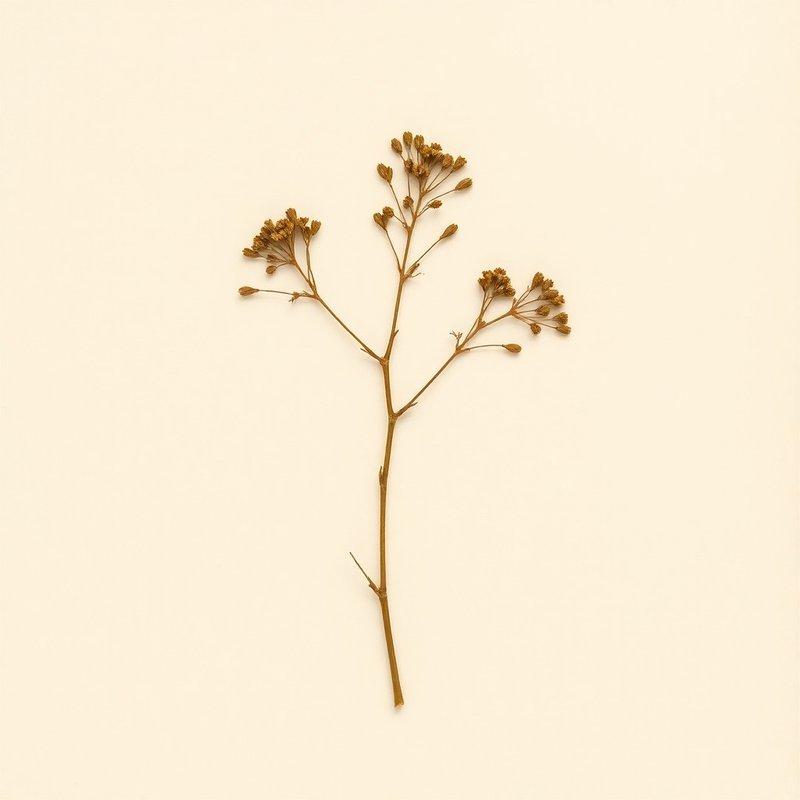
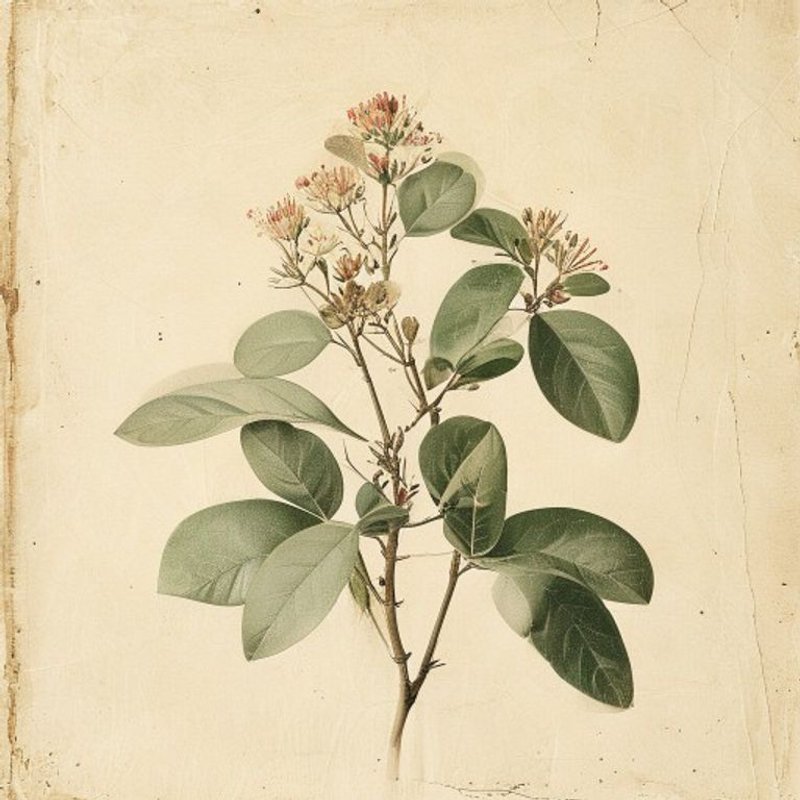
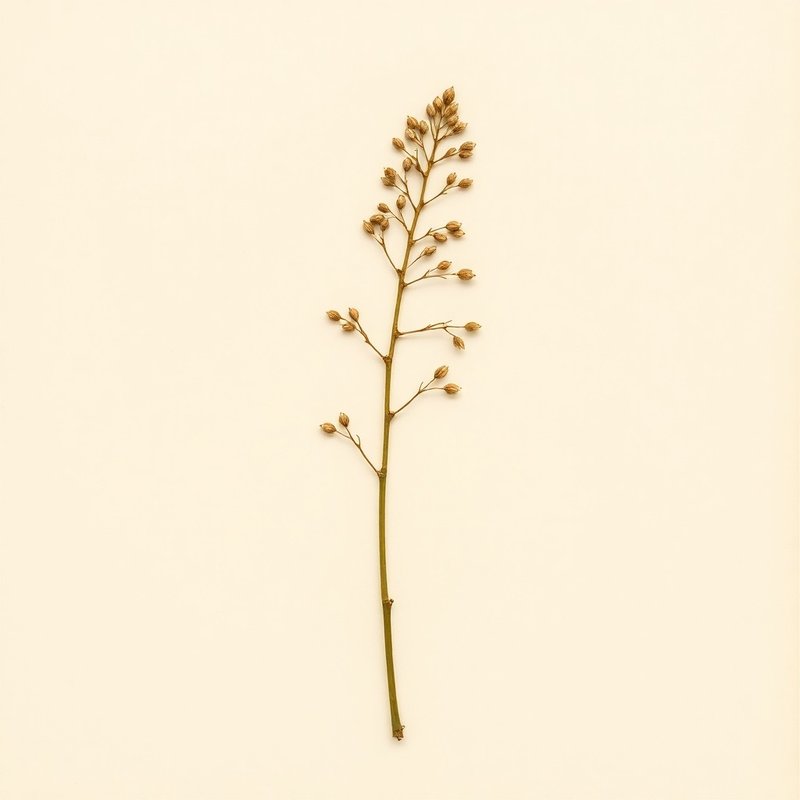
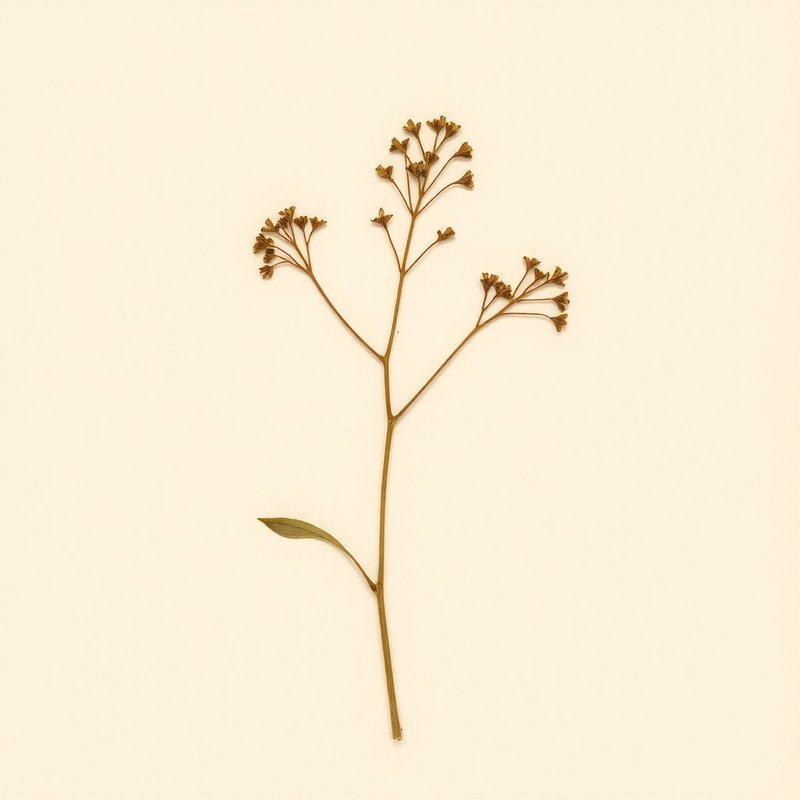
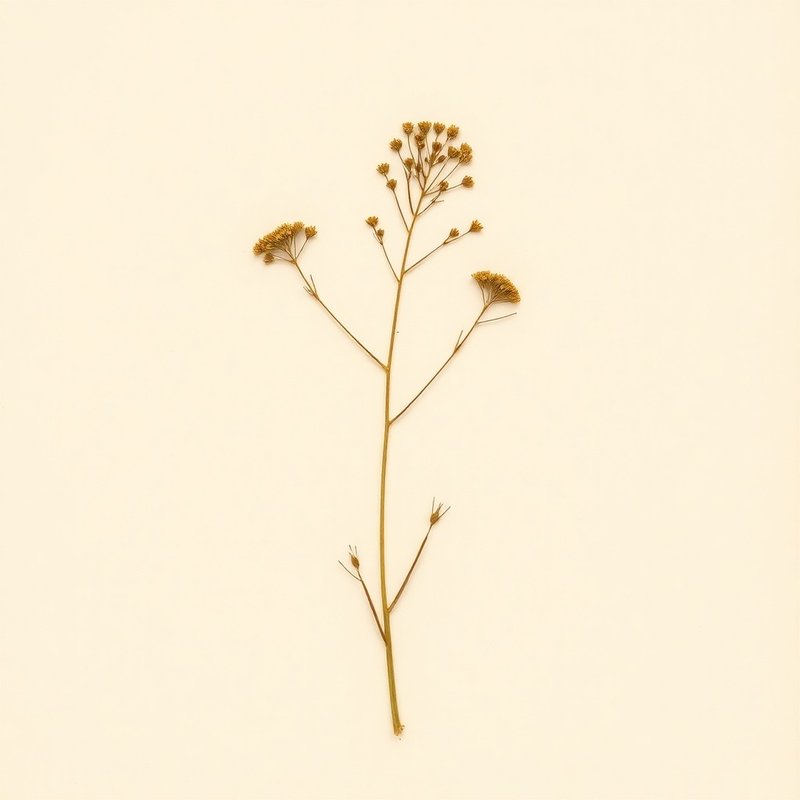
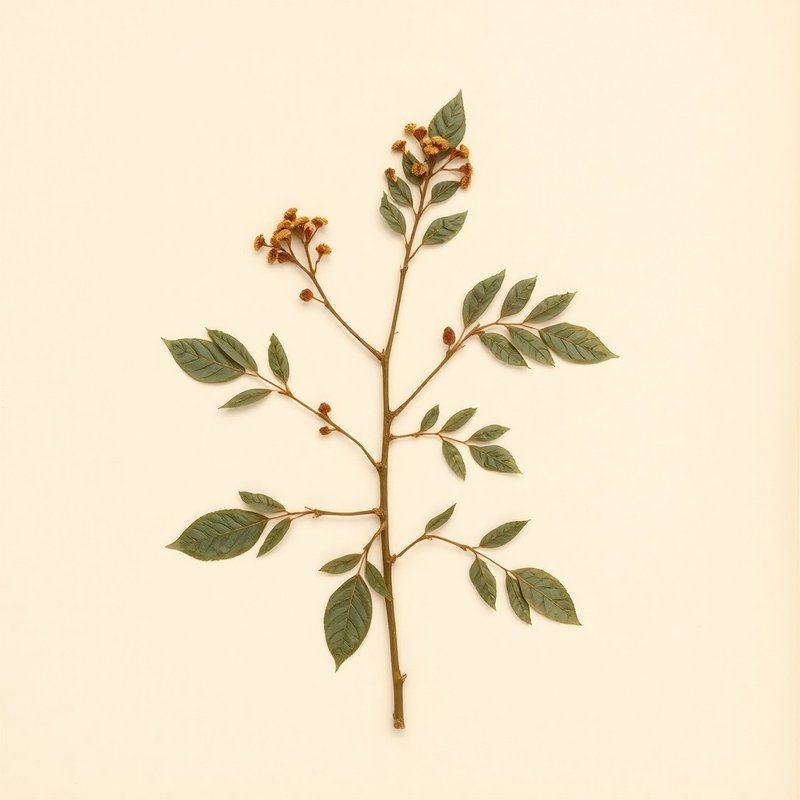
8 relatedPlants you might compare or use together — scored by shared family (Rhamnaceae), common use cases, and growing requirements.


Explore further
About this entry
- Last updated
- Citation
- How to cite this entry · Submit a correction
Continue reading
Primește digest-ul săptămânal
Un email curat pe săptămână — profile noi de plante, note sezoniere de cultivare, adăugiri în arhiva de remedii. Gratuit, fără tracking, dezabonare oricând.