
Skip to content
IIIFolio · plant profile№ 70FFedible
Data provenancePermapeopleTrefleWikipediaPFAFPOWOreviewed 13 Oct 2026methodology → read
Home/Plants/Polypodiaceae

Marsh Fern

Thelypteris palustrisfam. Polypodiaceae
Educational content — not medical, botanical, or professional advice. Plant identification, safety, and edibility depend on local conditions, cultivars, and correct identification. Consult a qualified botanist or forager before consuming or handling wild specimens. How we source & review →
edibleshrubsedibleedible leafherbnative amshade tolerant
Updated·Quick Q&A →
Garden journal pausedUse profile notes below
Thelypteris palustris (Marsh Fern) — botanical photograph
Pl. 70FF — Thelypteris palustris
Thelypteris palustrisThelypteris palustrisThelypteris palustrisThelypteris palustrisThelypteris palustrisThelypteris palustrisThelypteris palustrisThelypteris palustrisThelypteris palustrisThelypteris palustrisThelypteris palustrisThelypteris palustrisThelypteris palustrisThelypteris palustris
I

Prezentare

Ferună de pâine (Thelypteris palustris) este o herbă plină de lumină găsită în mediului umid sau moștenit dintr-o gamă largă de locații, inclusiv Nord America, Europa și Asia. Nativă în Alabama, Albania, Algeria și alte regiuni, această ferună se dezvoltă în soluri legere (sândal), medii sau grele (argilă) cu un pH între 6,5 și 7. Această ferună atinge o înălțime de aproximativ 0,8 metri și este cunoscută pentru folturile sale comestibile, făcând-o o resursă valoroasă unde crește. Adaptabilitatea sa la diverse habitaturi o face o plantă utilă în studiile botanice și proiectele de landscaping care se concentrează pe specii pline de apă.

Quick answers

What is Marsh Fern?

Ferună de pâine (Thelypteris palustris) este o herbă plină de lumină găsită în mediului umid sau moștenit dintr-o gamă largă de locații, inclusiv Nord America, Europa și Asia.

Compare with:Brittle Bladder Fern→Licorice Fern→all comparisons →
Growingconditions · propagation · uses
V

Cultivare

Ferună de pâine thrivează în condiții umide sau moștenite și preferă soluri legere (sândal), medii sau grele (argilă). Este durabilă în regiuni temperate cu o gamă de zone între 4-8. Această forb/herb crește până la o înălțime de aproximativ 0,8 metri și necesită semnificativă umeditate sau soarecare complet. Pentru cele mai bune rezultate, mențineți un pH al solului între 6,5 și 7. Propagează-te prin diviziune sau spori pentru a obține noi plante. Asigurați-vă că mediul rămâne în mod constant umed pentru a susține creșterea sa.
Light
4/10
Water
Moist, Wet
Soil
Light (sandy), Medium, Heavy (clay)
Hardiness
4-8
Habit
Forb/herb
Mature size
0.8 m tall
Soil pH
6.5–7
For first-time growers

How to grow Marsh Fern for the first time

8steps

Start with a simple Marsh Fern and focus on basic care for the first season.

  1. 1

    What you'll need

    Marsh Fern plants or seeds, potting soil, containers, water.

  2. 2

    Best time to plant

    Plant in spring after the last frost or fall before the first freeze.

  3. 3

    Soil and container prep

    Use a well-draining potting mix with a pH of 6.5–7. Ensure containers have drainage holes.

  4. 4

    Sowing or transplanting

    Transplant young plants from a nursery, or sow seeds directly in the soil at a depth of about 1 cm.

  5. 5

    First two weeks

    Keep the soil consistently moist and place the container in partial shade to avoid direct sunlight.

  6. 6

    Ongoing care

    Water regularly to keep the soil moist but not soggy. Provide partial shade, especially during hot summer months.

  7. 7

    Harvest or pruning

    Prune dead leaves and stems in early spring to encourage new growth and maintain a tidy appearance.

  8. 8

    Common mistakes

    Overwatering, planting in full sun, using the wrong soil type, neglecting to prune.

VI

Edible & utility

Edible parts:Leaves
Edible uses: The leaves of the Marsh Fern are edible and can be eaten raw or cooked. Typically, they are prepared by boiling to make them more palatable. The plant thrives in moist, wet conditions with a soil pH between 6.5 and 7, making it suitable for light (sandy), medium, or heavy (clay) soils.
Contextrange · companions · related
VII

Distribuție

107 native · 1 introduced
Distribution across4 continents· 107 native· 1 introduced
Europe24 regions
native (24)AlbaniaAustriaBelarusBelgiumBulgariaDenmarkFinlandFranceGermanyGreeceHungaryIrelandItalyNetherlandsNorwayPolandPortugalRomaniaRussiaSpainSwedenSwitzerlandUkraineUnited Kingdom
Asia9 regions
native (9)ChinaGeorgiaIranIraqJapanKazakhstanPalestineSouth KoreaTurkey
Americas1 region
native (1)Cuba
Africa2 regions
native (2)AlgeriaMorocco
Broader regions
native:Alabama, Altay, Arkansas, Baltic States, Buryatiya, Connecticut, Czechoslovakia, Delaware, District of Columbia, Florida, Illinois, Indiana, Iowa, Irkutsk, Kansas, Kentucky, Krasnoyarsk, Louisiana, Maine, Manitoba, Maryland, Masachusettes, Massachusetts, Mexico Central, Mexico Southwest, Michigan, Minnesota, Mississippi, Missouri, Nebraska, New Brunswick, New Hampshire, New Jersey, New York, Newfoundland, North Carolina, North Dakota, Nova Scotia, Ohio, Oklahoma, Ontario, Pennsylvania, Prince Edward I., Québec, Rhode I., Saskatchewan, South Carolina, South Dakota, Tennessee, Texas, Transcaucasus, Turkey-in-Europe, Vermont, Virginia, West Himalaya, West Virginia, Wisconsin, Yugoslavia
introduced:Bermuda
IX

Specimen gallery

1 image
Thelypteris palustris (Marsh Fern) — botanical photograph
Marsh Fern (Thelypteris palustris)
X

See also

2 related

Plants you might compare or use together — scored by shared family (Polypodiaceae), common use cases, and growing requirements.
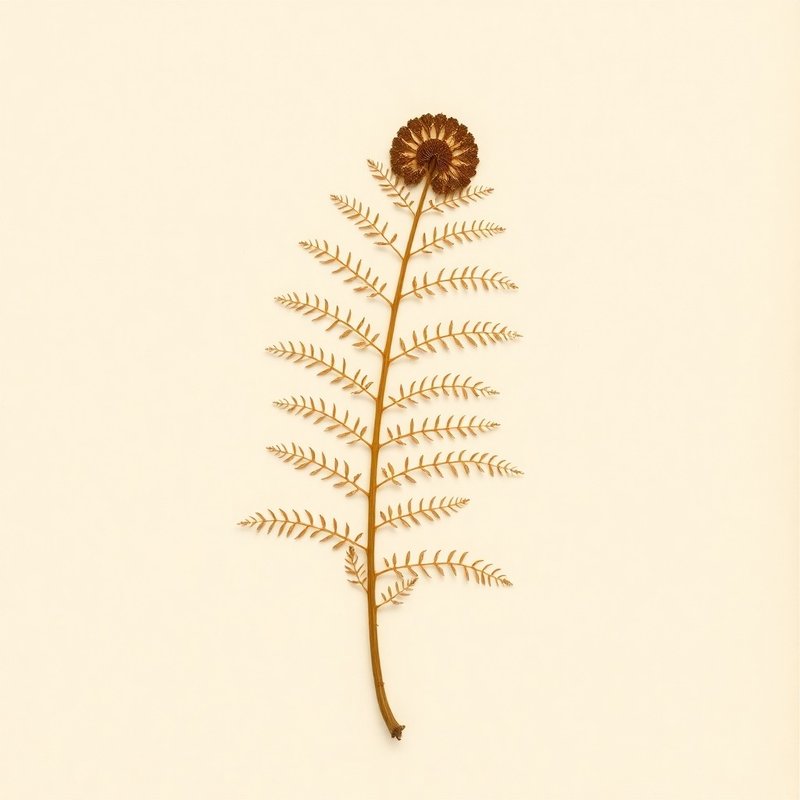
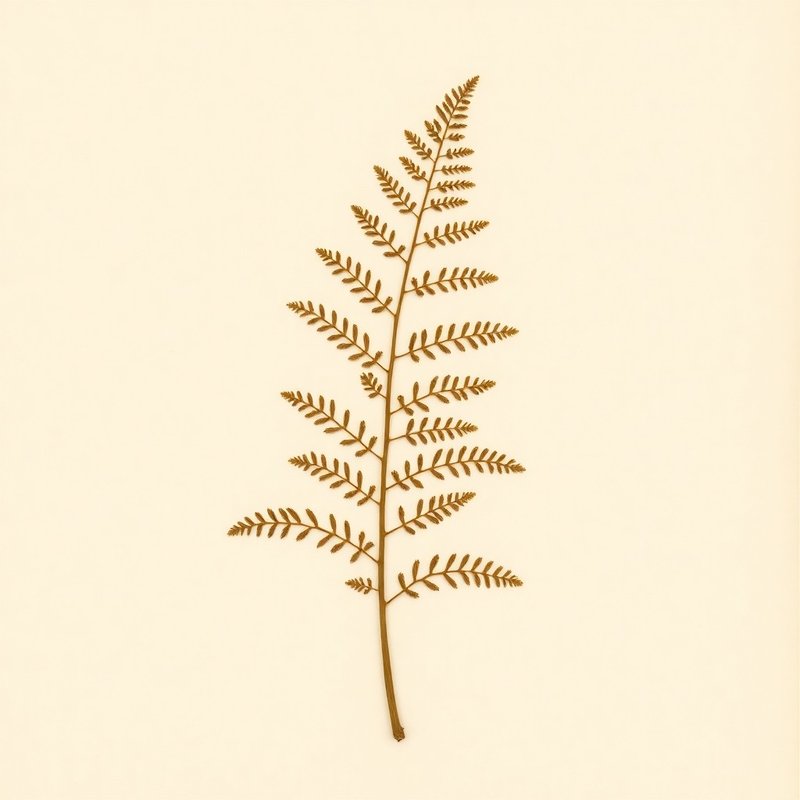
same family · Polypodiaceae
Botanical relatives — often share phytochemistry + growing needs.
XI

Explore further

Companion planting
Compare with similar plants
Growing zone
XII

About this entry

Last updated
Citation
How to cite this entry · Submit a correction
Back to the cataloguePlant id · 70ff6a21-7092-4372-b6ff-cc468e2ffcf8
Decision aid
Choosing between Marsh Fern and something else?
Compare with another plant

Continue reading

❦❦❦❦
Endpaper · archive updates

Primește digest-ul săptămânal

Un email curat pe săptămână — profile noi de plante, note sezoniere de cultivare, adăugiri în arhiva de remedii. Gratuit, fără tracking, dezabonare oricând.

Newsletter returning soon.
We are rebuilding the update list around a lightweight editorial workflow. New dispatches will resume after the next content review cycle.
iCare notes