
Skip to content
IIIFolio · plant profile№ A726edible
Data provenancePermapeopleTreflePFAFPOWOreviewed 13 Oct 2026methodology → read
Home/Plants/Lythraceae

Trapa bicornis

Trapa bicornisfam. Lythraceae
Educational content — not medical, botanical, or professional advice. Plant identification, safety, and edibility depend on local conditions, cultivars, and correct identification. Consult a qualified botanist or forager before consuming or handling wild specimens. How we source & review →
edibleperennialedibleedible seednative africanative asianative eastern eurasiaperennial
Updated·Quick Q&A →
Garden journal pausedUse profile notes below
Trapa bicornis (Trapa bicornis) — botanical photograph
Pl. A726 — Trapa bicornis
Trapa bicornisTrapa bicornisTrapa bicornisTrapa bicornisTrapa bicornisTrapa bicornisTrapa bicornisTrapa bicornisTrapa bicornisTrapa bicornisTrapa bicornisTrapa bicornisTrapa bicornisTrapa bicornis
I

Prezentare

Trapa bicornis, membră a familiei Lythraceae, este nativă în regiuni precum Amur, Angola, Assam, Bangladesh, Botswana și Burkina Faso. Această plantă perenă se dezvoltă în zonă plină de soare și necesită condiții umide, fiind potrivită pentru habitatul bogat din punct de vedere al apului. Poate crește în diferite tipuri de sol - liniștit (sândal), mediu sau greu (argilă) - și este durabilă în zonele 4-8. Cunoscută pentru semințele sale comestibile, Trapa bicornis este atât ornamental cât și util ca sursă de alimentare. O caracteristică distinctivă a acestei plante este prezența a două corni pe fructul său, care ajută la dispersarea prin apă.

Quick answers

What is Trapa bicornis?

Trapa bicornis, membră a familiei Lythraceae, este nativă în regiuni precum Amur, Angola, Assam, Bangladesh, Botswana și Burkina Faso. Această plantă perenă se dezvoltă în zonă plină de soare și necesită condiții umide, fiind potrivită pentru habitatul bogat din punct de vedere al apului.

Compare with:Alangium→Trapa natans→all comparisons →
Growingconditions · propagation · uses
V

Cultivare

Trapa bicornis se dezvoltă în zonă plină de soare și necesită condiții umide, fiind potrivită pentru jardinele cu apă sau zonele cu irrigare constantă. Prefere soluri liniștite până la grele, dar poate adapta și la texture medii. Această plantă perenă este durabilă în zonele 4-8 și poate fi reproducută din semințe. Asigurați-vă că mediul de creștere imită habitatul nativ găsit pe continentele asiatic, africană și parte a Europei pentru cele mai bune rezultate.
Light
Full sun
Water
Water
Soil
Light (sandy), Medium, Heavy (clay)
Hardiness
4-8
Life cycle
Perennial
For first-time growers

How to grow Trapa bicornis for the first time

8steps

This guide will help you start growing Skip as a beginner, focusing on basic care and maintenance.

  1. 1

    What you'll need

    Skip seeds or seedlings, containers or ponds, potting soil if using containers.

  2. 2

    Best time to plant

    Plant in spring when temperatures are consistently above 10°C (50°F).

  3. 3

    Soil and container prep

    Use a well-draining mix for containers; skip this step if planting directly into a pond or lake.

  4. 4

    Sowing or transplanting

    Start seeds indoors in small pots, then transplant to larger containers or outdoors once established.

  5. 5

    First two weeks

    Keep the soil moist and provide plenty of light. Monitor for any signs of stress or pests.

  6. 6

    Ongoing care

    Ensure the plant gets full sun and regular watering, especially in dry periods. Prune if necessary to maintain shape.

  7. 7

    Harvest or pruning

    Skip is primarily grown as an ornamental; prune back any dead leaves or stems for a tidy appearance.

  8. 8

    Common mistakes

    Overwatering, planting in unsuitable soil, not providing enough sunlight, neglecting to prune.

VI

Edible & utility

Edible parts:Seed
Edible uses: The seed of Trapa bicornis is edible and can be consumed after proper preparation. Typically, the seeds are harvested and then roasted or boiled before eating. Skip the raw consumption to ensure safety and enhance flavor.
Contextrange · companions · related
VII

Distribuție

37 native · 1 introduced
Distribution across2 continents· 37 native· 1 introduced
Asia12 regions
native (12)BangladeshChinaIndiaJapanLaosPakistanPhilippinesSouth KoreaSri LankaTaiwanThailandVietnam
Africa14 regions
native (14)AngolaBotswanaBurkina FasoCameroonChadGuinea-BissauMalawiMozambiqueNamibiaNigeriaSudanTanzaniaZambiaZimbabwe
Broader regions
native:Amur, Central African Repu, Congo, Jawa, Primorye, West Himalaya, Zaïre
introduced:Nansei-shoto
IX

Specimen gallery

1 image
Trapa bicornis (Trapa bicornis) — botanical photograph
Trapa bicornis (Trapa bicornis)
X

See also

2 related

Plants you might compare or use together — scored by shared family (Lythraceae), common use cases, and growing requirements.
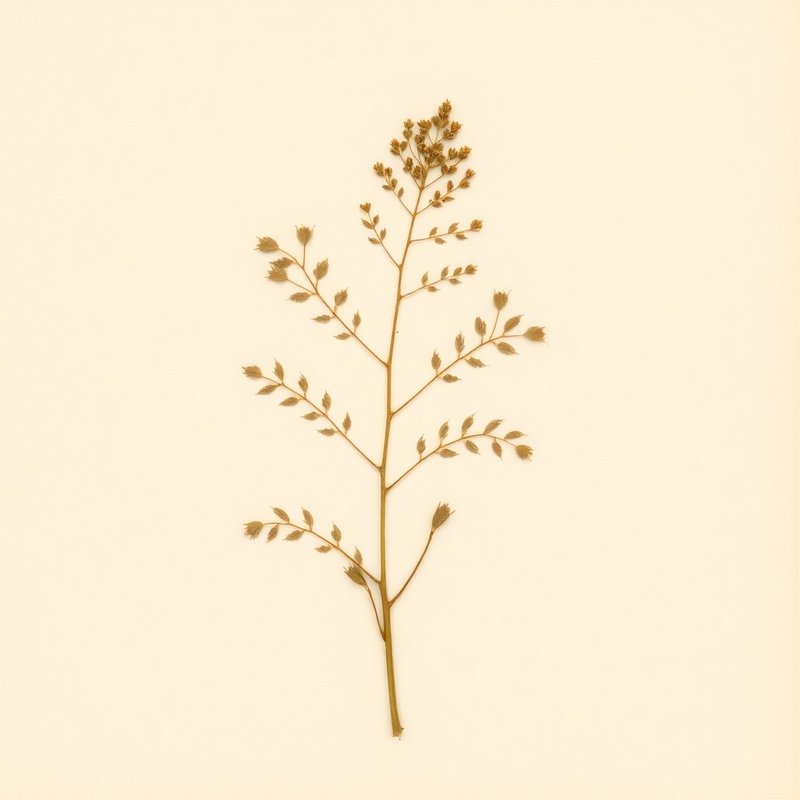
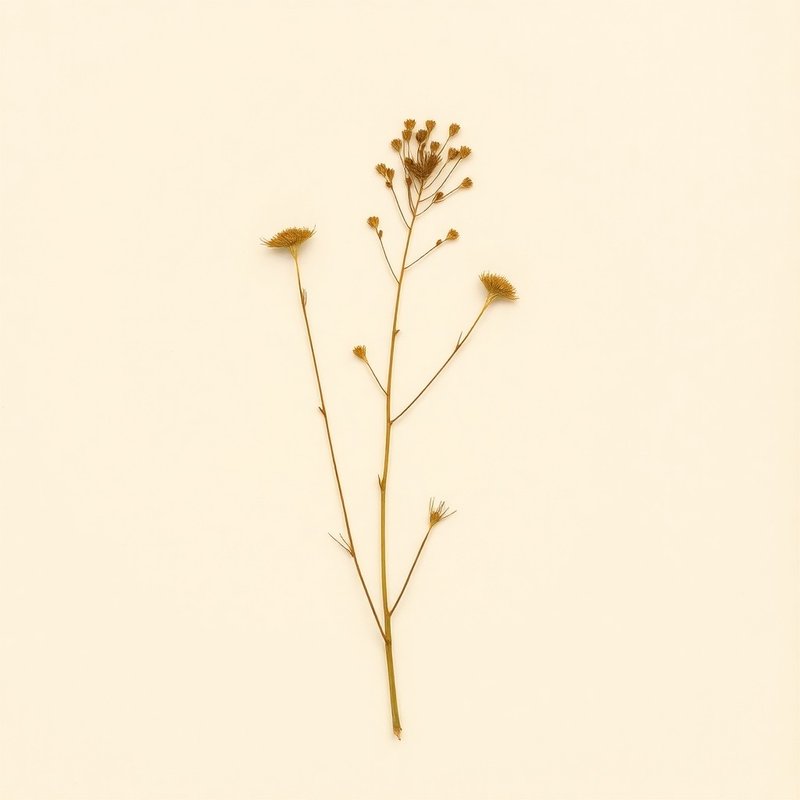
same family · Lythraceae
Botanical relatives — often share phytochemistry + growing needs.
XI

Explore further

Compare with similar plants
Growing zone
XII

About this entry

Last updated
Citation
How to cite this entry · Submit a correction
Back to the cataloguePlant id · a726178e-2445-4fe2-9a06-d1a51e5b3581
Decision aid
Choosing between Trapa bicornis and something else?
Compare with another plant

Continue reading

❦❦❦❦
Endpaper · archive updates

Primește digest-ul săptămânal

Un email curat pe săptămână — profile noi de plante, note sezoniere de cultivare, adăugiri în arhiva de remedii. Gratuit, fără tracking, dezabonare oricând.

Newsletter returning soon.
We are rebuilding the update list around a lightweight editorial workflow. New dispatches will resume after the next content review cycle.
iCare notes