
Skip to content
IIIFolio · plant profile№ 1E31edible
Data provenancePermapeopleTreflePFAFPOWOreviewed 13 Oct 2026methodology → read

Einkorn

Triticum monococcum
Educational content — not medical, botanical, or professional advice. Plant identification, safety, and edibility depend on local conditions, cultivars, and correct identification. Consult a qualified botanist or forager before consuming or handling wild specimens. How we source & review →
edibleannualcerealedible
Updated·Quick Q&A →
Garden journal pausedUse profile notes below
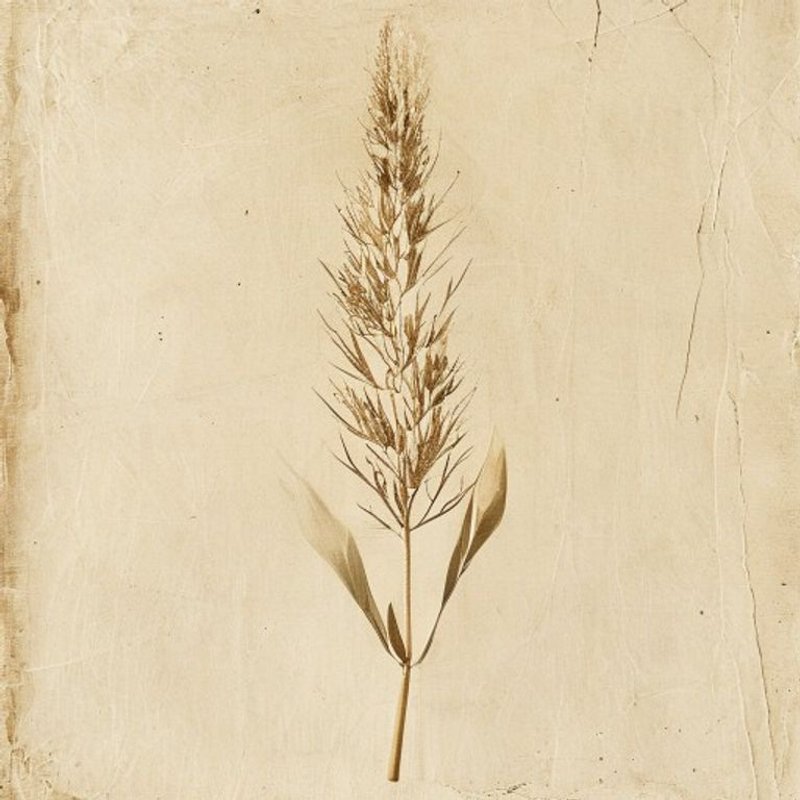
Triticum monococcum (Einkorn) — botanical photograph
Pl. 1E31 — Triticum monococcum
Triticum monococcumTriticum monococcumTriticum monococcumTriticum monococcumTriticum monococcumTriticum monococcumTriticum monococcumTriticum monococcumTriticum monococcumTriticum monococcumTriticum monococcumTriticum monococcumTriticum monococcumTriticum monococcum
I

Prezentare

Einkorn (Triticum monococcum) este o formă antic de grâu nativ în regiuni precum Afghanistan, Albania, Bulgaria, Grecia, Iran, Irak, Krym, Lebanon-Syria, Nordul Caucasei, Transcaucasus, Turcia, Turcia în Europa și Ucraina. Această plantă anuală crește până la 1 metru de înălțime și se adaptează la soluri cu luminositate (sandy), medii și grele (clay) cu un pH între 6,5 și 7. Cunoscut pentru grâul său consumabil, einkorn este adesea cultivat pentru valorile sale nutriționale și semnificația istorică. Un caracteristică distinctivă a acestei grâii este conținutul scăzut de gluten comparativ cu varietatele moderne de grâu, făcându-l potrivit pentru cei cu restricții alimentare.

Quick answers

What is Einkorn?

Einkorn (Triticum monococcum) este o formă antic de grâu nativ în regiuni precum Afghanistan, Albania, Bulgaria, Grecia, Iran, Irak, Krym, Lebanon-Syria, Nordul Caucasei, Transcaucasus, Turcia, Turcia în Europa și Ucraina.

Growingconditions · propagation · uses
V

Cultivare

Einkorn se dezvolte în soluri cu luminositate și medie și preferă un pH între 6,5 și 7. Este adaptabil la condițiile secilor și umide, dar general necesită soluri bine drenate. Această plantă anuală crește până la 1 metru de înălțime și poate fi propagată prin semințe. Einkorn este durabil în regiuni temperaturne, făcându-l potrivit pentru cultivarea în diferite climaturi din zona sa nativă. Asigurați-vă că plantăul primește lumină suficientă timpurie, menținând nivelurile de umiditate constante în timpul creșterii.
Light
8/10
Water
Dry, Moist
Soil
Light (sandy), Medium, Heavy (clay)
Life cycle
Annual
Habit
Graminoid
Mature size
1.0 m tall
Soil pH
6.5–7
Seasonal calendar
Northern hemisphere · UTC month is November
winterspringsummerautumnwinter
BloomJFMAMJJASOND
For first-time growers

How to grow Einkorn for the first time

8steps

Start with a simple einkorn planting to gain experience in growing grains.

  1. 1

    What you'll need

    Seeds, a garden plot or container pot, and basic gardening tools like a spade and rake.

  2. 2

    Best time to plant

    Plant einkorn in early spring when the soil is workable and temperatures are mild.

  3. 3

    Soil and container prep

    Choose a well-draining location with light, medium, or heavy soil. Ensure containers have adequate drainage holes.

  4. 4

    Sowing or transplanting

    Direct sow seeds 1-2 cm deep in rows spaced about 30 cm apart. Water gently after planting.

  5. 5

    First two weeks

    Keep the soil consistently moist but not waterlogged during germination and early growth.

  6. 6

    Ongoing care

    Water einkorn when the top inch of soil dries out, especially in dry spells. Remove weeds by hand to avoid damaging roots.

  7. 7

    Harvest or pruning

    Cut down mature plants after the grain has dried on the stalks, usually late summer or early fall.

  8. 8

    Common mistakes

    Overwatering, using chemical fertilizers, and neglecting to remove weeds are common pitfalls for beginners.

VI

Edible & utility

Edible parts:Seed
Edible uses: Einkorn seeds are the edible part of this ancient grain. Typically, they are harvested and ground into flour or cooked whole in various dishes. The seeds can be eaten raw but are more commonly prepared by boiling or baking to enhance their flavor and texture. Skip the detailed recipes; focus on these basic preparation methods for the best results.
Other uses:BiomassMulchtextilesStarch
Contextrange · companions · related
VII

Distribuție

14 native · 12 introduced
Distribution across3 continents· 14 native· 12 introduced
Europe11 regions
native (5)AlbaniaBulgariaGreeceRussiaUkraine
introduced (6)BelarusFranceRomaniaRussiaSpainUnited Kingdom
Asia4 regions
native (4)AfghanistanIranIraqTurkey
Africa4 regions
introduced (4)AlgeriaEthiopiaMoroccoZimbabwe
Broader regions
native:Lebanon-Syria, Transcaucasus, Turkey-in-Europe, Yugoslavia
IX

Specimen gallery

1 image
Triticum monococcum (Einkorn) — botanical photograph
Einkorn (Triticum monococcum)
XI

Explore further

XII

About this entry

Last updated
Citation
How to cite this entry · Submit a correction
Back to the cataloguePlant id · 1e314842-690f-4cef-b811-8f4718a0bbe0
Decision aid
Choosing between Einkorn and something else?
Compare with another plant

Continue reading

❦❦❦❦
Endpaper · archive updates

Primește digest-ul săptămânal

Un email curat pe săptămână — profile noi de plante, note sezoniere de cultivare, adăugiri în arhiva de remedii. Gratuit, fără tracking, dezabonare oricând.

Newsletter returning soon.
We are rebuilding the update list around a lightweight editorial workflow. New dispatches will resume after the next content review cycle.
iCare notes