
Small Reed Mace
IPrezentare
Prezentare
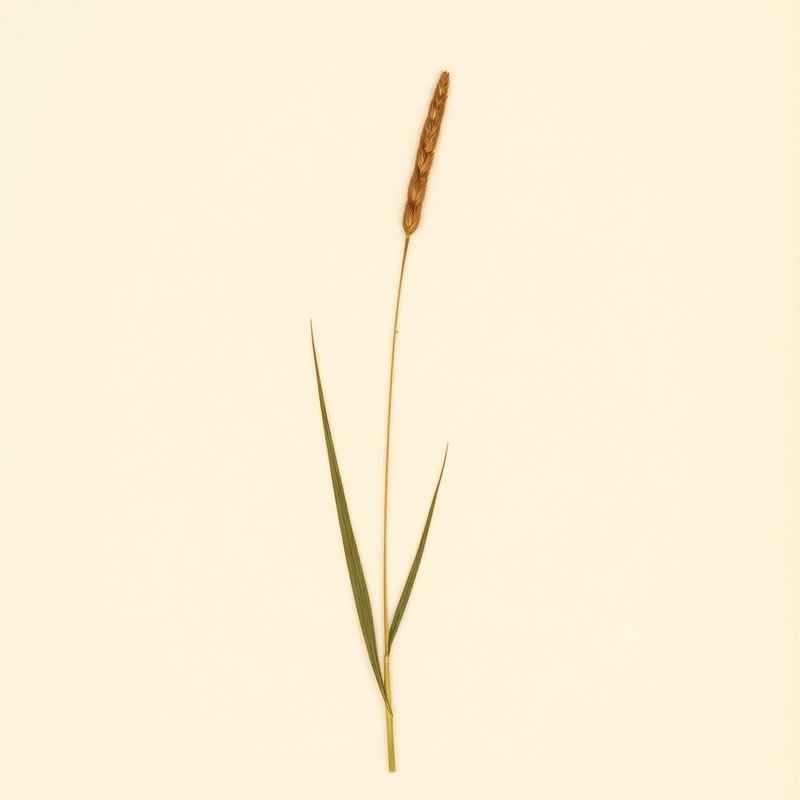
Typha angustifolia, macea mică (Small Reed Mace), este un perențel de tip forb/herb originar din Afghanistan și Albania, care se dezvoltă în mediile umide precum marșele și laturile poveștilor. Cunoscut pentru părți edibile inclusiv flori, frunze, polen, rădăcini, semințe, creștiuri și stemuri, acest plant poate crește până la 3 metri în înălțime. Prefere soluri de tip lichid (sandy), medie sau greu (clay) cu un interval de pH de la 3,7-8,5 și este durabil în zonele 3-7. Caracteristicile sale distincte includ frunzele verzi pătrate și capetele florale cilindrice care produc polen galben fluturat.
What is Small Reed Mace?
Typha angustifolia, macea mică (Small Reed Mace), este un perențel de tip forb/herb originar din Afghanistan și Albania, care se dezvoltă în mediile umide precum marșele și laturile poveștilor.
VCultivare
Cultivare
How to grow Small Reed Mace for the first time
Start with Small Reed Mace as a simple, low-maintenance addition to your garden.
- 1
What you'll need
A small piece of rhizome or seed, suitable soil, and containers if planting in pots.
- 2
Best time to plant
Plant in spring after the last frost or in early fall before the first freeze.
- 3
Soil and container prep
Use a well-draining potting mix with a pH between 3.7 and 8.5, ensuring containers have drainage holes.
- 4
Sowing or transplanting
Plant rhizomes just below the soil surface in moist conditions; seeds can be sown directly into the soil.
- 5
First two weeks
Keep the soil consistently moist and avoid direct sunlight for the first few days.
- 6
Ongoing care
Provide plenty of water, especially during dry spells. Fertilize sparingly with a balanced fertilizer in early spring.
- 7
Harvest or pruning
Prune dead foliage and stems to maintain appearance; harvest flowers for decorative purposes.
- 8
Common mistakes
Overwatering, planting too deep, neglecting drainage, using incorrect soil pH, and not providing enough water during dry periods.
VIEdible & utility
Edible & utility
VIIDistribuție
116 native · 116 introduced
Distribuție
116 native · 116 introducedIXSpecimen gallery
1 image
Specimen gallery
1 imageXSee also
8 related
See also
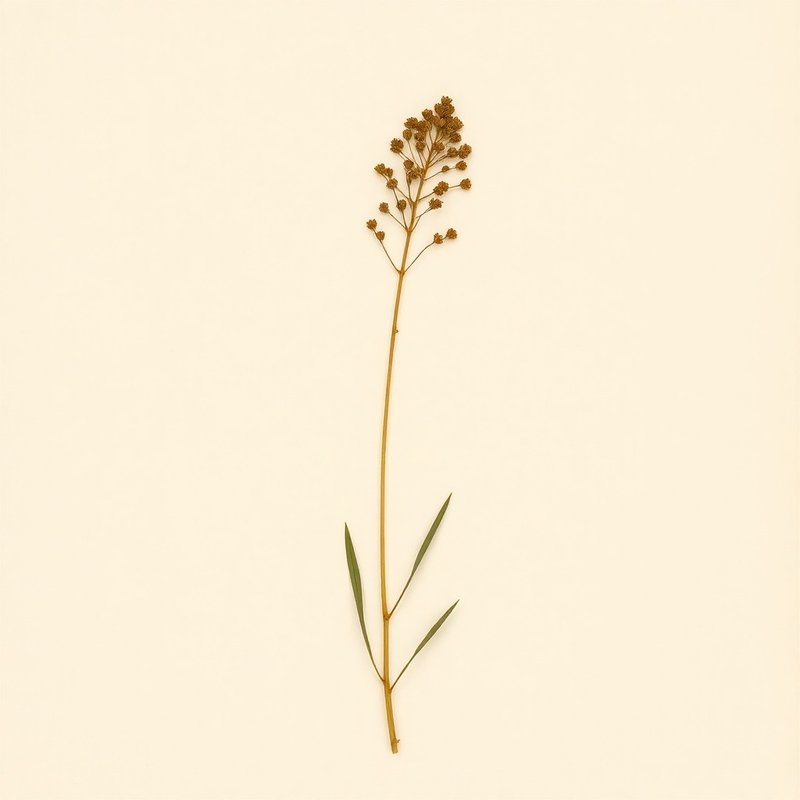
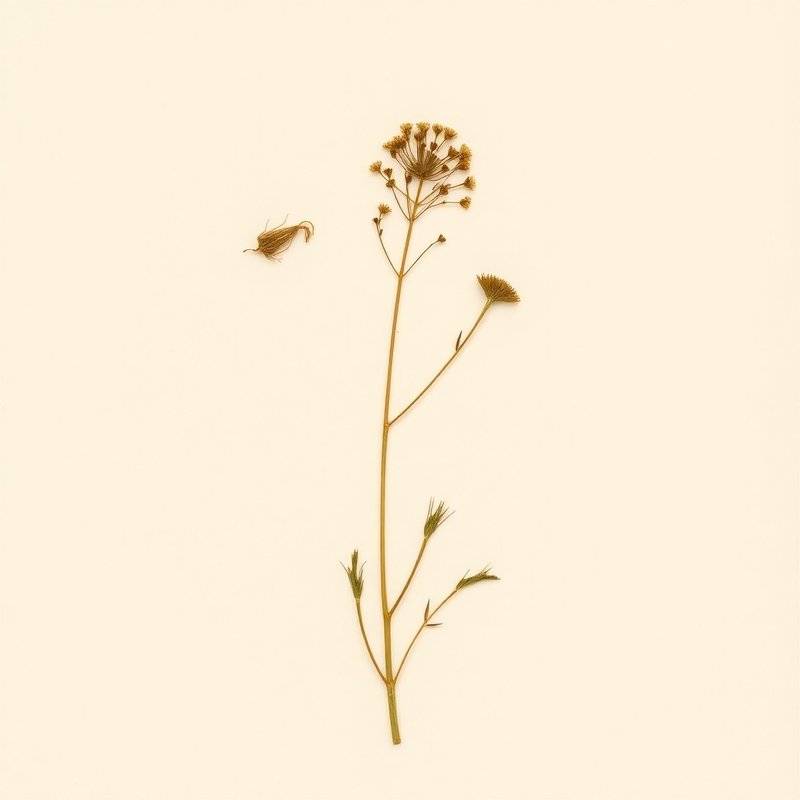
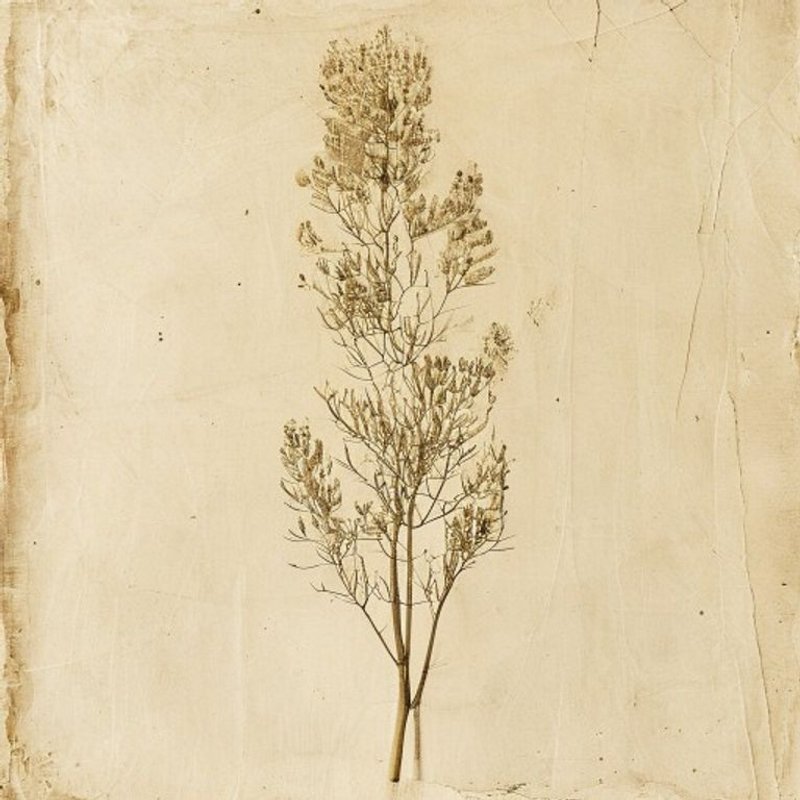
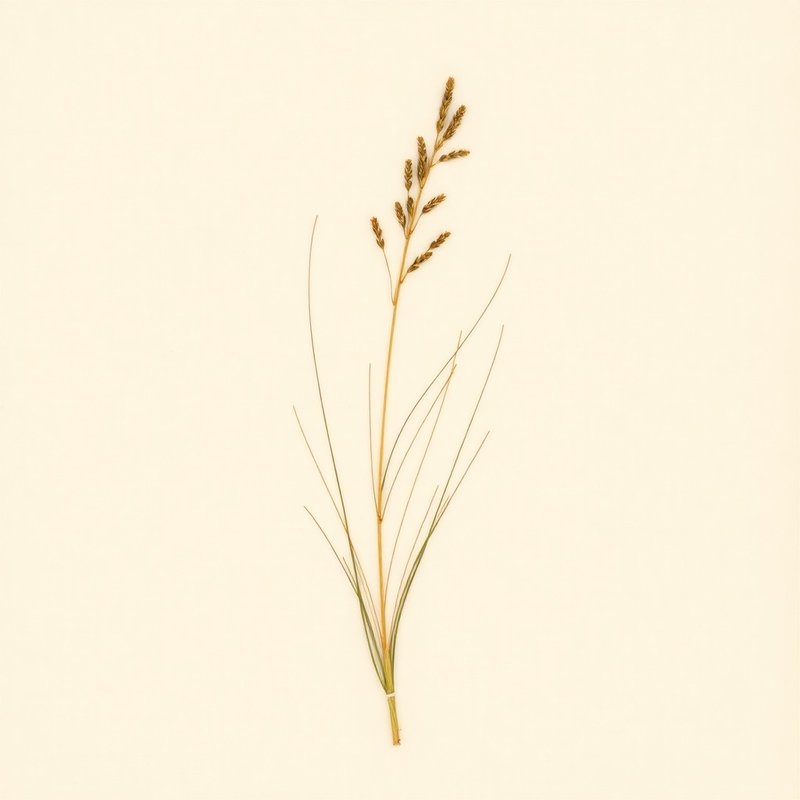
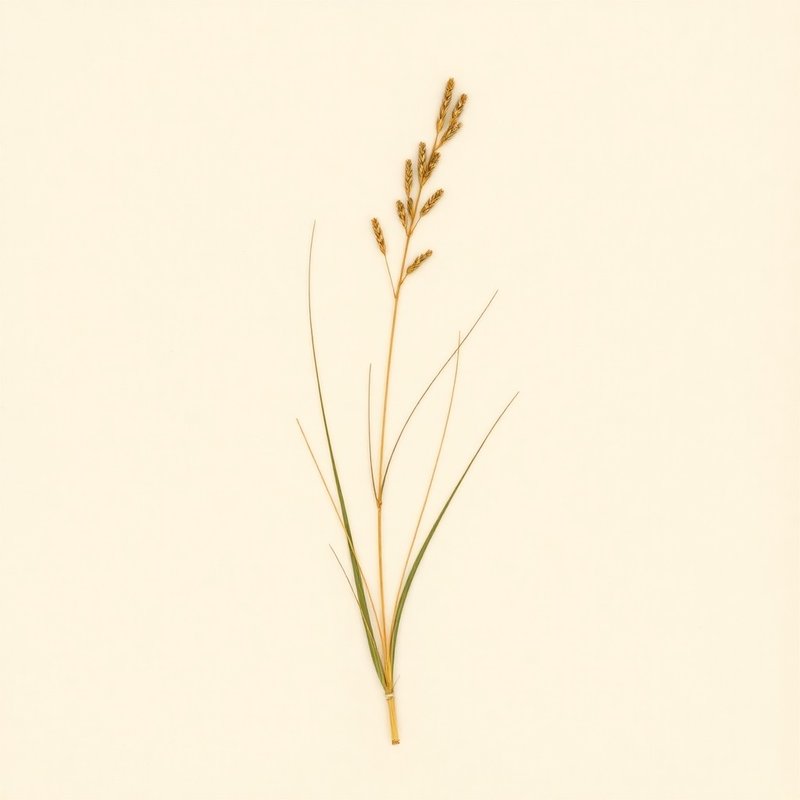
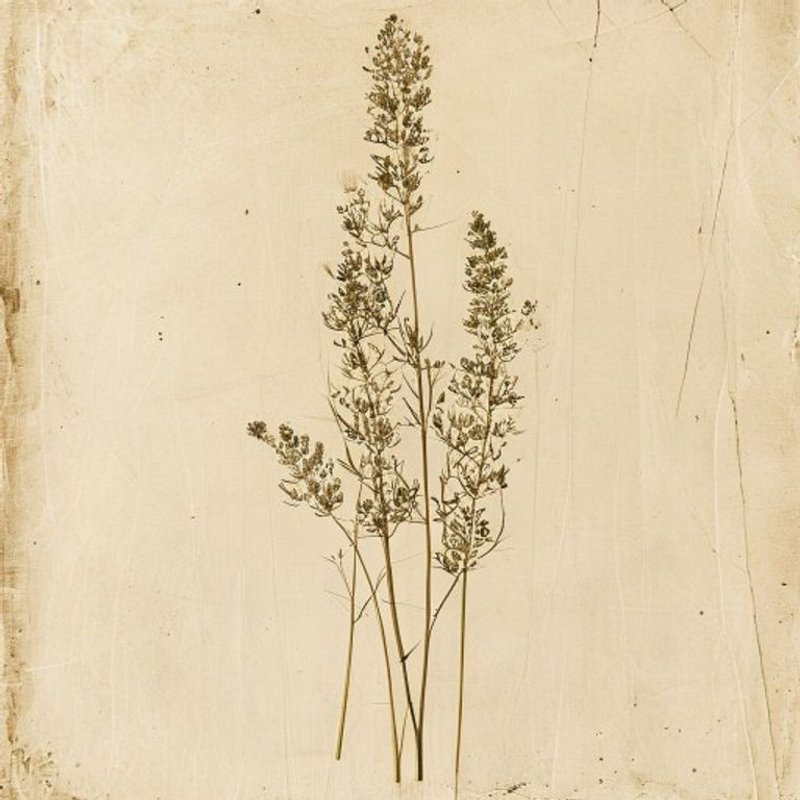
8 relatedPlants you might compare or use together — scored by shared family (Cyperaceae), common use cases, and growing requirements.

Explore further
About this entry
- Last updated
- Citation
- How to cite this entry · Submit a correction
Continue reading
Primește digest-ul săptămânal
Un email curat pe săptămână — profile noi de plante, note sezoniere de cultivare, adăugiri în arhiva de remedii. Gratuit, fără tracking, dezabonare oricând.