Skip to content
IIIFolio · plant profile№ 58D2medicinal · edible
Data provenancePermapeopleTrefleWikipediaPFAFPOWOeditorially reviewedreviewed 21 Oct 2026methodology → read
Home/Plants/Ulmaceae

Japanese Elm

Ulmus davidianafam. Ulmaceae
Educational content — not medical, botanical, or professional advice. Always consult a qualified clinician before using any herbal preparation — especially during pregnancy, breastfeeding, while on medication, or for children. How we source & review →
medicinaledibletall treesedibleedible fruitmedicinalnative asiatree
Updated·Quick Q&A →
Garden journal pausedUse profile notes below
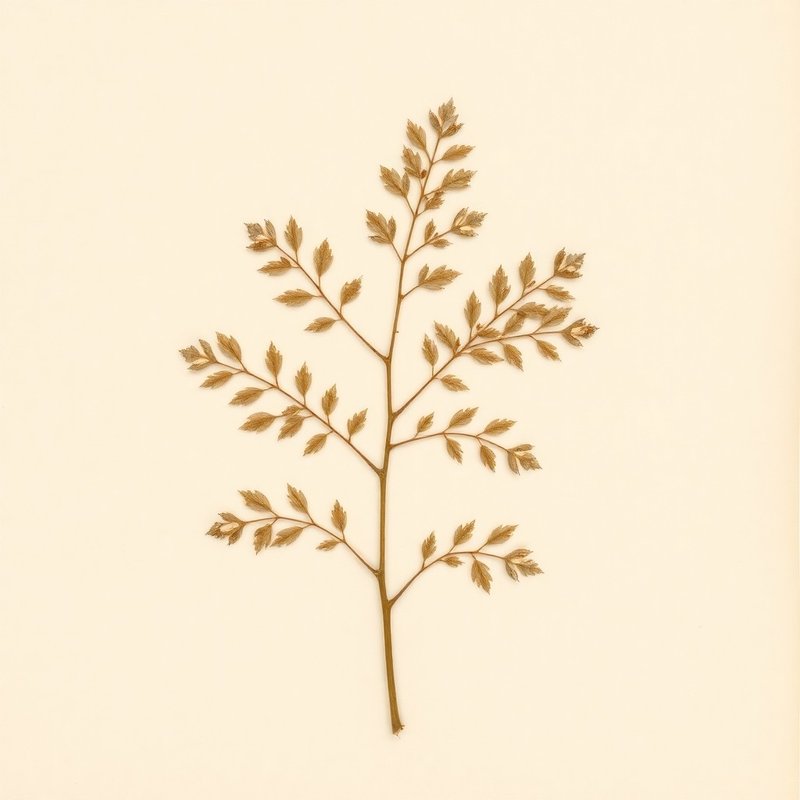
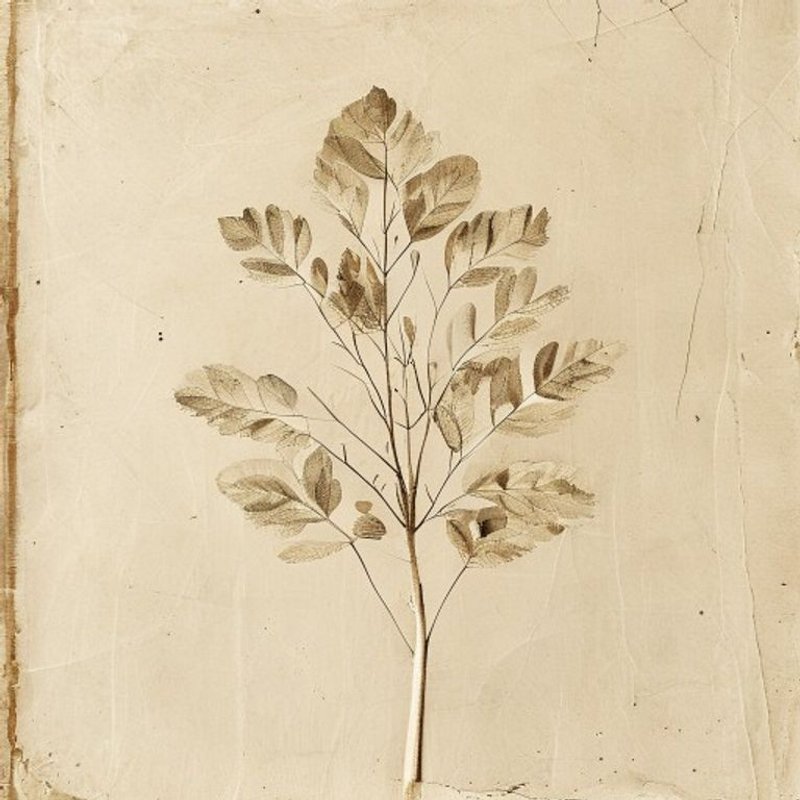
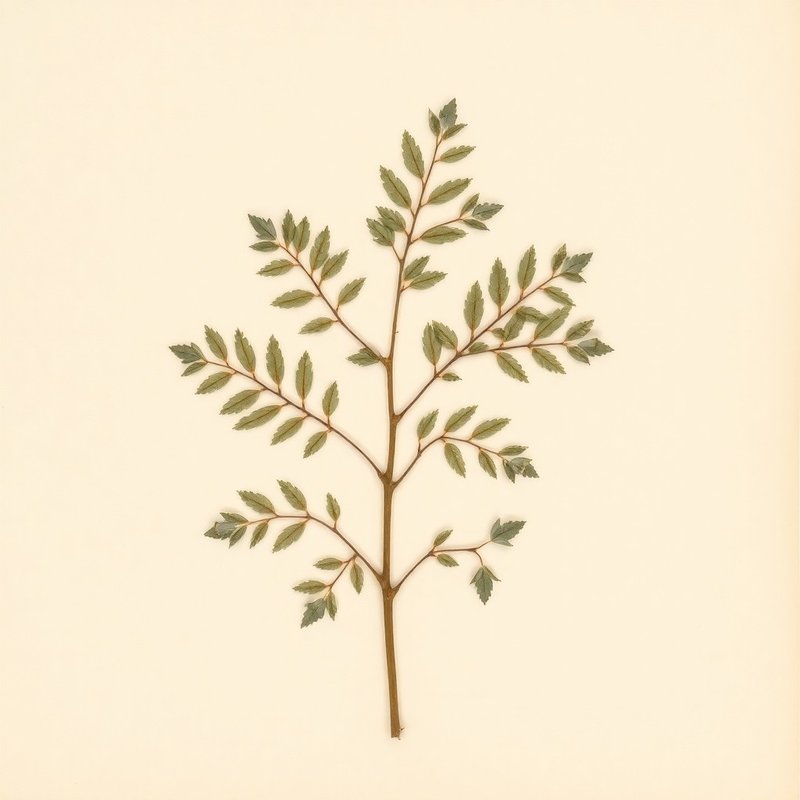
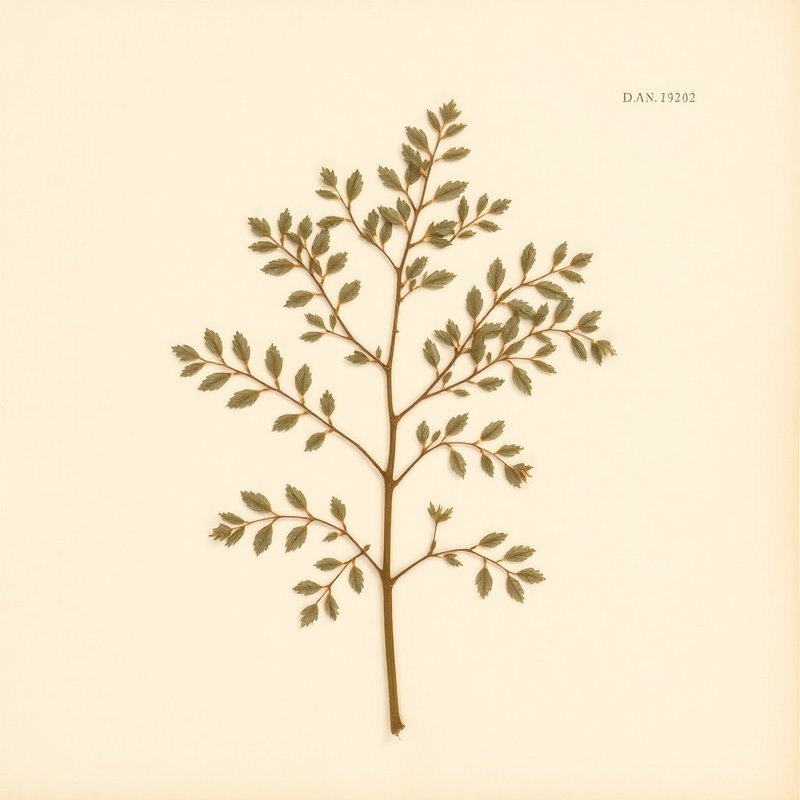
Ulmus davidiana (Japanese Elm) — botanical photograph
Pl. 58D2 — Ulmus davidiana
Ulmus davidianaUlmus davidianaUlmus davidianaUlmus davidianaUlmus davidianaUlmus davidianaUlmus davidianaUlmus davidianaUlmus davidianaUlmus davidianaUlmus davidianaUlmus davidianaUlmus davidianaUlmus davidiana
I

Prezentare

Ulmus davidiana, un arbor arbore caduca originar din regiuni din Asia de Est, inclusiv China, Japonia și Coreea. Thrives în soluri umede și poate tolera zăpada parțială până la zăpada completă, fiind adaptabil în diverse medii. Cunoscut pentru valorile sănătoase și ornamentale sale, Ulmus davidiana are părți comestibile precum fructe, piele internă și fuste. Rădăcina de durabilitate se află între zonele 4-8, permitând creșteri într-o varietate de climatice din regiunea sa nativă. Un caracteristică distinctivă este capacitatea sa de a rezista la condiții severe, făcând-o o alegere rezistentă pentru gardenuri și landscaped.

Quick answers

What is Japanese Elm?

Ulmus davidiana, un arbor arbore caduca originar din regiuni din Asia de Est, inclusiv China, Japonia și Coreea. Thrives în soluri umede și poate tolera zăpada parțială până la zăpada completă, fiind adaptabil în diverse medii.

Compare with:Japanese Elm→Rock Elm→Ulmus wallichiana→all comparisons →
IV·b

Mixology suggestions

2 drafts
Editorial drafts. These pairings are AI-suggested from traditional herbal lore. Always verify with a qualified herbalist before brewing.
Stress Relief
stress
tincture
Used traditionally to soothe stress and anxiety.
Digestive Comfort
digestion
decoction
Historically used to aid digestive issues.
Growingconditions · propagation · uses
V

Cultivare

Ulmus davidiana thrives în zăpada completă până la zăpada parțială și necesită soluri umede care pot fi ușoare (sandy), medii sau grele (clay). Este durabil în zonele 4-8, făcând-o adecvată pentru regiuni temperate. Propagează prin semințe sau cutremure. Această arbore crește până la 15 de metri și este nativă în zone inclusiv Amur, Buryatiya, China, Japonia, Coreea și alte regiuni asiatico-orientale.
Light
Full sun, Partial sun/shade
Water
Moist
Soil
Light (sandy), Medium, Heavy (clay)
Hardiness
4-8
Mature size
15.0 m tall
For first-time growers

How to grow Japanese Elm for the first time

8steps

Start with planting a Japanese Elm in your garden for a beginner-friendly project.

  1. 1

    What you'll need

    A young Japanese Elm sapling, well-draining soil, and a shovel.

  2. 2

    Best time to plant

    Plant the elm in spring or fall when temperatures are mild.

  3. 3

    Soil and container prep

    Ensure the soil is well-draining with moderate fertility. Amend heavy clay soils with sand.

  4. 4

    Sowing or transplanting

    Transplant young saplings, digging a hole twice as wide but not deeper than the root ball.

  5. 5

    First two weeks

    Water the elm regularly to keep the soil moist. Avoid overwatering which can lead to root rot.

  6. 6

    Ongoing care

    Provide full sun or partial shade, and water deeply once a week during dry periods. Prune in late winter to maintain shape.

  7. 7

    Harvest or pruning

    Prune the elm annually in late winter to remove dead or diseased branches.

  8. 8

    Common mistakes

    Overwatering, planting too deep, and neglecting regular pruning are common issues beginners should avoid.

VI

Edible & utility

Edible parts:FruitInner barkLeaves
Edible uses: The Japanese Elm can be eaten in various forms. Its leaves and inner bark are commonly consumed. The leaves may be prepared fresh or dried, while the inner bark is often used in teas or as a food ingredient. Fruit from this tree can also be eaten raw or cooked, adding a unique flavor to dishes.
Other uses:FiberLumber
Contextrange · companions · related
VII

Distribuție

16 native · 0 introduced
Distribution across1 continent· 16 native
Asia4 regions
native (4)ChinaJapanMyanmarSouth Korea
Broader regions
native:Amur, Buryatiya, Chita, Khabarovsk, Kuril Is., Primorye, Sakhalin
IX

Specimen gallery

1 image
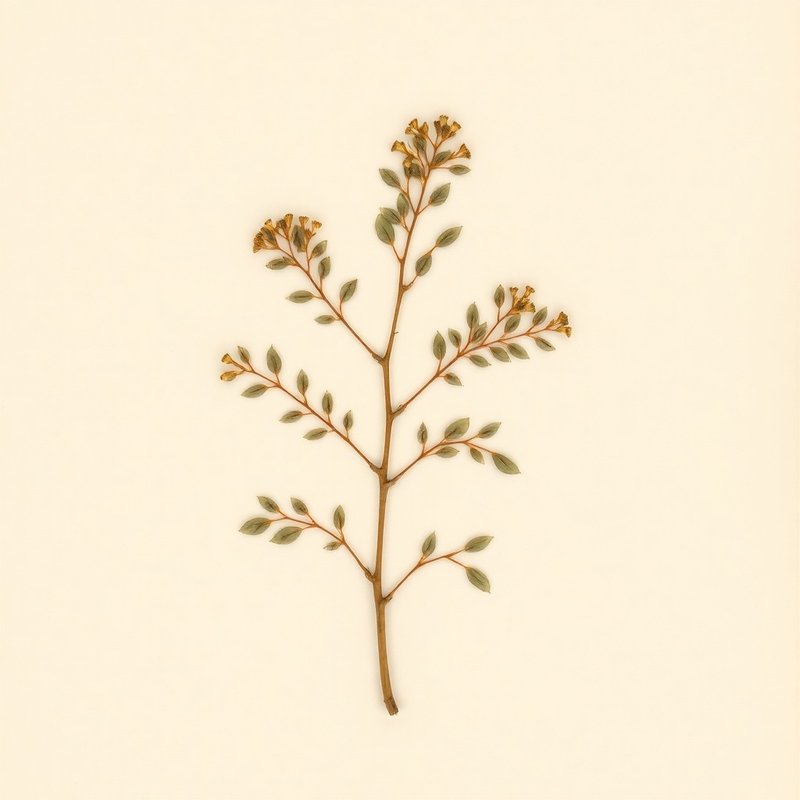
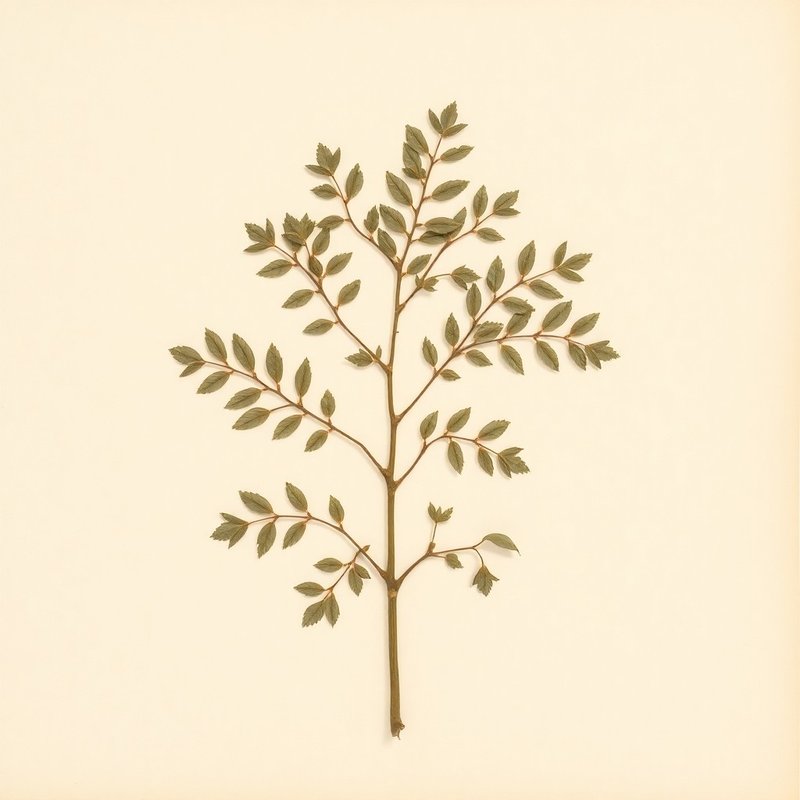
Ulmus davidiana (Japanese Elm) — botanical photograph
Japanese Elm (Ulmus davidiana)
X

See also

6 related

Plants you might compare or use together — scored by shared family (Ulmaceae), common use cases, and growing requirements.
XI

Explore further

XII

About this entry

Last updated
Citation
How to cite this entry · Submit a correction
Back to the cataloguePlant id · 58d2064d-f0a1-4a6a-9d43-38afa253a071
Decision aid
Choosing between Japanese Elm and something else?
Compare with another plant

Continue reading

❦❦❦❦
Endpaper · archive updates

Primește digest-ul săptămânal

Un email curat pe săptămână — profile noi de plante, note sezoniere de cultivare, adăugiri în arhiva de remedii. Gratuit, fără tracking, dezabonare oricând.

Newsletter returning soon.
We are rebuilding the update list around a lightweight editorial workflow. New dispatches will resume after the next content review cycle.
iCare notes