
Allium ledebourianum
IPrezentare
Prezentare
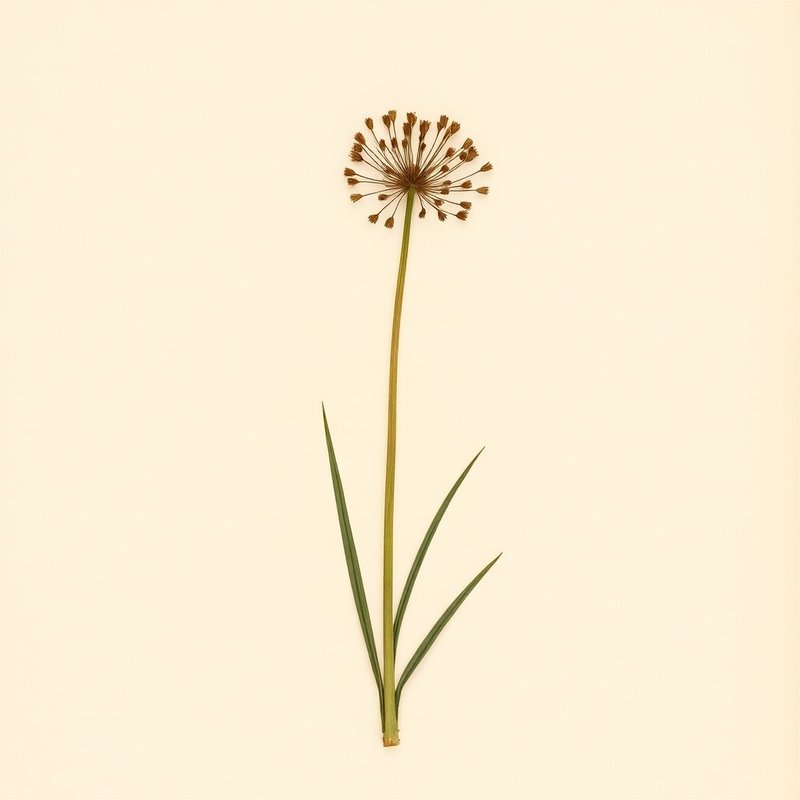
Allium ledebourianum, cunoscut simplu sub numele de Skip în engleză, este un membru al familiei Alliaceae și se adaptează la diverse regiuni inclusiv Altay, Inner Mongolia, Kazakhstan, Khabarovsk, Manchuria, Mongolie, Primorye, Sakhalin și Xinjiang. Această plantă este valorificată pentru părțiile sale comestibile - floare, frunze și rădăcini - care pot fi consumate raw sau cu mâncare. Prefere lumină plină, condiții umide și sucuritoase, cu sustrat de tip lichid (șandal) la mediu. Are o rezistență în zonele 4-8 și atinge o înălțime de aproximativ 0,6 metri. Skip se distinge prin versatilitatea sa în garden și în culinaria.
What is Allium ledebourianum?
Allium ledebourianum, cunoscut simplu sub numele de Skip în engleză, este un membru al familiei Alliaceae și se adaptează la diverse regiuni inclusiv Altay, Inner Mongolia, Kazakhstan, Khabarovsk, Manchuria, Mongolie, Primorye, Sakhalin și Xinjiang.
What is Allium ledebourianum used for?
Traditionally used for immune support. Each claim is evidence-rated — see Section II for full citations.
IIBeneficii și dovezi
1 claim · traditional-use context
Beneficii și dovezi
1 claim · traditional-use context- Allium ledebourianum, like other Allium species, has been traditionally used in Chinese medicine for immune support. A decoction of the leaves and roots may help bolster the body's defenses against common ailments.
The mechanism is not fully characterised but likely involves sulfur-containing compounds such as allicin which have antimicrobial properties.
▲ ModerateImmune support →
IV·bMixology suggestions
1 draft
Mixology suggestions
1 draftVCultivare
Cultivare
How to grow Allium ledebourianum for the first time
Start with planting Skip in a sunny spot and follow these simple steps for success.
- 1
What you'll need
Skip bulbs, well-draining soil, a garden fork or trowel.
- 2
Best time to plant
Plant in early fall or late winter when the ground is cool but not frozen.
- 3
Soil and container prep
Choose a location with full sun. Ensure the soil is light, sandy, and moist.
- 4
Sowing or transplanting
Plant bulbs 5-7 cm deep and 10-15 cm apart in well-prepared soil.
- 5
First two weeks
Water sparingly to avoid rot. Keep the area free of weeds.
- 6
Ongoing care
Water regularly, especially during dry spells. Fertilize once a year with compost.
- 7
Harvest or pruning
Prune dead leaves and flowers after blooming to encourage new growth.
- 8
Common mistakes
Overwatering, planting too deep, neglecting to mulch in winter.
VIEdible & utility
Edible & utility
VIIDistribuție
9 native · 0 introduced
Distribuție
9 native · 0 introducedIXSpecimen gallery
1 image
Specimen gallery
1 imageXSee also
8 related
See also
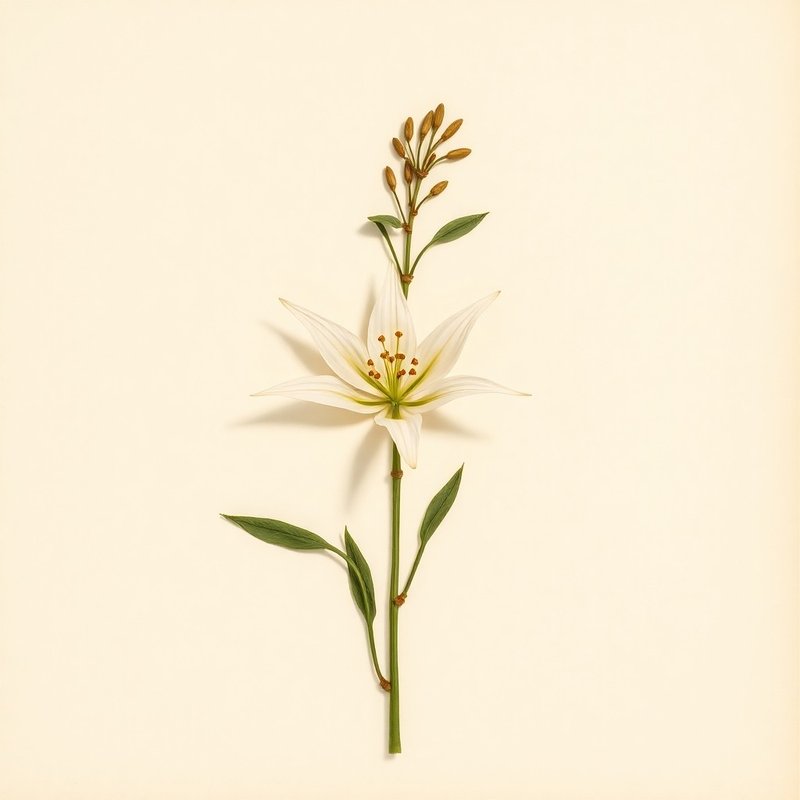
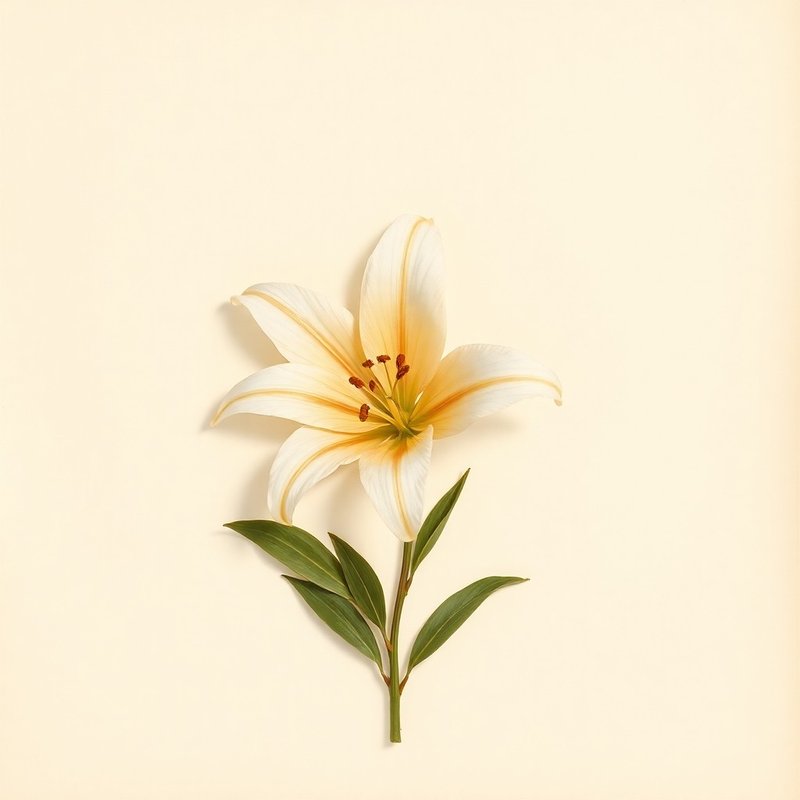
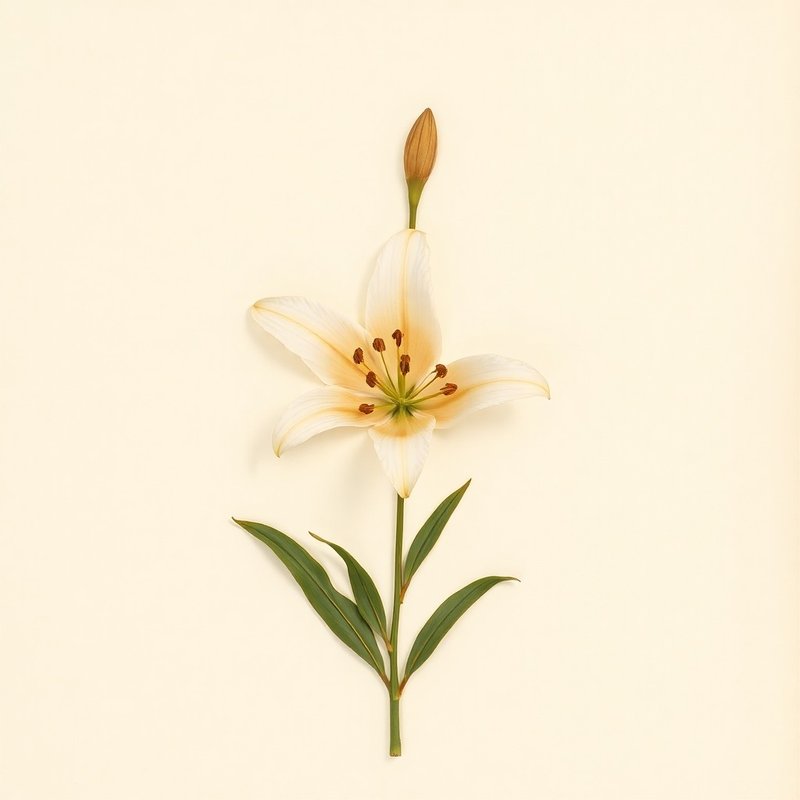
8 relatedPlants you might compare or use together — scored by shared family (Liliaceae), common use cases, and growing requirements.
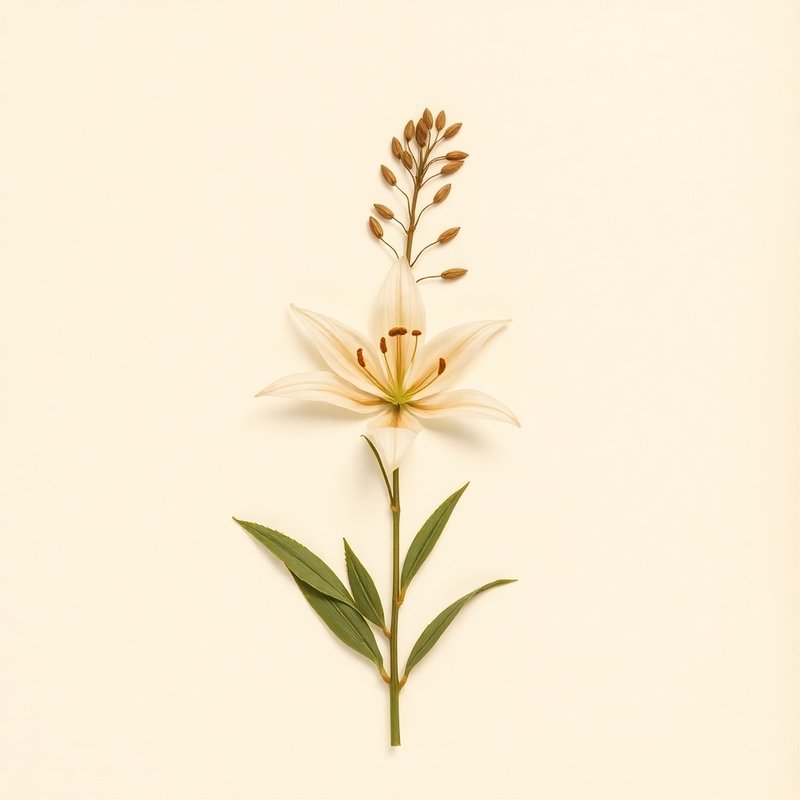
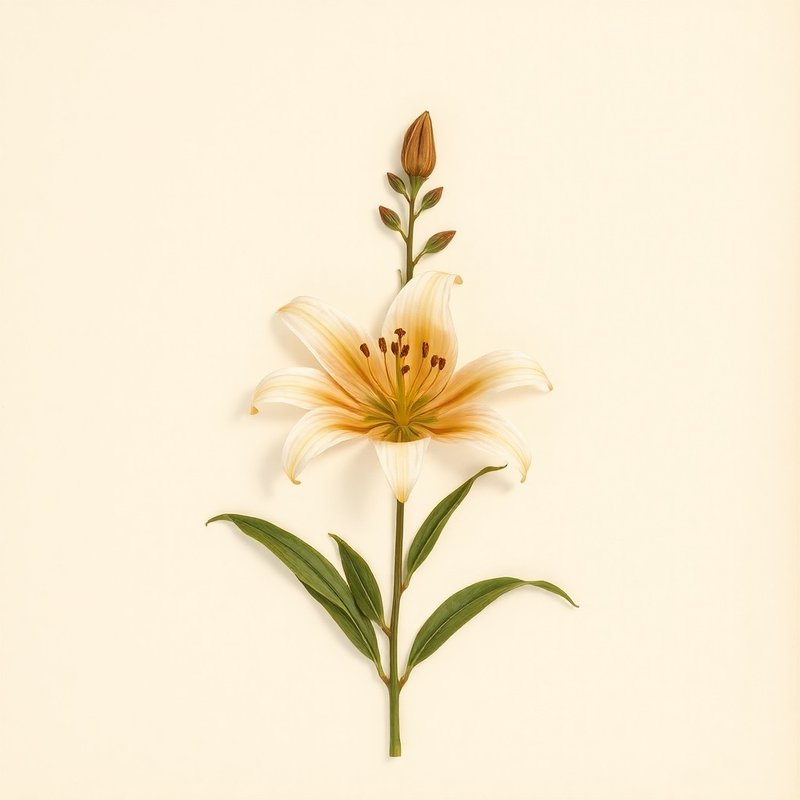
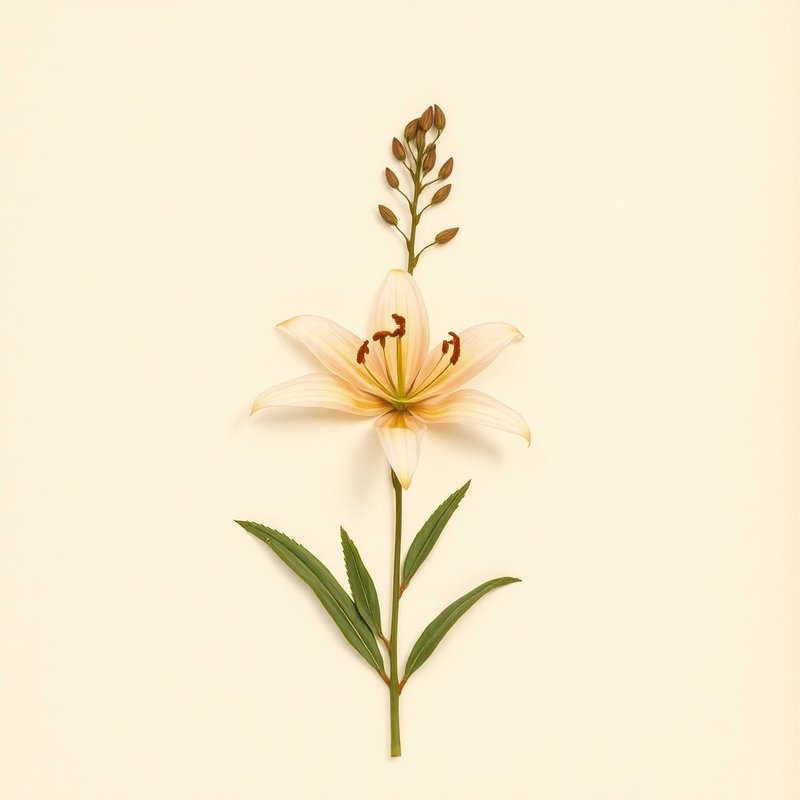
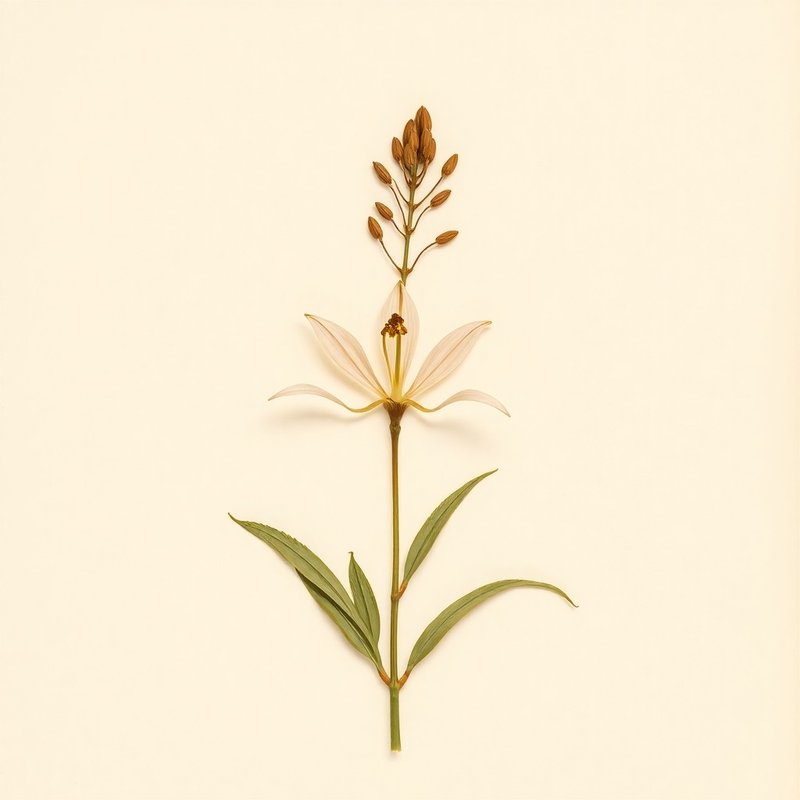
Explore further
About this entry
- Last updated
- Citation
- How to cite this entry · Submit a correction
Continue reading
Primește digest-ul săptămânal
Un email curat pe săptămână — profile noi de plante, note sezoniere de cultivare, adăugiri în arhiva de remedii. Gratuit, fără tracking, dezabonare oricând.