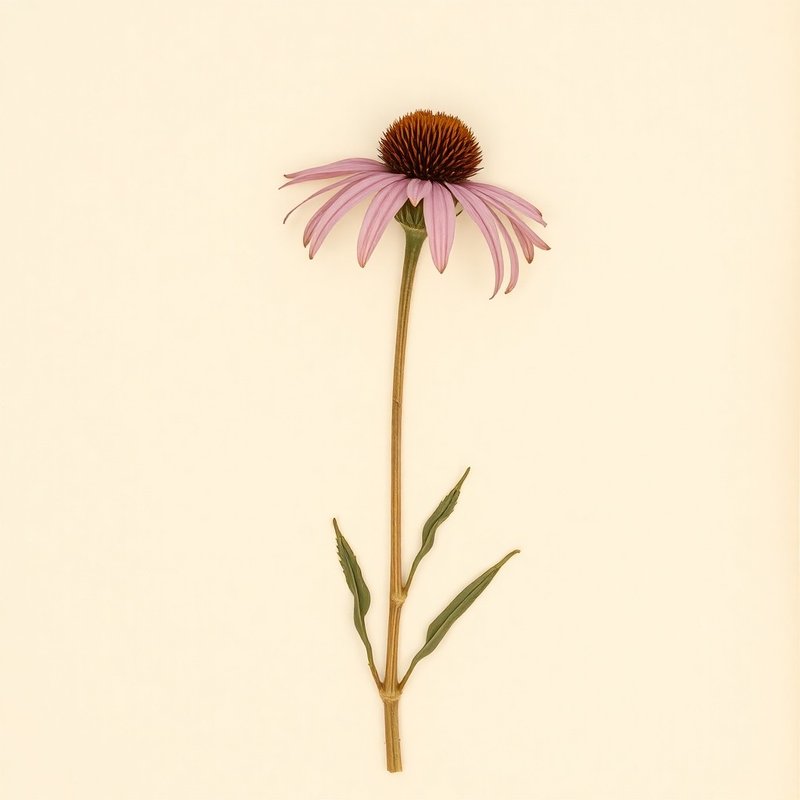
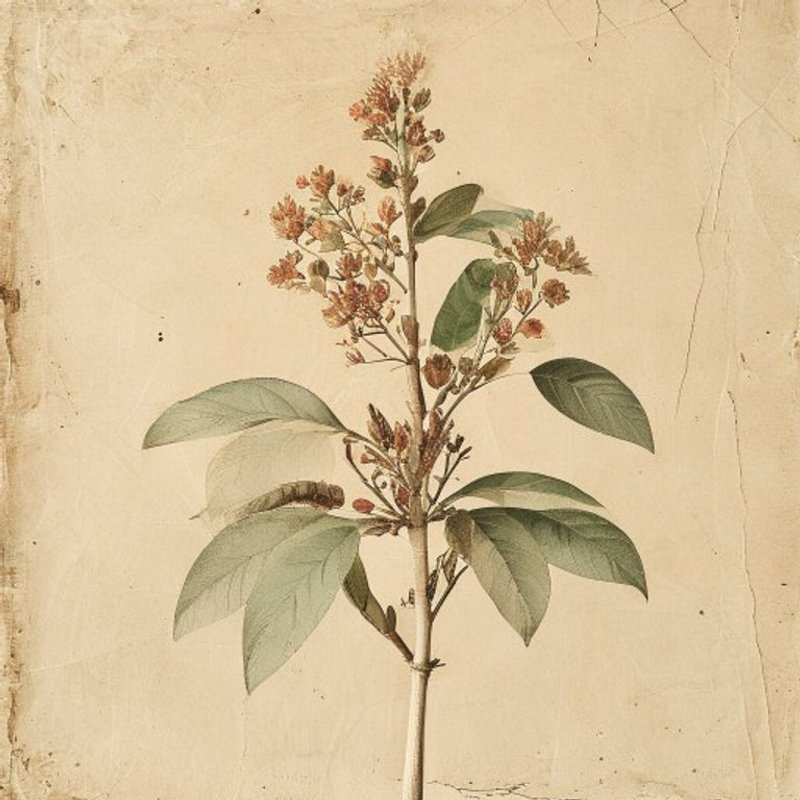
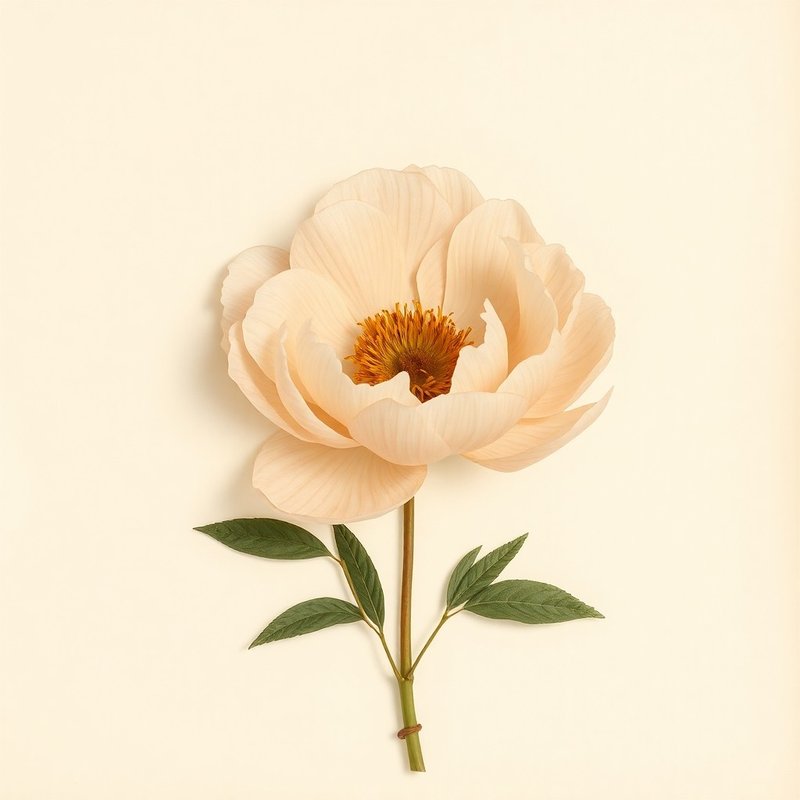
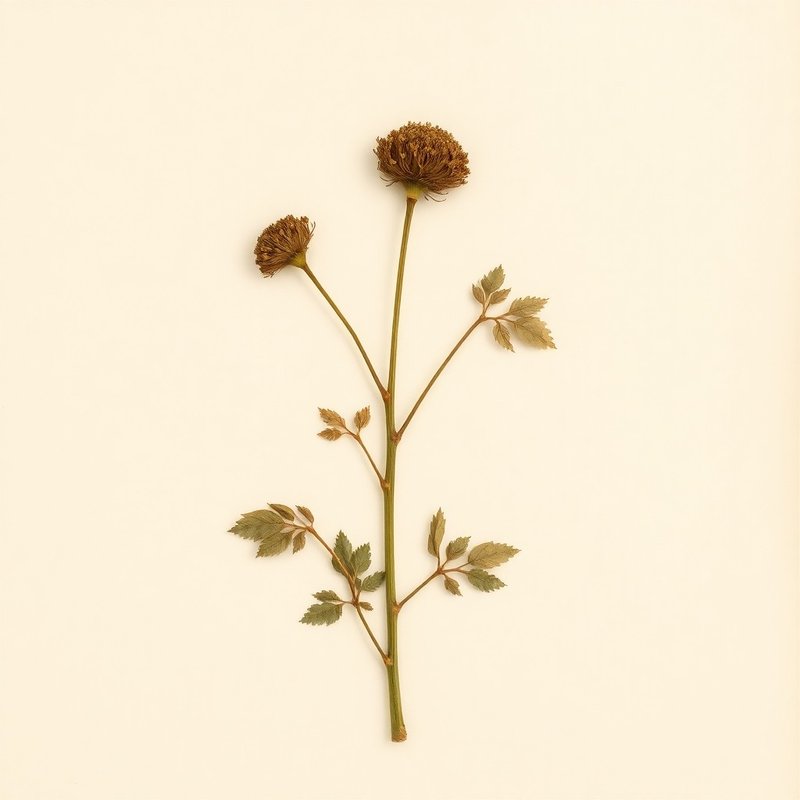
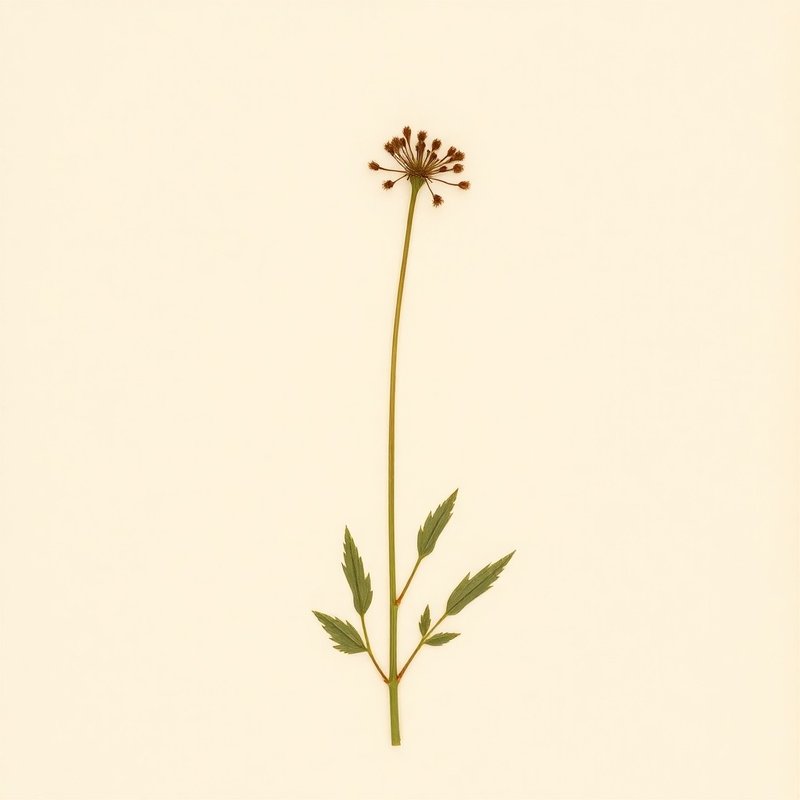
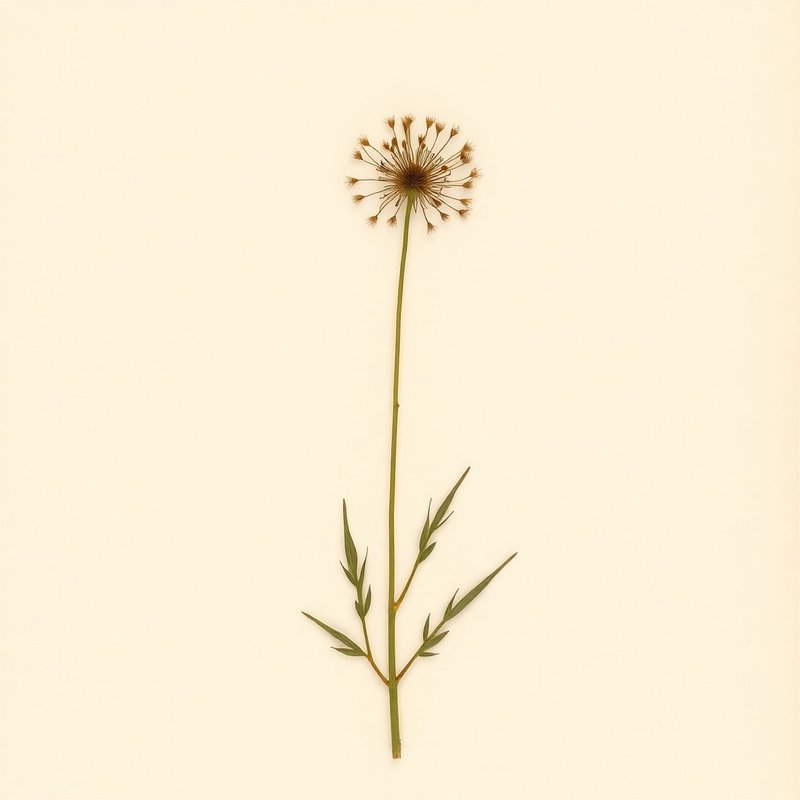
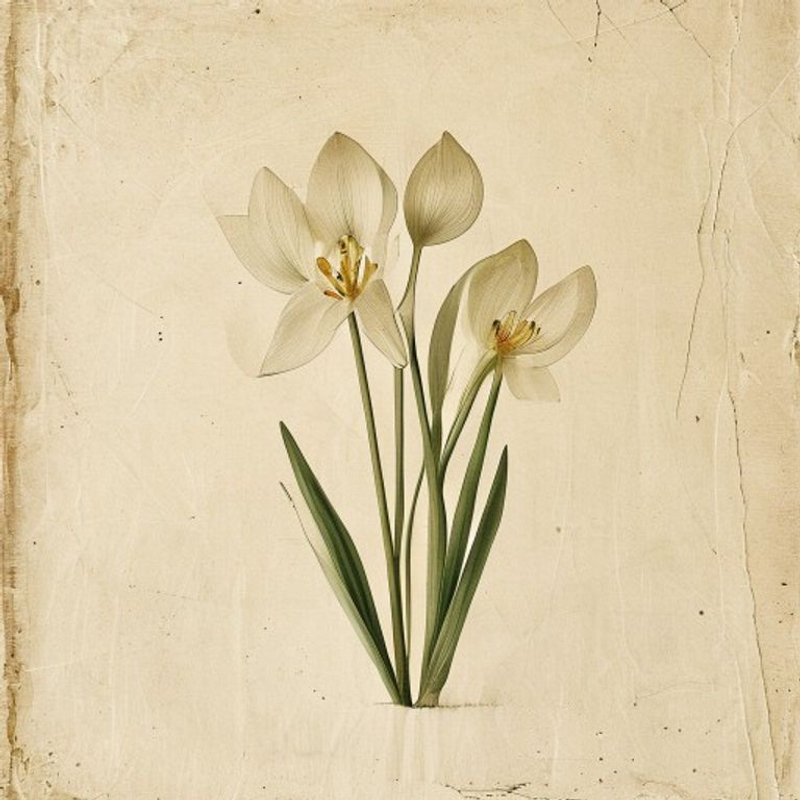
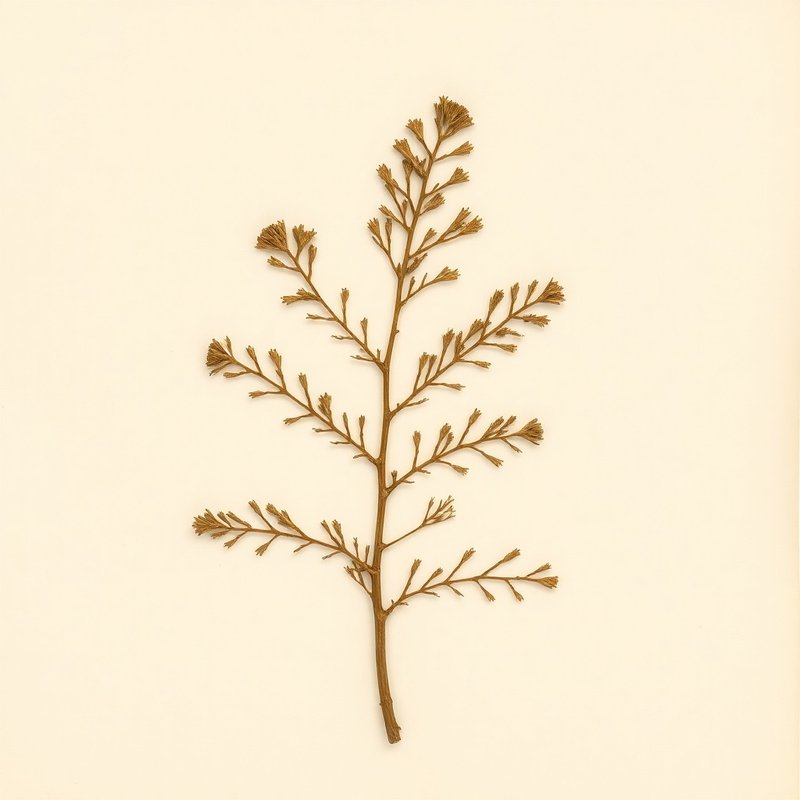
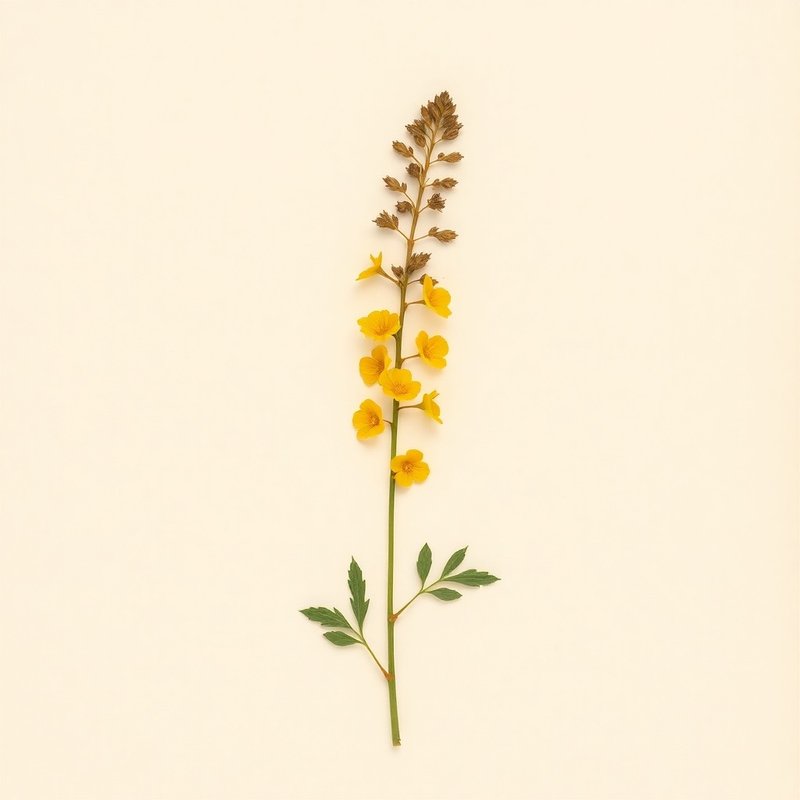
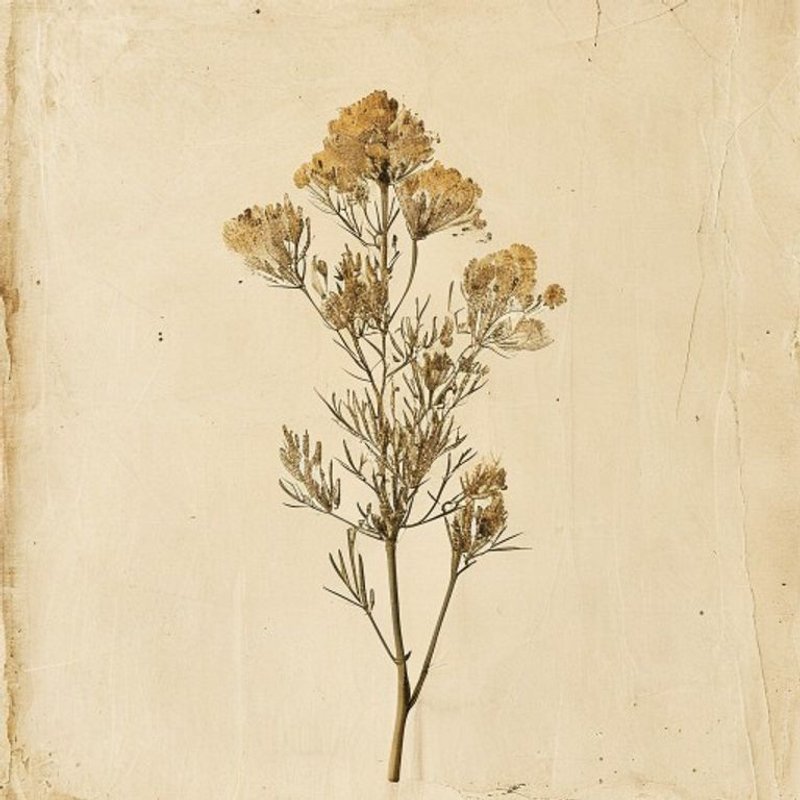
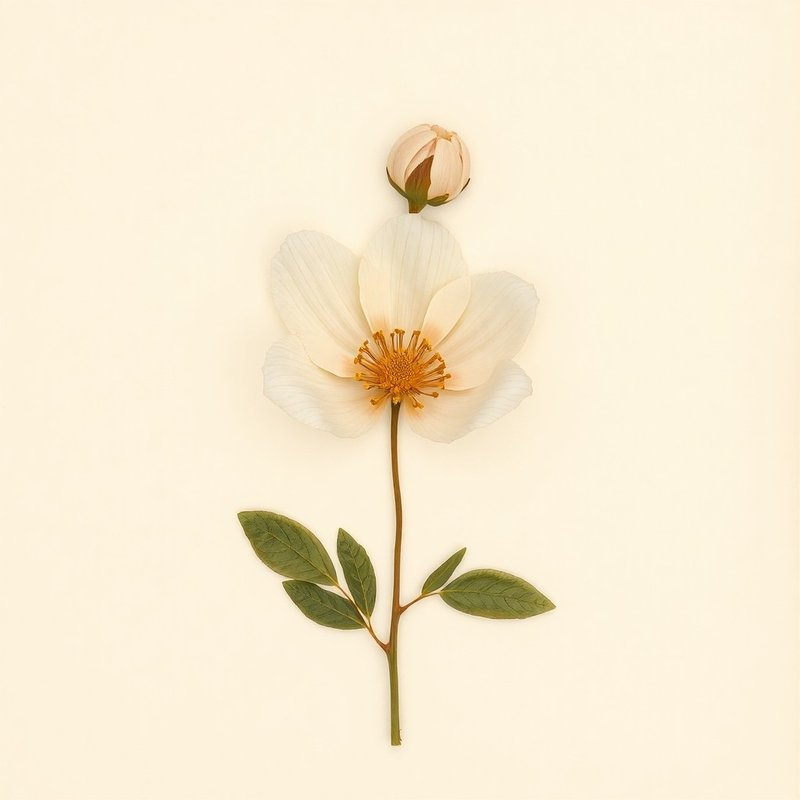
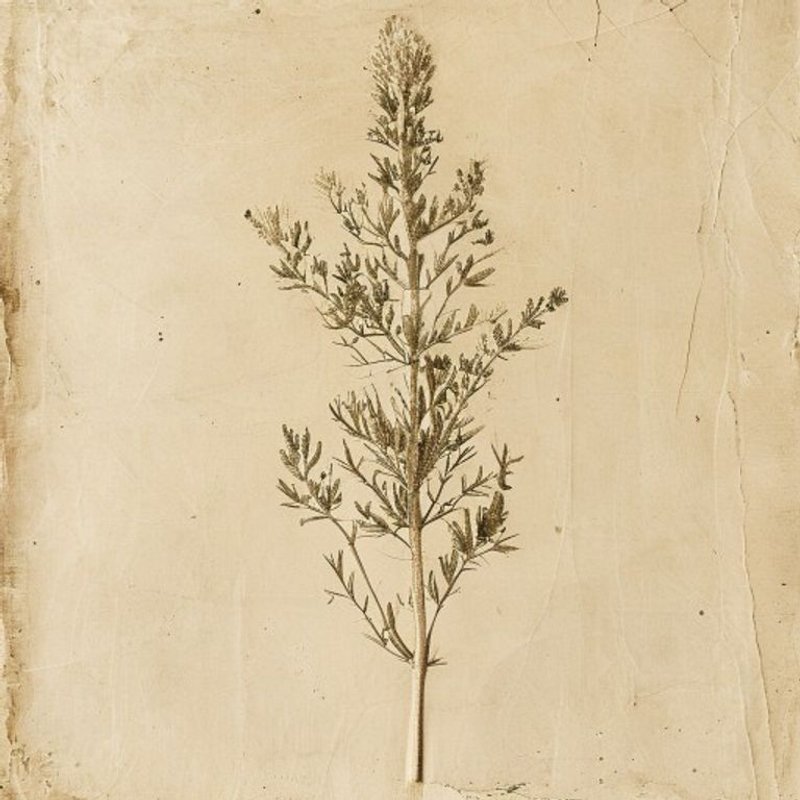
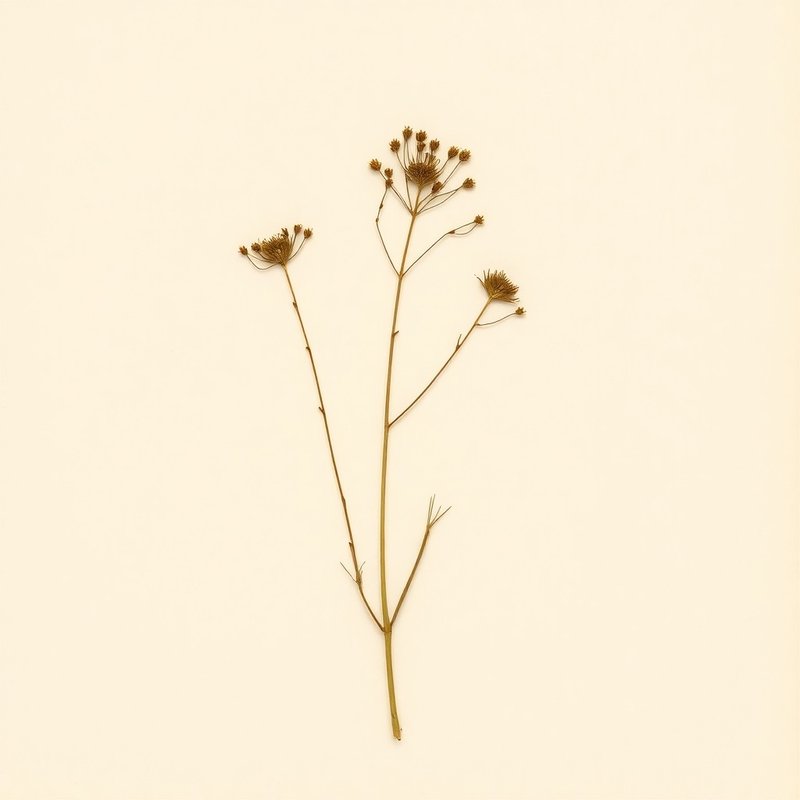
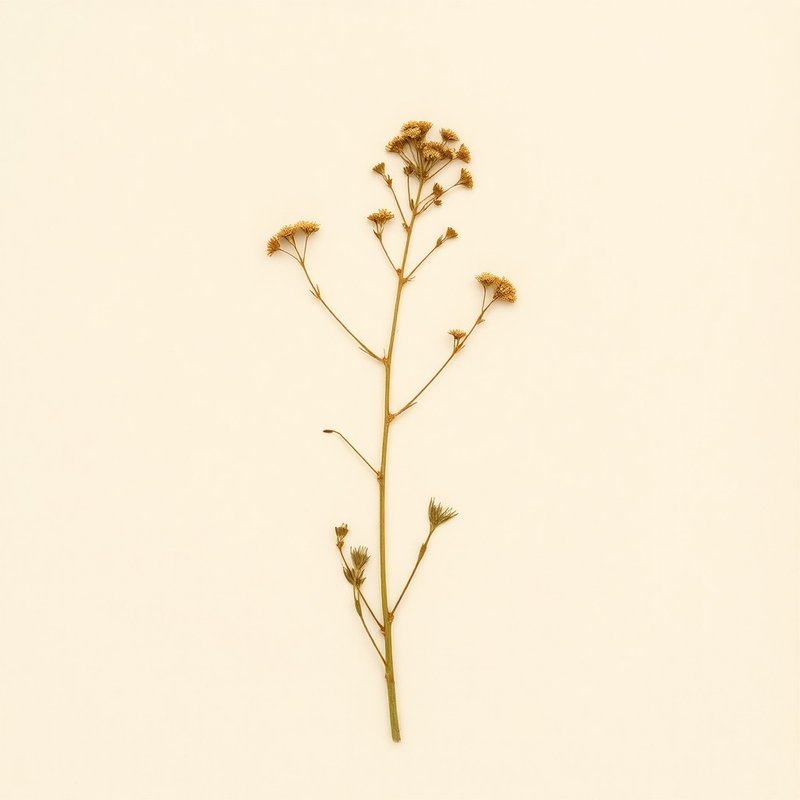
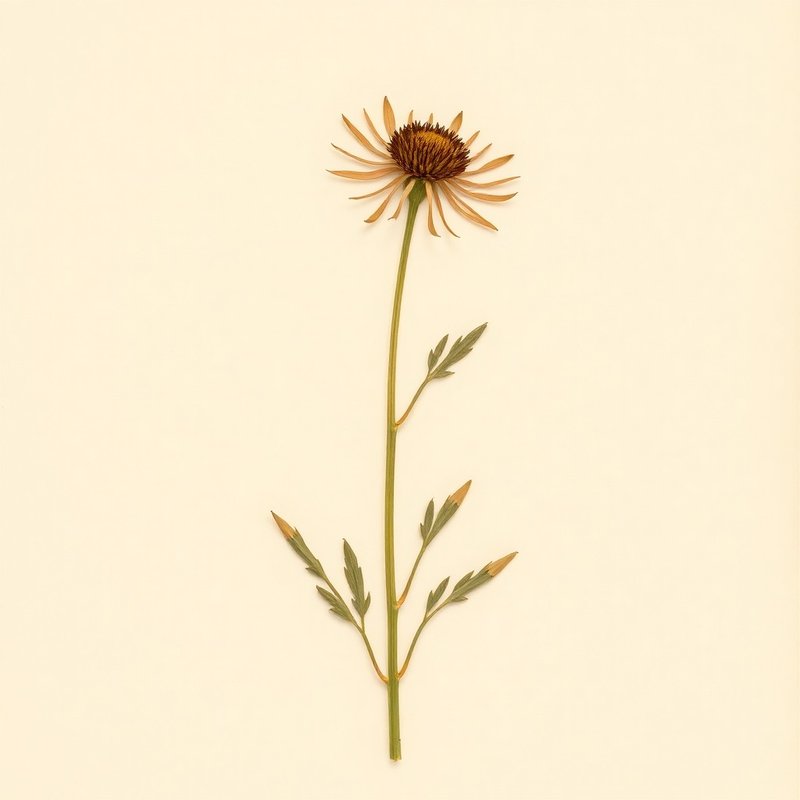
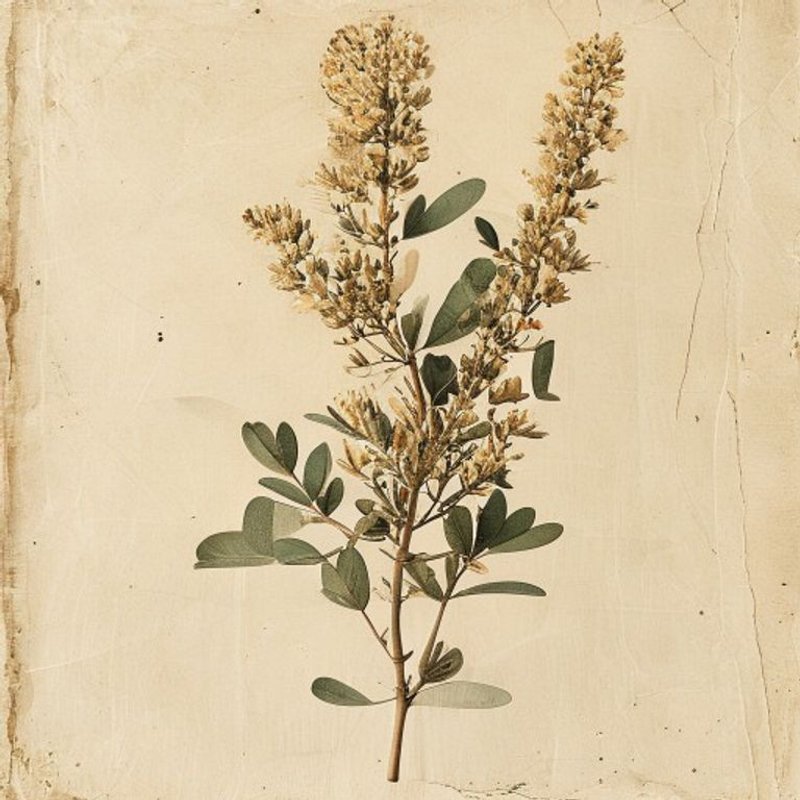
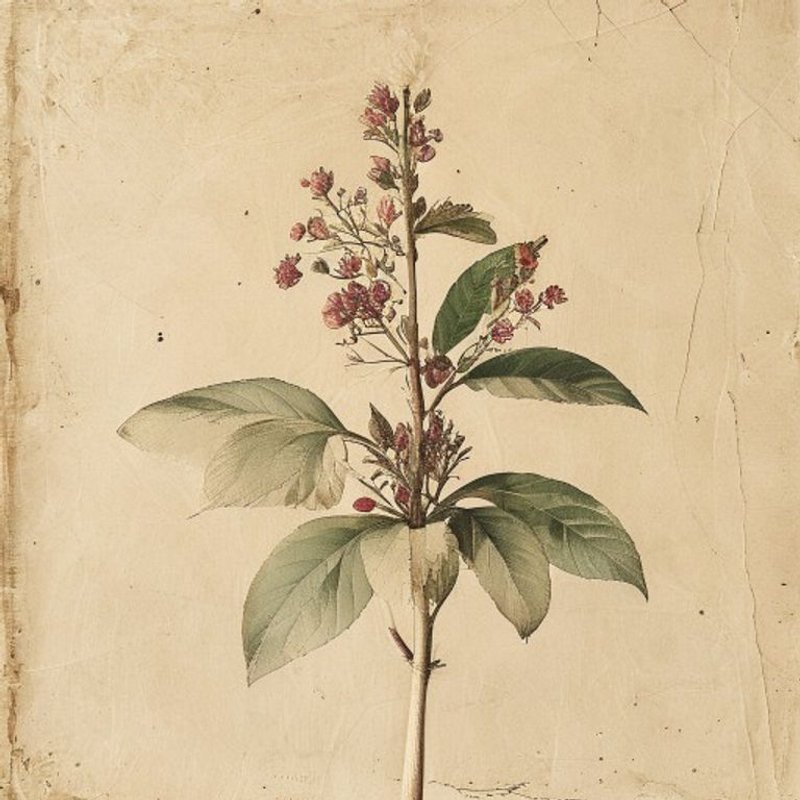
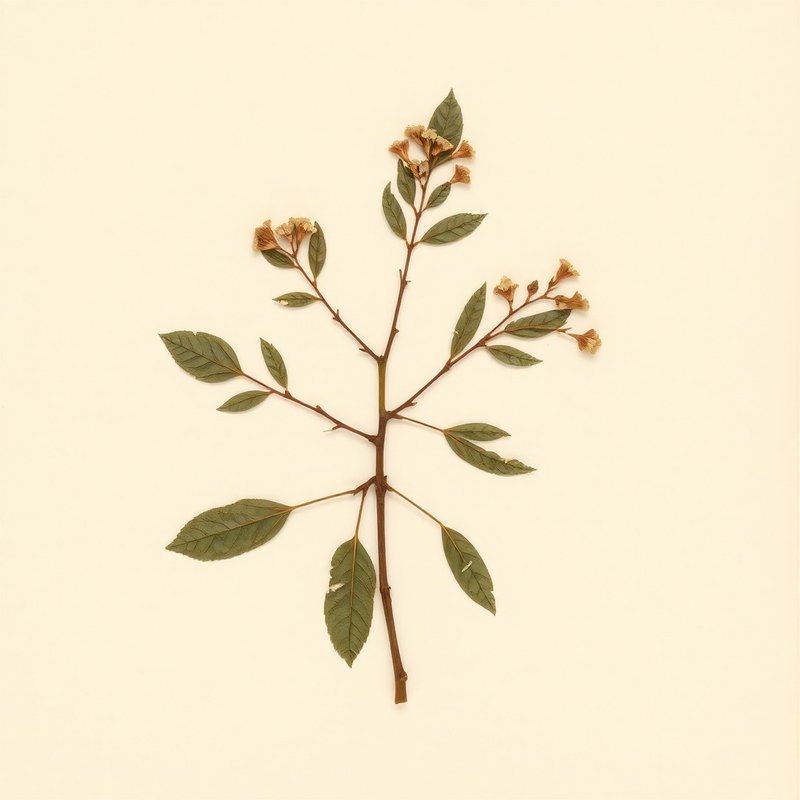
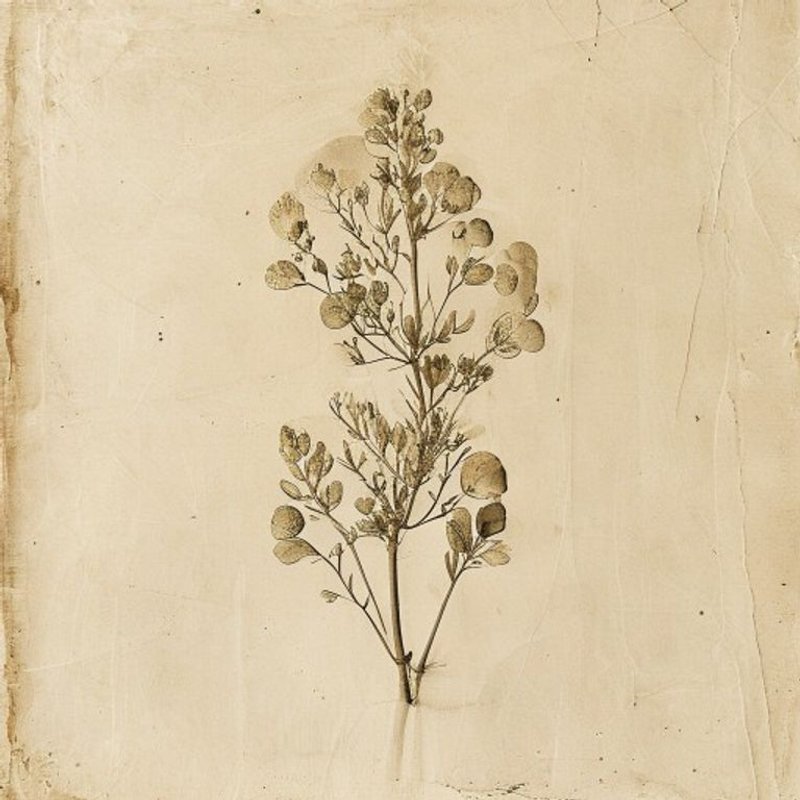
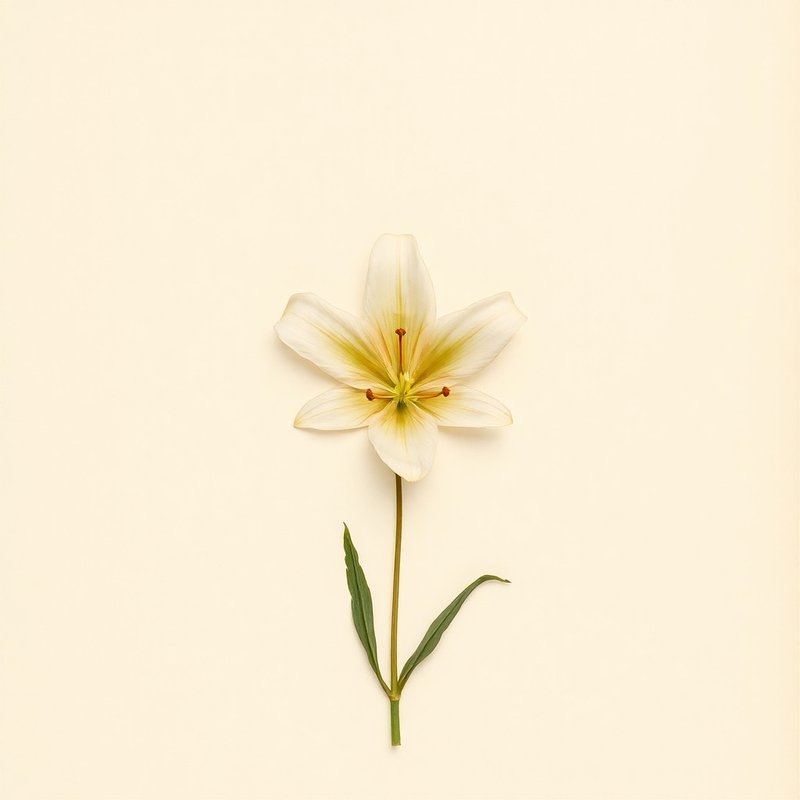
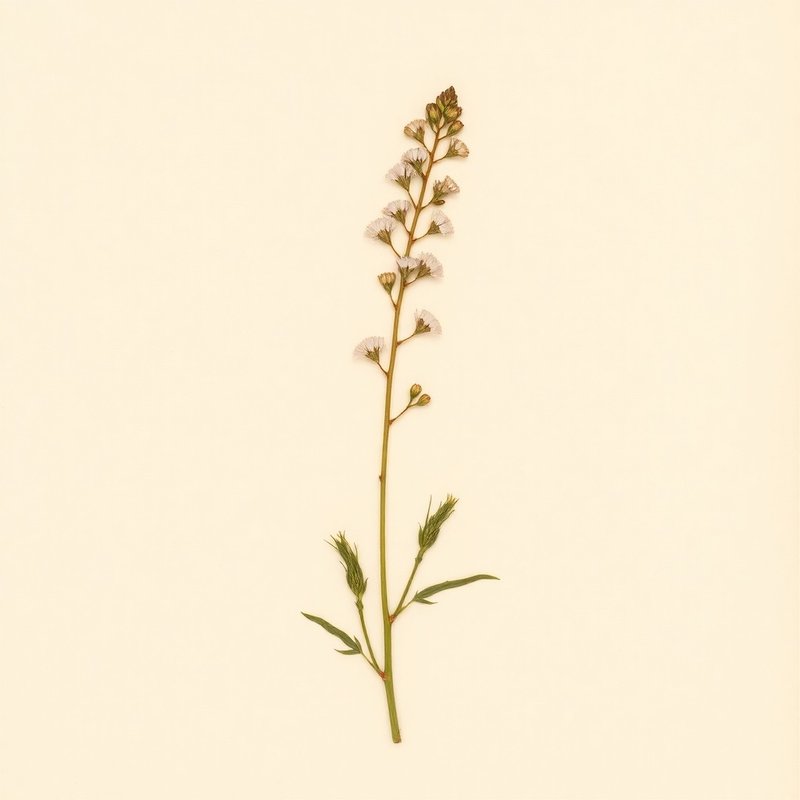
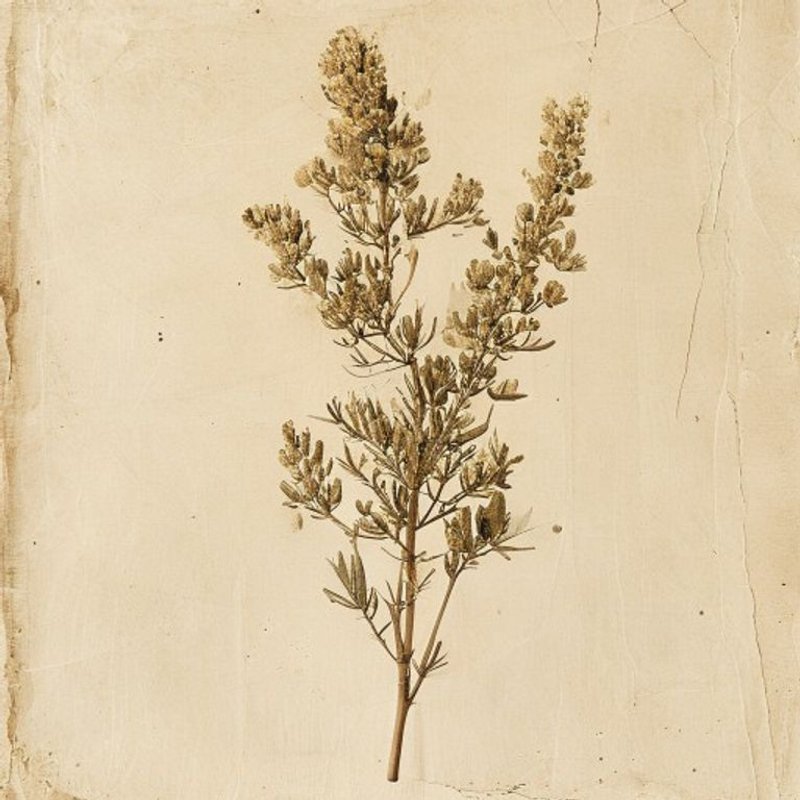
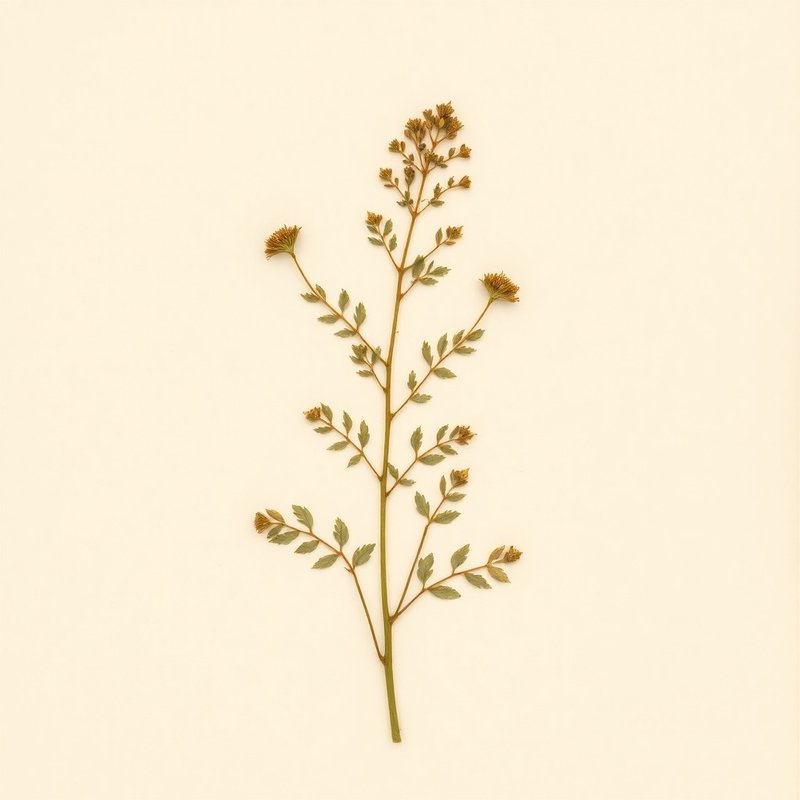
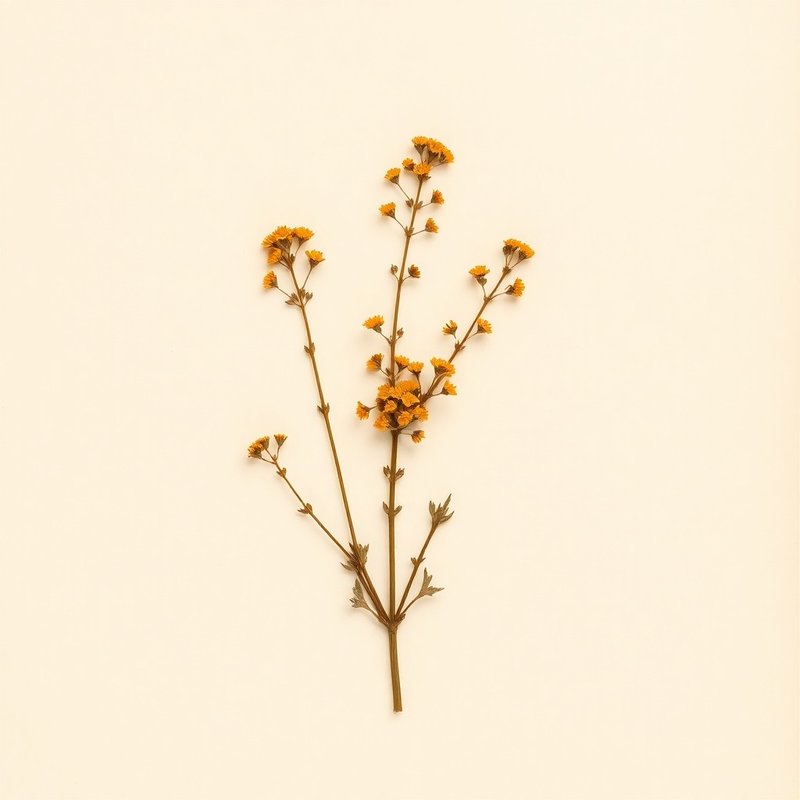
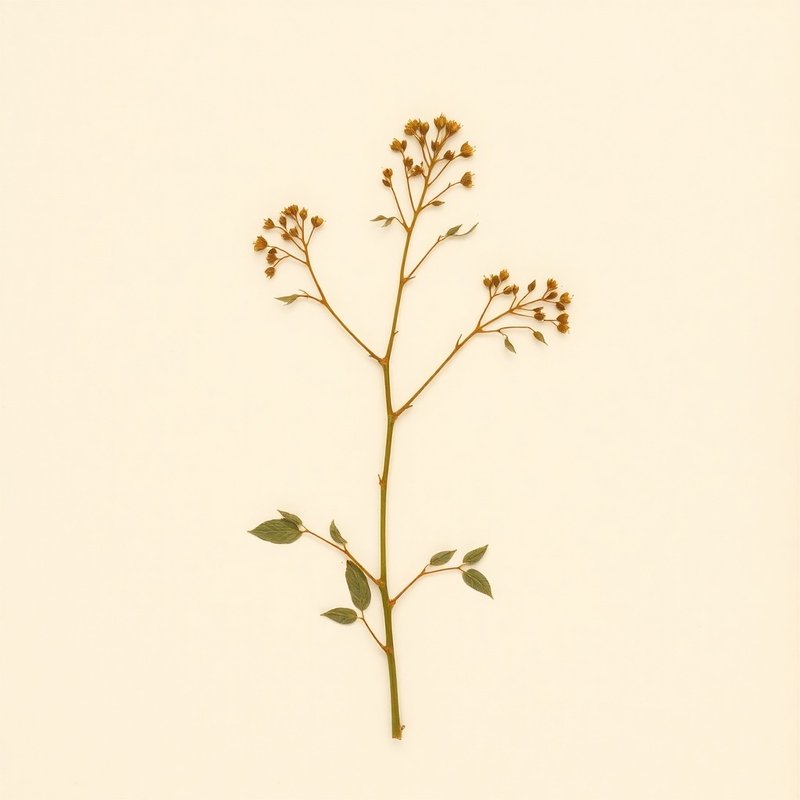
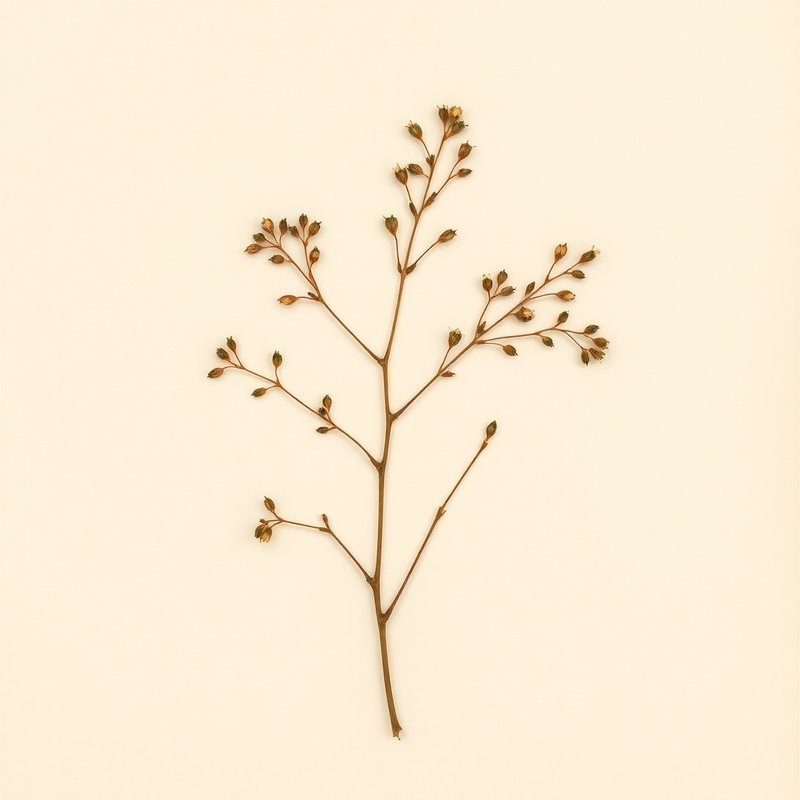
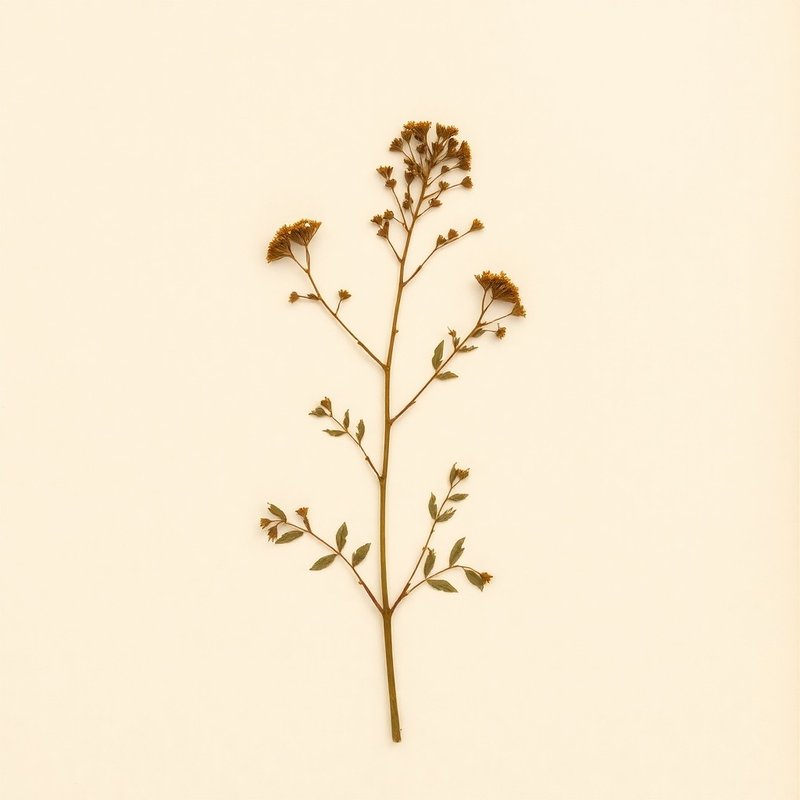
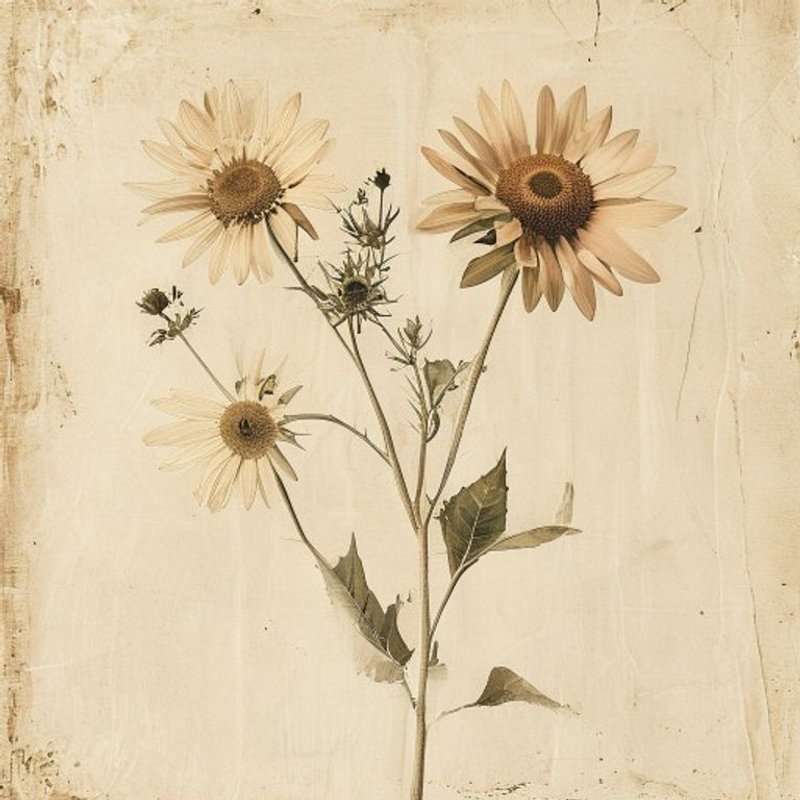
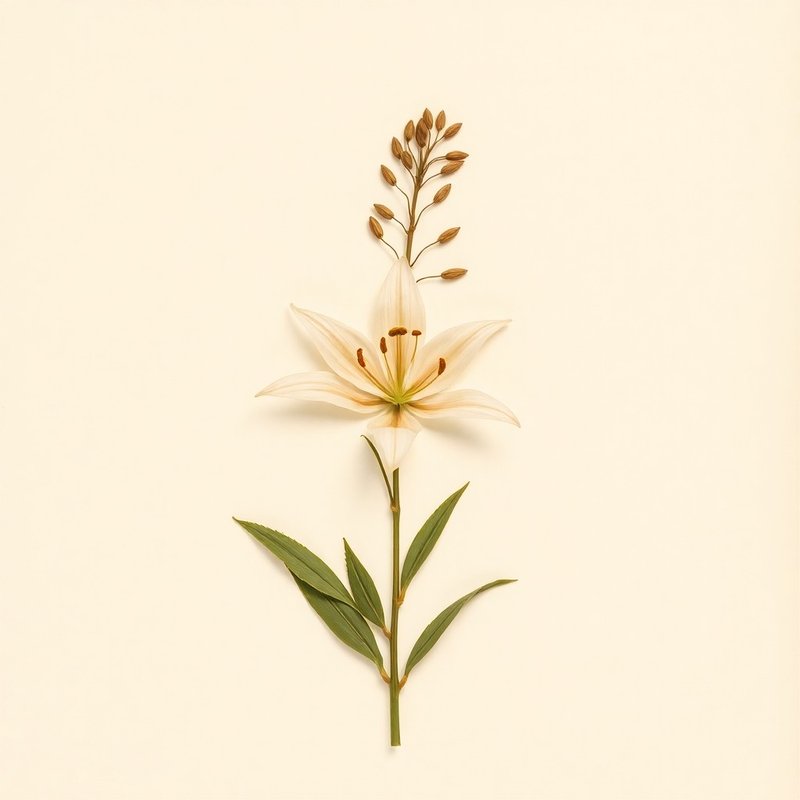
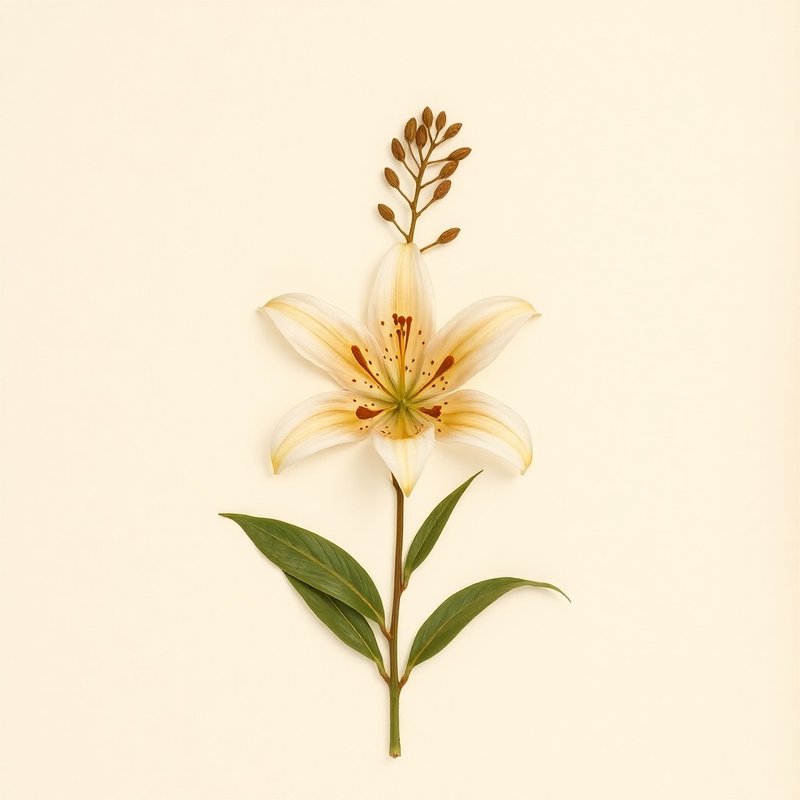
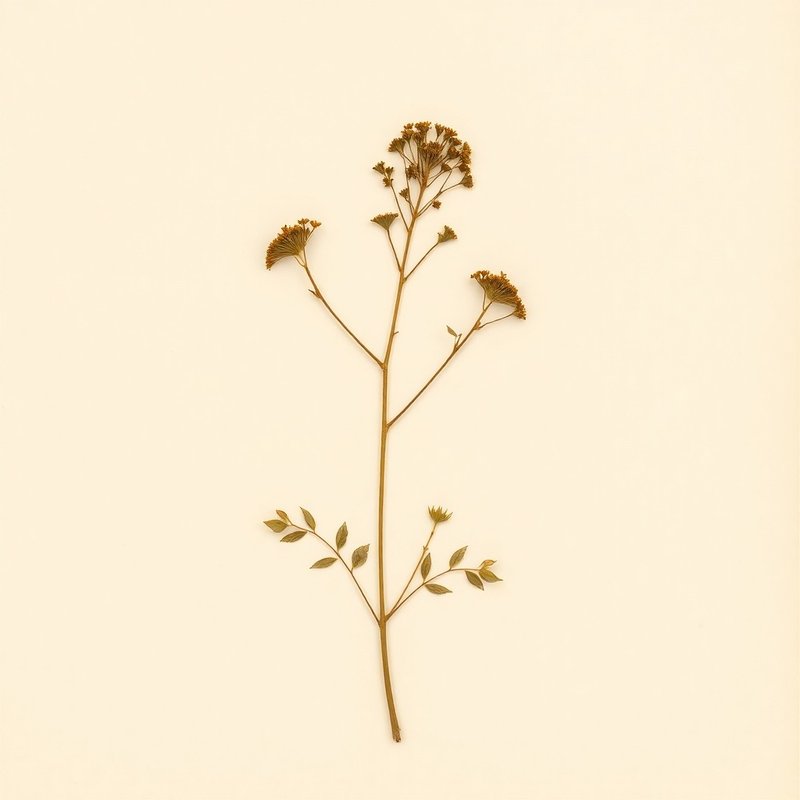
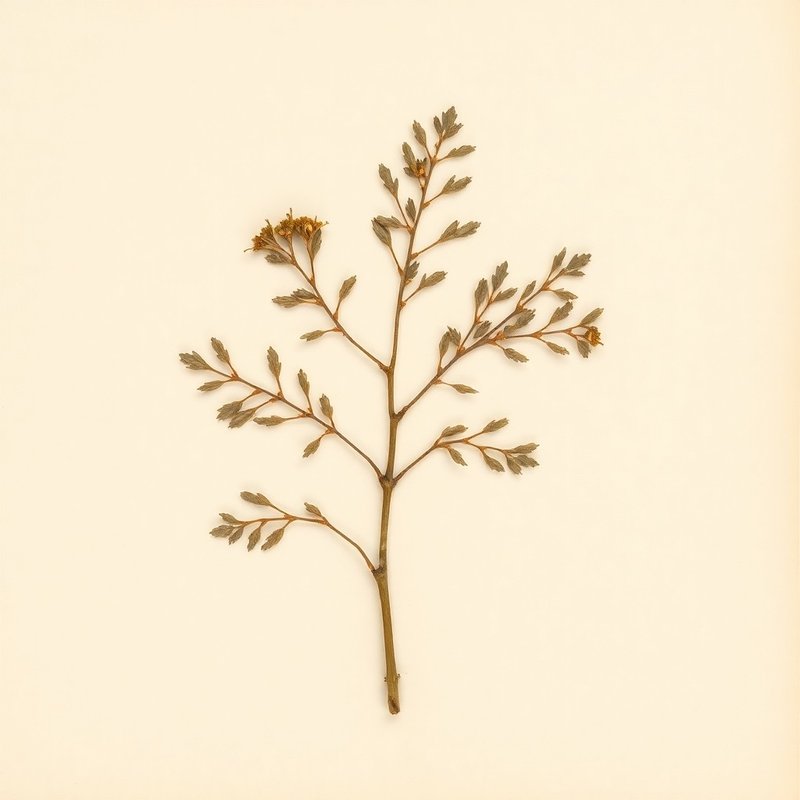
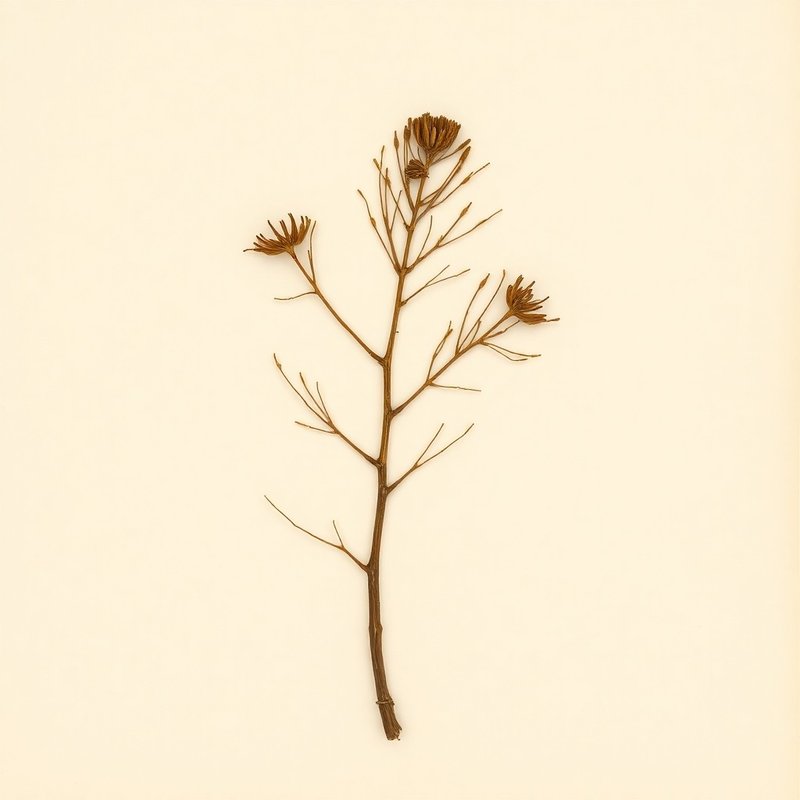
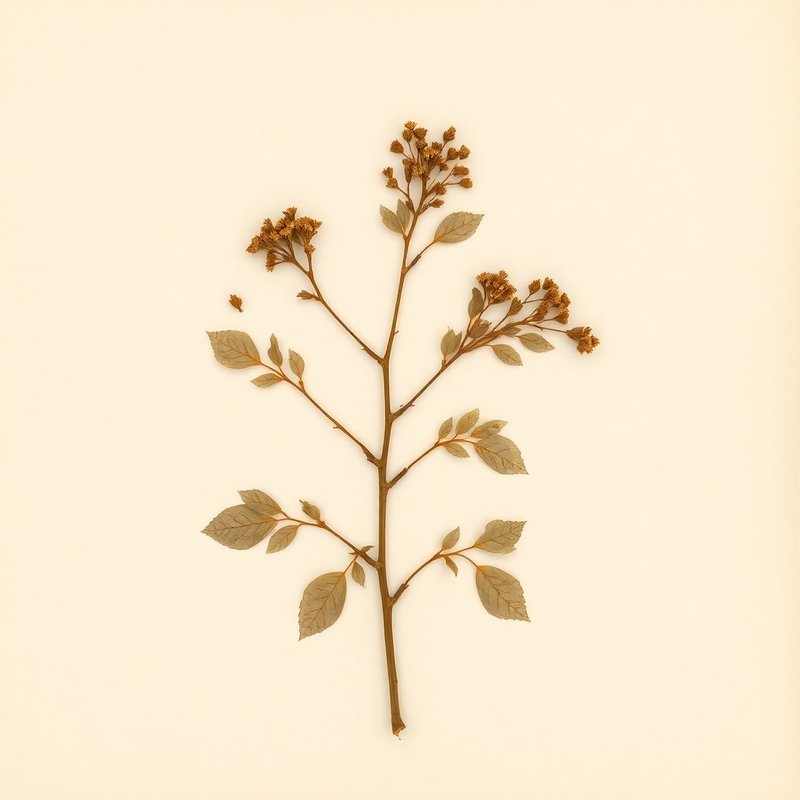
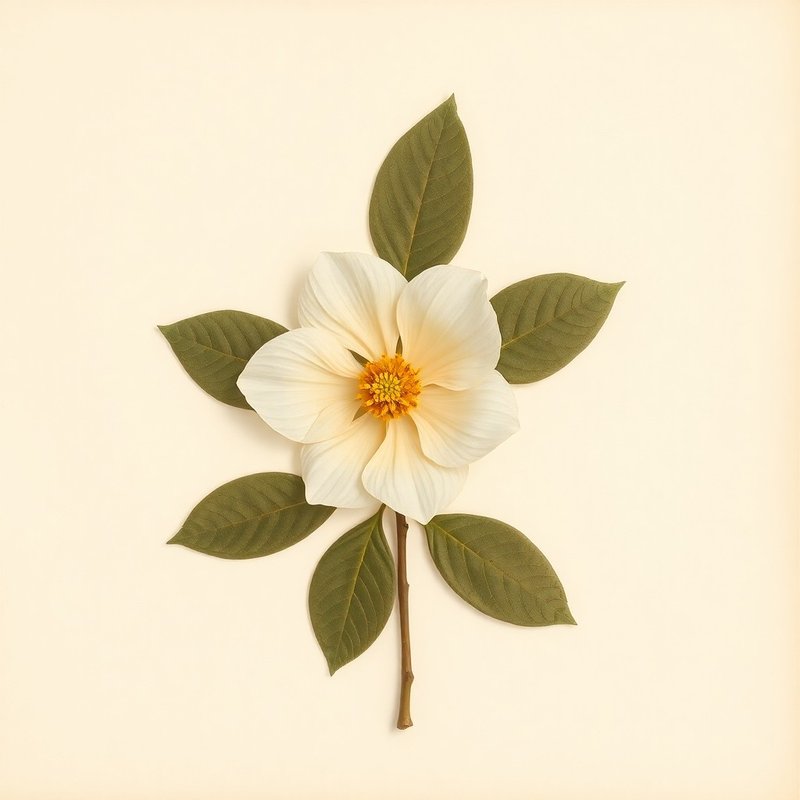
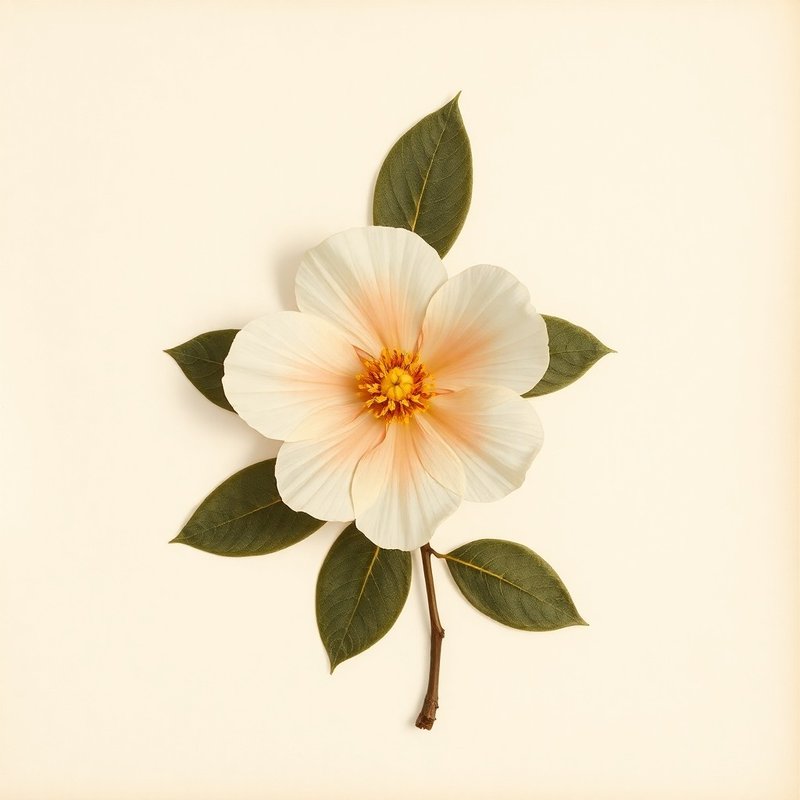
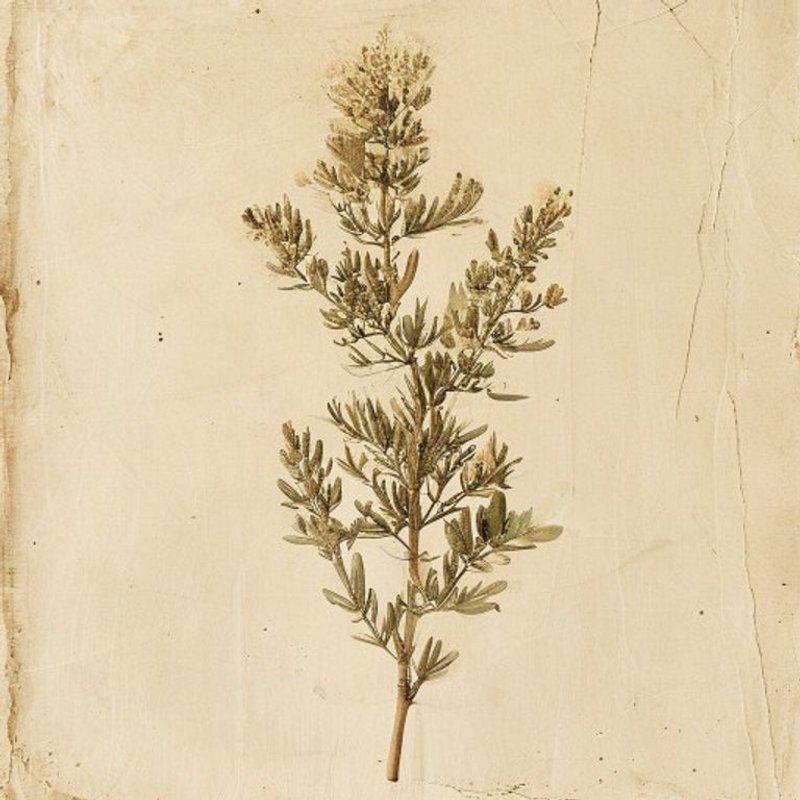
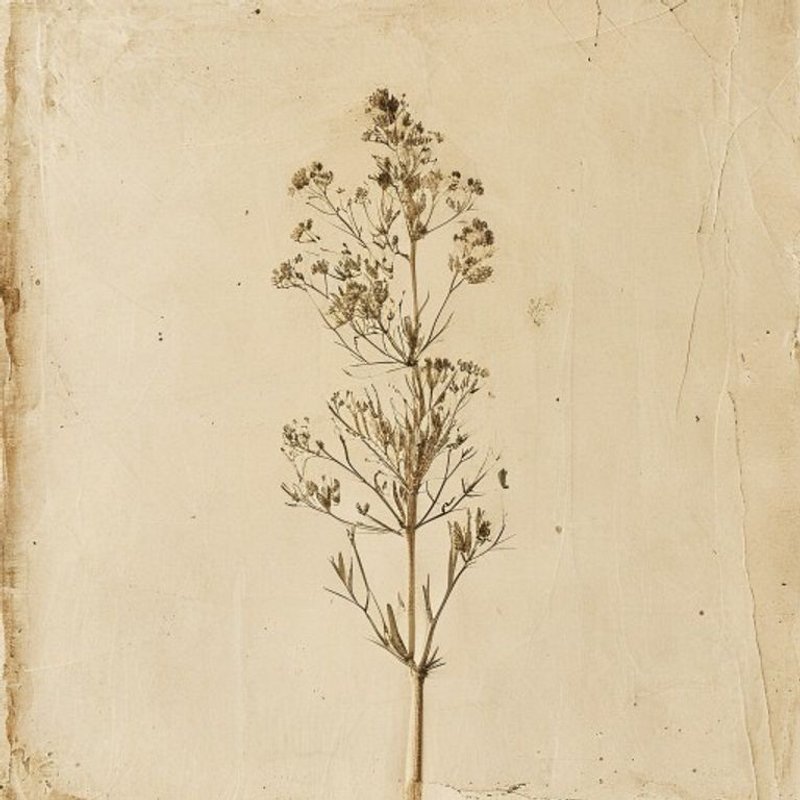
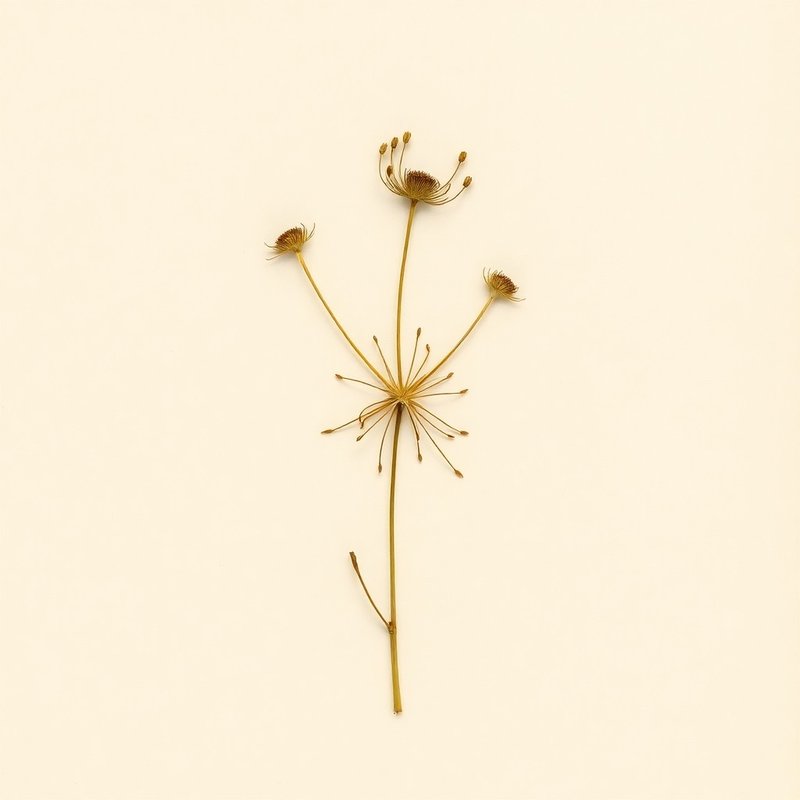
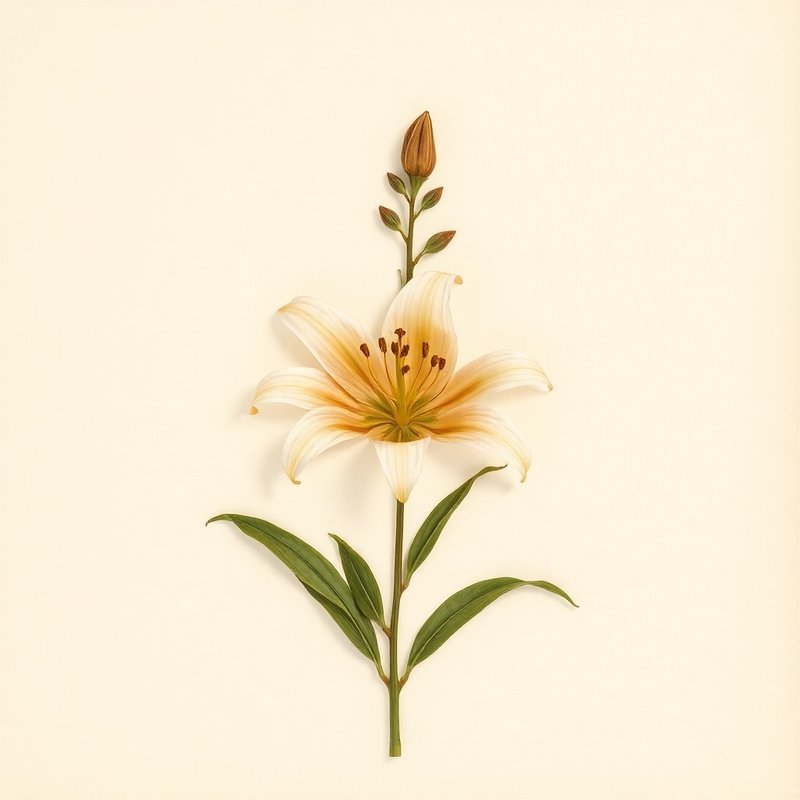
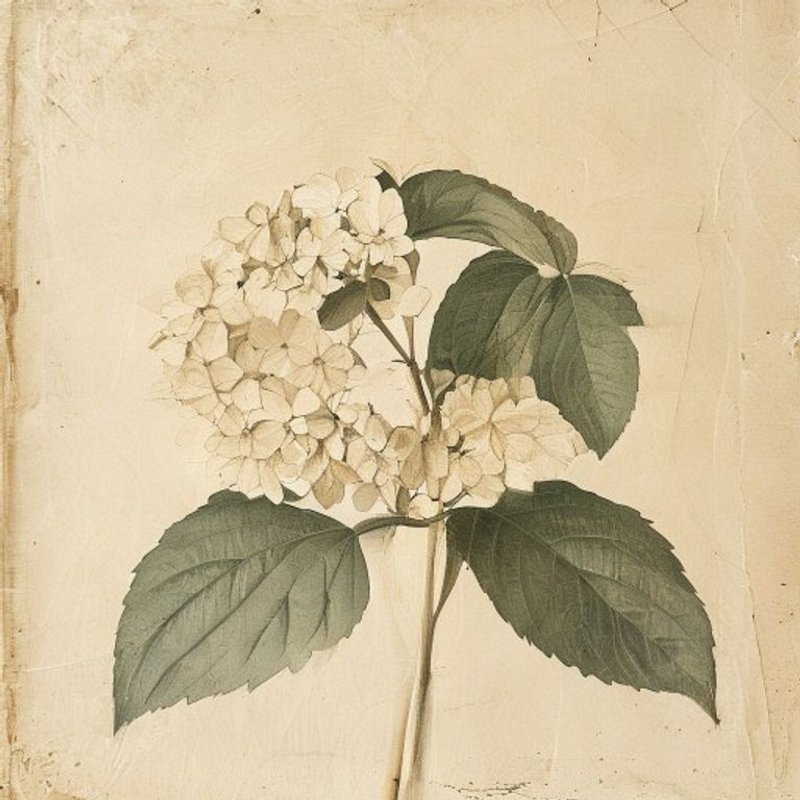
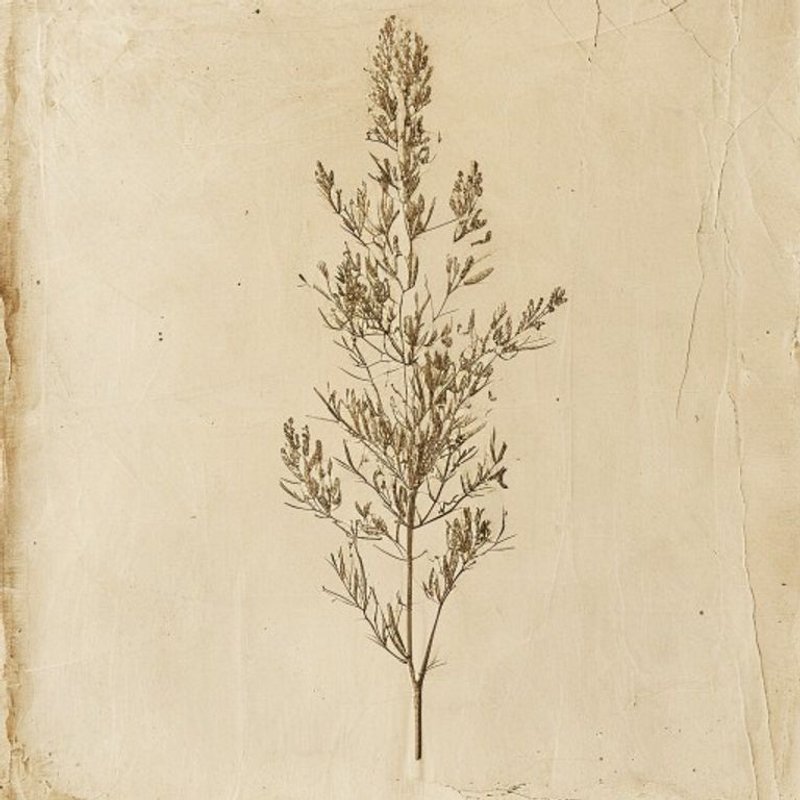
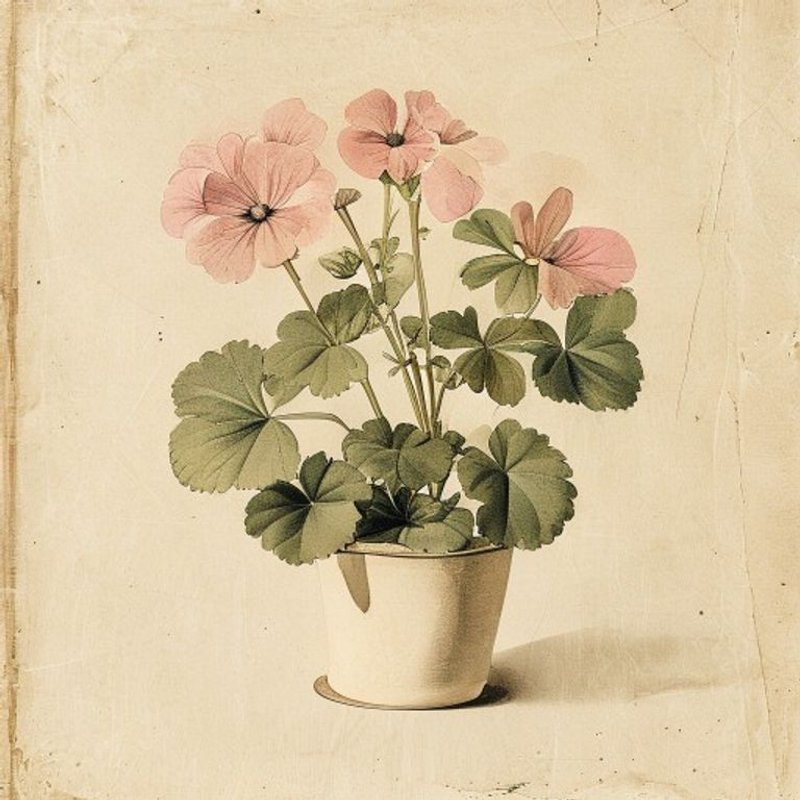
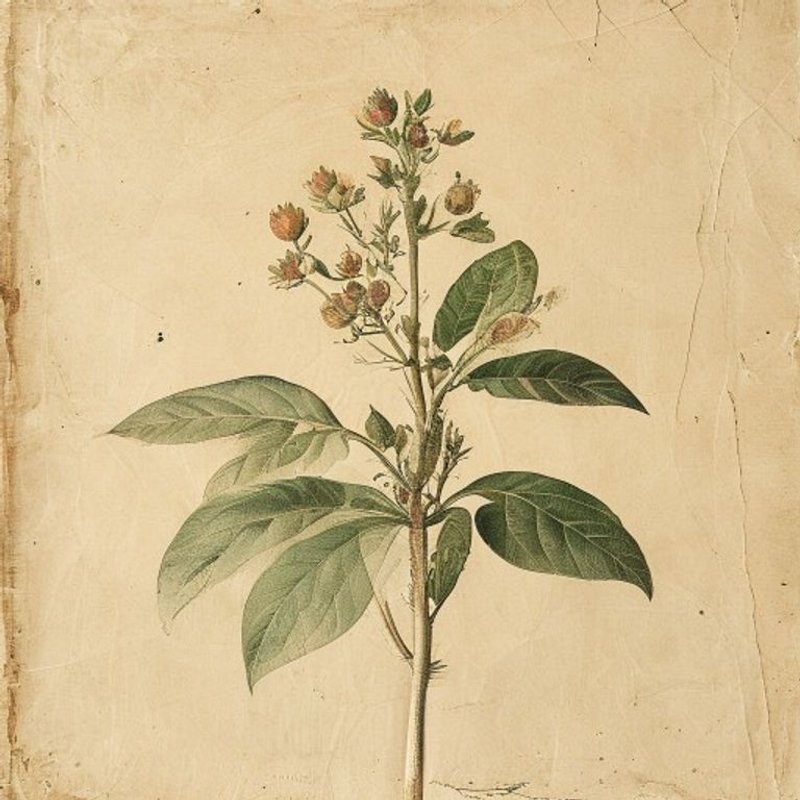
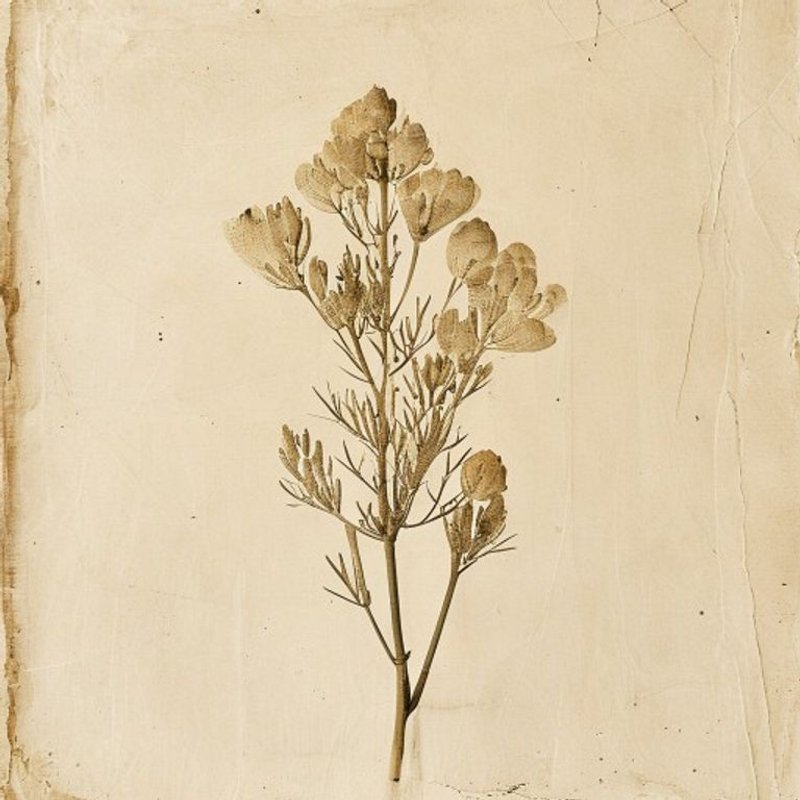
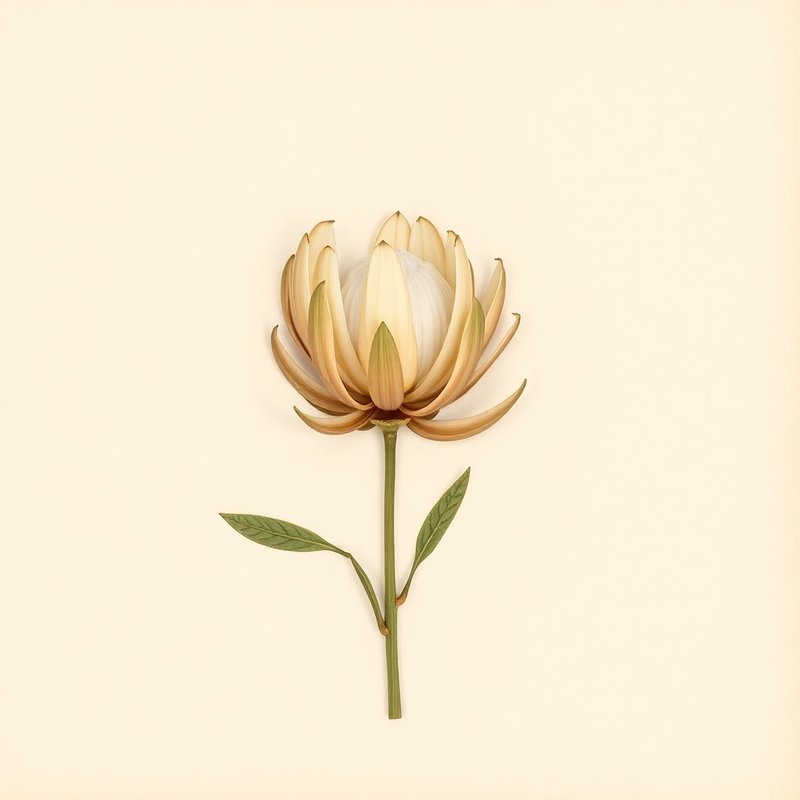
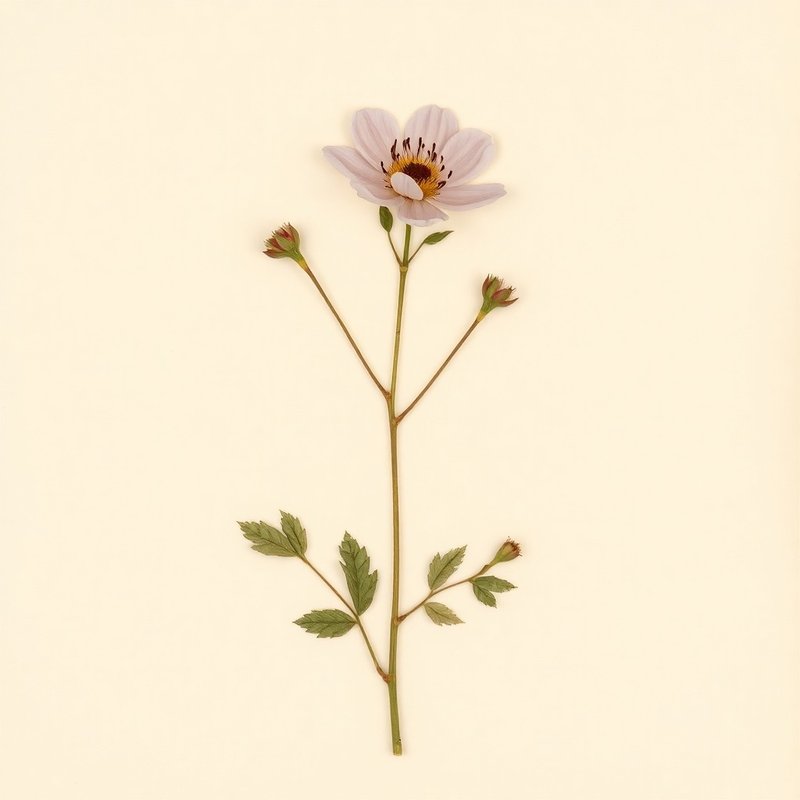
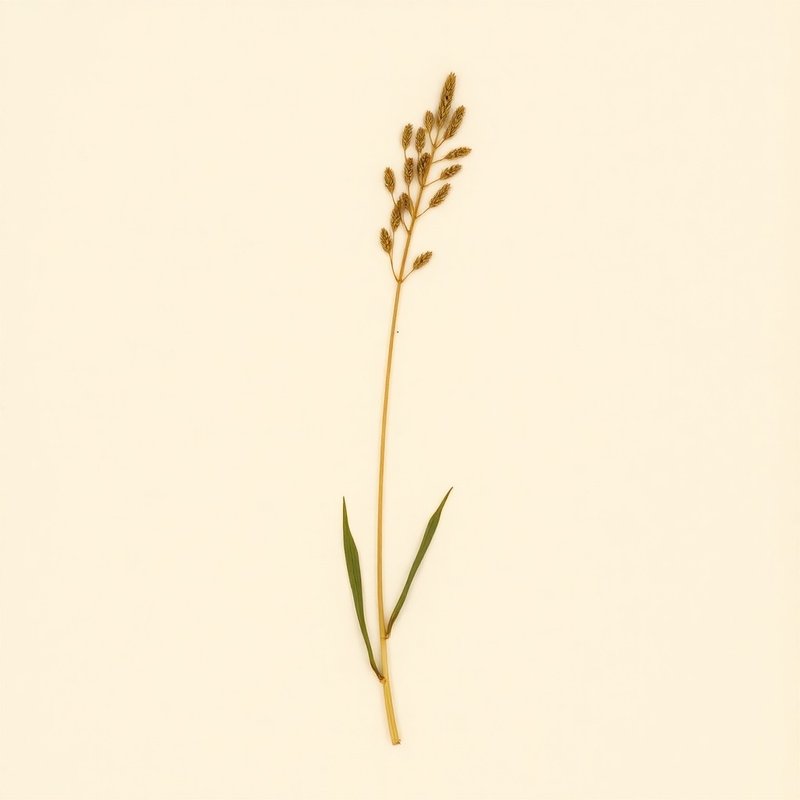
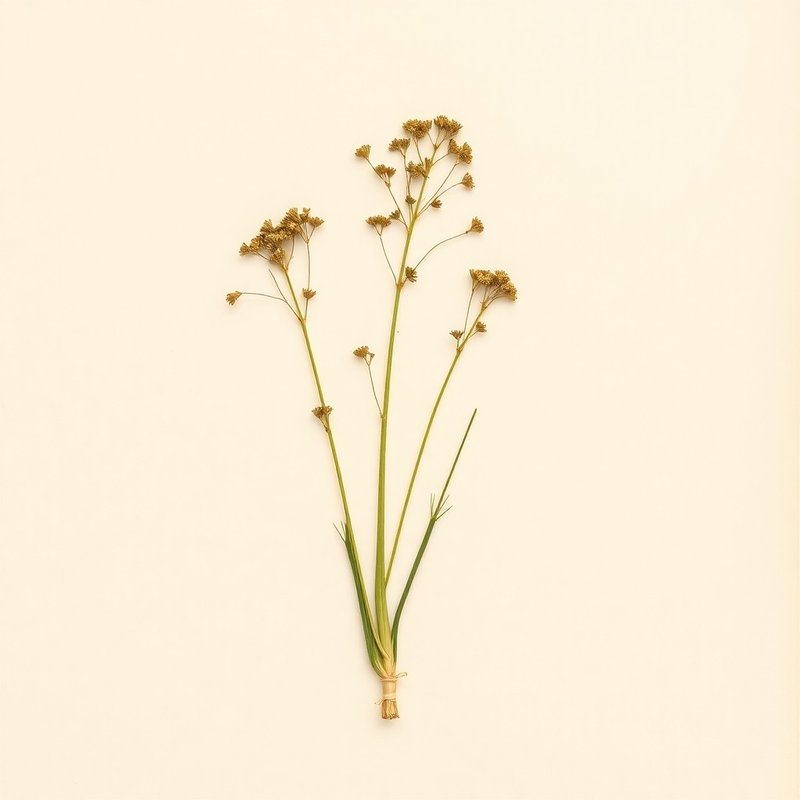
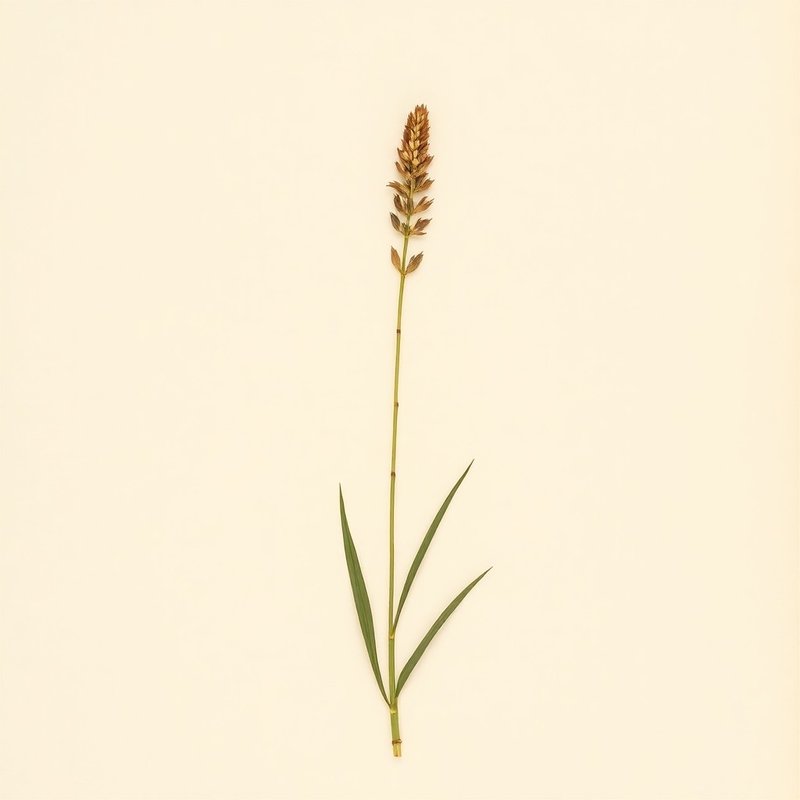
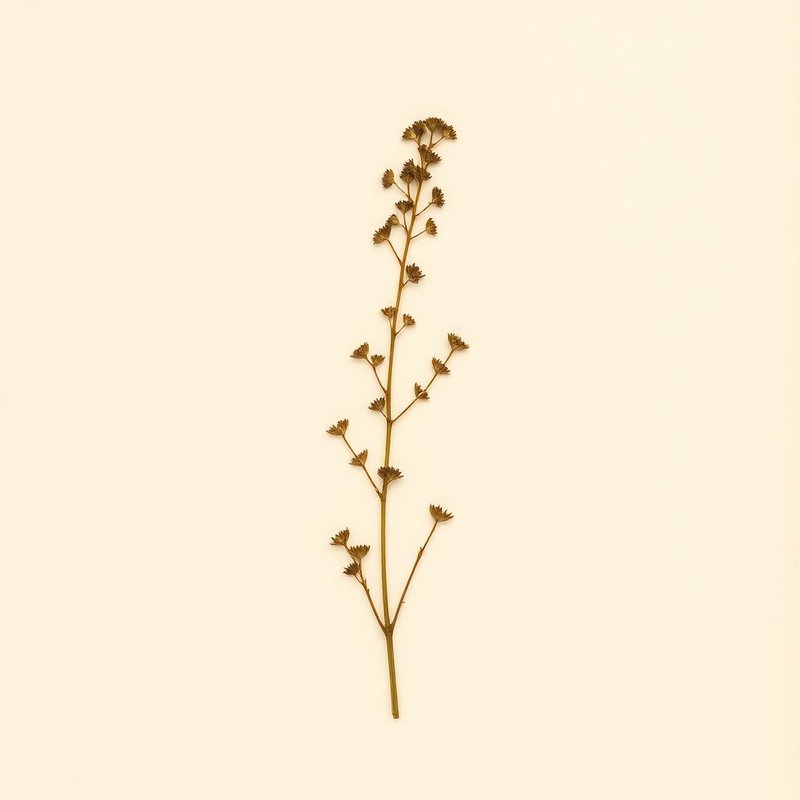
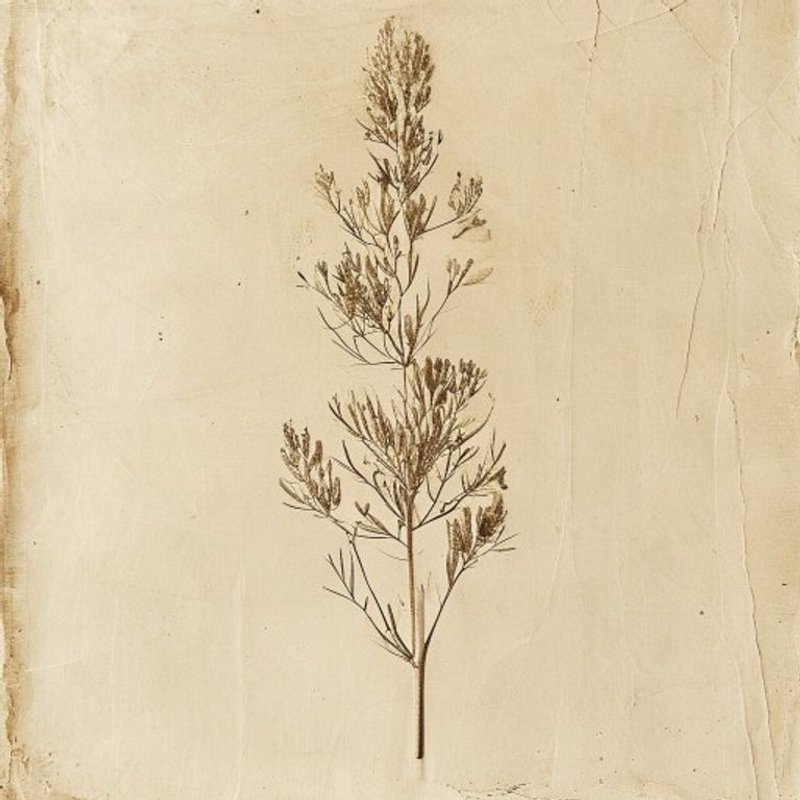
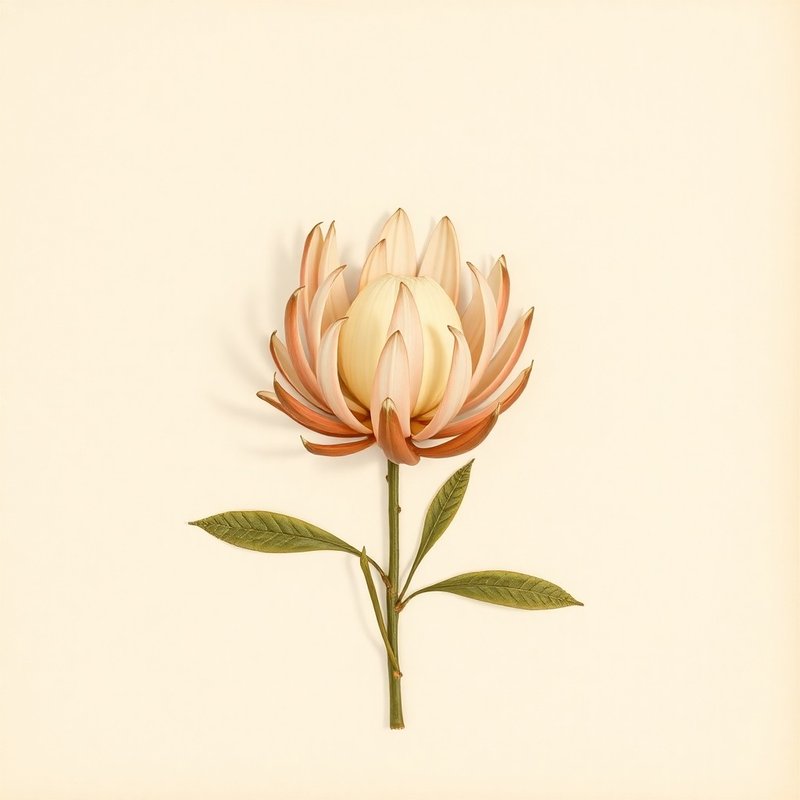
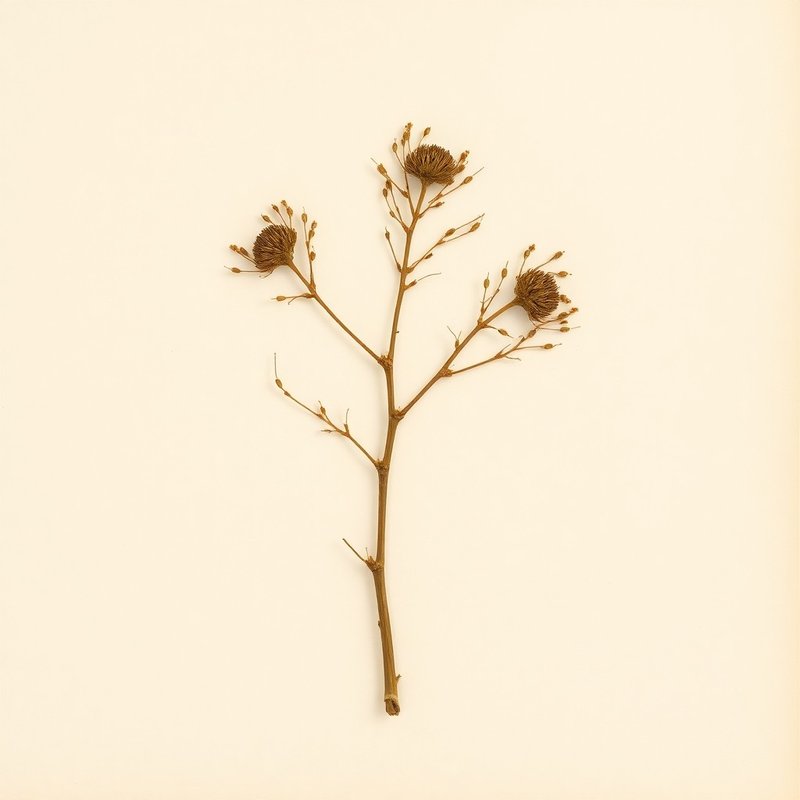
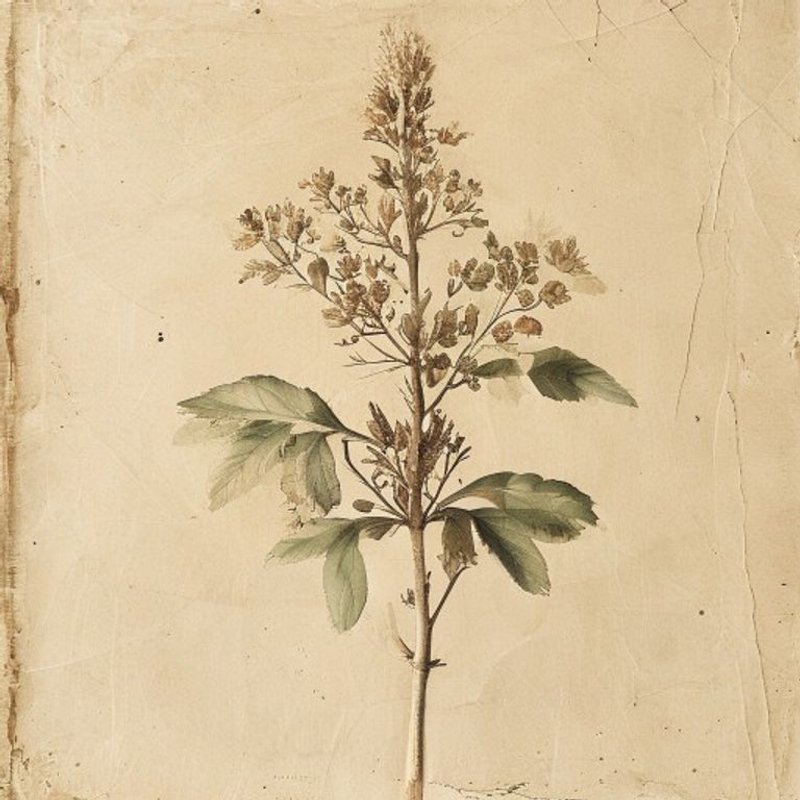
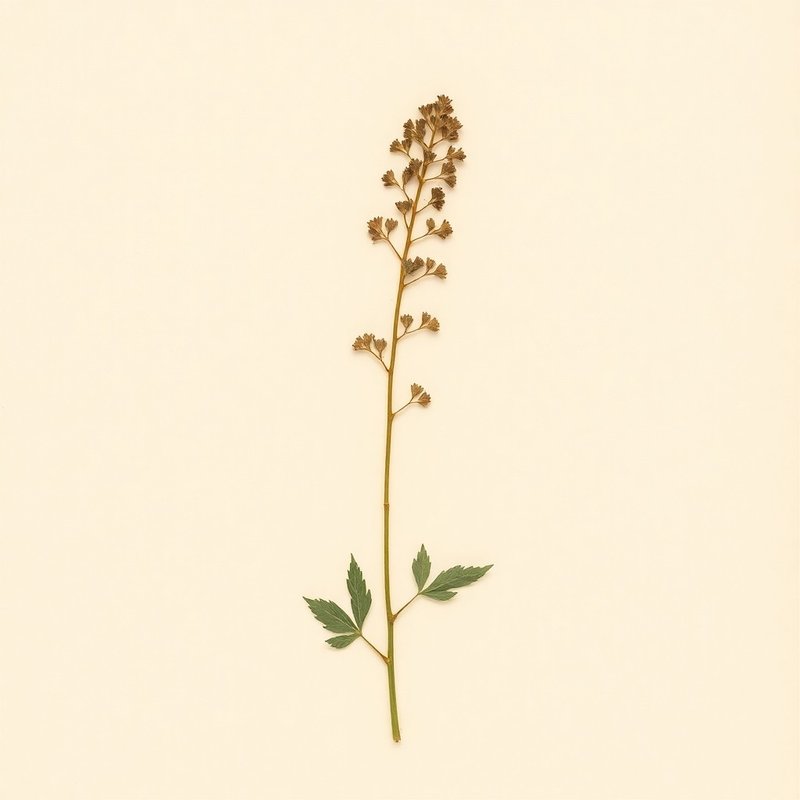
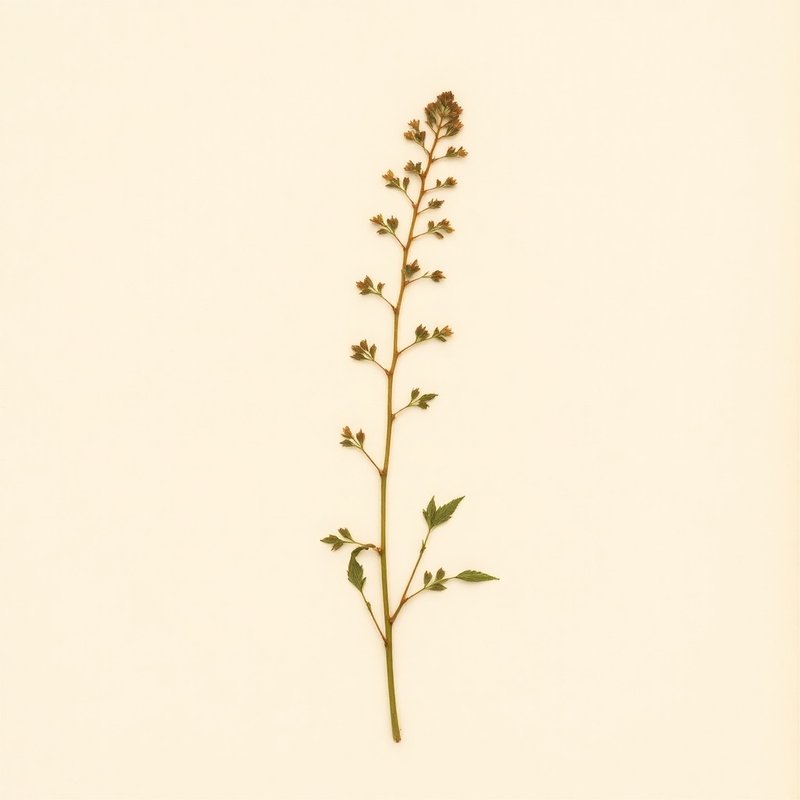
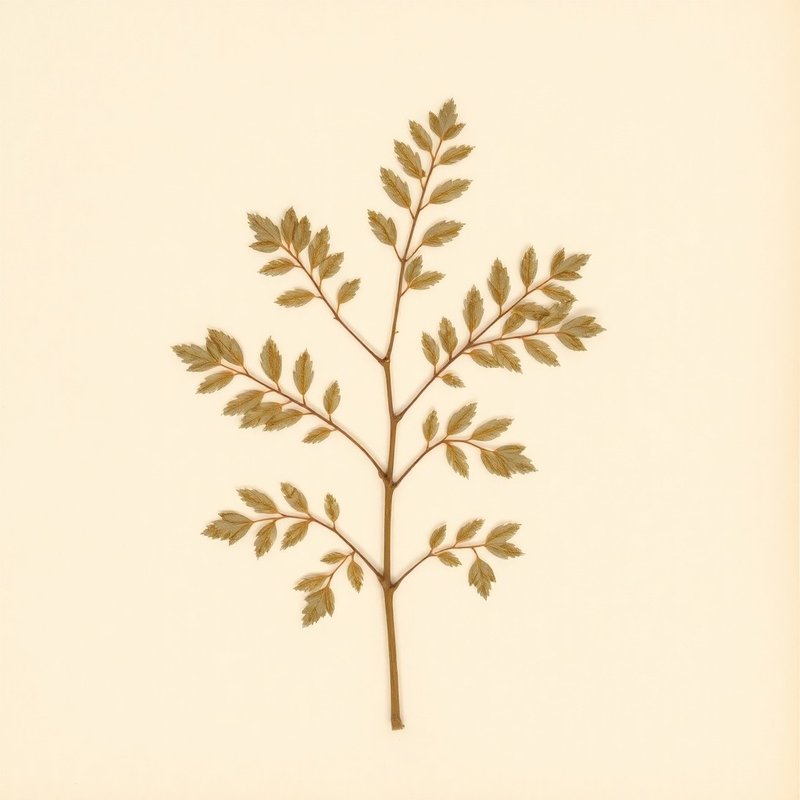
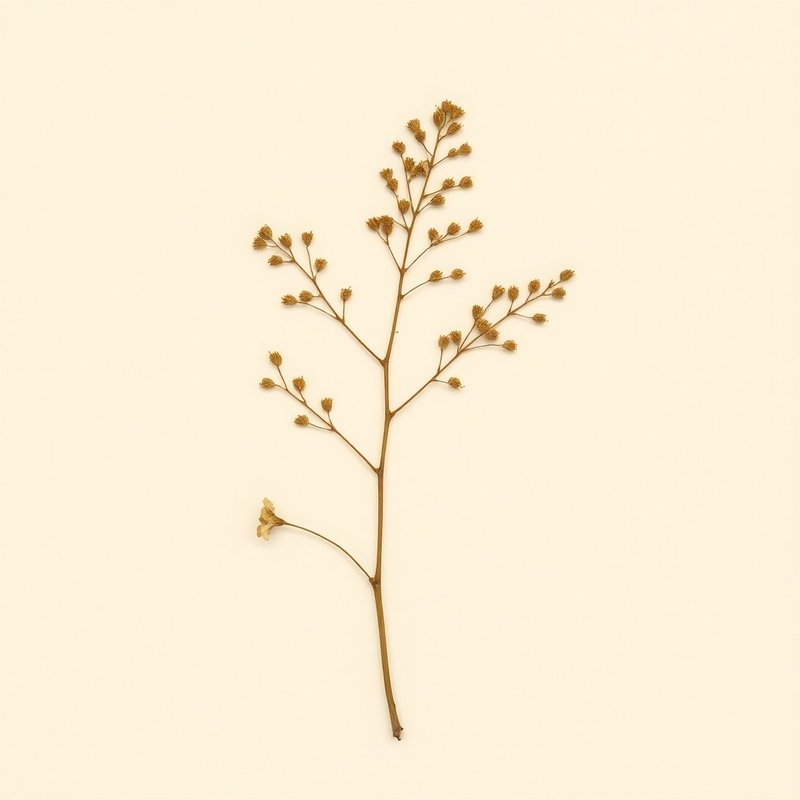
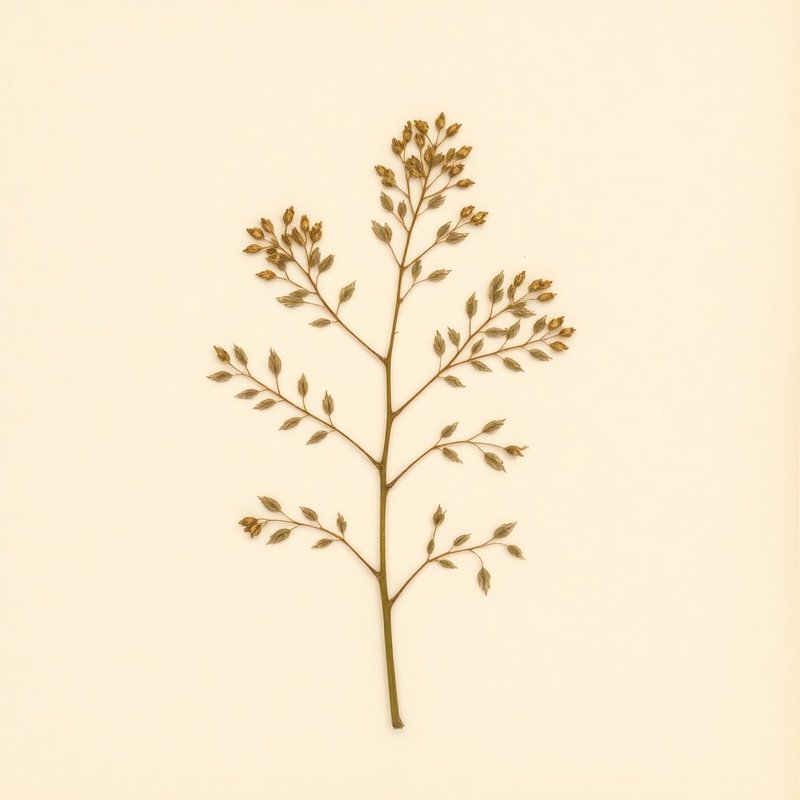
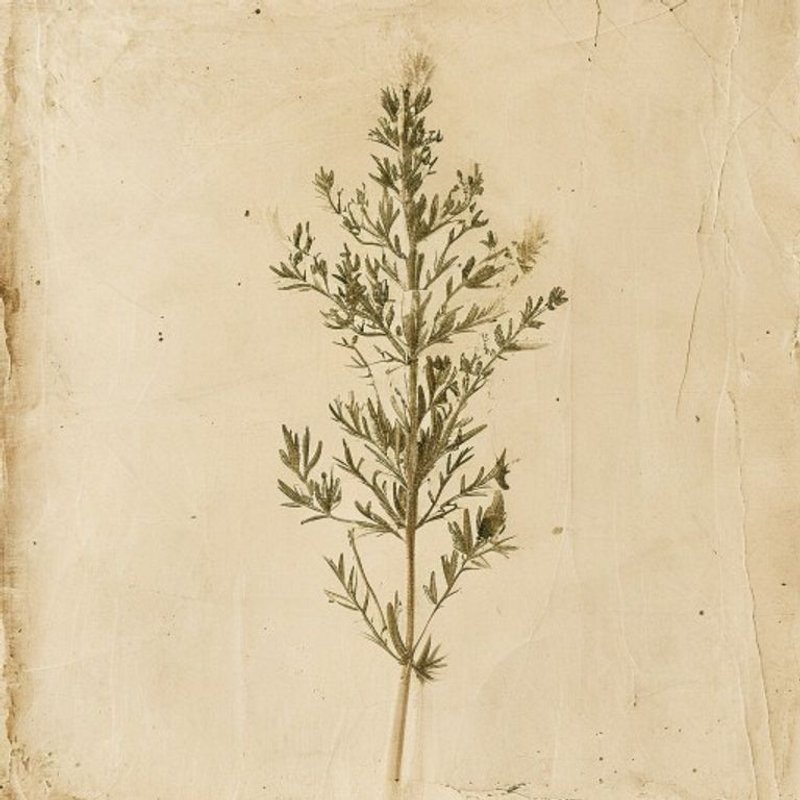
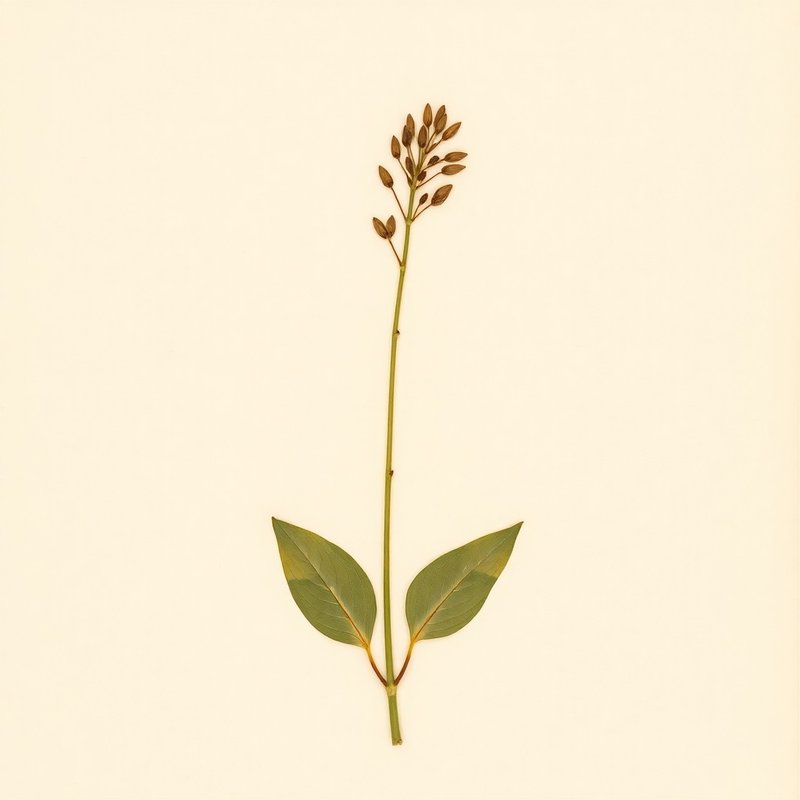
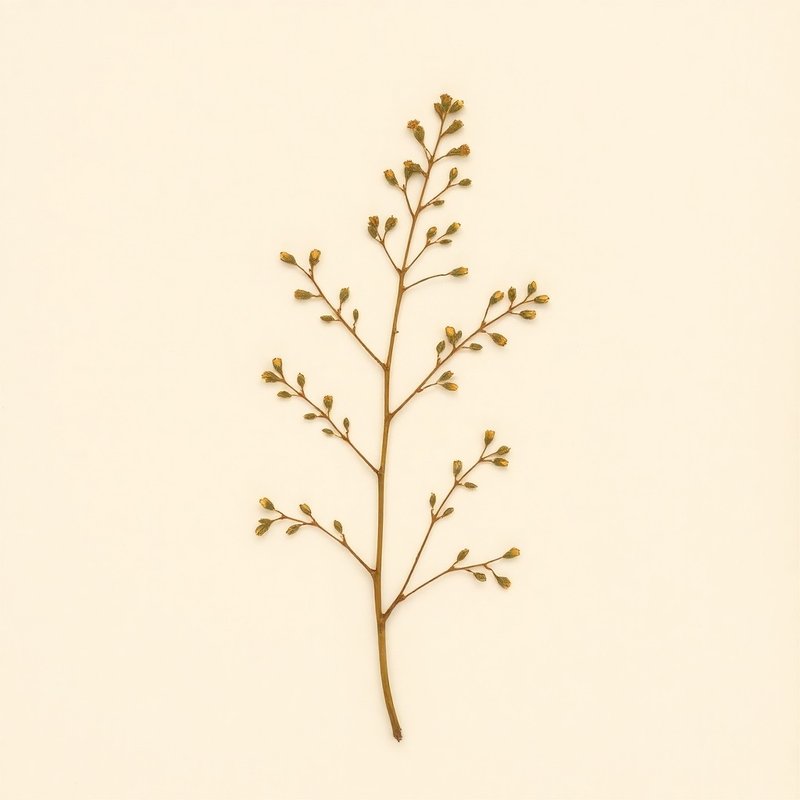
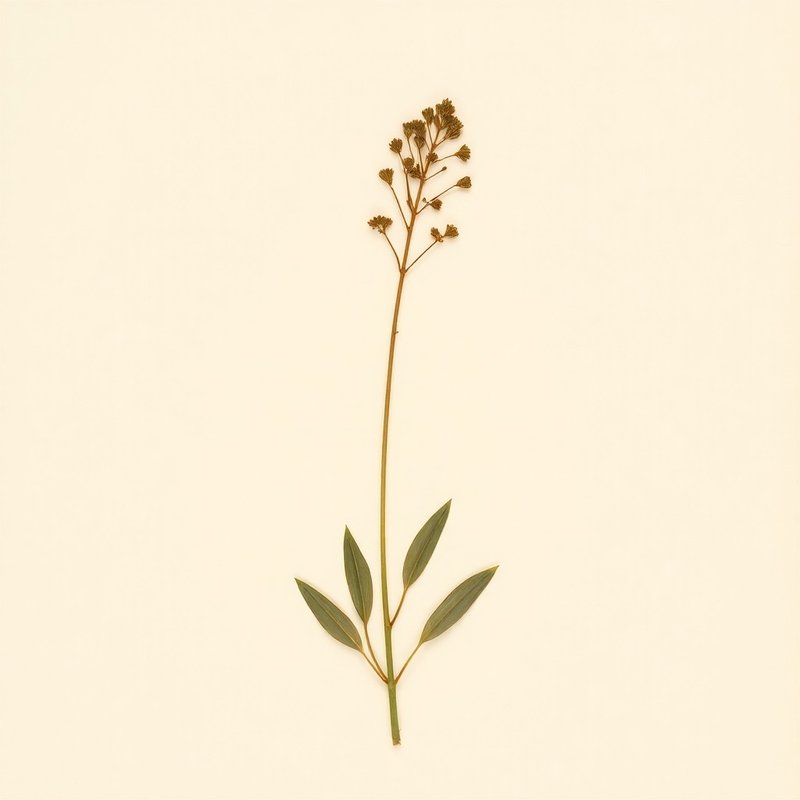
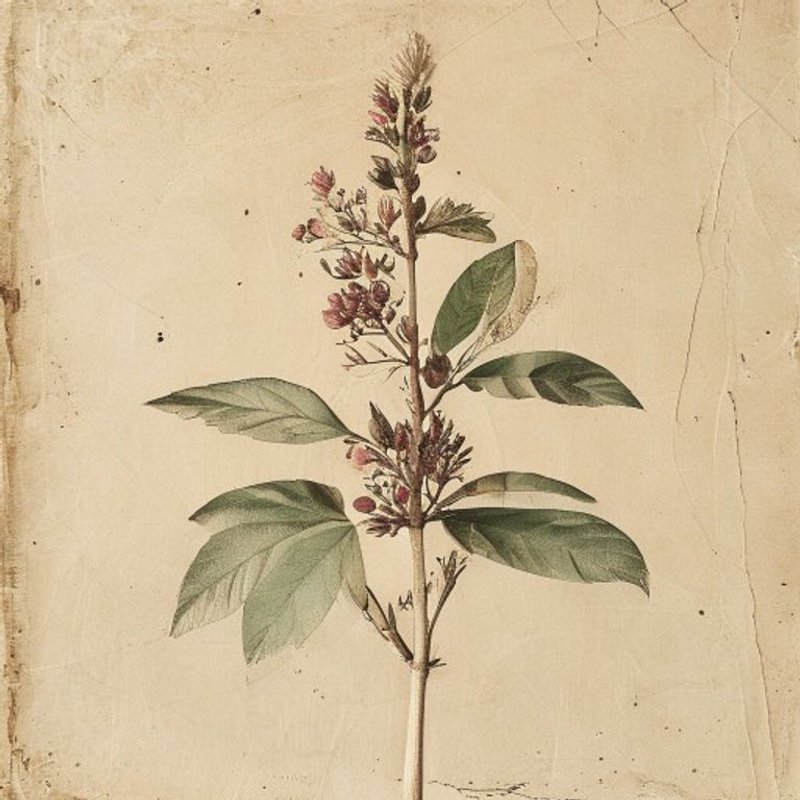
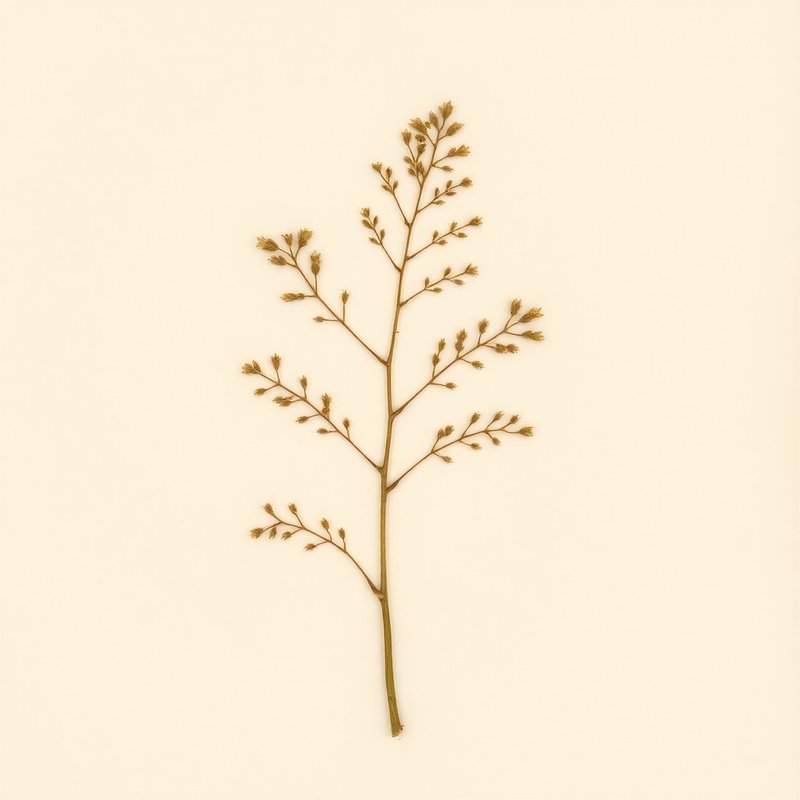
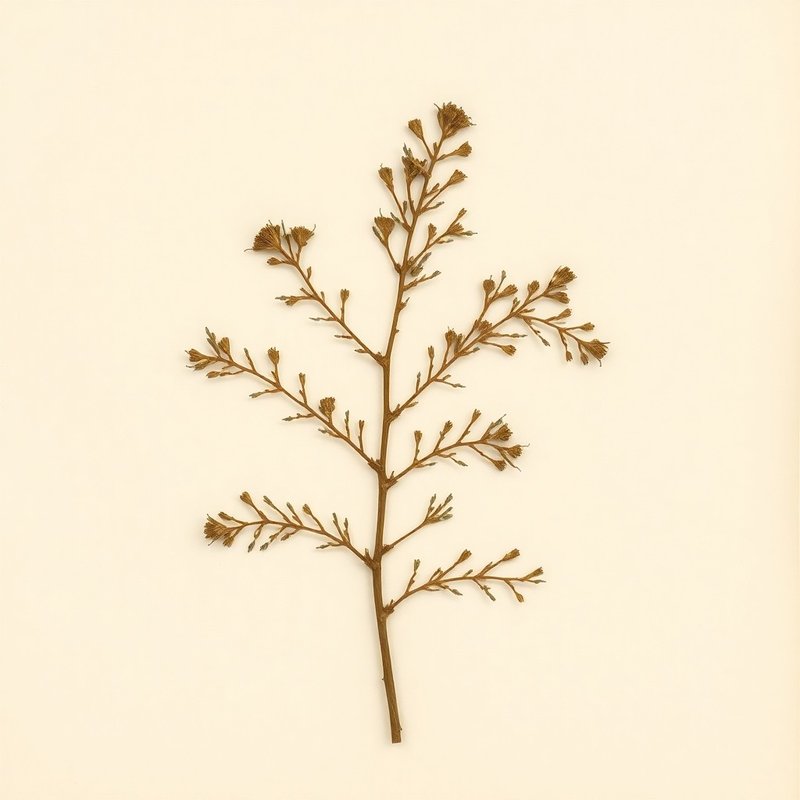
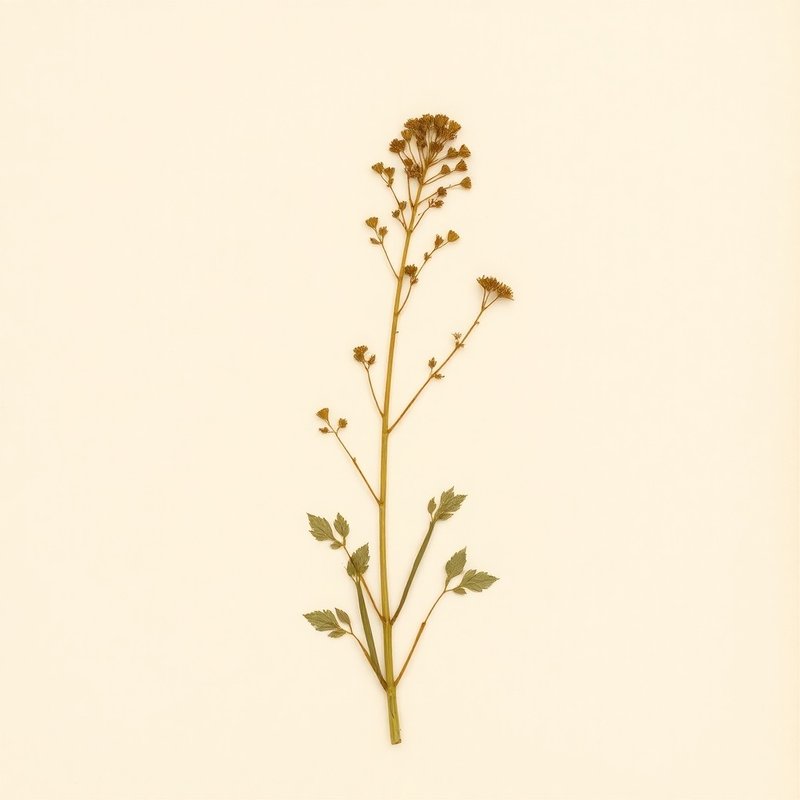
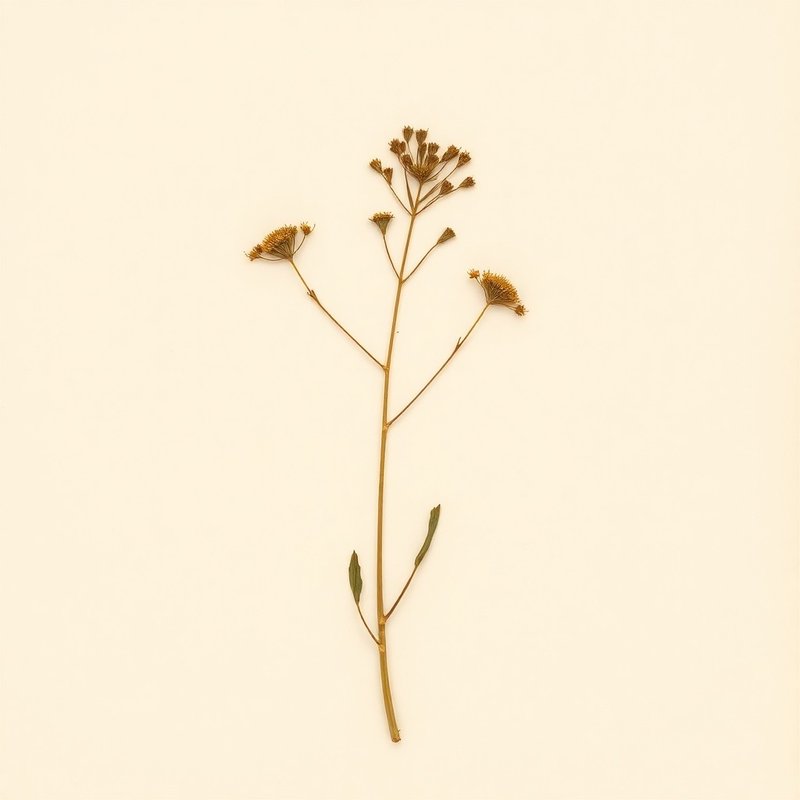
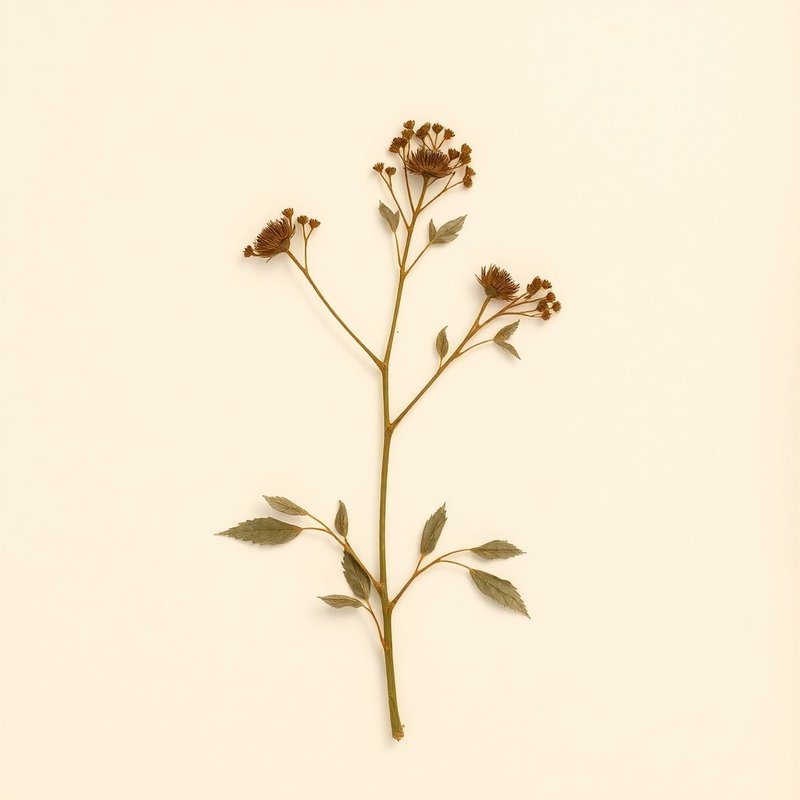
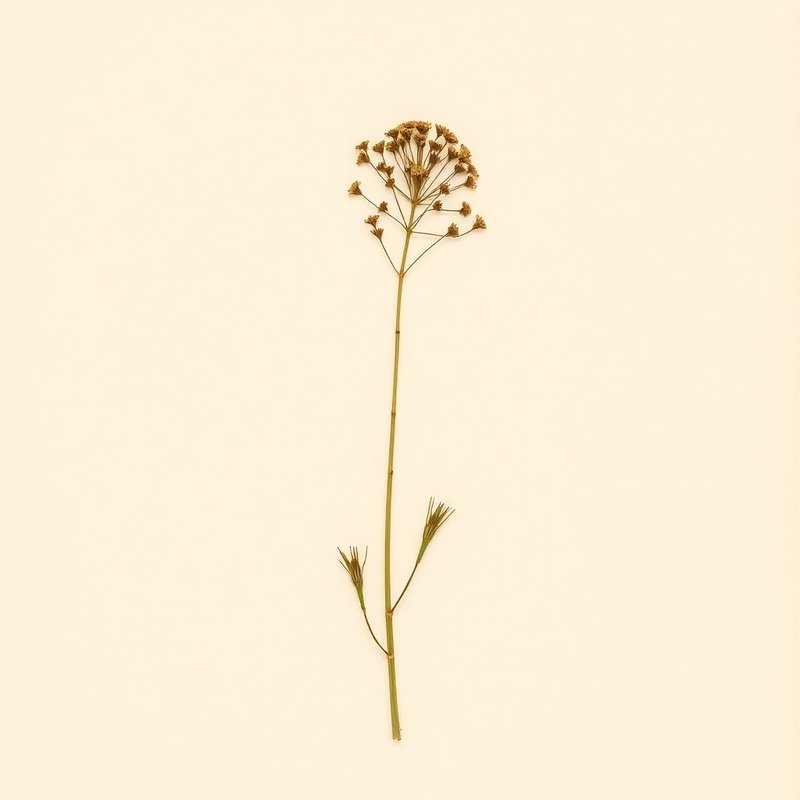
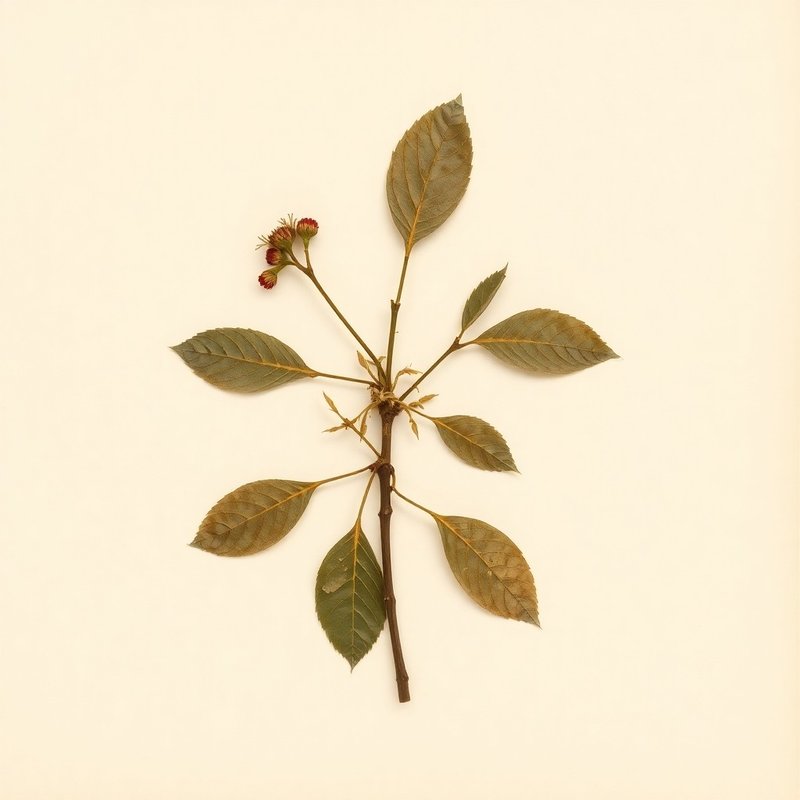
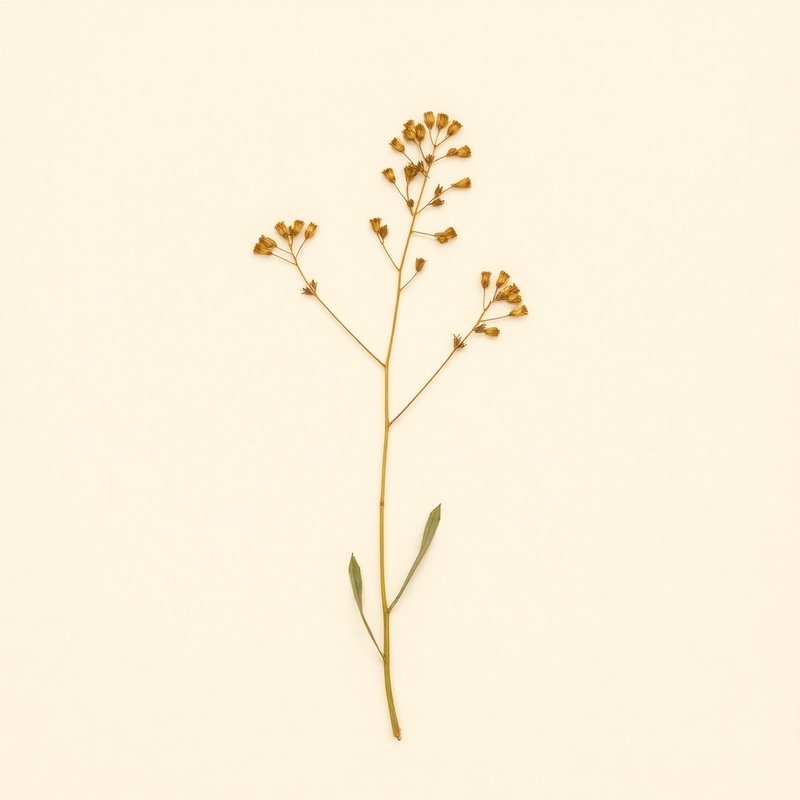
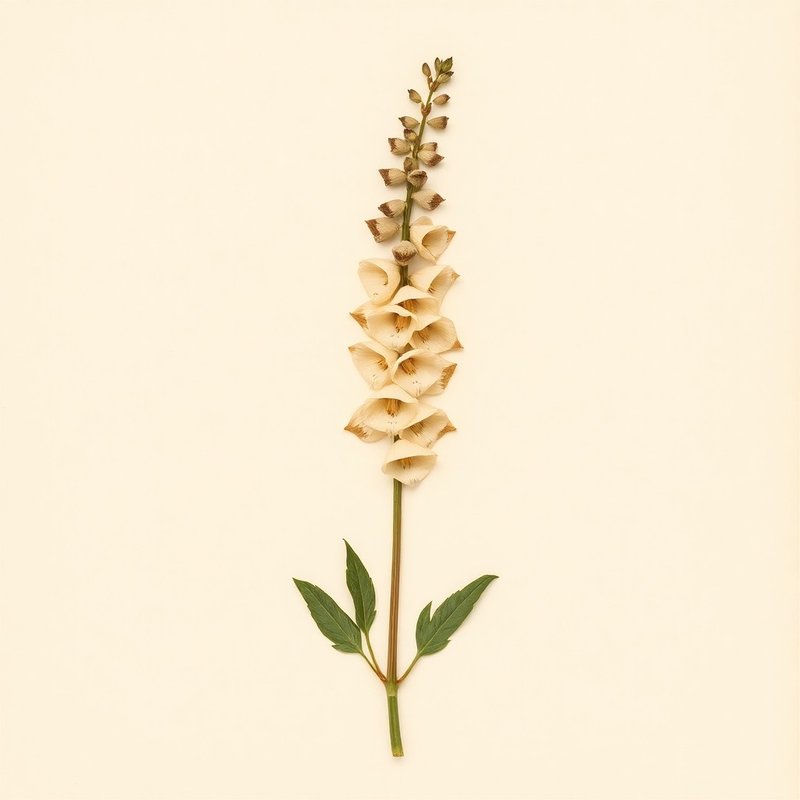
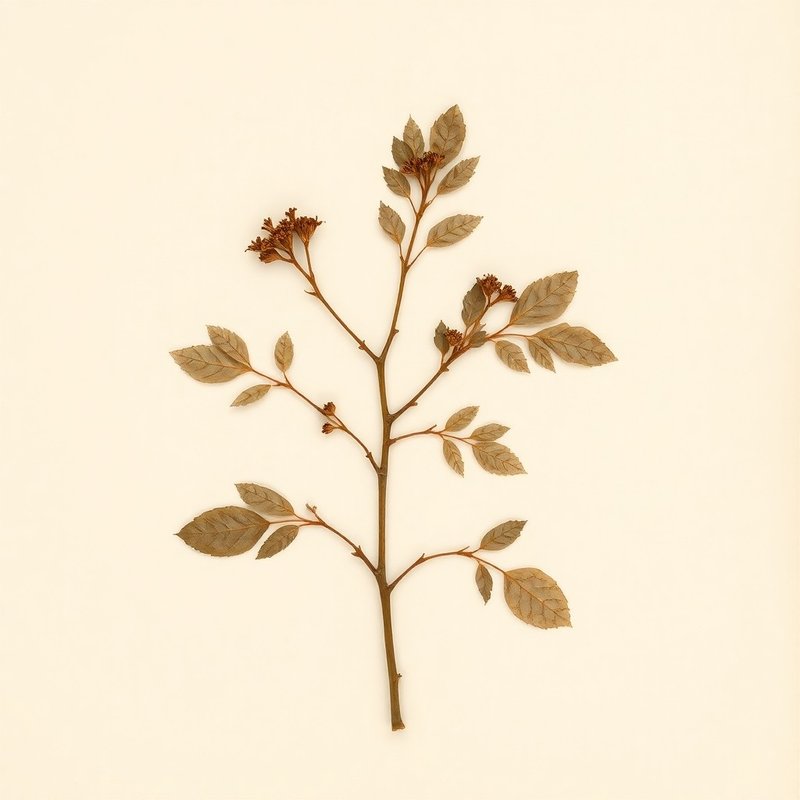
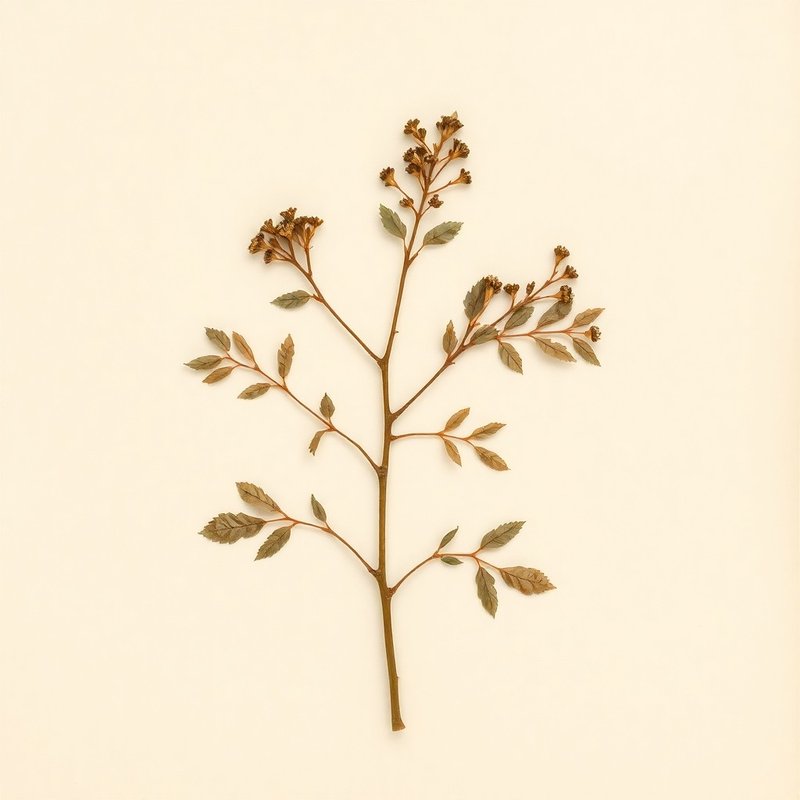
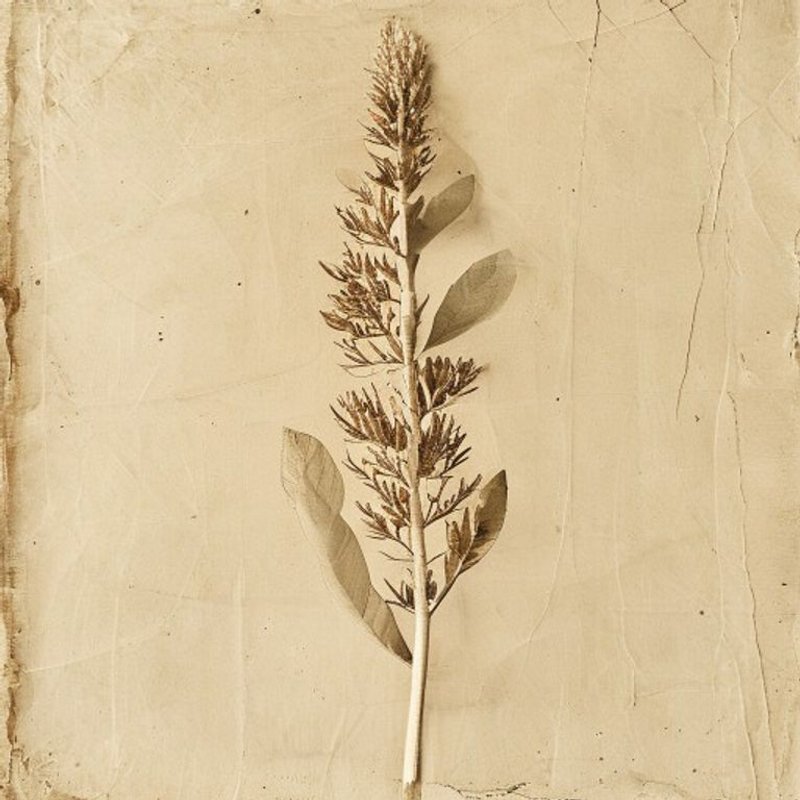
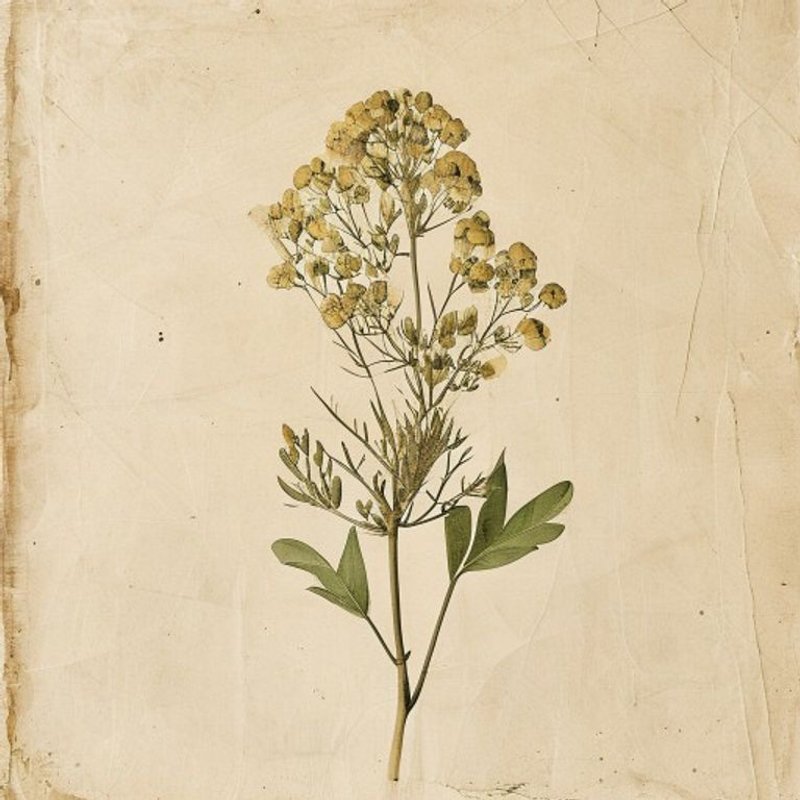
Echinacea is one of the better-evidenced choices for Immune support — 1 cited reference with moderate evidence quality. Effect size d=0.55 (moderate). Macrophage and NK-cell activation via alkylamides; in vitro and modest clinical evidence.
We catalogue 883 plants traditionally used or clinically studied for Immune support. Each entry shows its mechanism and evidence quality — pick by what works, not what trends.
Ranked by confidence × effect-size × evidence count. These are the plants we'd reach for first for Immune support. Click through for the full profile.
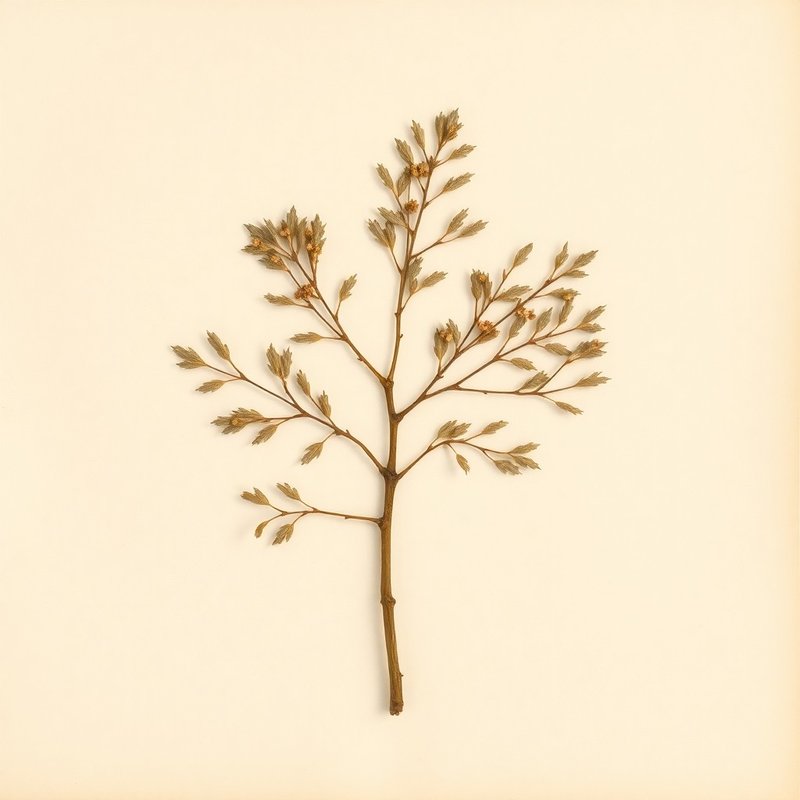
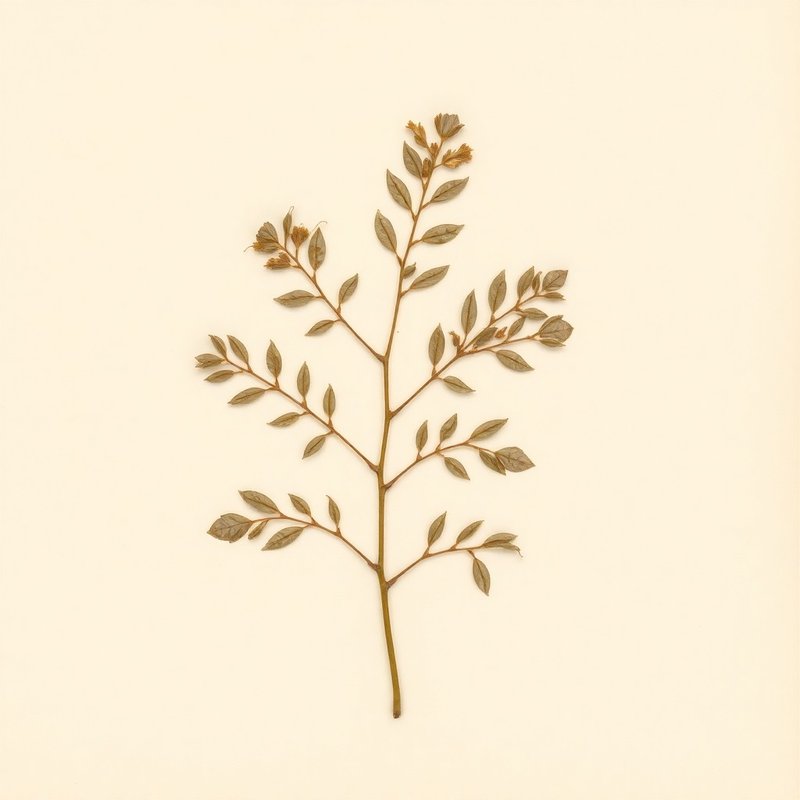
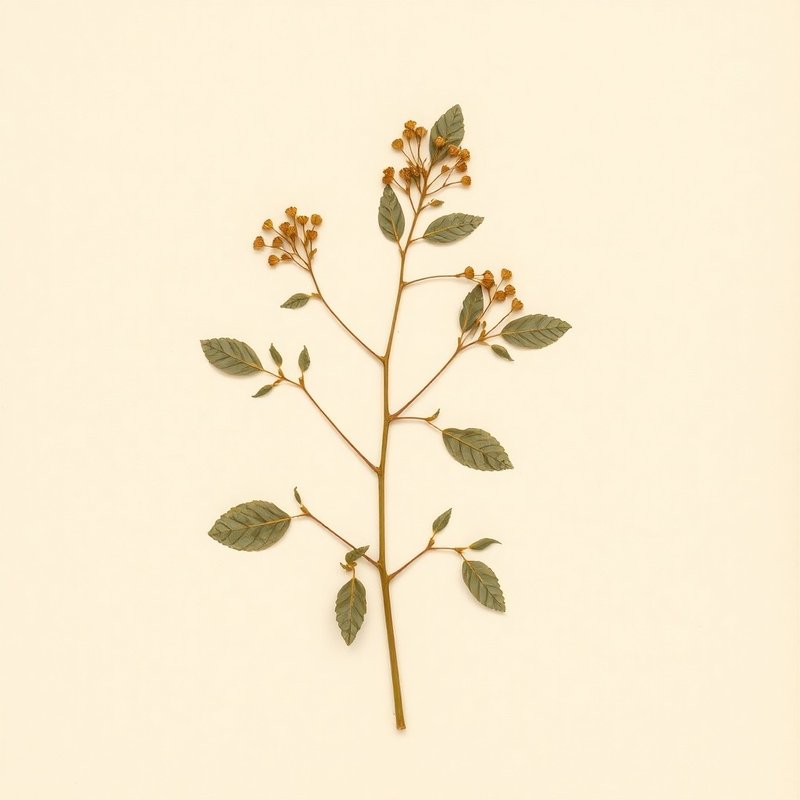
Echinacea is one of the better-evidenced choices for Immune support — 1 cited reference with moderate evidence quality. Effect size d=0.55 (moderate). Macrophage and NK-cell activation via alkylamides; in vitro and modest clinical evidence.
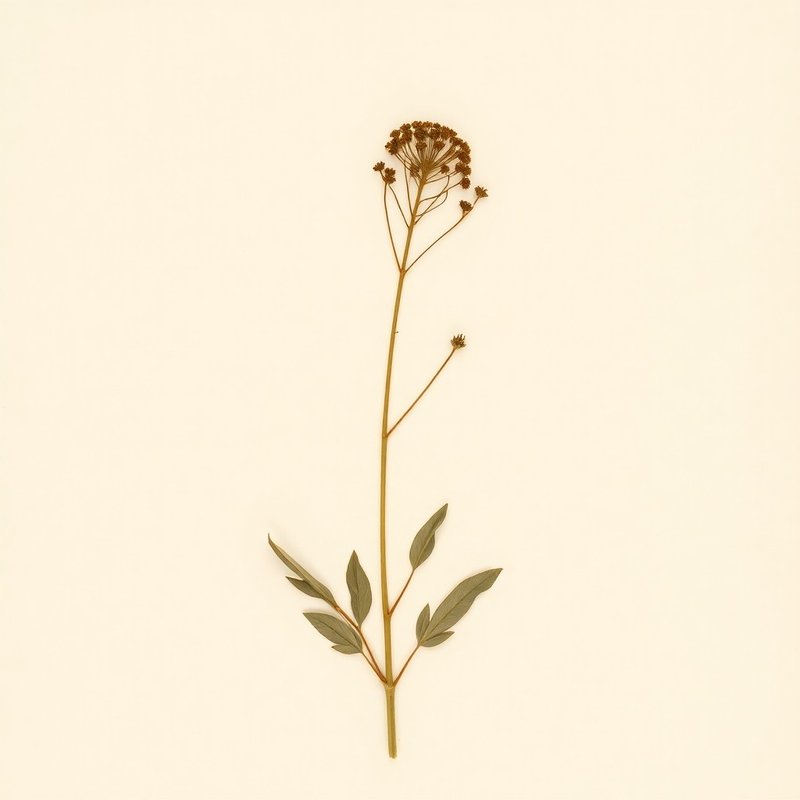
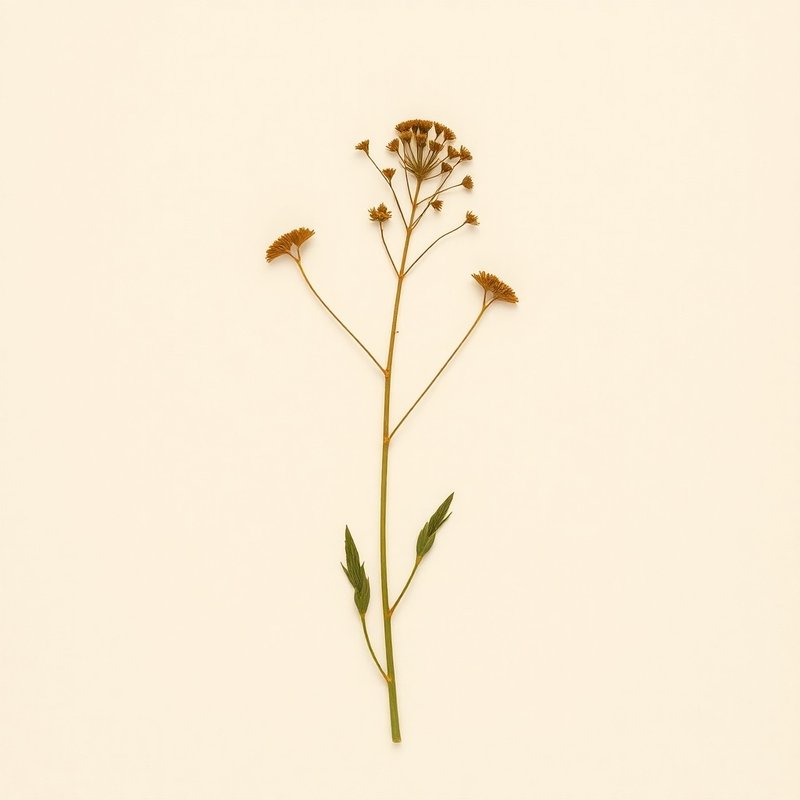
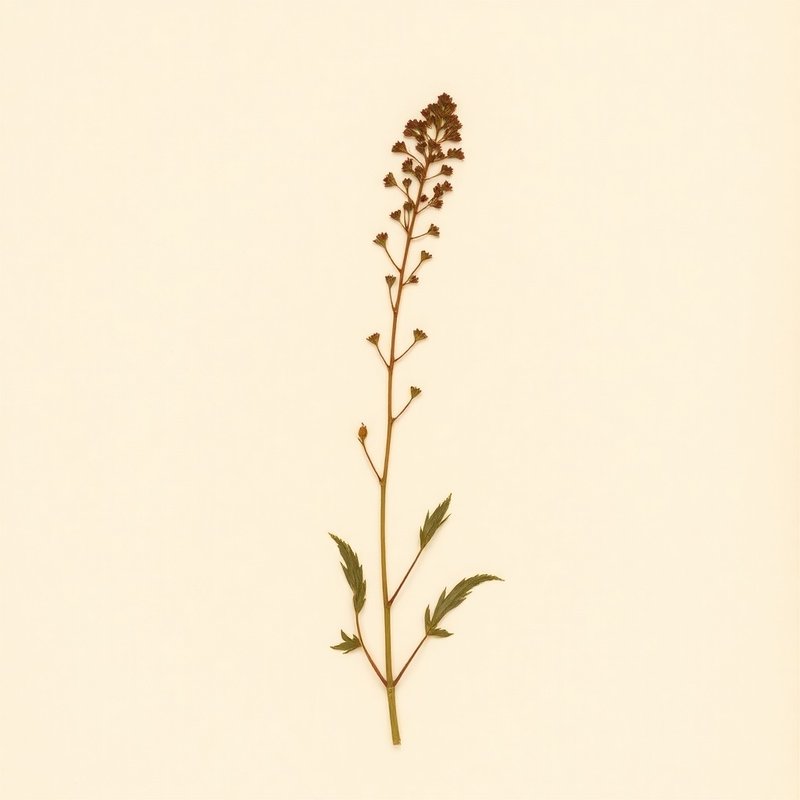
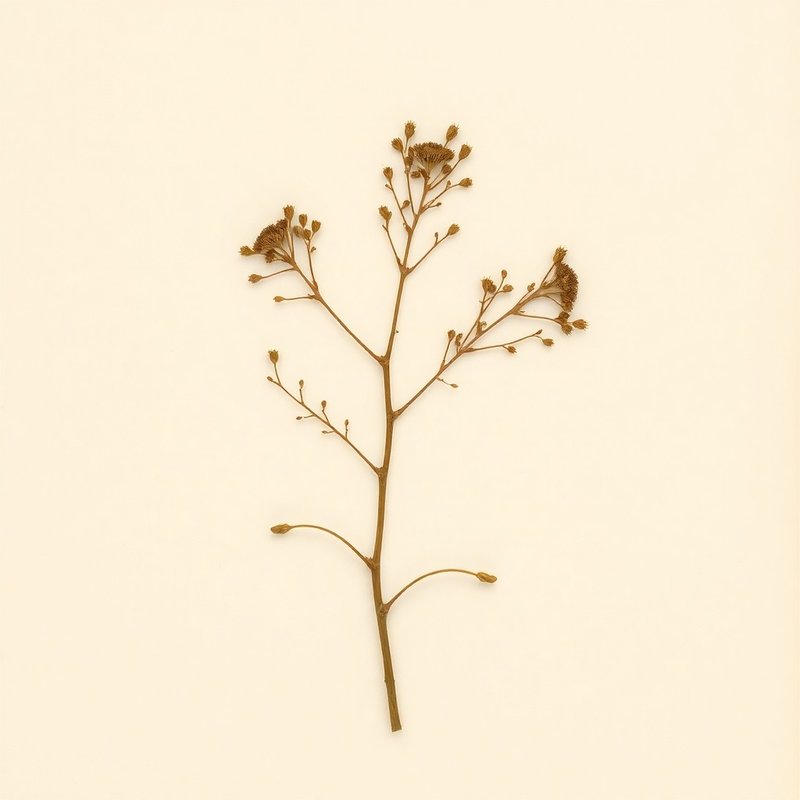
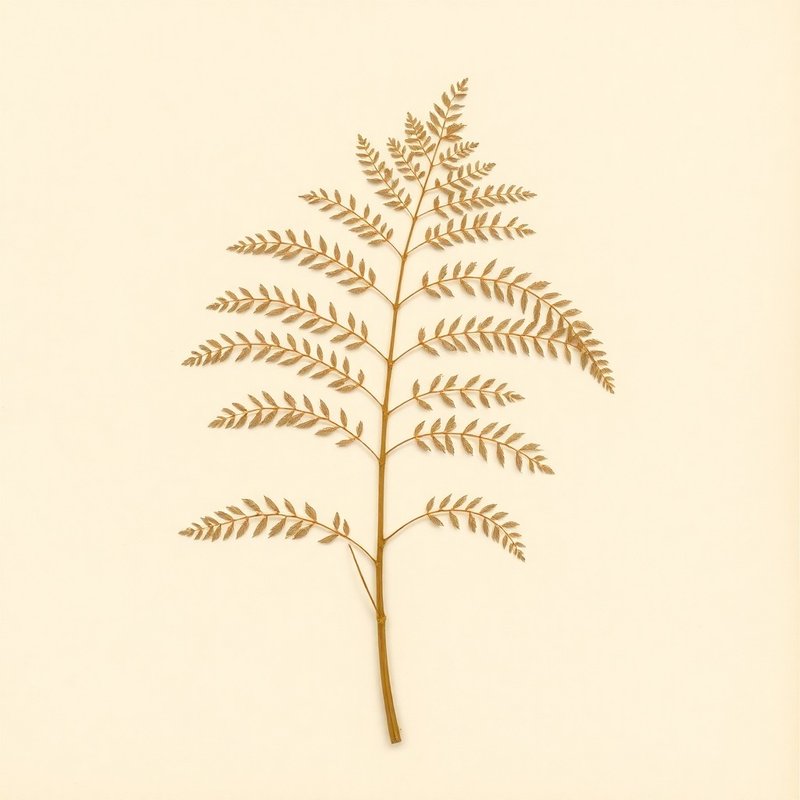
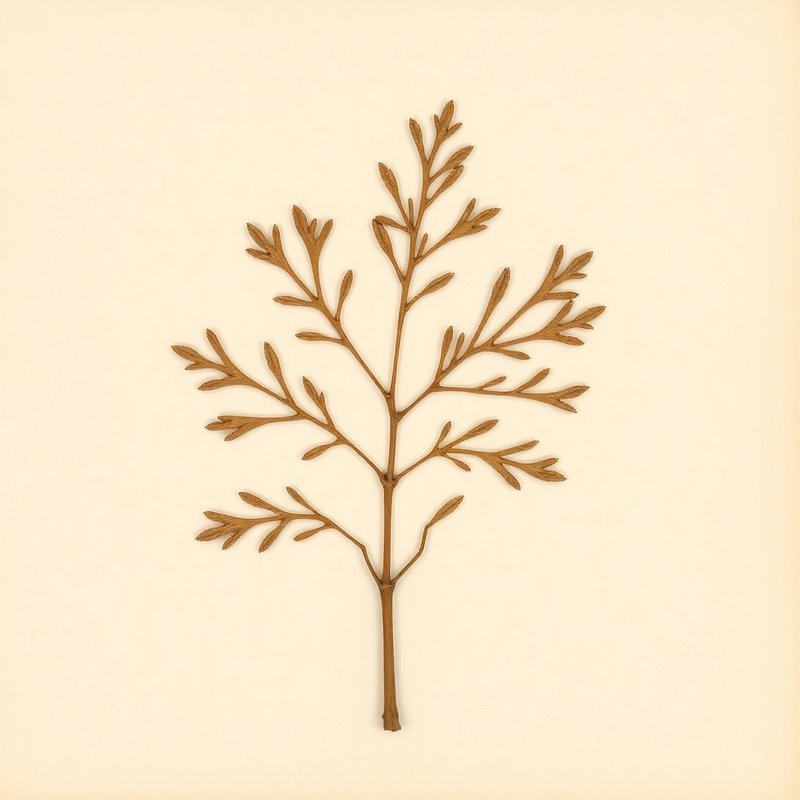
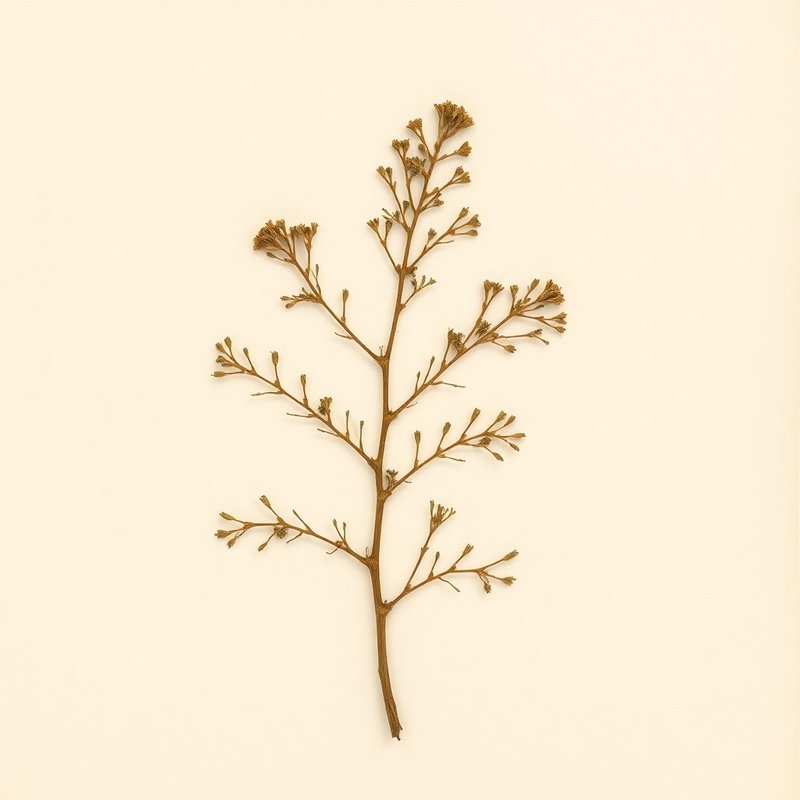
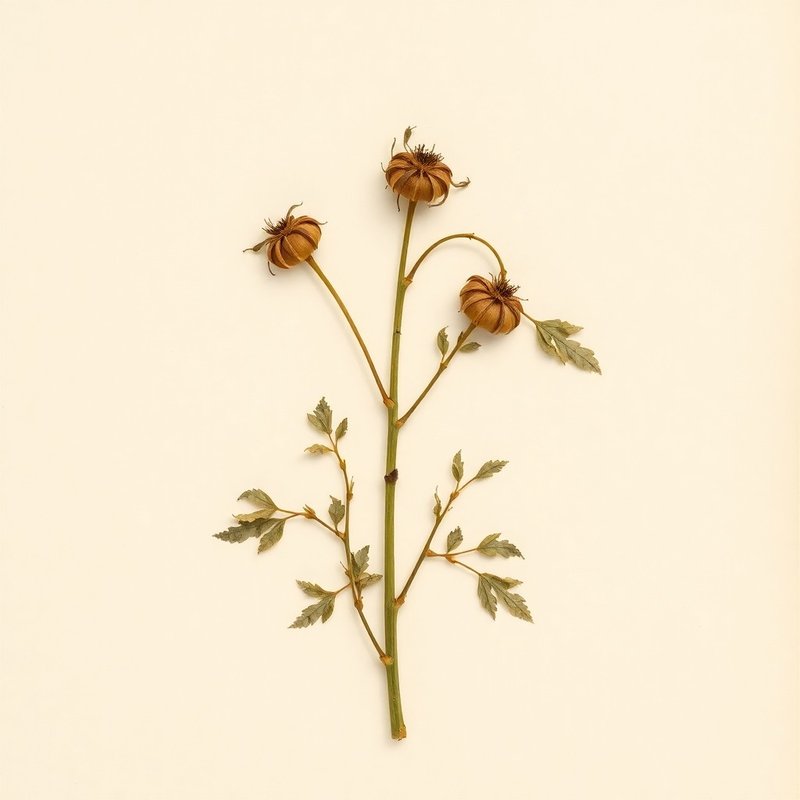
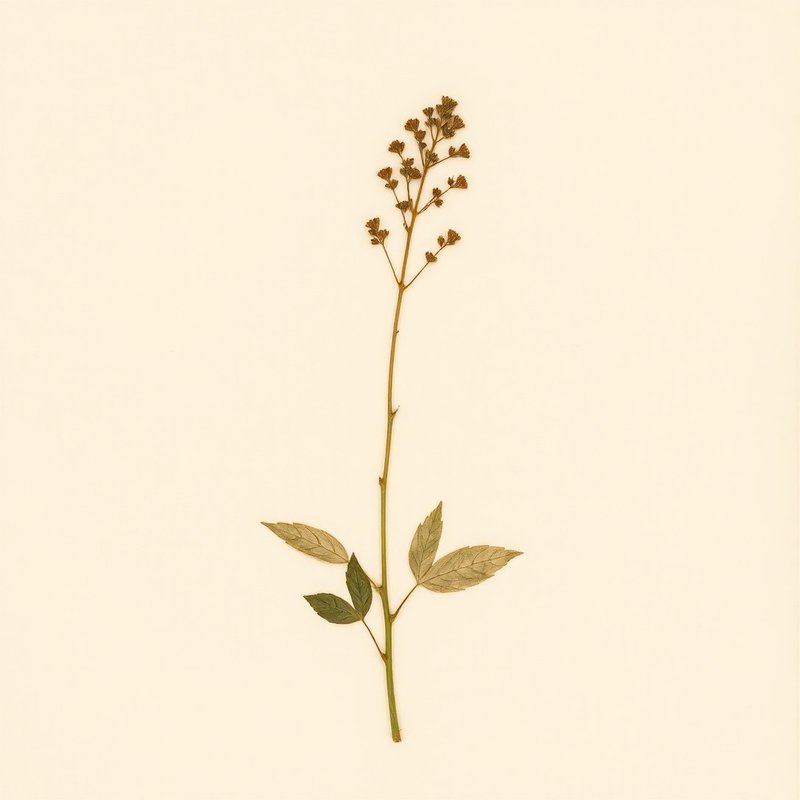
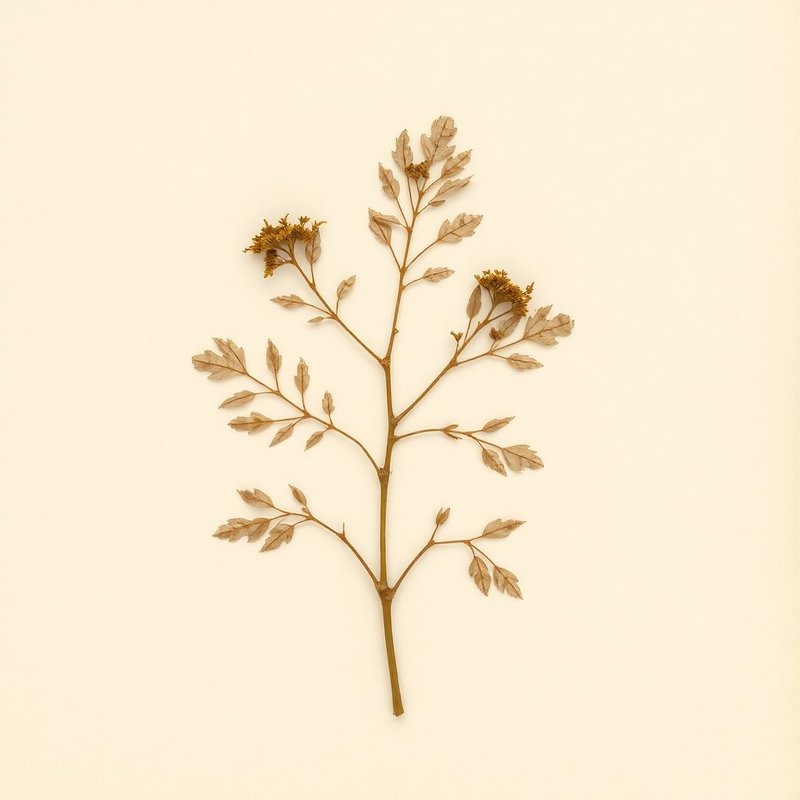
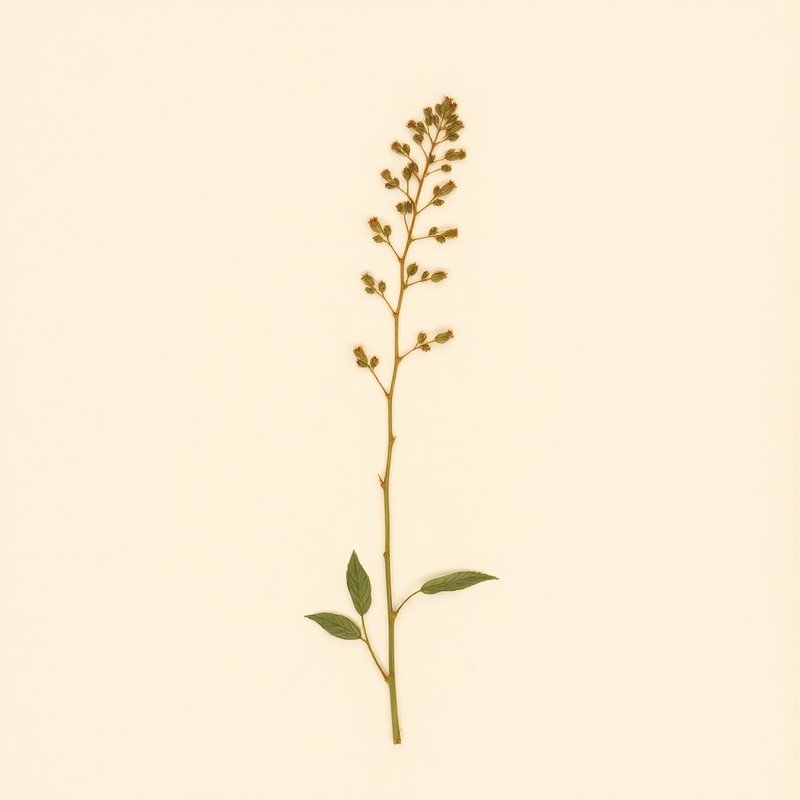
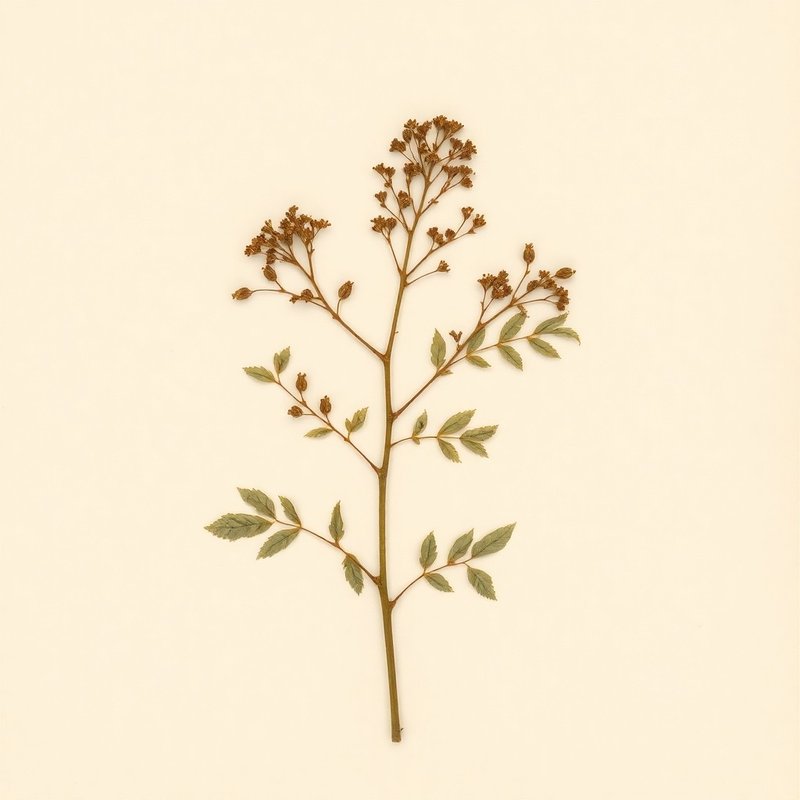
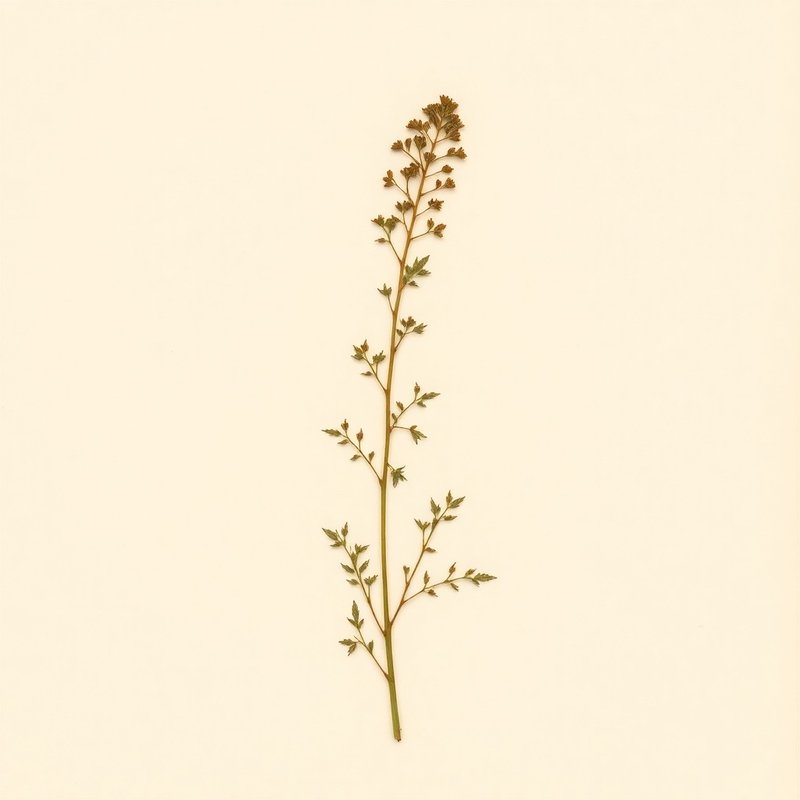
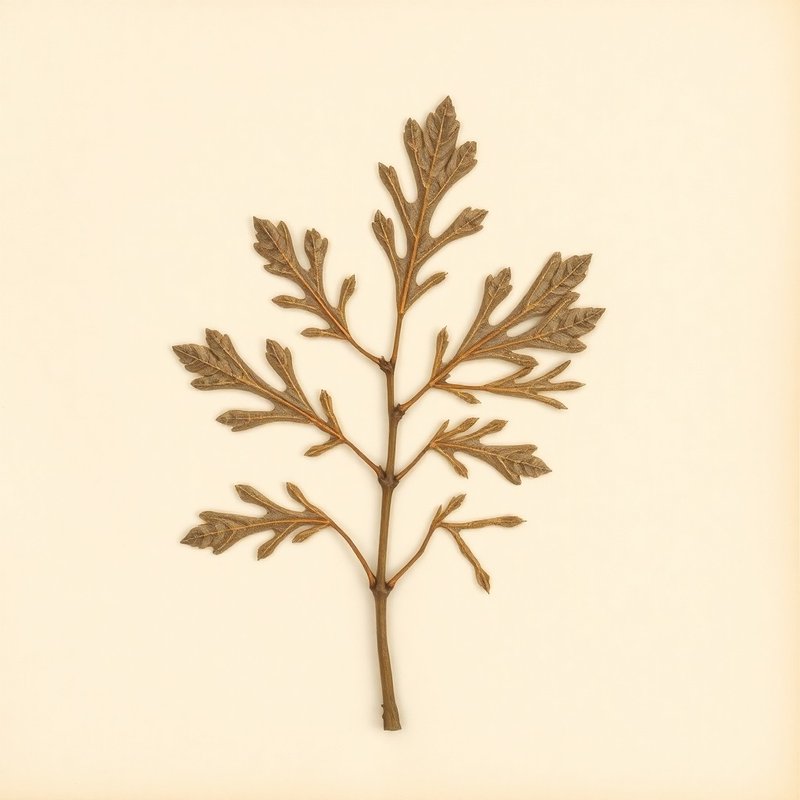
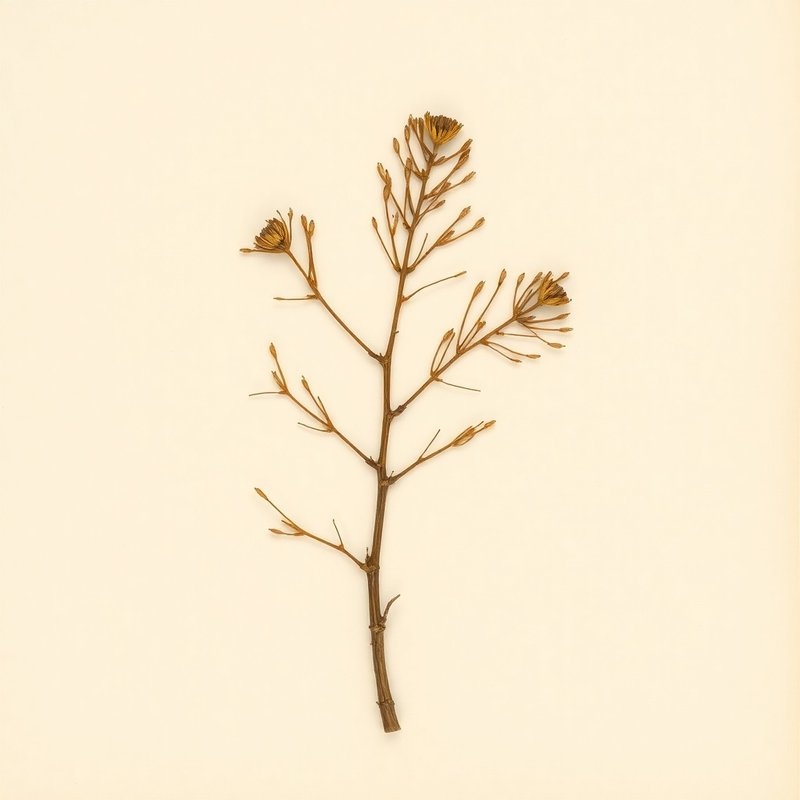
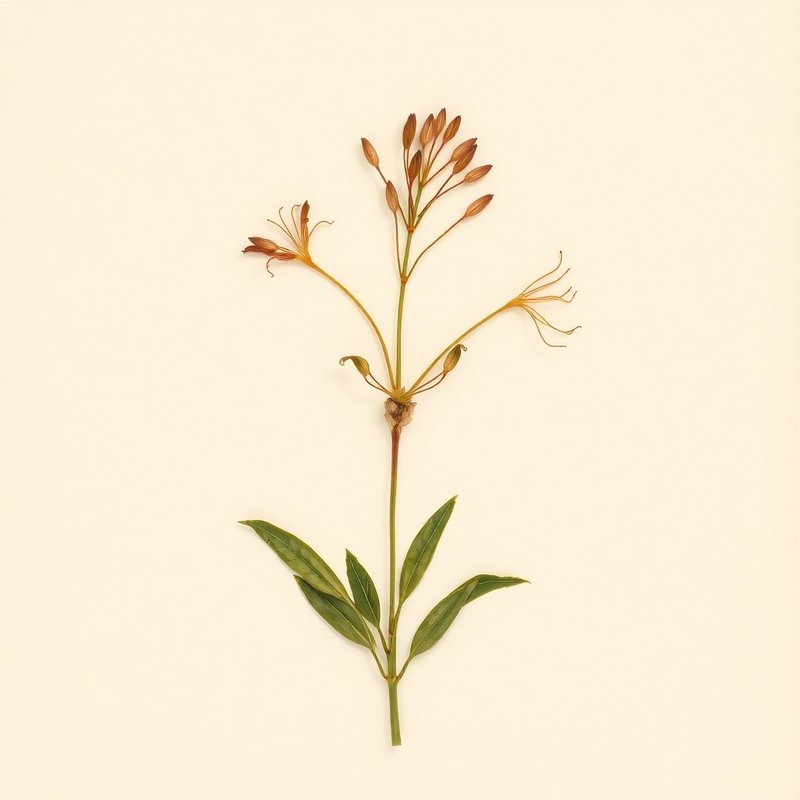
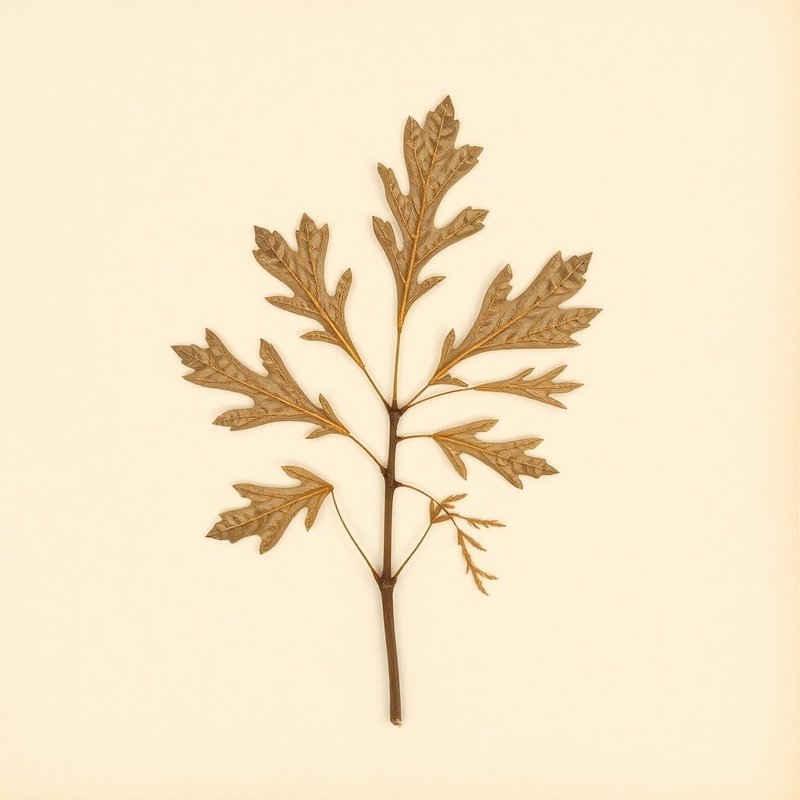
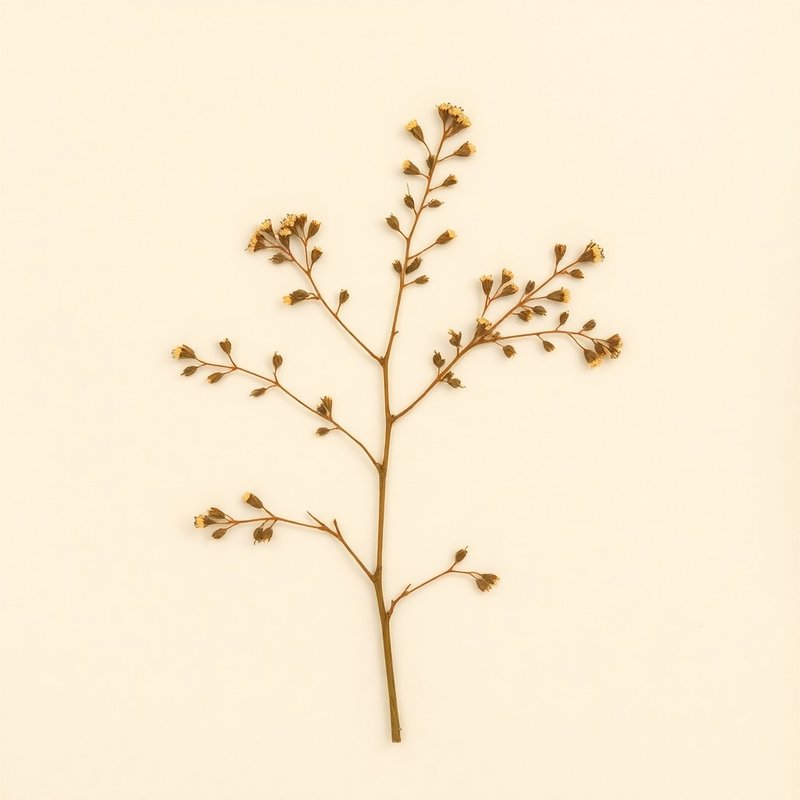
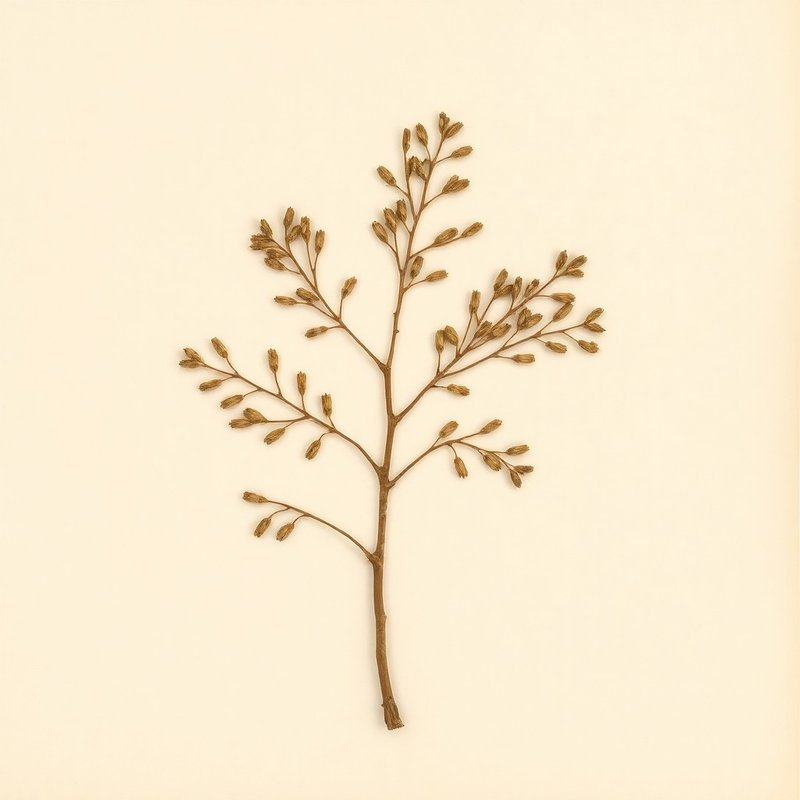
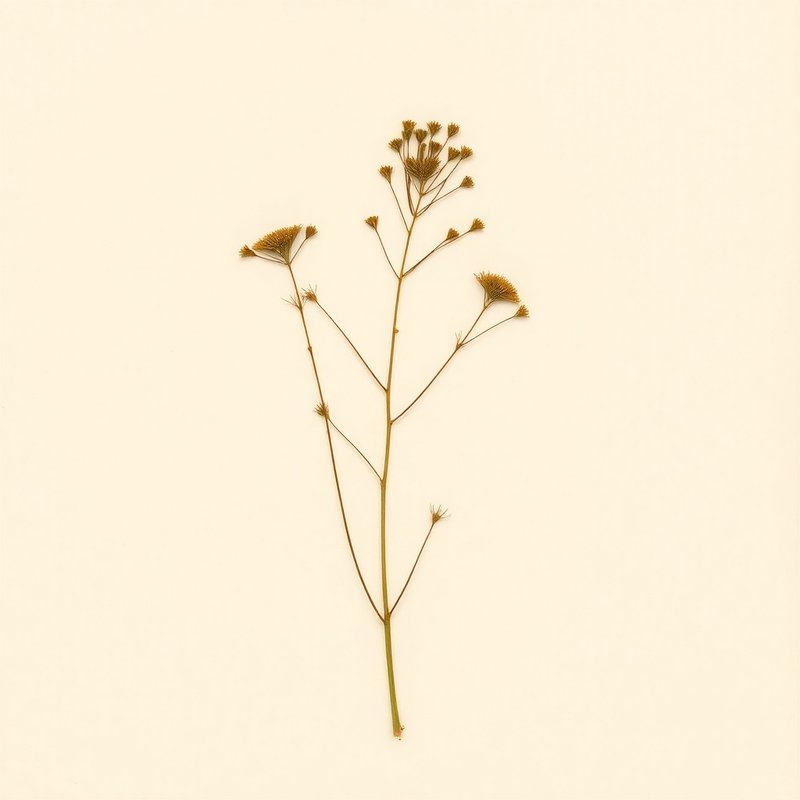
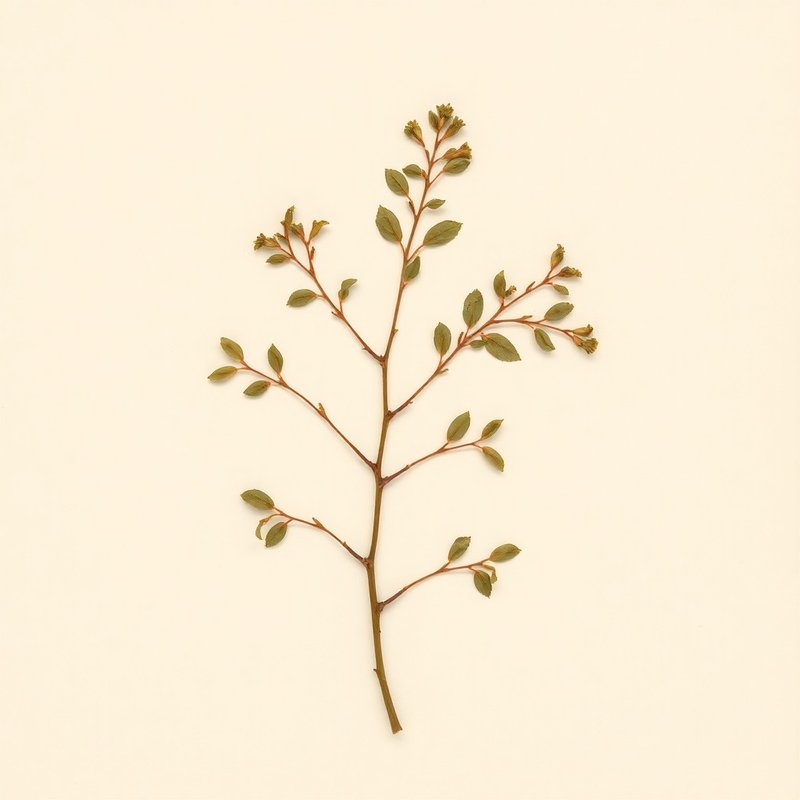
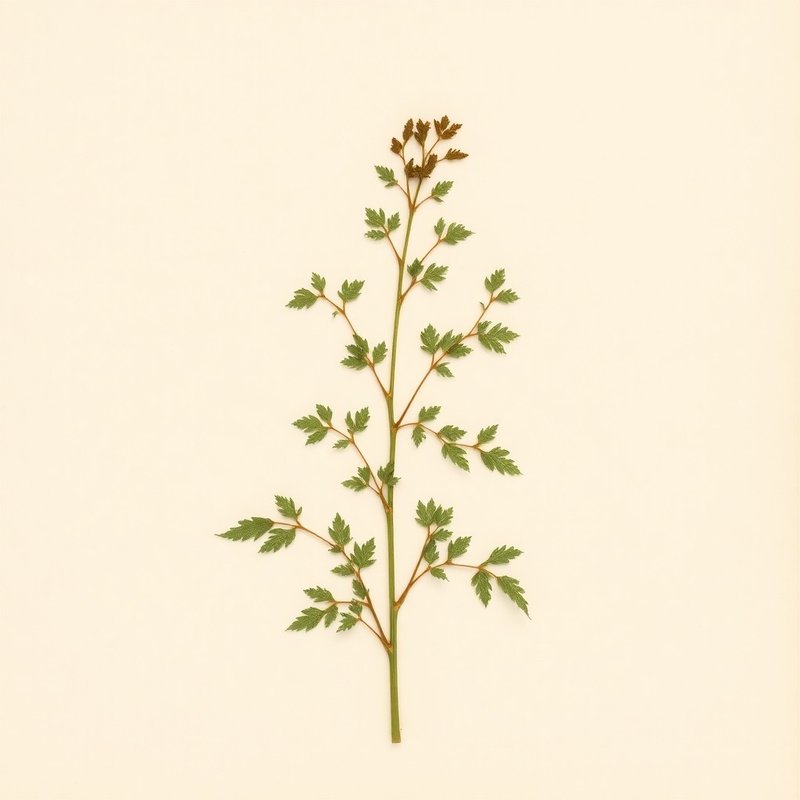
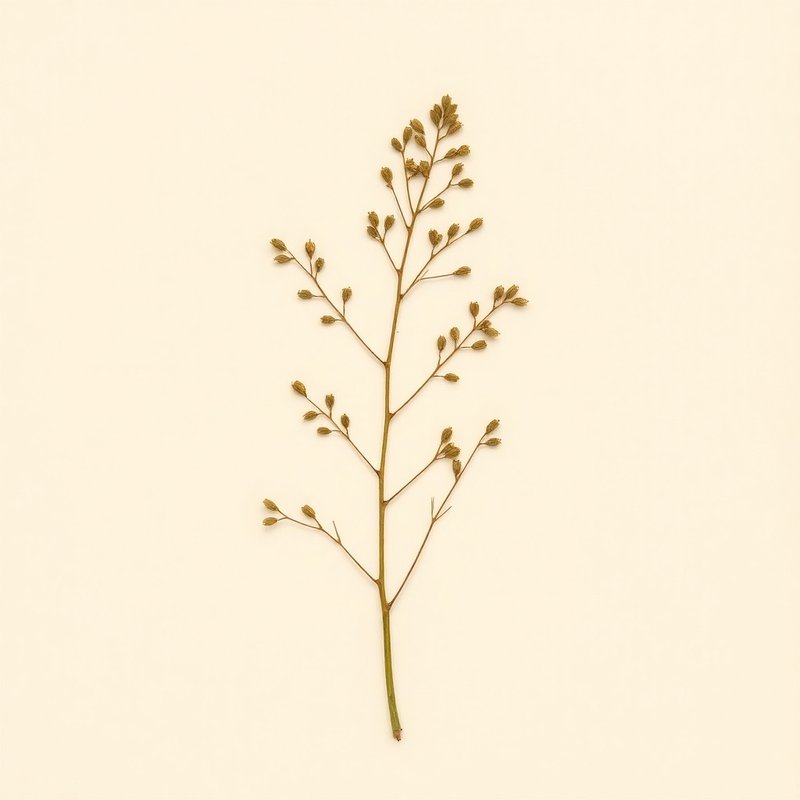
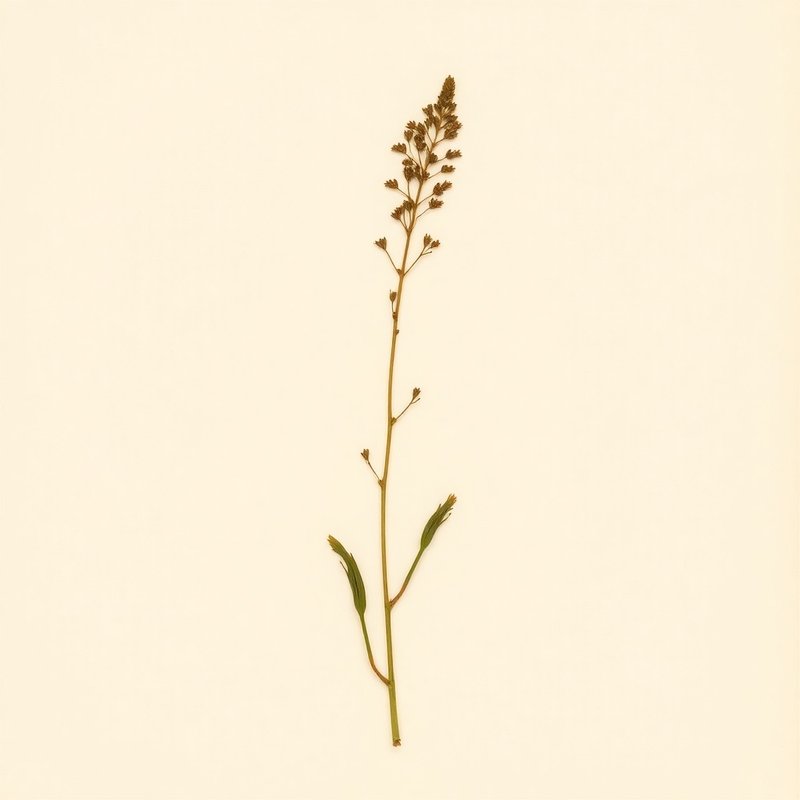
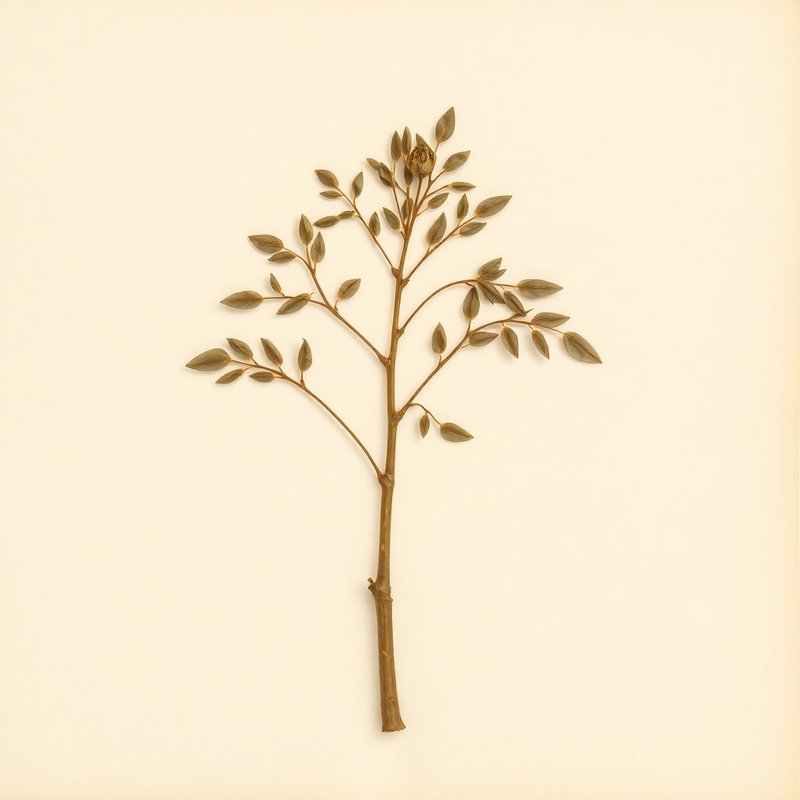
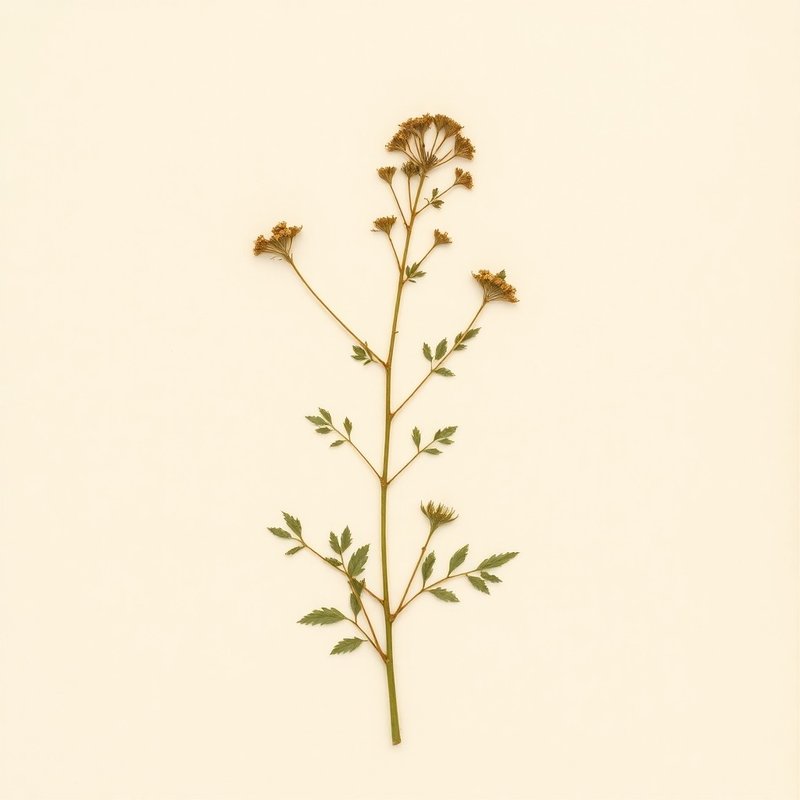
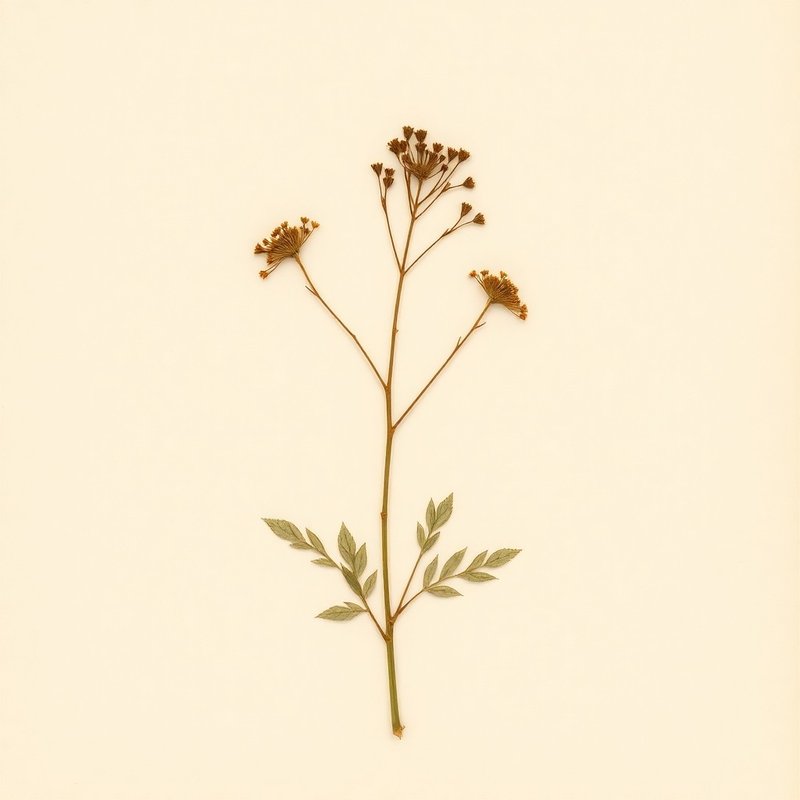
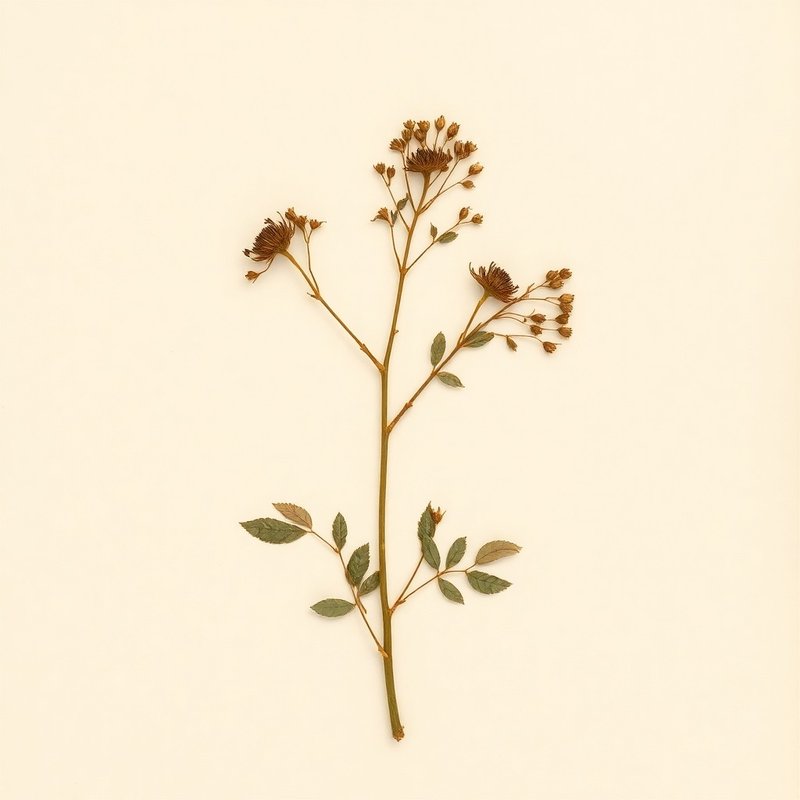
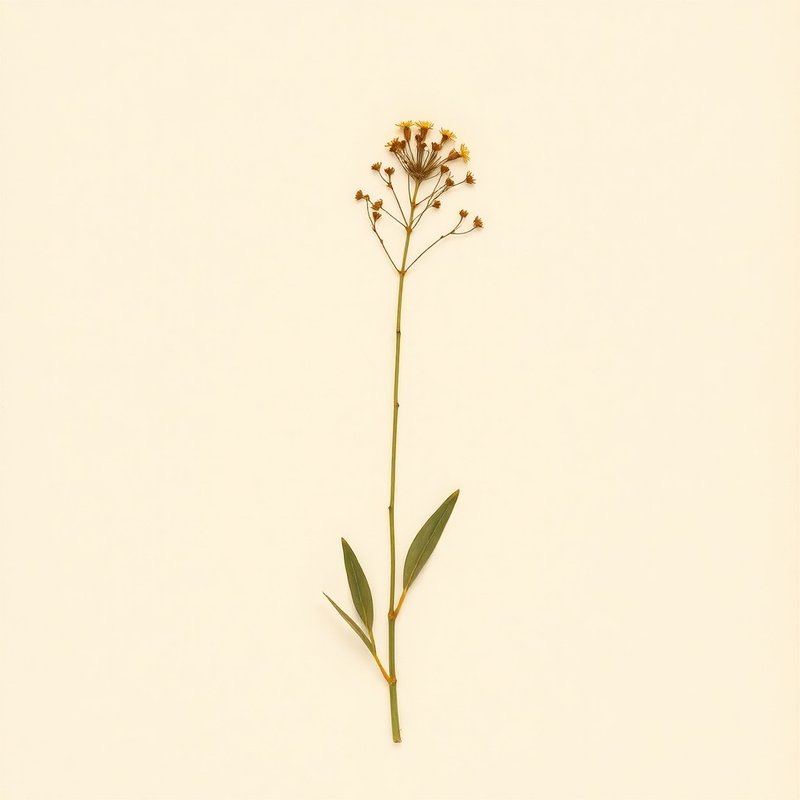
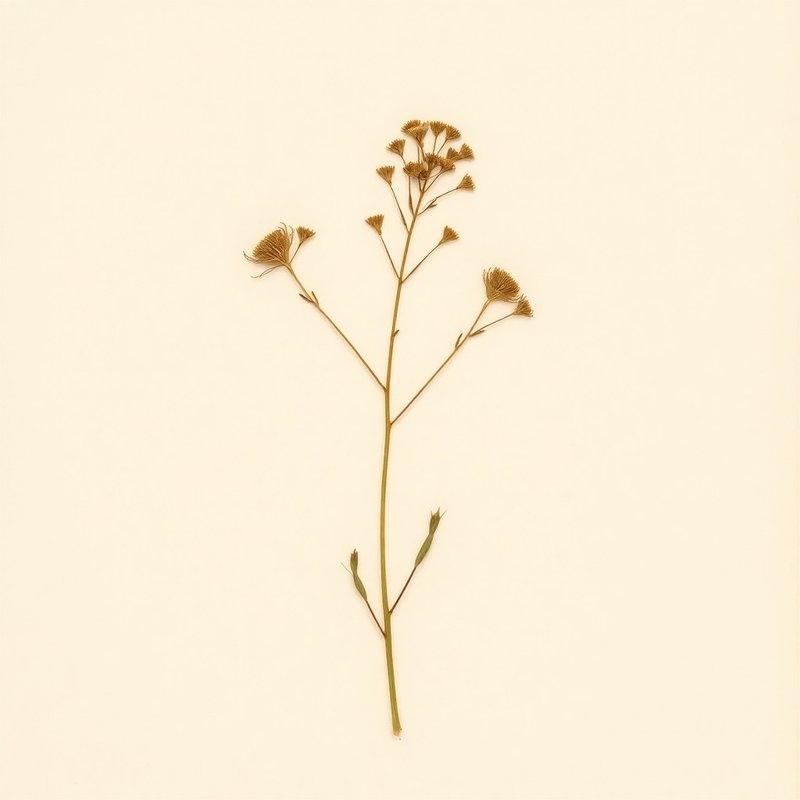
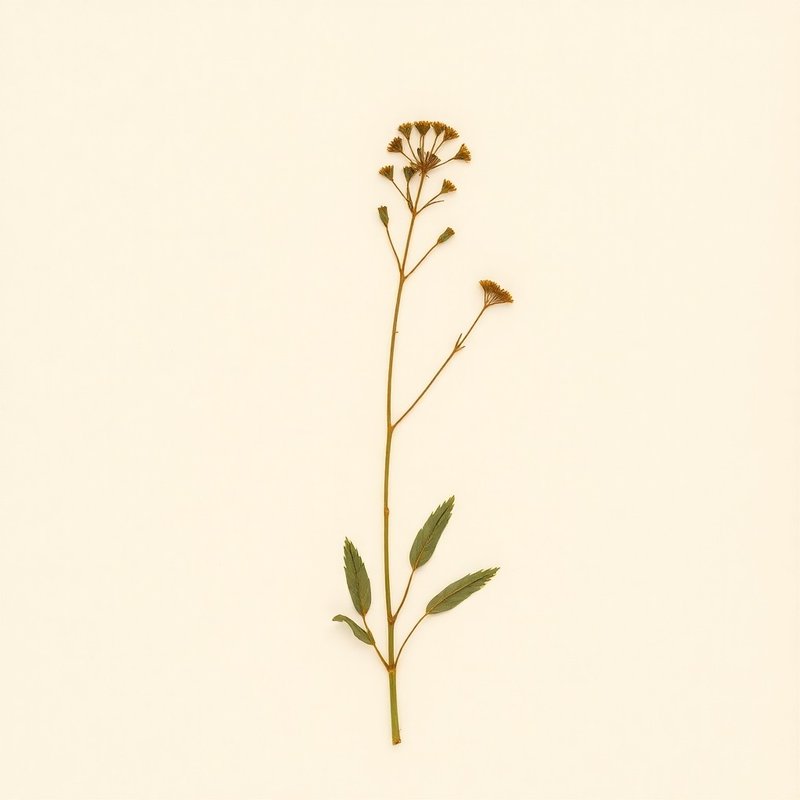
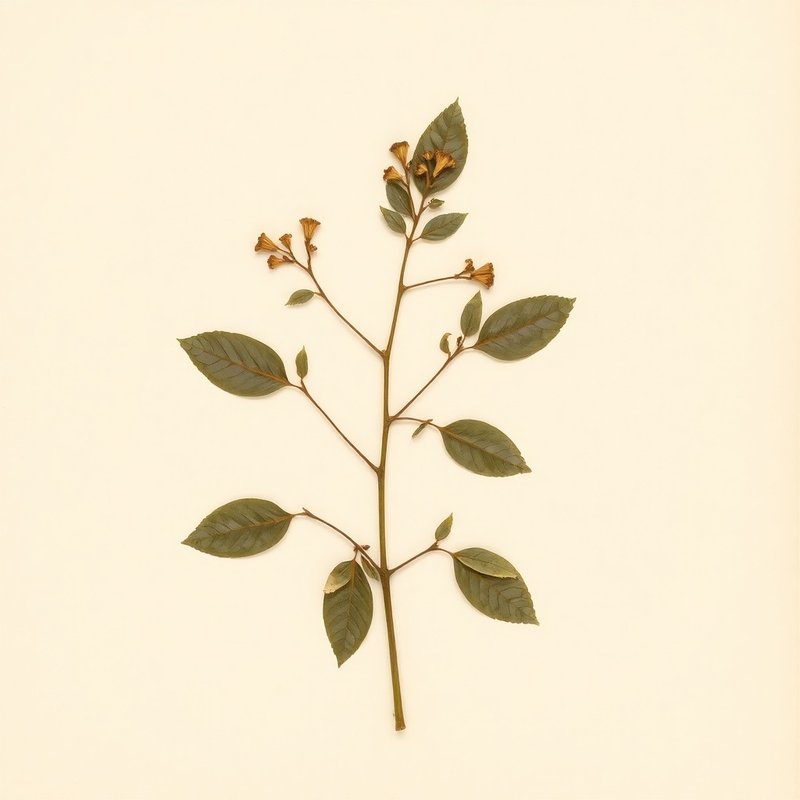
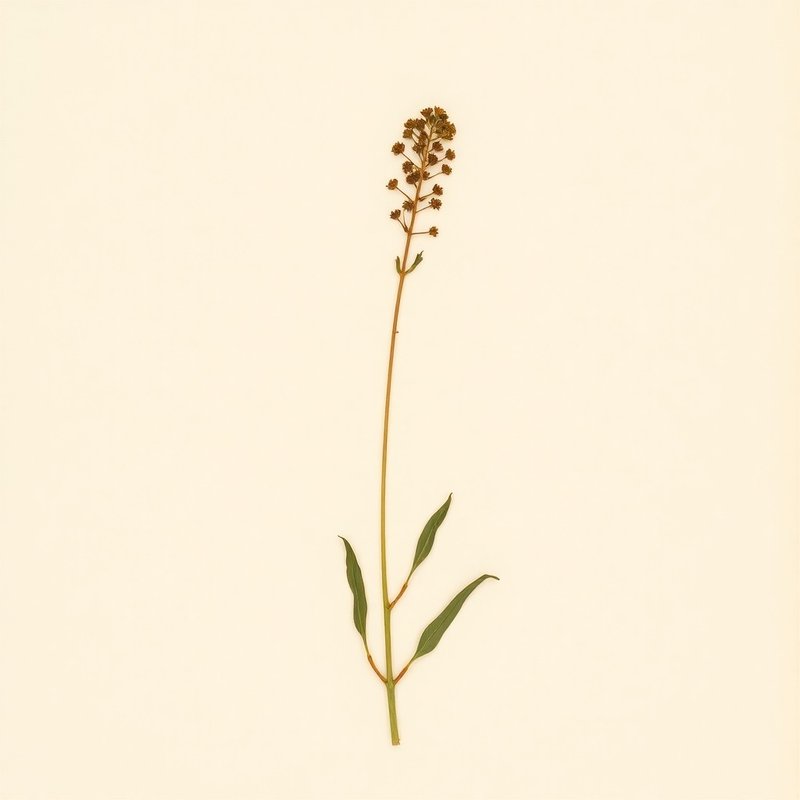
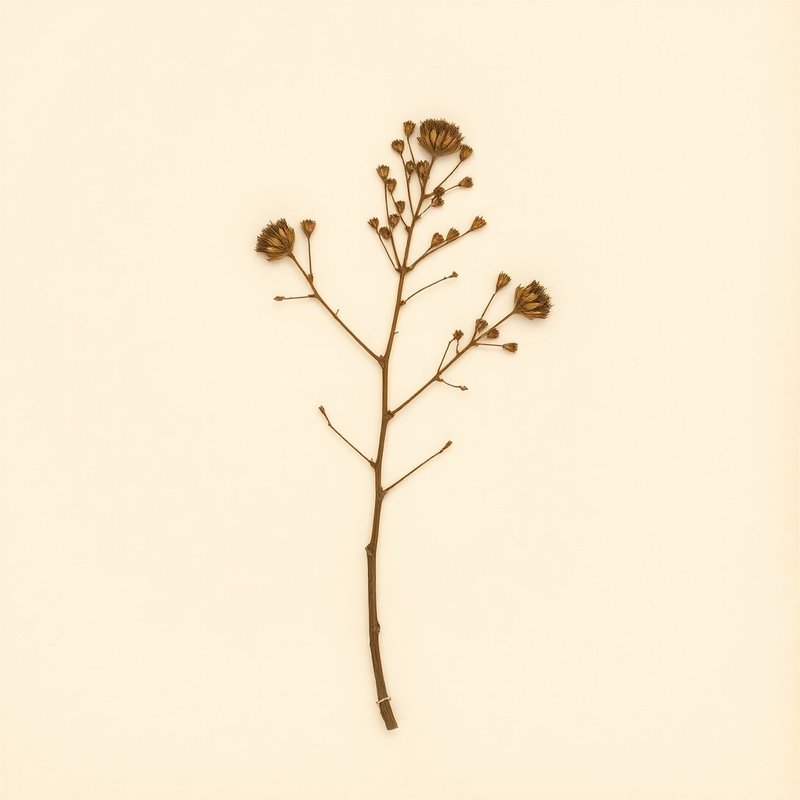
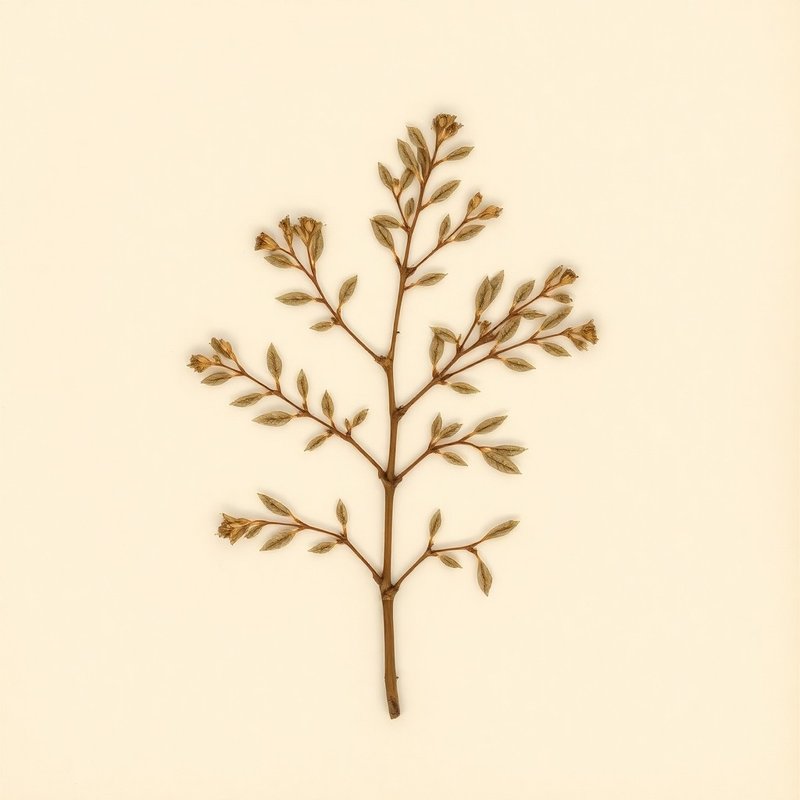
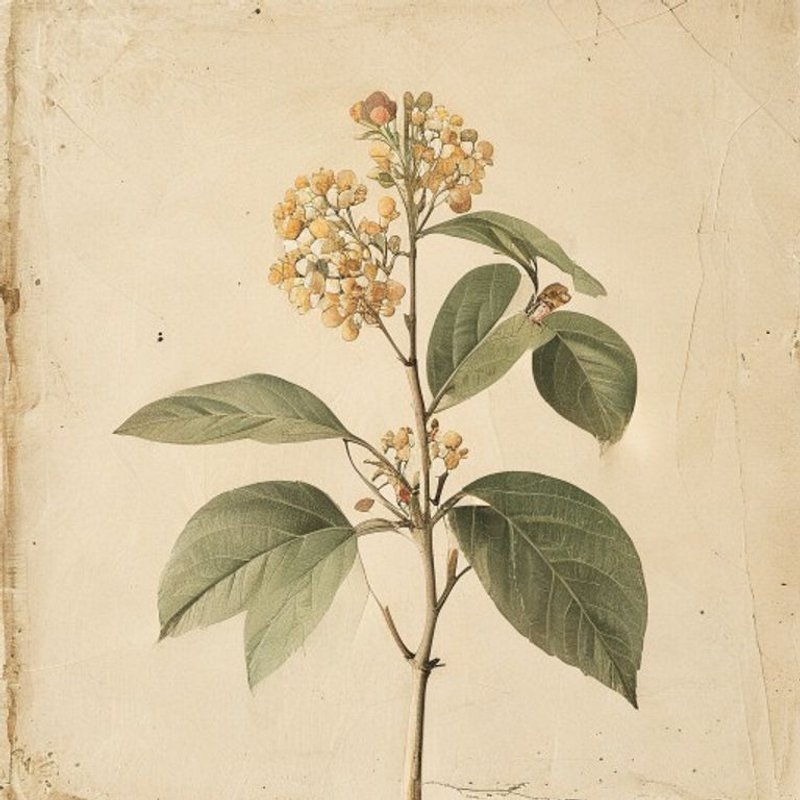
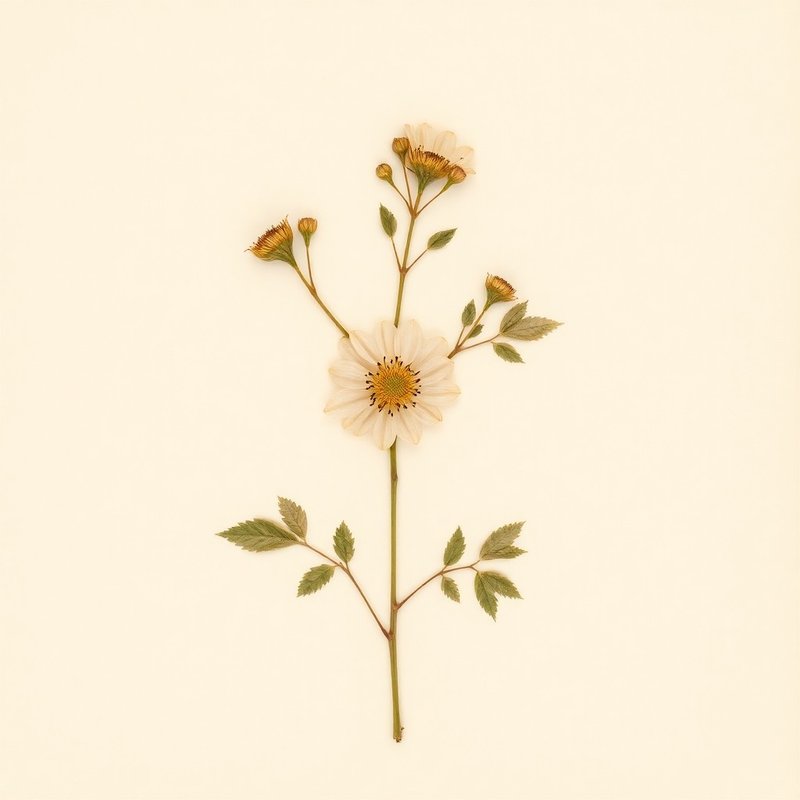
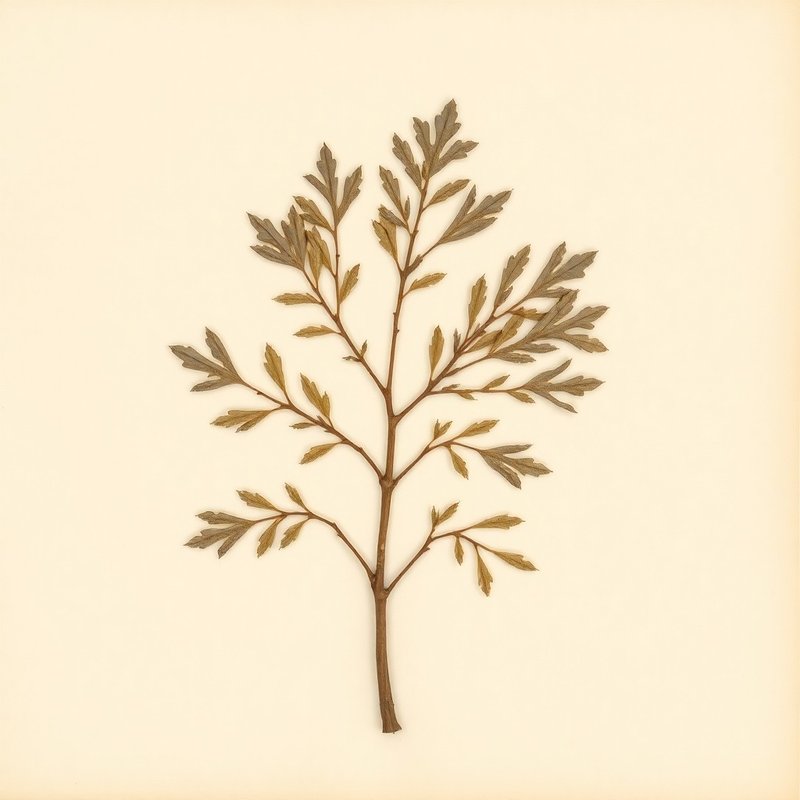
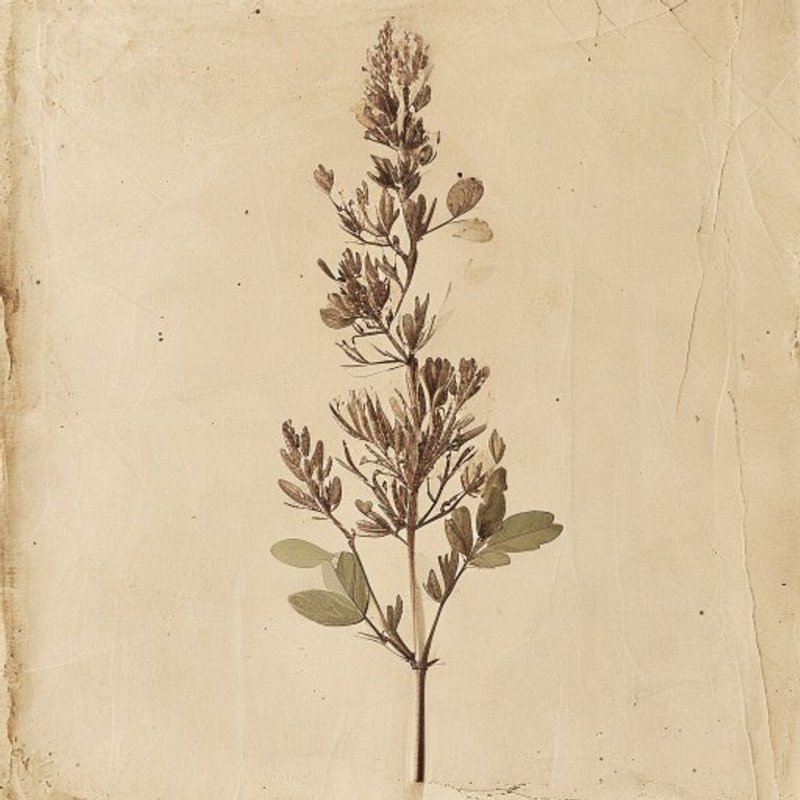
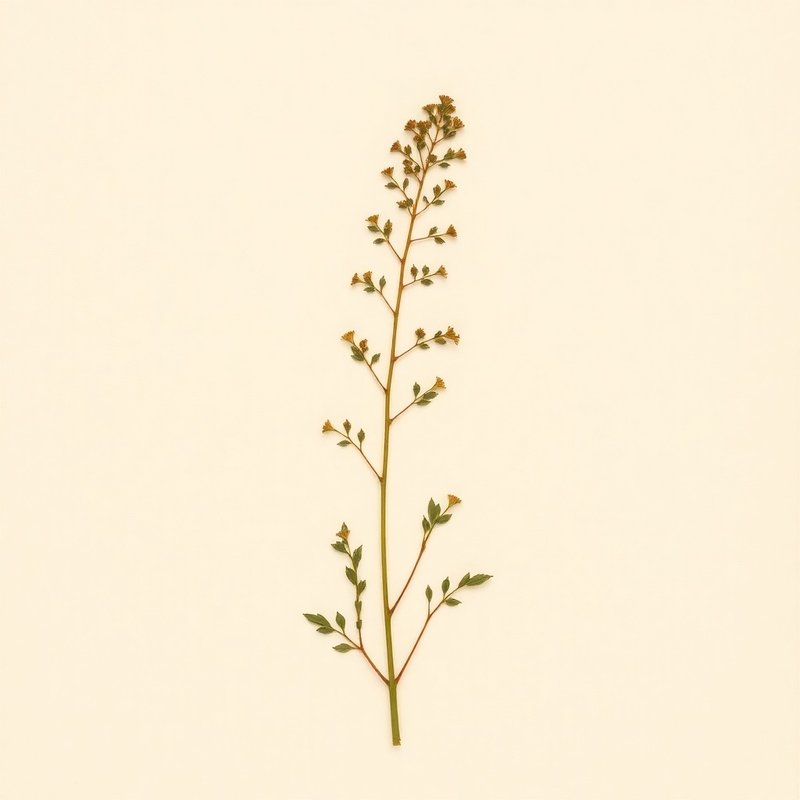
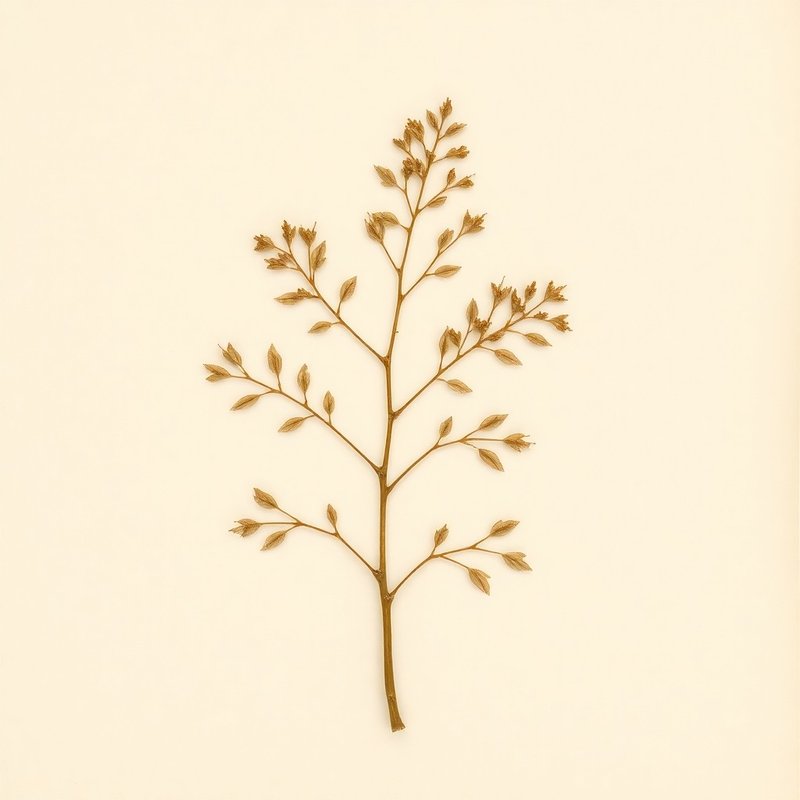
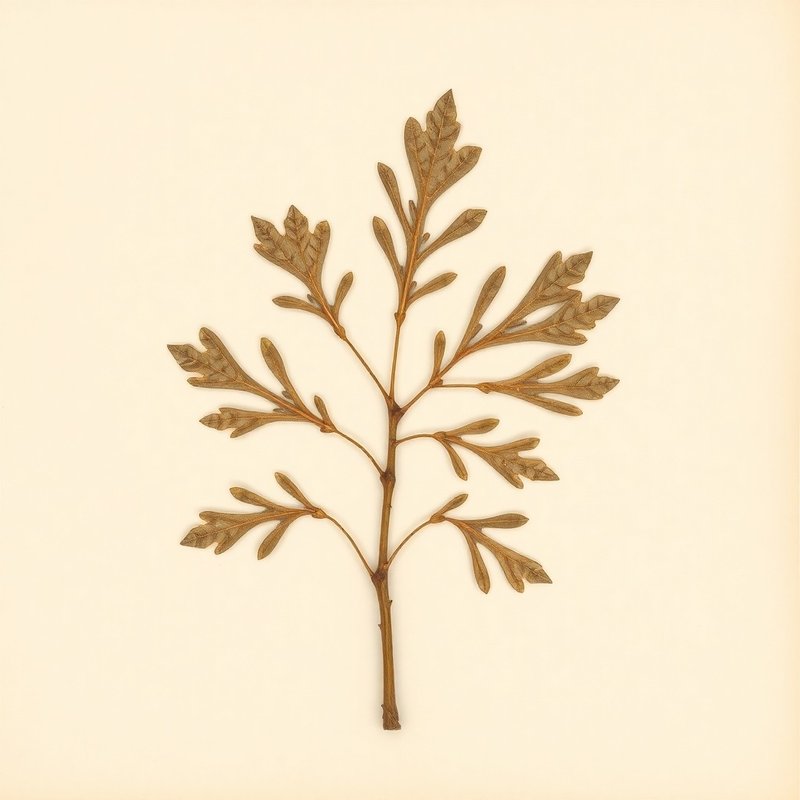
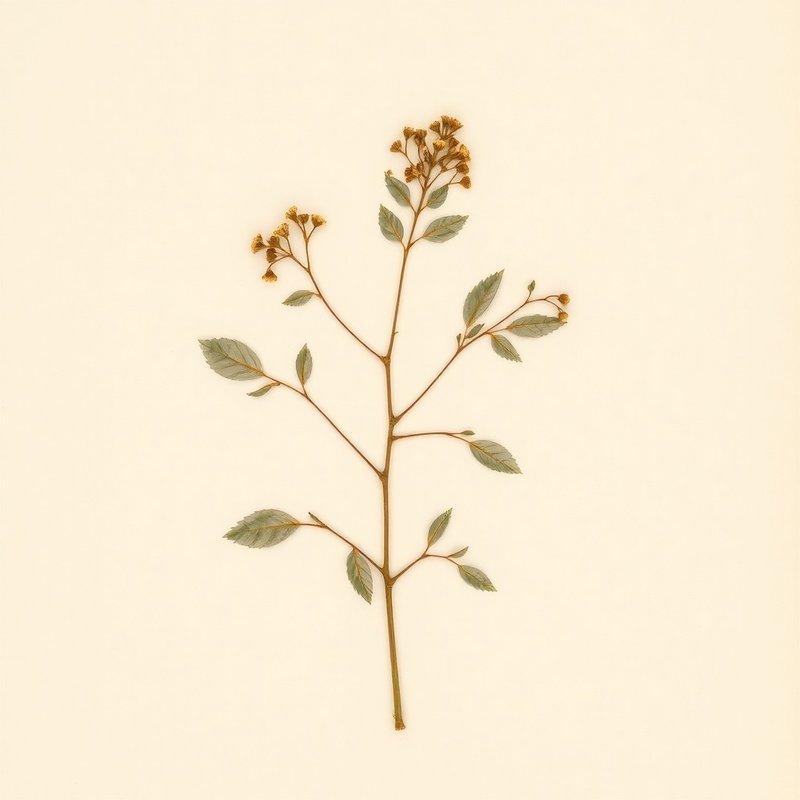
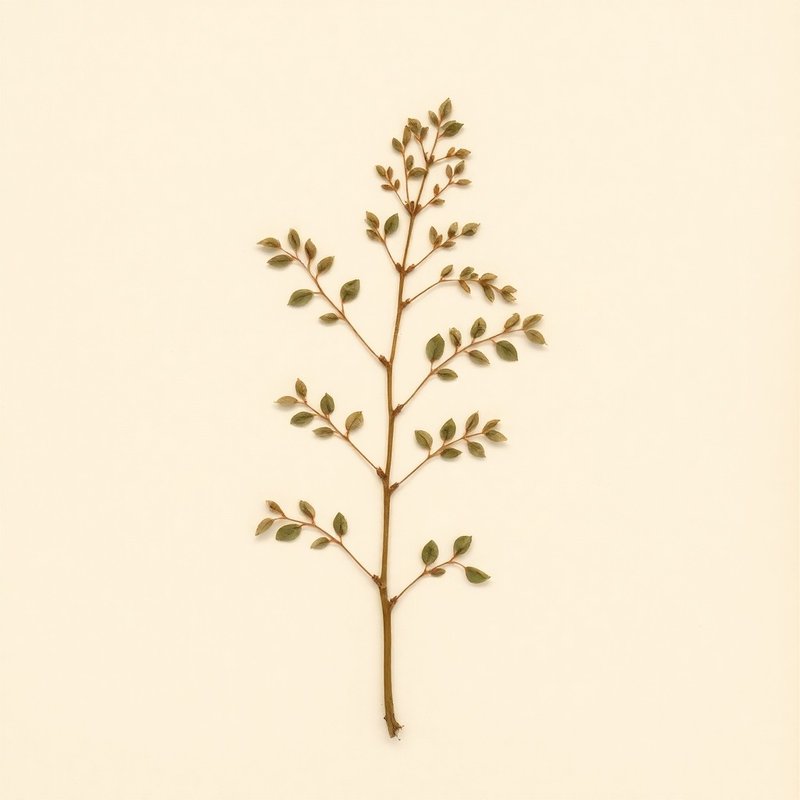
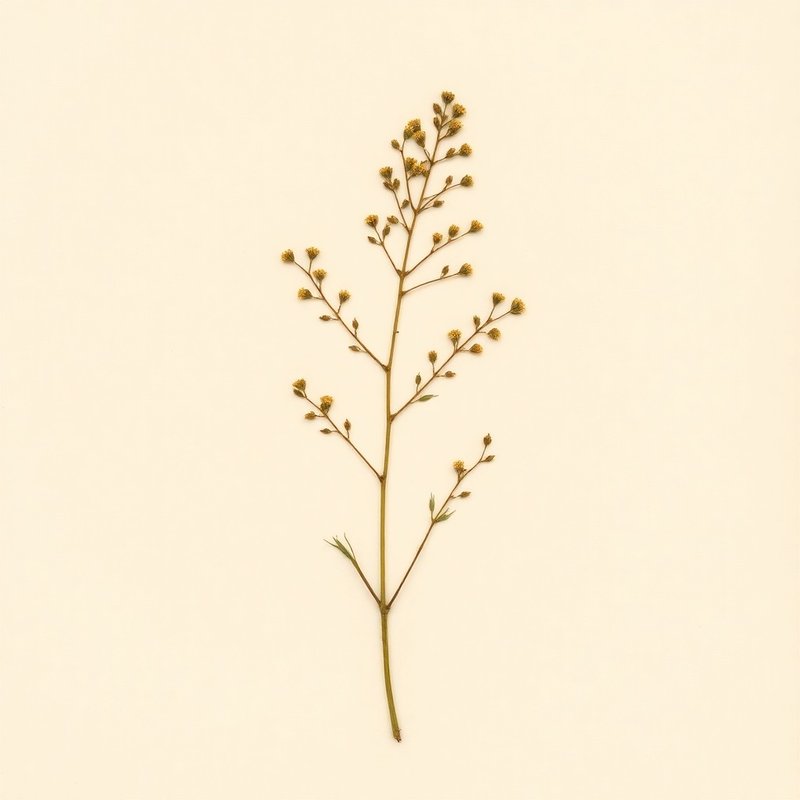
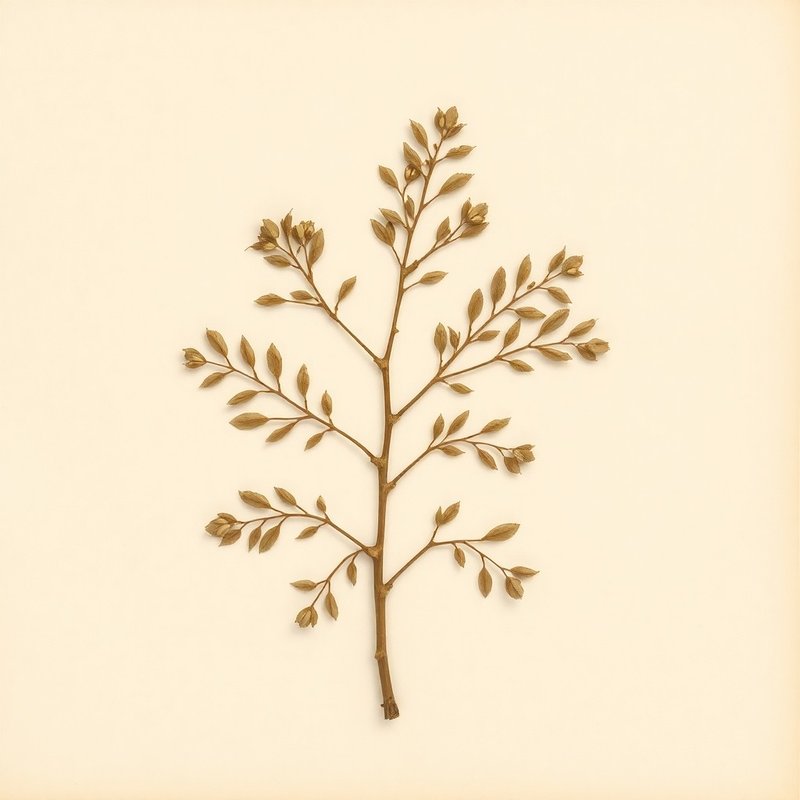
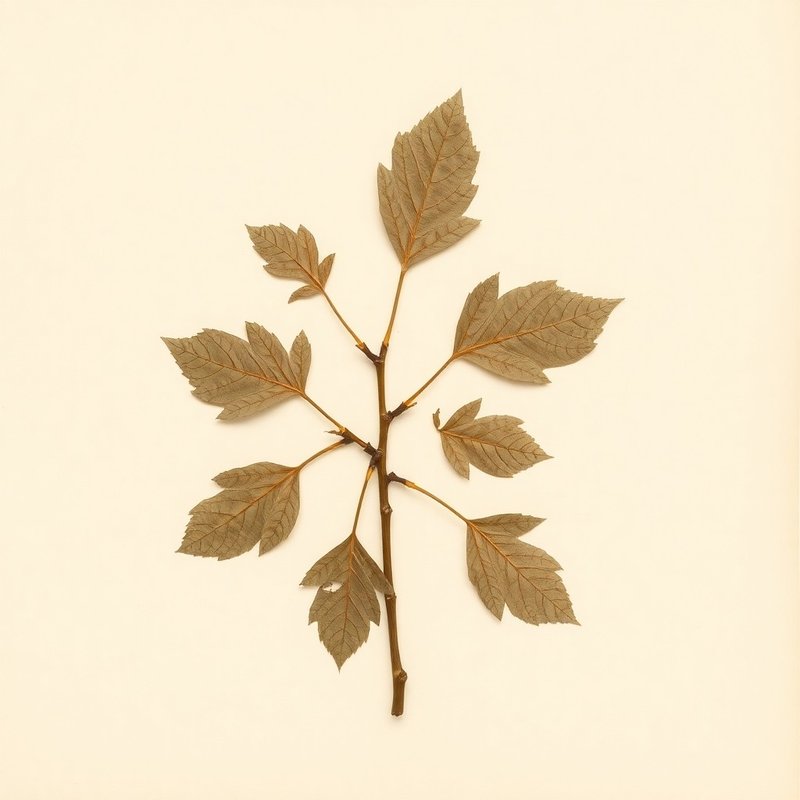
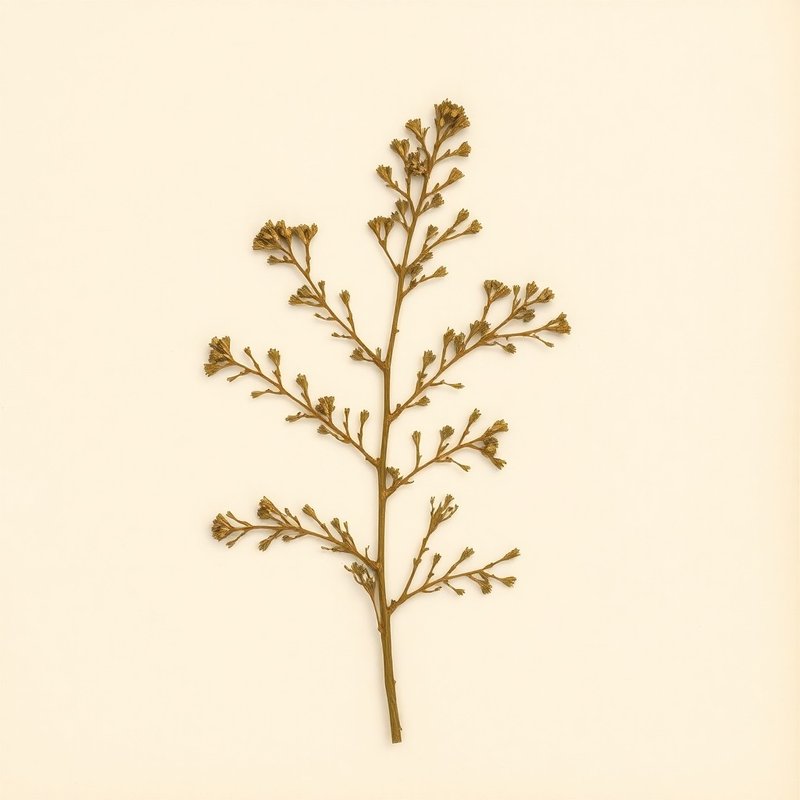
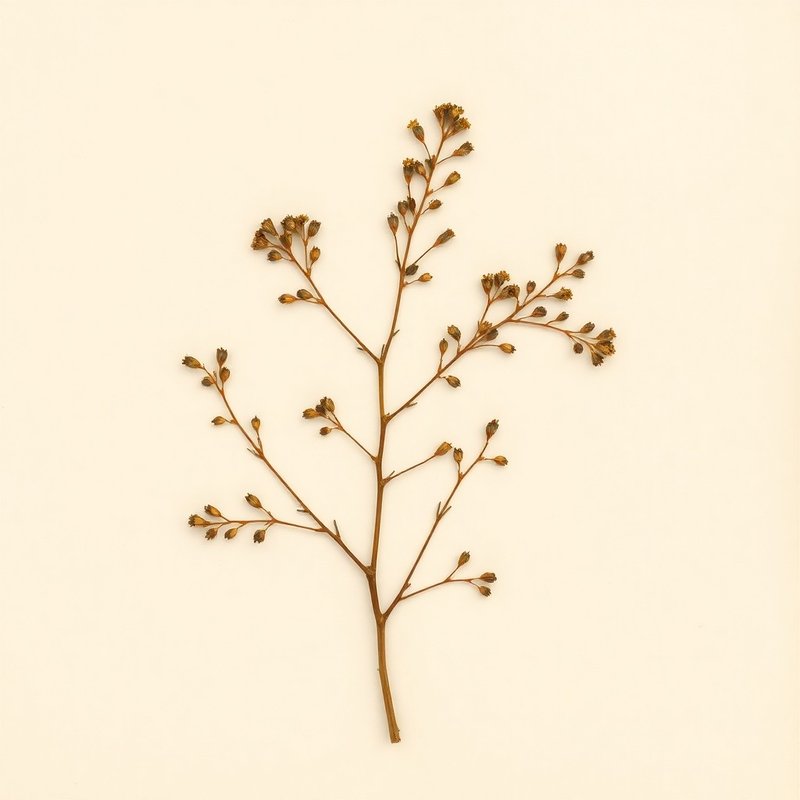
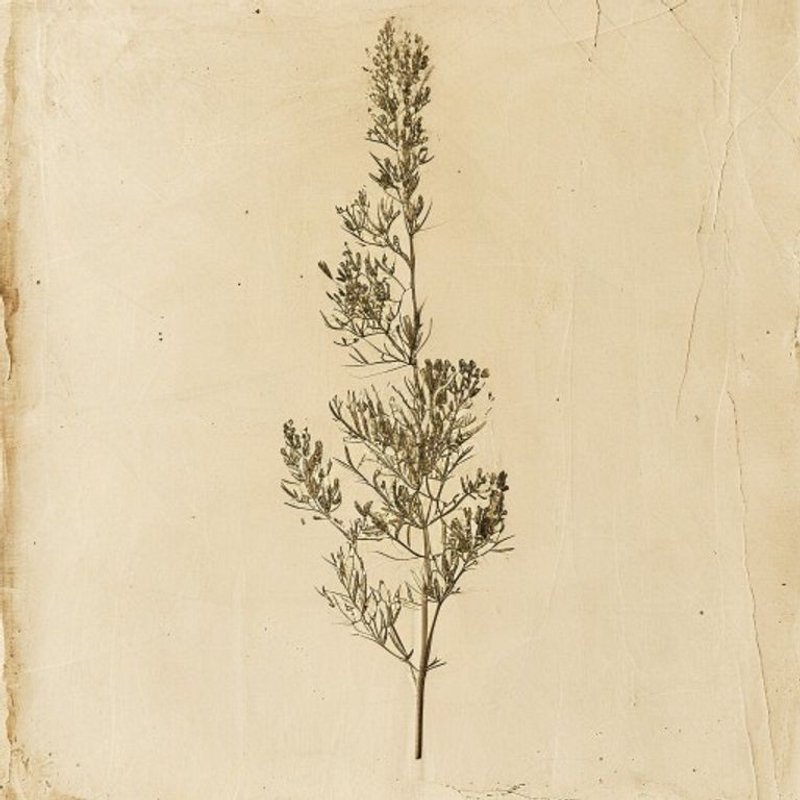
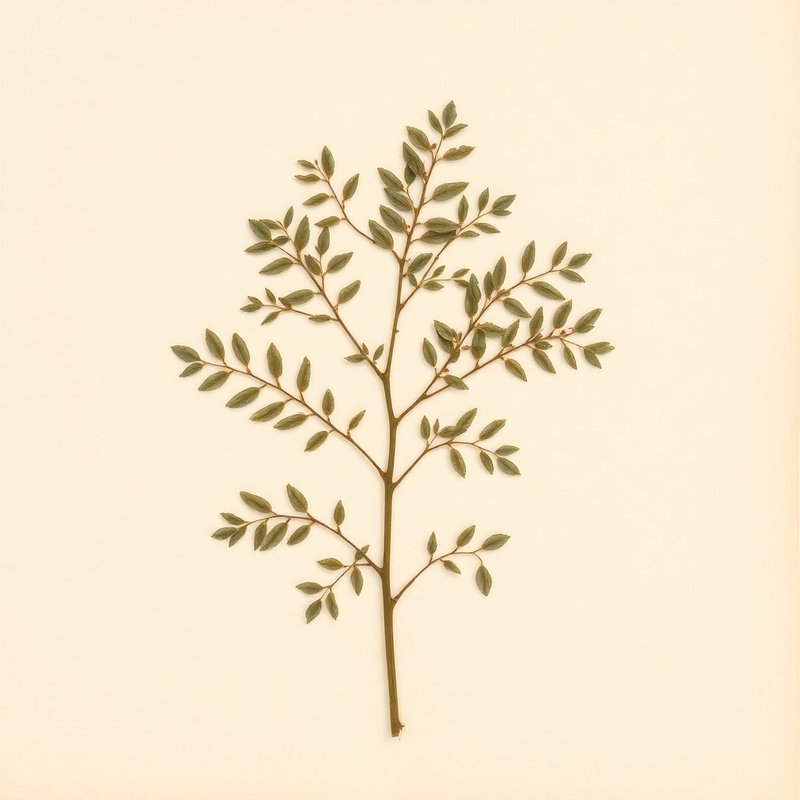
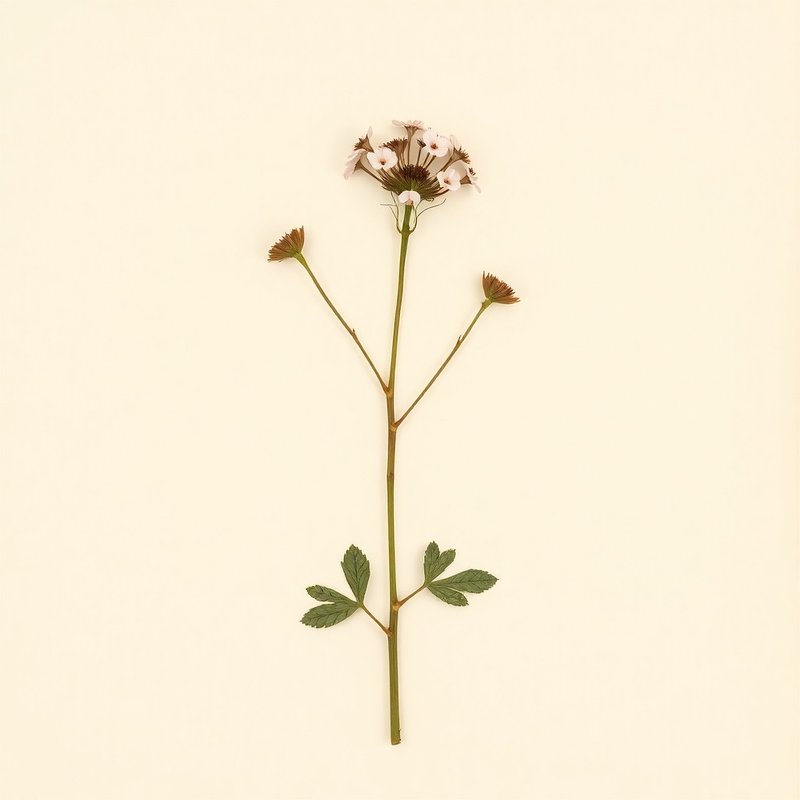
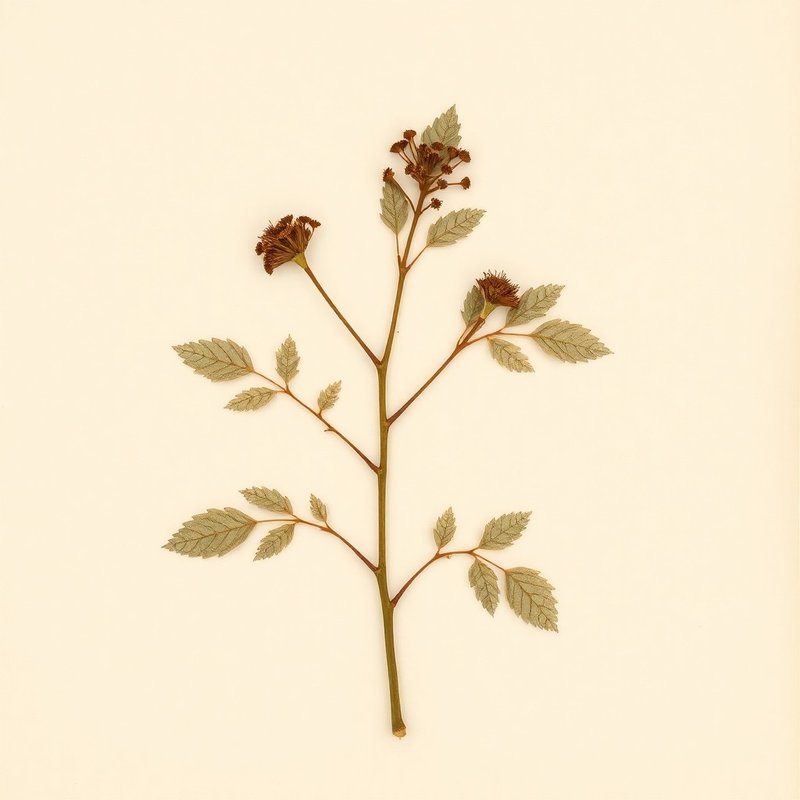
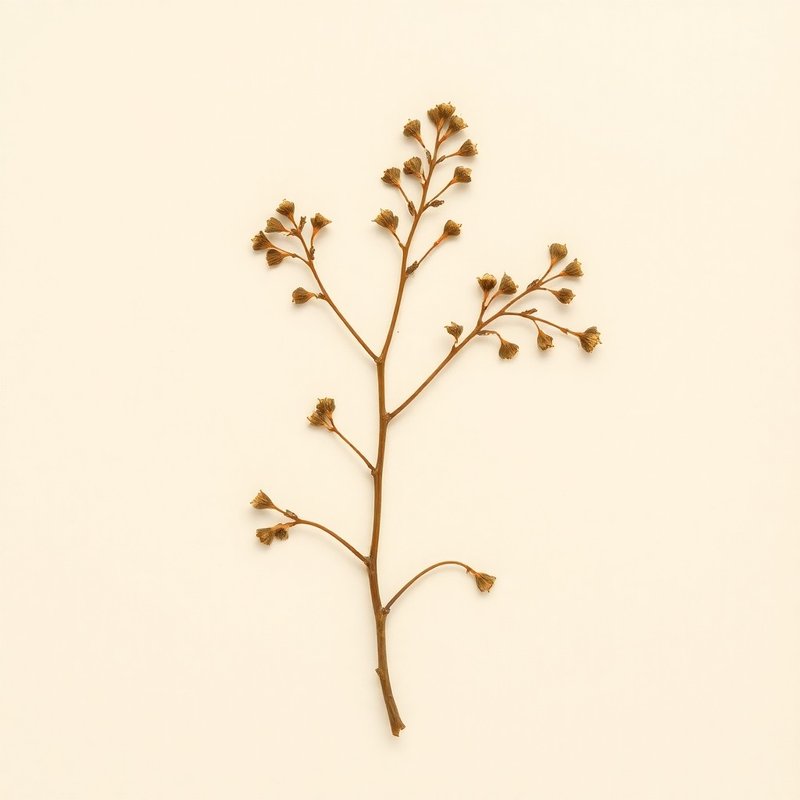
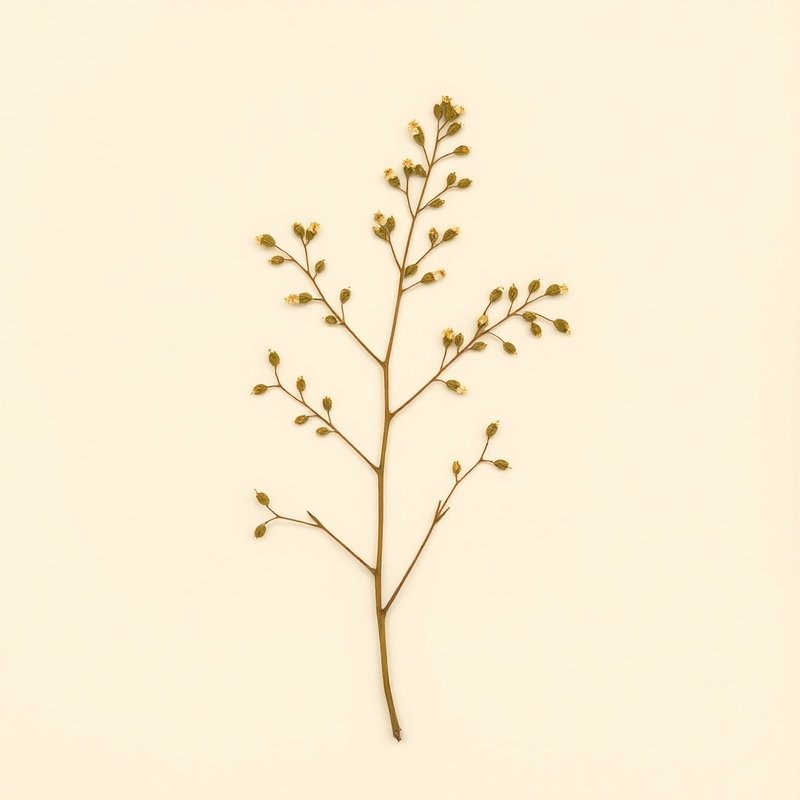
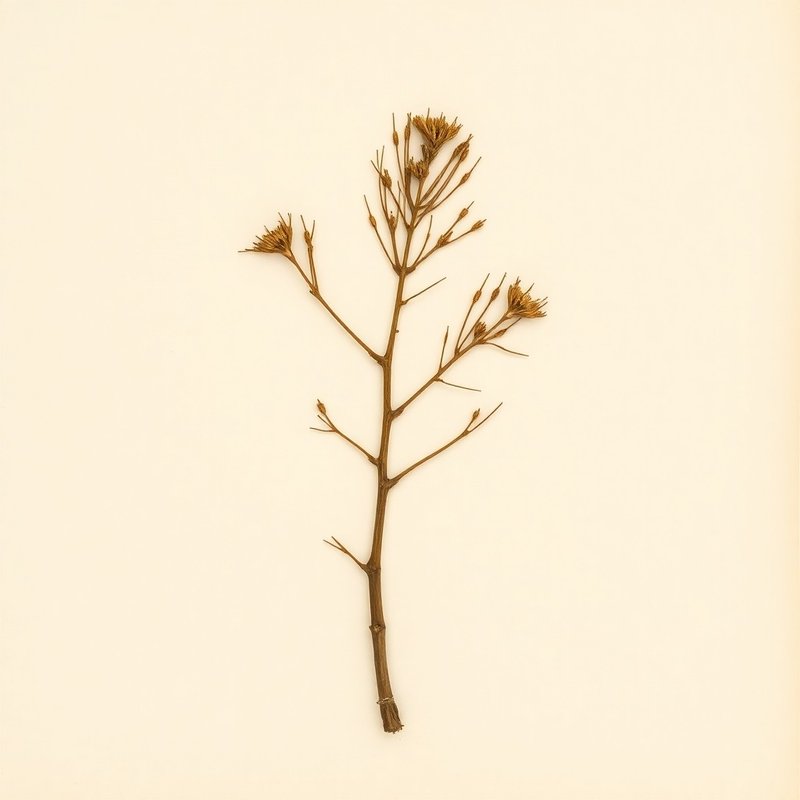
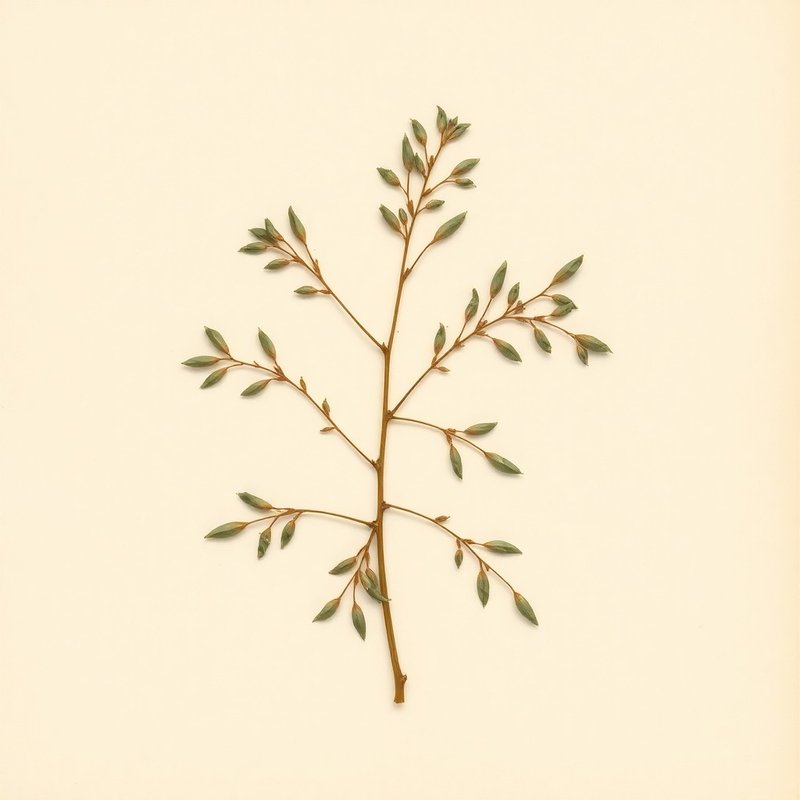
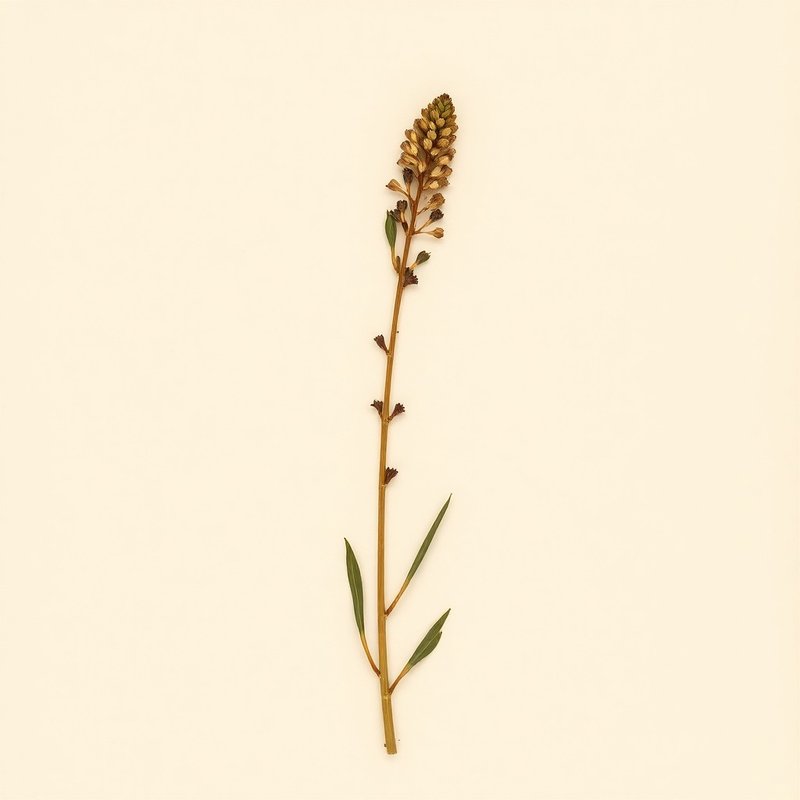
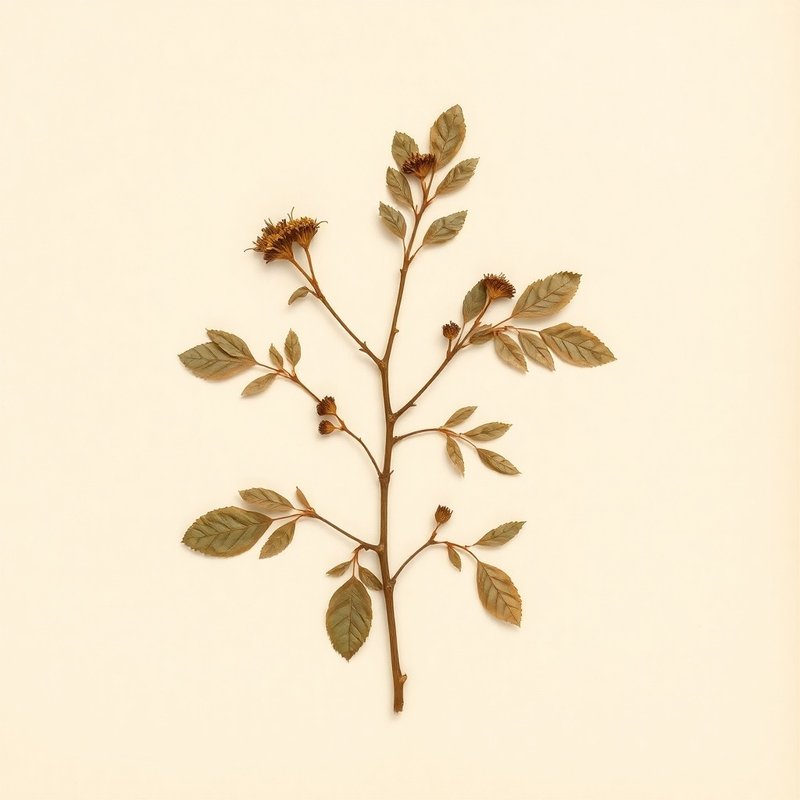
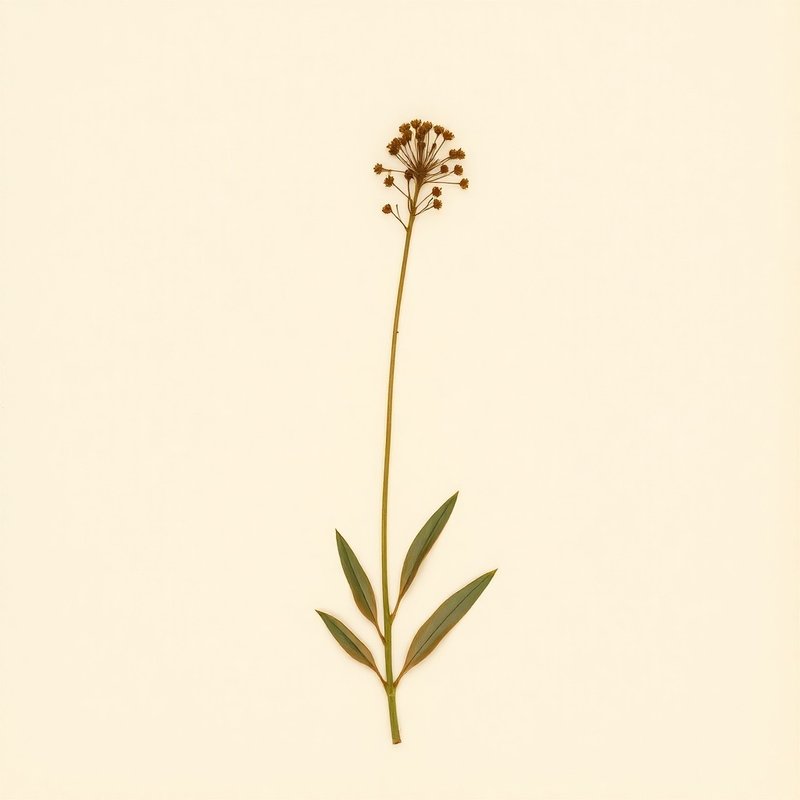
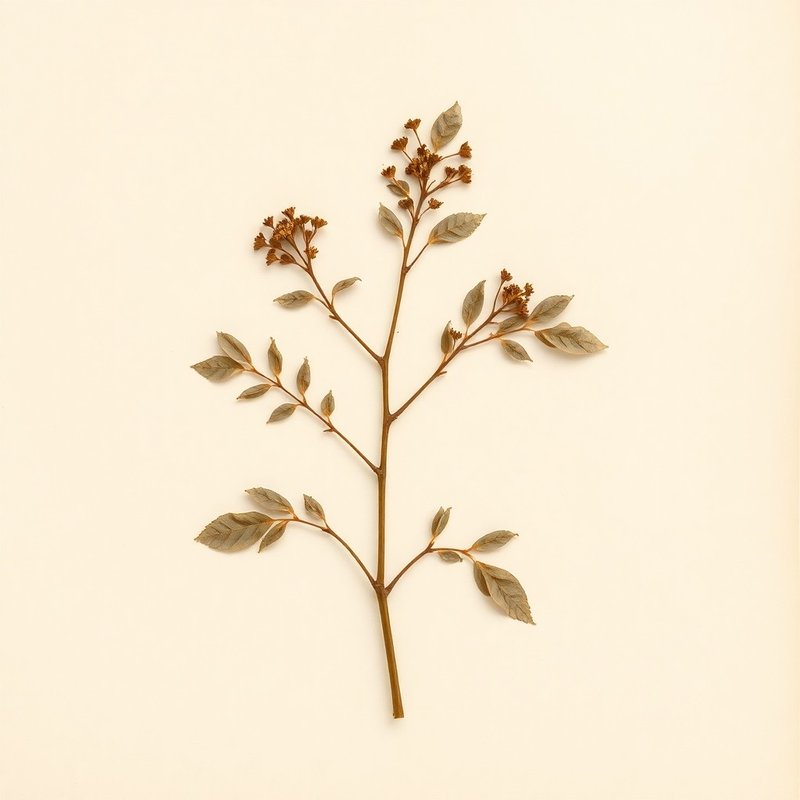
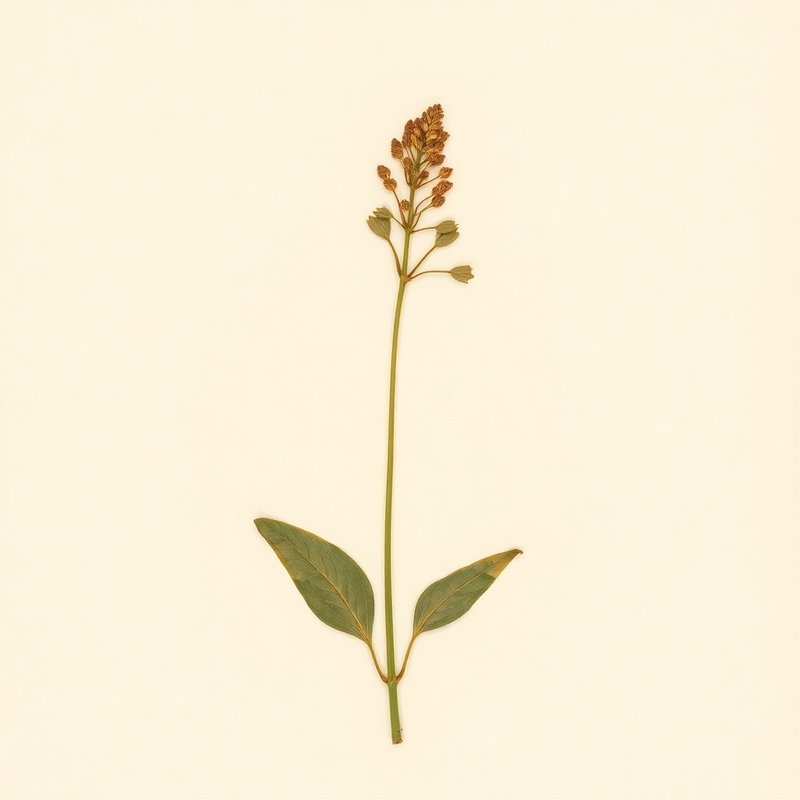
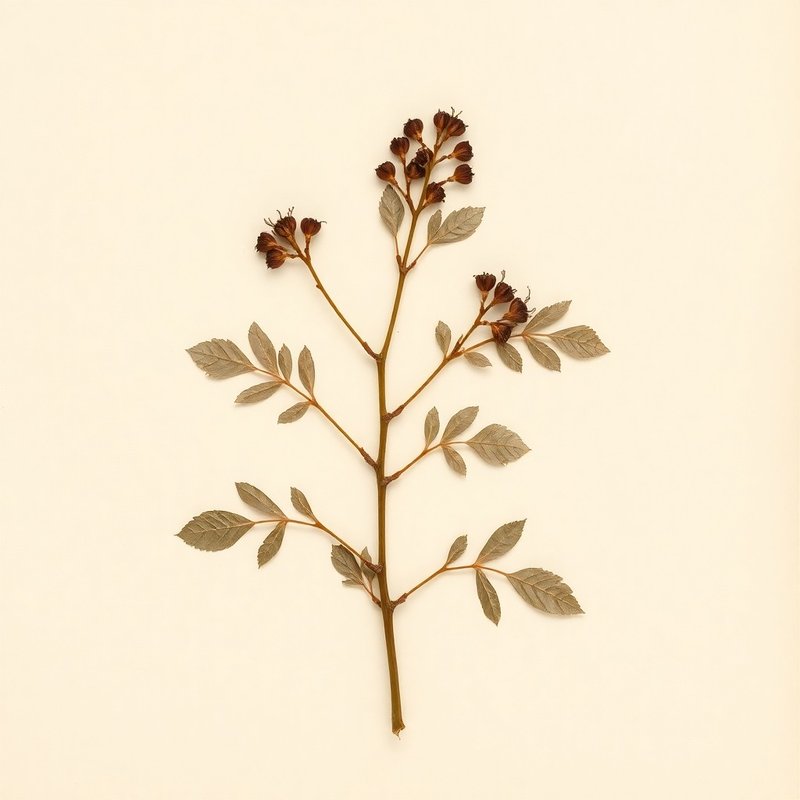
Ligularia hiberniflorum is one of the better-evidenced choices for Immune support — 0 cited references with moderate evidence quality. Effect size d=0.45 (moderate). Mechanism not fully characterised in modern literature; traditional attribution predates chemistry.
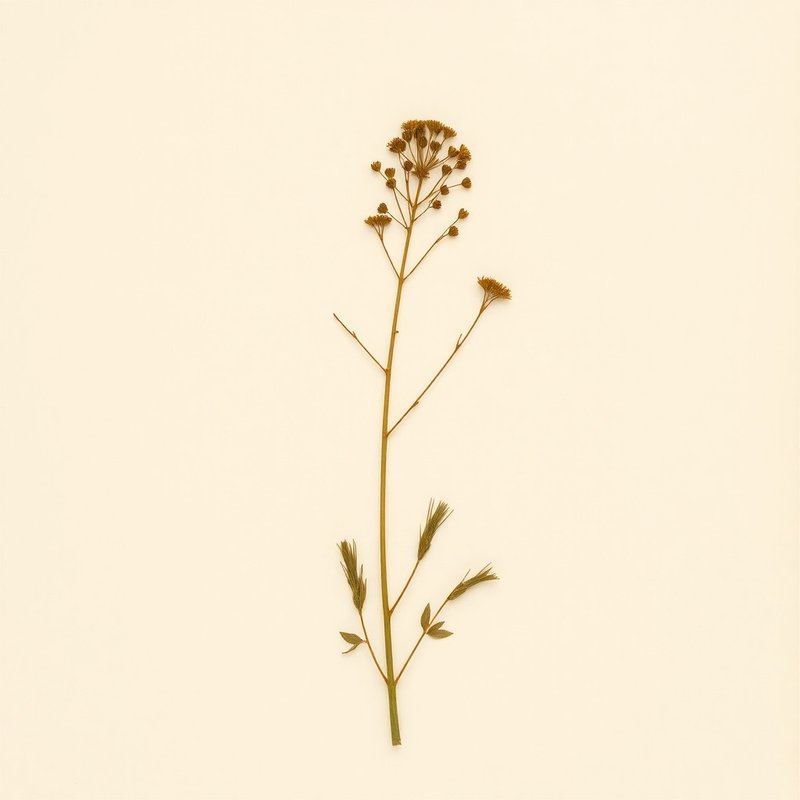
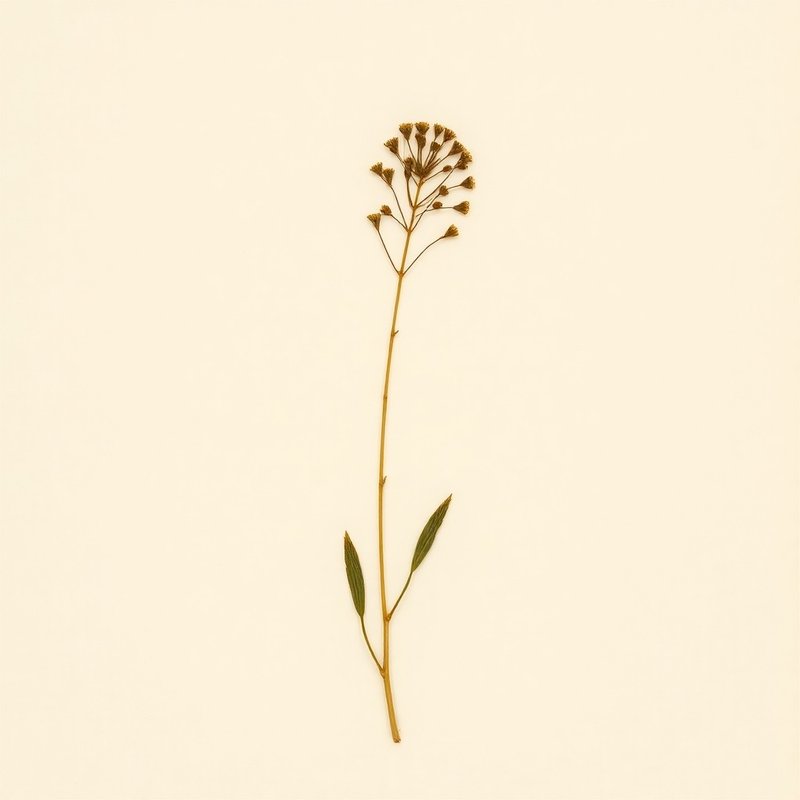
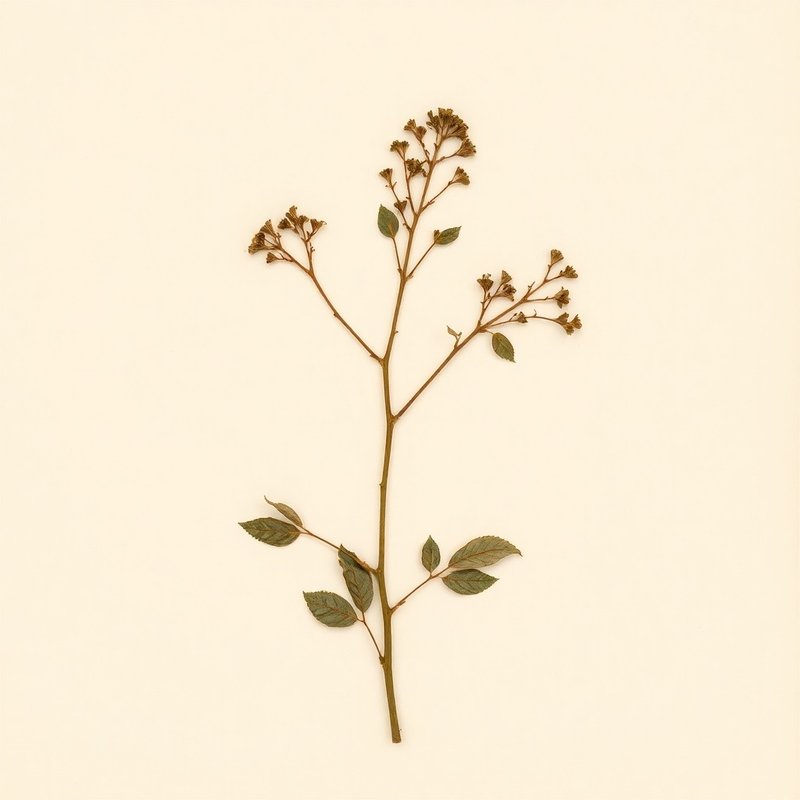
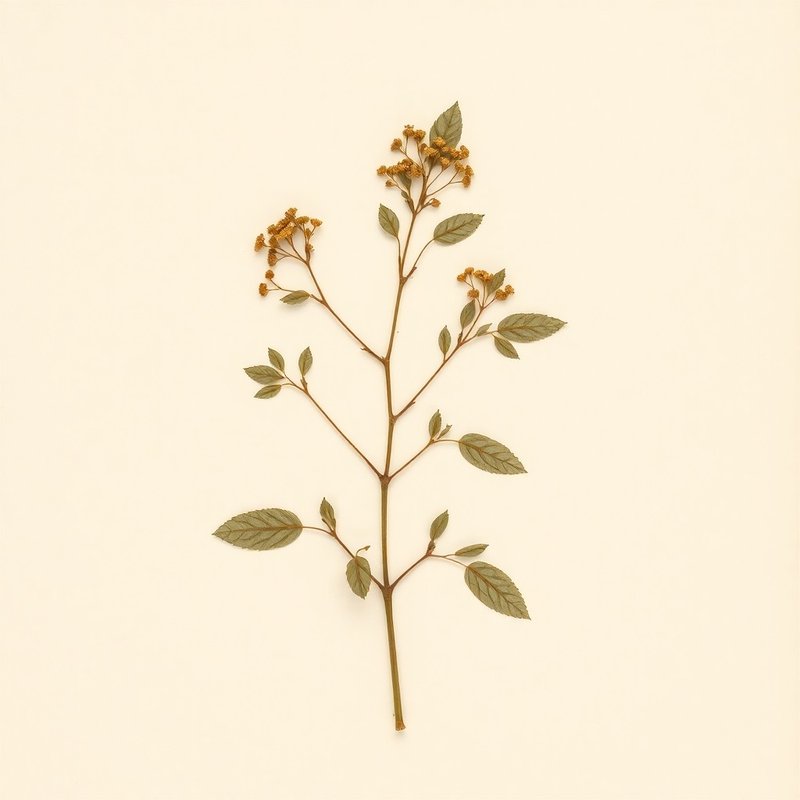
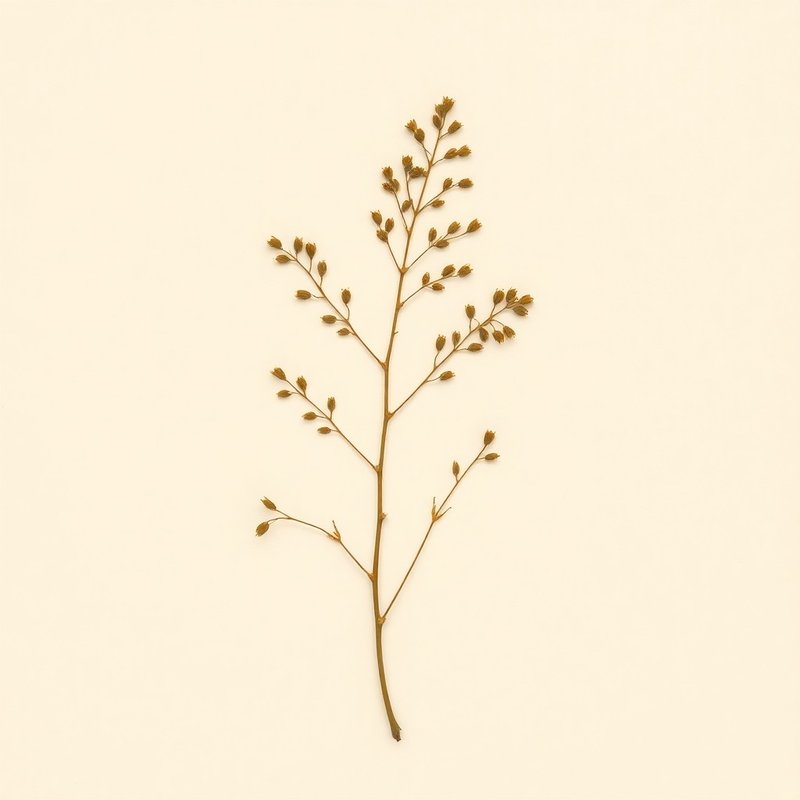
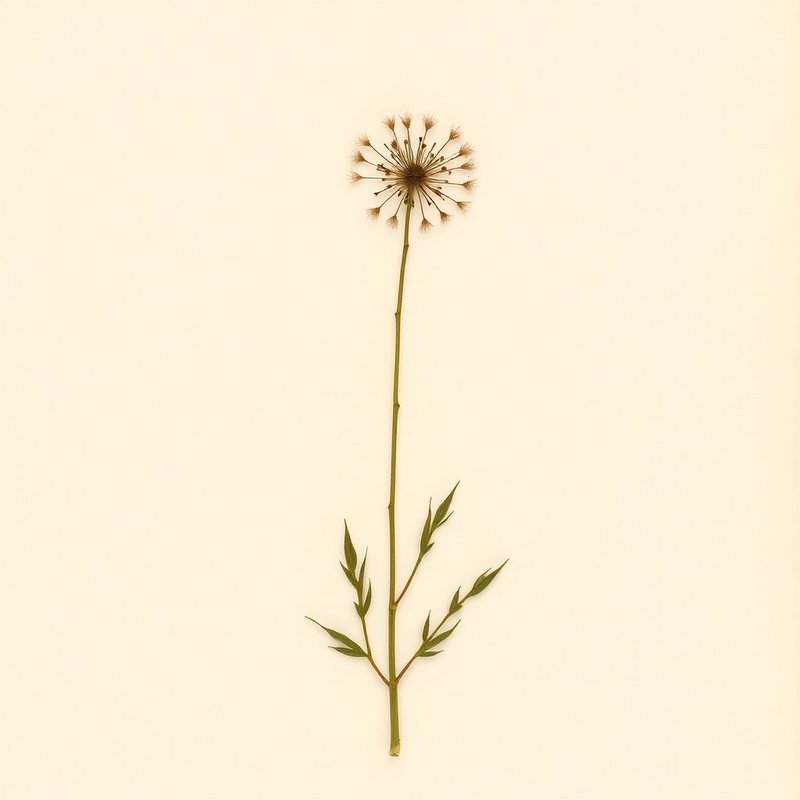
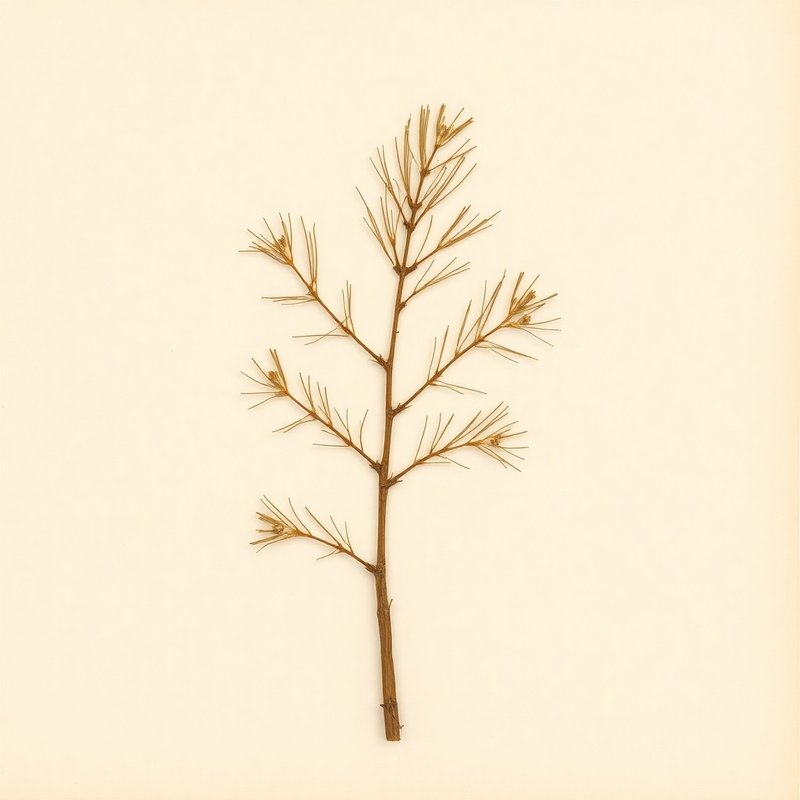
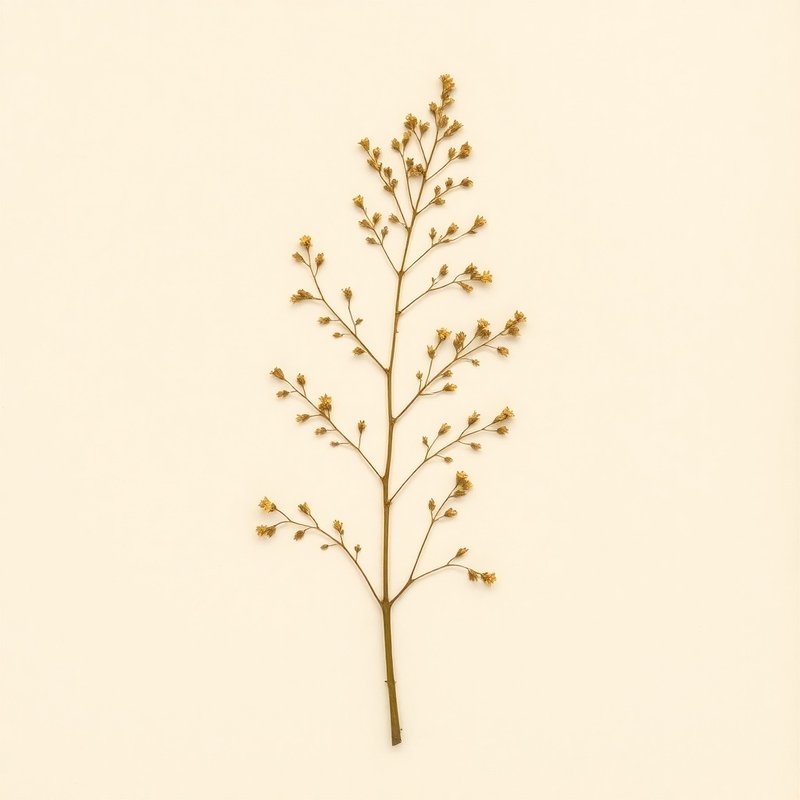
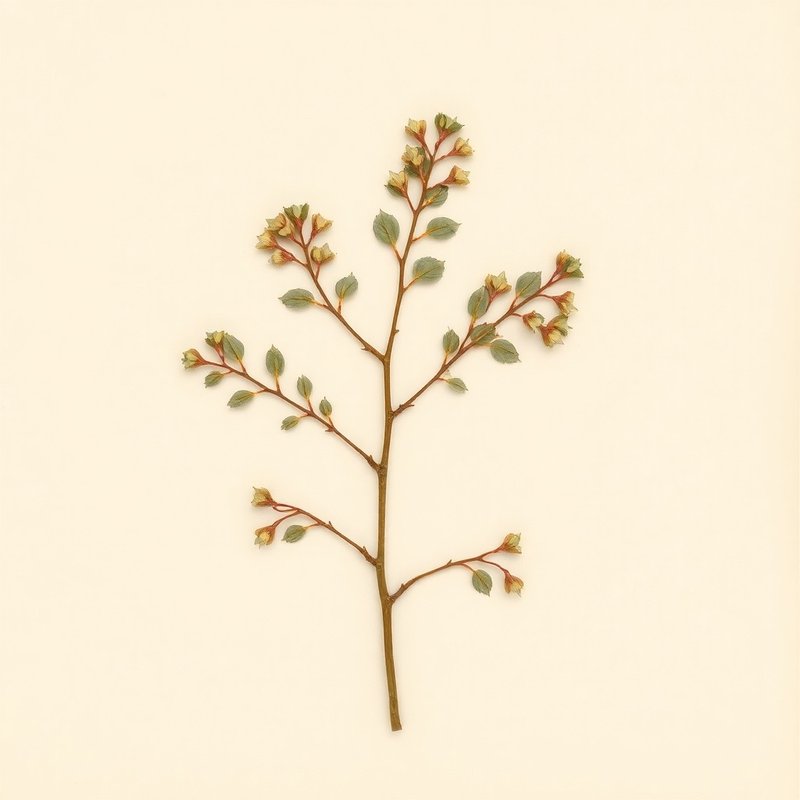
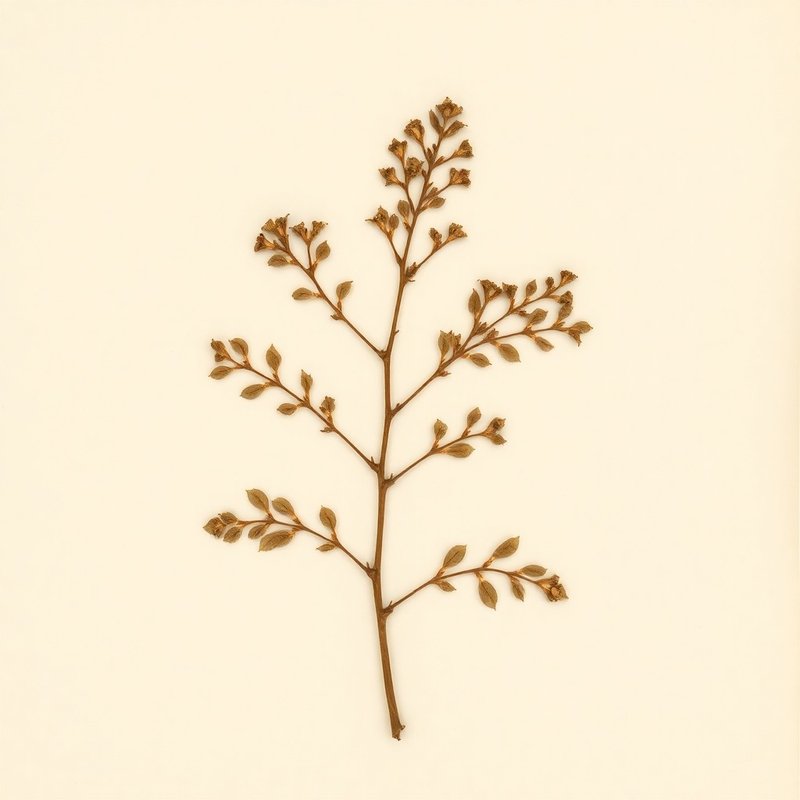
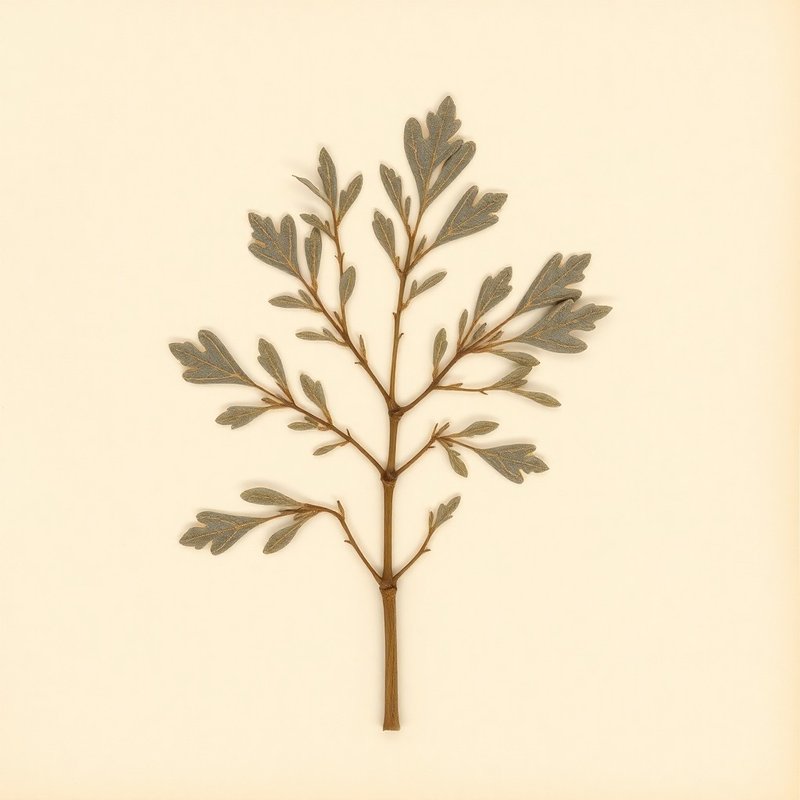
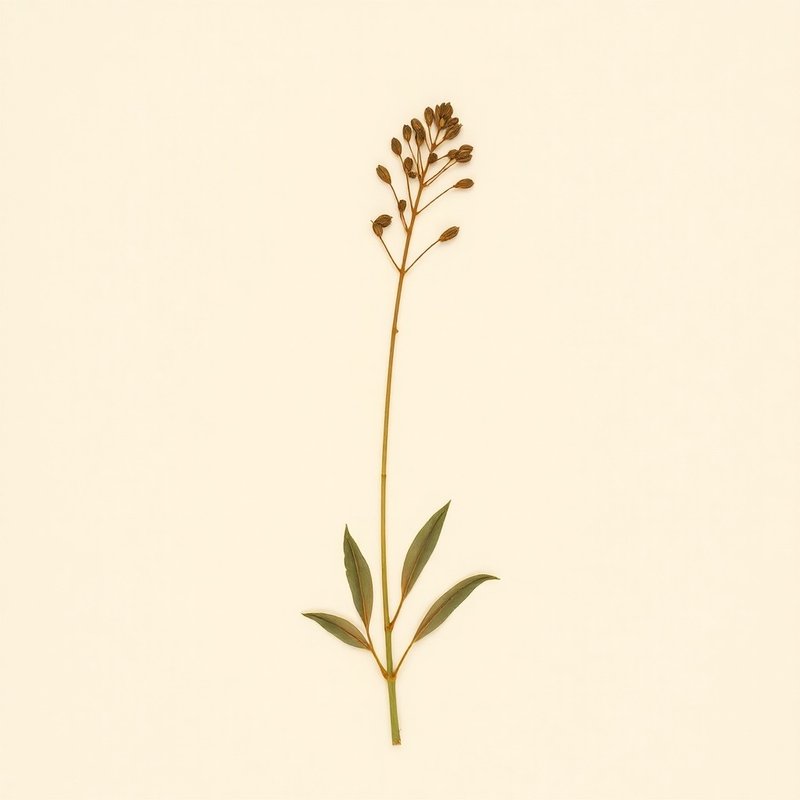
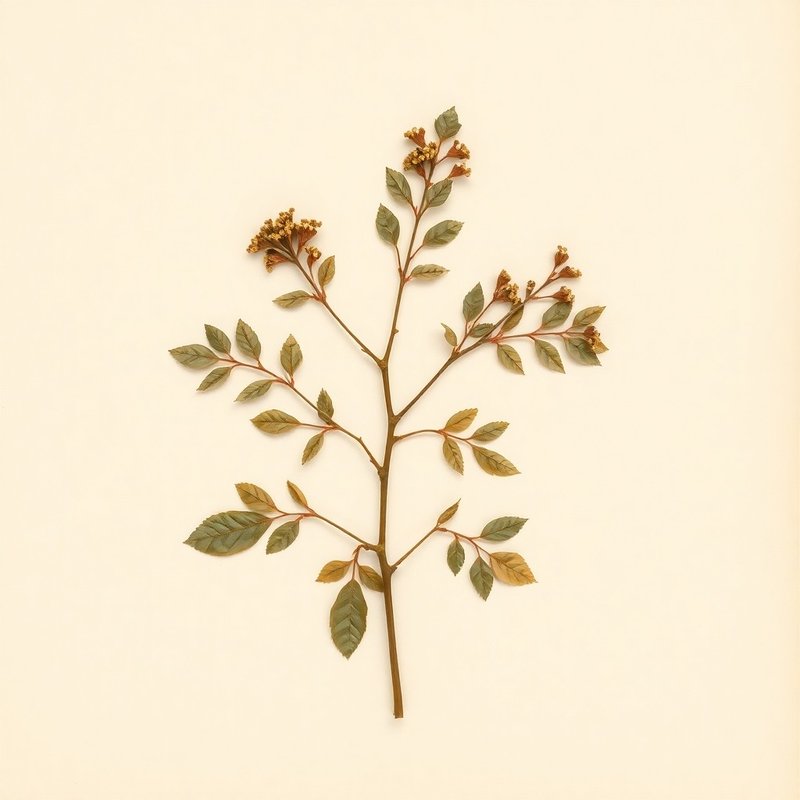
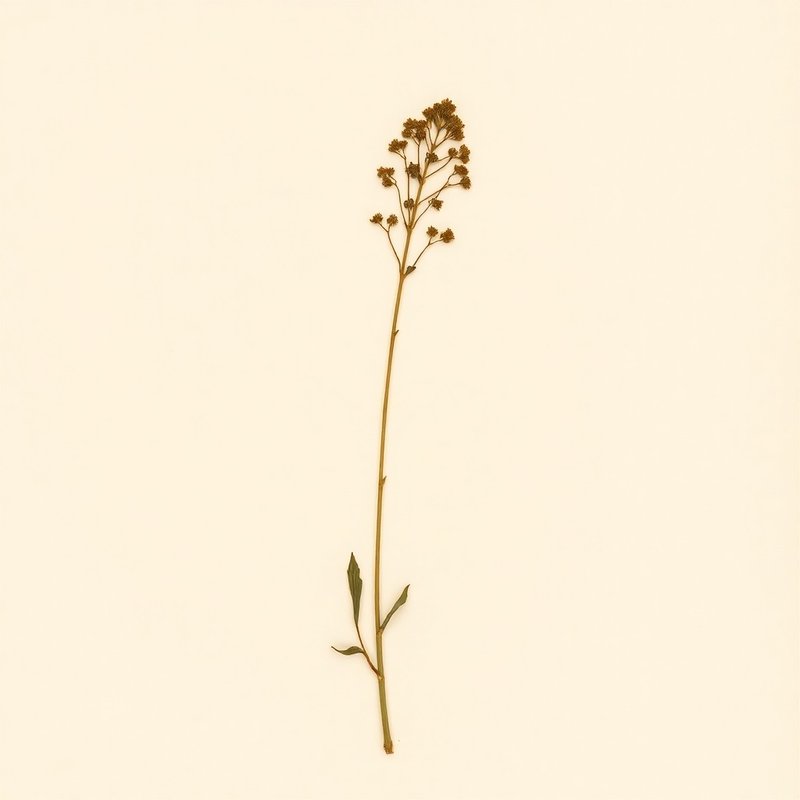
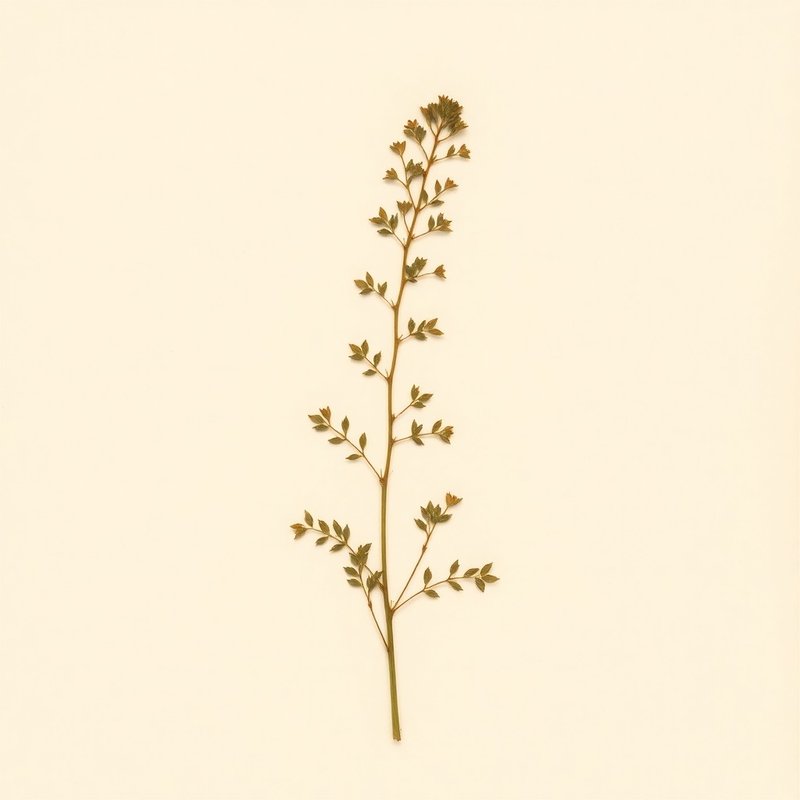
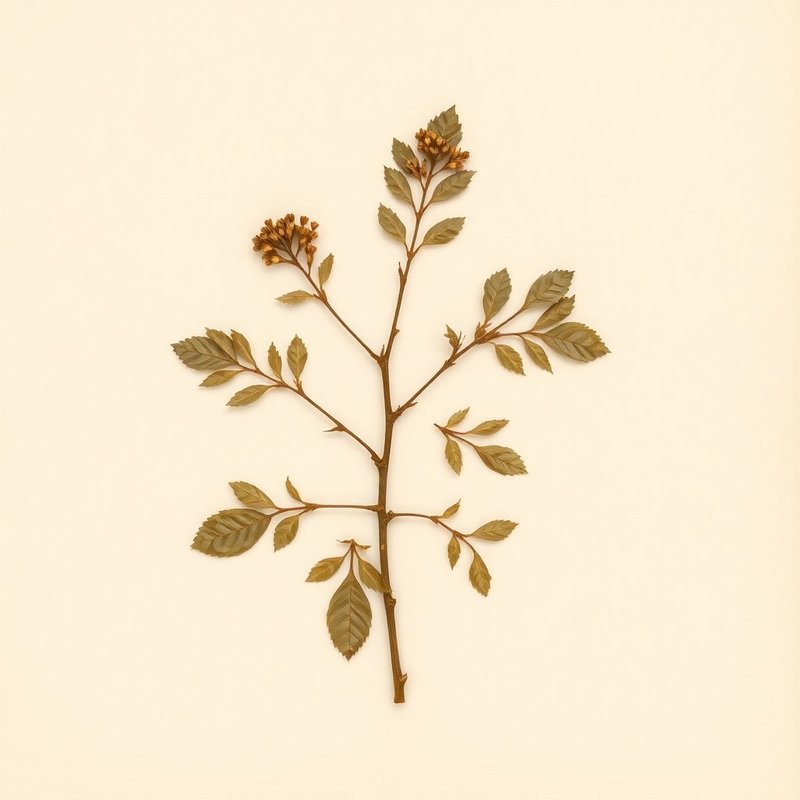
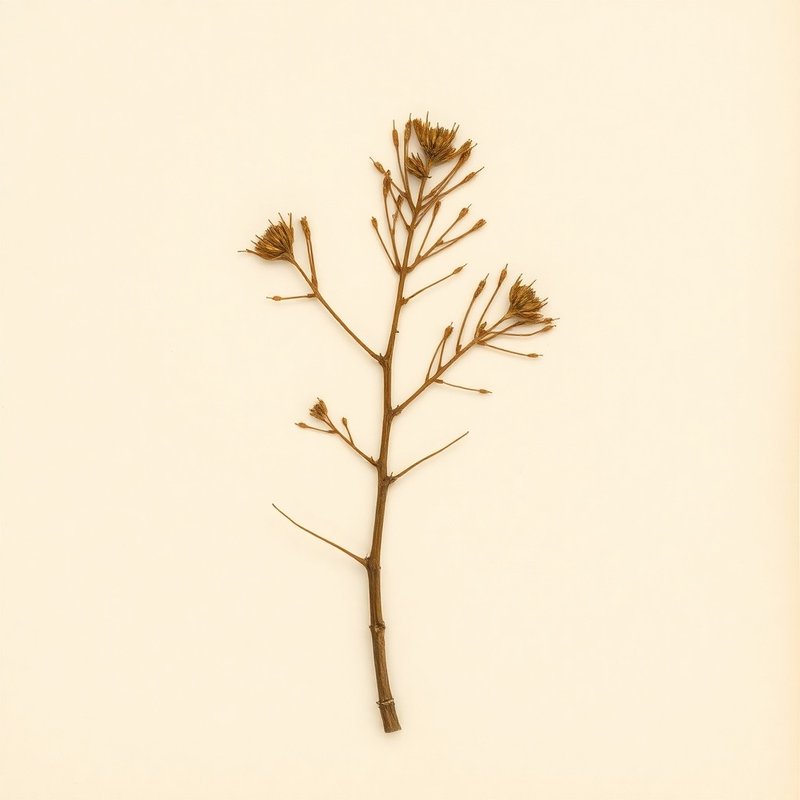
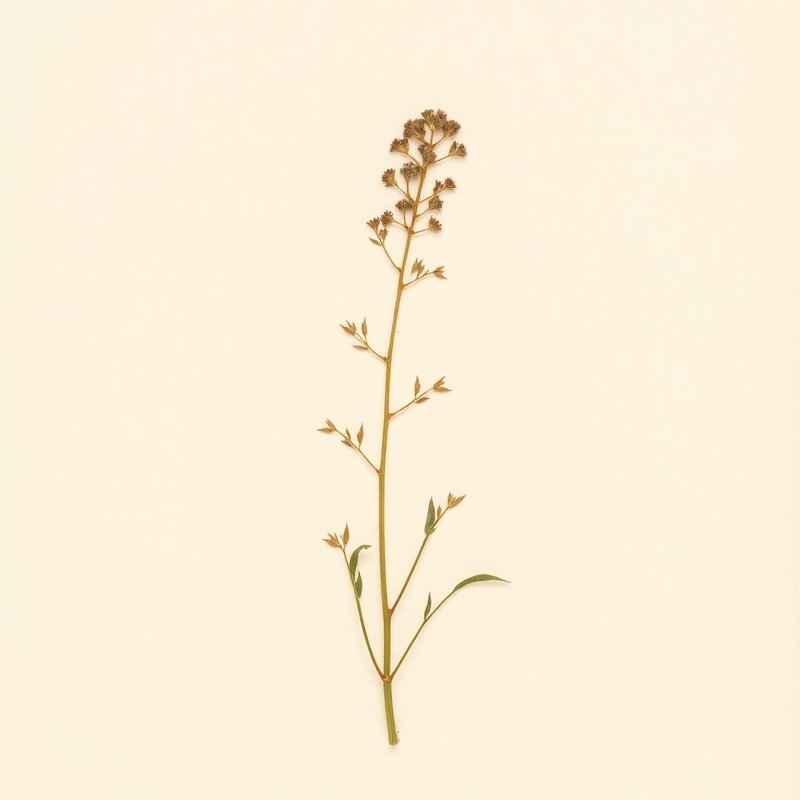
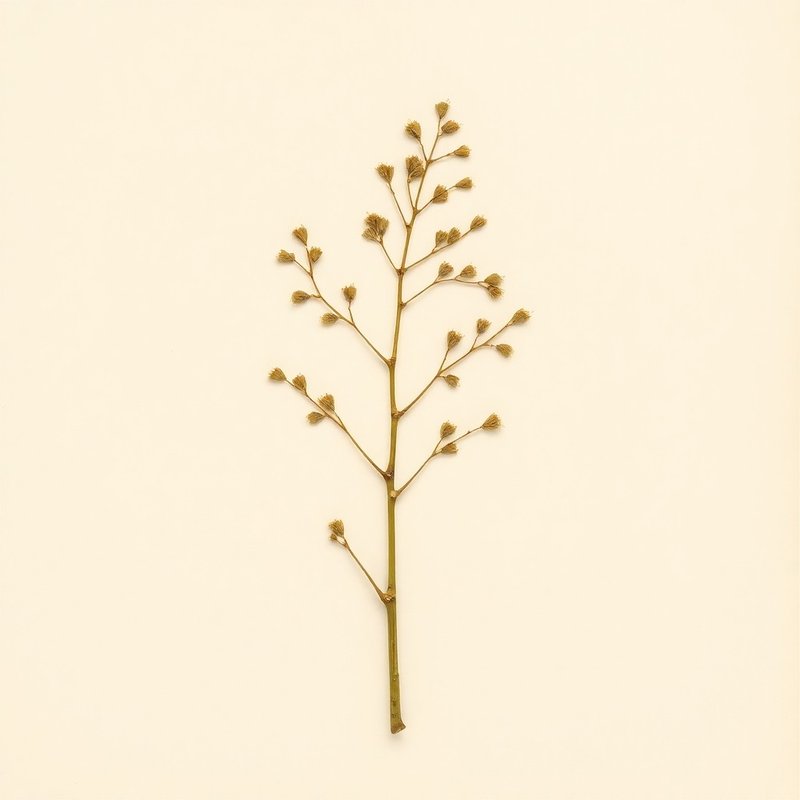
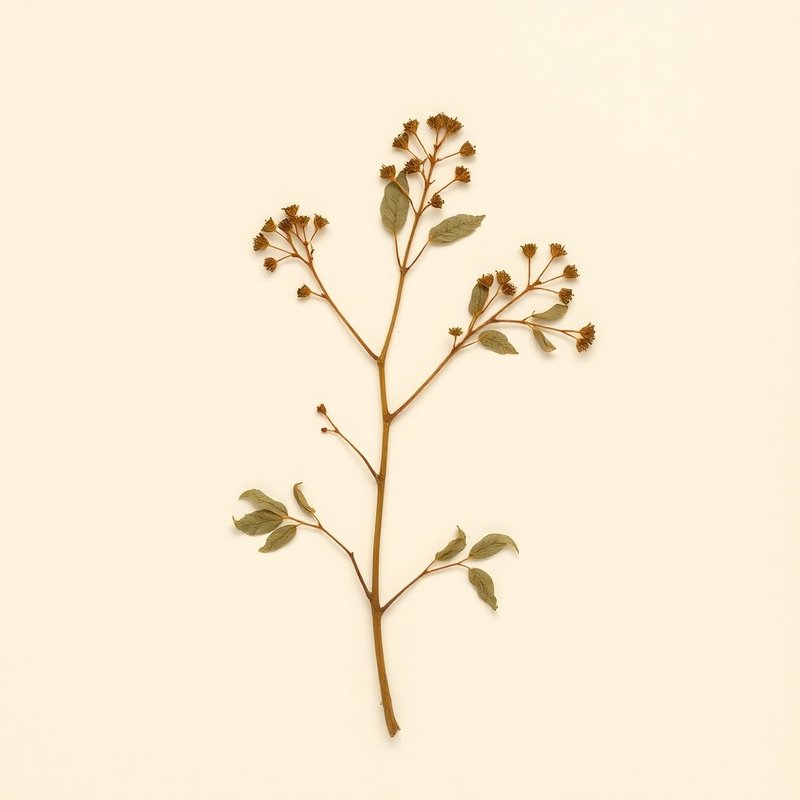
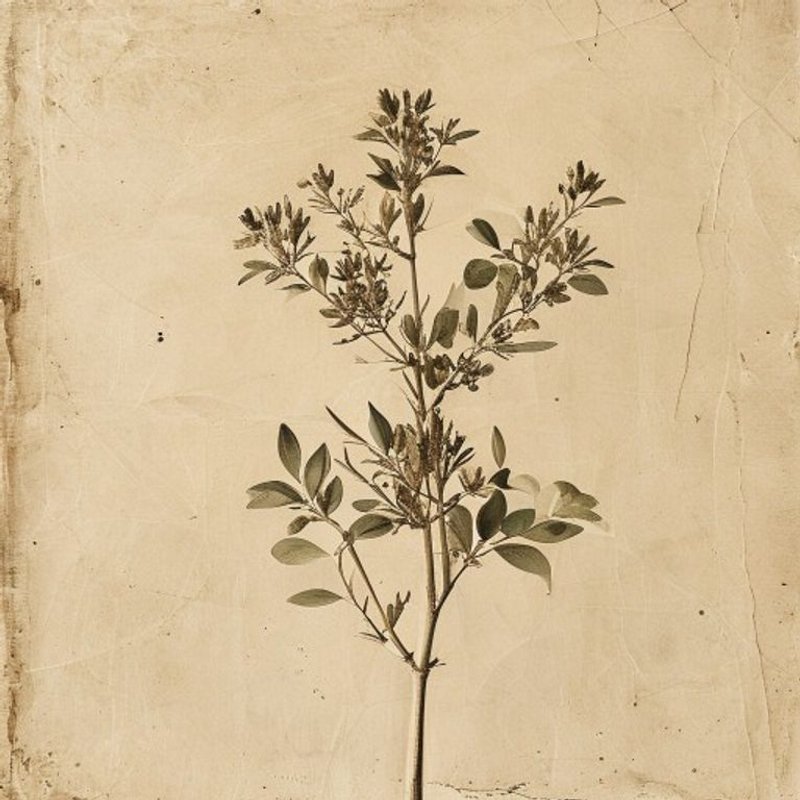
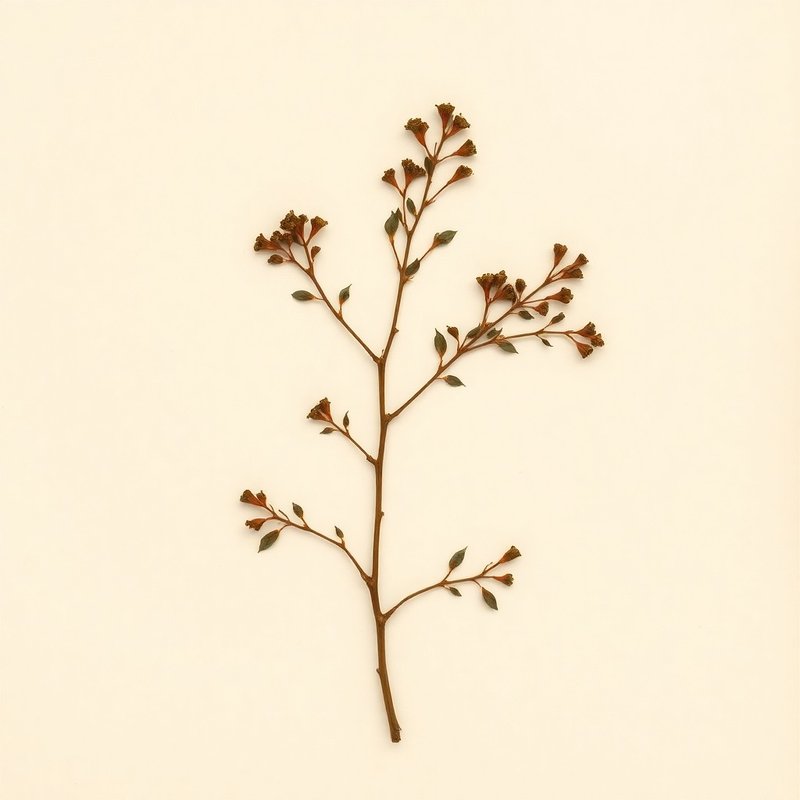
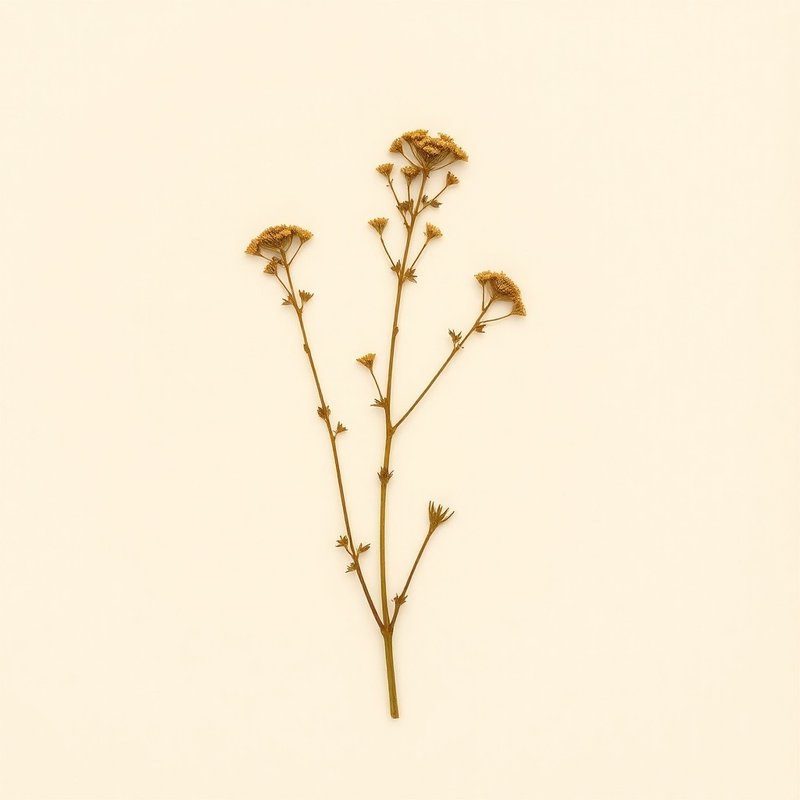
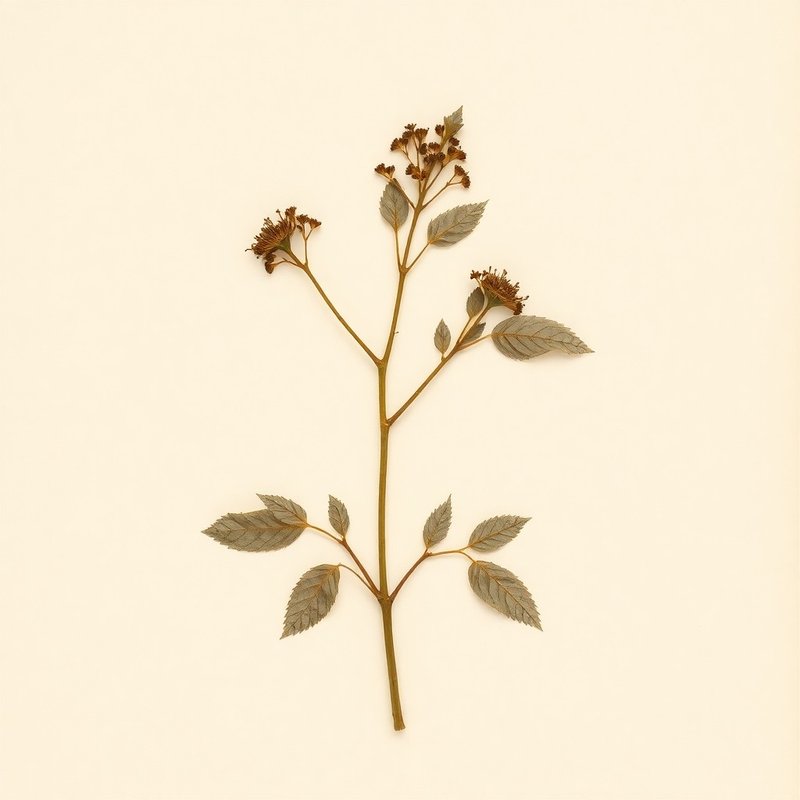
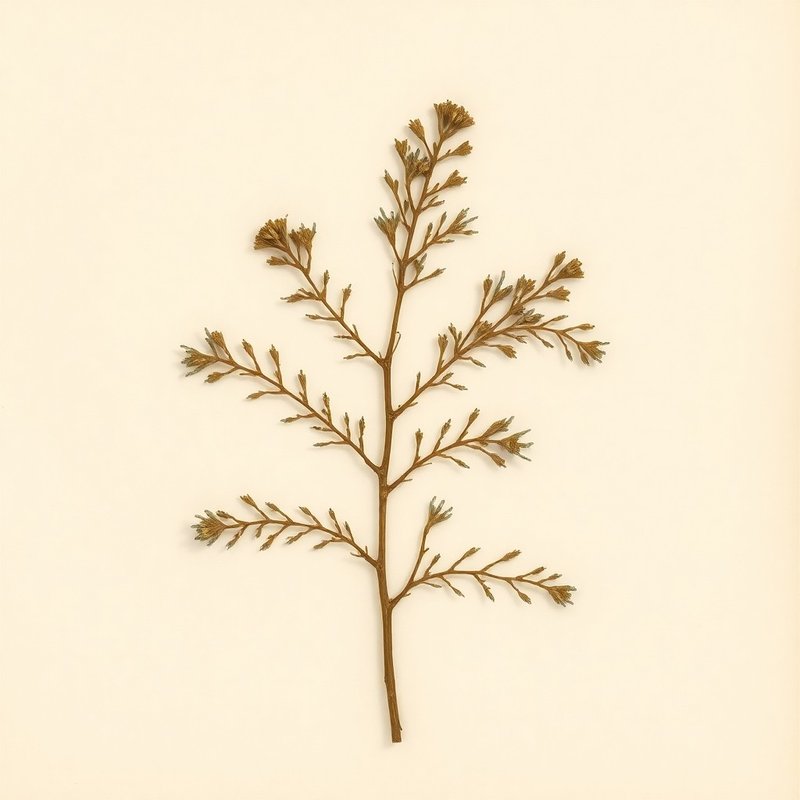
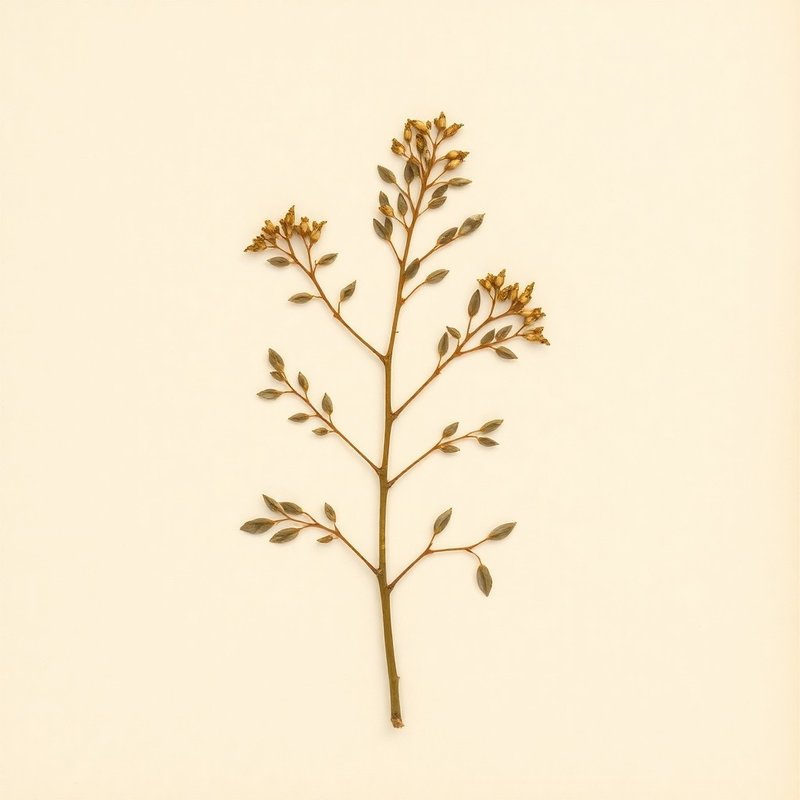
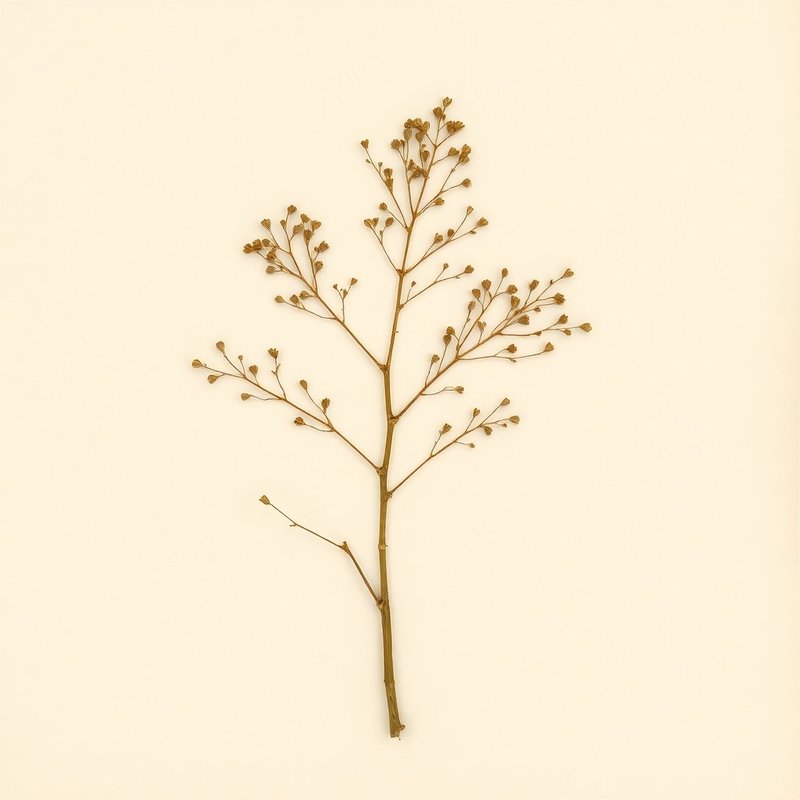
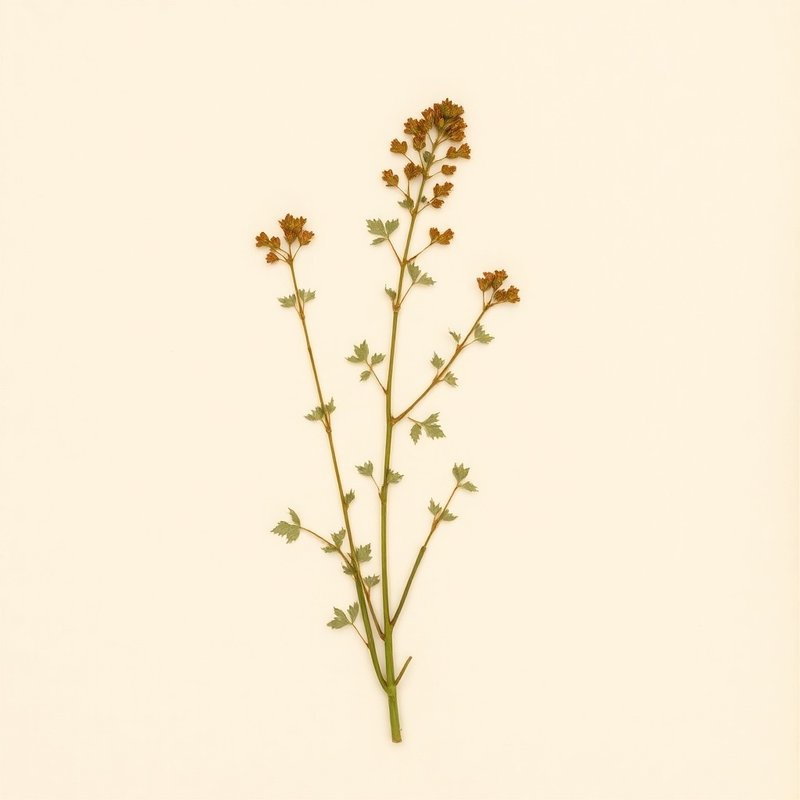
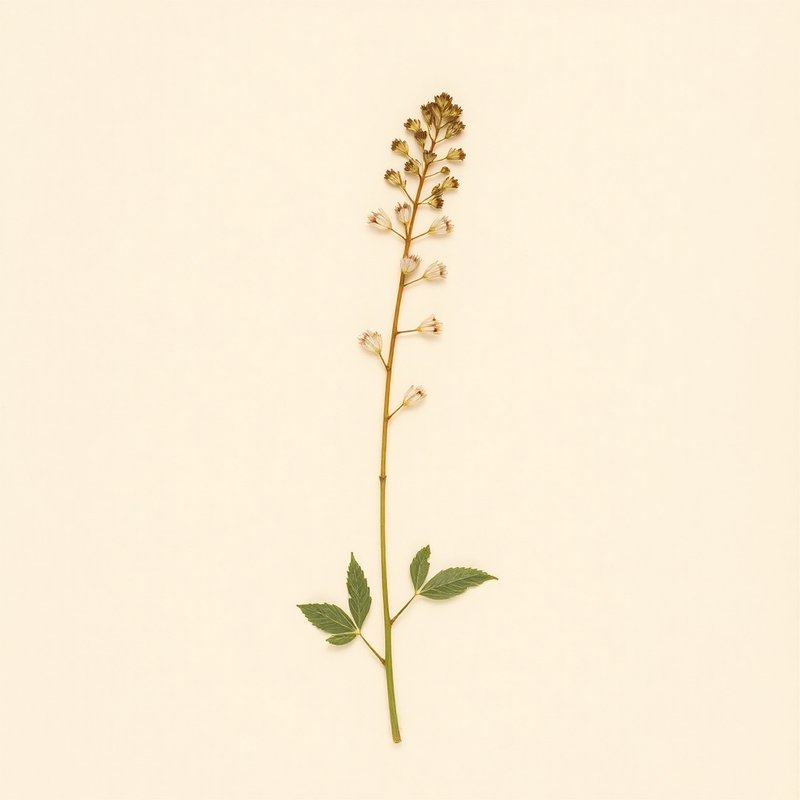
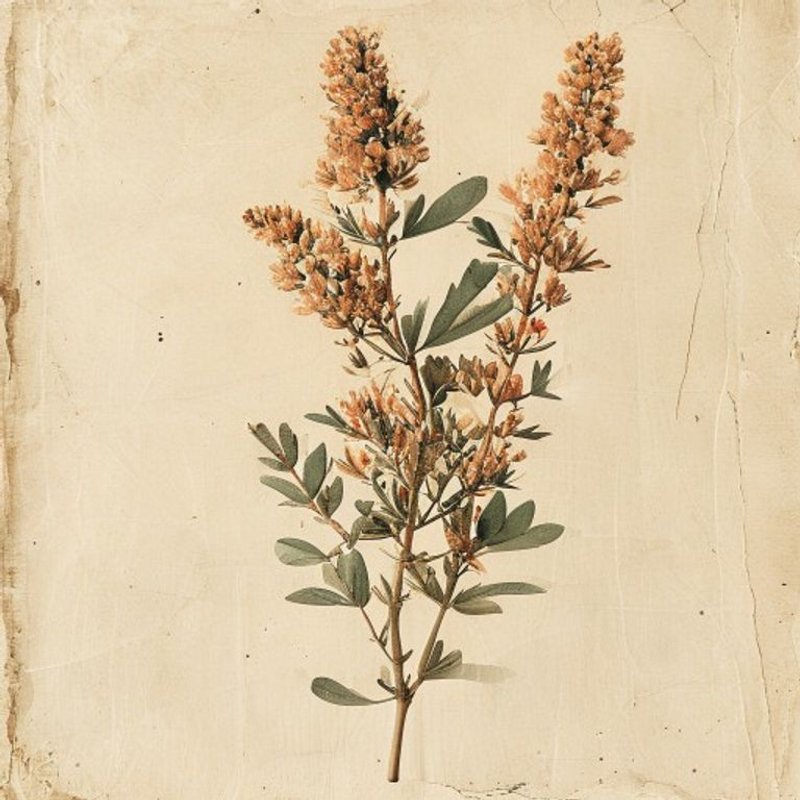
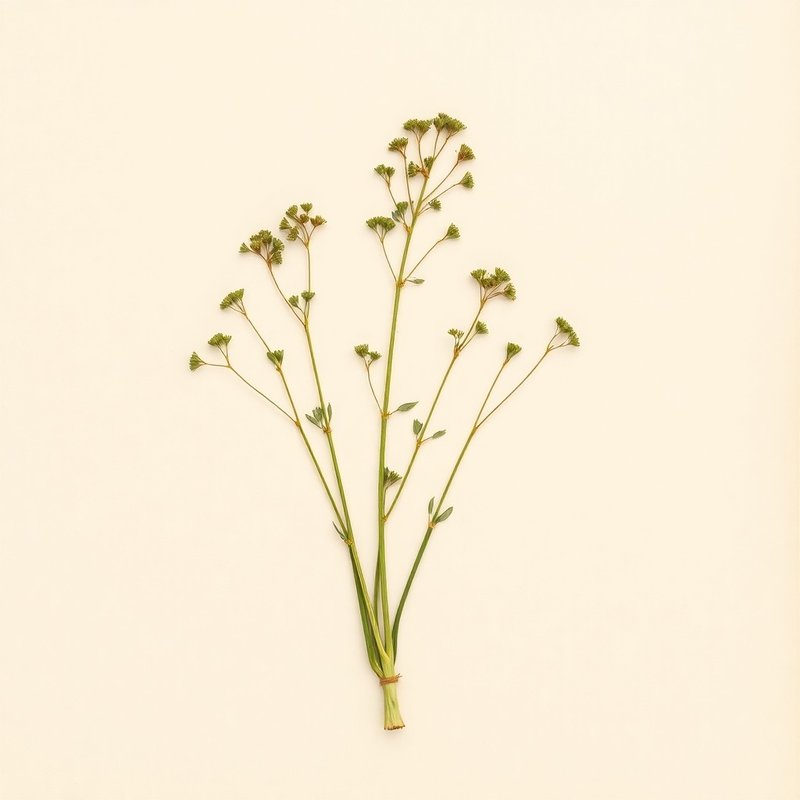
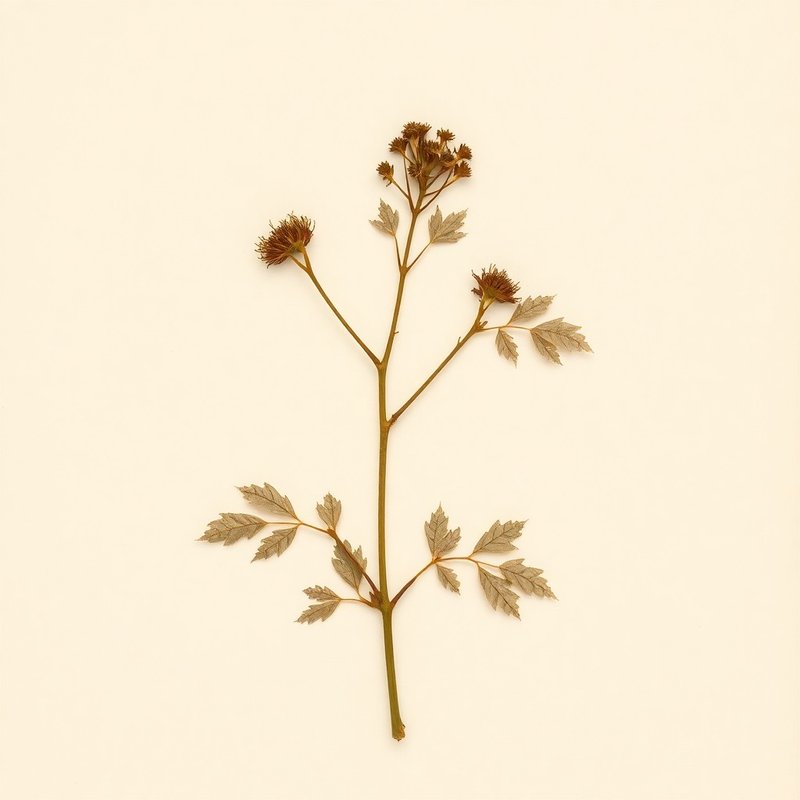
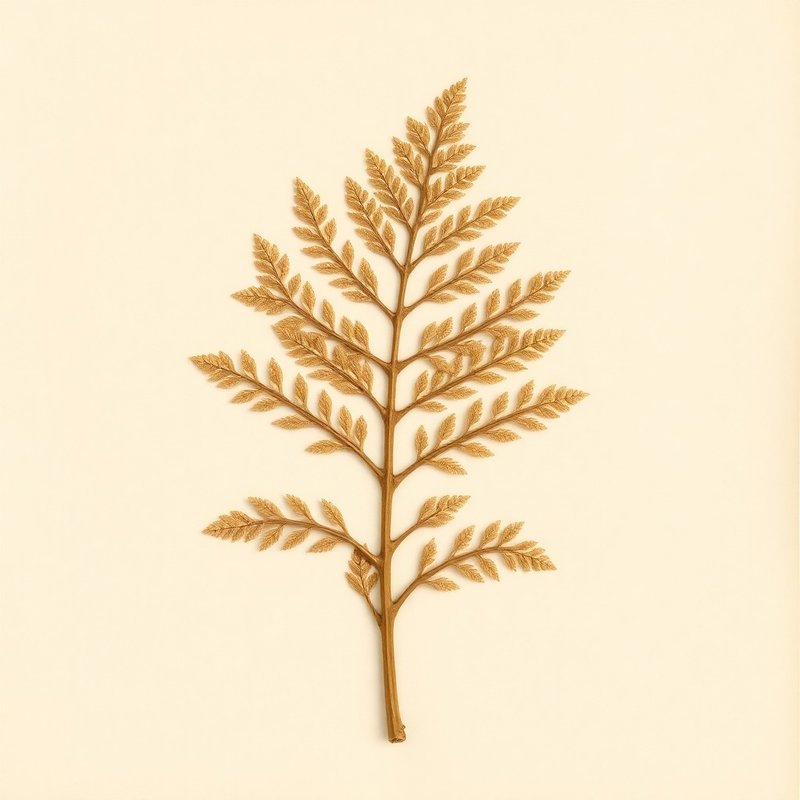
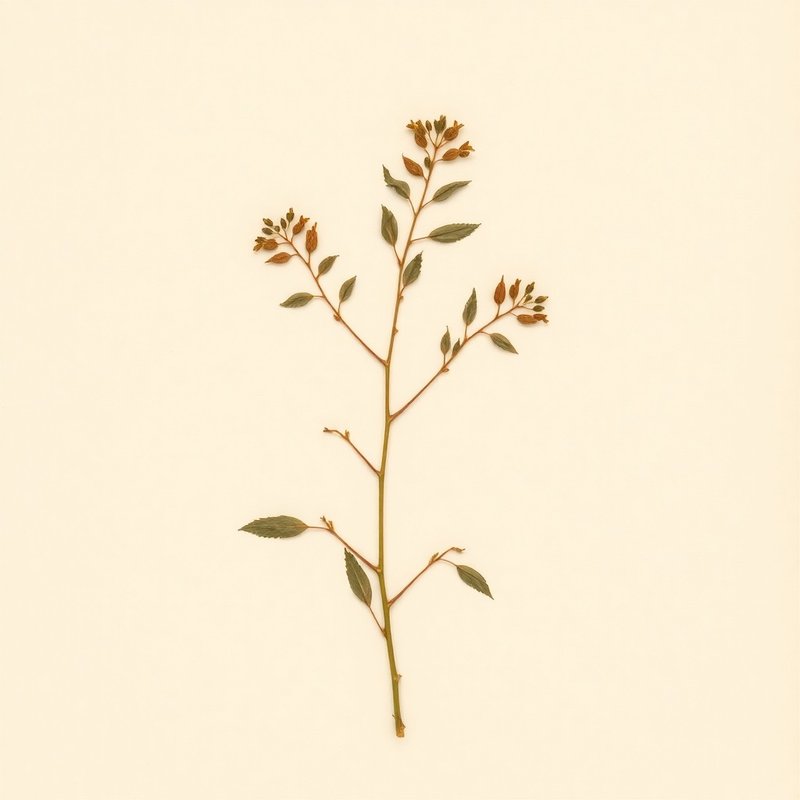
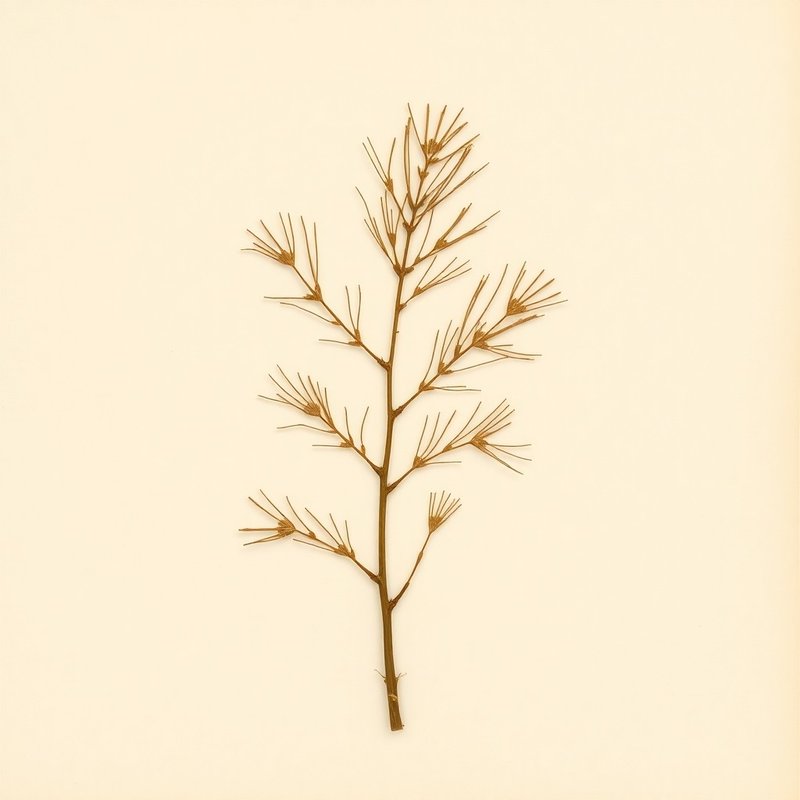
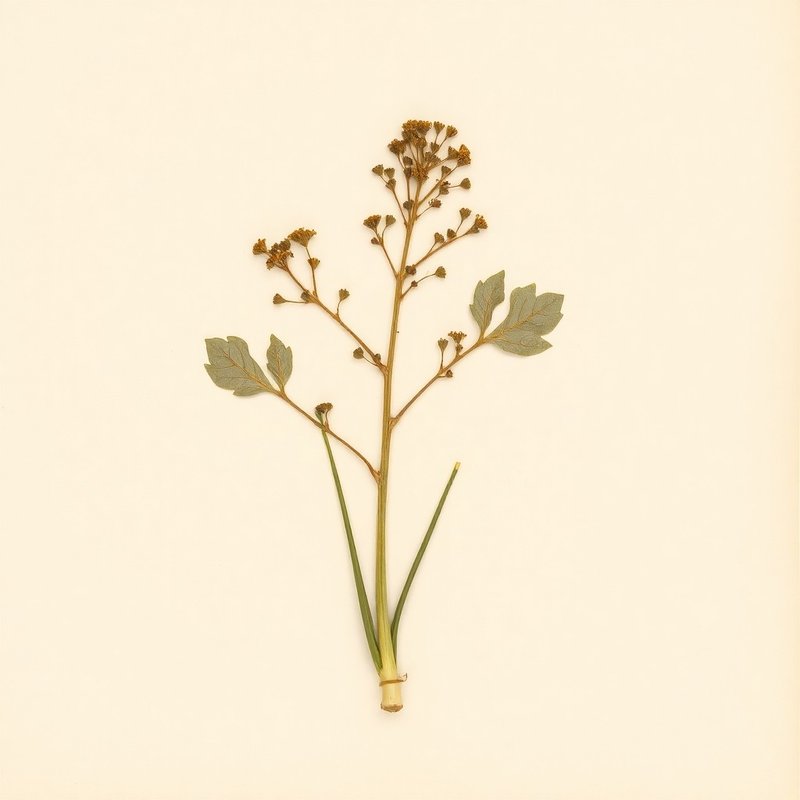
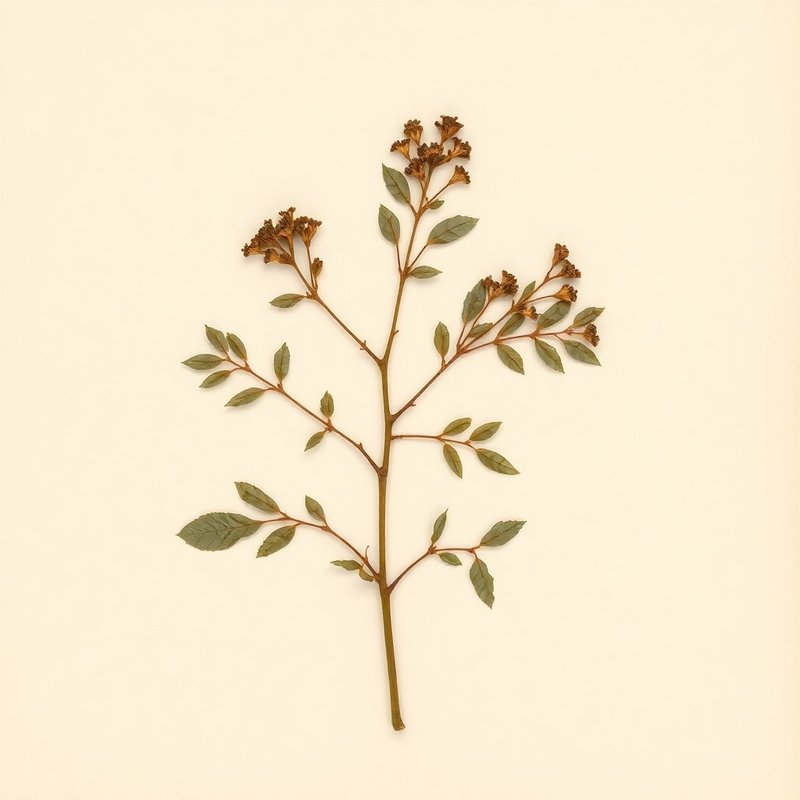
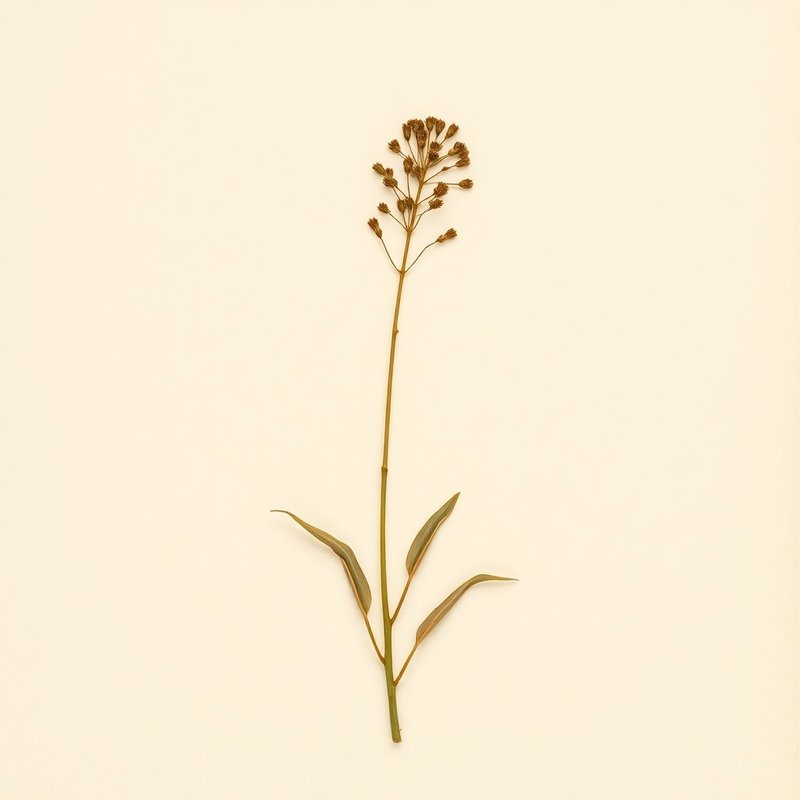
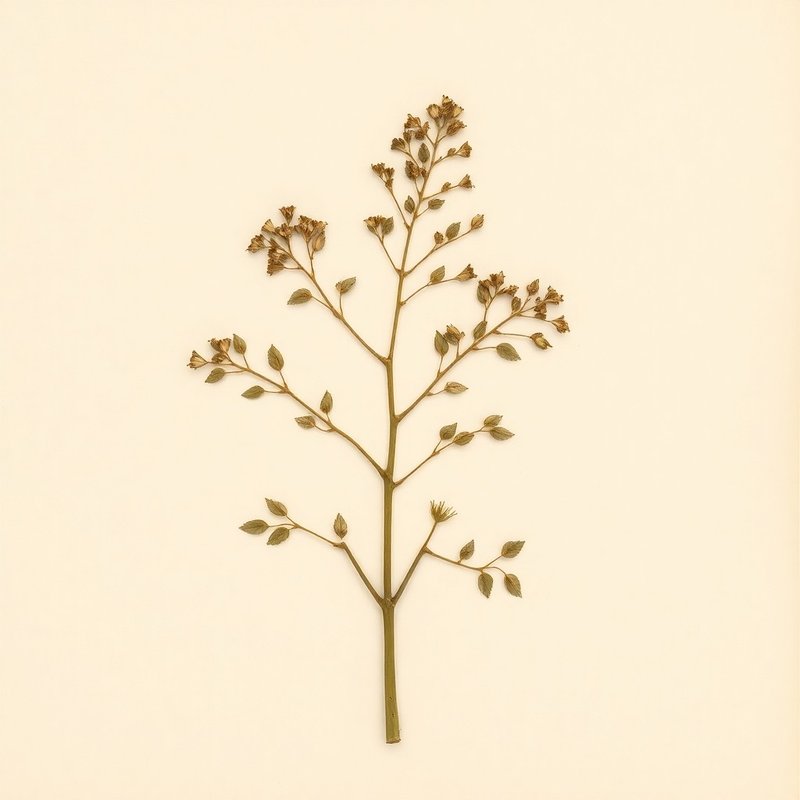
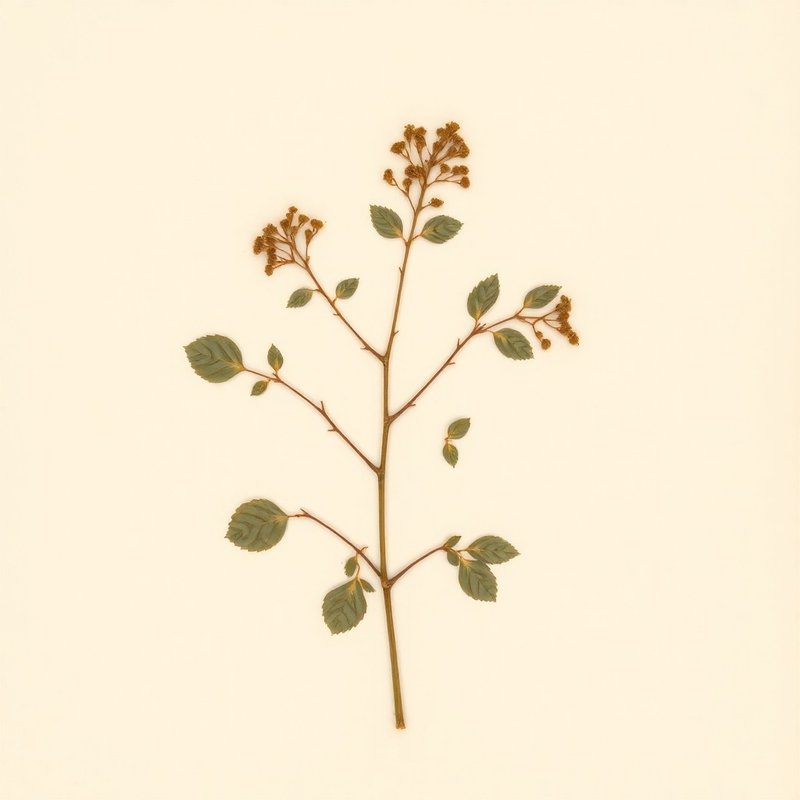
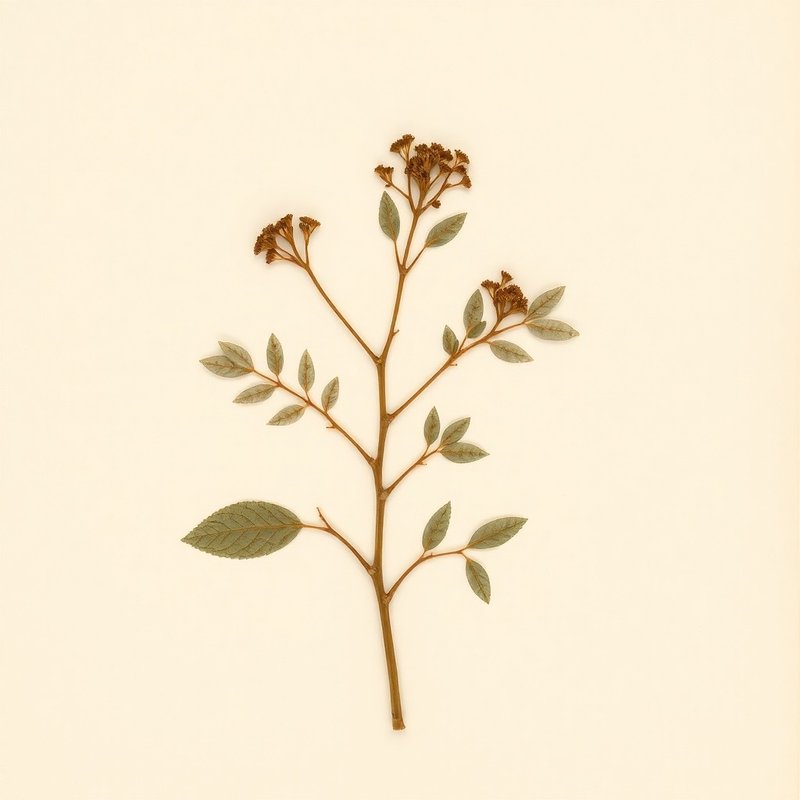
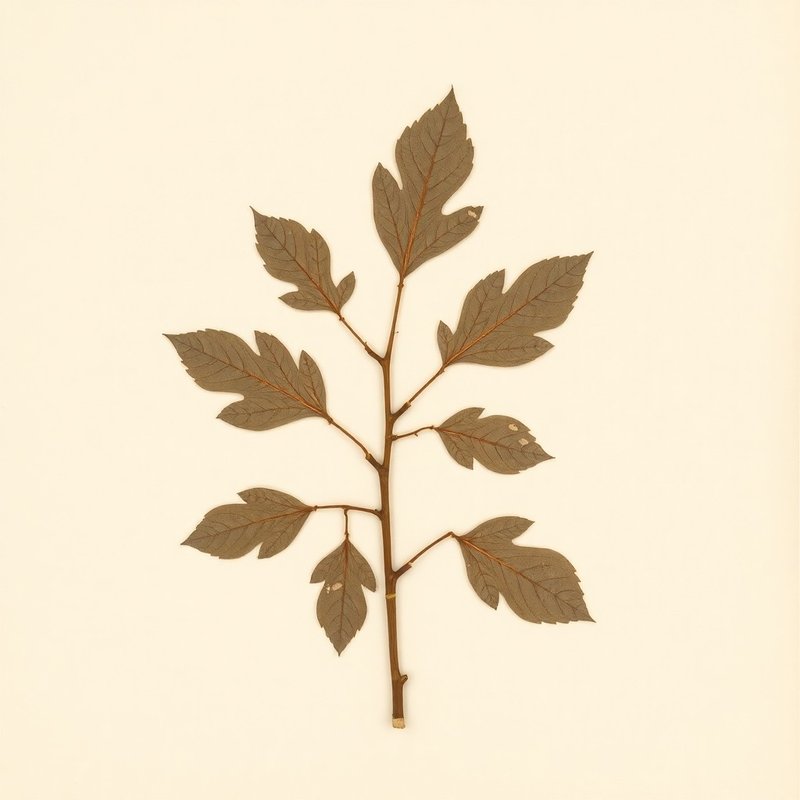
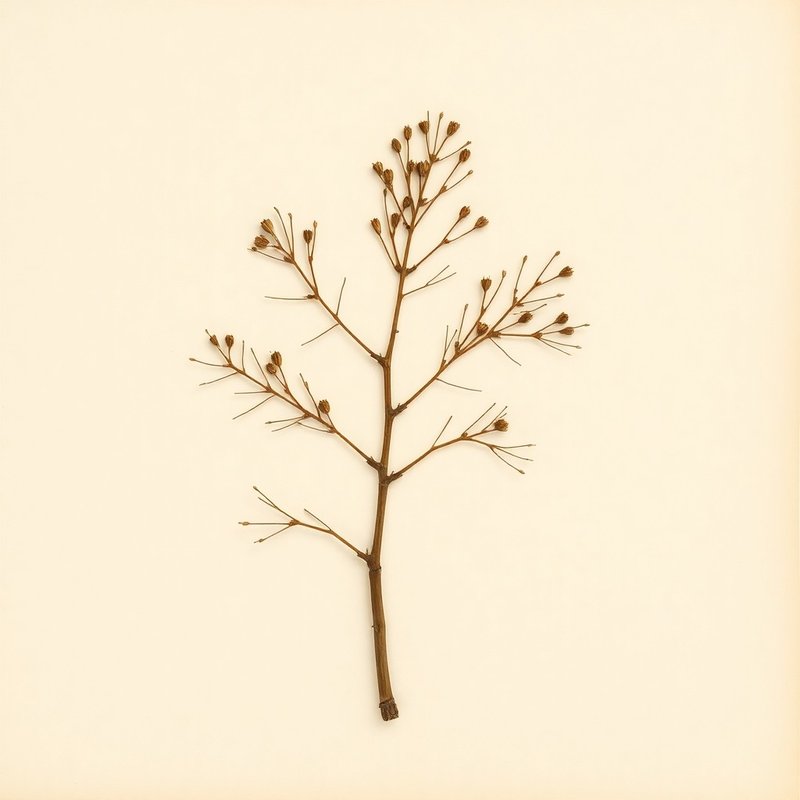
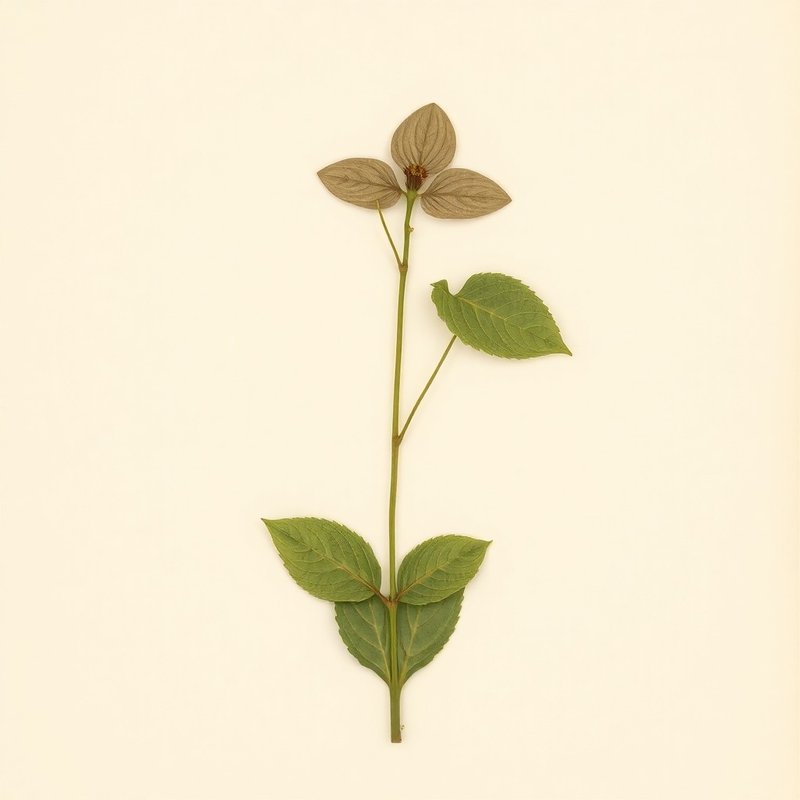
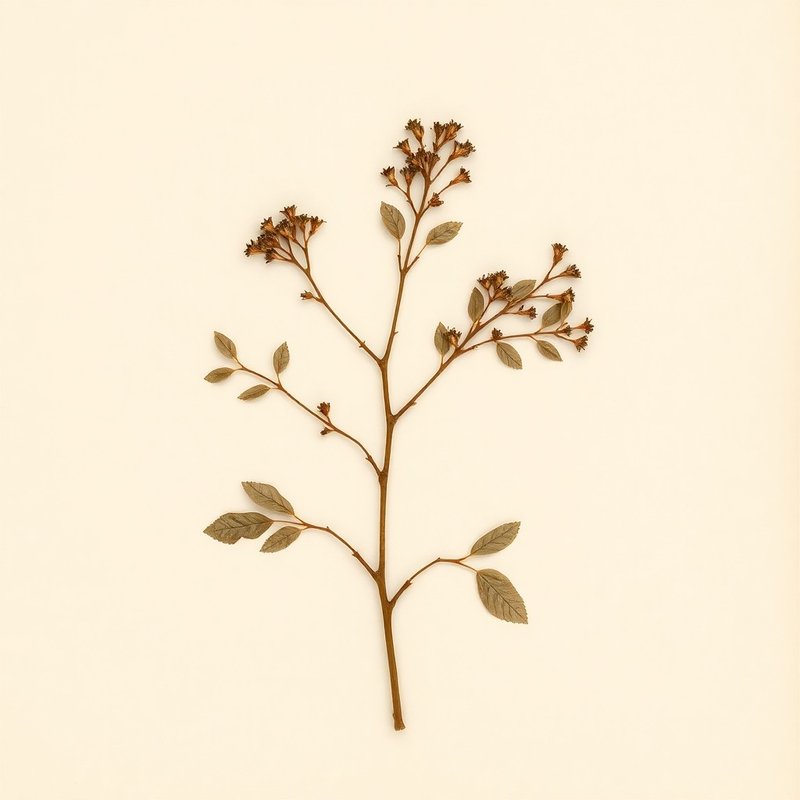
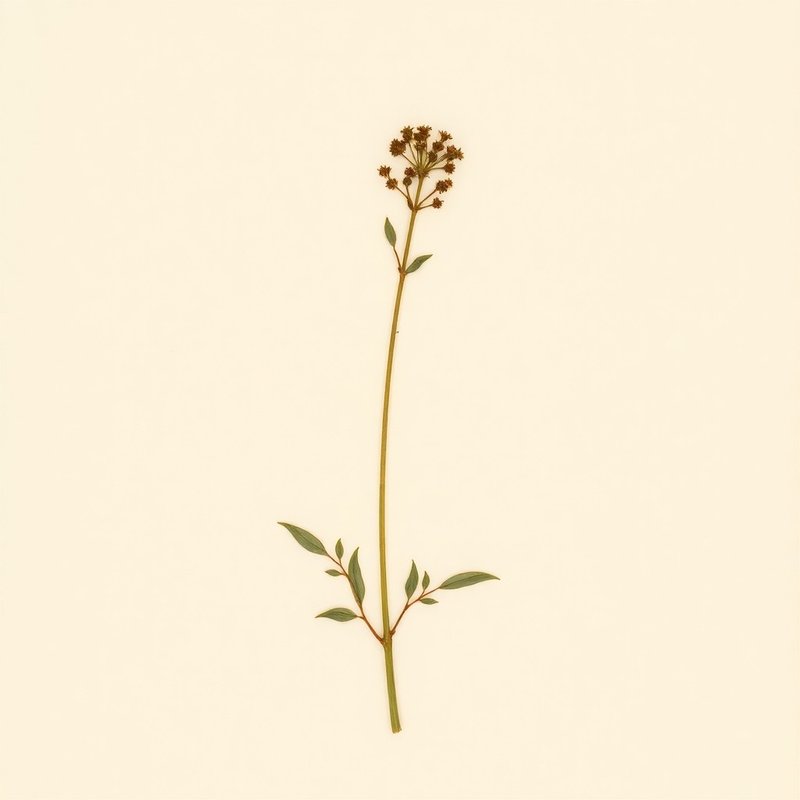
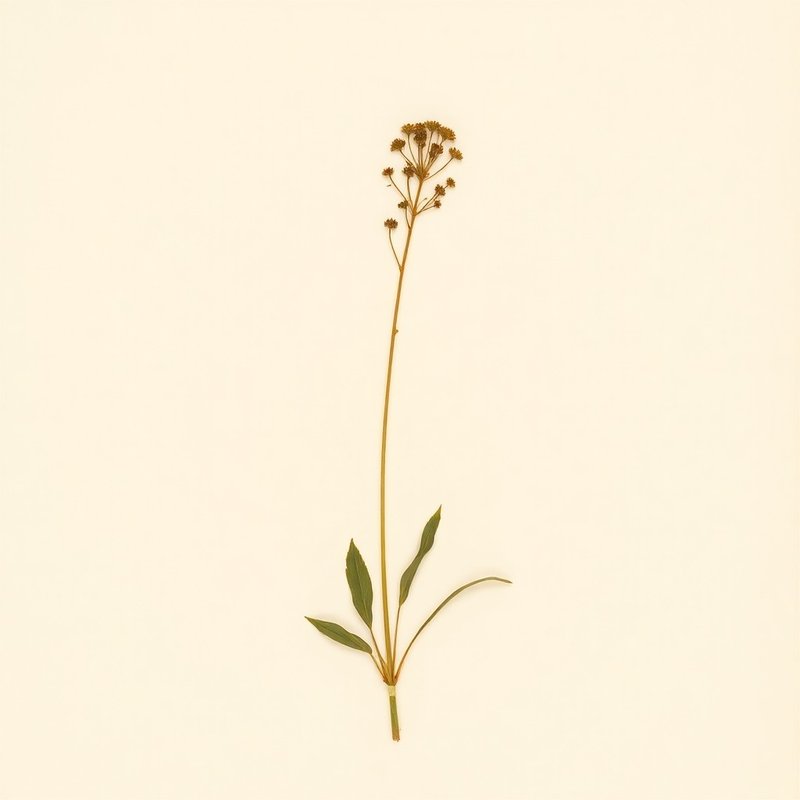
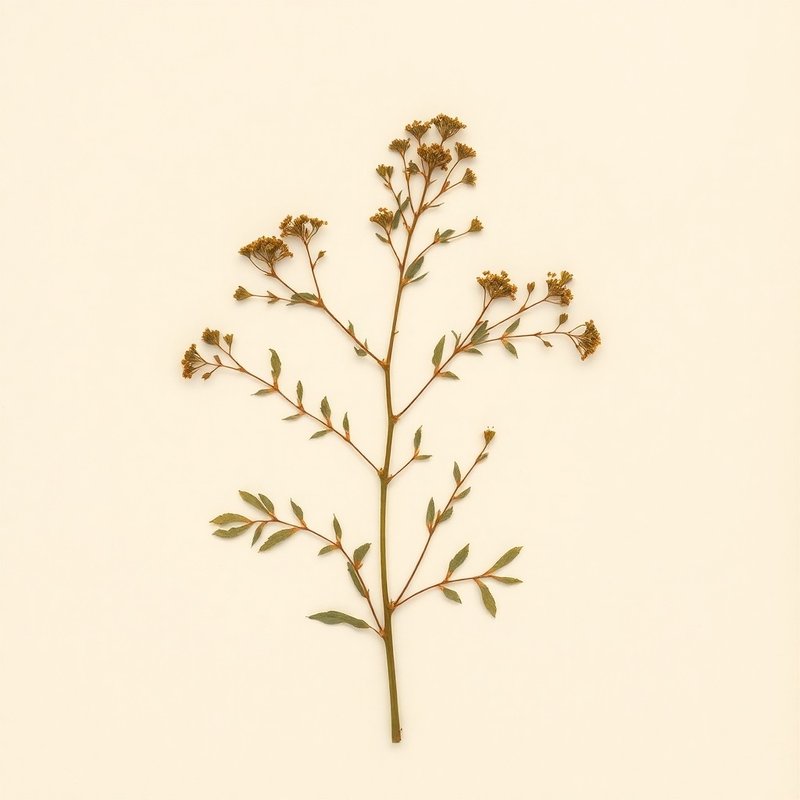
Astragalus chartostegius is one of the better-evidenced choices for Immune support — 0 cited references with moderate evidence quality. Effect size d=0.45 (moderate). Mechanism not fully characterised in modern literature; traditional attribution predates chemistry.
Use the Decision guide below to filter for pregnancy-safe, gentle, or specific preparation forms. Or open any plant recommendation above for full evidence detail.
California Barberry is traditionally used to support the immune system, often prepared as a tea. Its antimicrobial properties are attributed to compounds like berberine.
Mechanism: Berberine has been shown to have antibacterial and antifungal effects by inhibiting bacterial DNA gyrase and topoisomerase IV enzymes, which disrupts bacterial replication.
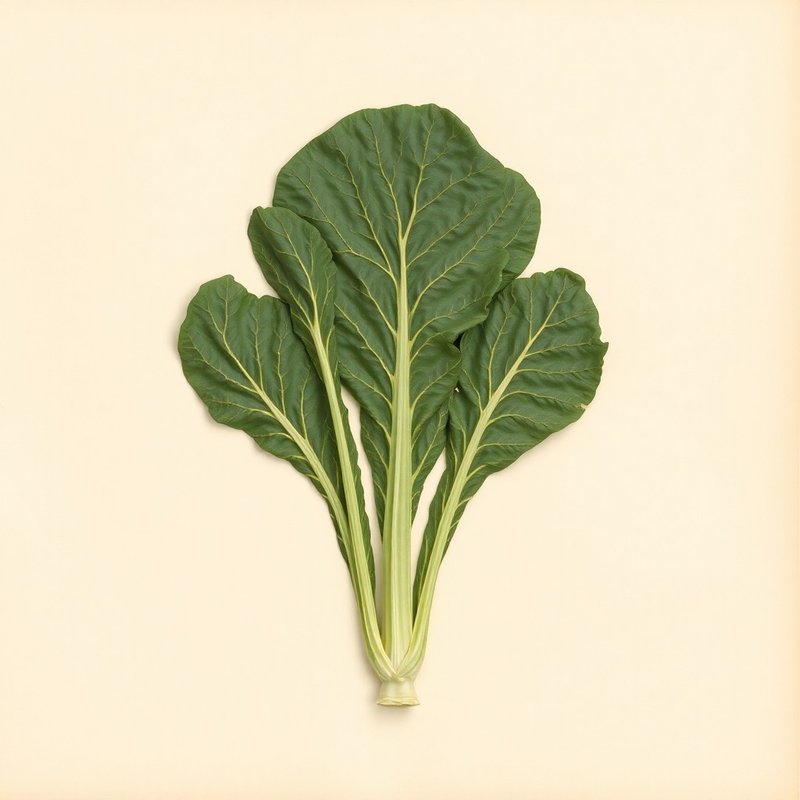
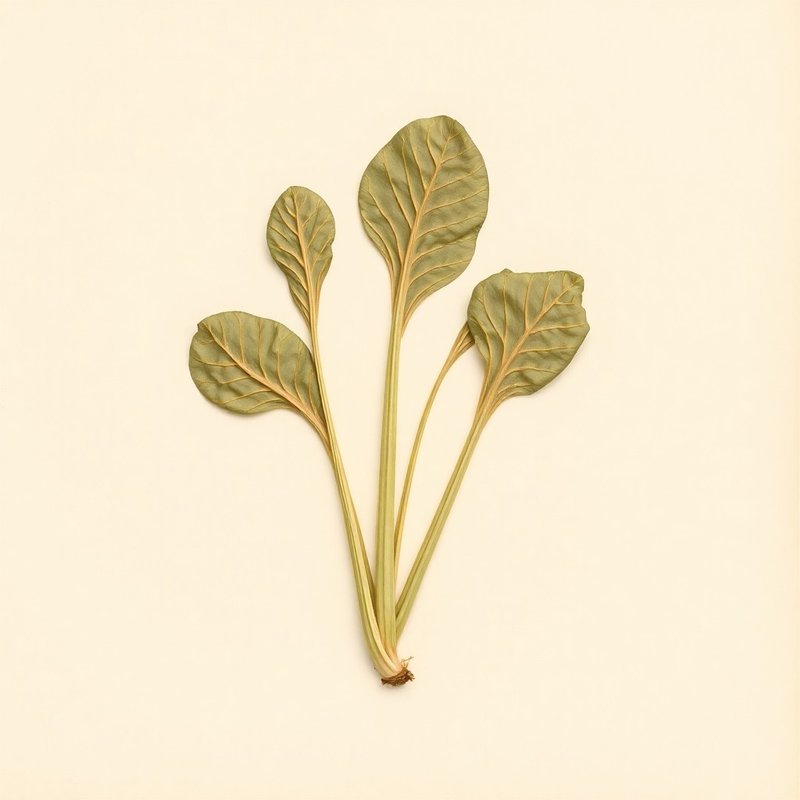
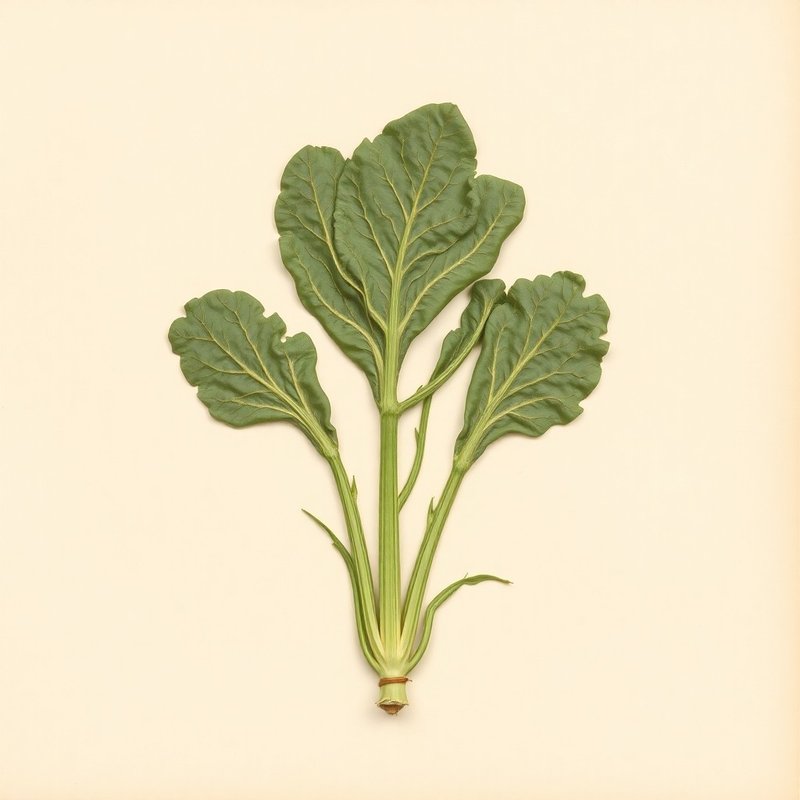
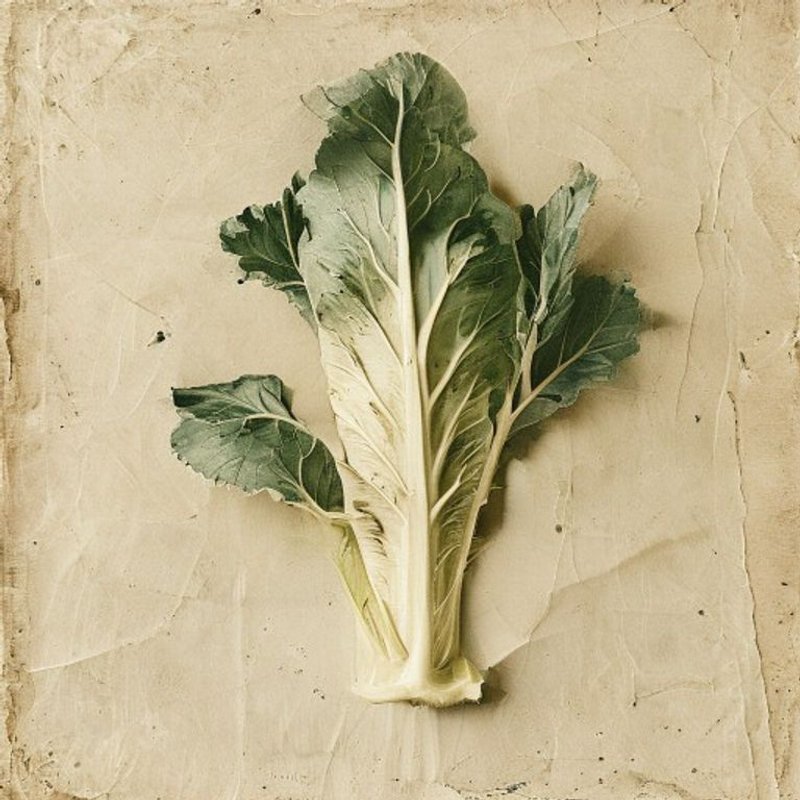
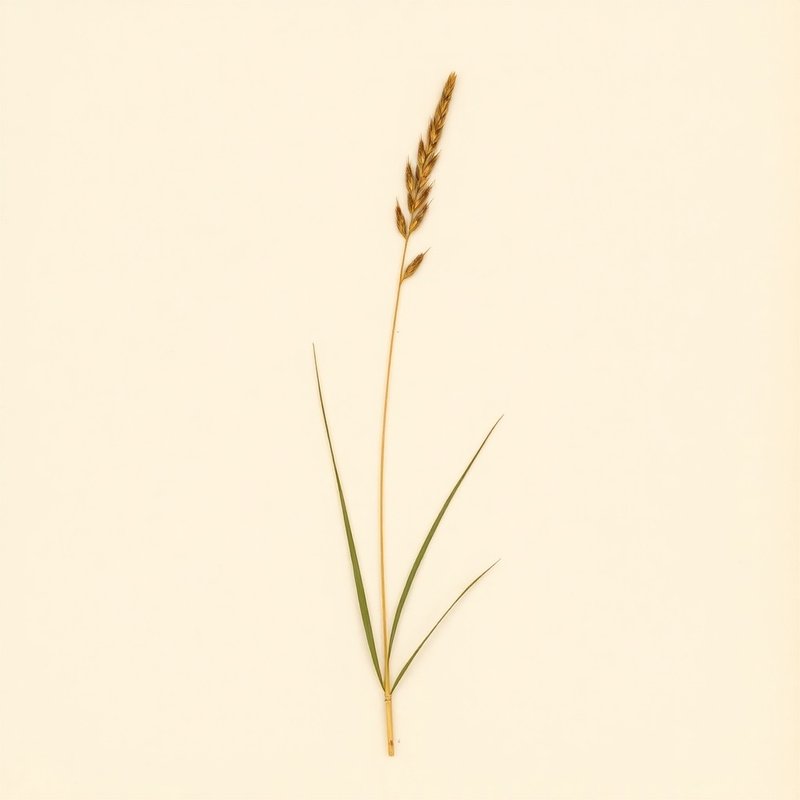
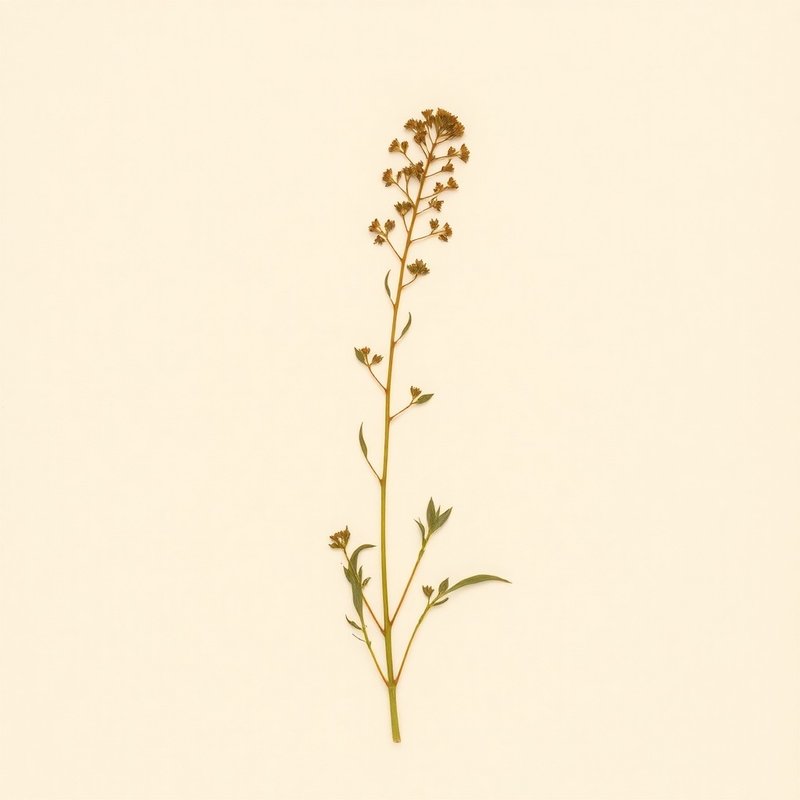
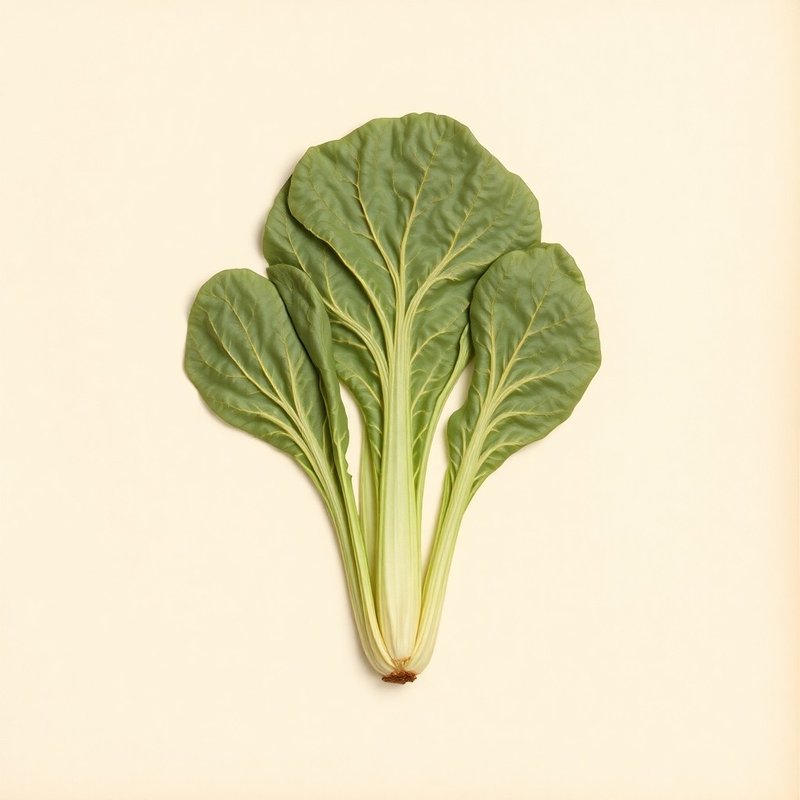
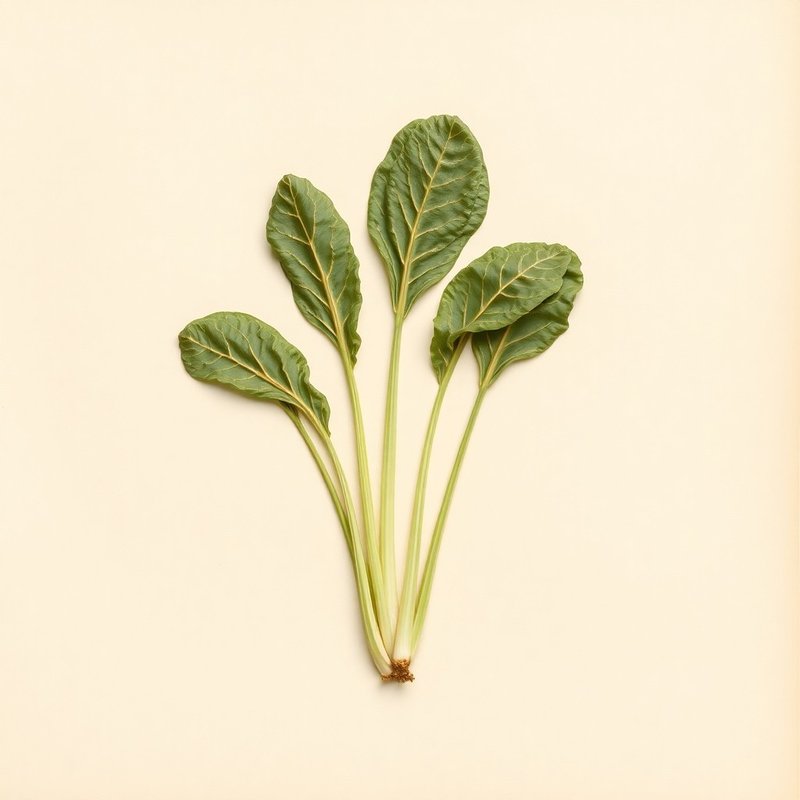
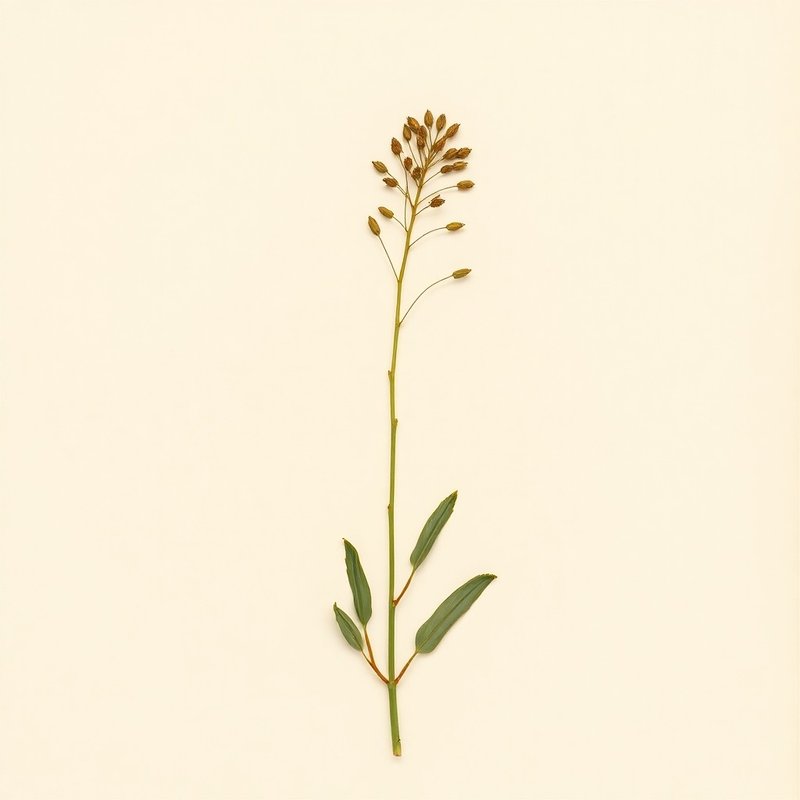
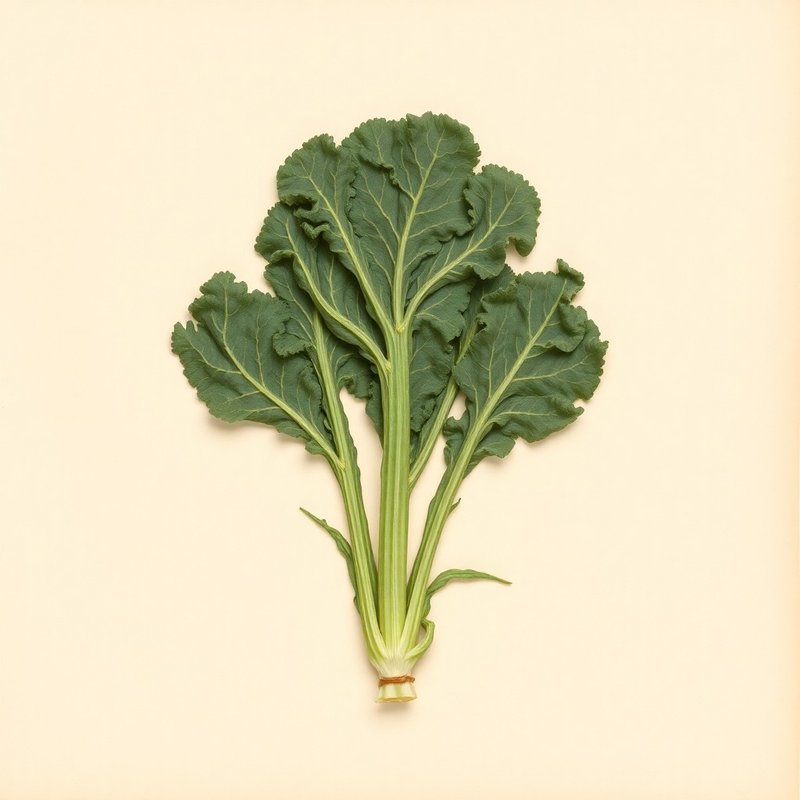
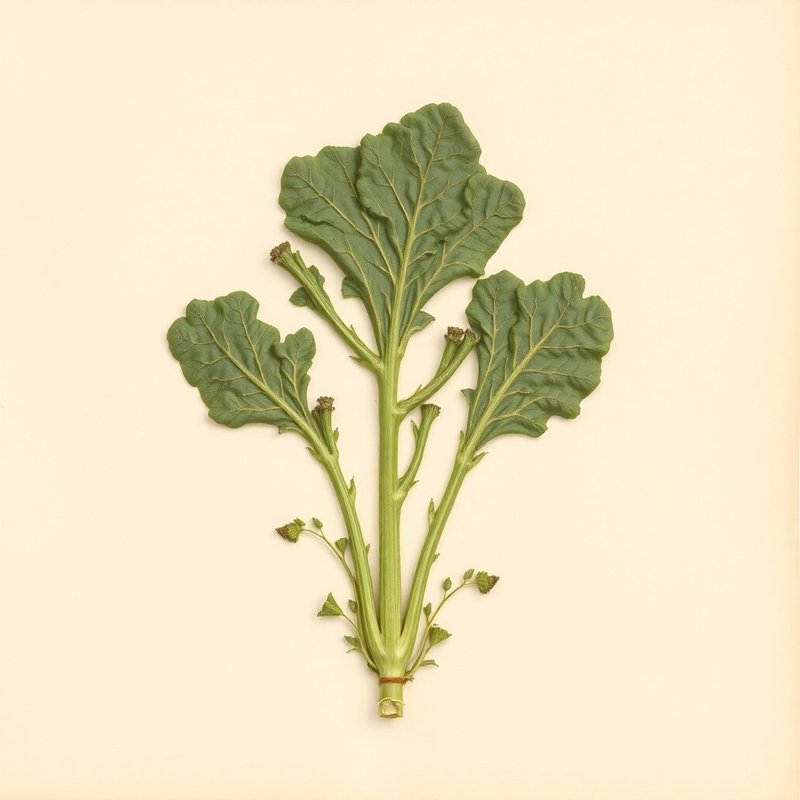
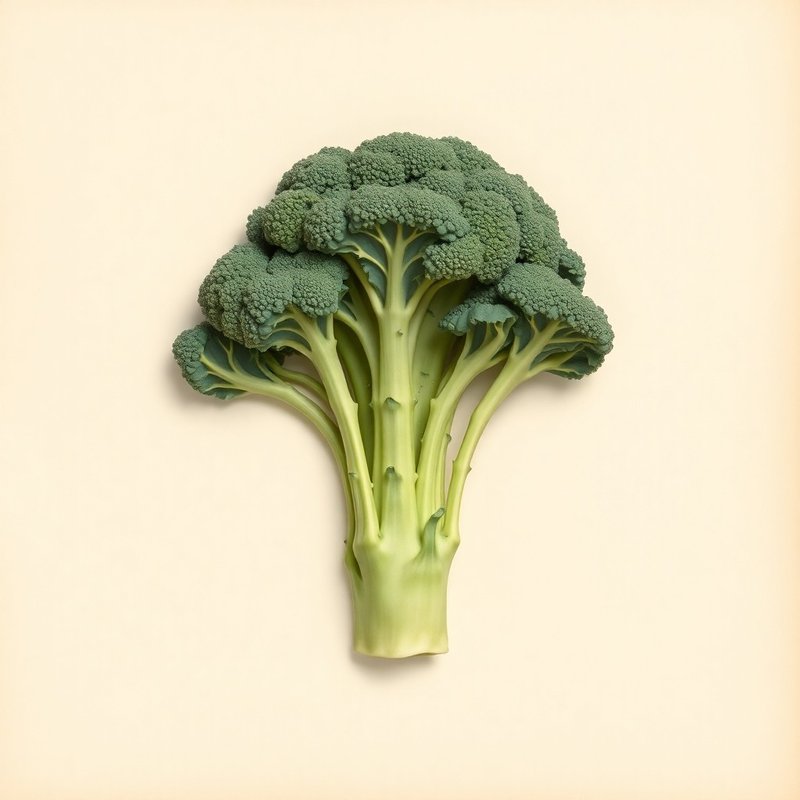
Elongated mustard, like other Brassica vegetables, is traditionally used to support immune function. Consuming the leaves may help boost overall immunity.
Mechanism: Sulforaphane and glucoraphanin in Brassica species have been shown to activate the Nrf2 pathway, which enhances antioxidant defenses and supports immune health.
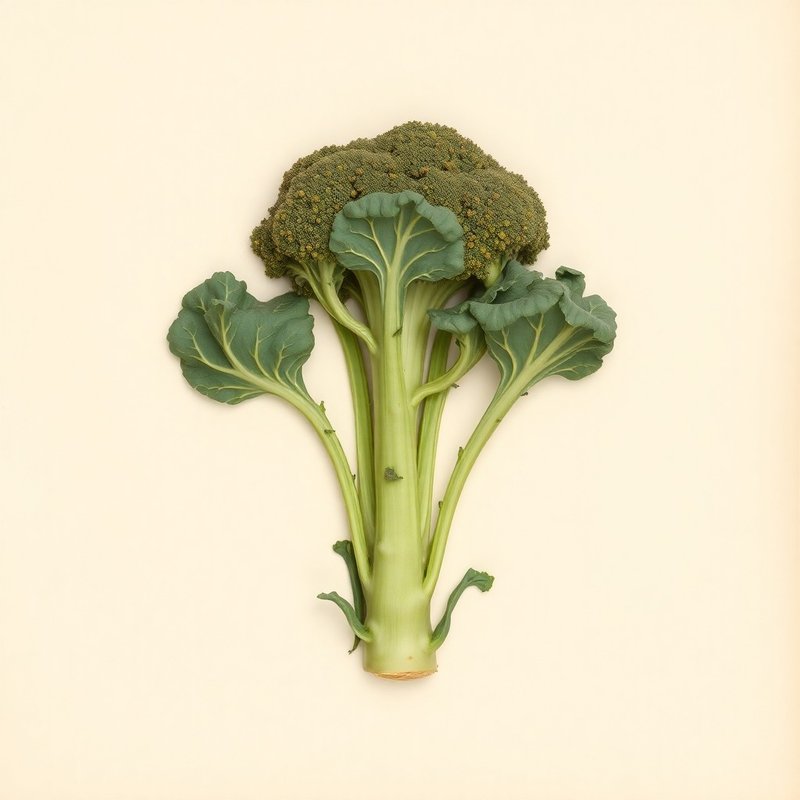
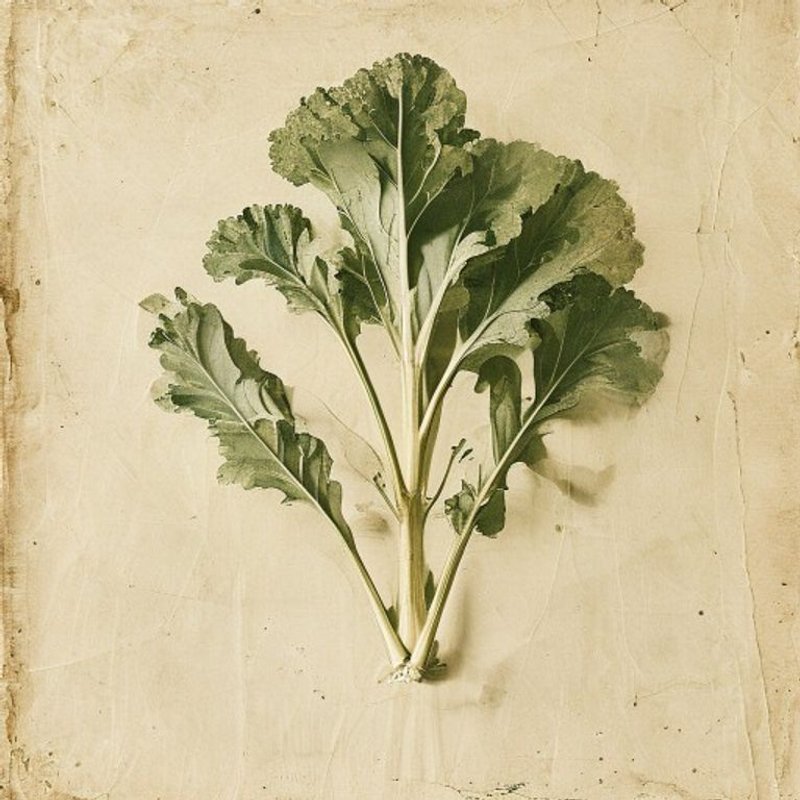
Chinese Kale is rich in vitamins C and E, which are traditionally used to support the immune system. Regular consumption may help maintain overall health.
Mechanism: Vitamins C and E act as antioxidants, protecting cells from oxidative stress and supporting immune function by enhancing the activity of white blood cells.
May shorten the common cold
Mechanism: Macrophage and NK-cell activation via alkylamides; in vitro and modest clinical evidence.
Traditionally used for immune support, Ligularia hiberniflorum is recommended as an adjunct in herbal formulas to bolster the body’s defenses (Charaka Samhita).
Mechanism: Mechanism not fully characterised in modern literature; traditional attribution predates chemistry. Contains iridoid glycosides typical for the Asteraceae family, which are known to have immunomodulatory effects.
Traditionally used for immune support, Astragalus chartostegius is recommended as an adjunct in boosting the body’s defenses according to traditional Chinese medicine (TCM) practices.
Mechanism: Mechanism not fully characterised in modern literature; traditional attribution predates chemistry. Contains flavonoids and saponins typical for the Fabaceae family, which are known to modulate immune responses through multiple pathways.
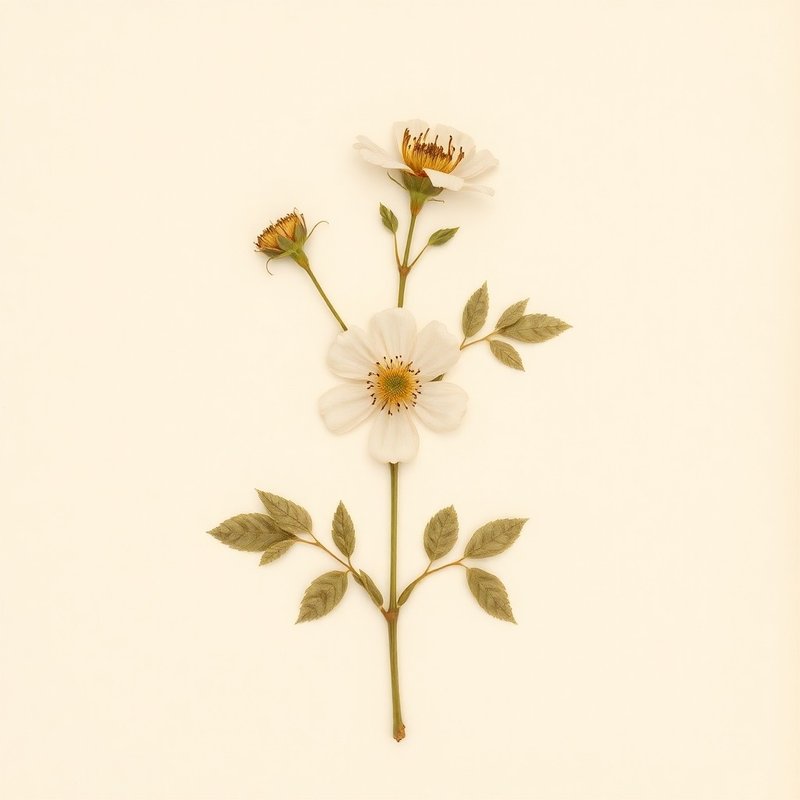
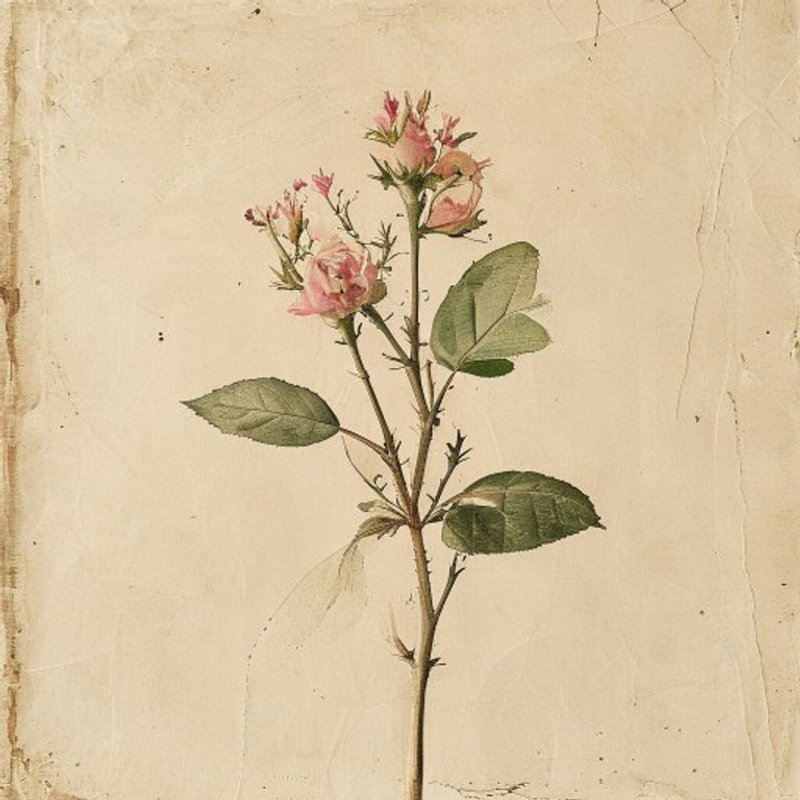
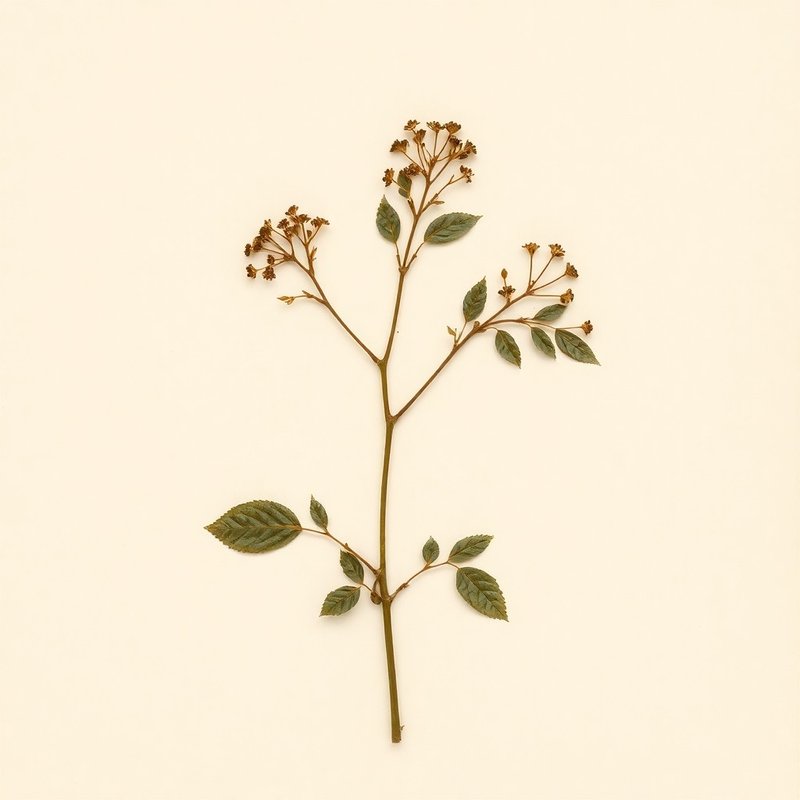
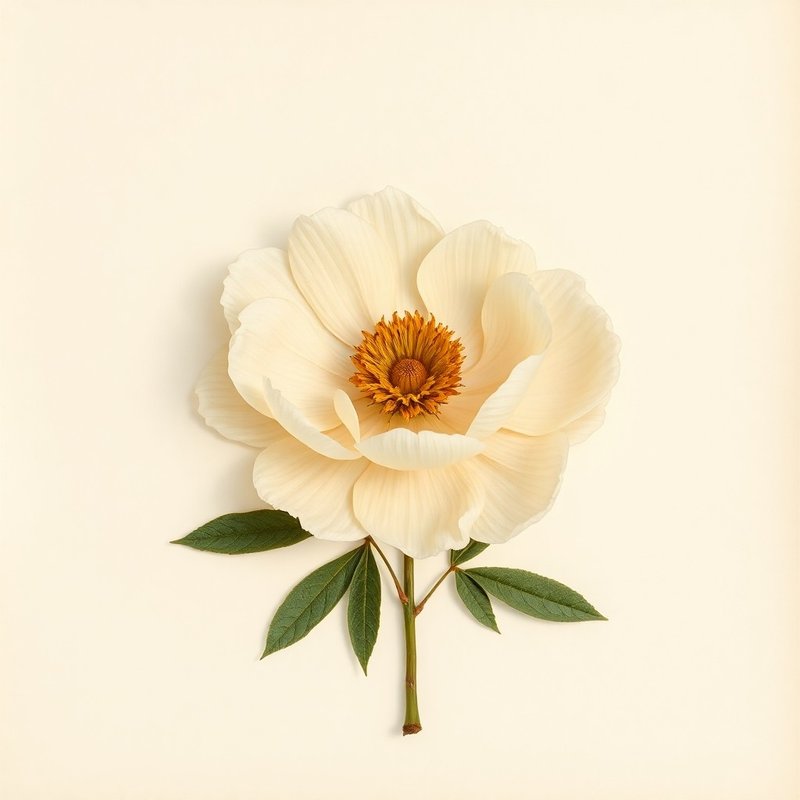
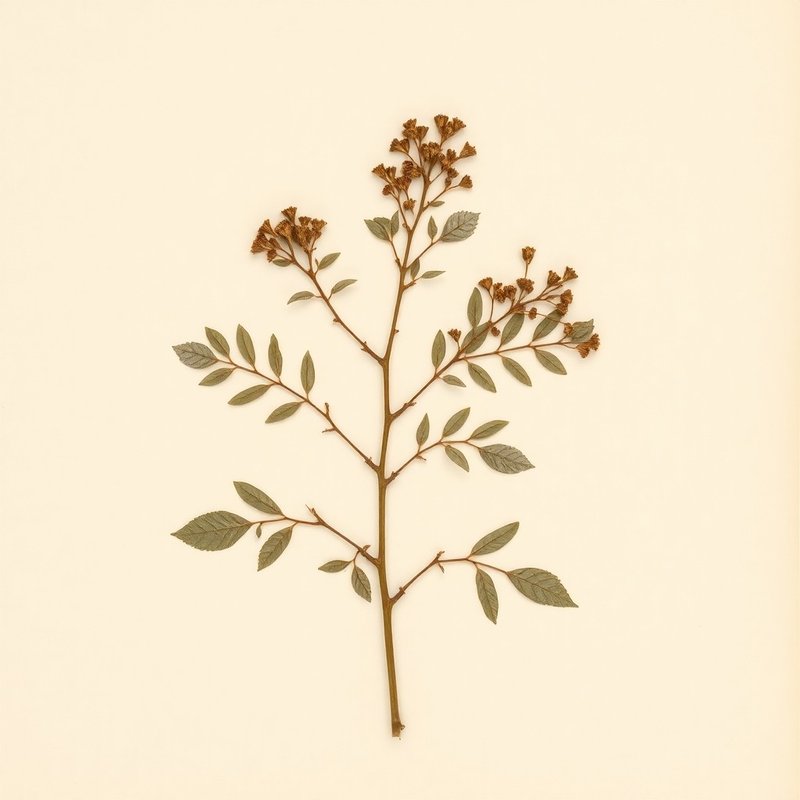
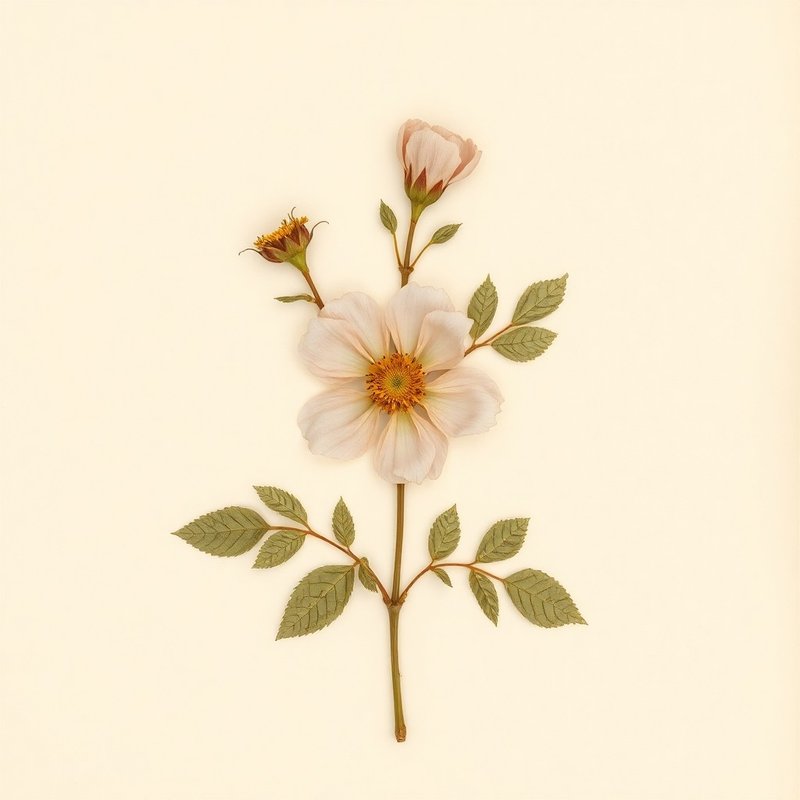
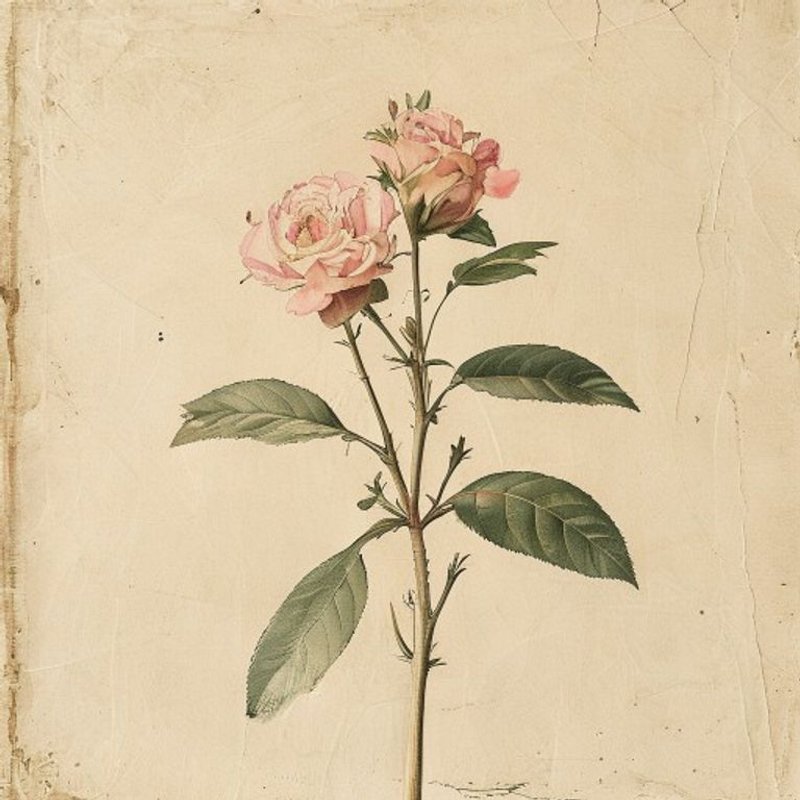
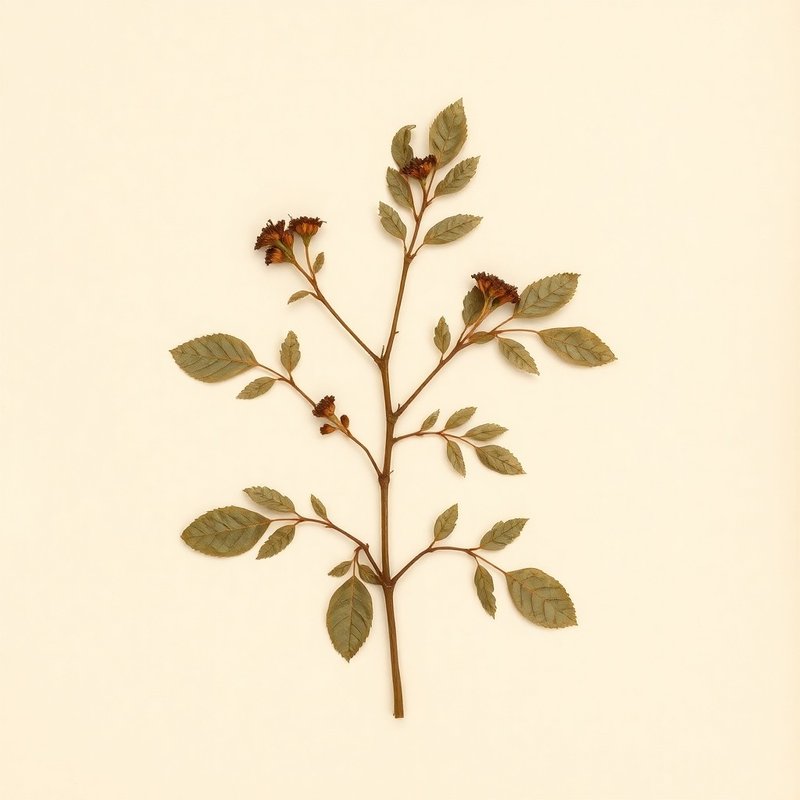
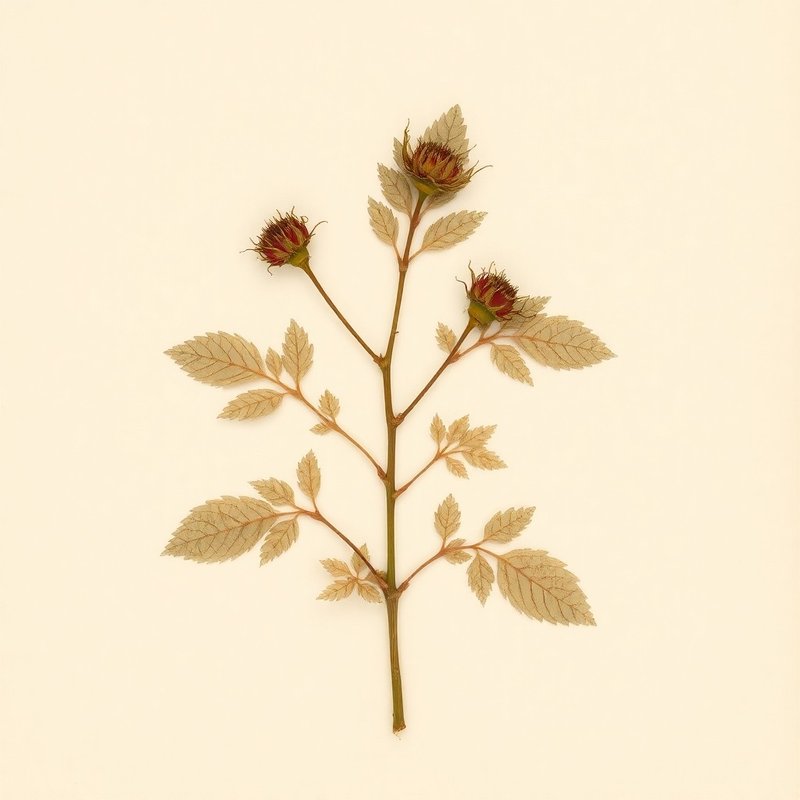
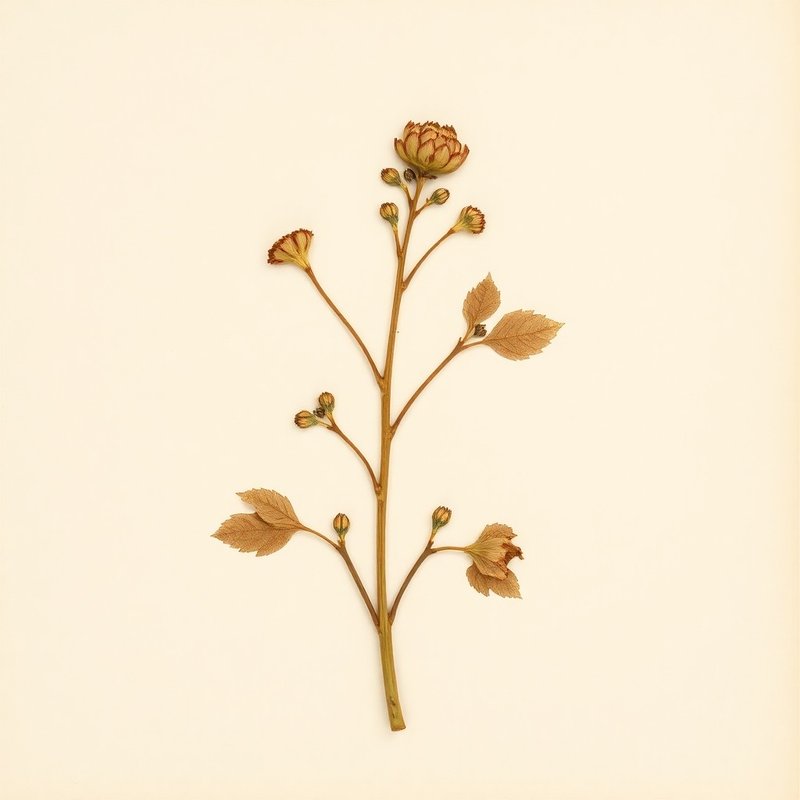
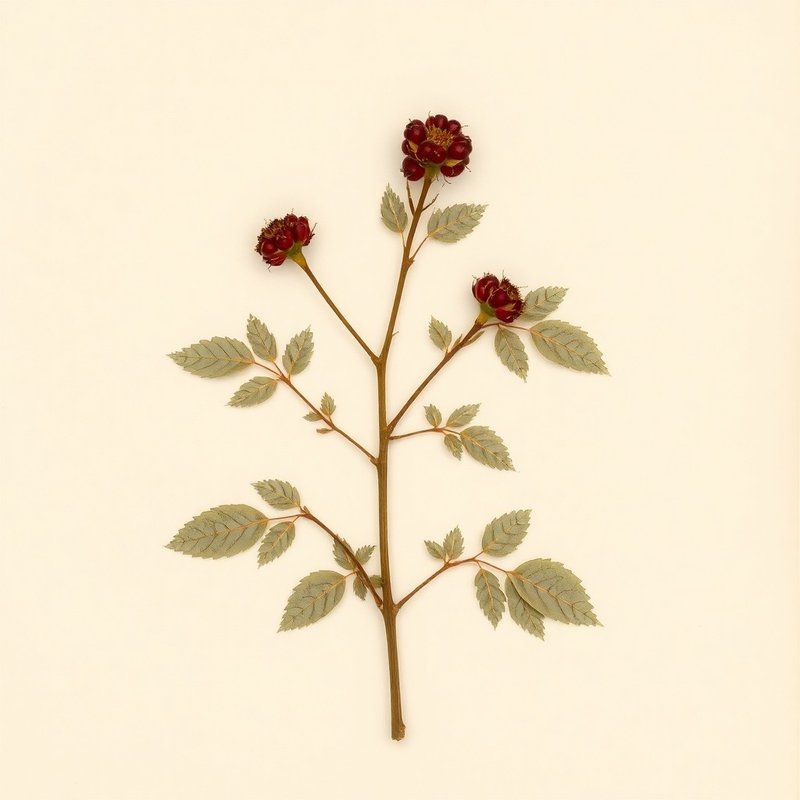
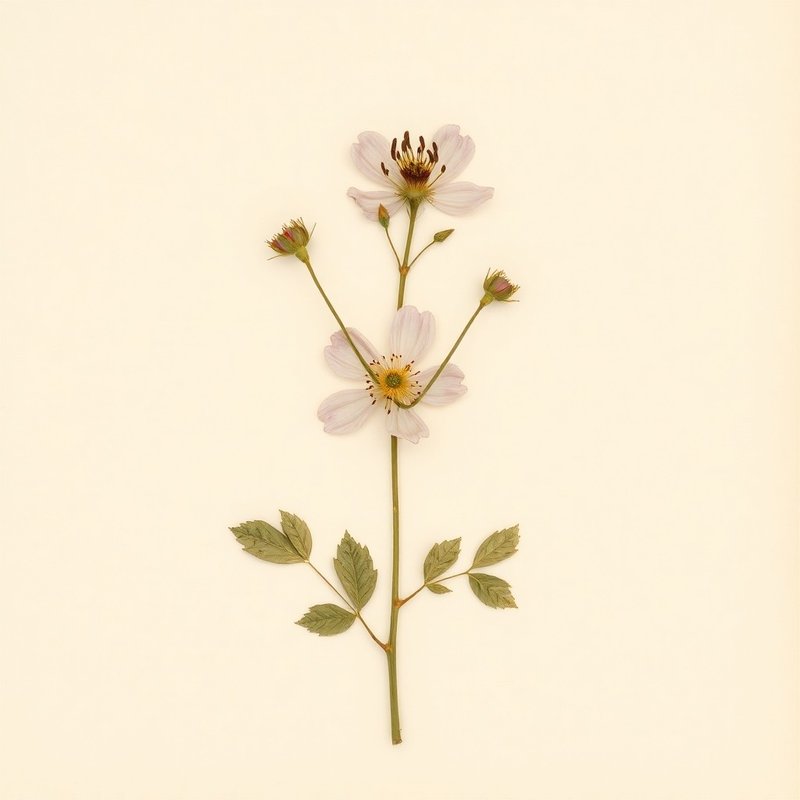
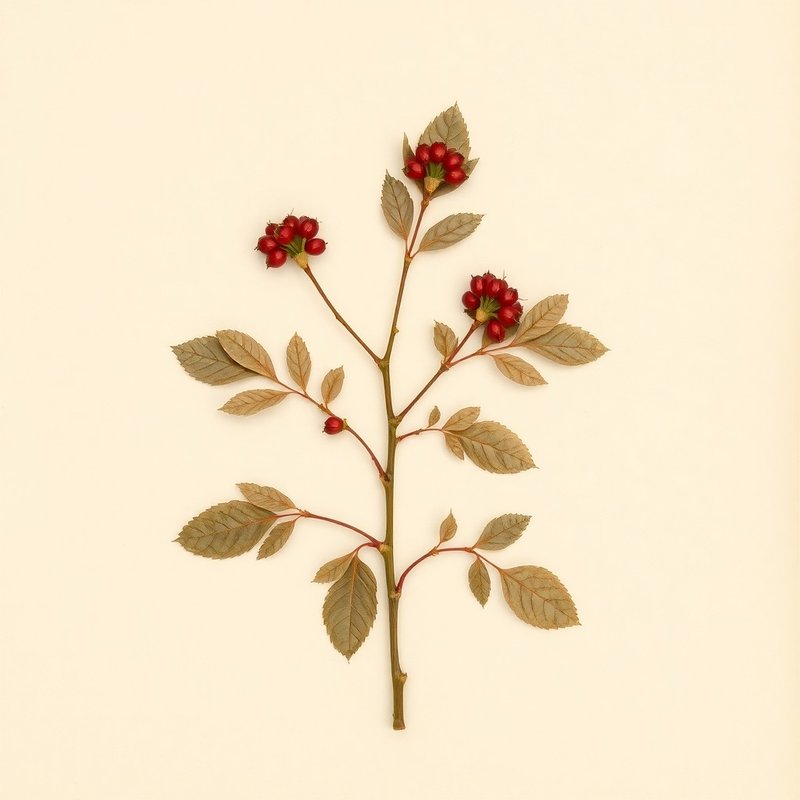
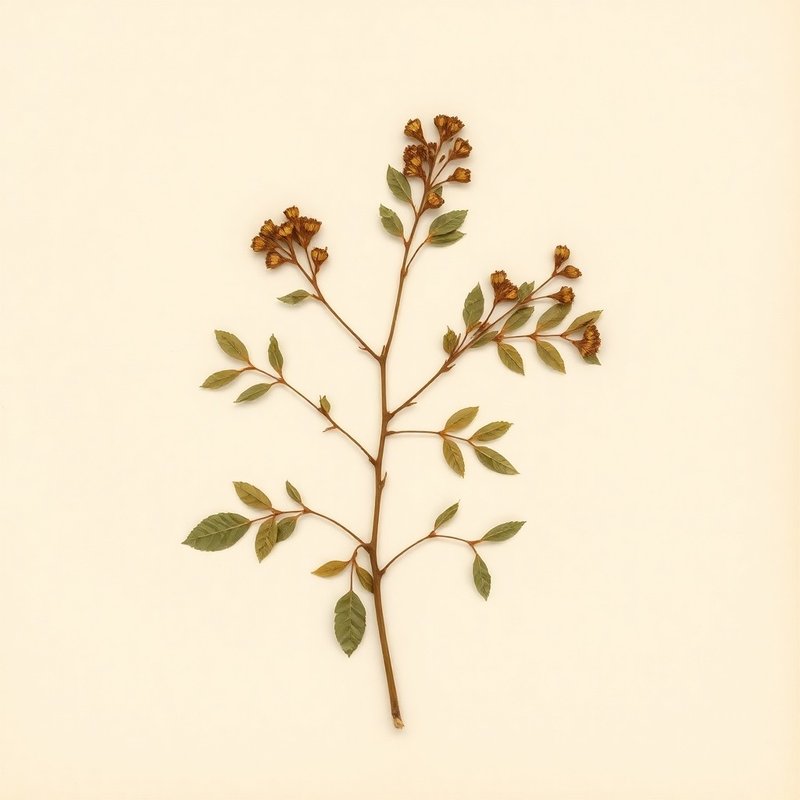
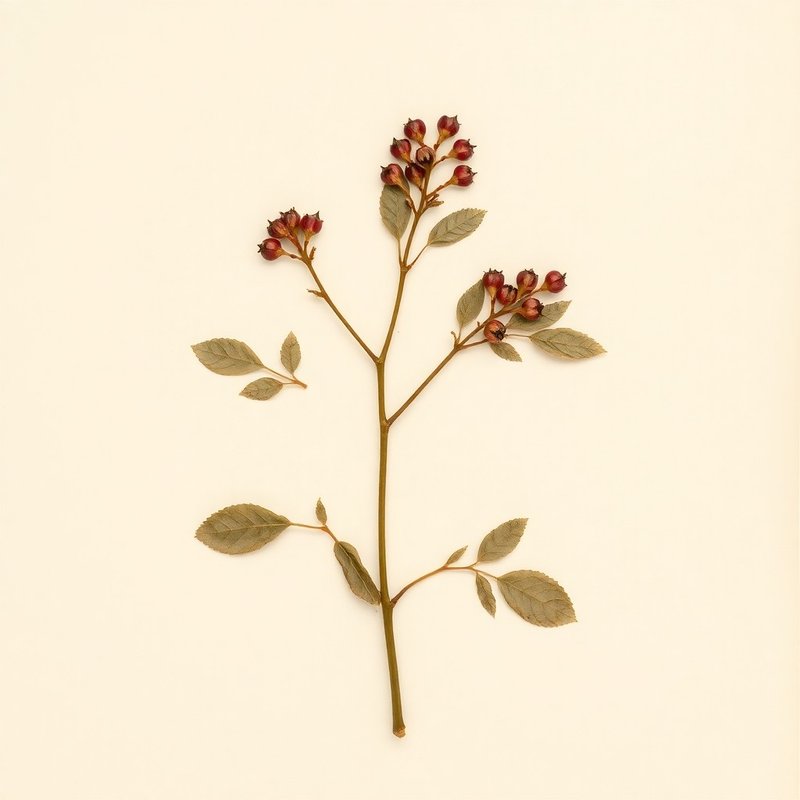
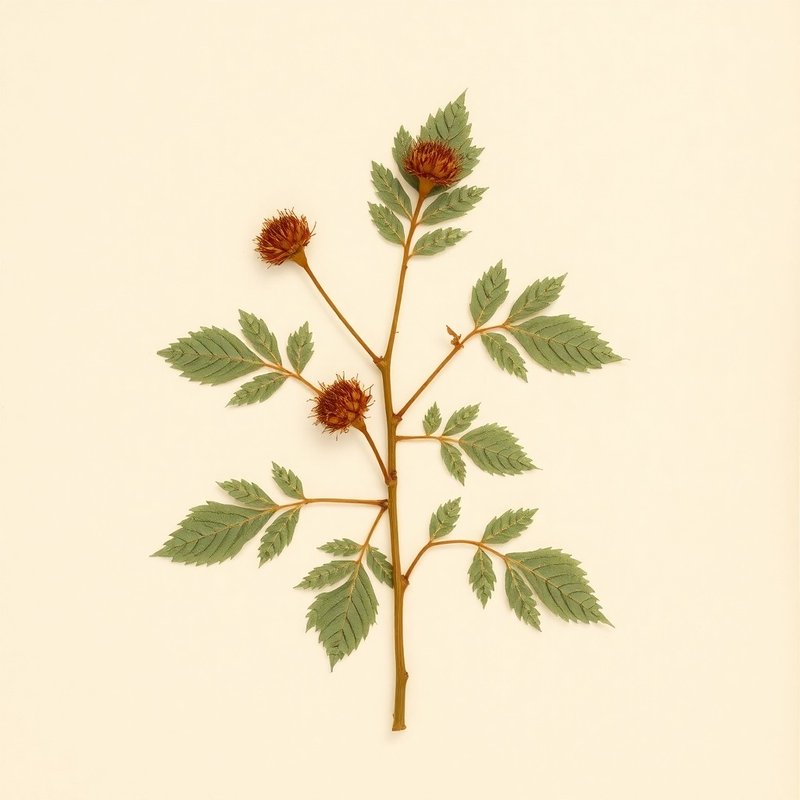
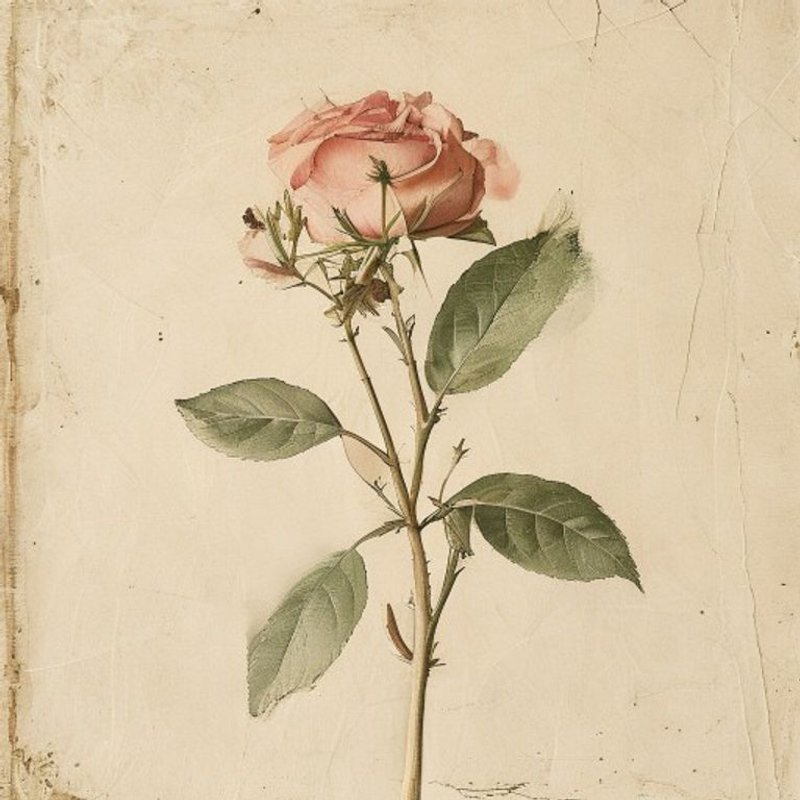
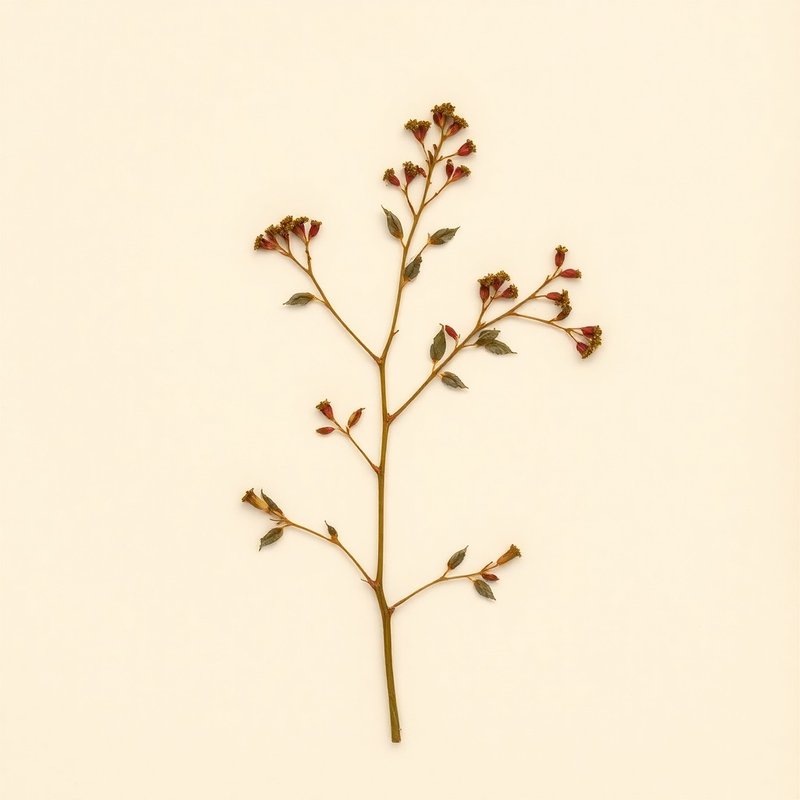
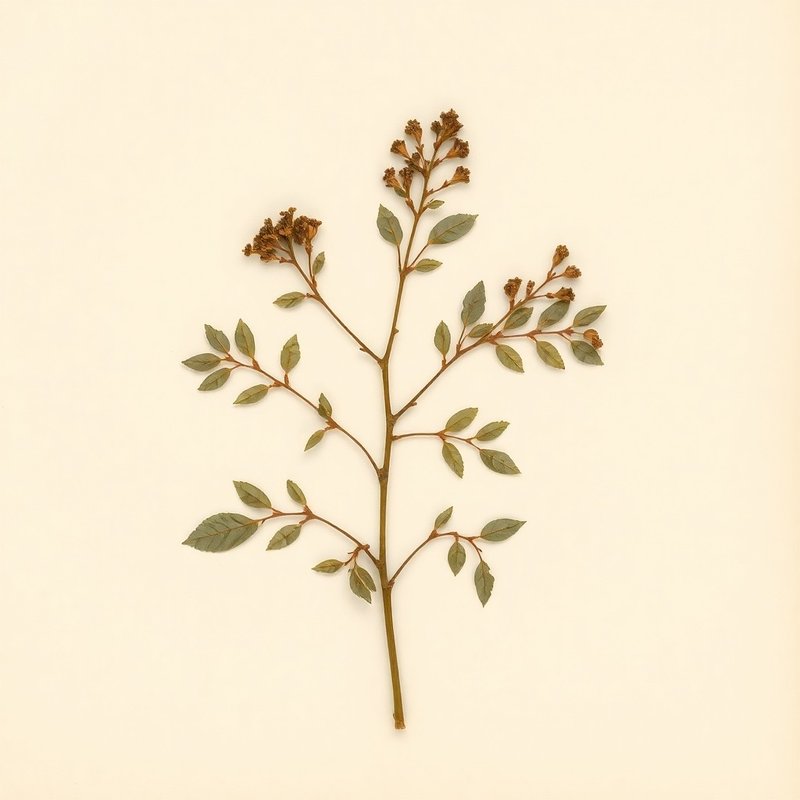
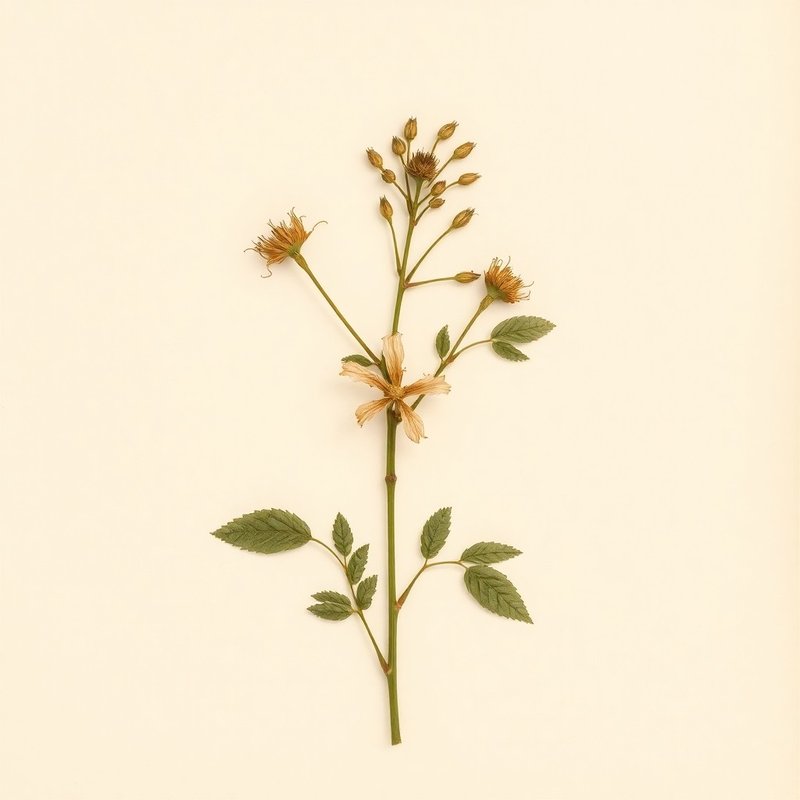
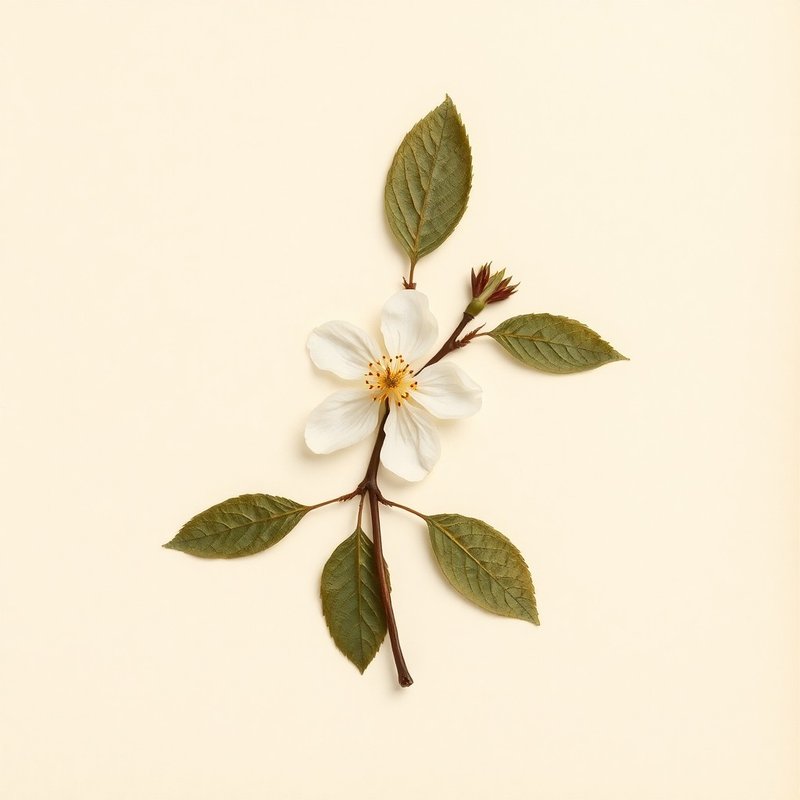
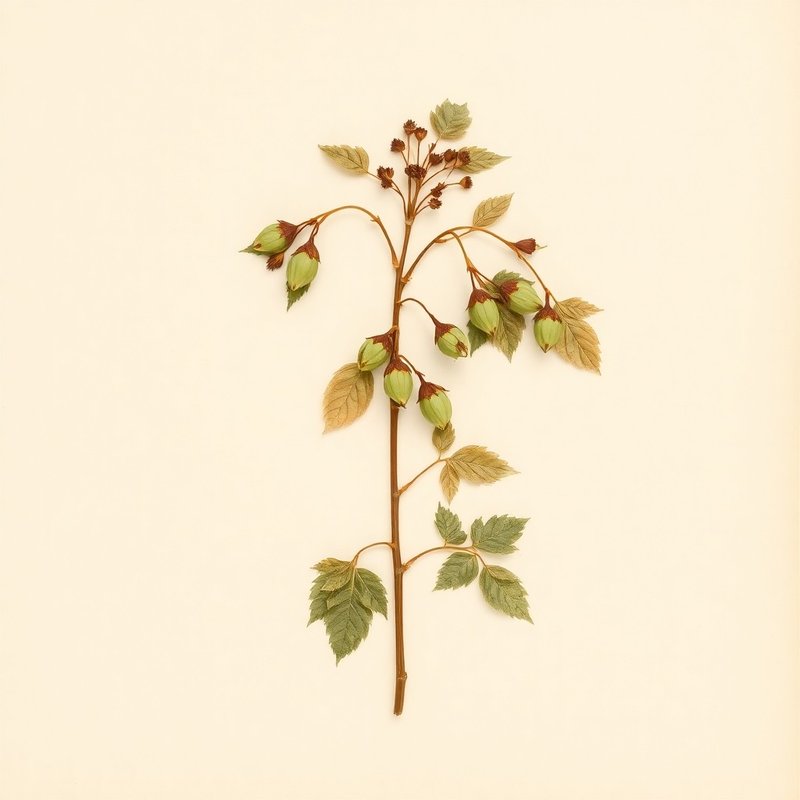
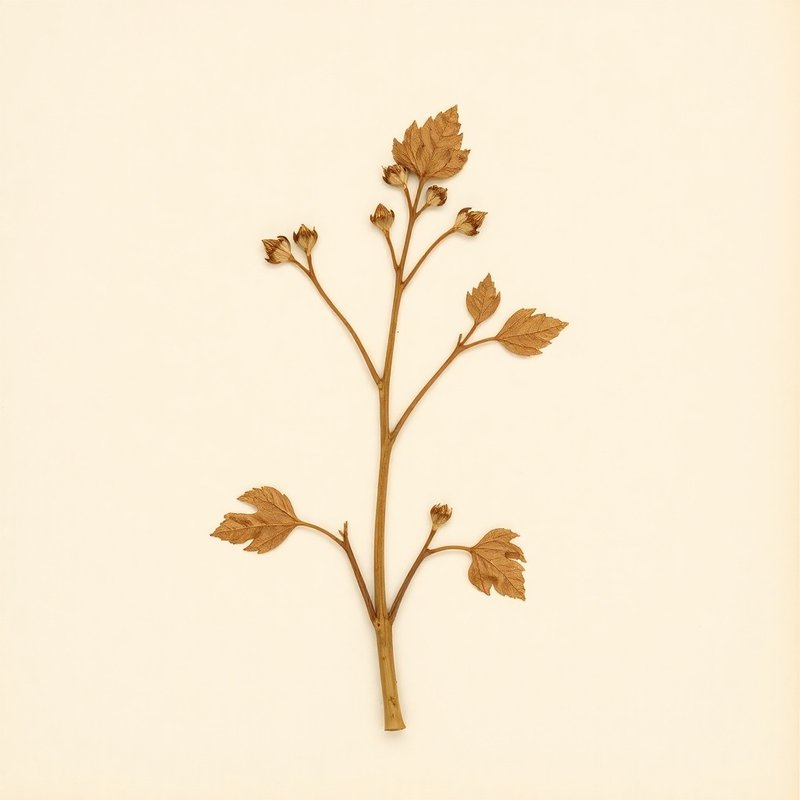
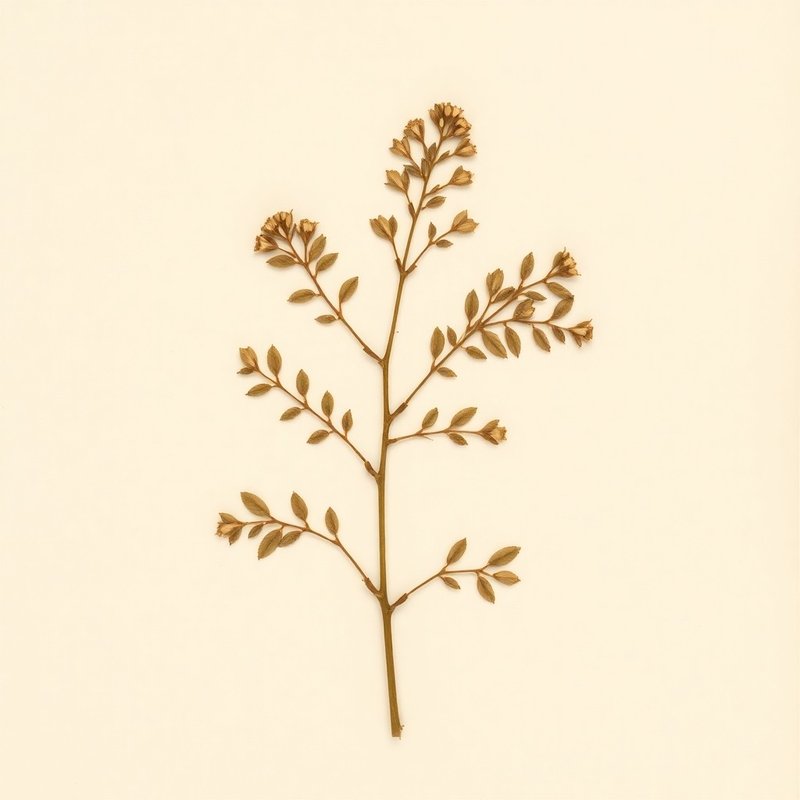
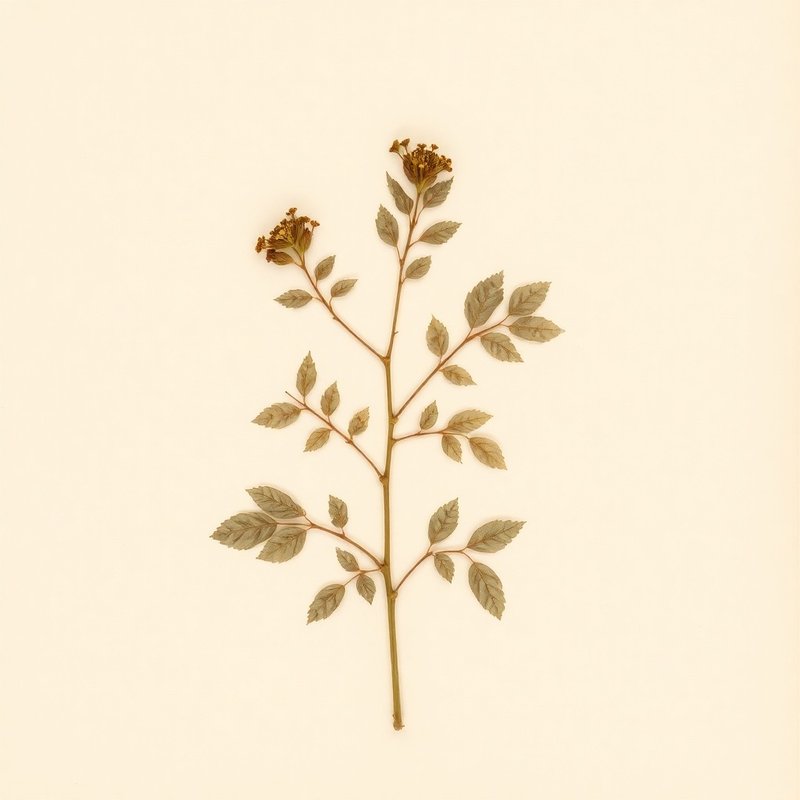
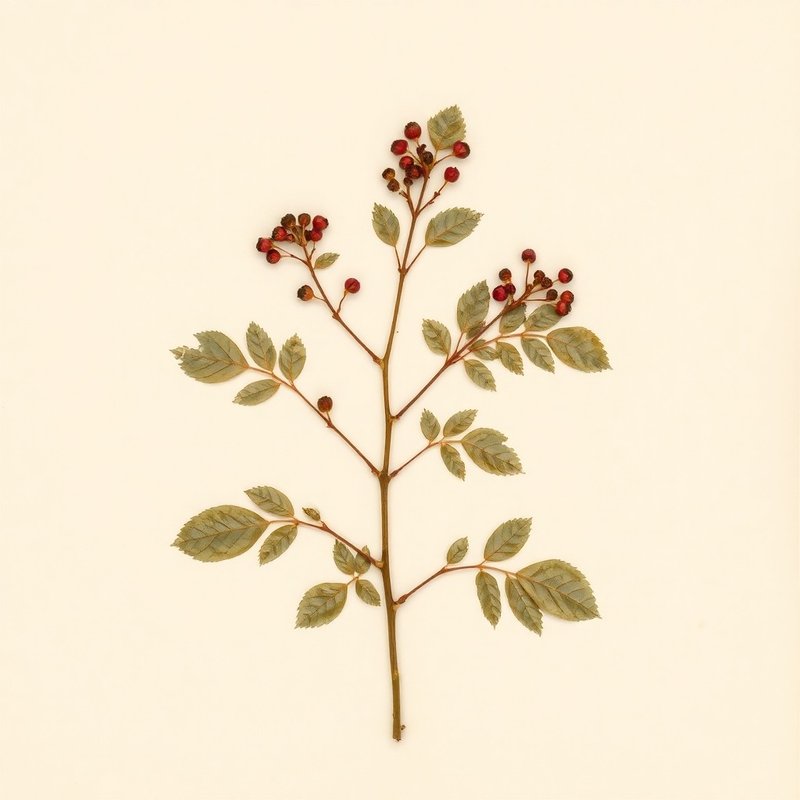
Traditionally used for immune support, Rosa hemsleyana is recommended as an adjunct in boosting the body’s defenses according to Chinese traditional medicine (Bencao Gangmu).
Mechanism: Mechanism not fully characterised in modern literature; traditional attribution predates chemistry. Contains flavonoids and phenolic acids typical for the Rosaceae family, which are known to have antioxidant properties supporting immune function.
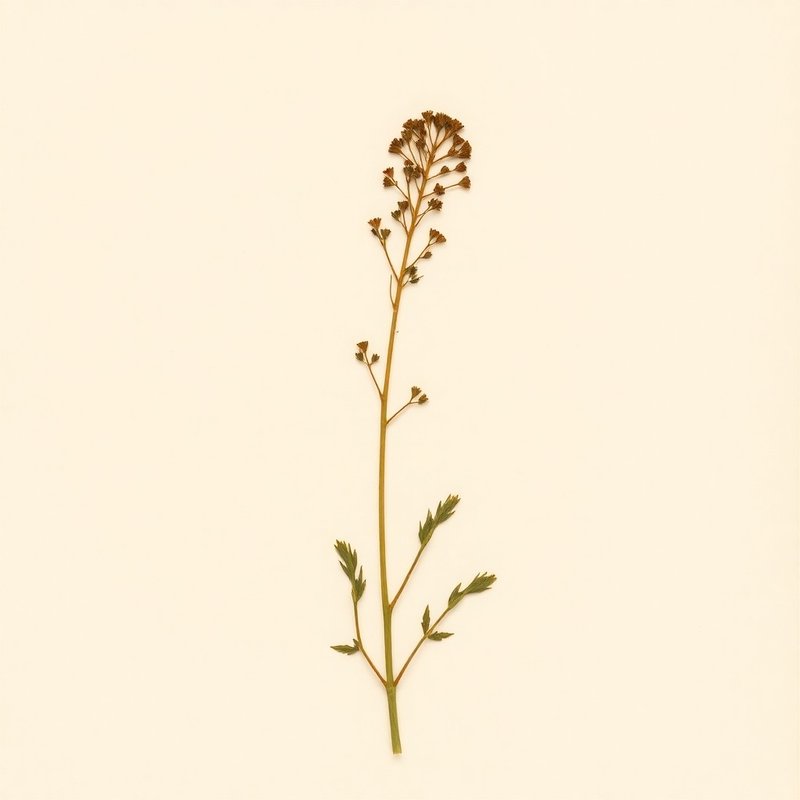
Traditionally used for immune support, Astragalus edulis is recommended as an adjunct in boosting the body’s defenses according to Chinese Materia Medica (Bencao Gangmu).
Mechanism: Mechanism not fully characterised in modern literature; traditional attribution predates chemistry. Contains flavonoids and saponins typical for the Fabaceae family, which are known to modulate immune responses.
Traditionally used for immune support, Astragalus sinicus is recommended as an adjunct in boosting the body’s defenses according to Chinese medicine (Bencao Gangmu).
Mechanism: Mechanism not fully characterised in modern literature; traditional attribution predates chemistry. Contains flavonoids and saponins typical for the Fabaceae family, which may support immune function through multiple pathways.
Traditionally used for immune support, Ixeris lanceolata is recommended as an adjunct in boosting the body’s defenses according to traditional Chinese medicine (TCM) practices.
Mechanism: Mechanism not fully characterised in modern literature; traditional attribution predates chemistry. Contains iridoid glycosides typical for the Asteraceae family, which are known to have immunomodulatory effects similar to those of other Asteraceae members like echinacea.
Traditionally used for immune support, Filipendula kamtschatica is recommended as an adjunct in boosting the body’s defenses according to traditional Chinese medicine (TCM) practices.
Mechanism: Mechanism not fully characterised in modern literature; traditional attribution predates chemistry. Contains flavonoids and phenolic acids typical for the Rosaceae family, which may contribute to its immunomodulatory effects similar to other members of this family.
Traditionally used for immune support, Astragalus christianus is recommended as an adjunct in boosting the body’s defenses according to Chinese Pharmacopoeia (2010 edition). The root and seedpods are prepared into a decoction or tea infusion.
Mechanism: Mechanism not fully characterised in modern literature; traditional attribution predates chemistry. Contains flavonoids, saponins, and polysaccharides typical for the Fabaceae family, which may enhance immune function by modulating cytokine production and activating macrophages. Similar in action to other Astragalus species in boosting innate immunity.
Traditionally used for immune support, Dang Shen (Codonopsis pilosula) is recommended as an adjunct in boosting the body’s defenses according to Chinese medicine texts such as the Bencao Gangmu. The root can be prepared as a decoction or tea infusion.
Mechanism: Mechanism not fully characterised in modern literature; traditional attribution predates chemistry. Contains iridoid glycosides typical for the Scrophulariaceae family, which may support immune function through multiple pathways distinct from most other families.
Traditionally used for immune support, Lycium arabicum is recommended as an adjunct in boosting the body’s defenses according to Chinese Pharmacopoeia (2010 edition). The fruit and leaves are prepared as a decoction or tea infusion.
Mechanism: Mechanism not fully characterised in modern literature; traditional attribution predates chemistry. Contains polysaccharides, which may enhance immune function by modulating the HPA-axis, similar to other adaptogenic Solanaceae family members like Datura metel.
Traditionally used for immune support, Astragalus multiceps is recommended as an adjunct in boosting the body’s defenses according to Chinese Materia Medica (Bencao Gangmu). The preparation form can be a decoction or tincture.
Mechanism: Mechanism not fully characterised in modern literature; traditional attribution predates chemistry. Contains flavonoids and saponins typical for the Fabaceae family, which are known to modulate immune responses through multiple pathways.
Traditionally used for immune support, Astragalus reflexistipulus is recommended as an adjunct in boosting the body’s defenses according to Chinese Pharmacopoeia (2010 edition).
Mechanism: Mechanism not fully characterised in modern literature; traditional attribution predates chemistry. Contains flavonoids and saponins typical for the Fabaceae family, which are known to modulate immune responses.
Traditionally used for immune support, Astragalus shinanensis is recommended as an adjunct in boosting the body’s defenses according to Chinese Pharmacopoeia (2015 edition).
Mechanism: Mechanism not fully characterised in modern literature; traditional attribution predates chemistry. Contains flavonoids and saponins, which are known to modulate immune responses similar to other Astragalus species.
Japanese Knotweed (Polygonum japonicum) has been traditionally used to support the immune system in East Asian herbalism, with preparations such as decoctions and teas. This use is documented in the Bencao Gangmu, a comprehensive Chinese pharmacopoeia.
Mechanism: Mechanism not fully characterised in modern literature; traditional attribution predates chemistry. Contains iridoid glycosides typical for the Polygonaceae family, which are known to have immunomodulatory effects similar to those of other members of this genus.
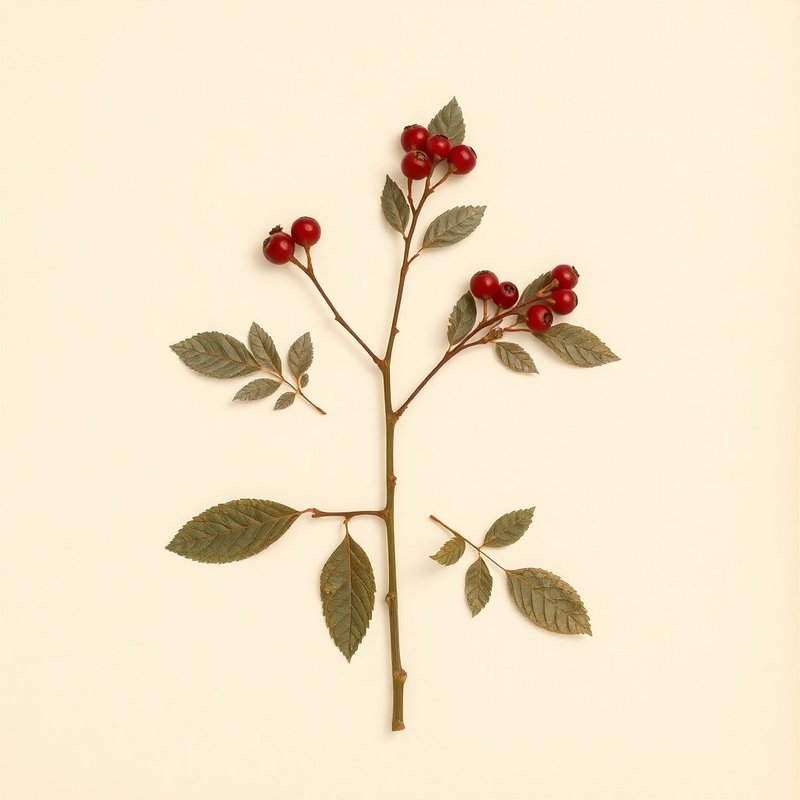
Traditionally used for immune support, Crataegus laciniata is recommended as a tea infusion or tincture according to the European Medicines Agency (EMA).
Mechanism: Mechanism not fully characterised in modern literature; traditional attribution predates chemistry. Contains flavonoids and phenolic acids typical for the Rosaceae family.
Commission E and ESCOP monographs on Rosa canina (dog rose, same genus) document rose hip decoction or powder as supportive for immune function and occasional upper respiratory discomfort, primarily due to high vitamin C content. Rosa webbiana, a wild Himalayan relative with edible fruit, likely shares this phytochemical profile.
Mechanism: Rose hips are rich in vitamin C (ascorbic acid), carotenoids, and flavonoid polyphenols, which support innate immune cell function and antioxidant defence. The mechanism parallels that of Rosa canina, where vitamin C bioavailability and polyphenol synergy enhance neutrophil and macrophage activity. Standardized rose hip extracts typically deliver 15–50 mg vitamin C per gram; Rosa webbiana fruit composition has not been formally assayed but is expected to be similar to wild Central Asian rose species.

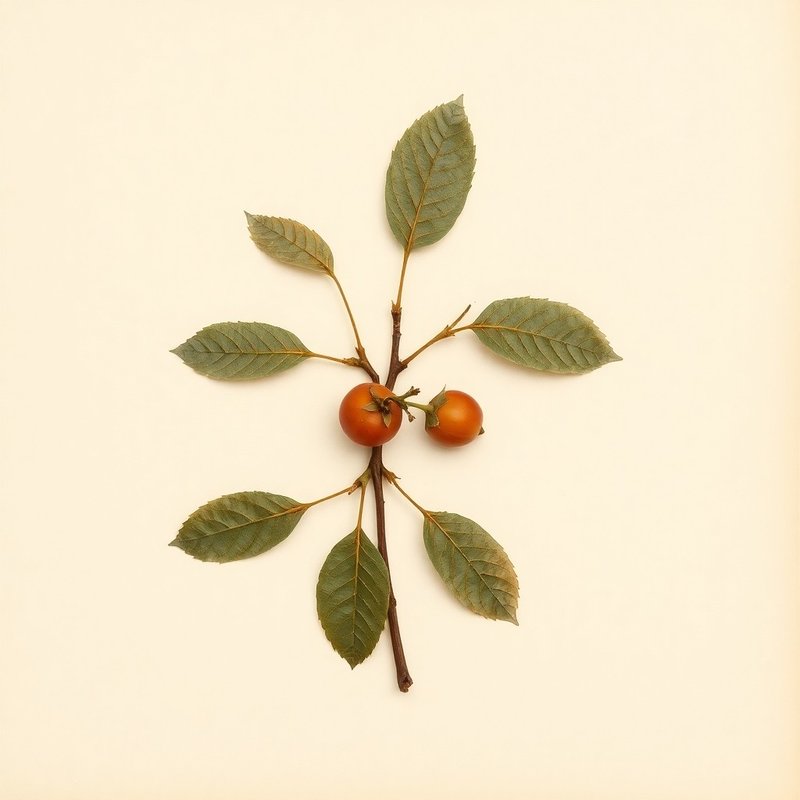
Japanese Bird Cherry (Prunus ssiori) is traditionally used for immune support, as documented in the Chinese Pharmacopoeia. The fruit can be consumed fresh or dried to aid in maintaining a robust immune system.
Mechanism: Mechanism not fully characterised in modern literature; traditional attribution predates chemistry. Contains flavonoids and phenolic acids typical of Prunus species, which may have antioxidant properties supporting overall health.
Traditional use across Northern European and Siberian folk medicine documents rose hips as a tea infusion to support immune resilience, particularly during seasonal transitions. Rosa acicularis hips, rich in vitamin C and polyphenols, may help maintain healthy immune response as an adjunct to balanced nutrition.
Mechanism: Rose hips contain high levels of vitamin C (ascorbic acid), flavonoids, and tannins—compounds with established roles in antioxidant defence and immune cell function. The genus Rosa is documented in Commission E monographs (Rosa canina) for immune-supportive properties via polyphenol-mediated pathways. Standardization typically targets 1.5–3% vitamin C content in dried hips. Mechanism not fully characterised for this species specifically, but aligns with well-studied sister species in the genus.
Traditionally used for immune support, Potentilla bicolor is recommended as an adjunct in boosting the body’s defenses according to traditional Chinese medicine (TCM) practices.
Mechanism: Mechanism not fully characterised in modern literature; traditional attribution predates chemistry. Contains flavonoids and tannins typical of Rosaceae family members, which may support immune function through antioxidant activity.
Berberis heterophylla has been traditionally used in European herbal medicine to support immune function, often prepared as a decoction. Its use is based on the presence of berberine and other alkaloids known for their antimicrobial properties.
Mechanism: The primary active compounds are berberine and other isoquinoline alkaloids which exhibit broad-spectrum antibacterial and antifungal activity by inhibiting bacterial DNA gyrase and topoisomerase IV enzymes.
Willow species, including Salix matsudana, have been traditionally used in Chinese medicine for immune support. A decoction of the inner bark or leaves may help bolster the body's defenses against common ailments.
Mechanism: Salicylates found in willows are known to possess anti-inflammatory and antipyretic properties, which can contribute to overall immune system modulation. However, the specific mechanism for immune support is not fully characterised.
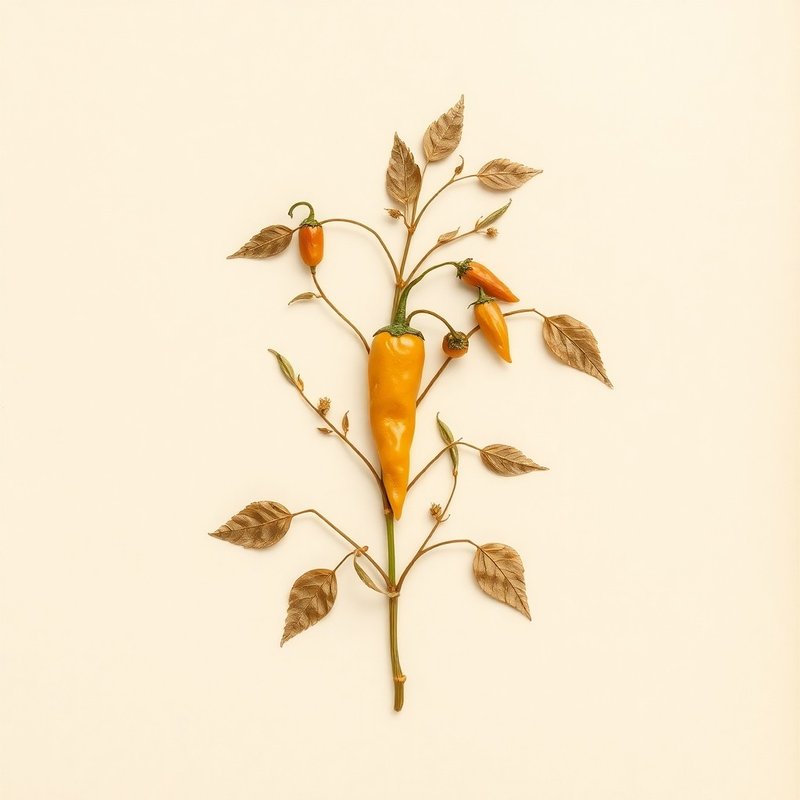
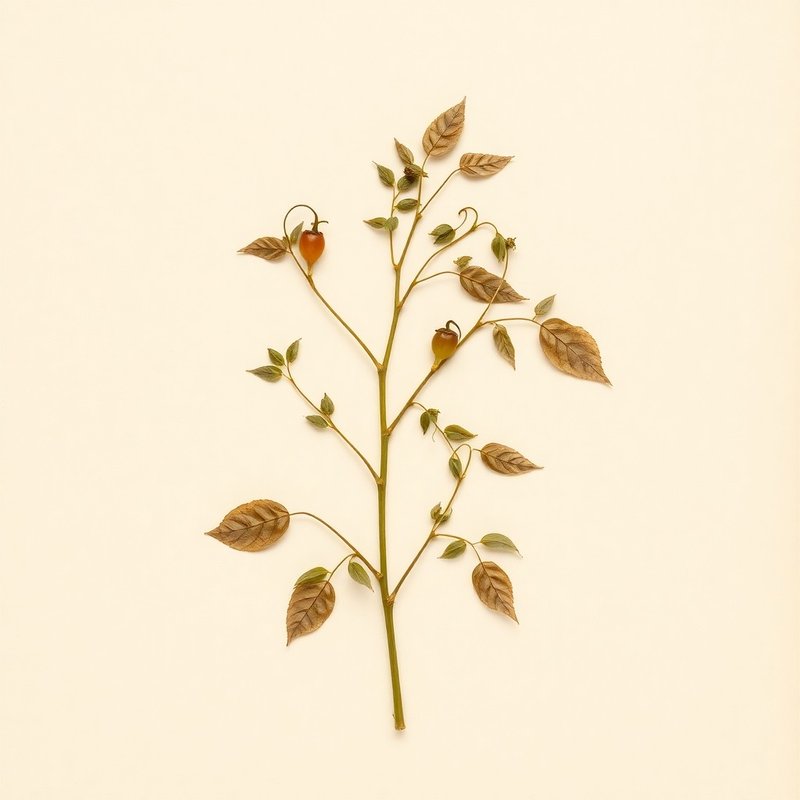
Capsicum annuum has been traditionally used in various cultures to support immune function. A tea made from the fruit may help maintain a healthy inflammatory response.
Mechanism: The compound capsaicin is known for its anti-inflammatory properties, which may contribute to supporting immune health by modulating cytokine production and reducing oxidative stress.
Wakerobin has been traditionally used in Native American medicine to support immune health, often prepared as a decoction. Its use is based on the plant's reputation for enhancing bodily defenses against seasonal ailments.
Mechanism: The mechanism by which Wakerobin supports immune function is not fully characterised but may involve bioactive compounds that interact with immune cells and pathways.
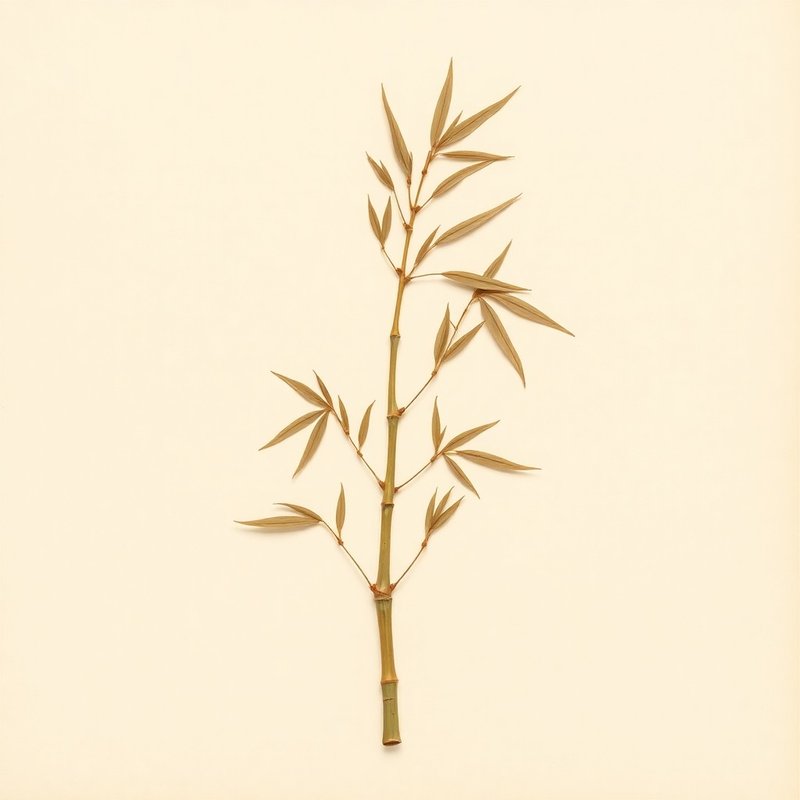
Bamboo has been traditionally used in Asian medicine to support immune health, often prepared as a decoction. Its use is based on the belief that it can help maintain overall well-being and resilience against common ailments.
Mechanism: The mechanism by which bamboo supports immune function is not fully characterised but may involve bioactive compounds such as flavonoids and phenolic acids, which have antioxidant properties.
Prunus species have been traditionally used in various cultures for their immune-supporting properties. A decoction of Prunus pedunculata may help support the body's natural defenses.
Mechanism: The mechanism is not fully characterised but likely involves antioxidant and anti-inflammatory compounds that can enhance immune function.
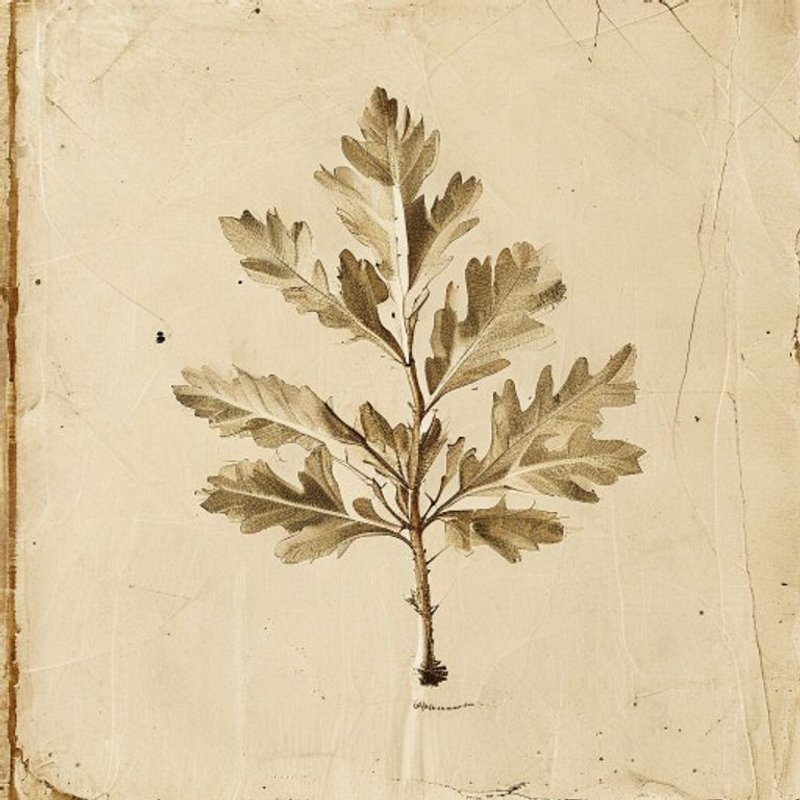
Californian White Oak has been traditionally used in Native American medicine to support immune health, often prepared as a decoction. The tannins and flavonoids present may help modulate inflammatory responses.
Mechanism: Tannins and flavonoids found in oak species have anti-inflammatory properties that can help regulate the body's response to pathogens without compromising overall immunity.
Polyscias fruticosa has been traditionally used in some Pacific cultures for immune support, often prepared as a decoction. Its use is thought to bolster the body's defenses against common ailments.
Mechanism: The mechanism by which Polyscias fruticosa supports immunity is not fully characterised but may involve bioactive compounds that interact with immune cells and pathways.
Edible Thistle, similar to other thistles in the genus Cirsium, has been traditionally used as an adjunct for immune support. A tea made from the leaves or roots may help bolster the body's defenses.
Mechanism: The mechanism is not fully characterised but likely involves polysaccharides and flavonoids that modulate immune responses.
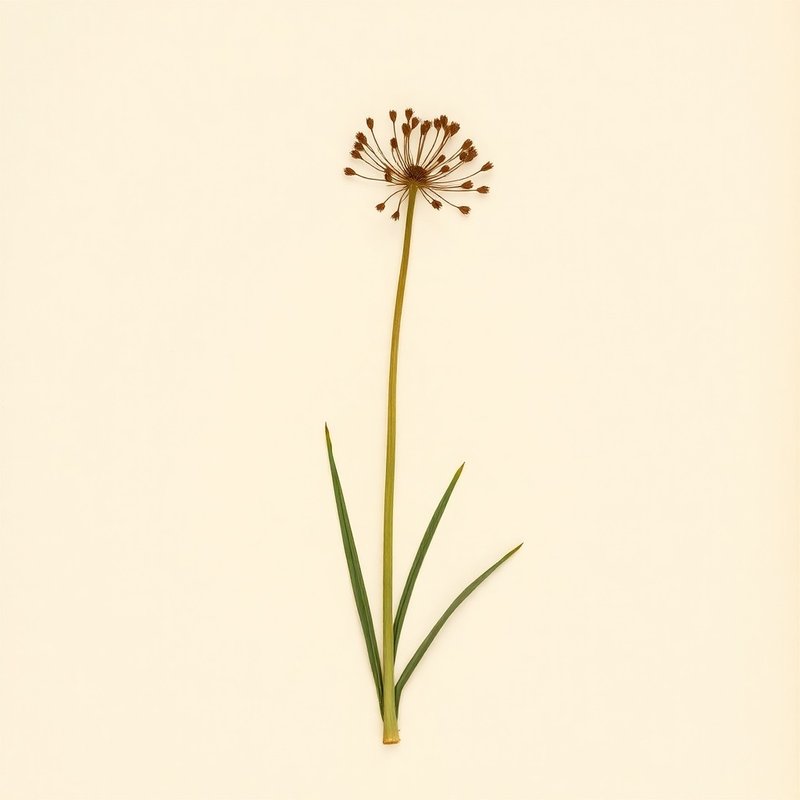
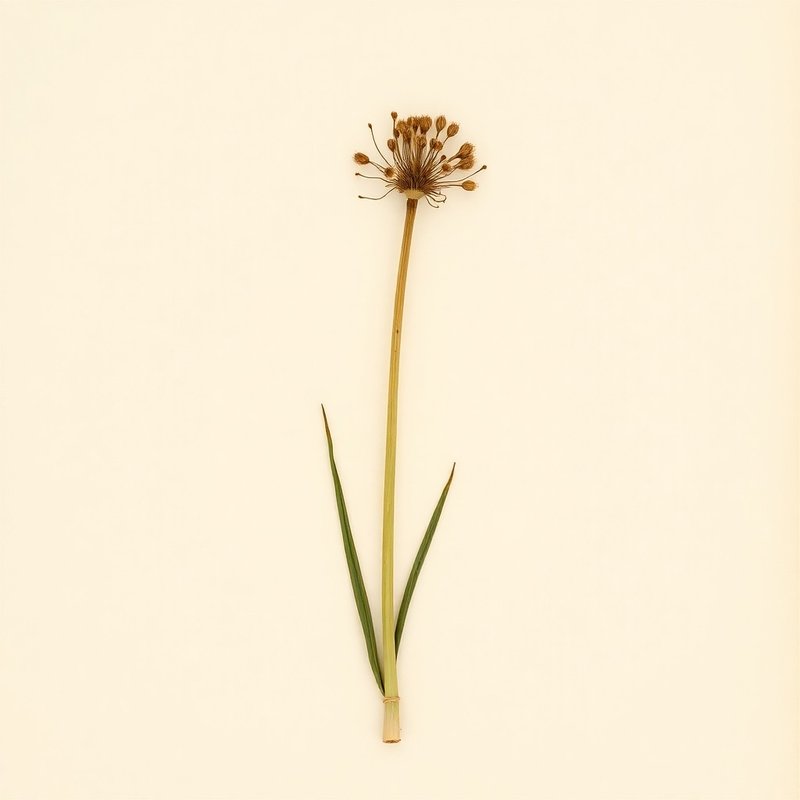
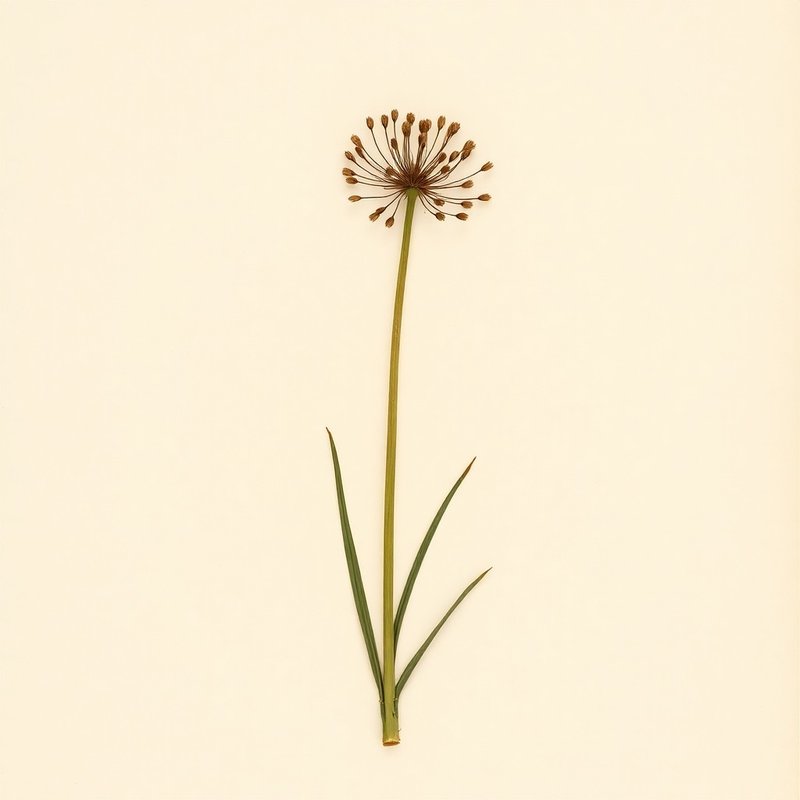
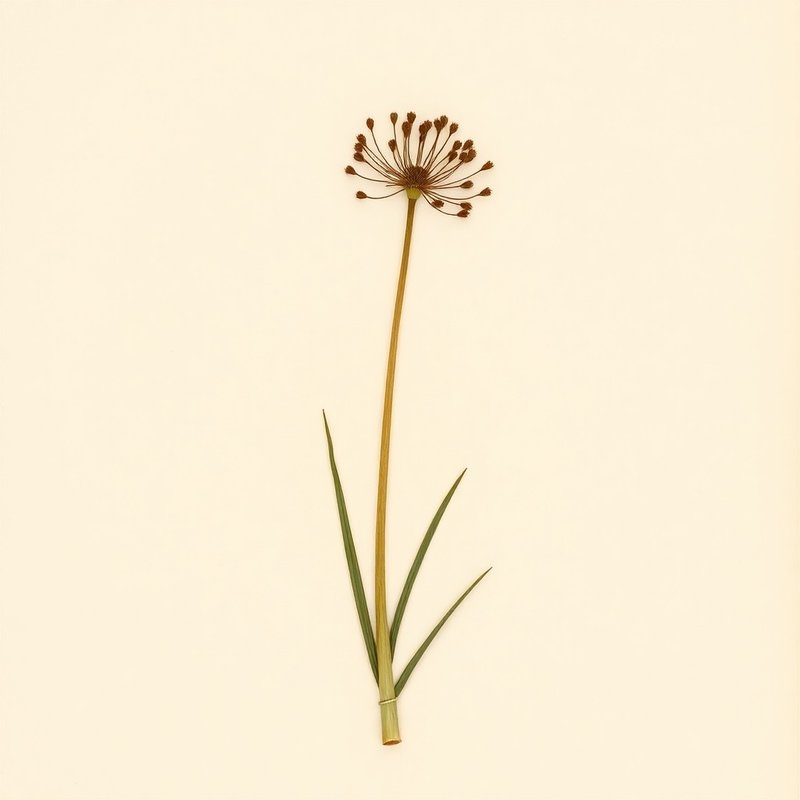
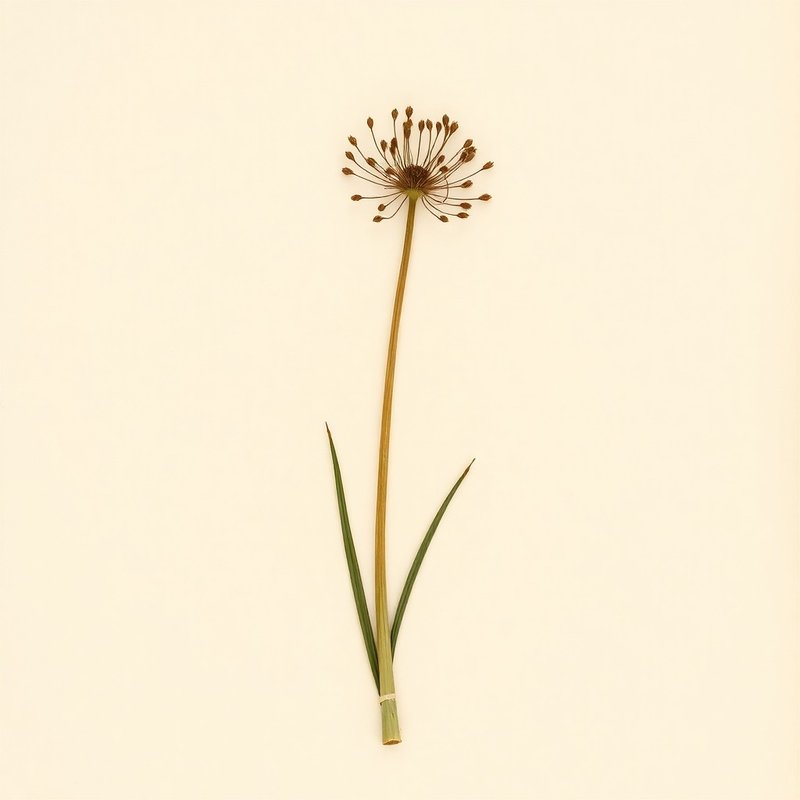
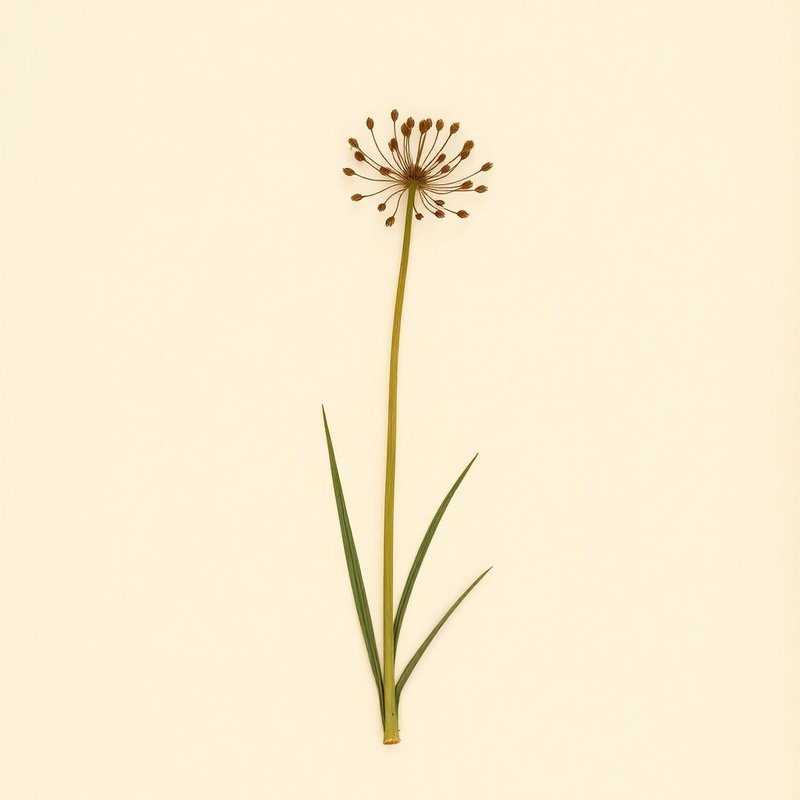
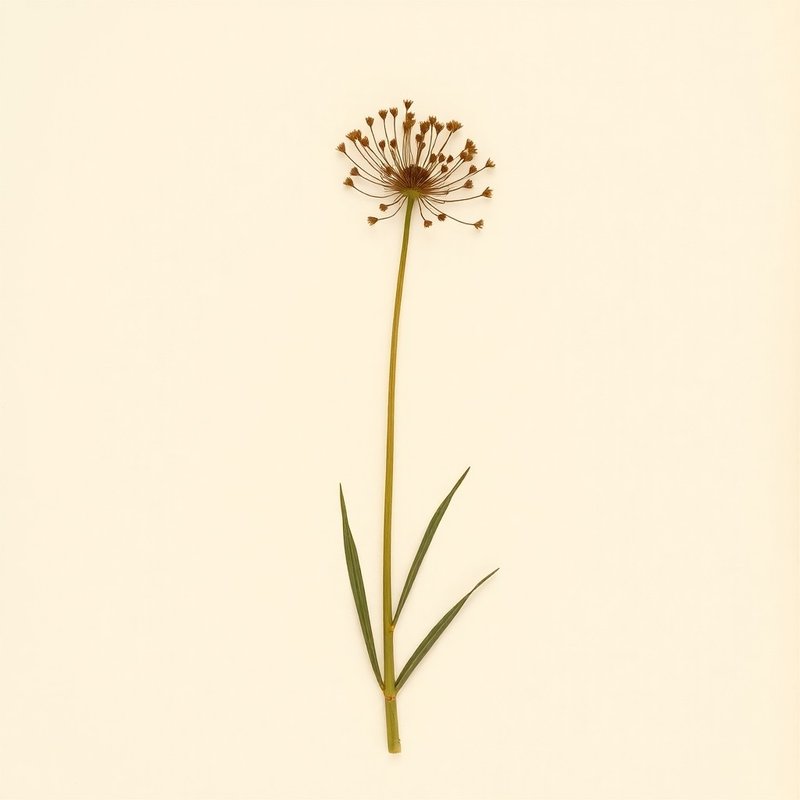
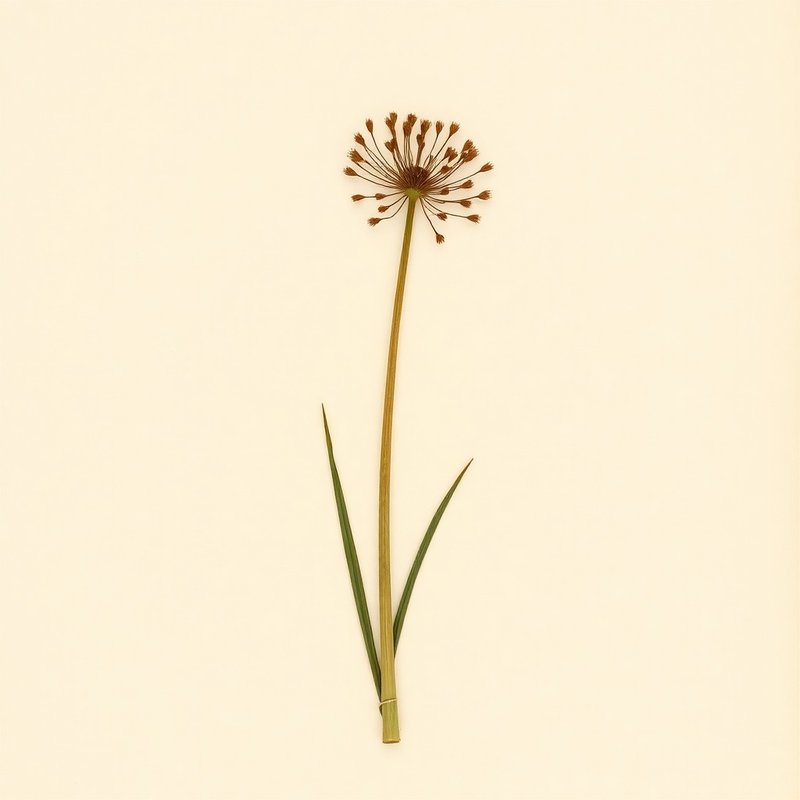
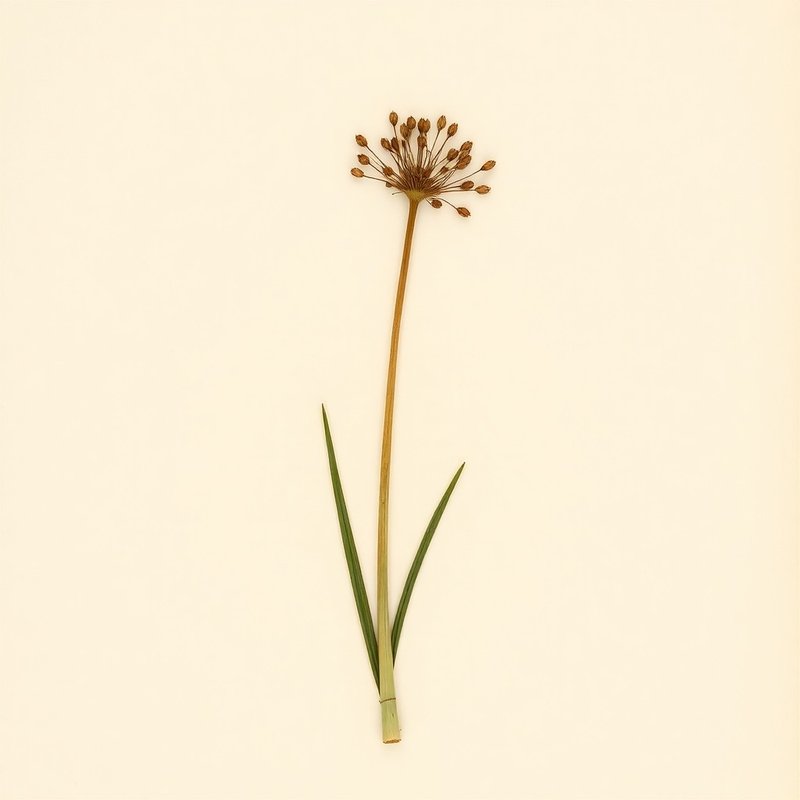
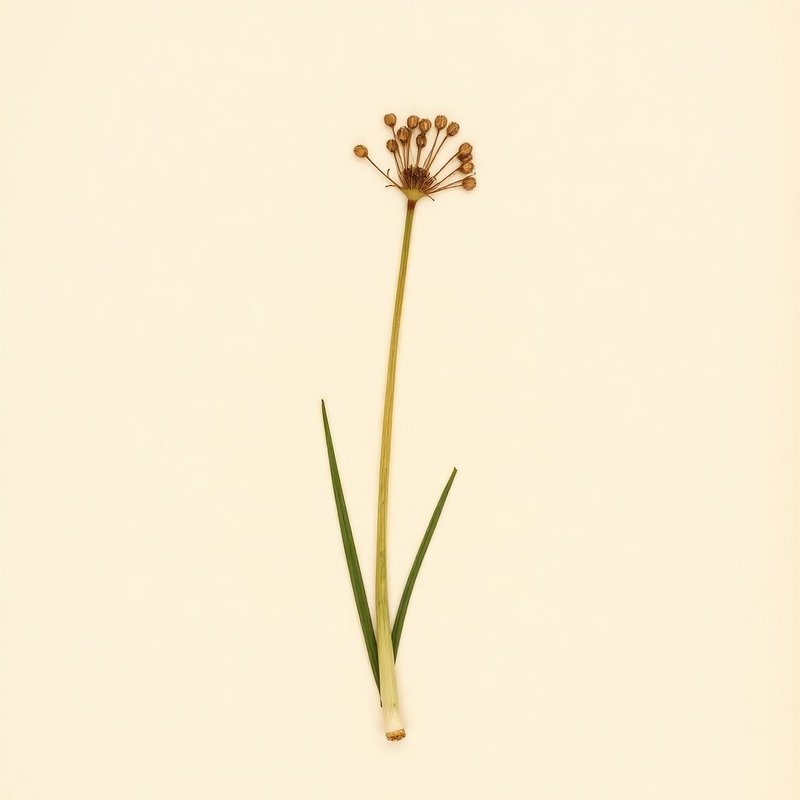
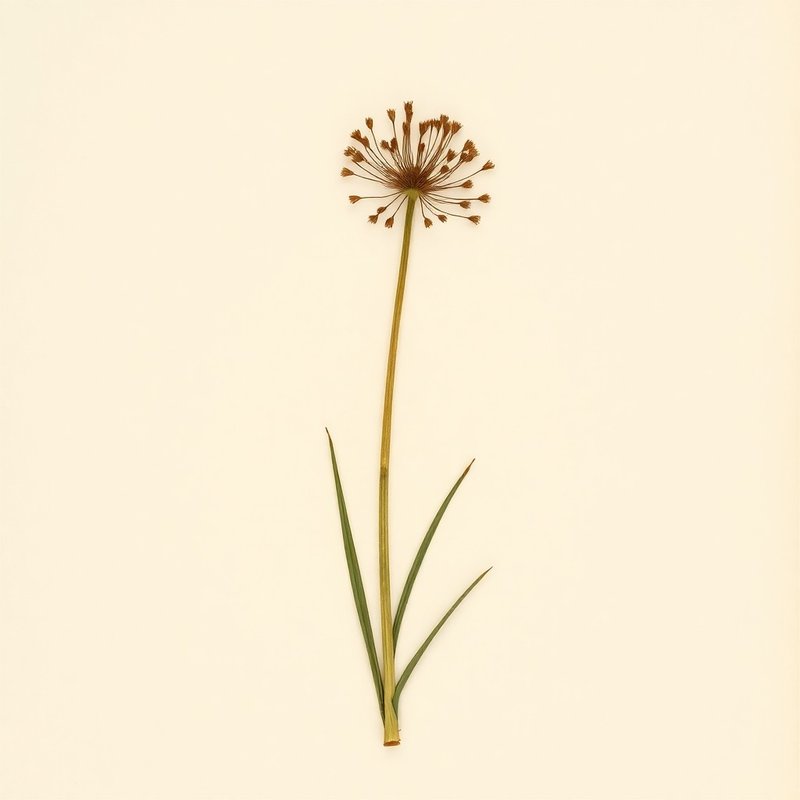
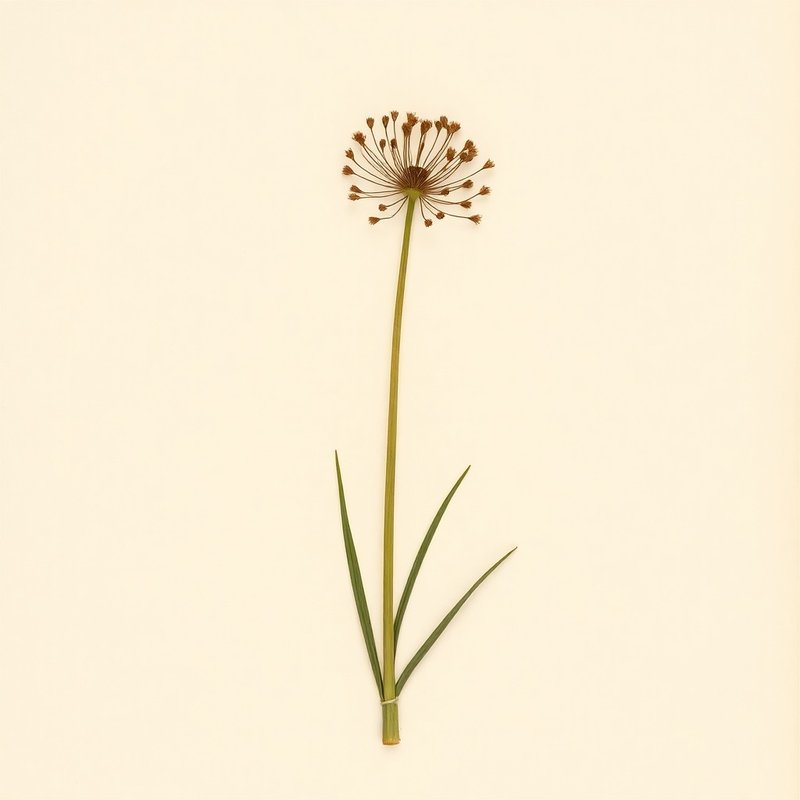
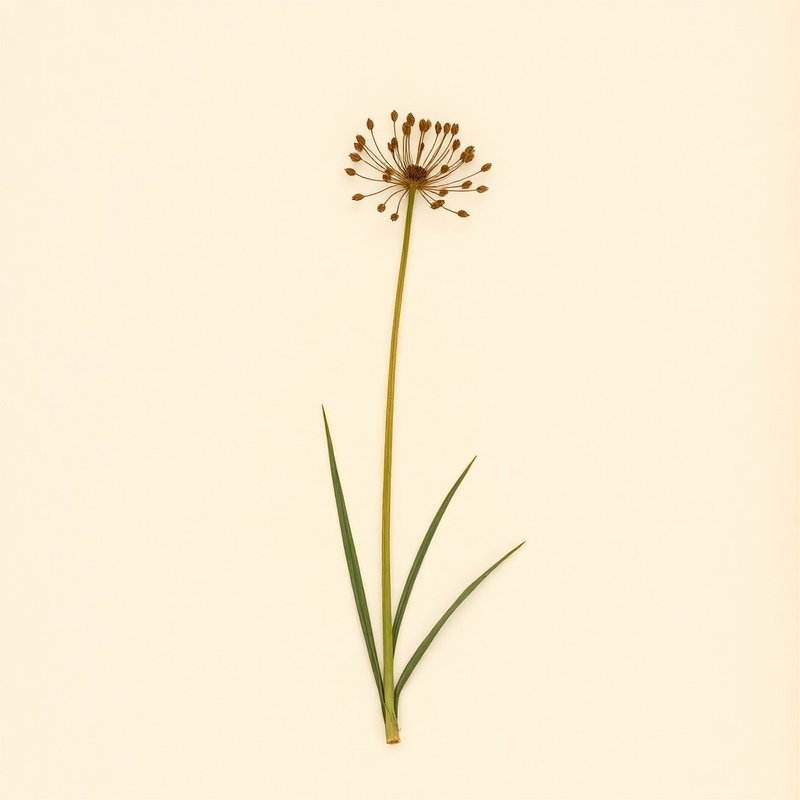
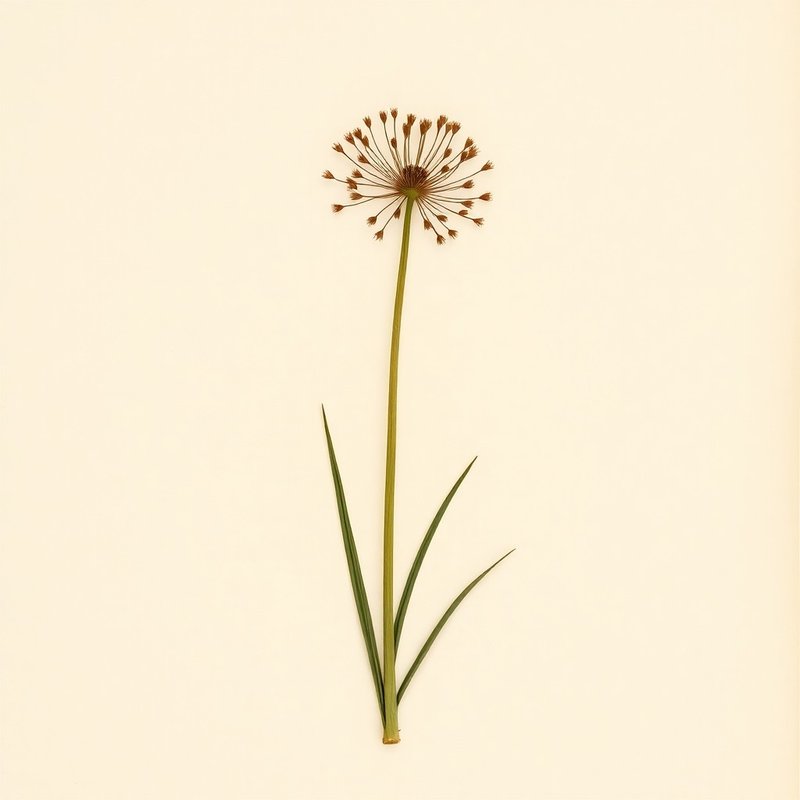
Allium carinatum, like other Allium species, has been traditionally used in European herbal medicine to support immune function. A decoction made from the leaves and flowers may help maintain a healthy immune response.
Mechanism: Contains sulfur compounds such as allicin which have antimicrobial properties and can stimulate immune cells. However, the specific mechanism for Allium carinatum is not fully characterised.
Boehmeria tricuspis has been traditionally used in Chinese medicine to support immune health, often prepared as a decoction. Its use is based on the belief that it can help maintain overall well-being during seasonal changes.
Mechanism: The mechanism by which Boehmeria tricuspis supports immune function is not fully characterised but may involve bioactive compounds with antioxidant and anti-inflammatory properties.
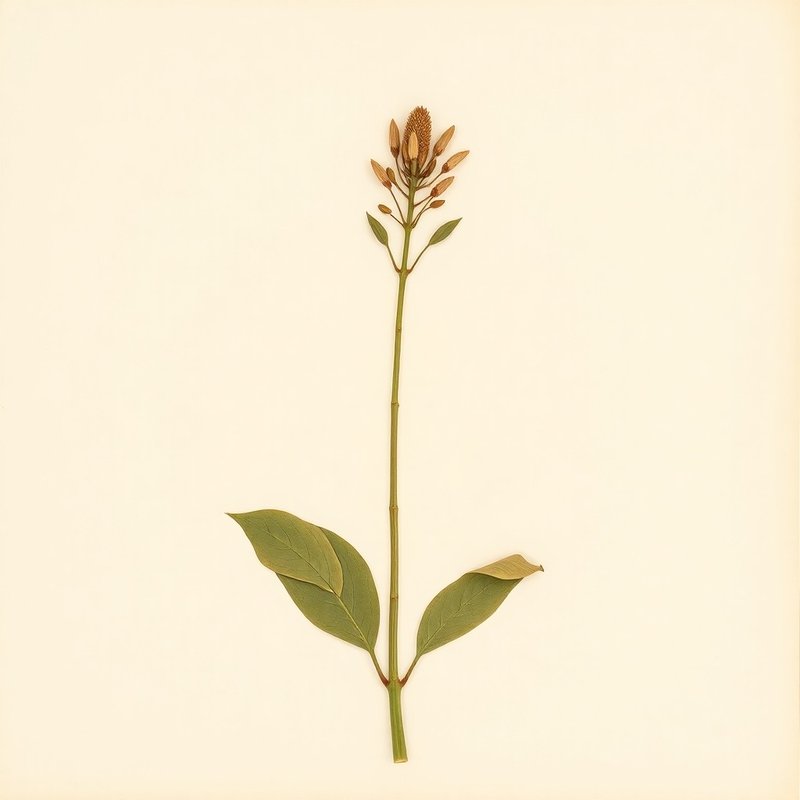
Cassia grandis is traditionally used in South American herbal medicine to support the immune system. A decoction of the bark or leaves may help boost overall immunity.
Mechanism: The mechanism is not fully characterised, but Cassia species contain flavonoids and other polyphenolic compounds that have antioxidant properties which can support immune function.
Indian Strawberry is traditionally used in Ayurvedic medicine to support the immune system, often consumed as a fruit or made into a tea.
Mechanism: The mechanism is not fully characterised but may involve antioxidant and anti-inflammatory compounds that help modulate immune responses.
Smilax species have been traditionally used in Native American medicine to support immune function, often prepared as a decoction. This preparation may help maintain overall health during seasonal changes.
Mechanism: The mechanism is not fully characterised but involves the presence of saponins and flavonoids which are known for their immunomodulatory effects.
Polygonum molle is traditionally used in Chinese medicine to support the immune system, often prepared as a decoction or tea.
Mechanism: The mechanism is not fully characterised but may involve polysaccharides and flavonoids that modulate immune responses.
Berberis species, including Darwin's Barberry, have been traditionally used in Chinese medicine for immune support. A decoction of the bark or roots may help bolster the body’s defenses against pathogens.
Mechanism: The alkaloid berberine is a key compound that has antimicrobial and immunomodulatory effects by inhibiting bacterial DNA gyrase and topoisomerases, contributing to its immune-supporting properties. However, the specific mechanism for Darwin's Barberry remains not fully characterised.
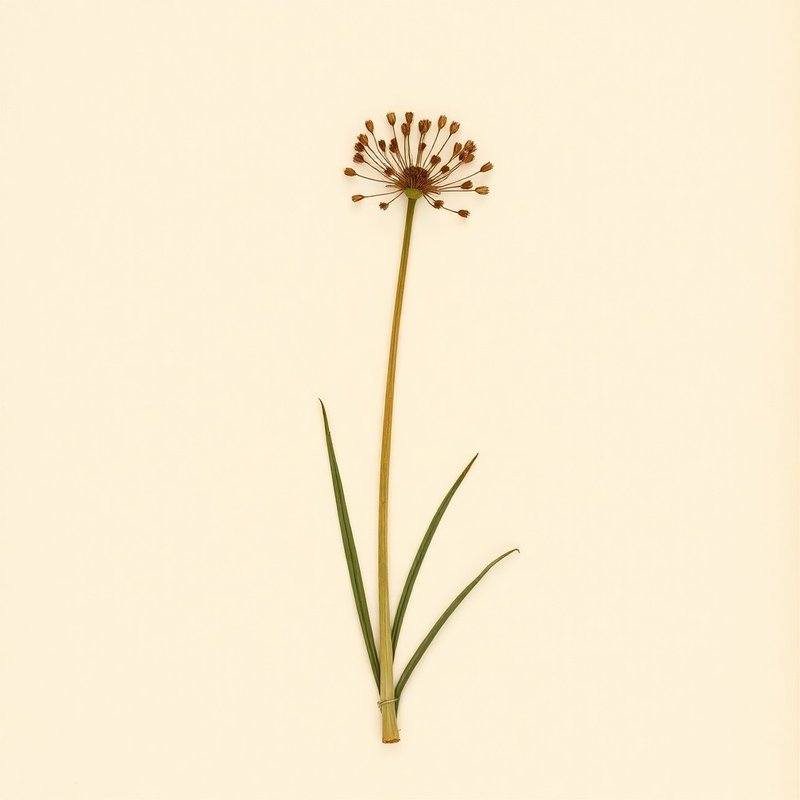
Textile Onion has been traditionally used in herbal medicine to support the immune system. A tea made from its leaves and flowers may help maintain overall health during seasonal changes.
Mechanism: Allium species contain flavonoids and sulfur compounds which have antioxidant properties that can enhance immune function, though specific mechanisms for Textile Onion are not well-documented.
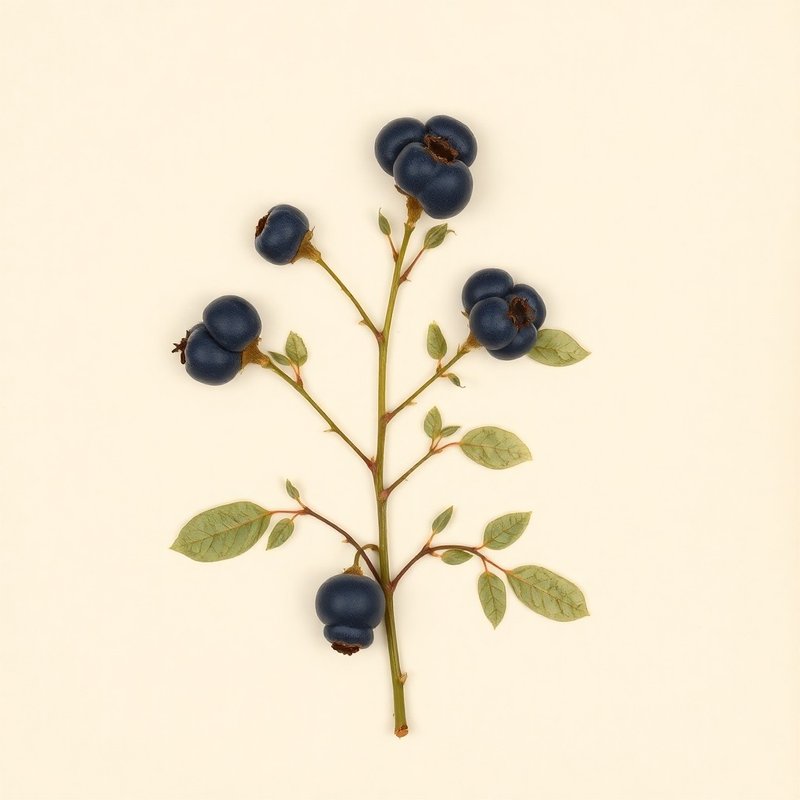
Vaccinium koreanum, a close relative of blueberries and cranberries, has been traditionally used in Korean medicine to support immune health. Its antioxidant properties may help protect against oxidative stress.
Mechanism: The berries contain anthocyanins which have potent antioxidant effects that can neutralize free radicals and reduce inflammation.
Field Speedwell has been traditionally used in European herbal medicine to support the immune system, often prepared as a tea or decoction. It is believed to help maintain overall health and well-being.
Mechanism: The mechanism by which Field Speedwell supports the immune system is not fully characterised but may involve compounds that have antimicrobial properties.
Dioscorea tokoro is traditionally used in East Asian medicine to support the immune system. Its root, when prepared as a decoction, may help maintain overall health and resilience.
Mechanism: The specific compounds responsible for its immune-supporting effects are not fully characterised but could involve bioactive phytochemicals that modulate immune responses.
Brown's Peony is traditionally used in Chinese medicine to support immune function. A decoction of the root may help enhance the body’s natural defenses.
Mechanism: Paeoniflorin and paeonol, compounds found in peony roots, have been shown to possess immunomodulatory effects by regulating cytokine production and enhancing phagocytic activity. However, more research is needed to fully understand these mechanisms.
Red dock is traditionally used in herbal medicine to support the immune system, often prepared as a tea. It may help maintain overall health and resilience.
Mechanism: The plant contains polyphenols which have antioxidant properties that can protect cells from oxidative stress and support immune function.
Viburnum species have been traditionally used in Native American medicine to support immune health, often prepared as a decoction. Smooth Wither Rod may help bolster the body's defenses against seasonal challenges.
Mechanism: The mechanism is not fully characterised but likely involves polyphenols and other bioactive compounds that modulate immune responses.
Salvia multiorrhiza is traditionally used in Chinese herbal medicine to support the immune system. A decoction of the plant may help enhance overall resistance against common ailments.
Mechanism: The mechanism involves compounds such as salvianolic acids and phenolic glycosides, which have been shown to possess immunomodulatory properties by enhancing immune cell activity.
Coltsfoot has been traditionally used in European herbal medicine to support immune health, often taken as a tea or decoction during cold and flu season.
Mechanism: The mechanism by which coltsfoot supports the immune system is not fully characterized but may involve compounds like flavonoids and phenolic acids that have antioxidant properties.
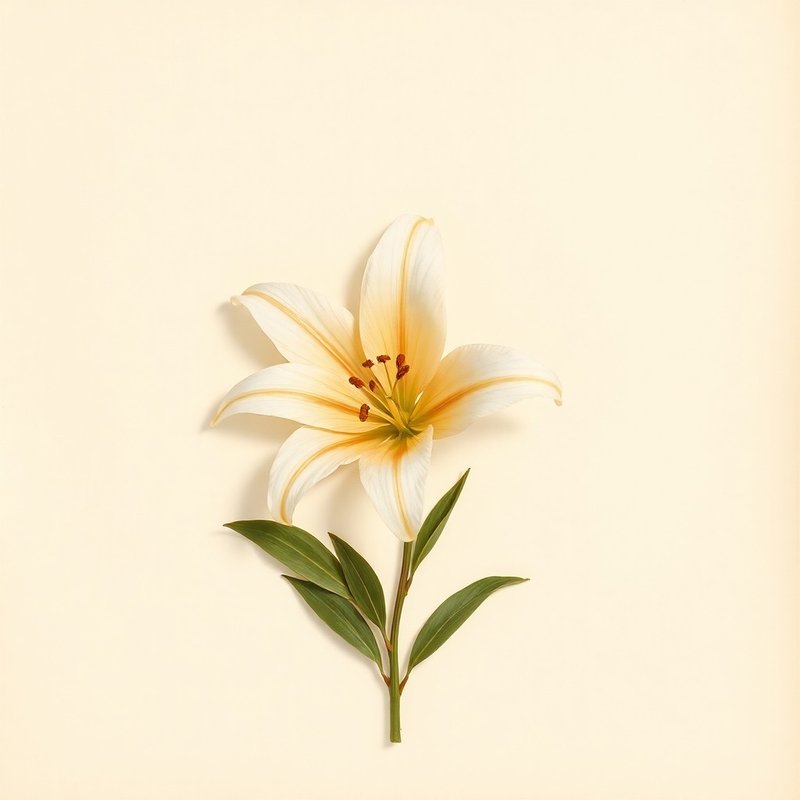
Lilium species have been traditionally used in Chinese medicine to support immune health, often prepared as a decoction. While specific for Lilium monanthum is limited, related species may offer similar benefits.
Mechanism: The mechanism by which Lilium supports the immune system is not fully characterised but may involve compounds with anti-inflammatory and antioxidant properties.
Traditional-use note: Rheum compactum appears in herbal sources around seasonal wellness traditions, often as a decoction. PlantSage presents this as ethnobotanical context, not as medical advice.
Mechanism: Traditional context only. This reviewed claim keeps the original moderate confidence level, but avoids treatment, disease, dosage, or guaranteed-effect language.
Myrtle has been traditionally used in Mediterranean herbal medicine to support the immune system, often prepared as a decoction. Its antimicrobial properties may help maintain healthy respiratory and urinary tract function.
Mechanism: Myrtus communis contains essential oils like eugenol and cineole which exhibit antibacterial and antifungal activities against various pathogens. The mechanism involves disrupting cell membranes of microorganisms, though specific pathways are not fully characterised.
Alpine Dock has been traditionally used in European herbal medicine to support the immune system. A tea made from its leaves is often consumed during cold and flu season.
Mechanism: The mechanism by which Alpine Dock supports immunity is not fully characterised but may involve antioxidant compounds that help protect cells from oxidative stress.
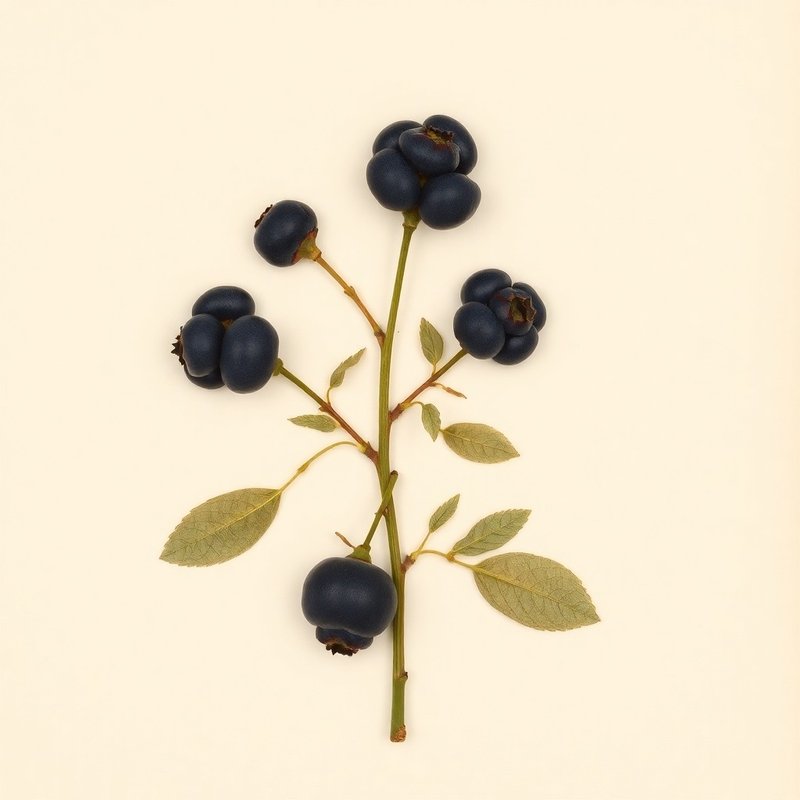
Blueberries, including low sweet blueberry, have been traditionally used in North American herbalism to support immune health. Consuming the fruit regularly may help bolster the body's defenses against common ailments.
Mechanism: Rich in antioxidants like anthocyanins and flavonoids, which can neutralize free radicals and reduce oxidative stress, potentially enhancing immune function.
In traditional Chinese medicine, Scutellaria indica has been used to support the immune system during colds and flu. It is often prepared as a tea or decoction.
Mechanism: The plant contains flavonoids like baicalein which may have anti-inflammatory and antioxidant properties that help modulate immune responses.
Smilax species have been traditionally used in South American herbal medicine to support immune function, often prepared as a decoction from the root.
Mechanism: The mechanism is not fully characterised but may involve compounds such as saponins and flavonoids that exhibit anti-inflammatory and antioxidant properties.
Chinese Asparagus has been traditionally used in Chinese medicine to support immune function, often prepared as a decoction. It is believed to enhance the body's resistance against pathogens.
Mechanism: The mechanism by which it supports immunity is not fully characterised but may involve compounds that modulate inflammatory responses and stimulate immune cells.
Allium species have a long history of use in traditional medicine for supporting the immune system, often consumed as part of the diet or prepared as tea.
Mechanism: Sulfur compounds such as quercetin and allicin are thought to contribute to immune support by enhancing antioxidant activity and modulating inflammatory responses. However, specific mechanisms for A. carolinianum are not fully characterised.
Blue false indigo has been traditionally used in Native American medicine to support immune health, often prepared as a decoction. Its use is based on historical and traditional practices rather than clinical trials.
Mechanism: The mechanism by which Baptisia supports the immune system is not fully characterized but may involve compounds such as alkaloids that have antimicrobial properties.
Live Oak has been traditionally used in Native American medicine to support immune health, often prepared as a decoction. Its use is based on the plant's anti-inflammatory and antioxidant properties.
Mechanism: Quercetin, a flavonoid found in Live Oak, exerts its effects by modulating inflammatory pathways and scavenging free radicals, contributing to overall immune support.
Silkworm Thorn has been traditionally used in Chinese medicine to support immune health, often prepared as a decoction. Its use is based on the belief that it can help maintain overall well-being during seasonal changes.
Mechanism: The mechanism by which Silkworm Thorn supports immune function is not fully characterised but may involve bioactive compounds such as flavonoids and triterpenes, which have been shown to modulate immune responses in related species.
Bracken has been traditionally used in some herbal practices to support the immune system, often prepared as a tea or decoction.
Mechanism: The mechanism by which bracken supports immunity is not fully characterized but may involve compounds that have antimicrobial properties and help modulate immune responses.
Burnet Rose has been traditionally used in European herbal medicine to support the immune system, often prepared as a decoction. Its use is based on historical and traditional practices rather than clinical trials.
Mechanism: The mechanism by which Burnet Rose supports immunity is not fully characterised but may involve antioxidant compounds that help protect cells from oxidative stress.
Willow species, including Salix viminalis, have been traditionally used in European herbalism to support immune health. A decoction made from the inner bark or leaves may help bolster the body's natural defenses.
Mechanism: Salicylates found in willows are thought to modulate inflammatory responses and enhance immune function, though the specific mechanisms are not fully characterised.
Viburnum japonicum is traditionally used in East Asian medicine to support the immune system. A decoction of the leaves or fruit may help maintain overall health during seasonal changes.
Mechanism: The mechanism is not fully characterised but likely involves compounds that have immunomodulatory effects.
Plantago species have been traditionally used in European and Asian herbal medicine to support the immune system. A tea made from the leaves may help boost resistance against common ailments.
Mechanism: The mechanism is not fully characterised but likely involves polysaccharides that stimulate immune cells such as macrophages and lymphocytes.
Amaranthus species, including Amaranthus torreyi, have been traditionally used in Mexican and Native American medicine to support the immune system. A decoction of the leaves or seeds may help boost resistance against common illnesses.
Mechanism: The mechanism is not fully characterised but likely involves antioxidant compounds that enhance immune function.
Box Myrtle is traditionally used in Chinese medicine to support the immune system, often prepared as a tea or decoction.
Mechanism: The mechanism is not fully characterised but may involve compounds such as polyphenols and flavonoids that have immunomodulatory effects.
Bishop's Pine has been traditionally used in Native American medicine to support immune health, often prepared as a decoction from the bark or needles. This preparation is believed to help maintain overall wellness during seasonal changes.
Mechanism: The mechanism by which Bishop's Pine supports immune function is not fully characterised but may involve compounds such as terpenoids and flavonoids that have been studied in related pine species for their antioxidant and anti-inflammatory properties.
Berberis species have been traditionally used in Chinese medicine for immune support, with Berberis gagnepainii likely sharing similar properties due to its genus. A decoction of the bark or roots may help bolster the body's defenses.
Mechanism: The active compound berberine has immunomodulatory effects and can activate macrophages, enhancing immune response. However, specific mechanisms for Berberis gagnepainii are not fully characterised.
Prunus species, including Desert Almond, have been traditionally used in Native American medicine to support the immune system. A decoction of the bark or fruit may help boost immunity.
Mechanism: The mechanism is not fully characterised but likely involves compounds like polyphenols and antioxidants that can enhance immune function.
Polygonum thunbergii has been traditionally used in Chinese medicine to support immune health, often prepared as a decoction. Its use is based on the belief that it can help maintain overall well-being during seasonal changes.
Mechanism: The mechanism by which Polygonum thunbergii supports immune function is not fully characterised but may involve bioactive compounds such as flavonoids and anthraquinones, which have been studied in related species for their immunomodulatory effects.
Vaccinium modestum has been traditionally used in Chinese medicine for immune support, often prepared as a decoction. Its use is based on the belief that it can help maintain overall health and resilience against common ailments.
Mechanism: The mechanism by which Vaccinium modestum supports immunity is not fully characterised but may involve antioxidant compounds such as anthocyanins and flavonoids, which are known to have immune-modulating effects.
Dipsacus species have been traditionally used in Chinese medicine to support immune function, often prepared as a decoction. D. mitis may similarly be beneficial for maintaining overall health and resilience.
Mechanism: The mechanism is not fully characterised but may involve the presence of flavonoids and other bioactive compounds that interact with various immune pathways.
Southern Red Oak, like other oak species, has been traditionally used in Native American medicine to support immune health. A decoction made from the bark may help bolster the body's defenses against common ailments.
Mechanism: The tannins and flavonoids found in Southern Red Oak bark are thought to have antimicrobial properties that can help protect against pathogens, though the specific mechanisms are not fully characterised.
Taraxacum sinicum is traditionally used in Chinese herbal medicine to support the immune system. A tea made from the leaves and roots may help enhance overall resistance against common ailments.
Mechanism: The plant contains polysaccharides that have been shown to modulate immune responses, though specific mechanisms are not fully understood.
Willow species have a long history of use in traditional medicine for supporting immune health. Salix x mollisima hippophaeifolia may help bolster the body's natural defenses.
Mechanism: The mechanism is not fully characterised but involves compounds such as salicylates which can modulate inflammatory responses and support immune function.
Taraxacum mongolicum has been traditionally used in Chinese medicine to support the immune system. A tea made from the leaves and roots may help maintain overall health.
Mechanism: The mechanism involves compounds such as chicoric acid, which have antioxidant properties that can support immune function, though it is not fully characterised.
Trillium tschonoskii has been traditionally used in Chinese medicine to support immune health, often prepared as a decoction. Its use is based on the belief that it can help maintain overall well-being during seasonal changes.
Mechanism: The mechanism by which Trillium tschonoskii supports immune function is not fully characterised but may involve bioactive compounds with antioxidant and anti-inflammatory properties.
Southern Redcedar has been traditionally used in Native American medicine to support immune health, often prepared as a decoction from the bark and leaves. This preparation may help bolster the body's defenses against common ailments.
Mechanism: The mechanism is not fully characterised but involves bioactive compounds such as terpenoids and flavonoids that have been shown to exhibit antimicrobial properties in related Juniperus species.
Annual Yellow Sweetclover has been traditionally used in Chinese medicine for supporting the immune system, often prepared as a decoction. Its use is based on its ability to enhance bodily defenses against pathogens.
Mechanism: The mechanism by which Annual Yellow Sweetclover supports immunity is not fully characterised but may involve flavonoids and other bioactive compounds that modulate inflammatory responses and immune cell activity.
Prunus tangutica, similar to other Prunus species, has been traditionally used in Chinese medicine for immune support. A decoction of the fruit or seeds may help boost the body's natural defenses.
Mechanism: The mechanism is not fully characterised but likely involves compounds that have antioxidant and anti-inflammatory properties which can enhance immune function.
Himalayan Juniper has been traditionally used in Ayurveda for immune support, often prepared as a decoction. Its use is believed to help maintain overall health and resilience against common ailments.
Mechanism: The mechanism by which Himalayan Juniper supports the immune system is not fully characterised but may involve bioactive compounds such as terpenoids and flavonoids that have been studied in related juniper species for their antioxidant and anti-inflammatory properties.
Polygonum maackianum has been traditionally used in Chinese medicine to support immune health, often prepared as a decoction. Its use is based on the belief that it can help maintain overall well-being during seasonal changes.
Mechanism: The mechanism by which Polygonum maackianum supports immune function is not fully characterised but may involve bioactive compounds such as flavonoids and phenolic acids, known for their antioxidant properties.
Allium species, including potato onions, have been traditionally used in European and Asian herbal medicine to support immune function. Consuming the bulb or leaves may help bolster the body’s defenses against common illnesses.
Mechanism: Contains sulfur compounds like allicin which stimulate white blood cell activity and enhance immune response. However, the specific mechanism for potato onions is not fully characterised.
Amaranthus species, including Boggabri Weed, have been traditionally used in indigenous Australian medicine to support immune function. A decoction of the leaves may help enhance the body's natural defenses.
Mechanism: The mechanism is not fully characterised but likely involves compounds such as polyphenols and vitamins that modulate immune responses.
Juniper berries have been traditionally used in European herbal medicine to support the immune system. A decoction of the fruit may help enhance immune function.
Mechanism: The mechanism involves flavonoids and other polyphenols which can act as antioxidants, reducing oxidative stress and supporting immune health. However, specific pathways are not fully characterised.
Japanese White Pine has been traditionally used in East Asian medicine to support immune health, often prepared as a decoction. Its use is based on the belief that it can help maintain overall well-being during seasonal changes.
Mechanism: The mechanism by which Japanese White Pine supports immune function is not fully characterised but may involve bioactive compounds such as flavonoids and terpenes, which have been studied in other pine species for their antioxidant and anti-inflammatory properties.
Sand Coprosma has been traditionally used in New Zealand for its immune-supporting properties. A decoction of the leaves or fruit may help support overall immune health.
Mechanism: The mechanism is not fully characterised but likely involves compounds that enhance immune function and have antimicrobial effects.
Dwarf Raspberry is traditionally used in herbal medicine to support the immune system, often consumed as a tea or decoction during cold and flu season.
Mechanism: The mechanism is not fully characterised but may involve antioxidants such as anthocyanins that help boost immune function by reducing oxidative stress.
Schisandra species are traditionally used in Chinese medicine to support the immune system, often prepared as a tea or tincture. The berries contain antioxidants that may help modulate immune responses.
Mechanism: The berries contain schizandrol A and other lignans which have antioxidant properties and can influence cytokine production, potentially supporting immune health.
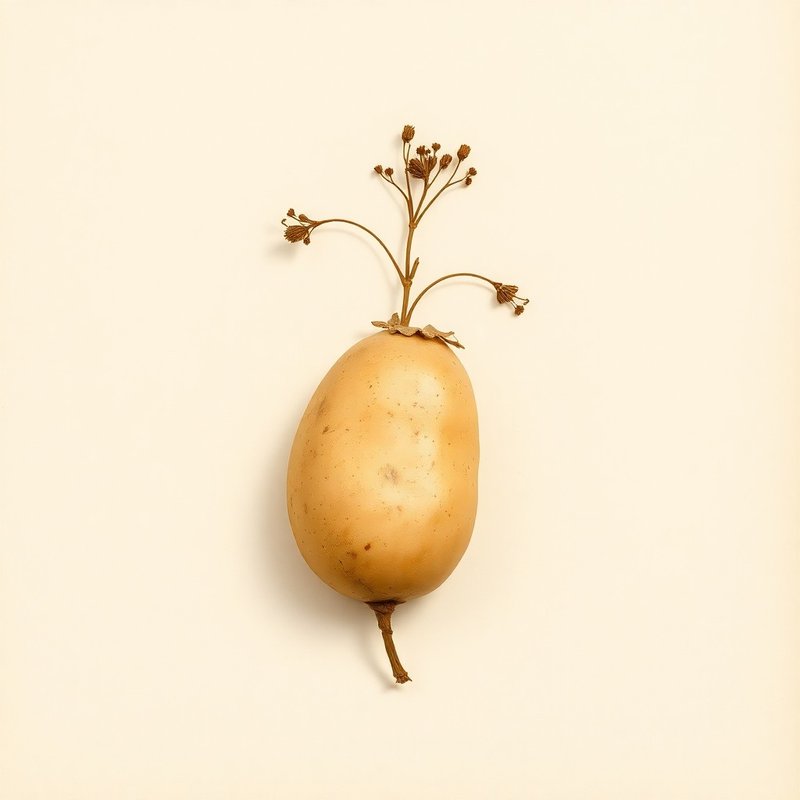
Potato is a rich source of vitamin C, which has been traditionally used to support the immune system. Regular consumption may help maintain overall health and resilience against common illnesses.
Mechanism: Vitamin C acts as an antioxidant and supports the production of white blood cells, enhancing the body's defense mechanisms.
Musk Thistle is traditionally used in herbal medicine to support the immune system, often prepared as a tea. It may help maintain overall health and resilience against common ailments.
Mechanism: The mechanism by which Musk Thistle supports immunity is not fully characterised but may involve antioxidant compounds that protect cells from oxidative stress.
Polygonatum species, including Polygonatum lasianthum, have been traditionally used in Chinese medicine to support immune function and enhance overall vitality. A decoction made from the roots may help strengthen the body’s defenses against common ailments.
Mechanism: The polysaccharides found in Polygonatum species are thought to stimulate immune cells such as macrophages and T-cells, enhancing their activity and promoting a robust immune response. However, specific mechanisms for P. lasianthum remain not fully characterised.
Paeonia emodi has been traditionally used in Chinese medicine to support immune function, often prepared as a decoction. Its use is based on the belief that it can enhance resistance against pathogens and promote overall health.
Mechanism: Contains compounds such as paeonol and paeoniflorin which may have immunomodulatory effects, though the specific mechanisms are not fully understood.
Almonds are traditionally used in Ayurvedic and Chinese medicine to support immune function. Regular consumption of almonds may help bolster the body's defenses against common illnesses.
Mechanism: Almonds contain vitamin E, which is known for its antioxidant properties that can protect cells from damage caused by free radicals. However, the specific mechanisms through which almonds enhance immunity are not fully understood.
Artemisia indica has been traditionally used in Chinese medicine to support immune health, often prepared as a decoction. It is believed to help the body resist common ailments.
Mechanism: The mechanism by which Artemisia indica supports immune function is not fully characterised but may involve compounds such as flavonoids and sesquiterpenes that have been studied in related species for their immunomodulatory effects.
Citrus ichangensis, like other citrus fruits, has been traditionally used in Chinese medicine to support immune health due to its vitamin C content. A decoction of the fruit may help maintain a healthy immune system.
Mechanism: The mechanism involves the antioxidant and anti-inflammatory properties of vitamin C, which supports immune function by enhancing white blood cell activity and reducing oxidative stress.
Carambola fruit is traditionally used in Southeast Asian medicine for its immune-supporting properties, often consumed fresh or as a juice. The fruit contains antioxidants that may help support the body's natural defenses.
Mechanism: The mechanism involves antioxidant compounds such as vitamin C and polyphenols which can neutralize free radicals and reduce oxidative stress, potentially supporting immune function.
Roof Iris has been traditionally used in Chinese medicine to support immune function, often prepared as a decoction. Its roots are believed to enhance the body's natural defenses against pathogens.
Mechanism: The mechanism by which Roof Iris supports immunity is not fully characterised but may involve compounds that modulate inflammatory responses and stimulate immune cells.
Crataegus species, including Crataegus heterophylla, have been traditionally used in European herbal medicine to support immune function. A decoction of the leaves and flowers may help bolster the body's defenses during seasonal changes.
Mechanism: The mechanism is not fully characterised but involves flavonoids and proanthocyanidins which exhibit antioxidant and anti-inflammatory properties, potentially supporting immune health.
Lilies, including Kelley's Lily, have been traditionally used in Chinese medicine for immune support. A decoction of the root may help strengthen the body’s defenses against common ailments.
Mechanism: The mechanism is not fully characterised but lilies contain compounds like flavonoids and saponins which are known to have immunomodulatory effects.
Blue elderberry has been traditionally used in Native American medicine to support immune health, often prepared as a tea or syrup from the berries. The anthocyanins and flavonoids found in blue elderberries may help modulate inflammatory responses.
Mechanism: Anthocyanins and flavonoids are believed to have antioxidant properties that can reduce oxidative stress and inflammation, potentially supporting immune function.
Celosia argentea cristata has been traditionally used in African herbal medicine to support immune function, often prepared as a decoction. Its use is based on local knowledge and practices rather than clinical studies.
Mechanism: The mechanism by which Celosia argentea cristata supports the immune system is not fully characterised but may involve bioactive compounds that interact with immune cells or pathways.
Dwarf American Cherry is traditionally used to support the immune system, often prepared as a tea or tincture to help maintain overall health and resilience.
Mechanism: The mechanism is not fully characterised but may involve polyphenols that have antioxidant properties, helping to combat oxidative stress and support immune function.
Berberis species have been traditionally used in Chinese medicine for immune support, with Berberis calliantha likely sharing similar properties due to its genus. A decoction of the plant may help bolster the body's defenses.
Mechanism: The active compound berberine has antimicrobial and immunomodulatory effects, though the specific mechanism in B. calliantha is not fully characterised.
Ma Huang has been traditionally used in Chinese medicine for immune support, often prepared as a decoction. It is believed to help the body resist colds and flu.
Mechanism: The mechanism by which Ma Huang supports the immune system is not fully characterised but may involve its stimulatory effects on the sympathetic nervous system, potentially enhancing immune response.
Water Oak, like other oak species, has been traditionally used in Native American medicine to support immune health. A decoction made from the bark may help bolster the body's defenses against common ailments.
Mechanism: The tannins and flavonoids found in Water Oak bark are thought to have antimicrobial properties that can help protect against pathogens, though the specific mechanisms are not fully characterised.
Lily of the Valley has been traditionally used in Asian herbal medicine to support immune function, often prepared as a decoction. It is believed to help maintain overall health and resilience against common ailments.
Mechanism: The mechanism is not fully characterised but may involve compounds that modulate immune responses.
Traditionally used in Ayurveda and Traditional Chinese Medicine, Agar Wood supports immune health through its antimicrobial properties. It is often prepared as a decoction or incense.
Mechanism: The mechanism involves the presence of sesquiterpenes which have been shown to exhibit antimicrobial activity against various pathogens.
Crataegus species, including Scarlet Haw, have been traditionally used in European herbal medicine to support immune function. A decoction of the fruit may help bolster the body's defenses during seasonal changes.
Mechanism: The mechanism is not fully characterised but involves flavonoids and proanthocyanidins which exhibit antioxidant properties that can enhance immune response.
Pine species, including Soledad Pine, have been traditionally used in Native American medicine to support immune health. A decoction made from the needles may help bolster the body's defenses against common ailments.
Mechanism: The mechanism is not fully characterised but pine needles contain compounds like vitamin C and phenolic acids which are known for their antioxidant properties, potentially supporting immune function.
Urtica laetevirens, like other Urtica species, has been traditionally used in Chinese medicine to support immune function. A decoction of the plant may help maintain a healthy inflammatory response.
Mechanism: The mechanism is not fully characterised but likely involves compounds such as flavonoids and phenolic acids that have anti-inflammatory properties.
Balsam Fir is traditionally used in North American herbalism to support the immune system, often prepared as a tea or tincture from the inner bark and shoots.
Mechanism: The mechanism by which Balsam Fir supports the immune system is not fully characterized but may involve the presence of terpenoids and phenolic compounds that have antimicrobial properties.
Solanum torvum is traditionally used in South American herbal medicine to support immune function, often prepared as a tea. It may help enhance the body's natural defenses.
Mechanism: The mechanism by which Solanum torvum supports immune health is not fully characterised but it likely involves compounds that modulate immune responses and have antioxidant properties.
Chinese White Pine has been traditionally used in Chinese medicine to support immune health, often prepared as a decoction. Its use is based on the belief that it can help maintain overall well-being during seasonal changes.
Mechanism: The mechanism by which Pinus armandii supports immune function is not fully characterised but may involve bioactive compounds such as flavonoids and phenolic acids, known for their antioxidant properties.
Canadian Aspen has been traditionally used in North American herbalism to support immune function, often prepared as a decoction from the inner bark. This preparation is believed to help maintain overall health during seasonal changes.
Mechanism: The mechanism by which Canadian Aspen supports immune function is not fully characterised but may involve bioactive compounds such as salicin and flavonoids that have anti-inflammatory properties.
Tree Peony has been traditionally used in Chinese medicine to support immune health, often prepared as a decoction. Its roots and bark are believed to enhance the body's defenses against pathogens.
Mechanism: The mechanism is not fully characterised but may involve compounds such as paeoniflorin which have shown immunomodulatory effects in vitro studies.
Smooth Sumach has been traditionally used in Native American medicine to support immune health, often prepared as a decoction. Its use is based on historical and traditional practices rather than clinical trials.
Mechanism: The mechanism by which Smooth Sumach supports the immune system is not fully characterized but may involve compounds such as tannins and flavonoids that have known anti-inflammatory properties.
Sedum species have been traditionally used in Chinese medicine for immune support, often prepared as a decoction. The plant's polysaccharides and flavonoids may contribute to its immunomodulatory effects.
Mechanism: Polysaccharides and flavonoids found in Sedum species are thought to interact with the immune system by modulating cytokine production, though specific mechanisms remain under investigation.
Descurainia antarctica has been traditionally used in South American herbal medicine to support the immune system. A tea made from the seeds may help boost overall immunity.
Mechanism: The mechanism is not fully characterised, but it likely involves compounds with antioxidant and anti-inflammatory properties that can enhance immune function.
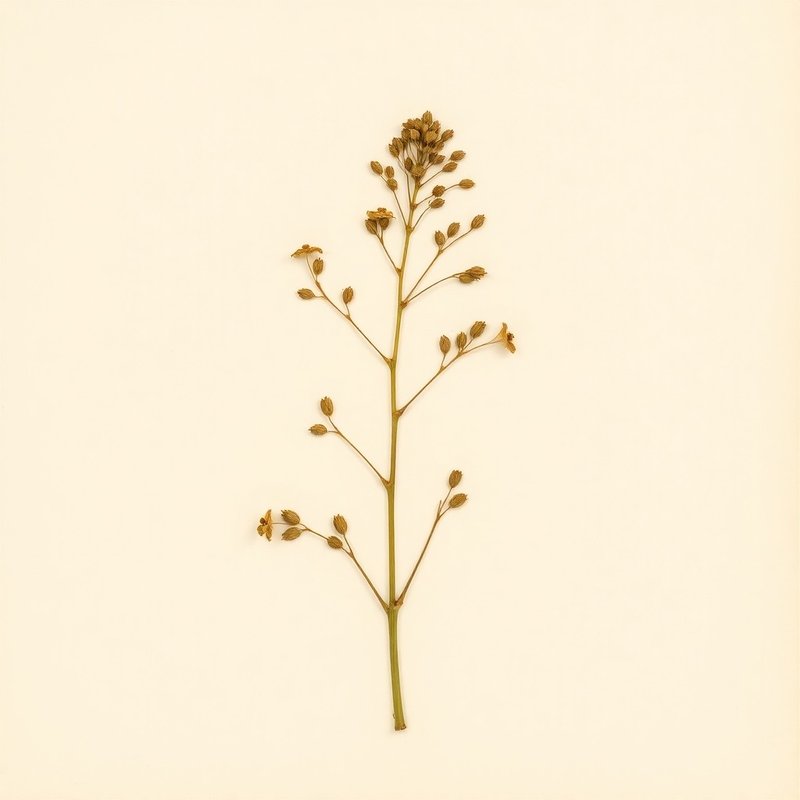
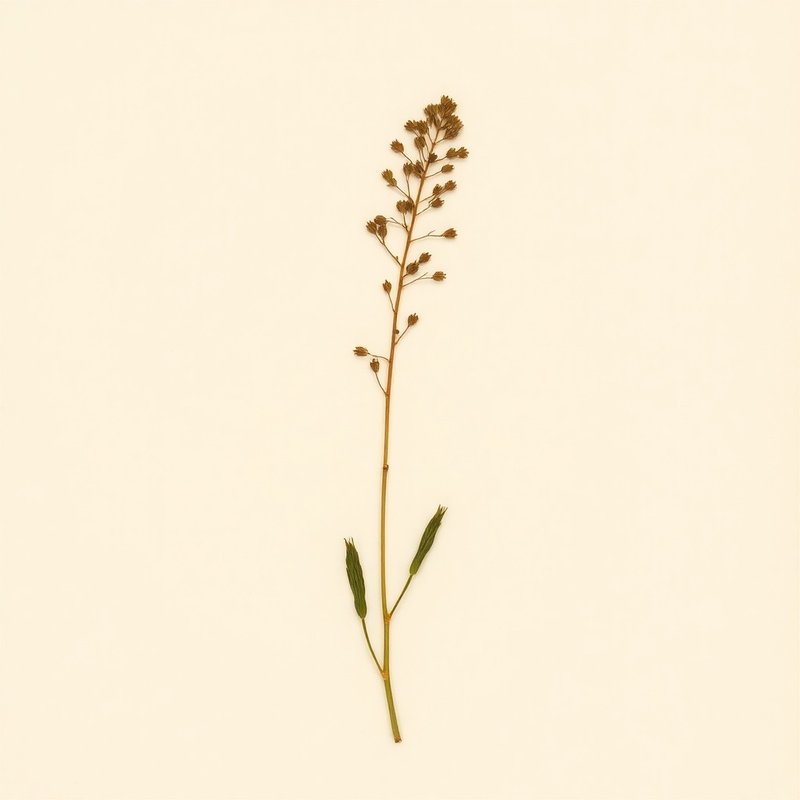
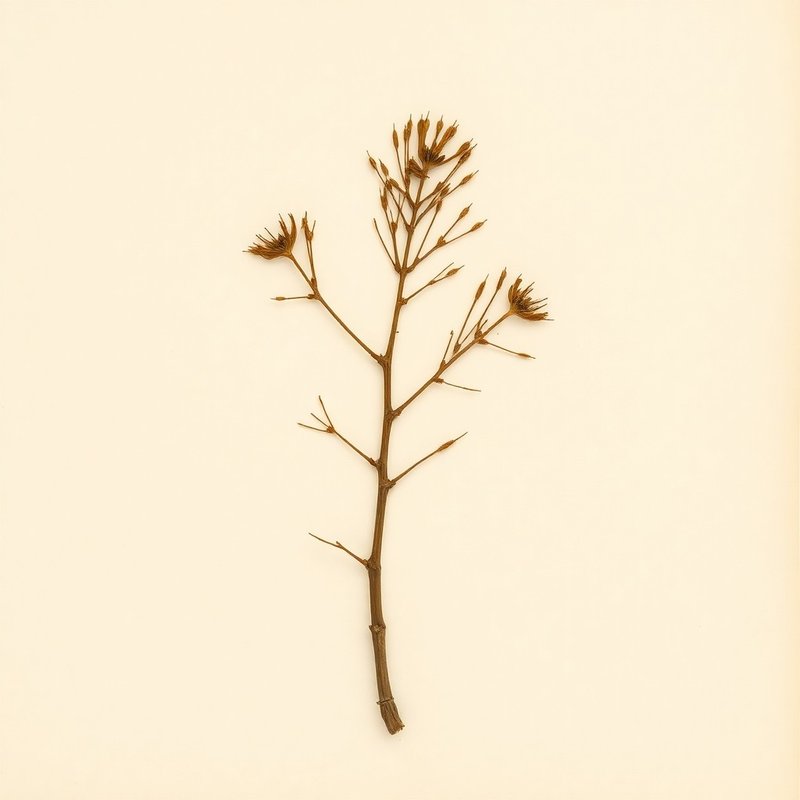
Catchfly has been traditionally used in Chinese medicine to support immune health, often prepared as a decoction. Its use is based on the Bencao Gangmu, which mentions its ability to enhance resistance against common ailments.
Mechanism: The mechanism by which Catchfly supports immunity is not fully characterised but may involve bioactive compounds that modulate inflammatory responses and support immune cell function.
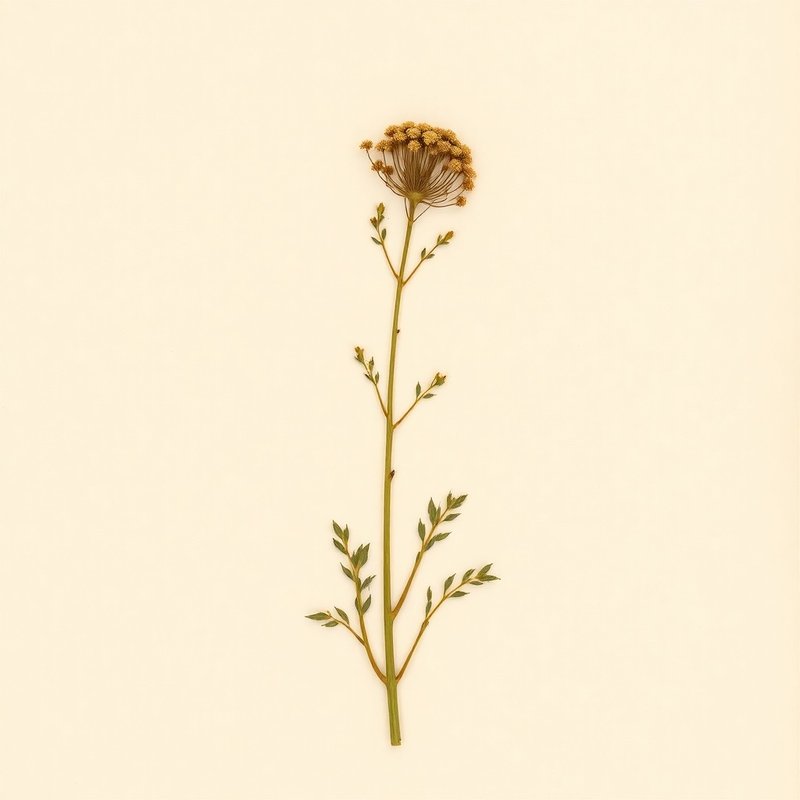
Angelica species have been traditionally used in Chinese medicine for immune support, with Angelica genuflexa likely sharing similar properties. A decoction of the roots and stems may help bolster the body's defenses against common ailments.
Mechanism: The mechanism is not fully characterised but involves compounds such as polysaccharides that can modulate immune responses.
Canadian Garlic, like other Allium species, has been traditionally used in North American herbalism to support immune health. Its bulb and leaves are often prepared as a decoction or tea.
Mechanism: Allium canadense contains sulfur compounds such as allicin which have antimicrobial properties and may help modulate the immune response. However, the specific mechanism is not fully characterised for this species.
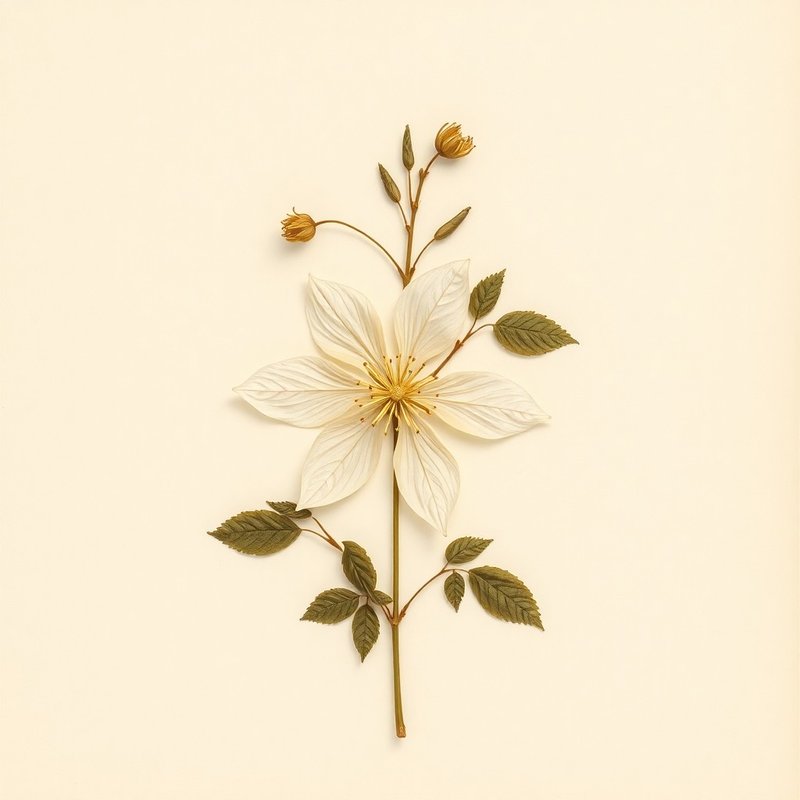
Clematis pierotii has been traditionally used in Chinese medicine to support immune health, often prepared as a decoction. Its use is based on the belief that it can help maintain overall well-being during seasonal changes.
Mechanism: The mechanism by which Clematis pierotii supports immune function is not fully characterised but may involve bioactive compounds with antioxidant and anti-inflammatory properties.
Giant Milkweed has been traditionally used in Ayurveda to support immune health, often prepared as a decoction from leaves and flowers. It is believed to help the body resist common ailments.
Mechanism: The plant contains various alkaloids and cardiac glycosides which may contribute to its immunomodulatory effects, though the specific mechanisms are not fully characterised.
Polygonum weyrichii is traditionally used to support immune health, particularly in Asian herbal medicine. A decoction or tea made from the plant may help bolster the body's defenses.
Mechanism: The mechanism is not fully characterised but likely involves polysaccharides and flavonoids that modulate immune responses.
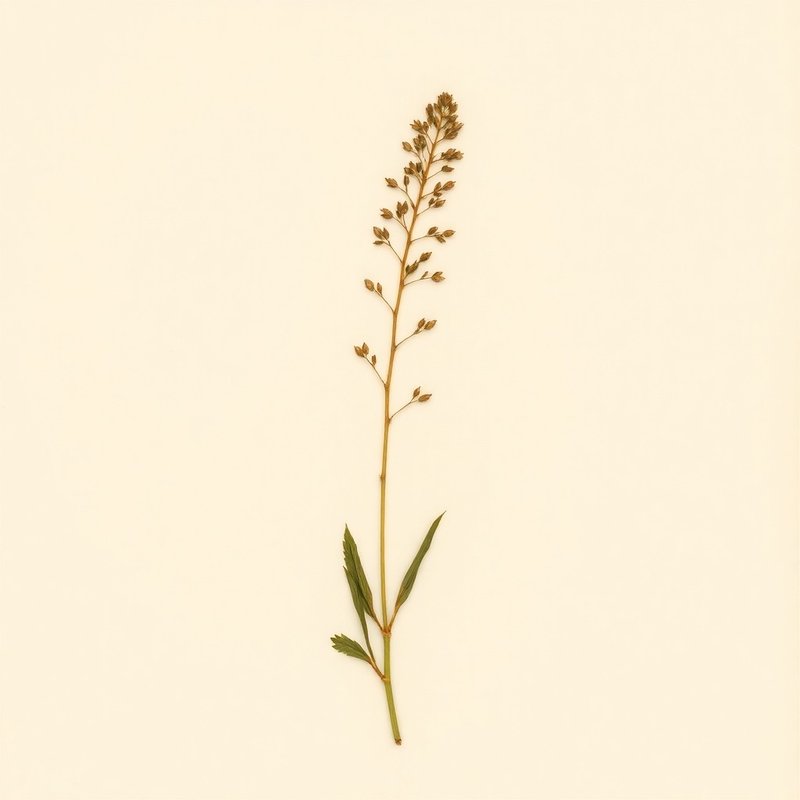
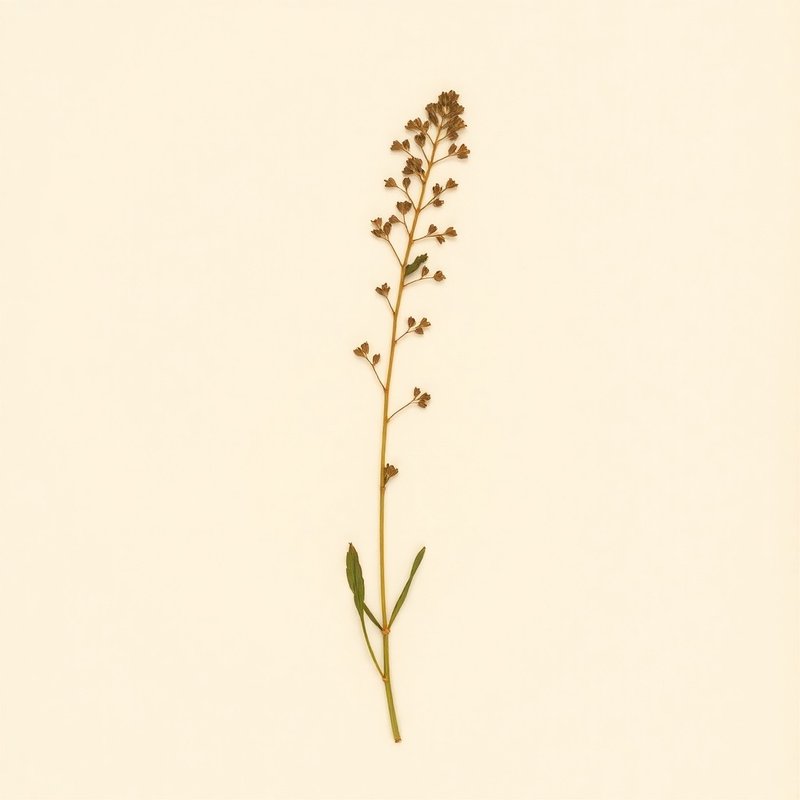
Gold of Pleasure has been traditionally used in European herbal medicine to support immune function, often prepared as a tea or decoction. Its high content of omega-3 fatty acids and antioxidants may help bolster the body's defenses.
Mechanism: The mechanism is not fully characterised but likely involves anti-inflammatory effects mediated by omega-3 fatty acids and antioxidant activity that protect against oxidative stress.
Rosa moyesii, like other roses, has been traditionally used in Chinese medicine for immune support. A decoction of the petals and leaves may help bolster the body's defenses against common ailments.
Mechanism: The mechanism is not fully characterised but likely involves polyphenols such as anthocyanins which have antioxidant properties that can enhance immune function.
Traditionally, Giant trichanthera is used to support immune function in South American herbal medicine. It may be prepared as a tea or decoction for this purpose.
Mechanism: The mechanism is not fully characterised but could involve the presence of antioxidants and other bioactive compounds that enhance immune response.
Asparagus species have been traditionally used to support the immune system, particularly in times of seasonal stress. A decoction or tea made from the plant may help maintain overall health.
Mechanism: The mechanism by which Asparagus supports immunity is not fully characterised but it likely involves antioxidant compounds that protect cells from oxidative damage.
Berberis species, including carmine barberry, have been traditionally used in Chinese medicine for immune support. A decoction of the root bark may help bolster the body's defenses against pathogens.
Mechanism: The active compound berberine has antimicrobial and immunomodulatory effects, potentially enhancing immune function by activating macrophages and increasing cytokine production.
Terminalia species are traditionally used in Ayurveda for immune support, and Terminalia kaernbachii may share similar properties due to its close relation. A decoction of the bark or leaves might help bolster the body's defenses.
Mechanism: The mechanism is not fully characterised but involves compounds like tannins and flavonoids which have antioxidant and anti-inflammatory effects, supporting immune function.
Balsam Poplar has been traditionally used in North American herbal medicine to support immune function, often prepared as a decoction from the inner bark. This preparation is believed to help maintain overall health during seasonal changes.
Mechanism: The mechanism by which Balsam Poplar supports immune function is not fully characterised but may involve bioactive compounds such as salicin and other phenolic acids that have anti-inflammatory properties.
Alstroemeria revoluta has been traditionally used in Chilean herbal medicine to support immune function, often prepared as a decoction. Its use is based on local knowledge and traditional practices.
Mechanism: The mechanism by which Alstroemeria supports the immune system is not fully characterised but may involve bioactive compounds that interact with immune cells or pathways.
Phytolacca dioica has been traditionally used in South American herbal medicine to support immune function, often prepared as a tea. It is believed to help maintain overall health and well-being.
Mechanism: The mechanism by which Phytolacca dioica supports the immune system is not fully characterised but may involve compounds that modulate inflammatory responses or enhance immune cell activity.
Sunflowers, including Helianthus species like Cusick's sunflower, have been traditionally used in Native American medicine to support the immune system. A tea made from the leaves or seeds may help boost overall immunity.
Mechanism: The mechanism is not fully characterised but likely involves compounds that enhance immune function and reduce oxidative stress.
Greenleaf Manzanita has been traditionally used in Native American medicine to support immune health, often prepared as a decoction. Its use is based on the plant's antimicrobial properties.
Mechanism: The mechanism involves compounds such as arbutin and ursolic acid which have demonstrated antibacterial and antifungal activities. However, specific pathways are not fully characterised.
Isatis lusitanica, like other Isatis species, has been traditionally used in Chinese medicine for immune support. A decoction of the leaves may help maintain a healthy immune response.
Mechanism: The mechanism is not fully characterised but involves compounds such as indican and glucobrassicin which have shown potential immunomodulatory effects.
Eriogonum species, including Crispleaf Buckwheat, have been traditionally used in Native American medicine to support immune health. A decoction made from the leaves may help bolster the body's natural defenses.
Mechanism: The mechanism is not fully characterised but likely involves polyphenols and flavonoids that exhibit antioxidant and anti-inflammatory properties, which can enhance immune function.
Cambuca is traditionally used to support immune function, particularly in South American herbal medicine. Consuming the fruit or juice may help bolster the body's natural defenses.
Mechanism: The mechanism by which Cambuca supports immune health is not fully characterised but likely involves antioxidant compounds that protect against oxidative stress and inflammation.
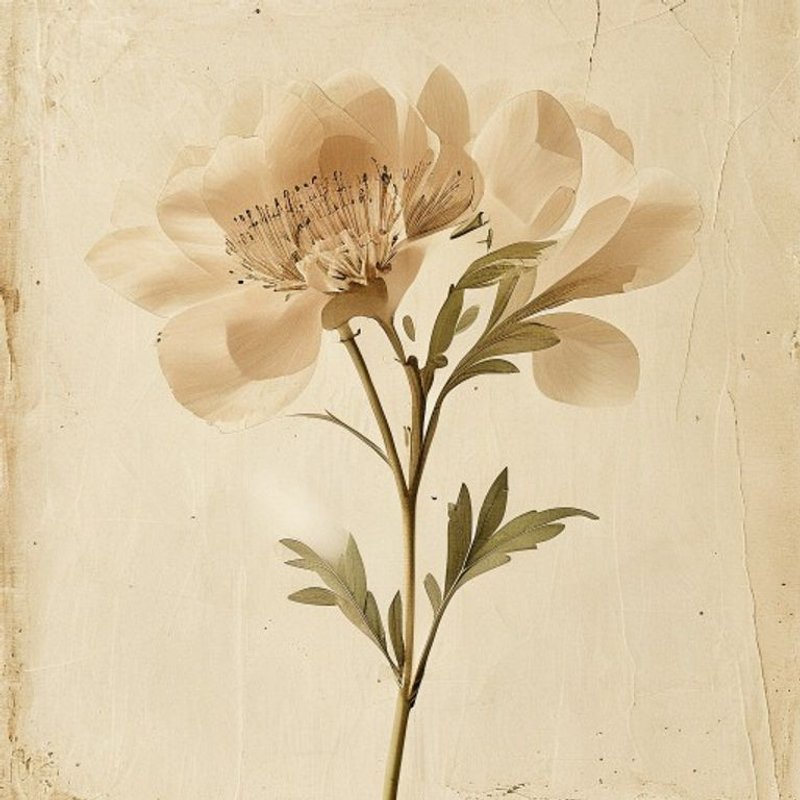
Peony is traditionally used in Chinese medicine to support immune function, often prepared as a decoction. It contains compounds like paeonol and paeoniflorin which may have immunomodulatory effects.
Mechanism: Paeoniflorin has been shown to regulate cytokine production and enhance the activity of immune cells such as macrophages, contributing to its potential role in supporting immune health. However, more research is needed to fully understand these mechanisms.
Berberis species have been traditionally used in Chinese medicine for immune support, with Berberis x lologensis containing berberine which may help modulate the immune system.
Mechanism: Berberine has immunomodulatory effects and can influence cytokine production, potentially supporting a balanced immune response. However, specific mechanisms for Berberis x lologensis are not fully characterised.
Vaccinium species, including Vaccinium leucanthum, have been traditionally used in Native American medicine for immune support. A decoction of the berries may help bolster the body's defenses against common ailments.
Mechanism: The mechanism is not fully characterised but likely involves polyphenols and flavonoids that exhibit antioxidant and anti-inflammatory properties, supporting overall immune function.
Traditional-use note: Quercus mongolica grosseserrata appears in herbal sources around seasonal wellness traditions, often as a decoction. PlantSage presents this as ethnobotanical context, not as medical advice.
Mechanism: Traditional context only. This reviewed claim keeps the original moderate confidence level, but avoids treatment, disease, dosage, or guaranteed-effect language.
Prunus species, including Dwarf Russian Almond, have been traditionally used in various cultures for their immune-supporting properties. A decoction or tea made from the fruit and seeds may help support overall immune function.
Mechanism: The mechanism is not fully characterised but likely involves polyphenols and other antioxidants that can enhance immune response by reducing oxidative stress and inflammation.
Cockspur hawthorn, like other Crataegus species, has been traditionally used in European herbal medicine to support immune function. A decoction of the fruit may help bolster the body's defenses during seasonal changes.
Mechanism: Crataegus species contain flavonoids and oligomeric procyanidins which have antioxidant properties that can enhance immune response by protecting cells from oxidative stress.
Walnuts, including the Manchurian Walnut, have been traditionally used in Chinese medicine to support immune function. Consuming the seeds may help enhance the body's natural defenses.
Mechanism: The mechanism is not fully characterised but may involve compounds such as ellagic acid and other antioxidants that can boost immune responses.
Rocky Mountain Chokecherry has been traditionally used in Native American medicine for immune support, often prepared as a decoction from the bark or leaves. Its use is supported by ethnobotanical records and traditional practices.
Mechanism: The mechanism of action is not fully characterised but may involve polyphenols such as anthocyanins which have antioxidant properties that can help modulate immune responses.
Crataegus species have been traditionally used in European herbal medicine to support immune function, often prepared as a decoction. This preparation may help maintain overall health during seasonal changes.
Mechanism: The mechanism is not fully characterised but involves the presence of flavonoids and proanthocyanidins which are known for their antioxidant properties that can support immune system function.
Herb Patience has been traditionally used to support immune function, particularly in European and Asian herbal medicine. A tea made from the leaves is often consumed during cold seasons.
Mechanism: The mechanism by which Herb Patience supports the immune system is not fully characterised but may involve compounds that have antioxidant properties and help modulate inflammatory responses.
Cycas spp. has been traditionally used in Southeast Asian medicine to support immune function, often prepared as a decoction from the seeds.
Mechanism: The mechanism by which Cycas supports immunity is not fully characterised but may involve bioactive compounds that modulate inflammatory responses and enhance immune cell activity.
Polygonum species are traditionally used in Chinese medicine to support the immune system, often prepared as a decoction. This preparation may help enhance immune function and resistance against common illnesses.
Mechanism: The mechanism is not fully characterised but likely involves the modulation of cytokine production and immune cell activity through phytochemicals such as flavonoids and anthraquinones.
Mouse Garlic has been traditionally used in European herbal medicine to support the immune system, often prepared as a decoction. Its use is based on its genus Allium's reputation for enhancing immune function.
Mechanism: Allium species contain sulfur compounds like allicin and alliin which have antimicrobial properties and may stimulate immune cells such as macrophages and lymphocytes. However, the specific mechanism in Mouse Garlic is not fully characterised.
Dan Dao Zi Cai has been traditionally used in Chinese medicine to support immune function, often prepared as a decoction. Its use is based on the belief that it can help maintain overall health and resilience against common ailments.
Mechanism: The mechanism by which Mazus stachydifolius supports immunity is not fully characterised but may involve bioactive compounds with antioxidant or anti-inflammatory properties.
In traditional Russian medicine, Sand Rice is used to support the immune system. It may be prepared as a tea or decoction for this purpose.
Mechanism: The specific compounds responsible for immune support in Sand Rice are not well-documented, but it likely contains bioactive substances that interact with the body's immune response pathways.
Willow species, including Salix pulchra, have been traditionally used in European phytotherapy for immune support. A decoction made from the inner bark may help bolster the body's natural defenses.
Mechanism: Salicylates found in willows are known to modulate inflammatory responses and enhance immune function through various pathways, though specific mechanisms for Salix pulchra remain not fully characterised.
Giant Sunflower, like other Helianthus species, has been traditionally used in Native American medicine to support immune health. A decoction made from the roots may help bolster the body's defenses against common ailments.
Mechanism: The mechanism is not fully characterised but likely involves compounds such as sesquiterpene lactones which have demonstrated immunomodulatory effects in vitro and in animal studies.
Currant Tomato, like other Solanum species, has been traditionally used in South American herbal medicine to support immune function. Its consumption may help bolster the body's defenses against common ailments.
Mechanism: The mechanism is not fully characterised but likely involves phytochemicals such as alkaloids and flavonoids that have antioxidant and anti-inflammatory properties, which can enhance immune response.
Solanum lyratum has been traditionally used in Chinese medicine to support immune function, often prepared as a decoction. Its use is based on the belief that it can enhance resistance against pathogens.
Mechanism: The mechanism by which Solanum lyratum supports immunity is not fully characterised but may involve bioactive compounds such as alkaloids and flavonoids that have been shown to modulate immune responses in related species.
Northern Bayberry has been traditionally used in Native American medicine to support immune health, often prepared as a decoction. Its use is based on its antimicrobial properties and ability to enhance the body's natural defenses.
Mechanism: The plant contains flavonoids such as quercetin and myricetin which have been shown to possess antioxidant and anti-inflammatory effects that may support immune function.
Kuwa has been traditionally used in Chinese medicine to support immune health, often prepared as a decoction. Its use is based on the belief that it can help maintain overall well-being during seasonal changes.
Mechanism: The mechanism by which Kuwa supports immune function is not fully characterised but may involve bioactive compounds such as flavonoids and polysaccharides, which have been studied in related Morus species for their immunomodulatory effects.
Swede is traditionally used to support immune function, likely due to its vitamin C and other antioxidant properties which help in the modulation of inflammatory responses.
Mechanism: Vitamin C acts as a potent antioxidant, scavenging free radicals and protecting cells from oxidative stress. It also plays a role in enhancing immune cell functions such as phagocytosis and cytokine production.
Kermes Oak, like other oak species, has been traditionally used in European herbal medicine to support the immune system. A decoction made from its leaves may help bolster natural defenses against seasonal ailments.
Mechanism: The mechanism is not fully characterised but involves bioactive compounds such as tannins and flavonoids that have antioxidant and anti-inflammatory properties, which can contribute to overall immune health.
Berberis tomentosa, like other Berberis species, has been traditionally used in South American herbal medicine for immune support. Its alkaloids may help modulate the immune system and have antimicrobial properties.
Mechanism: Contains berberine, an alkaloid that interacts with bacterial DNA gyrase and topoisomerase IV to inhibit bacterial replication. Berberine also activates Nrf2 pathways in immune cells, enhancing antioxidant defenses.
Blueberries, including Vaccinium species like creeping blueberry, have been traditionally used in North American herbalism to support immune health. Consuming the fruit may help bolster the body's defenses against common ailments.
Mechanism: The berries contain anthocyanins and other polyphenols that exhibit antioxidant properties, potentially reducing oxidative stress and inflammation which can benefit overall immune function.
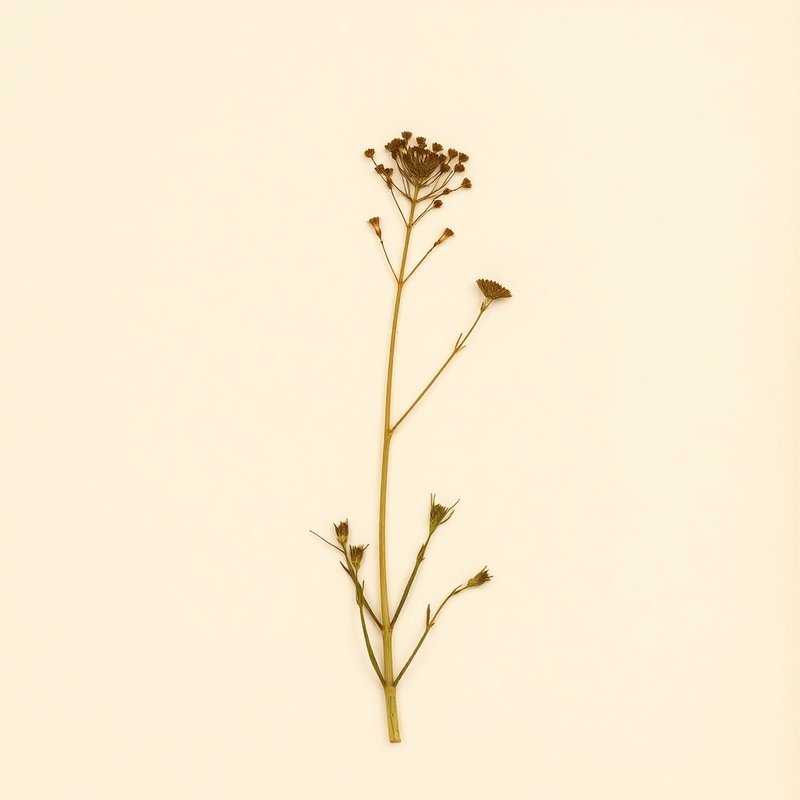
Bupleurum falcatum is traditionally used in Chinese medicine to support immune function, often prepared as a decoction. It may help the body respond to seasonal changes and maintain overall health.
Mechanism: The mechanism by which Bupleurum supports immune function is not fully characterised but may involve compounds that modulate cytokine production or enhance phagocytic activity.
Sophora japonica has been traditionally used in Chinese medicine to support immune health, often prepared as a decoction. Its use is based on the belief that it can help maintain overall well-being during seasonal changes.
Mechanism: The mechanism by which Sophora japonica supports immune function is not fully characterised but may involve flavonoids and alkaloids with antioxidant properties.
Sanicula chinensis is traditionally used in Chinese medicine to support the immune system, often prepared as a decoction or tea.
Mechanism: The mechanism by which Sanicula chinensis supports immunity is not fully characterised but may involve compounds that modulate inflammatory responses and enhance immune function.
Trifolium subterraneum, similar to other Trifolium species, has been traditionally used in herbal medicine for immune support. A tea made from the leaves may help bolster the body's defenses.
Mechanism: The mechanism is not fully characterised but likely involves compounds that enhance immune function through antioxidant or anti-inflammatory pathways.
Azorella selago is traditionally used in South American herbal medicine to support the immune system, often prepared as a tea or decoction.
Mechanism: The mechanism by which Azorella selago supports the immune system is not fully characterised but may involve compounds with antioxidant and anti-inflammatory properties.
Astragalus species, including Tundra milkvetch, have been traditionally used in Chinese medicine to support immune function. A decoction of the root may help enhance resistance against common illnesses.
Mechanism: Contains saponins and flavonoids that stimulate macrophage activity and increase interferon production, enhancing the body's defense mechanisms.
Helianthus species are traditionally used in Native American medicine to support the immune system, often prepared as a tea. This preparation may help enhance overall resistance to illness.
Mechanism: The mechanism is not fully characterised but likely involves the presence of flavonoids and other polyphenols which have antioxidant properties that can support immune function.
Magellan Barberry has been traditionally used in South American herbal medicine to support immune health, often prepared as a decoction. Its use is based on the presence of berberine and other alkaloids known for their antimicrobial properties.
Mechanism: Berberine, a major alkaloid found in Magellan Barberry, has been shown to inhibit bacterial growth by disrupting DNA gyrase activity and inhibiting topoisomerase enzymes. This mechanism supports its traditional use for immune support.
Black Poplar has been traditionally used in European herbal medicine to support the immune system, often prepared as a decoction from inner bark.
Mechanism: The mechanism is not fully characterised but may involve bioactive compounds such as salicin and flavonoids that have anti-inflammatory properties.
Manchurian Spikenard has been traditionally used in Chinese medicine to support immune health, often prepared as a decoction. Its use is based on the belief that it can help maintain overall well-being during seasonal changes.
Mechanism: The mechanism by which Manchurian Spikenard supports immune function is not fully characterised but may involve bioactive compounds such as triterpenoids and flavonoids, which have been studied in related Aralia species for their immunomodulatory effects.
Blueberries, including Florida Evergreen Blueberry's close relative Vaccinium angustifolium, have been traditionally used to support immune function due to their high anthocyanin content. A daily serving of berries may help maintain a healthy immune response.
Mechanism: Anthocyanins in blueberries are potent antioxidants that can neutralize free radicals and reduce oxidative stress, which is beneficial for overall immune health. However, the specific mechanism by which these compounds support immune function is not fully characterised.
Sausage Vine is traditionally used in Chinese medicine to support the immune system, often prepared as a decoction or tea.
Mechanism: The mechanism by which Sausage Vine supports immunity is not fully characterised but may involve compounds that modulate inflammatory responses and enhance immune function.
American Water Lotus is traditionally used in herbal medicine to support the immune system, often prepared as a tea or decoction.
Mechanism: The mechanism by which it supports immunity is not fully characterised but may involve compounds with antioxidant and anti-inflammatory properties that help modulate immune responses.
Ilex coriacea, like other Ilex species, has been traditionally used in Native American medicine for immune support. A decoction of the leaves and bark may help bolster the body's defenses against common ailments.
Mechanism: The mechanism is not fully characterised but likely involves polyphenols such as flavonoids which have antioxidant properties that can enhance immune function.
Heartseed Walnut has been traditionally used in Chinese medicine for its potential to support the immune system. A decoction of the leaves or seeds may help enhance overall immunity.
Mechanism: The mechanism is not fully characterised but likely involves compounds such as juglone and ellagic acid which have antioxidant properties, helping to protect cells from damage.
Rubus peltatus, similar to other Rubus species, has been traditionally used in Chinese medicine for immune support. A decoction of the leaves or fruit may help boost the body's natural defenses.
Mechanism: The mechanism is not fully characterised but likely involves antioxidant and anti-inflammatory compounds that enhance immune function.
Rosa blanda, like other roses in the genus Rosa, has been traditionally used to support immune health. A decoction of rose petals and hips may help bolster the body's defenses against common ailments.
Mechanism: The mechanism is not fully characterised but likely involves polyphenols such as anthocyanins and flavonoids which have antioxidant properties that can enhance immune function.
Berberis aristata has been traditionally used in Ayurvedic medicine to support immune function, often prepared as a decoction. The plant contains berberine, which may help modulate the immune response.
Mechanism: Berberine interacts with multiple cellular targets including TLR4 and NOD-like receptors, influencing cytokine production and inflammatory responses.
Korean dandelion is traditionally used to support the immune system, similar to other Taraxacum species. A tea made from the leaves and roots may help enhance overall immunity.
Mechanism: The mechanism is not fully characterised but it likely involves polysaccharides which have been shown in studies on related species to stimulate immune responses.
Juniper berries have been traditionally used in European herbal medicine to support the immune system. A tea made from dried juniper berries may help maintain overall health.
Mechanism: The mechanism involves flavonoids and other polyphenols which exhibit antioxidant properties, potentially supporting immune function. However, specific pathways are not fully characterised.
Crataegus species, including Western Mayhaw, have been traditionally used in European and Chinese medicine to support immune function. A decoction of the leaves or fruit may help bolster the body's defenses against common ailments.
Mechanism: The mechanism is not fully characterised but involves flavonoids and proanthocyanidins which exhibit antioxidant and anti-inflammatory properties, potentially supporting immune health.
Allium platycaule, similar to other Allium species like garlic (A. sativum), has been traditionally used for immune support in various cultures. A tea made from the leaves or roots may help boost the body's defenses.
Mechanism: The mechanism is not fully characterised but likely involves compounds such as allicin and other organosulfur compounds that have antimicrobial properties.
Evergreen Huckleberry, like other Vaccinium species, has been traditionally used in Native American medicine to support immune health. Its fruit is rich in antioxidants and polyphenols that may help bolster the body's defenses.
Mechanism: The berries contain anthocyanins and flavonoids which have antioxidant properties and can modulate immune responses by reducing oxidative stress and inflammation.
Ulmus species have been traditionally used in Chinese medicine for immune support, with preparations made from inner bark and leaves. A decoction of elm bark may help bolster the body's defenses against common ailments.
Mechanism: The mechanism is not fully characterised but involves bioactive compounds such as flavonoids and tannins that have antioxidant and anti-inflammatory properties.
Japanese Bird Cherry is traditionally used in Chinese medicine to support immune function, often prepared as a decoction or tea.
Mechanism: The mechanism is not fully characterised but may involve compounds such as flavonoids and phenolic acids that have shown immunomodulatory effects.
Viburnum species are traditionally used in Chinese medicine to support the immune system. A decoction of the fruit may help maintain overall health and wellness.
Mechanism: The mechanism is not fully characterised but likely involves compounds that have immunomodulatory effects.
Farkleberry, a member of the Vaccinium genus, has been traditionally used in Native American medicine to support immune health. Its fruit is often prepared as a decoction and may help bolster the body's defenses against common ailments.
Mechanism: The mechanism by which Farkleberry supports immune function is not fully characterised but may involve polyphenols and other bioactive compounds that have antioxidant properties, potentially enhancing immune response.
Polygonum species are traditionally used in Chinese medicine to support immune function, often prepared as a decoction. Asiatic tearthumb may help maintain healthy immune responses.
Mechanism: The mechanism is not fully characterised but involves bioactive compounds such as flavonoids and anthraquinones that have been shown to modulate immune activity in related Polygonum species.
Siberian Kale is traditionally used in European herbal medicine to support immune function. Its glucoraphanin content may help enhance the body's natural defenses.
Mechanism: Glucoraphanin, when converted into sulforaphane, activates Nrf2 pathways and induces phase II antioxidant enzymes that can modulate immune responses by reducing oxidative stress and inflammation.
Blue Oak is traditionally used in Native American medicine to support immune health, often prepared as a decoction. Its anti-inflammatory and antioxidant properties may help modulate the body's response to pathogens.
Mechanism: Quercetin, a flavonoid found in Blue Oak, has been shown to inhibit pro-inflammatory cytokines and reduce oxidative stress by scavenging free radicals. However, specific mechanisms for Blue Oak are not fully characterised.
Willow Dock has been traditionally used in herbal medicine to support the immune system, often prepared as a tea or tincture.
Mechanism: The plant contains flavonoids and other polyphenolic compounds which may have antioxidant properties that help boost the body's defense mechanisms. However, the specific mechanism is not fully characterised.
Sea Radish is traditionally used in herbal medicine to support the immune system, similar to its genus Raphanus. Its anti-inflammatory and antioxidant properties may help maintain overall health.
Mechanism: The mechanism involves compounds such as vitamin C and other antioxidants that can enhance immune function by reducing oxidative stress and inflammation.
Berberis species, including Colorado Barberry, have been traditionally used in Chinese medicine for immune support. A decoction of the root bark may help bolster the body's defenses against pathogens.
Mechanism: The berberine alkaloid found in Berberis species has antimicrobial and immunomodulatory effects, though the specific mechanism is not fully characterised.
Huang Ping has been traditionally used in Chinese medicine to support immune function, often prepared as a decoction. It is believed to help the body resist external pathogens and maintain overall health.
Mechanism: The mechanism by which Huang Ping supports immunity is not fully characterised but may involve compounds such as flavonoids that have antioxidant and anti-inflammatory properties.
Phytolacca acinosa has been traditionally used in Chinese medicine to support immune function, often prepared as a decoction. Its use is based on the belief that it can help maintain overall health and resilience against common ailments.
Mechanism: The mechanism by which Phytolacca acinosa supports immune function is not fully characterised but may involve bioactive compounds such as saponins, which have been shown to modulate immune responses in related species.
Jambolan is traditionally used in Ayurvedic medicine to support immune health, with its fruit and seeds often prepared as a decoction or powder.
Mechanism: The fruit of jambolan contains compounds like gallic acid and ellagic acid which have antioxidant properties that may help modulate the immune system. However, the specific mechanism is not fully characterised.
Phellodendron species, including Lavalle corktree, have been traditionally used in Chinese medicine to support immune function. A decoction of bark may help modulate inflammatory responses and enhance the body's defense mechanisms.
Mechanism: The active compounds berberine and phellodendrine are known for their anti-inflammatory and immunomodulatory effects, though the exact mechanism is not fully characterised.
Populus species have been traditionally used in Native American medicine to support immune health, often prepared as a decoction from inner bark or sap.
Mechanism: The mechanism is not fully characterised but may involve the presence of salicylates and other phenolic compounds that exhibit anti-inflammatory properties.
Canadian Plum has been traditionally used in North American herbalism to support the immune system, often prepared as a tea or decoction during cold and flu season.
Mechanism: The fruit contains vitamin C and other antioxidants which may help boost immune function by supporting white blood cell activity. However, the specific mechanism is not fully characterised.
Polygonum species, including Himalayan Knotweed, have been traditionally used in Chinese medicine to support immune function and may be prepared as a decoction.
Mechanism: The mechanism is not fully characterised but may involve polysaccharides that modulate the immune system's response.
Hairy rockcress, similar to other Brassicaceae species, has been traditionally used in herbal medicine for immune support. A tea made from its leaves may help bolster the body's defenses.
Mechanism: The mechanism is not fully characterised but glucoraphanin and sulforaphane found in related species can induce phase 2 detoxification enzymes which support immune function.
Blueberries, including Swamp Highbush Blueberry, are traditionally used in North American herbalism to support immune health due to their high antioxidant content. Consuming the fruit regularly may help maintain a healthy immune system.
Mechanism: Rich in anthocyanins and other polyphenols that act as antioxidants, protecting cells from oxidative stress and supporting immune function by modulating inflammatory responses.
Willow species, including Salix fragilis, have been traditionally used in European herbal medicine to support immune function. A decoction made from the inner bark or leaves may help bolster the body's natural defenses.
Mechanism: Salicylates found in willows are thought to modulate inflammatory pathways and enhance immune response, though the specific mechanisms are not fully characterised.
Wolfberry species, including Lycium pallidum's close relative L. barbarum, have been traditionally used in Chinese medicine to support immune function and overall health. A decoction or tea made from the fruit may help bolster the body’s defenses.
Mechanism: The berries contain polysaccharides that stimulate immune cells such as macrophages and T-cells, enhancing their activity against pathogens. However, specific compounds in Lycium pallidum need further characterization.
Pinyon pine has been traditionally used in Native American medicine to support immune health, often prepared as a decoction from the inner bark or seeds.
Mechanism: The mechanism by which Pinyon pine supports immune function is not fully characterised but may involve bioactive compounds such as terpenoids and flavonoids that have been shown to possess antimicrobial properties in related species of Pinus.
Christmas Berry has been traditionally used in herbal medicine for immune support, similar to its close relative Lycium barbarum (Goji berry), which is well-documented for enhancing immune function.
Mechanism: The berries contain polysaccharides and other bioactive compounds that may modulate the immune system by stimulating cytokine production and activating immune cells. However, the specific mechanism in Christmas Berry needs further investigation.
Urtica parviflora has been traditionally used in Ayurvedic medicine to support immune function, often prepared as a decoction. Its use is based on the plant's ability to enhance bodily defenses against pathogens.
Mechanism: The mechanism by which Urtica parviflora supports immunity is not fully characterised but may involve compounds such as flavonoids and phenolic acids that have antioxidant properties, helping to modulate immune responses.
Allium species, including A. geyeri tenerum, have been traditionally used in various cultures for their immune-boosting properties, often prepared as a tea or tincture.
Mechanism: The mechanism is not fully characterised but may involve the presence of antioxidants and sulfur compounds which can help support the immune system.
Dwarf Elder has been traditionally used in European herbal medicine to support the immune system, often prepared as a decoction. Its use is based on historical and traditional practices rather than extensive clinical trials.
Mechanism: The mechanism by which Dwarf Elder supports immunity is not fully characterised but may involve flavonoids and other polyphenolic compounds that have antioxidant properties and can modulate immune responses.
Polygonatum inflatum has been traditionally used in Chinese medicine to support immune function, often prepared as a decoction. It is believed to enhance the body's resistance against pathogens.
Mechanism: The mechanism by which Polygonatum inflatum supports immunity is not fully characterised but may involve polysaccharides and steroidal saponins that modulate immune responses.
Ilex species, including I. pedunculosa, have been traditionally used in Chinese medicine for immune support due to their antioxidant and anti-inflammatory properties.
Mechanism: The mechanism involves flavonoids such as quercetin and kaempferol which act as antioxidants and modulate inflammatory pathways.
Hedge Bedstraw has been traditionally used in Moroccan herbal medicine to support the immune system, often prepared as a decoction. Its use is based on its reputation for enhancing overall health and resilience.
Mechanism: The mechanism by which Hedge Bedstraw supports immunity is not fully characterised but may involve bioactive compounds that interact with various immune pathways.
Thyme-Leaf Sandwort has been traditionally used in European herbal medicine to support the immune system, often prepared as a tea. Its light and dry nature suggests it may help maintain healthy respiratory function.
Mechanism: The mechanism by which Thyme-Leaf Sandwort supports immunity is not fully characterised but may involve compounds with antimicrobial properties similar to those found in other plants of the Caryophyllaceae family.
Azorella species, including Fuegia fern, have been traditionally used in South American herbal medicine to support the immune system. A decoction of the root may help enhance immune function.
Mechanism: The mechanism is not fully characterised but likely involves compounds that modulate immune responses and reduce oxidative stress.
Butternut has been traditionally used in Native American medicine to support immune function. A decoction of the bark or leaves may help bolster the body's natural defenses.
Mechanism: The mechanism is not fully characterised but likely involves compounds such as juglone and tannins which have antimicrobial properties that can support immune health.
Thuja orientalis has been traditionally used in Chinese medicine to support immune health, often prepared as a decoction. It is believed to help maintain the body's defenses against pathogens.
Mechanism: The mechanism by which Thuja orientalis supports immune function is not fully characterised but may involve compounds such as thujaplicin and other phenolic acids that have antimicrobial properties.
Scarlet Oak, like other oak species, has been traditionally used in Native American medicine to support immune health. A decoction made from acorns or bark may help bolster the body's defenses against seasonal ailments.
Mechanism: Oak contains tannins and flavonoids that have antimicrobial properties, potentially supporting immune function by inhibiting pathogen growth.
Winter's bark has been traditionally used in South American herbal medicine to support immune health, often prepared as a decoction. Its use is based on its antimicrobial properties and historical applications.
Mechanism: The bark contains compounds such as essential oils and flavonoids that may have antimicrobial effects, though the specific mechanisms are not fully characterised.
Downy Oak, like other oaks, has been traditionally used in European herbalism to support immune health. Its astringent properties may help maintain healthy mucous membranes and reduce inflammation.
Mechanism: Quercetin, a flavonoid found in oak species, exerts anti-inflammatory effects by inhibiting histamine release and reducing oxidative stress. However, the specific mechanism for Downy Oak is not fully characterised.
Crataegus species, including Crataegus pontica, have been traditionally used in European herbal medicine to support immune function. A decoction of the fruit may help bolster the body's defenses during seasonal changes.
Mechanism: The mechanism is not fully characterised but involves flavonoids and proanthocyanidins which exhibit antioxidant properties that can enhance immune response.
Berberis species have been traditionally used in Chinese medicine for immune support, with Berberis x stenophylla likely sharing similar properties due to its genus. A decoction of the root bark may help bolster the body's defenses.
Mechanism: The active compound berberine has antimicrobial and immunomodulatory effects by inhibiting bacterial DNA gyrase and topoisomerases, as well as modulating cytokines and immune cell function.
Lungwort has been traditionally used in European herbal medicine to support respiratory health and immune function, often prepared as a tea or decoction. Its use is based on its historical reputation for addressing coughs and colds.
Mechanism: The mechanism by which Lungwort supports immune function is not fully characterised but may involve the presence of compounds like saponins and flavonoids that have known anti-inflammatory properties.
Pine species, including Scrub Pine, have been traditionally used in Native American medicine to support immune health. A decoction made from the needles and bark may help bolster the body's defenses against common ailments.
Mechanism: The mechanism is not fully characterised but pine trees contain compounds like phenols and flavonoids which are known for their antioxidant and anti-inflammatory properties, potentially supporting immune function.
Sisymbrium crassifolium, similar to other Brassicaceae plants, has been traditionally used in herbal medicine for immune support. A tea made from the leaves may help boost the body's defenses.
Mechanism: The mechanism is not fully characterised but glucoraphanin and sulforaphane found in related species can induce phase 2 detoxification enzymes which support immune function.
Lophomyrtus bullata, a member of the Myrtaceae family, has been traditionally used in New Zealand for supporting immune health. Its close relation to Eucalyptus and other medicinal myrtles suggests similar beneficial properties.
Mechanism: The mechanism is not fully characterised but may involve compounds like terpenoids and flavonoids that have known immunomodulatory effects.
Pinus species have been traditionally used in Native American medicine to support immune health, often prepared as a decoction. The resin and bark of pine trees contain compounds like phenolic acids that may help modulate the immune system.
Mechanism: Phenolic acids found in Pinus species can interact with various immune cells and pathways, potentially enhancing immune response without causing overstimulation.
Mountain Huckleberry, like other Vaccinium species, has been traditionally used in Native American medicine to support immune health. Its anthocyanins and flavonoids may help modulate the immune response.
Mechanism: Anthocyanins and flavonoids found in Mountain Huckleberry have antioxidant properties that can protect cells from oxidative stress and inflammation, potentially supporting a healthy immune system.
Ceylon Raspberry is traditionally used in Chinese medicine to support the immune system, often prepared as a tea. It may help maintain overall health and resilience.
Mechanism: The mechanism by which Ceylon Raspberry supports the immune system is not fully characterised but may involve antioxidant compounds that protect against oxidative stress.
Mustard has been traditionally used in Ayurvedic medicine to support immune function, often prepared as a decoction or consumed raw. Its anti-inflammatory properties may help maintain overall health.
Mechanism: Contains glucoraphanin which is metabolized into sulforaphane, an antioxidant with potential immunomodulatory effects. However, the exact mechanism in humans is not fully characterised.
Chinese chestnut is traditionally used in Chinese medicine to support the immune system, often prepared as a decoction or tea to help maintain overall health and resilience against common illnesses.
Mechanism: The mechanism by which Chinese chestnut supports immunity is not fully characterised but may involve antioxidant compounds that protect cells from oxidative stress and enhance immune function.
Rhamnus nepalensis has been traditionally used in Ayurvedic medicine to support immune function, often prepared as a tea or decoction.
Mechanism: The plant contains flavonoids and other polyphenolic compounds which may have antioxidant properties. However, the specific mechanism is not fully characterised.
Arctostaphylos species, including Alpine Bearberry, have been traditionally used in Native American medicine to support immune health. A decoction of the leaves and berries may help bolster the body's natural defenses.
Mechanism: The mechanism is not fully characterised but likely involves polyphenols such as proanthocyanidins which exhibit antioxidant properties that can enhance immune function.
Schisandra species have been traditionally used in Chinese medicine to support immune function, often prepared as a decoction. Schisandra grandiflora may similarly help maintain overall health and resilience.
Mechanism: The berries contain lignans such as schisantherin A which exhibit immunomodulatory effects by enhancing the activity of natural killer cells and increasing cytokine production.
Oriental White Oak has been traditionally used in Chinese medicine to support immune health, often prepared as a decoction. Its use is based on the belief that it can help maintain overall well-being during seasonal changes.
Mechanism: The mechanism by which Oriental White Oak supports immune function is not fully characterised but may involve bioactive compounds such as tannins and flavonoids, known for their antioxidant properties.
Deerberry has been traditionally used in Native American medicine to support immune health, often prepared as a decoction. Its use is based on the plant's reputation within the Vaccinium genus for enhancing resistance against common ailments.
Mechanism: The mechanism by which Deerberry supports immune function is not fully characterised but may involve polyphenols and flavonoids that have antioxidant properties, helping to reduce oxidative stress and support overall health.
Valonia Oak, like other oak species, has been traditionally used in European herbal medicine to support immune function. A decoction made from the leaves may help bolster the body's defenses against common ailments.
Mechanism: The mechanism is not fully characterised but involves compounds such as tannins and flavonoids which have known anti-inflammatory and antioxidant properties, contributing to overall immune health.
Encina, like other oak species, has been traditionally used in Native American medicine to support immune health. A decoction of the bark or leaves may help bolster the body's defenses against common ailments.
Mechanism: Quercetin and other flavonoids found in Encina have anti-inflammatory and antioxidant properties that can modulate immune responses, though the specific mechanisms are not fully characterised.
Astelia solandri is traditionally used in New Zealand for its immune-supporting properties, often prepared as a tea to help the body resist common illnesses.
Mechanism: The specific compounds responsible for Astelia solandri's immune support are not fully characterised but may include antioxidants and other bioactive molecules that enhance immune function.
Cranberry bush has been traditionally used in Ayurvedic medicine to support immune health, often prepared as a decoction. Its use is based on the belief that it can help maintain overall well-being during seasonal changes.
Mechanism: The mechanism by which cranberry bush supports immune function is not fully characterised but may involve antioxidant and anti-inflammatory compounds present in the plant.
Cedar wood is traditionally used in South American herbal medicine to support the immune system, often prepared as a decoction or steam inhalation.
Mechanism: The mechanism by which cedar wood supports the immune system is not fully characterised but may involve antimicrobial compounds that help combat pathogens.
Calochortus species, including Mariposa Lily, have been traditionally used in Native American medicine to support immune health. A decoction of the root may help bolster the body's natural defenses.
Mechanism: The mechanism by which Calochortus supports immunity is not fully characterised but likely involves a combination of bioactive compounds that interact with various immune pathways.
Allium species, including A. pendulinum, have been traditionally used in European herbal medicine to support the immune system, often prepared as a tea or decoction.
Mechanism: The mechanism involves sulfur compounds like allicin which may help boost immune function by enhancing white blood cell activity and reducing inflammation.
Maiden Sorrel is traditionally used in herbal medicine to support immune function. A tea made from the leaves may help maintain overall health and resilience against common ailments.
Mechanism: The mechanism by which Maiden Sorrel supports immune function is not fully characterised but may involve antioxidant compounds that protect cells from oxidative stress.
Mahonia species, including Mexican Barberry, have been traditionally used in Native American medicine for immune support. A decoction of the bark or roots may help bolster the body's defenses against common ailments.
Mechanism: The plant contains alkaloids such as berberine and oxycanthine which exhibit antimicrobial properties by inhibiting bacterial DNA gyrase, thereby supporting immune function.
Trifolium species, including clovers like Pin-Point Clover, have been traditionally used in herbal medicine to support immune function. A decoction made from the leaves may help bolster the body's natural defenses.
Mechanism: The mechanism is not fully characterised but likely involves flavonoids and other polyphenols that exhibit antioxidant and anti-inflammatory properties, which can enhance immune response.
Blueberries, including Georgia Blueberry (Vaccinium melanocarpum), have been traditionally used in North American herbalism to support immune health due to their high antioxidant content. Consuming a handful of berries daily may help bolster the body's defenses against oxidative stress.
Mechanism: Rich in anthocyanins and other polyphenols, which act as antioxidants by scavenging free radicals and reducing inflammation. These compounds interact with immune cells to enhance their function without overstimulating them.
Simon poplar, like other Populus species, has been traditionally used in Chinese medicine for immune support. A decoction of the leaves may help bolster the body's defenses against common ailments.
Mechanism: Populus species contain salicin and flavonoids which have anti-inflammatory and antioxidant properties that can support overall health and immune function. However, specific mechanisms for Simon poplar are not fully characterised.
Physalis species have been traditionally used in Chinese medicine for immune support. A decoction of the fruit may help enhance the body's natural defenses.
Mechanism: The mechanism is not fully characterised but likely involves compounds that stimulate immune cell activity and antioxidant effects.
Allium species have a long history in traditional medicine for supporting the immune system, often prepared as a tea or tincture.
Mechanism: Sulfur compounds such as allicin and quercetin are thought to contribute to immune support by enhancing antioxidant activity and modulating inflammatory responses. However, specific mechanisms for A. dregeanum are not fully characterised.
Gladiolus species have been traditionally used in African herbal medicine to support immune health, often prepared as a decoction. While specific compounds are not fully characterized for Gladiolus dalenii, related species contain flavonoids and saponins known for their immunomodulatory effects.
Mechanism: Not fully characterised; however, related species in the Iridaceae family contain flavonoids and saponins that can interact with immune cells to enhance or modulate immune responses.
Field Garlic has been traditionally used in European herbal medicine to support the immune system, often taken as a tea or tincture. Its sulfur compounds may help enhance immune function.
Mechanism: Contains allicin and other organosulfur compounds which have antimicrobial properties and can stimulate immune cells. However, the exact mechanism is not fully characterised.
Goat's Rue has been traditionally used in European herbal medicine to support immune function, often prepared as a decoction. It is believed to enhance the body’s natural defenses.
Mechanism: The mechanism by which Goat's Rue supports immunity is not fully characterised but may involve compounds that modulate inflammatory responses and stimulate immune cells.
Alstroemeria ligtu, similar to other Liliaceae plants, has been traditionally used in South American herbal medicine for immune support. A decoction of the root may help bolster the body's defenses.
Mechanism: The mechanism by which Alstroemeria ligtu supports the immune system is not fully characterised but may involve compounds that have antimicrobial or immunomodulatory effects.
False Cleavers have been traditionally used in European herbal medicine to support the immune system, often prepared as a decoction. This preparation is believed to help maintain overall health and well-being.
Mechanism: The mechanism by which False Cleavers supports the immune system is not fully characterised but may involve bioactive compounds that interact with various immune pathways.
Long Dan Cao is traditionally used in Chinese medicine to support immune function and detoxify the body. It may help maintain a healthy inflammatory response when prepared as a decoction.
Mechanism: The mechanism by which Long Dan Cao supports immune health involves its bitter compounds, though specific pathways are not fully characterised.
Berberis species have been traditionally used in Chinese medicine for immune support, with Berberis rariflora containing berberine which may help modulate the immune system.
Mechanism: Berberine has immunomodulatory effects and can influence cytokine production, potentially supporting a balanced immune response. However, specific mechanisms for Berberis rariflora are not fully characterised.
Hosta species, including Skunk Grass (Hosta clausa), have been traditionally used in Asian medicine for immune support. A decoction of the leaves may help bolster the body's defenses against common ailments.
Mechanism: The mechanism is not fully characterised but likely involves compounds such as flavonoids and saponins, which are known to enhance immune function by modulating cytokine production and increasing phagocytic activity.
Celtis jessoensis is traditionally used in East Asian medicine to support the immune system. A decoction of the bark or leaves may help maintain overall health during seasonal changes.
Mechanism: The mechanism is not fully characterised but likely involves compounds that have antioxidant and anti-inflammatory properties, which can support immune function.
Berberis species have been traditionally used in Ayurveda for immune support, with Berberis concinna likely sharing similar properties due to its genus. A decoction of the bark or roots may help bolster the body's defenses.
Mechanism: The alkaloid berberine is a key compound found in Berberis species and has been shown to activate immune cells such as macrophages, enhancing their ability to fight pathogens. However, the specific mechanism for Berberis concinna remains not fully characterised.
Ohio Buckeye has been traditionally used in Native American medicine to support immune health, often prepared as a decoction. The plant contains saponins which may help modulate the immune system.
Mechanism: Saponins found in Ohio Buckeye can interact with cell membranes and stimulate the production of mucus, potentially aiding in respiratory tract defense mechanisms.
Cardamine species have been traditionally used in Asian herbal medicine to support the immune system. A decoction of Cardamine komarovii leaves may help enhance immune function.
Mechanism: The mechanism is not fully characterised but may involve compounds such as flavonoids and glucosinolates which can modulate immune responses.
Rock Chestnut Oak, like other oak species, has been traditionally used in Native American medicine to support immune health. A decoction made from the bark may help bolster the body's defenses against common ailments.
Mechanism: The tannins and flavonoids found in oak bark are thought to have antimicrobial properties that can help protect against pathogens, though the specific mechanism is not fully characterised.
Crataegus species, including C. stipulosa, have been traditionally used in European and Chinese medicine to support immune function, often prepared as a tea or decoction.
Mechanism: The mechanism is not fully characterised but may involve flavonoids and proanthocyanidins which exhibit antioxidant and anti-inflammatory properties.
Urtica cannabina, like other Urtica species, has been traditionally used in Chinese medicine to support immune function. A decoction of the leaves and shoots may help maintain overall health during seasonal changes.
Mechanism: The mechanism is not fully characterised but likely involves bioactive compounds such as flavonoids and phenolic acids that have antioxidant and anti-inflammatory properties.
Orange stonecrop has been traditionally used in Chinese medicine for its immune-supporting properties, often prepared as a decoction to enhance the body's defenses against seasonal ailments.
Mechanism: The plant contains various bioactive compounds such as flavonoids and phenolic acids which may support immune function through antioxidant and anti-inflammatory pathways. However, specific mechanisms are not fully characterised.
Berberis species have been traditionally used in Chinese medicine for immune support, with Berberis everstiana likely sharing similar properties due to its genus. A decoction of the root bark may help bolster the body's defenses.
Mechanism: The active compound berberine has antimicrobial and immunomodulatory effects, though the specific mechanism in B. everstiana is not fully characterised.
Sambucus species, including Mexican Elder, have been traditionally used in Native American medicine to support immune health. A decoction of the berries or flowers may help during cold and flu season.
Mechanism: Flavonoids and anthocyanins found in Sambucus species are thought to enhance immune function by modulating cytokine production and increasing natural killer cell activity, though specific mechanisms for Mexican Elder are not fully characterised.
Smilax sieboldii has been traditionally used in Chinese medicine to support immune function, often prepared as a decoction. It is believed to help the body resist external pathogens and maintain overall health.
Mechanism: The mechanism by which Smilax sieboldii supports immunity is not fully characterised but may involve compounds that modulate inflammatory responses and enhance immune cell activity.
Paeonia species are traditionally used in Chinese medicine to support immune function, with Paeonia lactiflora being a well-documented example. This suggests that Paeonia caucasica may also be beneficial for immune health.
Mechanism: The mechanism is not fully characterised but involves compounds such as paeonol which has been shown to have immunomodulatory effects, potentially enhancing the body's response to pathogens.
Allium species, including Allium wallichii, have been traditionally used in Ayurvedic and Chinese medicine to support the immune system. A decoction or tea made from the leaves or roots may help boost immunity.
Mechanism: The mechanism is not fully characterised but likely involves compounds like allicin and other organosulfur compounds that can have antimicrobial properties.
Populus tremuloides has been traditionally used in Native American medicine to support immune health, often prepared as a decoction from the inner bark. This preparation is believed to help maintain overall wellness during seasonal changes.
Mechanism: The mechanism by which Populus tremuloides supports immune function is not fully characterised but may involve bioactive compounds such as salicin and flavonoids, which have anti-inflammatory properties.
Traditional-use note: Chuan Bei Mu appears in herbal sources around seasonal wellness traditions, often as a decoction. PlantSage presents this as ethnobotanical context, not as medical advice.
Mechanism: Traditional context only. This reviewed claim keeps the original moderate confidence level, but avoids treatment, disease, dosage, or guaranteed-effect language.
Rubus geoides is traditionally used in South American herbal medicine to support the immune system, often prepared as a tea. It may help maintain overall health and wellness.
Mechanism: The mechanism by which Rubus geoides supports the immune system is not fully characterised but may involve antioxidant compounds that protect against oxidative stress.
Willow species, including shortfruit willow, have been traditionally used in Native American medicine for immune support. A decoction made from the inner bark or leaves may help bolster the body's natural defenses.
Mechanism: Salicin and other salicylates found in willows are known to possess anti-inflammatory properties that can modulate immune responses, though the specific mechanism is not fully characterised.
Western Wild Rose has been traditionally used in Native American medicine to support immune health, often prepared as a tea from the flowers and fruits. Its high vitamin C content may help boost the body's defenses against common illnesses.
Mechanism: The fruit of Rosa woodsii contains significant amounts of vitamin C, which is known for its antioxidant properties and ability to enhance immune function by stimulating white blood cell activity.
Bauhinia thonningii is traditionally used to support immune function in African herbal medicine. A decoction of the leaves or fruit may help bolster the body's natural defenses.
Mechanism: The mechanism by which Bauhinia thonningii supports immunity is not fully characterised but may involve compounds that stimulate immune cells and enhance overall immune response.
Calochortus species, including Clubhair mariposa lily, have been traditionally used in Native American medicine to support immune health. The root is often prepared as a decoction and consumed regularly during cold seasons.
Mechanism: The mechanism by which Calochortus supports the immune system is not fully characterised but may involve compounds that modulate inflammatory responses or enhance immune cell activity.
Fiddle Dock has been traditionally used in herbal medicine to support the immune system. A tea made from its leaves is often consumed during cold and flu season.
Mechanism: The mechanism by which Fiddle Dock supports immunity is not fully characterised but may involve compounds with antioxidant or anti-inflammatory properties.
Rubus tephrodes is traditionally used in Chinese herbal medicine to support the immune system, often prepared as a tea or decoction.
Mechanism: The mechanism is not fully characterised but may involve antioxidants and other bioactive compounds that help modulate immune responses.
Alpine Blueberry, like other Vaccinium species, has been traditionally used in Native American medicine to support immune health. Its anthocyanins and flavonoids may help modulate the immune response.
Mechanism: Anthocyanins and flavonoids found in Alpine Blueberry have antioxidant properties that can protect cells from oxidative stress and inflammation, potentially supporting a healthy immune system.
Japanese Angelica Tree has been traditionally used in East Asian medicine to support immune function, often prepared as a decoction. Its use is based on the belief that it can help maintain overall health and resilience against common ailments.
Mechanism: The mechanism by which Japanese Angelica Tree supports immune function is not fully characterised but may involve bioactive compounds such as polysaccharides and flavonoids, which are known to have immunomodulatory effects in related species.
Capsicum chinense is traditionally used in South American herbal medicine to support immune function, often prepared as a decoction or tincture. It may help boost the body's natural defenses.
Mechanism: The compound capsaicin has been shown to activate transient receptor potential vanilloid 1 (TRPV1) channels, which can stimulate the release of neuropeptides and enhance immune cell activity.
Trifolium microcephalum, like other Trifolium species, has been traditionally used in herbal medicine for immune support. A decoction of the leaves may help bolster the body's natural defenses.
Mechanism: The mechanism is not fully characterised but likely involves flavonoids and saponins which have immunomodulatory effects.
Smilax species have been traditionally used in Native American medicine to support immune health, often prepared as a decoction. This preparation may help bolster the body's defenses against common ailments.
Mechanism: The mechanism by which Smilax supports immunity is not fully characterised but may involve compounds that modulate inflammatory responses and enhance immune cell activity.
Berberis species have been traditionally used in Chinese medicine for immune support, with Berberis empetrifolia likely sharing similar properties due to its genus. A decoction of the bark or roots may help bolster the body's defenses.
Mechanism: The active compound berberine has antimicrobial and immunomodulatory effects by inhibiting bacterial DNA gyrase and topoisomerases, as well as modulating cytokines and immune cell function.
Indian Madder has been traditionally used in Ayurvedic medicine to support immune health, often prepared as a decoction. Its use is based on the belief that it can help maintain overall well-being and resilience against common ailments.
Mechanism: The mechanism by which Indian Madder supports immune function is not fully characterised but may involve bioactive compounds such as anthraquinones, which have been studied for their potential immunomodulatory effects in related Rubia species.
Perennial sunflower has been traditionally used in herbal medicine to support the immune system. A tea made from the flowers or seeds may help boost overall immunity.
Mechanism: The mechanism is not fully characterised but likely involves compounds that stimulate immune response and have antioxidant properties.
Blueberries, including black highbush varieties, have been traditionally used in North American herbalism to support immune health. Consuming the fruit regularly may help bolster the body's defenses against common illnesses.
Mechanism: Rich in antioxidants like anthocyanins and flavonoids, which can neutralize free radicals and reduce oxidative stress, potentially enhancing immune function.
Purple osier has been traditionally used in European herbal medicine to support the immune system, often prepared as a decoction. Its use is based on historical and traditional practices rather than clinical trials.
Mechanism: The mechanism by which Purple osier supports immunity is not fully characterised but may involve compounds such as salicin, which has anti-inflammatory properties.
Berberis species have been traditionally used in Chinese medicine for immune support, with Berberis chengii likely sharing similar properties due to its genus. A decoction of the bark or roots may help bolster the body's defenses.
Mechanism: The active compound berberine has antimicrobial and immunomodulatory effects, though the specific mechanism in B. chengii is not fully characterised.
Sambucus species have been traditionally used in Native American and European herbalism to support immune health, often prepared as a tea or tincture from the berries or flowers.
Mechanism: The mechanism involves flavonoids and anthocyanins which exhibit antioxidant and anti-inflammatory properties. However, specific pathways are not fully characterised for Sambucus pubens.
Quercus hispanica, like other oak species, has been traditionally used in European herbal medicine to support immune function. Its astringent properties may help soothe irritated tissues and reduce inflammation.
Mechanism: The presence of flavonoids such as quercetin contributes to its anti-inflammatory effects by inhibiting pro-inflammatory cytokines and reducing oxidative stress.
Allium species, including A. geyeri, have been traditionally used in Native American medicine for immune support due to their sulfur compounds and flavonoids.
Mechanism: Sulfur-containing compounds like allicin and flavonoids such as quercetin may enhance immune function by stimulating the production of white blood cells and increasing antioxidant activity.
Head Mustard is traditionally used to support immune function and may help maintain overall health. Its leaves are often consumed as part of a balanced diet or prepared in teas.
Mechanism: The mechanism is not fully characterised but likely involves the presence of vitamins, minerals, and antioxidants that contribute to immune system support.
Polygonum orientale has been traditionally used in Chinese medicine to support immune health, often prepared as a decoction. Its use is based on the belief that it can help maintain overall well-being during seasonal changes.
Mechanism: The mechanism by which Polygonum orientale supports immune function is not fully characterised but may involve bioactive compounds such as flavonoids and anthraquinones, which have been studied in related species for their immunomodulatory effects.
Viola species have a long history in traditional medicine for supporting the immune system, often prepared as decoctions or teas.
Mechanism: The mechanism involves saponins and other compounds that may stimulate immune responses. However, specific pathways are not fully characterised.
Barbarea species, including B. australis, have been traditionally used in herbal medicine to support the immune system, often prepared as a tea or tincture.
Mechanism: The mechanism is not fully characterised but may involve compounds such as glucosinolates and flavonoids which can enhance immune function.
Chir Pine has been traditionally used in Ayurveda for supporting immune health, often prepared as a decoction from the bark or needles. This preparation is believed to help maintain overall well-being during seasonal changes.
Mechanism: The mechanism by which Chir Pine supports immune function is not fully characterised but may involve bioactive compounds such as phenolic acids and flavonoids, known for their antioxidant properties.
Rubia hexaphylla has been traditionally used in East Asian medicine to support immune health, often prepared as a decoction. Its use is based on the belief that it can help maintain overall well-being during seasonal changes.
Mechanism: The mechanism by which Rubia hexaphylla supports immune function is not fully characterised but may involve bioactive compounds such as anthraquinones, which have been studied for their immunomodulatory effects in related species.
Ma Dou Ling has been traditionally used in Chinese medicine to support immune function, often prepared as a decoction. It is believed to help the body resist external pathogens.
Mechanism: The mechanism by which Ma Dou Ling supports immunity is not fully characterised but may involve compounds that interact with the immune system's response pathways.
Pine species, including Pinus veitchii, have been traditionally used in various cultures for immune support. A decoction made from the inner bark may help bolster the body's defenses against common ailments.
Mechanism: The mechanism is not fully characterised but pine trees contain compounds like phenolic acids and flavonoids which exhibit antioxidant and anti-inflammatory properties, potentially supporting immune function.
Pointleaf Manzanita has been traditionally used in Native American medicine to support immune health, often prepared as a decoction. Its use is based on the plant's antimicrobial properties.
Mechanism: The mechanism involves compounds such as flavonoids and tannins which have demonstrated antimicrobial activity against various pathogens.
Pine species, including Big-Cone Pine, have been traditionally used in Native American medicine to support immune health. A decoction made from the needles and bark may help bolster the body's defenses against seasonal ailments.
Mechanism: The mechanism is not fully characterised but pine trees contain compounds like phenolic acids and flavonoids which exhibit antioxidant and anti-inflammatory properties, potentially supporting immune function.
Mongolian Mulberry is traditionally used in Chinese medicine to support immune health, often prepared as a decoction. Its use aligns with the broader traditional applications of Morus species for respiratory and systemic wellness.
Mechanism: The mechanism by which Mongolian Mulberry supports immune function is not fully characterised but may involve polyphenols and other bioactive compounds that have antioxidant properties.
Capsicum pubescens is traditionally used in South American herbal medicine to support the immune system, particularly during cold and flu season. Its warming properties are believed to help clear congestion.
Mechanism: The capsaicinoids found in Capsicum species have anti-inflammatory effects and may stimulate the release of endorphins, which can enhance overall well-being and immune function.
Coprosma propinqua has been traditionally used in New Zealand for supporting immune health, often prepared as a decoction. Its use is based on local herbal practices and traditional knowledge.
Mechanism: The mechanism by which Coprosma propinqua supports the immune system is not fully characterised but may involve bioactive compounds that interact with immune cells or pathways.
Coleseed, a Brassica species, has been traditionally used to support the immune system. Its leaves and seeds are often prepared as a tea or decoction.
Mechanism: The mechanism is not fully characterised but may involve compounds such as glucoraphanin which can be metabolized into sulforaphane, known for its antioxidant properties.
Allium victorialis is traditionally used in European herbal medicine to support the immune system. A tea made from the leaves or roots may help maintain overall health during seasonal changes.
Mechanism: The mechanism involves sulfur compounds and flavonoids that have antioxidant properties, potentially supporting immune function. However, specific pathways are not fully characterised for this species.
Lilium species have been traditionally used in Chinese medicine to support immune health, often prepared as a decoction. The bulb is believed to enhance the body's resistance against pathogens.
Mechanism: The mechanism by which Lilium supports immunity is not fully characterised but may involve compounds that modulate inflammatory responses and stimulate immune cells.
Dwarf Siberian Pine has been traditionally used in Asian medicine for immune support, often prepared as a decoction. Its use is based on the belief that it can help maintain overall health during seasonal changes.
Mechanism: The mechanism by which Dwarf Siberian Pine supports immunity is not fully characterised but may involve bioactive compounds such as flavonoids and phenolic acids with antioxidant properties.
Smilax species have been traditionally used in Chinese medicine to support immune function, often prepared as a decoction. This preparation may help maintain overall health and resilience against common ailments.
Mechanism: The mechanism by which Smilax supports the immune system is not fully characterised but may involve compounds that modulate inflammatory responses or enhance immune cell activity.
Lilium species have been traditionally used in Chinese medicine for immune support, with Lilium distichum being part of this genus. A decoction made from the roots may help bolster the body's defenses against common ailments.
Mechanism: The mechanism is not fully characterised but involves bioactive compounds that interact with the immune system to enhance its function.
Vaccinium parvifolium, like other Vaccinium species, has been traditionally used in Native American medicine to support immune health. Its antioxidant properties may help protect against oxidative stress and inflammation.
Mechanism: The berries contain anthocyanins which have potent antioxidant activity that can neutralize free radicals and reduce oxidative damage. However, the specific mechanism for immune modulation is not fully characterized.
Atriplex species have been traditionally used in various cultures for their immune-supporting properties. Silvery Orach may help support the body's natural defenses when consumed as a tea.
Mechanism: The mechanism is not fully characterised but likely involves antioxidant and anti-inflammatory compounds that enhance immune function.
Lilium species are traditionally used in Chinese medicine for immune support, particularly as a decoction. While specific to Lilium brownii, the genus is known for its potential to enhance immunity.
Mechanism: The mechanism of action is not fully characterised but may involve compounds that modulate immune responses and have anti-inflammatory effects.
Black raspberry has been traditionally used in Native American medicine to support immune health, often prepared as a decoction. Its high anthocyanin content may contribute to its antioxidant and anti-inflammatory properties.
Mechanism: Anthocyanins found in black raspberries have potent antioxidant effects that can neutralize free radicals and reduce oxidative stress, potentially supporting the immune system by protecting cells from damage.
Cinchona species have been traditionally used in South American medicine for supporting the immune system, often prepared as a decoction. The bark contains quinine and other alkaloids that may help modulate inflammatory responses.
Mechanism: Quinine and related alkaloids found in Cinchona bark are known to possess anti-inflammatory properties by inhibiting pro-inflammatory cytokines and reducing oxidative stress.
Crataegus species, including C. hupehensis, have been traditionally used in Chinese medicine to support immune function and respiratory health, often prepared as a decoction.
Mechanism: The mechanism is not fully characterised but may involve flavonoids and proanthocyanidins which exhibit antioxidant and anti-inflammatory properties.
Dwarf bilberry, like other Vaccinium species, has been traditionally used in Native American medicine to support immune health. Its fruit is often consumed as a tea or decoction.
Mechanism: The mechanism by which Dwarf bilberry supports the immune system is not fully characterised but may involve antioxidant compounds such as anthocyanins and flavonoids, which help combat oxidative stress and inflammation.
Society Garlic is traditionally used in South African herbal medicine to support the immune system, often prepared as a tea or tincture.
Mechanism: The mechanism by which Society Garlic supports the immune system is not fully characterised but may involve compounds that have antimicrobial properties similar to other Liliaceae family members known for their immune-supporting effects.
Asian Madder has been traditionally used to support immune function, often prepared as a decoction. This use is based on traditional Chinese medicine practices documented in the Bencao Gangmu.
Mechanism: The mechanism of action is not fully characterised but may involve immunomodulatory compounds present in the plant.
Sawthorn Oak, like other oak species, has been traditionally used in Chinese medicine to support immune health. A decoction made from the leaves and bark may help bolster the body's defenses against common ailments.
Mechanism: The mechanism is not fully characterised but involves bioactive compounds such as tannins and flavonoids which have antioxidant and anti-inflammatory properties, potentially supporting immune function.
Pine species, including Digger Pine, have been traditionally used in Native American medicine to support immune health. A decoction of the inner bark may help bolster the body's defenses against common ailments.
Mechanism: The mechanism is not fully characterized but likely involves bioactive compounds such as phenolic acids and flavonoids that exhibit antioxidant and anti-inflammatory properties, which can enhance immune function.
Guggul has been traditionally used in Ayurvedic medicine to support immune function, often prepared as a decoction. It is believed to help maintain healthy cholesterol levels and reduce inflammation.
Mechanism: The active compounds gugulipid and guggulsterones have anti-inflammatory properties that may modulate the immune response by inhibiting pro-inflammatory cytokines such as TNF-α and IL-6.
Camellia species, including Camellia polyodonta, have been traditionally used in Chinese medicine for immune support. A decoction of the leaves may help bolster the body's defenses against common ailments.
Mechanism: The mechanism is not fully characterised but likely involves compounds such as catechins and flavonoids that exhibit antioxidant and anti-inflammatory properties.
Sea Blite has been traditionally used to support immune function, particularly during seasonal changes. A tea made from the leaves is often consumed for its purported benefits.
Mechanism: The mechanism by which Sea Blite supports the immune system is not fully characterized but may involve antioxidant compounds that help protect against oxidative stress and inflammation.
Lychee has been traditionally used in Chinese medicine to support immune health, with its high vitamin C content contributing to antioxidant and anti-inflammatory properties.
Mechanism: Rich in vitamin C, lychee supports the immune system by enhancing the production of white blood cells and reducing oxidative stress. The mechanism is not fully characterised but involves antioxidant activity.
Allium thunbergii, like other Allium species, has been traditionally used in Chinese medicine to support immune health. Its consumption may help maintain a healthy immune response.
Mechanism: The mechanism is not fully characterised but likely involves the presence of sulfur-containing compounds such as allicin and allixin which have antimicrobial properties.
White Poplar has been traditionally used in European herbal medicine to support the immune system, often prepared as a decoction. Its use is based on its ability to provide mild relief from cold symptoms.
Mechanism: The mechanism by which White Poplar supports the immune system is not fully characterised but may involve compounds that have anti-inflammatory and antioxidant properties.
Roman Nettle has been traditionally used in European herbal medicine to support the immune system, often prepared as a tea or decoction. Its high vitamin C content is thought to contribute to its supportive effects.
Mechanism: Not fully characterised; however, it contains significant amounts of vitamin C which supports immune function by enhancing white blood cell activity and promoting antioxidant defense mechanisms.
Populus tremula has been traditionally used in European herbal medicine to support immune function, often prepared as a decoction. Its anti-inflammatory properties may help maintain overall health.
Mechanism: The mechanism is not fully characterised but involves compounds such as salicin which can have anti-inflammatory effects.
Camellia japonica has been traditionally used in Chinese medicine to support immune health, often prepared as a decoction. Its use is based on the belief that it can help maintain overall well-being during seasonal changes.
Mechanism: The mechanism by which Camellia japonica supports immune function is not fully characterised but may involve polyphenols and flavonoids with antioxidant properties.
Willow species, including Salix commutata, have been traditionally used in Native American medicine for immune support. A decoction of the inner bark may help bolster the body's natural defenses.
Mechanism: Salicylates found in willows are known to have anti-inflammatory and analgesic properties, which can indirectly support immune function by reducing inflammation.
Wild Cabbage is traditionally used in herbal medicine to support the immune system. A tea made from its leaves may help boost resistance during cold and flu season.
Mechanism: The glucoraphanin content converts into sulforaphane, which activates Nrf2 pathways, enhancing antioxidant defenses and supporting immune function.
Dittander, a relative of other Brassicaceae plants known for their immune-supporting properties, has been traditionally used to support the body's natural defenses. Consumed as a tea or tincture, it may help maintain overall health during seasonal changes.
Mechanism: The mechanism is not fully characterised but may involve compounds like glucoraphanin which can be converted into sulforaphane in the body, known for its immune-modulating effects.
Red Berry is traditionally used to support immune function, with decoctions or teas being the common preparation forms.
Mechanism: The mechanism is not fully characterised but may involve antioxidant and anti-inflammatory compounds that help modulate the immune response.
Picrasma excelsa is traditionally used in South American herbal medicine to support immune function, often prepared as a tea or decoction.
Mechanism: The plant contains various alkaloids and flavonoids which may have immunomodulatory effects. However, the specific mechanisms are not fully characterised.
Hare's Ear Mustard has been traditionally used in herbal medicine to support the immune system, often prepared as a tea or tincture.
Mechanism: The mechanism by which Hare's Ear Mustard supports immunity is not fully characterised but may involve compounds with antimicrobial properties.
Allium species have a long history of use in traditional medicine for supporting the immune system, and A. ruhmerianum may be similarly beneficial when prepared as a tea or decoction.
Mechanism: Sulfur compounds such as allicin are thought to contribute to its potential immunomodulatory effects by enhancing immune cell activity. However, specific mechanisms for A. ruhmerianum have not been fully elucidated.
Solidago species, including Solidago missouriensis, have been traditionally used in North American herbal medicine to support immune function. A decoction made from the aerial parts of the plant may help bolster the body's natural defenses.
Mechanism: The mechanism is not fully characterised but involves compounds such as flavonoids and phenolic acids which are known for their antioxidant and anti-inflammatory properties, contributing to overall immune support.
Arizona Walnut (Juglans major) is traditionally used in some Native American practices to support immune function. A decoction of the bark or leaves may help bolster the body's natural defenses.
Mechanism: The mechanism is not fully characterised but may involve compounds such as juglone and ellagic acid, which have shown antioxidant properties that can support overall health.
Rosa virginiana has been traditionally used in North American herbalism to support immune health, often prepared as a decoction. Its antioxidant and anti-inflammatory properties may help maintain overall wellness.
Mechanism: Flavonoids such as quercetin and anthocyanins are present in rose species and have been shown to modulate the immune response by reducing inflammation and oxidative stress.
Allium species have a long history in traditional medicine for supporting the immune system. A tea made from Allium akaka leaves or flowers may help maintain general health and wellness.
Mechanism: Sulfur compounds such as thiosulfinates found in Allium species are thought to enhance immune function, though specific effects on Allium akaka have not been extensively studied.
Oak bark has been traditionally used in European herbal medicine to support immune health, often prepared as a decoction. Its tannins and flavonoids may help modulate inflammatory responses.
Mechanism: The presence of ellagitannins and proanthocyanidins suggests an anti-inflammatory mechanism through the inhibition of pro-inflammatory cytokines and free radical scavenging activity, though specific pathways are not fully characterised.
Allium altaicum, like other Allium species, has been traditionally used in Chinese medicine for immune support. A decoction of the leaves and flowers may help maintain overall health during seasonal changes.
Mechanism: The mechanism is not fully characterised but likely involves sulfur-containing compounds such as allicin which have antimicrobial properties.
Allium stipitatum, like other Allium species, has been traditionally used in Iranian and Central Asian medicine to support immune health. Its consumption may help maintain a healthy inflammatory response.
Mechanism: The mechanism is not fully characterised but likely involves sulfur-containing compounds such as allicin which have anti-inflammatory properties.
Great Water Dock has been traditionally used in European herbal medicine to support the immune system, often prepared as a tea or tincture.
Mechanism: The plant contains flavonoids and other polyphenolic compounds which may have antioxidant properties that help modulate the immune response. However, the specific mechanism is not fully characterised.
Vaccinium japonicum has been traditionally used in Chinese medicine to support immune health, often prepared as a decoction. Its use is based on the belief that it can help maintain overall well-being during seasonal changes.
Mechanism: The mechanism by which Vaccinium japonicum supports immune function is not fully characterised but may involve antioxidant compounds such as anthocyanins and flavonoids, which are known to have anti-inflammatory properties.
Stinging nettle has been traditionally used in European and Native American medicine to support immune health, often prepared as a tea or decoction. It may help maintain healthy inflammatory responses.
Mechanism: The plant contains compounds like quercetin and histamine which can modulate the body's response to allergens and inflammation, though the exact mechanism is not fully characterised.
Berberis species, including Berberis jaeschkeana, have been traditionally used in Chinese medicine for immune support due to their berberine content. A decoction of the root bark may help bolster the body's defenses against pathogens.
Mechanism: Berberine has antimicrobial and immunomodulatory effects by inhibiting bacterial DNA gyrase and topoisomerases, as well as modulating cytokines and immune cell activity.
Hawthorn has been traditionally used in European herbal medicine to support overall health and immune function. A decoction or tincture made from the berries is often recommended.
Mechanism: Crataegus species contain proanthocyanidins which have antioxidant properties that may help protect cells against oxidative stress, potentially supporting immune system function. However, the exact mechanism for immune support is not fully characterised.
Polygonum divaricatum is traditionally used in Chinese medicine to support the immune system, often prepared as a tea or decoction.
Mechanism: The mechanism is not fully characterised but may involve compounds that modulate immune responses and have anti-inflammatory effects.
Whitebark Raspberry is traditionally used in herbal medicine to support the immune system, often prepared as a tea or tincture.
Mechanism: The mechanism is not fully characterised but may involve antioxidants and other bioactive compounds that help modulate immune responses.
Dioscorea species have been traditionally used in various cultures to support immune function. A decoction of the root may help enhance the body's natural defenses against pathogens.
Mechanism: The mechanism is not fully characterised but may involve compounds that modulate immune responses and reduce oxidative stress.
Goatgrass has been traditionally used in European herbal medicine to support immune function, often prepared as a decoction. Its use is based on the plant's historical reputation for enhancing resistance against common ailments.
Mechanism: The mechanism by which Goatgrass supports immunity is not fully characterised but may involve secondary metabolites that have antimicrobial properties.
Galium gracile has been traditionally used in Chinese medicine to support immune function, often prepared as a decoction. Its use is based on the belief that it can help maintain overall health and resilience against common ailments.
Mechanism: The mechanism by which Galium gracile supports immune function is not fully characterised but may involve bioactive compounds such as flavonoids and triterpenes, known for their immunomodulatory effects in related species.
Azorella trifurcata is traditionally used in South American herbal medicine to support the immune system, often prepared as a tea. It may help maintain overall health and resilience against common ailments.
Mechanism: The mechanism by which Azorella trifurcata supports immunity is not fully characterised but may involve antioxidant compounds that protect cells from oxidative stress.
Water Yam is traditionally used to support immune function, particularly during times of stress or illness. Its root can be prepared as a decoction.
Mechanism: The mechanism by which Water Yam supports the immune system is not fully characterised but may involve compounds that modulate inflammatory responses and enhance immune cell activity.
Rubus species, including Rubus floribundo-paniculatus, have been traditionally used in European herbal medicine to support the immune system. A tea made from the leaves or fruit may help boost overall immunity.
Mechanism: The mechanism is not fully characterised but likely involves antioxidants and other bioactive compounds that can enhance immune function.
Ilex aculeolata, like other Ilex species, has been traditionally used in Chinese medicine to support immune function. A decoction made from the root may help bolster the body's defenses against common ailments.
Mechanism: The mechanism is not fully characterised but likely involves bioactive compounds such as flavonoids and tannins that have antioxidant and anti-inflammatory properties, contributing to overall immune health.
Coprosma rhamnoides has been traditionally used in New Zealand for supporting immune health, often prepared as a decoction. Its use is based on local traditional knowledge and practices.
Mechanism: The mechanism by which Coprosma rhamnoides supports the immune system is not fully characterised but may involve bioactive compounds that interact with immune cells or pathways.
Quercus species, including Yellow Chestnut Oak, have been traditionally used in Native American medicine to support immune health. A decoction made from the bark or leaves may help bolster the body's defenses against seasonal challenges.
Mechanism: The mechanism involves flavonoids such as quercetin which exhibit anti-inflammatory and antioxidant properties that can modulate immune responses.
Willow species, including Salix sitchensis, have been traditionally used in Native American medicine for immune support. A decoction of the inner bark may help bolster the body's natural defenses.
Mechanism: Salicylates found in willows are known to have anti-inflammatory properties and can modulate cytokine production, potentially supporting immune function.
Blueberries, including Small-Cluster Blueberry, are traditionally used in North American herbalism to support immune health due to their high antioxidant content. A daily serving of berries may help maintain a healthy immune system.
Mechanism: Rich in anthocyanins and other polyphenols that act as antioxidants, protecting cells from oxidative stress and supporting the body's defense mechanisms against pathogens.
Common Box has been traditionally used in European herbal medicine to support the immune system, often prepared as a decoction. Its use is based on its antimicrobial properties and historical applications.
Mechanism: The plant contains saponins which have demonstrated antimicrobial activity against various pathogens, contributing to its traditional use for immune support.
Plains Cottonwood has been traditionally used in Native American medicine to support immune health, often prepared as a decoction from the inner bark. This preparation is believed to help maintain overall wellness during seasonal changes.
Mechanism: The mechanism by which Plains Cottonwood supports immune function is not fully characterised but may involve bioactive compounds such as salicin and flavonoids that have anti-inflammatory properties.
Rumex nepalensis has been traditionally used in various cultures for its immune-supporting properties, often prepared as a tea to help maintain overall health.
Mechanism: The plant contains flavonoids and anthraquinones which may have antioxidant and anti-inflammatory effects. However, the specific mechanism is not fully characterised.
Himalayan Mulberry has been traditionally used in Chinese medicine to support immune health, often prepared as a decoction. Its use is based on the Bencao Gangmu, which mentions its ability to enhance resistance against common ailments.
Mechanism: The mechanism by which Himalayan Mulberry supports immunity is not fully characterised but may involve compounds such as flavonoids and polysaccharides that modulate immune responses.
Ivy Geranium has been traditionally used in Australian herbal medicine to support the immune system, often prepared as a decoction. Its use is based on its reputation for enhancing overall health and resilience.
Mechanism: The mechanism by which Ivy Geranium supports immunity is not fully characterised but may involve bioactive compounds that interact with various immune pathways.
Solanum americanum has been traditionally used in various regions for its immune-supporting properties. A decoction or tea made from the leaves and fruit may help support overall health during seasonal changes.
Mechanism: The mechanism is not fully characterised but likely involves compounds that have antioxidant and anti-inflammatory effects, supporting immune function.
Camellia pitardii, like other Camellia species, has been traditionally used in Chinese medicine for immune support. A decoction of the leaves and flowers may help bolster the body's defenses against common ailments.
Mechanism: The mechanism is not fully characterised but likely involves polyphenols such as catechins which have antioxidant properties that can enhance immune function.
Curlytop Knotweed has been traditionally used in herbal medicine to support the immune system. A tea made from its leaves or seeds may help enhance overall immunity.
Mechanism: The plant contains various polyphenols and other bioactive compounds that have antioxidant properties, which can help protect cells against oxidative stress and boost immune function.
Traditional-use note: Crataegus punctata appears in herbal sources around seasonal wellness traditions, often as a tincture. PlantSage presents this as ethnobotanical context, not as medical advice.
Mechanism: Traditional context only. This reviewed claim keeps the original moderate confidence level, but avoids treatment, disease, dosage, or guaranteed-effect language.
In traditional Māori medicine, Coprosma foetidissima is used to support the immune system and may be prepared as a tea for its purported benefits.
Mechanism: The mechanism is not fully characterised but could involve antioxidant or anti-inflammatory compounds that help modulate immune responses.
Red Bloodwood, like other Eucalyptus species, has been traditionally used in Australian Aboriginal medicine to support immune health. A decoction of the leaves may help maintain a healthy immune response.
Mechanism: Eucalyptus species contain compounds such as eucalyptol and cineole which have antimicrobial properties and can stimulate the respiratory tract's natural defenses, though specific mechanisms for Red Bloodwood are not fully characterised.
Rumex hastatus has been traditionally used in Ayurvedic medicine to support the immune system, often prepared as a tea or decoction.
Mechanism: The plant contains flavonoids and anthraquinones which may have immunomodulatory effects. However, the specific mechanism is not fully characterised.
Prunus species, including Manchurian Apricot, have been traditionally used in Chinese medicine to support the immune system. A decoction of the fruit or seeds may help enhance immune function.
Mechanism: The mechanism is not fully characterised but likely involves antioxidant and anti-inflammatory compounds that support overall health.
Red Wild Buckwheat, like other Polygonaceae species, has been traditionally used in Native American medicine to support immune health. A decoction of the root may help bolster the body's natural defenses.
Mechanism: The mechanism is not fully characterised but likely involves polyphenols and flavonoids that have antioxidant properties and can modulate inflammatory responses.
Chinese Wild Ginger is traditionally used in Chinese herbal medicine to support the immune system, often taken as a tea or decoction during cold and flu season.
Mechanism: The mechanism by which Asarum splendens supports immunity is not fully characterised but may involve the modulation of inflammatory pathways or enhancement of immune cell activity.
Marrow-stem kale, like other Brassica species, is traditionally used to support the immune system. Consuming a tea made from its leaves may provide antioxidants and vitamins that help maintain overall health.
Mechanism: Kale contains glucoraphanin which is converted into sulforaphane in the body, known for its antioxidant properties and ability to activate Nrf2 pathways involved in immune response.
Chinese Sea Buckthorn is traditionally used in Chinese medicine to support immune function, often prepared as a decoction. Its fruit contains antioxidants and vitamins that may help bolster the body's defenses.
Mechanism: The presence of flavonoids and vitamin C suggests an antioxidant mechanism that can protect cells from oxidative stress and enhance immune response.
Rheum species, including R. nobile, have been traditionally used in Chinese medicine to support immune function and reduce inflammation. A decoction or powder form is often recommended for these purposes.
Mechanism: The mechanism involves sennosides and other anthraquinones which possess anti-inflammatory properties. However, the specific compounds responsible for Rheum nobile's effects on immunity are not fully characterised.
Eucommia ulmoides has been traditionally used in Chinese medicine to support immune function, often prepared as a decoction. It is believed to enhance the body's resistance against pathogens.
Mechanism: The mechanism by which Eucommia supports immunity is not fully characterised but may involve compounds that modulate inflammatory responses and improve overall immune resilience.
Astragalus species, including closely related Astragalus membranaceus, have been traditionally used in Chinese medicine to support immune function. Preparations made from the root may help enhance resistance against common illnesses.
Mechanism: Contains saponins and flavonoids that modulate immune responses by activating macrophages and enhancing antibody production. However, specific mechanisms for Astragalus diphysus are not fully characterised.
Rubus lasiostylus is traditionally used in Chinese herbal medicine to support the immune system. A decoction of the fruit may help enhance resistance against common illnesses.
Mechanism: The mechanism is not fully characterised but likely involves antioxidant and anti-inflammatory compounds that boost immune function.
Camellia species, including Camellia biflora, have been traditionally used in Chinese medicine for immune support. A decoction of the leaves and flowers may help bolster the body's defenses against common ailments.
Mechanism: The mechanism is not fully characterised but likely involves polyphenols such as catechins which exhibit antioxidant properties that can enhance immune function.
Nettles, including Urtica species like U. incisa, have been traditionally used in European and Native American medicine to support immune health through the consumption of teas or decoctions.
Mechanism: The mechanism is not fully characterised but may involve compounds such as polysaccharides and flavonoids that modulate immune responses.
Taiwan Cherry has been traditionally used in Chinese medicine to support immune health, often prepared as a decoction. Its use is based on the belief that it can help maintain overall well-being during seasonal changes.
Mechanism: The mechanism by which Taiwan Cherry supports immune function is not fully characterised but may involve bioactive compounds such as flavonoids and phenolic acids, known for their antioxidant properties.
Garlic has been traditionally used in various cultures for immune support, with Allium species like A. sativum showing similar benefits. Consuming raw cloves or taking supplements may help bolster the body's defenses against common illnesses.
Mechanism: Allicin and other sulfur compounds in garlic have antimicrobial properties that can inhibit bacterial growth and enhance immune cell activity. However, the exact mechanism of action is not fully characterised.
White Dead Nettle has been traditionally used in European herbal medicine to support the immune system, often prepared as a tea or decoction. Its use is based on its historical reputation and traditional knowledge.
Mechanism: The mechanism by which White Dead Nettle supports the immune system is not fully characterised but may involve bioactive compounds that interact with various immune pathways.
Lilies, including Formosa lily, have been traditionally used in Chinese medicine to support immune health. A decoction of the root may help strengthen the body's defenses against common ailments.
Mechanism: The mechanism is not fully characterised but involves bioactive compounds such as flavonoids and alkaloids that contribute to overall wellness.
Wild Bergamot is traditionally used to support the immune system, often prepared as a tea or tincture. It has been valued for its antimicrobial properties.
Mechanism: The plant contains thymol and carvacrol, which have demonstrated antimicrobial activity against various pathogens.
Allium species, including A. acuminatum, have been traditionally used in European and Asian herbal medicine to support immune function, often prepared as a tea or decoction.
Mechanism: Contains sulfur compounds such as allicin which may stimulate the immune system by enhancing white blood cell activity and increasing interferon production.
Rubus pubescens, similar to other Rubus species, has been traditionally used in Native American medicine for supporting the immune system. A tea made from the leaves or roots may help boost overall health and resilience.
Mechanism: The mechanism is not fully characterised but likely involves polyphenols and flavonoids that have antioxidant properties which can support immune function.
Cimicifuga foetida is traditionally used to support immune function, particularly in Asian herbal medicine. It may be prepared as a decoction or tea for this purpose.
Mechanism: The mechanism by which Cimicifuga foetida supports the immune system is not fully characterised but may involve compounds that modulate inflammatory responses.
Babington's Leek, similar to other Allium species, has been traditionally used in European herbal medicine for immune support. Regular consumption of the bulb may help maintain a healthy immune system.
Mechanism: Allium species contain sulfur compounds like quercetin and kaempferol which have antioxidant properties that can enhance immune function. However, specific mechanisms for Babington's Leek are not fully characterised.
Barberry has been traditionally used in Ayurvedic medicine to support immune function, often prepared as a decoction or capsule. It is believed to have antimicrobial properties.
Mechanism: Berberine, the main active compound, exhibits broad-spectrum antibacterial and antifungal activity by inhibiting bacterial DNA gyrase and topoisomerase IV enzymes.
Brassica oleracea, the genus to which Nine Star Perennial Broccoli belongs, has been traditionally used in European herbal medicine for supporting immune health. Consuming its edible parts like leaves and flowers may help bolster the body's defenses.
Mechanism: The mechanism is not fully characterised but likely involves compounds such as glucoraphanin which can be converted into sulforaphane, a potent inducer of antioxidant enzymes that support immune function.
Lycium ruthenicum, like its close relative L. barbarum (goji berry), has been traditionally used in Chinese medicine to support immune function and overall vitality. A decoction of the fruit may help enhance resistance against common illnesses.
Mechanism: The berries contain polysaccharides that stimulate immune cells such as macrophages, enhancing their ability to engulf pathogens. However, specific mechanisms for Lycium ruthenicum are not fully characterised.
Devil's Walking Stick has been traditionally used in Native American medicine to support immune health, often prepared as a decoction. Its use is based on the plant’s reputation for enhancing resistance against common ailments.
Mechanism: The mechanism by which Devil's Walking Stick supports immunity is not fully characterised but may involve compounds like saponins and flavonoids that have known immunomodulatory effects.
Abyssinian Cabbage is traditionally used in Ethiopian herbal medicine to support immune function. Its consumption may help bolster the body's defenses against common illnesses.
Mechanism: The presence of vitamins and minerals, such as vitamin C and zinc, contribute to its potential immune-supporting properties by enhancing the activity of white blood cells.
Curled mustard has been traditionally used in folk medicine to support immune function. Consuming the leaves and shoots may provide antioxidants that help maintain a healthy immune system.
Mechanism: Mustard plants contain glucoraphanin, which is metabolized into sulforaphane, an antioxidant known for its potential to enhance immune responses by activating Nrf2 pathways in cells. However, specific research on curled mustard is limited.
Eleutherococcus species have a long history in traditional Chinese medicine for immune support, often prepared as decoctions or teas. Eleutherococcus gracylistylus may provide similar benefits.
Mechanism: The eleutherosides found in Eleutherococcus species are thought to modulate the immune system by enhancing cytokine production and increasing natural killer cell activity. However, specific mechanisms for E. gracylistylus have not been fully elucidated.
Hawthorn has been traditionally used in European herbal medicine to support overall health and immune function. A decoction made from the leaves, flowers, or berries can be consumed regularly as part of a balanced diet.
Mechanism: Crataegus species contain proanthocyanidins which have antioxidant properties that may help protect cells against oxidative stress and inflammation. However, specific mechanisms for immune support are not fully characterised.
Shin Oak, like other oak species, has been traditionally used in Native American medicine for immune support. A decoction made from the bark may help bolster the body's defenses against common ailments.
Mechanism: Quercetin and other flavonoids found in Shin Oak have anti-inflammatory and antioxidant properties that can modulate immune responses by inhibiting pro-inflammatory cytokines and scavenging free radicals. However, the specific mechanism for immune support is not fully characterised.
Sambucus racemosa has been traditionally used in European herbal medicine to support the immune system, particularly during cold and flu season. A decoction made from its flowers or berries may help maintain healthy immune function.
Mechanism: The mechanism involves anthocyanins and other flavonoids that have antioxidant properties and can modulate cytokine production, supporting immune health.
Rumex species have been traditionally used in various cultures for their immune-supporting properties. A decoction of the leaves may help support overall health during seasonal changes.
Mechanism: The mechanism is not fully characterised but likely involves compounds like flavonoids and tannins which can exert antioxidant and anti-inflammatory effects.
Japanese Plum has been traditionally used in Asian herbal medicine to support the immune system, often consumed as a fruit or seed decoction.
Mechanism: The seeds contain flavonoids and other polyphenolic compounds which may have antioxidant properties that help modulate the immune response. However, specific mechanisms are not fully characterised.
Bee Orchid has been traditionally used in herbal medicine for immune support, particularly when prepared as a decoction or tincture. It is believed to enhance the body's natural defenses.
Mechanism: The mechanism of action is not fully characterised but may involve the stimulation of immune cells and modulation of inflammatory responses.
Mexican White Pine is traditionally used in Mesoamerican medicine to support immune health, often prepared as a decoction. The tree's resin and bark contain compounds that may help bolster the body’s defenses against common ailments.
Mechanism: The mechanism by which Mexican White Pine supports immune function is not fully characterised but likely involves bioactive compounds such as terpenoids and flavonoids, which have been studied in related pine species for their anti-inflammatory and antioxidant properties.
Fingerberry is traditionally used in Chinese herbal medicine to support the immune system, often consumed as a tea or decoction during cold and flu season.
Mechanism: The mechanism is not fully characterised but may involve polyphenols and other antioxidants that help modulate immune responses and reduce oxidative stress.
In traditional medicine, Vutu kana is used to support the immune system, often prepared as a tea or decoction. This use is based on local knowledge and practices.
Mechanism: The mechanism of action is not fully characterised but may involve compounds that have antimicrobial properties.
Allium hookeri is traditionally used in Chinese medicine to support the immune system. A decoction of the plant may help enhance resistance against common illnesses.
Mechanism: The mechanism involves sulfur compounds such as allicin, which have antimicrobial properties and can boost immune function. However, specific pathways are not fully characterised.
Polygonum pubescens is traditionally used in Chinese medicine to support the immune system, often prepared as a decoction or tea.
Mechanism: The mechanism is not fully characterised but may involve polysaccharides and flavonoids that modulate immune responses.
Cassia species have been traditionally used in South American herbal medicine to support the immune system. A decoction of the fruit may help maintain overall health and wellness.
Mechanism: The mechanism is not fully characterised but likely involves compounds that modulate immune responses.
Korean Bramble is traditionally used in East Asian medicine to support the immune system, often prepared as a tea. It may help maintain overall health and resilience.
Mechanism: The mechanism by which Korean Bramble supports the immune system is not fully characterised but may involve antioxidant compounds that protect against oxidative stress.
Polygonum species are traditionally used in Chinese medicine to support the immune system. A decoction or tea made from the leaves and seeds may help strengthen resistance against common illnesses.
Mechanism: The mechanism is not fully characterised but likely involves polysaccharides that modulate immune responses.
Crataegus species, including Red Haw, have been traditionally used in European herbal medicine to support immune function. A decoction of the leaves and flowers may help bolster the body's defenses during seasonal changes.
Mechanism: The mechanism is not fully characterised but involves flavonoids and oligomeric procyanidins which exhibit antioxidant properties, potentially supporting immune health.
Sour Clover, similar to other Trifolium species, has been traditionally used as an adjunct for immune support. A tea made from the leaves or flowers may help maintain overall health during seasonal changes.
Mechanism: The mechanism is not fully characterised but likely involves compounds that have mild immunomodulatory effects.
Draba nemerosa, a member of the Brassicaceae family, has been traditionally used in herbal medicine for immune support. Its allyl isothiocyanates may help modulate inflammatory responses and enhance innate immunity.
Mechanism: Contains allyl isothiocyanates which can activate Nrf2 pathways, enhancing antioxidant defenses and supporting the immune system against oxidative stress.
Brush Cherry is traditionally used to support immune function, particularly when prepared as a tea or decoction during cold and flu season.
Mechanism: The mechanism is not fully characterised but may involve antioxidant compounds that help modulate the immune response.
Crataegus species, including hawthorn, have been traditionally used in European herbal medicine to support immune function. A decoction of the fruit or leaves may help bolster the body's defenses during seasonal changes.
Mechanism: The mechanism is not fully characterised but involves antioxidant and anti-inflammatory compounds that may modulate immune responses.
Viburnum species have been traditionally used in Chinese medicine for immune support, with Viburnum farreri likely sharing similar properties due to its genus. A decoction of the plant may help bolster the body's defenses against common ailments.
Mechanism: The mechanism is not fully characterised but may involve compounds that modulate immune responses and have anti-inflammatory effects.
Japanese buckthorn is traditionally used in Japanese herbal medicine to support the immune system, often prepared as a tea or decoction.
Mechanism: The mechanism by which Rhamnus japonica supports immunity is not fully characterised but may involve antioxidant and anti-inflammatory compounds that help modulate immune responses.
Polygonatum species, including Polygonatum falcatum, have been traditionally used in Chinese medicine to support immune function. A decoction made from the roots may help enhance overall resistance against common ailments.
Mechanism: The polysaccharides found in Polygonatum species are thought to stimulate immune cells and improve immune response, though specific mechanisms for P. falcatum remain under investigation.
Coromandel has been traditionally used in Ayurveda for supporting immune health, often prepared as a decoction. Its light and moist nature is believed to balance the body's doshas.
Mechanism: The mechanism by which Coromandel supports immune function is not fully characterised but may involve bioactive compounds that interact with various immune pathways.
Lilium species, including Lilium hansonii, have been traditionally used in Korean medicine for immune support. A decoction made from the roots may help bolster the body's defenses against common ailments.
Mechanism: The exact mechanism is not fully characterised, but it likely involves compounds that modulate immune responses and enhance overall health.
Sedum sediforme, like other Sedum species, has been traditionally used in European herbal medicine to support the immune system. A decoction made from its leaves may help bolster the body's defenses against common ailments.
Mechanism: The mechanism by which Sedum supports immunity is not fully characterised but likely involves a combination of antioxidants and other bioactive compounds that enhance overall health.
Rosa species have been traditionally used in European herbalism to support immune function, often prepared as a decoction. Low Prairie Rose may similarly help maintain healthy immune responses.
Mechanism: Flavonoids and anthocyanins found in roses are known for their antioxidant properties which can enhance the body's defense mechanisms against oxidative stress and inflammation.
Appleberry is traditionally used in Tasmanian herbal practices to support the immune system, often prepared as a decoction from its fruit. It may help maintain overall health during seasonal changes.
Mechanism: The mechanism by which Appleberry supports immunity is not fully characterised but likely involves antioxidant and anti-inflammatory compounds that enhance immune function.
S. jamesii has been traditionally used in Native American medicine to support the immune system, often prepared as a tea or decoction.
Mechanism: The mechanism is not fully characterised but may involve compounds similar to those found in other Solanum species that have immunomodulatory effects.
Stonecrops, including Sedum species, have been traditionally used in European herbalism to support immune function. A decoction of the leaves may help bolster the body's defenses against common ailments.
Mechanism: The mechanism is not fully characterised but involves antioxidant and anti-inflammatory compounds that may modulate immune responses.
Salvia apiana is traditionally used in Native American medicine to support immune function, often prepared as a tea or tincture.
Mechanism: The mechanism is not fully characterized but may involve compounds like phenolic acids and flavonoids which have antioxidant properties that can help modulate the immune system.
Vaccinium species, including Vaccinium ciliatum, have been traditionally used in various cultures for immune support due to their high antioxidant content. A decoction of the berries may help bolster the body's defenses against oxidative stress and inflammation.
Mechanism: Berries contain anthocyanins which act as antioxidants by scavenging free radicals and reducing oxidative damage, potentially supporting immune function.
Sanicula europaea has been traditionally used in European herbal medicine to support the immune system, often prepared as a tea. It is believed to help maintain overall health during seasonal changes.
Mechanism: The mechanism by which Sanicula europaea supports the immune system is not fully characterised but may involve compounds that interact with immune pathways.
Crataegus species, including Red Haw, have been traditionally used in European herbal medicine to support immune function. A decoction of the leaves and flowers may help bolster the body's defenses during cold and flu season.
Mechanism: The mechanism is not fully characterised but involves flavonoids and oligomeric procyanidins which exhibit antioxidant properties that can enhance immune response.
Wolfberry species, including Lycium berlandieri's close relative L. barbarum, have been traditionally used in Chinese medicine to support immune function and overall health. A daily dose of dried berries or a decoction may help bolster the body’s defenses.
Mechanism: Lycium species contain polysaccharides that stimulate immune cells such as macrophages and T-cells, enhancing their activity against pathogens. However, specific compounds in L. berlandieri are not fully characterized.
Smilax species have been traditionally used in Native American medicine for immune support, often prepared as a decoction from the root. This preparation may help bolster the body's defenses against common ailments.
Mechanism: The mechanism by which Smilax supports immunity is not fully characterised but may involve compounds that modulate inflammatory responses and enhance immune cell activity.
Damson fruits have been traditionally used in European herbal medicine to support the immune system, particularly during seasonal changes. The fruit's vitamin C content may contribute to this benefit.
Mechanism: Vitamin C acts as an antioxidant and supports immune function by enhancing white blood cell activity. However, specific mechanisms for damson fruits are not fully characterised.
Limequat, a hybrid of citrus fruits, is traditionally used in Southeast Asian medicine to support the immune system. Its fruit can be consumed regularly as part of a balanced diet.
Mechanism: The mechanism by which Limequat supports immunity involves its vitamin C content, which has well-documented antioxidant and immunomodulatory effects.
Yellow buckeye has been traditionally used in North American herbalism to support immune function, often prepared as a decoction. Its use is based on the plant's reputation for enhancing overall health and resilience.
Mechanism: The mechanism by which Yellow buckeye supports immune function is not fully characterised but may involve bioactive compounds such as saponins that have been shown to modulate immune responses in related species.
Kale, including varieties like Taunton Deane Kale, has been traditionally used in European herbal medicine to support immune function due to its high content of vitamins and minerals. A daily serving of cooked leaves may help maintain a healthy immune system.
Mechanism: The mechanism is not fully characterised but likely involves the synergistic action of various antioxidants, such as vitamin C and beta-carotene, which can enhance immune cell activity and protect against oxidative stress.
Pinus species have been traditionally used in Native American medicine to support immune health, often prepared as a decoction. Single Leaf Piñon may help bolster the body's defenses against seasonal challenges.
Mechanism: The mechanism is not fully characterised but likely involves bioactive compounds such as phenolic acids and flavonoids that have antioxidant and anti-inflammatory properties.
Polygonum tinctorium has been traditionally used in Chinese medicine to support immune health, often prepared as a decoction. Its use is based on the belief that it can help maintain overall well-being during seasonal changes.
Mechanism: The mechanism by which Polygonum tinctorium supports immune function is not fully characterised but may involve bioactive compounds such as flavonoids and anthraquinones, which have been studied in related species for their immunomodulatory effects.
Currant Tomato, a close relative of Lycopersicon esculentum (tomato), has been traditionally used in South American herbal medicine to support immune function. Its consumption may help bolster the body's defenses against common ailments.
Mechanism: Not fully characterised; however, tomatoes contain lycopene and other carotenoids which have antioxidant properties that can protect cells from damage.
Japanese Apricot has been traditionally used in Chinese medicine to support immune health, often prepared as a decoction. Its use is based on the belief that it can help maintain overall well-being during seasonal changes.
Mechanism: The mechanism by which Japanese Apricot supports immune function is not fully characterised but may involve bioactive compounds such as flavonoids and phenolic acids, known for their antioxidant properties.
Stellaria species have been traditionally used in herbal medicine to support the immune system. A tea made from Stellaria jamesiana may help bolster the body's defenses against common illnesses.
Mechanism: The mechanism is not fully characterised but may involve antioxidant and anti-inflammatory compounds that enhance immune function.
Juniper has been traditionally used in European herbal medicine to support the immune system, often prepared as a tea or tincture.
Mechanism: The mechanism involves the presence of flavonoids and other polyphenolic compounds which may have antioxidant properties. However, the exact pathway is not fully characterised.
Hydrangea hirta has been traditionally used in Japanese herbal medicine to support immune health, often prepared as a decoction. Its use is based on the plant's historical reputation for enhancing resistance against common ailments.
Mechanism: The mechanism by which Hydrangea hirta supports immune function is not fully characterised but may involve bioactive compounds that interact with immune cells and pathways.
Smilax species have been traditionally used in Native American medicine to support immune health, often prepared as a decoction. This preparation may help bolster the body's defenses against common ailments.
Mechanism: The mechanism by which Smilax supports immunity is not fully characterised but may involve compounds like sarsasapogenin and diosgenin that have been shown to modulate immune responses in related species.
Vaccinium species, including Vaccinium sprengelii, have been traditionally used in Asian medicine for immune support. A decoction of the leaves and fruit may help bolster the body's defenses against common ailments.
Mechanism: The mechanism is not fully characterised but likely involves polyphenols and flavonoids that exhibit antioxidant and anti-inflammatory properties, supporting overall immune function.
Vetch species, including Vicia gigantea, have been traditionally used in herbal medicine to support the immune system. A decoction made from the seeds may help enhance overall resistance against common ailments.
Mechanism: The mechanism is not fully characterised but likely involves compounds that modulate immune responses and inflammation.
Quercus species have been traditionally used in Chinese medicine for immune support, with Quercus lineata likely sharing similar properties due to its genus. A decoction of the bark or leaves may help bolster the body's defenses against seasonal challenges.
Mechanism: Quercetin and other flavonoids found in oak species have anti-inflammatory and antioxidant effects that can support immune function by modulating cytokine production and scavenging free radicals.
Rubus species are traditionally used for their immune-boosting properties, with Giant Colombian Blackberry potentially supporting the body's natural defenses. A tea made from the leaves or fruit may help during cold and flu season.
Mechanism: The mechanism is not fully characterised but likely involves antioxidants such as anthocyanins which can support immune function by reducing oxidative stress.
White Mulberry has been traditionally used in Chinese medicine to support immune health, often prepared as a decoction. Its use is based on the belief that it can help maintain overall well-being during seasonal changes.
Mechanism: The mechanism by which White Mulberry supports immune function is not fully characterised but may involve antioxidant and anti-inflammatory compounds such as flavonoids and phenolic acids.
Willow species have been traditionally used in European herbalism to support immune health, often prepared as a decoction. Salix lucida lasiandra may help bolster the body's defenses against common ailments.
Mechanism: Salicylates found in willows are thought to modulate inflammatory responses and enhance immune function, though specific mechanisms for this species are not fully characterised.
Walnut has been traditionally used in Ayurveda to support immune function, often prepared as a decoction. The high content of ellagic acid and other polyphenols may contribute to its antioxidant properties.
Mechanism: Ellagic acid and other polyphenolic compounds found in walnuts have potent antioxidant effects that can help neutralize free radicals and reduce oxidative stress, potentially supporting immune health.
Siberian Elm has been traditionally used in Chinese medicine for its immune-supporting properties, often prepared as a decoction to enhance resistance against common ailments.
Mechanism: The mechanism is not fully characterised but may involve the presence of bioactive compounds such as flavonoids and phenolic acids that have antioxidant and anti-inflammatory effects.
Eastern Cottonwood has been traditionally used in Native American medicine to support immune health, often prepared as a decoction from the inner bark. This preparation is believed to help maintain overall wellness during seasonal changes.
Mechanism: The mechanism by which Eastern Cottonwood supports immune function is not fully characterised but may involve bioactive compounds such as salicin and flavonoids that have anti-inflammatory properties.
Bladder Dock has been traditionally used in herbal medicine to support the immune system, often prepared as a tea or tincture.
Mechanism: The plant contains flavonoids and other polyphenols which may have antioxidant properties. However, the specific mechanism is not fully characterised.
Mountain Sandalwood, like other Santalum species, has been traditionally used in Polynesian medicine to support immune health. A decoction of the bark or roots may help bolster the body's defenses against common ailments.
Mechanism: The mechanism is not fully characterised but likely involves bioactive compounds that interact with the immune system, similar to other Santalum species which contain santalols and flavonoids known for their antimicrobial properties.
Geranium tuberosum has been traditionally used in European herbal medicine to support the immune system, often prepared as a decoction. Its roots are believed to enhance resistance against common ailments.
Mechanism: The mechanism by which Geranium tuberosum supports immunity is not fully characterised but may involve compounds that modulate inflammatory responses and stimulate immune cells.
Traditional-use note: Crataegus elongata appears in herbal sources around seasonal wellness traditions, often as a tincture. PlantSage presents this as ethnobotanical context, not as medical advice.
Mechanism: Traditional context only. This reviewed claim keeps the original moderate confidence level, but avoids treatment, disease, dosage, or guaranteed-effect language.
Pine species, including Parry Piñon, have been traditionally used in Native American medicine to support immune health. A decoction of the needles or bark may help bolster the body's defenses against common ailments.
Mechanism: The mechanism is not fully characterised but pine trees contain compounds like phenolic acids and flavonoids which exhibit antioxidant and anti-inflammatory properties, potentially supporting immune function.
Cottonwood has been traditionally used in Native American medicine to support immune health, often prepared as a decoction from the inner bark. This preparation is believed to help maintain overall wellness during seasonal changes.
Mechanism: The mechanism by which Cottonwood supports immune function is not fully characterised but may involve bioactive compounds such as salicin and flavonoids that have anti-inflammatory properties.
Smilax species have been traditionally used in Chinese medicine for immune support, with Smilax laurifolia likely sharing similar properties. A decoction of the root may help bolster the body's defenses against common ailments.
Mechanism: The mechanism is not fully characterised but involves compounds such as sarsasapogenin and diosgenin which are known for their immunomodulatory effects in related species.
Solanum luteum has been traditionally used in European herbal medicine to support the immune system, often prepared as a decoction. Its use is based on historical and traditional practices rather than extensive clinical trials.
Mechanism: The mechanism by which Solanum luteum supports immunity is not fully characterised but may involve bioactive compounds that interact with various immune pathways.
Carex nubigena is traditionally used to support immune function, often prepared as a tea or decoction during times of seasonal illness.
Mechanism: The mechanism is not fully characterised but may involve compounds that modulate the immune response and have anti-inflammatory effects.
Asparagus schoberioides has been traditionally used in Asian medicine to support immune function, often prepared as a decoction. Its use is based on the belief that it can enhance resistance against common ailments.
Mechanism: The mechanism by which Asparagus schoberioides supports immunity is not fully characterised but may involve compounds with antioxidant and anti-inflammatory properties.
Crataegus species, including Missouri hawthorn, have been traditionally used in European herbal medicine to support immune function. A decoction of the fruit may help bolster the body's defenses during seasonal changes.
Mechanism: The mechanism is not fully characterised but involves antioxidant and anti-inflammatory compounds that may modulate immune responses.
Viburnum species are traditionally used in Chinese medicine to support the immune system. A decoction of the fruit may help enhance overall immunity.
Mechanism: The mechanism is not fully characterised but likely involves compounds that modulate immune responses or have antimicrobial properties.
Lilium leichtlinii has been traditionally used in East Asian medicine to support immune health, often prepared as a decoction. Its use is based on the belief that it can help maintain overall well-being during seasonal changes.
Mechanism: The mechanism by which Lilium species support immunity is not fully characterised but may involve compounds like flavonoids and alkaloids with antioxidant properties.
Allium tricoccum, similar to other Allium species like garlic and onions, has been traditionally used in herbal medicine for immune support. Its compounds may help boost the body's natural defenses.
Mechanism: Contains allicin and other sulfur-containing compounds that have antimicrobial properties and can stimulate immune responses. However, specific mechanisms for Allium tricoccum are not fully characterised.
Epimedium grandiflorum has been traditionally used in Chinese medicine to support immune function, often prepared as a decoction or capsule.
Mechanism: The plant contains saponins and flavonoids which may modulate the immune system. However, the exact mechanism is not fully characterised.
Southwestern White Pine has been traditionally used in Native American medicine to support immune health, often prepared as a decoction from the inner bark or seeds.
Mechanism: The mechanism is not fully characterised but may involve bioactive compounds such as phenolic acids and flavonoids that have antioxidant and anti-inflammatory properties.
Astragalus species, including Wu La Te Huang Qi, have been traditionally used in Chinese medicine to support immune function. A decoction of the root may help enhance resistance against common illnesses.
Mechanism: Contains saponins and flavonoids that stimulate macrophage activity and increase cytokine production, potentially enhancing immune response.
Sedum lanceolatum, like other Sedum species, has been traditionally used in Native American medicine for immune support. A decoction of the leaves may help bolster the body's natural defenses.
Mechanism: The mechanism by which Sedum supports immunity is not fully characterised but likely involves a combination of antioxidants and phytochemicals that enhance immune function.
Rubus roseus has been traditionally used in South American herbal medicine to support immune function, often prepared as a decoction. Its use is based on local knowledge and traditional practices.
Mechanism: The mechanism by which Rubus roseus supports the immune system is not fully characterised but may involve antioxidant compounds that help protect against oxidative stress.
Scarlet Hawthorn is traditionally used in herbal medicine for supporting the immune system during cold and flu season. A decoction of the leaves, flowers, or berries may help maintain overall health.
Mechanism: Crataegus species contain proanthocyanidins which have been shown to enhance immune function by modulating cytokine production and improving phagocyte activity.
Pin Oak, like other oak species, has been traditionally used in European herbalism for immune support. A decoction of acorns or leaves may help bolster the body's defenses against seasonal ailments.
Mechanism: Oak contains tannins and flavonoids that have antimicrobial properties and can modulate inflammatory responses, though the specific mechanism is not fully characterised.
Traditional-use note: Plantago juncoides appears in herbal sources around seasonal wellness traditions, often as a tea. PlantSage presents this as ethnobotanical context, not as medical advice.
Mechanism: Traditional context only. This reviewed claim keeps the original moderate confidence level, but avoids treatment, disease, dosage, or guaranteed-effect language.
Taraxacum species have been traditionally used in herbal medicine to support the immune system, often prepared as a tea or tincture.
Mechanism: The mechanism involves various antioxidants and polysaccharides that may enhance immune function. However, specific compounds responsible for this effect in T. obovatum are not fully characterised.
Crataegus species, including C. songorica, have been traditionally used in European herbal medicine to support immune function, often prepared as a decoction or tea.
Mechanism: The mechanism is not fully characterised but may involve flavonoids and proanthocyanidins which exhibit antioxidant and anti-inflammatory properties that can help modulate the immune system.
Dwarf Chinkapin Oak, like other oaks (Quercus spp.), has been traditionally used in Native American medicine to support immune health. A decoction of the bark or leaves may help bolster the body's defenses against seasonal challenges.
Mechanism: The mechanism is not fully characterised but likely involves polyphenols and tannins that have antioxidant and anti-inflammatory properties, which can modulate immune responses.
Caucasian Whortleberry has been traditionally used in European herbal medicine to support immune function, often prepared as a tea. Its antioxidant properties may help protect against oxidative stress and inflammation.
Mechanism: The berries contain anthocyanins which have potent antioxidant activity, scavenging free radicals and reducing oxidative damage. This mechanism is not fully characterised but suggests potential benefits for immune health.
Pinus flexilis, like other pines, has been traditionally used in Native American medicine to support immune health. A decoction made from the inner bark may help bolster the body's defenses against seasonal ailments.
Mechanism: Pine species contain compounds such as phenolic acids and flavonoids that exhibit antioxidant and anti-inflammatory properties, which can contribute to overall immune system function. However, specific mechanisms for Pinus flexilis are not fully characterised.
Polygonum species are traditionally used in Chinese medicine to support immune function, often prepared as a decoction. While specific for Polygonum runcinatum is limited, its genus is known for similar properties.
Mechanism: Not fully characterised; however, Polygonum species contain flavonoids and anthraquinones which may modulate immune responses.
Japanese Alpine Cherry is traditionally used in Japanese herbal medicine to support the immune system, often prepared as a tea or decoction.
Mechanism: The mechanism is not fully characterised but may involve compounds such as flavonoids and phenolic acids which have shown immunomodulatory effects in related Prunus species.
Allium species, including Allium cernuum, have been traditionally used in Chinese medicine for immune support. A decoction of the plant parts may help bolster the body's defenses against common ailments.
Mechanism: The mechanism is not fully characterised but likely involves compounds such as allicin and other sulfur-containing compounds that exhibit antimicrobial properties.
Walnut has been traditionally used in Ayurveda to support immune function, often prepared as a decoction. The high content of ellagic acid and other polyphenols may contribute to its antioxidant properties.
Mechanism: Ellagic acid and other polyphenolic compounds found in walnuts have potent antioxidant effects that can help neutralize free radicals and reduce oxidative stress, potentially supporting immune health.
Allium species, including A. sacculiferum, have been traditionally used in various cultures for immune support due to their antimicrobial and antioxidant properties.
Mechanism: Contains flavonoids and organosulfur compounds that enhance the activity of natural killer cells and stimulate cytokine production.
Pine species, including Border pinyon (Pinus discolor), have been traditionally used in European and Asian medicine to support immune function. A decoction made from the needles or bark may help bolster the body's defenses.
Mechanism: The mechanism is not fully characterised but pine trees contain compounds like phenolic acids, flavonoids, and terpenes which have antioxidant and anti-inflammatory properties that can support immune health.
Swamp White Oak, like other oak species, has been traditionally used in Native American medicine to support immune health. Its astringent properties may help soothe minor irritations and promote overall well-being when taken as a decoction.
Mechanism: The tannins present in Swamp White Oak act as natural astringents, helping to tighten tissues and reduce inflammation. However, the specific mechanism for immune support is not fully characterised.
Quercus brantii, like other oak species, has been traditionally used in Iranian herbal medicine for immune support. A decoction of the bark or leaves may help bolster the body's defenses against common ailments.
Mechanism: The mechanism involves flavonoids such as quercetin which have anti-inflammatory and antioxidant properties that can modulate immune responses.
Allium douglasii is traditionally used to support the immune system, similar to other Allium species. A tea made from its leaves or flowers may help boost immunity.
Mechanism: The mechanism involves sulfur-containing compounds such as allicin and alliin which have antimicrobial properties and can stimulate immune responses, though specific pathways are not fully characterised.
Allium ledebourianum, like other Allium species, has been traditionally used in Chinese medicine for immune support. A decoction of the leaves and roots may help bolster the body's defenses against common ailments.
Mechanism: The mechanism is not fully characterised but likely involves sulfur-containing compounds such as allicin which have antimicrobial properties.
Berberis species have been traditionally used in Chinese medicine for immune support, with Berberis sherriffii likely sharing similar properties due to its genus. A decoction of the bark or roots may help bolster the body's defenses.
Mechanism: The active compound berberine has immunomodulatory effects and can activate macrophages, enhancing phagocytosis and cytokine production. However, specific mechanisms for Berberis sherriffii are not fully characterised.
Salvia japonica is traditionally used in Chinese medicine to support the immune system, often prepared as a tea. It may help enhance resistance against common illnesses.
Mechanism: The plant contains compounds like rosmarinic acid which have antioxidant and anti-inflammatory properties that can support immune function.
Prunus ilicifolia has been traditionally used in Native American medicine to support the immune system, often prepared as a tea or decoction.
Mechanism: The mechanism is not fully characterised but may involve compounds such as polyphenols and flavonoids that have antioxidant properties and can help modulate immune responses.
Cichorium species have been traditionally used in European herbal medicine to support the immune system. A tea made from the leaves may help maintain overall health.
Mechanism: The polysaccharides and flavonoids found in Cichorium species are thought to enhance immune function, although specific mechanisms for Cichorium spinosum have not been fully elucidated.
Sugar Pine has been traditionally used in Native American medicine to support immune health, often prepared as a decoction from the bark or needles. This preparation is believed to help maintain overall wellness during seasonal changes.
Mechanism: The mechanism by which Sugar Pine supports immune function is not fully characterised but may involve compounds such as phenolic acids and flavonoids that have antioxidant properties, potentially aiding in immune modulation.
Aconitum heterophyllum has been traditionally used in Ayurvedic medicine to support immune function, often prepared as a decoction from the root. It is believed to enhance resistance against seasonal illnesses.
Mechanism: The mechanism by which Aconitum heterophyllum supports immunity is not fully characterised but may involve alkaloids that modulate inflammatory responses and stimulate immune cells.
Geranium species have a long history of use in traditional medicine for supporting the immune system, often prepared as a decoction. This may be due to their high content of polyphenols and other bioactive compounds.
Mechanism: Polyphenolic compounds found in geraniums are known to possess antioxidant properties that can help protect cells from damage caused by free radicals, thereby supporting immune function.
Erythronium species have been traditionally used in Native American medicine to support immune function, often prepared as a decoction from the root. This preparation is thought to help maintain overall health.
Mechanism: The mechanism by which Erythronium supports immune function is not fully characterised but may involve compounds that interact with immune pathways and inflammation.
Eucalyptus species, including Grey Gum, have been traditionally used in Australian Aboriginal medicine to support immune health. A decoction of the leaves may help maintain respiratory wellness during seasonal changes.
Mechanism: The mechanism involves eucalyptol and other terpenoids which possess antimicrobial properties that can inhibit bacterial growth in the respiratory tract.
European milkvetch has been traditionally used in herbal medicine to support the immune system, often prepared as a decoction. This preparation is believed to enhance resistance against common ailments.
Mechanism: The mechanism by which European milkvetch supports immunity is not fully characterised but may involve saponins and flavonoids that modulate immune responses.
Rocky Mountain Juniper has been traditionally used in Native American medicine to support immune health, often prepared as a decoction. Its use is based on the plant's antimicrobial properties.
Mechanism: Juniper contains compounds like terpenoids and flavonoids which exhibit antimicrobial activity against various pathogens, supporting its traditional use for immune system enhancement.
In traditional Chinese medicine, Golden Evergreen Raspberry is used to support immune function and may be prepared as a tea or decoction.
Mechanism: The mechanism is not fully characterised but could involve antioxidant compounds that help modulate the immune response.
Allium ampeloprasum is traditionally used in herbal medicine to support the immune system. Regular consumption of a tea made from its leaves or roots may help maintain overall health during cold and flu season.
Mechanism: The sulfur-containing compounds, such as allicin, have antimicrobial properties that can help protect against pathogens, though the exact mechanism is not fully characterised.
Willow Oak, like other oak species, has been traditionally used in Native American medicine to support immune health. A decoction made from the bark may help bolster the body's defenses against common ailments.
Mechanism: The mechanism is not fully characterised but involves compounds such as tannins and flavonoids which have known anti-inflammatory and antioxidant properties, contributing to overall immune system modulation.
Polygonatum species, including Polygonatum humile, have been traditionally used in Chinese medicine to support immune function. A decoction made from the roots may help enhance overall resistance against common ailments.
Mechanism: The polysaccharides found in Polygonatum species are thought to stimulate immune cells and improve immune response, though specific mechanisms for P. humile remain under investigation.
Quercus species, including Chicalaba, have been traditionally used in Mesoamerican medicine to support immune health. A decoction of the bark or leaves may help bolster the body's defenses against common ailments.
Mechanism: The mechanism involves flavonoids such as quercetin which exhibit anti-inflammatory and antioxidant properties that can modulate immune responses.
Prunus angustifolia has been traditionally used in Native American medicine to support the immune system. A decoction of the bark or leaves may help boost resistance against common ailments.
Mechanism: The mechanism is not fully characterised but likely involves polyphenols and other antioxidants that can enhance immune function by reducing oxidative stress and inflammation.
Slash Pine is traditionally used in Native American medicine to support immune health, often prepared as a decoction from the bark or needles. This preparation may help bolster the body's defenses against common ailments.
Mechanism: The mechanism by which Slash Pine supports immune function is not fully characterised but likely involves bioactive compounds such as phenolic acids and flavonoids that have antioxidant properties.
Sunflowers, including Helianthus species, have been traditionally used in Native American medicine to support the immune system. A tea made from the leaves or roots may help boost overall immunity.
Mechanism: The mechanism is not fully characterised but likely involves compounds that enhance immune function by modulating cytokine production and supporting antioxidant activity.
Hololeion maximowiczii has been traditionally used in Chinese medicine to support immune health, often prepared as a decoction. Its use is based on the belief that it can help maintain overall well-being during seasonal changes.
Mechanism: The mechanism by which Hololeion maximowiczii supports immune function is not fully characterised but may involve bioactive compounds with antioxidant and anti-inflammatory properties.
Smilax officinalis has been traditionally used in South American herbal medicine to support immune function, often prepared as a decoction. Its use is based on the belief that it can help maintain overall health and resilience against common ailments.
Mechanism: The mechanism by which Smilax officinalis supports immune function is not fully characterised but may involve bioactive compounds such as saponins, which have been shown to modulate immune responses in related species.
Plantago species have been traditionally used in European herbal medicine to support the immune system. A tea made from the leaves may help boost resistance against common illnesses.
Mechanism: The mechanism is not fully characterised but likely involves polysaccharides and other bioactive compounds that modulate immune responses.
Japanese Walnut is traditionally used in herbal medicine to support the immune system, often prepared as a tea or decoction. It may help maintain overall health and resilience.
Mechanism: The mechanism by which Japanese Walnut supports the immune system is not fully characterised but may involve antioxidant compounds that protect against oxidative stress.
Pacific Dewberry is traditionally used in herbal medicine to support the immune system, often consumed as a tea or decoction during cold and flu season.
Mechanism: The mechanism is not fully characterised but may involve antioxidants such as anthocyanins that help boost immune function by reducing oxidative stress.
Stellaria graminea has been traditionally used in European herbal medicine to support the immune system, often prepared as a tea. It is believed to help maintain overall health during seasonal changes.
Mechanism: The mechanism by which Stellaria graminea supports the immune system is not fully characterised but may involve antioxidant and anti-inflammatory compounds that modulate immune responses.
Sheepberry has been traditionally used in herbal medicine to support the immune system, often prepared as a tea. Its use is based on its antioxidant properties and ability to enhance overall health.
Mechanism: The mechanism involves flavonoids and other polyphenolic compounds that act as antioxidants and modulate immune responses.
Rumex species have been traditionally used in European herbalism to support the immune system. A tea made from the leaves may help maintain overall health.
Mechanism: The mechanism is not fully characterised but likely involves antioxidant compounds that protect cells and boost immune function.
Willow species, including Salix alaxensis, have been traditionally used in Native American medicine to support immune health. A decoction of the inner bark may help bolster the body's natural defenses.
Mechanism: Salicylates found in willows are known for their anti-inflammatory and analgesic properties, which can indirectly support immune function by reducing inflammation.
Psoralea species, including P. hypogaea, have been traditionally used in Chinese medicine for immune support and to enhance resistance against external pathogens.
Mechanism: The mechanism is not fully characterised but may involve the modulation of immune cells and cytokine production through bioactive compounds such as psoralen and isopsoralen.
Allium species, including A. drummondii, have been traditionally used in various cultures for immune support due to their antimicrobial and antioxidant properties.
Mechanism: The mechanism is attributed to the presence of flavonoids and organosulfur compounds which can enhance immune function by modulating oxidative stress and inflammation.
Sugar Bush has been traditionally used in South African herbal medicine to support immune function, often prepared as a decoction. Its use is based on the plant's reputation for enhancing overall health and resilience.
Mechanism: The mechanism by which Sugar Bush supports immunity is not fully characterised but may involve bioactive compounds that interact with various immune pathways.
Ponderosa pine has been traditionally used in Native American medicine to support immune health, often prepared as a decoction from the inner bark or needles. This preparation is believed to help maintain overall wellness during seasonal changes.
Mechanism: The mechanism by which Ponderosa pine supports immune function is not fully characterised but may involve bioactive compounds such as terpenoids and flavonoids that have been shown to possess antimicrobial properties in related species.
Hawthorn has been traditionally used in European herbal medicine to support the immune system, often prepared as a decoction. Its antioxidant properties may help protect against oxidative stress and inflammation.
Mechanism: Crataegus species contain proanthocyanidins which have potent antioxidant activity, potentially supporting immune function by reducing free radical damage.
Gladiolus quartinianus has been traditionally used in African herbal medicine to support immune function, often prepared as a decoction. Its use is based on local knowledge and traditional practices.
Mechanism: The mechanism by which Gladiolus quartinianus supports the immune system is not fully characterised but may involve bioactive compounds that interact with immune cells or pathways.
Quercus dentata has been traditionally used in Chinese medicine for immune support, often prepared as a decoction. Its use is based on the presence of flavonoids and tannins which are known to have antioxidant properties.
Mechanism: The mechanism involves quercetin and other flavonoids that act as antioxidants by scavenging free radicals and reducing oxidative stress, thereby supporting immune function.
Prairie Rose, like other Rosa species, has been traditionally used in Native American medicine to support immune health. A decoction of the petals and hips may help bolster the body's defenses against seasonal ailments.
Mechanism: Rosa species contain flavonoids such as quercetin and anthocyanins which have antioxidant properties that can enhance immune function by modulating inflammatory responses.
Rosa species have traditionally been used in European and Asian herbal medicine to support immune function, often prepared as a decoction. Rosa fedtschenkoana may similarly help maintain healthy immune responses.
Mechanism: Flavonoids such as quercetin and catechins found in roses are known for their antioxidant properties which can enhance the body's defense mechanisms against oxidative stress and inflammation, though specific compounds in Rosa fedtschenkoana need further study.
Leptospermum species, including L. ericoides, have been traditionally used in New Zealand for their antimicrobial properties to support immune health. A decoction made from the shoots may help maintain a healthy microbial balance.
Mechanism: The antibacterial activity of Leptospermum is attributed to compounds like leptosin and other phenolic acids which inhibit bacterial growth by disrupting cell membranes and metabolic processes.
Crataegus species, including C. subvillosa, have been traditionally used in European herbal medicine to support the immune system and promote overall health when consumed as a tea or tincture.
Mechanism: Hawthorn contains proanthocyanidins which may enhance immune function by modulating cytokine production and improving endothelial cell function. However, specific mechanisms for C. subvillosa are not fully characterised.
Licorice Fern is traditionally used to support the immune system, often prepared as a tea or decoction during cold and flu season.
Mechanism: The mechanism is not fully characterised but may involve compounds with antioxidant properties that help modulate the immune response.
Alder bark has been traditionally used in European herbal medicine to support immune function, often prepared as a decoction. It is believed to help the body respond to seasonal challenges.
Mechanism: The mechanism by which alder supports immune health is not fully characterised but may involve compounds such as tannins and flavonoids that have antioxidant properties.
Allium species have a long history of use in traditional medicine for supporting the immune system, often prepared as a tea or tincture.
Mechanism: The mechanism involves sulfur compounds such as allicin and alliin which may help boost immune function by enhancing white blood cell activity. However, specific mechanisms for A. suaveolens are not fully characterised.
Asparagus species are traditionally used in African herbal medicine to support the immune system. A decoction or tea made from the roots or shoots may help boost immunity.
Mechanism: The mechanism is not fully characterised but likely involves compounds that enhance immune function and have antioxidant properties.
Asparagus stipularis is traditionally used to support immune function, often prepared as a tea or decoction. It may help maintain overall health and resilience against common ailments.
Mechanism: The mechanism is not fully characterised but could involve the presence of antioxidants and other bioactive compounds that enhance immune response. Related species like Asparagus officinalis contain flavonoids with known immunomodulatory properties.
Blackjack Oak, like other oak species, has been traditionally used in Native American medicine to support immune health. A decoction made from the bark may help bolster the body's defenses against common ailments.
Mechanism: The tannins and flavonoids found in Blackjack Oak bark are thought to have antimicrobial properties that can help protect against pathogens, though the specific mechanisms are not fully characterised.
Elegant sweetclover has been traditionally used in herbal medicine for immune support, similar to its genus Melilotus. A decoction of the leaves may help bolster the body's natural defenses.
Mechanism: The mechanism by which elegant sweetclover supports immunity is not fully characterised but likely involves bioactive compounds that interact with immune pathways.
Cork Oak has been traditionally used in Mediterranean herbalism to support immune function, often prepared as a decoction. Its bark and leaves contain tannins that may help modulate inflammatory responses.
Mechanism: Tannins found in cork oak have anti-inflammatory properties by inhibiting the release of pro-inflammatory cytokines such as TNF-α and IL-6.
Brassica juncea, commonly known as mustard greens, has been traditionally used in Ayurvedic medicine to support the immune system. Consuming a tea made from its leaves may help boost overall immunity.
Mechanism: The mechanism is not fully characterised but likely involves compounds such as glucoraphanin which can be converted into sulforaphane, known for its antioxidant and anti-inflammatory properties that support immune function.
King's Spear has been traditionally used in Mediterranean herbalism to support immune health, often prepared as a decoction. Its use is based on the plant’s reputation for enhancing bodily defenses against seasonal ailments.
Mechanism: The mechanism by which King's Spear supports immunity is not fully characterised but may involve compounds that stimulate immune cell activity or have antimicrobial properties.
Sedum species, including Needle stonecrop, have been traditionally used in Chinese medicine for immune support. A decoction of the leaves may help bolster the body's defenses against common ailments.
Mechanism: The mechanism is not fully characterised but involves bioactive compounds that may modulate immune responses.
Populus pseudosimonii has been traditionally used in Chinese medicine for its immune-supporting properties, often prepared as a decoction to help maintain overall health and resilience against seasonal challenges.
Mechanism: The mechanism is not fully characterised but may involve the presence of salicylates and other phenolic compounds that have anti-inflammatory and antioxidant effects.
Crataegus flabellata has been traditionally used in herbal medicine to support immune function, often prepared as a decoction or tea.
Mechanism: The plant contains proanthocyanidins and flavonoids which may have antioxidant properties that help modulate the immune system. However, the specific mechanism is not fully characterised.
Viburnum edule has been traditionally used in Native American medicine to support the immune system during cold and flu season. A tea made from the leaves or bark may help maintain overall health.
Mechanism: The mechanism is not fully characterised but likely involves antioxidant compounds that protect cells from oxidative stress.
English Elm has been traditionally used to support the immune system, particularly during cold and flu season. Its leaves are often prepared as a tea to help maintain overall health.
Mechanism: The mechanism by which English Elm supports immunity is not fully characterised but may involve compounds that have antimicrobial properties or stimulate immune response.
Vaccinium species, including Vaccinium oldhamii, have been traditionally used in Asian medicine for immune support. Berries are rich in antioxidants like anthocyanins which may help modulate the immune system.
Mechanism: Anthocyanins found in berries interact with various signaling pathways involved in inflammation and oxidative stress, potentially enhancing immune function without causing overstimulation.
Dahurian Buckthorn is traditionally used in Chinese medicine as an adjunct to support immune function, often prepared as a tea or decoction.
Mechanism: The mechanism is not fully characterised but may involve compounds that have antimicrobial properties. Related species like Rhamnus cathartica contain tannins and flavonoids which can help modulate the immune response.
Bamboo Lily has been traditionally used in Chinese medicine to support immune function, often prepared as a decoction. Its roots are believed to enhance the body's resistance against pathogens.
Mechanism: The mechanism by which Bamboo Lily supports immunity is not fully characterised but may involve compounds that modulate inflammatory responses and stimulate immune cells.
Vaccinium species, including Vaccinium nummularia, have been traditionally used in Chinese medicine for immune support. A decoction of the fruit may help bolster the body's defenses against common ailments.
Mechanism: The berries contain anthocyanins and flavonoids which exhibit antioxidant properties that can protect cells from oxidative stress and enhance immune function.
Turkey Oak has been traditionally used in European herbal medicine to support the immune system, often prepared as a decoction. Its use is based on its high content of antioxidants and polyphenols which may help modulate inflammatory responses.
Mechanism: Quercetin, a flavonoid found in Turkey Oak, has anti-inflammatory properties by inhibiting pro-inflammatory cytokines and reducing oxidative stress.
Ilex chapaensis, a species within the Ilex genus, has been traditionally used in Chinese medicine for immune support. Its preparation as a decoction may help bolster the body's defenses against common ailments.
Mechanism: The mechanism is not fully characterised but likely involves polyphenols and flavonoids that have antioxidant and anti-inflammatory properties, supporting overall immune function.
Salix pentandra has been traditionally used in European herbal medicine to support immune function, often prepared as a decoction. Its use is based on the plant's historical reputation for promoting overall health and well-being.
Mechanism: The mechanism by which Salix pentandra supports immune function is not fully characterised but may involve compounds such as salicin, which has anti-inflammatory properties.
Thuja plicata has been traditionally used in Native American medicine to support immune health, often prepared as a decoction. It is believed to help maintain overall wellness during seasonal changes.
Mechanism: The mechanism by which Thuja plicata supports the immune system is not fully characterized but may involve compounds such as thujaplicin and other phenolic acids that have shown antimicrobial properties in vitro studies.
Camellia species are traditionally used in Chinese medicine to support immune function. Drinking a tea made from Camellia leaves may help boost the body's defenses.
Mechanism: Polyphenols like epigallocatechin gallate (EGCG) have been shown to modulate immune responses by enhancing natural killer cell activity and increasing interferon production.
Alfalfa is traditionally used to support the immune system, with its high vitamin C content contributing to overall health and resilience against common illnesses.
Mechanism: The presence of vitamin C in alfalfa supports immune function by enhancing white blood cell activity and promoting antioxidant defense mechanisms.
Black hawthorn has been traditionally used in herbal medicine to support the immune system. A decoction made from the berries may help enhance overall resistance to illness.
Mechanism: Crataegus species contain proanthocyanidins and flavonoids which have antioxidant properties, potentially supporting immune function by reducing oxidative stress and inflammation. However, the specific mechanism is not fully characterised.
Round Kumquat is traditionally used in Chinese herbal medicine to support the immune system, often prepared as a tea or decoction. Its high vitamin C content may help enhance immune function.
Mechanism: The fruit contains significant amounts of vitamin C which can stimulate white blood cell production and improve overall immune response.
Salix species have been traditionally used in Chinese medicine for immune support, with preparations made from the inner bark and leaves. A decoction of these parts may help bolster the body's defenses against common ailments.
Mechanism: The mechanism is not fully characterised but involves compounds such as salicin which has anti-inflammatory properties that can support overall health.
Pine species, including Pinus californiarum's close relatives, have been traditionally used in Native American medicine to support immune health. A decoction made from the needles or bark may help bolster the body’s defenses against common ailments.
Mechanism: The mechanism is not fully characterised but pine trees contain compounds like phenolic acids and flavonoids which exhibit antioxidant and anti-inflammatory properties, potentially supporting immune function.
Willow Grass has been traditionally used in various cultures for its immune-supporting properties. A tea made from the leaves or shoots may help bolster the body's defenses.
Mechanism: The plant contains polyphenols and other antioxidants that can support the immune system by reducing oxidative stress and promoting a healthy inflammatory response.
Quercus leucotrichophora, like other oak species, has been traditionally used in Ayurveda for immune support. A decoction made from the bark or leaves may help bolster the body's defenses against seasonal challenges.
Mechanism: The presence of flavonoids such as quercetin and tannins contribute to its potential immunomodulatory effects, though the specific mechanisms are not fully characterised.
Camellia species, including Camellia kissi, are traditionally used in Asian medicine for immune support. A decoction of the leaves may help bolster the body's defenses against common ailments.
Mechanism: The mechanism is not fully characterised but likely involves polyphenols and flavonoids that have antioxidant properties and can modulate immune responses.
Bristle-Cone Pine, like other pines, has been traditionally used in Native American medicine for immune support. A decoction made from the needles may help bolster the body's defenses against seasonal ailments.
Mechanism: Pine species contain compounds such as phenolic acids and flavonoids that have antioxidant properties and can modulate immune responses. However, specific mechanisms for Bristle-Cone Pine are not fully characterised.
Joint Weed is traditionally used in Chinese medicine to support the immune system, often prepared as a tea or decoction. It may help maintain overall health during seasonal changes.
Mechanism: The mechanism by which Joint Weed supports immunity is not fully characterised but may involve compounds that modulate inflammatory responses and enhance immune function.
Italian Grape Hyacinth has a long history in traditional European medicine for supporting immune health, often consumed as part of herbal infusions. Its potential benefits are attributed to its antioxidant properties.
Mechanism: The genus Muscari contains antioxidants that may help support the immune system by reducing oxidative stress and inflammation, though specific compounds in M. botryoides have not been fully identified.
Sedum species, including Crooked Yellow Stonecrop, have been traditionally used in European herbal medicine to support immune function. A decoction made from the leaves may help bolster the body's natural defenses.
Mechanism: The mechanism by which Sedum supports immunity is not fully characterised but likely involves a combination of antioxidants and other bioactive compounds that enhance overall health.
Fern Asparagus is traditionally used in Ayurvedic medicine to support the immune system. A decoction of the plant may help enhance overall immunity.
Mechanism: The mechanism is not fully characterised but likely involves compounds that modulate immune responses and have antioxidant properties.
Rosa davurica, like other roses in the genus Rosa, has been traditionally used to support immune health. Its fruit and seeds are often prepared as a decoction or tea.
Mechanism: The mechanism is not fully characterised but may involve polyphenols and flavonoids that have antioxidant properties and can modulate immune responses.
Rubus kuntzeanus is traditionally used in Chinese medicine to support the immune system. A decoction of the fruit may help enhance resistance against common illnesses.
Mechanism: The mechanism is not fully characterised but likely involves antioxidant and anti-inflammatory compounds that boost immune function.
Swamp Dewberry is traditionally used in herbal medicine to support the immune system, often consumed as a tea during cold and flu season.
Mechanism: The mechanism is not fully characterised but may involve antioxidant compounds that help protect cells from oxidative stress and boost immune function.
Parsley is traditionally used to support immune function, particularly due to its high vitamin C content. Regular consumption may help maintain a healthy immune system.
Mechanism: The mechanism involves the antioxidant and anti-inflammatory properties of parsley's vitamins and minerals, which can enhance immune response.
Pinus edulis is traditionally used in Native American medicine to support the immune system, often consumed as a tea or decoction during cold and flu season.
Mechanism: The mechanism by which Pinus edulis supports the immune system is not fully characterised but may involve antioxidant compounds that help combat oxidative stress.
Codonopsis ussuriensis is traditionally used in Chinese medicine to support immune function, often prepared as a decoction. It may help strengthen the body's defenses against common illnesses.
Mechanism: The mechanism by which Codonopsis supports immunity is not fully characterised but it is believed to involve polysaccharides that stimulate immune cells such as macrophages and lymphocytes.
Berberis species, including Salmon Barberry, have been traditionally used in Chinese medicine for immune support. A decoction of the root bark may help bolster the body's defenses against common ailments.
Mechanism: The active compound berberine has antimicrobial and immunomodulatory effects, potentially enhancing immune function by activating macrophages and increasing cytokine production.
Dwarf Bilberry, like other Vaccinium species, has been traditionally used in Native American medicine to support immune health. Its fruit is often consumed as a tea or decoction.
Mechanism: The mechanism by which Dwarf Bilberry supports the immune system is not fully characterised but may involve polyphenols and anthocyanins that have antioxidant properties, helping to reduce oxidative stress and inflammation.
Berberis species, including Allegheny Barberry, have been traditionally used in Chinese medicine for immune support. A decoction of the root bark may help bolster the body's defenses against pathogens.
Mechanism: The active compound berberine has antimicrobial properties and can modulate cytokine production to enhance immune function.
Vaccinium duclouxii, like other Vaccinium species, has been traditionally used in Chinese medicine for immune support. A decoction of the fruit may help bolster the body's defenses against common ailments.
Mechanism: The mechanism is not fully characterised but likely involves polyphenols and flavonoids that have antioxidant properties and can modulate immune responses.
Eucalyptus species, including Cider Gum, have been traditionally used in Australian Aboriginal medicine to support immune health. A decoction of the leaves may help maintain respiratory wellness during seasonal changes.
Mechanism: The mechanism involves eucalyptol and other terpenoids which possess antimicrobial properties that can inhibit bacterial growth in the respiratory tract.
Deerberry, like other Vaccinium species, has been traditionally used in Native American medicine to support immune health. Its consumption may help maintain a healthy immune response.
Mechanism: The mechanism is not fully characterised but likely involves polyphenols and flavonoids that have antioxidant properties and can modulate the immune system.
Sweet Viburnum is traditionally used in Chinese medicine to support the immune system, often prepared as a decoction. It has been documented in traditional texts for its ability to enhance resistance against common ailments.
Mechanism: The specific compounds responsible for Sweet Viburnum's immune-supporting effects are not fully characterised but may include flavonoids and other phytochemicals that modulate the immune response.
Ring-cup oak has been traditionally used in Chinese medicine to support immune health, often prepared as a decoction. Its use is based on the belief that it can help maintain overall well-being during seasonal changes.
Mechanism: The mechanism by which Ring-cup oak supports immune function is not fully characterised but may involve bioactive compounds such as flavonoids and tannins, known for their antioxidant properties.
Rubus species are traditionally used for their immune-supporting properties, particularly in European herbal medicine. A tea made from the leaves or fruit may help bolster the body's defenses.
Mechanism: The mechanism is not fully characterised but likely involves antioxidants and other bioactive compounds that support immune function by reducing oxidative stress.
Cowberry has been traditionally used in European herbal medicine to support the immune system, particularly during cold and flu season. Its fruit is rich in vitamin C and antioxidants which may help boost immunity.
Mechanism: The high content of vitamin C and anthocyanins in cowberry fruits supports immune function by enhancing antioxidant activity and supporting the production of white blood cells.
Burr Oak, like other oak species, has been traditionally used in Native American medicine to support immune health. A decoction made from the bark or acorns may help bolster the body's defenses against common ailments.
Mechanism: The tannins and flavonoids found in Burr Oak have anti-inflammatory and antioxidant properties that can modulate immune responses, though the specific mechanisms are not fully characterised.
Buffalo Berry has been traditionally used in Native American medicine to support immune health, often prepared as a decoction. Its high antioxidant content may help bolster the body's defenses against oxidative stress and inflammation.
Mechanism: The fruit contains anthocyanins and other polyphenols which have antioxidant properties that can neutralize free radicals and reduce oxidative damage in cells.
Salvia plebeia has been traditionally used in Chinese medicine to support immune health, often prepared as a decoction. It is believed to help maintain overall well-being during seasonal changes.
Mechanism: The mechanism by which Salvia plebeia supports the immune system is not fully characterised but may involve antioxidant and anti-inflammatory compounds present in the plant.
Hawthorn has been traditionally used in European herbal medicine for immune support, often prepared as a tea. Its antioxidant properties may help maintain overall health.
Mechanism: Crataegus species contain proanthocyanidins and flavonoids that exhibit antioxidant activity, potentially supporting the immune system by reducing oxidative stress.
Black walnut is traditionally used to support immune function, often prepared as a tincture. It may help maintain healthy microbial balance in the body.
Mechanism: The mechanism involves juglone and other compounds that have antimicrobial properties, potentially supporting immune health by inhibiting harmful microorganisms.
False Pak Choi is traditionally used to support immune function. Regular consumption may help bolster the body's defenses against common illnesses.
Mechanism: Brassica vegetables are rich in glucoraphanin, which can be converted into sulforaphane. Sulforaphane activates Nrf2 pathways and enhances antioxidant enzymes that protect cells from oxidative stress and support immune health.
All-Seed has been traditionally used in European herbal medicine to support the immune system. A tea made from the leaves or seeds may help maintain overall health during seasonal changes.
Mechanism: The mechanism is not fully characterised but likely involves compounds that have antioxidant and anti-inflammatory properties, supporting immune function.
Brassica juncea, the genus of Green In The Snow, has been traditionally used in Ayurvedic medicine to support immune function. Consuming its leaves may help bolster the body's defenses.
Mechanism: The mechanism is not fully characterised but glucoraphanin and other glucosinolates found in Brassica species are thought to have antioxidant properties that can enhance immune response.
Traditional-use note: Crataegus jackii appears in herbal sources around seasonal wellness traditions, often as a tincture. PlantSage presents this as ethnobotanical context, not as medical advice.
Mechanism: Traditional context only. This reviewed claim keeps the original moderate confidence level, but avoids treatment, disease, dosage, or guaranteed-effect language.
American Elm has been traditionally used in North American herbalism to support immune health, often prepared as a decoction. Its use is based on the plant's historical reputation for bolstering resistance against common ailments.
Mechanism: The mechanism by which American Elm supports immune function is not fully characterised but may involve bioactive compounds that interact with immune cells and pathways.
Prunus undulata has been traditionally used in Chinese medicine to support the immune system. A decoction of the fruit or seeds may help enhance immune function.
Mechanism: The mechanism is not fully characterised but likely involves compounds that have antioxidant and anti-inflammatory properties, which can support overall immune health.
Oak bark, traditionally used in European herbalism for immune support, may help maintain a healthy inflammatory response when taken as a decoction. This preparation is often recommended during seasonal changes.
Mechanism: Quercetin and other flavonoids found in oak bark have anti-inflammatory properties by inhibiting pro-inflammatory cytokines and enzymes such as COX-2 and LOX, contributing to immune modulation.
Sugar Bush has been traditionally used in South African herbal medicine to support immune function, often prepared as a decoction. Its use is based on local knowledge and traditional practices.
Mechanism: The mechanism by which Sugar Bush supports the immune system is not fully characterised but may involve bioactive compounds that interact with immune cells or pathways.
Populus sieboldii has been traditionally used in Chinese medicine to support immune function, often prepared as a decoction. Its use is based on the belief that it can help maintain overall health and resilience against common ailments.
Mechanism: The mechanism by which Populus sieboldii supports immune function is not fully characterised but may involve bioactive compounds such as salicin and flavonoids, which have been studied for their anti-inflammatory properties in related species like Populus tremula.
Kunzea pomifera has been traditionally used in Australia for supporting the immune system, often prepared as a decoction. Its use is based on local herbal practices and anecdotal evidence.
Mechanism: The mechanism by which Kunzea pomifera supports the immune system is not fully characterised but may involve bioactive compounds that interact with immune cells or pathways.
Asparagus setaceus, like other species in the Asparagus genus, has been traditionally used to support immune health. A decoction made from its edible parts may help maintain a healthy immune response.
Mechanism: The mechanism by which asparagus supports immunity is not fully characterised but likely involves various bioactive compounds that interact with immune cells and pathways.
Solanum triflorum is traditionally used to support immune function, often prepared as a tea or decoction during times of seasonal illness.
Mechanism: The mechanism is not fully characterized but may involve the presence of alkaloids and other secondary metabolites that have immunomodulatory effects.
Northern Dewberry is traditionally used in herbal medicine to support the immune system, often consumed as a tea during cold and flu season.
Mechanism: The mechanism by which Northern Dewberry supports immunity is not fully characterized but may involve antioxidant compounds that help protect against oxidative stress.
Swamp Chestnut Oak, like other oak species, has been traditionally used in Native American medicine to support immune health. A decoction made from the bark or leaves may help bolster the body's defenses against common ailments.
Mechanism: The mechanism is not fully characterised but likely involves polyphenols and tannins that have antimicrobial properties and can modulate inflammatory responses.
Traditionally, Miyama Cherry has been used in East Asian herbal medicine to support the immune system, often prepared as a tea or decoction.
Mechanism: The mechanism is not fully characterised but may involve compounds such as flavonoids and phenolic acids that have antioxidant and anti-inflammatory properties.
Berberis species have been traditionally used in Chinese medicine for immune support, with Berberis soulieana likely sharing similar properties due to its genus. A decoction of the bark or roots may help bolster the body's defenses.
Mechanism: The active compound berberine has antimicrobial and immunomodulatory effects, though the specific mechanism in B. soulieana is not fully characterised.
Daucus carota is traditionally used to support the immune system, particularly during seasonal changes when colds and flu are more prevalent. A tea made from the root can be consumed regularly for this purpose.
Mechanism: The mechanism by which Daucus carota supports immunity is not fully characterised but may involve antioxidant compounds that help protect against oxidative stress and support immune function.
Willow species, including Salix arenaria, have been traditionally used in European phytotherapy for immune support. A decoction made from the inner bark or leaves may help bolster the body's natural defenses.
Mechanism: Salicylates found in willows are known to modulate inflammatory responses and enhance immune function through various pathways, though specific mechanisms for Salix arenaria are not fully characterised.
Native Hops have been traditionally used in some indigenous practices for immune support, often prepared as a decoction. The plant's potential to enhance the body’s defense mechanisms is noted.
Mechanism: The mechanism of action is not fully characterized but may involve the modulation of immune cells or cytokine production.
Japanese Barberry has been traditionally used in Asian medicine for immune support, often prepared as a decoction. Its berberine content may help modulate the immune response.
Mechanism: Berberine, a major alkaloid found in Japanese Barberry, is known to interact with multiple cellular targets and pathways involved in immune regulation.
Cornus elliptica has been traditionally used in Chinese medicine to support immune health, often prepared as a decoction. Its use is based on the belief that it can help maintain overall well-being during seasonal changes.
Mechanism: The mechanism by which Cornus elliptica supports immune function is not fully characterised but may involve bioactive compounds such as flavonoids and triterpenes, which have been studied in related species for their immunomodulatory effects.
Angelica species have been traditionally used in Chinese medicine to support immune function, often prepared as a decoction. Angelica ursina may similarly be used for its purported immunomodulatory effects.
Mechanism: The mechanism is not fully characterised but involves compounds such as polysaccharides and coumarins which are known to influence the immune system in related species.
Elatostema cuneatum is traditionally used in Chinese medicine to support the immune system, often prepared as a tea or decoction.
Mechanism: The mechanism by which Elatostema cuneatum supports immunity is not fully characterised but may involve compounds that modulate inflammatory responses and enhance immune cell activity.
Sambucus species have been traditionally used in Chinese medicine for immune support, with S. latipinna likely sharing similar properties due to its close relation within the genus.
Mechanism: Flavonoids and anthocyanins found in elderberry are known to enhance immune function by modulating cytokine production and increasing natural killer cell activity; however, specific compounds in Sambucus latipinna have not been fully characterised.
Longevity Spinach has been traditionally used in Southeast Asian medicine to support immune function, often prepared as a decoction. Its use is based on the belief that it can enhance resistance against common ailments.
Mechanism: The mechanism by which Longevity Spinach supports immunity is not fully characterised but may involve antioxidant compounds and other bioactive substances that help modulate inflammatory responses.
Bog Bilberry has been traditionally used in European herbal medicine to support the immune system, often prepared as a decoction. Its antioxidant properties may help protect against oxidative stress and inflammation.
Mechanism: Rich in anthocyanins, which have potent antioxidant effects that can neutralize free radicals and reduce oxidative damage. The exact mechanism of action for immune support is not fully characterized but likely involves modulation of inflammatory pathways.
Polygonum species are traditionally used in Chinese medicine for immune support. A decoction of Polygonum yokusaianum may help maintain overall health and wellness.
Mechanism: The mechanism is not fully characterised but likely involves compounds that modulate the immune system, such as flavonoids and anthraquinones.
Berberis species have been traditionally used in Chinese medicine for immune support, with Berberine being a key active compound. A decoction of the root bark may help bolster the body's defenses against pathogens.
Mechanism: Berberine has antimicrobial and immunomodulatory properties, acting on various pathways to enhance immune function without causing toxicity or dependency.
Polygonatum macropodum has been traditionally used in Chinese medicine to support immune function, often prepared as a decoction. It is believed to enhance the body's resistance against pathogens.
Mechanism: The mechanism by which Polygonatum macropodum supports immunity is not fully characterised but may involve polysaccharides and steroidal saponins that modulate immune responses.
Lepidium species, including Narrow Leaved Peppergrass, have been traditionally used in European herbal medicine to support the immune system. A tea made from the leaves may help maintain overall health during seasonal changes.
Mechanism: The mechanism is not fully characterised but may involve antioxidant and anti-inflammatory compounds that support immune function.
Rubus species, including closely related Rubus fruticosus, have been traditionally used in European herbal medicine to support immune function. A tea made from the leaves and fruit may help maintain overall health during seasonal changes.
Mechanism: The mechanism is not fully characterised but likely involves antioxidant compounds such as anthocyanins that can support immune system activity.
African Teak has been traditionally used in African herbal medicine to support immune health, often prepared as a decoction from the bark or leaves.
Mechanism: The mechanism is not fully characterised but may involve bioactive compounds such as flavonoids and tannins that have known immunomodulatory effects.
Sakhalin Spikenard, like other Aralia species, has been traditionally used in Chinese medicine to support immune function. A decoction of the root may help enhance resistance against common illnesses.
Mechanism: The mechanism is not fully characterised but involves bioactive compounds such as triterpenoids and polysaccharides that modulate immune responses.
Helianthus species, including Paleleaf Woodland Sunflower, have been traditionally used in Native American medicine to support immune health. A decoction made from the roots may help bolster the body's defenses against common ailments.
Mechanism: The mechanism is not fully characterised but likely involves compounds such as flavonoids and phenolic acids that exhibit antioxidant and anti-inflammatory properties, which can enhance immune function.
Shingle Oak, like other oak species, has been traditionally used in Native American medicine to support immune health. A decoction of the bark may help bolster the body's defenses against common ailments.
Mechanism: The tannins and flavonoids found in oak bark are thought to have antimicrobial properties that can help protect against pathogens. However, the specific mechanism is not fully characterised.
Rubus species have a long history of use in traditional medicine for immune support. A tea made from the leaves and fruit may help bolster the body's defenses.
Mechanism: The mechanism is not fully characterised but likely involves polyphenols which can act as antioxidants, helping to reduce oxidative stress and inflammation that can compromise immune function.
Eleutherococcus divaricatus is traditionally used in Asian herbal medicine to support the immune system, often prepared as a decoction or tincture. It may help maintain overall health during seasonal changes.
Mechanism: The plant contains eleutherosides which are thought to interact with immune cells and enhance their activity, though specific mechanisms remain under investigation.
Hawthorn has been traditionally used in European herbal medicine to support the immune system, often prepared as a tea. Its antioxidant properties may help protect against oxidative stress and inflammation.
Mechanism: Crataegus species contain proanthocyanidins which have antioxidant effects that can neutralise free radicals and reduce oxidative damage.
Smilax pseudochina has been traditionally used in Asian medicine to support immune function, often prepared as a decoction. Its use is based on historical practices rather than extensive clinical trials.
Mechanism: The mechanism by which Smilax pseudochina supports the immune system is not fully characterised but may involve compounds that modulate inflammatory responses and enhance immune cell activity.
Sweet chestnut is traditionally used to support immune function, particularly during seasonal changes when the body may be more susceptible to illness. It can be prepared as a tea or decoction.
Mechanism: The mechanism by which sweet chestnut supports immunity is not fully characterised but may involve compounds that have antioxidant and anti-inflammatory properties, helping to bolster immune responses.
Artemisia rubripes is traditionally used in Chinese medicine to support immune function, often prepared as a tea. It may help modulate the body's inflammatory response.
Mechanism: The plant contains flavonoids and other polyphenolic compounds that can influence cytokine production and reduce oxidative stress.
Shumard Oak, like other oak species, has been traditionally used in Native American medicine for immune support. Its astringent properties may help soothe minor skin irritations and promote overall well-being when applied topically.
Mechanism: The tannins present in the bark and leaves of Shumard Oak exert astringent effects by binding to proteins, which can help reduce inflammation and irritation on the skin. However, the specific mechanism for immune support is not fully characterized.
Tea Tree is traditionally used in New Zealand Maori medicine to support the immune system, often taken as a tea or decoction.
Mechanism: Not fully characterised; however, its antimicrobial properties suggest it may help reduce pathogen load and support overall health.
Quinine tree has been traditionally used in South American medicine to support immune health, often prepared as a decoction from the inner bark. It is believed to help maintain healthy body defenses.
Mechanism: The mechanism by which Quinine supports immune function is not fully characterised but may involve alkaloids such as quinine and cinchonine that have antimicrobial properties.
Northern Bedstraw has been traditionally used in North American herbalism to support immune function, often prepared as a decoction. Its use is based on the plant's reputation within its genus Galium.
Mechanism: The mechanism by which Northern Bedstraw supports immunity is not fully characterised but may involve compounds such as flavonoids and tannins that have known immunomodulatory effects.
Hawthorn has been traditionally used in herbal medicine to support the immune system, often prepared as a decoction. Its antioxidant properties may help protect against oxidative stress and inflammation.
Mechanism: Crataegus species contain proanthocyanidins which have potent antioxidant activity, potentially supporting immune function by reducing free radical damage.
Solidago species, including Solidago nemoralis, have been traditionally used in North American herbal medicine to support immune function. A decoction made from the aerial parts of the plant may help maintain a healthy immune response.
Mechanism: The mechanism is not fully characterised but involves bioactive compounds such as flavonoids and phenolic acids that exhibit antioxidant and anti-inflammatory properties, which are beneficial for immune health.
Geranium species have been traditionally used in Chinese medicine for immune support, with Nepalese Crane's Bill likely sharing similar properties. A decoction of the leaves and fruit may help bolster the body’s defenses against common ailments.
Mechanism: The mechanism is not fully characterised but involves compounds such as tannins and flavonoids which have known immunomodulatory effects.
Salsify is traditionally used in Chilean herbal medicine to support the immune system. Its root, when prepared as a decoction or tea, may help bolster the body's defenses.
Mechanism: The specific compounds responsible for Salsify’s immune-supporting properties are not fully understood, but it likely involves bioactive components that interact with various immune pathways.
Potentilla multifida has been traditionally used in Chinese medicine to support immune health, often prepared as a decoction. Its roots are believed to help the body resist common ailments.
Mechanism: The mechanism by which Potentilla multifida supports immune function is not fully characterised but may involve compounds that modulate inflammatory responses and enhance natural defenses.
Vaccinium species, including Vaccinium salicinum, have been traditionally used in Native American medicine for immune support. A decoction of the berries may help bolster the body's defenses against common ailments.
Mechanism: The mechanism is not fully characterised but likely involves polyphenols and other bioactive compounds that modulate immune responses.
Hydrangea serrata has been traditionally used in East Asian medicine to support immune health, often prepared as a decoction. Its use is based on the belief that it can help maintain overall well-being during seasonal changes.
Mechanism: The mechanism by which Hydrangea serrata supports immune function is not fully characterised but may involve bioactive compounds with antioxidant and anti-inflammatory properties.
Akee has been traditionally used in West African herbal medicine to support immune function, often prepared as a decoction from the bark or leaves. It is believed to help strengthen the body's natural defenses.
Mechanism: The mechanism by which Akee supports immune function is not fully characterised but may involve compounds that interact with immune pathways.
Smilax species have been traditionally used in herbal medicine for immune support, with preparations like decoctions or tinctures being common. This use is based on historical and traditional practices rather than extensive clinical trials.
Mechanism: The mechanism by which Smilax supports the immune system is not fully characterised but may involve compounds such as sarsasapogenin and diosgenin, which have been studied for their potential immunomodulatory effects.
Rubus stans, a relative of Rubus species traditionally used in Chinese medicine for immune support, may help bolster the body's defenses. A tea made from its leaves and stems is commonly consumed to promote overall health.
Mechanism: The mechanism is not fully characterised but likely involves polyphenols that have antioxidant properties and can enhance immune function.
Purplestem Angelica has been traditionally used in North American herbalism to support immune function, often prepared as a decoction. Its use is based on the plant's reputation for enhancing overall health and resilience.
Mechanism: The mechanism by which Purplestem Angelica supports immunity is not fully characterised but may involve bioactive compounds such as polysaccharides that modulate immune responses.
Lycium schweinfurthii, like other Lycium species, has been traditionally used in Chinese medicine to support immune function. Its fruit is often consumed as a tea or decoction.
Mechanism: The mechanism by which Lycium supports the immune system is not fully characterised but may involve polysaccharides and antioxidants that modulate immune responses.
Viola species are traditionally used in Chinese medicine for immune support, often prepared as a decoction. Viola grypoceras may help bolster the body's defenses due to its saponins and flavonoids.
Mechanism: Saponins can stimulate the production of interferons and enhance phagocyte activity, while flavonoids have antioxidant properties that support immune function.
Hawthorn has been traditionally used in European herbal medicine to support the immune system, often prepared as a tea. Its antioxidant properties may help protect against oxidative stress and inflammation.
Mechanism: Crataegus species contain proanthocyanidins which have antioxidant effects that can neutralise free radicals and reduce oxidative damage.
Maritime Pine has been traditionally used in European herbal medicine to support the immune system, often prepared as a tea or tincture. Its antioxidant properties may help protect against oxidative stress and inflammation.
Mechanism: The extract contains proanthocyanidins which have potent antioxidant activity, scavenging free radicals and reducing oxidative damage. This mechanism supports cellular health and immune function.
Hawthorn has been traditionally used in European herbal medicine to support the immune system, often prepared as a tea or tincture. It may help maintain overall health during seasonal changes.
Mechanism: Crataegus species contain proanthocyanidins and flavonoids that have antioxidant properties, which can support immune function by reducing oxidative stress. However, the specific mechanism is not fully characterised.
Kahikatea has been traditionally used in New Zealand for its immune-supporting properties, often prepared as a tea to help the body resist common illnesses.
Mechanism: The mechanism by which Kahikatea supports the immune system is not fully characterised but may involve antioxidant and anti-inflammatory compounds that enhance overall health.
Sweetclover has been traditionally used in Chinese medicine to support immune function, often prepared as a decoction. Its use is based on the belief that it can help maintain overall health and resilience against common ailments.
Mechanism: The mechanism by which Sweetclover supports immunity is not fully characterised but may involve bioactive compounds such as flavonoids and coumarins, known for their antioxidant properties.
Polygonum species have been traditionally used in Chinese medicine to support the immune system. A decoction of Alpine Knotweed may help maintain overall health and resilience.
Mechanism: The mechanism is not fully characterised but it likely involves compounds that modulate immune responses or have antioxidant properties.
Wych Elm has been traditionally used in European herbal medicine to support the immune system, often prepared as a decoction from inner bark or leaves. This preparation is believed to help maintain overall health during seasonal changes.
Mechanism: The mechanism by which Wych Elm supports immunity is not fully characterised but may involve bioactive compounds that interact with immune cells and pathways.
Willow species, including Salix sungkianika, have been traditionally used in European phytotherapy for their immune-supporting properties. A decoction made from the bark or shoots may help bolster the body's natural defenses.
Mechanism: Salicin and other salicylates found in willows exhibit anti-inflammatory effects by inhibiting COX enzymes, which can support a balanced immune response.
Californian Black Oak has been traditionally used in Native American medicine to support immune health, often prepared as a decoction. The tannins and flavonoids present may help modulate inflammatory responses.
Mechanism: Tannins and flavonoids found in oak species have anti-inflammatory properties that can help regulate the body's response to pathogens without suppressing beneficial immune activity.
Polygonum species are traditionally used in Chinese medicine to support immune function, often prepared as a decoction. While specific for Polygonum rumicifolium is limited, related Polygonum species have been studied for their immunomodulatory effects.
Mechanism: Not fully characterised, but Polygonum species contain flavonoids and anthraquinones which may interact with immune cells to enhance or regulate immune responses.
Fukien Tea has been traditionally used in Chinese medicine to support immune health, often prepared as a decoction. Its use is based on the belief that it can help maintain overall well-being during seasonal changes.
Mechanism: The mechanism by which Fukien Tea supports immune function is not fully characterised but may involve bioactive compounds such as flavonoids and phenolic acids, known for their antioxidant properties.
Stachys baicalensis has been traditionally used in Chinese medicine to support immune health, often prepared as a decoction. It is believed to help maintain overall well-being during seasonal changes.
Mechanism: The mechanism by which Stachys baicalensis supports the immune system is not fully characterised but may involve bioactive compounds that modulate inflammatory responses and enhance immune function.
Viburnum species have been traditionally used in European herbalism to support the immune system. A tea made from the leaves or bark may help during cold and flu season.
Mechanism: The mechanism is not fully characterised but likely involves antioxidant compounds that enhance immune function.
Celtis boninensis is traditionally used in Japanese herbal medicine to support the immune system, often prepared as a tea. It may help maintain overall health during seasonal changes.
Mechanism: The mechanism by which Celtis boninensis supports immunity is not fully characterised but may involve antioxidant and anti-inflammatory compounds that enhance immune function.
Dwarf Birch has been traditionally used in European herbal medicine to support the immune system, often prepared as a decoction. Its use is based on its antimicrobial properties and ability to enhance overall resistance.
Mechanism: The mechanism involves compounds such as betulinic acid which exhibit antimicrobial activity against various pathogens, though specific pathways are not fully characterised.
Gunnera magellanica is used in traditional South American medicine to support the immune system. The plant's extracts, when taken as a tincture, may help enhance immune function and provide general health support.
Mechanism: Not fully characterised, but similar species contain flavonoids and other compounds that have antioxidant properties, which can contribute to immune system modulation.
Fenugreek species have been traditionally used in Ayurveda and other traditional systems for immune support. A tea made from the leaves may help bolster the body's defenses against common ailments.
Mechanism: The mechanism involves polyphenols and flavonoids that exhibit antioxidant properties, potentially supporting immune function. However, specific compounds in Trifolium ornithopodioides are not fully characterised.
Loquat leaves have been traditionally used in Chinese medicine to support immune function and respiratory health, often prepared as a tea or decoction.
Mechanism: The mechanism is not fully characterised but may involve the presence of triterpenoids and other bioactive compounds that help modulate immune responses.
Berberis chinensis has been traditionally used in Chinese medicine to support immune function, often prepared as a decoction. Its active compounds may help modulate the body's inflammatory response.
Mechanism: The plant contains alkaloids such as berberine, which have anti-inflammatory and immunomodulatory effects by inhibiting pro-inflammatory cytokines like TNF-α and IL-6.
Paeonia species are traditionally used in Chinese medicine for immune support, with Paeonia hybrida potentially offering similar benefits. A decoction of the root may help enhance immune function.
Mechanism: The mechanism involves compounds like paeoniflorin and albiflorin, which have been shown to modulate cytokine production and improve immune cell activity.
Polygonum sibiricum has been traditionally used in Chinese medicine to support immune health, often prepared as a decoction. Its use is based on the belief that it can help maintain overall well-being during seasonal changes.
Mechanism: The mechanism by which Polygonum sibiricum supports immune function is not fully characterised but may involve bioactive compounds such as flavonoids and phenolic acids, known for their antioxidant properties.
Lilium species have been traditionally used in Chinese medicine for immune support, with Lilium leichtlinii maximowiczii being a close relative. A decoction of the root may help bolster the body's defenses against common ailments.
Mechanism: The mechanism is not fully characterised but involves bioactive compounds that interact with the immune system to enhance its function.
Willow species like Salix decipiens have been traditionally used in European herbal medicine to support the immune system. A tea made from the leaves or bark may help during cold and flu season.
Mechanism: Salicylates present in willows exhibit anti-inflammatory properties, which can be beneficial for immune modulation. However, the specific mechanism is not fully characterised.
Crataegus species, including C. acclivis, have been traditionally used in European herbal medicine to support immune function and overall health, often prepared as a tea or tincture.
Mechanism: The mechanism is not fully characterised but may involve proanthocyanidins which can exhibit antioxidant properties and support the body's natural defenses.
Chokeberry has been traditionally used in North American herbalism to support immune health, with its high anthocyanin content contributing to antioxidant and anti-inflammatory properties.
Mechanism: Anthocyanins found in chokeberries have potent antioxidant effects that help neutralize free radicals and reduce oxidative stress, which may contribute to enhanced immune function. The mechanism is not fully characterised but involves multiple pathways related to inflammation modulation.
Jumpseed has been traditionally used to support immune function, particularly when prepared as a tea. It is believed to help the body resist common illnesses and maintain overall health.
Mechanism: The mechanism by which Jumpseed supports immune function is not fully characterized, but it may involve compounds that have antimicrobial or immunomodulatory effects.
Ilex integra, like other Ilex species, has been traditionally used in Asian medicine to support immune function. A decoction of the leaves may help bolster the body's defenses against common ailments.
Mechanism: The mechanism is not fully characterised but likely involves polyphenols and flavonoids that have antioxidant and anti-inflammatory properties.
Sisymbrium species have been traditionally used in European herbal medicine to support the immune system. A tea made from the leaves may help maintain overall health.
Mechanism: The mechanism is not fully characterised but likely involves compounds that enhance immune function and reduce oxidative stress.
Common Sunflower seeds have been traditionally used in Native American medicine to support immune health, often prepared as a decoction. The seeds contain high levels of vitamin E and zinc which may help bolster the body's defenses.
Mechanism: The presence of vitamin E and zinc in sunflower seeds supports antioxidant activity and enhances immune function by promoting T-cell proliferation and cytokine production.
Black Cumin seeds have been traditionally used in Ayurvedic and Unani medicine to support immune function, often prepared as a decoction or capsule. The active compound thymoquinone may help modulate inflammatory responses.
Mechanism: Thymoquinone is thought to interact with nuclear factor-kappa B (NF-κB) pathways, reducing inflammation and oxidative stress in the body.
Chinese Horse Chestnut has been traditionally used in Chinese medicine to support immune health, often prepared as a decoction. Its use is based on the belief that it can help maintain overall well-being during seasonal changes.
Mechanism: The mechanism by which Aesculus chinensis supports immune function is not fully characterised but may involve bioactive compounds such as saponins and flavonoids, which have been studied for their potential immunomodulatory effects in related species.
Lycium species, including L. torreyi, have been traditionally used in Chinese medicine for immune support and to enhance vitality, often prepared as a decoction or tea.
Mechanism: The berries contain polysaccharides that may modulate the immune system by stimulating cytokine production and enhancing phagocytic activity of macrophages. However, specific mechanisms for L. torreyi are not fully characterised.
Duke Cherry is traditionally used to support immune function, similar to other Prunus species. Consuming the fruit or seeds as a decoction may help bolster the body's natural defenses.
Mechanism: The mechanism is not fully characterised but likely involves polyphenols and vitamin C which have antioxidant properties that can enhance immune response.
Malus species, including Malus bracteata, have been traditionally used in European herbal medicine to support immune function. A decoction made from the fruit may help bolster the body's defenses against seasonal illnesses.
Mechanism: The fruits contain flavonoids and vitamin C which are known for their antioxidant properties and ability to enhance immune response by stimulating white blood cell activity.
Berberis species have been traditionally used in Chinese medicine for immune support, with Berberis verruculosa likely sharing similar properties due to its genus. A decoction of the bark or roots may help bolster the body's defenses.
Mechanism: The active compound berberine has antimicrobial and immunomodulatory effects, potentially enhancing immune function by activating macrophages and increasing cytokine production.
Smilax species have been traditionally used in Native American medicine to support immune health, often prepared as a decoction. This preparation may help bolster the body's defenses against common ailments.
Mechanism: The mechanism by which Smilax supports immune function is not fully characterised but may involve compounds like sarsasapogenin and diosgenin that have been shown to modulate inflammatory responses in related species.
Urtica platyphylla, like other stinging nettles, has been traditionally used in Asian medicine for immune support. A decoction of the leaves and shoots may help modulate inflammatory responses.
Mechanism: Contains compounds such as quercetin and histamine which have anti-inflammatory properties. However, the specific mechanism by which Urtica platyphylla supports immune function is not fully characterised.
Turkey Rhubarb has been traditionally used in Chinese medicine to support immune function and reduce inflammation. Its anti-inflammatory effects are linked to compounds like anthraquinones.
Mechanism: Anthraquinones have been shown to inhibit pro-inflammatory cytokines, reducing systemic inflammation.
Vaccinium smallii, like other Vaccinium species, has been traditionally used in Japan for immune support. Its fruit is often consumed as a tea or decoction to help maintain overall health during seasonal changes.
Mechanism: The mechanism by which Vaccinium smallii supports the immune system is not fully characterised but may involve antioxidant compounds such as anthocyanins and flavonoids, which have been shown to enhance immune function in related species.
Toothed Bur-Clover is traditionally used in East African herbal medicine to support the immune system, often prepared as a tea or decoction.
Mechanism: The mechanism by which Toothed Bur-Clover supports immunity is not fully characterised but may involve compounds with antioxidant and anti-inflammatory properties that help modulate immune responses.
Saigon Cinnamon is traditionally used in Vietnamese medicine to support immune function, often consumed as a tea. It may help enhance the body's natural defenses.
Mechanism: Cinnamaldehyde and other polyphenols found in cinnamon have antimicrobial properties that can inhibit bacterial growth and boost immune responses.
Allium flavum, like other Allium species, has been traditionally used in European herbal medicine to support immune function. A decoction made from the leaves and flowers may help bolster the body’s defenses against common ailments.
Mechanism: The mechanism involves sulfur-containing compounds such as allicin, which have antimicrobial properties and can stimulate immune cell activity. However, specific pathways are not fully characterised for this species.
Bellwort has been traditionally used in North American herbalism for immune support, often prepared as a decoction or tincture.
Mechanism: The mechanism by which Bellwort supports the immune system is not fully characterized but may involve compounds that have antimicrobial properties similar to other herbs used for immune health.
Willow species, including Salix wallichiana, have been traditionally used in Chinese medicine for immune support. A decoction made from the inner bark or leaves may help bolster the body's defenses against common ailments.
Mechanism: Salicylates found in willows are thought to modulate inflammatory pathways and enhance immune response, though specific mechanisms remain not fully characterised.
Smilax lanceifolia has been traditionally used in Chinese medicine to support immune function, often prepared as a decoction. Its use is based on the belief that it can help maintain overall health and resilience against common ailments.
Mechanism: The mechanism by which Smilax lanceifolia supports immunity is not fully characterised but may involve compounds with anti-inflammatory or antioxidant properties.
Paeonia anomala is traditionally used to support immune function, similar to other Paeonia species in Chinese medicine. It may help maintain a healthy inflammatory response.
Mechanism: The mechanism involves compounds like paeoniflorin and albiflorin, which have anti-inflammatory properties through modulation of cytokine production and NF-κB pathways.
Stinging Nettle has been traditionally used in European herbal medicine to support immune function, often prepared as a tea or decoction. Its use is based on its high content of vitamins and minerals that may help bolster the body’s defenses.
Mechanism: The mechanism by which stinging nettle supports immunity is not fully characterized but is thought to involve the provision of essential nutrients such as vitamin C, iron, and potassium, which are known to support immune health.
White Trillium has been traditionally used in North American herbalism to support immune function, often prepared as a decoction. Its use is based on historical and traditional practices rather than clinical trials.
Mechanism: The mechanism by which White Trillium supports the immune system is not fully characterised but may involve bioactive compounds that interact with immune cells or pathways.
Live Oak has been traditionally used in Native American medicine to support immune health, often prepared as a decoction. Its anti-inflammatory and antioxidant properties may help bolster the body's defenses against pathogens.
Mechanism: Quercetin, a flavonoid found in Live Oak, exerts anti-inflammatory effects by inhibiting pro-inflammatory cytokines such as TNF-α and IL-6. This compound also acts as an antioxidant, scavenging free radicals that can damage cells.
Prunella species are traditionally used to support the immune system, often prepared as a decoction. This preparation is thought to enhance overall health and resistance against common ailments.
Mechanism: The mechanism of action involves compounds that may have immunomodulatory effects, though specific pathways are not fully understood.
Korean raspberry has been traditionally used in East Asian medicine to support immune health, often prepared as a decoction. Its antioxidant properties may help maintain overall well-being.
Mechanism: The fruit and leaves contain anthocyanins which have antioxidant effects that can neutralize free radicals and reduce oxidative stress, potentially supporting the immune system.
Holm Oak has been traditionally used in European herbal medicine to support immune function, often prepared as a decoction. Its use is based on the presence of bioactive compounds that may help modulate inflammatory responses.
Mechanism: Quercetin and other flavonoids found in Holm Oak have anti-inflammatory properties by inhibiting pro-inflammatory cytokines and enzymes such as COX-2 and LOX, which are involved in immune response modulation.
Cinquefoil has been traditionally used in European herbal medicine to support the immune system, often prepared as a decoction. Its use is based on its historical reputation for enhancing overall health and resilience.
Mechanism: The mechanism by which Cinquefoil supports immunity is not fully characterised but may involve polyphenols that have antioxidant properties and can help modulate inflammatory responses.
Lilium species have been traditionally used in Chinese medicine to support immune function, often prepared as a decoction. While specific for Lilium medeoloides is limited, its genus and family are known for similar properties.
Mechanism: The mechanism by which Lilium supports the immune system is not fully characterised but may involve compounds such as alkaloids and flavonoids that have been observed in related species.
Smilax aristolochiifolia has been traditionally used in Mesoamerican medicine to support immune health, often prepared as a decoction. It is believed to help the body resist common illnesses.
Mechanism: The mechanism by which Smilax aristolochiifolia supports immune function is not fully characterised but may involve compounds that modulate inflammatory responses and enhance immune cell activity.
Willow species like Salix appendiculata have been traditionally used in European herbal medicine to support the immune system. A tea made from the leaves or bark may help maintain overall health.
Mechanism: Salicylates and other phenolic compounds found in willows exhibit anti-inflammatory properties, which may contribute to their role in supporting a healthy immune response.
Quercus serrata has been traditionally used in Chinese medicine to support immune health, often prepared as a decoction. Its anti-inflammatory and antioxidant properties may help modulate the body's response to pathogens.
Mechanism: Contains quercetin, which exerts anti-inflammatory effects by inhibiting histamine release and reducing oxidative stress through its antioxidant activity.
White Pine has been traditionally used in North American herbalism to support the immune system, often prepared as a decoction from inner bark or needles.
Mechanism: The mechanism is not fully characterised but may involve compounds such as phenolic acids and flavonoids which have antioxidant properties that can help modulate immune responses.
Elm bark has been traditionally used in herbal medicine to support immune function, particularly when taken as a tea. It may help maintain overall health and resilience against common ailments.
Mechanism: The mechanism by which elm bark supports the immune system is not fully characterised but it likely involves its polysaccharides that have immunomodulatory properties.
Udo is traditionally used in East Asian medicine to support the immune system, often consumed as a tea or decoction.
Mechanism: The mechanism is not fully characterised but may involve compounds that modulate immune responses and enhance overall health.
Polygonatum species, including Polygonatum involucratum, have been traditionally used in Chinese medicine to support immune function. A decoction made from the roots may help enhance overall resistance against common ailments.
Mechanism: The polysaccharides found in Polygonatum species are thought to stimulate immune cells and improve immune response, though specific mechanisms are not fully characterised.
African mulberry is traditionally used in African herbal medicine to support immune health, often prepared as a decoction. Its use aligns with the broader traditional applications of Morus species for enhancing resistance against common ailments.
Mechanism: The mechanism by which Morus mesozygia supports immune function is not fully characterised but may involve bioactive compounds such as flavonoids and anthocyanins, known to have antioxidant properties that can help modulate the immune system.
Couve Tronchuda, similar to other Brassica vegetables, is traditionally used in European herbalism for its potential immune-supporting properties. Its vitamin C and antioxidant content may help bolster the body's defenses.
Mechanism: The mechanism is not fully characterised but likely involves the interaction of antioxidants with free radicals and support of immune cell function.
Dropwort has been traditionally used to support immune function, particularly during seasonal changes when the body may be more susceptible to illness. A tea made from the leaves is often recommended.
Mechanism: The mechanism by which Dropwort supports immune health is not fully characterised but may involve compounds that have antimicrobial and anti-inflammatory properties.
Crataegus species, including C. szovitskii, have been traditionally used in European herbal medicine to support the immune system during cold and flu season, often prepared as a tea or decoction.
Mechanism: The mechanism involves proanthocyanidins which may enhance immune function by supporting phagocyte activity and modulating cytokine production. However, specific mechanisms for C. szovitskii are not fully characterised.
Sea Bilberry has been traditionally used in Chinese medicine to support immune health, often prepared as a decoction. Its use is based on the belief that it can help maintain overall well-being during seasonal changes.
Mechanism: The mechanism by which Sea Bilberry supports immune function is not fully characterised but may involve antioxidant compounds such as anthocyanins and flavonoids, which are known to have anti-inflammatory properties.
Temple Juniper has been traditionally used in Chinese medicine to support immune health, often prepared as a decoction. Its use is based on the belief that it can help maintain overall well-being during seasonal changes.
Mechanism: The mechanism by which Temple Juniper supports immune function is not fully characterised but may involve bioactive compounds such as flavonoids and terpenes, which are known for their antioxidant properties in other junipers.
Himalayan Rhubarb has been traditionally used in Ayurvedic medicine to support immune function, often prepared as a decoction or powder.
Mechanism: The plant contains various bioactive compounds including anthraquinones and flavonoids which may have immunomodulatory effects. However, the specific mechanism of action for immune support is not fully characterised.
Populus angustifolia, like other Populus species, has been traditionally used in Native American medicine to support immune health. A decoction of the inner bark may help bolster the body's natural defenses.
Mechanism: The mechanism is not fully characterised but involves bioactive compounds such as salicin and flavonoids which have anti-inflammatory and antioxidant properties.
Berberis species have been traditionally used in Chinese medicine for immune support, with Berberis rubrostilla likely sharing similar properties due to its genus. A decoction of the bark or roots may help bolster the body's defenses.
Mechanism: The active compound berberine has antimicrobial and immunomodulatory effects, though the specific mechanism in B. rubrostilla is not fully characterised.
Astragalus species, including Astragalus membranaceus, have been traditionally used in Chinese medicine to support immune function. Qin Ling Huang Qi may help enhance the body's defenses when taken as a decoction.
Mechanism: Contains astragaloside IV and other saponins that stimulate cytokine production and natural killer cell activity, potentially enhancing immune response.
Round-Headed Leek, similar to other Allium species, has been traditionally used in European herbal medicine for immune support. Consuming the leaves or flowers may help bolster the body's defenses.
Mechanism: Allium species contain sulfur compounds such as quercetin and kaempferol which have antioxidant properties that can enhance immune function. However, the specific mechanism for Round-Headed Leek is not fully characterised.
Solidago species have been traditionally used in North American herbalism to support immune function, often prepared as a tea. This preparation may help maintain overall health during seasonal changes.
Mechanism: The mechanism is not fully characterised but involves the presence of flavonoids and phenolic compounds which exhibit antioxidant and anti-inflammatory properties.
Panax species, including P. trifolius, have been traditionally used in Chinese medicine to support immune function and overall vitality. A decoction of the root may help enhance resistance against common illnesses.
Mechanism: The active compounds ginsenosides are thought to modulate immune responses by activating immune cells such as macrophages and natural killer (NK) cells, though specific mechanisms for P. trifolius remain less characterized compared to better-studied Panax species like P. ginseng.
Himalayan Blue Pine has been traditionally used in Ayurveda for supporting immune health, often prepared as a decoction. Its use is based on the belief that it can help maintain overall well-being during seasonal changes.
Mechanism: The mechanism by which Himalayan Blue Pine supports immune function is not fully characterised but may involve antioxidant compounds present in pine species.
Aleppo Oak has been traditionally used to support immune function, with preparations often made into decoctions or tinctures. Its use is based on the presence of compounds that may have antimicrobial properties.
Mechanism: Quercetin and other flavonoids in Aleppo Oak exhibit antimicrobial activity by disrupting bacterial cell walls and inhibiting their growth.
Annual Mercury has been traditionally used to support the immune system, particularly in times of seasonal stress. A tea made from its leaves may help maintain overall health.
Mechanism: The mechanism by which Annual Mercury supports the immune system is not fully characterised but it likely involves compounds that have antioxidant or anti-inflammatory properties.
Twistedleaf Garlic, like other Allium species, has been traditionally used in various cultures for immune support. Consuming the leaves or roots may help bolster the body's defenses against common illnesses.
Mechanism: Allium species contain sulfur compounds such as allicin and alliin which have antimicrobial properties and can stimulate immune cell activity. However, the specific mechanism of action in Twistedleaf Garlic is not fully characterised.
Trifolium macrocephalum, like other clovers in the genus Trifolium, has been traditionally used to support immune function. A decoction of the leaves may help bolster the body's natural defenses.
Mechanism: The mechanism is not fully characterised but likely involves flavonoids and saponins which have known immunomodulatory effects.
Vaccinium brittonii, like other Vaccinium species, has been traditionally used in Native American medicine to support immune health. Its fruit is rich in antioxidants and polyphenols which may help bolster the body's defenses.
Mechanism: The berries contain anthocyanins and flavonoids that have antioxidant properties, potentially reducing oxidative stress and supporting immune function.
Cherry plum is traditionally used in herbal medicine to support the immune system, often prepared as a decoction or tincture.
Mechanism: The mechanism by which cherry plum supports immunity is not fully characterised but may involve bioactive compounds that modulate inflammatory responses and enhance immune function.
Juniper berries have been traditionally used in European herbal medicine to support the immune system. A decoction of juniper berries may help enhance immune function.
Mechanism: The mechanism involves flavonoids and other polyphenols which can act as antioxidants, reducing oxidative stress and supporting immune health, though specific pathways are not fully characterised.
Smilax discotis has been traditionally used in Chinese medicine to support immune function, often prepared as a decoction. It is believed to help maintain overall health and resilience against common ailments.
Mechanism: The mechanism by which Smilax discotis supports the immune system is not fully characterised but may involve bioactive compounds that interact with various immune pathways.
Hybrid poplar has been traditionally used in European herbal medicine to support immune function, often prepared as a decoction. Its use is based on the plant's anti-inflammatory and antioxidant properties.
Mechanism: Populus species contain salicin and flavonoids which have anti-inflammatory effects by inhibiting COX-1 and COX-2 enzymes, similar to aspirin. However, the exact mechanism for immune support in hybrid poplar is not fully characterised.
Mahonia ganpinensis, like other Mahonia species, has been traditionally used in Chinese medicine for immune support. Its alkaloids may help modulate the immune system and reduce inflammation.
Mechanism: Contains berberine, a compound that interacts with multiple receptors and enzymes to exert anti-inflammatory effects and enhance immune function.
Brassica species, including Indian Colza, have been traditionally used to support the immune system. Consuming leaves regularly may help boost overall immunity.
Mechanism: The mechanism is not fully characterised but likely involves compounds such as glucoraphanin which can enhance immune function through its antioxidant and anti-inflammatory effects.
Blueberries, including upland highbush blueberry, are traditionally used in North American herbalism to support immune health due to their antioxidant and anti-inflammatory properties. Consuming a handful of berries daily may help maintain overall wellness.
Mechanism: Rich in anthocyanins which have been shown to modulate the immune response by reducing oxidative stress and inflammation, thereby supporting immune function without overstimulation.
Prunus species, including Prunus jenkinsii, have been traditionally used in Chinese medicine to support the immune system. A decoction of the fruit or seeds may help enhance overall immunity.
Mechanism: The mechanism is not fully characterised but likely involves compounds like anthocyanins and proanthocyanidins that can boost immune function by modulating cytokine production and enhancing phagocyte activity.
Chinese Elm has been traditionally used in Chinese medicine to support immune health, often prepared as a decoction. Its use is based on the belief that it can help maintain overall well-being during seasonal changes.
Mechanism: The mechanism by which Chinese Elm supports immune function is not fully characterised but may involve bioactive compounds such as flavonoids and phenolic acids with antioxidant properties.
Smilax rotundifolia has been traditionally used in Chinese medicine to support immune function, often prepared as a decoction. It is believed to help maintain overall health and resilience against common ailments.
Mechanism: The mechanism by which Smilax rotundifolia supports the immune system is not fully characterised but may involve bioactive compounds that modulate inflammatory responses.
Euphorbia hirta has been traditionally used in Ayurvedic medicine to support immune function, often prepared as a decoction. It is believed to help maintain overall health and resilience against common ailments.
Mechanism: The mechanism by which Euphorbia hirta supports the immune system is not fully characterised but may involve bioactive compounds that modulate inflammatory responses.
Vernicia fordii has been traditionally used in Chinese medicine to support immune health, often prepared as a decoction. Its use is based on the belief that it can help maintain overall well-being during seasonal changes.
Mechanism: The mechanism by which Vernicia fordii supports immune function is not fully characterised but may involve bioactive compounds with antioxidant and anti-inflammatory properties.
Berberis capillaris has been traditionally used in Chinese medicine to support immune function, often prepared as a decoction. Its use is based on the presence of berberine and other alkaloids known for their antimicrobial properties.
Mechanism: Berberine acts through multiple mechanisms including inhibition of bacterial DNA gyrase and topoisomerase IV, contributing to its broad-spectrum antibacterial activity.
Western White Pine has been traditionally used in Native American medicine to support immune health, often prepared as a decoction from the inner bark. This preparation is believed to help maintain overall wellness during seasonal changes.
Mechanism: The mechanism by which Western White Pine supports immune function is not fully characterised but may involve bioactive compounds such as phenolic acids and flavonoids that have antioxidant properties.
Korean Cherry fruit is traditionally used to support immune function, often consumed as a tea or decoction. The fruit contains antioxidants and vitamins that may help bolster the body's defenses against pathogens.
Mechanism: The mechanism involves the presence of vitamin C and polyphenols which can enhance immune cell activity and reduce oxidative stress.
Stinging Nettle has been traditionally used in European and Native American medicine to support immune function, often prepared as a tea or decoction. It is believed to help maintain healthy inflammatory responses.
Mechanism: Nettle contains compounds like quercetin and histamine which may modulate the body's inflammatory response pathways. However, the exact mechanism is not fully characterised.
Allium vineale has been traditionally used in European herbal medicine to support the immune system. A tea made from the leaves and flowers may help maintain overall health during seasonal changes.
Mechanism: The mechanism involves sulfur compounds such as quercetin which have antioxidant properties that can support immune function. However, specific pathways are not fully characterised.
Hungarian Oak, like other oak species, has been traditionally used in European herbal medicine to support immune health. A decoction made from the bark or leaves may help bolster the body's defenses against seasonal challenges.
Mechanism: The mechanism is not fully characterised but involves bioactive compounds such as tannins and flavonoids which have antioxidant and anti-inflammatory properties, potentially supporting immune function.
Yucca species have been traditionally used in Native American medicine to support the immune system, often prepared as a tea or tincture. This preparation may help enhance overall resistance to illness.
Mechanism: The mechanism by which yucca supports immunity is not fully characterised but may involve compounds that modulate inflammatory responses and promote healthy immune function.
Grouseberry, like other Vaccinium species, has been traditionally used in North American herbalism to support immune health. Its fruit may help maintain a healthy immune response when consumed regularly.
Mechanism: The berries contain antioxidants such as anthocyanins and flavonoids which can modulate the immune system by reducing oxidative stress and inflammation.
Quercus species, including Quercus myrsinaefolia, have been traditionally used in various cultures for immune support. A decoction made from the bark or leaves may help bolster the body's defenses against seasonal challenges.
Mechanism: The presence of flavonoids like quercetin and proanthocyanidins contributes to its potential immunomodulatory effects, though the specific mechanisms are not fully characterised.
Hairy Yerba Santa, like its close relative Eriodictyon californicum, has been traditionally used in Native American medicine to support immune health. A decoction of the leaves may help bolster the body's natural defenses.
Mechanism: The mechanism is not fully characterised but likely involves secondary metabolites such as flavonoids and phenolic compounds that have antioxidant and anti-inflammatory properties, which can enhance immune function.
Lycium barbarum, commonly known as goji berry, has been traditionally used in Chinese medicine to support immune function. Its consumption may help enhance the body's defense mechanisms.
Mechanism: The berries contain polysaccharides and other bioactive compounds that have immunomodulatory effects, though the specific pathways are not fully characterised.
Ranunculus chinensis is traditionally used in Chinese medicine to support immune function, often prepared as a decoction. It may help enhance the body's natural defenses against pathogens.
Mechanism: The mechanism by which Ranunculus chinensis supports immunity is not fully characterised but may involve the modulation of cytokine production and enhancement of phagocytic activity in immune cells.
Geranium species have been traditionally used in Chinese medicine for immune support, with Thunberg's geranium likely sharing similar properties. A decoction of the leaves may help bolster the body’s defenses against common ailments.
Mechanism: The mechanism is not fully characterised but may involve compounds such as tannins and flavonoids that have known immunomodulatory effects.
Thuja occidentalis has been traditionally used in Native American medicine to support immune health, often prepared as a decoction. It is believed to help maintain overall wellness during seasonal changes.
Mechanism: The mechanism by which Thuja supports the immune system is not fully characterized but may involve compounds such as thujaplicin and other phenolic acids that have demonstrated antimicrobial properties in vitro.
Berberis amurensis, like other Berberis species, has been traditionally used in Chinese medicine for immune support. Its alkaloids may help modulate the immune system and reduce inflammation.
Mechanism: Contains berberine, an alkaloid that interacts with multiple cellular targets including TLR4 and NF-κB pathways to exert anti-inflammatory effects.
White-Bark Pine has been traditionally used in Native American medicine to support immune health, often prepared as a decoction from the inner bark. This preparation is believed to help maintain overall wellness during seasonal changes.
Mechanism: The mechanism by which White-Bark Pine supports immune function is not fully characterised but may involve bioactive compounds such as phenolic acids and flavonoids that have antioxidant properties.
Sweet Pignut has been traditionally used to support immune function, similar to other hickory species. A decoction of the bark or roots may help bolster the body's natural defenses.
Mechanism: The mechanism is not fully characterised but likely involves compounds that modulate immune responses and have antioxidant properties.
Protea cynaroides has been traditionally used in South African herbal medicine to support immune function, often prepared as a decoction. Its use is based on local knowledge and traditional practices.
Mechanism: The mechanism by which Protea cynaroides supports the immune system is not fully characterised but may involve bioactive compounds that interact with immune cells or pathways.
Terminalia chebula has been traditionally used in Ayurvedic medicine to support immune function, often prepared as a powder or capsule.
Mechanism: The fruit contains ellagic acid and gallic acid which may have antioxidant properties that help modulate the immune response. However, the exact mechanism is not fully characterised.
Mongolian oak has been traditionally used in Chinese medicine for its immune-supporting properties, often prepared as a decoction to enhance the body's defenses against seasonal ailments.
Mechanism: Quercetin, a flavonoid found in Quercus species, is known to have anti-inflammatory and antioxidant effects that may support immune function. However, the specific mechanism for Mongolian oak remains not fully characterised.
Berberis species have been traditionally used in Ayurveda and Chinese medicine for immune support, often prepared as a decoction. Berberine, a key compound found in the genus, may help modulate immune responses.
Mechanism: Berberine has immunomodulatory effects by influencing cytokine production and T-cell function, though specific mechanisms are not fully characterised for B. angulosa.
Coprosma serrulata has been traditionally used in New Zealand for supporting immune health, often prepared as a decoction. Its use is based on local herbal practices and anecdotal evidence.
Mechanism: The mechanism by which Coprosma serrulata supports the immune system is not fully characterised but may involve bioactive compounds that interact with immune cells or pathways.
Philadelphia blackberry is traditionally used as part of a holistic approach to support immune health. Its fruit and leaves are rich in antioxidants, which may help bolster the body's defenses against pathogens.
Mechanism: The mechanism involves polyphenols such as anthocyanins that have antioxidant properties, potentially reducing oxidative stress and supporting immune function.
Salmonberry is traditionally used in Native American medicine to support the immune system, often consumed as a tea or decoction during cold and flu season.
Mechanism: The mechanism is not fully characterised but may involve compounds such as vitamin C and other antioxidants that help boost immune function.
Wombat Berry is traditionally used in indigenous medicine to support the immune system, often consumed as a tea or decoction during cold and flu season.
Mechanism: The mechanism is not fully characterised but may involve compounds similar to those found in other Myrtaceae species that have antioxidant and anti-inflammatory effects.
Bottlebrush buckeye has been traditionally used in Native American medicine to support immune health, often prepared as a decoction. Its use is based on historical practices rather than extensive clinical studies.
Mechanism: The mechanism by which Bottlebrush buckeye supports the immune system is not fully characterised but may involve bioactive compounds similar to those found in other Aesculus species.
Solanum species have been traditionally used in Ayurveda to support the immune system. A decoction of the fruit may help enhance overall immunity.
Mechanism: The mechanism is not fully characterised but likely involves compounds that modulate immune responses and reduce oxidative stress.
Polygonatum species, including Hairy Solomon's Seal, have been traditionally used in Chinese medicine to support immune function. A decoction of the root may help enhance resistance against common illnesses.
Mechanism: The polysaccharides found in Polygonatum species are thought to stimulate immune cells and improve overall immune response, though specific mechanisms are not fully characterised.
Pine species, including Johann's pine, have been traditionally used in Native American medicine to support immune health. A decoction made from the needles and bark may help bolster the body’s defenses against common ailments.
Mechanism: The mechanism is not fully characterised but likely involves compounds such as phenolic acids and flavonoids which exhibit antioxidant and anti-inflammatory properties, supporting overall immune function.
Prunus species, including Flowering Almond, have been traditionally used in Chinese medicine to support immune function. A decoction made from the bark or leaves may help bolster the body's defenses against common ailments.
Mechanism: The mechanism is not fully characterised but involves bioactive compounds such as flavonoids and phenolic acids that exhibit antioxidant and anti-inflammatory properties, which are beneficial for immune health.
Vaccinium hirtum, like other Vaccinium species, has been traditionally used in Asian medicine to support immune health. Its fruit is often consumed as a tea or decoction.
Mechanism: The berries contain anthocyanins and flavonoids which have antioxidant properties that may help modulate the immune system by reducing oxidative stress and inflammation.
Black walnut has been traditionally used in herbal medicine to support immune function, often prepared as a tincture. It is believed to have antimicrobial properties that may help protect against certain pathogens.
Mechanism: The juglone and tannins present in black walnut exhibit antimicrobial activity, which may contribute to its traditional use for supporting the immune system. However, the specific pathways involved are not fully understood.
Polygonum species are traditionally used in Chinese medicine to support the immune system, often prepared as a decoction or tea.
Mechanism: The mechanism is not fully characterised but may involve polysaccharides and flavonoids that modulate immune responses.
Prairie Sunflower, like its relatives in the Helianthus genus, has been traditionally used to support immune function. A tea made from the plant may help bolster the body's defenses against common ailments.
Mechanism: The mechanism is not fully characterised but likely involves compounds that have immunomodulatory effects, similar to other Asteraceae family plants.
Chilghoza Pine seeds have been traditionally used in Ayurveda to support immune function, often prepared as a decoction. The nuts are believed to enhance the body's natural defenses against seasonal ailments.
Mechanism: The mechanism by which Chilghoza Pine supports immunity is not fully characterised but may involve antioxidant compounds that help protect cells from oxidative stress and inflammation.
Angelica keiskei has been traditionally used in Japanese medicine to support immune health, often prepared as a decoction. Its use is based on the belief that it can enhance resistance against common ailments.
Mechanism: The mechanism by which Angelica keiskei supports immune function is not fully characterised but may involve compounds such as polysaccharides and flavonoids known for their immunomodulatory effects in related species like Angelica sinensis.
Willow species, including Salix daphnoides, have been traditionally used in European herbal medicine to support immune function. A decoction of the inner bark or leaves may help bolster the body's natural defenses.
Mechanism: Salicylates found in willows are thought to modulate inflammatory responses and enhance immune activity, though the specific mechanisms are not fully characterised.
Korean Nut Pine has been traditionally used in East Asian medicine to support immune health, often prepared as a decoction. Its use is based on the belief that it can help maintain overall well-being during seasonal changes.
Mechanism: The mechanism by which Korean Nut Pine supports immune function is not fully characterised but may involve bioactive compounds such as flavonoids and phenolic acids, known for their antioxidant properties.
In traditional Chinese medicine, Orychophragmus violaceus is used to support the immune system and may be prepared as a tea or decoction.
Mechanism: The mechanism is not fully characterised but could involve compounds that modulate immune responses.
Coprosma petriei has been traditionally used in New Zealand for supporting immune health, often prepared as a decoction. Its use is based on local herbal practices and anecdotal evidence.
Mechanism: The mechanism by which Coprosma petriei supports the immune system is not fully characterised but may involve bioactive compounds that interact with immune cells or pathways.
Bamboo species, including Arundinaria gigantea's close relatives, have been traditionally used in Chinese medicine for immune support. A decoction made from bamboo shoots or stems may help bolster the body’s defenses against common ailments.
Mechanism: The mechanism is not fully characterised but involves bioactive compounds such as flavonoids and phenolic acids that exhibit antioxidant and anti-inflammatory properties, which are beneficial for overall immune health.
Urtica species have been traditionally used in European and Asian herbal medicine to support immune function, often prepared as a tea or decoction. This preparation may help maintain overall health during seasonal changes.
Mechanism: The mechanism is not fully characterised but likely involves the presence of antioxidants such as flavonoids and phenolic acids which can modulate inflammatory responses.
Jack Pine has been traditionally used in North American herbalism to support immune health, often prepared as a decoction from the inner bark. This preparation is believed to help maintain overall wellness during seasonal changes.
Mechanism: The mechanism by which Jack Pine supports immune function is not fully characterised but may involve bioactive compounds such as flavonoids and phenolic acids that have antioxidant properties.
Red Elder has been traditionally used in Native American medicine to support immune health, often prepared as a decoction from the berries and flowers. This preparation is believed to help maintain overall wellness during seasonal changes.
Mechanism: The mechanism by which Red Elder supports immune function is not fully characterised but may involve flavonoids and other polyphenolic compounds that have antioxidant properties.
Pacific Stonecrop has been traditionally used in Native American medicine to support immune health, often prepared as a decoction. Its use is based on the plant's reputation for enhancing resistance against common ailments.
Mechanism: The mechanism by which Pacific Stonecrop supports immune function is not fully characterised but may involve compounds similar to those found in other Sedum species that have shown antioxidant and anti-inflammatory properties.
Eleutherococcus species are traditionally used in Asian medicine to support immune function, with Eleutherococcus senticosus being a well-known adaptogen. A tea made from the leaves may help bolster the body's defenses against stress and fatigue.
Mechanism: Mechanism not yet characterized.
Pasture Rose, like other Rosa species, has been traditionally used in herbal medicine to support immune function. A decoction made from the flowers and fruits may help bolster the body's defenses against common ailments.
Mechanism: Rosa carolina contains flavonoids such as quercetin and catechins which have antioxidant properties that can enhance immune response by protecting cells from oxidative stress and supporting immune cell function. However, specific mechanisms for Pasture Rose are not fully characterised.
Rubus sachalinensis, similar to other Rubus species, has been traditionally used in various cultures for immune support. A tea made from the leaves and fruit may help bolster the body's defenses.
Mechanism: The mechanism is not fully characterised but likely involves antioxidant compounds that protect against oxidative stress and support immune function.
Asparagus acutifolius has been traditionally used to support immune function, particularly in the context of seasonal changes and mild respiratory issues. A tea made from the shoots or stems may help maintain overall health during these times.
Mechanism: The mechanism by which Asparagus acutifolius supports immune function is not fully characterised but it likely involves compounds with antioxidant properties, similar to other plants in the Asparagus genus.
Allium species, including Allium subhirsutum, have been traditionally used in European herbal medicine to support the immune system. A tea made from the leaves or flowers may help maintain overall health during cold and flu season.
Mechanism: The mechanism involves sulfur compounds such as allicin which can exhibit antimicrobial properties against a range of pathogens, though specific pathways for Allium subhirsutum are not fully characterised.
West Australian Sandalwood has been traditionally used in Indigenous Australian medicine to support immune health, often prepared as a decoction. Its use is based on the plant's antimicrobial properties.
Mechanism: The mechanism involves compounds such as santalols and other terpenoids which exhibit antibacterial and antifungal activities, though specific pathways are not fully characterised.
Juniper berries have been traditionally used in European herbal medicine to support the immune system, often prepared as a tea or decoction.
Mechanism: The mechanism involves the presence of flavonoids and other polyphenolic compounds which may exhibit antioxidant and anti-inflammatory properties. However, the exact pathway is not fully characterised.
Prunus species have a long history in traditional medicine for supporting immune function. A decoction of Prunus iranica may help bolster the body's defenses against common ailments.
Mechanism: The mechanism is not fully characterised, but it likely involves antioxidant and anti-inflammatory compounds that support overall immune health.
Jeffrey Pine has been traditionally used in Native American medicine to support immune health, often prepared as a decoction from the bark or needles. This preparation is believed to help maintain overall wellness during seasonal changes.
Mechanism: The mechanism by which Jeffrey Pine supports immune function is not fully characterised but may involve compounds such as terpenoids and flavonoids that have been shown to possess anti-inflammatory and antioxidant properties in related pine species.
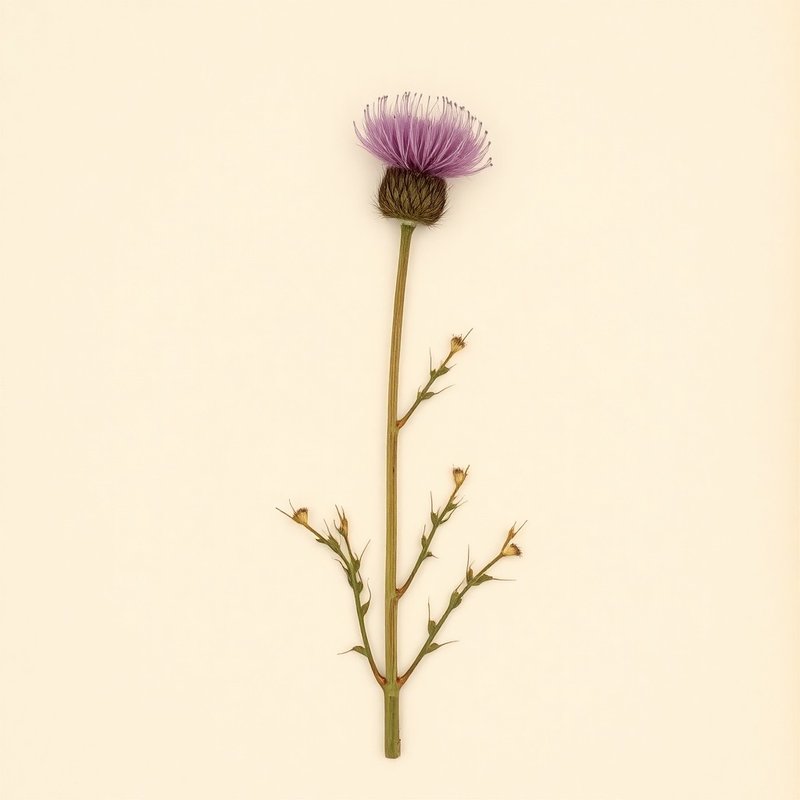
Toadshade has been traditionally used in Native American medicine to support immune health, often prepared as a decoction. Its use is based on the plant's reputation for enhancing bodily defenses against seasonal ailments.
Mechanism: The mechanism by which Toadshade supports immune function is not fully characterised but may involve secondary metabolites that interact with immune cells and pathways.
Traditional use: yarrow stops bleeding + supports first-line immune response (fever support).
Mechanism: Achilleine + sesquiterpene lactones
Traditional use: andrographis 'king of bitters' for cold prevention. SE Asian clinical evidence.
Mechanism: Andrographolide
Traditional use: elderberry shortens flu duration, supported by multiple RCTs.
Mechanism: Anthocyanins — antiviral hemagglutinin block
Traditional use: schisandra TCM tonic for immune resilience.
Mechanism: Schisandrins
Traditional use: licorice as antiviral demulcent for respiratory viruses. Short-term only.
Mechanism: Glycyrrhizin — antiviral
Traditional use: garlic as broad antimicrobial. Best fresh/crushed.
Mechanism: Allicin + sulfur compounds
Traditional use: thyme for respiratory tract infections. Strong antimicrobial.
Mechanism: Thymol + carvacrol
Traditional use: calendula systemic immune + lymphatic. Folk Mediterranean.
Mechanism: Triterpenes + flavonoids
Traditional use: barberry root bark — berberine antimicrobial. European tradition.
Mechanism: Berberine alkaloid
Traditional use: cat's claw — Amazonian folk for chronic infections + autoimmune balance.
Mechanism: Pentacyclic oxindole alkaloids
Traditional use: black mulberry leaf + fruit for blood/lymph nourishment. TCM + folk European.
Mechanism: Anthocyanins + DNJ
Traditional use: blackcurrant bud-extract French immune protocol (winter prep).
Mechanism: Anthocyanins + GLA
Traditional use: oregano oil as broad-spectrum antimicrobial. Topical and internal.
Mechanism: Carvacrol + thymol
Traditional-use note: White Elder appears in herbal sources around seasonal wellness traditions, often as a traditional preparation. PlantSage presents this as ethnobotanical context, not as medical advice.
Mechanism: Traditional context only. This reviewed claim keeps the original low confidence level, but avoids treatment, disease, dosage, or guaranteed-effect language.
Traditional-use note: Pipsissewa appears in herbal sources around seasonal wellness traditions, often as a traditional preparation. PlantSage presents this as ethnobotanical context, not as medical advice.
Mechanism: Traditional context only. This reviewed claim keeps the original low confidence level, but avoids treatment, disease, dosage, or guaranteed-effect language.
Traditional-use note: Washington Hawthorn appears in herbal sources around seasonal wellness traditions, often as a traditional preparation. PlantSage presents this as ethnobotanical context, not as medical advice.
Mechanism: Traditional context only. This reviewed claim keeps the original low confidence level, but avoids treatment, disease, dosage, or guaranteed-effect language.
Traditional-use note: Tulip appears in herbal sources around seasonal wellness traditions, often as a decoction. PlantSage presents this as ethnobotanical context, not as medical advice.
Mechanism: Traditional context only. This reviewed claim keeps the original low confidence level, but avoids treatment, disease, dosage, or guaranteed-effect language.
Traditional-use note: Allium oschaninii appears in herbal sources around seasonal wellness traditions, often as a traditional preparation. PlantSage presents this as ethnobotanical context, not as medical advice.
Mechanism: Traditional context only. This reviewed claim keeps the original low confidence level, but avoids treatment, disease, dosage, or guaranteed-effect language.
Traditional-use note: Allium cepa ascalonicum appears in herbal sources around seasonal wellness traditions, often as a traditional preparation. PlantSage presents this as ethnobotanical context, not as medical advice.
Mechanism: Traditional context only. This reviewed claim keeps the original low confidence level, but avoids treatment, disease, dosage, or guaranteed-effect language.
Traditional-use note: Shatavari appears in herbal sources around seasonal wellness traditions, often as a decoction. PlantSage presents this as ethnobotanical context, not as medical advice.
Mechanism: Traditional context only. This reviewed claim keeps the original low confidence level, but avoids treatment, disease, dosage, or guaranteed-effect language.
Traditional-use note: Bilberry appears in herbal sources around seasonal wellness traditions, often as a tea. PlantSage presents this as ethnobotanical context, not as medical advice.
Mechanism: Traditional context only. This reviewed claim keeps the original low confidence level, but avoids treatment, disease, dosage, or guaranteed-effect language.
Traditional-use note: Aleurites cordata appears in herbal sources around seasonal wellness traditions, often as a decoction. PlantSage presents this as ethnobotanical context, not as medical advice.
Mechanism: Traditional context only. This reviewed claim keeps the original low confidence level, but avoids treatment, disease, dosage, or guaranteed-effect language.
Traditional-use note: Mistletoe appears in herbal sources around seasonal wellness traditions, often as a traditional preparation. PlantSage presents this as ethnobotanical context, not as medical advice.
Mechanism: Traditional context only. This reviewed claim keeps the original low confidence level, but avoids treatment, disease, dosage, or guaranteed-effect language.
Traditional-use note: Mink hawthorn appears in herbal sources around seasonal wellness traditions, often as a traditional preparation. PlantSage presents this as ethnobotanical context, not as medical advice.
Mechanism: Traditional context only. This reviewed claim keeps the original low confidence level, but avoids treatment, disease, dosage, or guaranteed-effect language.
Traditional-use note: Midland Hawthorn appears in herbal sources around seasonal wellness traditions, often as a traditional preparation. PlantSage presents this as ethnobotanical context, not as medical advice.
Mechanism: Traditional context only. This reviewed claim keeps the original low confidence level, but avoids treatment, disease, dosage, or guaranteed-effect language.
Traditional-use note: Chinese Foxglove - Di Huang appears in herbal sources around seasonal wellness traditions, often as a decoction. PlantSage presents this as ethnobotanical context, not as medical advice.
Mechanism: Traditional context only. This reviewed claim keeps the original low confidence level, but avoids treatment, disease, dosage, or guaranteed-effect language.
Traditional-use note: Salix acutifolia appears in herbal sources around seasonal wellness traditions, often as a traditional preparation. PlantSage presents this as ethnobotanical context, not as medical advice.
Mechanism: Traditional context only. This reviewed claim keeps the original low confidence level, but avoids treatment, disease, dosage, or guaranteed-effect language.
Traditional-use note: Bearberry appears in herbal sources around seasonal wellness traditions, often as a tea. PlantSage presents this as ethnobotanical context, not as medical advice.
Mechanism: Traditional context only. This reviewed claim keeps the original low confidence level, but avoids treatment, disease, dosage, or guaranteed-effect language.
Traditional-use note: River Hawthorn appears in herbal sources around seasonal wellness traditions, often as a traditional preparation. PlantSage presents this as ethnobotanical context, not as medical advice.
Mechanism: Traditional context only. This reviewed claim keeps the original low confidence level, but avoids treatment, disease, dosage, or guaranteed-effect language.
Traditional-use note: Vaccinium oxycoccos appears in herbal sources around seasonal wellness traditions, often as a tea. PlantSage presents this as ethnobotanical context, not as medical advice.
Mechanism: Traditional context only. This reviewed claim keeps the original low confidence level, but avoids treatment, disease, dosage, or guaranteed-effect language.
Traditional-use note: Chinese Bayberry appears in herbal sources around seasonal wellness traditions, often as a traditional preparation. PlantSage presents this as ethnobotanical context, not as medical advice.
Mechanism: Traditional context only. This reviewed claim keeps the original low confidence level, but avoids treatment, disease, dosage, or guaranteed-effect language.
Traditional-use note: Rowan appears in herbal sources around seasonal wellness traditions, often as a traditional preparation. PlantSage presents this as ethnobotanical context, not as medical advice.
Mechanism: Traditional context only. This reviewed claim keeps the original low confidence level, but avoids treatment, disease, dosage, or guaranteed-effect language.
Traditional-use note: Microcachrys tetragona appears in herbal sources around seasonal wellness traditions, often as a traditional preparation. PlantSage presents this as ethnobotanical context, not as medical advice.
Mechanism: Traditional context only. This reviewed claim keeps the original low confidence level, but avoids treatment, disease, dosage, or guaranteed-effect language.
Traditional-use note: Kansas Hawthorn appears in herbal sources around seasonal wellness traditions, often as a traditional preparation. PlantSage presents this as ethnobotanical context, not as medical advice.
Mechanism: Traditional context only. This reviewed claim keeps the original low confidence level, but avoids treatment, disease, dosage, or guaranteed-effect language.
Traditional-use note: Nodding broomrape appears in herbal sources around seasonal wellness traditions, often as a traditional preparation. PlantSage presents this as ethnobotanical context, not as medical advice.
Mechanism: Traditional context only. This reviewed claim keeps the original low confidence level, but avoids treatment, disease, dosage, or guaranteed-effect language.
Traditional-use note: Hawthorn appears in herbal sources around seasonal wellness traditions, often as a tea. PlantSage presents this as ethnobotanical context, not as medical advice.
Mechanism: Traditional context only. This reviewed claim keeps the original low confidence level, but avoids treatment, disease, dosage, or guaranteed-effect language.
Traditional-use note: Noni appears in herbal sources around seasonal wellness traditions, often as a tincture. PlantSage presents this as ethnobotanical context, not as medical advice.
Mechanism: Traditional context only. This reviewed claim keeps the original low confidence level, but avoids treatment, disease, dosage, or guaranteed-effect language.
Traditional-use note: Canadian Milkvetch appears in herbal sources around seasonal wellness traditions, often as a traditional preparation. PlantSage presents this as ethnobotanical context, not as medical advice.
Mechanism: Traditional context only. This reviewed claim keeps the original low confidence level, but avoids treatment, disease, dosage, or guaranteed-effect language.
Traditional-use note: Northern Highbush Blueberry appears in herbal sources around seasonal wellness traditions, often as a tincture. PlantSage presents this as ethnobotanical context, not as medical advice.
Mechanism: Traditional context only. This reviewed claim keeps the original low confidence level, but avoids treatment, disease, dosage, or guaranteed-effect language.
Traditional-use note: Canadian Goldenrod appears in herbal sources around seasonal wellness traditions, often as a traditional preparation. PlantSage presents this as ethnobotanical context, not as medical advice.
Mechanism: Traditional context only. This reviewed claim keeps the original low confidence level, but avoids treatment, disease, dosage, or guaranteed-effect language.
Traditional-use note: Ramanas Rose appears in herbal sources around seasonal wellness traditions, often as a tea. PlantSage presents this as ethnobotanical context, not as medical advice.
Mechanism: Traditional context only. This reviewed claim keeps the original low confidence level, but avoids treatment, disease, dosage, or guaranteed-effect language.
Traditional-use note: Elliott's blueberry appears in herbal sources around seasonal wellness traditions, often as a tea. PlantSage presents this as ethnobotanical context, not as medical advice.
Mechanism: Traditional context only. This reviewed claim keeps the original low confidence level, but avoids treatment, disease, dosage, or guaranteed-effect language.
Traditional-use note: Qin Jiao appears in herbal sources around seasonal wellness traditions, often as a traditional preparation. PlantSage presents this as ethnobotanical context, not as medical advice.
Mechanism: Traditional context only. This reviewed claim keeps the original low confidence level, but avoids treatment, disease, dosage, or guaranteed-effect language.
Traditional-use note: Allium orientale appears in herbal sources around seasonal wellness traditions, often as a traditional preparation. PlantSage presents this as ethnobotanical context, not as medical advice.
Mechanism: Traditional context only. This reviewed claim keeps the original low confidence level, but avoids treatment, disease, dosage, or guaranteed-effect language.
Traditional-use note: Self-Heal appears in herbal sources around seasonal wellness traditions, often as a traditional preparation. PlantSage presents this as ethnobotanical context, not as medical advice.
Mechanism: Traditional context only. This reviewed claim keeps the original low confidence level, but avoids treatment, disease, dosage, or guaranteed-effect language.
Traditional-use note: Broadleaf hawthorn appears in herbal sources around seasonal wellness traditions, often as a tea. PlantSage presents this as ethnobotanical context, not as medical advice.
Mechanism: Traditional context only. This reviewed claim keeps the original low confidence level, but avoids treatment, disease, dosage, or guaranteed-effect language.
Traditional-use note: Rosa obtusifolia appears in herbal sources around seasonal wellness traditions, often as a tea. PlantSage presents this as ethnobotanical context, not as medical advice.
Mechanism: Traditional context only. This reviewed claim keeps the original low confidence level, but avoids treatment, disease, dosage, or guaranteed-effect language.
Traditional-use note: American Dewberry appears in herbal sources around seasonal wellness traditions, often as a traditional preparation. PlantSage presents this as ethnobotanical context, not as medical advice.
Mechanism: Traditional context only. This reviewed claim keeps the original low confidence level, but avoids treatment, disease, dosage, or guaranteed-effect language.
Traditional-use note: Sanzashi appears in herbal sources around seasonal wellness traditions, often as a traditional preparation. PlantSage presents this as ethnobotanical context, not as medical advice.
Mechanism: Traditional context only. This reviewed claim keeps the original low confidence level, but avoids treatment, disease, dosage, or guaranteed-effect language.
Traditional-use note: Black Elder appears in herbal sources around seasonal wellness traditions, often as a traditional preparation. PlantSage presents this as ethnobotanical context, not as medical advice.
Mechanism: Traditional context only. This reviewed claim keeps the original low confidence level, but avoids treatment, disease, dosage, or guaranteed-effect language.
Traditional-use note: Allium aflatunense appears in herbal sources around seasonal wellness traditions, often as a traditional preparation. PlantSage presents this as ethnobotanical context, not as medical advice.
Mechanism: Traditional context only. This reviewed claim keeps the original low confidence level, but avoids treatment, disease, dosage, or guaranteed-effect language.
Traditional-use note: Staghorn sumac appears in herbal sources around seasonal wellness traditions, often as a traditional preparation. PlantSage presents this as ethnobotanical context, not as medical advice.
Mechanism: Traditional context only. This reviewed claim keeps the original low confidence level, but avoids treatment, disease, dosage, or guaranteed-effect language.
Traditional-use note: Ohio Spiderwort appears in herbal sources around seasonal wellness traditions, often as a tea. PlantSage presents this as ethnobotanical context, not as medical advice.
Mechanism: Traditional context only. This reviewed claim keeps the original low confidence level, but avoids treatment, disease, dosage, or guaranteed-effect language.
Traditional-use note: Polygonatum multiflorum appears in herbal sources around seasonal wellness traditions, often as a traditional preparation. PlantSage presents this as ethnobotanical context, not as medical advice.
Mechanism: Traditional context only. This reviewed claim keeps the original low confidence level, but avoids treatment, disease, dosage, or guaranteed-effect language.
Traditional-use note: Huang Jing appears in herbal sources around seasonal wellness traditions, often as a traditional preparation. PlantSage presents this as ethnobotanical context, not as medical advice.
Mechanism: Traditional context only. This reviewed claim keeps the original low confidence level, but avoids treatment, disease, dosage, or guaranteed-effect language.
Traditional-use note: Hobbleberry appears in herbal sources around seasonal wellness traditions, often as a traditional preparation. PlantSage presents this as ethnobotanical context, not as medical advice.
Mechanism: Traditional context only. This reviewed claim keeps the original low confidence level, but avoids treatment, disease, dosage, or guaranteed-effect language.
Traditional-use note: Chinese Boxthorn appears in herbal sources around seasonal wellness traditions, often as a traditional preparation. PlantSage presents this as ethnobotanical context, not as medical advice.
Mechanism: Traditional context only. This reviewed claim keeps the original low confidence level, but avoids treatment, disease, dosage, or guaranteed-effect language.
Traditional-use note: Curly Kale appears in herbal sources around seasonal wellness traditions, often as a traditional preparation. PlantSage presents this as ethnobotanical context, not as medical advice.
Mechanism: Traditional context only. This reviewed claim keeps the original low confidence level, but avoids treatment, disease, dosage, or guaranteed-effect language.
Traditional-use note: Scurvy Grass appears in herbal sources around seasonal wellness traditions, often as a tincture. PlantSage presents this as ethnobotanical context, not as medical advice.
Mechanism: Traditional context only. This reviewed claim keeps the original low confidence level, but avoids treatment, disease, dosage, or guaranteed-effect language.
Traditional-use note: Canadian hawthorn appears in herbal sources around seasonal wellness traditions, often as a traditional preparation. PlantSage presents this as ethnobotanical context, not as medical advice.
Mechanism: Traditional context only. This reviewed claim keeps the original low confidence level, but avoids treatment, disease, dosage, or guaranteed-effect language.
Traditional-use note: Perpetual Kale appears in herbal sources around seasonal wellness traditions, often as a tea. PlantSage presents this as ethnobotanical context, not as medical advice.
Mechanism: Traditional context only. This reviewed claim keeps the original low confidence level, but avoids treatment, disease, dosage, or guaranteed-effect language.
Traditional-use note: Dwarf Sumach appears in herbal sources around seasonal wellness traditions, often as a decoction. PlantSage presents this as ethnobotanical context, not as medical advice.
Mechanism: Traditional context only. This reviewed claim keeps the original low confidence level, but avoids treatment, disease, dosage, or guaranteed-effect language.
Traditional-use note: Lesser Celandine - Pilewort appears in herbal sources around seasonal wellness traditions, often as a traditional preparation. PlantSage presents this as ethnobotanical context, not as medical advice.
Mechanism: Traditional context only. This reviewed claim keeps the original low confidence level, but avoids treatment, disease, dosage, or guaranteed-effect language.
Traditional-use note: Sessile Oak appears in herbal sources around seasonal wellness traditions, often as a traditional preparation. PlantSage presents this as ethnobotanical context, not as medical advice.
Mechanism: Traditional context only. This reviewed claim keeps the original low confidence level, but avoids treatment, disease, dosage, or guaranteed-effect language.
Traditional-use note: Low Sweet Blueberry appears in herbal sources around seasonal wellness traditions, often as a traditional preparation. PlantSage presents this as ethnobotanical context, not as medical advice.
Mechanism: Traditional context only. This reviewed claim keeps the original low confidence level, but avoids treatment, disease, dosage, or guaranteed-effect language.
Traditional-use note: Highbush - Cranberry appears in herbal sources around seasonal wellness traditions, often as a traditional preparation. PlantSage presents this as ethnobotanical context, not as medical advice.
Mechanism: Traditional context only. This reviewed claim keeps the original low confidence level, but avoids treatment, disease, dosage, or guaranteed-effect language.
Traditional-use note: Chinese Yam appears in herbal sources around seasonal wellness traditions, often as a traditional preparation. PlantSage presents this as ethnobotanical context, not as medical advice.
Mechanism: Traditional context only. This reviewed claim keeps the original low confidence level, but avoids treatment, disease, dosage, or guaranteed-effect language.
Traditional-use note: Vaccinium macrocarpon appears in herbal sources around seasonal wellness traditions, often as a traditional preparation. PlantSage presents this as ethnobotanical context, not as medical advice.
Mechanism: Traditional context only. This reviewed claim keeps the original low confidence level, but avoids treatment, disease, dosage, or guaranteed-effect language.
Traditional-use note: Virginia Creeper appears in herbal sources around seasonal wellness traditions, often as a traditional preparation. PlantSage presents this as ethnobotanical context, not as medical advice.
Mechanism: Traditional context only. This reviewed claim keeps the original low confidence level, but avoids treatment, disease, dosage, or guaranteed-effect language.
Traditional-use note: Cat's Claw appears in herbal sources around seasonal wellness traditions, often as a traditional preparation. PlantSage presents this as ethnobotanical context, not as medical advice.
Mechanism: Traditional context only. This reviewed claim keeps the original low confidence level, but avoids treatment, disease, dosage, or guaranteed-effect language.
Traditional-use note: Salix chaenomeloides appears in herbal sources around seasonal wellness traditions, often as a tea. PlantSage presents this as ethnobotanical context, not as medical advice.
Mechanism: Traditional context only. This reviewed claim keeps the original low confidence level, but avoids treatment, disease, dosage, or guaranteed-effect language.
Traditional-use note: King Solomon's Seal appears in herbal sources around seasonal wellness traditions, often as a tea. PlantSage presents this as ethnobotanical context, not as medical advice.
Mechanism: Traditional context only. This reviewed claim keeps the original low confidence level, but avoids treatment, disease, dosage, or guaranteed-effect language.
Traditional-use note: Rabbit-Eye Blueberry appears in herbal sources around seasonal wellness traditions, often as a tea. PlantSage presents this as ethnobotanical context, not as medical advice.
Mechanism: Traditional context only. This reviewed claim keeps the original low confidence level, but avoids treatment, disease, dosage, or guaranteed-effect language.
Traditional-use note: Black Huckleberry appears in herbal sources around seasonal wellness traditions, often as a tea. PlantSage presents this as ethnobotanical context, not as medical advice.
Mechanism: Traditional context only. This reviewed claim keeps the original low confidence level, but avoids treatment, disease, dosage, or guaranteed-effect language.
Traditional-use note: Small Solomon's Seal appears in herbal sources around seasonal wellness traditions, often as a tea. PlantSage presents this as ethnobotanical context, not as medical advice.
Mechanism: Traditional context only. This reviewed claim keeps the original low confidence level, but avoids treatment, disease, dosage, or guaranteed-effect language.
Traditional-use note: Hairy Huckleberry appears in herbal sources around seasonal wellness traditions, often as a tea. PlantSage presents this as ethnobotanical context, not as medical advice.
Mechanism: Traditional context only. This reviewed claim keeps the original low confidence level, but avoids treatment, disease, dosage, or guaranteed-effect language.
Traditional-use note: Broccoli appears in herbal sources around seasonal wellness traditions, often as a tea. PlantSage presents this as ethnobotanical context, not as medical advice.
Mechanism: Traditional context only. This reviewed claim keeps the original low confidence level, but avoids treatment, disease, dosage, or guaranteed-effect language.
Traditional-use note: Labrador Tea appears in herbal sources around seasonal wellness traditions, often as a tea. PlantSage presents this as ethnobotanical context, not as medical advice.
Mechanism: Traditional context only. This reviewed claim keeps the original low confidence level, but avoids treatment, disease, dosage, or guaranteed-effect language.
Traditional-use note: Rabbiteye Blueberry appears in herbal sources around seasonal wellness traditions, often as a tea. PlantSage presents this as ethnobotanical context, not as medical advice.
Mechanism: Traditional context only. This reviewed claim keeps the original low confidence level, but avoids treatment, disease, dosage, or guaranteed-effect language.
Traditional-use note: Cockspur Thorn appears in herbal sources around seasonal wellness traditions, often as a traditional preparation. PlantSage presents this as ethnobotanical context, not as medical advice.
Mechanism: Traditional context only. This reviewed claim keeps the original low confidence level, but avoids treatment, disease, dosage, or guaranteed-effect language.
Quick decision shortcuts for Immune support. Jump to a candidate that fits your constraints.
High-confidence picks only.
Plants without pregnancy contraindications in our database.
Plants with documented alcohol-extract dosing.
No published tincture dosages yet for this goal.
Based on confidence × effect-size ranking, the top plants are Echinacea, Ligularia hiberniflorum, Astragalus chartostegius. See the High-confidence section above for full evidence and mechanism notes.
California Barberry, Elongated mustard, Chinese Kale — each backed by RCTs or meta-analyses cited in the plant profile.
Each plant profile includes a Cautions section with contraindications, drug interactions, and population warnings (pregnancy, children, etc.). Always check before use, especially with prescription medication.
High = systematic reviews or multiple RCTs. Moderate = single RCT or strong observational data. Low = traditional use or in-vitro evidence only. We never inflate confidence — if a claim is shaky, we say so.
Weekly notes from the PlantSage editorial team — new evidence, dosage updates, and monograph highlights. No spam; unsubscribe in one click.
Herbal terminology relevant to plants targeting immune support.
Strengthens and restores over time.
Tunes immune system rather than just boosting it.
Inhibits bacteria, viruses, fungi, or parasites.
Inhibits viral replication or attachment.
Inhibits fungal growth.
Neutralises oxidative damage.
Pigmented polyphenols with broad benefits.
Un email curat pe săptămână — profile noi de plante, note sezoniere de cultivare, adăugiri în arhiva de remedii. Gratuit, fără tracking, dezabonare oricând.