
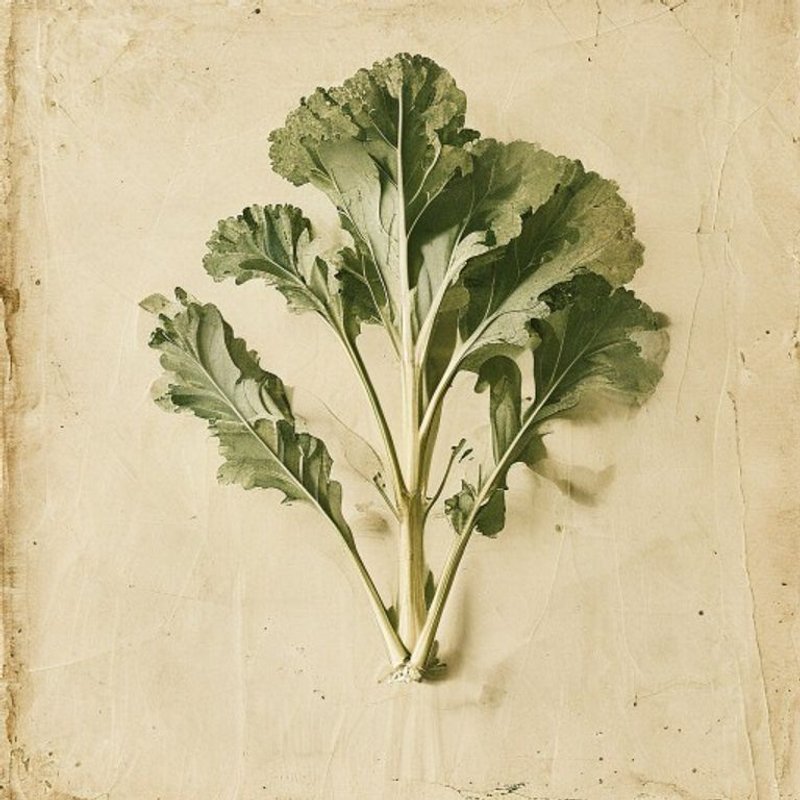
Curled Mustard
IPrezentare
Prezentare
Brassica juncea integrifolia crispifolia (curatată) este un herb anual nativ din regiunile Nord-Caucasului și Transcaucasiei. Această plantă este cunoscută pentru părțile mâncoase sale, inclusiv fructe, culci, stive și semințe, fiind o adaugare versatilă în gardenuri sau câmpii. Înflorșează până la 0,3 metri în înălțime, având nevoie doar de 8/10 de lumină pentru a se dezvolta optim. Este compatibil cu diverse tipuri de suoli, inclusiv suoli liniștiți, medii și argilași, având o preferință pentru un pH în intervalul de 6-7,2.
What is Curled Mustard?
Brassica juncea integrifolia crispifolia (curatată) este un herb anual nativ din regiunile Nord-Caucasului și Transcaucasiei. Această plantă este cunoscută pentru părțile mâncoase sale, inclusiv fructe, culci, stive și semințe, fiind o adaugare versatilă în gardenuri sau câmpii.
What is Curled Mustard used for?
Traditionally used for immune support. Each claim is evidence-rated — see Section II for full citations.
IIBeneficii și dovezi
1 claim · traditional-use context
Beneficii și dovezi
1 claim · traditional-use context- Curled mustard has been traditionally used in folk medicine to support immune function. Consuming the leaves and shoots may provide antioxidants that help maintain a healthy immune system.
Mustard plants contain glucoraphanin, which is metabolized into sulforaphane, an antioxidant known for its potential to enhance immune responses by activating Nrf2 pathways in cells. However, specific research on curled mustard is limited.
▲ ModerateImmune support →
IV·bMixology suggestions
1 draft
Mixology suggestions
1 draftVCultivare
Cultivare
- Propagation
- Direct seed outdoors, thin seedings to 15cm apart
- Row spacing
- 3 cm
- Seed viability
- 3 to 7 years
How to grow Curled Mustard for the first time
Start with direct seeding outdoors for a simple and rewarding experience.
- 1
What you'll need
Seeds, garden soil, a trowel or rake.
- 2
Best time to plant
Plant in spring after the last frost or in late summer for fall harvests.
- 3
Soil and container prep
Prepare loose, well-draining soil with a pH between 6 and 7.2; ensure containers are at least 30 cm deep.
- 4
Sowing or transplanting
Direct seed outdoors when the soil is warm, spacing seeds about 15 cm apart.
- 5
First two weeks
Keep soil consistently moist and thin plants to 15 cm apart if necessary; monitor for pests.
- 6
Ongoing care
Water regularly, especially during dry spells; mulch around the base to retain moisture.
- 7
Harvest or pruning
Prune or harvest leaves as needed throughout the growing season; cut back stems after flowering.
- 8
Common mistakes
Overwatering, planting too close together, neglecting to thin seedlings.
VIEdible & utility
Edible & utility
VIIDistribuție
2 native · 204 introduced
Distribuție
2 native · 204 introducedIXSpecimen gallery
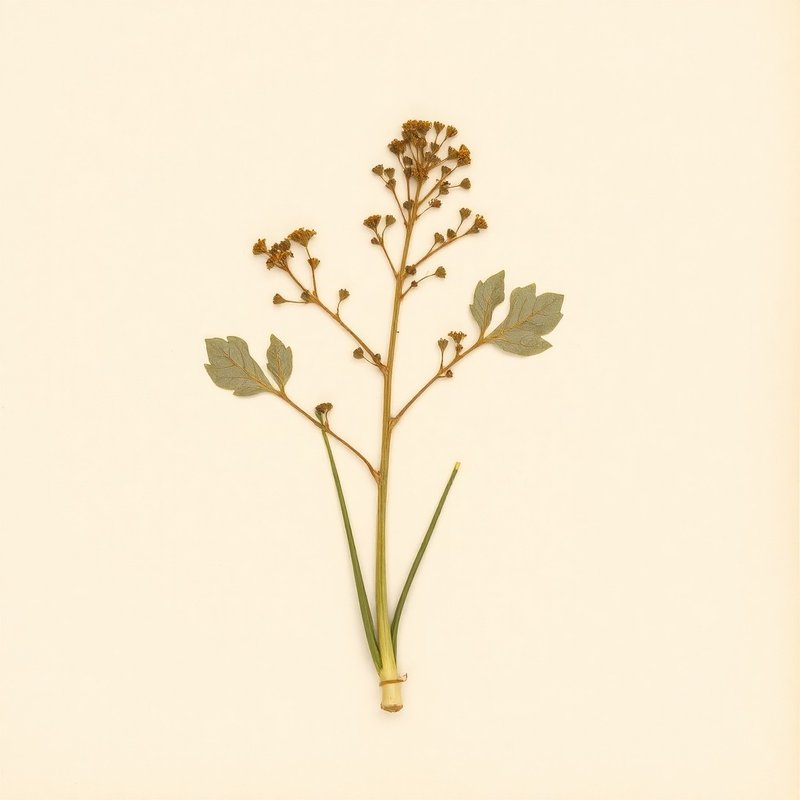
1 image
Specimen gallery
1 imageXSee also
8 related
See also
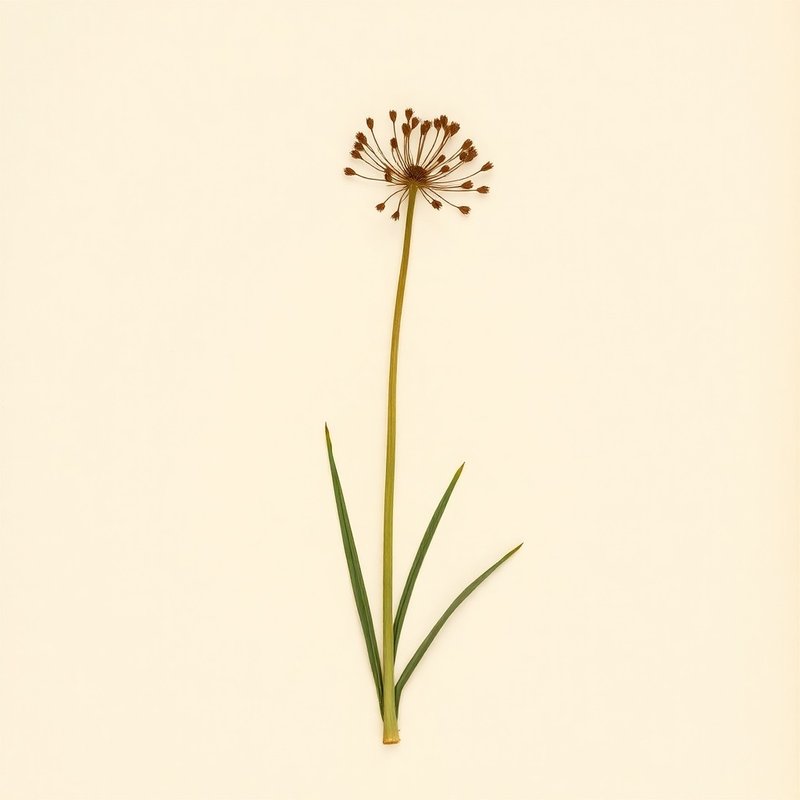
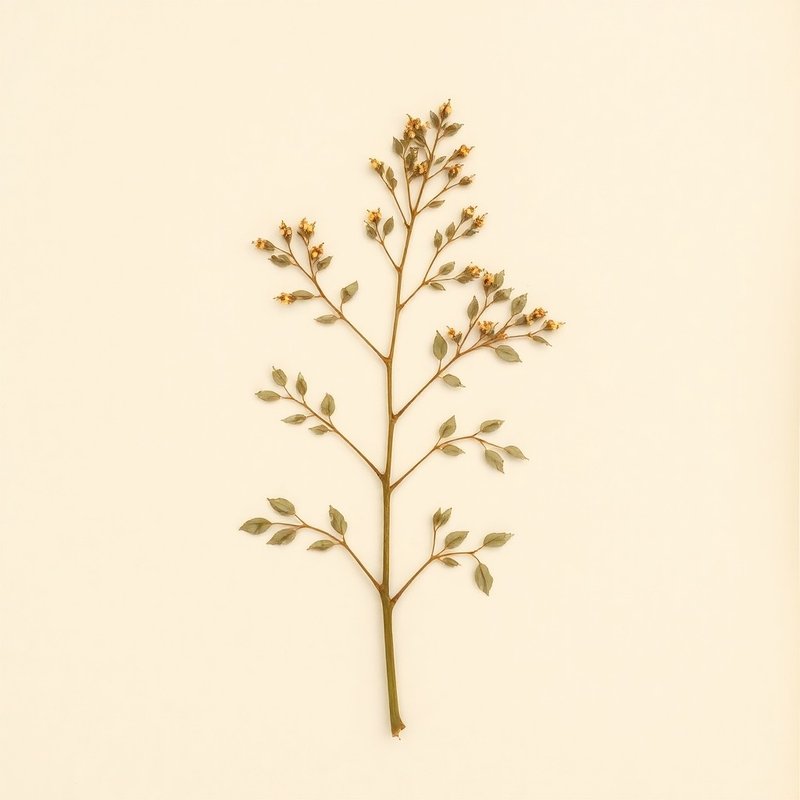
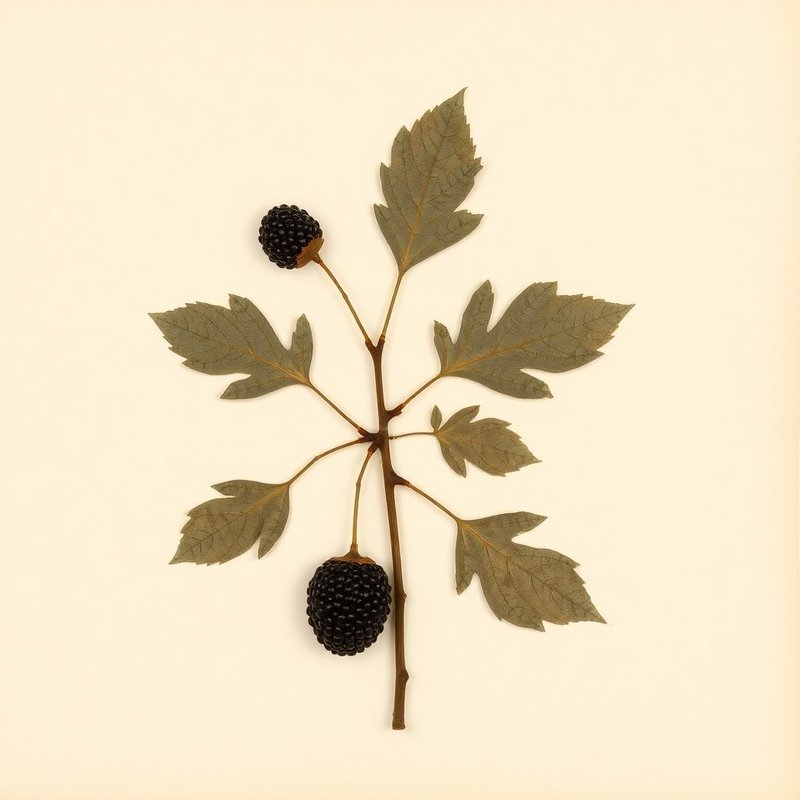
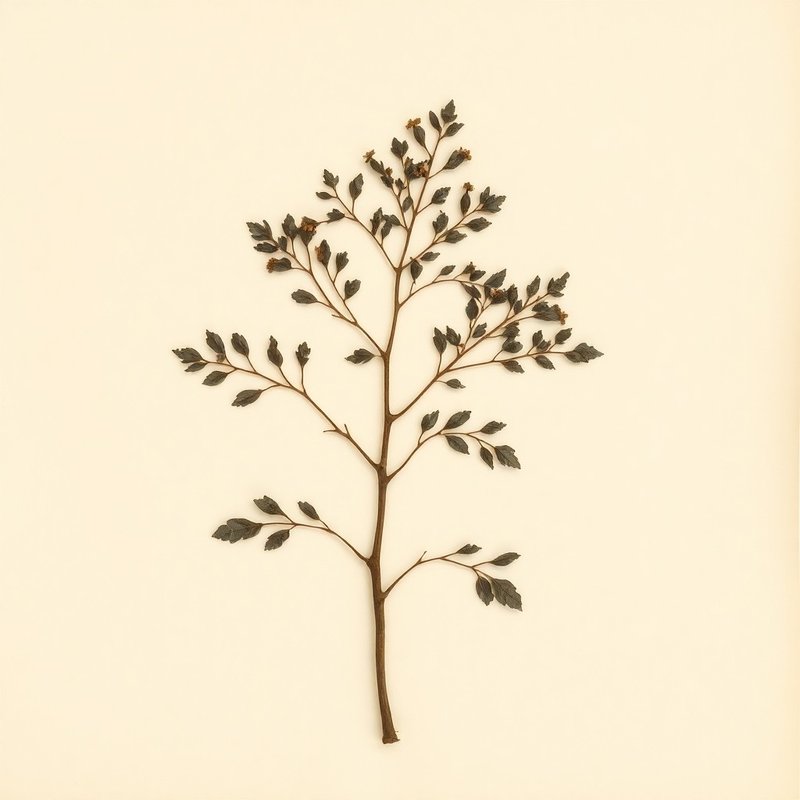
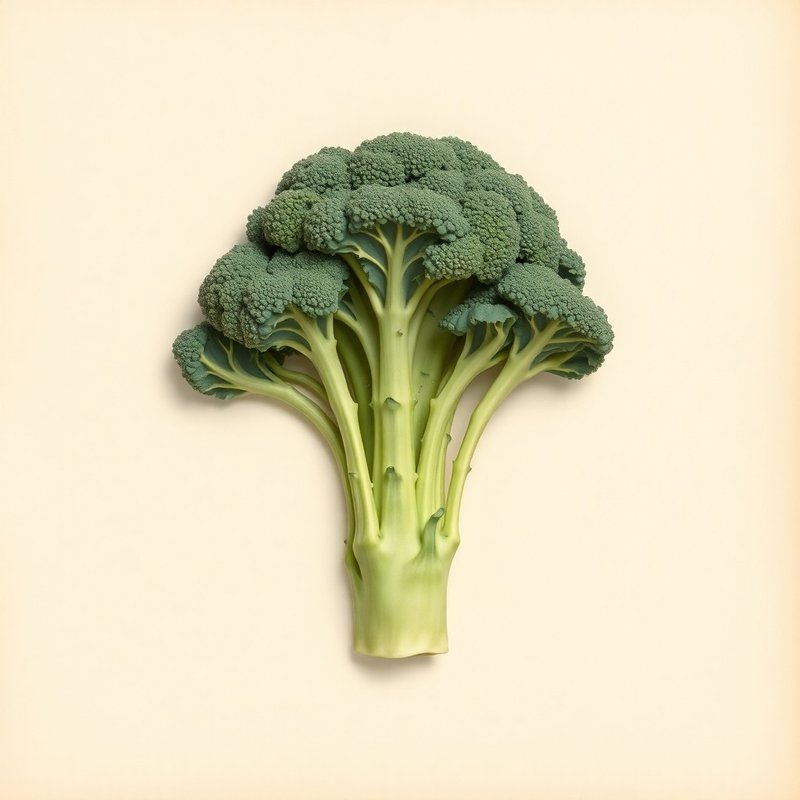
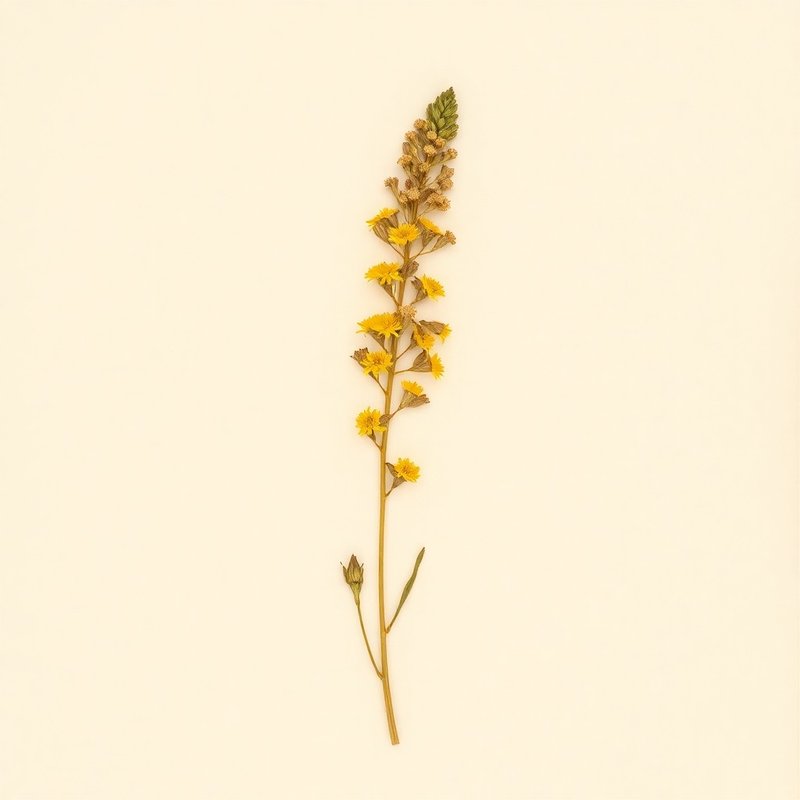
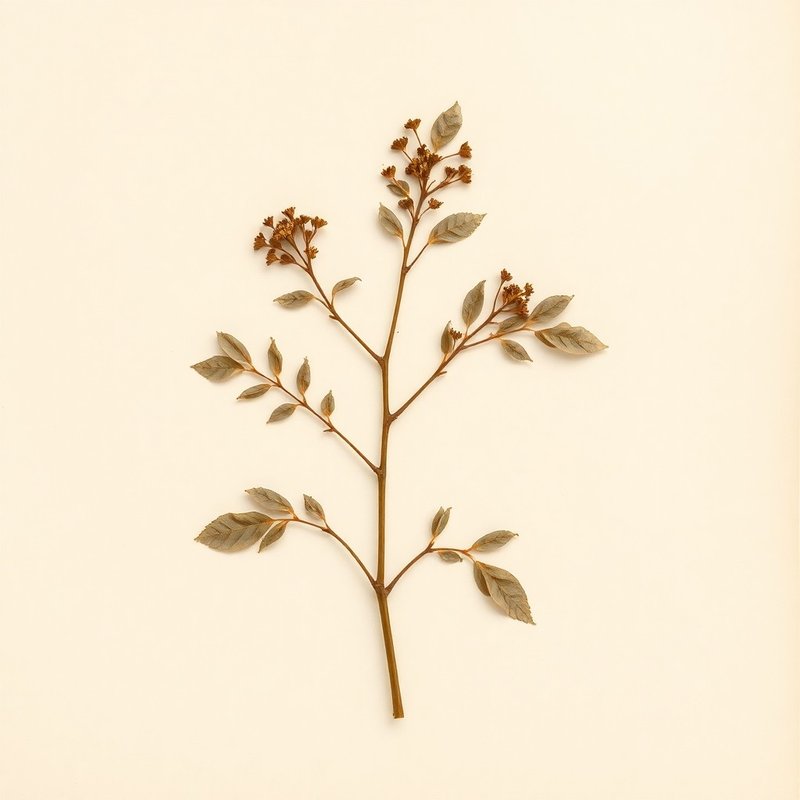
8 relatedPlants you might compare or use together — scored by shared family, common use cases, and growing requirements.
Explore further
About this entry
- Last updated
- Citation
- How to cite this entry · Submit a correction
Continue reading
Primește digest-ul săptămânal
Un email curat pe săptămână — profile noi de plante, note sezoniere de cultivare, adăugiri în arhiva de remedii. Gratuit, fără tracking, dezabonare oricând.