
Gold Of Pleasure
IPrezentare
Prezentare
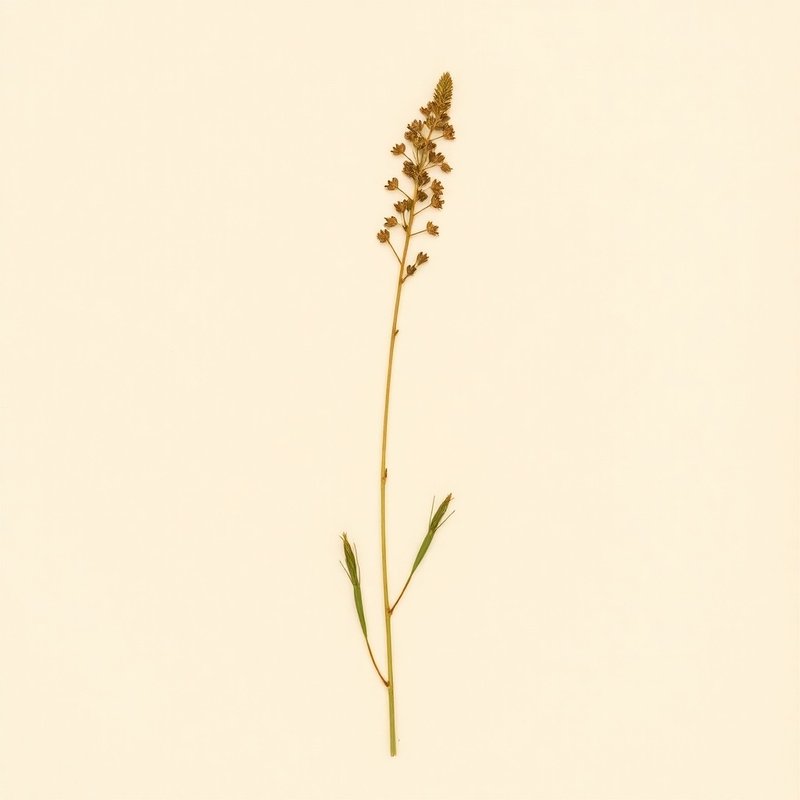
Camelina sativa, cunoscută sub numele de Gold Of Pleasure, este un plant anual, o forță sau o hranică originează din Grecia. Acest plant se dezvolte în soluri de tip liniștit și mediu, inclusiv argiluș, preferând un interval pH între 7,5-8. Este cunoscut pentru cei puținți săi seminții, care pot fi folosiți în diverse aplicații culinare. Gold Of Pleasure crește până la o înălțime de 0,6 metri și este tolerabil la lipsa de apă, făcându-l adecvat pentru condiții seci sau umide. Caracteristicile sale distincte includ nevoia sa relativ scăzută de energie luminosă, cu o calificativare de 7/10, indicând că necesita un soare mediu.
What is Gold Of Pleasure?
Camelina sativa, cunoscută sub numele de Gold Of Pleasure, este un plant anual, o forță sau o hranică originează din Grecia. Acest plant se dezvolte în soluri de tip liniștit și mediu, inclusiv argiluș, preferând un interval pH între 7,5-8.
What is Gold Of Pleasure used for?
Traditionally used for immune support. Each claim is evidence-rated — see Section II for full citations.
IIBeneficii și dovezi
1 claim · traditional-use context
Beneficii și dovezi
1 claim · traditional-use context- Gold of Pleasure has been traditionally used in European herbal medicine to support immune function, often prepared as a tea or decoction. Its high content of omega-3 fatty acids and antioxidants may help bolster the body's defenses.
The mechanism is not fully characterised but likely involves anti-inflammatory effects mediated by omega-3 fatty acids and antioxidant activity that protect against oxidative stress.
▲ ModerateImmune support →
IV·bMixology suggestions
1 draft
Mixology suggestions
1 draftVCultivare
Cultivare
How to grow Gold Of Pleasure for the first time
Start with Gold Of Pleasure as a simple annual crop for beginners.
- 1
What you'll need
Gold Of Pleasure seeds, a garden plot or container, and basic gardening tools like a trowel.
- 2
Best time to plant
Plant Gold Of Pleasure in spring after the last frost, when soil temperatures are around 10°C (50°F).
- 3
Soil and container prep
Ensure your soil is well-draining with a pH of 7.5–8. Amend heavy clay or sandy soils to improve drainage.
- 4
Sowing or transplanting
Direct sow seeds 1 cm deep, spaced about 20 cm apart in rows 30 cm apart. Alternatively, start seeds indoors and transplant when they have two true leaves.
- 5
First two weeks
Keep the soil consistently moist during germination. Thin seedlings to ensure plants are not overcrowded once they reach 15 cm tall.
- 6
Ongoing care
Water regularly, especially in dry periods, but avoid overwatering. Remove weeds by hand to prevent competition for nutrients and water.
- 7
Harvest or pruning
Prune plants back after flowering to encourage new growth and prevent self-seeding. Harvest seeds when they turn brown and dry on the plant.
- 8
Common mistakes
Overwatering, planting too deep, neglecting regular weeding, and not providing enough space between plants.
VIEdible & utility
Edible & utility
VIIDistribuție
34 native · 103 introduced
Distribuție
34 native · 103 introducedIXSpecimen gallery
1 image
Specimen gallery
1 imageXSee also
8 related
See also
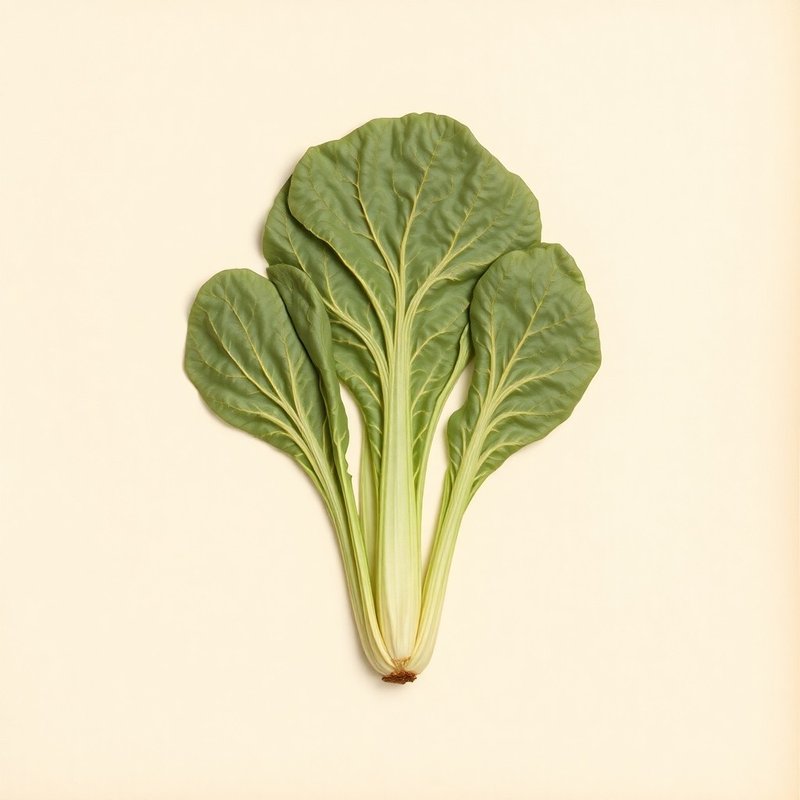
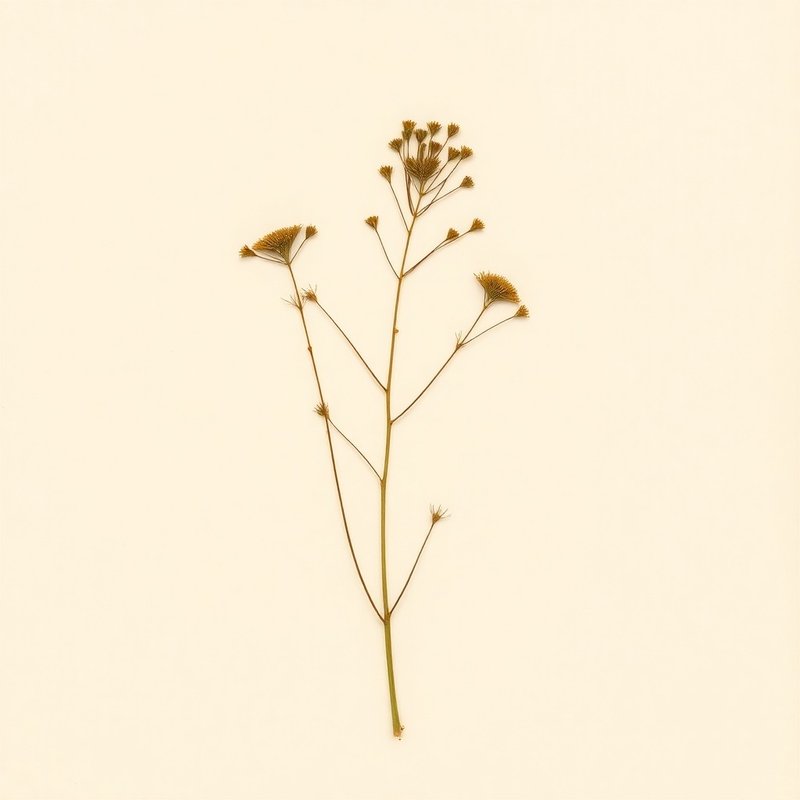
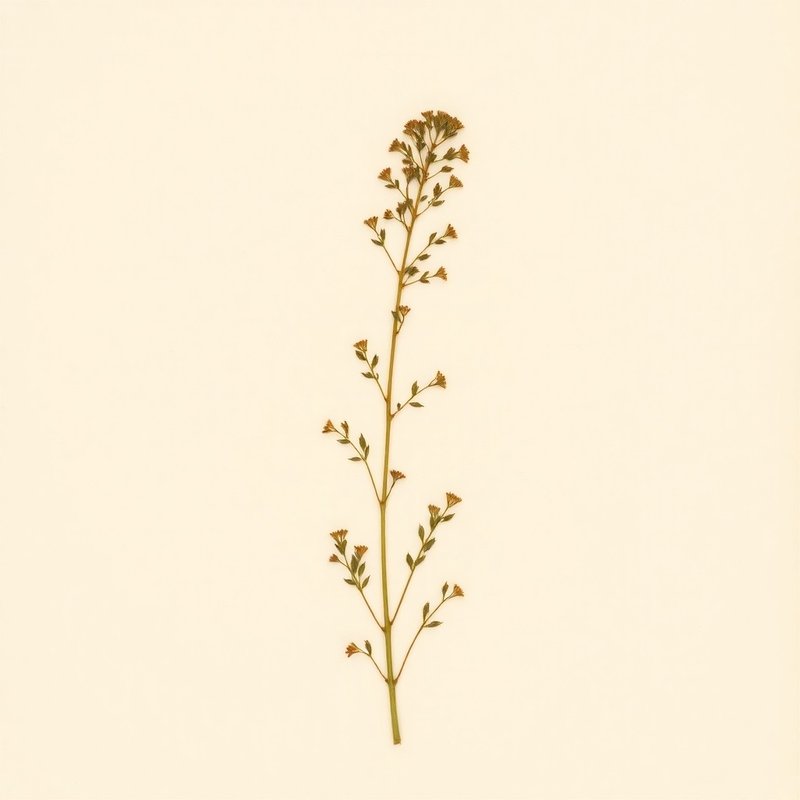
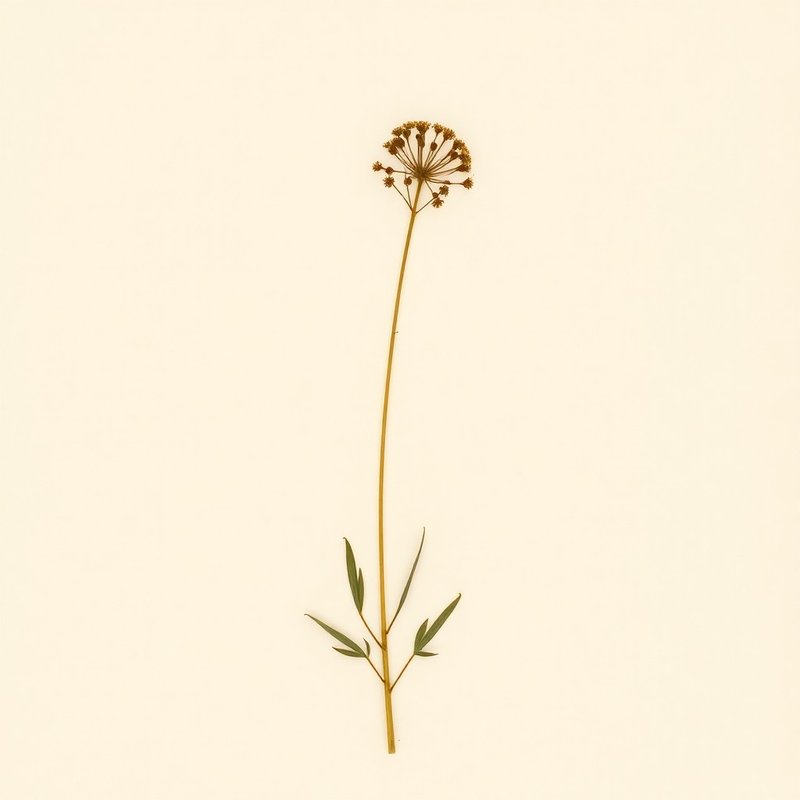
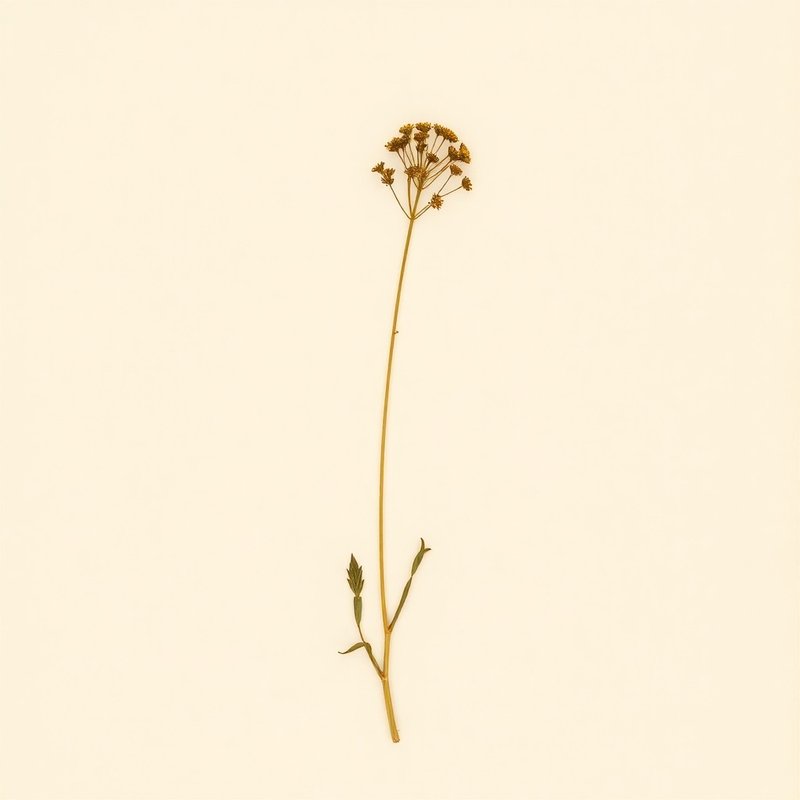
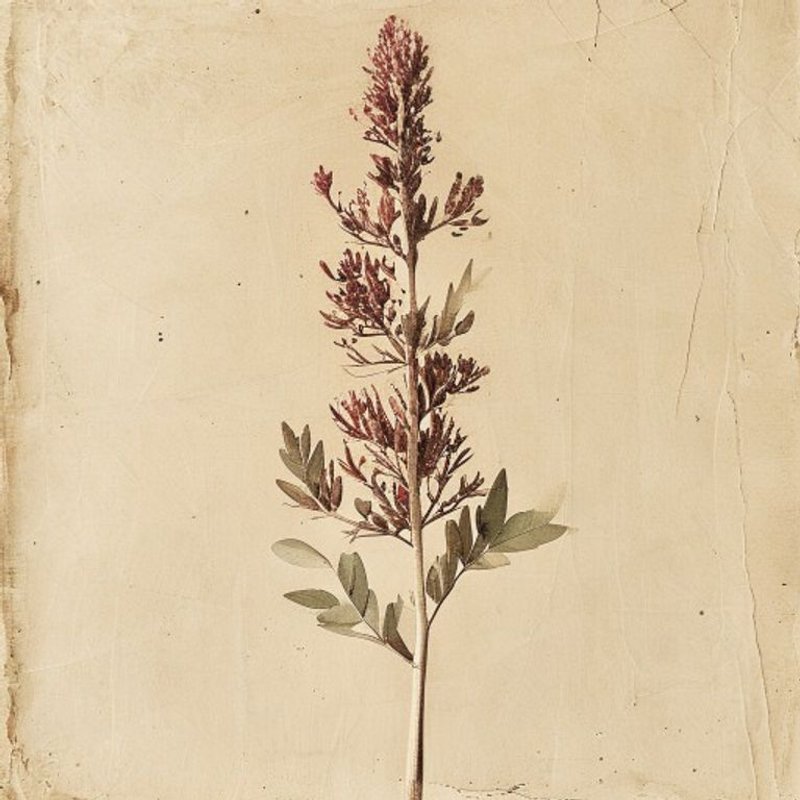
8 relatedPlants you might compare or use together — scored by shared family (Brassicaceae), common use cases, and growing requirements.

Explore further
About this entry
- Last updated
- Citation
- How to cite this entry · Submit a correction
Continue reading
Primește digest-ul săptămânal
Un email curat pe săptămână — profile noi de plante, note sezoniere de cultivare, adăugiri în arhiva de remedii. Gratuit, fără tracking, dezabonare oricând.