
Skip to content
IIIFolio · plant profile№ ABBCedible
Data provenancePermapeopleTrefleWikipediaPFAFPOWOreviewed 14 Oct 2026methodology → read

Queen coralbead

Cocculus orbiculatus
Educational content — not medical, botanical, or professional advice. Plant identification, safety, and edibility depend on local conditions, cultivars, and correct identification. Consult a qualified botanist or forager before consuming or handling wild specimens. How we source & review →
ediblevinesedible
Updated·Quick Q&A →
Garden journal pausedUse profile notes below
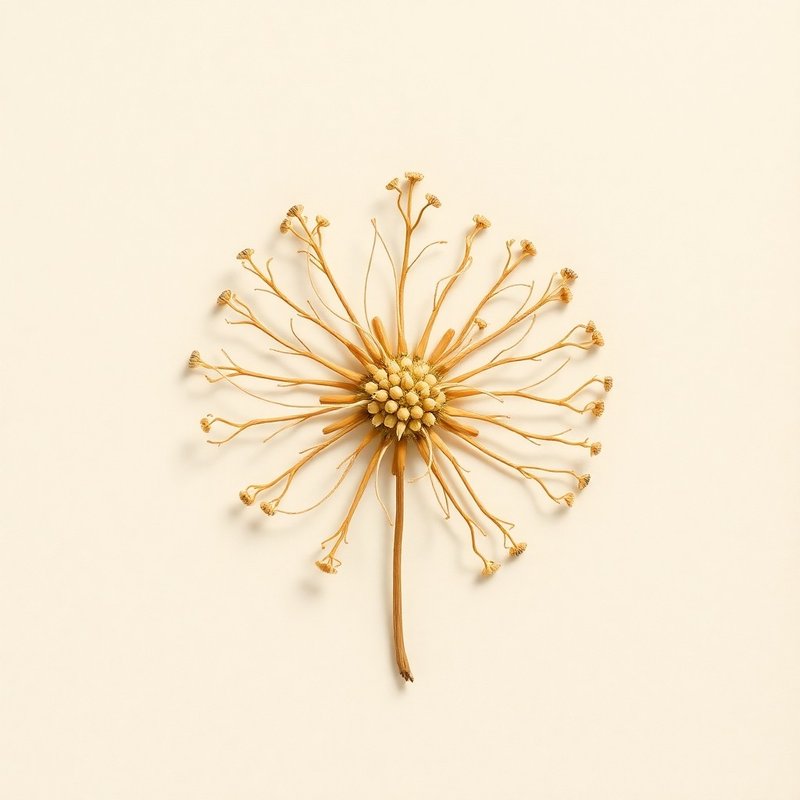
Cocculus orbiculatus (Queen coralbead) — botanical photograph
Pl. ABBC — Cocculus orbiculatus
Cocculus orbiculatusCocculus orbiculatusCocculus orbiculatusCocculus orbiculatusCocculus orbiculatusCocculus orbiculatusCocculus orbiculatusCocculus orbiculatusCocculus orbiculatusCocculus orbiculatusCocculus orbiculatusCocculus orbiculatusCocculus orbiculatusCocculus orbiculatus
I

Prezentare

Cocculus orbiculatus, cunoscut sub numele de corabudal regal, este o vânătoare nativă în zone precum Assam, China, Hawaii și diverse insule din Pacific, cum ar fi Insulele Cook și Pitcairn. Această plantă se dezvolte în condiții umide cu expozție la lumină sau parțială de soare și poate crește până la 4 metri în înălțime. Este cunoscut pentru proprietățile sale alimentare, cu frunzele și rădăcinile fiind consumabile. Prezența acesteia în diverse climatelor și habitaturi subliniază adaptabilitatea sa și importanța ecologică.

Quick answers

What is Queen coralbead?

Cocculus orbiculatus, cunoscut sub numele de corabudal regal, este o vânătoare nativă în zone precum Assam, China, Hawaii și diverse insule din Pacific, cum ar fi Insulele Cook și Pitcairn.

Growingconditions · propagation · uses
V

Cultivare

Cocculus orbiculatus se dezvolte în expozție la lumină sau parțială de soare și preferă sustrat umed, care poate fi lichid (sândal), mediu sau greu (argila). Este durabil în zonele 6-9 și poate crește până la 4 metri ca vânătoare. Pentru propagarea acesteia, gardienii pot folosi frunzele sau rădăcinile. Mențineți sustratul umed constant pentru cele mai bune rezultate.
Light
Full sun, Partial sun/shade
Water
Moist
Soil
Light (sandy), Medium, Heavy (clay)
Hardiness
6-9
Habit
Vine
Mature size
4.0 m tall
For first-time growers

How to grow Queen coralbead for the first time

8steps

Queen coralbead is a vine that can be grown as an ornamental plant, focusing on its care rather than harvesting.

  1. 1

    What you'll need

    A container or garden space with light to partial shade, moist soil, and support for the vine.

  2. 2

    Best time to plant

    Plant in spring when temperatures are consistently above 10°C (50°F).

  3. 3

    Soil and container prep

    Use a well-draining potting mix suitable for vines, ensuring containers have drainage holes.

  4. 4

    Sowing or transplanting

    Start seeds indoors in small pots filled with seed starting mix, then transplant to larger containers or outdoors once established.

  5. 5

    First two weeks

    Keep the soil consistently moist and place the plant in a partially shaded area to acclimate.

  6. 6

    Ongoing care

    Water regularly, especially during dry spells. Provide support for the vine to climb and prune occasionally to maintain shape.

  7. 7

    Harvest or pruning

    Prune the vine to control its size and encourage new growth; leaves can be used as needed but are not commonly harvested.

  8. 8

    Common mistakes

    Overwatering, planting in full sun, neglecting support for climbing vines, and not providing enough space.

VI

Edible & utility

Edible parts:LeavesRoot
Edible uses: The leaves and roots of Queen coralbead (Cocculus orbiculatus) are edible. In traditional use, the leaves may be prepared raw or cooked, while the roots can be consumed after preparation. The exact methods of preparation vary by region but typically involve boiling or steaming to make them safe for consumption.
Other uses:Weaving materialPest control
Contextrange · companions · related
VII

Distribuție

23 native · 1 introduced
Distribution across2 continents· 23 native· 1 introduced
Asia10 regions
native (10)ChinaIndiaJapanLaosNepalPhilippinesSouth KoreaTaiwanThailandVietnam
Americas1 region
native (1)United States
Broader regions
native:Cook Is., East Himalaya, Hainan, Jawa, Lesser Sunda Is., Malaya, Nansei-shoto, Pitcairn Is., Sumatera, Tubuai Is.
introduced:Réunion
IX

Specimen gallery

1 image
Cocculus orbiculatus (Queen coralbead) — botanical photograph
Queen coralbead (Cocculus orbiculatus)
XI

Explore further

XII

About this entry

Last updated
Citation
How to cite this entry · Submit a correction
Back to the cataloguePlant id · abbcca94-7fba-45fe-bbb6-6cf43b46d68e
Decision aid
Choosing between Queen coralbead and something else?
Compare with another plant

Continue reading

❦❦❦❦
Endpaper · archive updates

Primește digest-ul săptămânal

Un email curat pe săptămână — profile noi de plante, note sezoniere de cultivare, adăugiri în arhiva de remedii. Gratuit, fără tracking, dezabonare oricând.

Newsletter returning soon.
We are rebuilding the update list around a lightweight editorial workflow. New dispatches will resume after the next content review cycle.
iCare notes