
Queen coralbead
Cocculus orbiculatus
Educational content — not medical, botanical, or professional advice. Plant identification, safety, and edibility depend on local conditions, cultivars, and correct identification. Consult a qualified botanist or forager before consuming or handling wild specimens. How we source & review →
Garden journal pausedUse profile notes below
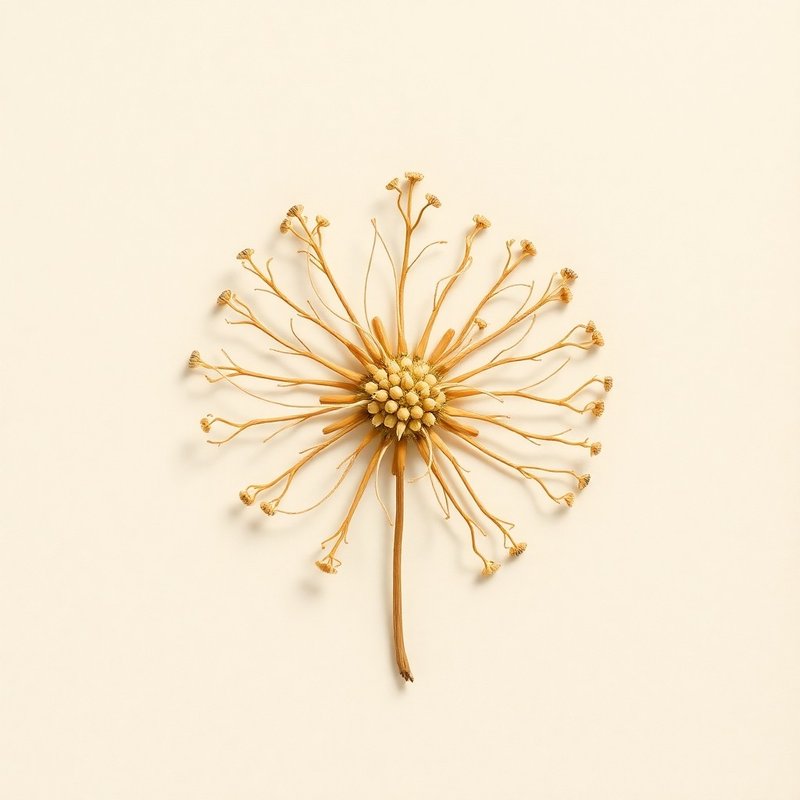
Pl. ABBC — Cocculus orbiculatus
Cocculus orbiculatusCocculus orbiculatusCocculus orbiculatusCocculus orbiculatusCocculus orbiculatusCocculus orbiculatusCocculus orbiculatusCocculus orbiculatusCocculus orbiculatusCocculus orbiculatusCocculus orbiculatusCocculus orbiculatusCocculus orbiculatusCocculus orbiculatus
IOverview
Overview
Queen coralbead, scientifically known as Cocculus orbiculatus, is a vine native to a wide range of regions including Assam, China, Hawaii, and various islands such as Cook Islands and Pitcairn Island. This plant thrives in moist conditions with light to partial sun exposure and can grow up to 4 meters tall. It is known for its edible properties, with both leaves and roots being consumable. The leaves and roots can be prepared by boiling or steaming to make them safe for consumption, with methods varying by region. The plant is adaptable to light, medium, and heavy soils and can be found across a wide range from East Himalaya to Vietnam, highlighting its ecological significance. Queen coralbead is native to regions including Assam, China North-Central, China South-Central, China Southeast, Cook Islands, East Himalaya, Hainan, Hawaii, Japan, Jawa, Korea, Laos, Lesser Sunda Islands, Malaya, Nansei-shoto, Nepal, Philippines, Pitcairn Islands, Sumatera, Taiwan, Thailand, Tubuai Islands, and Vietnam. It has also been introduced to Réunion. This vine is particularly useful as a weaving material and for pest control. Its adaptability to diverse climates and habitats makes it a valuable plant in various growing contexts.
Quick answers
What is Queen coralbead?
Queen coralbead, scientifically known as Cocculus orbiculatus, is a vine native to a wide range of regions including Assam, China, Hawaii, and various islands such as Cook Islands and Pitcairn Island. This plant thrives in moist conditions with light to partial sun exposure and can grow up to 4 meters tall.
Growingconditions · propagation · uses
VCultivation
Cultivation
Queen coralbead thrives in full to partial sun and prefers moist soil that is light (sandy), medium, or heavy (clay). It is hardy in zones 6-9 and can grow up to 4 meters tall as a vine. For propagation, gardeners can use the leaves or roots. Keep the soil consistently moist for best results.
Light
Full sun, Partial sun/shade
Water
Moist
Soil
Light (sandy), Medium, Heavy (clay)
Hardiness
6-9
Habit
Vine
Mature size
4.0 m tall
For first-time growers
How to grow Queen coralbead for the first time
8steps
Queen coralbead is a vine that can be grown as an ornamental plant, focusing on its care rather than harvesting.
- 1
What you'll need
A container or garden space with light to partial shade, moist soil, and support for the vine.
- 2
Best time to plant
Plant in spring when temperatures are consistently above 10°C (50°F).
- 3
Soil and container prep
Use a well-draining potting mix suitable for vines, ensuring containers have drainage holes.
- 4
Sowing or transplanting
Start seeds indoors in small pots filled with seed starting mix, then transplant to larger containers or outdoors once established.
- 5
First two weeks
Keep the soil consistently moist and place the plant in a partially shaded area to acclimate.
- 6
Ongoing care
Water regularly, especially during dry spells. Provide support for the vine to climb and prune occasionally to maintain shape.
- 7
Harvest or pruning
Prune the vine to control its size and encourage new growth; leaves can be used as needed but are not commonly harvested.
- 8
Common mistakes
Overwatering, planting in full sun, neglecting support for climbing vines, and not providing enough space.
VIEdible & utility
Edible & utility
Edible parts:LeavesRoot
Edible uses: The leaves and roots of Queen coralbead (Cocculus orbiculatus) are edible. In traditional use, the leaves may be prepared raw or cooked, while the roots can be consumed after preparation. The exact methods of preparation vary by region but typically involve boiling or steaming to make them safe for consumption.
Other uses:Weaving materialPest control
Contextrange · companions · related
VIIDistribution
23 native · 1 introduced
Distribution
23 native · 1 introducedDistribution across2 continents· 23 native· 1 introduced
Asia10 regions
native (10)ChinaIndiaJapanLaosNepalPhilippinesSouth KoreaTaiwanThailandVietnam
Americas1 region
native (1)United States
Broader regions
native:Cook Is., East Himalaya, Hainan, Jawa, Lesser Sunda Is., Malaya, Nansei-shoto, Pitcairn Is., Sumatera, Tubuai Is.
introduced:Réunion
IXSpecimen gallery
1 image
Specimen gallery
1 imageXI
Explore further
Companion planting
Growing zone
XII
About this entry
- Last updated
- Citation
- How to cite this entry · Submit a correction
Back to the cataloguePlant id · abbcca94-7fba-45fe-bbb6-6cf43b46d68e
Decision aid
Choosing between Queen coralbead and something else?
Continue reading
❦❦❦❦
Endpaper · archive updates
Get archive updates
Occasional email when substantial new content lands — plant profiles, seasonal growing notes, folk-remedy additions. Free, no tracking, unsubscribe anytime.
Newsletter returning soon.
We are rebuilding the update list around a lightweight editorial workflow. New dispatches will resume after the next content review cycle.