
Coprosma grandifolia
IPrezentare
Prezentare
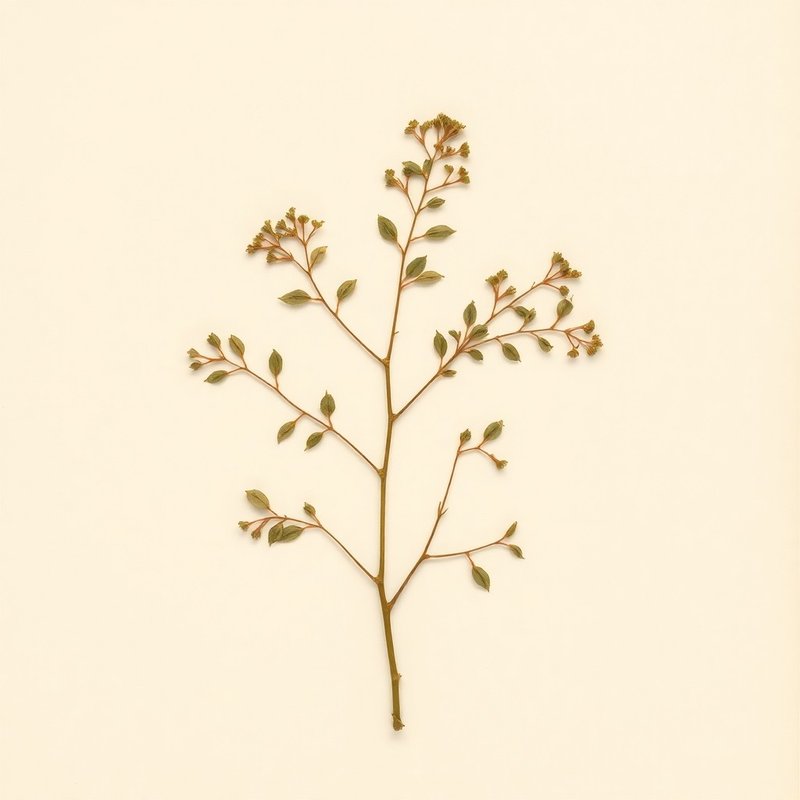
Coprosma grandifolia, cunoscută sub numele de Skip, este un arbust nativ dinile Nord și Sud ale Insulelor Noua Zeelandă. Această plantă se adaptează la ambele condiții de soare plin și semisomn, fiind atât deșteaptă la diverse conditii de lumină. Prefere sucuri umede, dar bine drenate, cu preferințe pentru sucuri de tip lichid (sândui) sau medie. Hardy în zonele 8-11, Skip poate crește până la 5 metri în înălțime. Cunoscut pentru fructele sale comestibile, acest plant adaugă o ornamentare estetică în jardine, oferind de asemenea un surse de alimentare. Caracteristicile distincte ale acestui arbust se reflectă în capacitatea sa de a tolera diverse condiții de lumină și tipuri de sucuri, făcându-l o alegere versatilă pentru gardieni din climaturile potrivite.
What is Coprosma grandifolia?
Coprosma grandifolia, cunoscută sub numele de Skip, este un arbust nativ dinile Nord și Sud ale Insulelor Noua Zeelandă. Această plantă se adaptează la ambele condiții de soare plin și semisomn, fiind atât deșteaptă la diverse conditii de lumină.
What is Coprosma grandifolia used for?
Traditionally used for digestion. Each claim is evidence-rated — see Section II for full citations.
IIBeneficii și dovezi
1 claim · traditional-use context
Beneficii și dovezi
1 claim · traditional-use context- Traditional-use note: Coprosma grandifolia appears in herbal sources around after-meal comfort traditions, often as a tea. PlantSage presents this as ethnobotanical context, not as medical advice.
Traditional context only. This reviewed claim keeps the original low confidence level, but avoids treatment, disease, dosage, or guaranteed-effect language.
▲ LimitedDigestion →
IV·bMixology suggestions
1 draft
Mixology suggestions
1 draftVCultivare
Cultivare
How to grow Coprosma grandifolia for the first time
Start with planting Skip in a sunny spot and follow these beginner-friendly steps.
- 1
What you'll need
Skip plants, well-draining soil, water can, mulch.
- 2
Best time to plant
Plant Skip in spring or early fall when temperatures are mild.
- 3
Soil and container prep
Ensure the soil is light (sandy) to medium with good drainage. Amend if necessary.
- 4
Sowing or transplanting
Transplant Skip from a nursery pot into your garden bed, ensuring roots are not damaged.
- 5
First two weeks
Water regularly to keep the soil moist but not waterlogged. Mulch around the base.
- 6
Ongoing care
Provide full sun or partial shade and regular watering. Prune lightly in late winter.
- 7
Harvest or pruning
Prune Skip to maintain shape and remove any dead or damaged branches as needed.
- 8
Common mistakes
Overwatering, planting in heavy soil, neglecting pruning, not providing enough sunlight, using too much fertilizer.
VIEdible & utility
Edible & utility
VIIDistribuție
2 native · 0 introduced
Distribuție
2 native · 0 introducedIXSpecimen gallery
1 image
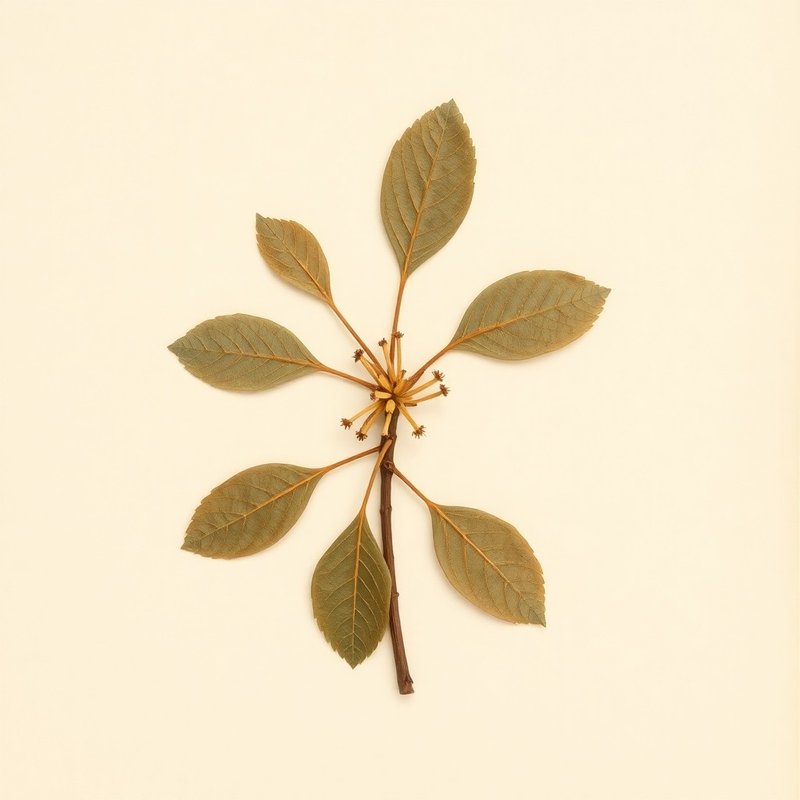
Specimen gallery
1 imageXSee also
8 related
See also
8 relatedPlants you might compare or use together — scored by shared family (Rubiaceae), common use cases, and growing requirements.
Explore further
About this entry
- Last updated
- Citation
- How to cite this entry · Submit a correction
Continue reading
Primește digest-ul săptămânal
Un email curat pe săptămână — profile noi de plante, note sezoniere de cultivare, adăugiri în arhiva de remedii. Gratuit, fără tracking, dezabonare oricând.