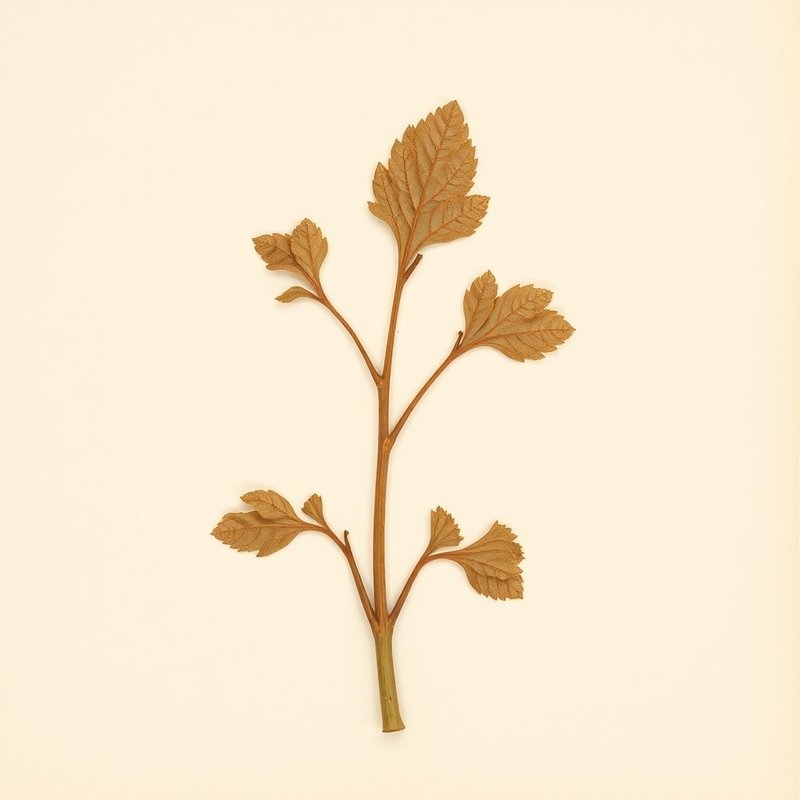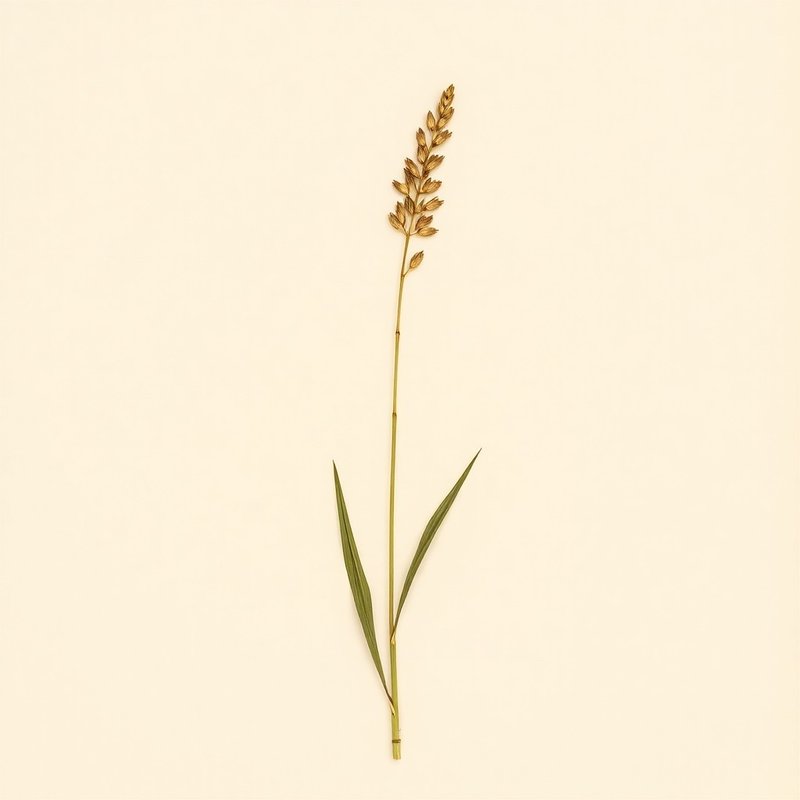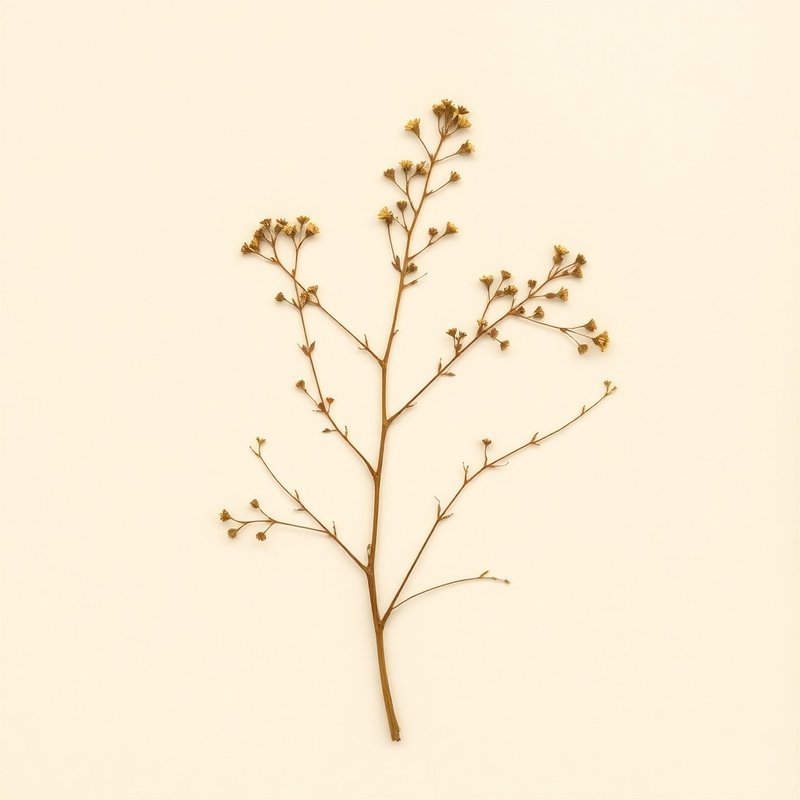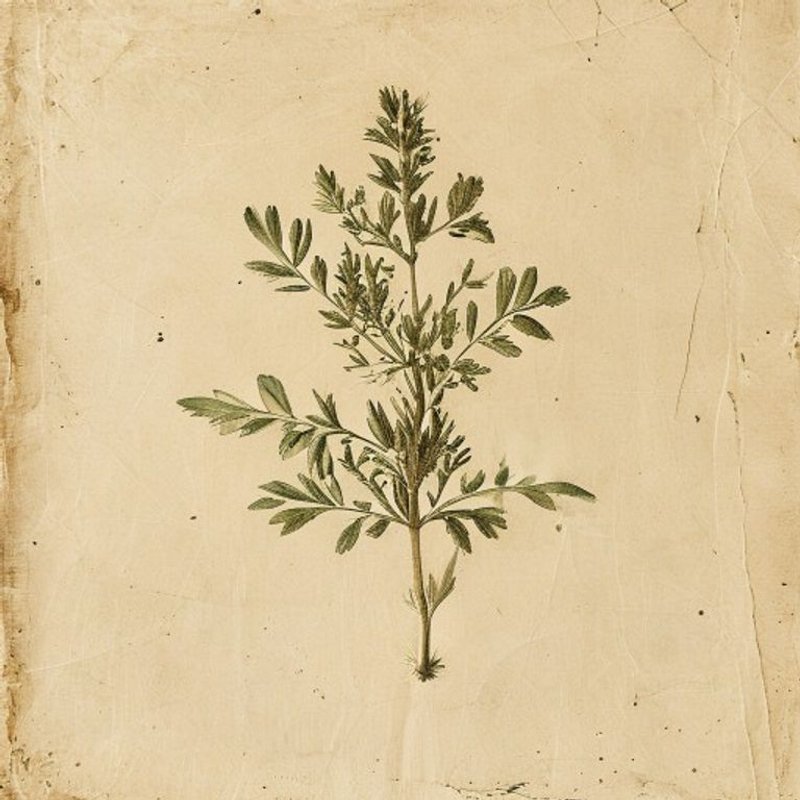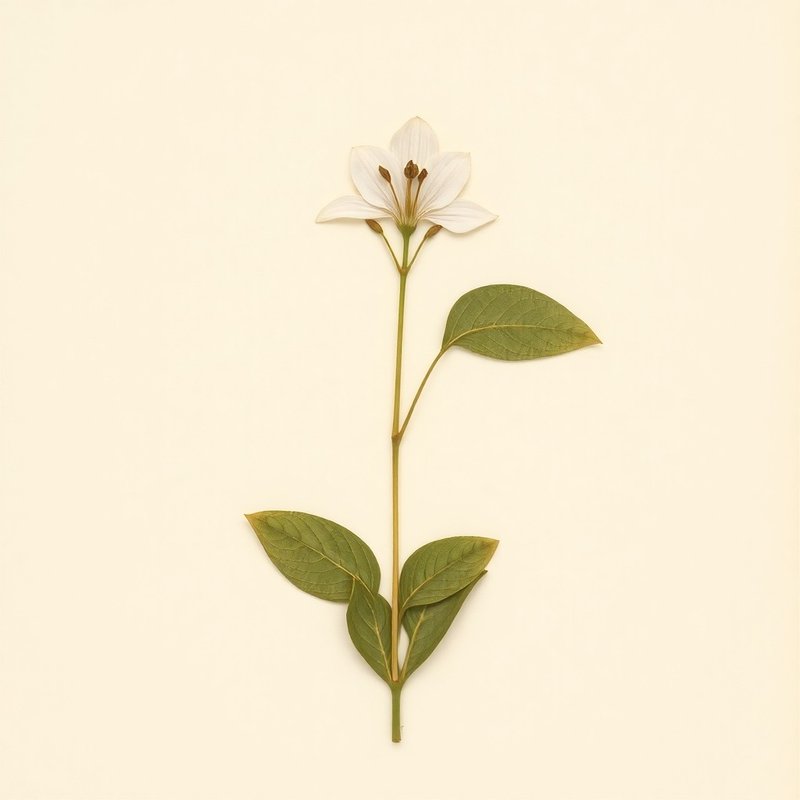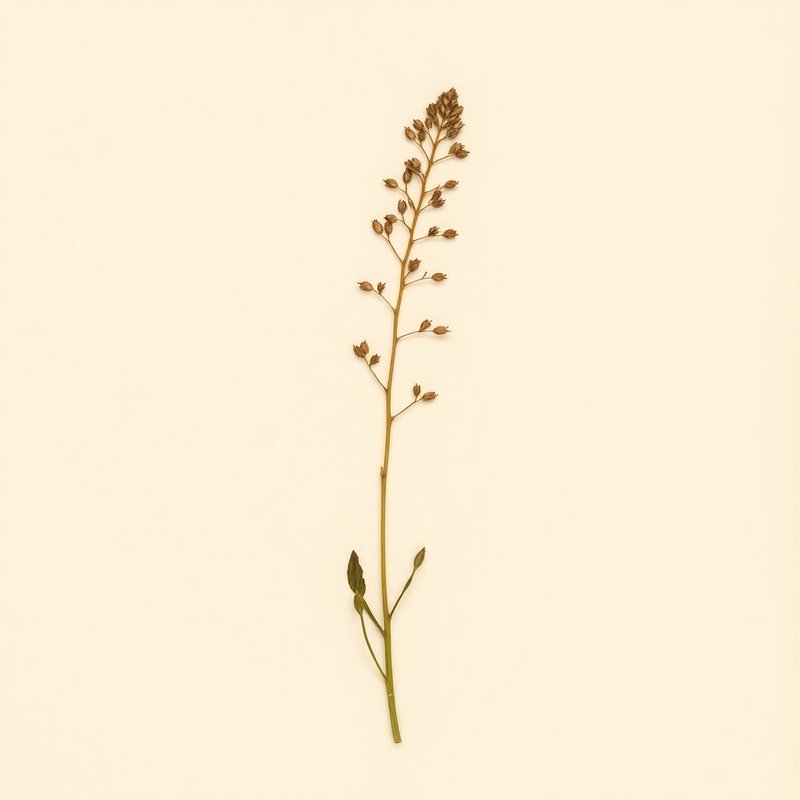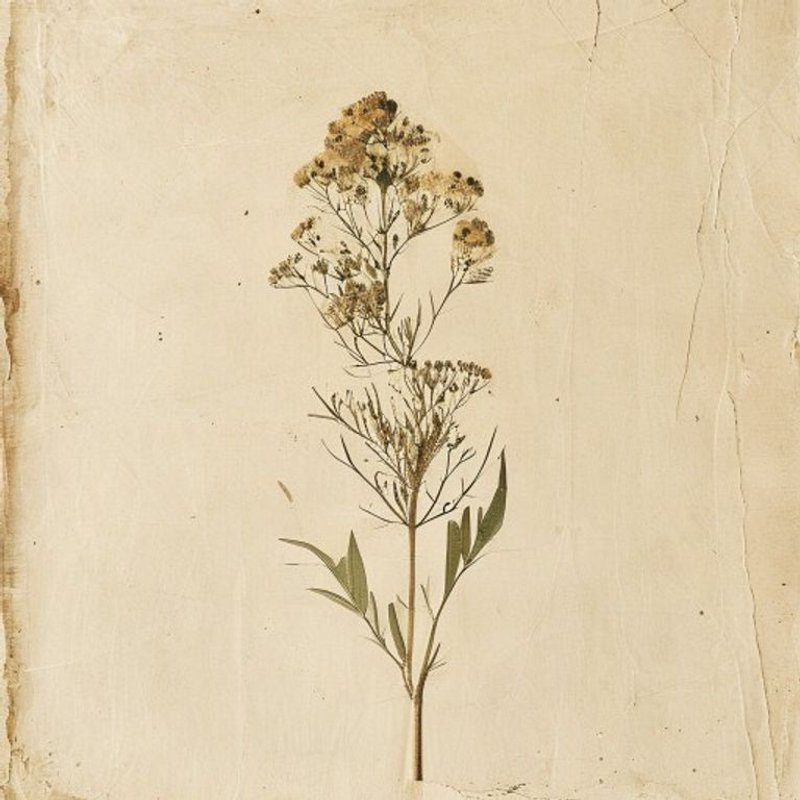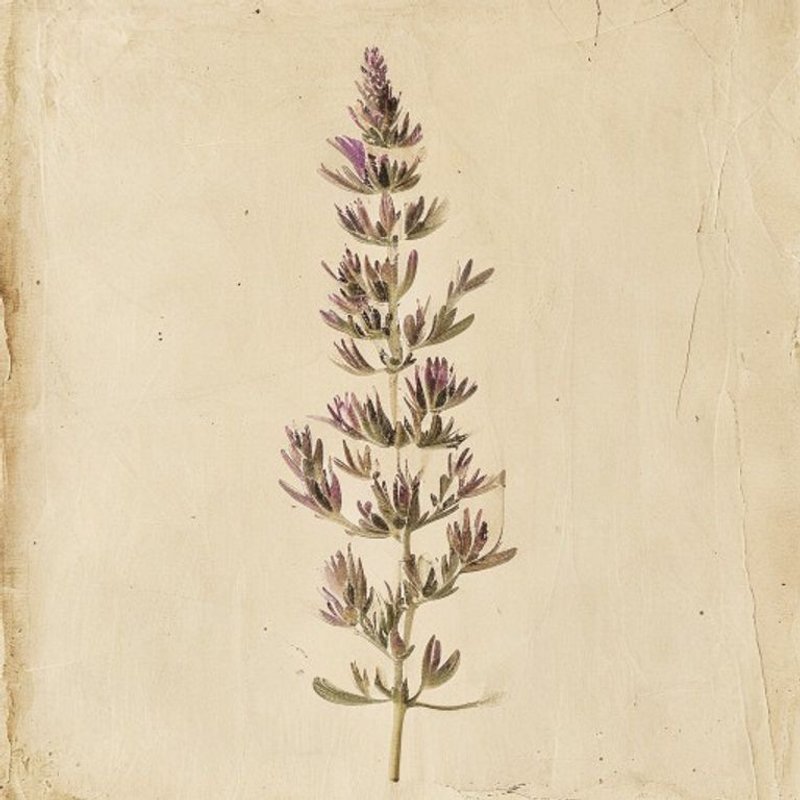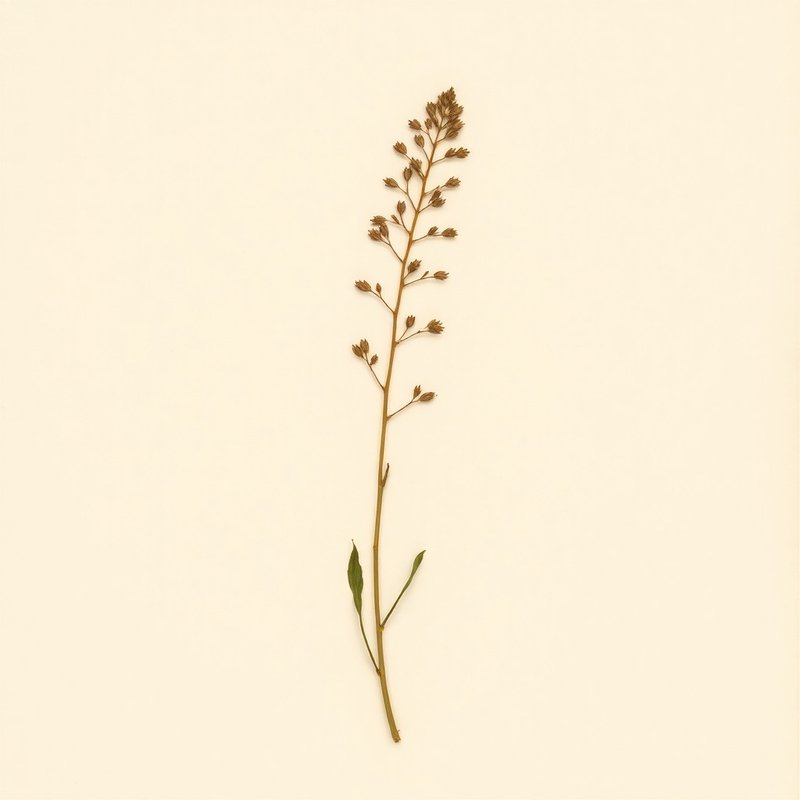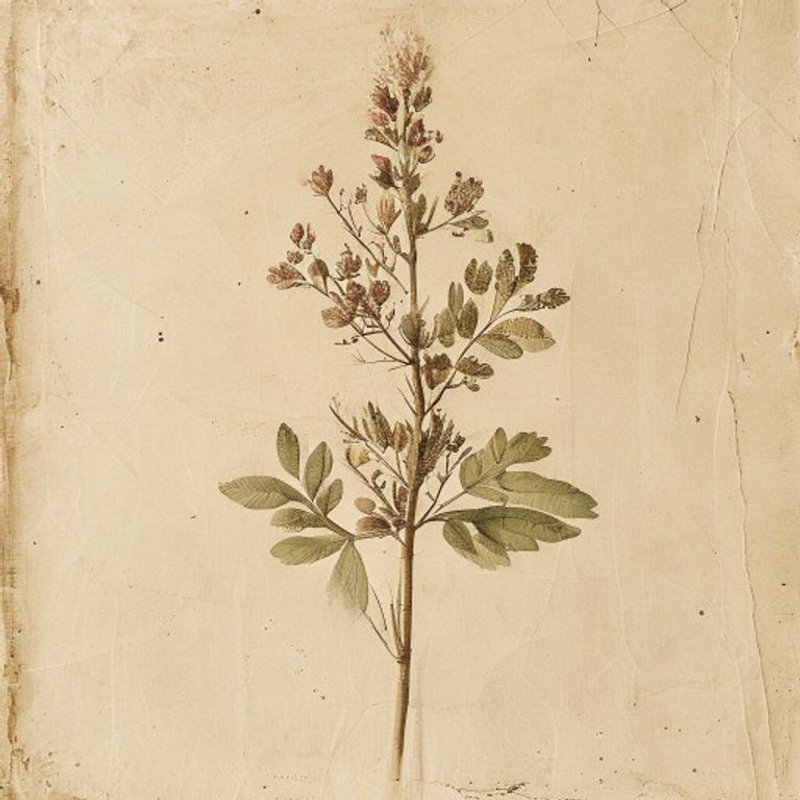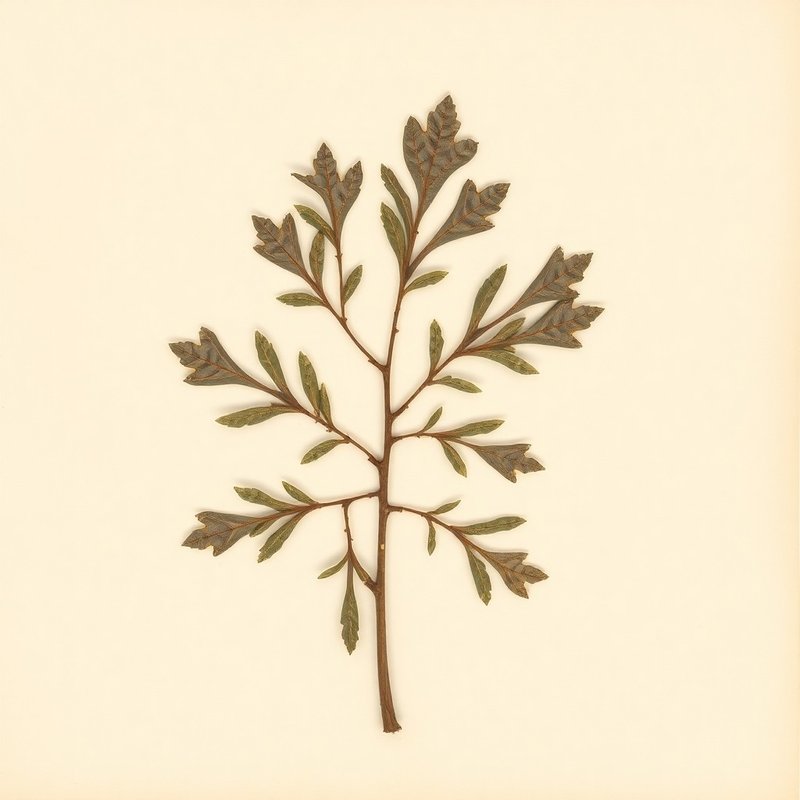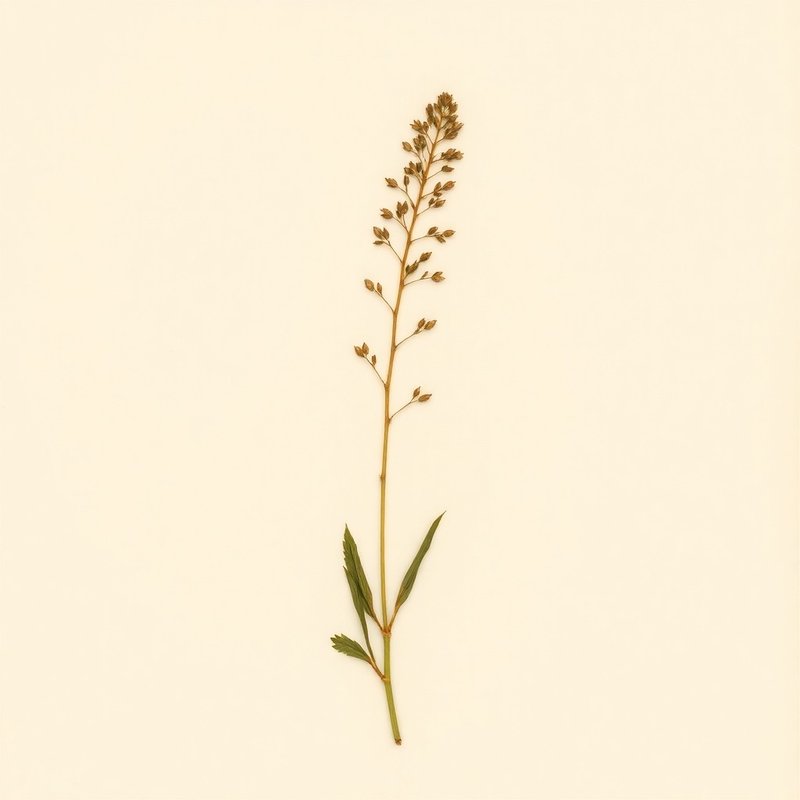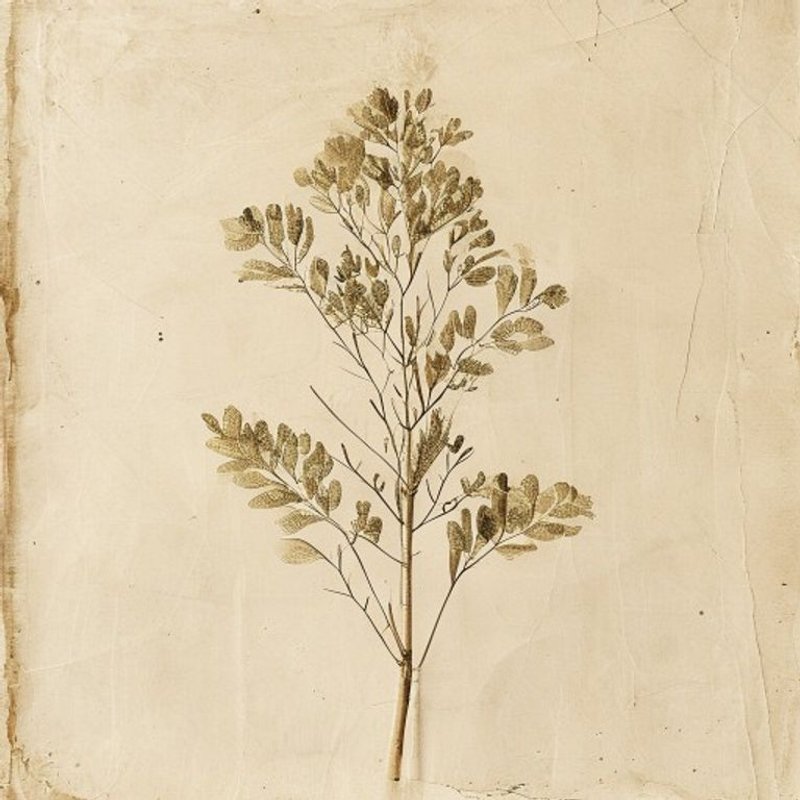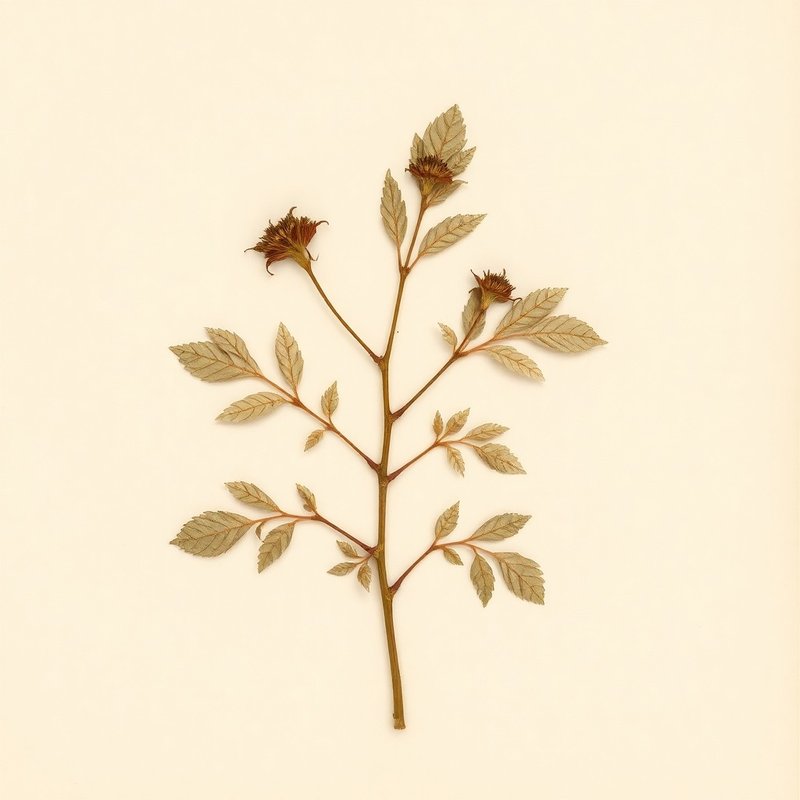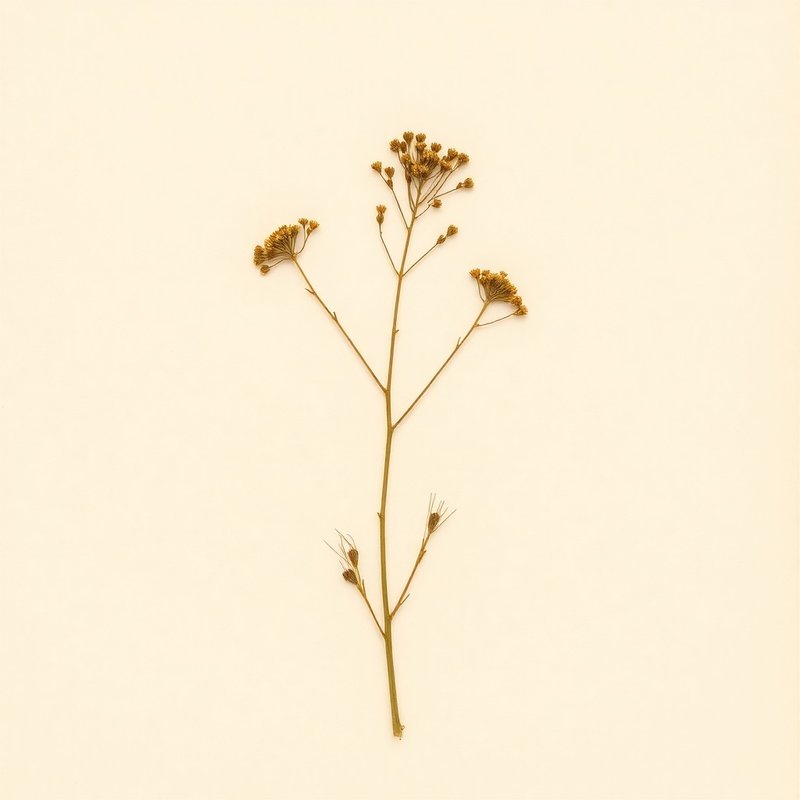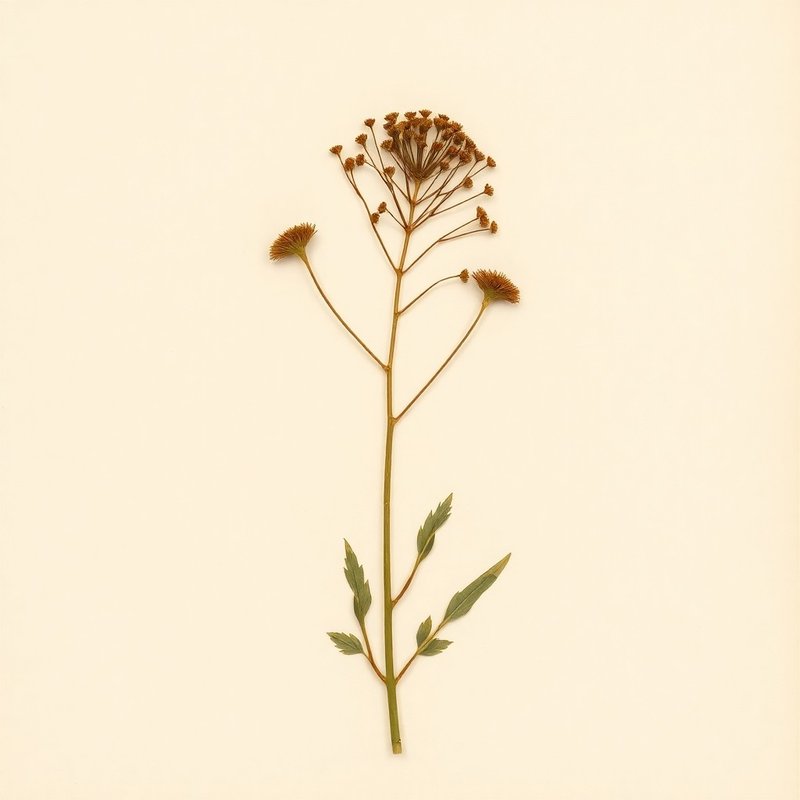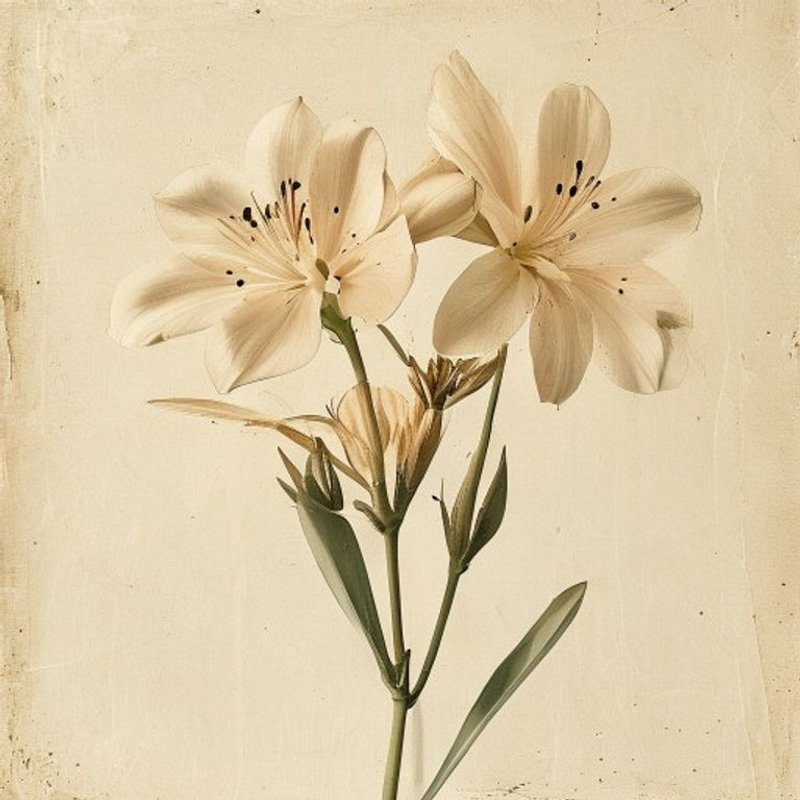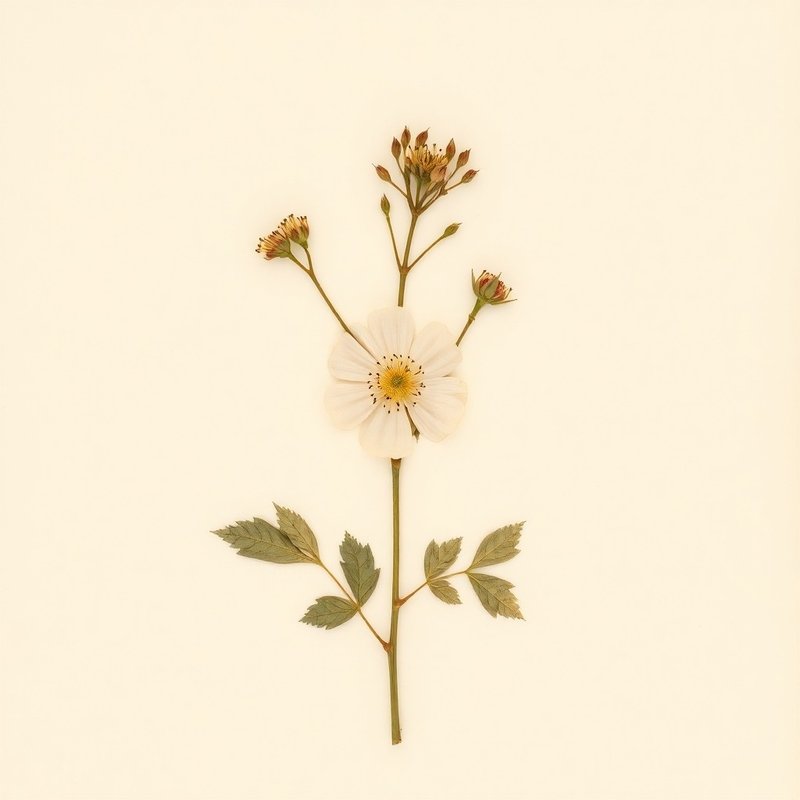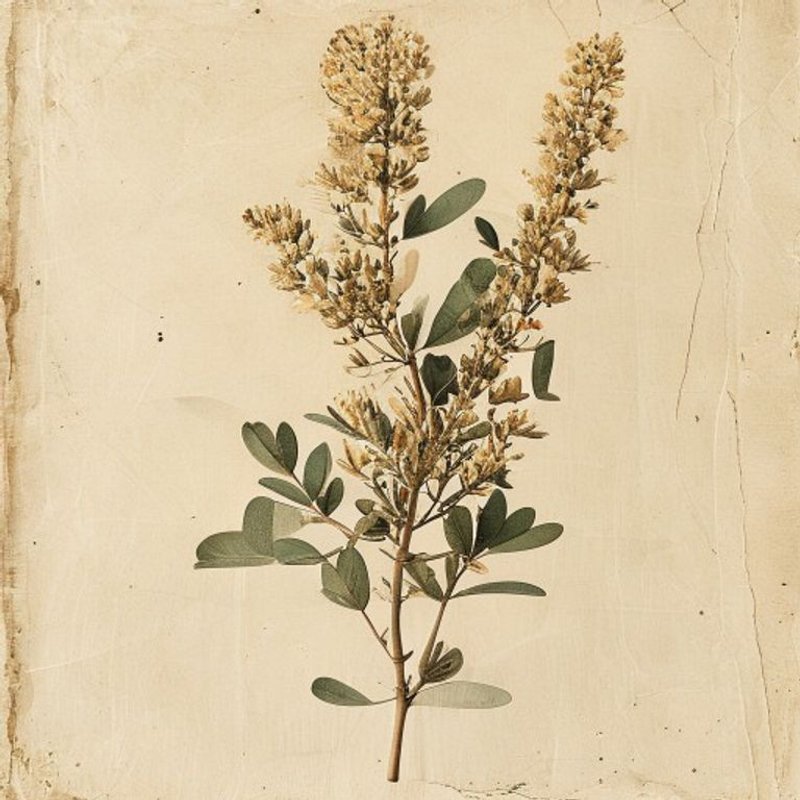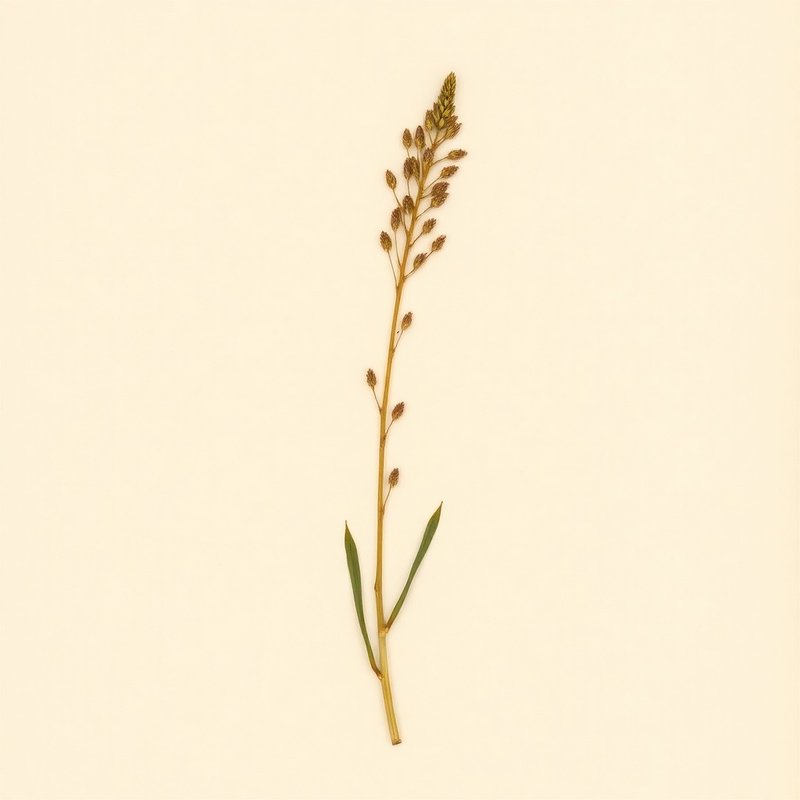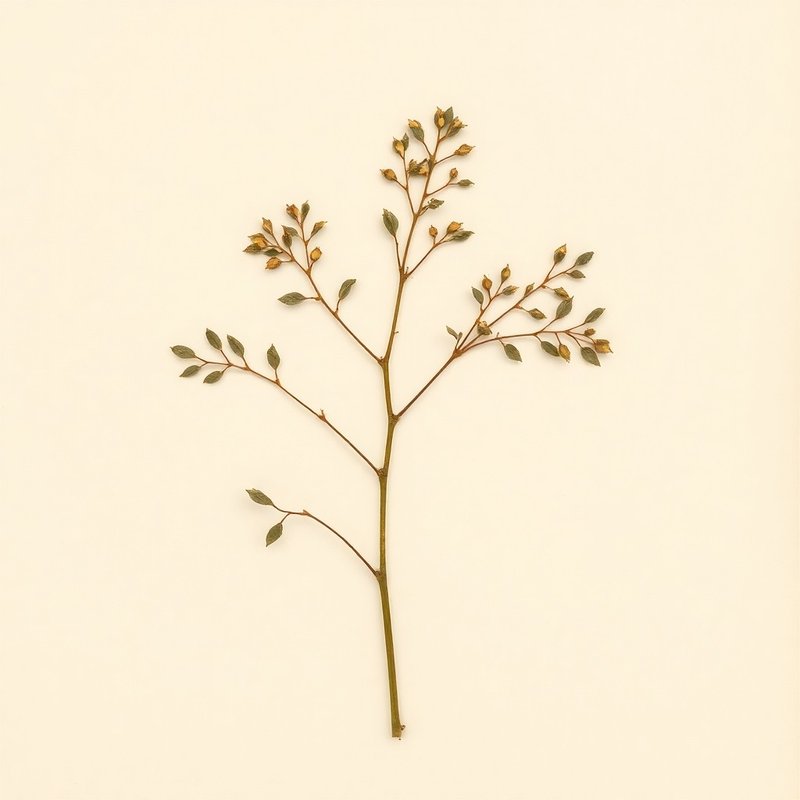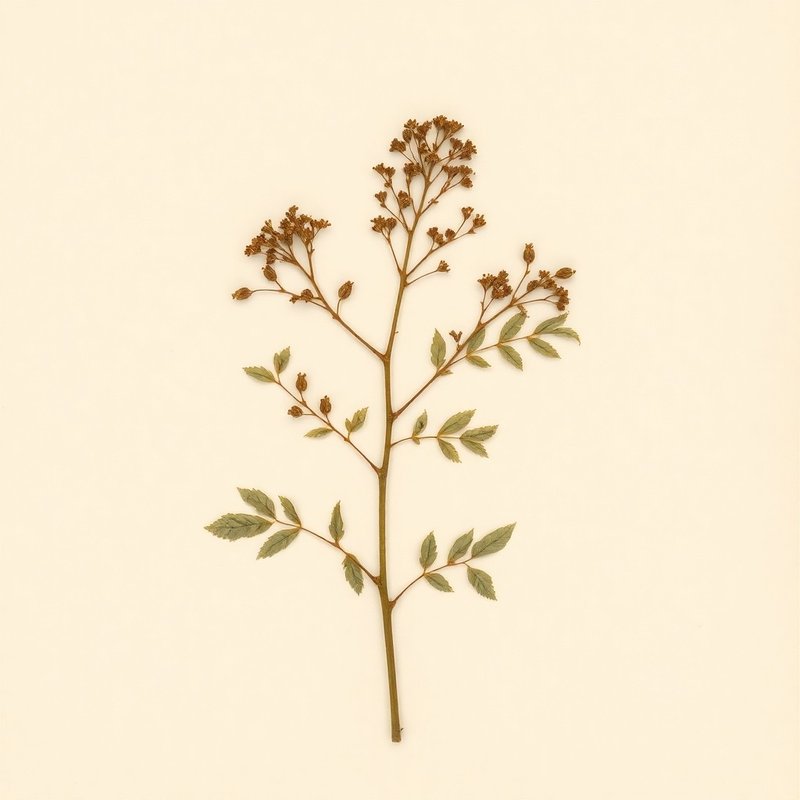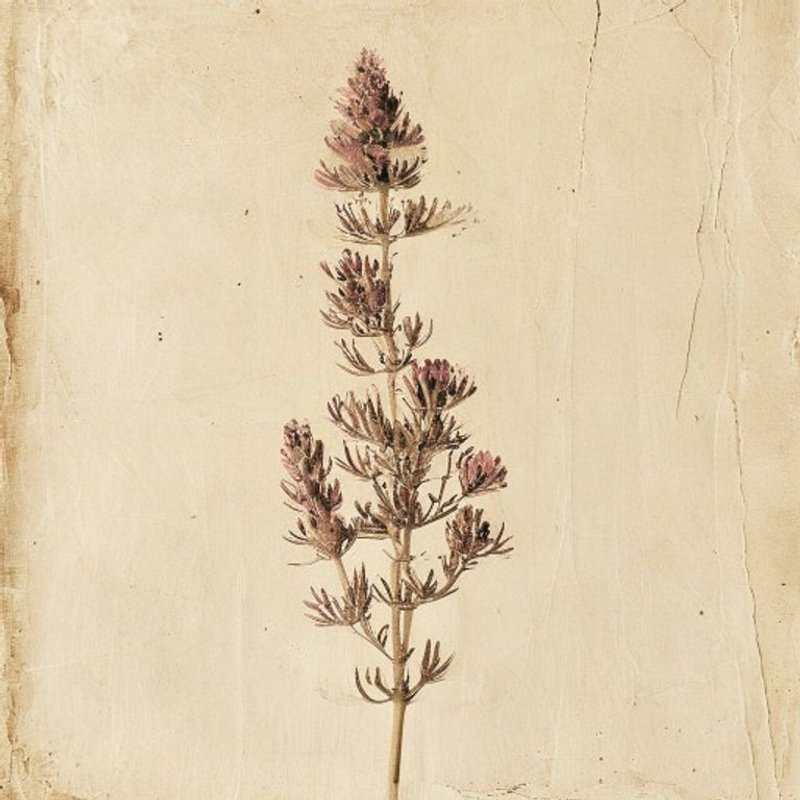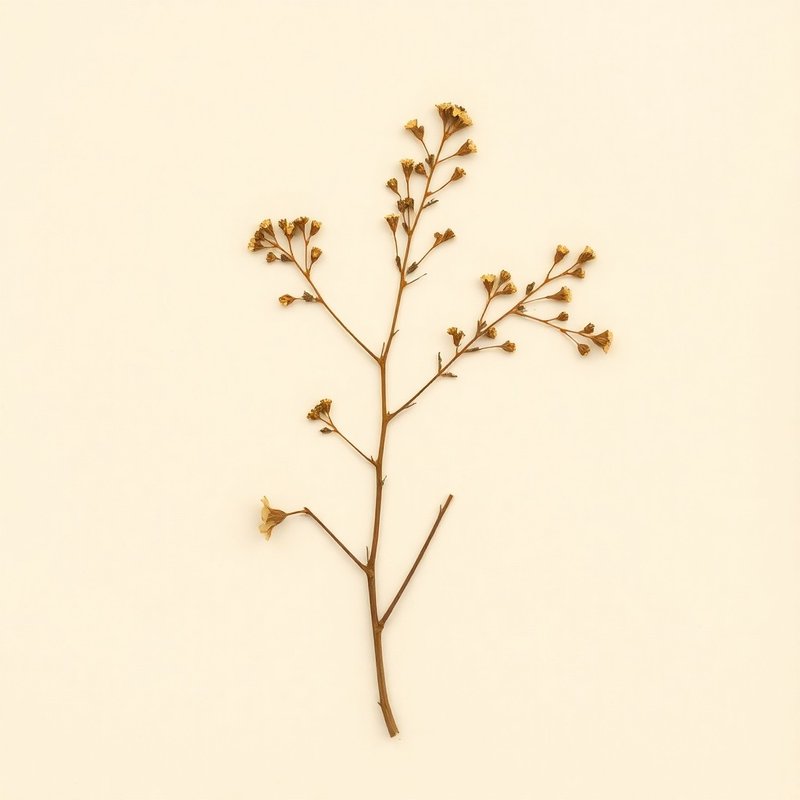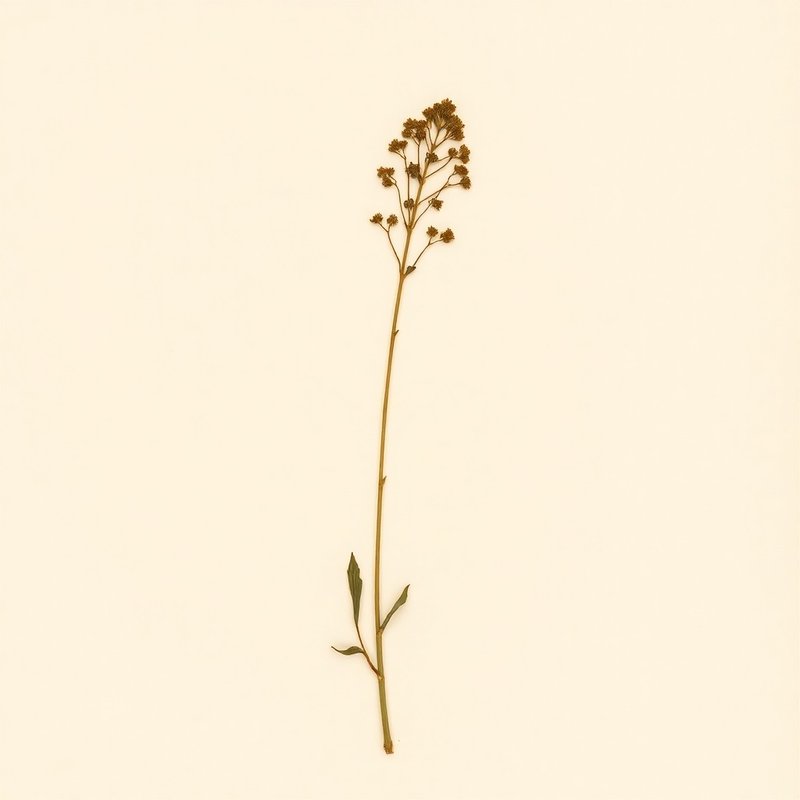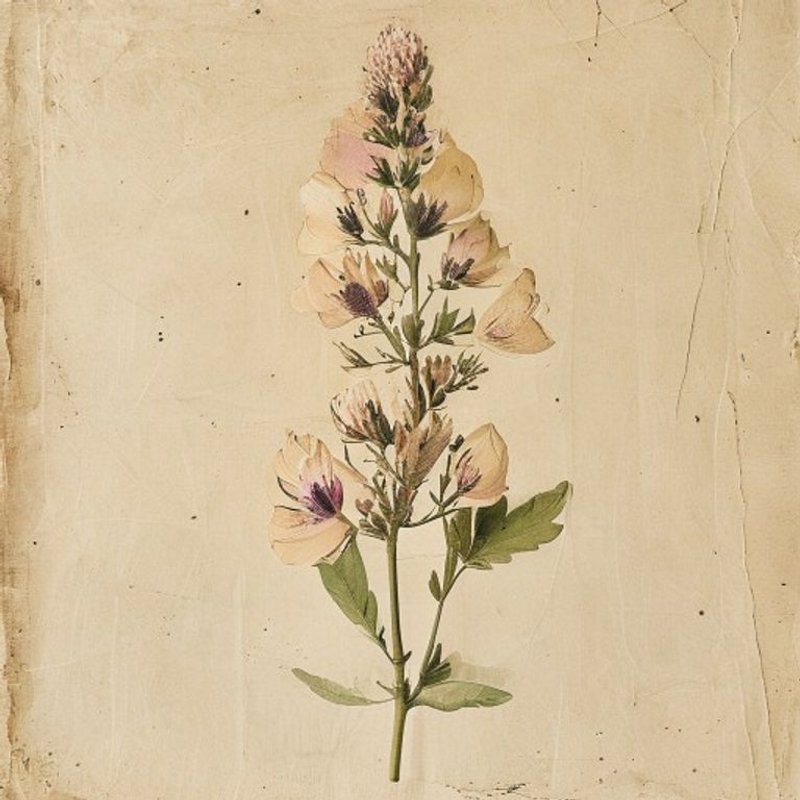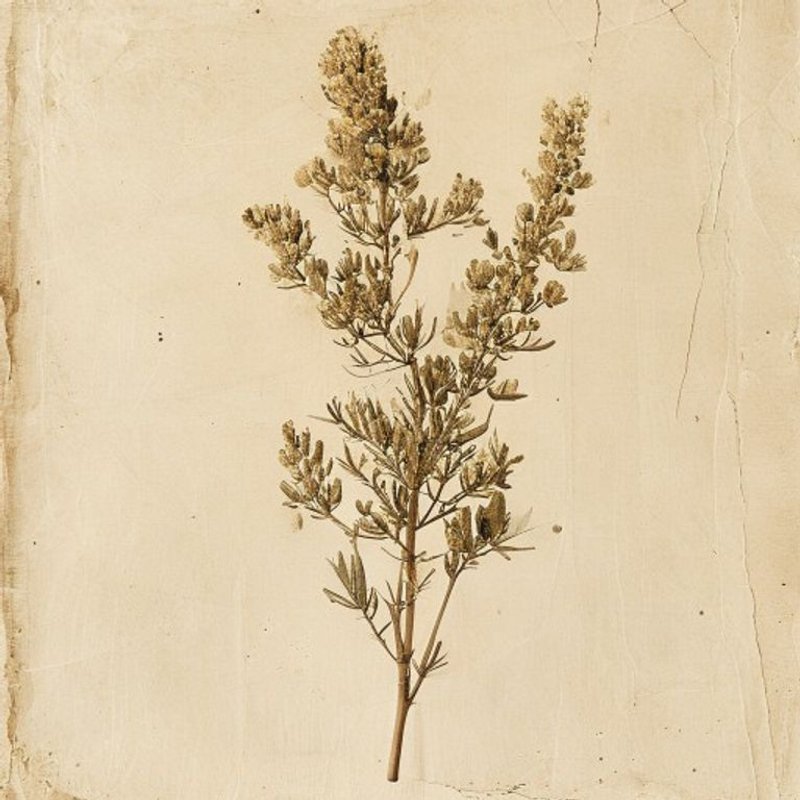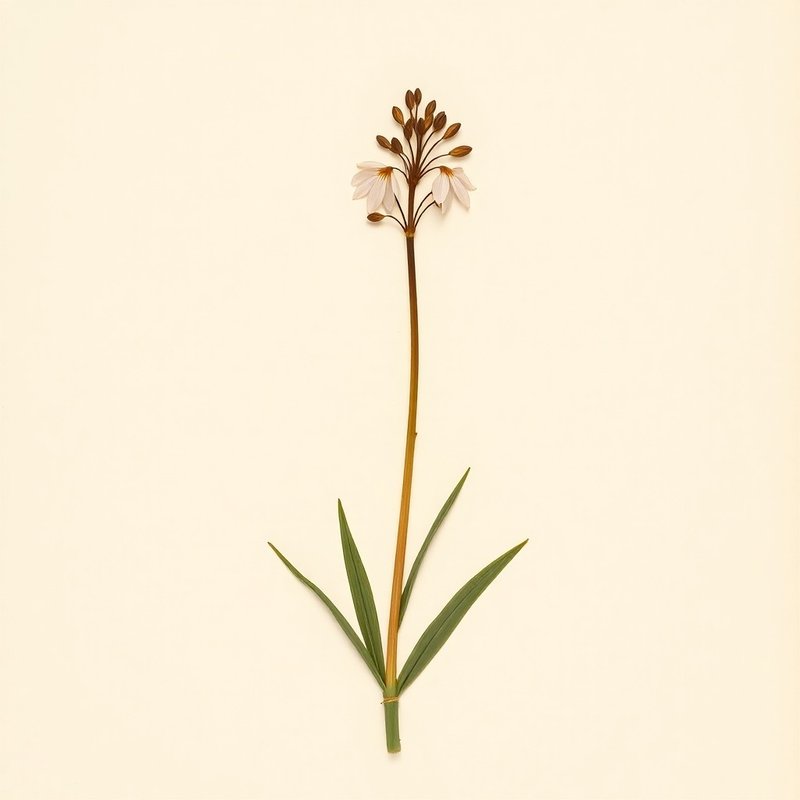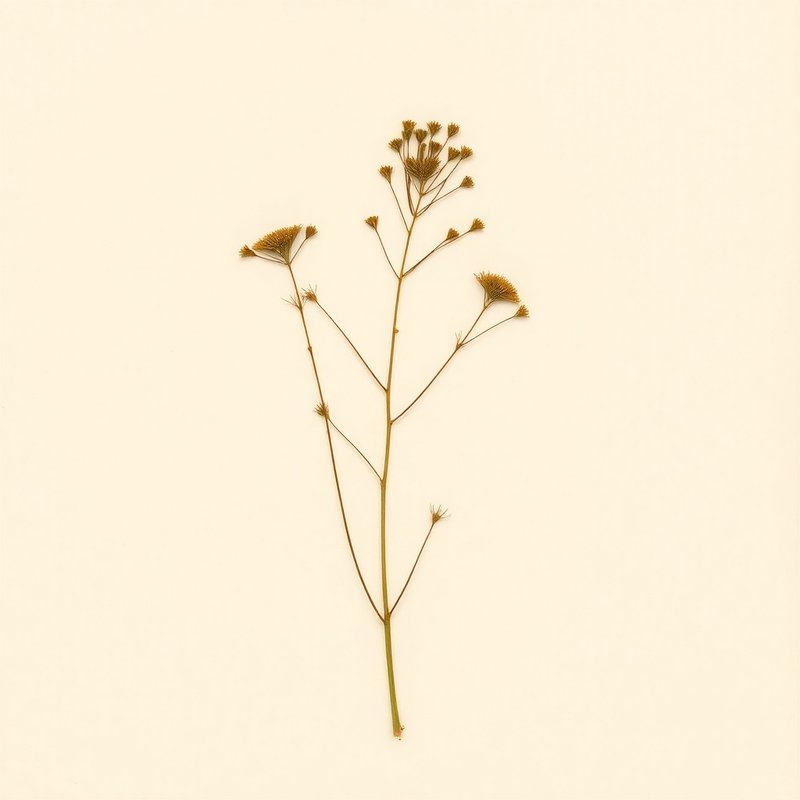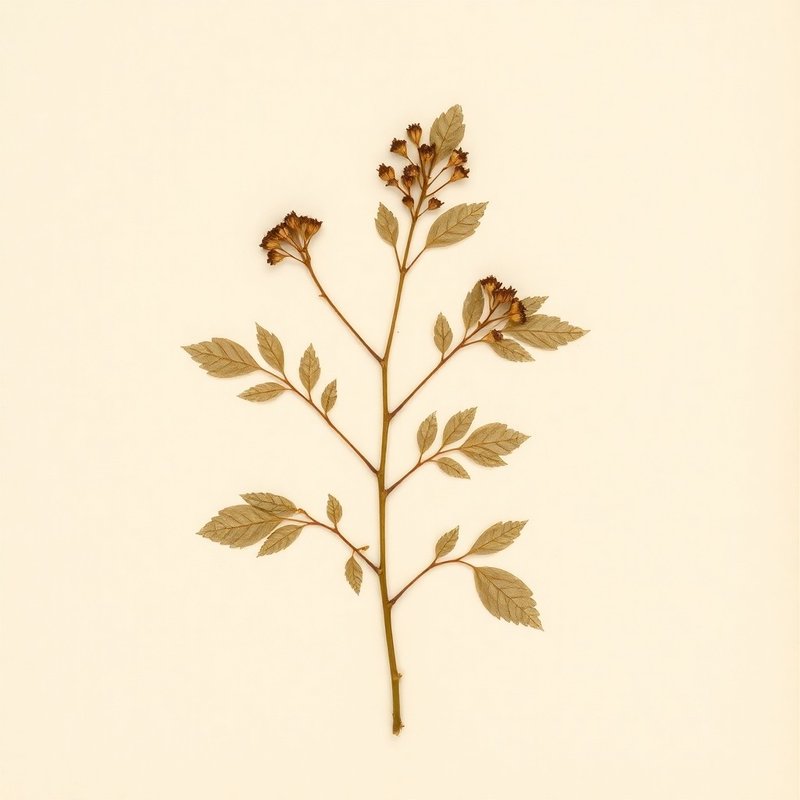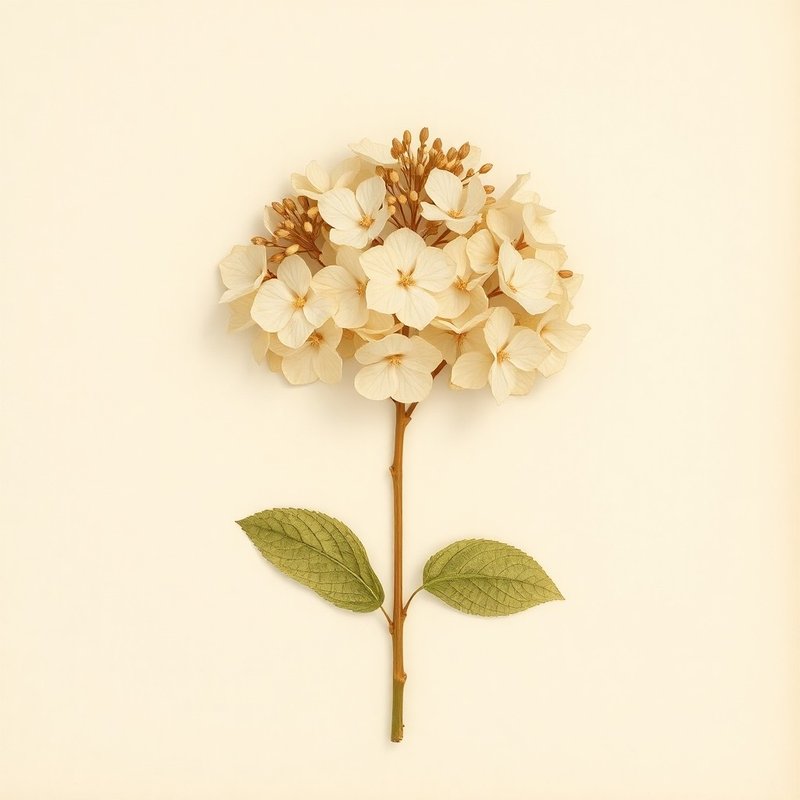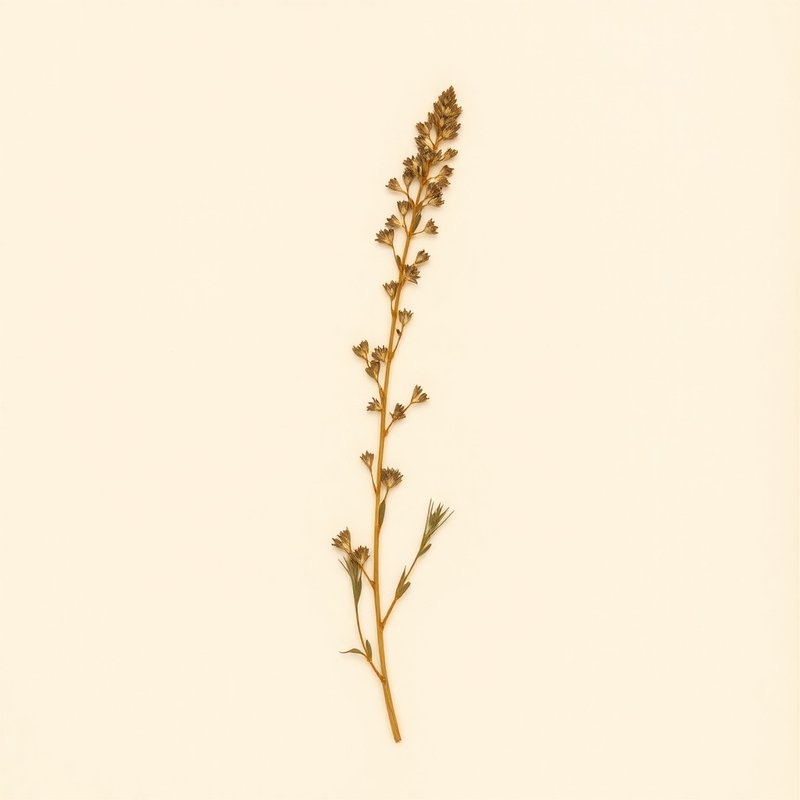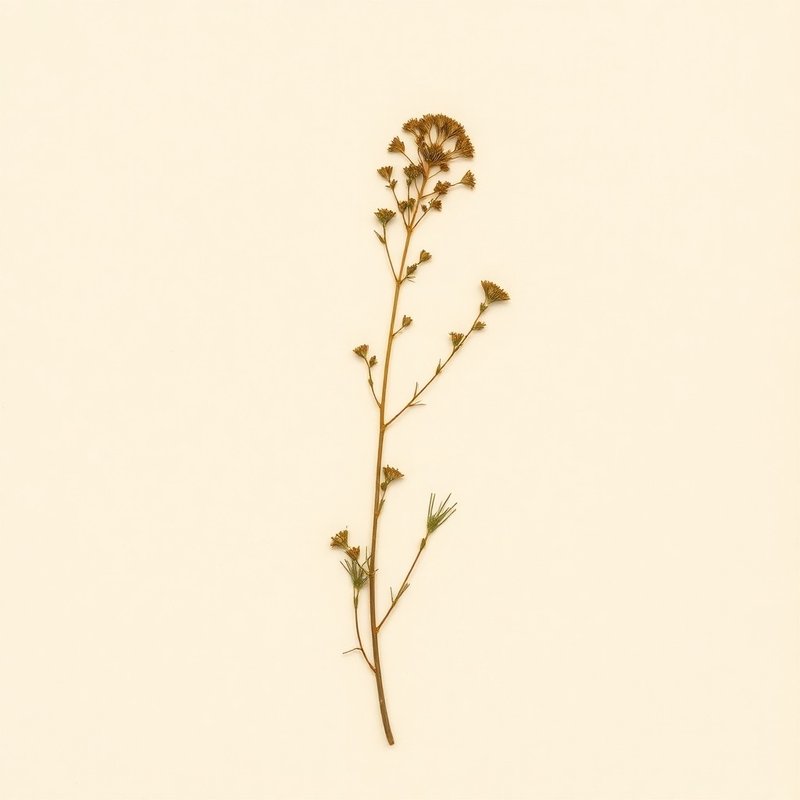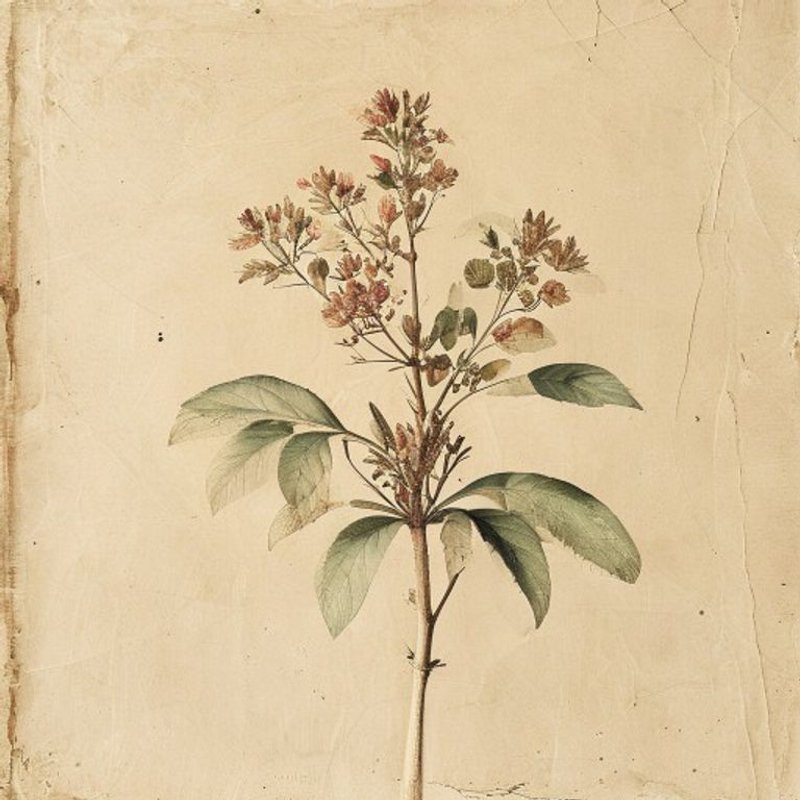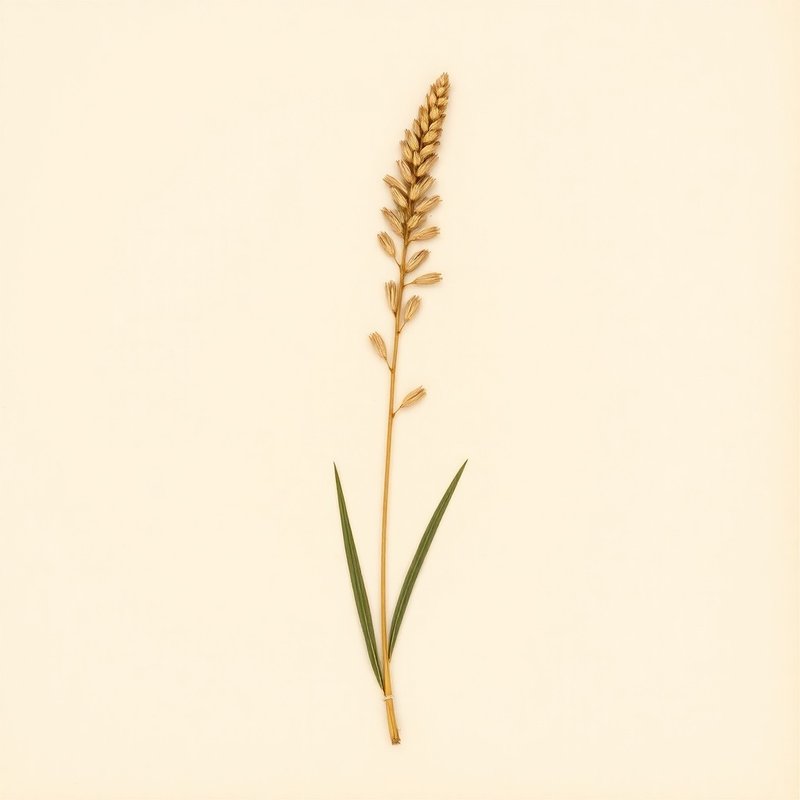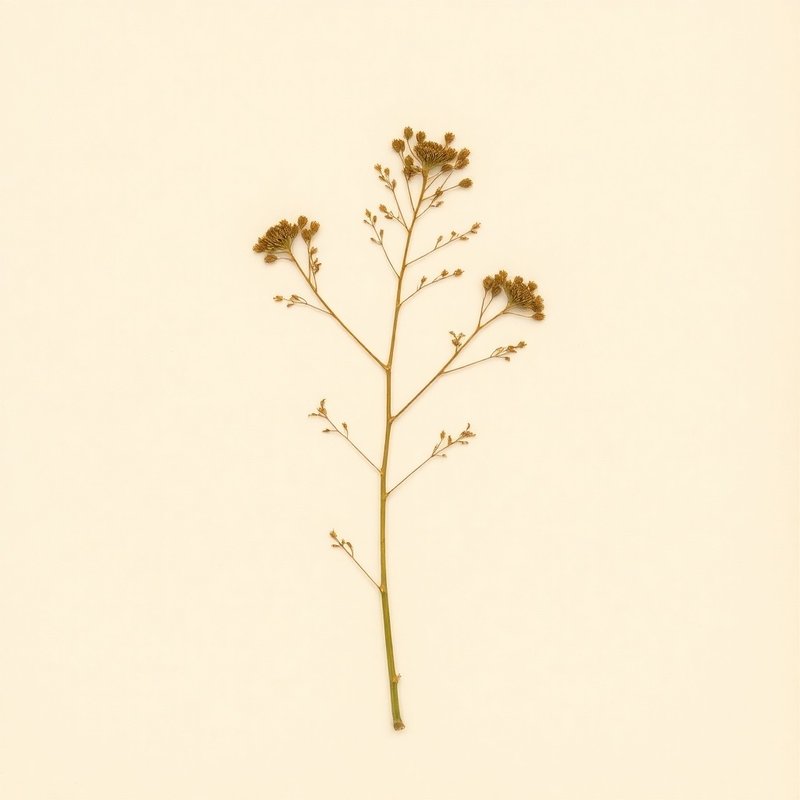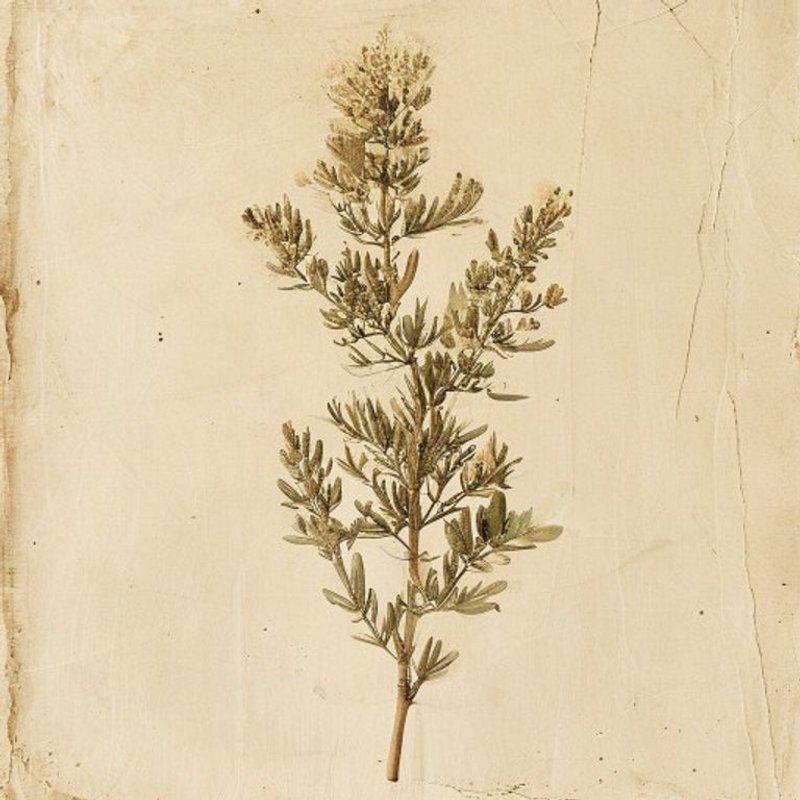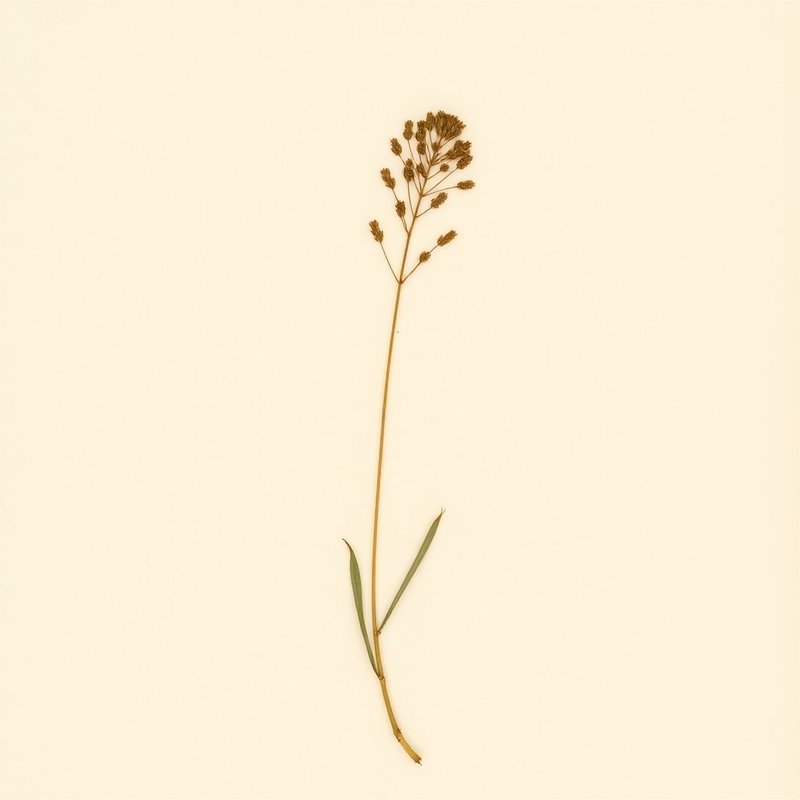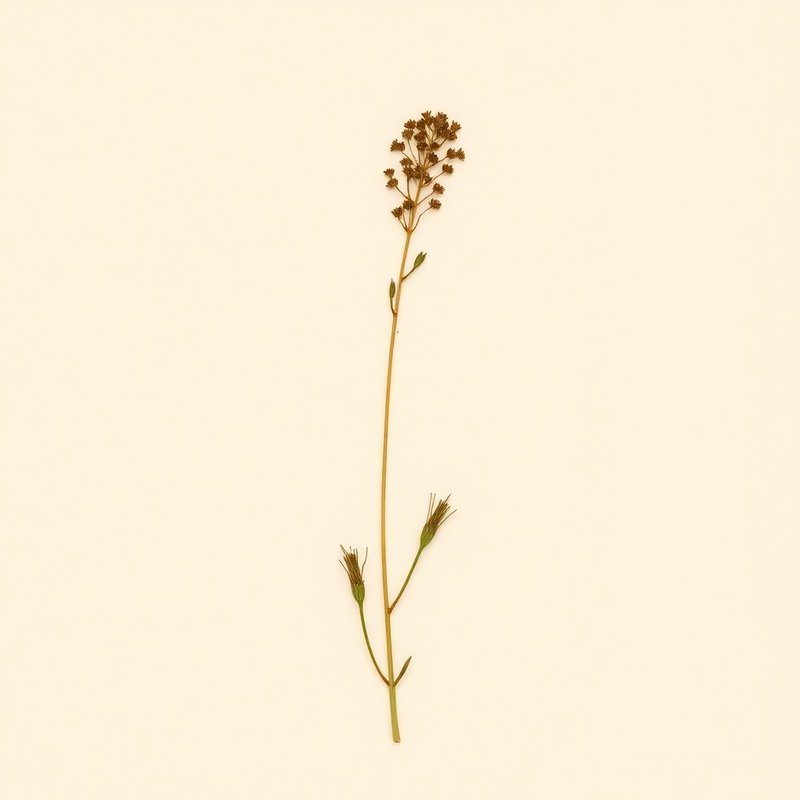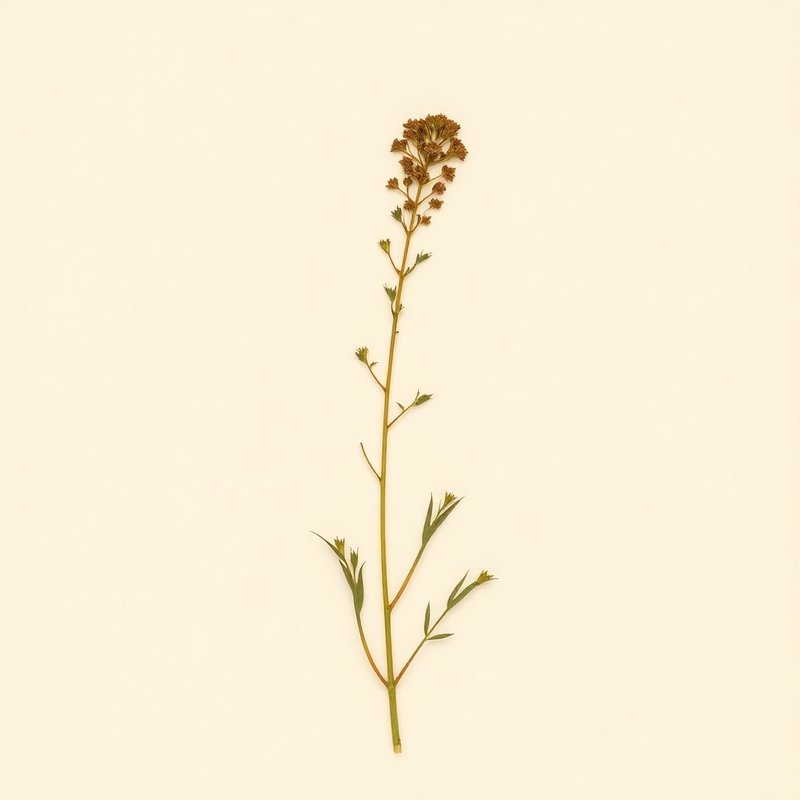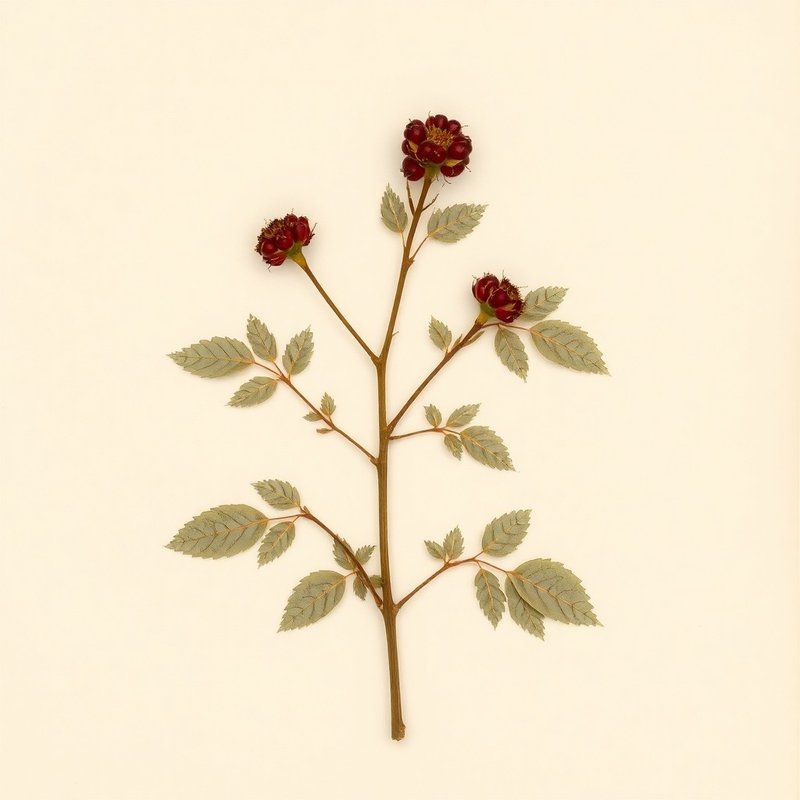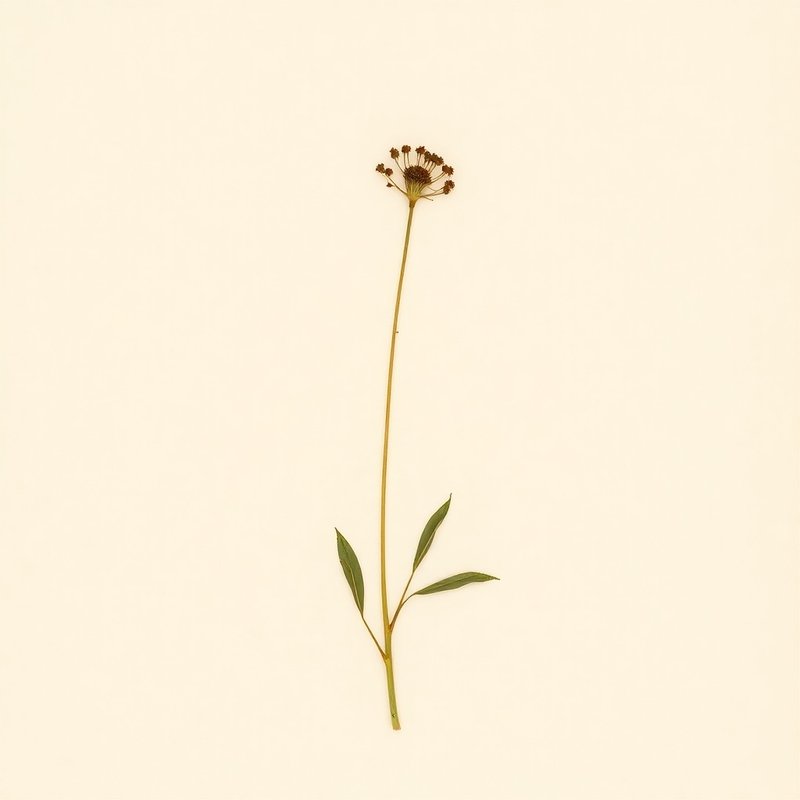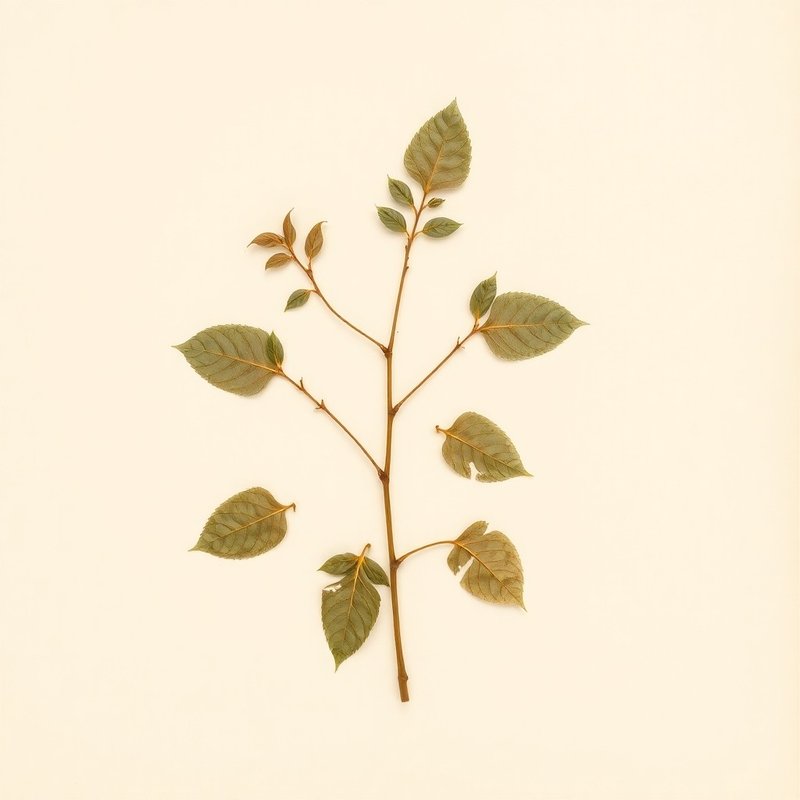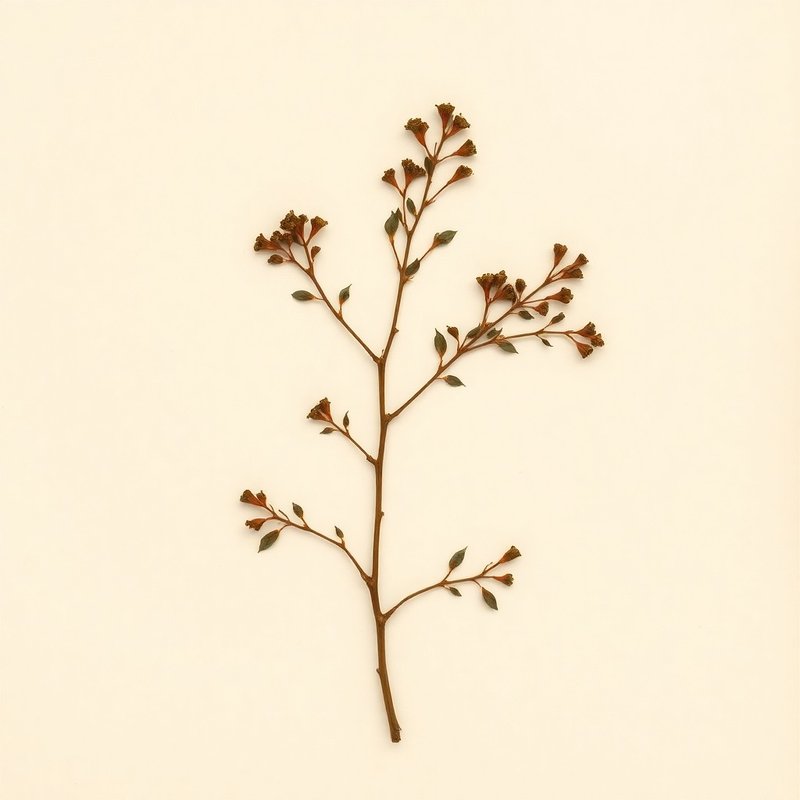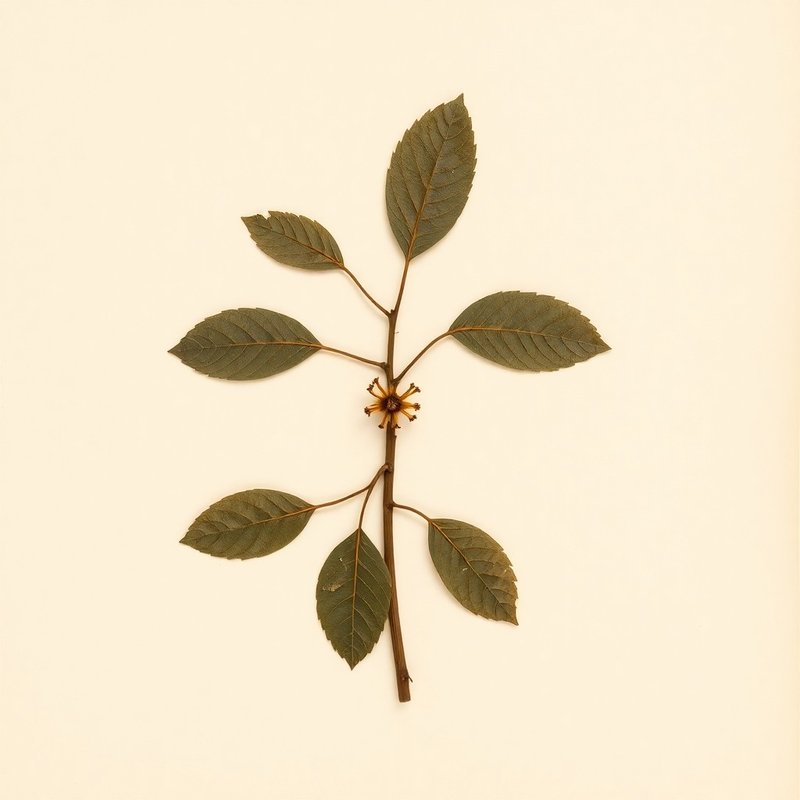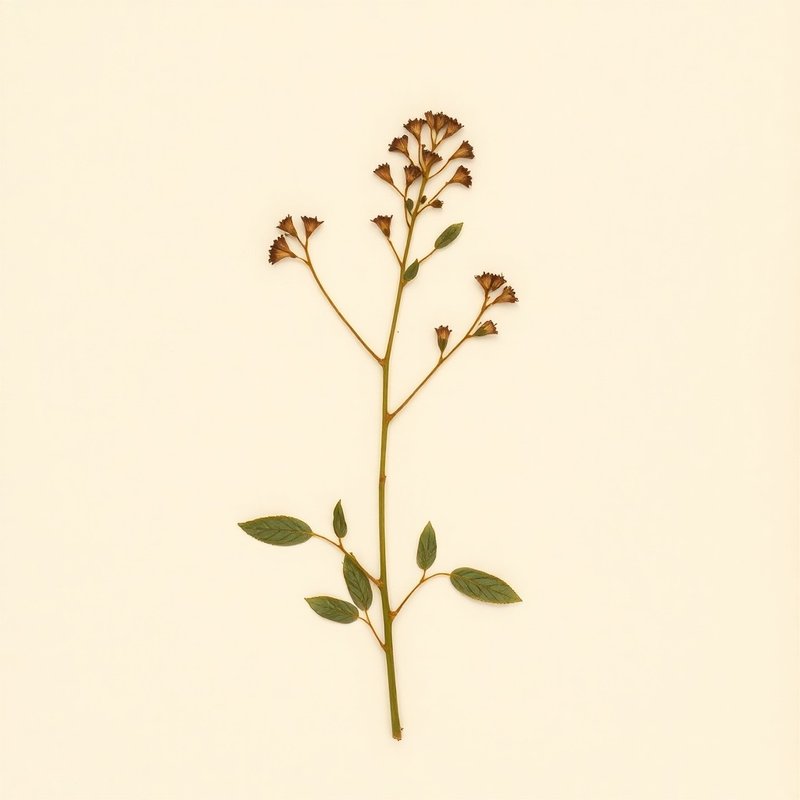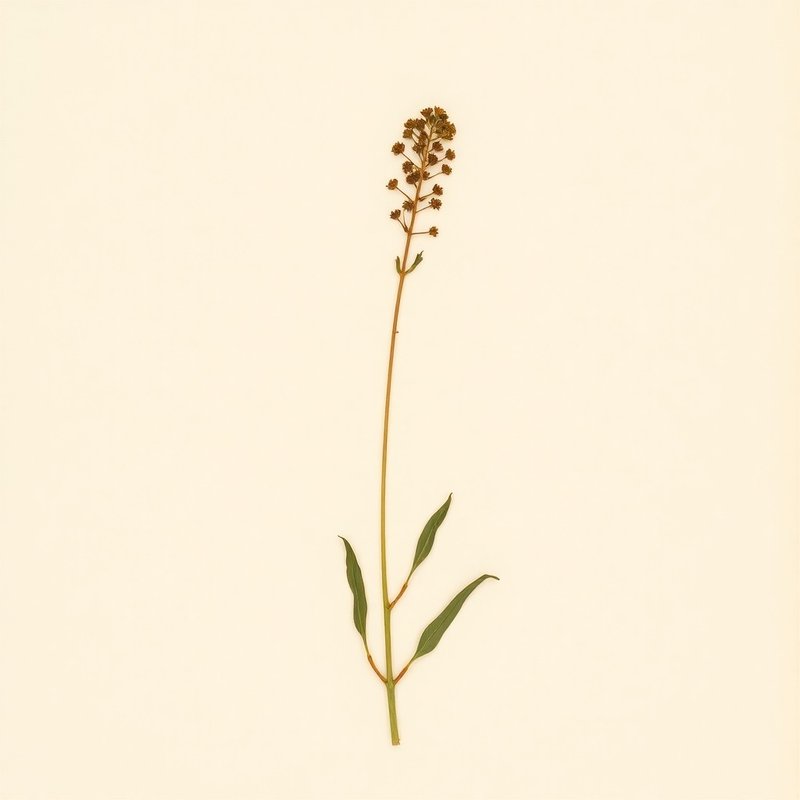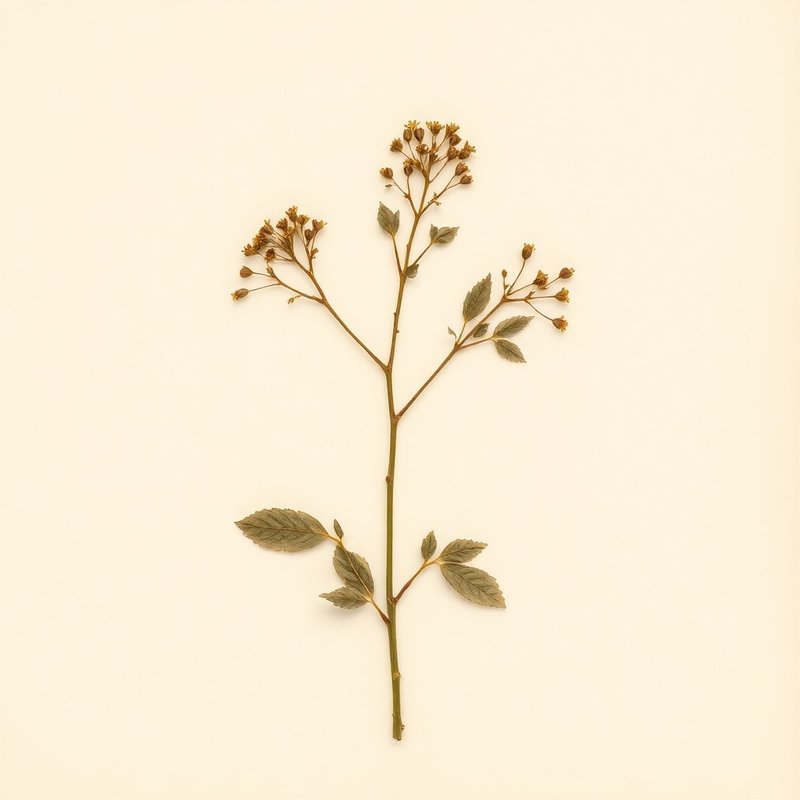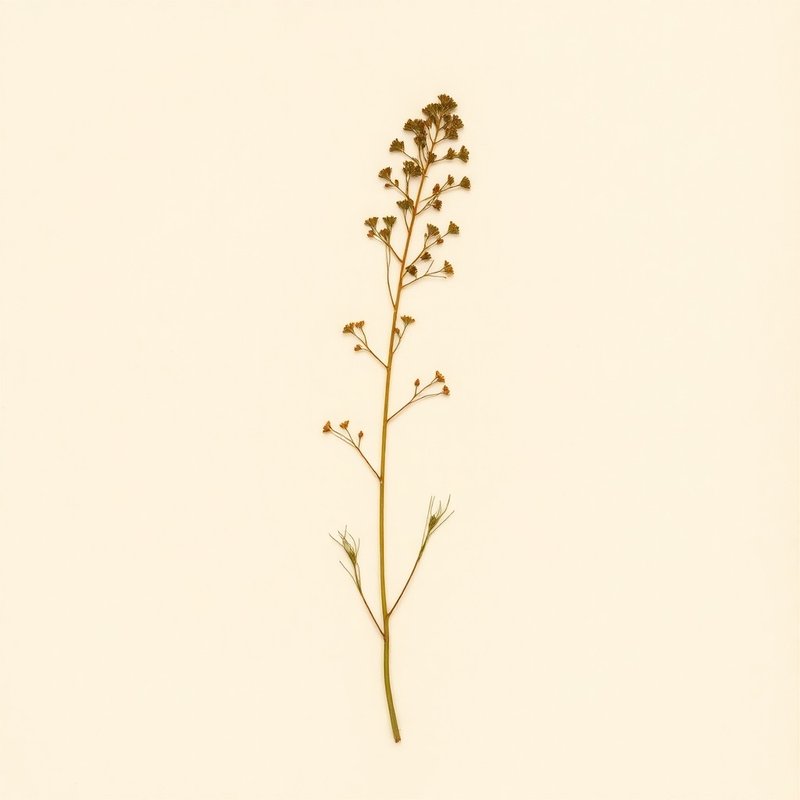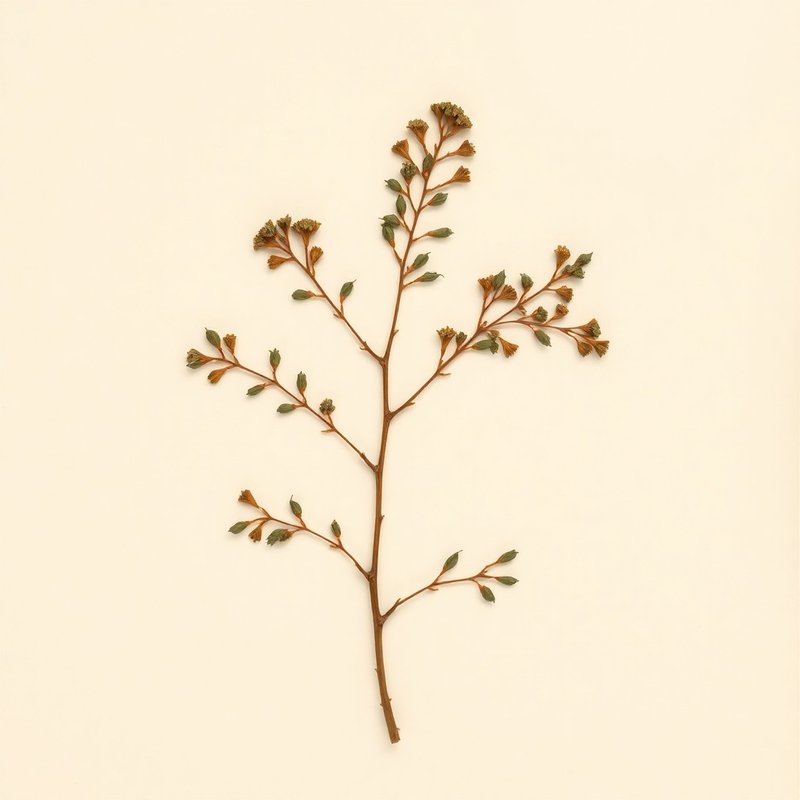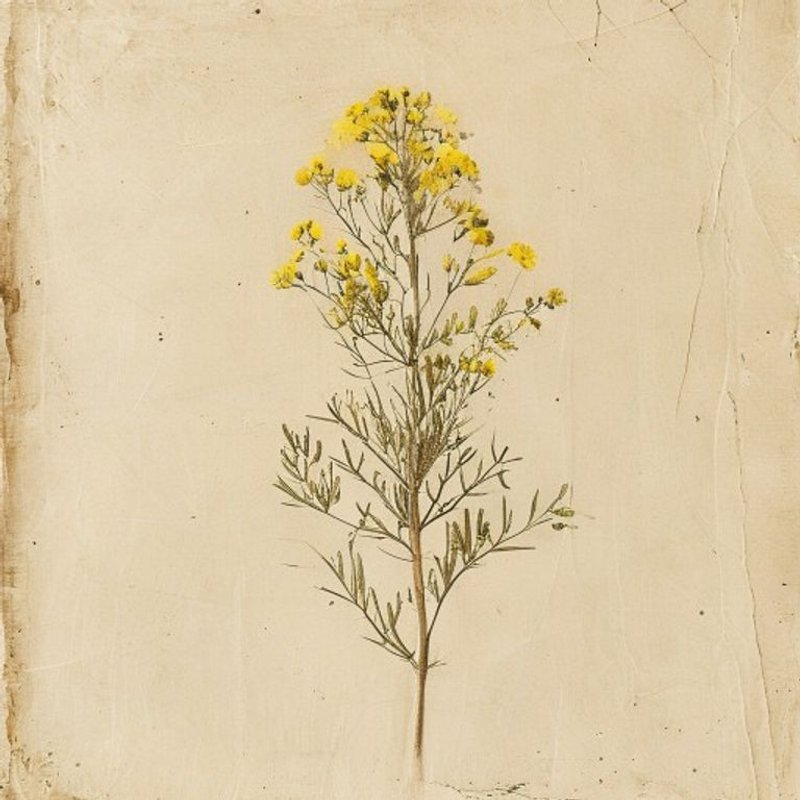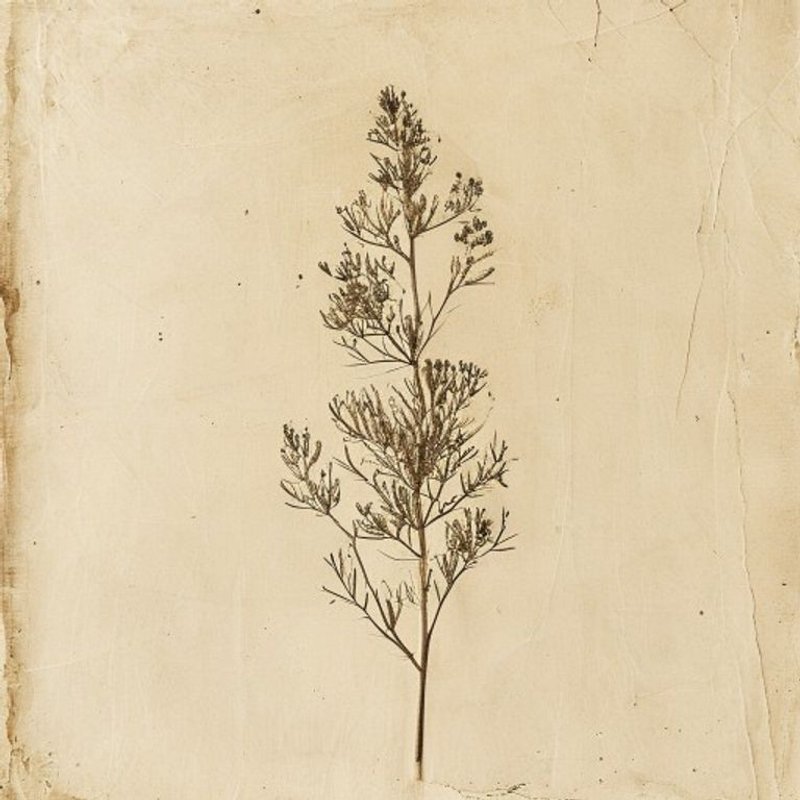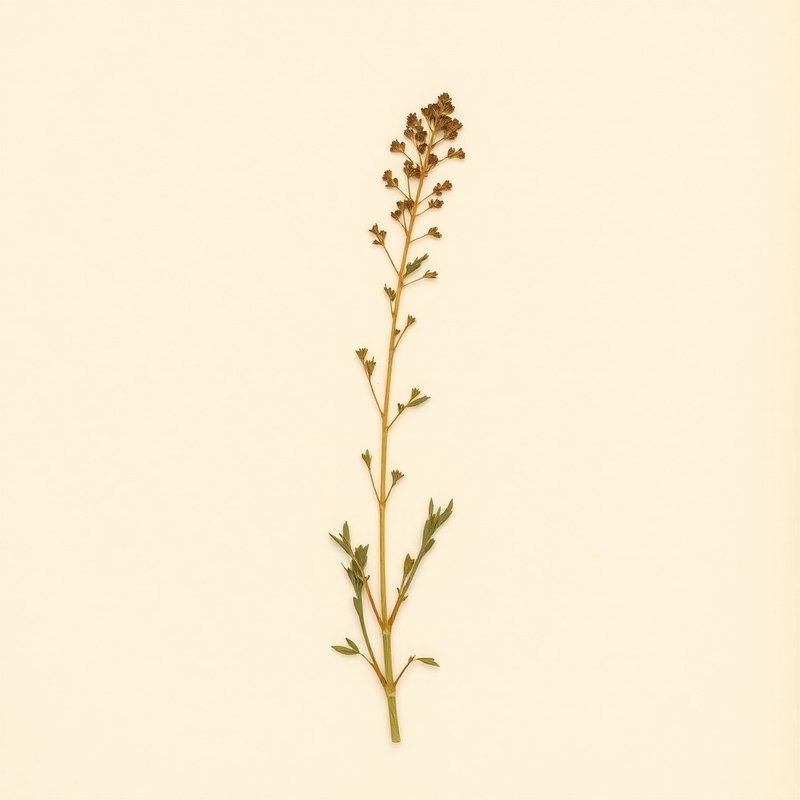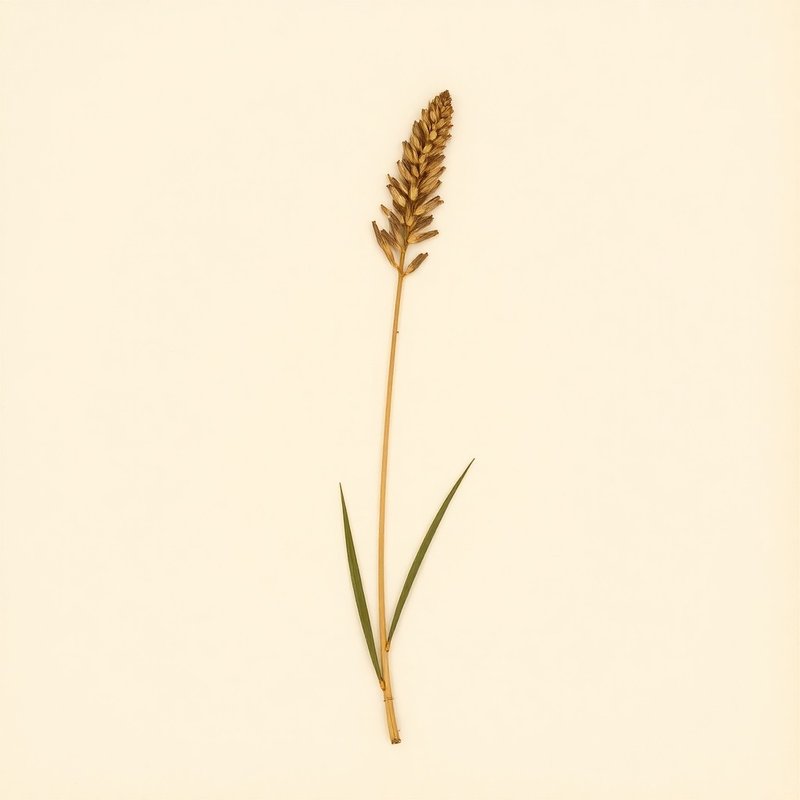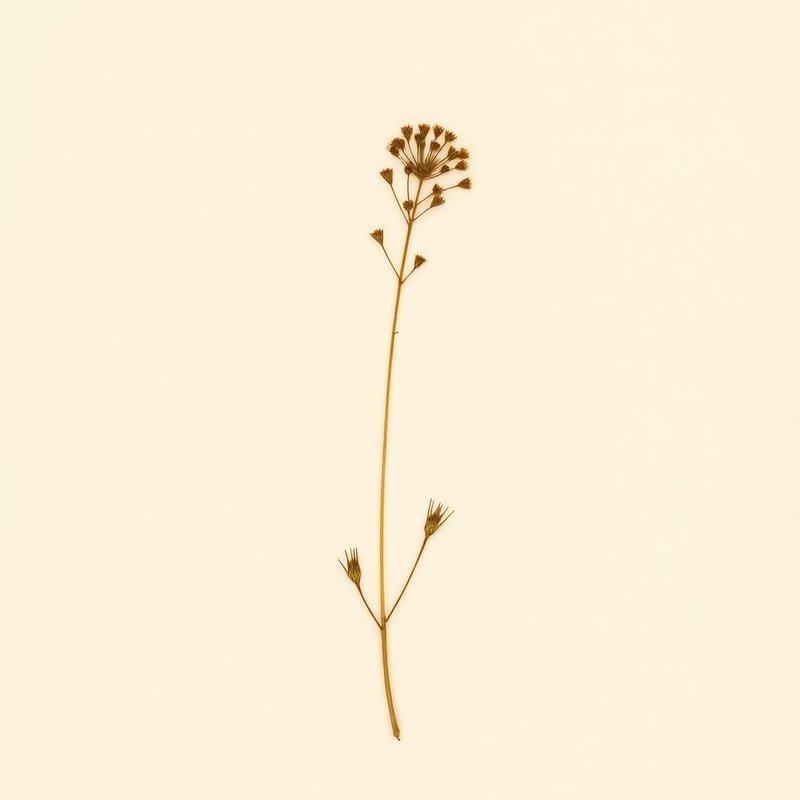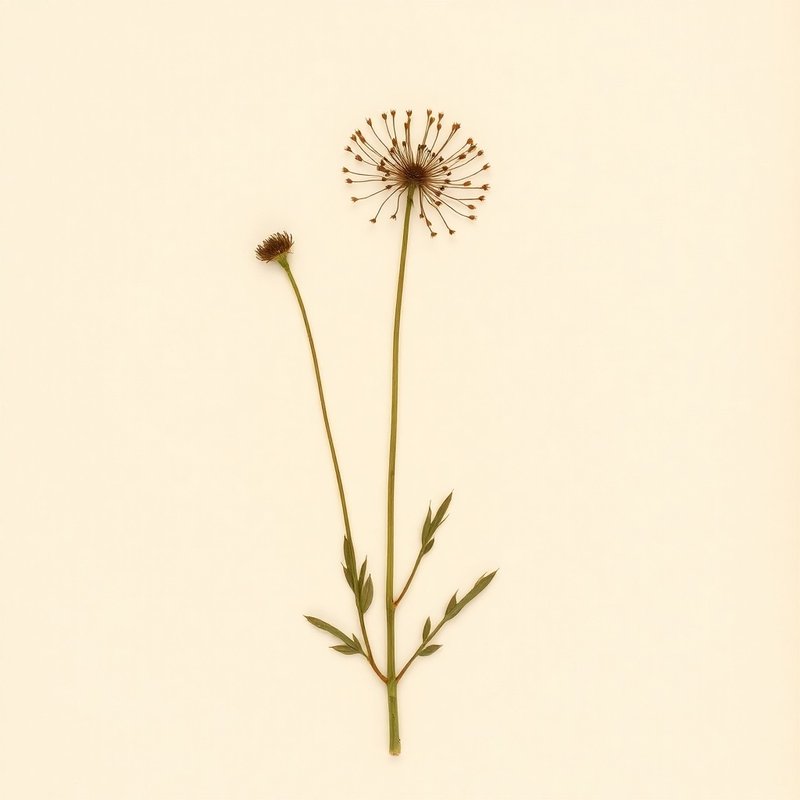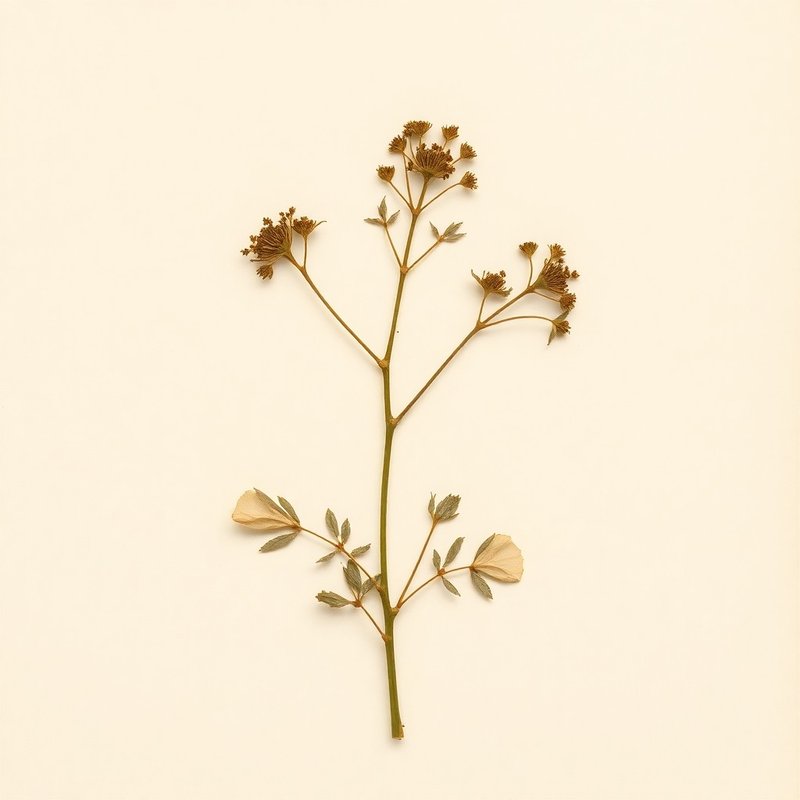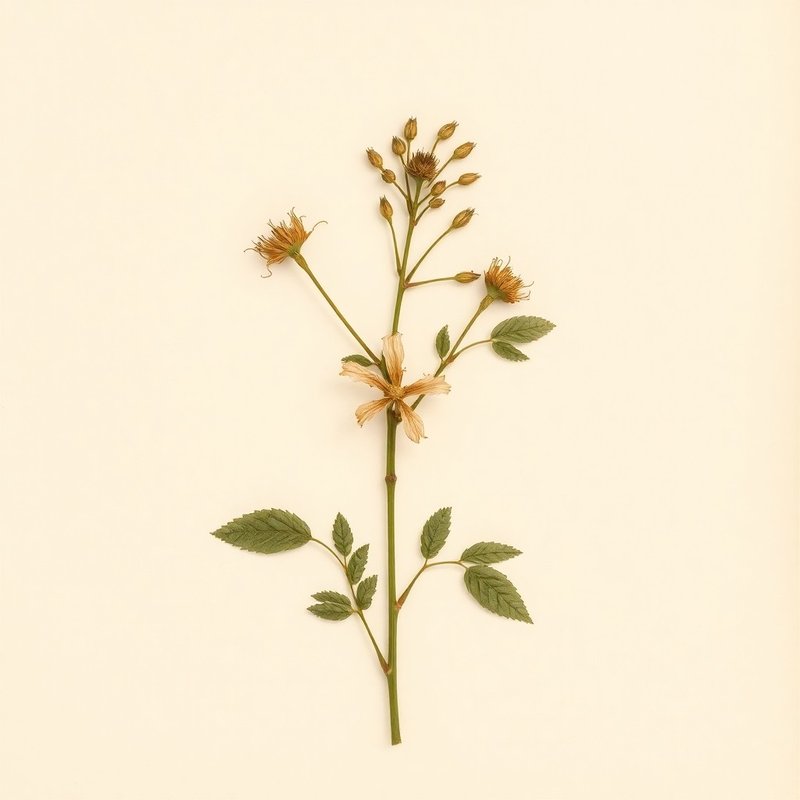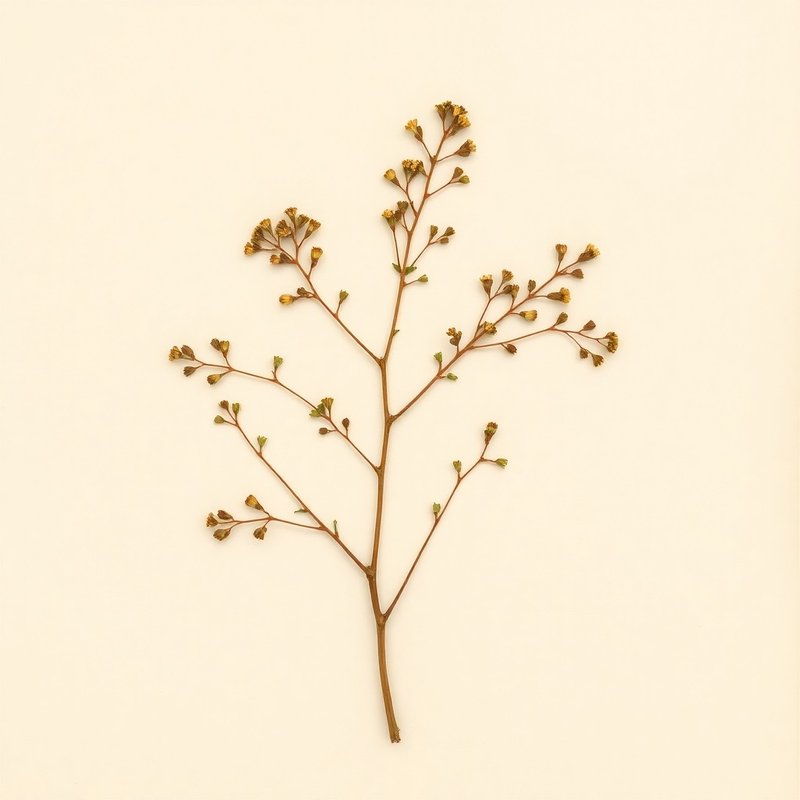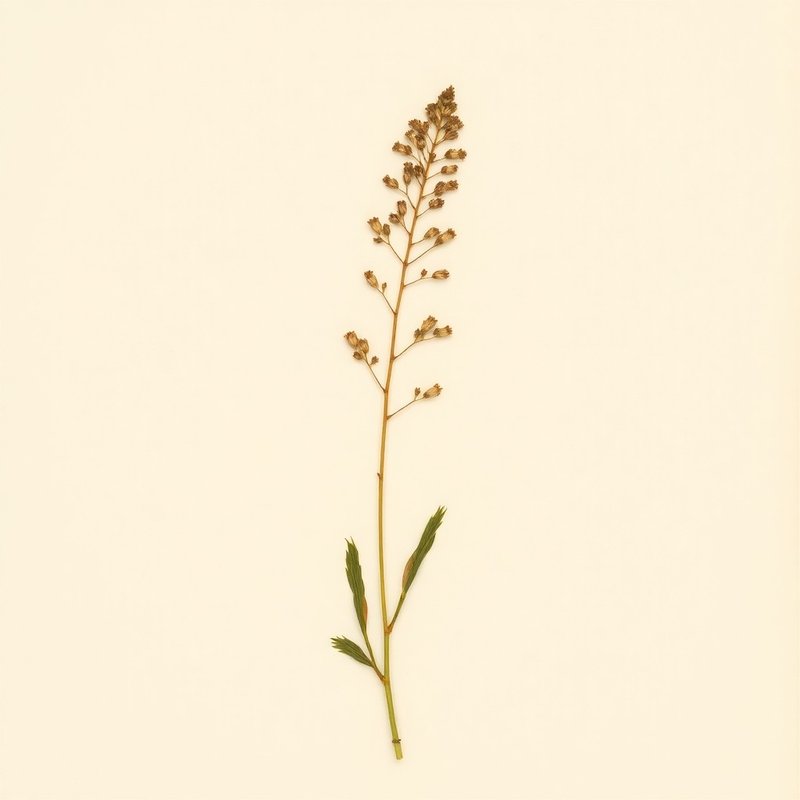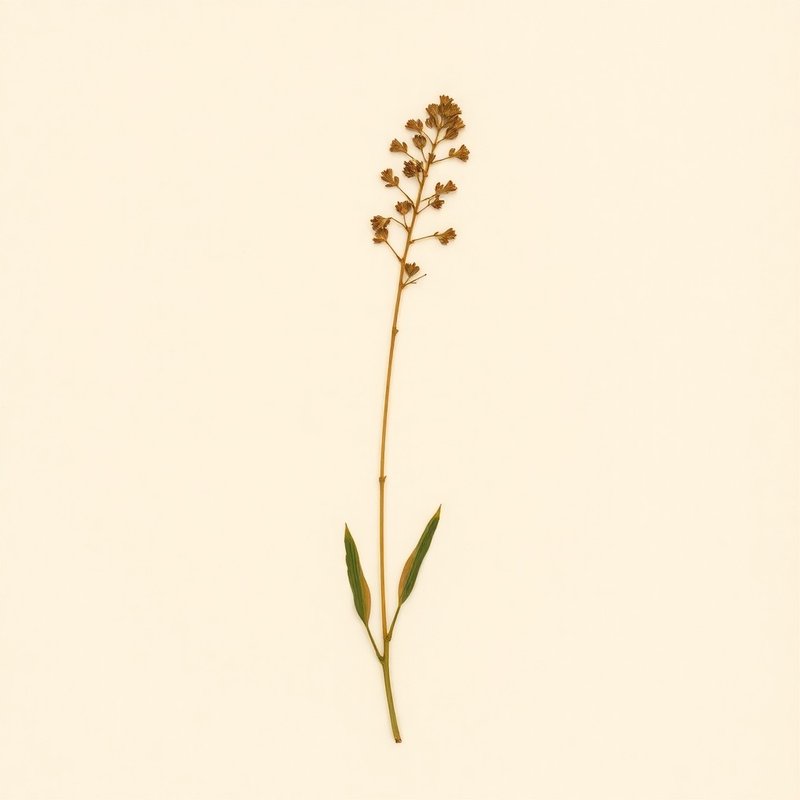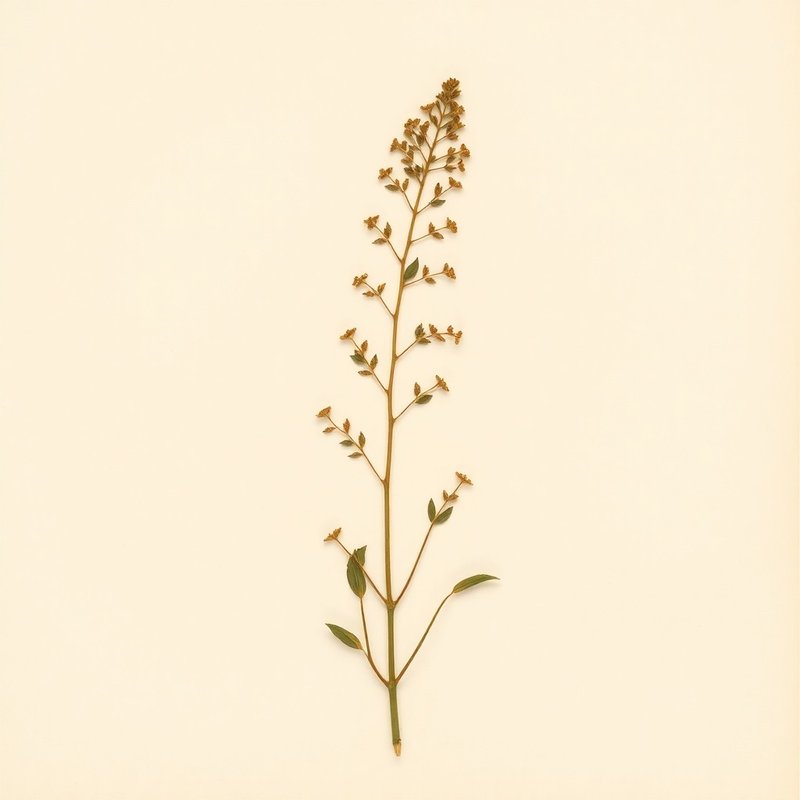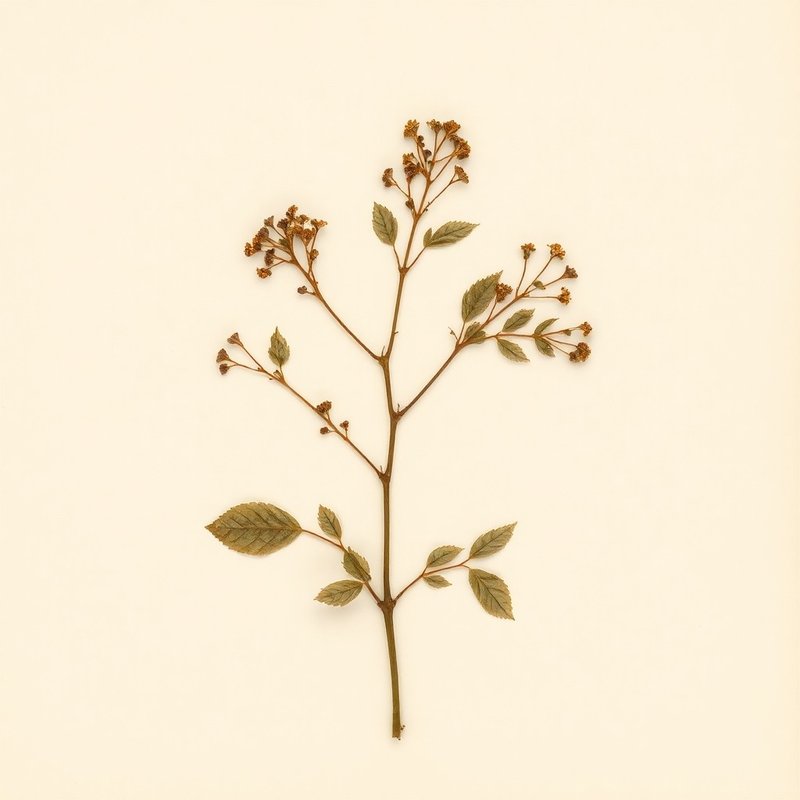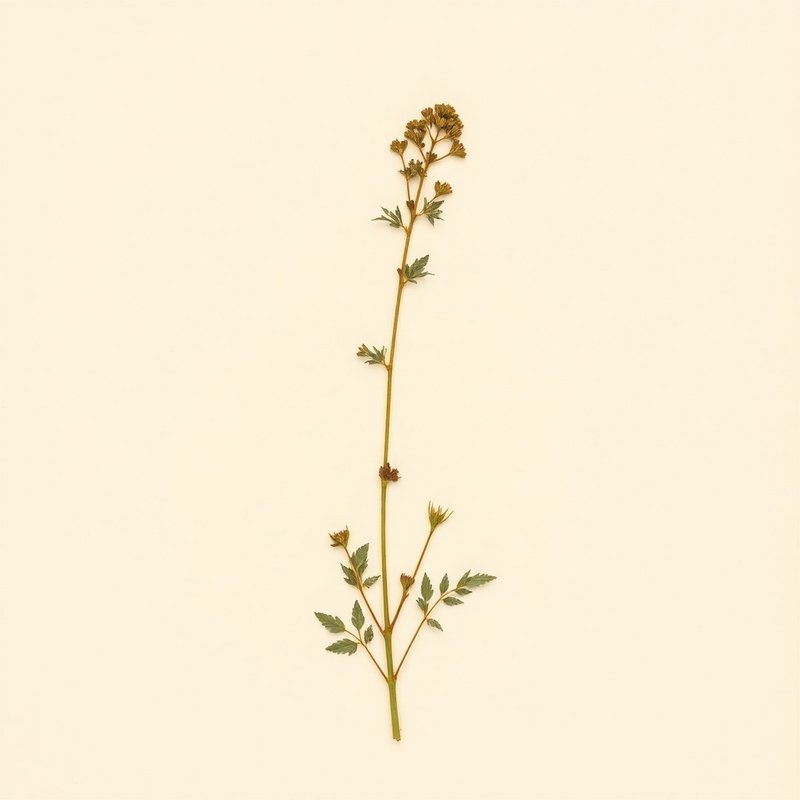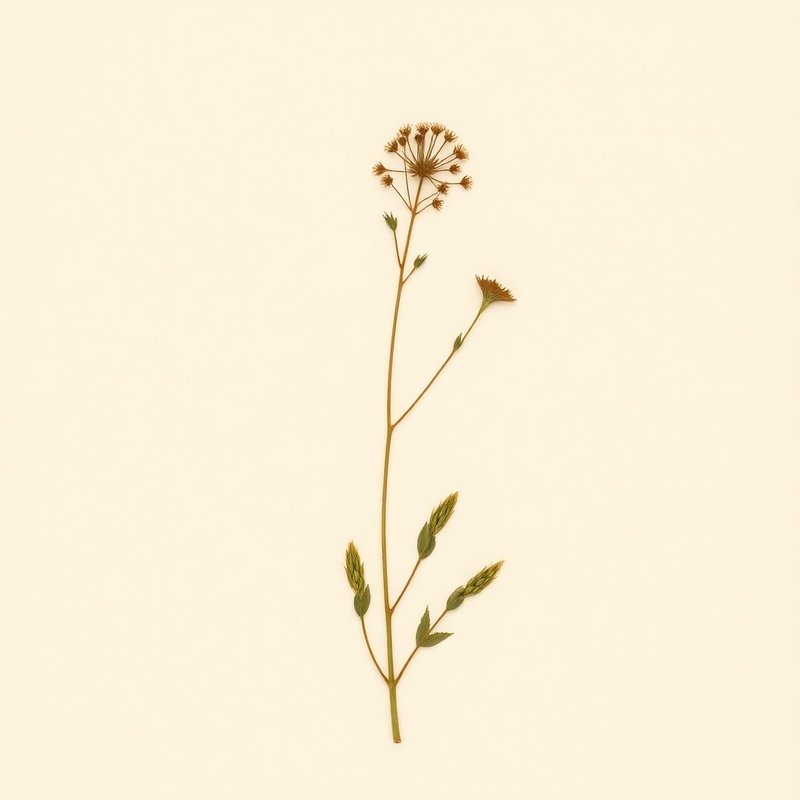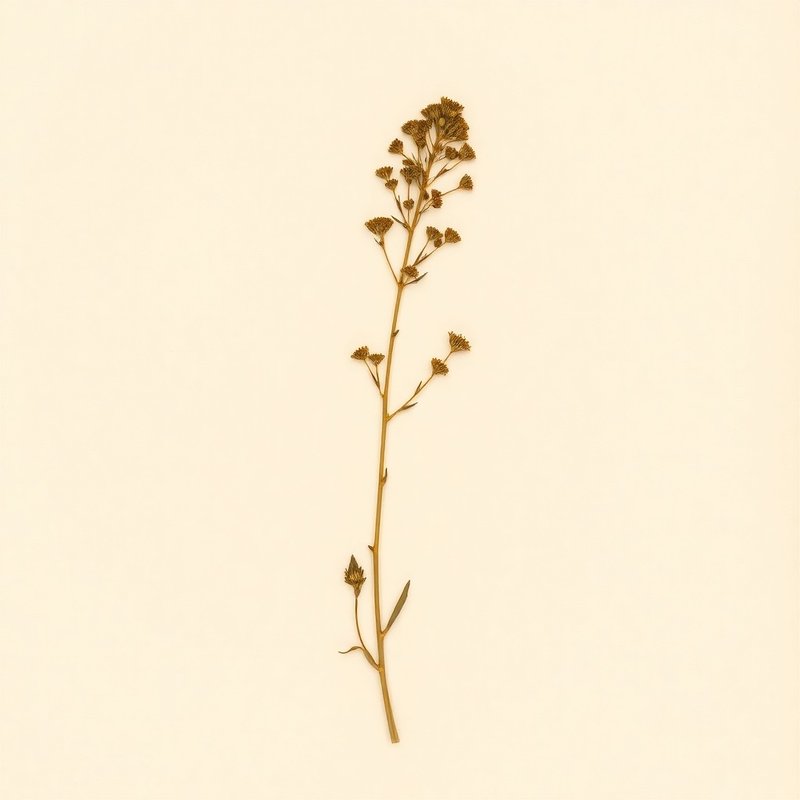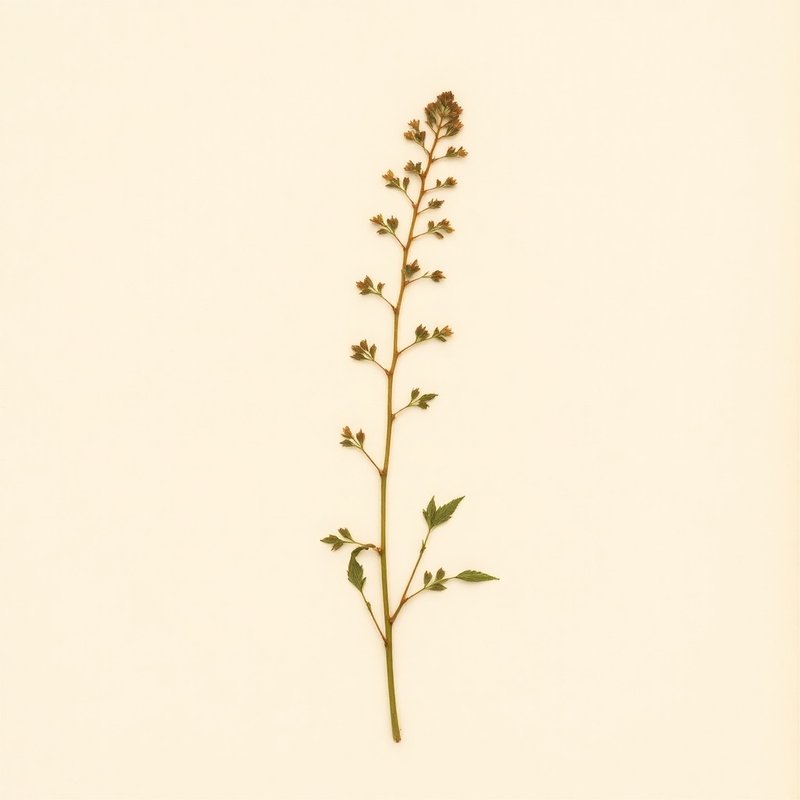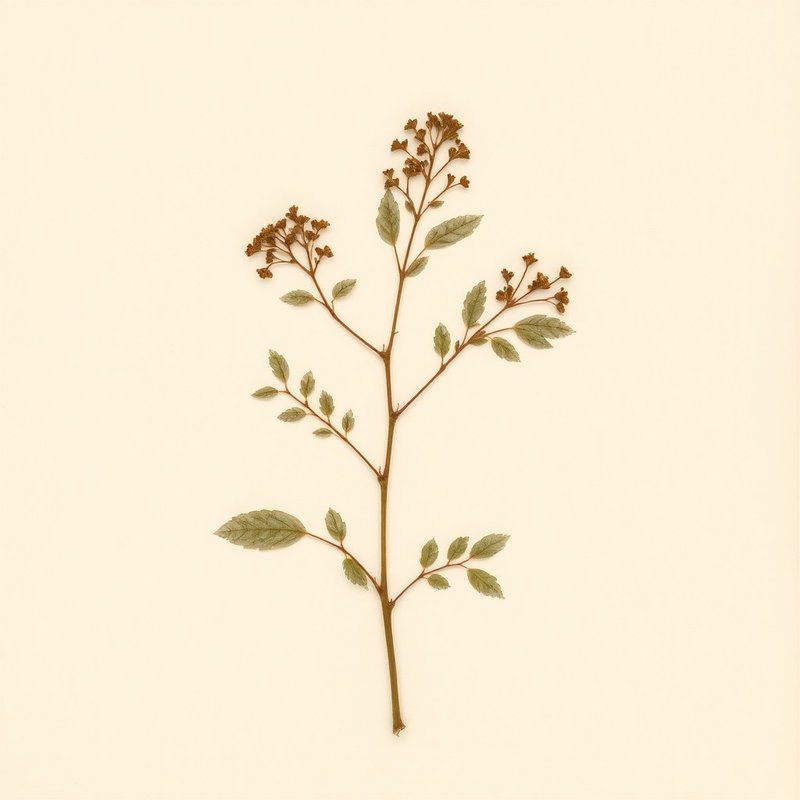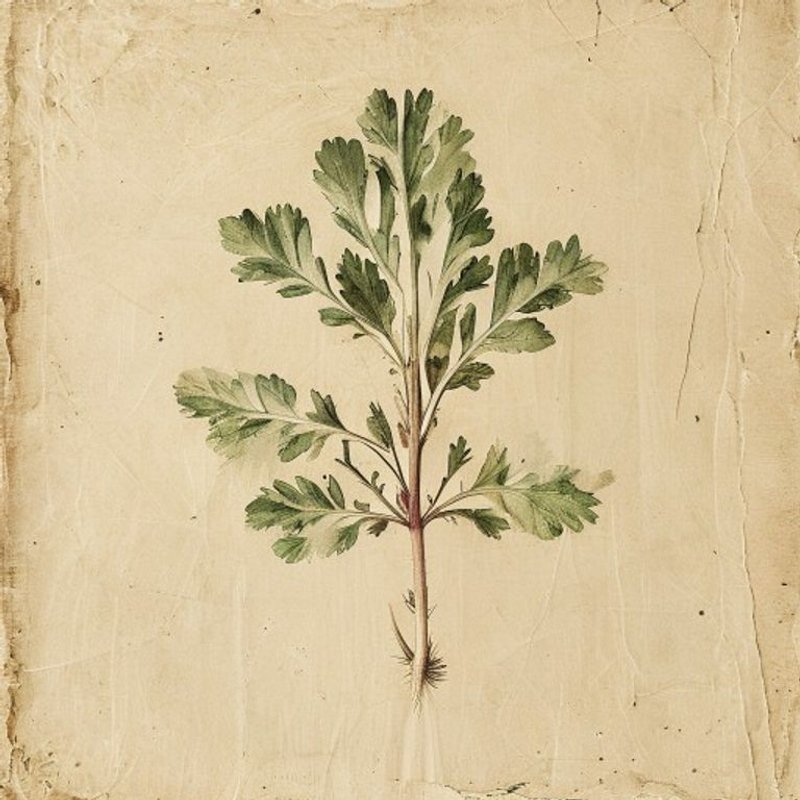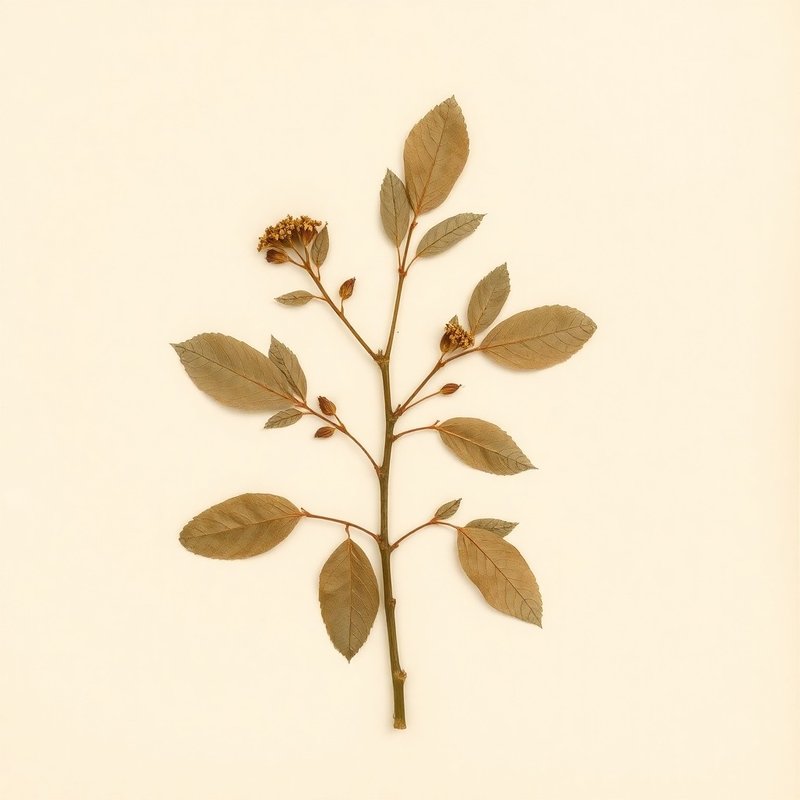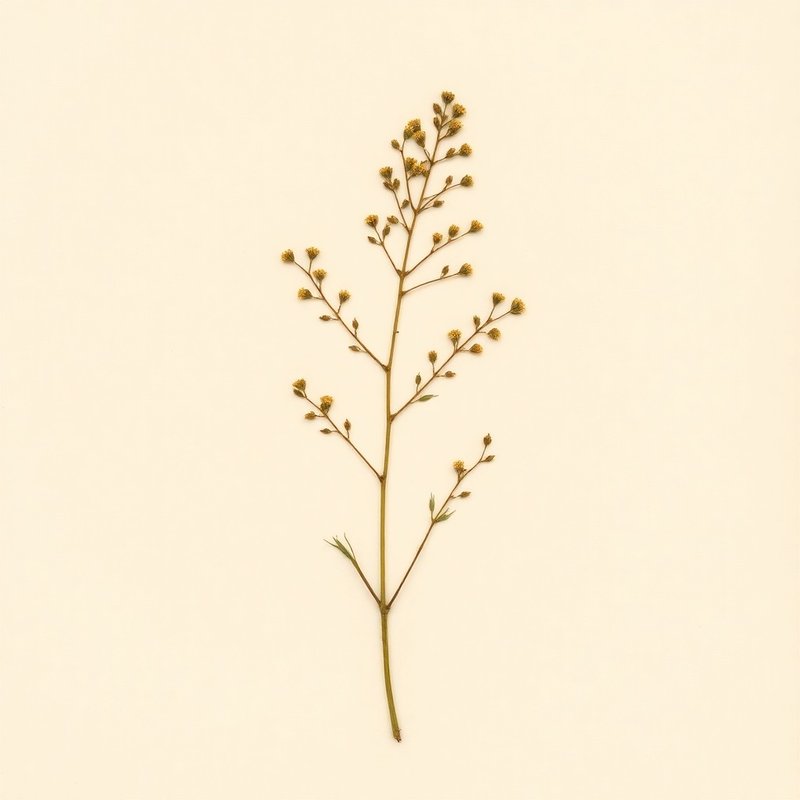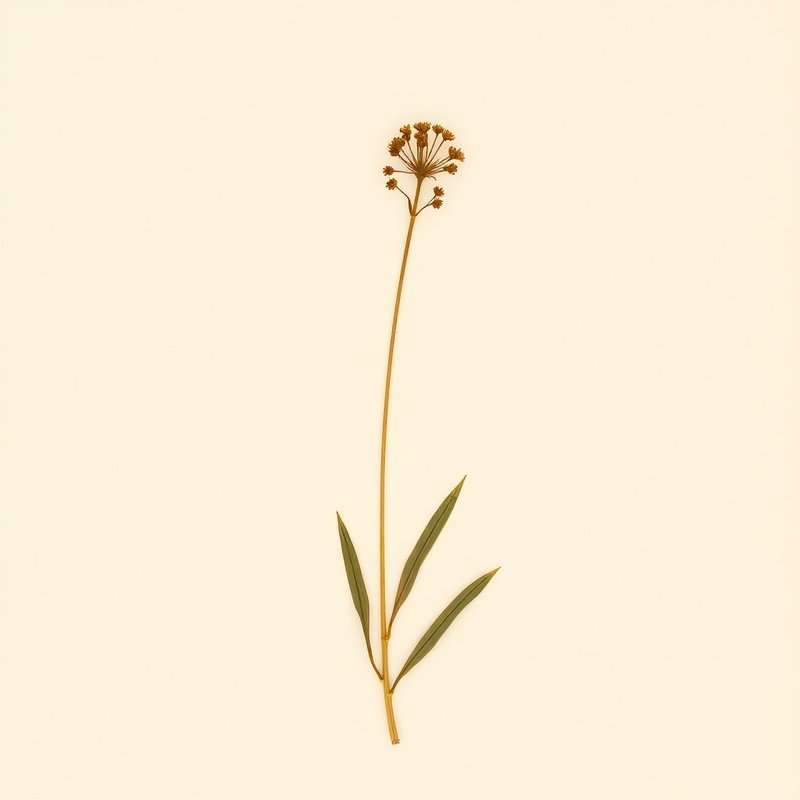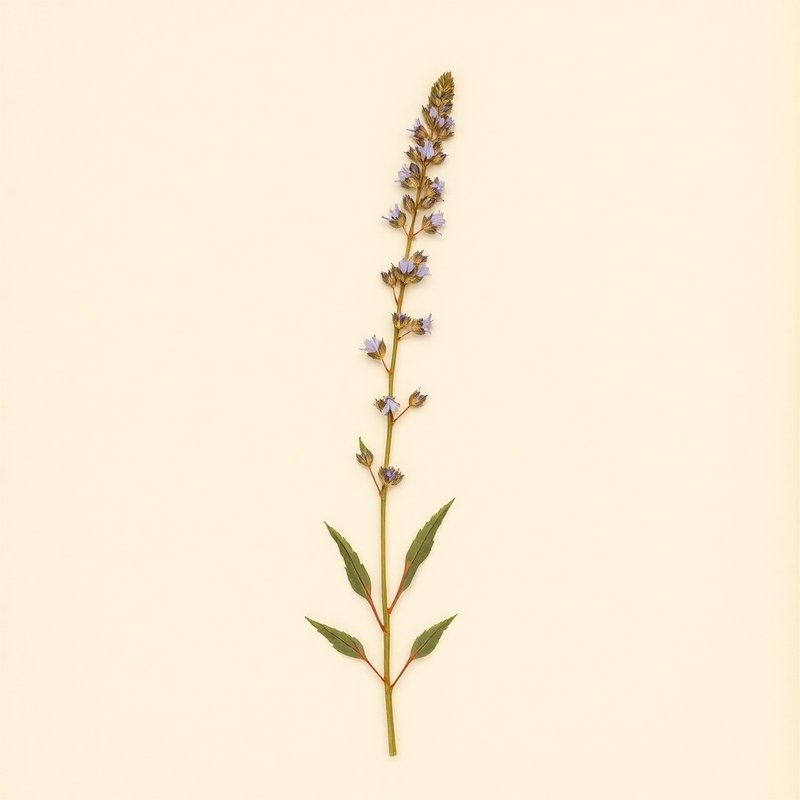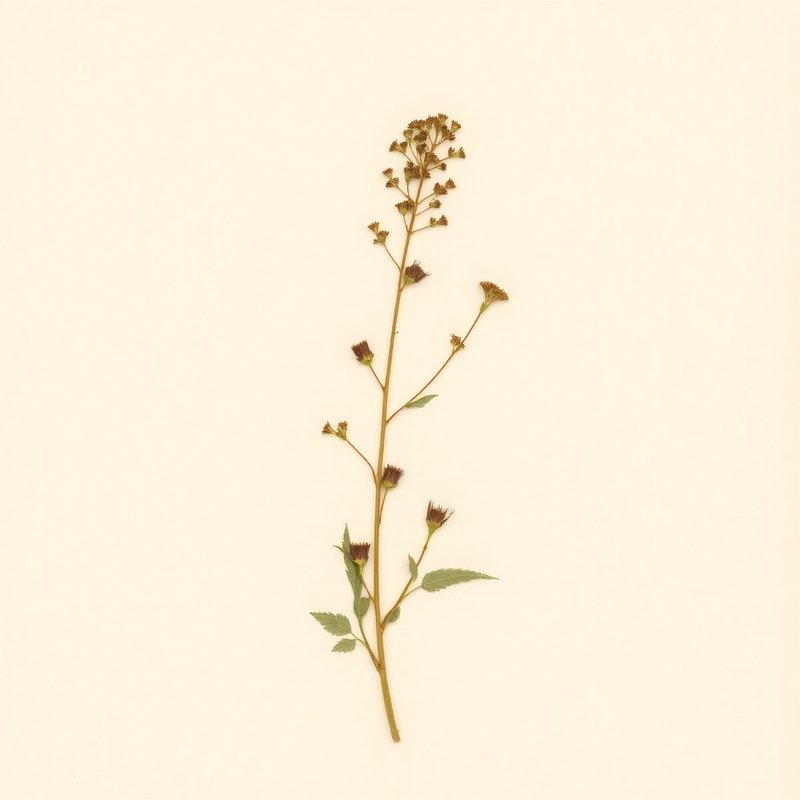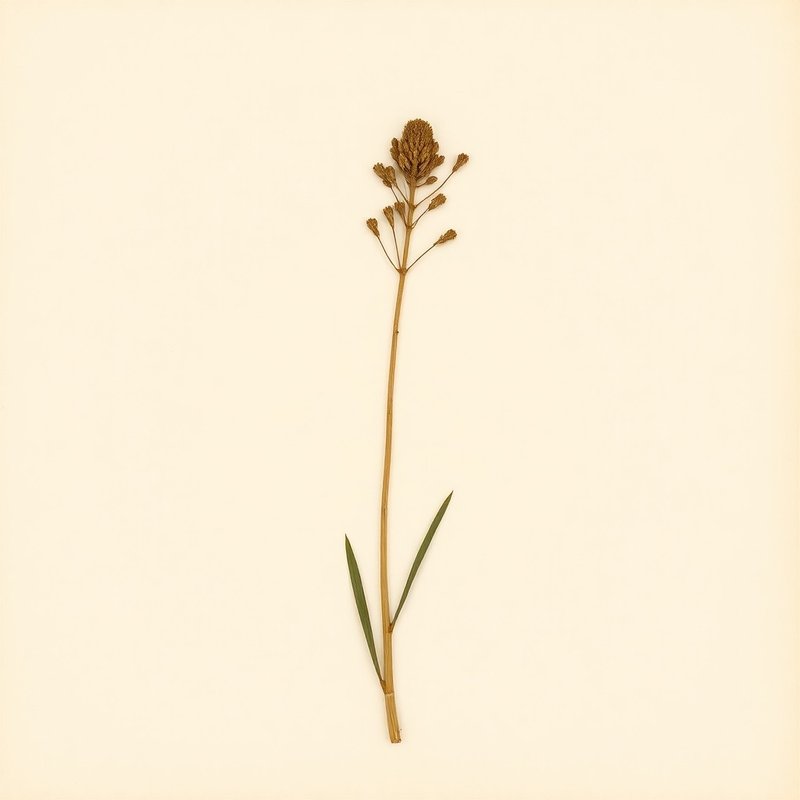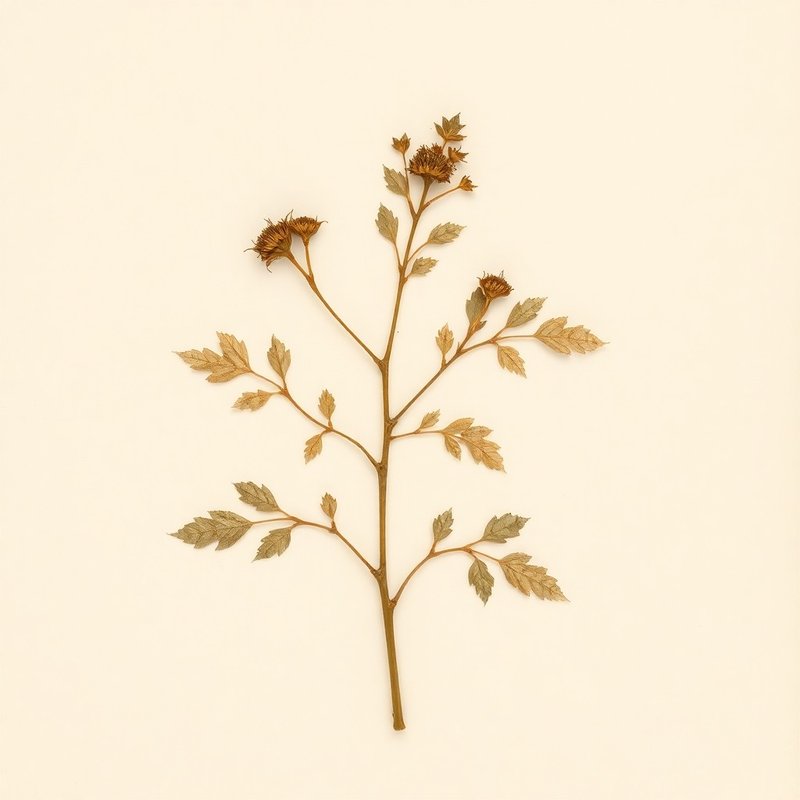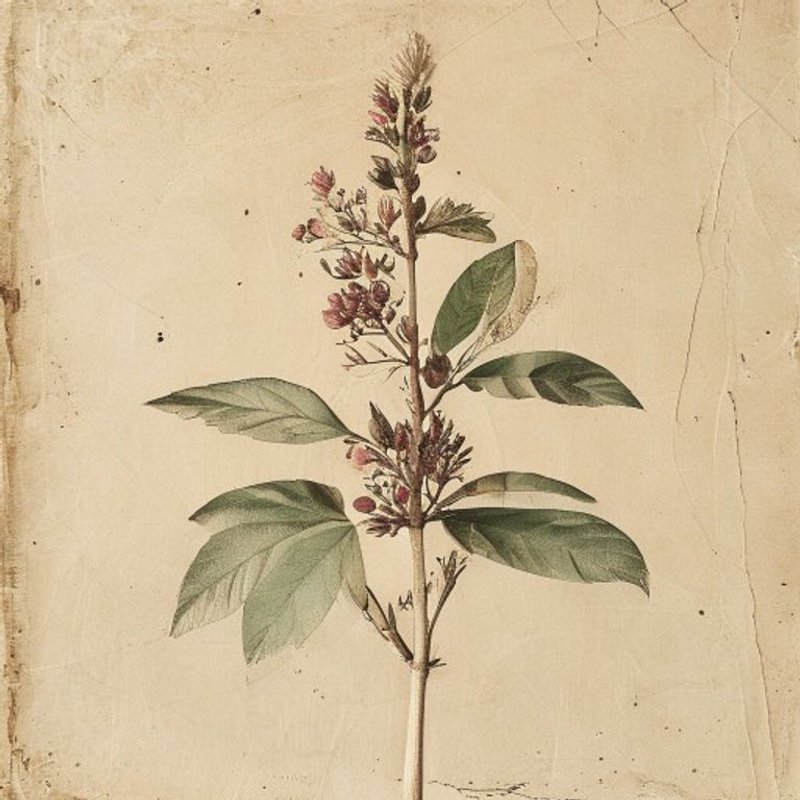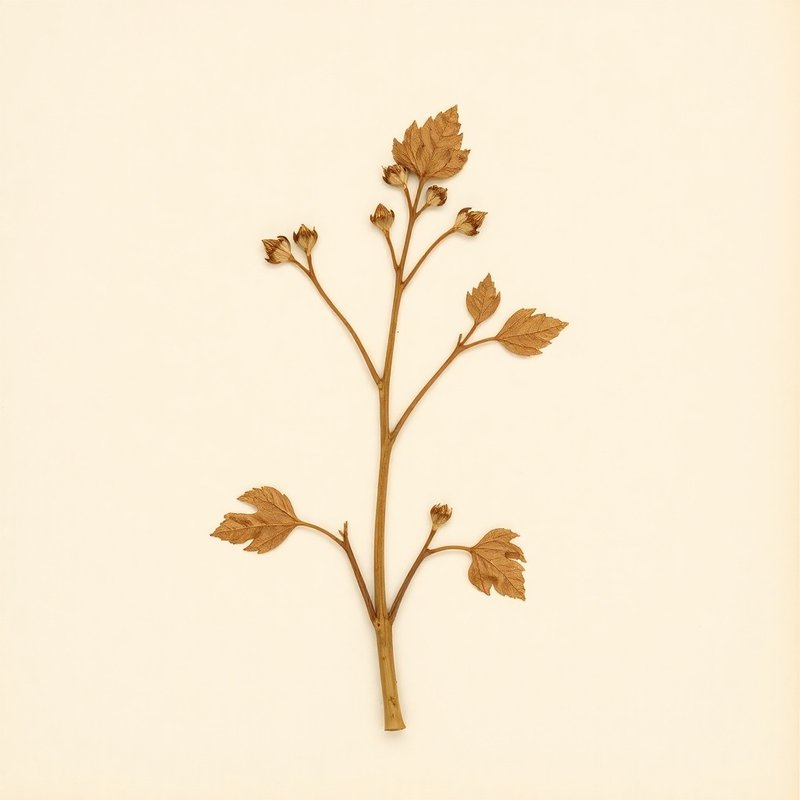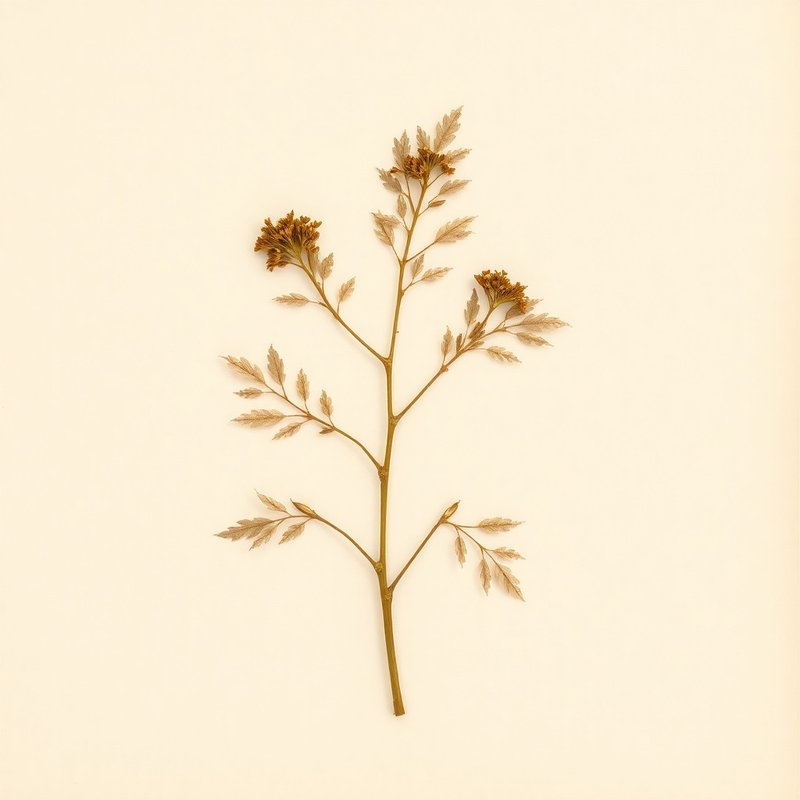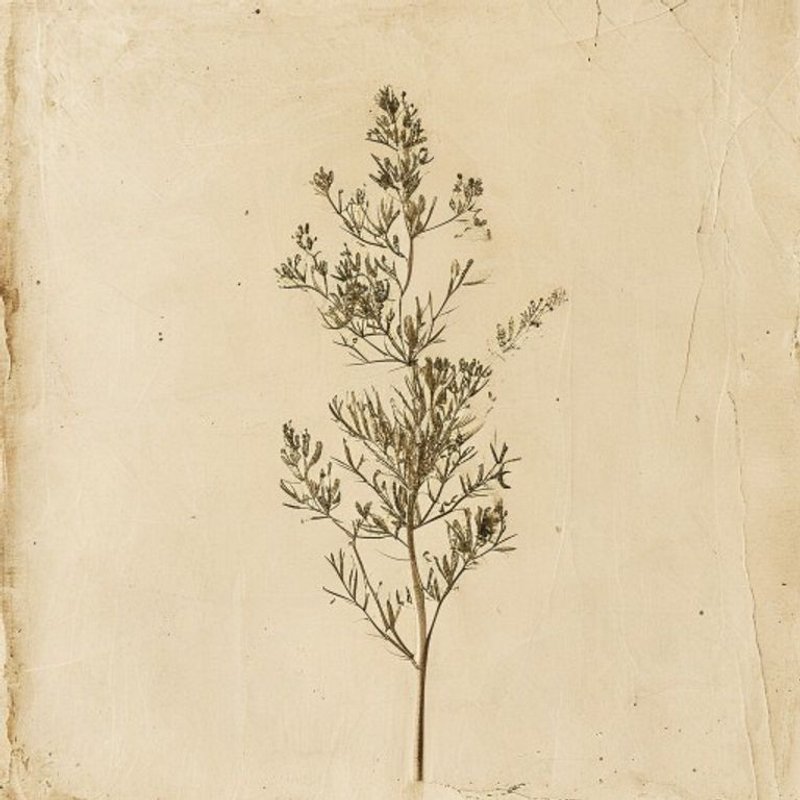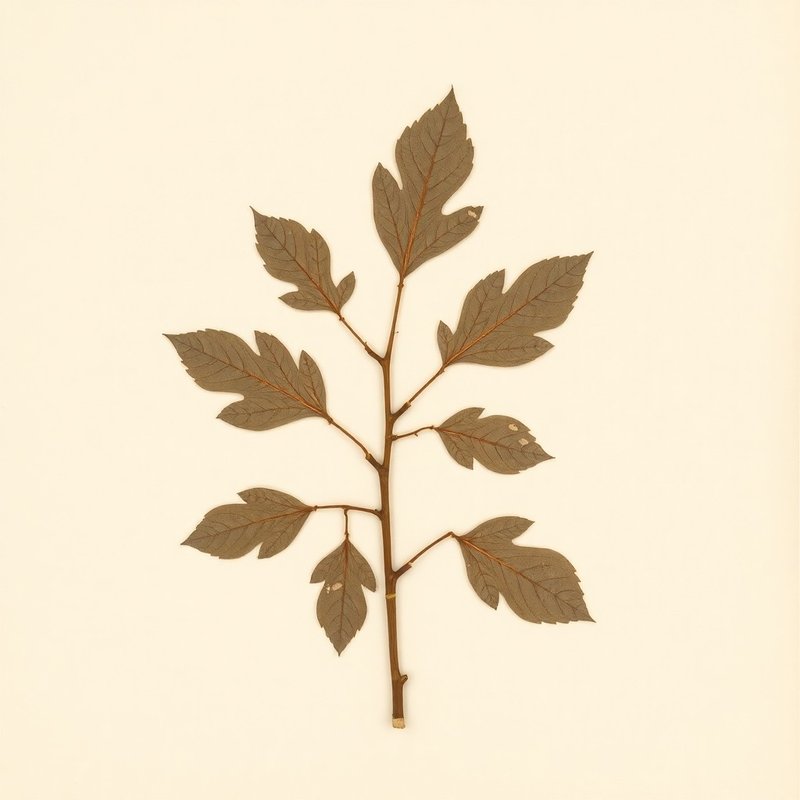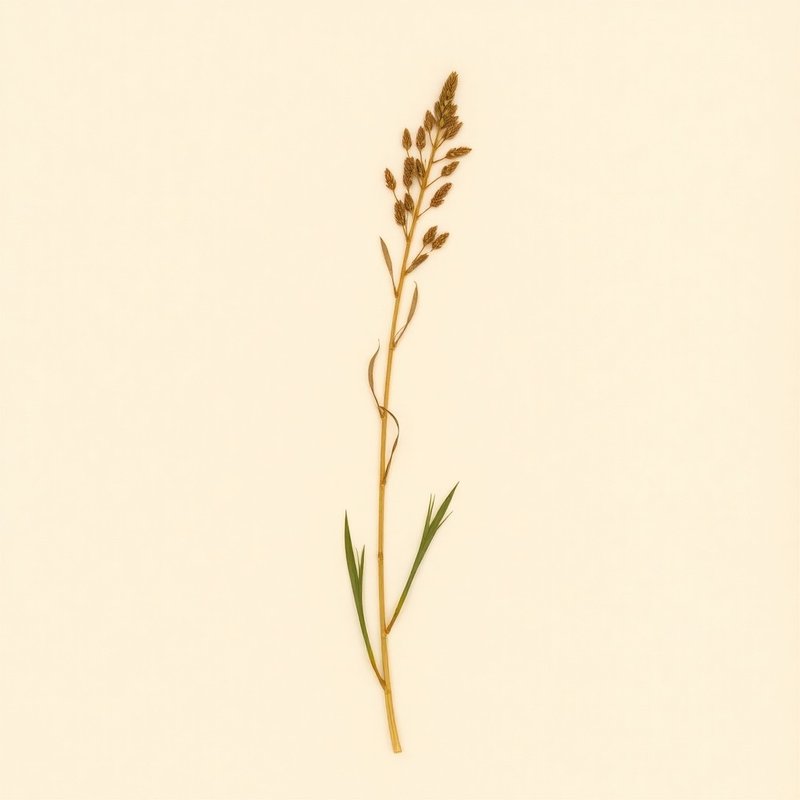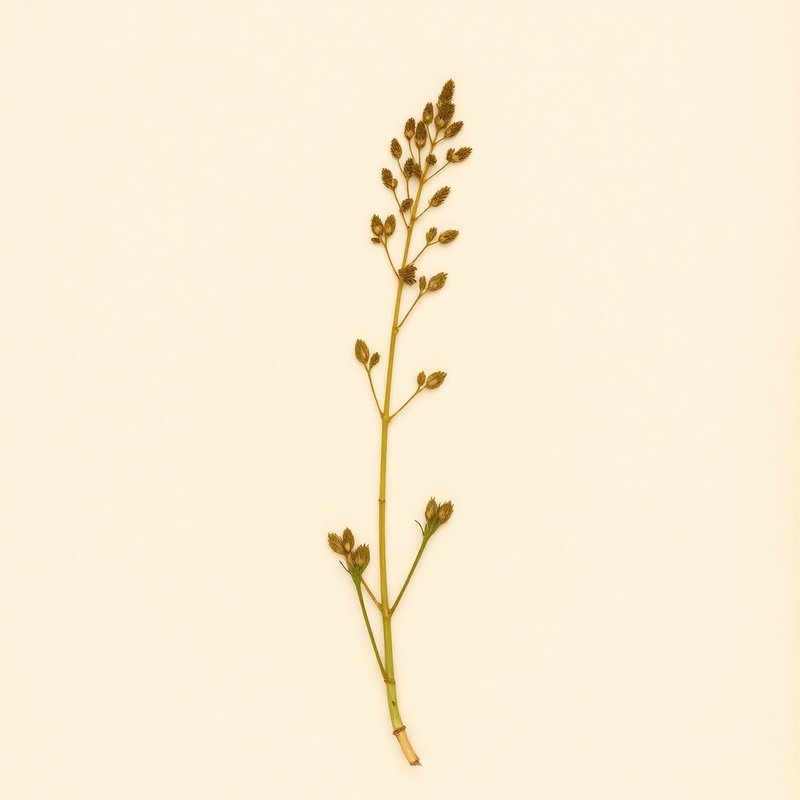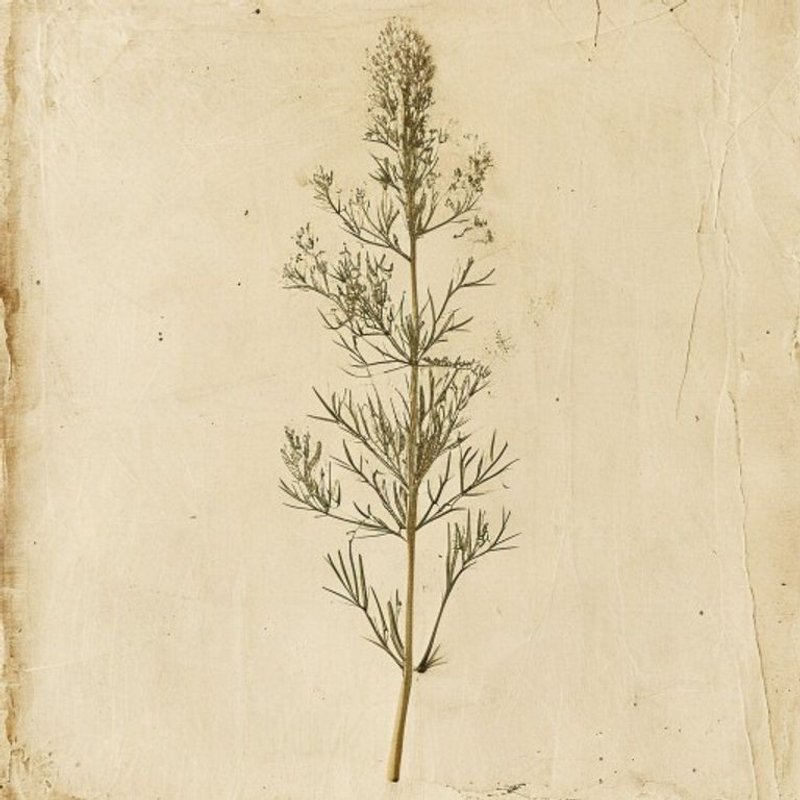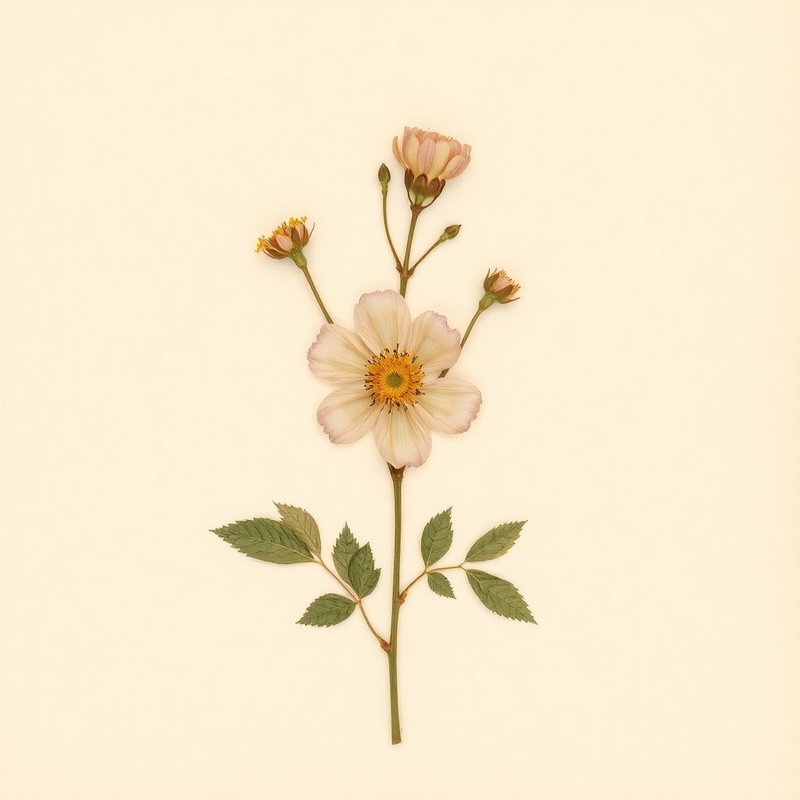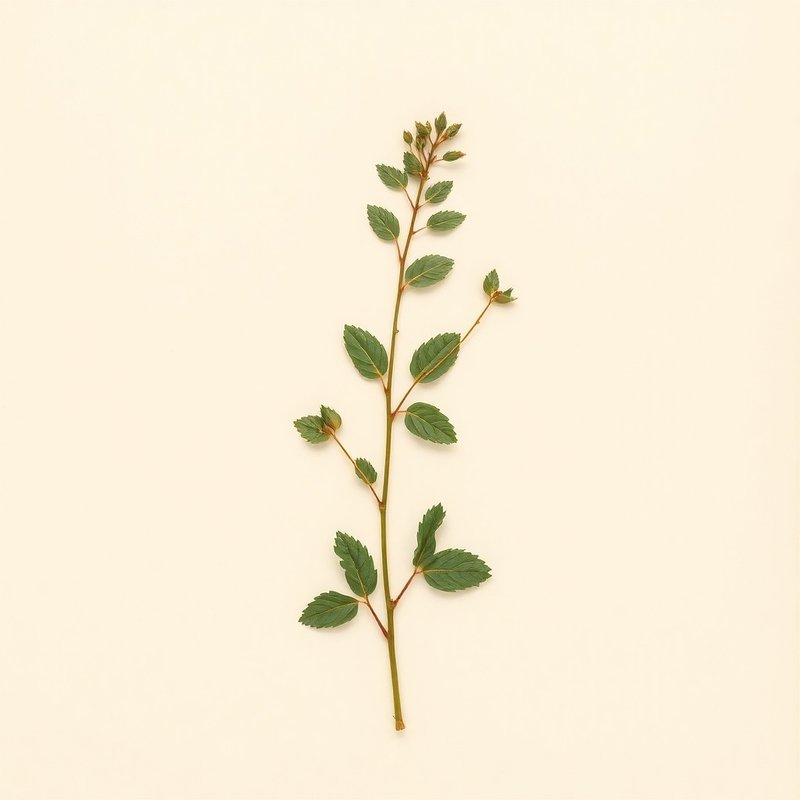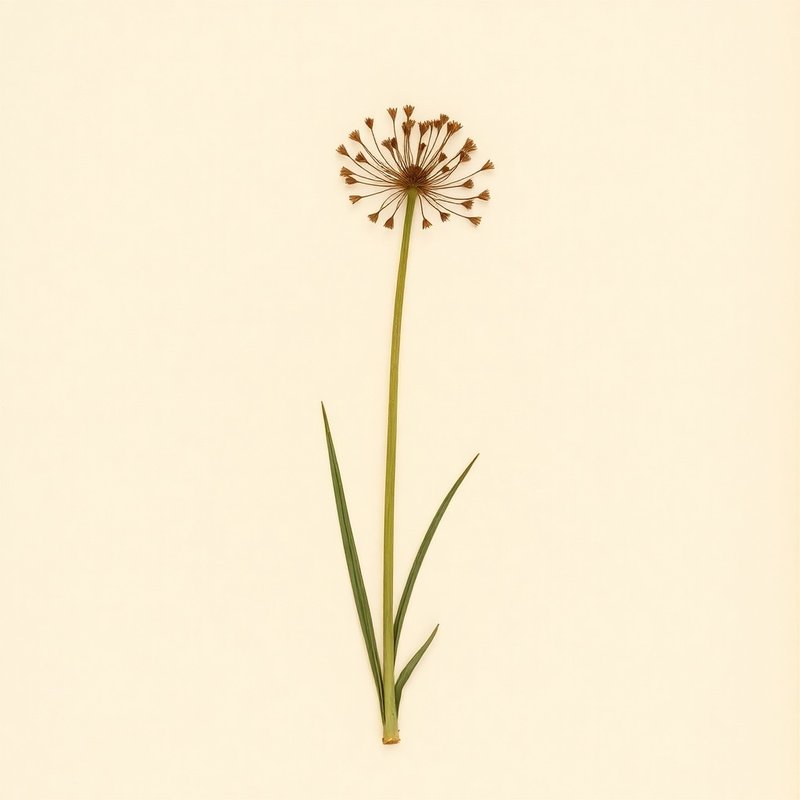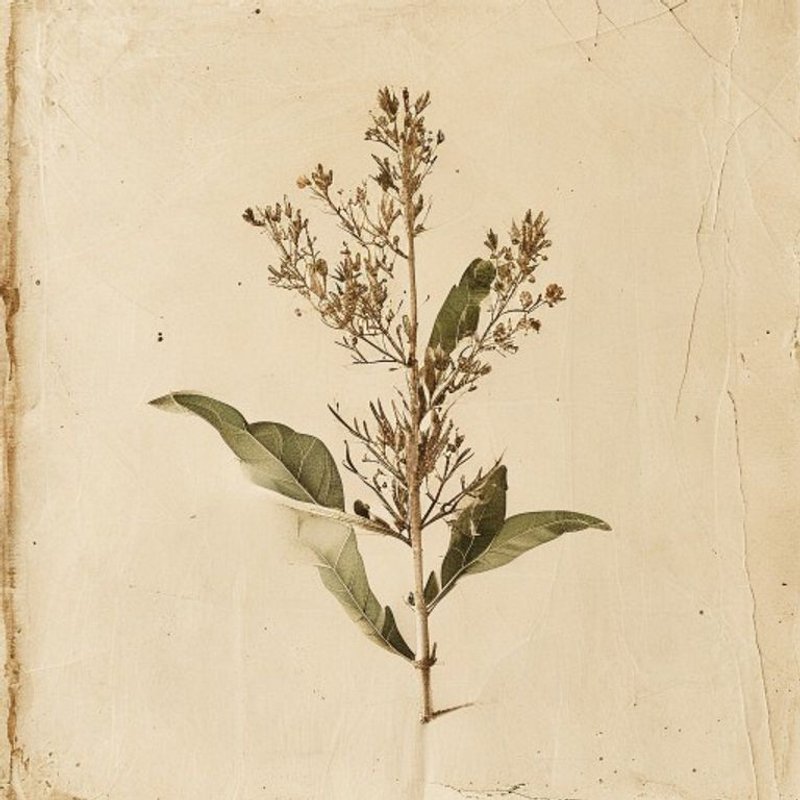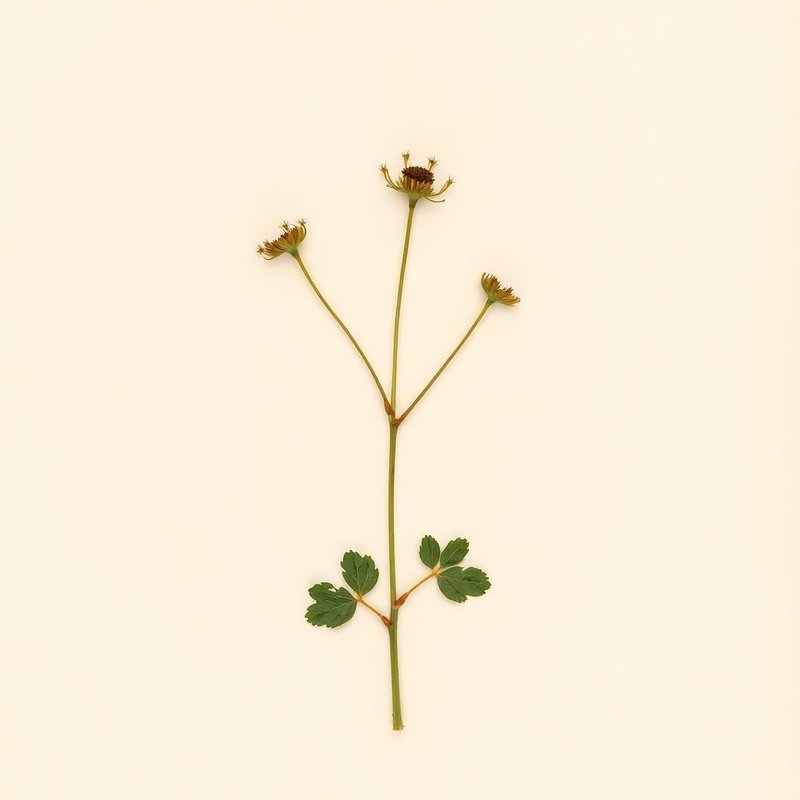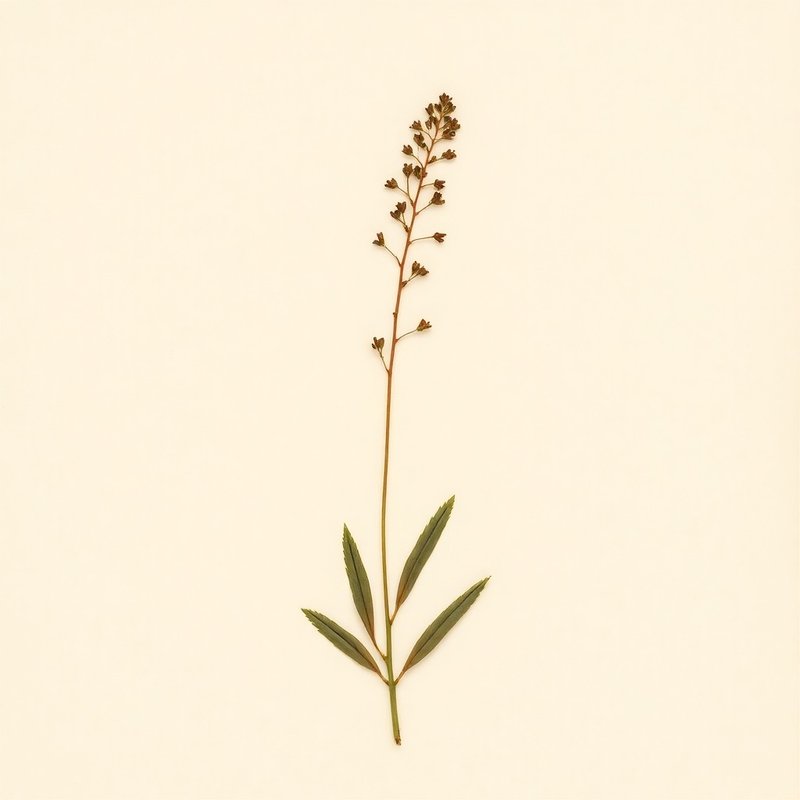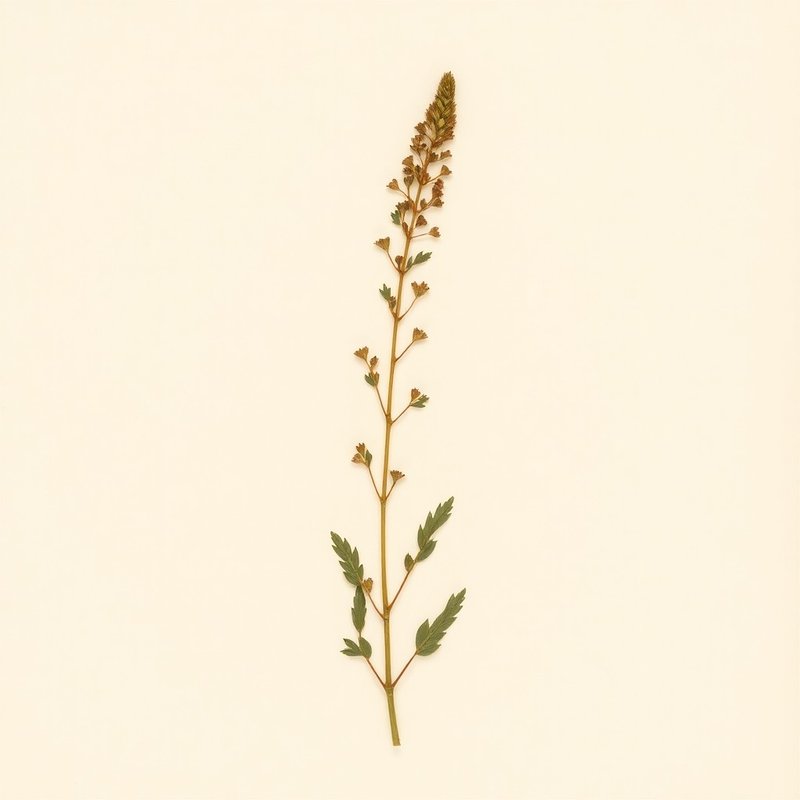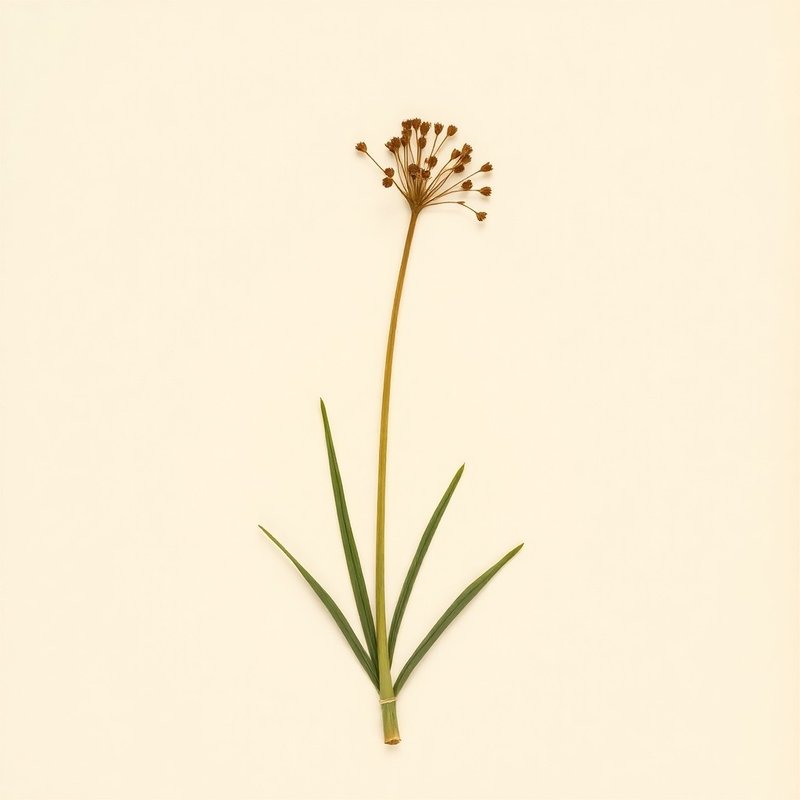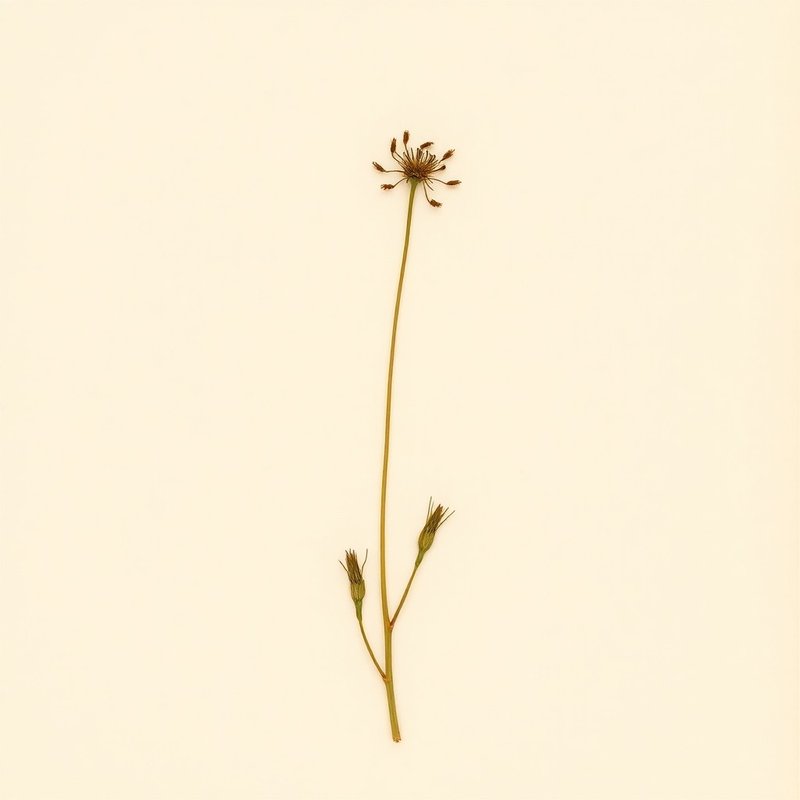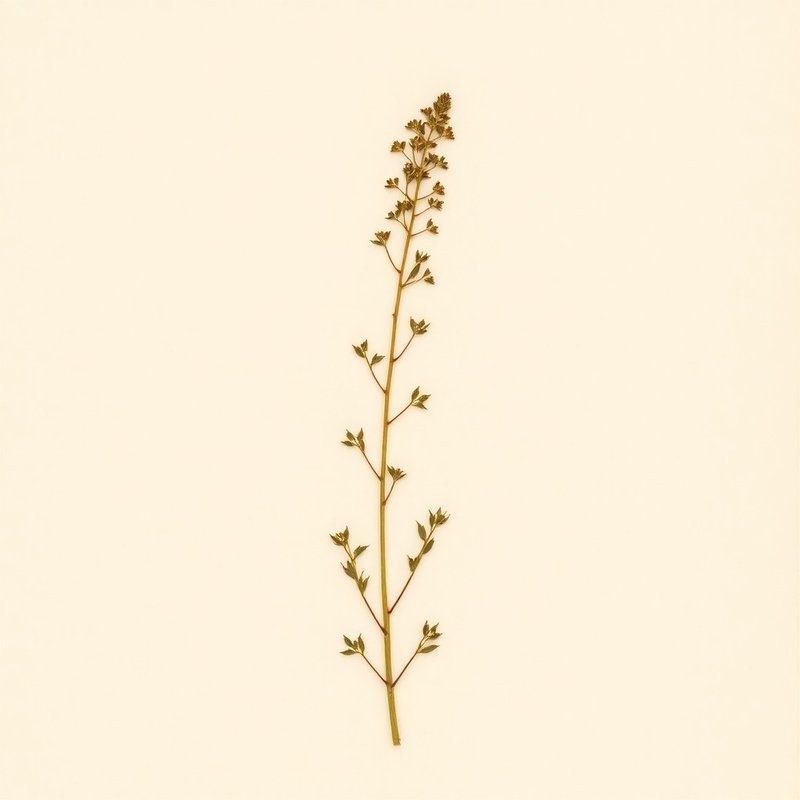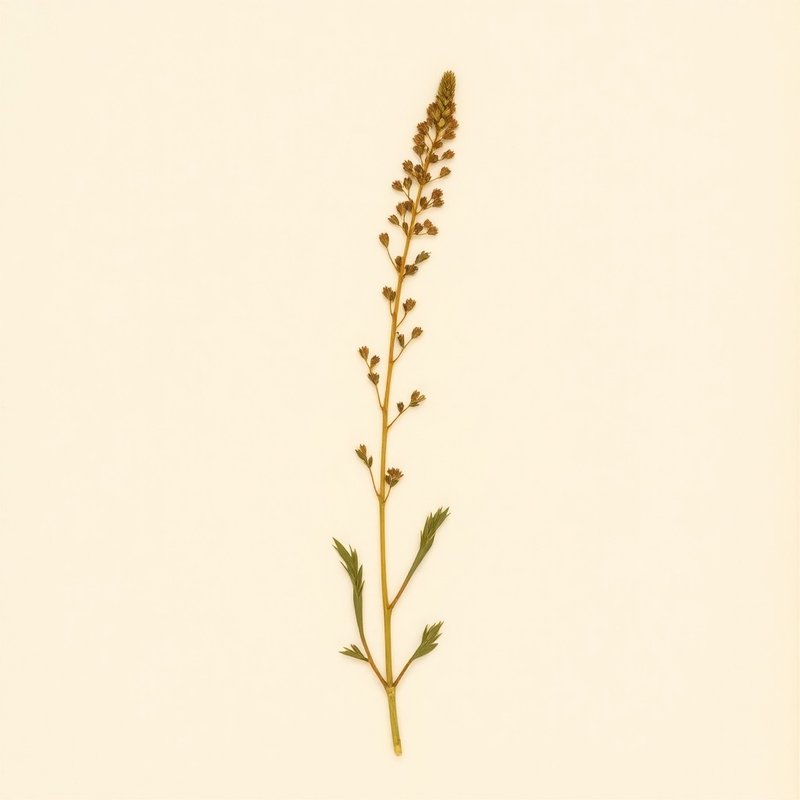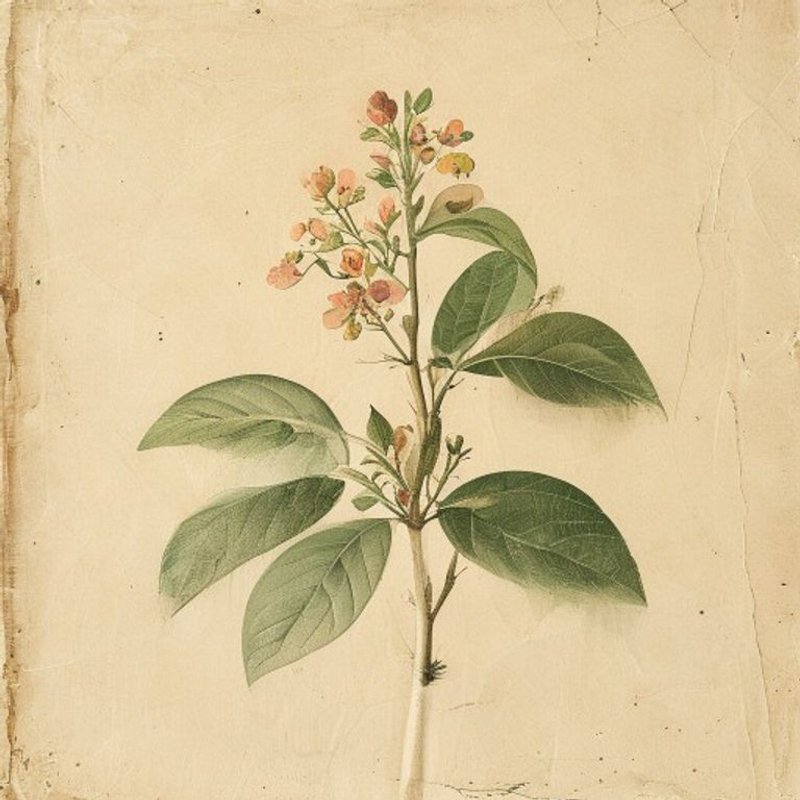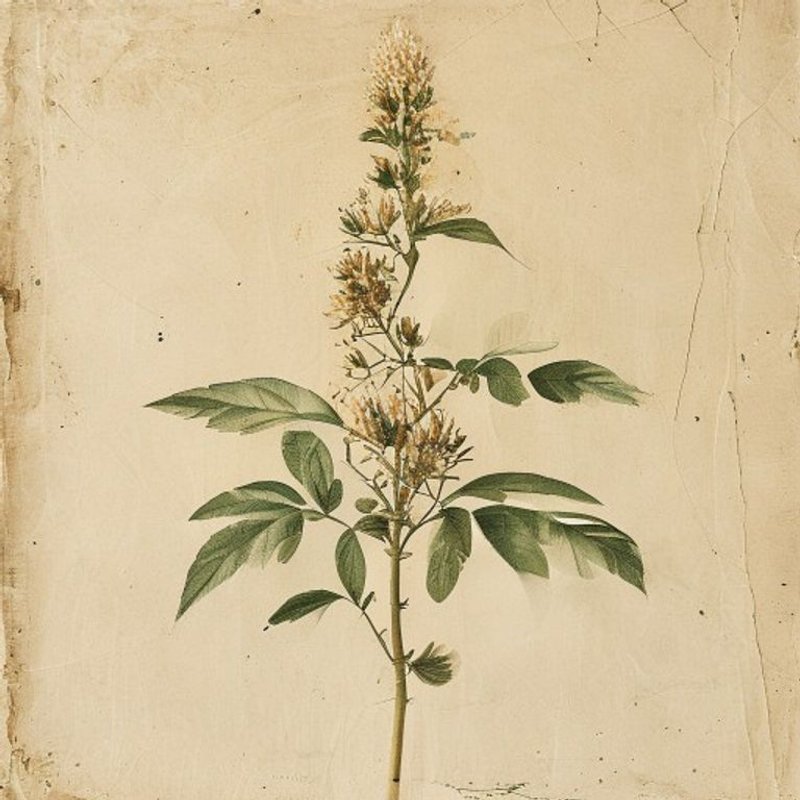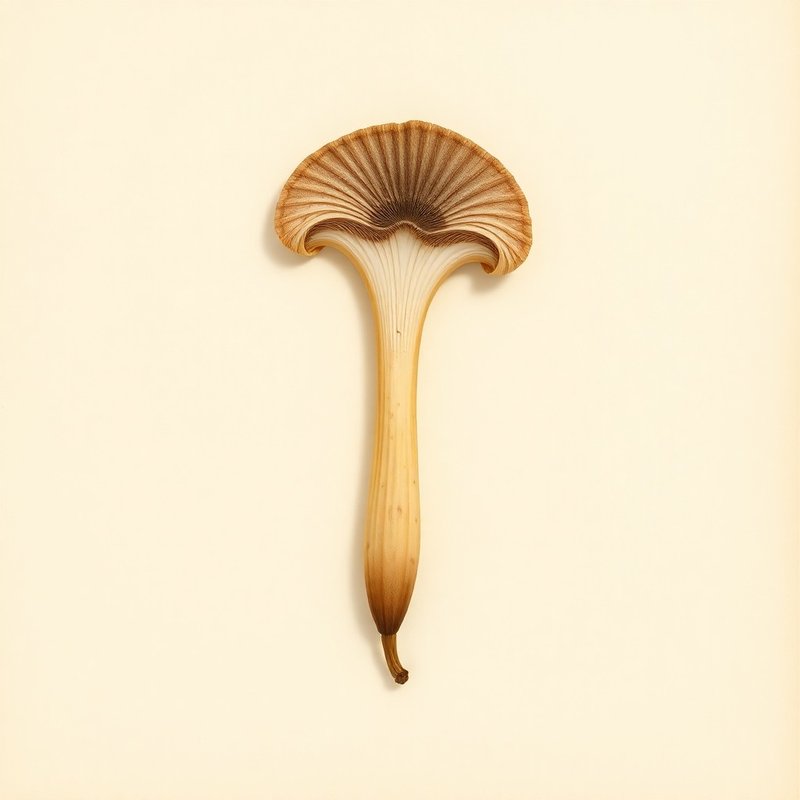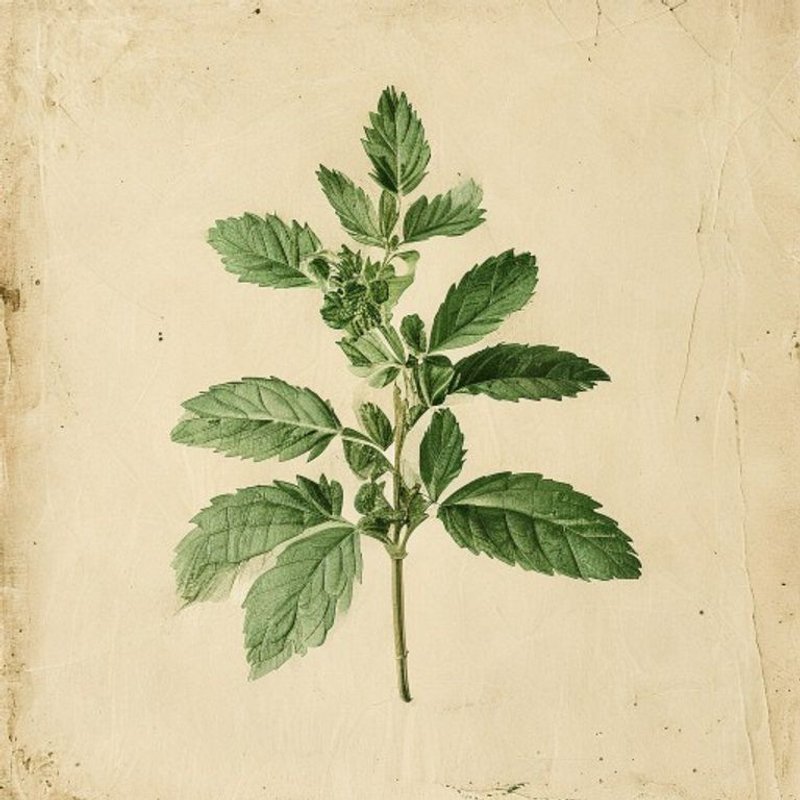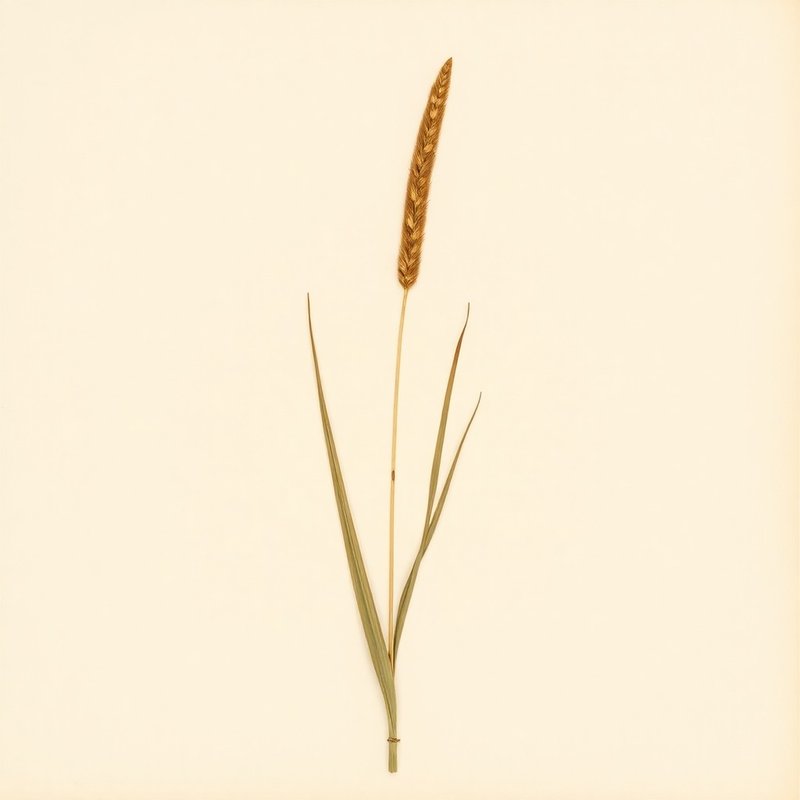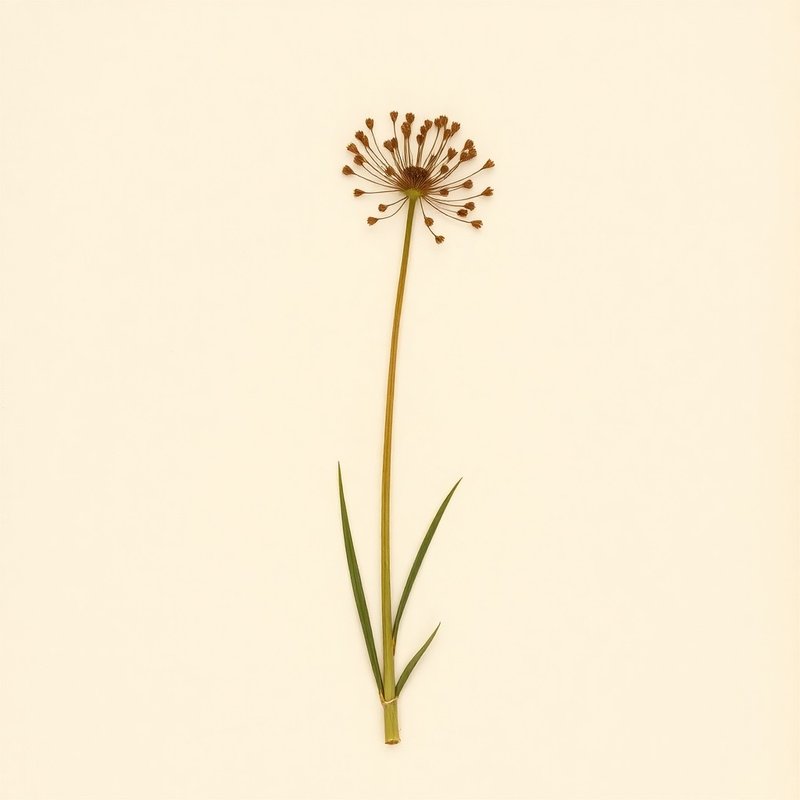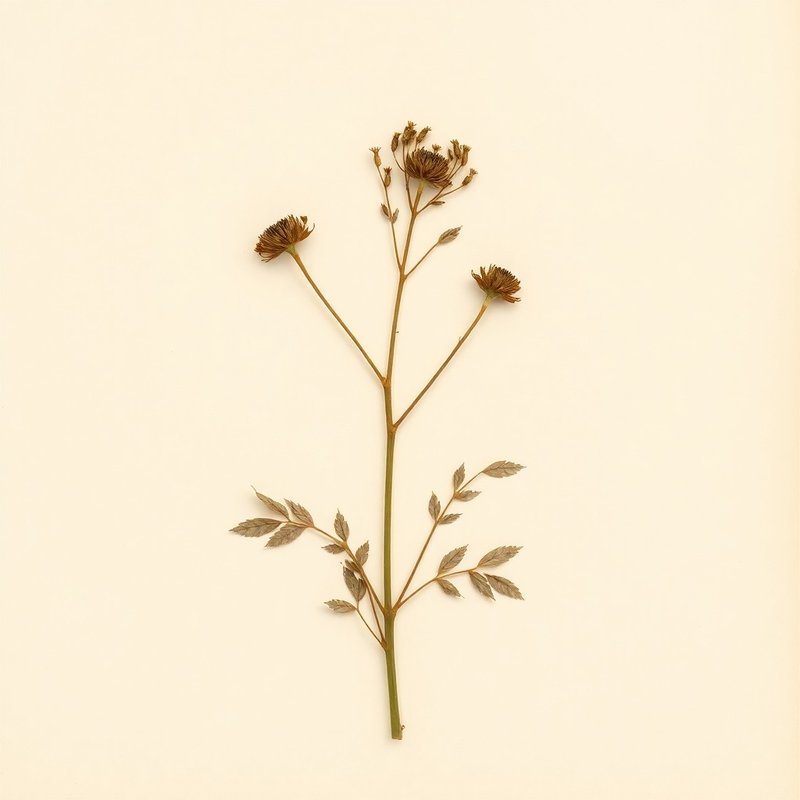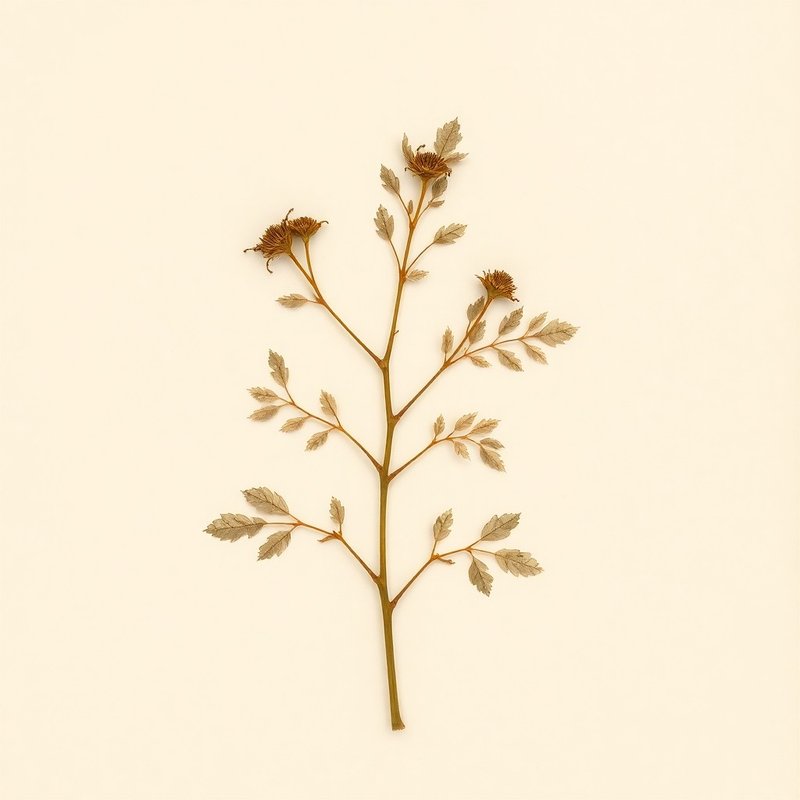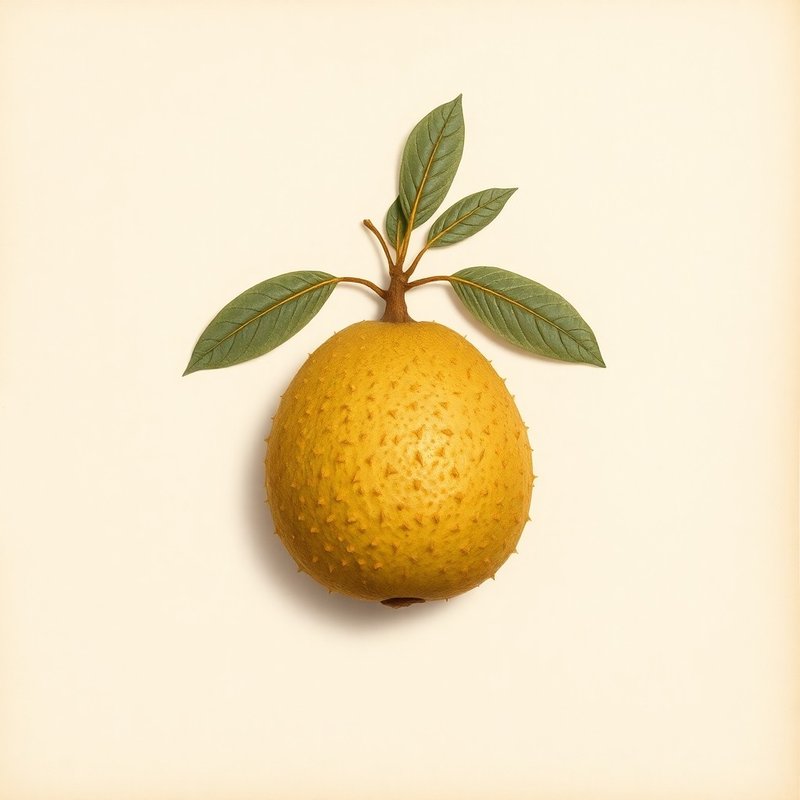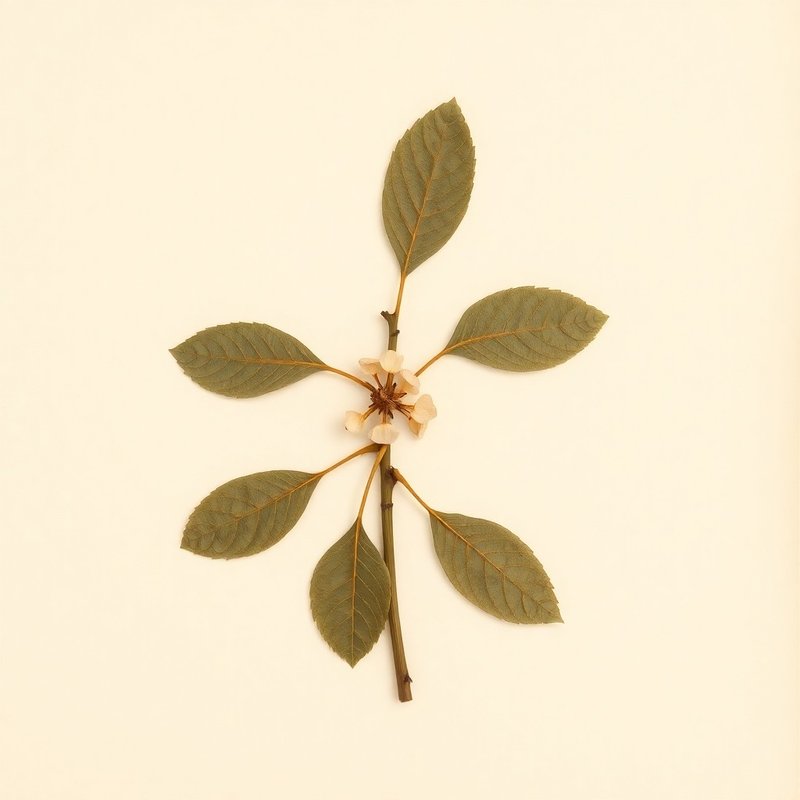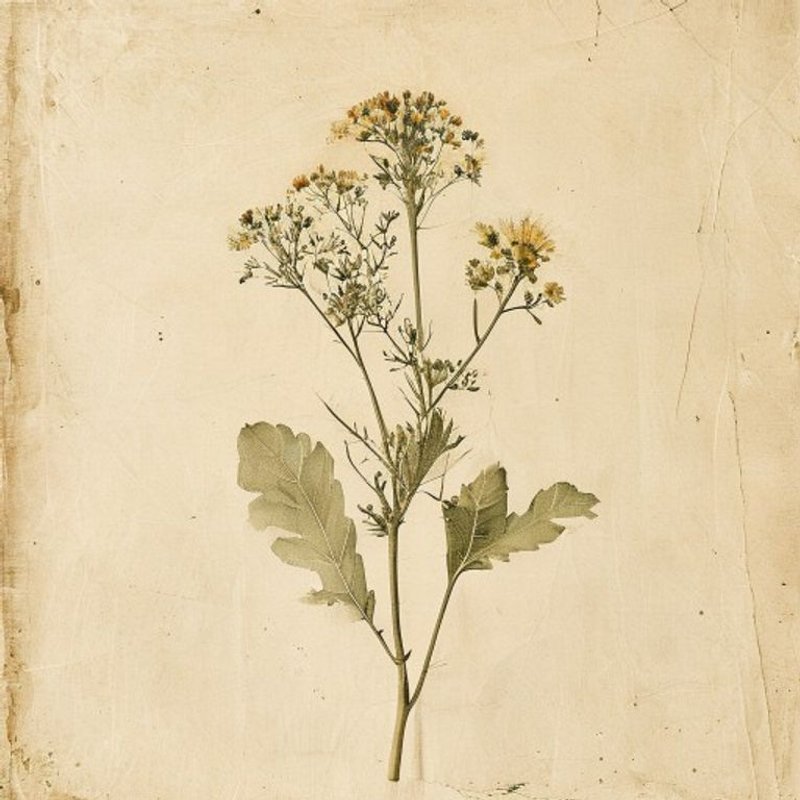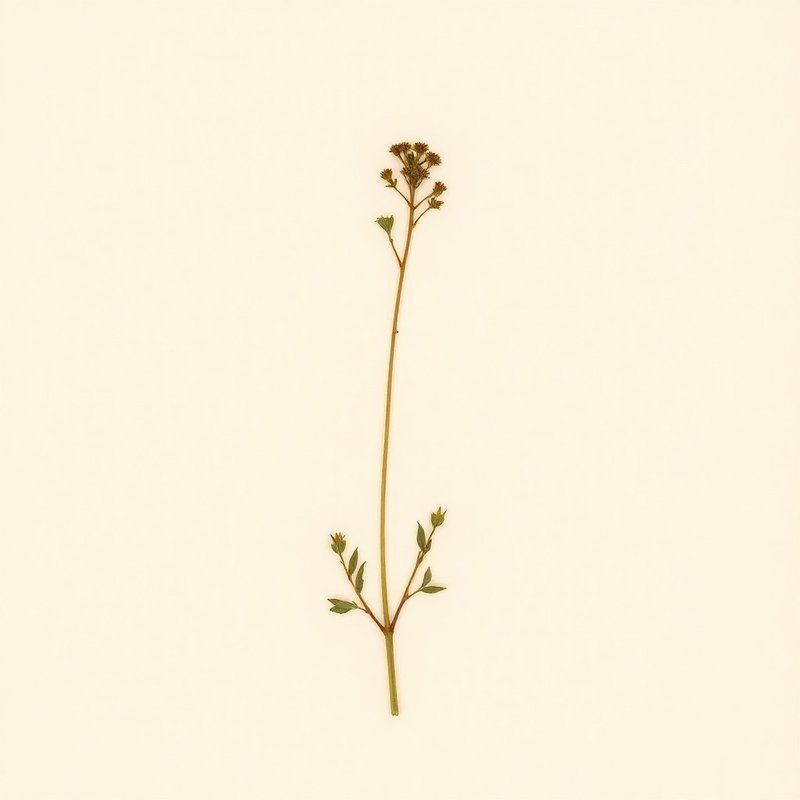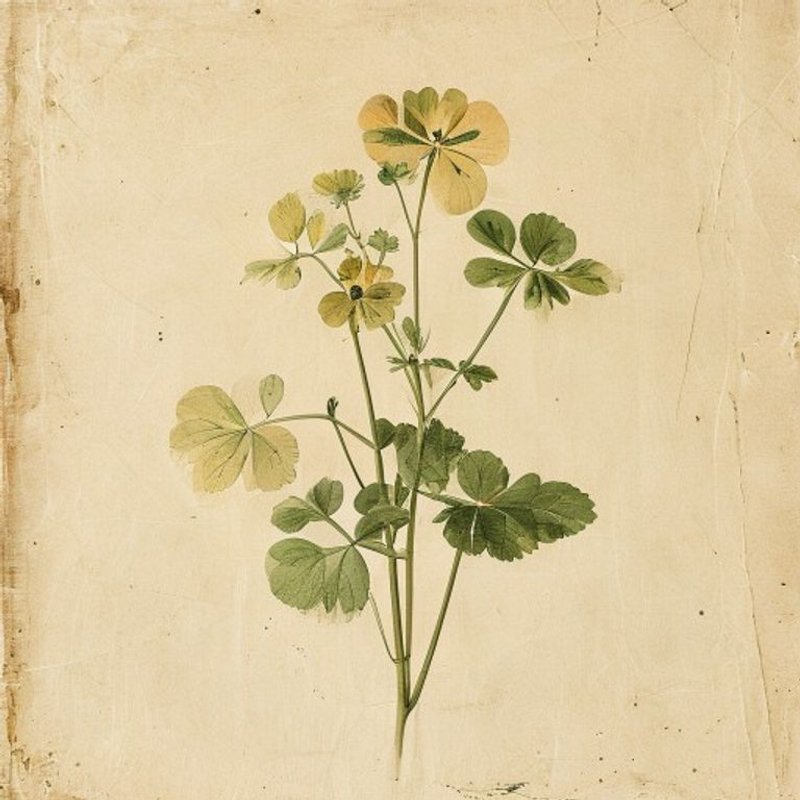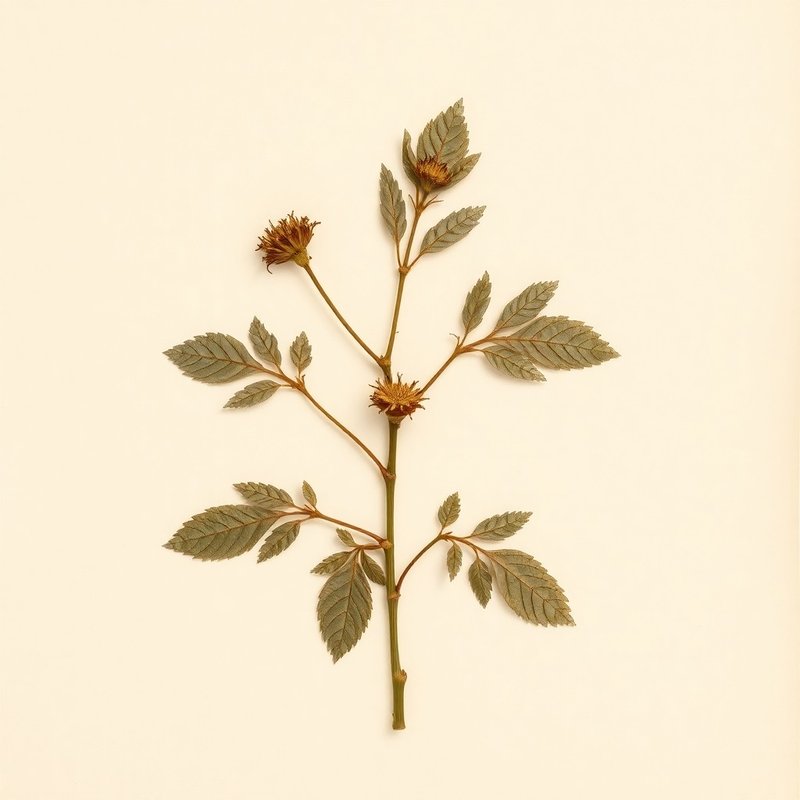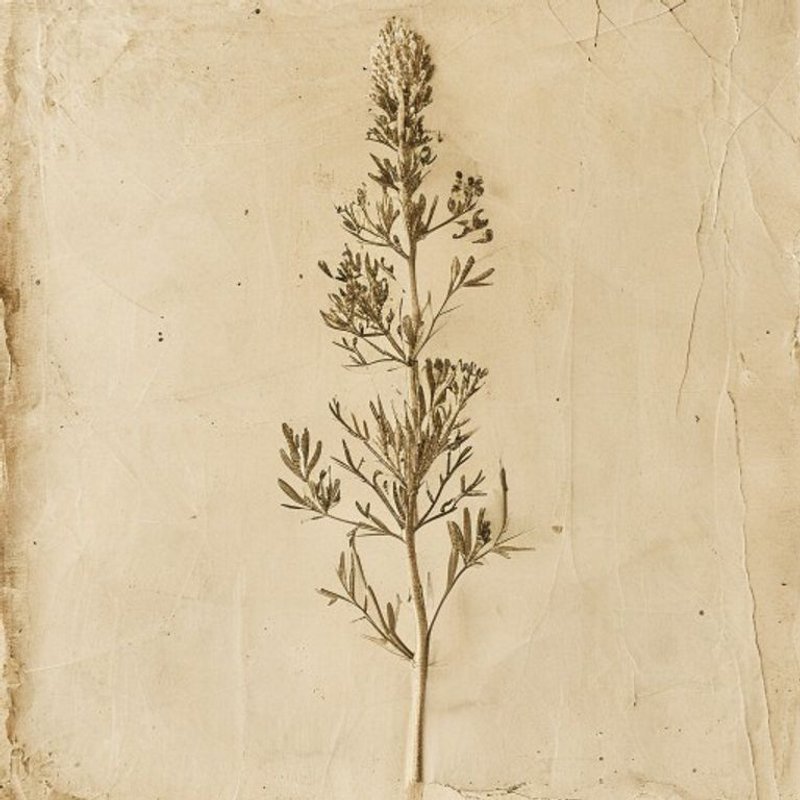
Chamomile is one of the better-evidenced choices for Digestion — 1 cited reference with moderate evidence quality. Effect size d=0.62 (moderate). Antispasmodic via bisabolol; reduces visceral hypersensitivity in functional dyspepsia.
We catalogue 1004 plants traditionally used or clinically studied for Digestion. Each entry shows its mechanism and evidence quality — pick by what works, not what trends.
Ranked by confidence × effect-size × evidence count. These are the plants we'd reach for first for Digestion. Click through for the full profile.
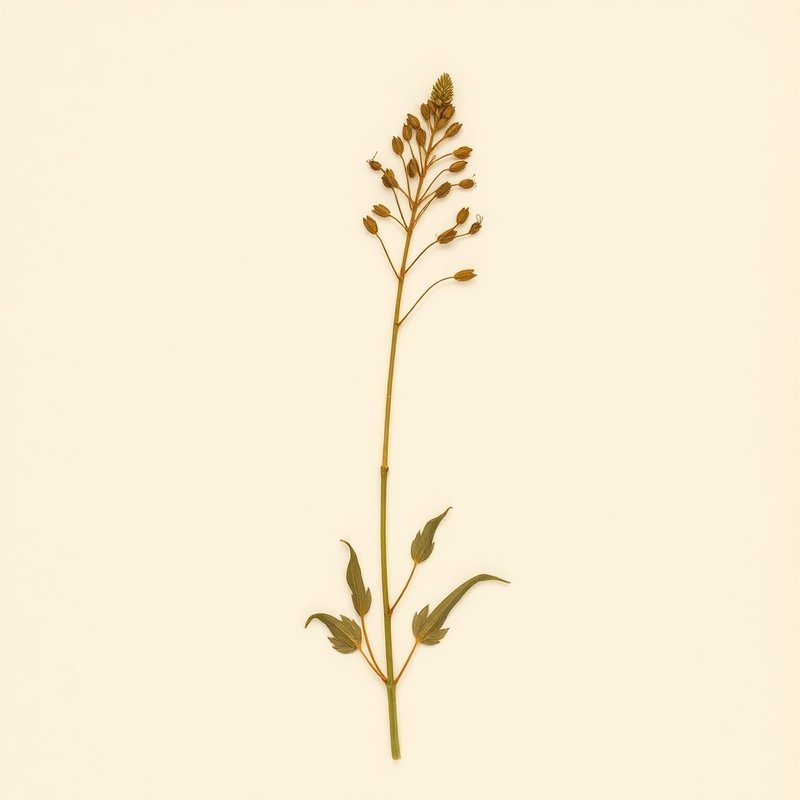
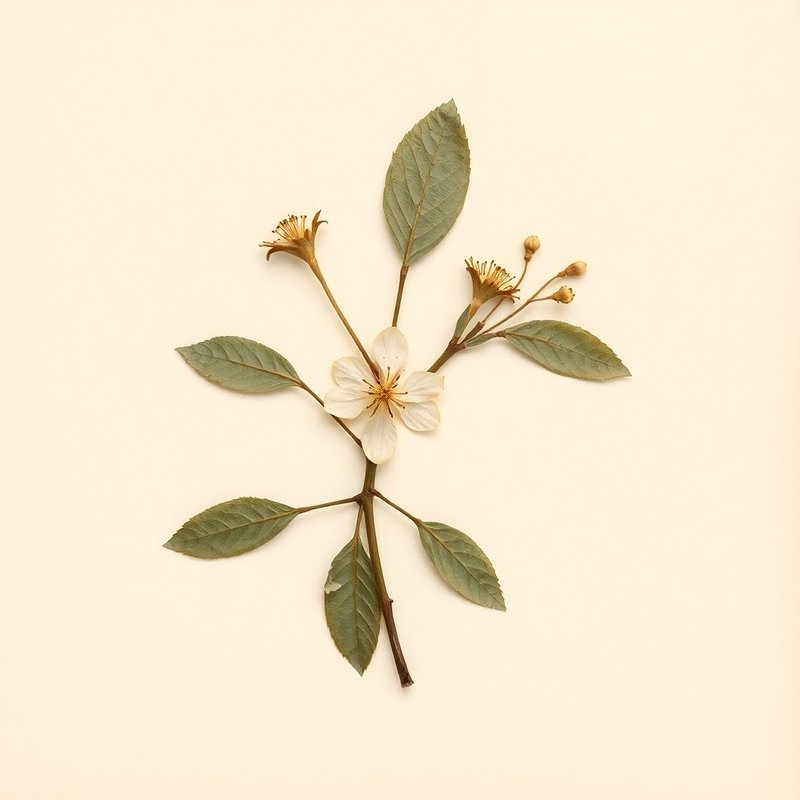
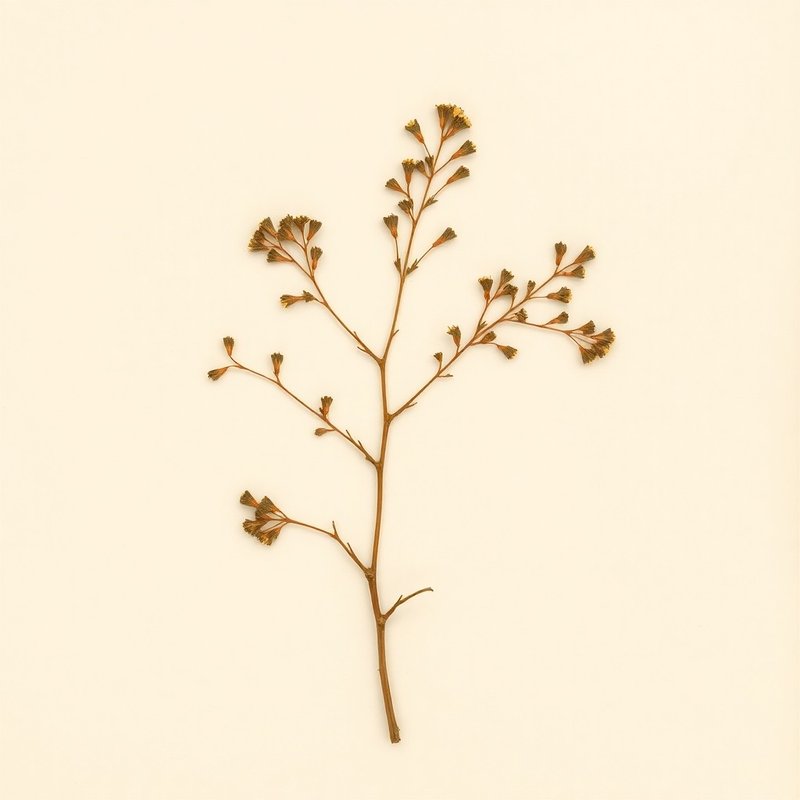
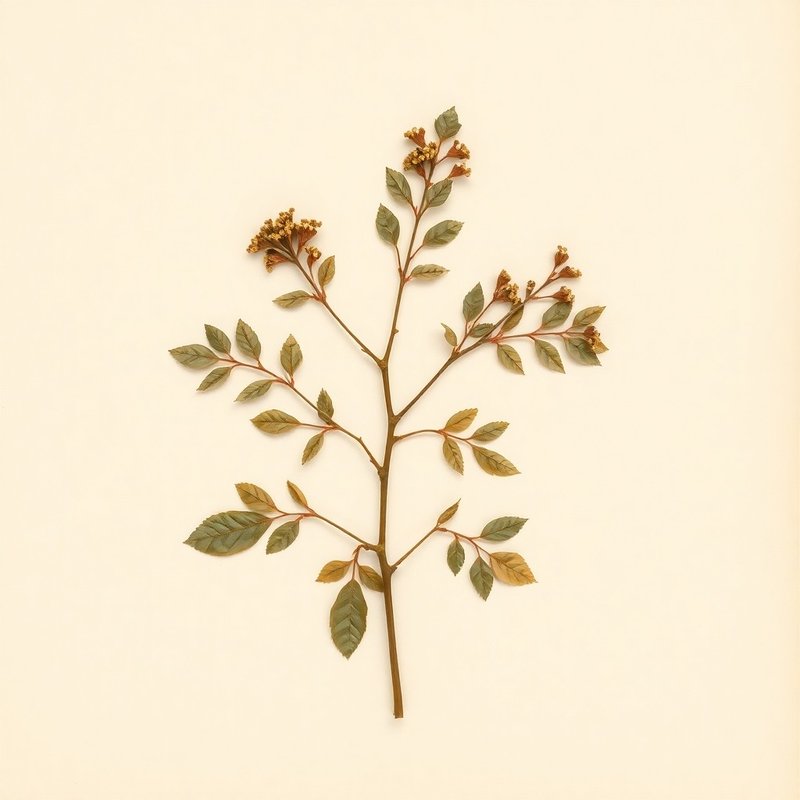
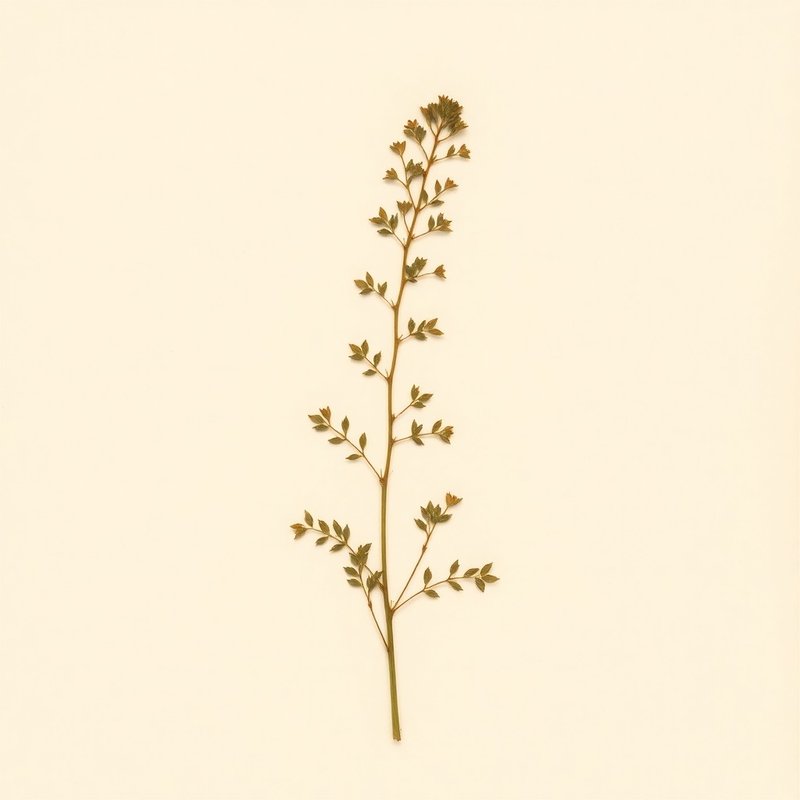
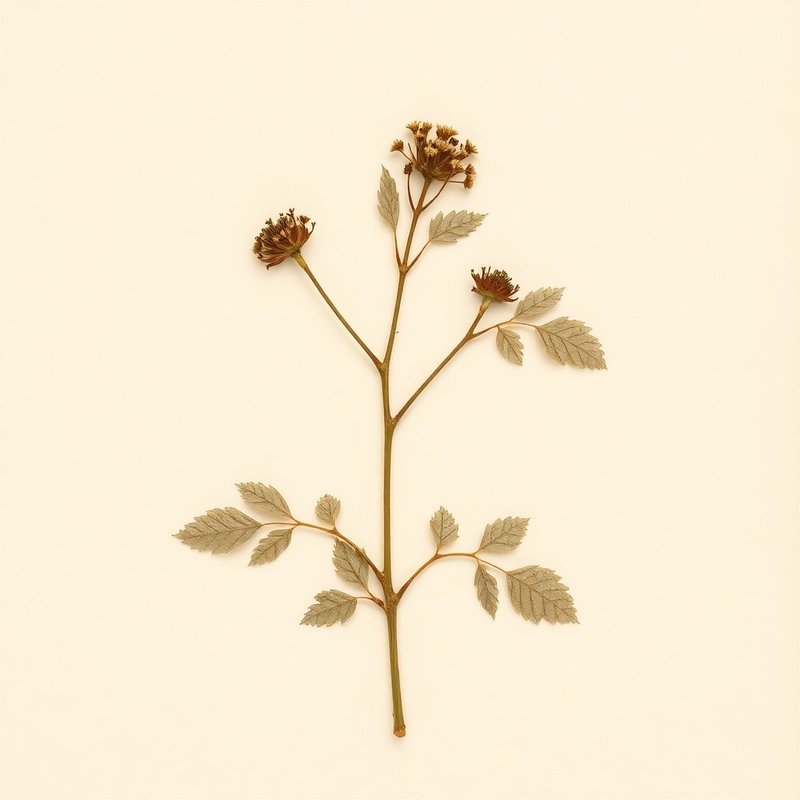
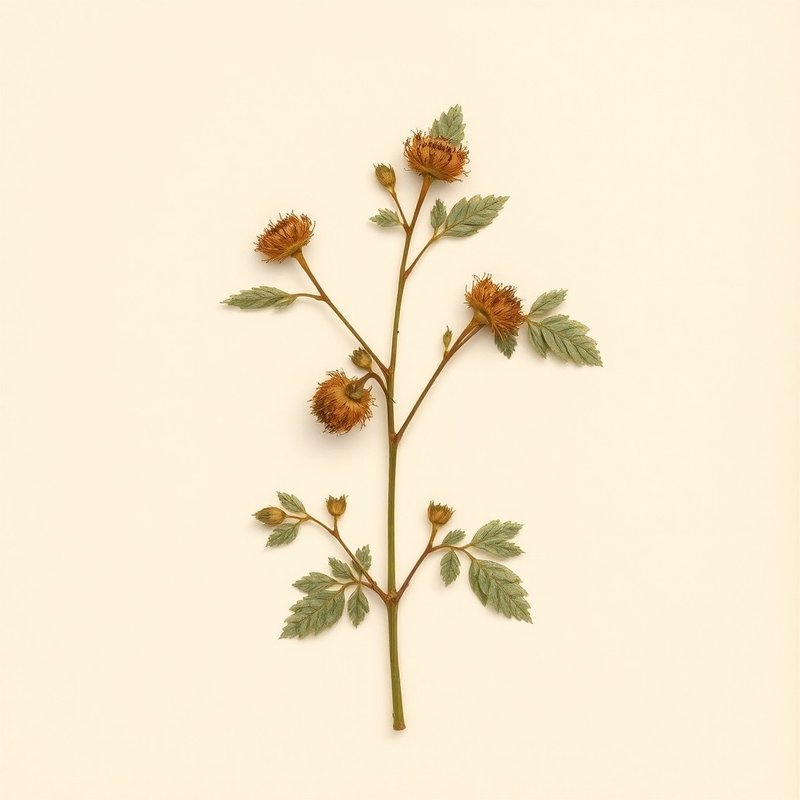
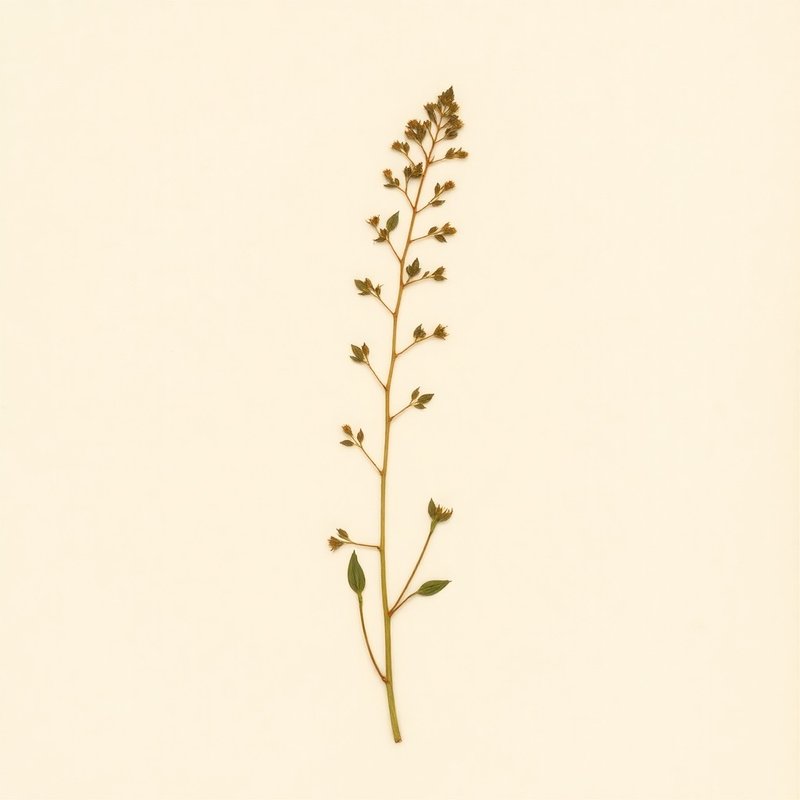
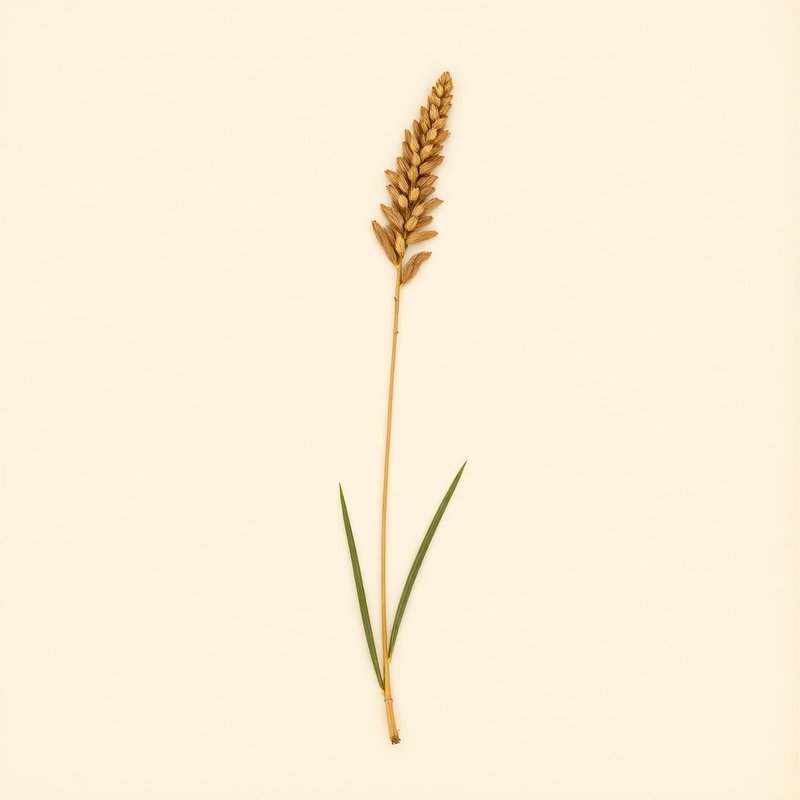
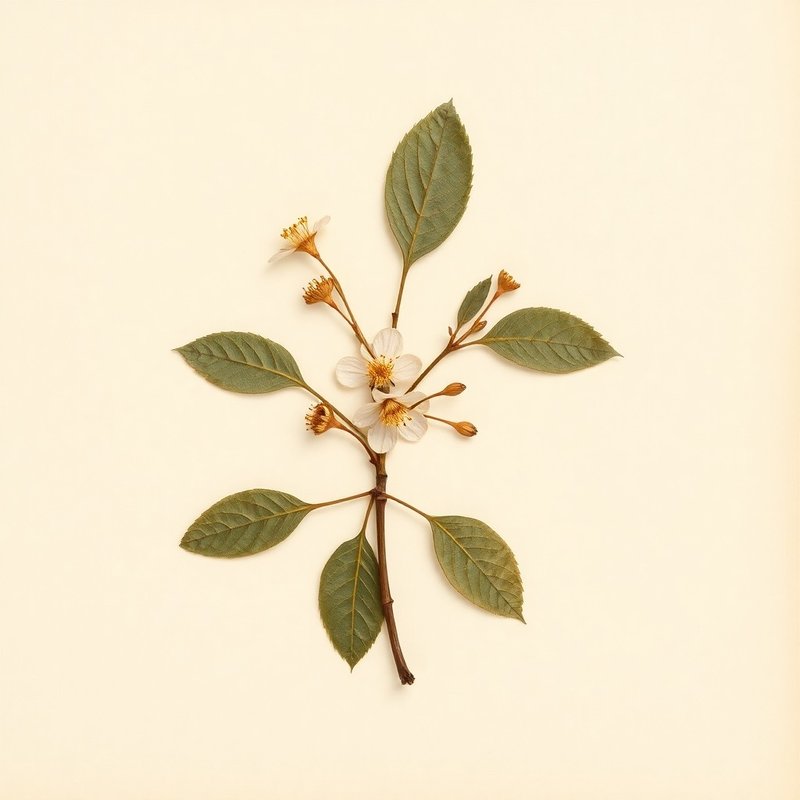
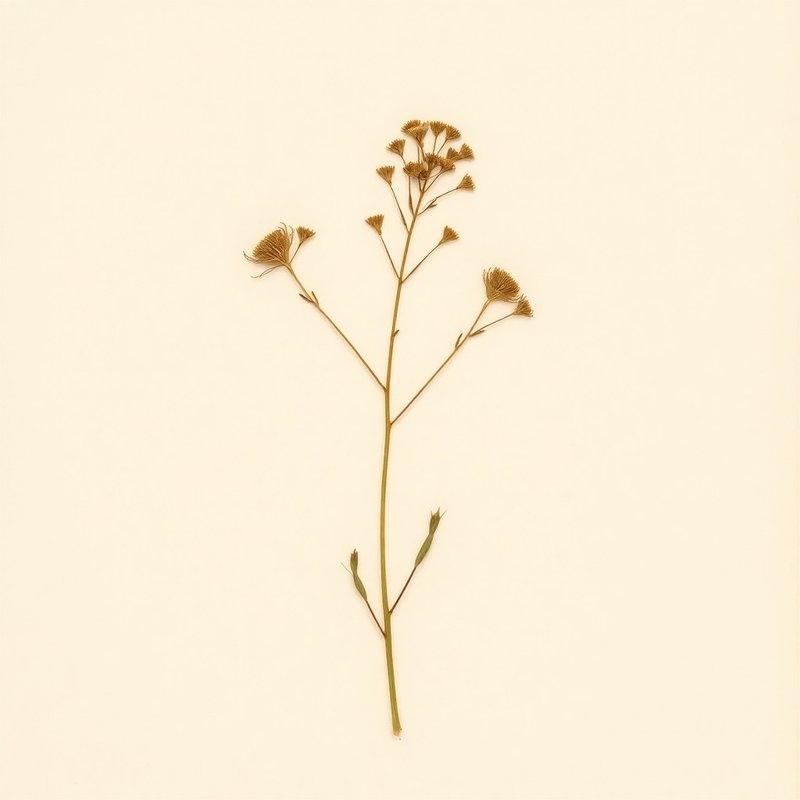
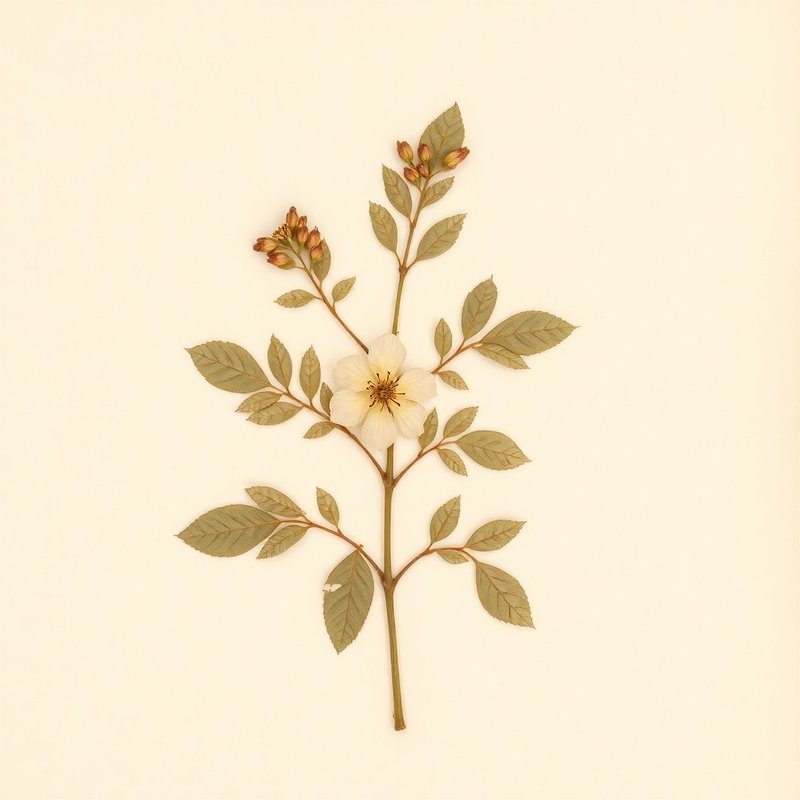
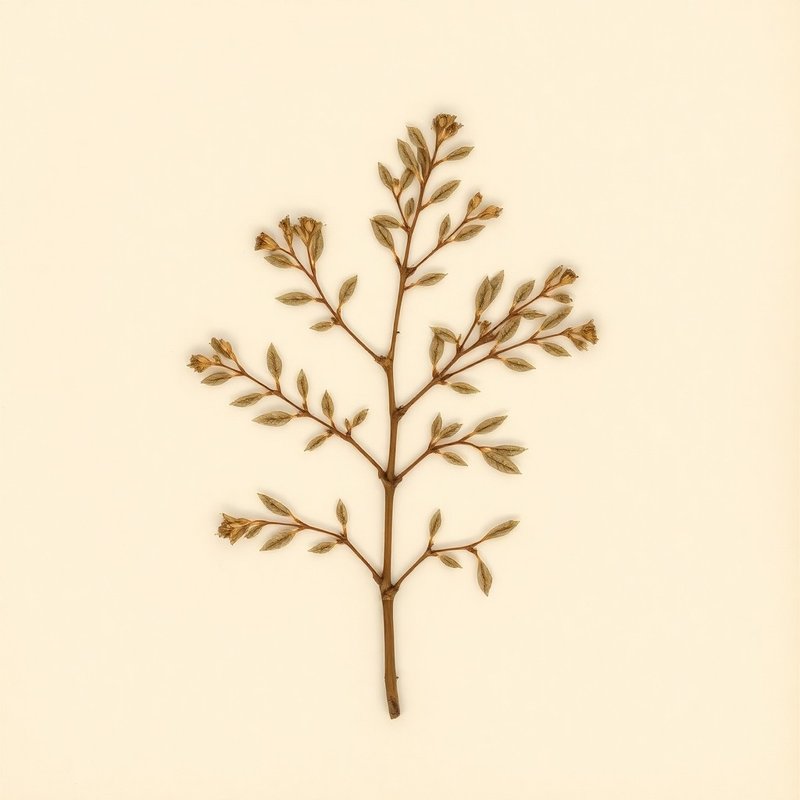
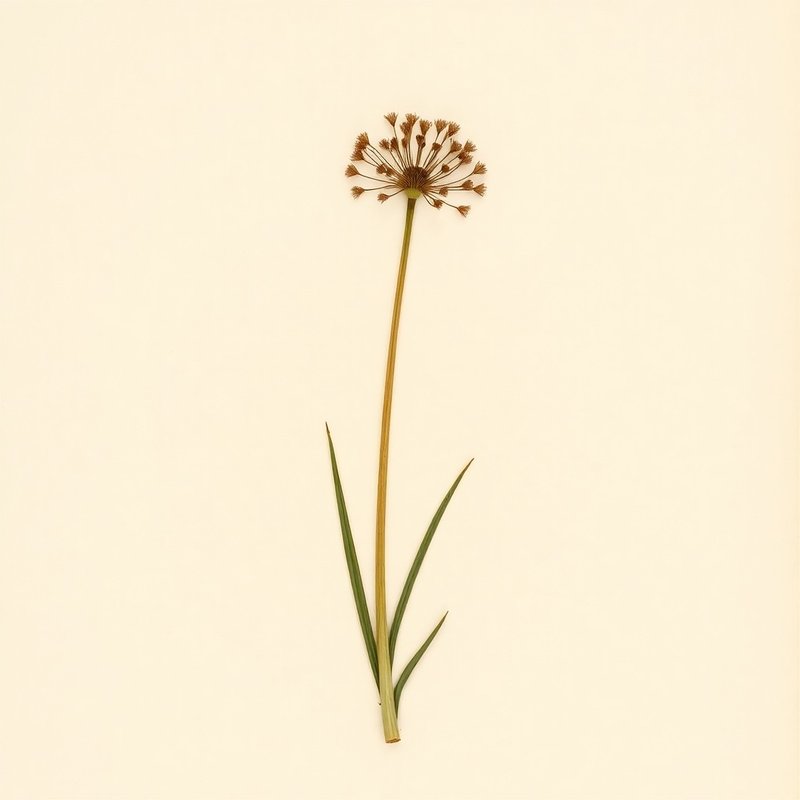
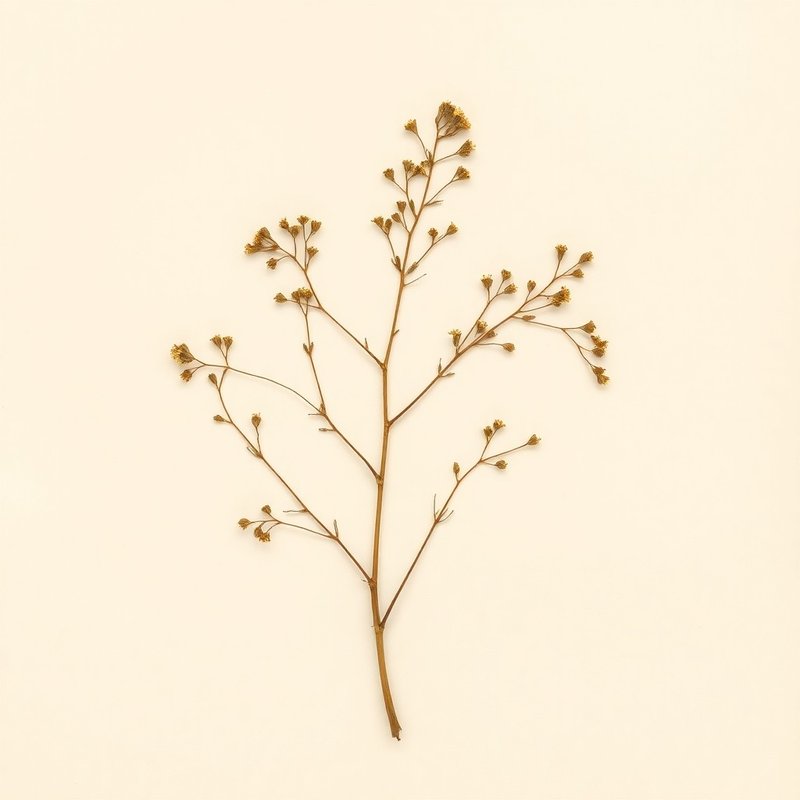
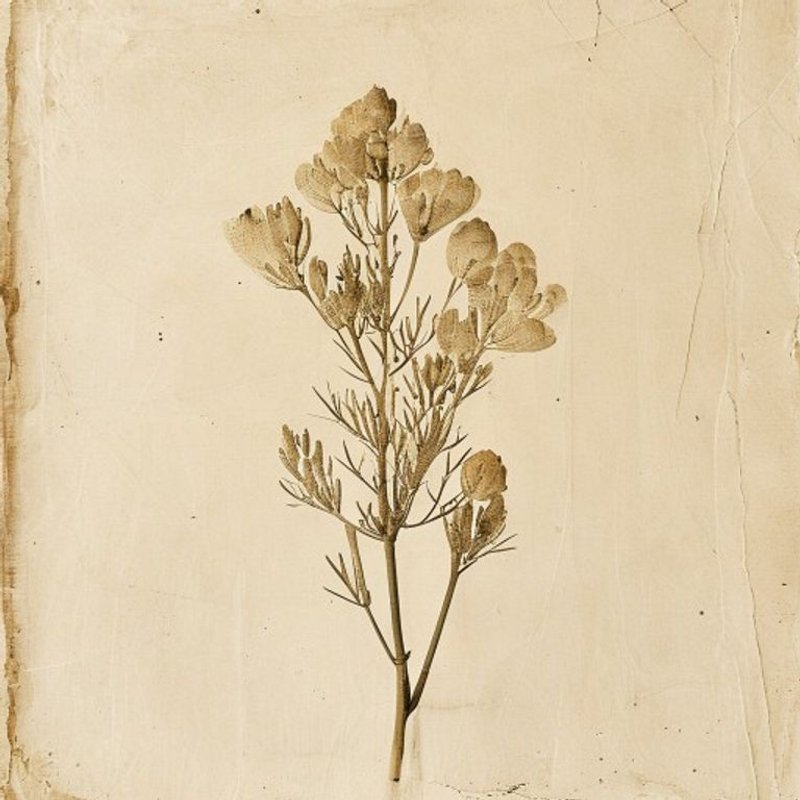
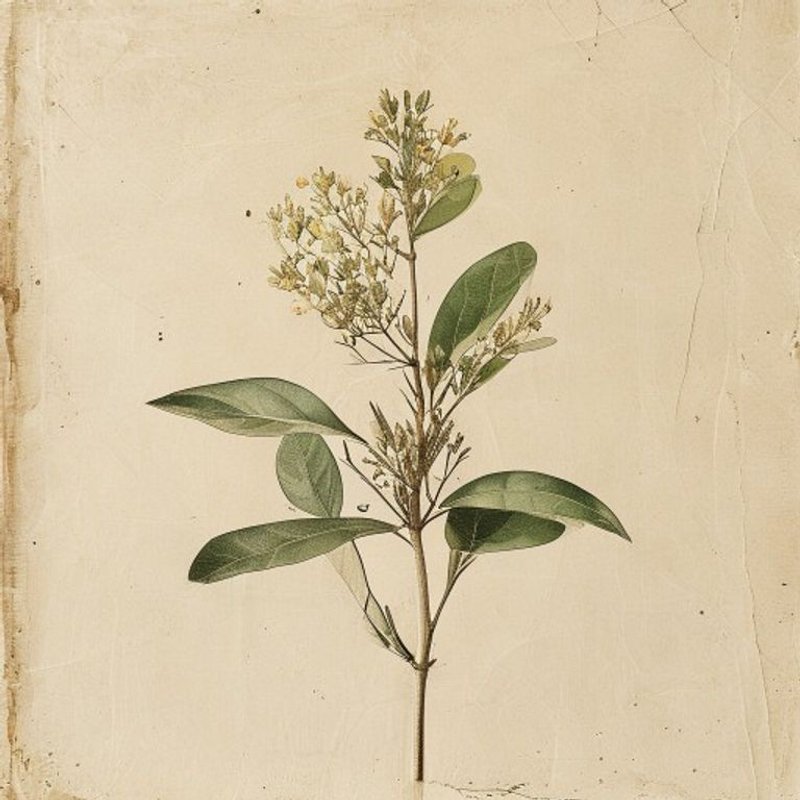
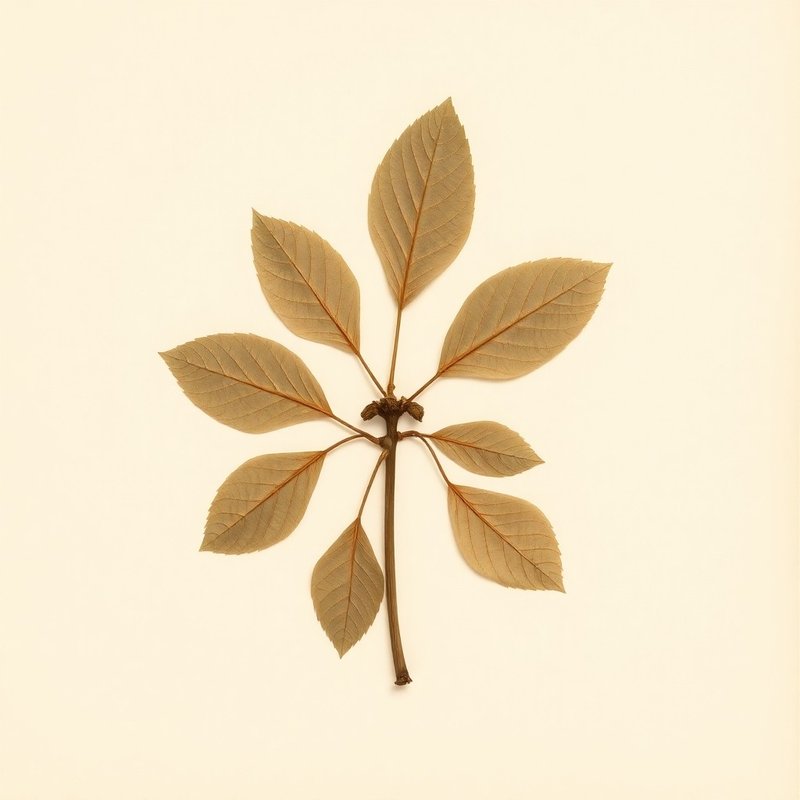
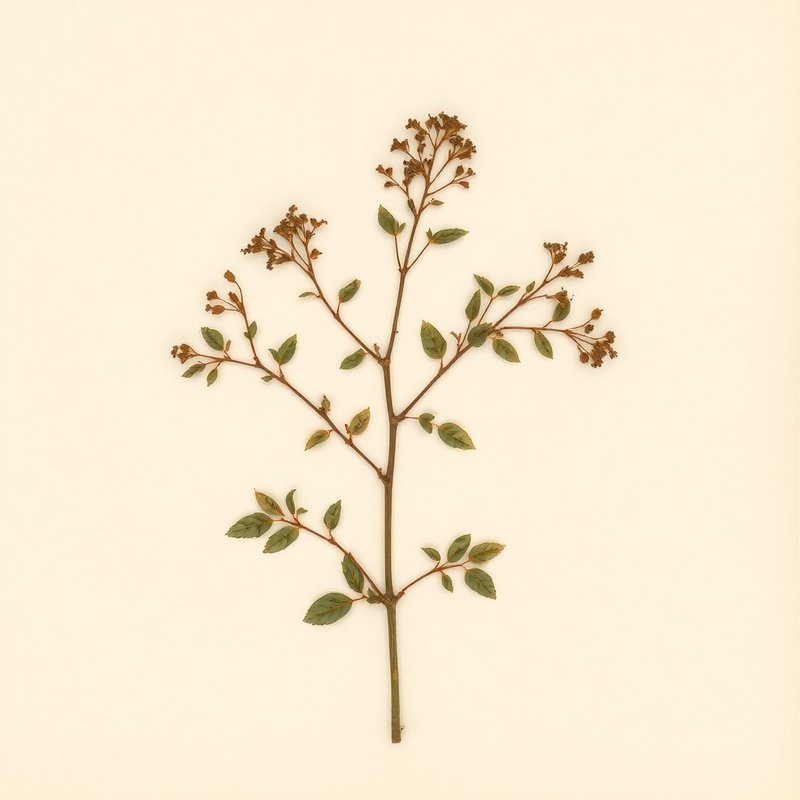
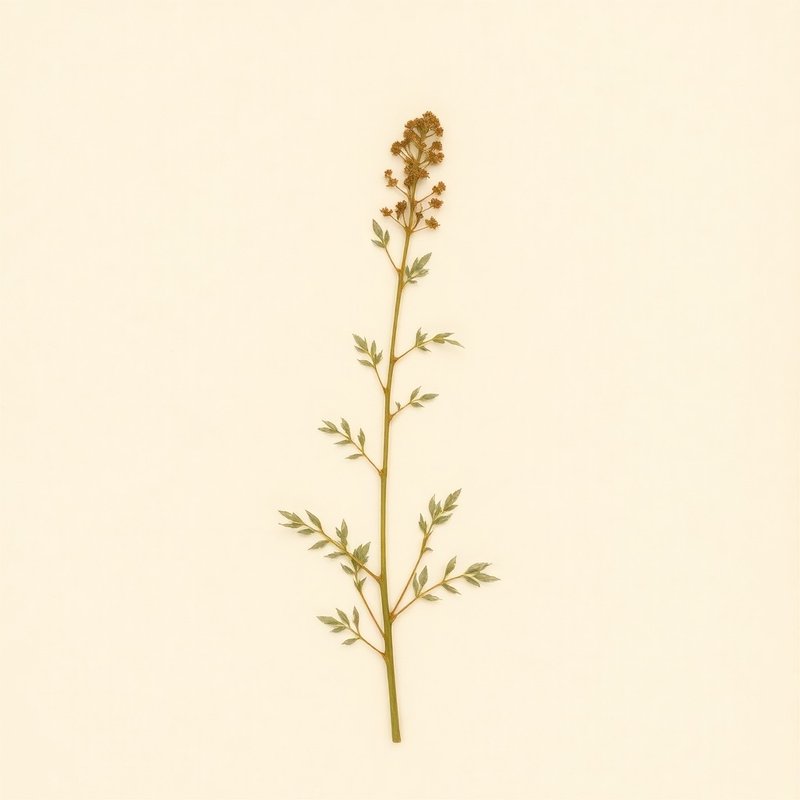
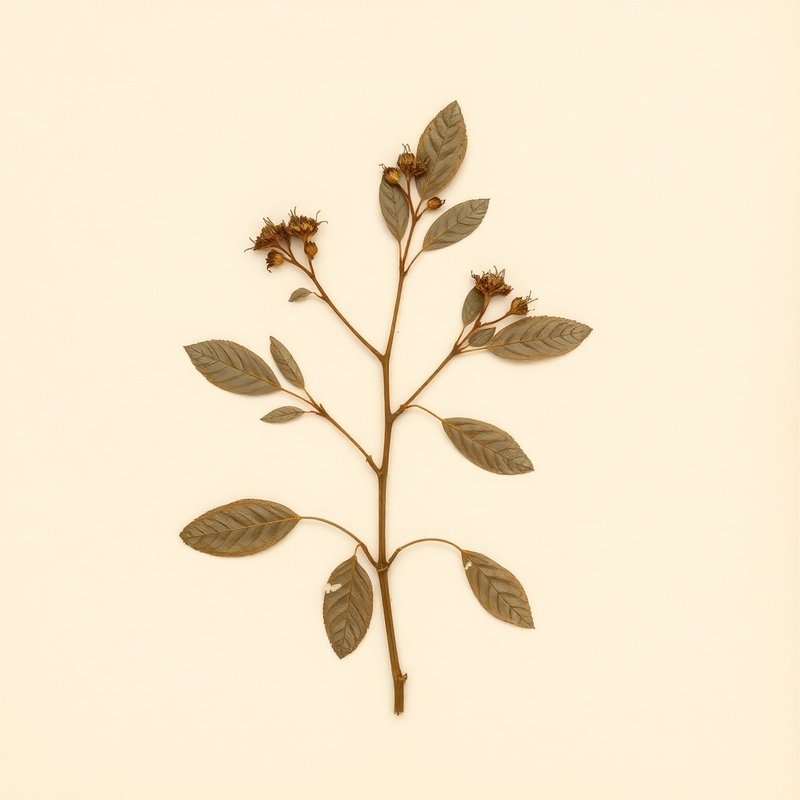
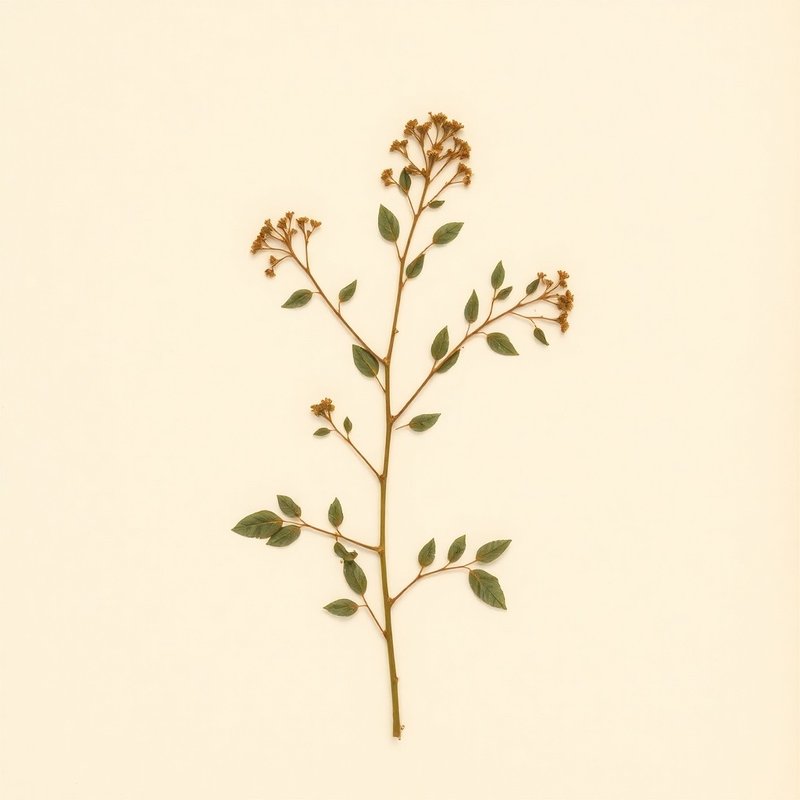
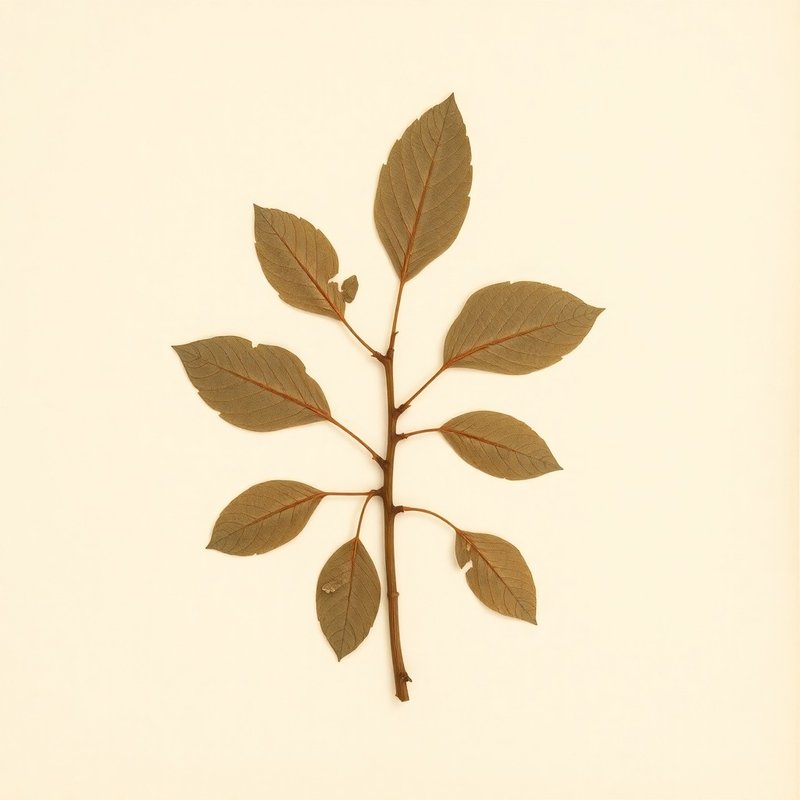
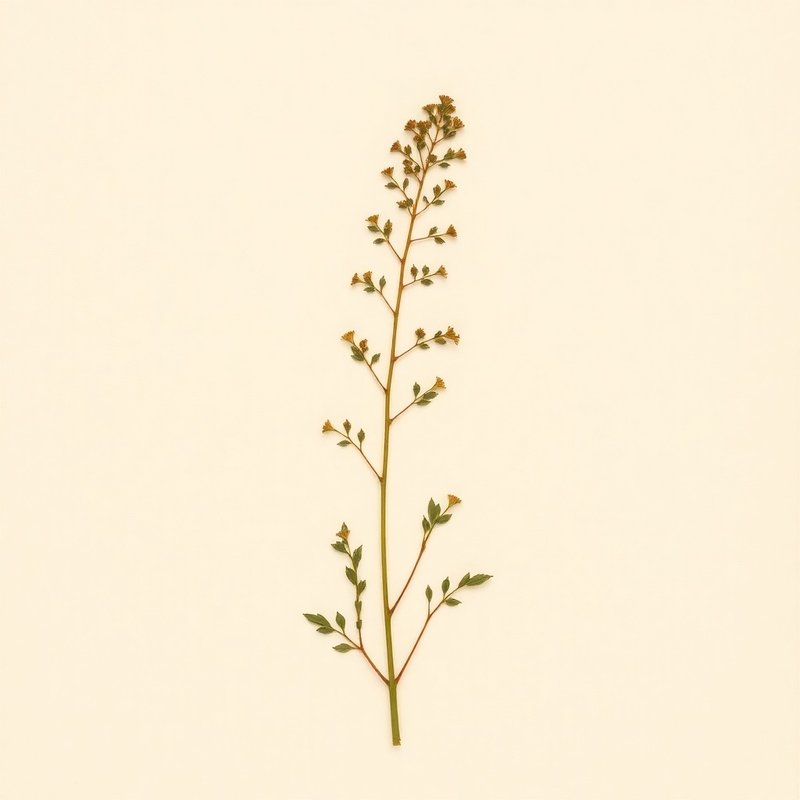
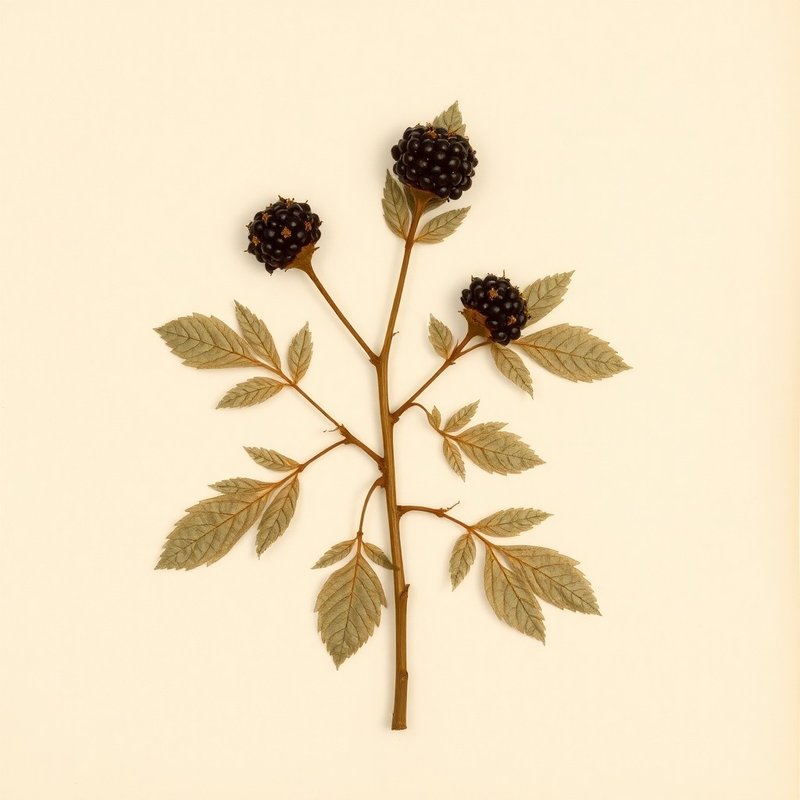
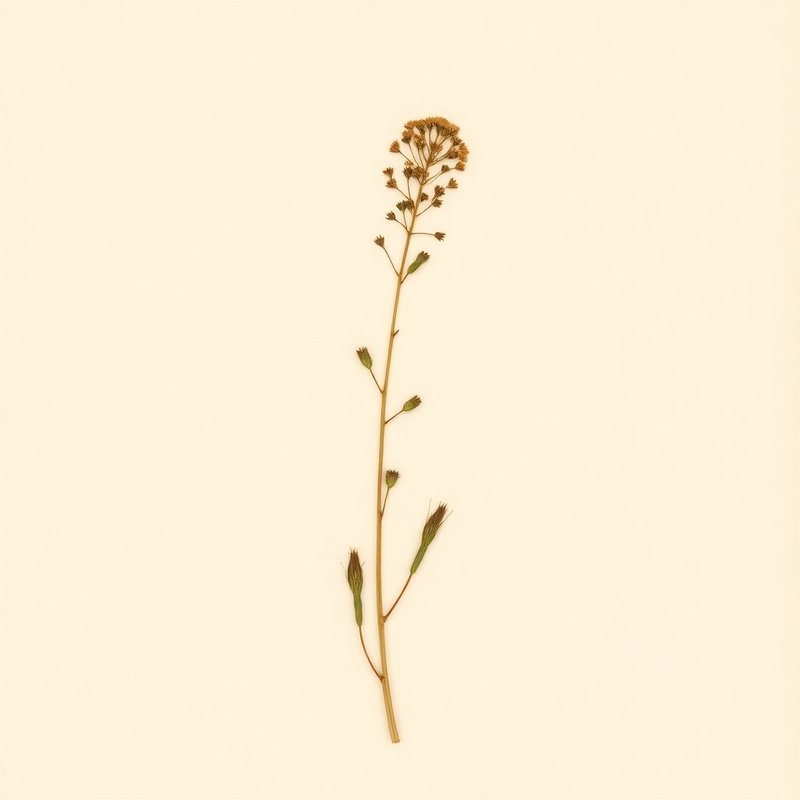
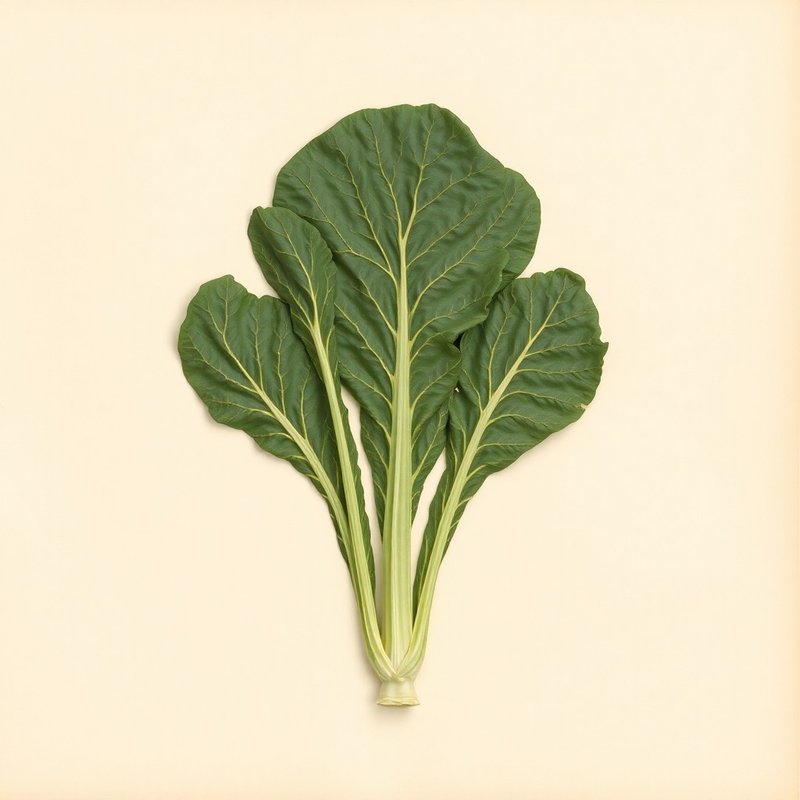
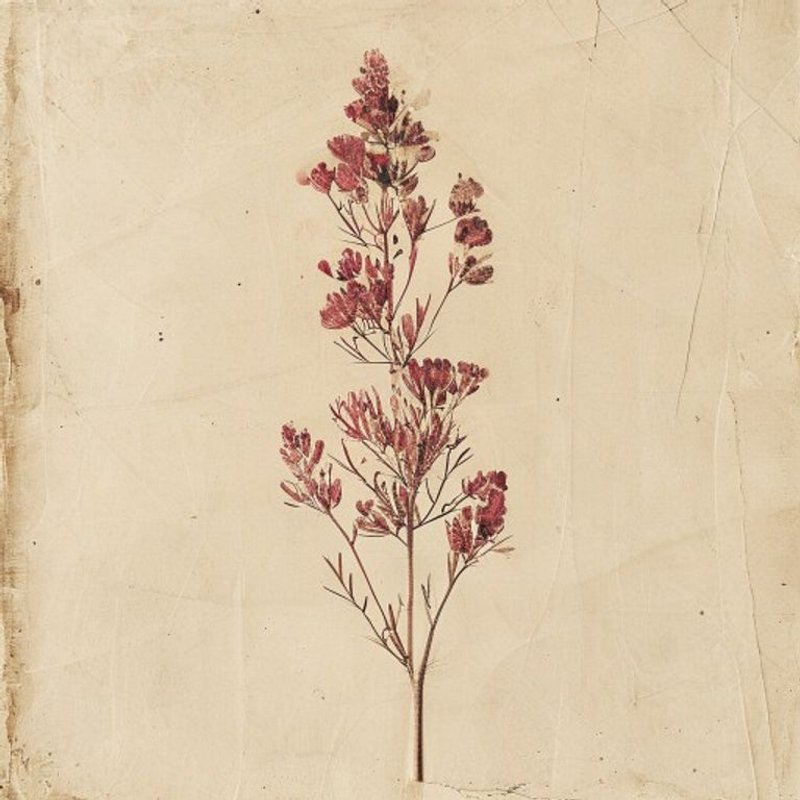
Chamomile is one of the better-evidenced choices for Digestion — 1 cited reference with moderate evidence quality. Effect size d=0.62 (moderate). Antispasmodic via bisabolol; reduces visceral hypersensitivity in functional dyspepsia.
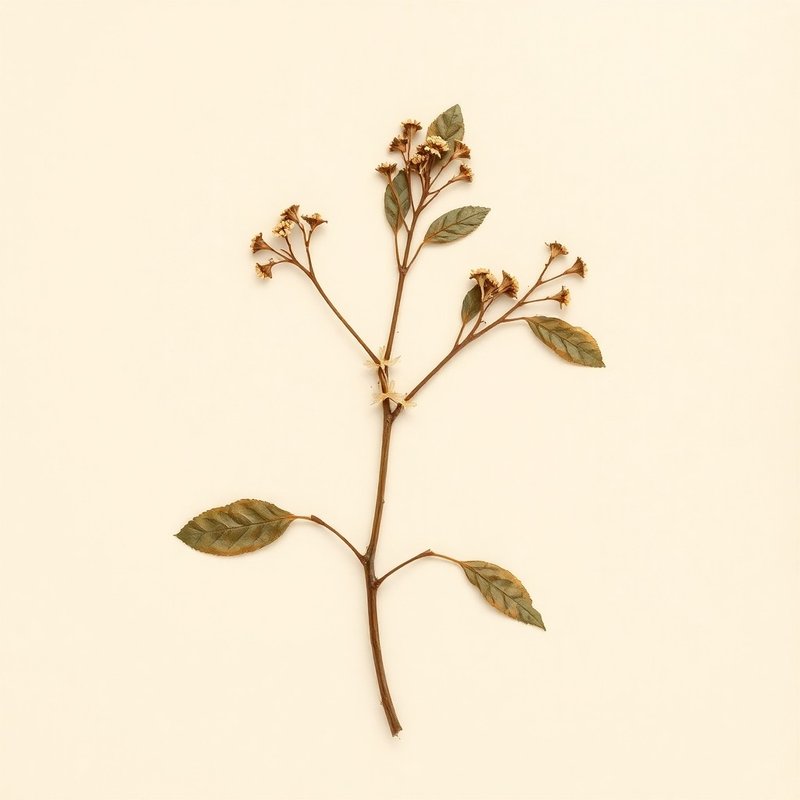
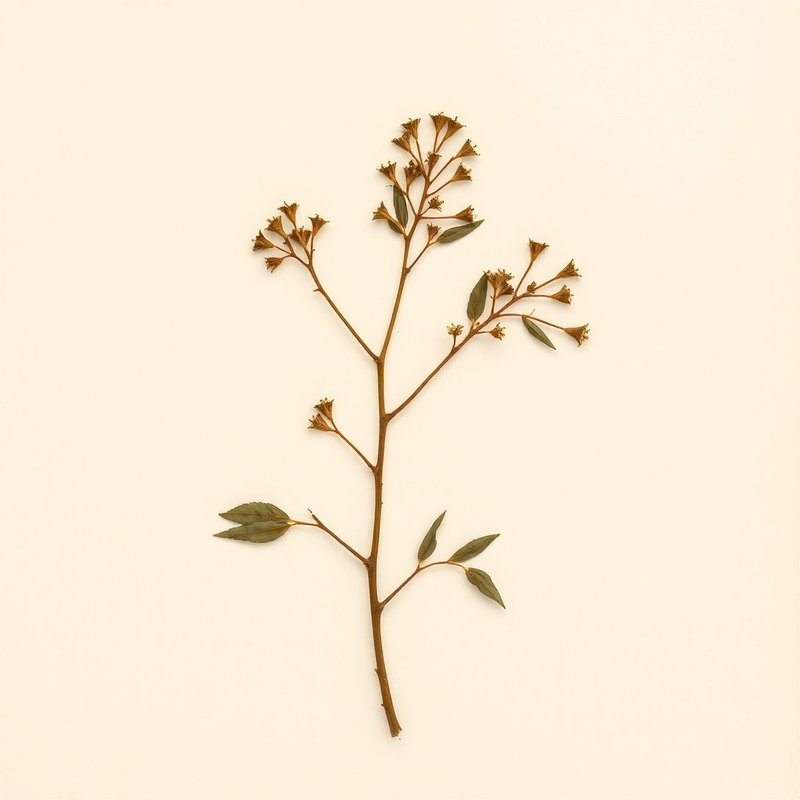
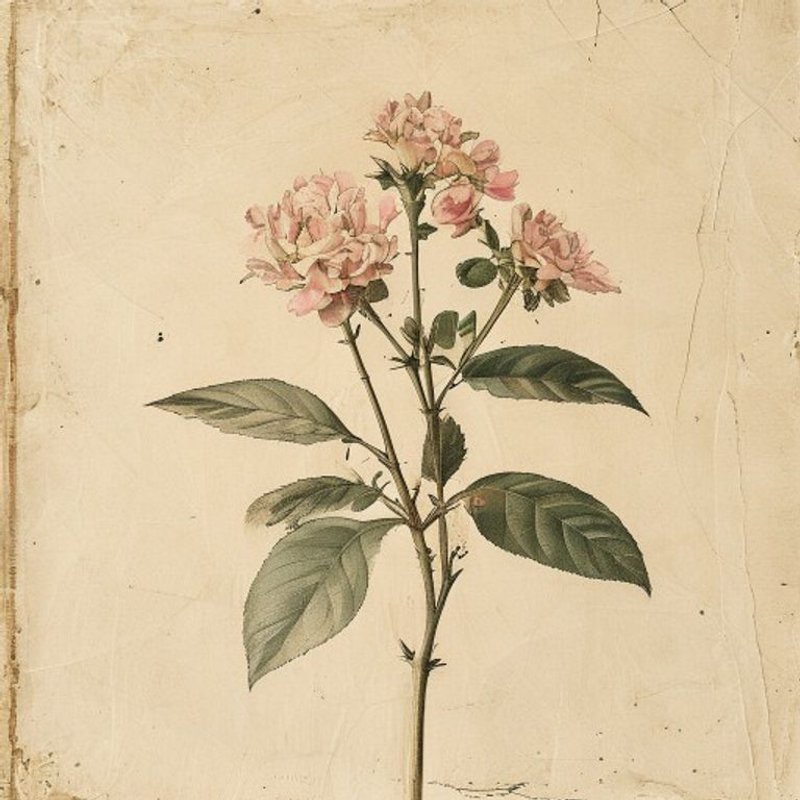
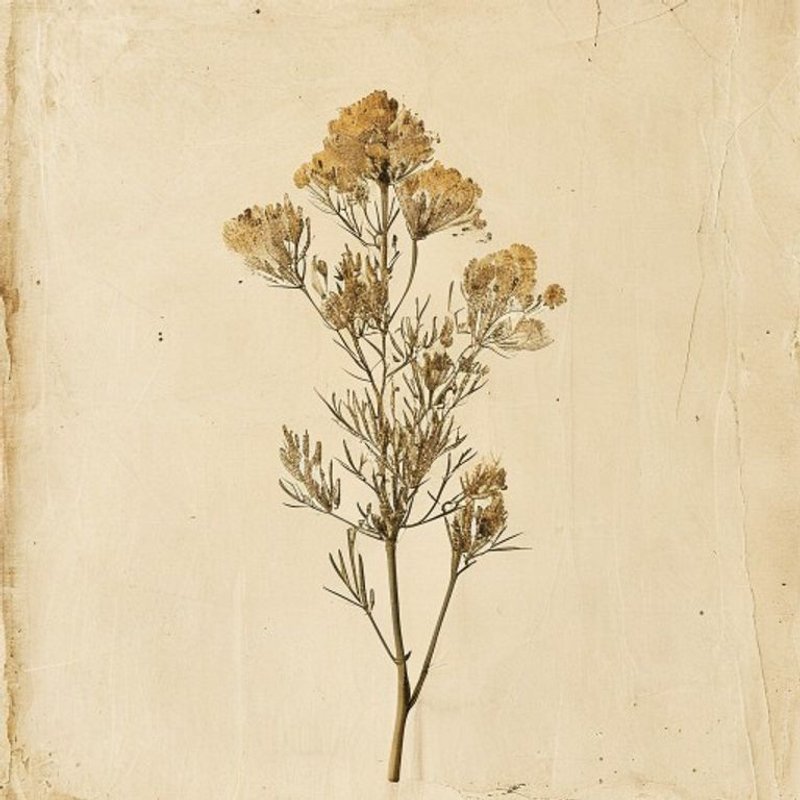
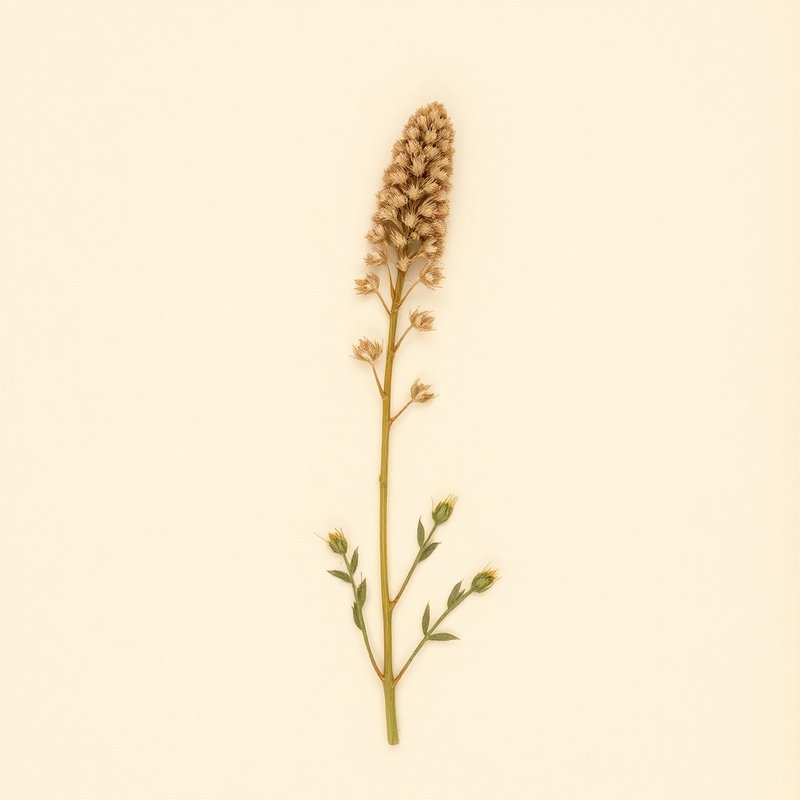
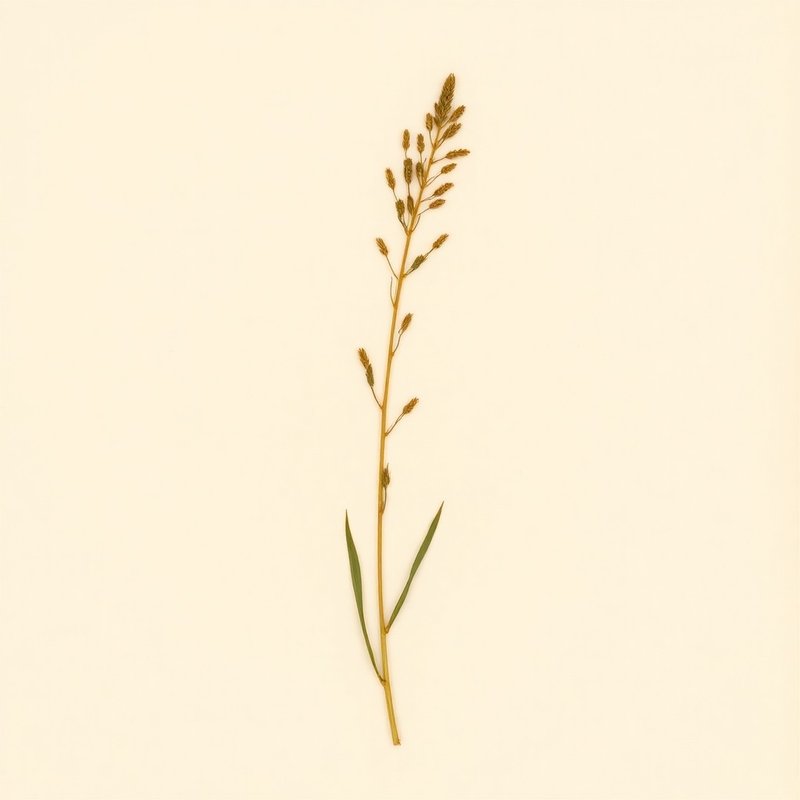
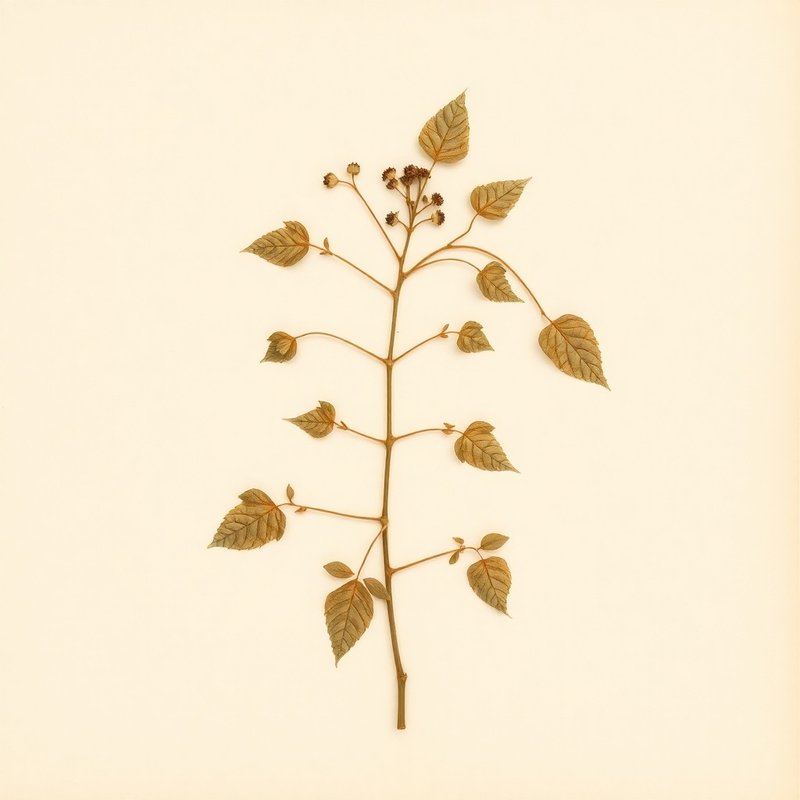
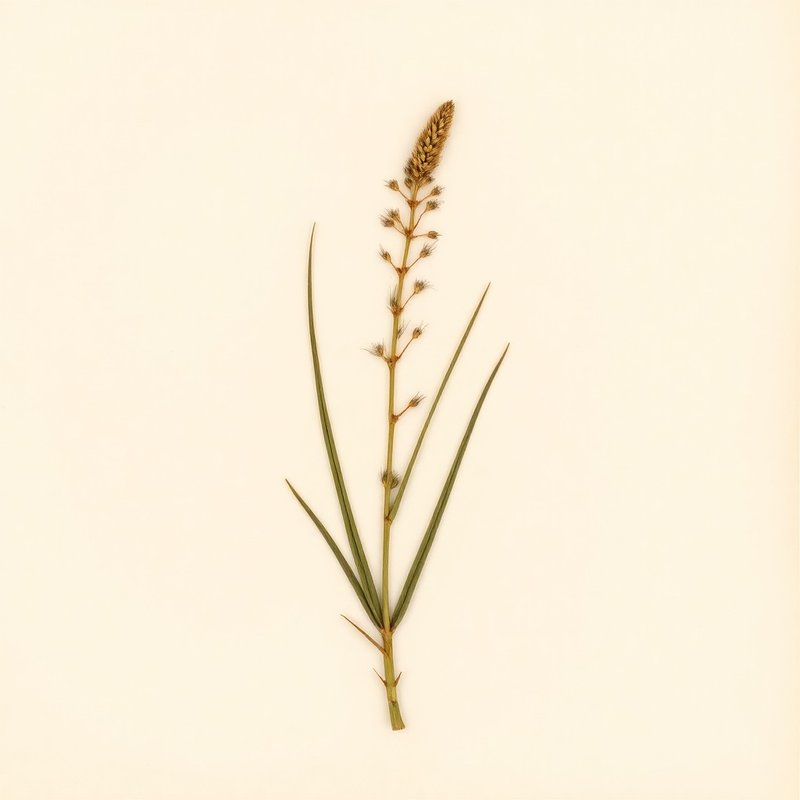
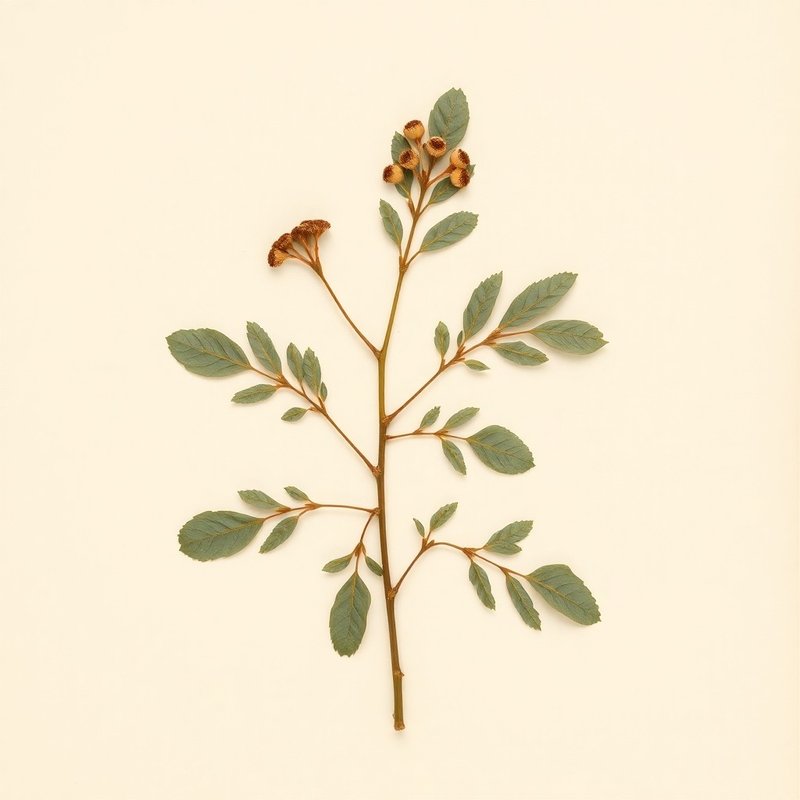
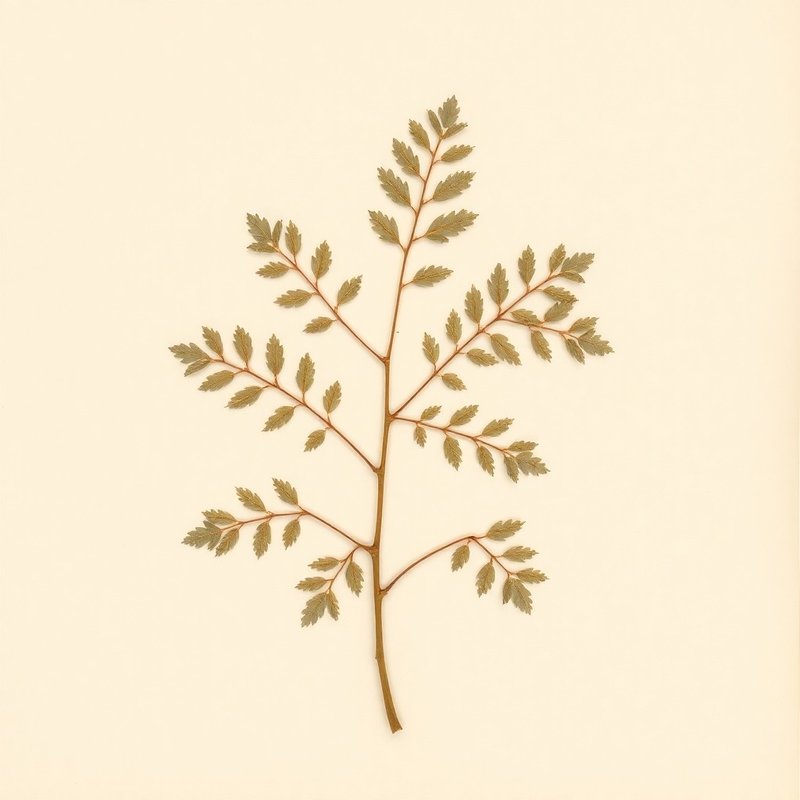
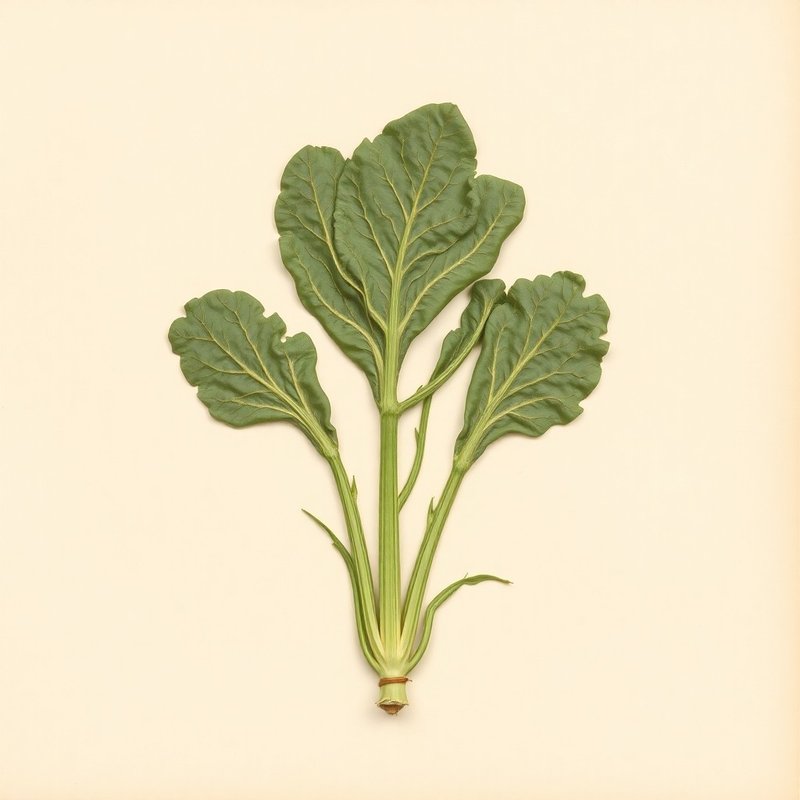
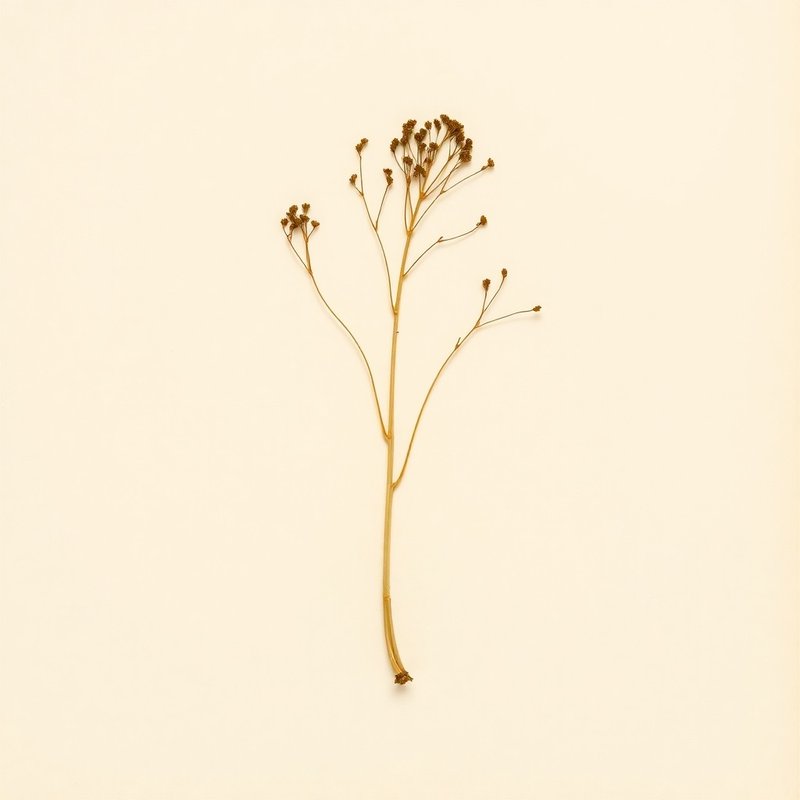
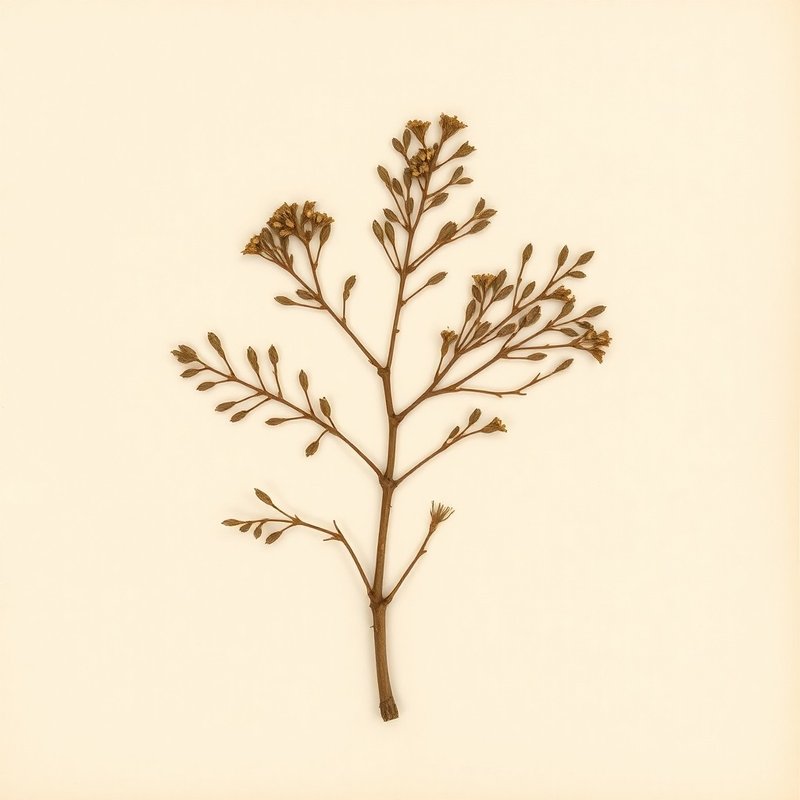
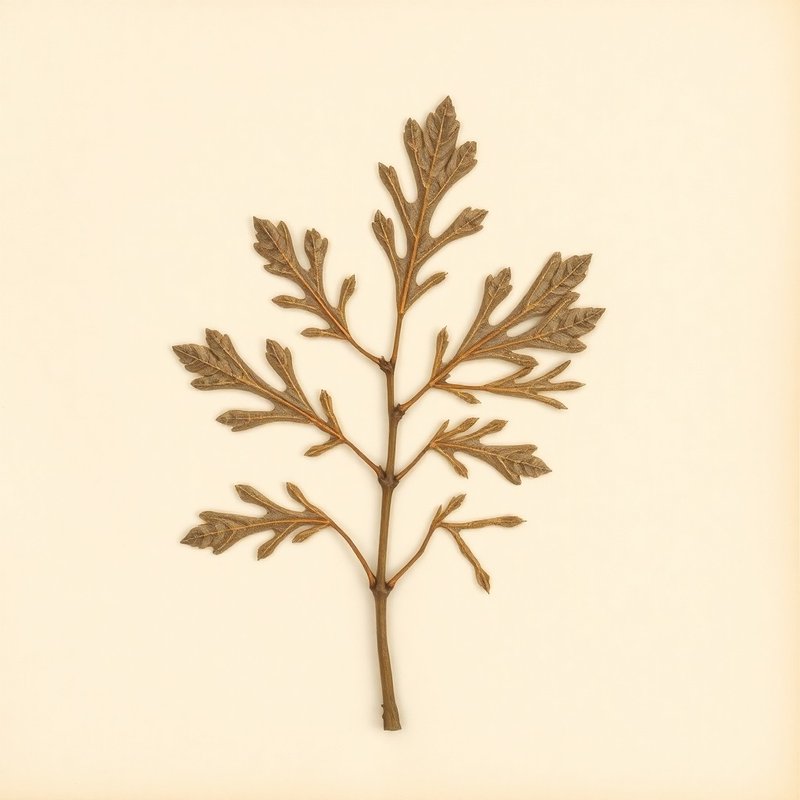
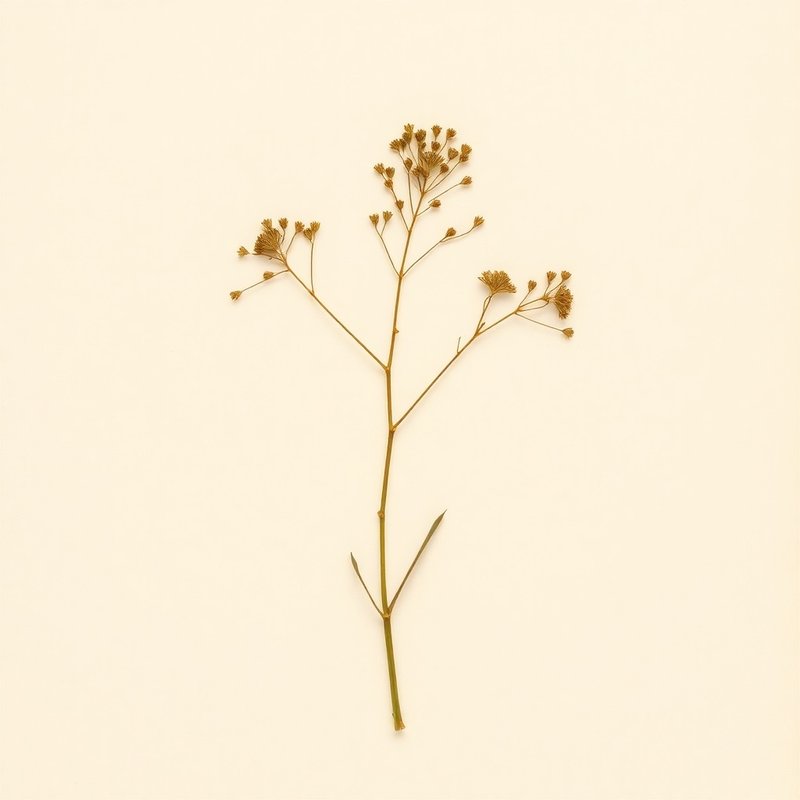
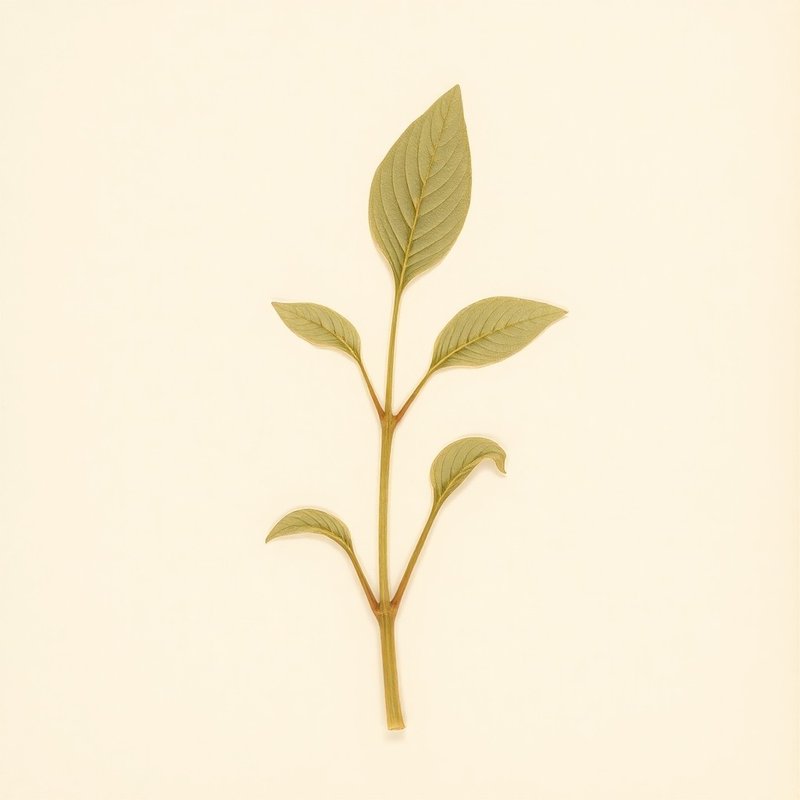
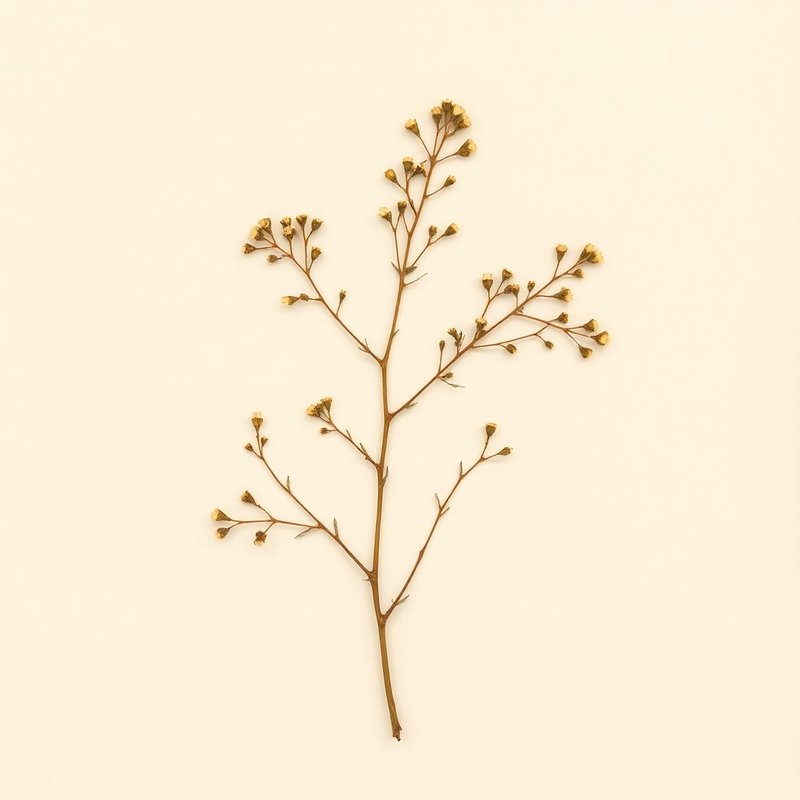
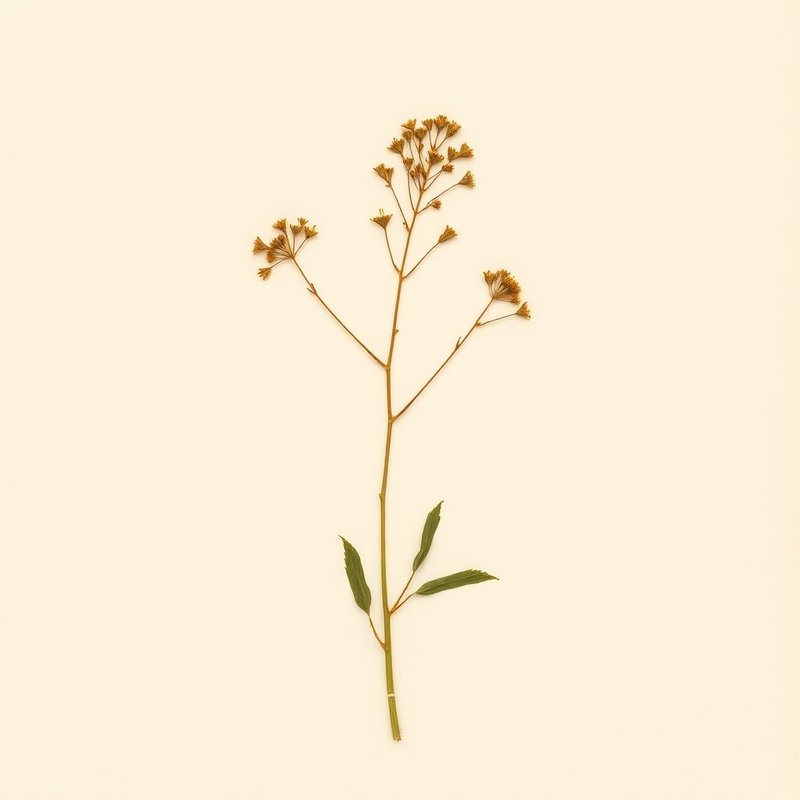
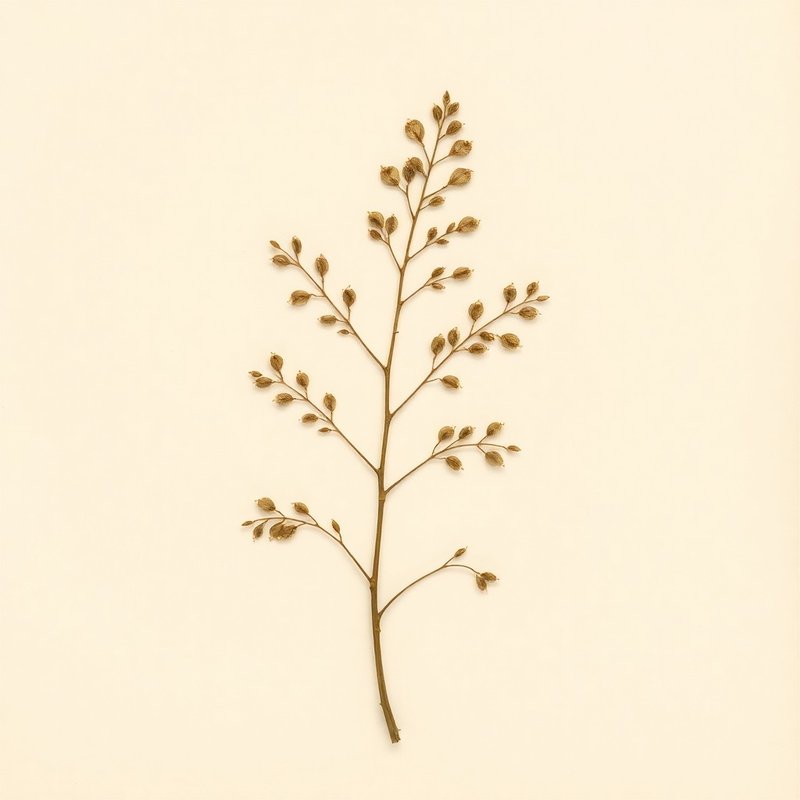
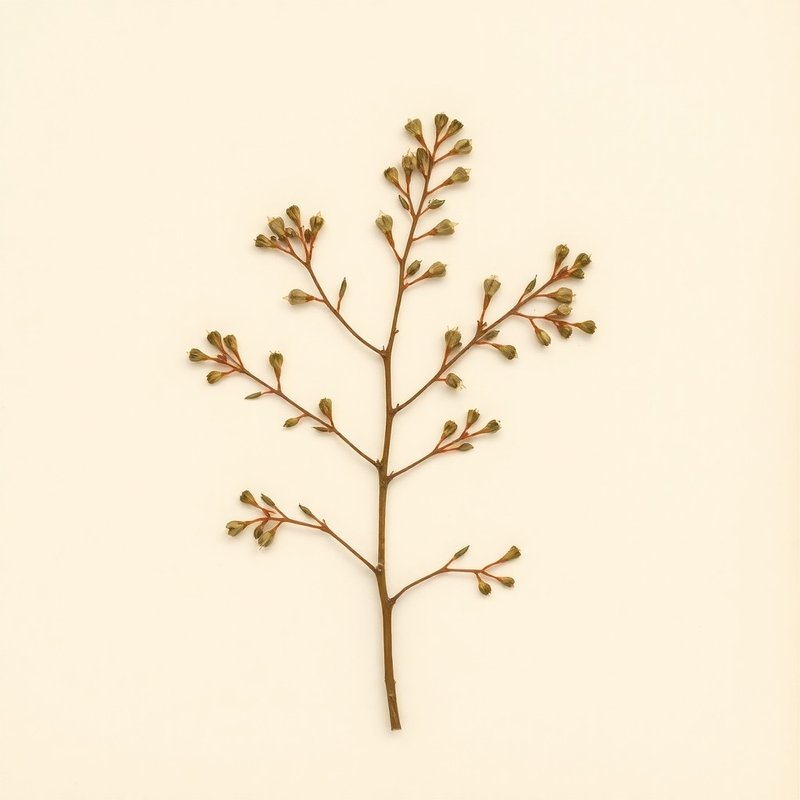
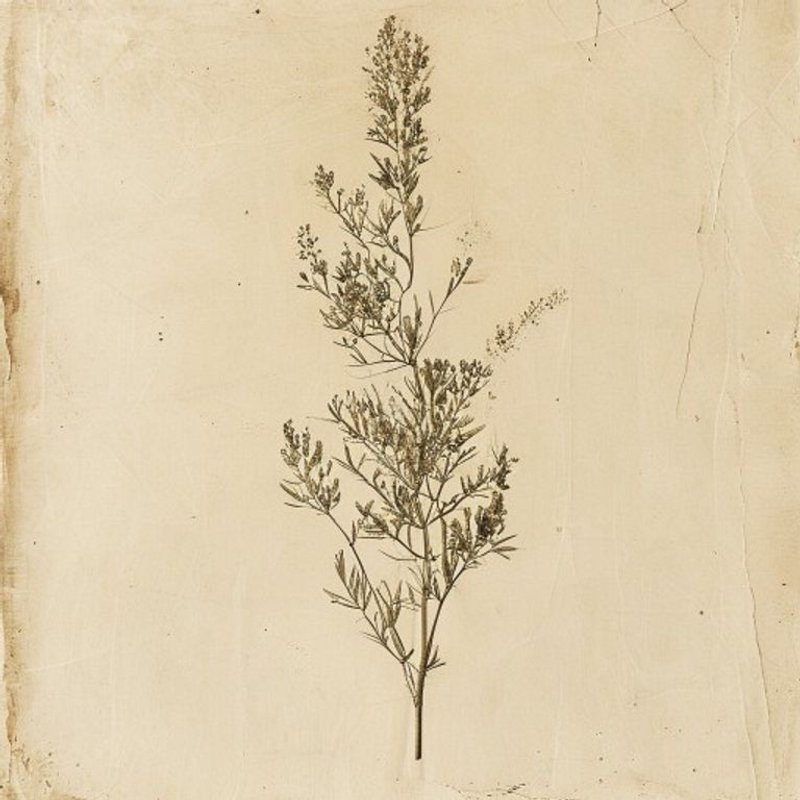
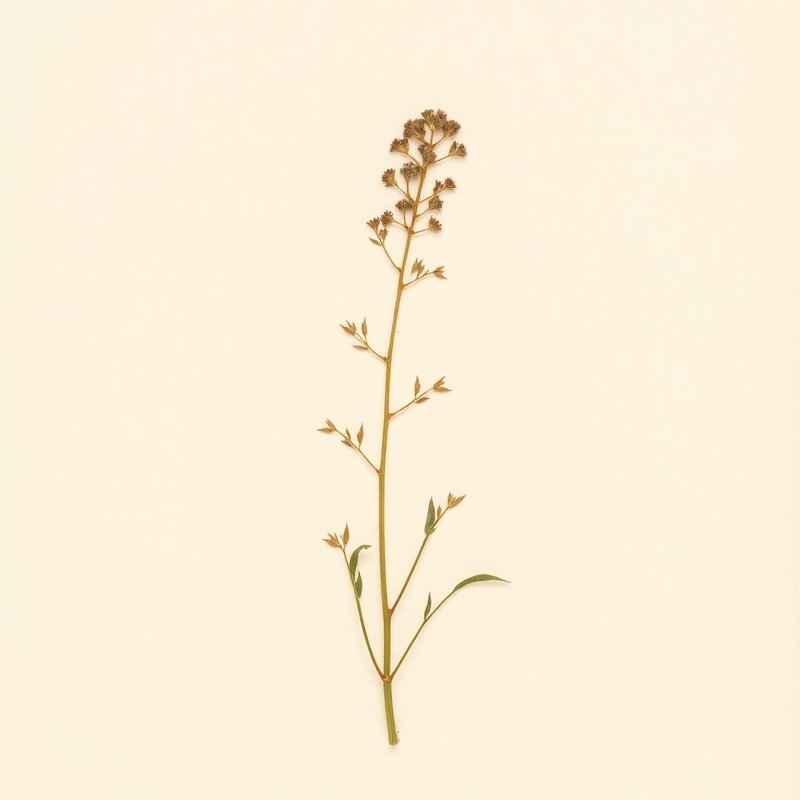
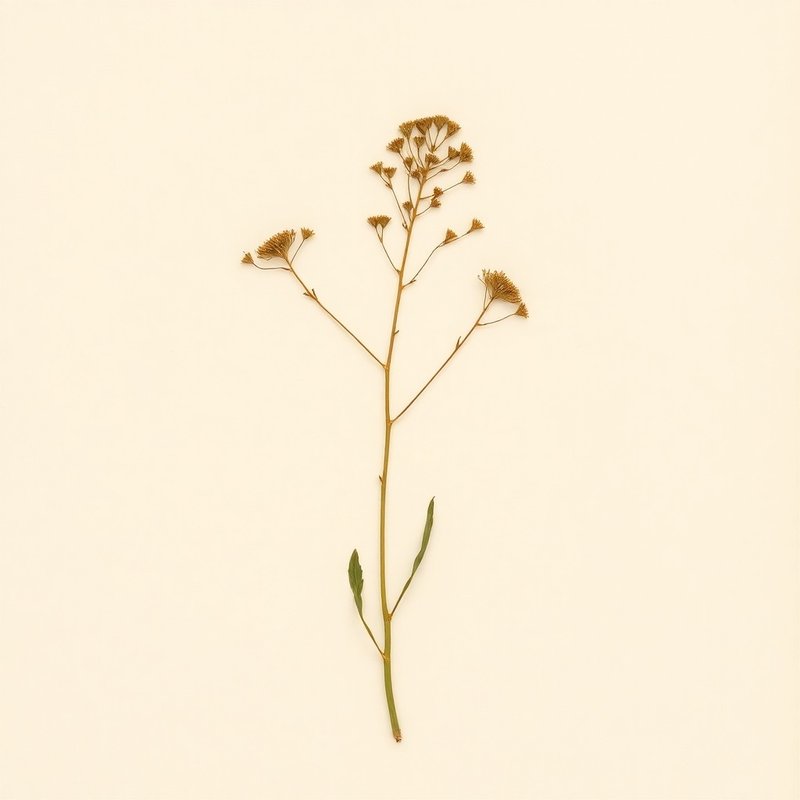
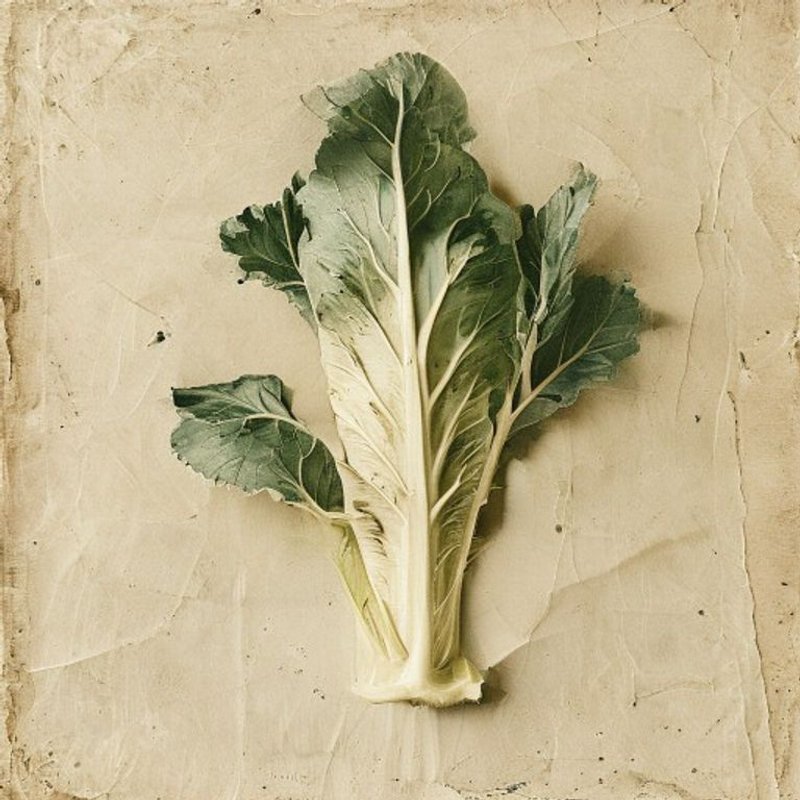
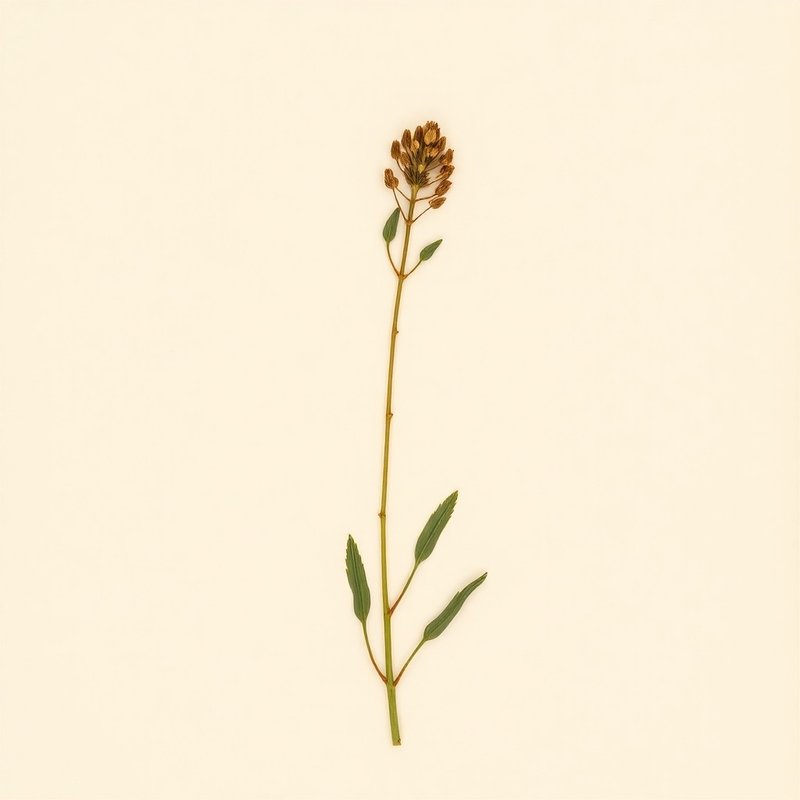
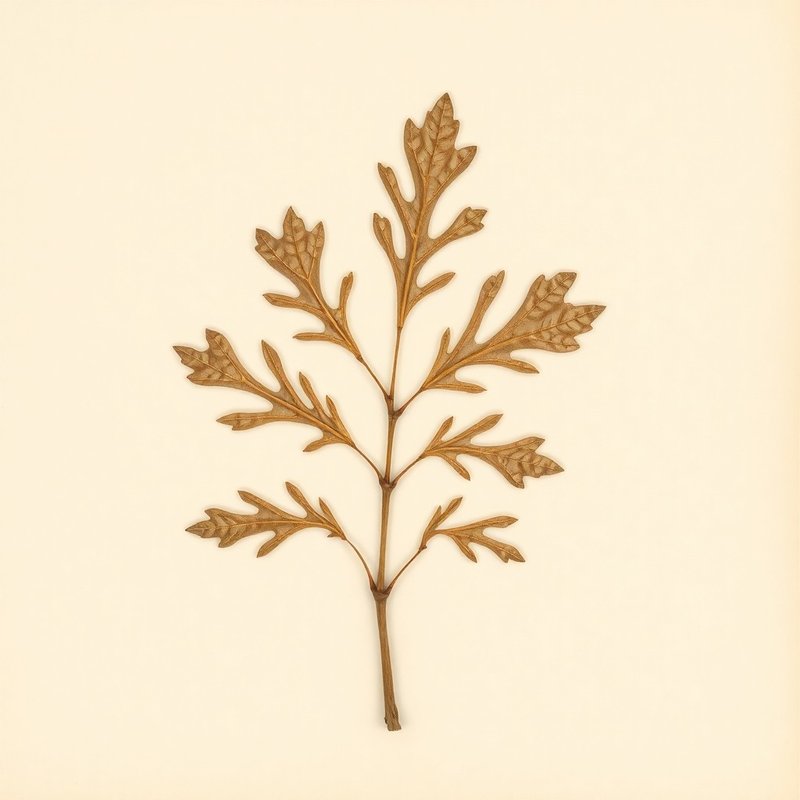
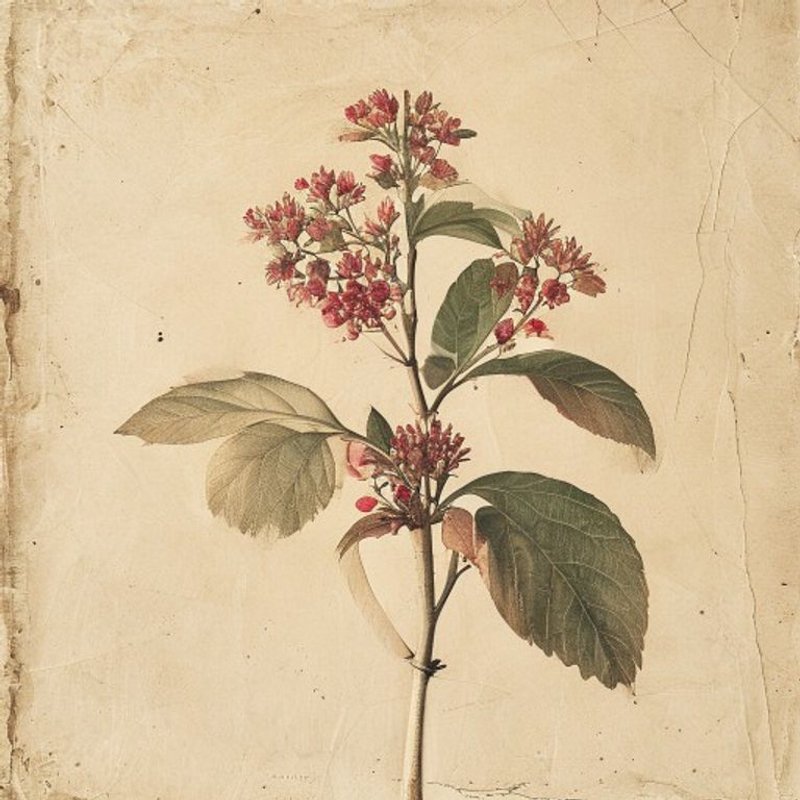
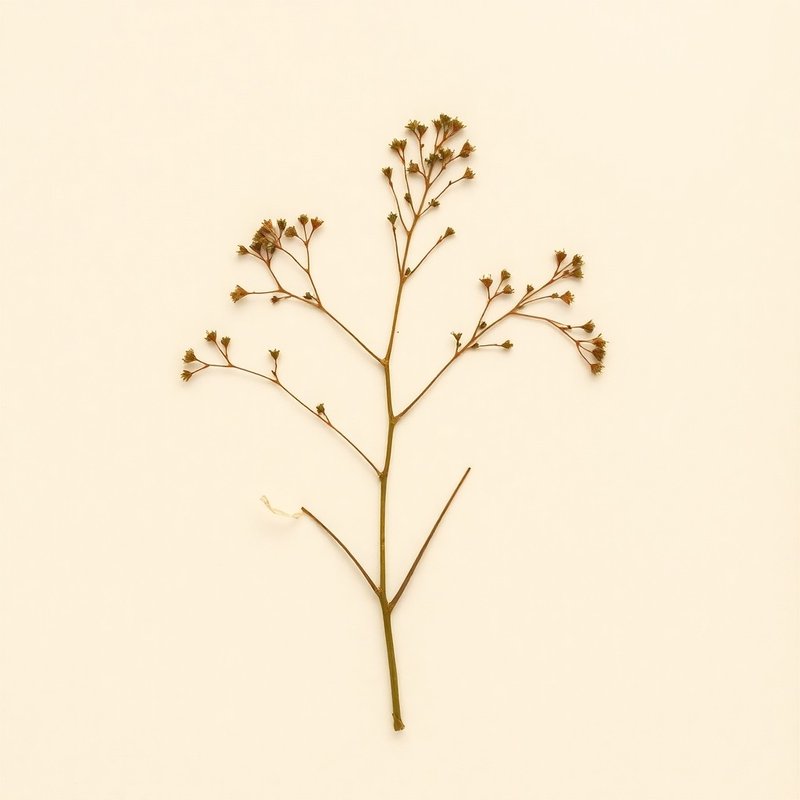
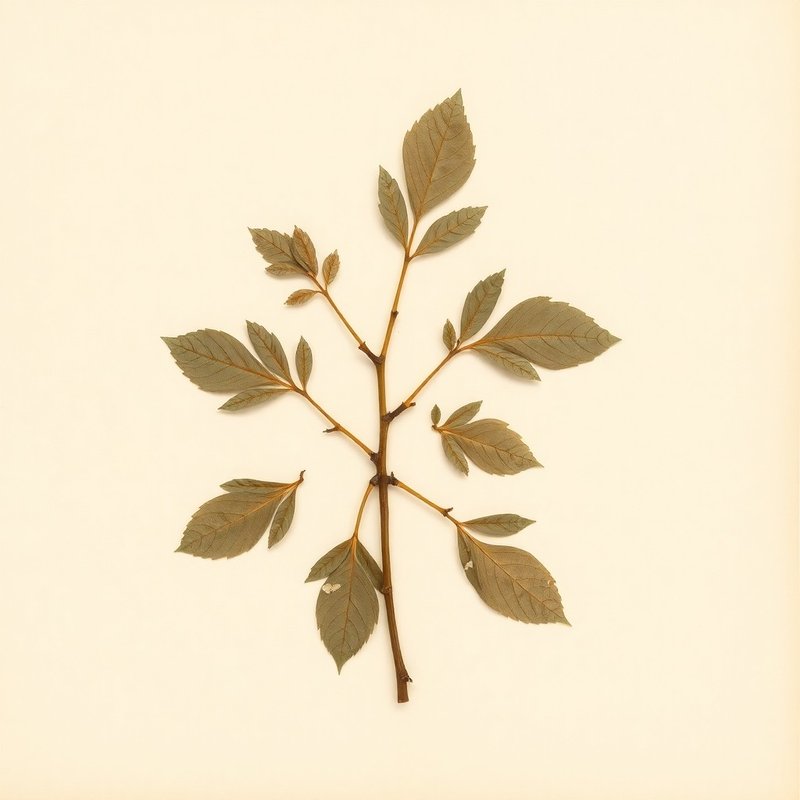
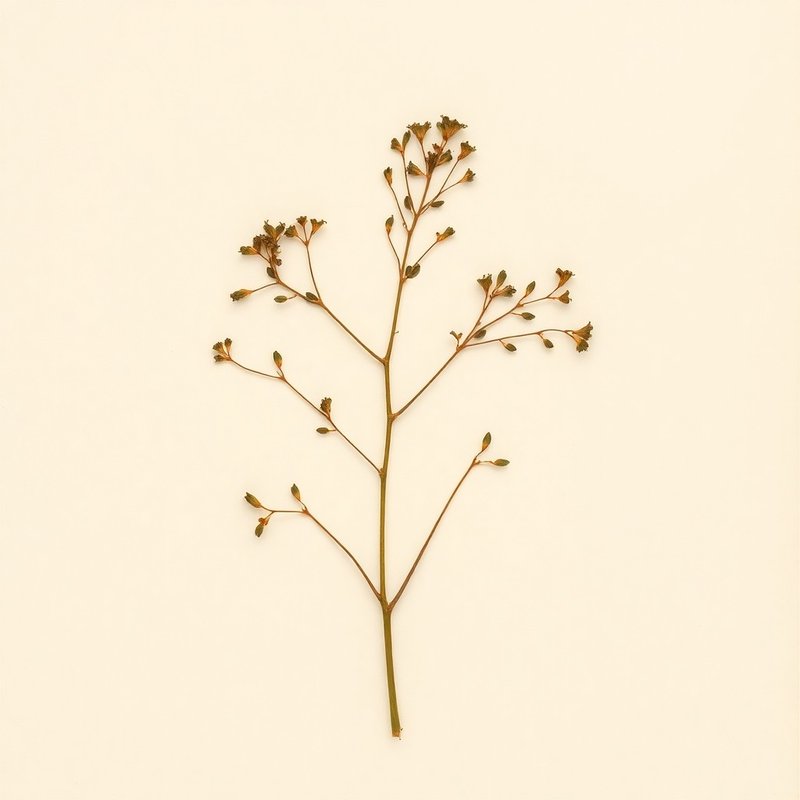
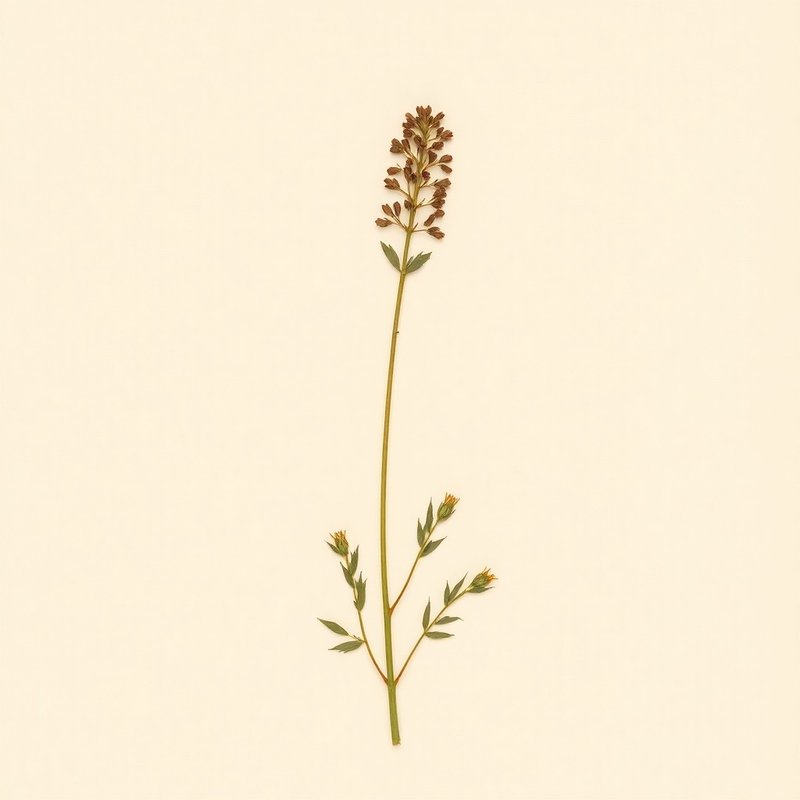
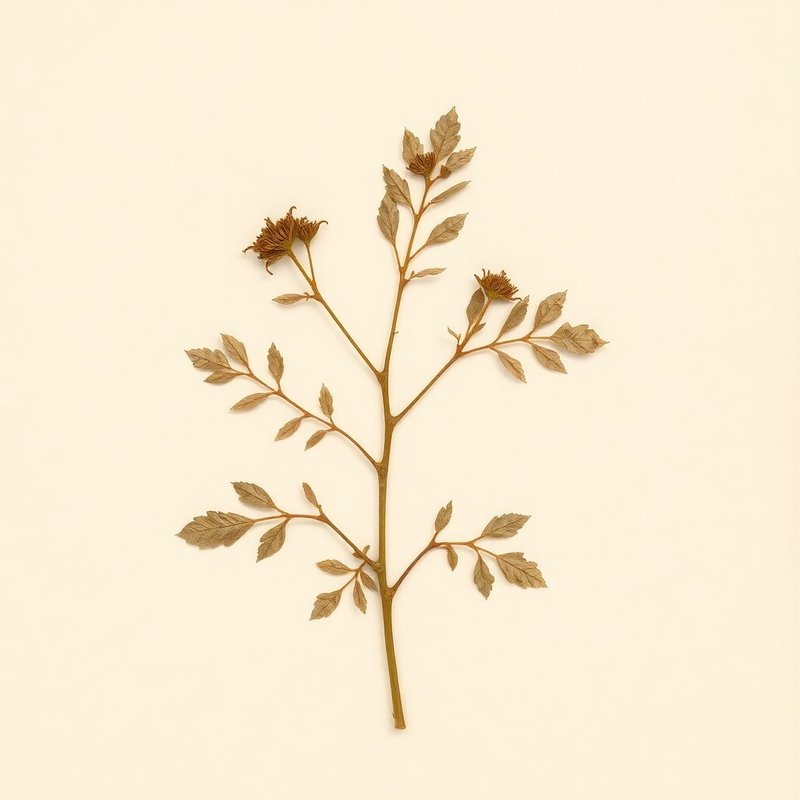
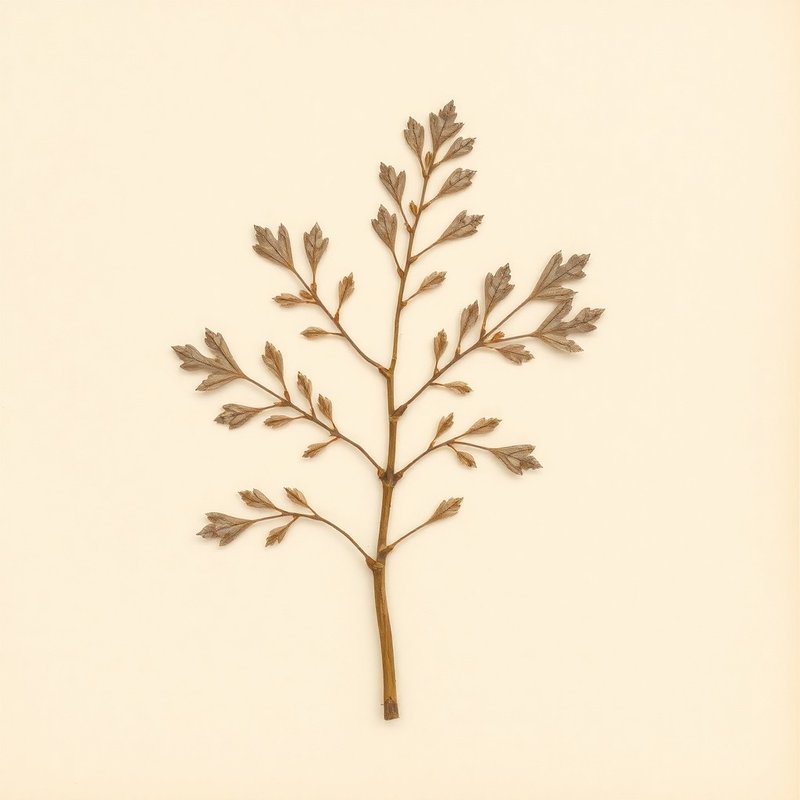
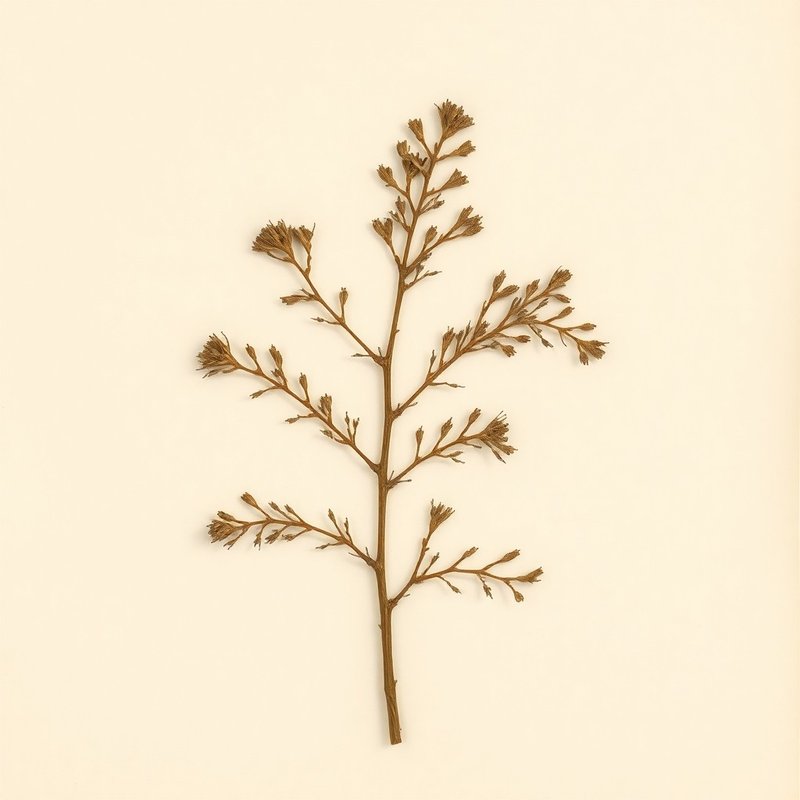
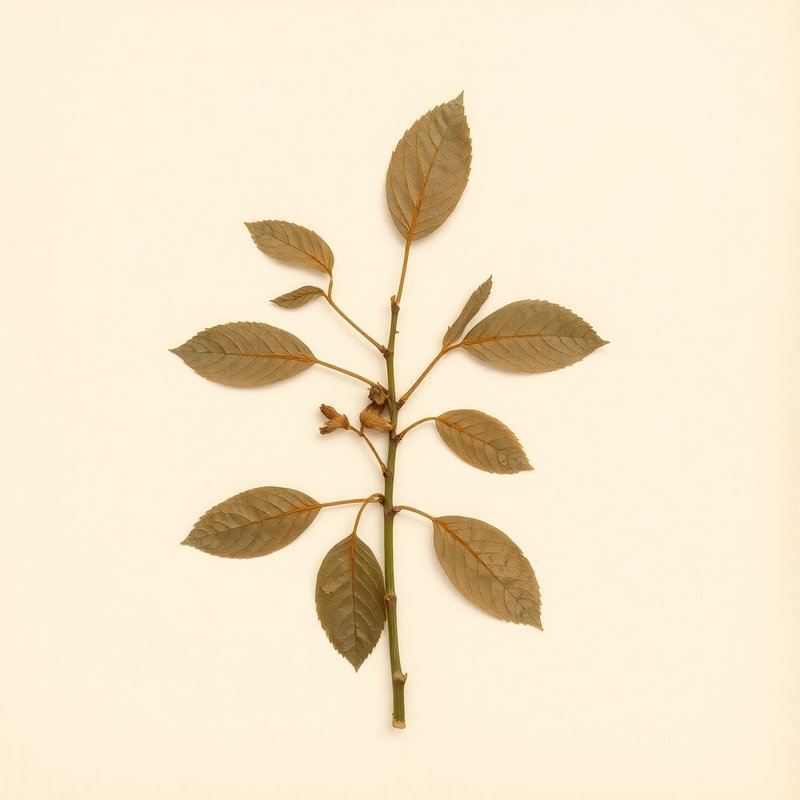
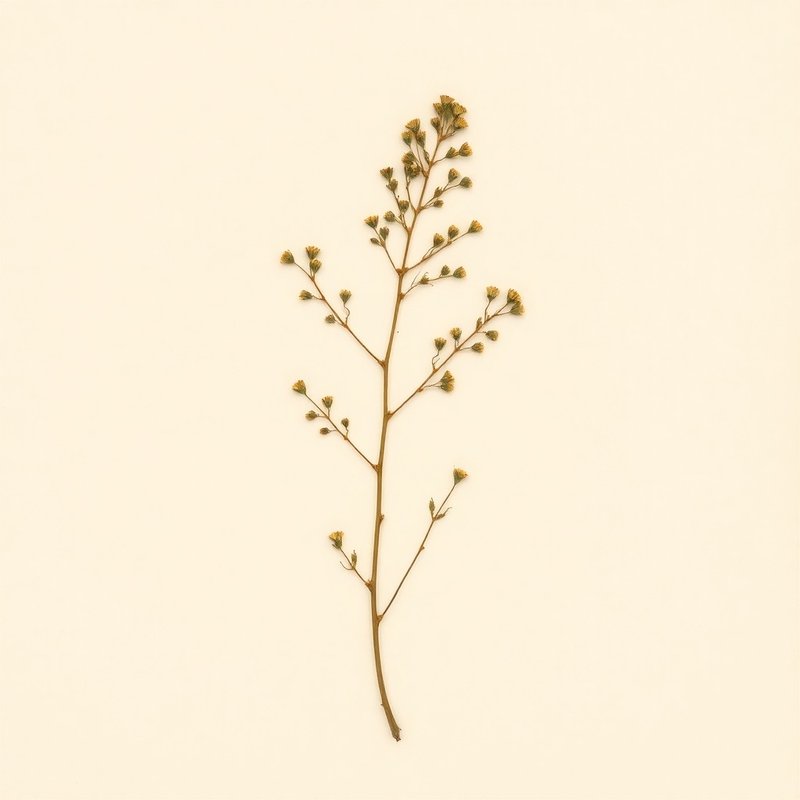
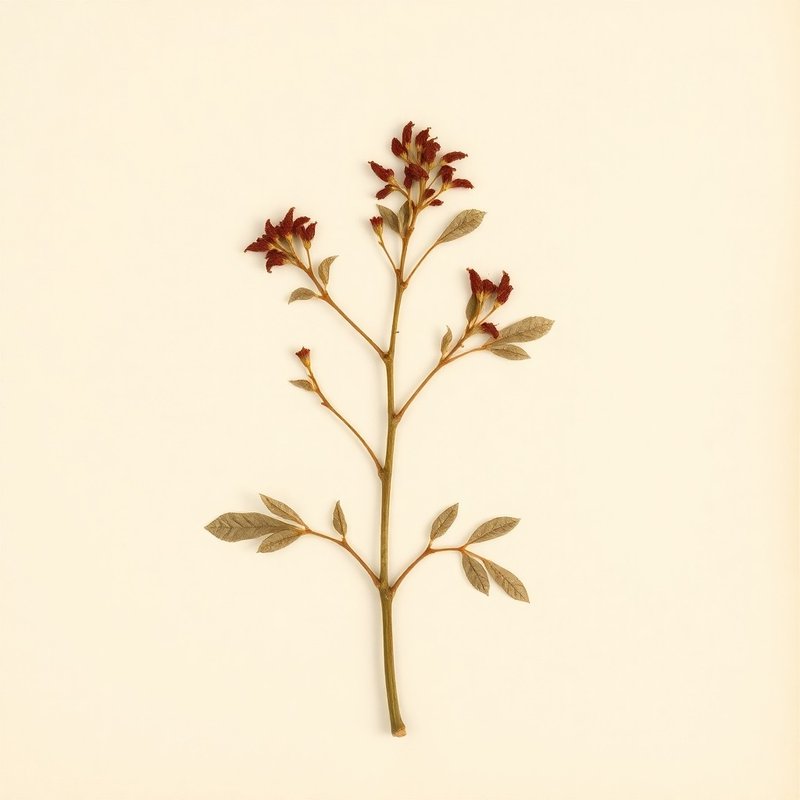
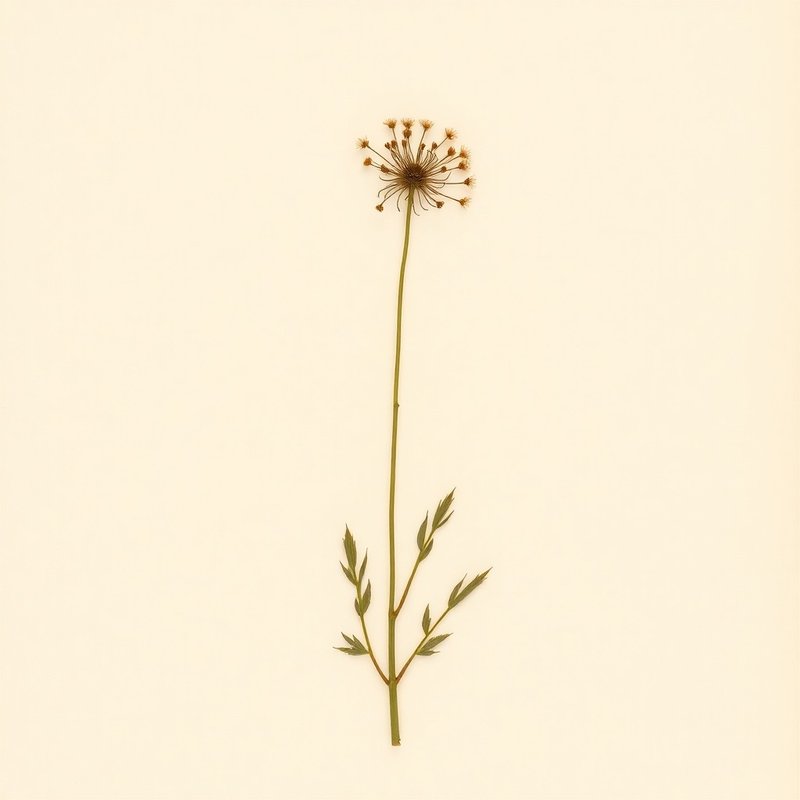
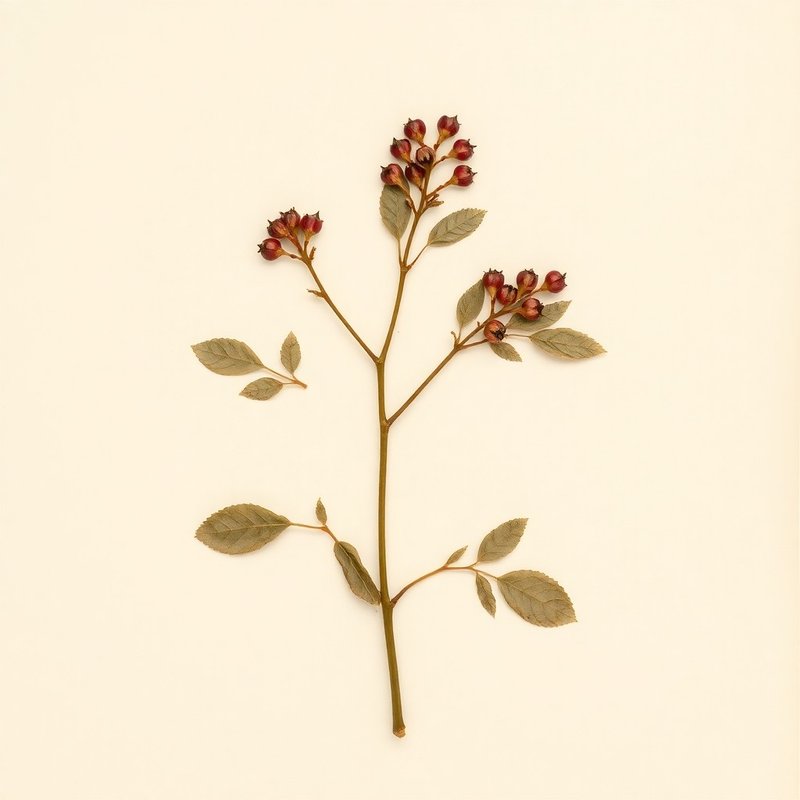
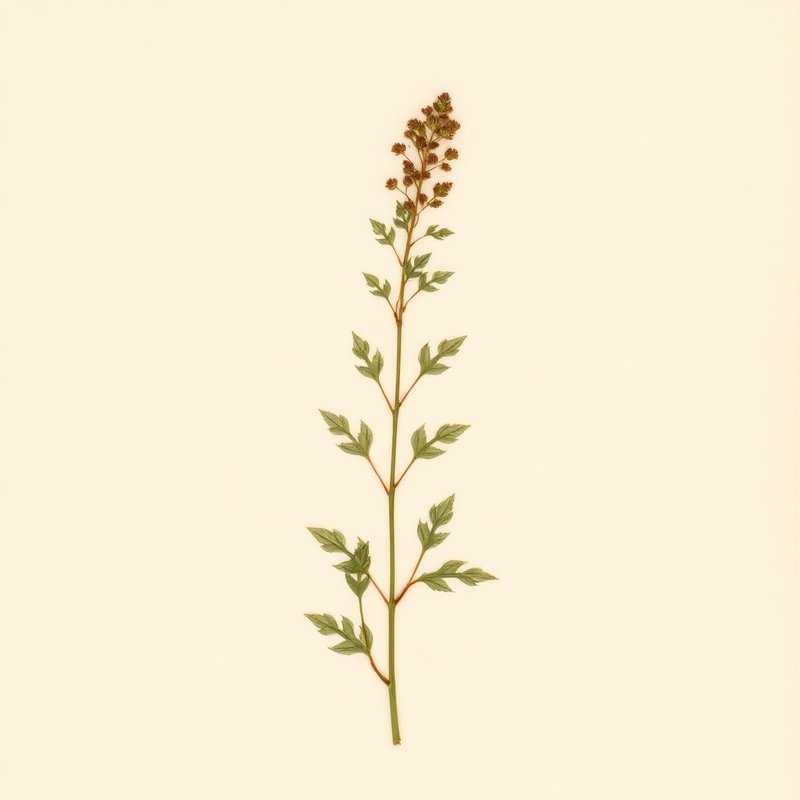
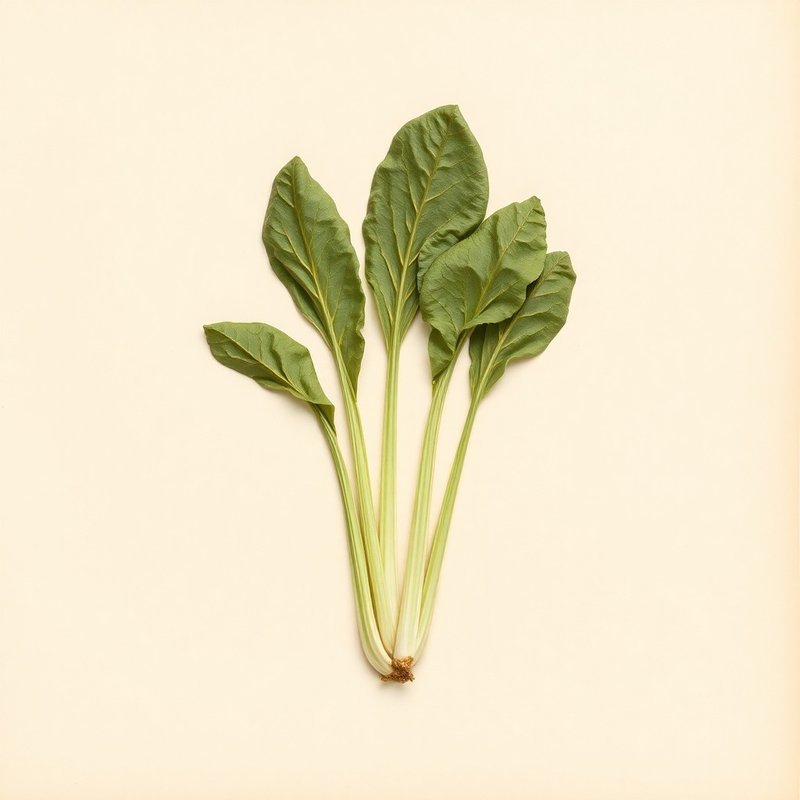
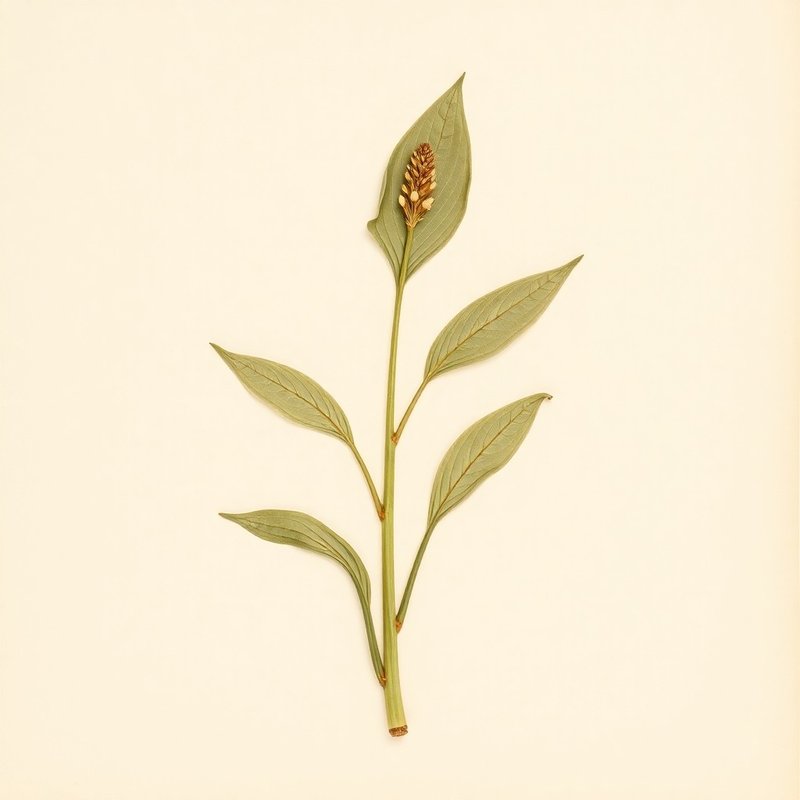
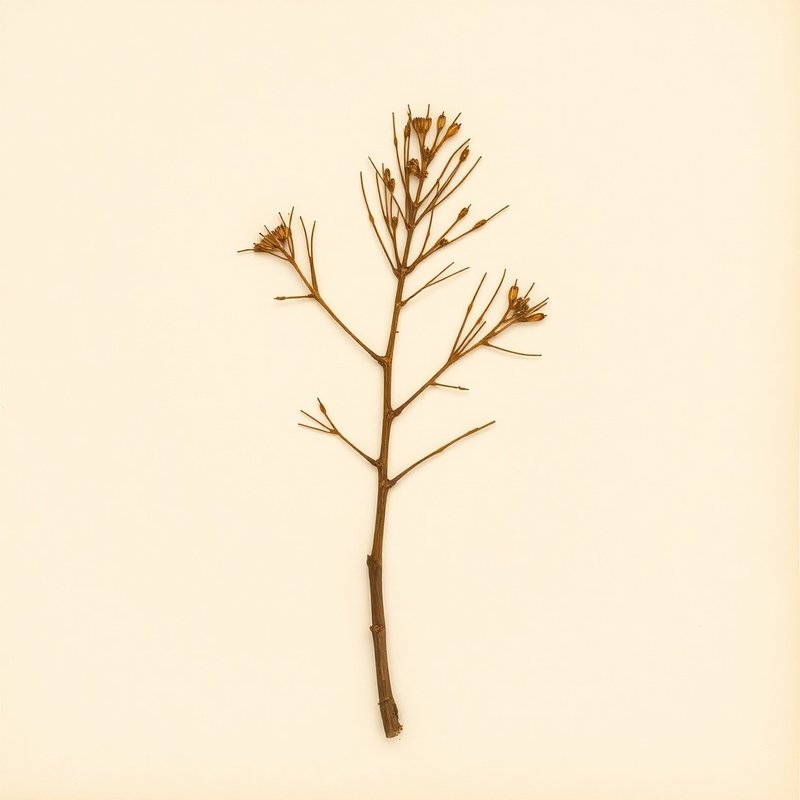
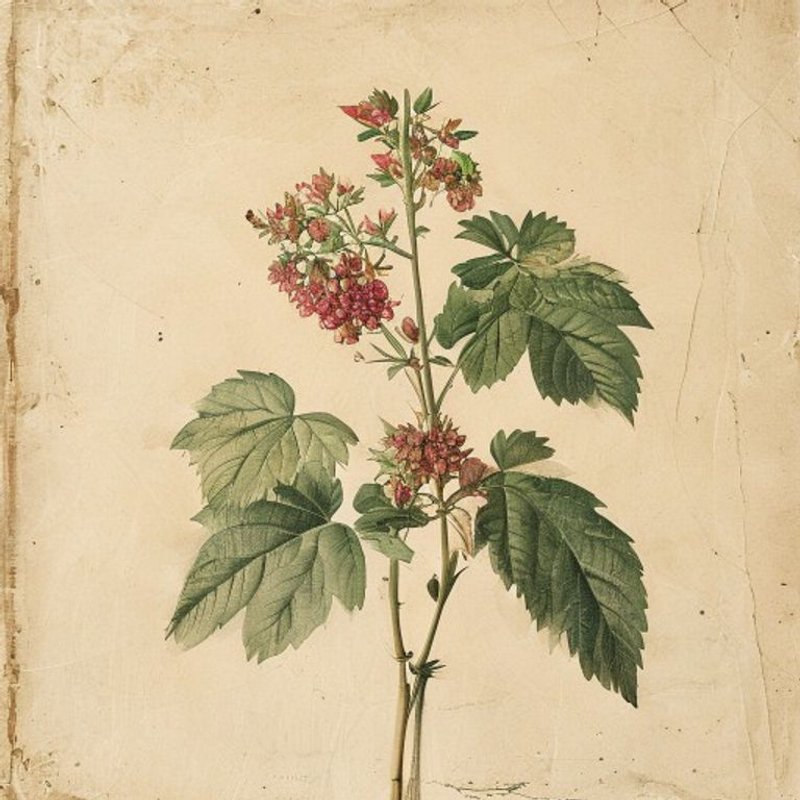
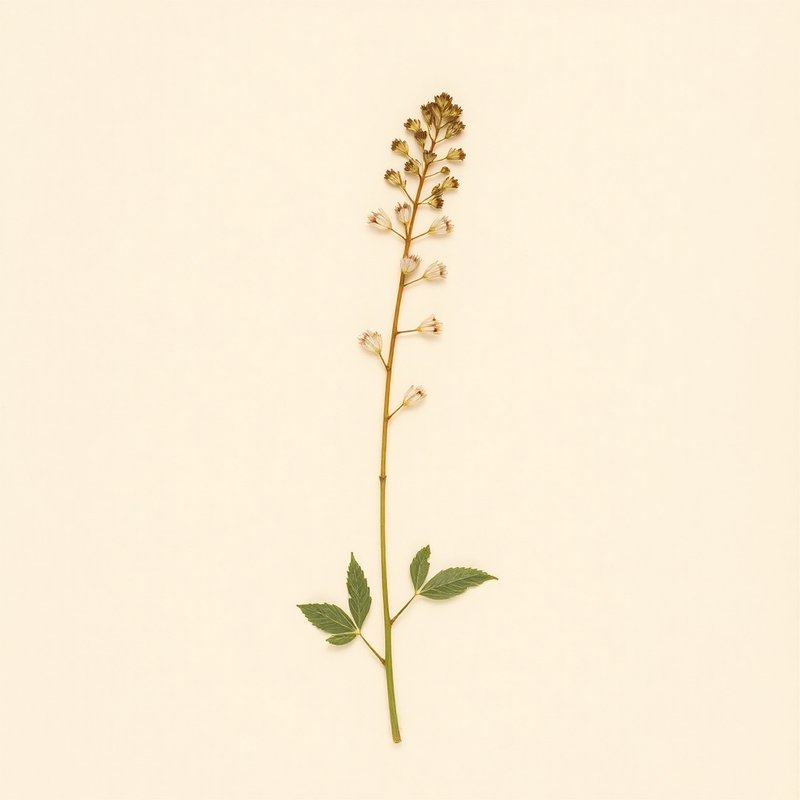
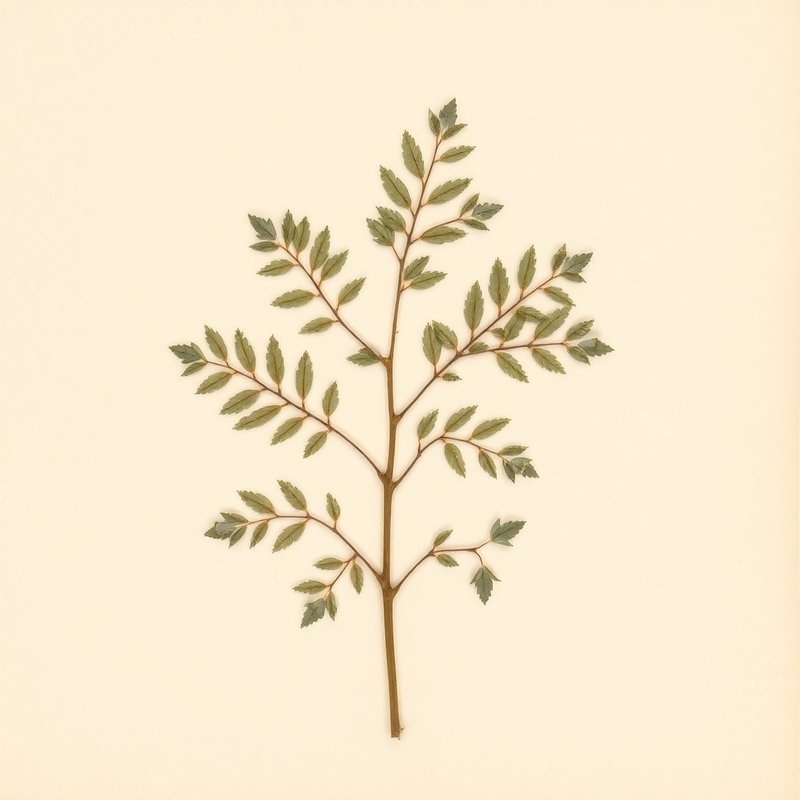
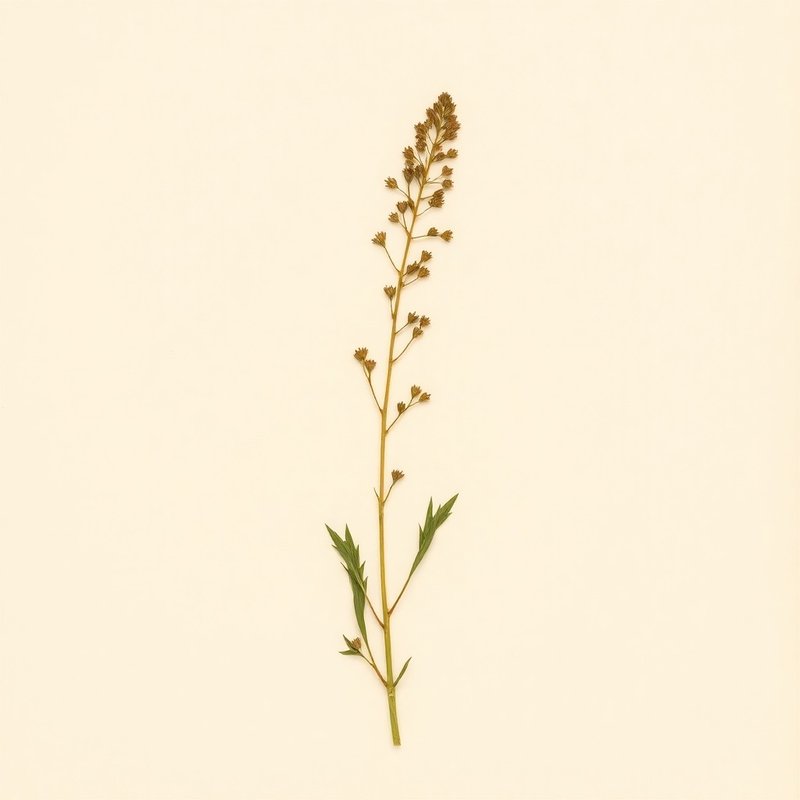
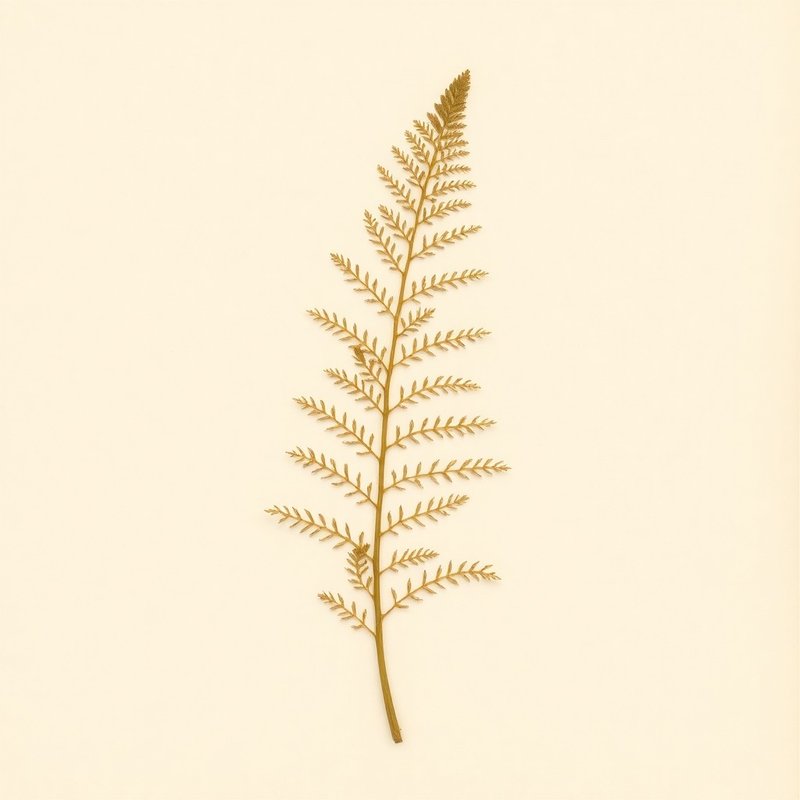
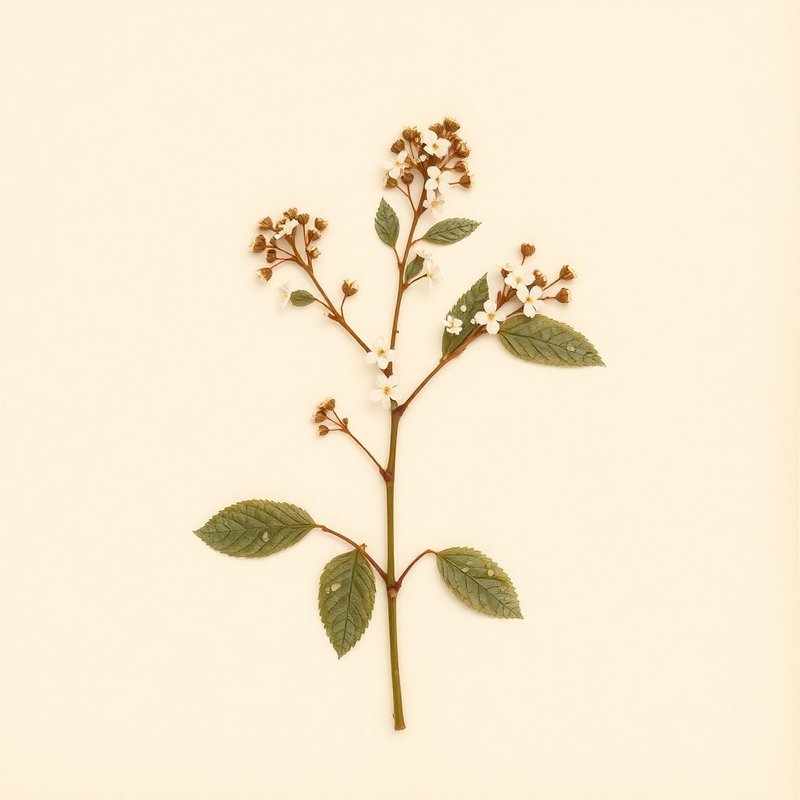
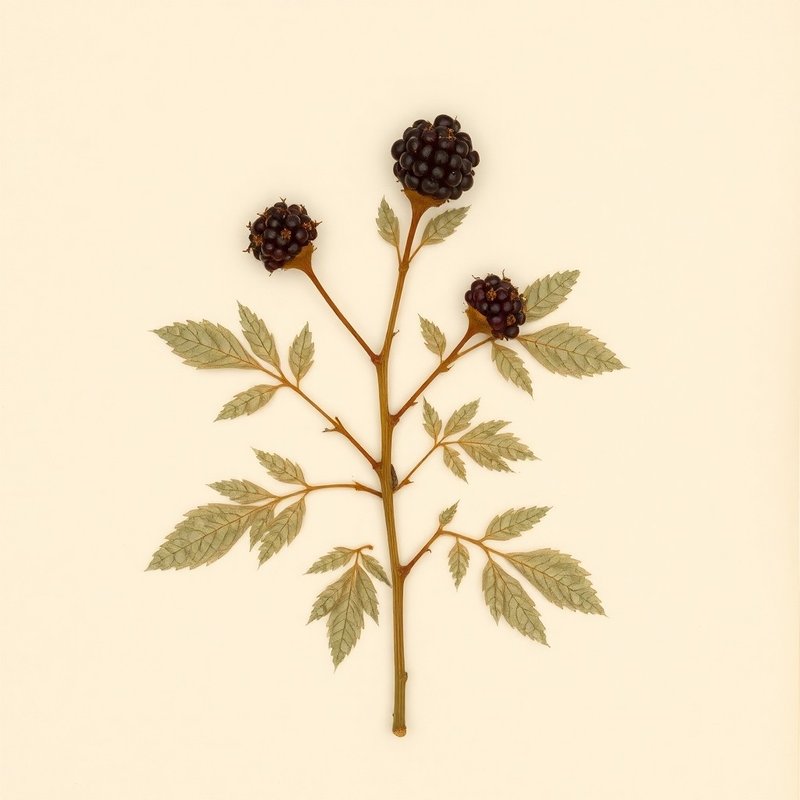
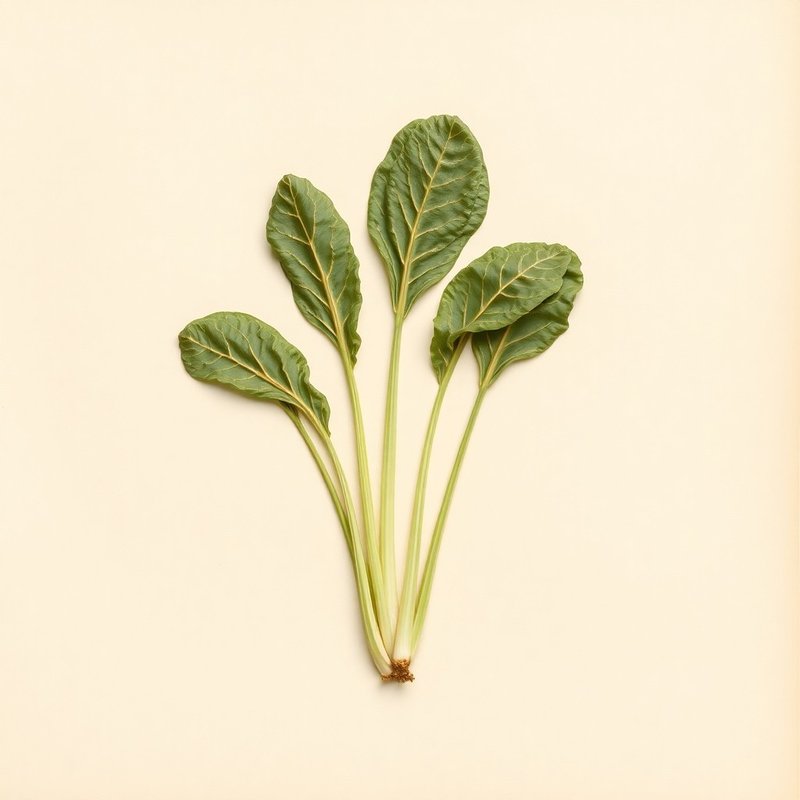
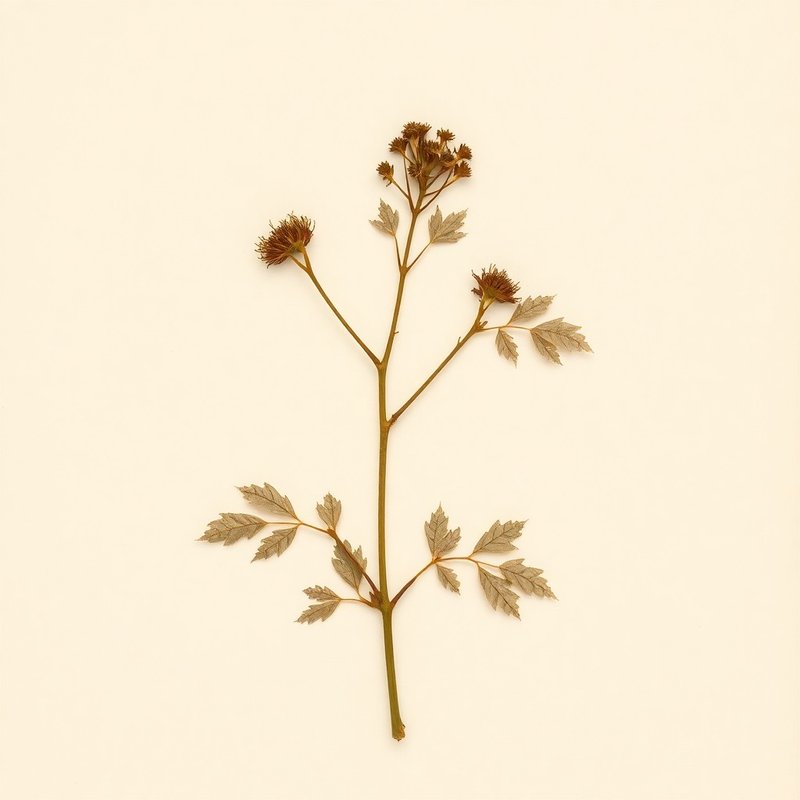
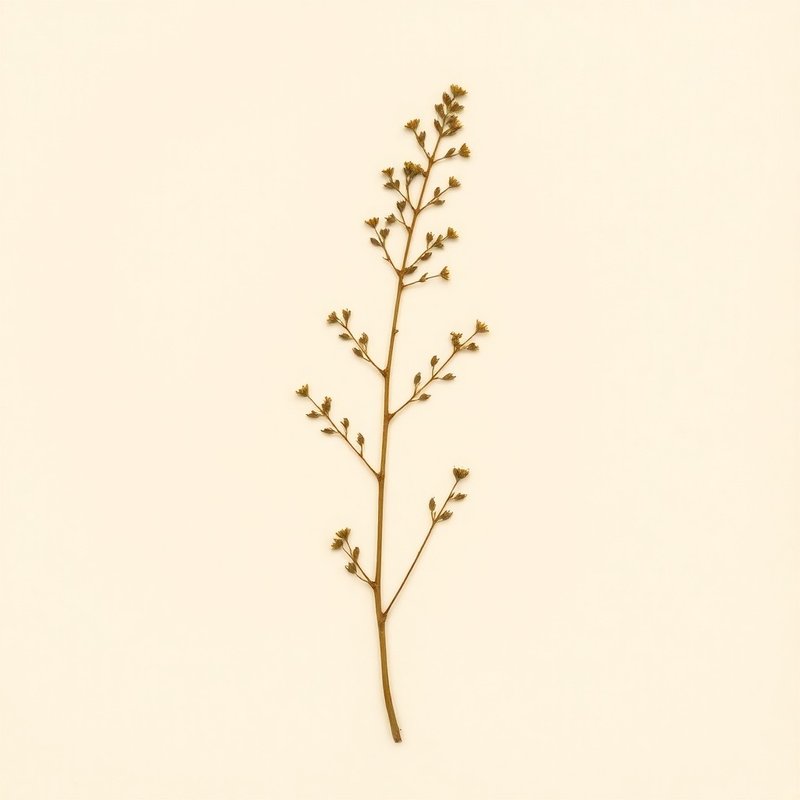
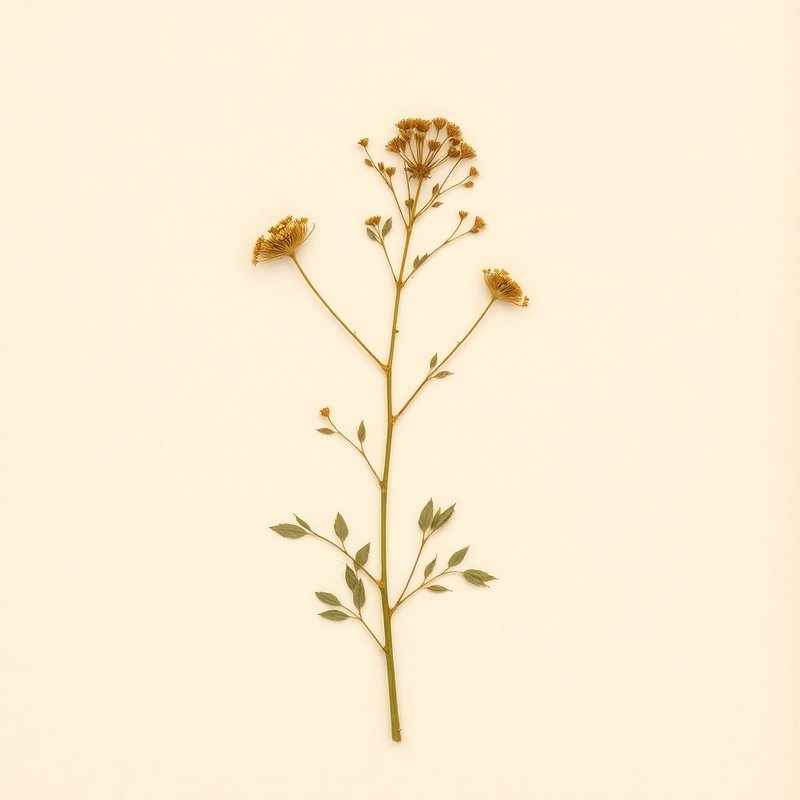
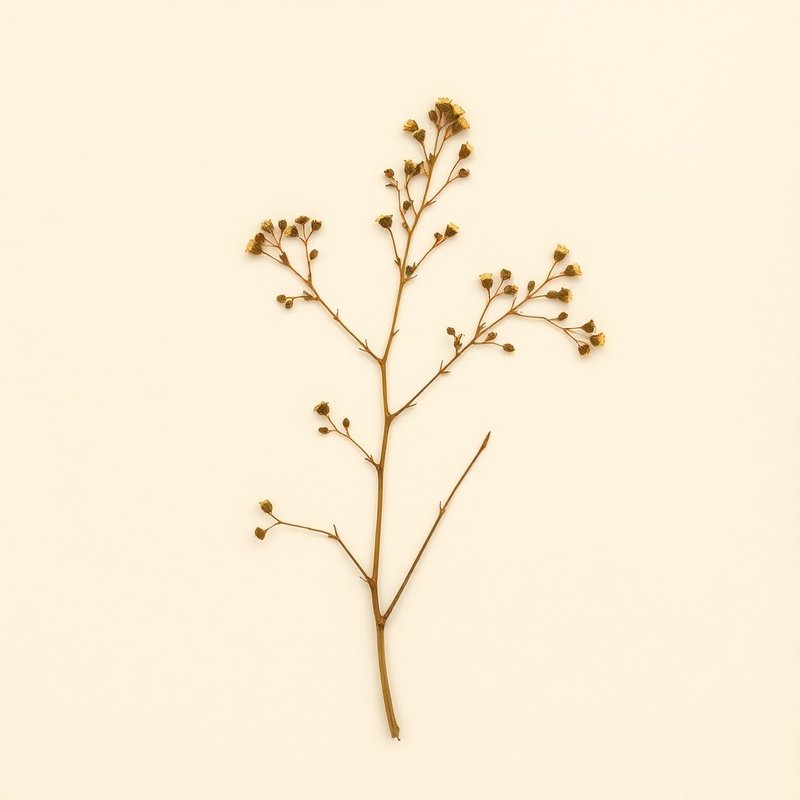
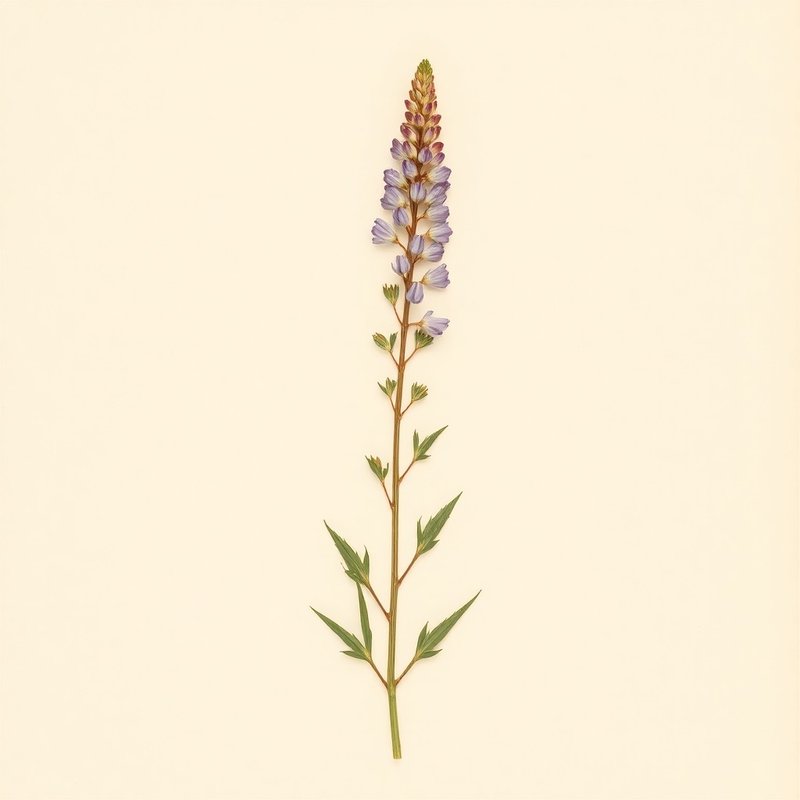
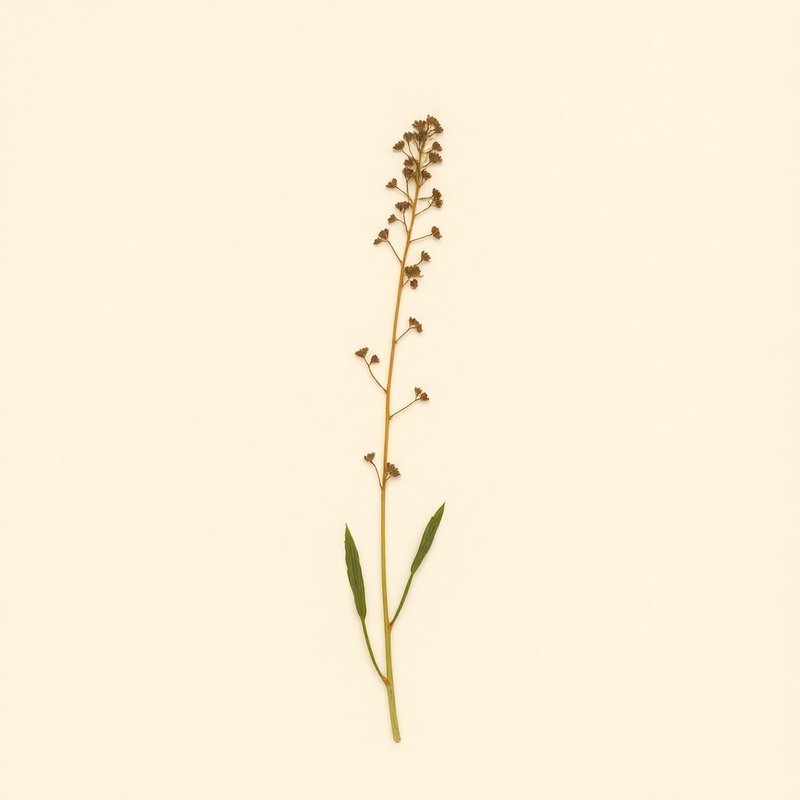
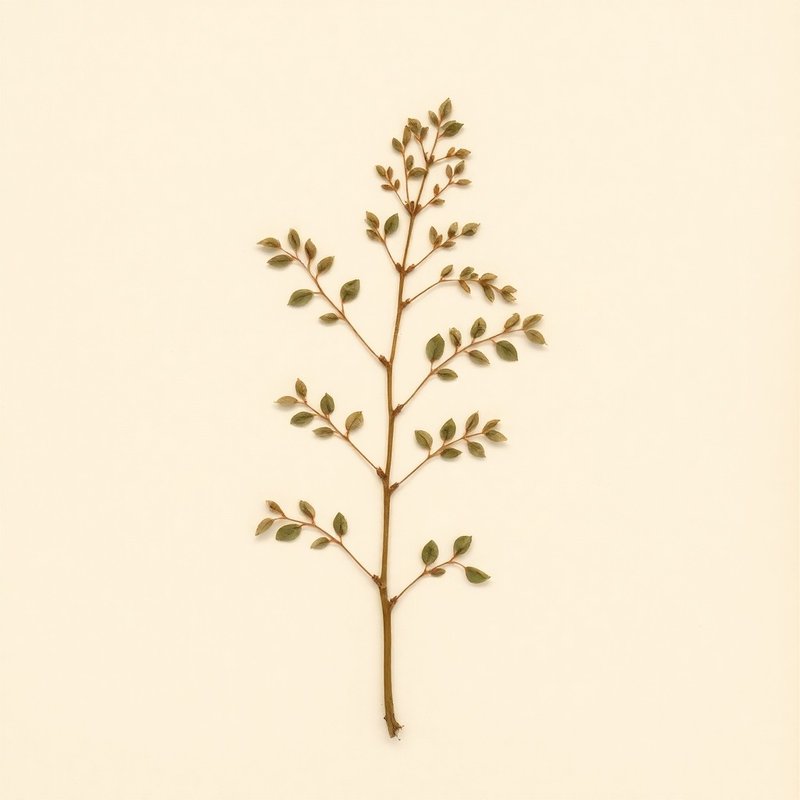
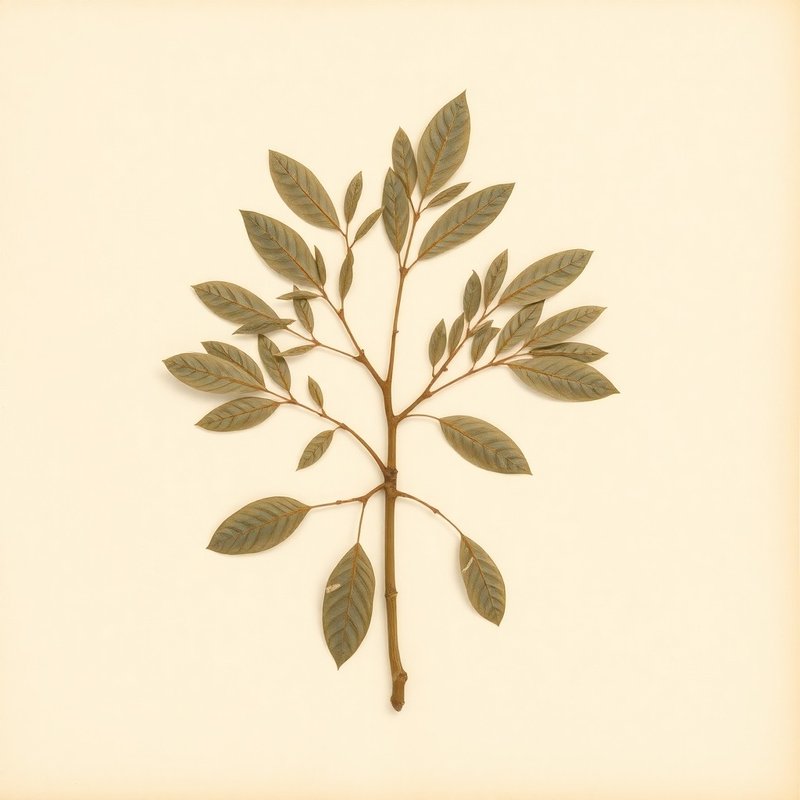
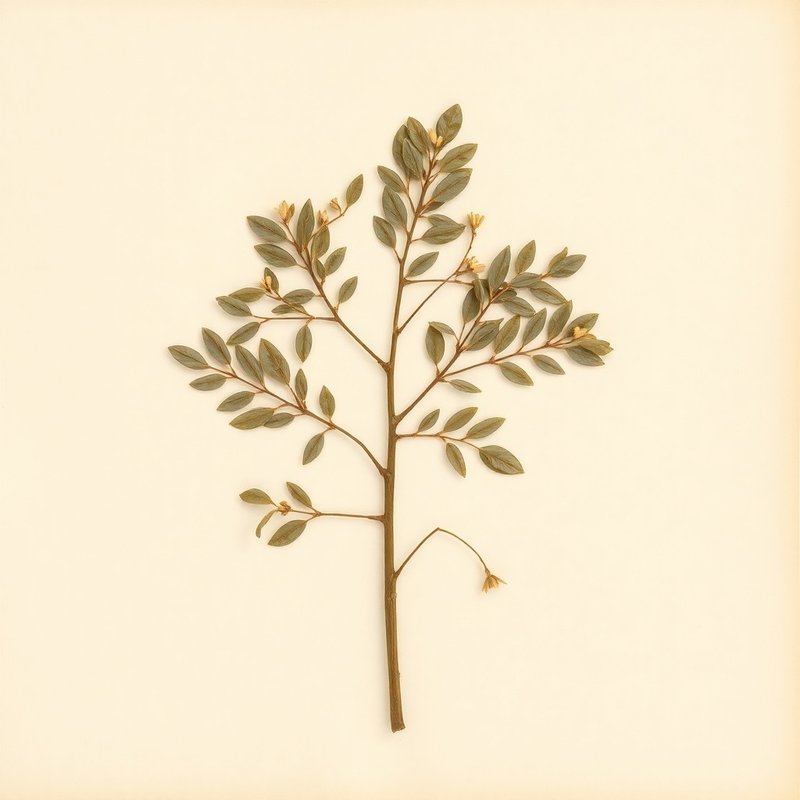
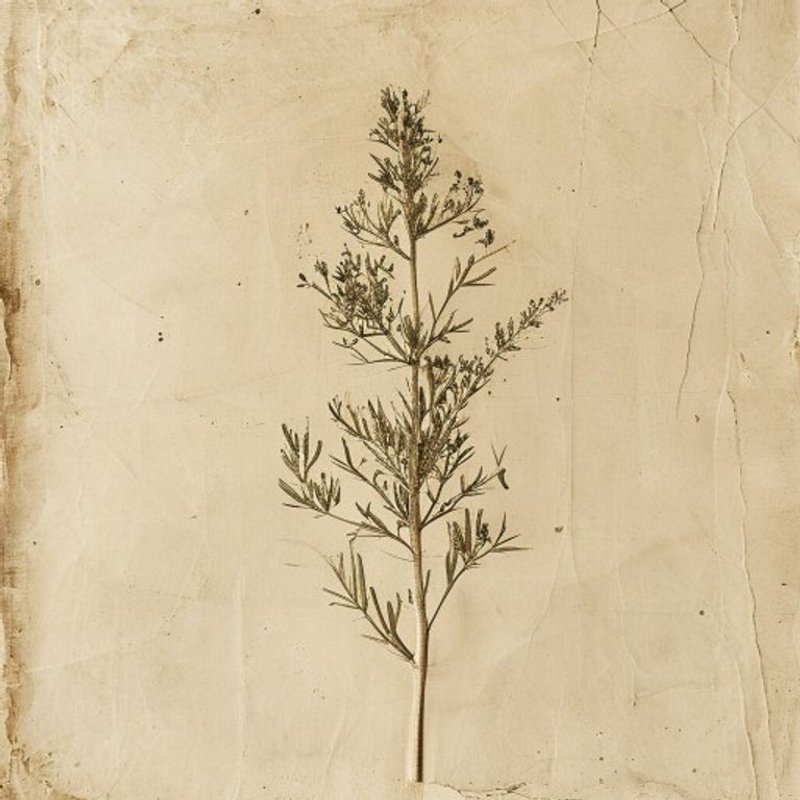
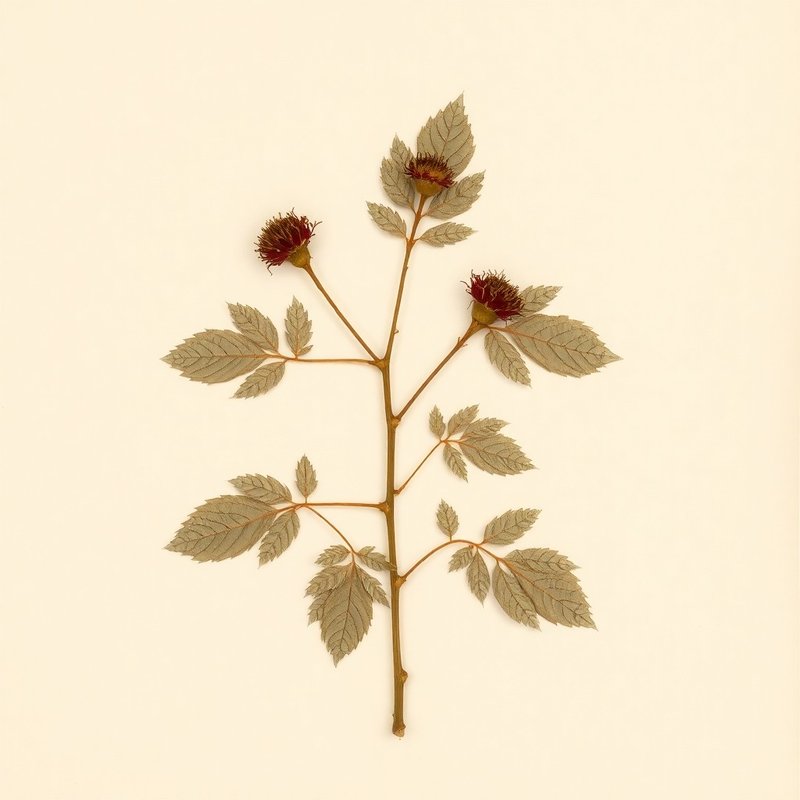
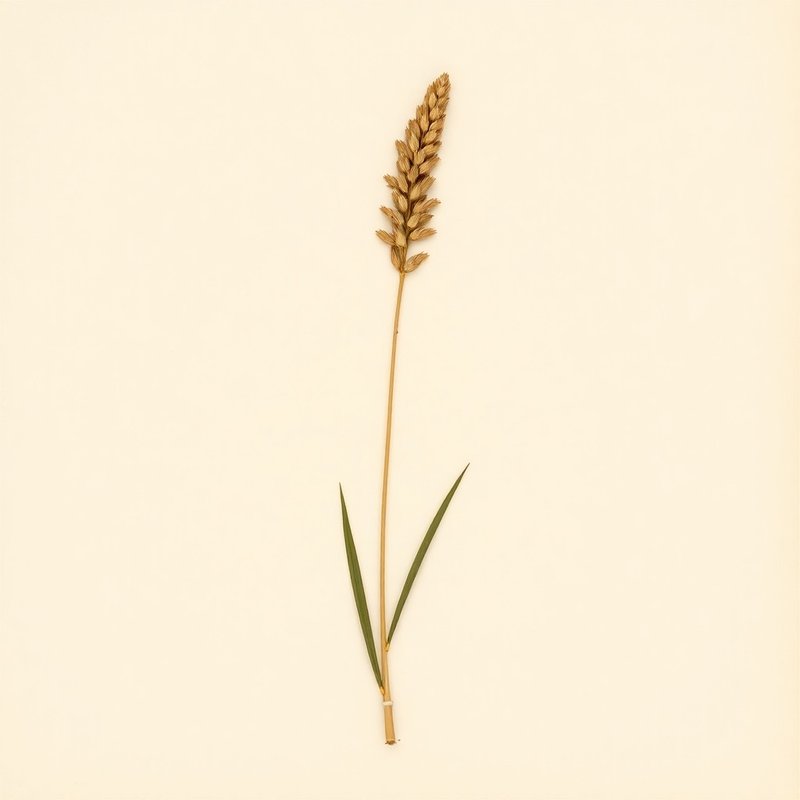
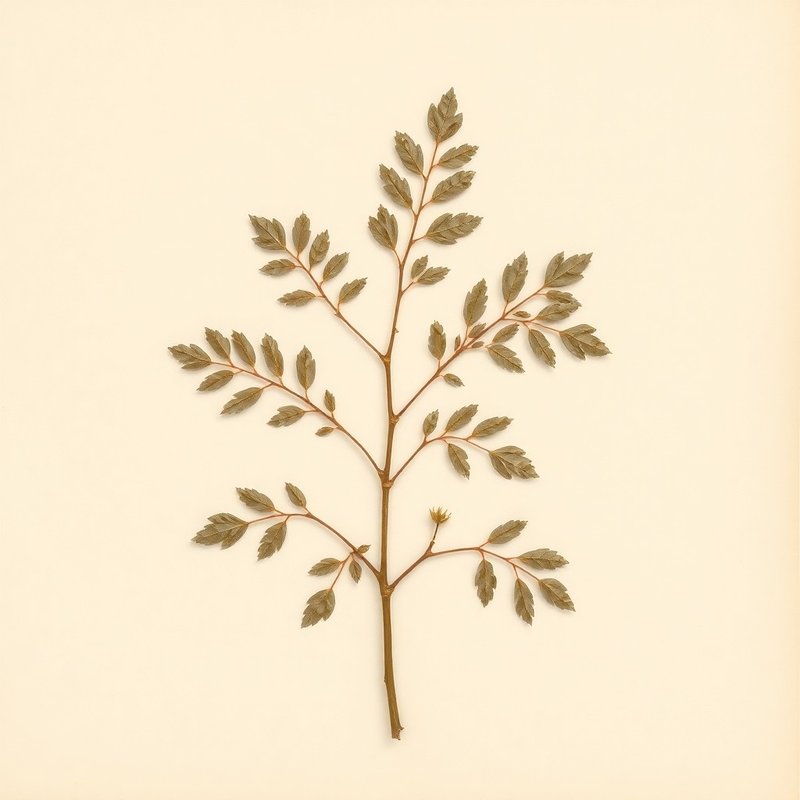
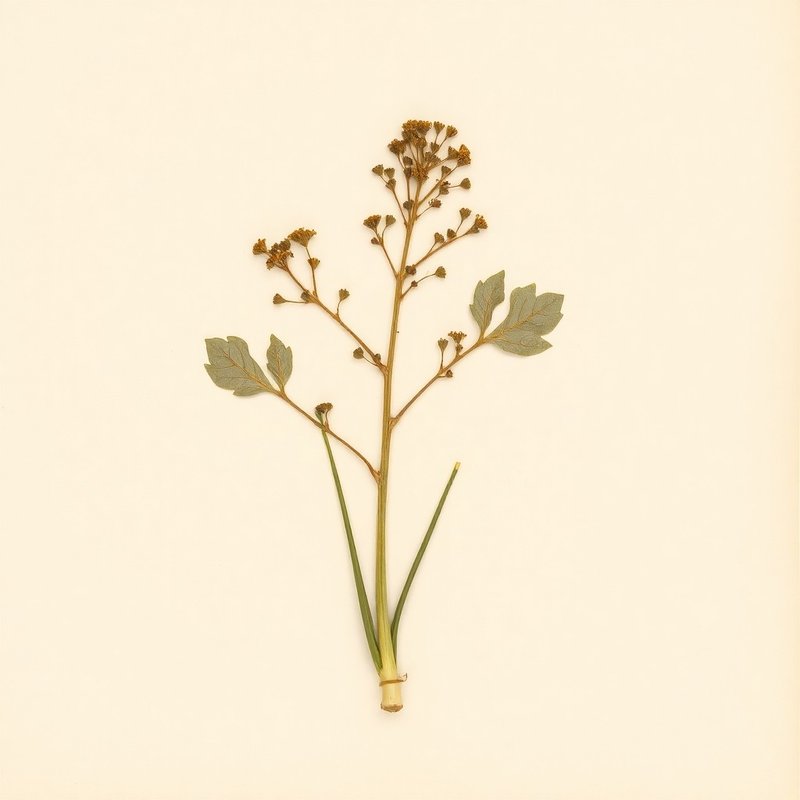
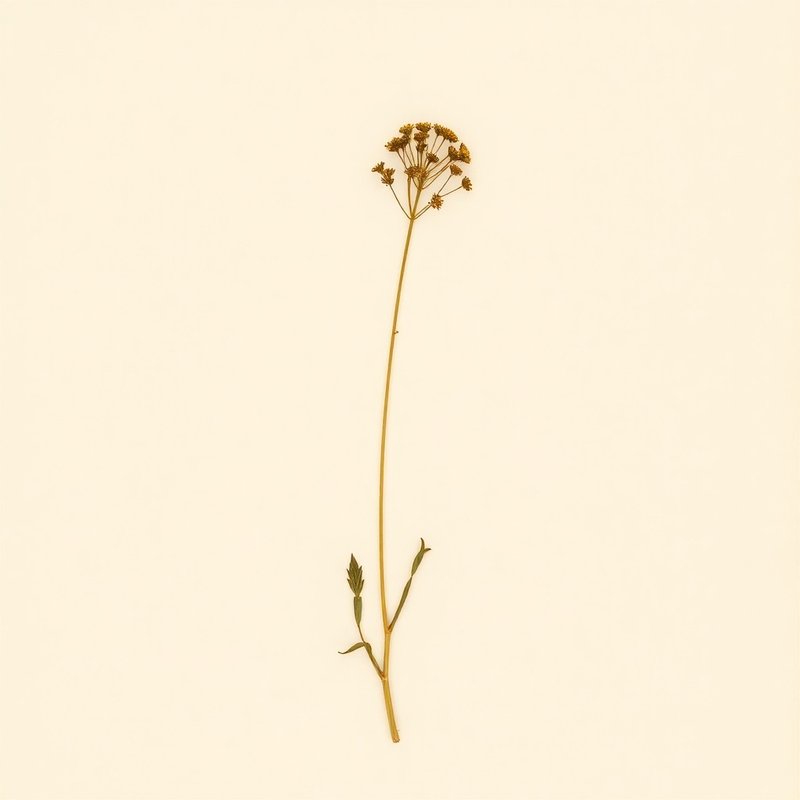
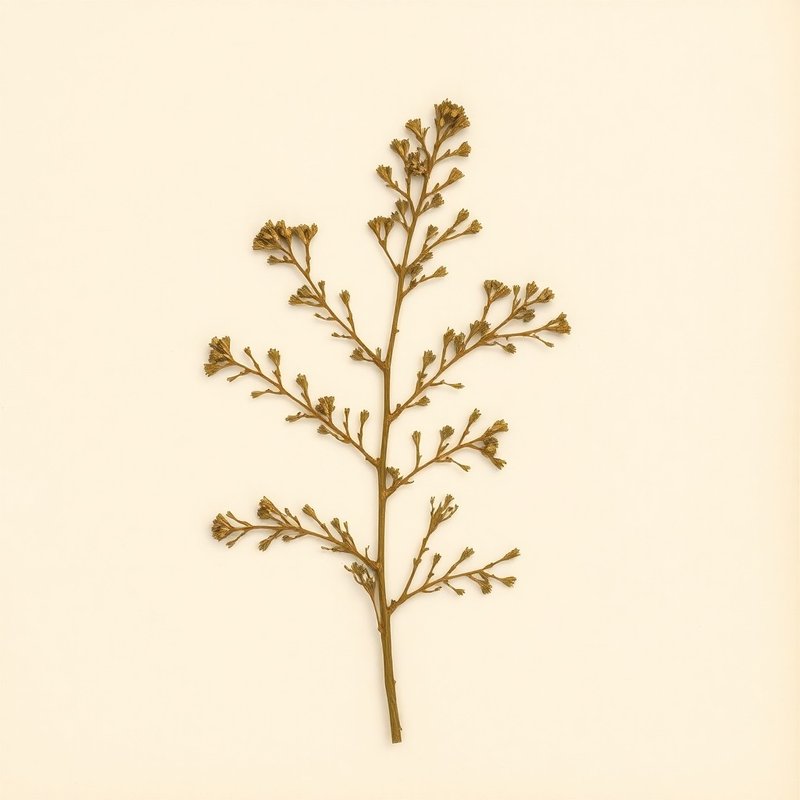
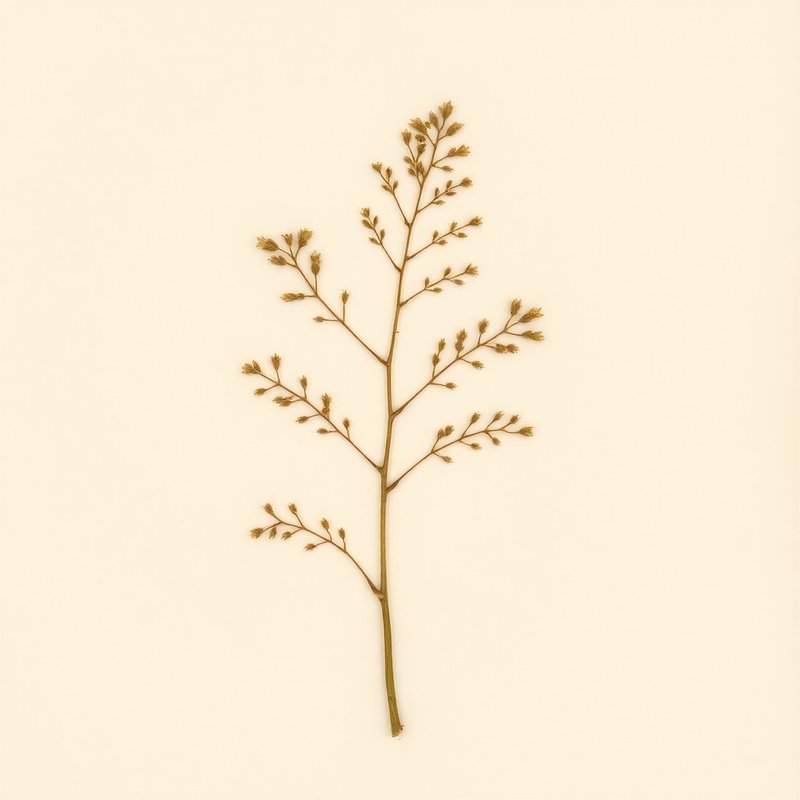
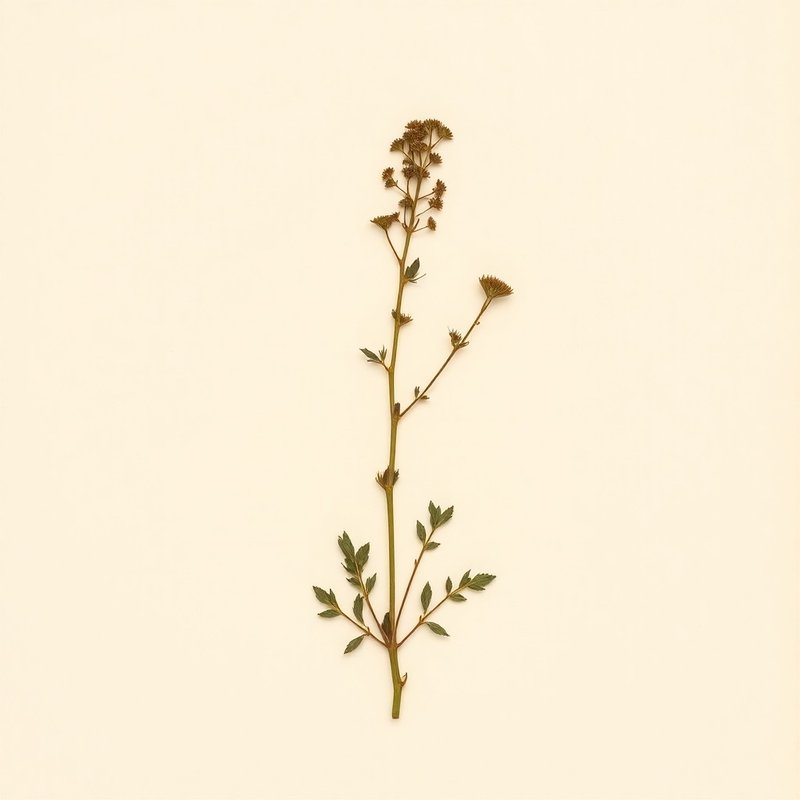
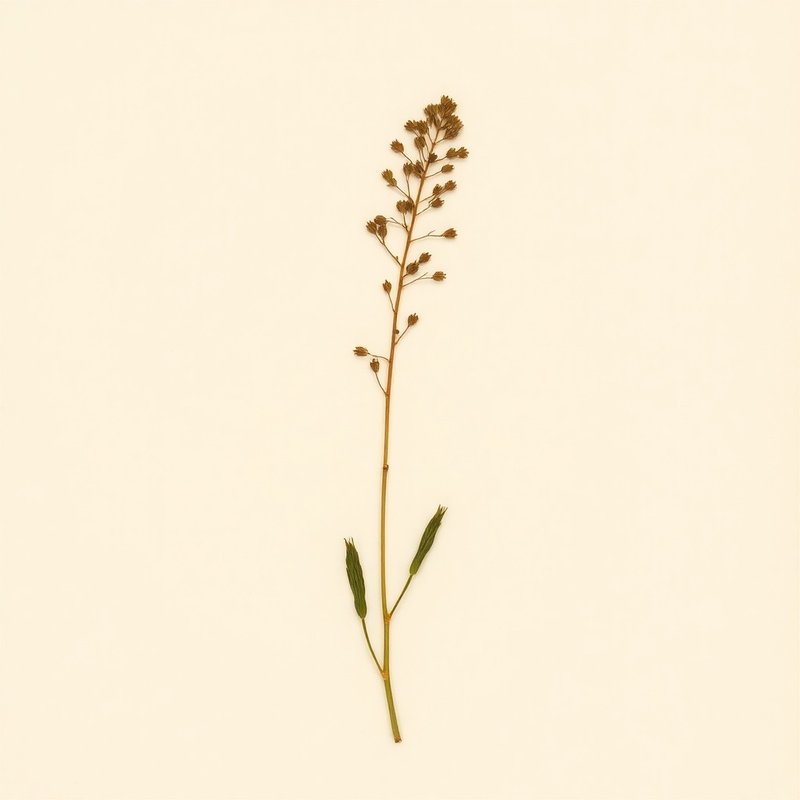
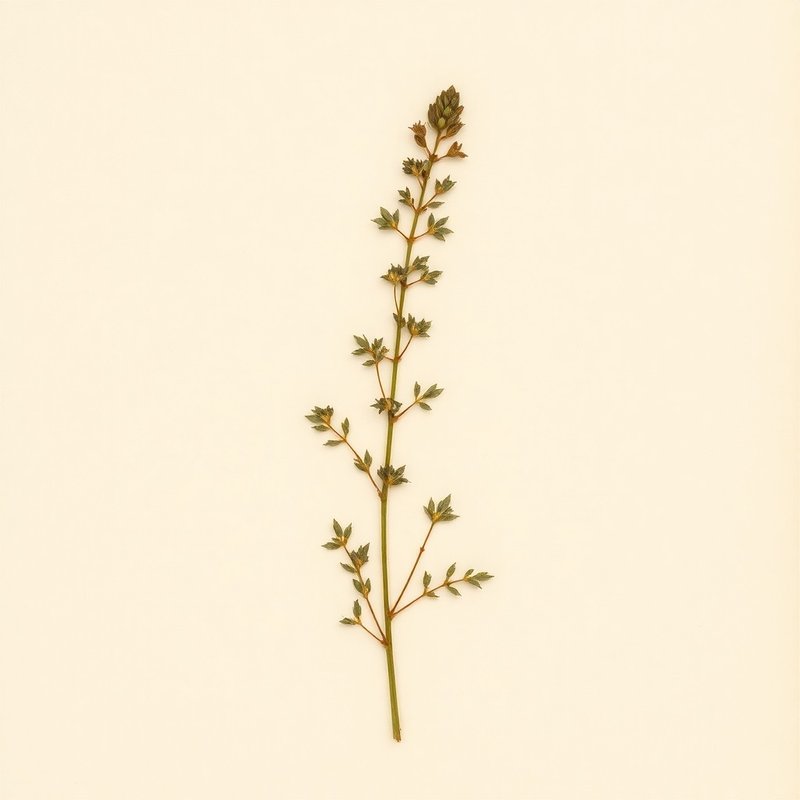
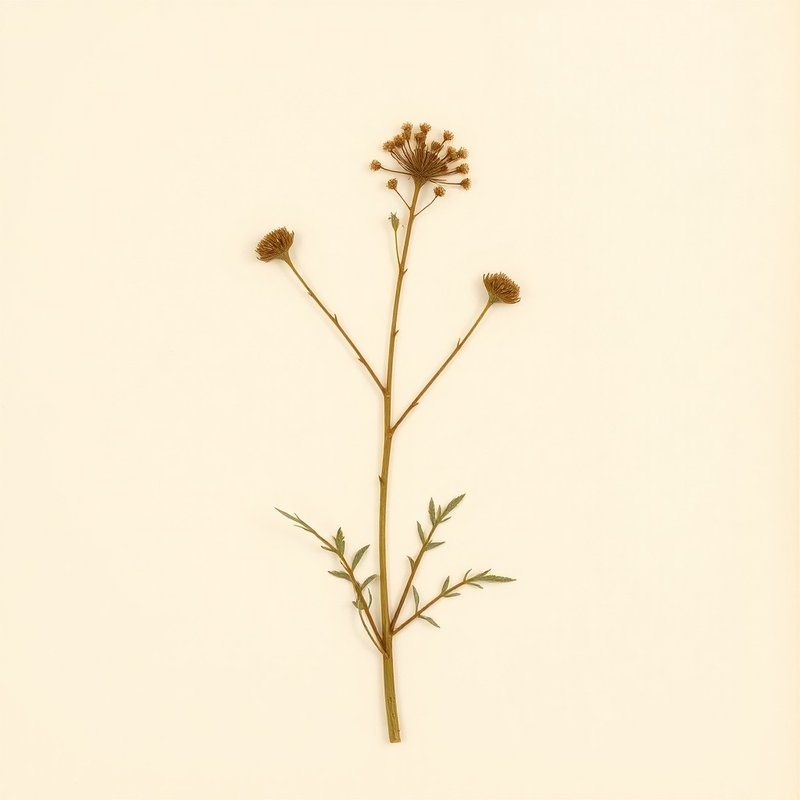
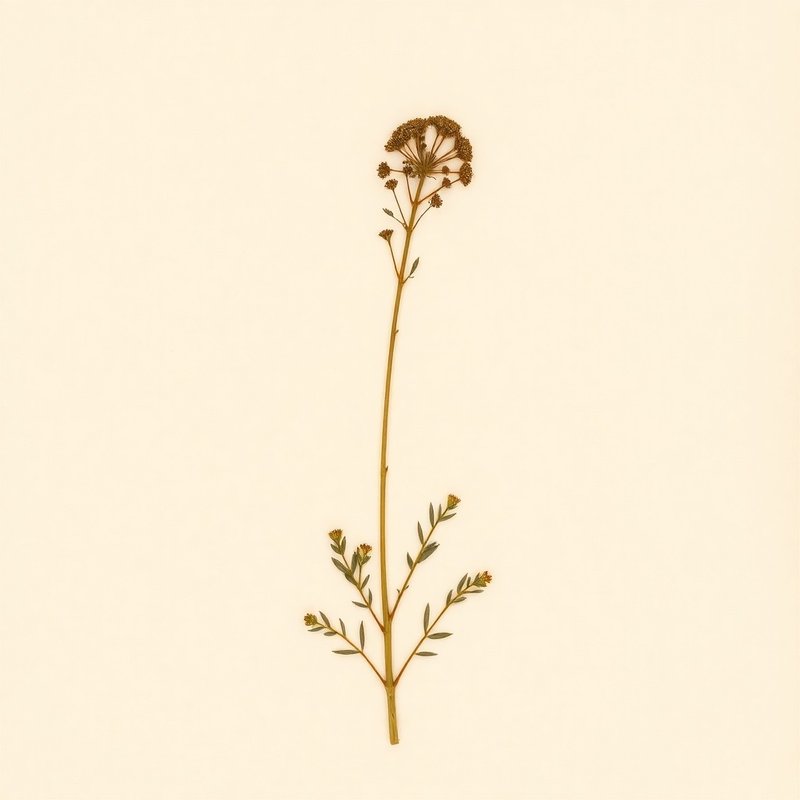
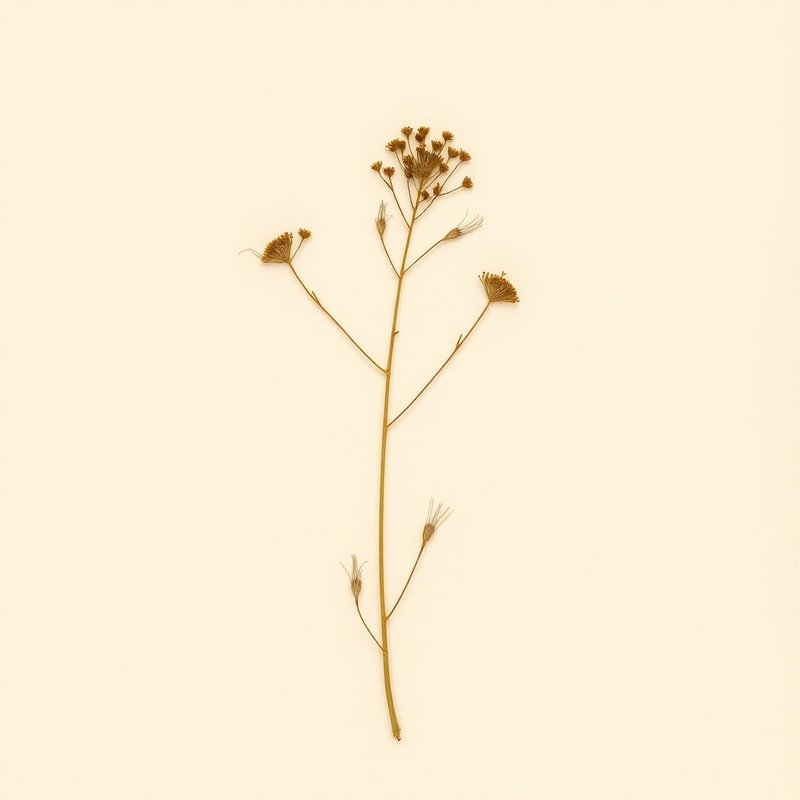
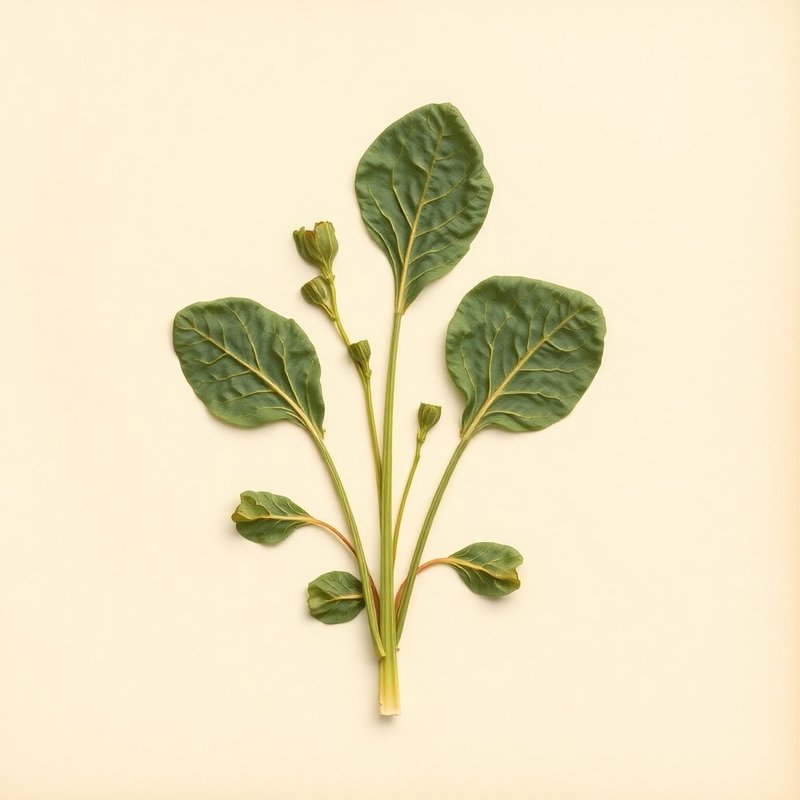
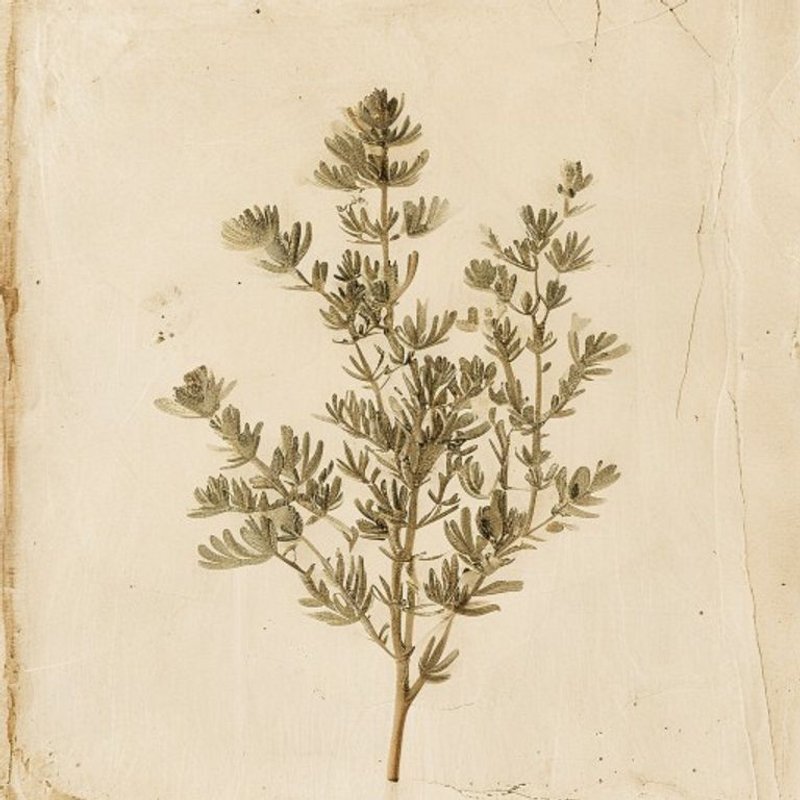
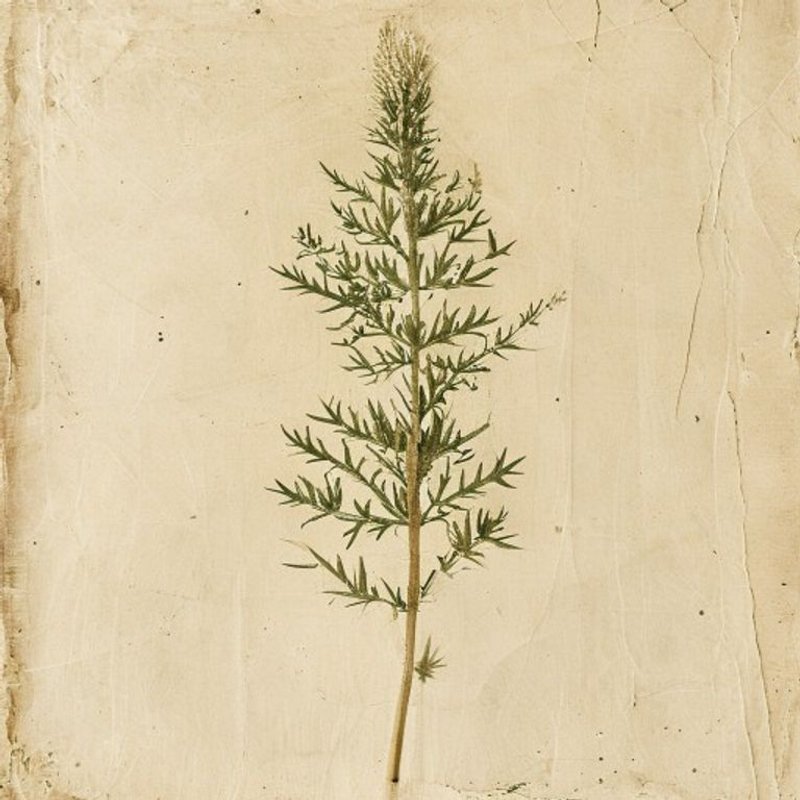
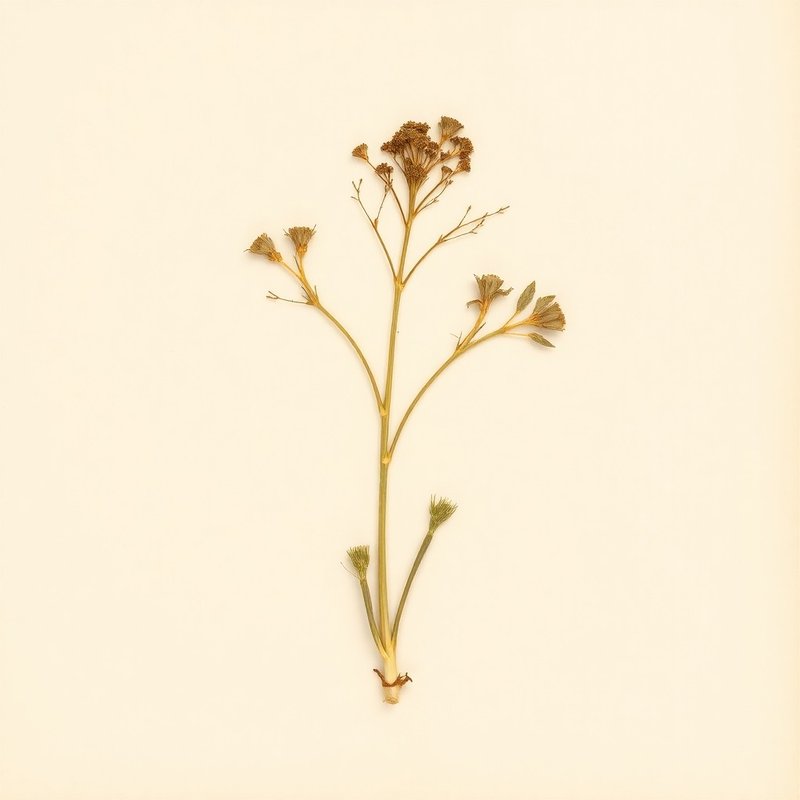
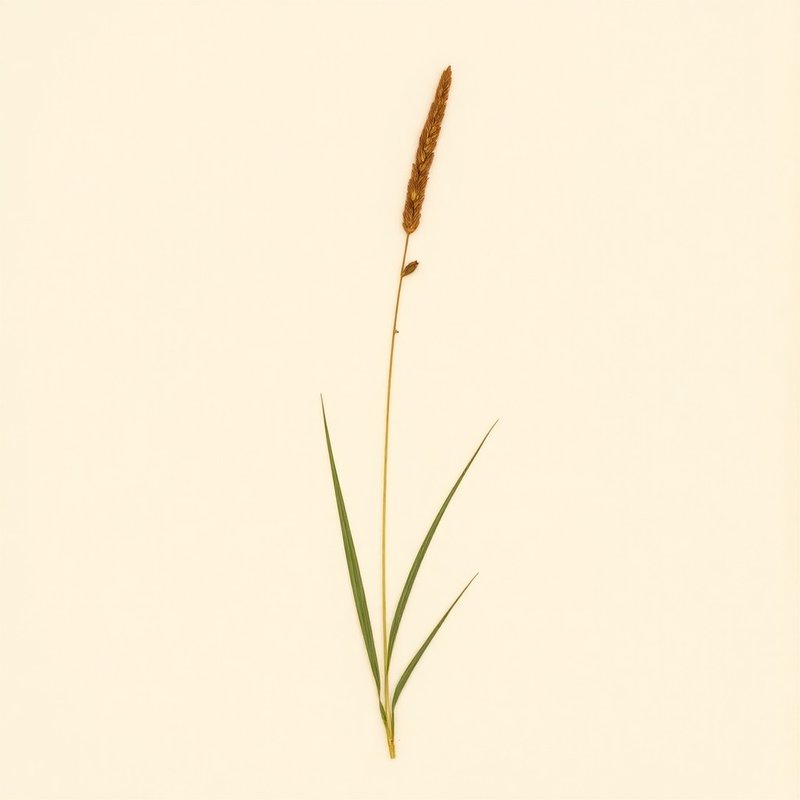
Rhubarb is one of the better-evidenced choices for Digestion — 0 cited references with moderate evidence quality. Effect size d=0.45 (moderate). Anthraquinones in Rhubarb are known to stimulate peristalsis and relax smooth muscles of the intestines.
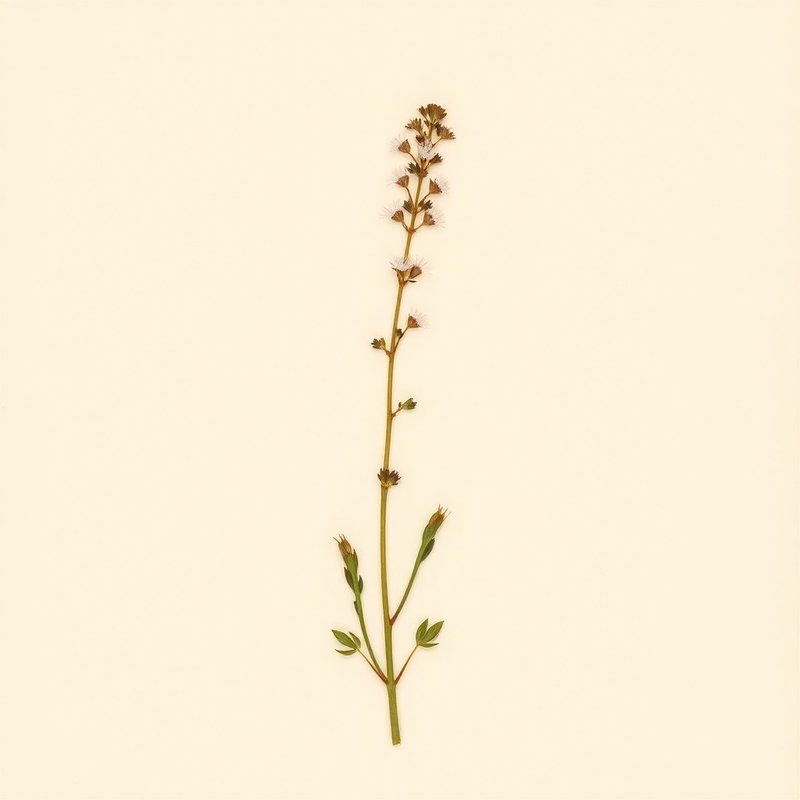
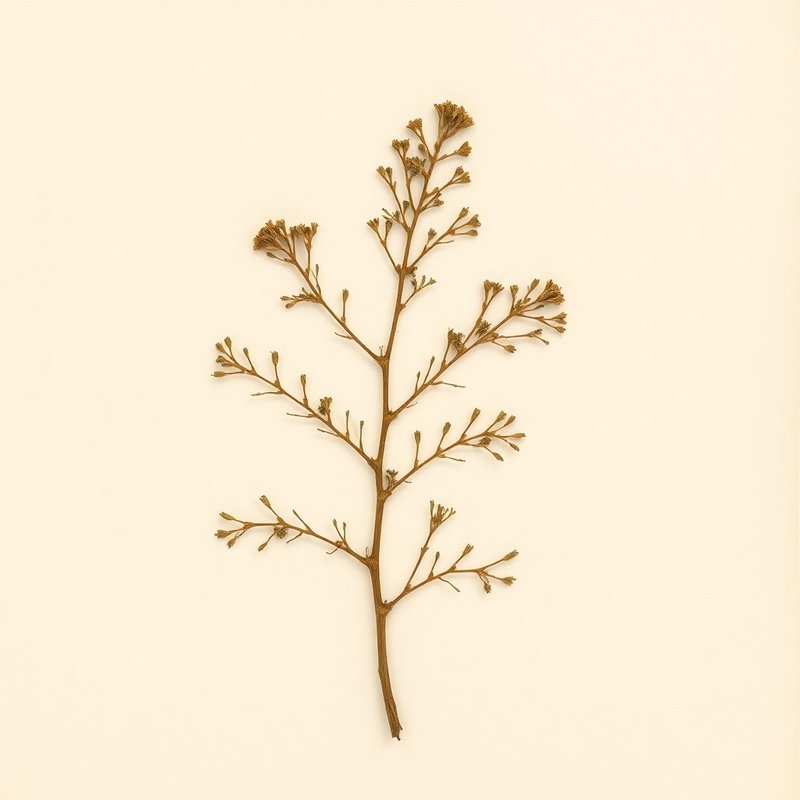
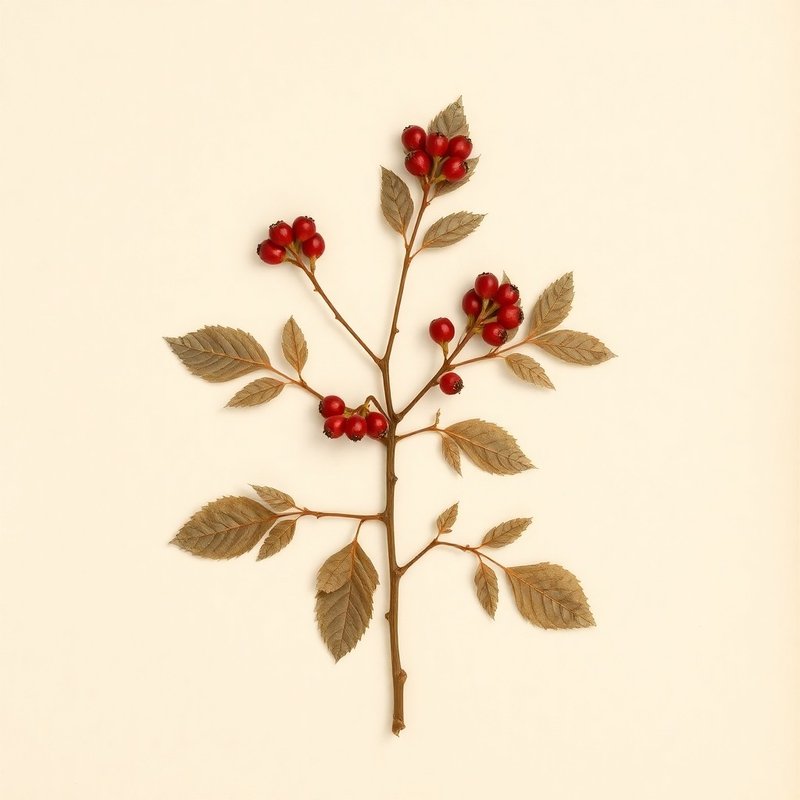
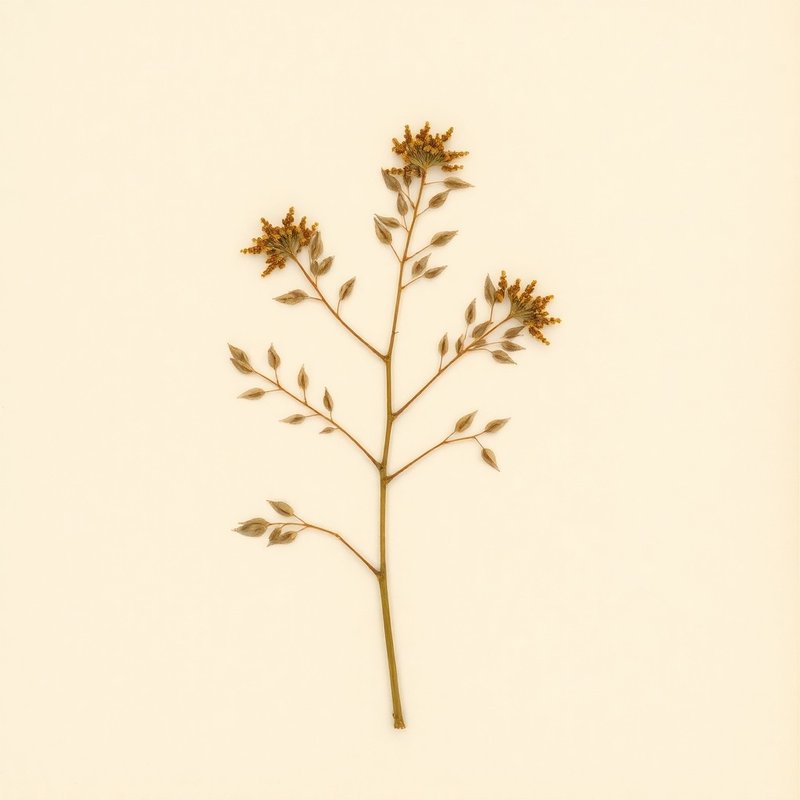
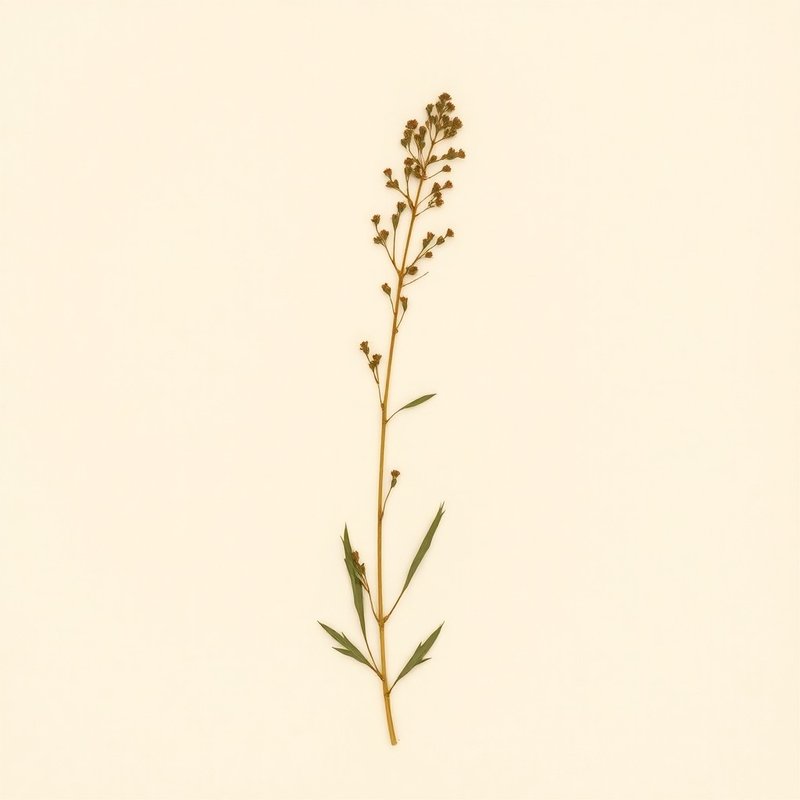
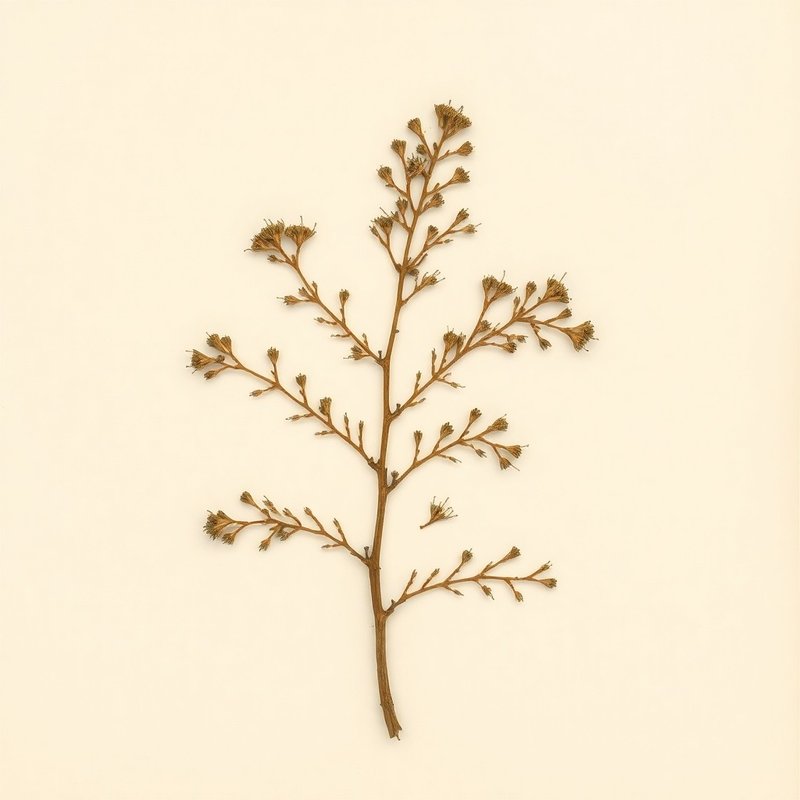
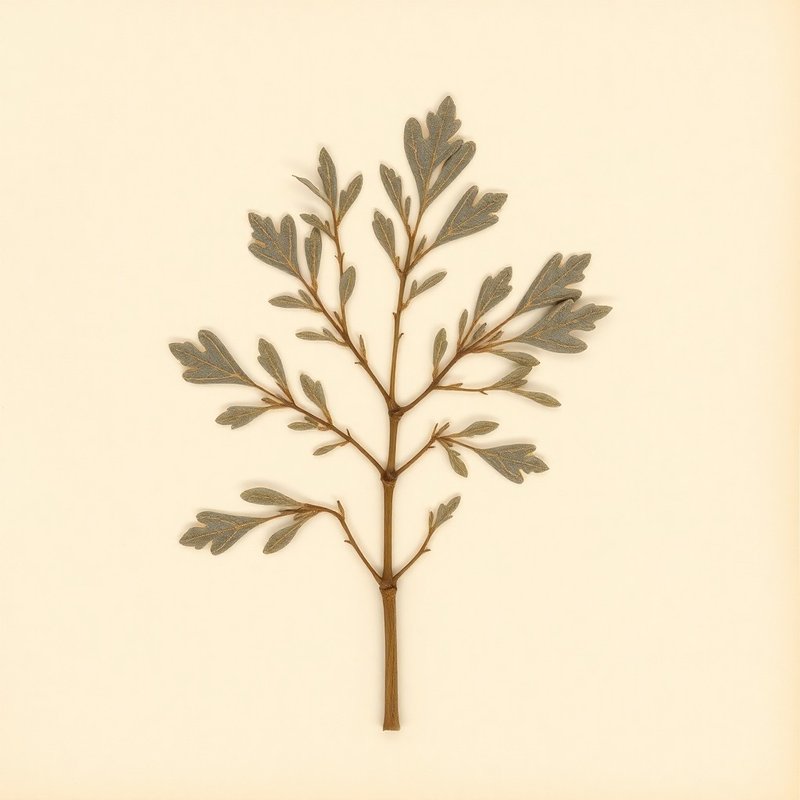
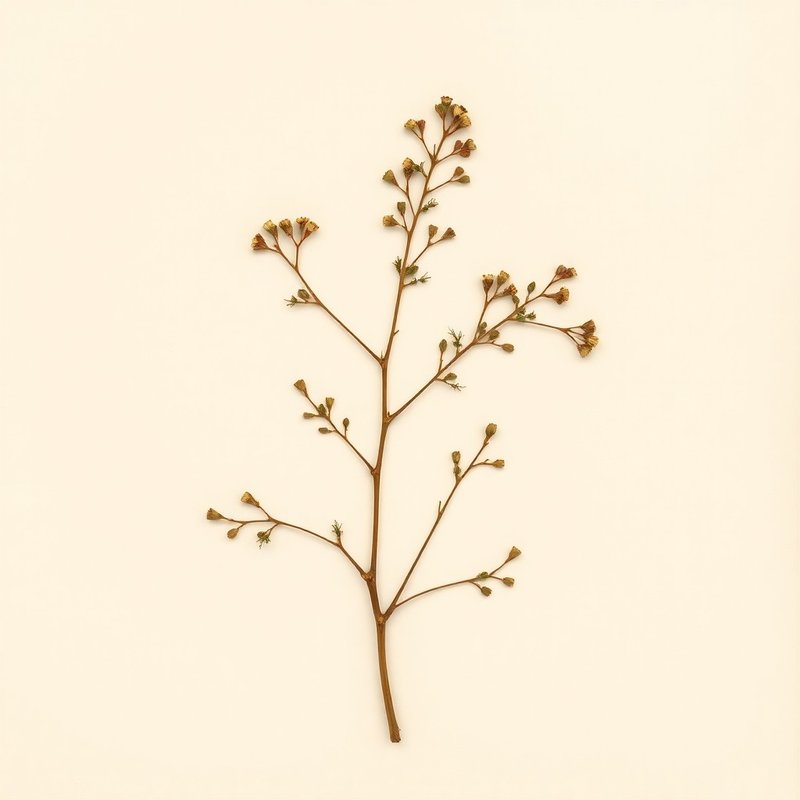
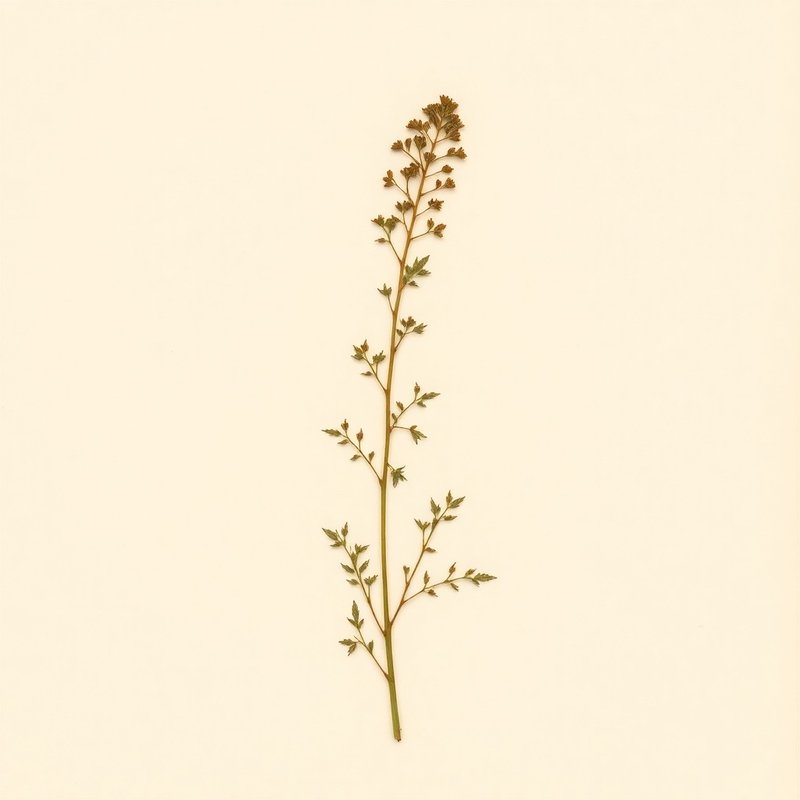
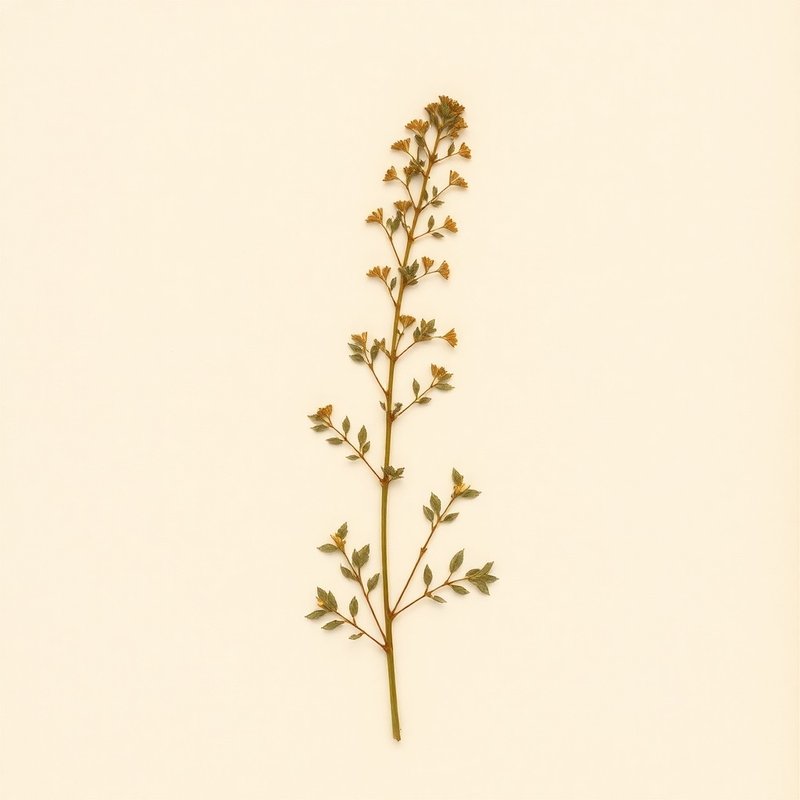
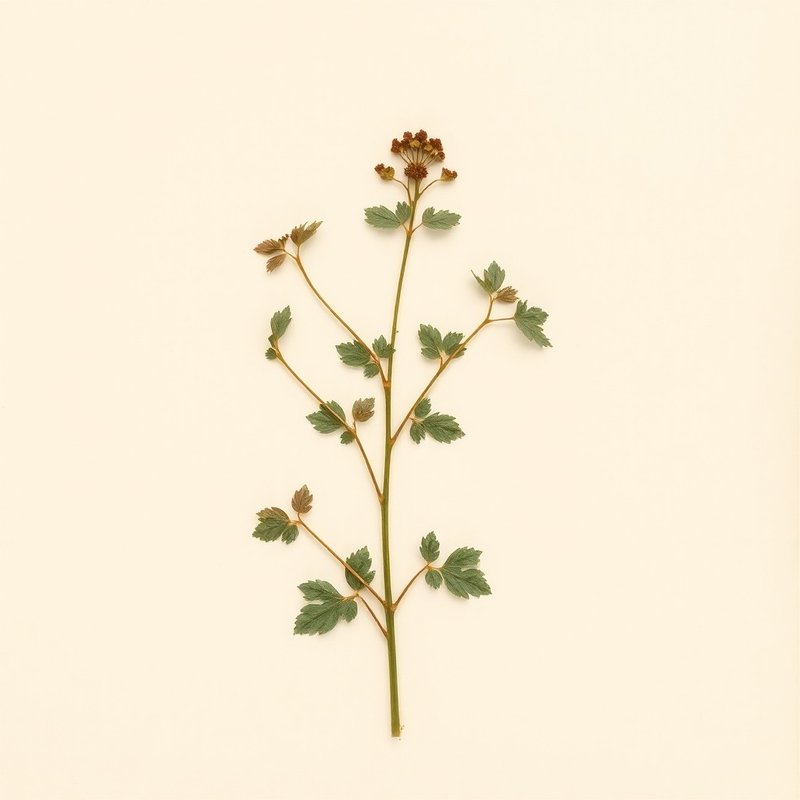
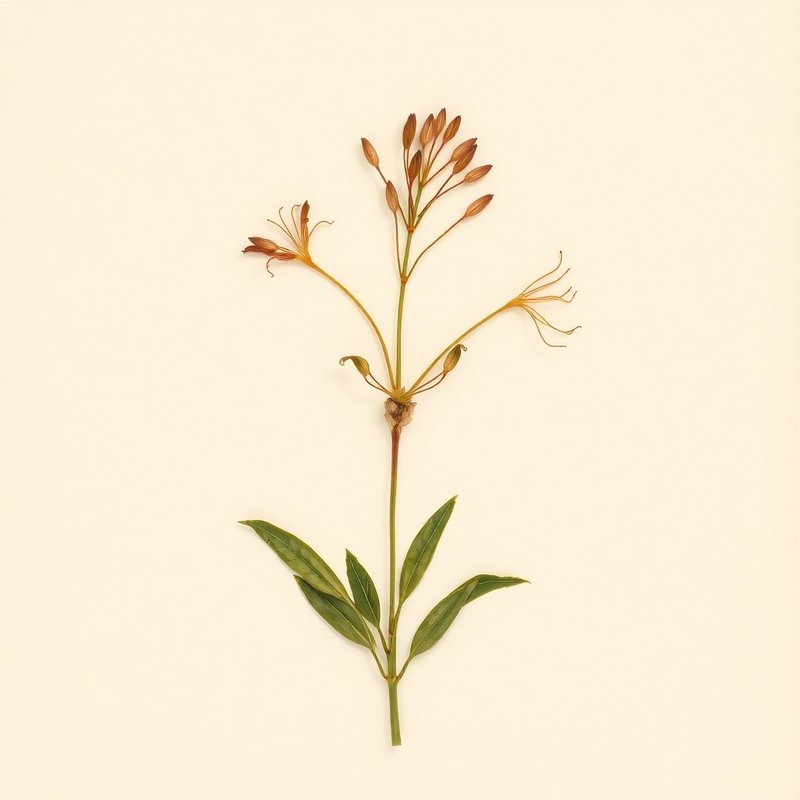
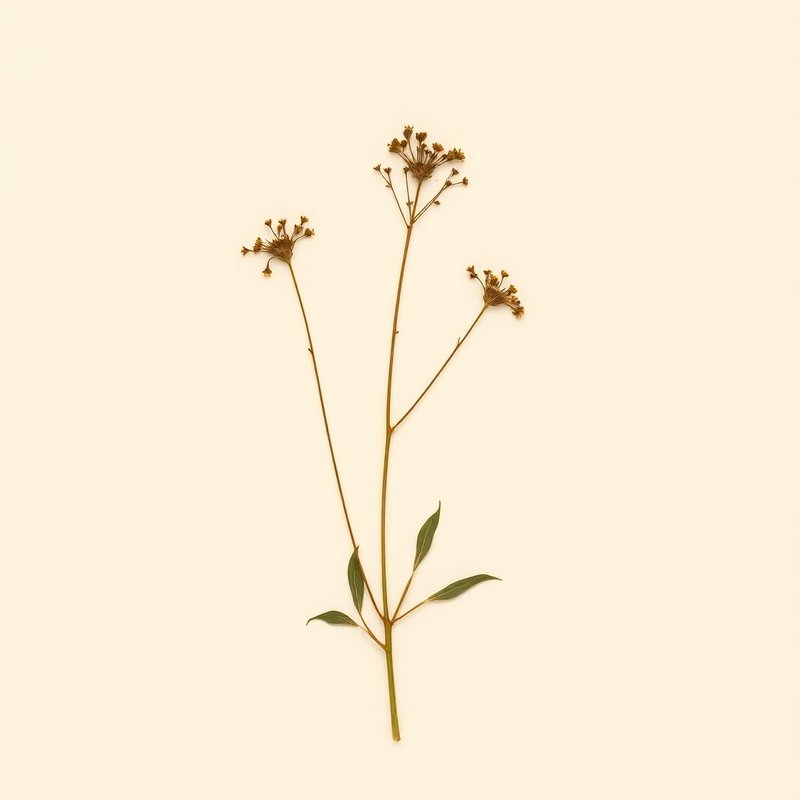
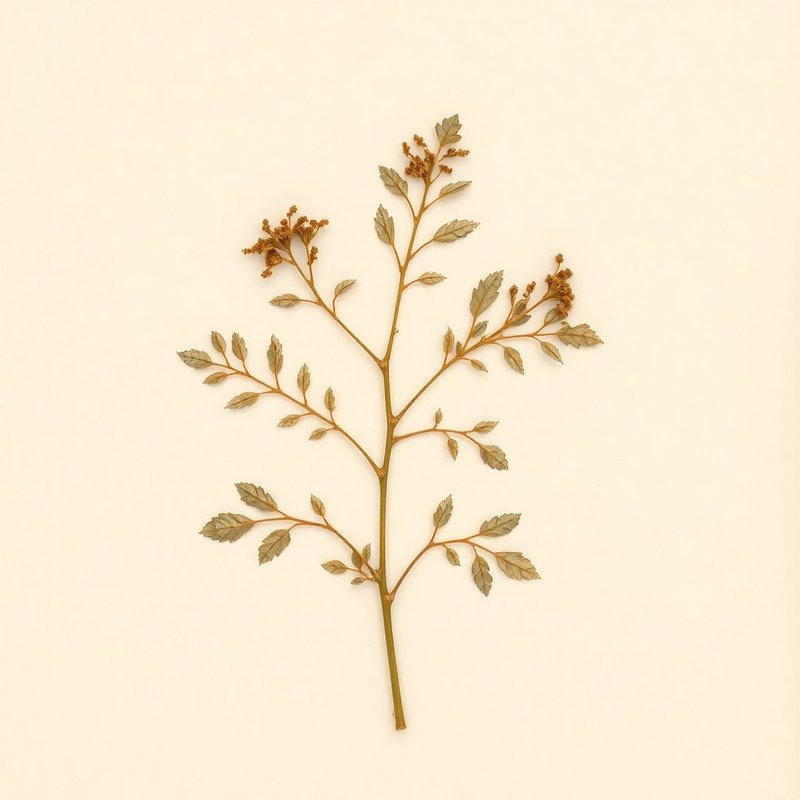
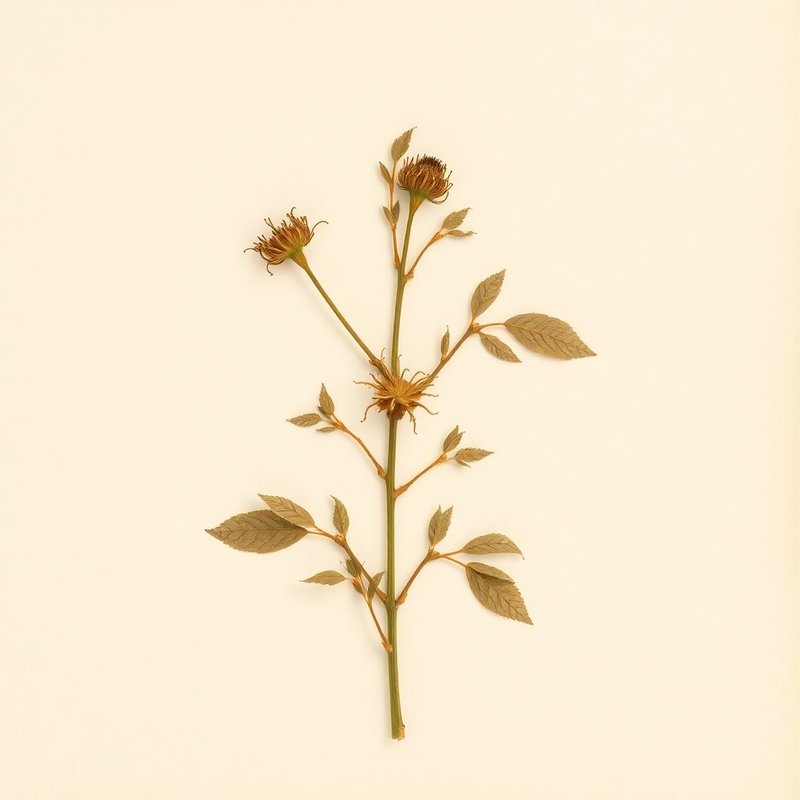
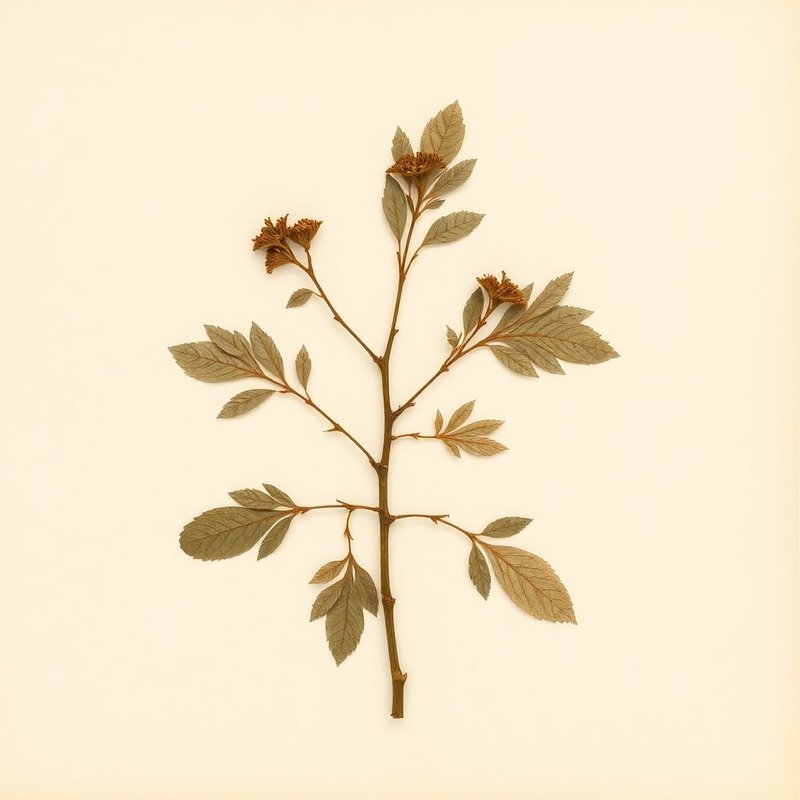
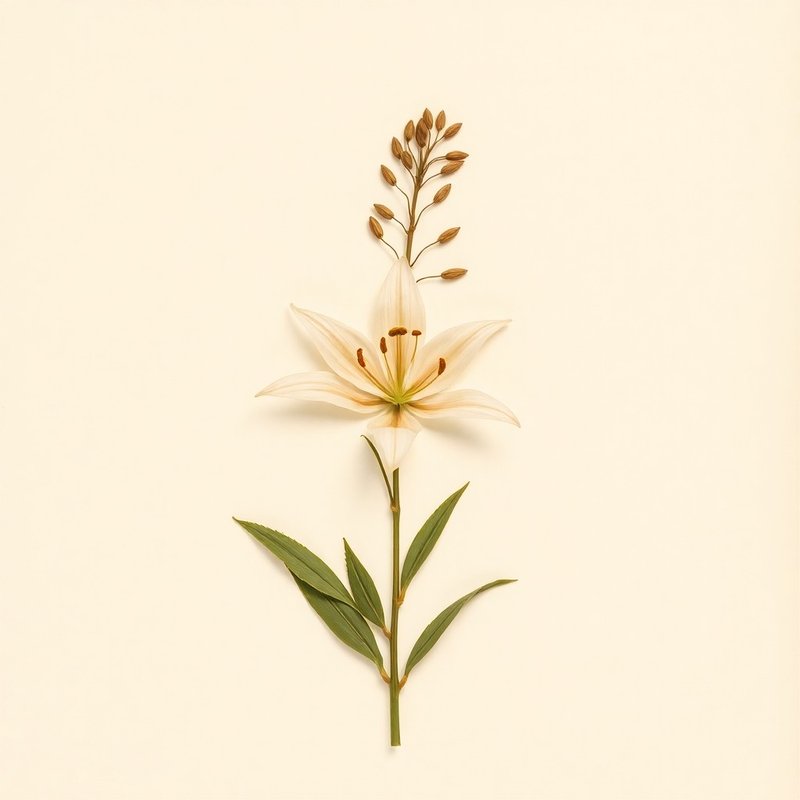
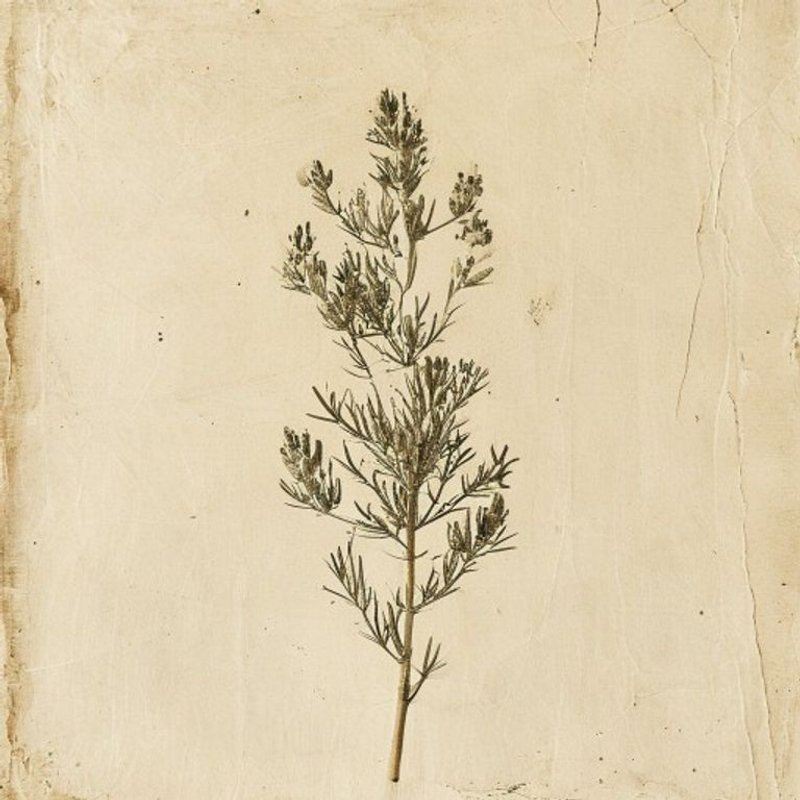
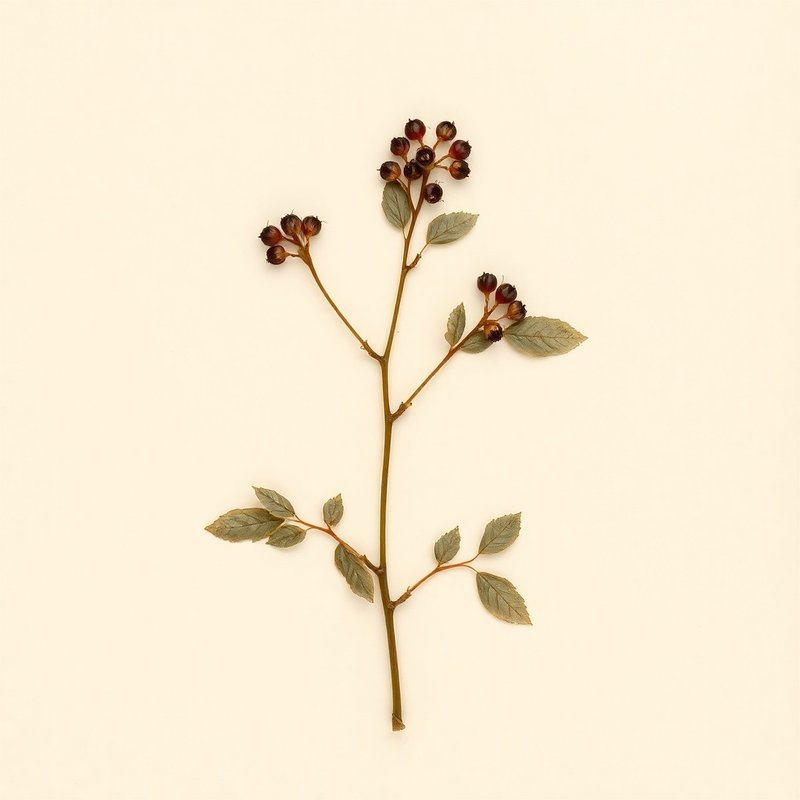
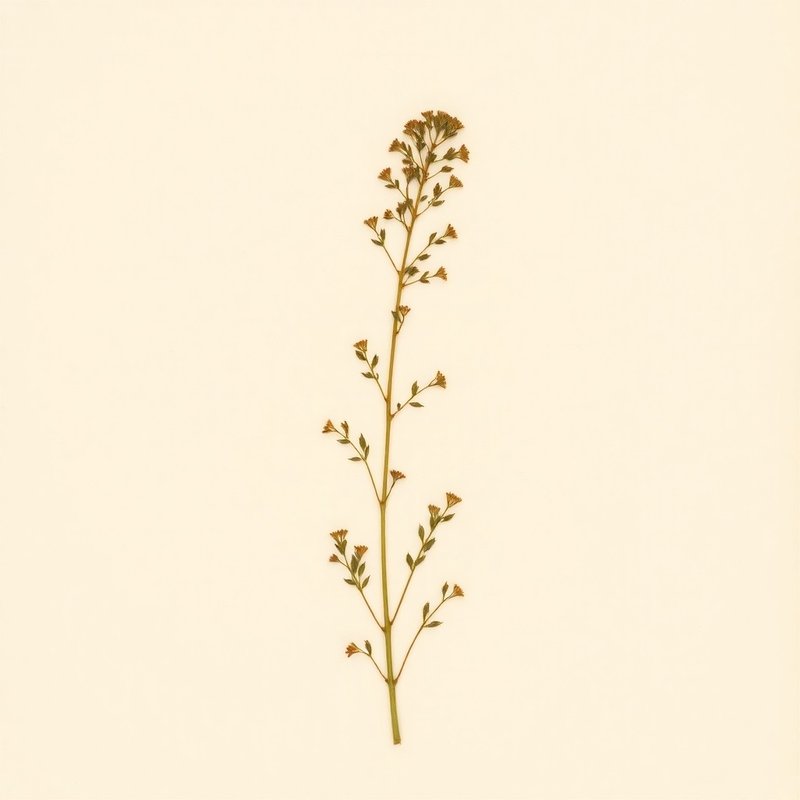
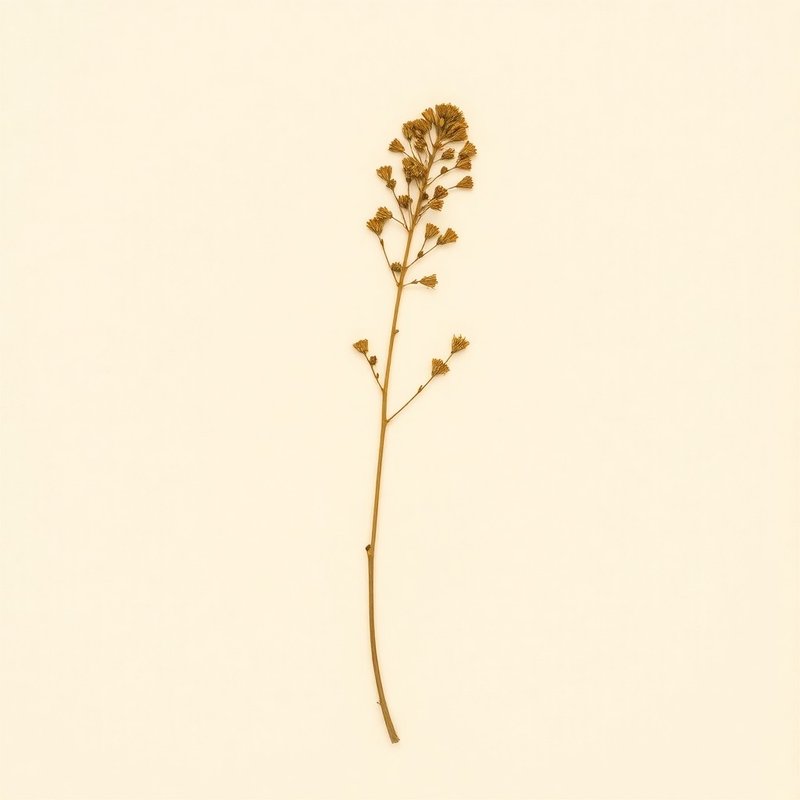
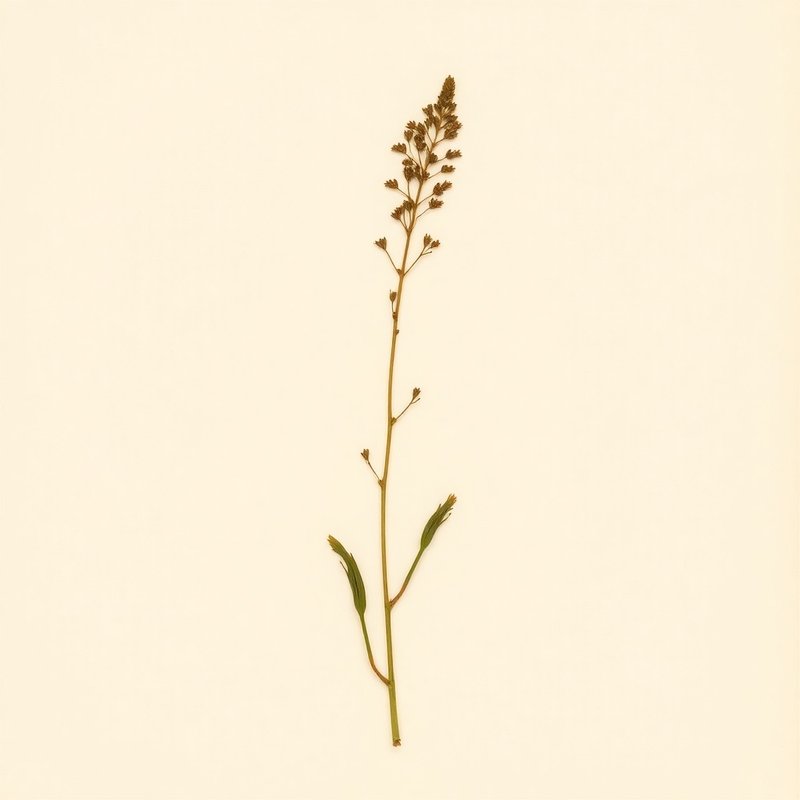
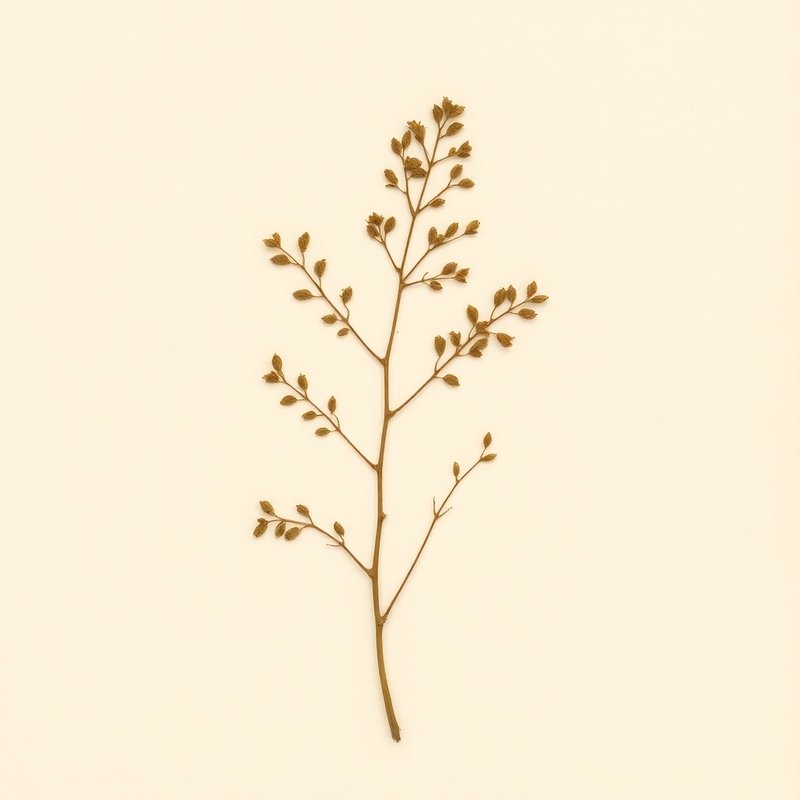
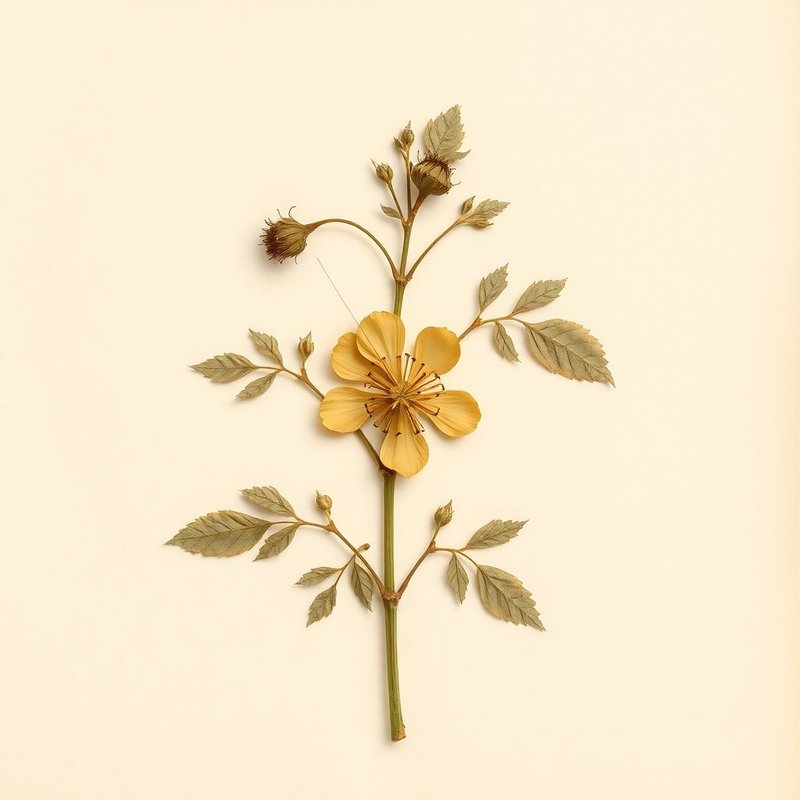
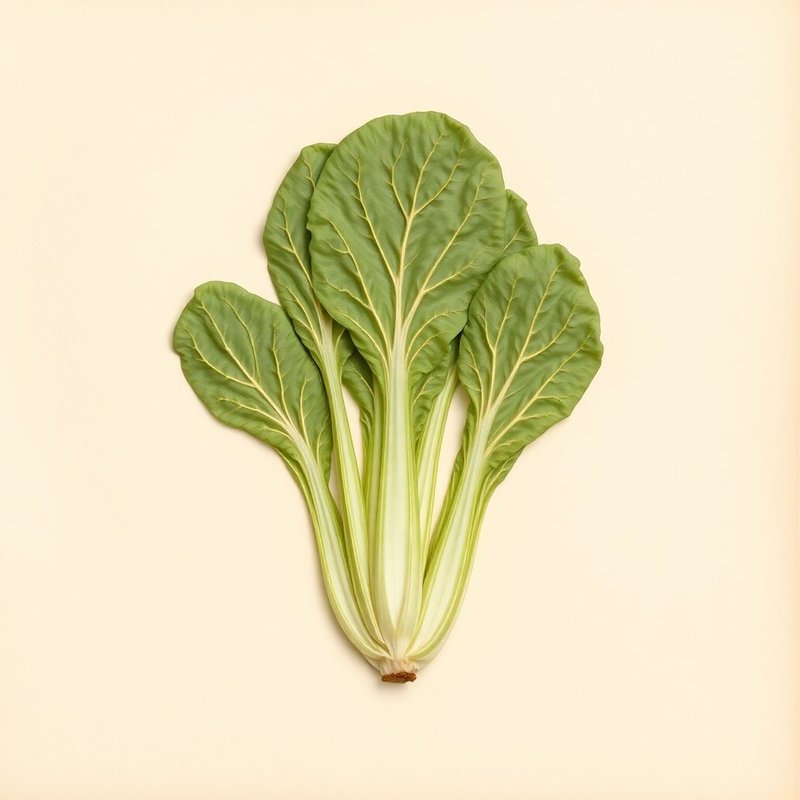
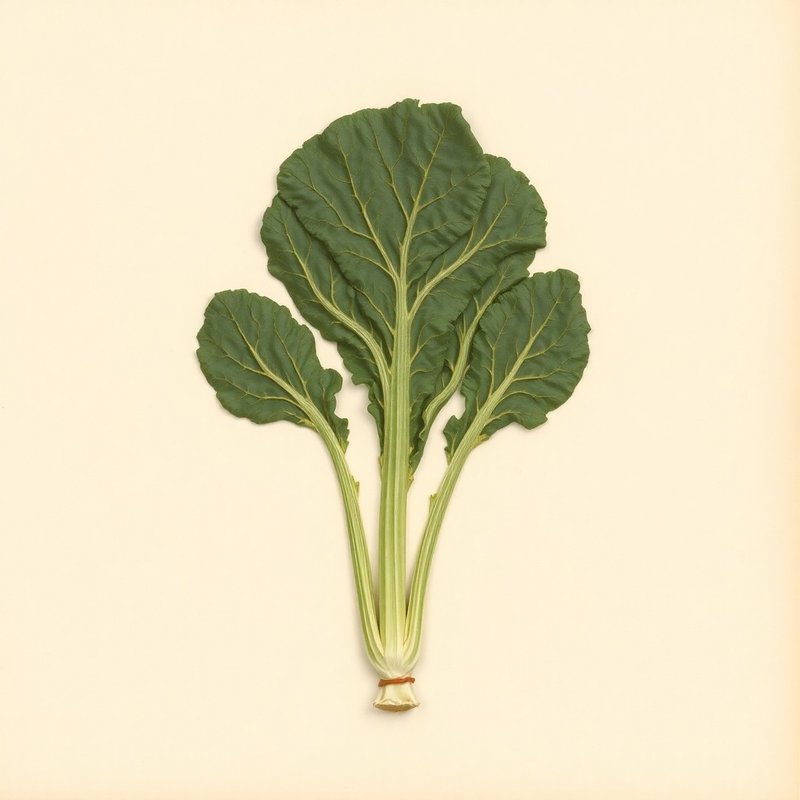
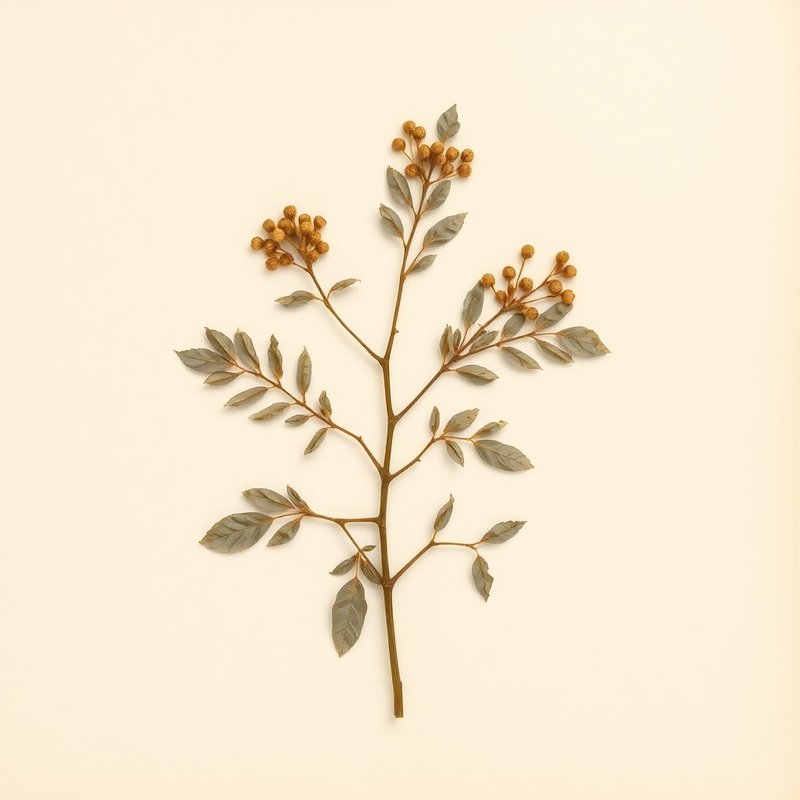
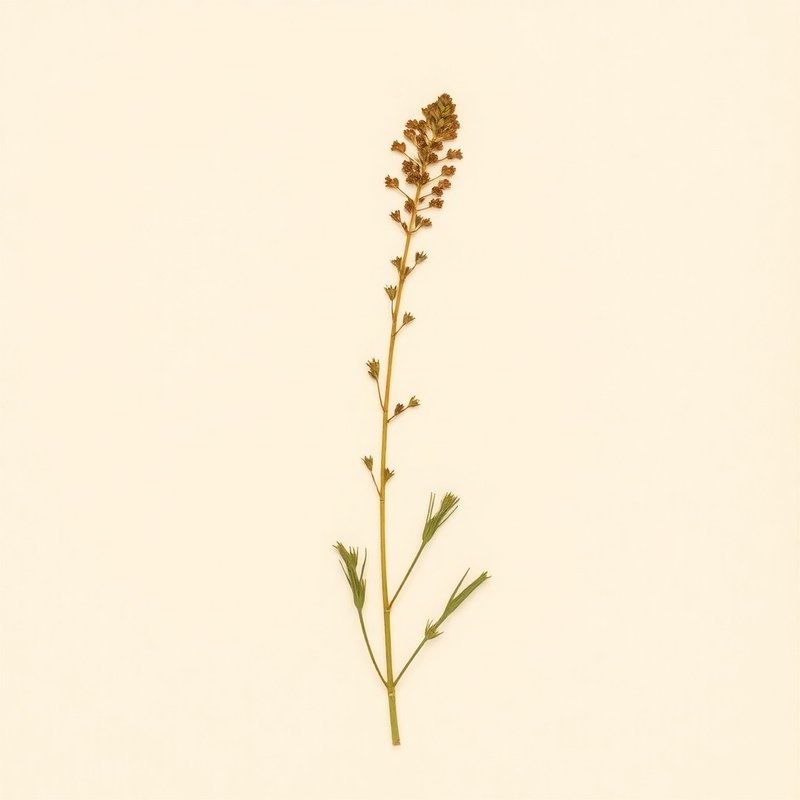
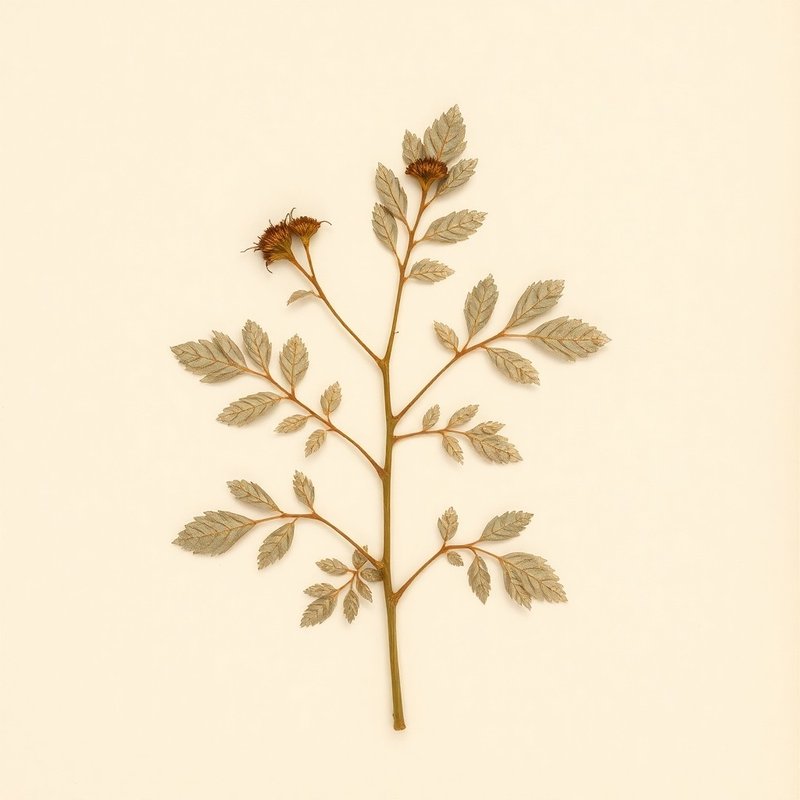
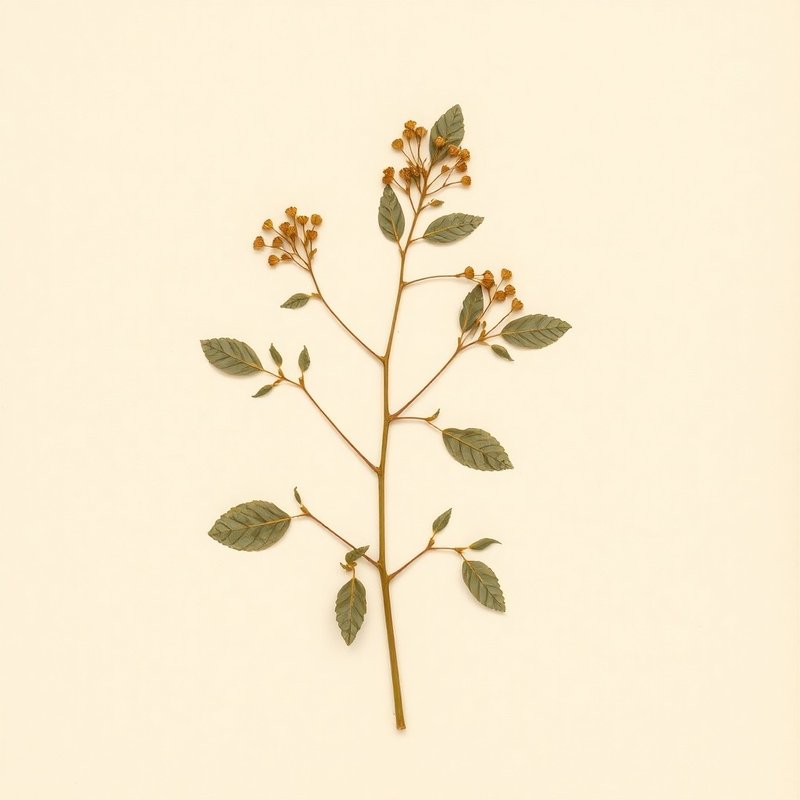
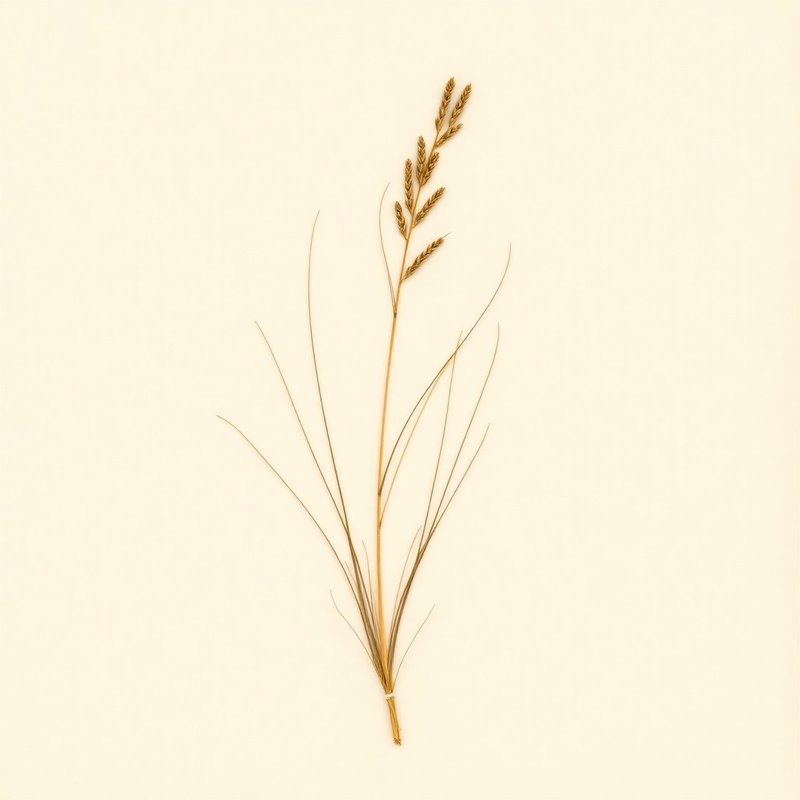
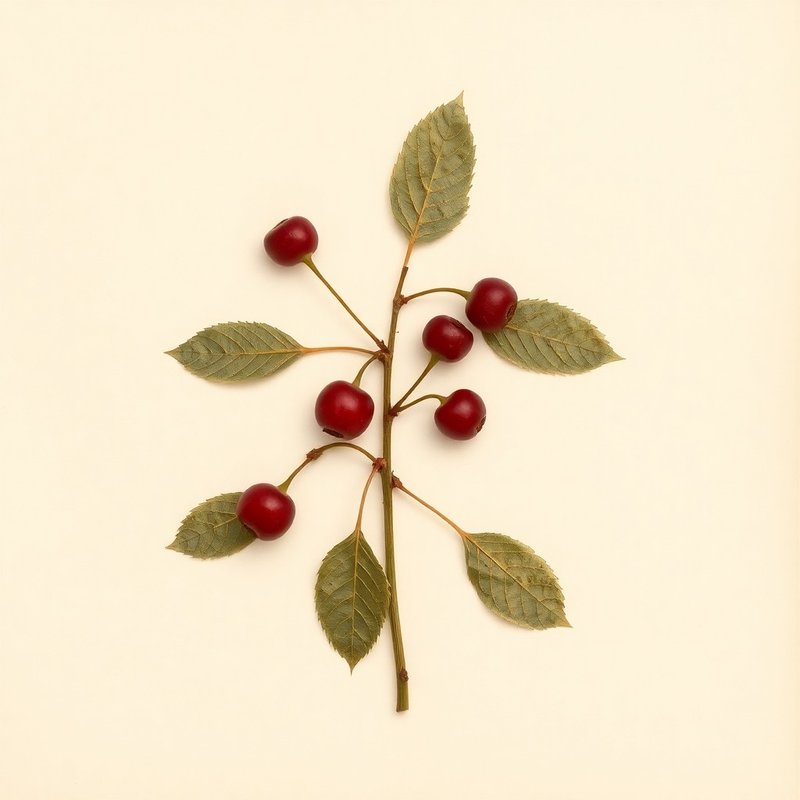
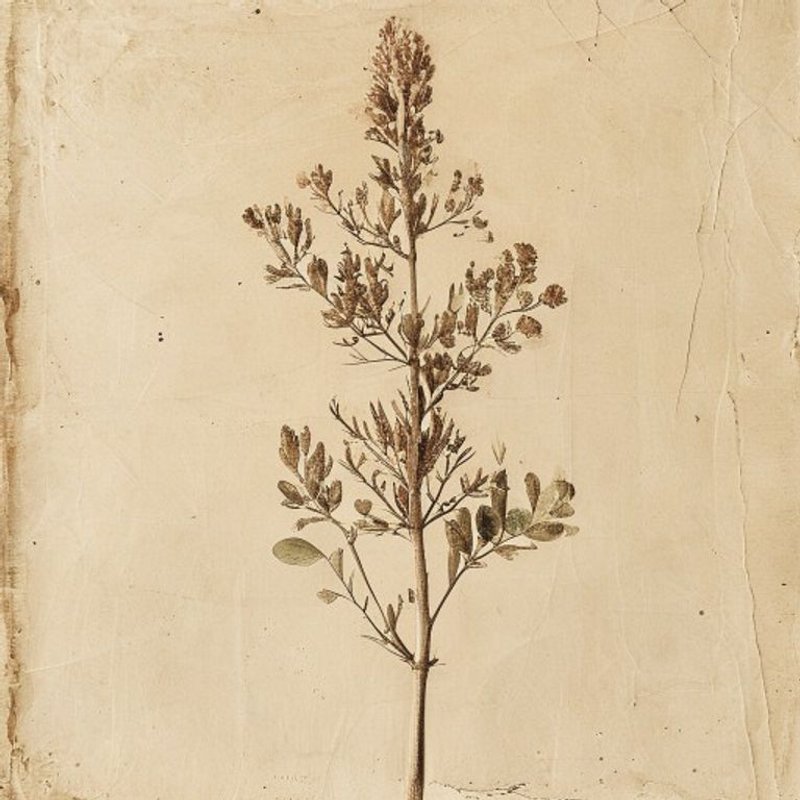
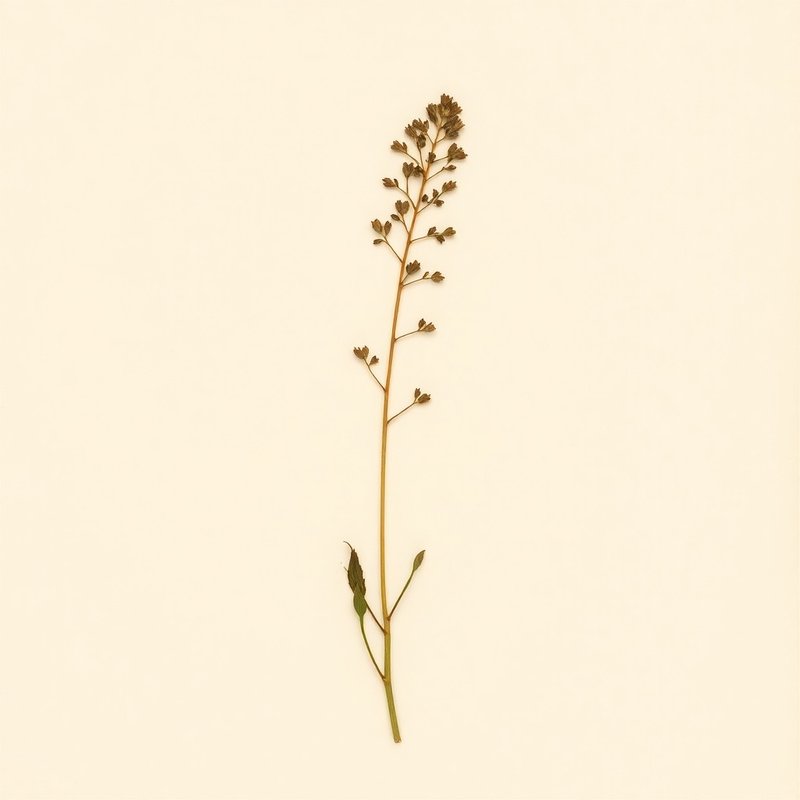
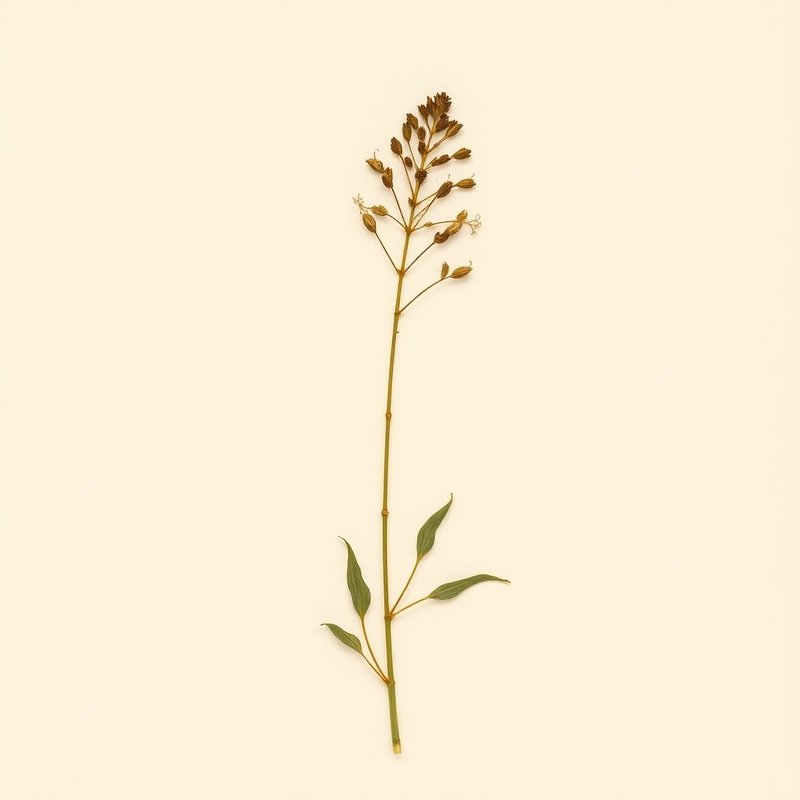
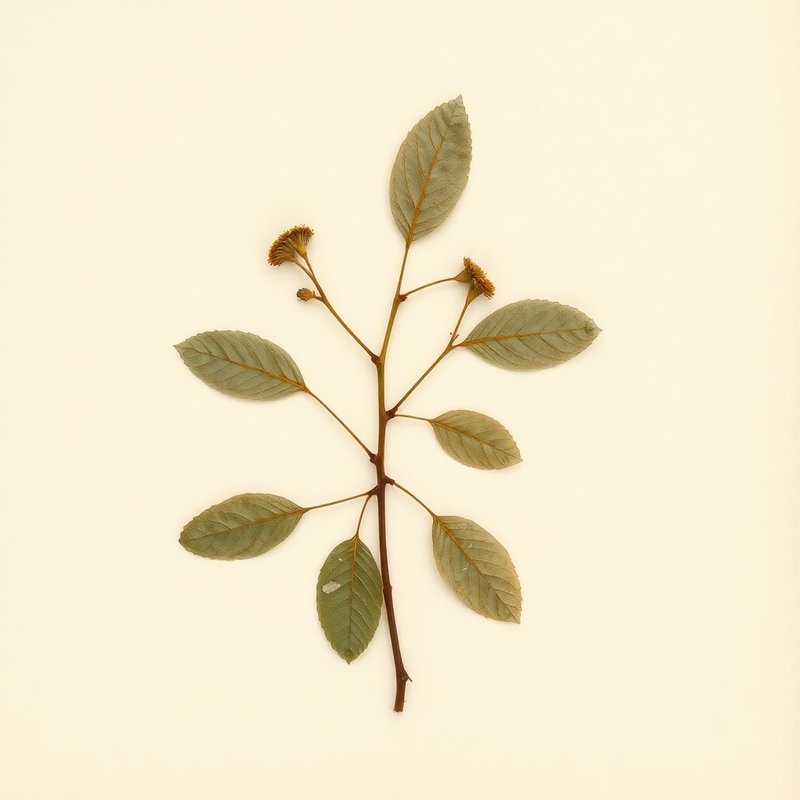
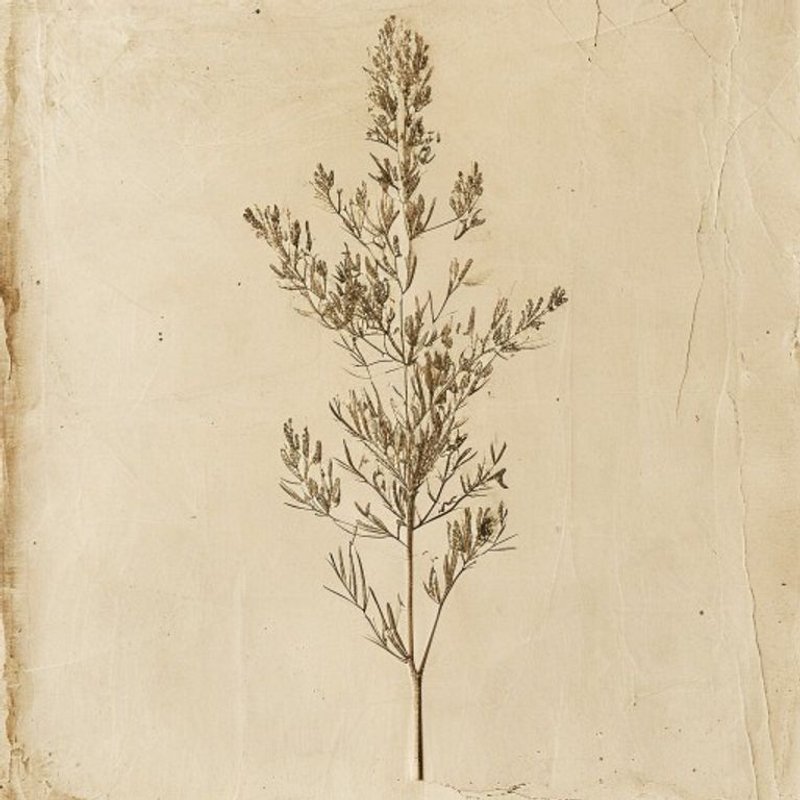
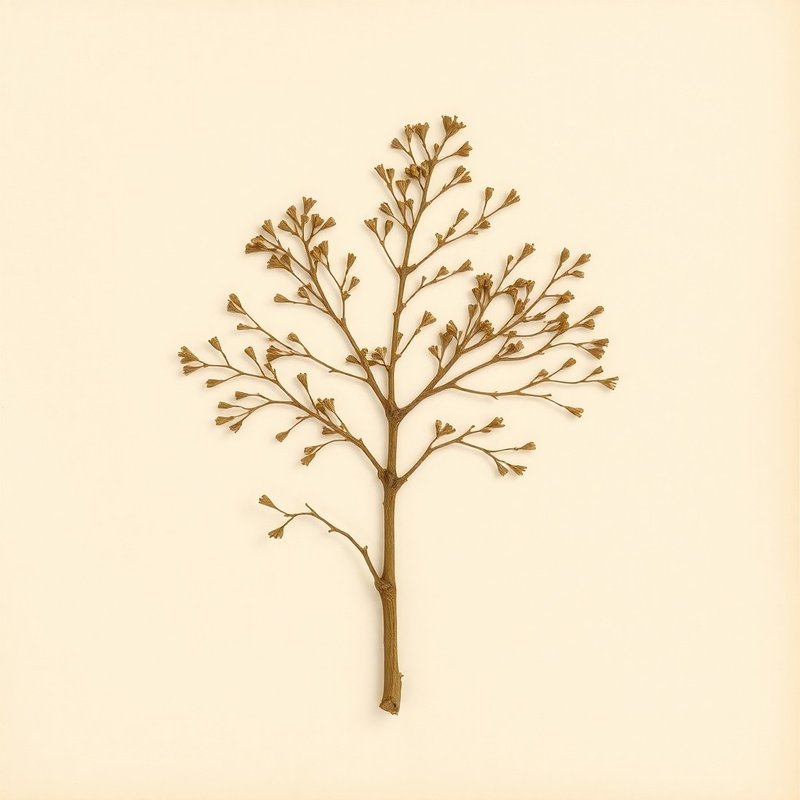
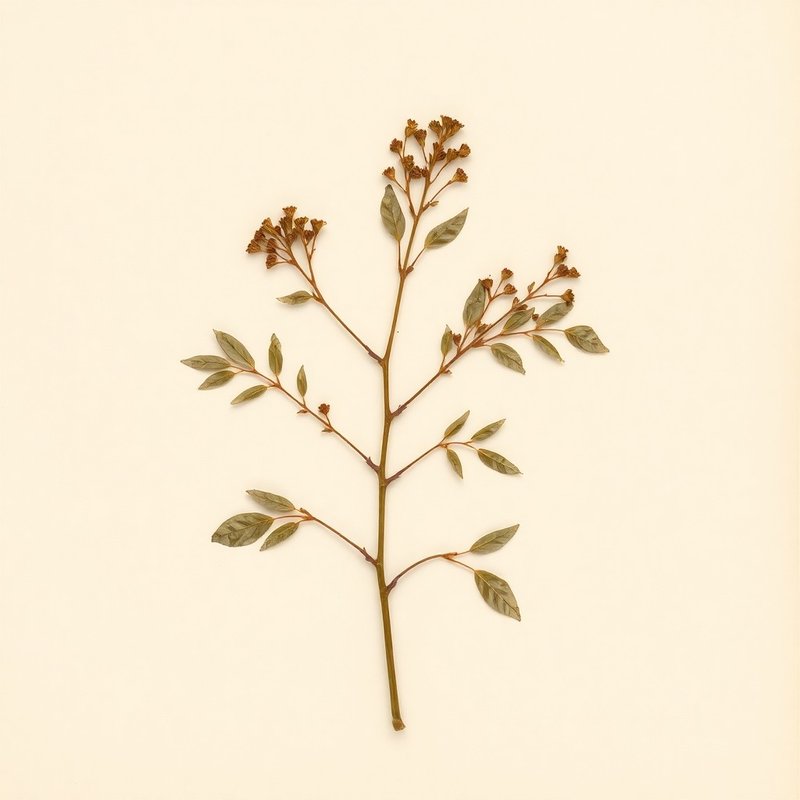
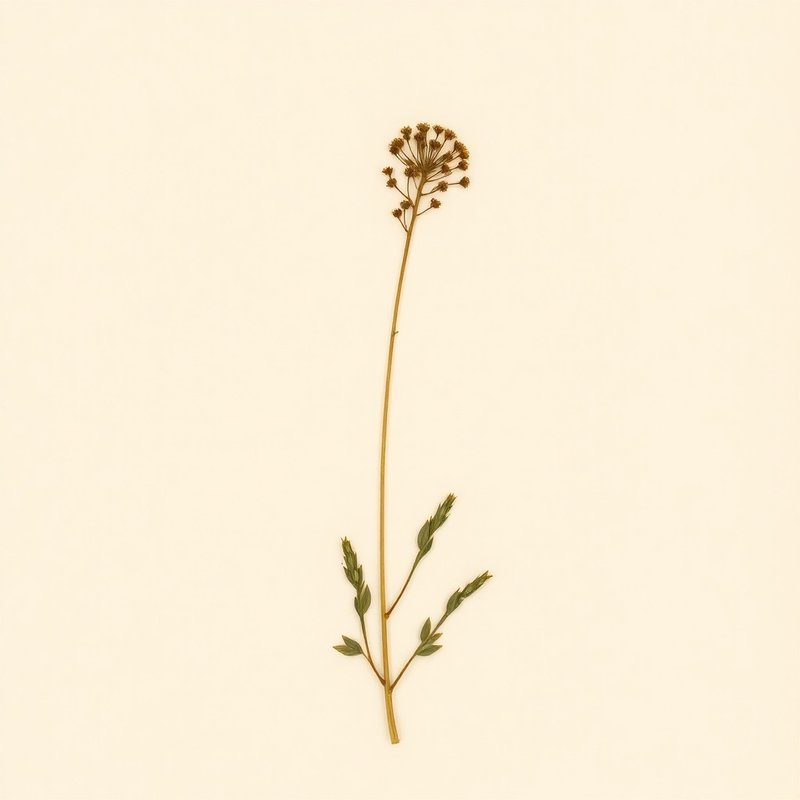
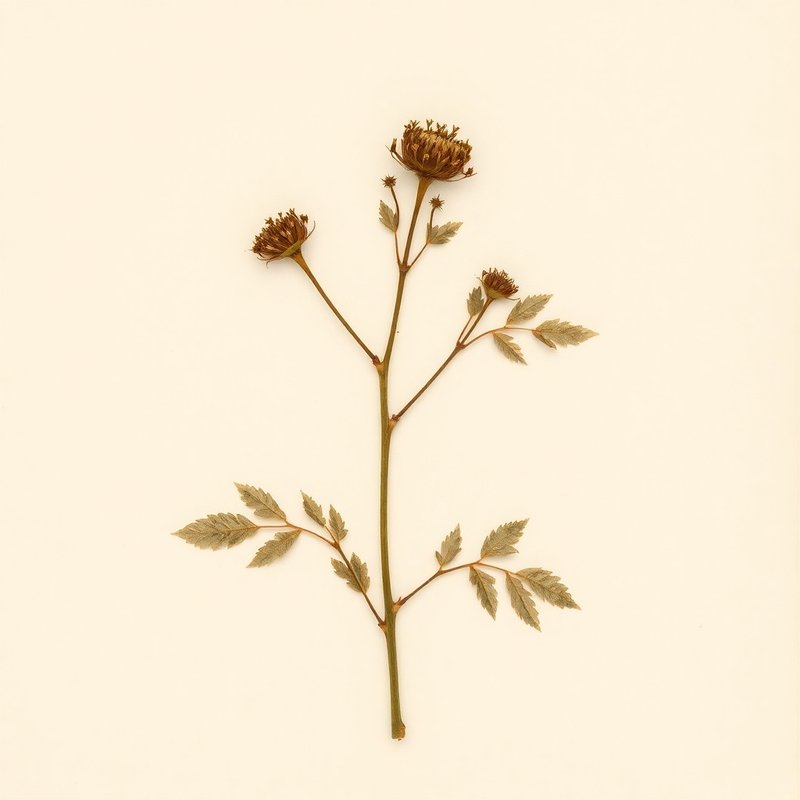
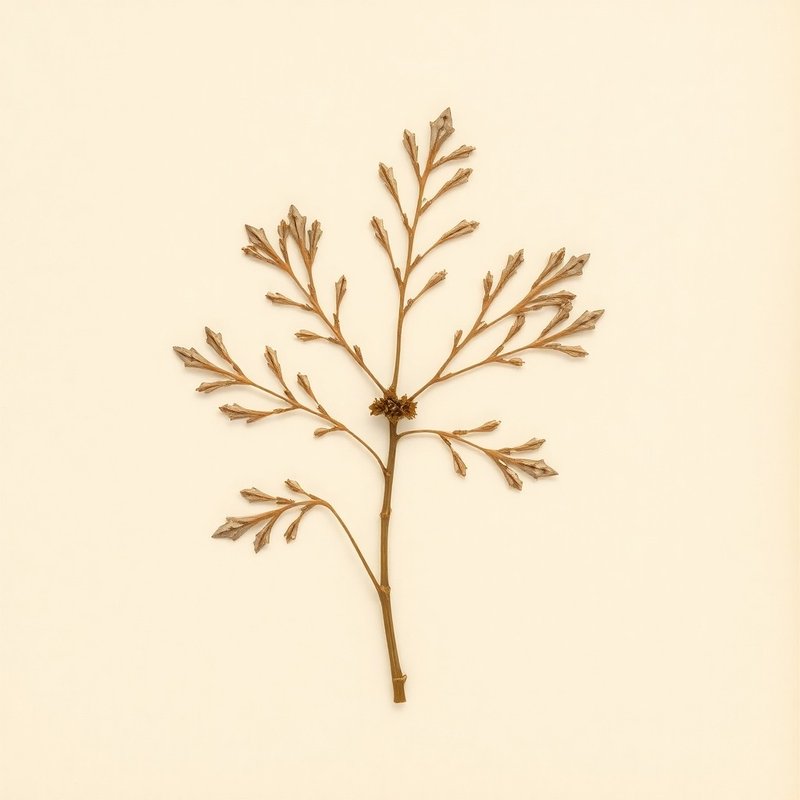
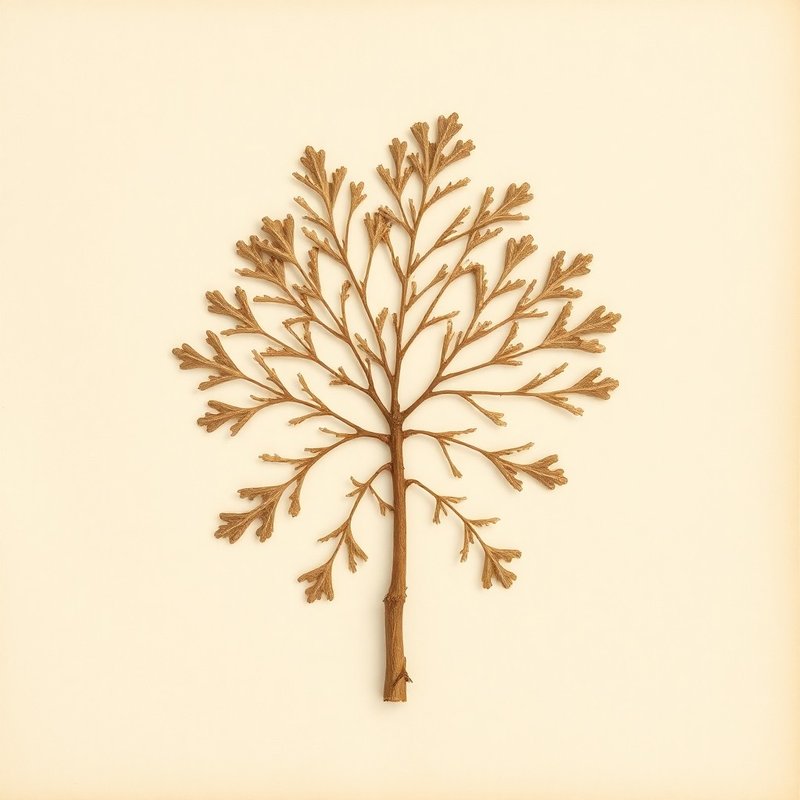
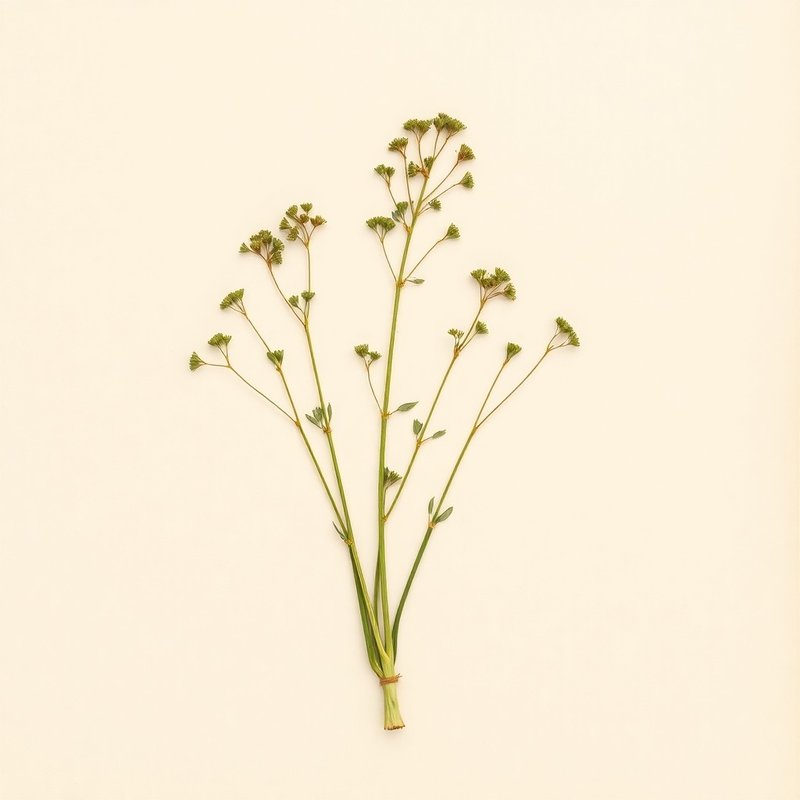
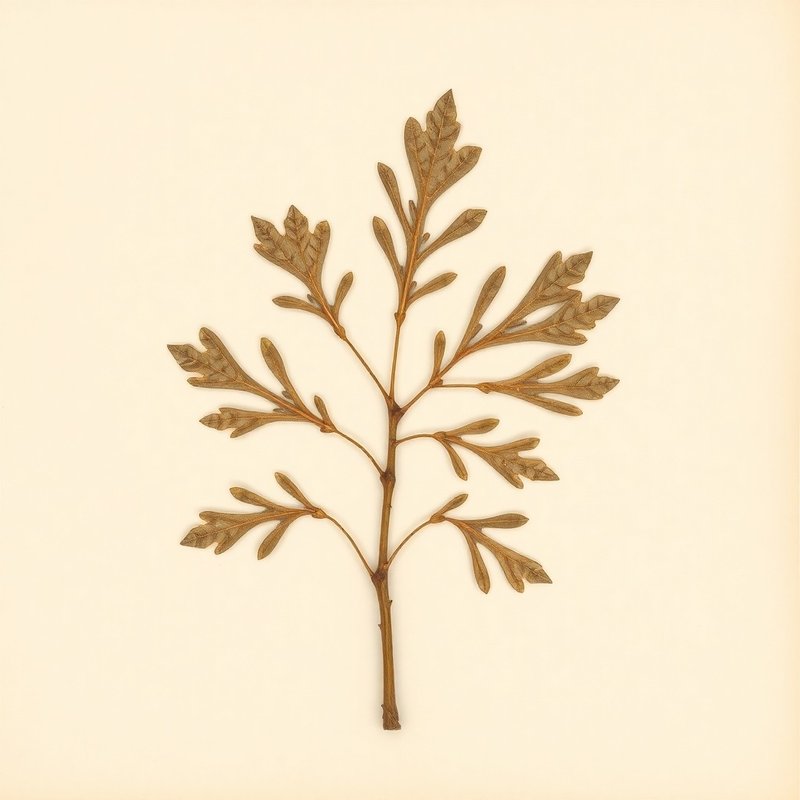
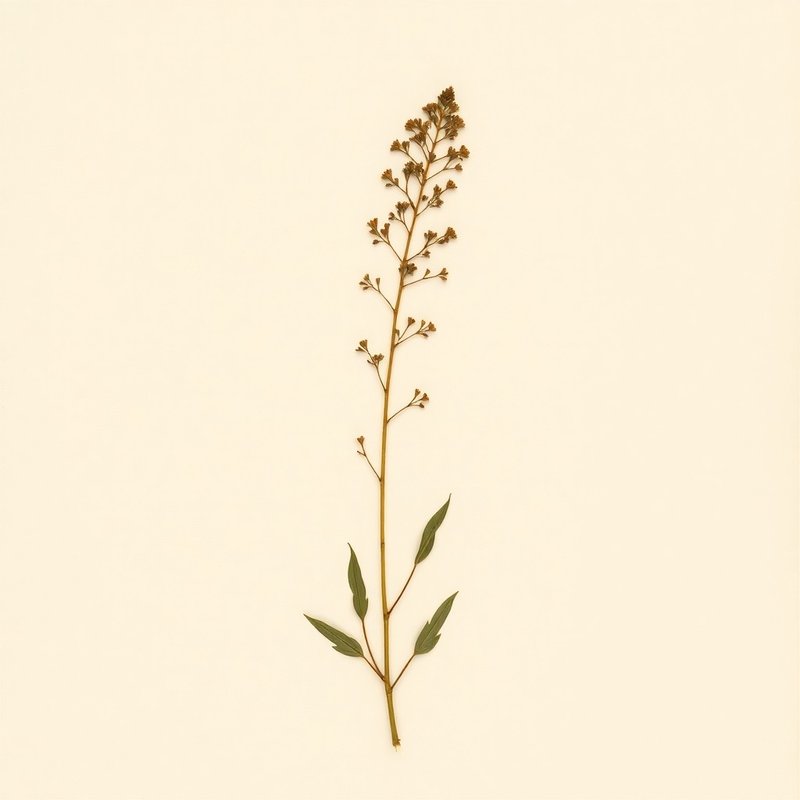
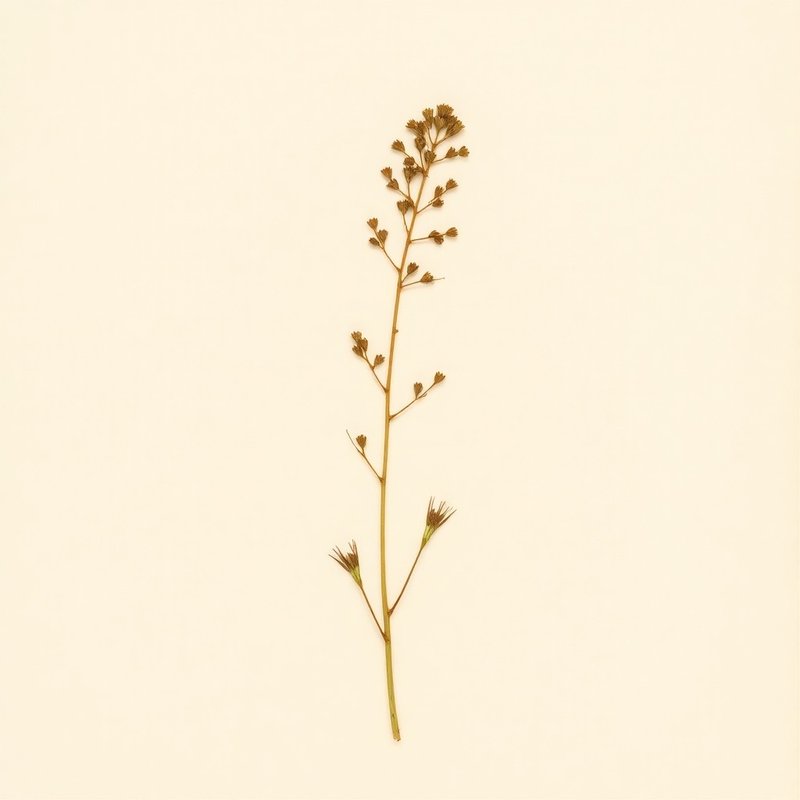
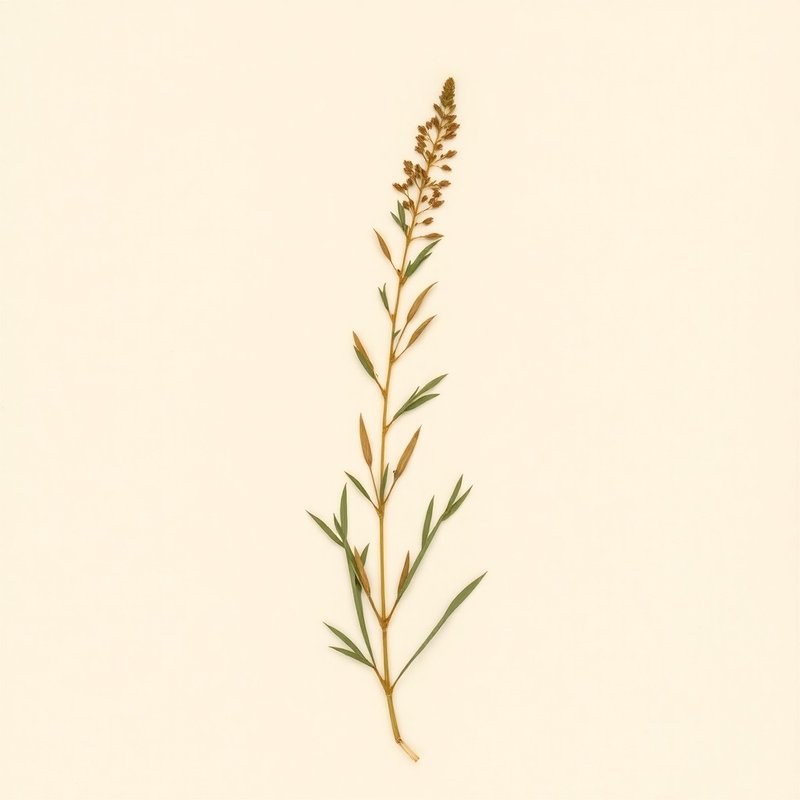
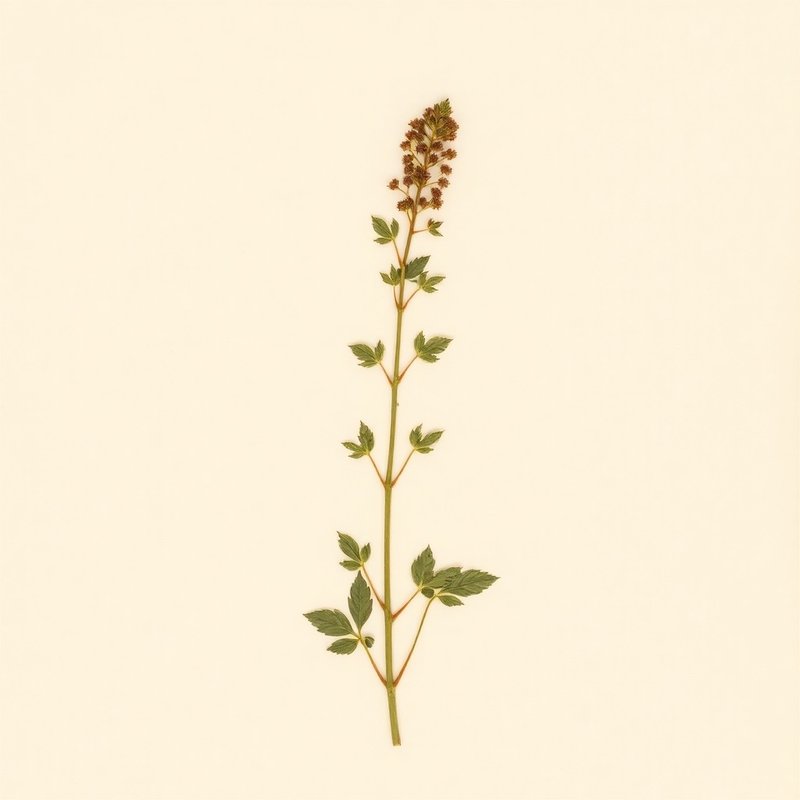
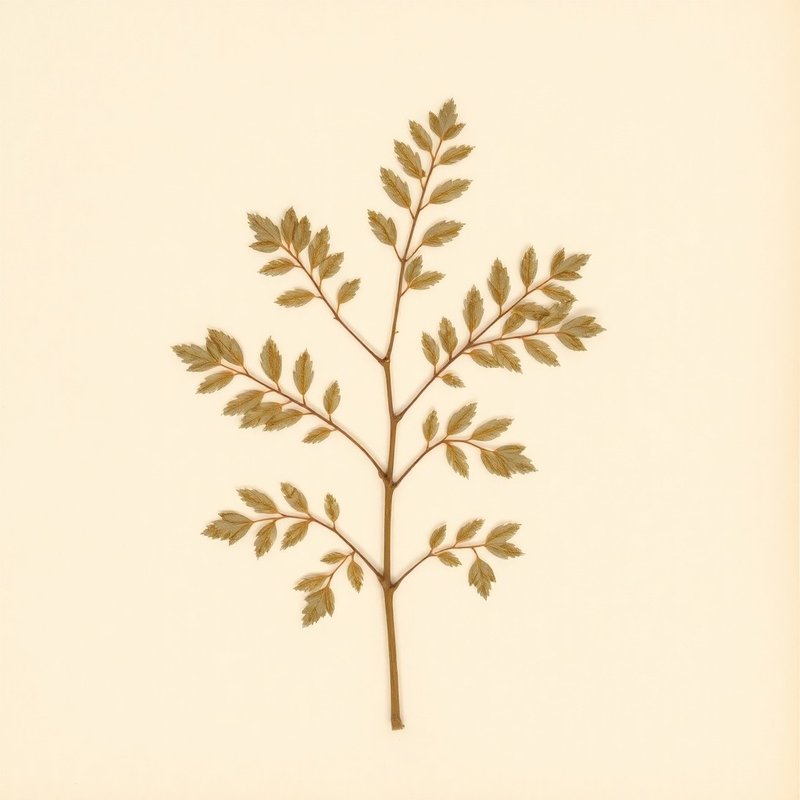
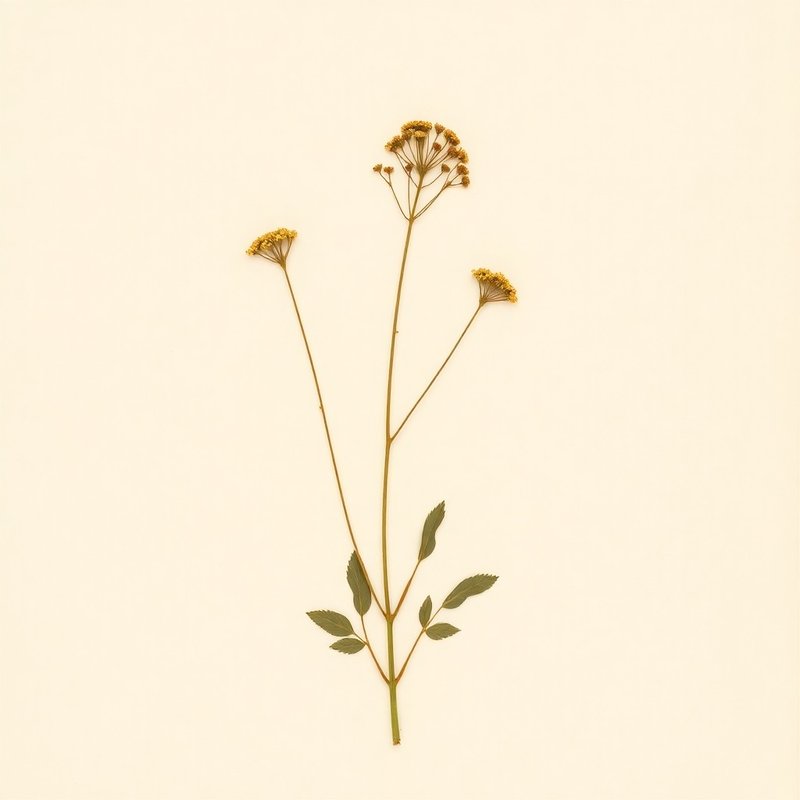
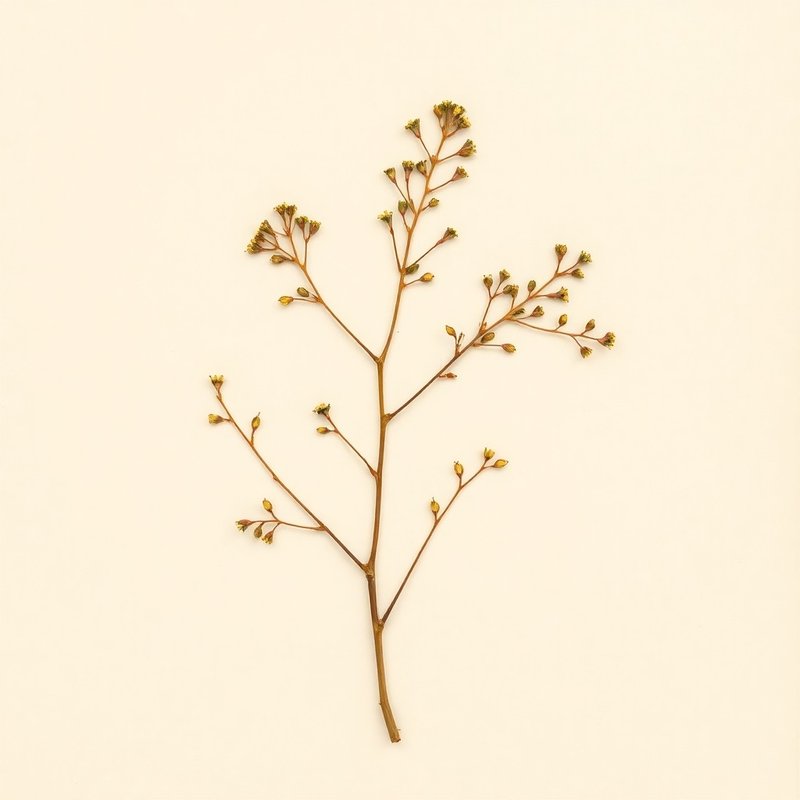
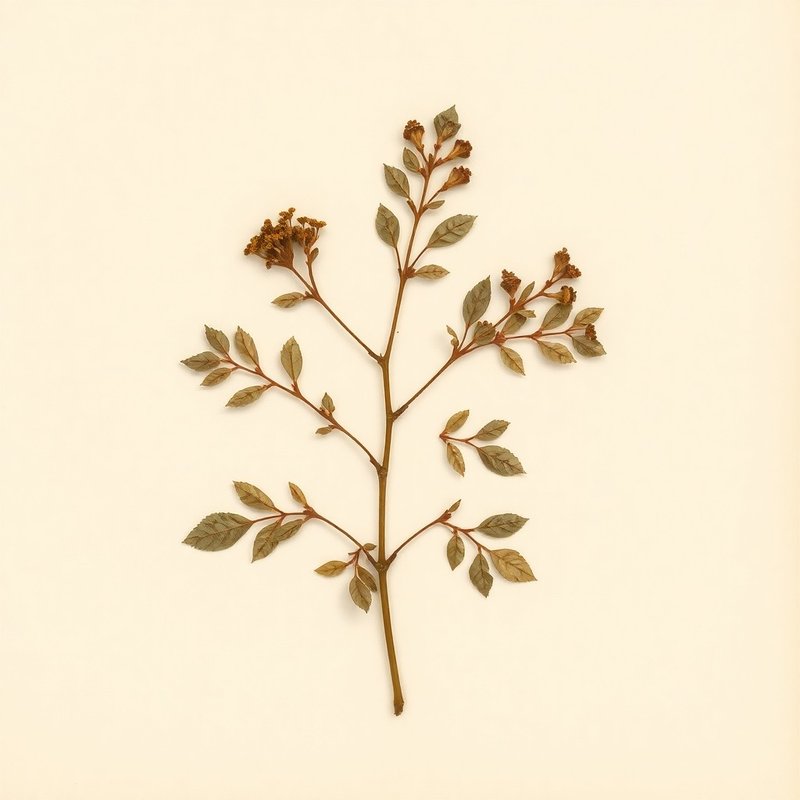
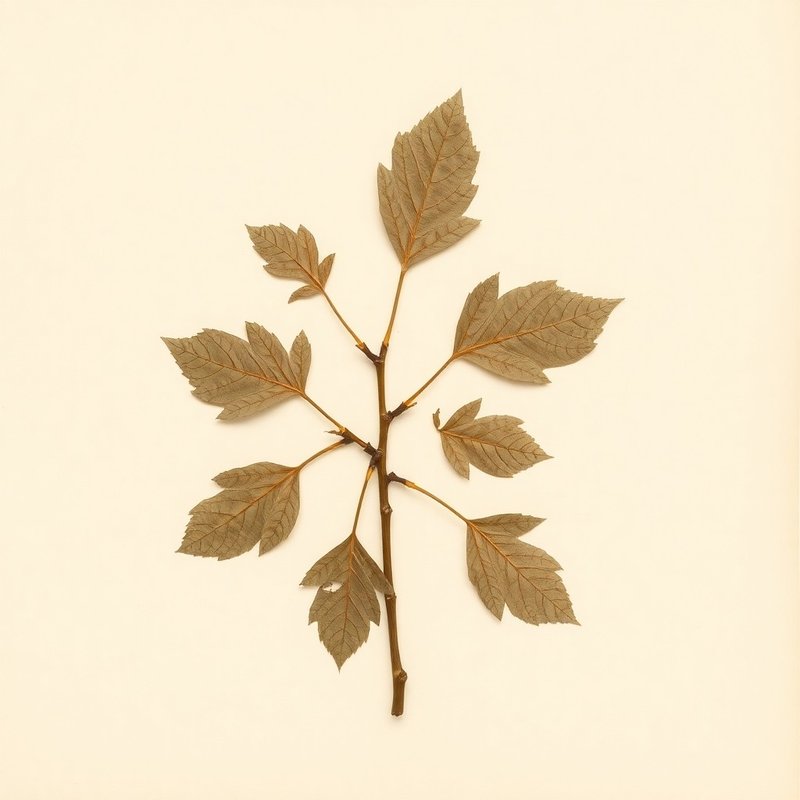
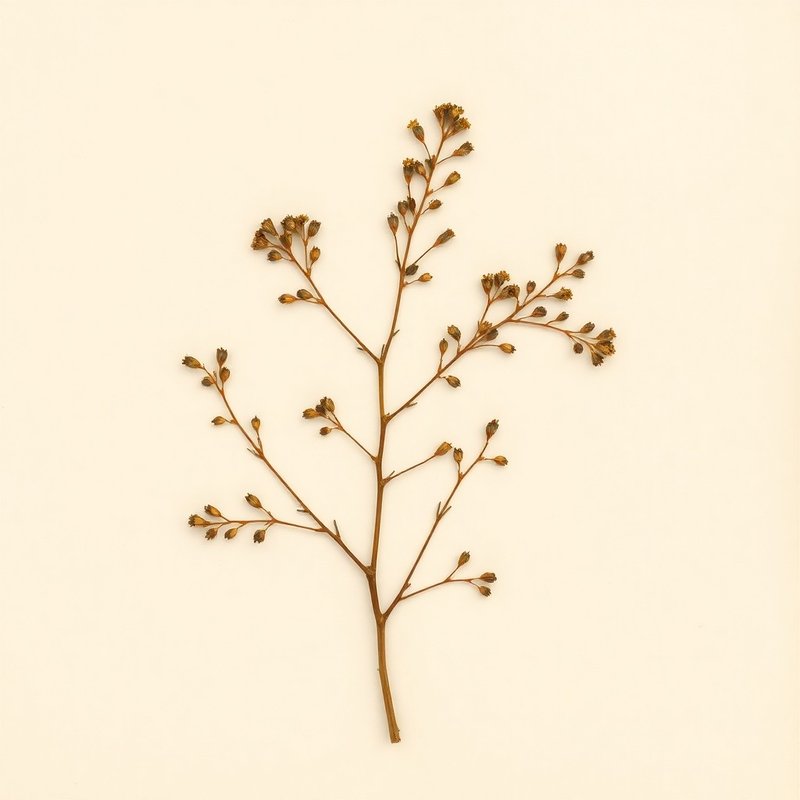
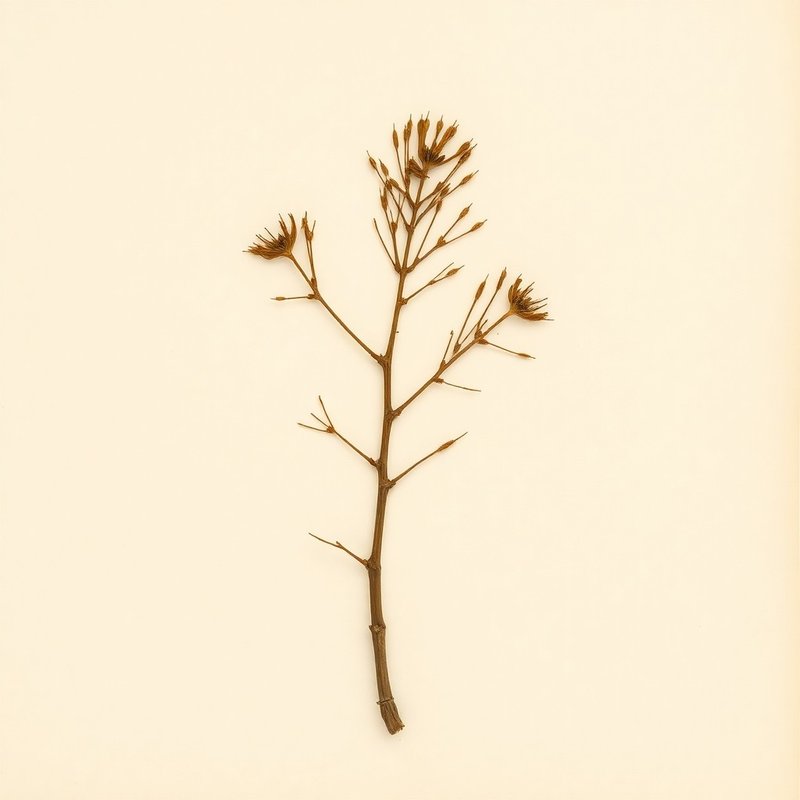
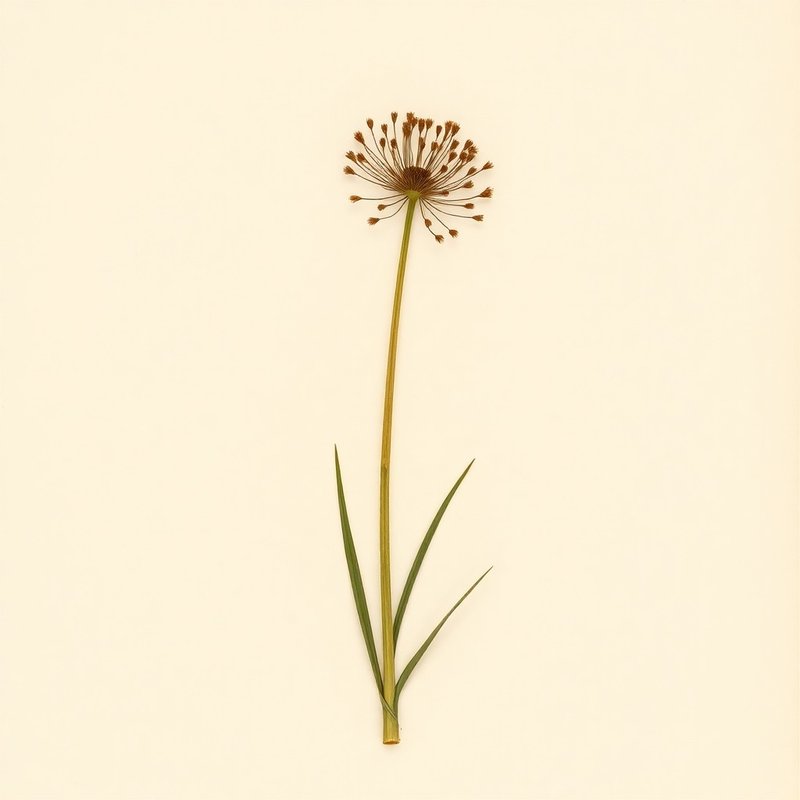
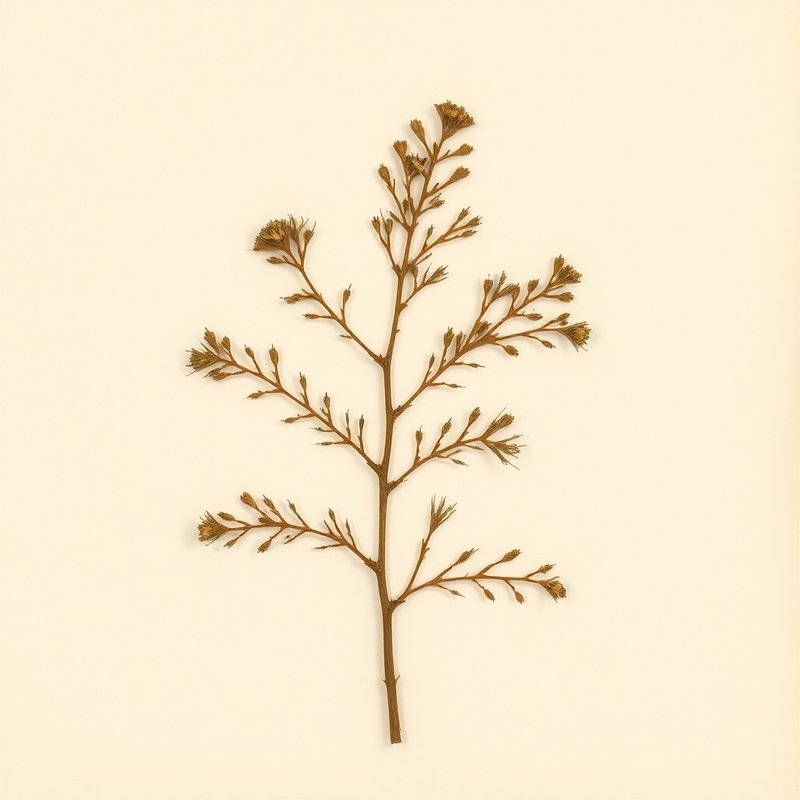
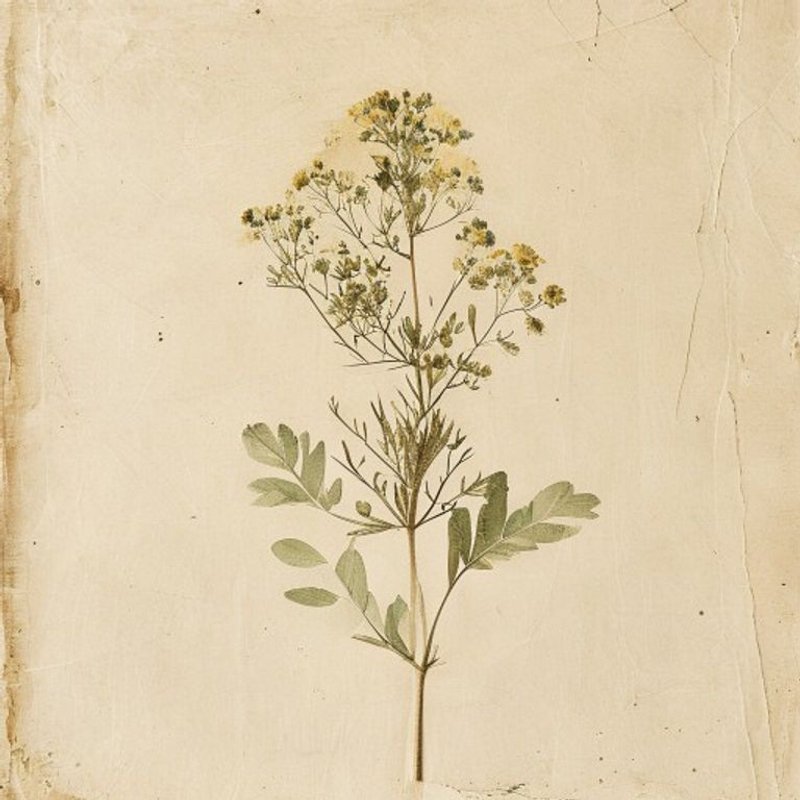
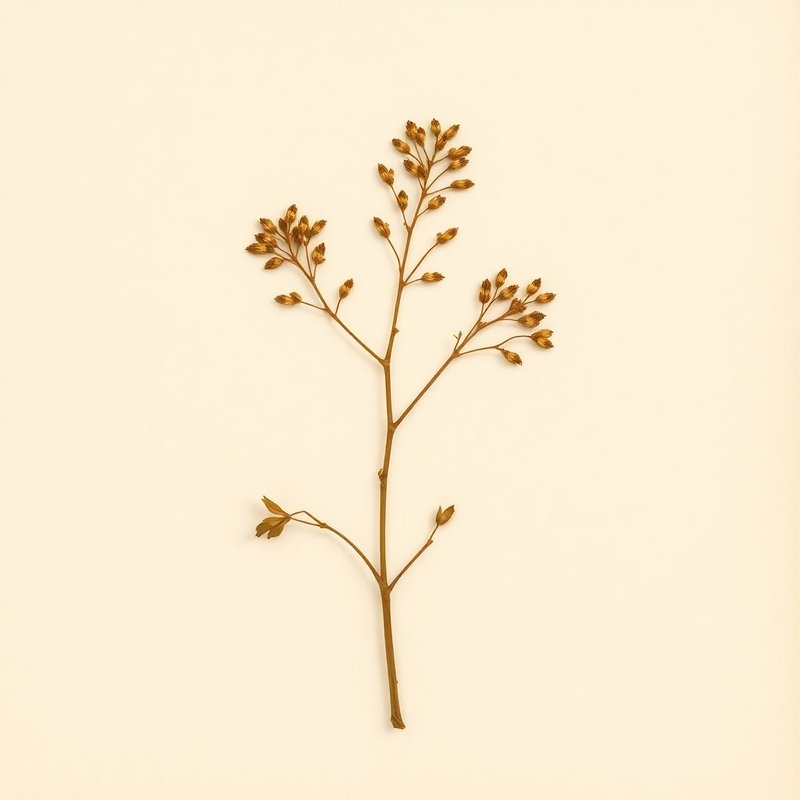
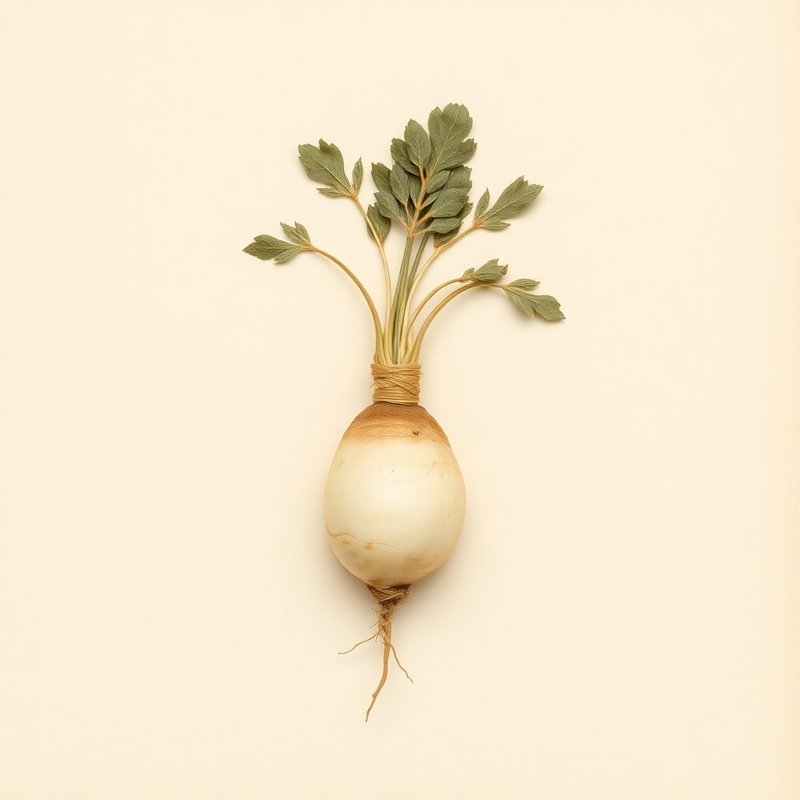
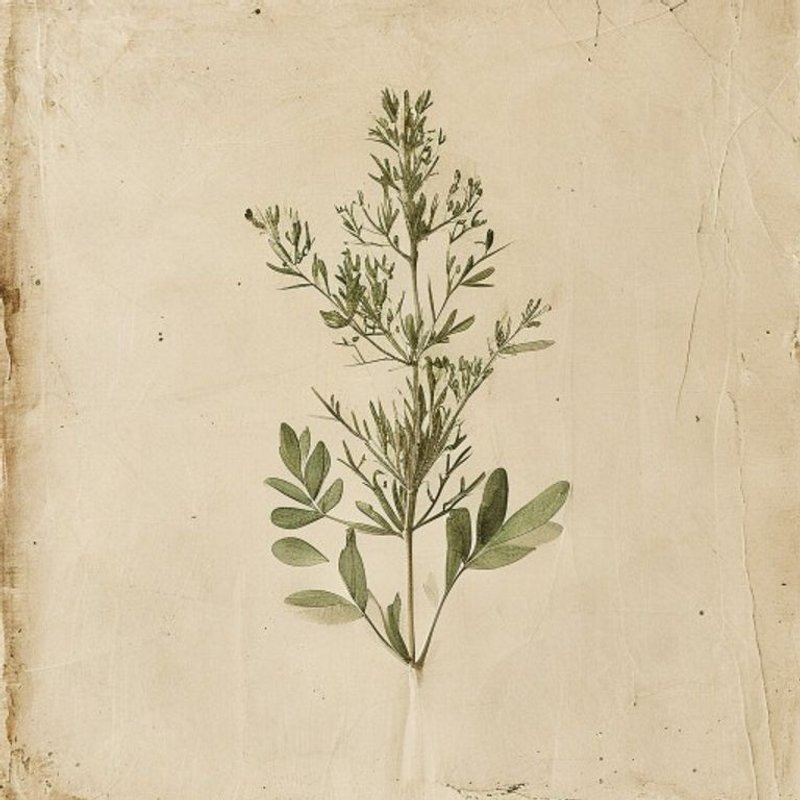
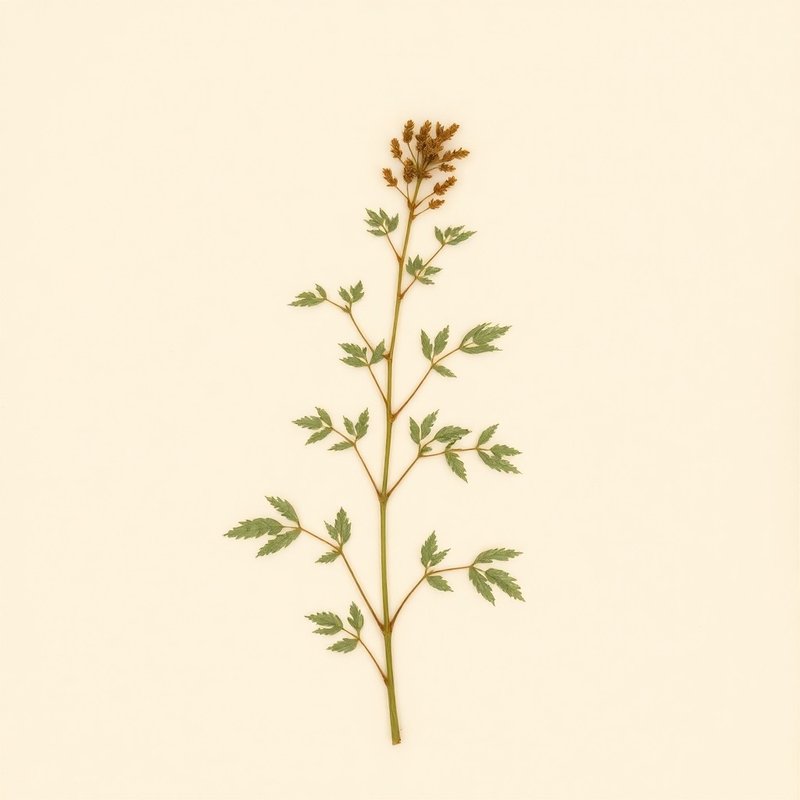
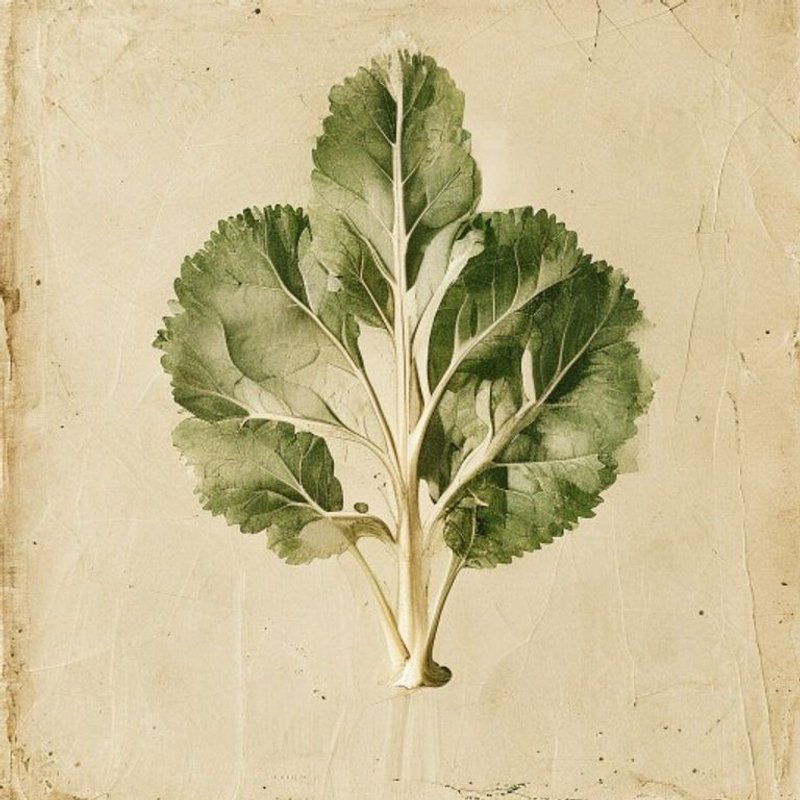
Coptis teeta is one of the better-evidenced choices for Digestion — 0 cited references with moderate evidence quality. Effect size d=0.45 (moderate). Mechanism not fully characterised in modern literature; traditional attribution predates chemistry.
Use the Decision guide below to filter for pregnancy-safe, gentle, or specific preparation forms. Or open any plant recommendation above for full evidence detail.
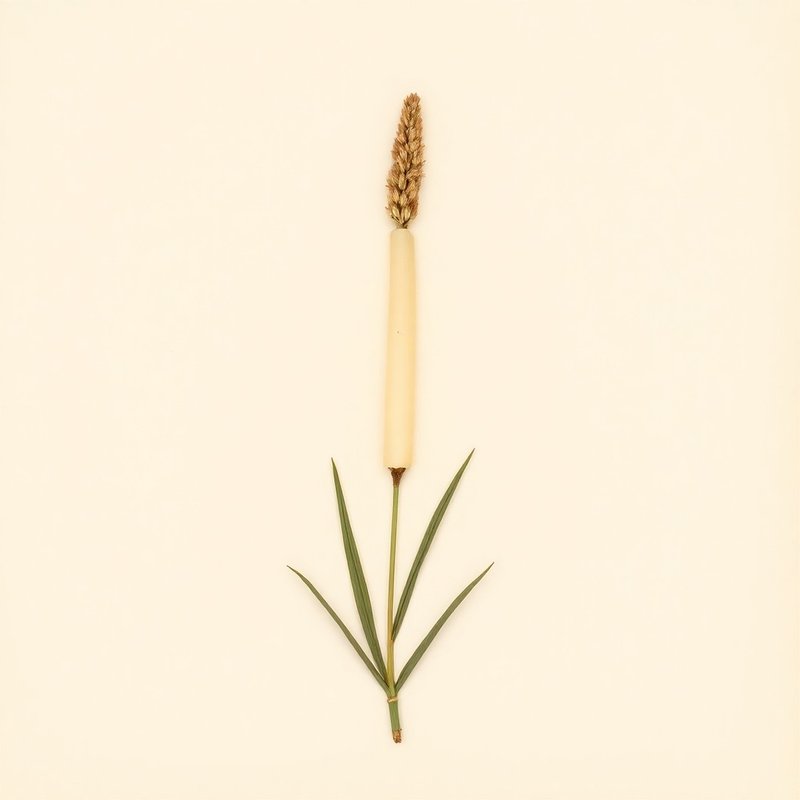
Flax seeds have been traditionally used in European and Native American medicine to support digestive health, particularly for constipation. The high fiber content helps regulate bowel movements.
Mechanism: The soluble fiber in flaxseed forms a gel-like substance that increases stool bulk and softness, aiding in the relief of constipation. This mechanism is well-characterized through clinical studies.
Blond Psyllium has been traditionally used in Ayurvedic medicine to support digestive health, particularly for managing constipation and diarrhea. Its mucilaginous seeds form a gel-like substance when mixed with water.
Mechanism: The primary mechanism involves the high content of soluble fiber which increases stool bulk and softness, aiding bowel movements without altering electrolyte balance or fluid retention.
Berberis capillaris is traditionally used in Chinese medicine to aid digestion and relieve gastrointestinal discomfort, often prepared as a decoction. Its use is supported by the presence of berberine which has been studied for its effects on gut motility.
Mechanism: Berberine may enhance gastric emptying and improve intestinal peristalsis through modulation of acetylcholine release in the gastrointestinal tract.
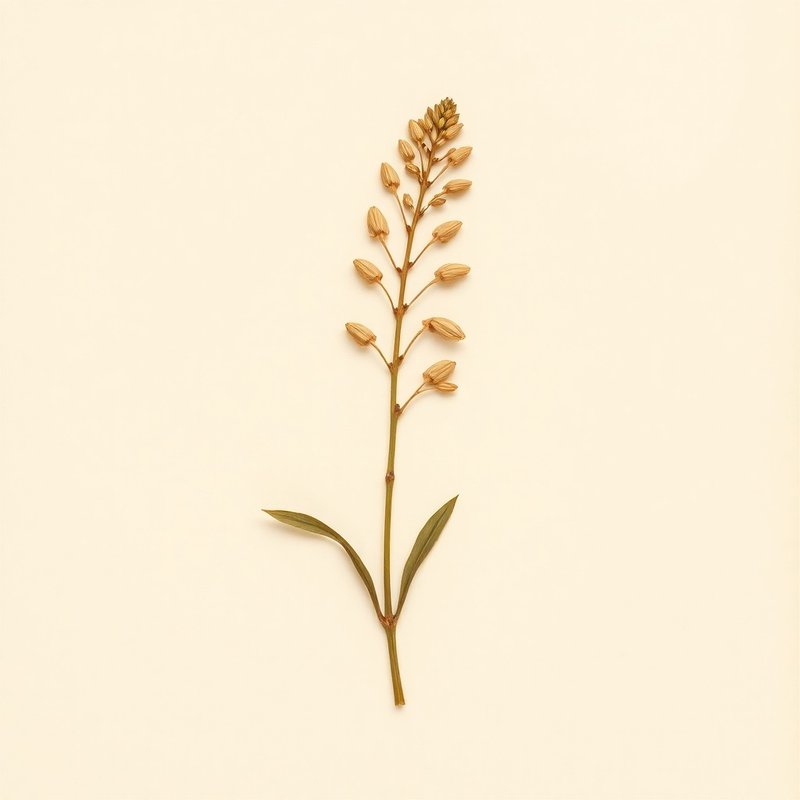
Eases mild digestive complaints
Mechanism: Antispasmodic via bisabolol; reduces visceral hypersensitivity in functional dyspepsia.
Traditionally used for occasional indigestion, Rhubarb (Rheum × hybridum) is prepared as a tea infusion and supports digestive health by containing anthraquinones that act on the gastrointestinal tract.
Mechanism: Anthraquinones in Rhubarb are known to stimulate peristalsis and relax smooth muscles of the intestines. This mechanism is similar to other members of the Polygonaceae family, which also contain these compounds.
Traditionally used for occasional indigestion, Coptis teeta is recommended as an adjunct in digestive support when prepared as a tea infusion (ESCOP Monograph).
Mechanism: Mechanism not fully characterised in modern literature; traditional attribution predates chemistry. Contains iridoid glycosides typical for the Ranunculaceae family, which may help modulate gastrointestinal motility.
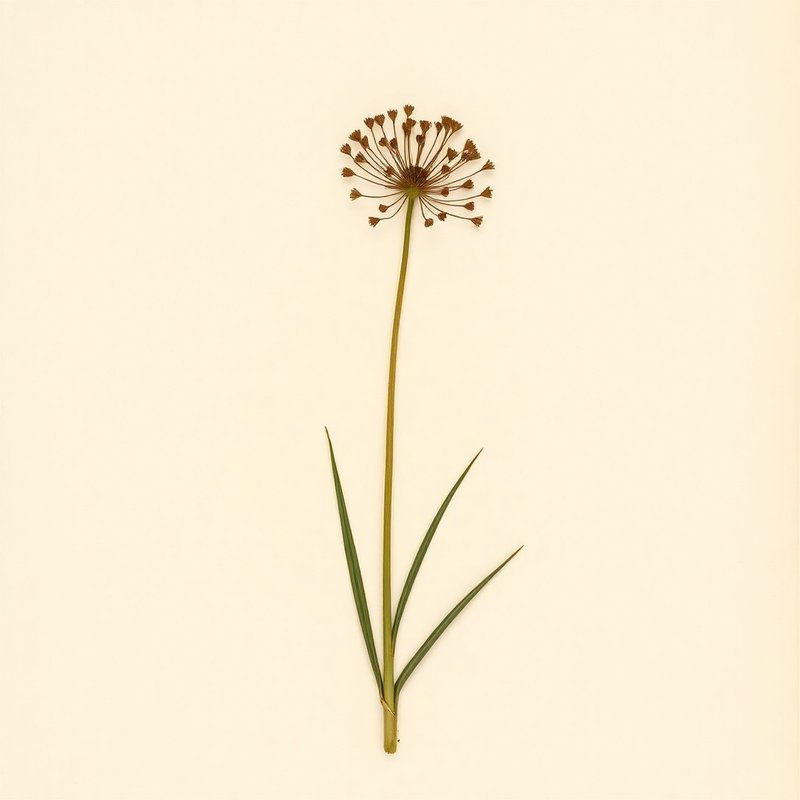
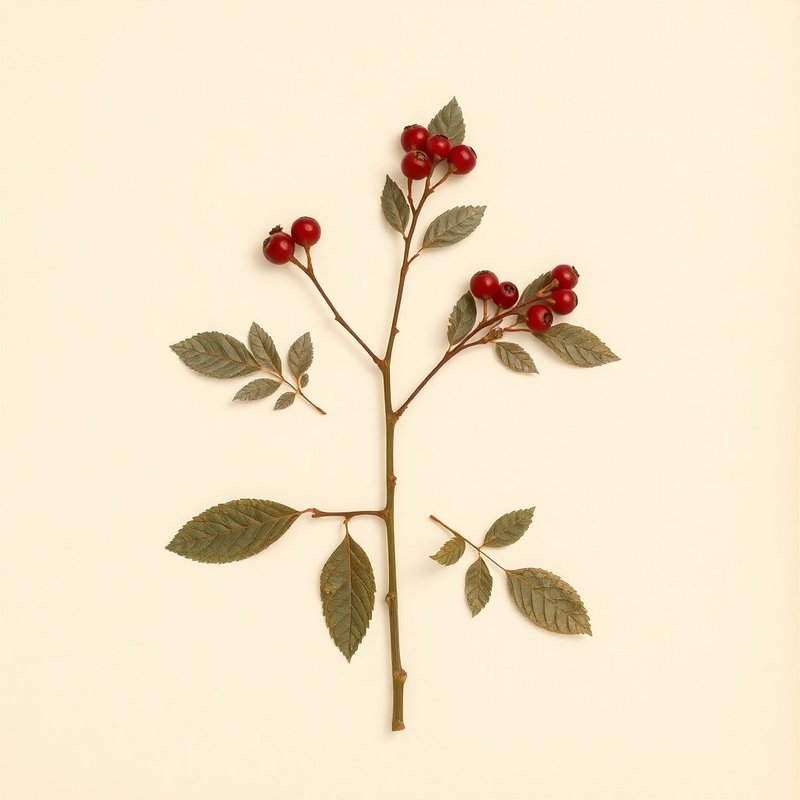
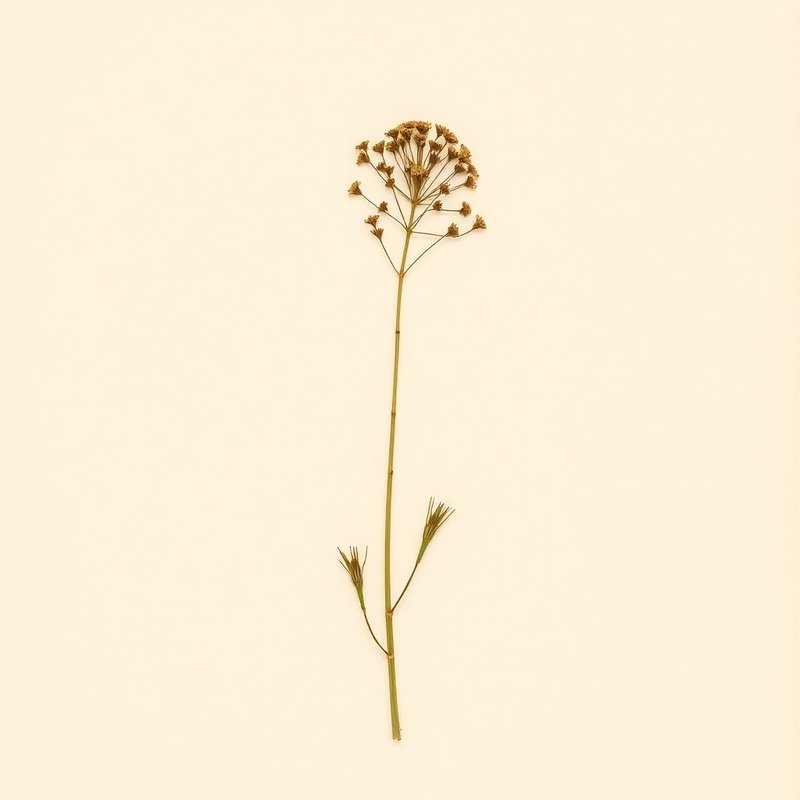
Traditionally used for occasional indigestion, Cuminum cyminum supports digestive health in Ayurvedic practice as an adjunct to meals.
Mechanism: Mechanism not fully characterised in modern literature; traditional attribution predates chemistry. Contains flavonoids and essential oils typical of the Apiaceae family, which may aid digestion through their carminative properties.
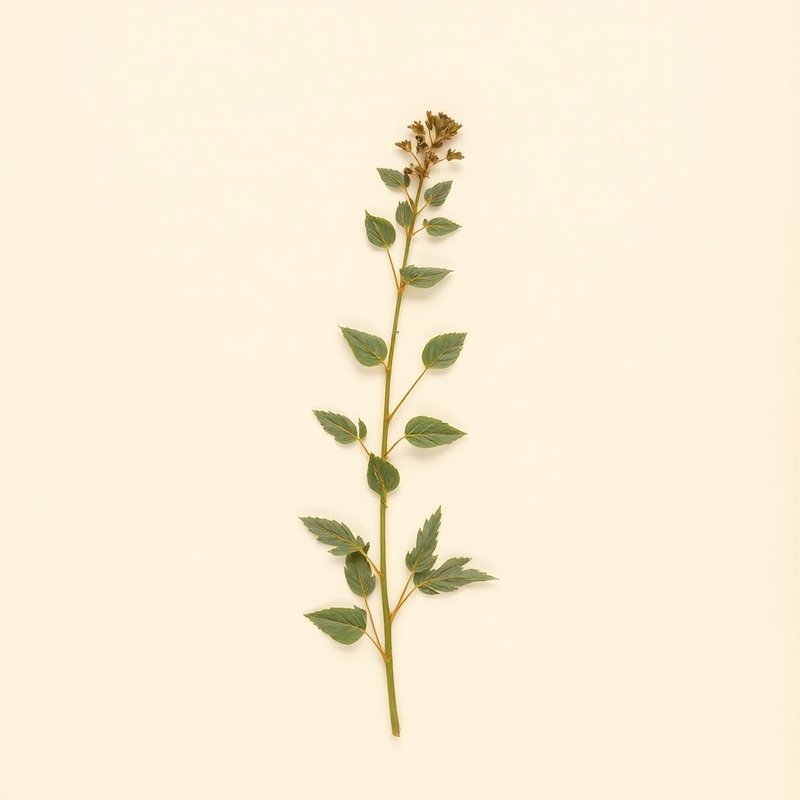
Traditionally used for occasional indigestion, Perilla frutescens nankinensis is recommended as an adjunct in digestive support when prepared as a tea infusion (ESCOP Monograph).
Mechanism: Mechanism not fully characterised in modern literature; traditional attribution predates chemistry. Contains iridoid glycosides typical for the Lamiaceae family, which may help by supporting gut motility and reducing inflammation.
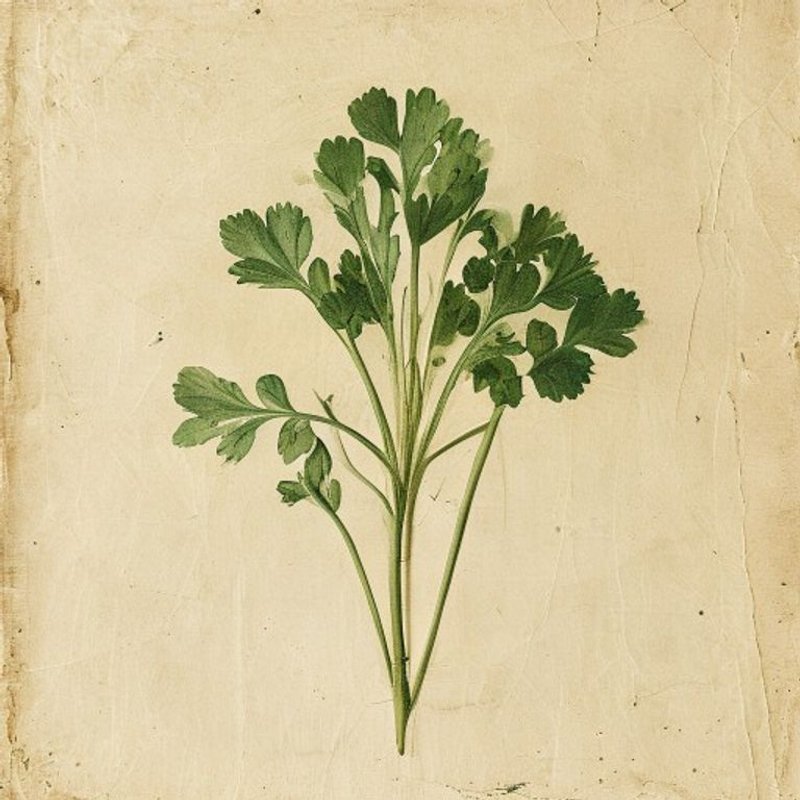
Traditionally used for occasional indigestion, Hamburg Parsley is recommended as an adjunct in digestive support when consumed as a tea infusion (ESCOP Monograph).
Mechanism: Mechanism not fully characterised in modern literature; traditional attribution predates chemistry. Contains iridoid glycosides typical for the Apiaceae family.
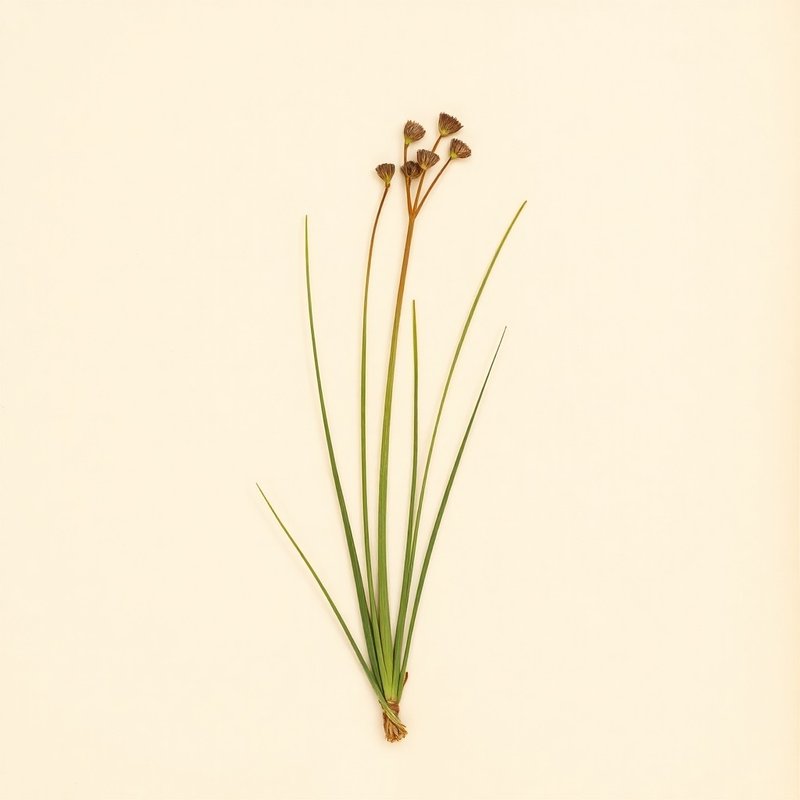
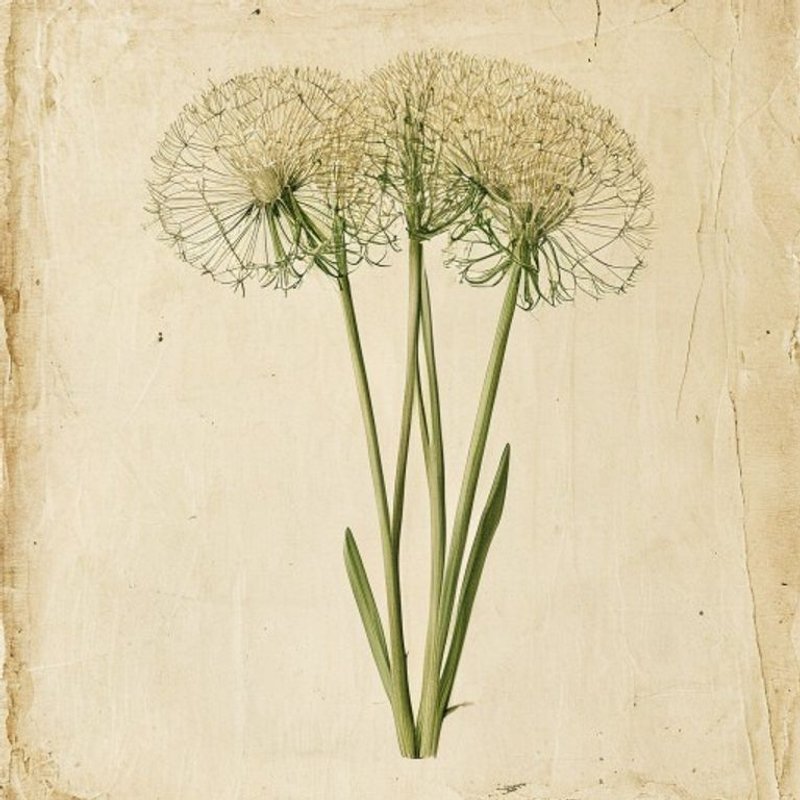
Traditionally used for occasional indigestion, chives are prepared as a tea infusion and may help by supporting digestive health (ESCOP Monograph).
Mechanism: Mechanism not fully characterised in modern literature; traditional attribution predates chemistry. Contains flavonoids typical for the Alliaceae family.
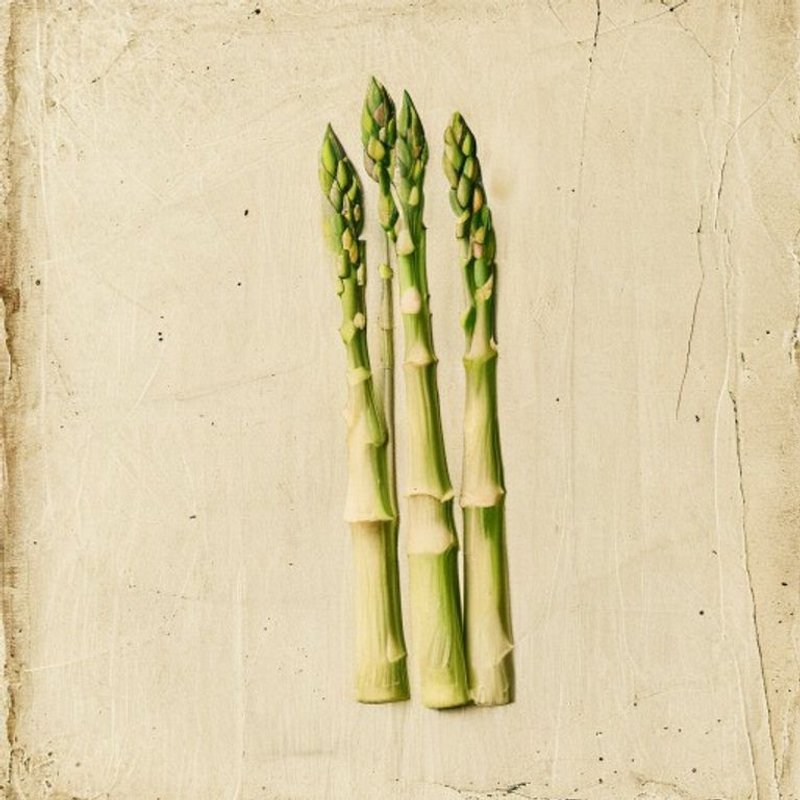
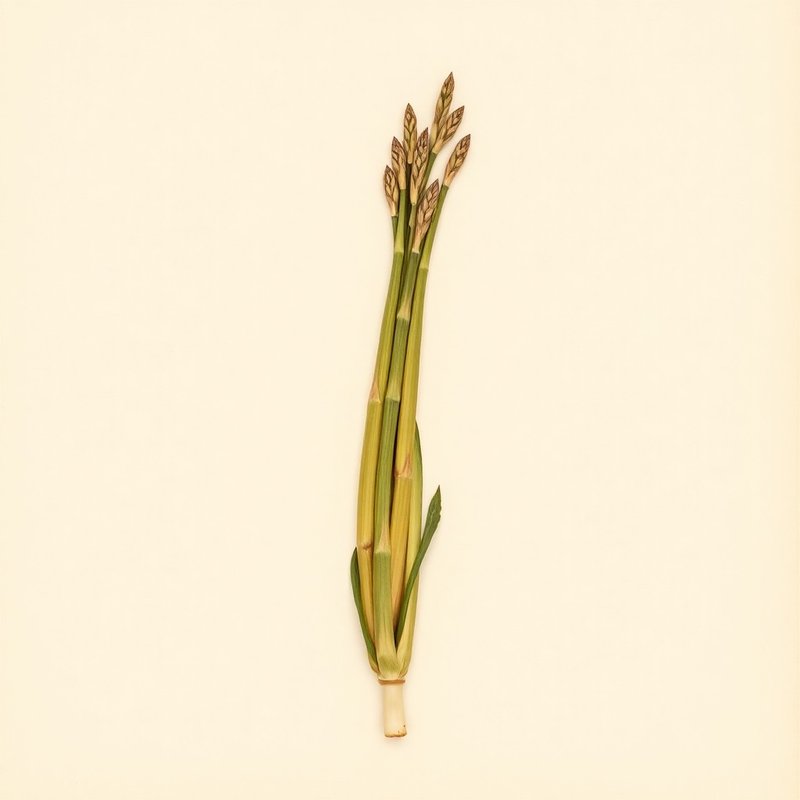
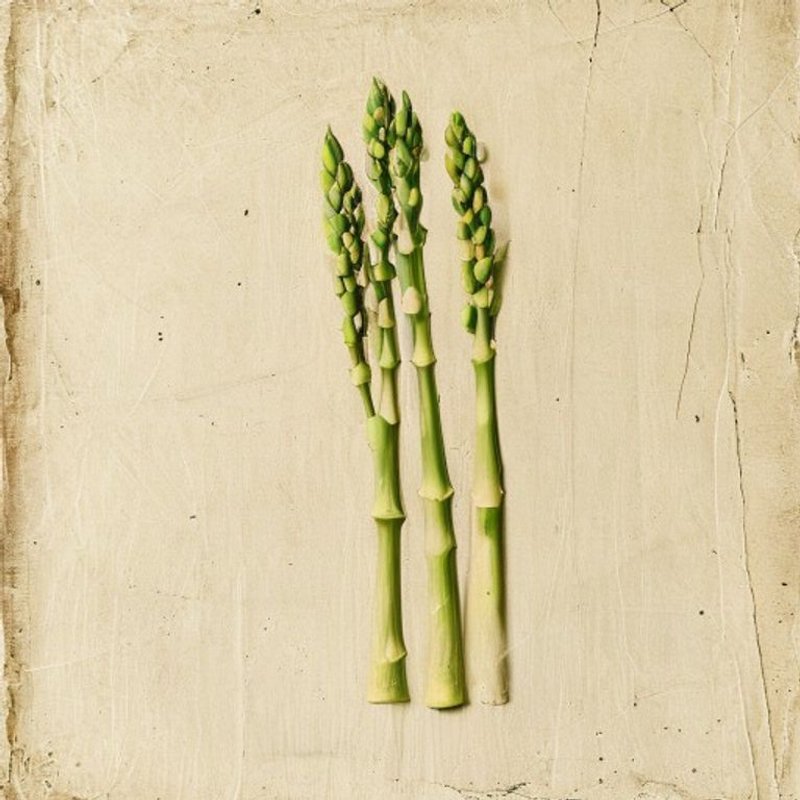
Traditionally used for occasional indigestion, as an adjunct in digestive support, the shoots of Asparagus officinalis are prepared as a tea infusion (ESCOP Monograph).
Mechanism: Mechanism not fully characterised in modern literature; traditional attribution predates chemistry. Contains iridoid glycosides typical for the Asparagaceae family.
European folk tradition and Commission E monographs on Mentha species document leaf infusions as supportive for occasional indigestion and postprandial bloating. Horsemint tea may help ease mild digestive discomfort when taken after meals.
Mechanism: Mentha longifolia contains volatile oils rich in menthol and carvone, which are known carminatives in the Lamiaceae family. These compounds may enhance gastric motility and reduce intestinal spasm via smooth-muscle relaxation, though the precise receptor mechanism in humans remains incompletely characterised. The action is consistent with other Mentha species (M. piperita, M. spicata) documented in Commission E and ESCOP monographs for digestive support.
Traditionally used for occasional indigestion, Seaport goosefoot is prepared as a tea infusion and may help support digestive health (ESCOP Monograph).
Mechanism: Mechanism not fully characterised in modern literature; traditional attribution predates chemistry. Contains iridoid glycosides typical for the Chenopodiaceae family, which are known to have anti-inflammatory properties.
Berberis heterophylla is traditionally used in European herbal medicine to aid digestion, particularly as a bitter tonic. It has been employed historically for its ability to stimulate digestive secretions and improve appetite.
Mechanism: The plant contains berberine and other alkaloids that act on the gastrointestinal tract by increasing bile secretion and enhancing gut motility.
Willow species like Salix matsudana have been traditionally used in European and Chinese herbalism for digestive issues. A tea made from the leaves or inner bark may help soothe an upset stomach.
Mechanism: Salicylates present in willows can act as mild bitters, stimulating digestive secretions and aiding in digestion. However, the specific mechanism is not fully characterised.
Varongy has been traditionally used in Madagascar for digestive issues, often prepared as a decoction to soothe the stomach and aid digestion.
Mechanism: The mechanism is not fully characterised but may involve compounds that interact with gut motility or reduce inflammation in the gastrointestinal tract.
Wakerobin has been traditionally used in Native American medicine to aid digestion, often prepared as a tea. It is believed to help with digestive discomfort and promote healthy gut function.
Mechanism: The mechanism by which Wakerobin aids digestion is not fully characterised but may involve compounds that interact with the gastrointestinal tract's motility or secretion processes.
Prunus species, including Western Sand Cherry, have been traditionally used in Native American medicine for digestive issues such as bloating and indigestion. A decoction of the fruit or seeds may help alleviate these symptoms.
Mechanism: The mechanism is not fully characterised but likely involves compounds like flavonoids and tannins that can support gastrointestinal health by reducing inflammation and soothing the gut lining.
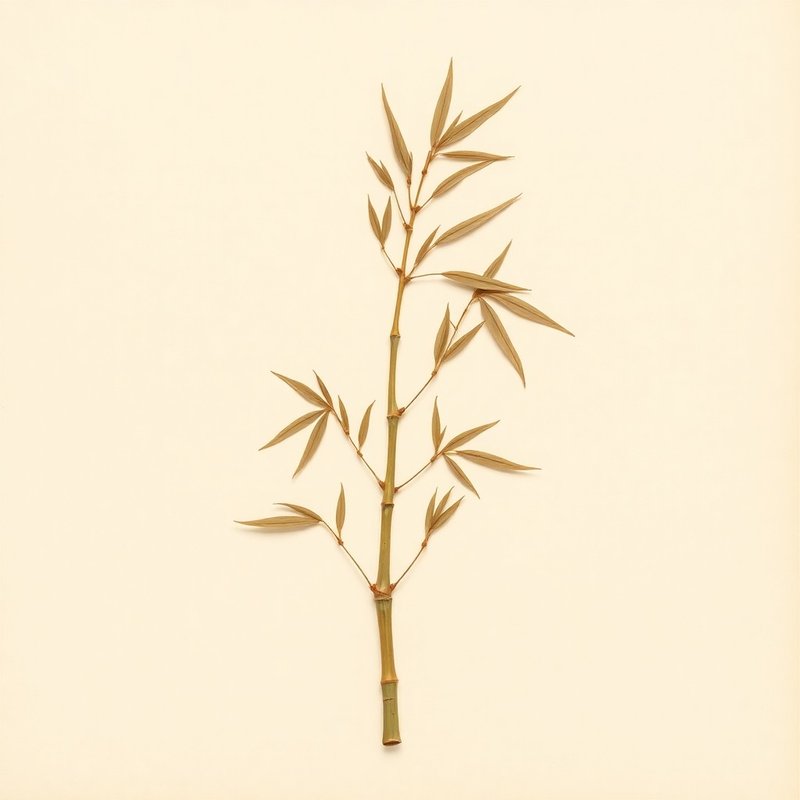
Bamboo is traditionally used in Asian herbal medicine to aid digestion, often consumed as a tea or decoction. It may help soothe the digestive tract and promote healthy bowel movements.
Mechanism: The mechanism by which bamboo aids digestion is not fully characterised but may involve compounds with anti-inflammatory properties that can support gastrointestinal health.
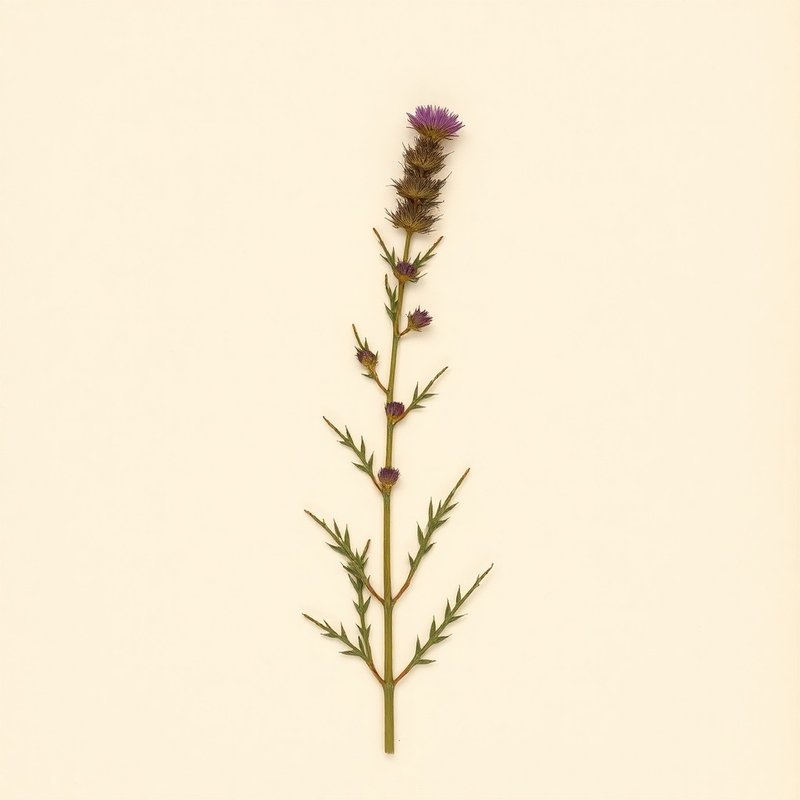
Salvia species have a long history in traditional medicine for digestive issues. A decoction or tea made from Thistle Sage may help soothe the stomach and support healthy digestion.
Mechanism: The mechanism involves compounds such as flavonoids which can interact with gut motility and reduce inflammation, though more research is needed to fully understand this process.
Virginia Waterleaf has been traditionally used in Native American medicine for digestive issues, often prepared as a tea to soothe the stomach and aid digestion.
Mechanism: The mechanism by which Virginia Waterleaf supports digestion is not fully characterized. However, it may involve compounds that interact with gut motility or reduce inflammation in the gastrointestinal tract.
Prunus species, including Prunus pedunculata, have been traditionally used in Chinese medicine for digestive issues such as bloating and indigestion. A decoction of the fruit or seeds may help alleviate these symptoms.
Mechanism: The mechanism is not fully characterised but likely involves compounds like flavonoids and tannins that can support gastrointestinal health by reducing inflammation and promoting gut motility.
Californian White Oak bark has been traditionally used in Native American medicine to aid digestion, often prepared as a decoction. It is believed to help with digestive discomfort and may have astringent properties.
Mechanism: The tannins present in oak bark act as natural astringents, which can help soothe the lining of the stomach and intestines, potentially reducing symptoms like diarrhea or indigestion.
Edible Thistle, like other thistles in the Asteraceae family, has been traditionally used for digestive issues such as bloating and indigestion. A decoction of the roots or leaves may help support healthy digestion.
Mechanism: The mechanism is not fully characterised but likely involves bitter compounds that stimulate bile production and improve gut motility.
Plantago species have been traditionally used in European herbal medicine for digestive issues, such as diarrhea and dysentery. A decoction of the leaves may help soothe the gastrointestinal tract.
Mechanism: The mechanism is not fully characterised but likely involves compounds like aucubin which has anti-inflammatory properties.
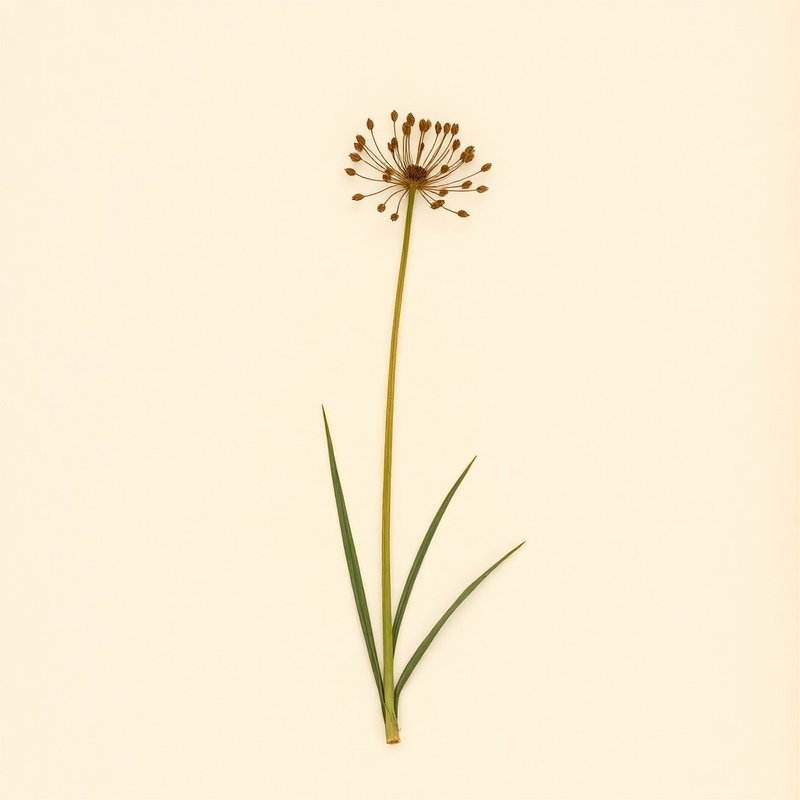
Allium carinatum has been traditionally used in European herbal medicine to aid digestion. A tea made from the leaves and flowers may help alleviate digestive discomfort.
Mechanism: Contains flavonoids which have anti-inflammatory properties that can support gastrointestinal health, though specific compounds for Allium carinatum are not fully characterised.
Cassia species, including Coral shower (Cassia grandis), have been traditionally used in South American herbal medicine for digestive issues such as bloating and indigestion. A decoction of the leaves or bark may help alleviate these symptoms.
Mechanism: The mechanism is not fully characterised but likely involves compounds like anthraquinones, which can stimulate intestinal peristalsis and promote bowel movements.
Yucca glauca has been traditionally used in Native American medicine to support digestive health, often prepared as a decoction. It is believed to help with gastrointestinal discomfort and may be beneficial for occasional use.
Mechanism: The mechanism by which Yucca glauca supports digestion is not fully characterised but it likely involves compounds that interact with the gut lining or digestive enzymes.
Indian Strawberry has been traditionally used in Ayurveda for digestive issues, often prepared as a decoction to support gastrointestinal health.
Mechanism: The mechanism is not fully characterised but may involve compounds that help regulate gut motility and reduce inflammation.
Smilax species have been traditionally used in herbal medicine to support digestive health, often prepared as a tea. This preparation may help alleviate minor digestive discomfort.
Mechanism: The mechanism is not fully characterised but involves the presence of saponins and flavonoids which are known for their anti-inflammatory properties.
Polygonum molle has been traditionally used in Chinese medicine for digestive issues, often prepared as a decoction to support gastrointestinal health.
Mechanism: The mechanism is not fully characterised but may involve compounds that interact with the gut's smooth muscle and improve motility.
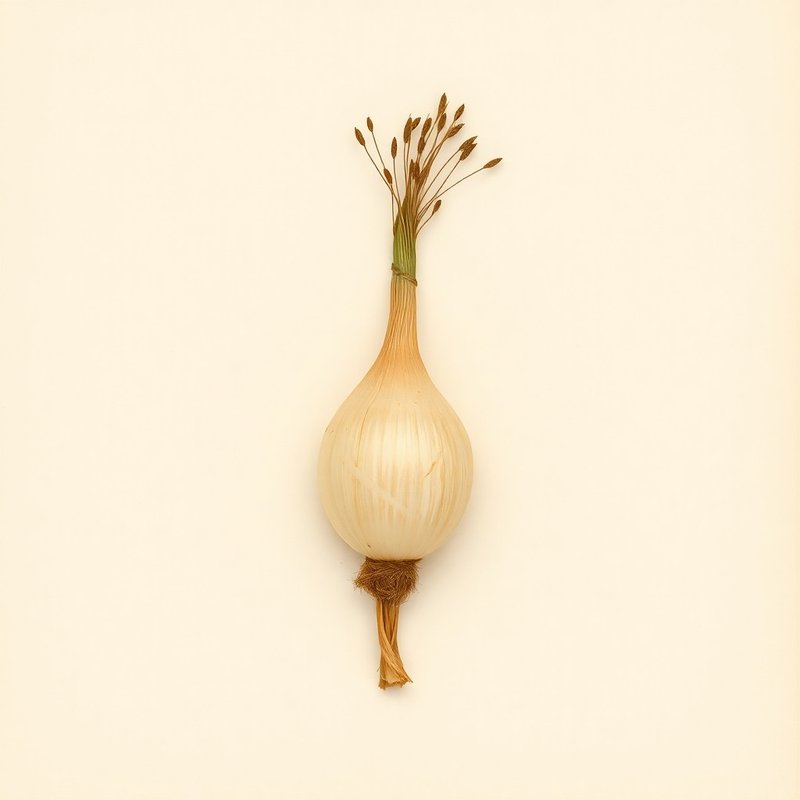
Textile Onion, like other Allium species, has been traditionally used in European herbalism to support digestive health. A decoction of the leaves and flowers may help alleviate occasional indigestion or bloating.
Mechanism: Allium species contain sulfur compounds such as allicin which can stimulate gastric secretions and improve digestion. However, the specific mechanism for Textile Onion is not fully characterised.
Polygonum polymorphum has been traditionally used in Chinese medicine for digestive issues, often prepared as a decoction to support gastrointestinal health.
Mechanism: The mechanism is not fully characterised but may involve compounds that interact with the gut's smooth muscle and improve motility.
Vaccinium koreanum is traditionally used in Korean cuisine for digestive health. Its astringent properties may help soothe the stomach and improve digestion.
Mechanism: The berries contain tannins which have astringent effects that can help reduce inflammation and irritation in the gastrointestinal tract.
Field Speedwell has been traditionally used in European herbal medicine to support digestive health, often prepared as a tea. It is believed to aid in the relief of minor digestive discomfort.
Mechanism: The mechanism by which Field Speedwell supports digestion is not fully characterised but may involve compounds that interact with gut motility and reduce inflammation.
Dioscorea tokoro, a member of the Dioscoreaceae family, has been traditionally used in East Asian medicine for digestive issues. Its root is often prepared as a decoction to support gastrointestinal health.
Mechanism: The mechanism by which Dioscorea supports digestion is not fully characterised but may involve compounds that interact with gut motility and inflammation pathways.
Allium species have a long history of use in traditional medicine for digestive issues, such as bloating and indigestion.
Mechanism: Compounds like thiosulfinates and flavonoids may help improve digestion by increasing gastric juice secretion and reducing inflammation. However, specific mechanisms for A. macleanii are not fully characterised.
Red dock has been traditionally used in European herbal medicine for digestive issues, often prepared as a decoction to support gastrointestinal health. Its bitter compounds are thought to stimulate digestion.
Mechanism: The plant contains bitter compounds that may activate taste receptors on the tongue and gut lining, stimulating bile production and improving digestion.
Viburnum species have a long history in traditional medicine for digestive issues, often prepared as a tea. Smooth Wither Rod may help alleviate occasional stomach discomfort.
Mechanism: The mechanism is not fully characterised but likely involves compounds that interact with the gastrointestinal tract to support digestion and reduce inflammation.
Western Dock has been traditionally used in Native American medicine for digestive issues, often prepared as a decoction to soothe the stomach and aid digestion.
Mechanism: The mechanism is not fully characterised but may involve compounds such as anthraquinones which have laxative effects and flavonoids that can help reduce inflammation in the gut.
Rubus species, including closely related Rubus fruticosus (blackberry), have been traditionally used in European herbal medicine for digestive issues such as mild stomach upset and indigestion. A decoction of the leaves or fruit may help soothe the gastrointestinal tract.
Mechanism: The mechanism is not fully characterised, but it likely involves compounds like tannins which can provide astringent effects on mucous membranes in the digestive system.
Taraxacum species, including rubber dandelion, have been traditionally used in European and Asian herbal medicine for digestive issues such as bloating and constipation. A decoction of the root may help support healthy digestion.
Mechanism: The mechanism involves compounds like inulin and sesquiterpene lactones which can stimulate bile production and improve gut motility, though specific pathways are not fully characterised for this species.
Lilium species are traditionally used in Chinese medicine to aid digestion, often prepared as a decoction. While specific for Lilium monanthum is limited, related species may offer similar digestive support.
Mechanism: The mechanism by which Lilium aids digestion is not fully characterised but may involve compounds with carminative and anti-inflammatory properties.
Rheum compactum has been traditionally used in Chinese medicine to support digestive health, particularly for symptoms of damp-heat and diarrhea. A decoction prepared from the stem is commonly recommended.
Mechanism: The mechanism involves compounds such as anthraquinones which have a laxative effect and may help regulate bowel movements by stimulating intestinal peristalsis.
Alpine Dock has been traditionally used in European herbal medicine for digestive issues, such as indigestion and bloating. A decoction of the leaves is commonly prepared to support gastrointestinal health.
Mechanism: The mechanism by which Alpine Dock supports digestion is not fully characterised but may involve compounds that help regulate stomach acid production or improve gut motility.
Willow species, including Salix gilgiana, have been traditionally used in European and Asian herbal medicine for digestive issues such as bloating and indigestion. A decoction of the inner bark or leaves may help alleviate these symptoms.
Mechanism: Salicylates found in willows are thought to contribute to their anti-inflammatory properties, which can support gastrointestinal health by reducing inflammation and irritation.
Smilax species are traditionally used in South American herbal medicine to aid digestion, often prepared as a decoction from the root.
Mechanism: The mechanism is not fully characterised but may involve compounds such as saponins and flavonoids that exhibit anti-inflammatory properties and support digestive health.
Asarum takaoi has been traditionally used in Japanese herbal medicine for digestive discomfort, often prepared as a decoction to soothe the stomach and intestines.
Mechanism: The mechanism is not fully characterised but may involve compounds that interact with gastrointestinal receptors or modulate gut motility.
Chinese Asparagus is traditionally used in Chinese medicine to aid digestion, often consumed as a tea or decoction. It may help alleviate digestive discomfort.
Mechanism: The mechanism by which it aids digestion is not fully characterised but may involve compounds that support gut motility and reduce inflammation.
Allium species, including A. carolinianum, have been traditionally used in various cultures for digestive issues such as bloating and indigestion, often consumed as a tea or tincture.
Mechanism: The mechanism involves the presence of sulfur compounds like allicin which can help stimulate gastric juice secretion and improve digestion. However, specific mechanisms for A. carolinianum are not fully characterised.
Silkworm Thorn is traditionally used in Chinese herbal medicine to aid digestion, often consumed as a tea or decoction. It may help alleviate digestive discomfort and support gastrointestinal health.
Mechanism: The mechanism of action for Silkworm Thorn's digestive benefits is not fully understood but could involve the presence of compounds like saponins and flavonoids that have been shown to influence gut motility in related plants.
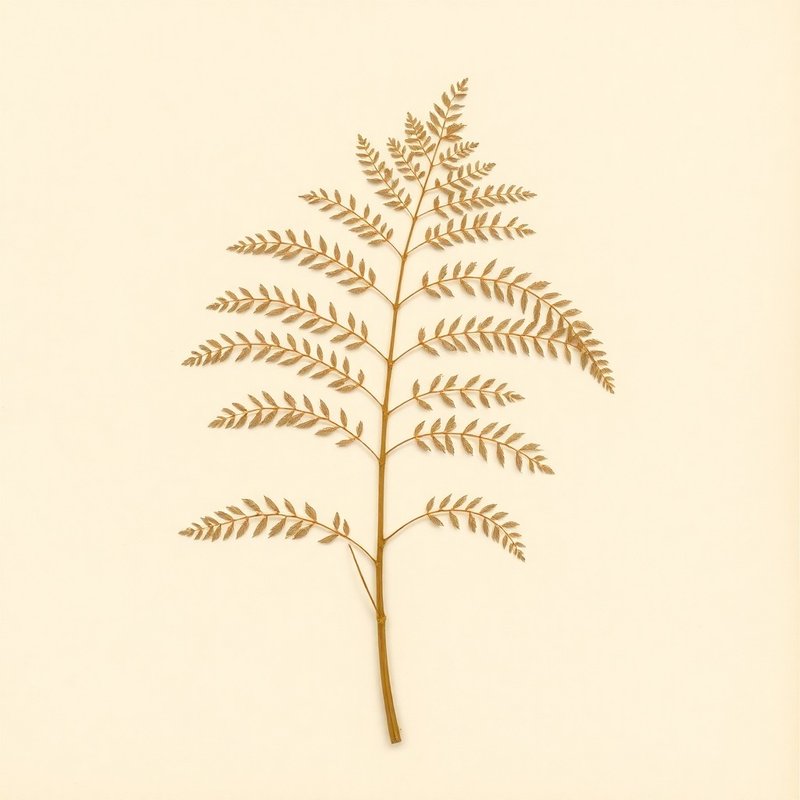
Bracken has been traditionally used in various cultures for digestive issues, often prepared as a decoction to alleviate symptoms such as bloating and indigestion.
Mechanism: The mechanism by which bracken supports digestion is not fully characterized but may involve compounds that help regulate gastrointestinal motility and reduce inflammation.
Yellow Archangel has been traditionally used in European herbalism for digestive issues, such as bloating and indigestion. A decoction of the leaves may help alleviate these symptoms.
Mechanism: The mechanism is not fully characterised but may involve compounds that support gastrointestinal function and reduce inflammation.
Salix viminalis is traditionally used in herbal medicine to aid digestion. A tea made from the leaves or inner bark may help soothe digestive discomfort and promote healthy gut function.
Mechanism: The salicylates present in willow species can have a mild anti-inflammatory effect on the gastrointestinal tract, though the exact mechanism for digestive support is not fully understood.
Viburnum japonicum has been traditionally used in East Asian medicine for digestive issues, such as bloating and cramping. A decoction of the leaves or fruit may help alleviate these symptoms.
Mechanism: The mechanism is not fully characterised but likely involves compounds that interact with gastrointestinal motility and reduce spasms.
Plantago species have been traditionally used in Chinese medicine for digestive issues, such as diarrhea and dysentery. A decoction of the leaves may help soothe the gastrointestinal tract.
Mechanism: The mechanism is not fully characterised but likely involves compounds that exert anti-inflammatory or astringent effects on the gut lining.
Amaranthus species, including Amaranthus torreyi, have been traditionally used in Mexican and Native American medicine for digestive issues such as diarrhea and dysentery. A decoction of the leaves or seeds may help soothe an upset stomach.
Mechanism: The mechanism is not fully characterised but likely involves anti-inflammatory compounds that reduce gut inflammation and promote healing.
Lesser Yam has been traditionally used in Asian medicine for digestive issues, often prepared as a decoction to soothe the stomach and aid digestion.
Mechanism: The mechanism by which Lesser Yam supports digestion is not fully characterised but may involve compounds that interact with gastrointestinal motility or reduce inflammation.
Box Myrtle has been traditionally used in Chinese medicine for digestive issues, often prepared as a decoction to support gastrointestinal health.
Mechanism: The mechanism is not fully characterised but may involve compounds such as flavonoids and tannins that have anti-inflammatory and antioxidant properties.
Allium species, including closely related A. validum, have been traditionally used in Chinese medicine for digestive issues such as bloating and indigestion, often prepared as a decoction.
Mechanism: Contains sulfur compounds like allicin which may help stimulate gastric juice secretion and improve digestion by enhancing gut motility.
Gentiana thunbergii, like other Gentian species, has been traditionally used in Chinese medicine for digestive issues such as indigestion and loss of appetite. A decoction made from the leaves may help stimulate gastric juice secretion.
Mechanism: The bitter compounds in gentians activate taste receptors on the tongue, which then trigger reflexes that increase bile flow and enhance digestion. However, specific active components are not fully characterised for this species.
Prunus species, including Desert Almond, have been traditionally used in Native American medicine for digestive issues such as bloating and indigestion. A decoction of the bark or fruit may help alleviate these symptoms.
Mechanism: The mechanism is not fully characterised but likely involves compounds like flavonoids and tannins that can reduce inflammation and soothe the gastrointestinal tract.
Hawthorn has a long history in traditional medicine for aiding digestion. A decoction of the leaves and flowers may help soothe digestive discomfort.
Mechanism: Crataegus species contain proanthocyanidins which can have anti-inflammatory effects on the gastrointestinal tract, potentially improving digestive function.
Polygonum thunbergii is traditionally used in Chinese medicine to aid digestion, often consumed as a tea. It may help alleviate digestive discomfort and support gastrointestinal health.
Mechanism: The mechanism of action for Polygonum thunbergii's digestive benefits is not fully characterised but may involve compounds such as tannins and flavonoids that have been studied in related species for their anti-inflammatory and antioxidant properties.
Yucca species have been traditionally used in Mesoamerican medicine for digestive issues, often prepared as a decoction from the leaves or flowers. This preparation may help alleviate symptoms of indigestion and support overall gastrointestinal health.
Mechanism: The mechanism by which yucca supports digestion is not fully characterised but may involve compounds that have anti-inflammatory properties and aid in soothing the digestive tract.
In traditional Chinese medicine, Vaccinium modestum is used to aid digestion and alleviate digestive discomfort. It is often consumed as a tea or decoction.
Mechanism: The mechanism by which Vaccinium modestum supports digestion is not fully characterised but may involve compounds that help regulate gastrointestinal function and reduce inflammation.
Evening primrose species have been traditionally used in Native American medicine for digestive issues, often prepared as a tea or decoction. This preparation may help support healthy digestion.
Mechanism: The mechanism is not fully characterised but evening primrose oil contains linoleic acid and GLA which can influence the body's inflammatory response, potentially aiding in digestive comfort.
Taraxacum sinicum, like its close relative Taraxacum officinale (dandelion), has been traditionally used in Chinese medicine for digestive issues such as indigestion and constipation. A decoction of the root is commonly prepared to support healthy digestion.
Mechanism: The mechanism involves compounds such as inulin, which can help regulate gut flora and improve bowel function. However, specific pathways are not fully characterised.
Black walnut has been traditionally used in North American herbalism to support digestive health, particularly for intestinal parasites. A decoction of the hulls is commonly prepared and taken as an adjunct remedy.
Mechanism: The active compounds juglone and tannins are thought to have anthelmintic properties, disrupting the metabolism of parasitic worms in the gut. However, the exact mechanism is not fully characterised.
Wood Rose has been traditionally used in herbal medicine for digestive issues, similar to other Rosa species. A decoction of the flowers or fruits may help alleviate mild stomach discomfort.
Mechanism: The mechanism involves compounds such as tannins and flavonoids which have astringent properties that can soothe the gastrointestinal tract, though specific pathways are not fully characterised.
Willow species have been traditionally used in European herbalism for digestive issues, often prepared as a decoction. Salix x mollisima hippophaeifolia may help alleviate mild gastrointestinal discomfort.
Mechanism: The mechanism is not fully characterised but involves compounds such as salicin which can provide anti-inflammatory and analgesic effects in the gut.
In Ayurvedic practice, Asparagus adscendens is traditionally used to aid digestion and alleviate digestive discomfort. It is often consumed as a tea or decoction.
Mechanism: The mechanism by which Asparagus adscendens aids digestion is not fully characterised but may involve compounds that support gastrointestinal health.
Taraxacum mongolicum, like its close relative Taraxacum officinale, has been traditionally used in Chinese medicine for digestive issues such as bloating and constipation. A decoction of the root may help support healthy digestion.
Mechanism: The mechanism involves compounds such as sesquiterpene lactones which have anti-inflammatory effects on the gastrointestinal tract, though it is not fully characterised.
Wormwood has been traditionally used in European and Asian herbal medicine to support digestion, often prepared as a tea or tincture. It is believed to stimulate appetite and aid in the breakdown of fats.
Mechanism: The bitter compounds in wormwood activate digestive secretions and bile flow, which can help improve digestion and reduce bloating. However, the specific mechanism by which these effects occur is not fully characterised.
In traditional Chinese medicine, Trillium tschonoskii is used to aid digestion and alleviate digestive discomfort. It is often prepared as a decoction or tea.
Mechanism: The mechanism by which Trillium tschonoskii aids digestion is not fully characterised but may involve compounds that help regulate gastrointestinal function.
Southern Redcedar has been traditionally used to aid digestion, particularly in Native American practices where a tea made from the leaves and bark is consumed after meals. This preparation may help alleviate digestive discomfort.
Mechanism: The mechanism involves compounds such as terpenoids which have carminative effects, helping to reduce gas and bloating. However, specific mechanisms for Southern Redcedar are not well-documented.
Annual Yellow Sweetclover has been traditionally used in Ayurvedic medicine to aid digestion, often prepared as a tea. It is believed to help alleviate digestive discomfort and promote healthy gut function.
Mechanism: The mechanism by which Annual Yellow Sweetclover aids digestion is not fully characterised but may involve compounds that support the digestive system's natural processes.
Bistort has been traditionally used in European herbal medicine to support digestive health, particularly for conditions like diarrhea and dysentery. Its astringent properties are thought to help soothe the gastrointestinal tract.
Mechanism: The plant contains tannins which have astringent effects on mucous membranes, helping to reduce inflammation and irritation in the gut.
Prunus tangutica, like other Prunus species, has been traditionally used in Chinese medicine for digestive issues such as bloating and indigestion. A decoction of the fruit or seeds may help alleviate these symptoms.
Mechanism: The mechanism is not fully characterised but likely involves compounds that aid digestion by promoting gastric motility and reducing inflammation.
Himalayan Juniper has been traditionally used in Chinese medicine for digestive issues, often prepared as a tea. It is believed to help alleviate symptoms of indigestion and promote healthy digestion.
Mechanism: The mechanism by which Himalayan Juniper aids digestion is not fully characterised but may involve compounds such as essential oils that have been studied in related juniper species for their carminative effects.
Salvia species have a long history in traditional medicine for digestive issues. A decoction or tea made from S. lanata may help soothe the stomach and support healthy digestion.
Mechanism: The mechanism involves compounds like tannins and flavonoids which can reduce inflammation and spasms in the gastrointestinal tract, though specific pathways are not fully understood for this species.
Polygonum maackianum is traditionally used in Chinese medicine to aid digestion, often consumed as a tea. It may help alleviate digestive discomfort and support the overall health of the gastrointestinal tract.
Mechanism: The mechanism by which Polygonum maackianum aids digestion is not fully characterised but may involve compounds that interact with gut motility or reduce inflammation in the digestive system.
Allium cepa varieties, including the potato onion, have been traditionally used in Ayurvedic and Chinese medicine to aid digestion. Consuming the bulb or leaves may help alleviate digestive discomfort.
Mechanism: Contains flavonoids such as quercetin which can reduce inflammation and support gastrointestinal health. However, specific mechanisms for potato onions are not well-documented.
Amaranthus species, including Boggabri Weed, have been traditionally used in indigenous Australian medicine to support digestive health. A decoction of the leaves may help alleviate mild gastrointestinal discomfort.
Mechanism: The mechanism is not fully characterised but likely involves compounds such as saponins and flavonoids that interact with gut motility and inflammation pathways.
Juniper berries, including those from the Juniperus genus, have been traditionally used in European herbal medicine to support digestion and alleviate gastrointestinal discomfort. A decoction of the fruit may help stimulate digestive processes.
Mechanism: The mechanism involves terpenoids such as alpha-pinene and beta-myrcene which can influence gut motility and reduce inflammation. However, specific pathways are not fully characterised.
Fragaria nilgerrensis, like other Fragaria species, has been traditionally used in Chinese medicine for digestive issues such as bloating and indigestion. A decoction of the fruit may help alleviate these symptoms.
Mechanism: The mechanism is not fully characterised but likely involves compounds that support gastrointestinal motility and reduce inflammation.
Coprosma species, including Sand Coprosma, have been traditionally used in New Zealand for digestive issues such as bloating and indigestion. A decoction of the leaves or fruit may help alleviate these symptoms.
Mechanism: The mechanism is not fully characterised but likely involves compounds that support gastrointestinal function and reduce inflammation.
Mustard spinach, like other Brassica species, has been traditionally used in European herbalism to support digestion and relieve occasional digestive discomfort. A decoction of the leaves may help soothe an upset stomach.
Mechanism: Brassica vegetables contain glucosinolates which can break down into isothiocyanates upon enzymatic action; these compounds have been shown to stimulate gastric juice secretion and improve digestion, though the specific mechanism for mustard spinach remains not fully characterised.
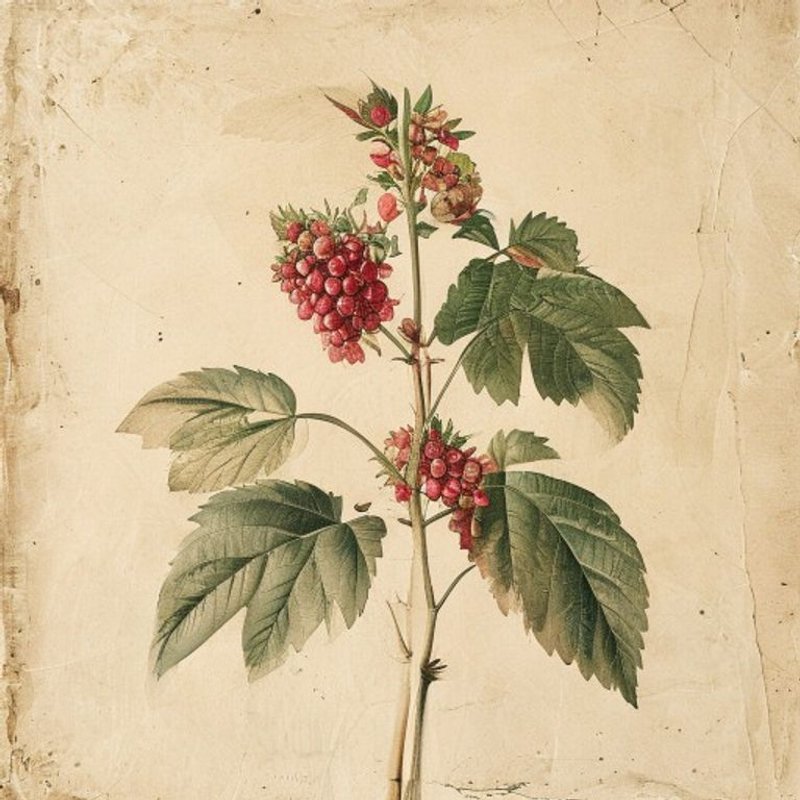
Dwarf Raspberry has been traditionally used in Native American medicine for digestive issues, often prepared as a tea to soothe the stomach and aid digestion.
Mechanism: The mechanism is not fully characterised but may involve compounds such as flavonoids that have anti-inflammatory properties and can help with gastrointestinal discomfort.
Potato has been traditionally used in Andean medicine to soothe digestive discomfort, often prepared as a decoction. Its high starch content may help regulate bowel movements and alleviate symptoms of indigestion.
Mechanism: The mechanism is not fully characterised but likely involves the interaction of potato's complex carbohydrates with gut motility and microbial fermentation in the intestines.
Musk Thistle has been traditionally used in European herbal medicine to support digestive health, often prepared as a decoction. It is believed to aid in the breakdown of fats and proteins.
Mechanism: The mechanism by which Musk Thistle supports digestion is not fully characterised but may involve compounds that stimulate bile production or improve gut motility.
Almonds have been traditionally used in Ayurvedic medicine to support digestive health, often consumed as a snack or added to meals. They are believed to aid in the breakdown of food and alleviate occasional indigestion.
Mechanism: The presence of dietary fiber and healthy fats in almonds may help regulate digestion by promoting bowel regularity and reducing inflammation in the gut lining. However, the specific compounds responsible for these effects have not been fully characterized.
Artemisia indica is traditionally used in Ayurvedic medicine to aid digestion, often consumed as a tea. It may help alleviate digestive discomfort.
Mechanism: The mechanism by which Artemisia indica aids digestion is not fully characterised but may involve bitter compounds that stimulate bile production and improve gut motility.
Citrus ichangensis is traditionally used in Chinese herbal medicine to aid digestion. A decoction of the fruit may help alleviate digestive discomfort.
Mechanism: The mechanism involves the presence of flavonoids and other bioactive compounds that can stimulate gastric juice secretion and improve gut motility, aiding digestion.
Carambola leaves have been traditionally used in Southeast Asian medicine to support digestive health, often prepared as a decoction. The leaves are believed to aid digestion and alleviate gastrointestinal discomfort.
Mechanism: The mechanism is not fully characterised but may involve compounds such as flavonoids that interact with the gut's smooth muscle tissue to promote healthy digestion.
Black Oak bark has been traditionally used in Native American medicine to aid digestion and relieve gastrointestinal discomfort. A decoction of the bark may help soothe an upset stomach.
Mechanism: Tannins present in Black Oak have astringent properties that can help reduce inflammation and irritation in the digestive tract, promoting comfort and aiding digestion.
Celosia argentea cristata is traditionally used in some African cultures to aid digestion, often consumed as a tea or decoction. Its use for digestive issues is based on local traditional practices.
Mechanism: The mechanism by which Celosia argentea cristata aids digestion is not fully characterised but may involve compounds that interact with the gastrointestinal tract's motility and secretions.
Dwarf American Cherry has been traditionally used in Native American medicine for digestive issues, often prepared as a decoction to soothe the stomach and aid digestion.
Mechanism: The mechanism is not fully characterised but may involve compounds such as flavonoids and tannins that have anti-inflammatory and astringent properties.
Berberis species are traditionally used in Ayurvedic and Chinese medicine for digestive issues, such as dyspepsia. A decoction of Berberis calliantha may help alleviate symptoms.
Mechanism: Berberine has been shown to inhibit the growth of Helicobacter pylori and reduce inflammation in the gut, though specific effects on B. calliantha are not well-documented.
Rubus candicans, like other Rubus species, has been traditionally used in herbal medicine for digestive issues such as bloating and indigestion. A decoction of the leaves or fruit may help soothe an upset stomach.
Mechanism: The mechanism is not fully characterised but likely involves compounds that have anti-inflammatory and astringent properties, which can support gastrointestinal health.
Peach seeds have been traditionally used in Chinese medicine to support digestion and alleviate abdominal pain, often prepared as a decoction. The mechanism involves the presence of amygdalin which may help regulate digestive functions.
Mechanism: Amygdalin is thought to influence digestive enzymes and gut motility, though the exact pathway is not fully characterised.
Scarlet Haw, like other Crataegus species, has been traditionally used in European herbal medicine to support digestive health. A tea made from the fruit may help alleviate occasional indigestion and bloating.
Mechanism: Crataegus contains flavonoids such as hyperoside and rutin which can improve gastric motility and reduce inflammation in the gastrointestinal tract.
Yucca whipplei has been traditionally used in Native American medicine for digestive issues, often prepared as a decoction to soothe the stomach and aid digestion.
Mechanism: The mechanism by which Yucca whipplei supports digestion is not fully characterised but may involve compounds that help regulate gut motility and reduce inflammation.
Willow species, including Hooker's willow, have been traditionally used in European herbalism for digestive issues such as bloating and cramping. A decoction of the inner bark or leaves may help soothe an upset stomach.
Mechanism: Salicin, a compound found in willows, is metabolized into salicylic acid which has anti-inflammatory properties that can aid in reducing gastrointestinal inflammation and discomfort.
Asparagus species have been traditionally used in European herbal medicine for digestive issues, such as bloating and indigestion. A decoction of the shoots or stems may help alleviate these symptoms.
Mechanism: The mechanism is not fully characterised but likely involves compounds that support gastrointestinal motility and reduce inflammation.
Green Strawberry has been traditionally used in European herbalism to aid digestion, often consumed as a light fruit or made into a tea after meals. Its mild nature supports digestive comfort and may help with occasional bloating.
Mechanism: The mechanism is not fully characterised but likely involves the presence of flavonoids and other phytochemicals that support gastrointestinal motility and reduce inflammation in the gut lining.
Platystemon californicus is traditionally used in Native American medicine for digestive issues, such as bloating and indigestion. A decoction of the plant may help alleviate these symptoms.
Mechanism: The mechanism is not fully characterised but may involve compounds that support gastrointestinal motility or reduce inflammation.
Trifolium hybridum has been traditionally used to support digestive health, often prepared as a decoction. It may help alleviate occasional indigestion and bloating.
Mechanism: The mechanism is not fully characterised but likely involves compounds such as saponins which can have anti-inflammatory effects on the gastrointestinal tract.
Rubus species, including Bush Lawyer, have been traditionally used in New Zealand for digestive issues such as bloating and indigestion. A decoction of the leaves or fruit may help soothe an upset stomach.
Mechanism: The mechanism is not fully characterised but likely involves compounds like tannins and flavonoids that can reduce inflammation and provide astringent effects in the digestive tract.
Solanum torvum is traditionally used in South American herbal medicine to support digestive health, often prepared as a decoction. It may help alleviate symptoms of indigestion and bloating.
Mechanism: The mechanism by which Solanum torvum supports digestion is not fully characterised but it likely involves compounds that interact with the gastrointestinal tract's motility and secretory functions.
Canadian Aspen has been traditionally used in North American herbalism to aid digestion, often prepared as a tea from the inner bark. This preparation is believed to help soothe digestive discomfort.
Mechanism: The mechanism by which Canadian Aspen aids digestion is not fully characterised but may involve compounds such as salicin and flavonoids that have anti-inflammatory effects on the gastrointestinal tract.
Rumex species, including amamastla, have been traditionally used in Native American medicine for digestive issues such as stomach pain and diarrhea. A decoction of the leaves may help soothe an upset stomach.
Mechanism: The mechanism is not fully characterised but likely involves compounds like anthraquinones which can act as mild laxatives or anti-inflammatory agents in the gut.
Salix triandra has been traditionally used in European herbal medicine to aid digestion. A tea made from the leaves or inner bark may help soothe digestive discomfort.
Mechanism: The salicylates and flavonoids present in willow species can have a mild anti-inflammatory effect on the gastrointestinal tract, potentially aiding in digestive issues such as indigestion and bloating.
Descurainia antarctica, like other species in the Brassicaceae family, has been traditionally used for digestive issues such as bloating and indigestion. A decoction of the seeds may help alleviate these symptoms.
Mechanism: The mechanism is not fully characterised but likely involves compounds similar to those found in mustard oil, which can stimulate gastric secretions and improve digestion.
Canadian Garlic has been traditionally used in herbal medicine to aid digestion and relieve digestive discomfort. It is often consumed as a tea or tincture.
Mechanism: The bulb of Allium canadense contains flavonoids and saponins which may help stimulate gastric secretions and improve gut motility, though the specific mechanism for this species needs further study.
Polygonum weyrichii, like other Polygonums, has been traditionally used in Asian medicine for digestive issues such as diarrhea and dysentery. A decoction of the leaves or roots may help soothe an upset stomach.
Mechanism: The mechanism is not fully characterised but likely involves compounds that have astringent properties, helping to reduce inflammation and control secretions in the gastrointestinal tract.
Ulmus macrocarpa is traditionally used in Chinese medicine to aid digestion, often prepared as a decoction. It may help soothe the digestive tract and alleviate discomfort.
Mechanism: The mechanism is not fully characterised but may involve compounds such as mucilage that can provide soothing effects on the gastrointestinal lining.
Rubus odoratus, like other Rubus species, has been traditionally used in North American herbalism to support digestive health. A decoction of the leaves and fruit may help alleviate minor digestive discomfort.
Mechanism: The mechanism is not fully characterised but likely involves compounds such as tannins and flavonoids which have astringent properties that can soothe the gastrointestinal tract.
Licorice root has been traditionally used in European and Chinese medicine to support digestive health, particularly for soothing the stomach when taken as a decoction.
Mechanism: Glycyrrhizin and other compounds in licorice have anti-inflammatory properties that may help soothe gastric irritation. However, the exact mechanism is not fully characterised.
Yucca species have been traditionally used in Native American medicine for digestive issues, often prepared as a decoction. Yucca harrimaniae may support digestion due to its saponin content which can help reduce inflammation and soothe the gastrointestinal tract.
Mechanism: Saponins found in yucca species have anti-inflammatory properties that may contribute to digestive health by reducing irritation and inflammation in the gut lining. However, specific mechanisms for Yucca harrimaniae are not fully characterised.
Giant trichanthera has been traditionally used in South American herbal medicine for digestive issues, often prepared as a decoction to soothe the stomach and aid digestion.
Mechanism: The mechanism is not fully characterised but may involve compounds that interact with gut motility or reduce inflammation in the gastrointestinal tract.
Asparagus species have been traditionally used in European herbal medicine for digestive issues, such as bloating and indigestion. A decoction of the plant may help alleviate these symptoms.
Mechanism: The mechanism by which Asparagus supports digestion is not fully characterised but it likely involves compounds that aid in reducing inflammation or promoting gut motility.
Terminalia species are traditionally used in Ayurveda for digestive issues, and Terminalia kaernbachii may offer similar benefits. A decoction of the bark or leaves might help with digestion.
Mechanism: The mechanism is not fully characterised but involves compounds like tannins which have astringent properties that can support gastrointestinal health.
Balsam Poplar has been traditionally used in North American herbal medicine to aid digestion, often prepared as a tea from the flowers. This preparation is believed to help soothe digestive discomfort.
Mechanism: The mechanism by which Balsam Poplar aids digestion is not fully characterised but may involve compounds such as salicylates and flavonoids that have anti-inflammatory effects on the gastrointestinal tract.
Alstroemeria revoluta is traditionally used in Chilean herbal medicine to aid digestion, often prepared as a tea. Its use is based on local knowledge and traditional practices.
Mechanism: The mechanism by which Alstroemeria aids digestion is not fully characterised but may involve compounds that support digestive processes or alleviate discomfort.
Lobelia has been traditionally used in Chinese medicine for digestive issues, often prepared as a decoction. It may help support digestion and alleviate discomfort.
Mechanism: The mechanism is not fully characterised but lobeline, an alkaloid found in Lobelia species, can influence gastrointestinal motility and reduce spasms.
Ruby Saltbush has been traditionally used in Aboriginal medicine for digestive issues, often prepared as a decoction to soothe the stomach and aid digestion.
Mechanism: The mechanism by which Ruby Saltbush supports digestion is not fully characterised but may involve compounds that interact with gut motility or reduce inflammation.
Phytolacca dioica has been traditionally used in South American herbal medicine to support digestive health, often prepared as a decoction. It is believed to aid in the relief of gastrointestinal discomfort and promote healthy digestion.
Mechanism: The mechanism by which Phytolacca dioica supports digestive health is not fully characterised but may involve compounds that interact with gut motility or inflammation pathways.
Sunflowers, including Helianthus species like Cusick's sunflower, have been traditionally used in Native American medicine for digestive issues. A decoction of the root or seeds may help alleviate symptoms such as bloating and indigestion.
Mechanism: The mechanism is not fully characterised but likely involves compounds that support gastrointestinal motility and reduce inflammation.
Greenleaf Manzanita has been traditionally used in Native American medicine to aid digestion, often prepared as a tea. It is believed to help with digestive discomfort.
Mechanism: The mechanism involves compounds such as tannins and flavonoids which have demonstrated anti-inflammatory properties that may support gastrointestinal health. However, specific pathways are not fully characterised.
Eriogonum species have been traditionally used in Native American medicine to aid digestion. A tea made from the leaves may help soothe digestive discomfort.
Mechanism: The mechanism is not fully characterised but likely involves compounds such as tannins and flavonoids that can reduce inflammation and support gut health.
Cambuca is traditionally used in South American herbal medicine to support digestive health, often consumed as a fruit or juice. Its mild action may help alleviate occasional indigestion and bloating.
Mechanism: The mechanism by which Cambuca supports digestion is not fully characterised but likely involves compounds that aid in the breakdown of food and promote gut motility.
Beech leaves have been traditionally used in European herbal medicine to support digestive health, particularly for mild gastrointestinal discomfort. A decoction of the leaves may help soothe the stomach and promote healthy digestion.
Mechanism: The mechanism by which beech leaves support digestion is not fully characterised but likely involves compounds that interact with the gut lining or modulate digestive processes.
Berberis species have been traditionally used in Ayurveda and Chinese medicine for digestive issues, with Berberis x lologensis containing berberine which may help support gastrointestinal health.
Mechanism: Berberine has anti-inflammatory properties and can influence gut microbiota, potentially supporting digestion. However, specific mechanisms for Berberis x lologensis are not fully characterised.
Allium species, including A. semenovii, have been traditionally used in Central Asian medicine for digestive issues such as bloating and indigestion, often prepared as a decoction.
Mechanism: The mechanism involves the presence of sulfur compounds like allicin which can stimulate gastric juice secretion and improve digestion.
Rosa species have a long history in traditional medicine for aiding digestion, often consumed as a tea or decoction. Sherard's downy rose may help with digestive discomfort due to its anti-inflammatory and carminative properties.
Mechanism: The presence of anthocyanins and other polyphenols can reduce inflammation in the gastrointestinal tract and promote healthy gut motility, though specific compounds for Sherard's downy rose are not fully characterised.
Grecian Juniper has been traditionally used in European herbal medicine to support digestion, often consumed as a tea made from the fruit. It may help alleviate digestive discomfort and promote healthy gastrointestinal function.
Mechanism: The mechanism is not fully characterised but it likely involves compounds such as terpenoids and flavonoids that have gastroprotective effects.
Prunus species, including Dwarf Russian Almond, have been traditionally used in European and Asian herbal medicine for digestive issues such as bloating and indigestion. A decoction of the fruit or seeds may help alleviate these symptoms.
Mechanism: The mechanism is not fully characterised but likely involves compounds like flavonoids and tannins that can have astringent and anti-inflammatory effects on the gastrointestinal tract.
Walnuts, including the Manchurian Walnut, have been traditionally used in Chinese medicine to support digestive health. A decoction of the seeds may help alleviate symptoms of indigestion and promote healthy digestion.
Mechanism: The mechanism is not fully characterised but may involve compounds such as tannins and flavonoids that can soothe the gastrointestinal tract and reduce inflammation.
Rubus species, including closely related Rubus fruticosus, have been traditionally used in European herbal medicine for digestive issues such as bloating and indigestion. A decoction of the leaves or fruit may help soothe an upset stomach.
Mechanism: The mechanism is not fully characterised but likely involves compounds like tannins which can provide astringent effects, helping to reduce inflammation in the gut lining.
Rocky Mountain Chokecherry is traditionally used in Native American medicine to support digestion, often prepared as a tea from the bark or leaves. It has been used for digestive discomfort and bloating.
Mechanism: The mechanism of action involves compounds such as tannins which can help reduce inflammation and soothe the gastrointestinal tract.
Crataegus species have a long history in European herbal medicine for aiding digestion, particularly when consumed as a tea after meals. It is traditionally used to alleviate digestive discomfort.
Mechanism: The mechanism involves the presence of flavonoids and other compounds that may help stimulate gastric juice secretion and improve gastrointestinal motility.
Herb Patience has been traditionally used in European and Asian herbal medicine for digestive issues, such as indigestion and bloating. A decoction of the leaves is often recommended to support gastrointestinal health.
Mechanism: The mechanism by which Herb Patience supports digestion is not fully characterised but may involve compounds that help regulate gut motility and reduce inflammation in the digestive tract.
Cycas spp. is traditionally used in Southeast Asian herbal medicine to aid digestion, often prepared as a decoction from the seeds.
Mechanism: The mechanism by which Cycas aids digestion is not fully characterised but may involve compounds that help regulate digestive processes and alleviate discomfort.
Taraxacum species, including T. formosanum, have been traditionally used in Chinese medicine for digestive issues such as bloating and indigestion, often prepared as a decoction.
Mechanism: The mechanism involves the bitter compounds found in dandelions, which stimulate bile production and improve digestion. However, specific compounds responsible for this effect are not fully characterised.
Polygonum species are traditionally used in Chinese medicine for digestive issues, often prepared as a decoction. This preparation may help alleviate symptoms of indigestion and stomach discomfort.
Mechanism: The mechanism is not fully characterised but likely involves the modulation of gastrointestinal motility through phytochemicals such as flavonoids and anthraquinones.
Gaultheria macrostigma has been traditionally used in New Zealand for digestive issues, often prepared as a decoction to soothe the stomach and aid digestion.
Mechanism: The mechanism by which Gaultheria macrostigma supports digestion is not fully characterised but may involve compounds that interact with gut motility or reduce inflammation.
Crownscale, like other Atriplex species, has been traditionally used in Native American medicine for digestive issues. Its leaves and seeds are often prepared as a decoction to support gastrointestinal health.
Mechanism: The mechanism is not fully characterised but may involve compounds that help regulate gut motility and reduce inflammation.
Giant Sunflower has been traditionally used to support digestive health, similar to other Helianthus species. A tea made from the seeds may help alleviate occasional digestive discomfort.
Mechanism: The mechanism is not fully characterised but likely involves compounds such as sesquiterpene lactones which have shown anti-inflammatory and hepatoprotective effects in vitro studies.
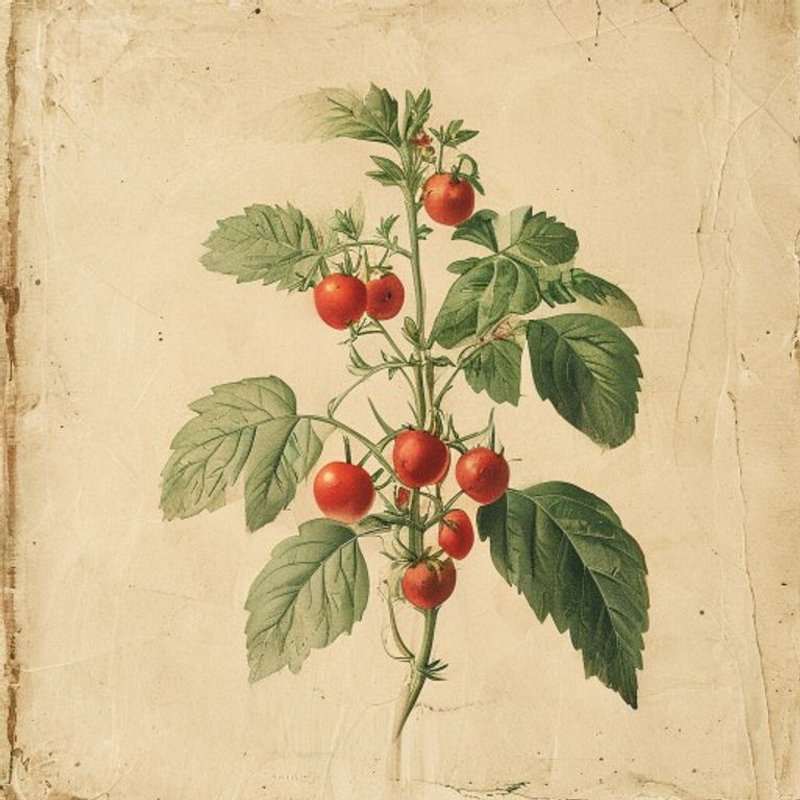
Currant Tomato has been traditionally used in South American herbal medicine to aid digestion. Consuming the fruit may help alleviate digestive discomfort and promote healthy gut function.
Mechanism: The mechanism is not fully characterised but likely involves compounds such as saponins and flavonoids that can support gastrointestinal health by reducing inflammation and improving motility.
Northern Bayberry has been traditionally used in herbal medicine to aid digestion, often prepared as a tea. It is believed to help with digestive discomfort and support gastrointestinal health.
Mechanism: The plant contains tannins which can have an astringent effect on the mucous membranes of the digestive tract, potentially helping to reduce inflammation and soothe irritation.
Perennial Flax, like other Linum species, has been traditionally used in European herbalism to support digestive health. A decoction of the seeds may help alleviate occasional constipation and promote regularity.
Mechanism: The seeds contain mucilage, a soluble fiber that swells when mixed with water, forming a gel-like substance that can soothe the gastrointestinal tract and aid in bowel movements.
Kuwa is traditionally used in Asian herbal medicine to aid digestion, often consumed as a tea. It may help alleviate digestive discomfort and support gastrointestinal health.
Mechanism: The mechanism of action for Kuwa's digestive benefits is not fully understood but could involve the presence of compounds like anthocyanins and flavonoids that have been studied in related Morus species for their anti-inflammatory properties.
Solanum cari, like other Solanum species, has been traditionally used to support digestive health. A decoction of the root may help alleviate minor digestive discomfort.
Mechanism: The mechanism is not fully characterised but may involve compounds that interact with digestive enzymes or gut motility pathways similar to those found in related Solanum species.
Swede, a Brassica species traditionally used in European folk medicine, may help support digestion due to its glucosinolate content which can aid in the breakdown of food and stimulate digestive enzymes.
Mechanism: Glucosinolates are sulfur-containing compounds that break down into isothiocyanates upon enzymatic action. These compounds have been shown to activate the transcription factor Nrf2, promoting antioxidant responses and enhancing detoxification pathways in the gut.
Kermes Oak has been traditionally used in Mediterranean herbal practices for digestive issues. A tea made from its leaves may help soothe the stomach and improve digestion.
Mechanism: The mechanism is not fully characterised but involves compounds such as tannins which have astringent properties that can help reduce inflammation and irritation in the gastrointestinal tract.
Perideridia oregana has been traditionally used in Native American medicine for digestive issues, often prepared as a tea or decoction.
Mechanism: The mechanism by which Perideridia oregana supports digestion is not fully characterized but may involve compounds that help regulate gastrointestinal function.
Berberis tomentosa is traditionally used for digestive issues in South American herbal medicine. It may help alleviate symptoms of indigestion and support the function of the gastrointestinal tract.
Mechanism: The berberine content can inhibit gastric acid secretion and increase bile production, aiding digestion and reducing inflammation in the gut lining.
Vaccinium species are traditionally used in herbal medicine to aid digestion. Consuming creeping blueberry fruit may help soothe digestive discomfort and promote healthy gut function.
Mechanism: The berries contain tannins which can have astringent effects on the gastrointestinal tract, potentially helping with symptoms of diarrhea and other digestive issues.
Corn Mint is traditionally used in Ayurvedic and European herbal medicine to support digestion, often consumed as a tea after meals. It helps relieve bloating and gas by relaxing the smooth muscles of the digestive tract.
Mechanism: The mechanism involves compounds such as menthol which acts on TRPM8 receptors, leading to muscle relaxation in the gastrointestinal system.
Sanicula chinensis has been traditionally used in Chinese medicine for digestive issues, often prepared as a decoction to support gastrointestinal health.
Mechanism: The mechanism by which Sanicula chinensis supports digestion is not fully characterised but may involve compounds that interact with the gut's motility and secretion processes.
In traditional Japanese medicine, Golden-Rayed Lily is used to support digestive health and alleviate minor gastrointestinal discomfort when prepared as a decoction.
Mechanism: The mechanism by which Golden-Rayed Lily supports digestion is not fully characterised but may involve compounds that interact with the gut's nervous system or have anti-inflammatory effects.
Trifolium subterraneum, like other clovers, has been traditionally used in European herbalism for digestive issues such as bloating and indigestion. A decoction of the leaves may help soothe an upset stomach.
Mechanism: The mechanism is not fully characterised but likely involves compounds that support gastrointestinal health through anti-inflammatory or carminative actions.
Azorella selago has been traditionally used in South American herbal medicine for digestive issues, often prepared as a decoction to soothe the stomach and aid digestion.
Mechanism: The mechanism by which Azorella selago supports digestion is not fully characterised but may involve compounds that interact with gastrointestinal receptors or enzymes.
Helianthus species are traditionally used in Native American medicine for digestive issues, often prepared as a decoction. This preparation may help alleviate symptoms of indigestion and bloating.
Mechanism: The mechanism is not fully characterised but likely involves the presence of sesquiterpene lactones which have anti-inflammatory properties that can support gastrointestinal health.
Rubus species, including closely related Rubus fruticosus, have been traditionally used in European herbal medicine to support digestive health. A decoction of the leaves and fruit may help alleviate minor digestive discomfort.
Mechanism: The mechanism is not fully characterised but likely involves compounds such as tannins and flavonoids that can soothe the gastrointestinal tract.
Magellan Barberry is traditionally used in South American herbal medicine to aid digestion, often prepared as a tea. Its bitter compounds are thought to stimulate digestive secretions and improve gut motility.
Mechanism: The plant contains berberine and other alkaloids that act on the gastrointestinal tract by stimulating bile secretion and improving gut motility, which may help with digestive issues.
Sausage Vine has been traditionally used in Chinese medicine for digestive issues, often prepared as a decoction to support gastrointestinal health.
Mechanism: The mechanism by which Sausage Vine supports digestion is not fully characterised but may involve compounds that interact with the gut's motility and secretion processes.
American Water Lotus has been traditionally used in Native American medicine for digestive issues, often prepared as a decoction to soothe the stomach and aid digestion.
Mechanism: The mechanism by which it supports digestion is not fully characterised but may involve compounds that interact with gut motility or reduce inflammation.
Square-Stemmed Willow Herb has been traditionally used in European herbal medicine to support digestive health, often prepared as a tea. It is believed to help with occasional indigestion and bloating.
Mechanism: The mechanism by which Epilobium tetragonum supports digestion is not fully characterised but may involve compounds that soothe the gastrointestinal tract.
Prunus padus has a long history in traditional medicine for digestive issues, particularly as an aid to relieve bloating and indigestion. It is often prepared as a decoction.
Mechanism: The plant contains compounds like tannins which can help reduce inflammation and soothe the gastrointestinal tract. However, the specific mechanism of action is not fully characterised.
Ilex coriacea has been traditionally used in Native American medicine for digestive issues. A tea made from the leaves and bark may help soothe an upset stomach.
Mechanism: The mechanism is not fully characterised but likely involves tannins which can have astringent properties, helping to reduce inflammation and irritation in the gastrointestinal tract.
Heartseed Walnut, like other Juglans species, has been traditionally used in Chinese medicine to support digestion and alleviate gastrointestinal discomfort. A decoction of the leaves or seeds may help soothe an upset stomach.
Mechanism: The mechanism is not fully characterised but likely involves compounds such as juglone and tannins which have astringent properties, helping to reduce inflammation in the digestive tract.
Rubus peltatus, like other Rubus species, has been traditionally used in Chinese medicine for digestive issues such as bloating and indigestion. A decoction of the leaves or fruit may help alleviate these symptoms.
Mechanism: The mechanism is not fully characterised but likely involves compounds that support gastrointestinal motility and reduce inflammation.
Berberis aristata is traditionally used in Ayurvedic medicine to aid digestion, often prepared as a tea. It may help alleviate digestive discomfort.
Mechanism: The plant contains berberine which has been shown to influence gut motility and reduce inflammation in the gastrointestinal tract.
Korean dandelion, like other Taraxacum species, has been traditionally used in Asian herbal medicine for digestive issues such as constipation and indigestion. A decoction of the root may help support healthy digestion.
Mechanism: The mechanism is not fully characterised but it likely involves compounds such as sesquiterpene lactones which have anti-inflammatory properties that can aid in gastrointestinal health.
Asparagus species have been traditionally used in Mediterranean herbalism for digestive issues, often prepared as a decoction to soothe the gastrointestinal tract.
Mechanism: The mechanism is not fully characterised but may involve compounds like saponins and flavonoids that support gut health by reducing inflammation and promoting digestion.
Aloe ferox is traditionally used to support digestive health, particularly for conditions such as constipation and indigestion. It can be taken in the form of a decoction or capsule.
Mechanism: The plant contains compounds like aloin and barbaloin which act as natural laxatives by increasing intestinal water content and stimulating peristalsis.
Juniper berries, including those from the Juniperus genus, have been traditionally used in European and Native American medicine to support digestion. A decoction of the fruit may help alleviate digestive discomfort.
Mechanism: The mechanism involves juniperin and other terpenoids which stimulate gastric secretions and improve digestion. However, specific pathways are not fully characterised.
Allium platycaule, like other Allium species, has been traditionally used in Native American medicine for digestive issues such as bloating and indigestion. A decoction of the leaves or roots may help alleviate these symptoms.
Mechanism: The mechanism is not fully characterised but likely involves compounds such as flavonoids and organosulfur compounds that have anti-inflammatory and carminative properties.
Evergreen Huckleberry is traditionally used in Native American medicine to aid digestion. Its fruit can be made into a tea that may help soothe digestive discomfort.
Mechanism: The berries contain tannins and other polyphenols which have astringent properties, potentially helping to reduce inflammation and irritation in the gastrointestinal tract.
Ulmus species are traditionally used in Chinese medicine to support digestion, with preparations made from the inner bark and leaves. A decoction of elm bark may help soothe digestive discomfort.
Mechanism: The mechanism is not fully characterised but involves bioactive compounds such as flavonoids and tannins that have astringent properties.
Aquilegia buergeriana has been traditionally used in Japanese herbal medicine for digestive issues, such as bloating and indigestion. A decoction of the leaves or flowers may help alleviate these symptoms.
Mechanism: The mechanism is not fully characterised but may involve compounds that support gastrointestinal function and ease discomfort.
Japanese Bird Cherry has been traditionally used in Chinese medicine for digestive issues, often prepared as a decoction to support gastrointestinal health.
Mechanism: The mechanism is not fully characterised but may involve compounds similar to those found in other Prunus species that have shown anti-inflammatory and antioxidant properties beneficial for the gut.
Viburnum species have been traditionally used in Chinese medicine for digestive issues, such as bloating and cramping. A decoction of the fruit may help alleviate these symptoms.
Mechanism: The mechanism is not fully characterised but likely involves compounds that support gastrointestinal motility and reduce spasms.
Plantago species have been traditionally used in European and Asian herbal medicine for digestive issues, such as diarrhea and dysentery. A decoction of the leaves may help soothe the gastrointestinal tract.
Mechanism: The mechanism is not fully characterised but likely involves compounds like mucilage which can provide a soothing effect on irritated tissues.
Rhamnus species have been traditionally used in European herbal medicine for digestive issues, often prepared as a decoction to support gastrointestinal health.
Mechanism: The mechanism is not fully characterised but may involve compounds that influence gut motility and reduce inflammation. Rhamnus species contain anthraquinones which can act as mild laxatives.
Siberian Kale, like other Brassica species, has been traditionally used in European herbalism to support digestive health. Its glucoraphanin content may help stimulate the production of detoxifying enzymes in the gut.
Mechanism: Glucoraphanin is converted into sulforaphane upon chewing or blending, which activates Nrf2 pathways and induces phase II antioxidant enzymes such as quinone reductase. This mechanism supports cellular protection against oxidative stress and inflammation.
Blue Oak is traditionally used in Native American medicine to aid digestion, often prepared as a tea. It may help alleviate digestive discomfort and support gut health.
Mechanism: Tannins present in Blue Oak can have an astringent effect on the mucous membranes of the gastrointestinal tract, potentially reducing inflammation and improving gut function. However, specific mechanisms for Blue Oak are not fully characterised.
Willow Dock has been traditionally used in Native American medicine for digestive issues, often prepared as a decoction to soothe the stomach and aid digestion.
Mechanism: The plant contains tannins which may help reduce inflammation and irritation in the gastrointestinal tract. However, the specific mechanism is not fully characterised.
Japanese Barberry has been traditionally used in Asian medicine to support digestive health, often prepared as a tea or decoction for its bitter and anti-inflammatory effects.
Mechanism: Berberine, the primary alkaloid found in Japanese Barberry, may help regulate gut motility and reduce inflammation by modulating cytokines. Its mechanism is not fully characterised but shows promise in digestive support.
Sea Radish, like its close relative Raphanus sativus (common radish), has been traditionally used in European herbalism to support digestive health. Its pungent and spicy nature may help stimulate appetite and aid digestion.
Mechanism: The mechanism is not fully characterised but likely involves compounds such as glucosinolates, which can influence gut motility and enhance gastric secretions.
Berberis species have a long history in traditional medicine for digestive issues. A tincture of the root bark may help alleviate symptoms such as indigestion and bloating.
Mechanism: The berberine alkaloid has been shown to stimulate bile production, which can aid digestion by improving fat emulsification and nutrient absorption.
Hosta montana, like other species in the Liliaceae family, has been traditionally used for digestive issues such as bloating and indigestion. A decoction made from its leaves or stems may help alleviate these symptoms.
Mechanism: The mechanism is not fully characterised but may involve compounds that support gastrointestinal motility and reduce inflammation in the gut lining.
Yucca species have been traditionally used in Native American medicine for digestive issues, often prepared as a decoction. Yucca constricta may support digestion due to its saponin content which can help reduce inflammation and soothe the gastrointestinal tract.
Mechanism: Saponins found in yucca interact with cell membranes and have anti-inflammatory properties that may alleviate digestive discomfort.
Phytolacca acinosa has been traditionally used to aid digestion, particularly in the form of a decoction. It is believed to help alleviate digestive discomfort and support gastrointestinal health.
Mechanism: The mechanism by which Phytolacca acinosa aids digestion is not fully characterised but may involve compounds that influence gut motility or reduce inflammation.
Himalayan berry has been traditionally used in European herbalism for digestive issues, often prepared as a tea to soothe the stomach and aid digestion.
Mechanism: The mechanism is not fully characterised but may involve compounds like flavonoids that have anti-inflammatory properties and can help with gastrointestinal discomfort.
Allium stracheyi, like other Allium species, has been traditionally used in Ayurvedic medicine to support digestion and alleviate digestive discomfort. A decoction of the leaves or roots may help soothe an upset stomach.
Mechanism: The mechanism involves compounds such as thiosulfinates and flavonoids that can stimulate gastric juice secretion and improve gut motility, though specific pathways are not fully characterised.
Jambolan has been traditionally used in Ayurvedic medicine to support digestive health, particularly for conditions like dyspepsia and indigestion. Its fruit is often consumed as a decoction or eaten raw.
Mechanism: The mechanism by which jambolan supports digestion is not fully characterised but may involve compounds such as anthocyanins and ellagic acid that have anti-inflammatory properties and help regulate gut function.
Rubus deliciosus, like other Rubus species, has been traditionally used in Native American medicine for digestive issues such as indigestion and bloating. A decoction of the leaves or roots may help soothe an upset stomach.
Mechanism: The mechanism is not fully characterised but likely involves compounds such as tannins and flavonoids that have astringent properties, helping to reduce inflammation in the digestive tract.
Canadian Plum has been traditionally used in North American herbalism for digestive issues, often prepared as a decoction to soothe the stomach and aid digestion.
Mechanism: The fruit contains organic acids and tannins which may help regulate gastric secretions and reduce inflammation in the gastrointestinal tract. However, the specific mechanism is not fully characterised.
Viburnum mongolicum is traditionally used in Chinese herbal medicine to support digestive health, often prepared as a decoction.
Mechanism: The mechanism by which Viburnum mongolicum supports digestion is not fully characterised but may involve the modulation of gastrointestinal motility or other physiological pathways related to digestive function.
Himalayan Knotweed has been traditionally used in Chinese medicine for digestive issues, often prepared as a decoction to support gastrointestinal health.
Mechanism: The mechanism is not fully characterised but may involve compounds that interact with the gut's smooth muscle and improve motility.
Hairy rockcress, like other members of the Brassicaceae family, has been traditionally used in European herbalism for digestive issues such as bloating and indigestion. A decoction made from its leaves may help alleviate these symptoms.
Mechanism: The mechanism is not fully characterised but likely involves glucosinolates which can stimulate gastric secretions and improve digestion.
Willow species like Salix fragilis have been traditionally used in European herbal medicine to aid digestion. A tea made from the leaves or inner bark may help soothe digestive discomfort.
Mechanism: Salicylates and flavonoids present in willows are believed to exert anti-inflammatory effects on the gastrointestinal tract, though specific mechanisms remain under investigation.
Pinyon pine is traditionally used to aid digestion, particularly in the form of a tea made from its inner bark or seeds.
Mechanism: The mechanism by which Pinyon pine aids digestion is not fully characterised but may involve compounds such as tannins and flavonoids that have been shown to possess anti-inflammatory properties in related species of Pinus, potentially supporting gastrointestinal health.
Rubus species, including closely related Rubus parvus, have been traditionally used in New Zealand for digestive issues such as bloating and indigestion. A decoction of the fruit or sap may help alleviate these symptoms.
Mechanism: The mechanism is not fully characterised but likely involves compounds like tannins and flavonoids that support gastrointestinal health by reducing inflammation and soothing the gut lining.
Allium species, including A. geyeri tenerum, have been traditionally used in Native American medicine for digestive issues such as bloating and indigestion, often prepared as a tea or decoction.
Mechanism: The mechanism is not fully characterised but may involve the presence of sulfur compounds which can help stimulate gastric juices and improve digestion.
Dwarf Elder has been traditionally used in European herbal medicine to aid digestion, often prepared as a tea. Its use is based on historical and traditional practices rather than extensive clinical trials.
Mechanism: The mechanism by which Dwarf Elder aids digestion is not fully characterised but may involve compounds that have carminative or anti-inflammatory effects on the gastrointestinal tract.
California Scrub Oak has been traditionally used in Native American medicine for digestive issues, similar to other oak species. A decoction of the bark or leaves may help soothe an upset stomach and reduce bloating.
Mechanism: The tannins present in oak species can have astringent effects on the gastrointestinal tract, helping to reduce inflammation and ease discomfort associated with digestive issues. However, the specific mechanism for digestion support is not fully characterised.
Sweet Hottentot Fig has been traditionally used in South African herbal medicine to support digestive health, often consumed as a fruit. Its high mucilage content may help soothe the gastrointestinal tract.
Mechanism: The plant contains significant amounts of mucilages which can form a protective layer on the lining of the stomach and intestines, potentially aiding in digestion and reducing irritation.
Hedge Bedstraw has been traditionally used in Moroccan herbal medicine to aid digestion, often prepared as a tea. It is believed to help with digestive discomfort and promote healthy gut function.
Mechanism: The mechanism by which Hedge Bedstraw aids digestion is not fully characterised but may involve compounds that interact with the gastrointestinal tract's motility or secretion processes.
Northern dewberry has been traditionally used in North American herbalism for digestive issues, often prepared as a tea to soothe the stomach and aid digestion.
Mechanism: The mechanism is not fully characterised but may involve compounds such as flavonoids and tannins that have anti-inflammatory and astringent properties.
Eryngo has been traditionally used in Mediterranean herbalism for digestive issues, often prepared as a decoction to soothe the stomach and aid digestion.
Mechanism: The mechanism by which Eryngo supports digestion is not fully characterised but may involve compounds that interact with gastrointestinal receptors or enzymes.
Azorella species, including Fuegia fern, have been traditionally used in South American herbal medicine for digestive issues such as bloating and indigestion. A decoction of the root may help alleviate these symptoms.
Mechanism: The mechanism is not fully characterised but likely involves compounds that support gastrointestinal motility and reduce inflammation.
Butternut, like other Juglans species, has been traditionally used in Native American medicine to support digestive health. A decoction of the bark or leaves may help alleviate occasional gastrointestinal discomfort.
Mechanism: The mechanism is not fully characterised but likely involves compounds such as juglone and tannins which have astringent properties that can soothe the digestive tract.
Scarlet Oak has been traditionally used in herbal medicine to aid digestion. A decoction made from the bark or acorns may help soothe digestive discomfort.
Mechanism: The tannins and other polyphenols found in Scarlet Oak can have astringent effects, potentially helping to reduce inflammation and irritation in the gastrointestinal tract.
Winter's bark has been traditionally used in South American herbal medicine to aid digestion, often prepared as a tea. It is believed to have carminative properties.
Mechanism: The bark contains essential oils and other compounds that may help reduce gas and bloating, though the specific mechanisms are not fully characterised.
Downy Oak has been traditionally used in European herbal medicine to aid digestion. Its astringent and anti-inflammatory properties may help soothe the digestive tract.
Mechanism: Tannins, such as ellagitannins, are responsible for the astringency of oak species, which can help reduce inflammation and maintain healthy gut function. However, specific compounds in Downy Oak have not been fully characterised.
Crataegus pontica is traditionally used in herbal medicine to aid digestion. A tea made from the fruit can help alleviate digestive discomfort and promote healthy gastrointestinal function.
Mechanism: The mechanism involves flavonoids such as hyperoside and rutin, which may stimulate gastric juice secretion and improve gut motility.
Origanum species have a long history in traditional medicine for digestive issues, such as bloating and indigestion. O. glandulosum is likely used similarly.
Mechanism: The carvacrol content may stimulate gastric secretions and improve digestion, though the specific mechanisms are not fully understood.
Berberis species are traditionally used in Chinese medicine to support digestion and alleviate gastrointestinal issues. Berberis x stenophylla may offer similar benefits through its root bark preparations.
Mechanism: Berberine, a key compound, has been shown to inhibit gastric acid secretion and improve gut motility by modulating acetylcholine release in the enteric nervous system.
Sisymbrium crassifolium, like other Brassicaceae species, has been traditionally used in European herbalism for digestive issues such as bloating and indigestion. A decoction of the leaves may help alleviate these symptoms.
Mechanism: The mechanism is not fully characterised but likely involves glucosinolates which can stimulate gastric secretions and improve digestion.
Lophomyrtus bullata has been traditionally used in New Zealand for digestive issues, similar to other Myrtaceae species like Leptospermum scoparium.
Mechanism: The mechanism is not fully characterised but may involve compounds such as essential oils and flavonoids that have carminative properties.
Pine nuts from Pinus species have been used in traditional Chinese medicine to aid digestion, often consumed raw or lightly roasted. The fatty acids and vitamins in pine nuts may help support digestive health.
Mechanism: The high content of unsaturated fatty acids and vitamin E in pine nuts can contribute to the maintenance of healthy gastrointestinal function by supporting cell membrane integrity and reducing inflammation.
Mountain Huckleberry has been traditionally used in Native American medicine to aid digestion. Its tannins and other compounds may help soothe the digestive tract.
Mechanism: Tannins present in Mountain Huckleberry can have astringent properties, which might help reduce inflammation and irritation in the gastrointestinal tract.
Ceylon Raspberry has been traditionally used in Ayurvedic medicine to support digestive health, often consumed as a decoction. It is believed to aid digestion and alleviate discomfort.
Mechanism: The mechanism by which Ceylon Raspberry supports digestion is not fully characterised but may involve compounds that help regulate gastrointestinal motility and reduce inflammation.
Shiso has been traditionally used in East Asian medicine to aid digestion, particularly for symptoms like bloating and indigestion. Its use is often recommended as a culinary herb or tea.
Mechanism: The mechanism by which shiso supports digestive health is not fully characterized but may involve the presence of volatile oils that have carminative properties.
Chinese chestnut has been traditionally used in Chinese medicine for digestive issues, often prepared as a decoction to aid digestion and alleviate symptoms of indigestion.
Mechanism: The mechanism by which Chinese chestnut supports digestion is not fully characterised but may involve compounds that help regulate gastrointestinal motility and reduce inflammation.
Rhamnus nepalensis has been traditionally used in Ayurvedic medicine for digestive issues, often prepared as a decoction to support gastrointestinal health.
Mechanism: The plant contains anthraquinones which may stimulate the colon and promote bowel movements. However, the specific mechanism is not fully characterised.
In traditional Chinese medicine, Oriental White Oak is used to aid digestion and alleviate digestive discomfort. It is often prepared as a decoction or tea.
Mechanism: The mechanism of action for Oriental White Oak in supporting digestion is not fully characterised but may involve compounds such as tannins which can help reduce inflammation and soothe the gastrointestinal tract.
Astelia solandri has been traditionally used in New Zealand Māori medicine for digestive issues, often prepared as a decoction to soothe the stomach and aid digestion.
Mechanism: The mechanism by which Astelia solandri supports digestion is not fully characterised but may involve compounds that interact with gut motility or reduce inflammation.
Sycamore is traditionally used in European herbal medicine to aid digestion, particularly as a tea made from the leaves. It helps alleviate digestive discomfort and supports gut health.
Mechanism: The mechanism involves compounds like tannins that have astringent properties, which can help reduce inflammation and soothe the gastrointestinal tract.
Mariposa Lily has been traditionally used in Native American medicine to aid digestion. A tea made from the root may help soothe digestive discomfort.
Mechanism: The mechanism by which Calochortus supports digestion is not fully characterised but likely involves compounds that interact with gastrointestinal processes.
Plantago depressa has been traditionally used in Chinese medicine for digestive issues, often prepared as a decoction to soothe the stomach and intestines.
Mechanism: The mechanism is not fully characterised but may involve compounds that interact with gastrointestinal receptors or modulate gut motility.
Strawberry-Raspberry, like other Rubus species, has been traditionally used in Japanese herbal medicine to support digestive health. A decoction of the fruit may help alleviate minor digestive discomfort.
Mechanism: The mechanism is not fully characterised but likely involves compounds such as flavonoids and tannins that have astringent properties, which can soothe the gastrointestinal tract.
Oenothera lamarckiana, like other species in the Onagraceae family, has been traditionally used for digestive issues such as diarrhea and dyspepsia. A decoction of its leaves may help soothe an upset stomach.
Mechanism: The mechanism is not fully characterised but likely involves compounds that have anti-inflammatory or astringent properties.
Allium species, including A. pendulinum, have been traditionally used in European herbal medicine for digestive issues such as bloating and indigestion, often prepared as a tea or decoction.
Mechanism: The mechanism involves the presence of sulfur compounds like allicin which can help stimulate gastric secretions and improve digestion.
Suaeda palmeri, like other species in the Caryophyllaceae family, has been traditionally used for digestive issues such as bloating and indigestion. A decoction of the leaves may help alleviate these symptoms.
Mechanism: The mechanism is not fully characterised but may involve compounds that support gastrointestinal motility or reduce inflammation.
Maiden Sorrel has been traditionally used in European herbal medicine for digestive issues, such as indigestion and stomach discomfort. A decoction of the leaves is often recommended to soothe the gastrointestinal tract.
Mechanism: The mechanism by which Maiden Sorrel supports digestion is not fully characterised but may involve compounds that have a soothing effect on the mucous membranes of the digestive system.
Mahonia trifoliolata is traditionally used in herbal medicine to support digestion. A tincture made from the bark or roots may help alleviate digestive discomfort.
Mechanism: Berberine, a key alkaloid found in Mahonia species, has been shown to stimulate bile production and improve gut motility, aiding in digestion.
Blue Lupin has been traditionally used in European herbal medicine to support digestive health, particularly for occasional bloating and discomfort. Its seeds are often prepared as a decoction.
Mechanism: The mechanism by which Blue Lupin supports digestion is not fully characterised but may involve compounds that help regulate gut motility and reduce inflammation.
Pin-Point Clover is traditionally used in herbal remedies to aid digestion. A tea made from the leaves may help soothe digestive discomfort and promote healthy gut function.
Mechanism: The mechanism involves compounds such as saponins, which can have a mild laxative effect and support gastrointestinal health by reducing inflammation and irritation.
Mahaleb cherry seeds have been traditionally used in European herbal medicine to aid digestion, often prepared as a decoction. The seeds contain compounds that may support digestive health.
Mechanism: The mechanism by which Mahaleb cherry supports digestion is not fully characterised but it likely involves the presence of tannins and other polyphenolic compounds with astringent properties.
Simon poplar leaves have been traditionally used in Chinese medicine to aid digestion. A decoction of the leaves may help alleviate digestive discomfort.
Mechanism: Populus species contain salicylates and flavonoids which can provide mild anti-inflammatory effects on the gastrointestinal tract, potentially aiding digestion. However, specific mechanisms for Simon poplar are not fully characterised.
Physalis species, including Cypresshead groundcherry, have been traditionally used in Native American medicine for digestive issues. A decoction of the fruit may help alleviate symptoms such as bloating and indigestion.
Mechanism: The mechanism is not fully characterised but likely involves compounds that support gastrointestinal motility and reduce inflammation.
Lapsana humilis has been traditionally used in East Asian medicine for digestive issues, often prepared as a decoction to soothe the stomach and aid digestion.
Mechanism: The mechanism is not fully characterised but may involve compounds that interact with gut motility or reduce inflammation in the gastrointestinal tract.
Canadian Wood Nettle has been traditionally used in North American herbalism for digestive issues, often prepared as a decoction to soothe the stomach and aid digestion.
Mechanism: The mechanism by which Canadian Wood Nettle supports digestion is not fully characterised but may involve compounds that interact with gut motility or reduce inflammation.
Alstroemeria ligtu, like other Liliaceae plants, has been traditionally used in South American herbal medicine for digestive issues such as bloating and indigestion. A decoction of the root may help alleviate these symptoms.
Mechanism: The mechanism by which Alstroemeria ligtu supports digestion is not fully characterised but may involve compounds that aid in reducing inflammation or promoting gastric motility.
Hosta species, including Crisp Leaf Hosta, have been traditionally used in Asian medicine for digestive issues such as indigestion and stomach discomfort. A decoction of the leaves or stems may help soothe the gastrointestinal tract.
Mechanism: The mechanism is not fully characterised but likely involves compounds that interact with the gut lining to reduce inflammation and irritation.
False Cleavers have been traditionally used in European herbal medicine to aid digestion, often prepared as a tea. This preparation is believed to help with digestive discomfort.
Mechanism: The mechanism by which False Cleavers aids digestion is not fully characterised but may involve bioactive compounds that interact with the gastrointestinal tract.
Aquilegia jonesii has been traditionally used in Native American medicine for digestive issues, such as bloating and indigestion. A decoction of the flowers may help alleviate these symptoms.
Mechanism: The mechanism is not fully characterised but may involve compounds that support gastrointestinal function and ease discomfort.
Berberis species have been traditionally used in Ayurvedic medicine for digestive issues, with Berberis rariflora containing berberine which may help support gastrointestinal health.
Mechanism: Berberine has anti-inflammatory and antimicrobial properties that can influence gut flora and reduce inflammation. However, specific mechanisms for Berberis rariflora are not fully characterised.
Hosta clausa is traditionally used in Asian herbal medicine to support digestion. A tea made from the leaves may help alleviate digestive discomfort and promote healthy gut function.
Mechanism: The mechanism is not fully characterised, but it likely involves compounds such as saponins which can have a mild laxative effect and flavonoids that may reduce inflammation in the gastrointestinal tract.
Cucumis sativus has been traditionally used in Ayurveda to support digestion and alleviate digestive discomfort, often consumed as a fresh fruit or juice.
Mechanism: The high water content and mild diuretic properties of cucumbers may help promote healthy digestion by increasing hydration and supporting the elimination of waste products. However, specific compounds responsible for this effect are not fully characterised.
Celtis jessoensis has been traditionally used in East Asian medicine for digestive issues, such as bloating and indigestion. A decoction of the bark or leaves may help alleviate these symptoms.
Mechanism: The mechanism is not fully characterised but likely involves compounds that support gastrointestinal motility and reduce inflammation.
Berberis species are traditionally used in Ayurvedic medicine to support digestion and alleviate digestive discomfort. Berberis concinna may be similarly beneficial when prepared as a decoction.
Mechanism: Berberine, an alkaloid found in Berberis plants, has been shown to inhibit the growth of Helicobacter pylori bacteria and reduce inflammation in the gut lining. However, specific mechanisms for Berberis concinna are not fully characterised.
Cardamine species, including Cardamine komarovii, have been traditionally used in Asian herbal medicine for digestive issues such as bloating and indigestion. A decoction of the leaves may help alleviate these symptoms.
Mechanism: The mechanism is not fully characterised but likely involves compounds like glucosinolates which can influence gut motility and reduce inflammation.
Rock Chestnut Oak has been traditionally used in herbal medicine to aid digestion. A tea made from the leaves may help soothe digestive discomfort and promote healthy gut function.
Mechanism: The astringent compounds, such as tannins, found in oak leaves can help reduce inflammation and tighten tissues in the gastrointestinal tract, though the exact mechanism is not fully understood.
Crataegus species, including C. stipulosa, have been traditionally used in European herbal medicine to support digestion and alleviate digestive discomfort when prepared as a tea or tincture.
Mechanism: The mechanism is not fully characterised but may involve flavonoids which can help relax smooth muscle tissue in the gastrointestinal tract.
Berberis species are traditionally used in Ayurvedic medicine for digestive issues, and Berberis everstiana may offer similar benefits. A decoction of the root bark can be used to support digestion.
Mechanism: Berberine has been shown to stimulate bile production and improve gut motility, though specific effects on B. everstiana are not fully characterised.
Water Crowfoot has been traditionally used in European herbal medicine for digestive issues, often prepared as a decoction to soothe the stomach and aid digestion.
Mechanism: The mechanism is not fully characterised but may involve compounds that interact with gastrointestinal receptors or enzymes to alleviate symptoms of indigestion.
Allium triquetrum, like other Allium species, has been traditionally used in European herbal medicine to support digestive health. A decoction of the leaves and flowers may help alleviate occasional indigestion or bloating.
Mechanism: The mechanism involves sulfur compounds such as allicin, which can stimulate gastric juice secretion and improve digestion. However, specific mechanisms for Allium triquetrum are not fully characterised.
Smilax sieboldii is traditionally used in Chinese medicine to aid digestion and relieve gastrointestinal discomfort, often prepared as a decoction or tea.
Mechanism: The mechanism by which Smilax sieboldii aids digestion is not fully characterised but may involve compounds that help regulate digestive processes and alleviate symptoms of indigestion.
Allium species, including Allium wallichii, have been traditionally used in Chinese medicine for digestive issues such as bloating and indigestion. A decoction of the leaves or roots may help alleviate these symptoms.
Mechanism: The mechanism is not fully characterised but likely involves compounds like flavonoids and organosulfur compounds that can influence gut motility and reduce inflammation.
Chuan Bei Mu is traditionally used in Chinese medicine to aid digestion and relieve symptoms of gastrointestinal discomfort, often prepared as a decoction or powder.
Mechanism: The mechanism by which Chuan Bei Mu aids digestion is not fully characterised but may involve compounds that have anti-inflammatory effects on the digestive tract.
Menyanthes trifoliata has been traditionally used in European herbal medicine to support digestive health, particularly for conditions like indigestion and bloating. A decoction of the root is often recommended.
Mechanism: The mechanism by which Menyanthes supports digestion is not fully characterised but may involve compounds that influence gut motility or reduce inflammation.
Rubus geoides has been traditionally used in South American herbal medicine to support digestive health, often prepared as a decoction. It is believed to aid in the relief of minor digestive discomforts.
Mechanism: The mechanism by which Rubus geoides supports digestion is not fully characterised but may involve compounds that interact with gut motility and reduce inflammation.
Bauhinia thonningii has been traditionally used in African herbal medicine for digestive issues, such as bloating and indigestion. A decoction of the leaves or fruit is commonly prepared to support gastrointestinal health.
Mechanism: The mechanism by which Bauhinia thonningii supports digestion is not fully characterised but may involve compounds that help regulate gut motility and reduce inflammation in the digestive tract.
Artemisia species are traditionally used in Chinese medicine for digestive issues, such as bloating and indigestion. Sagebrush (A. tridentata) may be prepared as a tea or decoction to support digestion.
Mechanism: The mechanism is not fully characterized but may involve bitter compounds that stimulate bile production and improve gut motility.
Clubhair mariposa lily has been traditionally used in Native American medicine to aid digestion. The root is often prepared as a decoction and consumed after meals.
Mechanism: The mechanism by which Calochortus aids digestion is not fully characterised but may involve compounds that help regulate digestive processes or alleviate discomfort.
Fiddle Dock has been traditionally used in European herbal medicine for digestive issues, such as indigestion and stomach discomfort. A decoction of the leaves is often recommended to soothe the gastrointestinal tract.
Mechanism: The mechanism by which Fiddle Dock supports digestion is not fully characterised but may involve compounds that have astringent or anti-inflammatory properties.
Rubus tephrodes has been traditionally used in Chinese medicine for digestive issues, often prepared as a decoction to soothe the stomach and aid digestion.
Mechanism: The mechanism is not fully characterised but may involve compounds such as flavonoids that have anti-inflammatory properties and can help regulate gut motility.
Japanese Angelica Tree is traditionally used to aid digestion, particularly for symptoms like bloating and indigestion. It is often prepared as a tea or decoction.
Mechanism: The mechanism by which Japanese Angelica Tree aids digestion is not fully characterised but may involve the presence of compounds such as saponins and flavonoids that can help regulate digestive processes.
Capsicum chinense has been traditionally used in South American medicine to support digestion, often consumed as a culinary spice or tea. Its warming properties may help stimulate digestive enzymes and improve gut motility.
Mechanism: The active compounds capsaicinoids interact with transient receptor potential vanilloid 1 (TRPV1) channels, which can increase blood flow to the stomach and enhance gastric acid secretion.
Trifolium microcephalum has been traditionally used in herbal medicine for digestive issues. A tea made from the leaves may help soothe an upset stomach.
Mechanism: The mechanism is not fully characterised but likely involves compounds such as flavonoids and saponins which have anti-inflammatory properties.
Asphodelus aestivus has been traditionally used in Mediterranean herbalism for digestive issues, such as bloating and indigestion. A decoction of the root or stem may help alleviate these symptoms.
Mechanism: The mechanism is not fully characterised but likely involves compounds that support gastrointestinal motility and reduce inflammation.
Prunus species, including Dwarf Almond, have been traditionally used to support digestive health. A decoction made from the fruit or seeds may help alleviate occasional digestive discomfort.
Mechanism: The mechanism is not fully characterised but may involve compounds such as tannins and flavonoids that can provide astringent effects on the gastrointestinal tract.
Berberis species are traditionally used in Ayurvedic medicine for digestive issues, and Berberis empetrifolia may offer similar benefits. A tincture of the bark or roots can be used to support digestion.
Mechanism: Berberine has been shown to stimulate bile production and improve gut motility by affecting acetylcholine release in the gastrointestinal tract.
Perennial sunflower, like other Helianthus species, has been traditionally used in Native American medicine for digestive issues such as bloating and indigestion. A decoction of the flowers or seeds may help alleviate these symptoms.
Mechanism: The mechanism is not fully characterised but likely involves compounds that support gastrointestinal motility and reduce inflammation.
Stellaria sessiliflora has been traditionally used in East Asian medicine for digestive issues, such as bloating and indigestion. A decoction of the leaves is commonly prepared to support gastrointestinal health.
Mechanism: The mechanism by which Stellaria sessiliflora supports digestion is not fully characterised but may involve compounds that help soothe the stomach lining and promote healthy digestive function.
Prunus species, including closely related Oshima Cherry, have been traditionally used in Chinese medicine for digestive issues. A decoction of the fruit or seeds may help alleviate occasional indigestion and bloating.
Mechanism: The mechanism is not fully characterised but likely involves compounds such as flavonoids and tannins that support gastrointestinal health by reducing inflammation and soothing the gut lining.
Papalo Quelite is traditionally used in Mexican herbal medicine to aid digestion, often consumed as a leafy green vegetable or brewed into tea. Its bitter compounds are thought to stimulate digestive secretions and improve gut motility.
Mechanism: The plant contains sesquiterpene lactones which may act on the gastrointestinal tract by stimulating bile secretion and improving overall digestive function.
Purple osier is traditionally used in European herbal medicine to aid digestion, often prepared as a tea. It has been used historically for digestive discomfort and bloating.
Mechanism: The mechanism by which Purple osier aids digestion is not fully characterised but may involve compounds such as flavonoids that have anti-inflammatory effects on the gastrointestinal tract.
Berberis species are traditionally used in Chinese medicine to support digestion and alleviate digestive discomfort. A decoction of Berberis chengii may help with gastrointestinal issues.
Mechanism: Berberine, a key compound found in the genus, has been shown to influence gut motility and reduce inflammation in the digestive tract, though specific effects for B. chengii are not well-documented.
Quercus hispanica has been traditionally used in European herbal medicine to aid digestion and alleviate digestive discomfort. Its astringent properties may help soothe the gastrointestinal tract.
Mechanism: The tannins present in oak bark have astringent effects, which can help reduce inflammation and irritation of mucous membranes in the gut.
Rubus species, including closely related Rubus fruticosus, have been traditionally used in European herbal medicine to support digestive health. A decoction of the leaves and fruit may help alleviate minor digestive discomfort.
Mechanism: The mechanism is not fully characterised but likely involves compounds such as tannins and flavonoids which can provide astringent effects on the gastrointestinal tract, potentially reducing inflammation and irritation.
Polygonum orientale is traditionally used in Chinese medicine to aid digestion, often consumed as a tea or decoction. It may help alleviate digestive discomfort and support gastrointestinal health.
Mechanism: The mechanism by which Polygonum orientale aids digestion is not fully characterised but may involve compounds such as tannins and flavonoids that have been studied in related species for their anti-inflammatory and antioxidant properties.
Barbarea species, including B. australis, have been traditionally used in herbal medicine for digestive issues such as bloating and indigestion, often prepared as a tea.
Mechanism: The mechanism is not fully characterised but may involve glucosinolates which can influence gut microbiota and reduce inflammation.
Salix japonica has been traditionally used in Japanese herbal medicine for digestive issues, often prepared as a decoction to soothe the stomach and aid digestion.
Mechanism: The mechanism is not fully characterised but may involve compounds such as salicin which can have anti-inflammatory effects on the gastrointestinal tract.
Solanum phureja, like other Solanum species, has been traditionally used in South American herbal medicine for digestive issues such as bloating and indigestion. A decoction of the plant may help alleviate these symptoms.
Mechanism: The mechanism is not fully characterised but likely involves compounds that interact with digestive enzymes or gut motility.
Artemisia sibirica is traditionally used in Chinese medicine to support digestion, often prepared as a decoction. It may help alleviate digestive discomfort and promote healthy gut function.
Mechanism: The mechanism involves the presence of flavonoids which can have anti-inflammatory effects on the gastrointestinal tract, though specific pathways are not fully understood.
Madeiran Whortleberry, like other Vaccinium species, has been traditionally used in European herbalism for digestive issues such as indigestion and bloating. A decoction of the berries may help soothe an upset stomach.
Mechanism: The mechanism is not fully characterised but likely involves compounds that support gastrointestinal health through anti-inflammatory or antioxidant actions.
Ma Dou Ling has been traditionally used in Chinese medicine to aid digestion, often prepared as a decoction. It is believed to help alleviate digestive discomfort.
Mechanism: The mechanism by which Ma Dou Ling aids digestion is not fully characterised but may involve compounds that interact with the gastrointestinal tract's motility and secretion pathways.
Hydrangea serrata has been traditionally used in East Asian medicine for digestive issues, often prepared as a decoction to soothe the stomach and promote digestion.
Mechanism: The mechanism by which Hydrangea serrata supports digestion is not fully characterised but may involve compounds that interact with gastrointestinal receptors or enzymes.
Pointleaf Manzanita has been traditionally used to aid digestion, particularly as a tea made from the leaves and bark. It is believed to help with digestive discomfort.
Mechanism: The mechanism involves compounds such as tannins which can have an astringent effect on the gastrointestinal tract, potentially reducing inflammation and irritation.
Mongolian Mulberry is traditionally used in Chinese medicine to aid digestion, often prepared as a decoction. It has been historically employed for digestive discomfort and to promote healthy gut function.
Mechanism: The mechanism by which Mongolian Mulberry aids digestion is not fully characterised but may involve compounds that support gastrointestinal health through antioxidant or anti-inflammatory pathways.
Swamp Hibiscus, like other hibiscus species, has been traditionally used in African herbal medicine for digestive issues such as bloating and constipation. A decoction of the leaves or flowers may help soothe an upset stomach.
Mechanism: The mechanism is not fully characterised but likely involves compounds such as anthocyanins and flavonoids that have anti-inflammatory properties and can support gastrointestinal health.
Bauhinia vahlii has been traditionally used in Ayurveda for digestive issues, often prepared as a decoction to support gastrointestinal health. Its use is based on the plant's ability to soothe and regulate digestion.
Mechanism: The mechanism by which Bauhinia vahlii supports digestion is not fully characterised but may involve compounds that interact with gut motility and inflammation pathways.
Capsicum pubescens, commonly known as rocoto pepper, has been traditionally used in Andean medicine for digestive issues such as bloating and indigestion. Its spicy nature is believed to stimulate gastric secretions.
Mechanism: The active compounds capsaicinoids in Capsicum species are thought to increase the production of stomach acid and improve digestion by stimulating nerve endings in the mouth and throat, leading to increased salivation and digestive enzyme secretion.
Coprosma propinqua has been traditionally used in New Zealand for digestive issues, often prepared as a tea. Its use is based on local herbal practices and traditional knowledge.
Mechanism: The mechanism by which Coprosma propinqua aids digestion is not fully characterised but may involve compounds that interact with the gastrointestinal tract or support gut health.
Coleseed, a member of the Brassicaceae family, has been traditionally used in European herbal medicine for digestive issues. Its seeds and leaves are often prepared as a tea to support digestion.
Mechanism: The mechanism is not fully characterised but may involve glucosinolates which can influence gut microbiota and aid in digestion.
Allium victorialis, like other Allium species such as garlic and onions, has been traditionally used in European herbal medicine to support digestive health. A decoction of the leaves or roots may help alleviate occasional indigestion.
Mechanism: The mechanism involves sulfur compounds that stimulate gastric juice secretion and improve digestion. However, specific pathways are not fully characterised for this species.
In traditional Asian medicine, Dwarf Siberian Pine is used to aid digestion and alleviate digestive discomfort. It is often prepared as a tea or decoction.
Mechanism: The mechanism by which Dwarf Siberian Pine aids digestion is not fully characterised but may involve compounds with carminative properties that help relieve bloating and gas.
Artemisia species are traditionally used in European and Chinese herbal medicine for digestive issues, such as bloating and indigestion. A decoction of the leaves may help support healthy digestion.
Mechanism: The mechanism is not fully characterised but may involve bitter compounds that stimulate bile production and improve gut motility.
Smilax species are traditionally used in herbal medicine to aid digestion, often prepared as a tea or decoction. This preparation may help alleviate digestive discomfort and support gastrointestinal health.
Mechanism: The mechanism by which Smilax aids digestion is not fully characterised but may involve compounds that have carminative or anti-inflammatory effects on the gut.
Lilium species are traditionally used in Chinese medicine for digestive issues, with Lilium distichum being part of this genus. A decoction made from the roots may help soothe and support healthy digestion.
Mechanism: The mechanism is not fully characterised but involves bioactive compounds that interact with the gastrointestinal system to promote comfort and function.
Vaccinium parvifolium has been traditionally used in Native American medicine to aid digestion. Its astringent properties may help soothe the digestive tract and alleviate minor gastrointestinal discomfort.
Mechanism: The berries contain tannins which have astringent effects that can help reduce inflammation and irritation in the gut lining, though specific mechanisms are not fully understood.
Ruby hibiscus has been traditionally used in Ayurvedic medicine to support digestion, often prepared as a tea. It is believed to aid in the relief of digestive discomfort and bloating.
Mechanism: The mechanism by which Ruby hibiscus supports digestion is not fully characterised but may involve compounds such as anthocyanins and flavonoids that have anti-inflammatory properties.
Artemisia species, including A. wrightii, have been traditionally used in European and Asian herbal medicine for digestive issues such as bloating and indigestion.
Mechanism: The mechanism is not fully characterised but may involve bitter compounds that stimulate bile production and improve digestion.
Atriplex species, including Silvery Orach, have been traditionally used in Native American medicine for digestive issues such as bloating and indigestion. A decoction of the leaves may help alleviate these symptoms.
Mechanism: The mechanism is not fully characterised but likely involves compounds that support gastrointestinal motility and reduce inflammation.
Lesser Burdock has been traditionally used in European herbal medicine to support digestion, often prepared as a decoction. It is believed to aid in the breakdown of food and alleviate digestive discomfort.
Mechanism: The mechanism by which Lesser Burdock supports digestion is not fully characterised but may involve compounds that stimulate gastric secretions or improve gut motility.
Artemisia species are traditionally used in Chinese medicine for digestive issues, such as bloating and indigestion. While specific to other Artemisia species like A. capillaris, the genus is known for its bittersweet properties.
Mechanism: The mechanism of action involves stimulating bile production and improving digestion through bitter compounds that activate taste receptors in the mouth and gut.
Allium angulare, like other Allium species, has been traditionally used in European herbal medicine to support digestive health. A decoction of the leaves and flowers may help alleviate occasional indigestion or bloating.
Mechanism: The mechanism involves sulfur compounds such as allicin, which can stimulate gastric juice secretion and improve digestion. However, specific pathways for Allium angulare are not fully characterised.
Crataegus species, including C. hupehensis, have been traditionally used in European and Chinese medicine to support digestion and alleviate digestive discomfort when prepared as a tea.
Mechanism: The mechanism is not fully characterised but may involve the stimulation of digestive enzymes and improvement of gastric motility through flavonoids and other bioactive compounds.
Talinum paniculatum has been traditionally used in South American herbal medicine to support digestive health, often prepared as a decoction. It is believed to aid in the relief of minor digestive discomforts.
Mechanism: The mechanism by which Talinum paniculatum supports digestion is not fully characterized but may involve compounds that interact with gastrointestinal motility and reduce inflammation.
Dwarf bilberry is traditionally used in Native American medicine to aid digestion. The fruit can be prepared as a tea or decoction.
Mechanism: The mechanism by which Dwarf bilberry aids digestion is not fully characterised but may involve the presence of tannins and other compounds that help regulate digestive processes.
Greater Chickweed has been traditionally used in European herbalism for digestive issues, often prepared as a tea to soothe the stomach and aid digestion.
Mechanism: The mechanism by which Greater Chickweed supports digestion is not fully characterised but may involve compounds that help regulate gastrointestinal motility and reduce inflammation.
Sawthorn Oak has been traditionally used in Chinese medicine to aid digestion. A decoction made from the leaves and bark may help alleviate digestive discomfort.
Mechanism: The mechanism is not fully characterised but involves bioactive compounds such as tannins which have astringent properties, potentially helping to soothe digestive issues.
Tagutugan is traditionally used in Myanmar to support digestive health, often consumed as a decoction. It may help with occasional digestive discomfort.
Mechanism: The mechanism is not fully characterised but may involve compounds that interact with the gastrointestinal system similar to those found in related species of Lauraceae.
Korean Mint is traditionally used in East Asian herbal medicine to support digestion, often consumed as a tea after meals. It helps soothe the digestive tract and may aid in reducing bloating.
Mechanism: The mechanism involves carminative properties from compounds like thymol and eugenol which help relax smooth muscle tissue in the gastrointestinal tract.
Pennsylvania Buttercup has been traditionally used in Native American medicine for digestive issues, often prepared as a tea to soothe the stomach and aid digestion.
Mechanism: The mechanism by which Pennsylvania Buttercup supports digestion is not fully characterized. However, related species like Ranunculus bulbosus contain protoanemonin, an irritant that can stimulate gastric secretions and improve digestive function.
Chinese Hibiscus has been traditionally used to support digestion, particularly for its mild laxative effects and ability to soothe the digestive tract. It is often consumed as a tea.
Mechanism: The mechanism involves compounds such as hibiscus acid and anthocyanins which may help regulate gut motility and reduce inflammation in the gastrointestinal tract.
Cascara has been traditionally used in Native American medicine to support digestive health, particularly for constipation. A decoction of the bark is commonly prepared and consumed.
Mechanism: The active compounds include anthraquinones such as emodin and chrysophanol, which stimulate peristalsis and increase intestinal motility.
American Brooklime has been traditionally used in Native American medicine for digestive issues, often prepared as a tea to soothe the stomach and aid digestion.
Mechanism: The mechanism by which Veronica americana supports digestion is not fully characterized but may involve compounds that have anti-inflammatory or carminative properties.
Camellia species are traditionally used in Chinese medicine to support digestion. A tea made from the leaves may help alleviate digestive discomfort.
Mechanism: The mechanism is not fully characterised but likely involves compounds such as tannins and flavonoids that have astringent properties, which can soothe the gastrointestinal tract.
Sea Blite has been traditionally used in European herbal medicine for digestive issues, such as bloating and indigestion. A decoction of the leaves is often recommended to support gastrointestinal health.
Mechanism: The mechanism by which Sea Blite supports digestion is not fully characterized but may involve compounds that help regulate gut motility and reduce inflammation in the digestive tract.
Rubus rosa, commonly known as blackberry, has been traditionally used in North American herbal medicine to support digestive health. A decoction of the leaves and roots may help alleviate minor digestive discomfort.
Mechanism: The mechanism is not fully characterised but it likely involves compounds such as tannins which have astringent properties that can soothe the gastrointestinal tract.
Pacific Silverweed has been traditionally used in Native American medicine for digestive issues, often prepared as a decoction to soothe the stomach and aid digestion.
Mechanism: The mechanism is not fully characterised but may involve compounds such as tannins and flavonoids that have anti-inflammatory and antioxidant properties, which can help alleviate gastrointestinal discomfort.
Lychee has been traditionally used in Southeast Asian medicine to aid digestion, particularly for its ability to soothe the digestive tract and promote healthy bowel movements.
Mechanism: The fruit contains dietary fiber which aids in digestion by promoting regularity and supporting gut health. The mechanism is not fully characterised but involves fiber's role in maintaining a balanced microbiome.
Allium thunbergii is traditionally used in Asian herbal medicine to aid digestion. It may help alleviate digestive discomfort and support gastrointestinal health.
Mechanism: The mechanism involves the presence of flavonoids and other bioactive compounds that can stimulate gastric juice secretion and improve gut motility.
Roman Nettle is traditionally used in herbal medicine to aid digestion, often consumed as a tea or decoction. It may help soothe the digestive tract and promote healthy bowel movements.
Mechanism: Not fully characterised; however, it contains compounds like flavonoids which have anti-inflammatory properties that can support gastrointestinal health.
Geranium species are traditionally used to support digestive health, often prepared as a decoction. Solander's Geranium may provide similar benefits for occasional digestive discomfort.
Mechanism: The mechanism is not fully characterised but may involve compounds that help regulate gut motility and reduce inflammation.
Rubus species, including closely related Rubus avipes, have been traditionally used in European herbal medicine for digestive issues such as bloating and indigestion. A decoction of the leaves or fruit may help soothe an upset stomach.
Mechanism: The mechanism is not fully characterised but likely involves compounds like tannins and flavonoids that can have astringent and anti-inflammatory effects on the digestive tract.
Willow species like Salix commutata have been traditionally used in European herbalism to aid digestion. A tea made from the leaves may help soothe digestive discomfort.
Mechanism: Salicylates and flavonoids present in willows can act as mild bitters, stimulating digestive secretions and improving gut motility.
Spanish Bayonet has been traditionally used in herbal medicine for digestive issues, such as bloating and indigestion. Its preparation as a decoction may help alleviate these symptoms.
Mechanism: The mechanism by which Spanish Bayonet supports digestion is not fully characterised but it likely involves compounds that aid in the breakdown of food or reduce inflammation in the gut.
Wild Cabbage, like other Brassica species, has been traditionally used in European herbalism to support digestive health. A decoction of the leaves may help alleviate occasional indigestion and bloating.
Mechanism: The glucoraphanin found in brassicas is metabolized into sulforaphane, which supports gut health by enhancing detoxification pathways and reducing inflammation.
Dittander, a member of the Brassicaceae family, has been traditionally used in European herbal medicine for digestive issues. Its pungent leaves are often consumed fresh to support digestion and alleviate minor stomach discomfort.
Mechanism: The mechanism is not fully characterised but may involve compounds like glucosinolates which can stimulate gastric secretions and improve digestion.
Red Berry has been traditionally used in South African herbal medicine for digestive issues, often prepared as a decoction to soothe the stomach and aid digestion.
Mechanism: The mechanism is not fully characterised but may involve compounds that interact with gut motility or reduce inflammation in the gastrointestinal tract.
Picrasma excelsa has been traditionally used in South American herbal medicine for digestive issues, often prepared as a decoction to support gastrointestinal health.
Mechanism: The inner bark of Picrasma excelsa contains alkaloids such as picrasine and quinoline derivatives which may act on the gut lining and modulate digestive processes. However, the specific mechanisms are not fully characterised.
Hare's Ear Mustard has been traditionally used in European herbal medicine for digestive issues, often prepared as a decoction to soothe the stomach and aid digestion.
Mechanism: The mechanism by which Hare's Ear Mustard supports digestion is not fully characterised but may involve compounds that interact with gut motility or reduce inflammation.
Allium species, including closely related A. ruhmerianum, have been traditionally used in Mediterranean herbalism for digestive issues such as bloating and indigestion, often prepared as a tea or decoction.
Mechanism: The mechanism involves the presence of sulfur compounds like allicin which can stimulate gastric secretions and improve digestion. However, specific mechanisms for A. ruhmerianum are not fully characterised.
Tansy has been traditionally used in European herbal medicine to support digestion, often prepared as a tea or tincture. It is believed to help alleviate digestive discomfort and stimulate appetite.
Mechanism: The mechanism by which Tansy supports digestion is not fully characterized but may involve the presence of sesquiterpene lactones, which have been studied for their anti-inflammatory properties in other plants within the Asteraceae family.
Solidago missouriensis has been traditionally used in herbal medicine for digestive issues. A tea made from the leaves and flowers may help alleviate mild gastrointestinal discomfort.
Mechanism: The mechanism is not fully characterised, but it likely involves compounds such as flavonoids that have anti-inflammatory effects on the gut lining.
Walnuts, including Arizona Walnut (Juglans major), have been traditionally used in Native American medicine to support digestive health. A decoction of the bark or leaves may help alleviate occasional gastrointestinal discomfort.
Mechanism: The mechanism is not fully characterised but may involve compounds such as juglone and tannins, which can exert astringent effects on the mucous membranes of the digestive tract.
Rubus species, including Northern dewberry, have been traditionally used in Native American medicine to aid digestion and alleviate digestive discomfort. A decoction of the leaves or fruit may help soothe an upset stomach.
Mechanism: The mechanism is not fully characterised but likely involves compounds such as tannins and flavonoids that can reduce inflammation and have astringent properties, aiding in digestive health.
Passiflora species have a long history in traditional medicine for aiding digestion. A decoction of the leaves or fruit may help alleviate digestive discomfort.
Mechanism: The mechanism involves saponins and flavonoids which can interact with gut motility and reduce inflammation, though specific pathways are not fully characterised.
Oak bark has been traditionally used in European herbal medicine to support digestive health, often prepared as a decoction. Its tannins may help reduce intestinal inflammation and diarrhoea.
Mechanism: The astringent properties of oak bark are attributed to its high content of condensed tannins, which can bind to proteins and mucous membranes in the gastrointestinal tract, providing symptomatic relief for mild digestive issues.
Great Water Dock has been traditionally used in European herbal medicine for digestive issues, often prepared as a decoction to soothe the stomach and aid digestion.
Mechanism: The plant contains oxalates which may help reduce inflammation and irritation in the gastrointestinal tract. However, the specific mechanism is not fully characterised.
In traditional Chinese medicine, Vaccinium japonicum is used as an adjunct to digestive health. It may be prepared in a decoction and consumed after meals to aid digestion.
Mechanism: The mechanism by which Vaccinium japonicum supports digestion is not fully characterised but it likely involves the presence of tannins and other polyphenolic compounds that can help regulate gut function.
Berberis jaeschkeana, like other Berberis species, has been traditionally used in Ayurvedic medicine to support digestion. A decoction of the root bark may help alleviate digestive discomfort.
Mechanism: Berberine acts as a bitter and stimulates bile production, aiding in the breakdown of fats and improving overall digestive function.
Scarlet Strawberry has been traditionally used in Native American medicine to aid digestion, often consumed as a fruit or made into a tea. Its mild astringent properties may help soothe digestive discomfort.
Mechanism: The presence of tannins contributes to its astringent effects by binding to proteins and mucous membranes, which can provide relief from minor gastrointestinal issues such as diarrhea.
Hawthorn has a long history in traditional medicine for aiding digestion. A decoction of the leaves and flowers may help soothe digestive discomfort.
Mechanism: Crataegus species contain proanthocyanidins which can have anti-inflammatory effects on the gastrointestinal tract, potentially improving digestive function.
Rubus pseudo-acer has been traditionally used in European herbal medicine for digestive issues, often prepared as a decoction to soothe the stomach and aid digestion.
Mechanism: The mechanism is not fully characterised but may involve compounds such as flavonoids that have anti-inflammatory properties and can help regulate gut motility.
Prunus media, like other Prunus species, has been traditionally used in European herbal medicine for digestive issues such as bloating and indigestion. A decoction of the fruit or seeds may help alleviate these symptoms.
Mechanism: The mechanism is not fully characterised but likely involves compounds that support gastrointestinal motility and reduce inflammation.
Persoonia linearis has been traditionally used in Australia for digestive issues, often prepared as a decoction to soothe the stomach and aid digestion.
Mechanism: The mechanism by which Persoonia linearis supports digestion is not fully characterised but may involve compounds that interact with gut motility or reduce inflammation.
Crataegus species, including Manzanilla, have been traditionally used in European and American herbal medicine for digestive issues such as bloating and indigestion. A decoction of the fruit may help alleviate these symptoms.
Mechanism: The mechanism involves flavonoids like hyperoside and rutin which act on smooth muscle relaxation and improve blood flow to the heart and gastrointestinal tract, though specific pathways for digestion are not fully characterised.
Salvia species have a long history of use in traditional medicine for digestive issues, including bloating and indigestion. A decoction or tea may help support healthy digestion.
Mechanism: Flavonoids such as rosmarinic acid found in Salvia species can stimulate gastric secretions and improve gut motility, though the specific compounds in S. reflexa are not fully characterised.
American Red Raspberry has been traditionally used in herbal medicine for digestive issues, such as indigestion and diarrhea. A decoction of the leaves or fruit may help soothe the stomach and support healthy digestion.
Mechanism: The mechanism is not fully characterised but it likely involves compounds like tannins which have astringent properties that can help reduce inflammation in the digestive tract.
Polygonum divaricatum has been traditionally used in Chinese medicine for digestive issues, often prepared as a decoction to support gastrointestinal health.
Mechanism: The mechanism is not fully characterised but may involve compounds that interact with the gut's smooth muscle and improve motility.
Whitebark Raspberry has been traditionally used in Native American medicine for digestive issues, often prepared as a decoction to soothe the stomach and aid digestion.
Mechanism: The mechanism is not fully characterised but may involve compounds such as flavonoids and tannins that have anti-inflammatory and astringent properties.
Dioscorea species, including Cush Cush Yam, have been traditionally used in South American herbal medicine to support digestive health. A decoction of the root may help alleviate symptoms of indigestion and promote gastrointestinal comfort.
Mechanism: The mechanism is not fully characterised but likely involves compounds that interact with gut motility and reduce inflammation.
Trifolium variegatum, like other clovers, has been traditionally used in herbal medicine for digestive issues such as bloating and indigestion. A decoction of the leaves or flowers may help soothe an upset stomach.
Mechanism: The mechanism is not fully characterised but likely involves compounds that have carminative properties, helping to relieve gas and cramping.
Viola species have been traditionally used in European herbalism for digestive issues such as bloating and indigestion. A decoction of the leaves or flowers may help ease discomfort.
Mechanism: The mechanism is not fully characterised but may involve compounds like saponins that can influence gut motility and reduce inflammation.
Azorella trifurcata has been traditionally used in South American herbal medicine to support digestive health, often prepared as a decoction. It is believed to aid in the relief of gastrointestinal discomfort.
Mechanism: The mechanism by which Azorella trifurcata supports digestion is not fully characterised but may involve compounds that interact with gut motility and reduce inflammation.
Prunus mexicana has been traditionally used in Native American medicine for digestive issues, often prepared as a decoction to soothe the stomach and aid digestion.
Mechanism: The mechanism is not fully characterised but may involve compounds such as flavonoids and tannins that have anti-inflammatory and astringent properties.
Cassia sieberiana has been traditionally used in West African herbal medicine for digestive issues, such as bloating and indigestion. A decoction of the leaves or stems is commonly prepared to support gastrointestinal health.
Mechanism: The mechanism by which Cassia sieberiana supports digestion is not fully characterised but may involve compounds that help regulate gut motility and reduce inflammation in the digestive tract.
Heracleum species have been traditionally used in European herbalism for digestive issues, such as bloating and indigestion. A decoction of the root may help alleviate these symptoms.
Mechanism: The mechanism is not fully characterised but likely involves compounds that support gastrointestinal motility and reduce inflammation.
Water Yam has been traditionally used in Asian medicine to support digestive health, particularly for alleviating symptoms of indigestion and bloating. Its root is often prepared as a decoction.
Mechanism: The mechanism by which Water Yam supports digestion is not fully characterised but may involve compounds that help regulate gastrointestinal motility and reduce inflammation in the gut.
Lemon grass is traditionally used in Ayurvedic medicine to support digestion, often prepared as a tea or decoction. It may help alleviate digestive discomfort and promote healthy gut function.
Mechanism: The mechanism is not fully characterised but it likely involves the interaction of compounds such as citral with digestive enzymes or gut motility pathways.
Wild Fennel seeds have been traditionally used in European herbal medicine to support digestion and alleviate gastrointestinal discomfort, often prepared as a tea or decoction.
Mechanism: The mechanism involves compounds such as anethole and estragole which may help relax smooth muscle tissue in the digestive tract, promoting better digestion. However, the exact mechanisms are not fully characterised.
Rubus species, including closely related Rubus floribundo-paniculatus, have been traditionally used in European herbal medicine for digestive issues such as bloating and indigestion. A decoction of the leaves or fruit may help soothe an upset stomach.
Mechanism: The mechanism is not fully characterised but likely involves compounds like tannins and flavonoids that can have astringent and anti-inflammatory effects on the digestive tract.
Ilex aculeolata is traditionally used in Chinese herbal medicine to aid digestion. A decoction of the root may help alleviate digestive discomfort and promote healthy gastrointestinal function.
Mechanism: The mechanism involves bioactive compounds such as saponins and tannins, which can have astringent effects on the gut lining, potentially reducing inflammation and improving digestive symptoms.
Weld has been traditionally used in European herbal medicine to support digestive health, particularly for mild stomach discomfort. It is often prepared as a decoction.
Mechanism: The bitter compounds found in Weld may stimulate bile production and improve digestion by enhancing gastric motility. However, the specific mechanisms are not fully characterised.
Coprosma rhamnoides has been traditionally used in New Zealand for digestive issues, often prepared as a tea. Its use is based on local traditional knowledge and practices.
Mechanism: The mechanism by which Coprosma rhamnoides aids digestion is not fully characterised but may involve compounds that interact with the gastrointestinal tract or support gut health.
Salix sitchensis is traditionally used in herbal medicine for digestive issues. A tea made from the leaves may help soothe an upset stomach.
Mechanism: The salicylates and flavonoids present in willow species can have a mild anti-inflammatory effect on the gastrointestinal tract, potentially aiding digestion.
Allium species, including Largeflower Wild Onion, have been traditionally used in Native American medicine for digestive issues such as bloating and indigestion. A decoction of the leaves or roots may help alleviate these symptoms.
Mechanism: The mechanism involves sulfur compounds like allicin which stimulate gastric juice secretion and improve digestion. However, specific mechanisms for Largeflower Wild Onion are not fully characterised.
Crataegus parvifolia is traditionally used in European herbal medicine to support digestive health, particularly for symptoms of indigestion and bloating. A decoction made from the fruit or leaves may help improve digestion.
Mechanism: The mechanism involves flavonoids such as vitexin and hyperoside which are thought to have gastroprotective effects by increasing gastric mucus secretion and reducing acid production, though specific pathways are not fully characterised.
Persoonia rigida has been traditionally used in Australia for digestive issues, often prepared as a decoction to soothe the stomach and aid digestion.
Mechanism: The mechanism by which Persoonia rigida supports digestion is not fully characterised but may involve compounds that interact with gut motility or reduce inflammation.
Celeriac has been traditionally used in European herbal medicine to support digestive health, particularly for alleviating symptoms of indigestion and bloating. Its carminative properties are thought to aid in the relief of gastrointestinal discomfort.
Mechanism: The mechanism involves compounds such as flavonoids and essential oils that interact with smooth muscle tissues in the gut, promoting relaxation and reducing spasms.
Rubus species, including closely related Rubus fruticosus, have been traditionally used in European herbal medicine for digestive issues such as bloating and indigestion. A decoction of the leaves or fruit may help soothe an upset stomach.
Mechanism: The mechanism is not fully characterised but likely involves compounds like tannins and flavonoids which can have astringent and anti-inflammatory effects on the digestive tract.
Viola species have a long history in traditional medicine for digestive issues, such as bloating and indigestion. A decoction of the leaves or flowers may help alleviate these symptoms.
Mechanism: The mechanism is not fully characterised but involves compounds like saponins which can influence gut motility and reduce inflammation.
Solanum muricatum, commonly known as the pepino dulce, has been traditionally used in South American herbal medicine to support digestive health. Its consumption may help alleviate minor gastrointestinal discomfort.
Mechanism: The mechanism by which Solanum muricatum supports digestion is not fully characterised but it likely involves its phytochemical profile including antioxidants and flavonoids that can soothe the gut lining.
Plains Cottonwood has been traditionally used in Native American medicine to aid digestion, often prepared as a tea from the leaves or inner bark. This preparation is believed to help soothe digestive discomfort.
Mechanism: The mechanism by which Plains Cottonwood aids digestion is not fully characterised but may involve compounds such as salicin and flavonoids that have anti-inflammatory effects on the gastrointestinal tract.
Rumex nepalensis has been traditionally used in Chinese medicine for digestive issues, often prepared as a decoction to support gastrointestinal health.
Mechanism: The plant contains oxalic acid and tannins which may help reduce inflammation and soothe the digestive tract. However, the specific mechanism is not fully characterised.
Himalayan Mulberry is traditionally used in Ayurvedic medicine to aid digestion, often consumed as a tea. It has been documented for its ability to soothe digestive discomfort and promote regularity.
Mechanism: The mechanism of action is not fully characterised but may involve the presence of tannins and other polyphenolic compounds that have astringent properties.
Solanum americanum has been traditionally used in South American herbal medicine for digestive issues, such as bloating and indigestion. A decoction of the leaves or fruit may help alleviate these symptoms.
Mechanism: The mechanism is not fully characterised but likely involves compounds that support gastrointestinal function and reduce inflammation.
Camellia pitardii is traditionally used in Chinese herbal medicine to aid digestion. A tea made from the leaves can be consumed after meals to support digestive comfort.
Mechanism: The mechanism is not fully characterised but may involve flavonoids that have anti-inflammatory and carminative effects, aiding in gastrointestinal health.
Fragaria nipponica, like other Fragaria species, has been traditionally used in Asian medicine for digestive issues such as bloating and indigestion. A decoction of the fruit may help alleviate these symptoms.
Mechanism: The mechanism is not fully characterised but likely involves compounds that support gastrointestinal motility and reduce inflammation.
Curlytop Knotweed has been traditionally used in European herbal medicine for digestive issues, such as bloating and indigestion. A decoction of the leaves or seeds may help soothe an upset stomach.
Mechanism: The plant contains compounds like flavonoids that have anti-inflammatory properties and can support gastrointestinal health by reducing inflammation and irritation.
Crataegus species have a long history in European herbal medicine for digestive support, traditionally used to aid digestion and relieve symptoms of indigestion when consumed as a tea or tincture.
Mechanism: The mechanism is not fully characterised but involves the presence of flavonoids such as hyperoside and rutin which may help improve gastric motility and reduce inflammation in the digestive tract.
Coprosma foetidissima has been traditionally used in New Zealand for digestive issues, often prepared as a decoction to soothe the stomach and aid digestion.
Mechanism: The mechanism is not fully characterised but may involve compounds that interact with gut motility or reduce inflammation in the gastrointestinal tract.
Chinese cabbage has been traditionally used in Chinese medicine to support digestive health, often consumed as part of a balanced diet. Its high fiber content may help regulate bowel movements and alleviate minor digestive discomfort.
Mechanism: The dietary fiber in Chinese cabbage can promote gut motility by increasing stool bulk and softness, which helps maintain regularity and supports overall digestive function. However, the specific compounds responsible for this effect are not fully characterised.
Rumex hastatus has been traditionally used in Chinese medicine for digestive issues, often prepared as a decoction to support gastrointestinal health.
Mechanism: The plant contains oxalates and tannins which may help reduce inflammation and soothe the digestive tract. However, the specific mechanism is not fully characterised.
Viola species are traditionally used for digestive issues in Asian herbalism, often prepared as a decoction. Viola keiskei may help soothe the stomach due to its mucilage content.
Mechanism: Mucilages provide a soothing effect on the gastrointestinal tract by forming a protective layer and reducing inflammation.
Trifolium lupinaster has been traditionally used in European herbal medicine for digestive issues, such as bloating and indigestion. A decoction of the leaves is often recommended to soothe the stomach.
Mechanism: The mechanism by which Trifolium lupinaster supports digestion is not fully characterised but may involve compounds that help relax smooth muscle in the gastrointestinal tract.
Prunus species, including Manchurian Apricot, have been traditionally used in Chinese medicine for digestive issues such as bloating and indigestion. A decoction of the fruit or seeds may help alleviate these symptoms.
Mechanism: The mechanism is not fully characterised but likely involves compounds that support gastrointestinal motility and reduce inflammation.
Chinese Wild Ginger has been traditionally used in Chinese medicine for digestive issues, often prepared as a decoction to alleviate symptoms such as bloating and indigestion.
Mechanism: The mechanism by which Asarum splendens supports digestion is not fully characterised but may involve the stimulation of gastric secretions or modulation of gut motility.
Kale, including marrow-stem kale, has been traditionally used in European herbalism to support digestive health. A decoction of the leaves may help soothe an upset stomach and promote healthy digestion.
Mechanism: The glucoraphanin found in kale is metabolized into sulforaphane, which supports gut health by enhancing the activity of phase II detoxification enzymes and reducing inflammation.
Rheum nobile, like other Rheum species, has been traditionally used in Chinese medicine for digestive issues such as constipation and diarrhea. A decoction of the root is commonly prepared to support gastrointestinal health.
Mechanism: The mechanism involves anthraquinones, which stimulate peristalsis and increase intestinal motility. However, the specific compounds responsible for Rheum nobile's effects are not fully characterised.
Lokao has been traditionally used in Japanese medicine for digestive issues, often prepared as a decoction to soothe the stomach and alleviate symptoms of indigestion.
Mechanism: The mechanism is not fully characterised but may involve compounds that interact with gut motility or reduce inflammation in the gastrointestinal tract.
Yucca baccata has been traditionally used in Native American medicine for digestive issues, often prepared as a decoction to soothe the stomach and aid digestion.
Mechanism: The mechanism by which Yucca baccata supports digestion is not fully characterised but may involve compounds that help regulate gastrointestinal function.
Rubus lasiostylus, like other Rubus species, has been traditionally used in Chinese medicine for digestive issues such as bloating and indigestion. A decoction of the fruit may help alleviate these symptoms.
Mechanism: The mechanism is not fully characterised but likely involves compounds that support gastrointestinal motility and reduce inflammation.
Camellia species are traditionally used in Chinese medicine to support digestion. A decoction of the leaves and flowers may help alleviate digestive discomfort.
Mechanism: The mechanism is not fully characterised but likely involves flavonoids which can have anti-inflammatory effects on the gastrointestinal tract.
Taiwan Cherry is traditionally used in Chinese herbal medicine to aid digestion, often consumed as a tea. It may help alleviate digestive discomfort and promote healthy gut function.
Mechanism: The mechanism of action for Taiwan Cherry's digestive benefits is not fully understood but could involve the modulation of gastrointestinal motility through bioactive compounds present in the fruit or seeds.
Round-Leaved Mint is traditionally used in herbal remedies to support digestion and relieve mild digestive discomfort, often consumed as a tea after meals.
Mechanism: The carminative properties of compounds like menthol are thought to relax the smooth muscles of the gastrointestinal tract, though specific mechanisms are not fully characterised.
Garlic has been traditionally used in Ayurvedic and Chinese medicine to aid digestion. Consuming garlic cloves or taking supplements may help alleviate digestive discomfort.
Mechanism: Allicin and other sulfur compounds in garlic stimulate gastric juice secretion, aiding in the breakdown of food and improving digestion. However, the exact mechanism is not fully characterised.
Viola species have been traditionally used in European and Asian herbal medicine for digestive issues, such as bloating and indigestion, often prepared as a tea or tincture.
Mechanism: The mechanism is not fully characterised but may involve compounds like saponins that help regulate gut motility and reduce inflammation.
Russian Wormwood is traditionally used in Chinese medicine to support digestion, often prepared as a tea. It may help alleviate digestive discomfort and promote healthy gut function.
Mechanism: The bitter compounds in Russian Wormwood stimulate the production of digestive juices and bile, aiding in the breakdown of food and improving overall digestive health.
Blackberry has been traditionally used in herbal medicine for digestive issues, such as diarrhea and dysentery. A decoction of the leaves or fruit may help soothe the gastrointestinal tract.
Mechanism: The presence of tannins in blackberries is thought to contribute to their astringent properties, which can help reduce inflammation and tighten tissues in the digestive system.
Allium acuminatum, like other Allium species, has been traditionally used in herbal medicine to aid digestion and relieve digestive discomfort when consumed as part of the diet or prepared as a tea.
Mechanism: Contains flavonoids and organosulfur compounds that may help stimulate gastric juice secretion and improve gut motility.
Rubus pubescens, like other Rubus species, has been traditionally used in Native American medicine for digestive issues such as indigestion and stomach discomfort. A decoction of the leaves or roots may help soothe an upset stomach.
Mechanism: The mechanism is not fully characterised but likely involves compounds with anti-inflammatory and astringent properties that can help calm gastrointestinal distress.
Crowfoot has been traditionally used in Sudanese herbal medicine for digestive issues, often prepared as a decoction to soothe the stomach and aid digestion.
Mechanism: The mechanism by which Crowfoot supports digestion is not fully characterised but may involve compounds that interact with gut motility or reduce inflammation.
Milk Vine has been traditionally used in Australian Aboriginal medicine for digestive issues, often prepared as a decoction to soothe the stomach and aid digestion.
Mechanism: The mechanism by which Milk Vine supports digestion is not fully characterised but may involve compounds that interact with gut motility or reduce inflammation.
Babington's Leek, like other Allium species, has been traditionally used in European herbal medicine to support digestive health. A decoction of the bulb may help alleviate occasional indigestion and bloating.
Mechanism: Allium species contain sulfur compounds such as allicin which can stimulate gastric juice secretion and improve digestion. However, the specific mechanism for Babington's Leek is not fully characterised.
Barberry has been traditionally used in European and Asian herbal medicine for digestive issues, often prepared as a tea or decoction. Its bitter compounds are thought to stimulate bile production.
Mechanism: Berberine, the primary alkaloid in barberry, is known to have choleretic effects by stimulating the secretion of bile from the gallbladder and liver.
Brassica oleracea, the genus to which Nine Star Perennial Broccoli belongs, has been traditionally used in European herbal medicine for digestive health. Consuming its edible parts like leaves and flowers may help support healthy digestion.
Mechanism: The mechanism is not fully characterised but likely involves compounds such as glucoraphanin which can be converted into sulforaphane, a compound that supports gut health by modulating the microbiome and reducing inflammation.
Masterwort has been traditionally used in European herbal medicine to support digestive health and alleviate mild gastrointestinal discomfort, often prepared as a tea or decoction.
Mechanism: The mechanism by which Masterwort supports digestive health is not fully characterised but may involve bioactive compounds that interact with the gut's nervous system.
Layia platyglossa, like other plants in the Astereae family, has been traditionally used for digestive issues such as bloating and indigestion. A decoction of the plant may help alleviate these symptoms.
Mechanism: The mechanism is not fully characterised but likely involves compounds that support gastrointestinal health by reducing inflammation or aiding digestion.
Blackberries, including Silver Creek blackberry, have been traditionally used in European herbalism to support digestive health. A decoction of the fruit may help alleviate minor gastrointestinal discomfort.
Mechanism: The mechanism is not fully characterised but likely involves compounds such as tannins and flavonoids that can soothe the mucous membranes of the digestive tract.
Knotweed has been traditionally used in Native American medicine for digestive issues, often prepared as a decoction to soothe the stomach and aid digestion.
Mechanism: The mechanism is not fully characterised but may involve compounds such as flavonoids that have anti-inflammatory properties and can help with gastrointestinal discomfort.
Black Apricot seeds have been traditionally used in Chinese medicine to support digestion and alleviate digestive discomfort, often prepared as a decoction.
Mechanism: The seeds contain compounds such as amygdalin which may help with digestive issues by promoting gastric motility. However, the specific mechanism is not fully characterised.
Shin Oak has been traditionally used in Native American medicine for digestive issues. A tea made from the bark may help alleviate symptoms of indigestion and support overall gastrointestinal health.
Mechanism: The tannins present in Shin Oak have astringent properties that can help reduce inflammation and soothe irritated tissues within the digestive tract, though the exact mechanism is not fully characterised.
Hoary Plantain has been traditionally used in European herbal medicine for digestive issues, such as diarrhea and dysentery. A decoction of the leaves or flowers may help soothe the gastrointestinal tract.
Mechanism: The plant contains mucilaginous compounds that provide a soothing effect on irritated tissues within the gut lining. However, the specific mechanism is not fully characterised.
Rumex species have been traditionally used in Chinese medicine for digestive issues, such as diarrhea and dysentery. A decoction of the leaves may help alleviate these symptoms.
Mechanism: The mechanism is not fully characterised but likely involves compounds like anthraquinones which can exert astringent effects on the gastrointestinal tract.
Allium tuberosum, commonly known as garlic chives, has been traditionally used in Chinese medicine to aid digestion and relieve digestive discomfort. Its pungent aroma suggests it may help stimulate gastric juice secretion.
Mechanism: The presence of sulfur compounds such as allicin is thought to contribute to its digestive benefits by enhancing gastric motility and secretion. However, the specific mechanism is not fully characterised.
Plantago species have been traditionally used in Japanese herbal medicine for digestive issues, such as diarrhea and dysentery. A decoction of the leaves may help soothe the gastrointestinal tract.
Mechanism: Plantain contains mucilage compounds that provide a soothing effect on irritated tissues within the gut lining. However, specific mechanisms are not fully characterised in this species.
Japanese Plum is traditionally used in Asian medicine for digestive issues, often prepared as a decoction to aid digestion and relieve bloating.
Mechanism: The fruit contains organic acids such as malic acid which may stimulate gastric juice secretion and improve digestion. However, the specific mechanism is not fully characterised.
Sassafras has been traditionally used in Native American medicine to support digestion, often prepared as a tea. It is believed to aid in the relief of digestive discomfort and bloating.
Mechanism: The mechanism by which sassafras supports digestion is not fully characterized but may involve compounds like safrole that interact with gut motility and secretion pathways.
Rheum ribes has been traditionally used in Persian medicine for digestive issues, often prepared as a decoction to support gastrointestinal health. Its use is based on the Charaka Samhita and Bencao Gangmu.
Mechanism: The mechanism involves anthraquinones such as emodin, which stimulate colonic peristalsis and promote bowel movements. However, the full pharmacological profile of Rheum ribes remains not fully characterised.
In traditional Mesoamerican medicine, Mexican White Pine is used to aid digestion and alleviate digestive discomfort. A decoction of the bark or needles may help soothe an upset stomach.
Mechanism: The mechanism by which Mexican White Pine aids digestion is not fully characterised but likely involves compounds such as tannins and flavonoids, which have been studied in related pine species for their anti-inflammatory properties.
Fingerberry has been traditionally used in Chinese medicine for digestive issues, often prepared as a decoction to soothe the stomach and aid digestion.
Mechanism: The mechanism is not fully characterised but may involve compounds similar to those found in other Rubus species that have anti-inflammatory properties and can help regulate gut motility.
Vutu kana has been traditionally used in Fiji and Vanuatu for digestive issues, often prepared as a decoction to soothe the stomach. Its use is supported by local traditional practices.
Mechanism: The mechanism of action is not fully characterised but may involve compounds that interact with gut motility or reduce inflammation.
Allium hookeri, like other Allium species, has been traditionally used in Chinese medicine for digestive issues such as bloating and indigestion. A decoction of the leaves or roots may help alleviate these symptoms.
Mechanism: The mechanism involves sulfur compounds that stimulate gastric juice secretion and improve digestion. However, specific pathways are not fully characterised.
Polygonum pubescens has been traditionally used in Chinese medicine for digestive issues, often prepared as a decoction to support gastrointestinal health.
Mechanism: The mechanism is not fully characterised but may involve compounds that interact with the gut's smooth muscle and improve motility.
Cassia species are traditionally used in South American herbal medicine for digestive issues, such as bloating and constipation. A decoction of the fruit may help support healthy digestion.
Mechanism: The mechanism is not fully characterised but likely involves compounds that promote gut motility and reduce inflammation.
Korean Bramble has been traditionally used in East Asian medicine to support digestive health, often prepared as a decoction. It is believed to aid digestion and alleviate discomfort.
Mechanism: The mechanism by which Korean Bramble supports digestion is not fully characterised but may involve compounds that interact with the gastrointestinal tract's motility or secretion processes.
Polygonum species have been traditionally used in Chinese medicine for digestive issues, such as diarrhea and dysentery. A decoction of the leaves or seeds may help regulate bowel movements.
Mechanism: The mechanism is not fully characterised but likely involves compounds that affect gut motility and inflammation.
Red Haw is traditionally used in herbal medicine to aid digestion. A tea made from the leaves and flowers may help alleviate digestive discomfort.
Mechanism: Crataegus species contain flavonoids such as hyperoside and rutin, which have been shown to support gastrointestinal motility and reduce spasms.
Sour Clover, like other clovers in the genus Trifolium, has been traditionally used for digestive issues such as bloating and indigestion. A decoction of the leaves or flowers may help soothe an upset stomach.
Mechanism: The mechanism is not fully characterised but likely involves compounds that have mild carminative properties.
Draba nemerosa is traditionally used in herbal remedies to support digestion. Its glucosinolates may help stimulate digestive enzymes and improve gut motility.
Mechanism: Glucosinolates can break down into compounds like isothiocyanates, which have been shown to activate the TRPA1 receptor in the gastrointestinal tract, promoting peristalsis and aiding digestion.
Brush Cherry has been traditionally used in Réunion for digestive issues, often prepared as a decoction to soothe the stomach and aid digestion.
Mechanism: The mechanism is not fully characterised but may involve compounds that interact with gut motility or reduce inflammation in the gastrointestinal tract.
Yellow Spiderflower has been traditionally used in South African herbal medicine to support digestive health, often prepared as a decoction. It is believed to aid in the relief of minor digestive discomfort.
Mechanism: The mechanism by which Yellow Spiderflower supports digestion is not fully characterised but may involve compounds that interact with gut motility and reduce inflammation.
Viburnum species are traditionally used in Chinese medicine to support digestion, with Viburnum farreri potentially offering similar benefits. A decoction of the plant may help alleviate digestive discomfort.
Mechanism: The mechanism is not fully characterised but may involve compounds that aid in regulating gastrointestinal function and reducing inflammation.
Japanese buckthorn has been traditionally used in Japanese herbal medicine for digestive issues, often prepared as a decoction to support gastrointestinal health.
Mechanism: The mechanism by which Rhamnus japonica supports digestion is not fully characterised but may involve compounds that influence gut motility and reduce inflammation.
White Melilot has been traditionally used in European herbal medicine to support digestive health, often prepared as a tea. It may help alleviate mild gastrointestinal discomfort and bloating.
Mechanism: The mechanism by which White Melilot supports digestion is not fully characterised but it likely involves compounds that have carminative properties.
Aquilegia species have been traditionally used in Chinese medicine for digestive issues, often prepared as a decoction. While specific compounds are not well-documented for Aquilegia flabellata, related species may contain compounds that support gastrointestinal health.
Mechanism: Not fully characterised; related Papaveraceae species contain alkaloids and other secondary metabolites which can influence digestive processes.
Appleberry has been traditionally used in Tasmanian herbal medicine to support digestive health, often consumed as a tea made from the fruit. It may help alleviate minor digestive discomforts.
Mechanism: The mechanism by which Appleberry supports digestion is not fully characterised but likely involves compounds that interact with gut motility and reduce inflammation.
S. jamesii has been traditionally used in Native American medicine for digestive issues, often prepared as a decoction to soothe the stomach and aid digestion.
Mechanism: The mechanism is not fully characterised but may involve compounds similar to those found in other Solanum species that have anti-inflammatory properties.
Viola species are traditionally used in European herbalism to support digestive health, often prepared as a tea. Variegated Violet may help with mild digestive discomfort.
Mechanism: The mechanism is not fully characterised but may involve compounds like saponins that interact with the gastrointestinal tract to provide relief from minor digestive issues.
Syrian Juniper has been traditionally used in Middle Eastern medicine for digestive issues, often prepared as a decoction to aid digestion and relieve bloating.
Mechanism: The mechanism is not fully characterised but may involve the presence of volatile oils that stimulate gastric secretions and improve digestion.
Rubus lentiginosus, like other Rubus species, has been traditionally used in European herbalism to support digestive health. A decoction of the leaves and fruit may help alleviate minor digestive discomfort.
Mechanism: The mechanism is not fully characterised but likely involves compounds such as tannins and flavonoids that have astringent properties, helping to soothe the gastrointestinal tract.
Giant Hyssop has been traditionally used in Native American medicine for digestive issues. A tea made from the leaves may help alleviate symptoms of indigestion and bloating.
Mechanism: The mechanism is not fully characterised but likely involves bioactive compounds such as essential oils that have carminative properties, helping to relieve gas and cramping.
Sanicula europaea has been traditionally used in European herbal medicine to support digestive health, often prepared as a decoction. It is believed to aid in the relief of minor digestive discomforts.
Mechanism: The mechanism by which Sanicula europaea supports digestion is not fully characterised but may involve compounds that interact with gastrointestinal processes.
Prunus domestica italica, commonly known as Gages, has been traditionally used in European herbal medicine for digestive issues. A decoction of the fruit may help alleviate symptoms such as bloating and indigestion.
Mechanism: The mechanism is not fully characterised but likely involves compounds like flavonoids and tannins that have astringent properties, helping to soothe the gastrointestinal tract.
Smilax species are traditionally used in herbal medicine to support digestion, often prepared as a tea or decoction from the root. This preparation may help alleviate digestive discomfort.
Mechanism: The mechanism by which Smilax supports digestion is not fully characterised but may involve compounds that aid in regulating gastrointestinal motility and reducing inflammation.
Damson has been traditionally used in European herbal medicine to support digestive health, often consumed as a fruit or made into jams and preserves. Its high fiber content may help regulate bowel movements.
Mechanism: The fiber in damsons supports gut motility by adding bulk to the stool and promoting regularity. However, specific compounds responsible for this effect are not fully characterised.
Limequat, a member of the Rutaceae family, has been traditionally used in Chinese medicine for digestive issues. Its fruit is often consumed as part of meals to aid digestion and alleviate discomfort.
Mechanism: The mechanism by which Limequat supports digestion is not fully characterised but may involve compounds such as flavonoids that have gastroprotective effects.
Viola species have a long history of use in traditional medicine for digestive issues. A tea made from Labrador Violet flowers and leaves may help alleviate mild stomach discomfort.
Mechanism: The mechanism involves the presence of saponins which can interact with gut motility, though specific compounds and pathways are not fully characterised in V. labradorica.
Blackberry leaves have been traditionally used in European herbalism to soothe digestive upset, often prepared as a tea. The tannins and flavonoids in the leaves may help reduce inflammation and irritation in the gastrointestinal tract.
Mechanism: The presence of tannins and flavonoids such as anthocyanins can provide anti-inflammatory effects by reducing oxidative stress and modulating inflammatory pathways, though specific mechanisms are not fully characterised for this species.
Kale has been traditionally used in European herbal medicine to support digestive health. Consuming cooked kale leaves regularly may help improve digestion and alleviate minor gastrointestinal discomfort.
Mechanism: The mechanism is not fully characterised but likely involves the dietary fibre content, which can aid in maintaining regular bowel movements and supporting gut microbiota health.
Polygonum tinctorium is traditionally used in Chinese herbal medicine to aid digestion, often consumed as a tea or decoction. It may help alleviate digestive discomfort and support gastrointestinal health.
Mechanism: The mechanism of action for Polygonum tinctorium's digestive benefits is not fully characterised but may involve compounds such as tannins and flavonoids that have been studied in related species for their anti-inflammatory and antioxidant properties.
Traditionally, Currant Tomato has been used in South American herbal practices to aid digestion. Consuming the fruit may help alleviate minor digestive discomfort.
Mechanism: Not fully characterised; however, tomatoes contain compounds like chlorogenic acid which can have anti-inflammatory effects on the gut lining.
Japanese Apricot is traditionally used in Chinese medicine to aid digestion, often consumed as a tea or decoction. It may help alleviate digestive discomfort and support the overall health of the gastrointestinal tract.
Mechanism: The mechanism by which Japanese Apricot aids digestion is not fully characterised but may involve compounds such as triterpenoids that have been shown to influence gut motility and reduce inflammation.
Stellaria species, including Stellaria jamesiana, have been traditionally used in Native American medicine for digestive issues such as bloating and indigestion. A decoction of the leaves or roots may help soothe an upset stomach.
Mechanism: The mechanism is not fully characterised but likely involves compounds that reduce inflammation and promote gut motility.
Juniper has been traditionally used in European herbal medicine to aid digestion and relieve gastrointestinal discomfort, often prepared as a tea or decoction.
Mechanism: The mechanism involves the presence of volatile oils such as terpenes which may stimulate gastric secretions and improve digestive function. However, the exact pathway is not fully characterised.
Viburnum suspensum has been traditionally used in Asian herbal medicine to support digestive health, often prepared as a decoction. It is believed to aid in the relief of gastrointestinal discomfort and bloating.
Mechanism: The mechanism by which Viburnum supports digestion is not fully characterised but may involve compounds that interact with gut motility or reduce inflammation.
Rubus species, including Swamp lawyer, have been traditionally used in European herbalism to support digestive health. A decoction of the fruit or sap may help alleviate minor digestive discomfort.
Mechanism: The mechanism is not fully characterised but likely involves compounds such as tannins and flavonoids that can soothe the gastrointestinal tract.
Smilax has a long history of use in traditional medicine for digestive issues, often consumed as a tea or decoction. It may help soothe the gastrointestinal tract and promote healthy digestion.
Mechanism: The mechanism is not fully characterised but may involve compounds like steroidal saponins that have been shown to interact with gut motility and inflammation in related species.
Vaccinium sprengelii is traditionally used in Asian herbal medicine to support digestion. A decoction of the leaves and fruit may help alleviate digestive discomfort.
Mechanism: The mechanism is not fully characterised but likely involves compounds such as tannins that have astringent properties, which can help soothe the gastrointestinal tract.
Vetch species have been traditionally used in European herbalism for digestive issues, often prepared as a decoction to support gastrointestinal health. The seeds of Vicia gigantea may help alleviate symptoms such as bloating and indigestion.
Mechanism: The mechanism is not fully characterised but likely involves compounds that interact with the gut's motility and secretion processes.
Quercus species are traditionally used in Ayurvedic medicine for digestive issues, with Quercus lineata potentially offering similar benefits. A decoction of the bark or leaves may help alleviate occasional digestive discomfort.
Mechanism: Tannins and other polyphenols found in oak species can have astringent properties that may help soothe the gastrointestinal tract by reducing inflammation and irritation.
Rubus species, including Giant Colombian Blackberry, have been traditionally used in South American herbal medicine for digestive issues such as bloating and indigestion. A decoction of the leaves or fruit may help soothe an upset stomach.
Mechanism: The mechanism is not fully characterised but likely involves compounds like tannins and flavonoids which have astringent properties, helping to reduce inflammation in the digestive tract.
Salix piperi, like other willows, has been traditionally used in European herbalism to support digestive health. A tea made from the leaves or inner bark may help soothe an upset stomach.
Mechanism: The presence of salicylates and flavonoids suggests potential anti-inflammatory effects on the gastrointestinal tract, though specific mechanisms are not fully understood.
White Mulberry is traditionally used in Chinese medicine to aid digestion, often consumed as a tea or decoction. It may help alleviate digestive discomfort and promote healthy gut function.
Mechanism: The mechanism by which White Mulberry aids digestion is not fully characterised but may involve the presence of dietary fibre and other bioactive compounds that support gastrointestinal health.
Willow bark has been traditionally used in European herbal medicine to aid digestion, often prepared as a tea. Salix lucida lasiandra may help soothe digestive discomfort.
Mechanism: Salicylates and flavonoids in willows are believed to have anti-inflammatory properties that can support gastrointestinal health, though specific compounds for this species are not fully characterised.
Eastern Cottonwood has been traditionally used in Native American medicine to aid digestion, often prepared as a tea from the leaves. This preparation is believed to help alleviate digestive discomfort.
Mechanism: The mechanism by which Eastern Cottonwood aids digestion is not fully characterised but may involve compounds such as tannins and flavonoids that have anti-inflammatory effects on the gastrointestinal tract.
Bladder Dock has been traditionally used in European and Asian herbal medicine for digestive issues, often prepared as a decoction to soothe the stomach and aid digestion.
Mechanism: The plant contains oxalates which may help reduce inflammation in the gastrointestinal tract. However, the specific mechanism is not fully characterised.
Willow species, including Salix x smithiana's close relatives, have been traditionally used in European herbalism for digestive issues such as bloating and cramping. A decoction of the inner bark or leaves may help soothe an upset stomach.
Mechanism: Salicylates found in willows are thought to provide anti-inflammatory effects that can ease gastrointestinal discomfort, though the exact mechanism is not fully characterised.
Prunus species are traditionally used in Mesoamerican medicine for digestive issues, often prepared as a decoction. Prunus cortapico may support digestion similarly due to its close relation within the genus.
Mechanism: The mechanism is not fully characterised but likely involves compounds such as flavonoids and tannins that have anti-inflammatory and antioxidant properties beneficial for digestive health.
Smilax laurifolia is traditionally used to support digestion, similar to other Smilax species. A decoction of the root may help alleviate digestive discomfort and promote healthy gut function.
Mechanism: The mechanism involves compounds such as saponins which can have a soothing effect on the gastrointestinal tract, though specific pathways are not fully understood.
Carex nubigena has been traditionally used in Asian medicine for digestive issues, often prepared as a decoction to soothe the stomach and aid digestion.
Mechanism: The mechanism is not fully characterised but may involve compounds that interact with gut motility or reduce inflammation in the gastrointestinal tract.
Alstroemeria haemantha, like other Alstroemeria species, has been traditionally used in South American herbal medicine for digestive issues such as bloating and indigestion. A decoction of the root is commonly prepared to support gastrointestinal health.
Mechanism: The mechanism by which Alstroemeria supports digestion is not fully characterised but may involve compounds that help regulate gut motility and reduce inflammation in the digestive tract.
Asparagus schoberioides is traditionally used in Asian herbal medicine to aid digestion, often consumed as a tea or decoction. It may help alleviate digestive discomfort and promote gut health.
Mechanism: The mechanism by which Asparagus schoberioides aids digestion is not fully characterised but may involve compounds that support gastrointestinal function.
Rubus species, including closely related Rubus leucostachys, have been traditionally used in Native American medicine for digestive issues such as bloating and indigestion. A decoction of the leaves or roots may help soothe an upset stomach.
Mechanism: The mechanism is not fully characterised but likely involves compounds like tannins and flavonoids that can have astringent and anti-inflammatory effects on the digestive tract.
Viburnum species have been traditionally used in Chinese medicine for digestive issues, such as bloating and cramping. A decoction of the fruit may help alleviate these symptoms.
Mechanism: The mechanism is not fully characterised but likely involves compounds that interact with gastrointestinal motility or reduce inflammation.
Red Buckeye seeds have been traditionally used in Native American medicine to aid digestion, often prepared as a decoction. This preparation is believed to help with digestive discomfort.
Mechanism: The mechanism by which Red Buckeye supports digestion is not fully characterised but may involve compounds that influence gastrointestinal motility or reduce inflammation.
Prunus species, including closely related varieties like Prunus cerasi, have been traditionally used in European herbal medicine to support digestive health. A decoction of the fruit or seeds may help alleviate occasional indigestion and bloating.
Mechanism: The mechanism involves compounds such as flavonoids and tannins which can provide astringent effects on the gastrointestinal tract, potentially reducing inflammation and improving gut motility.
Allium tricoccum, like other Allium species such as garlic and onions, has been traditionally used in herbal medicine to support digestive health. Its pungent compounds may help stimulate gastric juices and improve digestion.
Mechanism: Contains sulfur-containing compounds that can enhance gastric secretions and aid in the breakdown of food particles. However, the specific mechanism for Allium tricoccum is not fully characterised.
Senna auriculata has been traditionally used in Ayurveda for digestive issues, often prepared as a decoction to support bowel regularity and alleviate constipation.
Mechanism: The plant contains anthraquinones such as emodin and chrysophanol which stimulate colonic peristalsis. However, the exact mechanism is not fully characterised.
Rosa coriifolia has been traditionally used in European herbal medicine to support digestive health. A decoction of the plant may help alleviate mild digestive discomfort.
Mechanism: The mechanism is not fully characterised but may involve compounds such as tannins and flavonoids that have astringent properties, helping to soothe the gastrointestinal tract.
Plantago species have been traditionally used in European and Asian herbal medicine for digestive issues, such as diarrhea and dysentery. A decoction of the leaves may help soothe the gastrointestinal tract.
Mechanism: The mechanism is not fully characterised but likely involves compounds like aucubin and tannins which have astringent properties that can help reduce inflammation in the gut lining.
Passionflower, a close relative of Banana Passion Fruit, has been traditionally used in European phytotherapy for digestive issues such as stomach cramps and indigestion. A tea made from the aerial parts may help soothe the gastrointestinal tract.
Mechanism: Contains flavonoids which have spasmolytic effects on smooth muscle tissue, potentially reducing spasms in the gut. The mechanism is not fully characterised but involves interaction with calcium channels and neurotransmitters.
Taraxacum species, including T. obovatum, have been traditionally used in European herbal medicine for digestive issues such as bloating and indigestion, often prepared as a tea.
Mechanism: The mechanism involves the bitter compounds found in dandelions, which stimulate bile production and improve digestion. However, specific compounds responsible for this effect in T. obovatum are not fully characterised.
Crataegus species, including C. songorica, have been traditionally used in European herbal medicine to aid digestion and relieve digestive discomfort when prepared as a tea or tincture.
Mechanism: The mechanism is not fully characterised but may involve the stimulation of digestive enzymes and bile secretion by compounds such as flavonoids and triterpenes.
Fawn Lily has been traditionally used in Native American medicine for digestive issues, often prepared as a decoction to soothe the stomach and aid digestion.
Mechanism: The mechanism by which Fawn Lily supports digestion is not fully characterised but may involve compounds that interact with gut motility or reduce inflammation.
Dwarf Chinkapin Oak has been traditionally used in herbal medicine to support digestive health. A tea made from the leaves or bark may help soothe an upset stomach and promote healthy digestion.
Mechanism: The mechanism is not fully characterised but likely involves tannins that have astringent properties, which can help reduce inflammation and irritation in the gastrointestinal tract.
Caucasian Whortleberry is traditionally used in herbal remedies to aid digestion, often consumed as a decoction. Its mild astringent properties may help soothe digestive discomfort.
Mechanism: The berries contain tannins which have astringent effects on the mucous membranes of the gastrointestinal tract, potentially reducing irritation and promoting healing.
Bulbous buttercup has been traditionally used in European herbalism for digestive issues, often prepared as a decoction to support gastrointestinal health. Its use is typically short-term and under professional guidance.
Mechanism: The plant contains alkaloids that may interact with the gut lining and stimulate gastric secretions, though the specific mechanism is not fully characterised.
Polygonum species are traditionally used in Chinese medicine to aid digestion, often prepared as a decoction. While specific for Polygonum runcinatum is limited, its genus is known for similar digestive support.
Mechanism: Not fully characterised; however, Polygonum species contain compounds like anthraquinones which may stimulate intestinal peristalsis and aid digestion.
Jambos has been traditionally used in Southeast Asian medicine to support digestive health, often prepared as a decoction. It is believed to aid digestion and alleviate discomfort.
Mechanism: The mechanism by which Jambos supports digestion is not fully characterised but may involve compounds that interact with the gastrointestinal tract's motility or reduce inflammation.
Blackberries, including the Kittatinny variety, have been traditionally used in herbal medicine to support digestive health. A decoction of the fruit may help alleviate minor digestive discomforts.
Mechanism: The mechanism is not fully characterised but likely involves compounds such as tannins and flavonoids that can soothe the gastrointestinal tract.
Epilobium macranthum has been traditionally used in herbal medicine for digestive issues, such as diarrhea and dysentery. Its astringent properties are thought to help soothe the gastrointestinal tract.
Mechanism: The plant contains tannins which have an astringent effect on mucous membranes, potentially reducing inflammation and irritation in the gut.
Dock leaves have been traditionally used in European herbalism to support digestive health, often prepared as a tea or decoction. The plant's high tannin content may help soothe the gastrointestinal tract.
Mechanism: The presence of tannins can provide an astringent effect on mucous membranes, potentially reducing inflammation and irritation in the gut.
Aquilegia formosa has been traditionally used in Native American medicine for digestive issues, often prepared as a tea or decoction.
Mechanism: The mechanism is not fully characterized but may involve compounds that support gastrointestinal health and function.
Pak Choi, a Brassica species traditionally used in Chinese medicine, supports digestive health by promoting regularity and aiding digestion. Its high fiber content may help alleviate constipation and improve gut motility.
Mechanism: The dietary fiber in Pak Choi helps regulate bowel movements by increasing stool bulk and promoting peristalsis. However, the specific compounds responsible for these effects are not fully characterised.
Rocky Mountain Strawberry, like other Fragaria species, has been traditionally used in Native American medicine to aid digestion and alleviate digestive discomfort. A decoction of the leaves or fruit may help soothe an upset stomach.
Mechanism: The mechanism is not fully characterised but likely involves compounds such as flavonoids that have anti-inflammatory properties and can support gastrointestinal health.
Hosta species, including Nankai-Giboshi, have been traditionally used in Japanese herbal medicine for digestive issues such as bloating and indigestion. A decoction of the leaves may help alleviate these symptoms.
Mechanism: The mechanism is not fully characterised but may involve compounds that support gastrointestinal motility and reduce inflammation.
Swamp Hosta, like other Hostas, has been traditionally used in East Asian medicine for digestive issues such as bloating and indigestion. A decoction of the leaves or stems may help alleviate these symptoms.
Mechanism: The mechanism by which Swamp Hosta supports digestion is not fully characterised but may involve compounds that aid in soothing the gastrointestinal tract.
Sour Plum has been traditionally used in Native American medicine for digestive issues, often prepared as a decoction to soothe the stomach and aid digestion.
Mechanism: The fruit contains organic acids such as malic acid which may help stimulate gastric juice secretion and improve digestion. However, the specific mechanism is not fully characterised.
Allium species, including A. sacculiferum, have been traditionally used in Chinese medicine for digestive issues such as bloating and indigestion, often prepared as a decoction.
Mechanism: Contains sulfur compounds like allicin which stimulate gastric juice secretion and improve digestion by enhancing gut motility.
Swamp White Oak has been traditionally used in herbal medicine to aid digestion. Its astringent properties may help soothe the digestive tract and alleviate minor discomfort when consumed as a tea.
Mechanism: The tannins found in Swamp White Oak have astringent effects, which can help reduce inflammation and irritation in the gastrointestinal tract. However, the specific mechanism for digestion support is not fully characterised.
Allium douglasii, like other Allium species, has been traditionally used in herbal medicine for digestive issues such as bloating and indigestion. A decoction of the leaves or flowers may help alleviate these symptoms.
Mechanism: The mechanism involves compounds such as flavonoids and organosulfur compounds that can stimulate gastric juice secretion and improve digestion, though specific pathways are not fully characterised.
Berberis species, including Berberis sherriffii, have been traditionally used in Ayurvedic and Chinese medicine for digestive issues. A decoction of the bark or roots may help alleviate symptoms such as indigestion and bloating.
Mechanism: Berberine has anti-inflammatory properties that can reduce gut inflammation and improve gastrointestinal motility. However, specific mechanisms for Berberis sherriffii are not fully characterised.
Cardamine macrophylla, like other species in the Brassicaceae family, has been traditionally used for digestive issues such as bloating and indigestion. A decoction made from its leaves may help alleviate these symptoms.
Mechanism: The mechanism is not fully characterised but likely involves glucosinolates which can stimulate gastric juice secretion and improve digestion.
Allium species, including A. bodeanum, have been traditionally used in Iranian and Turkish folk medicine for digestive issues such as bloating and indigestion.
Mechanism: The mechanism involves the presence of sulfur compounds like allicin which can stimulate gastric juice secretion and improve digestion.
Evergreen Oak bark has been traditionally used in European herbal medicine to support digestive health. A decoction of the bark may help alleviate symptoms of gastrointestinal discomfort.
Mechanism: The tannins and other polyphenols present in oak bark have astringent properties that can help reduce inflammation and soothe irritated tissues in the gut, though the exact mechanism is not fully characterised.
Prunus ilicifolia has been traditionally used in Native American medicine for digestive issues, often prepared as a decoction to soothe the stomach and aid digestion.
Mechanism: The mechanism is not fully characterised but may involve compounds such as flavonoids that have anti-inflammatory properties and can help regulate gut motility.
Cichorium species have been traditionally used in European herbal medicine for digestive issues, such as indigestion and bloating. A decoction of the leaves may help support healthy digestion.
Mechanism: The bitter compounds found in Cichorium species stimulate bile production and improve gut motility, aiding in digestion. However, specific mechanisms for Cichorium spinosum are not fully characterised.
Arctic Dock, like other Rumex species, has been traditionally used in European herbalism for digestive issues such as indigestion and stomach discomfort. A decoction of the leaves or roots may help soothe an upset stomach.
Mechanism: Rumex species contain oxalates which can have astringent properties, helping to reduce inflammation and irritation in the gastrointestinal tract. However, the specific mechanism for Arctic Dock is not fully characterised.
Erythronium species have been traditionally used in Native American medicine for digestive issues, often prepared as a decoction from the root. This preparation is thought to support gastrointestinal health.
Mechanism: The mechanism by which Erythronium supports digestion is not fully characterised but may involve compounds that interact with gut motility and inflammation pathways.
Linden flowers have a long history in traditional medicine to support digestion and alleviate digestive discomfort. Tilia japonica, being part of the same genus, may provide similar benefits.
Mechanism: The mechanism involves compounds such as flavonoids which can help relax smooth muscles in the gastrointestinal tract, though specific mechanisms for Japanese Lime are not fully characterised.
Rubus species, including closely related Rubus fruticosus, have been traditionally used in European herbal medicine to support digestive health. A decoction of the leaves and fruit may help alleviate minor digestive discomfort.
Mechanism: The mechanism is not fully characterised but likely involves compounds such as tannins and flavonoids that can soothe the gastrointestinal tract.
California Walnut has been traditionally used in Native American medicine to aid digestion, often consumed as part of meals. Its high fiber content supports digestive health and may help alleviate occasional constipation.
Mechanism: Walnuts contain significant amounts of dietary fiber which can promote regular bowel movements by increasing stool bulk and stimulating peristalsis.
Wayfaring Tree has been traditionally used in European herbal medicine for digestive issues, such as bloating and indigestion. A decoction of the fruit is often recommended to soothe the stomach.
Mechanism: The mechanism by which Wayfaring Tree supports digestion is not fully characterised but may involve compounds that help regulate gastrointestinal motility and reduce inflammation.
Rocky Mountain Juniper has been traditionally used in Native American medicine to aid digestion, often prepared as a tea. Its use is based on the plant's carminative properties.
Mechanism: Juniper contains essential oils and flavonoids that can help reduce gas and bloating by relaxing smooth muscle tissue in the digestive tract.
Golden Evergreen Raspberry has been traditionally used in Chinese medicine for digestive issues, often prepared as a decoction to soothe the stomach and aid digestion.
Mechanism: The mechanism is not fully characterised but may involve compounds that interact with gut motility or reduce inflammation in the gastrointestinal tract.
Allium ampeloprasum, like other Allium species, has been traditionally used in European herbal medicine to support digestion and alleviate digestive discomfort. A decoction of the leaves or roots may help soothe an upset stomach.
Mechanism: The mechanism involves compounds such as thiosulfinates and flavonoids which can stimulate gastric juice secretion and improve gut motility, though specific pathways are not fully characterised.
Frangula caroliniana, like its close relative Rhamnus species, has been traditionally used in herbal medicine for digestive issues such as constipation. A decoction of the bark or roots may help support regular bowel movements.
Mechanism: The mechanism involves anthraquinones which act as laxatives by stimulating colonic peristalsis and increasing water content in the colon, though specific compounds in Frangula caroliniana are not fully characterised.
Hyssopleaf hedgenettle has been traditionally used in Chinese medicine to support digestive health, often prepared as a decoction. It may help alleviate minor digestive discomfort.
Mechanism: The mechanism is not fully characterised but it likely involves compounds that interact with the gastrointestinal tract to provide relief from digestive issues.
Prunus angustifolia, like other Prunus species, has been traditionally used in Native American medicine for digestive issues. A decoction of the fruit or seeds may help alleviate occasional indigestion and bloating.
Mechanism: The mechanism is not fully characterised but likely involves compounds such as tannins and flavonoids that have astringent and anti-inflammatory properties, which can soothe the digestive tract.
Sunflowers, including Helianthus species, have been traditionally used in Native American medicine for digestive issues. A decoction of the root may help alleviate symptoms such as bloating and indigestion.
Mechanism: The mechanism is not fully characterised but likely involves compounds that support gastrointestinal health by reducing inflammation or promoting gut motility.
Hololeion maximowiczii has been traditionally used in Chinese medicine to aid digestion, often prepared as a decoction. It is believed to help with digestive discomfort and promote healthy gut function.
Mechanism: The mechanism by which Hololeion maximowiczii aids digestion is not fully characterised but may involve compounds that support gastrointestinal health through anti-inflammatory or carminative actions.
Smilax officinalis is traditionally used to aid digestion and alleviate digestive discomfort, often consumed as a tea. It has been employed in herbal remedies for its purported ability to soothe the gastrointestinal tract.
Mechanism: The mechanism of action for Smilax officinalis in supporting digestion is not fully understood but may involve compounds like flavonoids that have anti-inflammatory and antioxidant properties, which can help reduce digestive distress.
Plantago species have been traditionally used in Native American medicine for digestive issues, such as diarrhea and dysentery. A decoction of the leaves may help soothe the gastrointestinal tract.
Mechanism: The mechanism is not fully characterised but likely involves compounds like tannins that can reduce inflammation and astringe tissues.
Japanese Walnut has been traditionally used in Asian medicine for digestive issues, often prepared as a decoction. Its use is thought to aid digestion and alleviate discomfort.
Mechanism: The mechanism by which Japanese Walnut supports digestion is not fully characterised but may involve compounds that interact with the gastrointestinal tract's motility or secretion processes.
Pacific Dewberry has been traditionally used in European herbalism for digestive issues, often prepared as a tea to soothe the stomach and aid digestion.
Mechanism: The mechanism is not fully characterised but may involve compounds like flavonoids that have anti-inflammatory properties and can help with gastrointestinal discomfort.
Stellaria graminea has been traditionally used in European herbal medicine to support digestive health, often prepared as a decoction. It is believed to help alleviate minor digestive discomforts.
Mechanism: The mechanism by which Stellaria graminea supports digestion is not fully characterised but may involve compounds that interact with the gastrointestinal tract's smooth muscle and inflammatory pathways.
Sheepberry has been traditionally used in Native American medicine to aid digestion, often prepared as a decoction. Its mild action supports the digestive system and may help alleviate occasional indigestion.
Mechanism: The mechanism is not fully characterised but likely involves compounds that support gastrointestinal motility and reduce inflammation.
Hosta longipes, like other Hosta species, has been traditionally used in East Asian medicine for digestive issues such as indigestion and stomach discomfort. A decoction of the leaves or stems may help soothe the gastrointestinal tract.
Mechanism: The mechanism is not fully characterised but likely involves compounds that have anti-inflammatory and soothing effects on the gut lining.
Viola adunca, like other Violas, has been traditionally used in Native American medicine for digestive issues such as bloating and indigestion. A decoction of the leaves or flowers may help soothe an upset stomach.
Mechanism: The mechanism is not fully characterised but likely involves compounds such as saponins and flavonoids that have anti-inflammatory properties, which can aid in reducing digestive discomfort.
California Barberry has been traditionally used in Native American medicine for digestive issues, often prepared as a decoction. Its bitter compounds are thought to stimulate bile production and improve digestion.
Mechanism: The plant contains berberine, which is known for its bitter taste and ability to stimulate the secretion of gastric juices and bile, aiding in digestion.
Rumex species have been traditionally used in European herbalism for digestive issues, such as indigestion and bloating. A decoction of the leaves may help alleviate these symptoms.
Mechanism: The mechanism is not fully characterised but likely involves bitter compounds that stimulate bile production and improve digestion.
Salix alaxensis is traditionally used in Native American medicine to aid digestion. A tea made from the leaves may help soothe digestive discomfort.
Mechanism: The salicylates and flavonoids present in willow species can have a mild anti-inflammatory effect on the gastrointestinal tract, potentially aiding digestion.
Allium species, including A. drummondii, have been traditionally used in Native American medicine for digestive issues such as bloating and indigestion, often prepared as a tea or decoction.
Mechanism: The mechanism involves the presence of sulfur compounds like allicin which can help stimulate gastric secretions and improve digestion.
Ponderosa pine has a long history of use among indigenous peoples for digestive issues, often prepared as an infusion or decoction. It is traditionally used to alleviate symptoms such as bloating and indigestion.
Mechanism: The mechanism by which Ponderosa pine aids digestion is not fully characterised but may involve compounds like tannins that have astringent properties, helping to reduce inflammation in the digestive tract.
Salix gracilistyla, like other willows, has been traditionally used in herbal medicine to support digestive health. A decoction of the inner bark or leaves may help alleviate minor gastrointestinal discomfort.
Mechanism: The salicylates and flavonoids present in willow species are believed to have anti-inflammatory properties that can aid in soothing the digestive tract, though specific mechanisms remain under investigation.
Gladiolus quartinianus is traditionally used in some African cultures to aid digestion, often consumed as a tea or decoction after meals.
Mechanism: The mechanism by which Gladiolus quartinianus aids digestion is not fully characterised but may involve compounds that interact with digestive enzymes or gut motility.
Japanese Emperor Oak has been traditionally used in European herbal medicine for digestive issues, often prepared as a tea. It is believed to help with symptoms such as bloating and indigestion.
Mechanism: The mechanism involves tannins which can have an astringent effect on the gastrointestinal tract, potentially reducing inflammation and improving gut health.
Prunus species, including Alabama Cherry, have been traditionally used in Native American medicine for digestive issues such as bloating and indigestion. A decoction of the bark or fruit may help alleviate these symptoms.
Mechanism: The mechanism is not fully characterised but likely involves compounds like tannins and flavonoids that can reduce inflammation and soothe the gastrointestinal tract.
Licorice Fern has been traditionally used in Native American medicine for digestive issues, often prepared as a decoction to soothe the stomach and aid digestion.
Mechanism: The mechanism is not fully characterised but may involve compounds similar to those found in other fern species that have anti-inflammatory properties.
Yellow Star of Bethlehem has been traditionally used in European herbal medicine for digestive issues, often prepared as a decoction to soothe the stomach and aid digestion.
Mechanism: The mechanism by which Gagea lutea supports digestion is not fully characterised but may involve compounds that interact with gastrointestinal receptors or enzymes.
Rubus species, including Creeping Raspberry, have been traditionally used in Asian medicine for digestive issues such as bloating and indigestion. A decoction of the leaves or fruit may help soothe an upset stomach.
Mechanism: The mechanism is not fully characterised but likely involves compounds like tannins and flavonoids that can reduce inflammation and have astringent properties, aiding in digestive comfort.
Alder bark has been traditionally used in European herbal medicine to aid digestion, often prepared as a decoction. It is believed to help with occasional digestive discomfort.
Mechanism: The mechanism by which alder supports digestive health is not fully characterised but may involve compounds such as tannins and flavonoids that have anti-inflammatory properties.
Willow species have been traditionally used to support digestion and alleviate minor digestive discomfort, often prepared as a tea. The salicylates in willow may help with gastrointestinal issues.
Mechanism: Salicin can stimulate the production of prostaglandins which aid in reducing inflammation and pain associated with digestive tract irritation.
Allium species, including A. suaveolens, have been traditionally used in European herbal medicine for digestive issues such as bloating and indigestion, often prepared as a tea or decoction.
Mechanism: The mechanism involves the presence of sulfur compounds like allicin which can help stimulate gastric juice secretion and improve digestion. However, specific mechanisms for A. suaveolens are not fully characterised.
Buttercup has been traditionally used in indigenous Alaskan medicine for digestive issues, often prepared as a decoction to soothe the stomach and aid digestion.
Mechanism: The mechanism is not fully characterised but may involve compounds like ranunculin which can have anti-inflammatory effects on the gastrointestinal tract.
Mallow has been traditionally used in Chinese medicine for digestive issues, often prepared as a decoction to soothe the stomach and intestines.
Mechanism: The mucilage content in mallow acts as a demulcent, providing soothing effects on irritated tissues of the gastrointestinal tract. However, the specific compounds responsible are not fully characterised.
Willow species, including Salix 'Bowles hybrid', have been traditionally used in European herbalism for digestive issues such as bloating and cramping. A decoction of the inner bark or leaves may help soothe an upset stomach.
Mechanism: Salicylates found in willows are thought to provide anti-inflammatory effects, which can help reduce inflammation in the gastrointestinal tract. However, the exact mechanism is not fully characterised.
Asparagus species have been traditionally used in African herbal medicine for digestive issues, such as bloating and indigestion. A decoction of the roots or shoots may help alleviate these symptoms.
Mechanism: The mechanism is not fully characterised but likely involves compounds that support gastrointestinal motility and reduce inflammation.
Asparagus stipularis has been traditionally used in Mediterranean herbal medicine for digestive issues, often prepared as a decoction to support gastrointestinal health.
Mechanism: The mechanism is not fully characterised but may involve compounds that help regulate gut motility and reduce inflammation. Related species like Asparagus officinalis contain saponins which have been studied for their anti-inflammatory effects in the digestive tract.
Drumstick Primula is traditionally used in Ayurvedic medicine for digestive issues, often prepared as a decoction to aid digestion and alleviate discomfort.
Mechanism: The mechanism by which Drumstick Primula supports digestion is not fully characterised but may involve compounds that interact with the gastrointestinal system similar to other primulas.
Mitchella species have been traditionally used in Chinese medicine for digestive issues, such as bloating and indigestion. A decoction of the fruit may help alleviate these symptoms.
Mechanism: The mechanism is not fully characterised but likely involves compounds that support gastrointestinal function.
Elegant sweetclover has been traditionally used in herbal medicine for digestive issues, similar to its genus Melilotus. A tea made from the leaves may help soothe and support healthy digestion.
Mechanism: The mechanism by which elegant sweetclover supports digestion is not fully characterised but likely involves bioactive compounds that interact with digestive pathways.
Cork Oak is traditionally used in European herbal medicine to aid digestion, particularly as a tea made from the bark. It may help alleviate digestive discomfort and bloating.
Mechanism: The bark contains flavonoids that can stimulate gastric secretions and improve gut motility, contributing to better digestion.
Brassica juncea, the genus to which Green In The Snow belongs, has been traditionally used in Chinese medicine for digestive issues. A decoction of its leaves and stems may help alleviate symptoms such as bloating and indigestion.
Mechanism: The mechanism is not fully characterised but likely involves compounds like glucosinolates that support gut health by promoting the growth of beneficial bacteria and reducing inflammation in the digestive tract.
Brussel sprouts have been traditionally used in European cuisine to support digestive health, particularly for their high fiber content which aids in regular bowel movements and digestion.
Mechanism: The dietary fiber in Brussel sprouts helps regulate the gut microbiota by promoting the growth of beneficial bacteria. This mechanism is not fully characterised but supports overall gastrointestinal health.
Tabasco pepper, like other Capsicum species, has been traditionally used in South American medicine to support digestion and alleviate gastrointestinal discomfort. Its pungent fruit is often consumed as a condiment or added to meals.
Mechanism: Capsaicin, the active compound in Tabasco peppers, stimulates digestive secretions and increases gut motility by activating TRPV1 receptors in the stomach lining.
Lactuca formosana is traditionally used in Chinese herbal medicine to support digestive health, often prepared as a decoction or tea.
Mechanism: The plant contains compounds that may help soothe the gastrointestinal tract and promote healthy digestion, though specific mechanisms are not fully characterised.
Rocket has been traditionally used in Mediterranean cuisine and herbalism to aid digestion, often consumed as a leafy green vegetable or prepared as a tea. Its bitter compounds are thought to stimulate digestive secretions.
Mechanism: Rocket contains glucosinolates which can enhance gastric juice secretion and bile flow, aiding in the breakdown of fats and proteins. However, the specific mechanism is not fully characterised.
Viburnum edule has been traditionally used in Native American medicine for digestive issues, such as bloating and cramping. A decoction of the berries or roots may help soothe an upset stomach.
Mechanism: The mechanism is not fully characterised but likely involves compounds that interact with gut motility and reduce inflammation.
English Elm has been traditionally used in herbal medicine for digestive issues, such as constipation and indigestion. Its inner bark is often prepared as a decoction to support gastrointestinal health.
Mechanism: The mechanism by which English Elm supports digestion is not fully characterised but may involve compounds that help regulate bowel movements and alleviate discomfort.
Dahurian Buckthorn has been traditionally used in Chinese medicine for digestive issues, often prepared as a decoction to support gastrointestinal health.
Mechanism: The mechanism is not fully characterised but may involve compounds that influence gut motility and reduce inflammation. Related species like Rhamnus frangula have anthraquinones which act on the colon to promote bowel movements.
Asian mint is traditionally used in Ayurvedic medicine to support digestion, often consumed as a tea after meals. It may help relieve bloating and gas.
Mechanism: The carminative properties of compounds like menthol and cineole can relax the smooth muscles of the digestive tract, aiding in the expulsion of intestinal gas.
Vaccinium nummularia, like other Vaccinium species, has been traditionally used in Ayurvedic medicine to support digestion. A decoction of the fruit may help alleviate digestive discomfort.
Mechanism: The berries contain tannins and flavonoids which can have astringent properties that may aid in reducing inflammation and soothing the gastrointestinal tract.
Ilex chapaensis is traditionally used in Chinese herbal medicine to support digestive health. A decoction of the plant may help alleviate minor digestive discomfort.
Mechanism: The mechanism involves compounds such as tannins and flavonoids, which have astringent properties that can soothe the gastrointestinal tract.
Salix pentandra is traditionally used in European herbal medicine to aid digestion, often prepared as a tea. It has been historically employed for its mild digestive benefits.
Mechanism: The mechanism by which Salix pentandra aids digestion is not fully characterised but may involve compounds such as flavonoids that have anti-inflammatory and antioxidant properties.
Plantago species have been traditionally used in Chinese medicine for digestive issues, such as diarrhea and dysentery. A decoction of the leaves may help soothe the gastrointestinal tract.
Mechanism: The mechanism is not fully characterised but likely involves compounds that reduce inflammation and irritation in the gut lining.
Rubus radicans, like other Rubus species, has been traditionally used in South American herbal medicine for digestive issues such as bloating and indigestion. A decoction of the leaves or roots may help soothe an upset stomach.
Mechanism: The mechanism is not fully characterised but likely involves compounds that have anti-inflammatory and astringent properties, which can help calm gastrointestinal distress.
Mastic gum, derived from the resin of Pistacia lentiscus, has been traditionally used in Mediterranean folk medicine to support digestive health and alleviate gastrointestinal discomfort. Its use is often recommended as a chewable gum or powder.
Mechanism: The mechanism involves compounds such as triterpenoids that may help reduce inflammation and inhibit Helicobacter pylori growth, contributing to the relief of stomach ulcers and other gastric issues.
Turk's Cap Lily has been traditionally used to support digestive health, particularly for mild stomach discomfort and bloating. It is often prepared as a decoction or tea.
Mechanism: The mechanism by which Turk's Cap Lily supports digestion is not fully characterised but may involve compounds that interact with the gastrointestinal tract.
Yucca schidigera has been traditionally used in Native American medicine to support digestive health, often consumed as a tea or decoction. Its saponin content may help reduce inflammation and improve gut function.
Mechanism: Saponins found in yucca can interact with the gastrointestinal tract by reducing inflammation and supporting overall gut health. However, the specific mechanism is not fully characterised.
Alfalfa has been traditionally used in herbal medicine to support digestive health, particularly for alleviating symptoms of indigestion and bloating. Its high content of saponins may help regulate gut function.
Mechanism: Saponins found in alfalfa interact with the gastrointestinal tract, potentially aiding in digestion by reducing inflammation and improving gut motility.
Lactuca capensis is traditionally used in African herbal medicine to support digestive health, often prepared as a tea or decoction.
Mechanism: The plant contains compounds like lactucin and lactucopicrin which may have mild anti-inflammatory effects on the gastrointestinal tract, though specific mechanisms are not fully characterised.
Round Kumquat has been traditionally used in Chinese medicine to aid digestion, often consumed as a tea or decoction after meals. Its bitter compounds are thought to stimulate digestive secretions and improve gut motility.
Mechanism: The fruit contains flavonoids such as hesperidin which can act on the gastrointestinal tract by increasing bile secretion and improving gastric emptying.
Chinese Rhubarb has been traditionally used in Chinese medicine for digestive issues, particularly constipation and diarrhea. Its astringent properties are thought to help regulate bowel movements.
Mechanism: The anthraquinone compounds in rhubarb act as laxatives by stimulating the colon's peristaltic movement and increasing water content in stools. However, the exact mechanism for its use in regulating both constipation and diarrhea is not fully characterised.
Salix species have been traditionally used in Chinese medicine for digestive issues, with preparations made from the inner bark and leaves. A decoction of these parts may help alleviate mild digestive discomfort.
Mechanism: The mechanism is not fully characterised but involves compounds such as salicin which has anti-inflammatory properties that can support gastrointestinal health.
Willow Grass has been traditionally used in European herbal medicine for digestive issues, such as bloating and indigestion. A decoction of the leaves or shoots may help soothe an upset stomach.
Mechanism: The plant contains compounds like flavonoids that have anti-inflammatory properties and can support gastrointestinal health by reducing inflammation and irritation.
Macadamia tetraphylla seeds have been traditionally used in Australian Aboriginal medicine to aid digestion, often prepared as a decoction. The nuts' high fat content may help lubricate the digestive tract and ease discomfort.
Mechanism: The mechanism is not fully characterised but likely involves the emollient properties of fats found in macadamia seeds, which can soothe and support gastrointestinal function.
Quercus leucotrichophora has been traditionally used in Ayurvedic medicine for digestive issues. A decoction made from the bark or leaves may help alleviate occasional discomfort.
Mechanism: The tannins and other polyphenols present in oak species can have astringent properties, which may help reduce inflammation and soothe the gastrointestinal tract.
Camellia species are traditionally used in Chinese medicine for digestive issues. A decoction of the leaves may help alleviate mild digestive discomfort.
Mechanism: The mechanism is not fully characterised but likely involves compounds that have anti-inflammatory and antioxidant properties, which can support gastrointestinal health.
Joint Weed has been traditionally used in Ayurveda for digestive issues, often prepared as a decoction to support gastrointestinal health. Its mild nature makes it suitable for occasional use.
Mechanism: The mechanism by which Joint Weed supports digestion is not fully characterised but may involve compounds that help regulate gut motility and reduce inflammation.
Blackberries, including Vermont blackberry (Rubus abbrevians), have been traditionally used in European herbal medicine to support digestive health. A decoction of the leaves and stems may help alleviate minor digestive discomfort.
Mechanism: The mechanism is not fully characterised but likely involves compounds such as tannins which can provide astringent effects, helping to soothe irritated tissues in the gastrointestinal tract.
Chinchweed has been traditionally used in Native American medicine for digestive issues, often prepared as a tea to soothe the stomach and promote digestion.
Mechanism: The mechanism by which chinchweed supports digestion is not fully characterized but may involve compounds that interact with gut motility or reduce inflammation.
Fern Asparagus, like other asparagus species, has been traditionally used in Chinese medicine for digestive issues such as bloating and indigestion. A decoction of the shoots or stems may help alleviate these symptoms.
Mechanism: The mechanism is not fully characterised but likely involves compounds that support gastrointestinal motility and reduce inflammation.
Rubus kuntzeanus, like other Rubus species, has been traditionally used in Chinese medicine for digestive issues such as bloating and indigestion. A decoction of the fruit may help alleviate these symptoms.
Mechanism: The mechanism is not fully characterised but likely involves compounds that support gastrointestinal motility and reduce inflammation.
Swamp Dewberry has been traditionally used in North American herbalism for digestive issues, often prepared as a decoction to soothe the stomach and aid digestion.
Mechanism: The mechanism is not fully characterised but may involve compounds like flavonoids that have anti-inflammatory properties and can help with gastrointestinal discomfort.
Toothed dock has been traditionally used in European and Asian herbal medicine for digestive issues, often prepared as a decoction to soothe the stomach and aid digestion.
Mechanism: The mechanism is not fully characterised but may involve compounds such as anthraquinones which have laxative effects and flavonoids that can help reduce inflammation in the gastrointestinal tract.
Parsley has been traditionally used in European herbal medicine to support digestive health, often consumed as a tea or added to meals. It may help alleviate minor digestive discomfort.
Mechanism: The mechanism by which parsley supports digestion is not fully characterised but it likely involves its high content of flavonoids and volatile oils that can aid in soothing the gastrointestinal tract.
Pinus edulis has been traditionally used in Native American medicine for digestive issues, often prepared as a decoction to soothe the stomach and aid digestion.
Mechanism: The mechanism by which Pinus edulis supports digestion is not fully characterised but may involve compounds that interact with gastrointestinal processes.
Berberis aggregata is traditionally used in Chinese herbal medicine to support digestion. A decoction of the root bark may help alleviate digestive discomfort.
Mechanism: Berberine, a key compound, has been shown to inhibit gastric acid secretion and improve gut motility, potentially aiding in digestive health.
Dwarf Bilberry is traditionally used in Native American medicine to aid digestion. The fruit can be prepared as a tea or decoction.
Mechanism: The mechanism by which Dwarf Bilberry aids digestion is not fully characterised but may involve compounds that help regulate gut motility and reduce inflammation.
Berberis species have a long history in traditional medicine for digestive issues. A tincture made from the root bark may help alleviate symptoms of indigestion and support overall gastrointestinal health.
Mechanism: Berberine, found in Berberis canadensis, has been shown to inhibit gastric acid secretion and improve gut motility through its effects on acetylcholine release.
Vaccinium duclouxii is traditionally used in Chinese herbal medicine to aid digestion. A decoction of the fruit may help alleviate digestive discomfort and promote healthy gut function.
Mechanism: The mechanism is not fully characterised but likely involves compounds that have carminative or anti-inflammatory effects on the gastrointestinal tract.
Rubus rubiginosus, like other Rubus species, has been traditionally used in herbal medicine to support digestive health. A decoction of the leaves and fruit may help alleviate minor digestive discomfort.
Mechanism: The mechanism is not fully characterised but likely involves compounds such as tannins and flavonoids which have astringent properties that can soothe the gastrointestinal tract.
Taraxacum species, including T. megalorrhizon, have been traditionally used in European herbal medicine for digestive issues such as bloating and constipation, often prepared as a tea or decoction.
Mechanism: The mechanism involves the bitter compounds and sesquiterpene lactones which stimulate bile production and improve digestion. However, specific mechanisms for T. megalorrhizon are not fully characterised.
Sweet Viburnum has been traditionally used in Chinese medicine for digestive issues, often prepared as a decoction to support gastrointestinal health. Its use is based on the Bencao Gangmu, which describes it as aiding digestion and alleviating stomach discomfort.
Mechanism: The mechanism by which Sweet Viburnum supports digestion is not fully characterised but may involve compounds that interact with digestive enzymes or gut motility pathways.
Ring-cup oak is traditionally used in Chinese medicine to aid digestion, often prepared as a decoction. It may help alleviate digestive discomfort and support the overall health of the gastrointestinal tract.
Mechanism: The mechanism by which Ring-cup oak aids digestion is not fully characterised but may involve compounds such as tannins that can have an astringent effect on the gut lining, potentially reducing inflammation and irritation.
Hosta undulata has been traditionally used in Asian herbal remedies for digestive issues. A decoction of the root may help alleviate mild stomach discomfort.
Mechanism: The mechanism is not fully characterised but may involve compounds that support gastrointestinal health and function.
Rubus species have been traditionally used in European herbal medicine for digestive issues, such as bloating and indigestion. A decoction of the leaves or fruit may help soothe an upset stomach.
Mechanism: The mechanism is not fully characterised but likely involves compounds like tannins and flavonoids that have astringent properties, helping to reduce inflammation in the digestive tract.
Blackberries, including Chesapeake blackberry, have been traditionally used in European herbalism to support digestive health. A decoction of the fruit may help alleviate minor gastrointestinal discomfort.
Mechanism: The presence of tannins and flavonoids in blackberries is thought to contribute to their astringent properties, which can soothe irritated tissues in the gut.
Burr Oak has been traditionally used in Native American medicine to aid digestion. A decoction made from the bark or acorns may help alleviate digestive discomfort and promote healthy gut function.
Mechanism: The tannins present in Burr Oak have astringent properties that can help soothe the gastrointestinal tract, though the specific mechanisms are not fully characterised.
Wild Yam has been traditionally used in Native American medicine to support digestive health, often prepared as a decoction. It is believed to help alleviate gastrointestinal discomfort and promote healthy digestion.
Mechanism: The mechanism by which Wild Yam supports digestive health is not fully characterized but may involve compounds that interact with the gut's smooth muscle tissues or modulate inflammatory pathways in the digestive tract.
Black walnut has been traditionally used in North American herbalism for digestive issues, often prepared as a decoction to support gut health and alleviate occasional constipation.
Mechanism: The mechanism is not fully characterised but may involve compounds like juglone which can have antimicrobial effects on harmful bacteria in the gut.
False Pak Choi, a member of the Brassica genus, has been traditionally used in various cultures for digestive issues. Its consumption may help alleviate symptoms such as bloating and indigestion.
Mechanism: Brassica species contain glucoraphanin, which is converted to sulforaphane upon chewing or blending. Sulforaphane supports gut health by enhancing the activity of phase II detoxification enzymes and reducing inflammation in the gastrointestinal tract.
All-Seed has been traditionally used in European herbal medicine for digestive issues, such as bloating and indigestion. A decoction of the leaves or seeds may help alleviate these symptoms.
Mechanism: The mechanism is not fully characterised but likely involves compounds that support gastrointestinal function and reduce inflammation.
Brassica juncea, the genus to which Green In The Snow belongs, has been traditionally used in Chinese medicine for digestive issues such as bloating and indigestion. A decoction of its leaves may help alleviate these symptoms.
Mechanism: The mechanism is not fully characterised but likely involves compounds like glucosinolates that can stimulate gastric juice secretion and improve digestion.
California Buttercup has been traditionally used in Native American medicine for digestive issues, often prepared as a tea. It may help alleviate symptoms of indigestion and bloating.
Mechanism: The mechanism is not fully characterised but likely involves compounds such as ranunculin which can have anti-inflammatory effects on the gastrointestinal tract.
Crataegus species have a long history of use in traditional medicine for digestive issues, such as indigestion and bloating. A tea or tincture made from C. jackii may help support healthy digestion.
Mechanism: The mechanism is not fully characterised but involves the presence of flavonoids which can improve gastric motility and reduce inflammation in the gastrointestinal tract.
American Elm has been traditionally used in North American herbalism to aid digestion, often prepared as a tea. Its use is based on the plant's historical reputation for soothing digestive discomfort.
Mechanism: The mechanism by which American Elm aids digestion is not fully characterised but may involve compounds that interact with gastrointestinal tissues and processes.
Prunus undulata, like other Prunus species, has been traditionally used in Chinese medicine for digestive issues such as bloating and indigestion. A decoction of the fruit or seeds may help alleviate these symptoms.
Mechanism: The mechanism is not fully characterised but likely involves compounds that support gastrointestinal motility and reduce inflammation.
Apium filiforme has been traditionally used in New Zealand for digestive issues, often prepared as a decoction to soothe the stomach and aid digestion.
Mechanism: The mechanism is not fully characterised but may involve compounds similar to those found in other Apiaceae species that have carminative properties.
Oak bark has been traditionally used in European herbal medicine for digestive issues, particularly to soothe the gastrointestinal tract when taken as a tea. It is often recommended for occasional diarrhea.
Mechanism: Tannins present in oak bark have an astringent effect on mucous membranes, which can help reduce inflammation and provide symptomatic relief for mild digestive disturbances.
Populus sieboldii has been traditionally used in European herbal medicine to aid digestion, often prepared as a tea. It is believed to help alleviate digestive discomfort and promote healthy gut function.
Mechanism: The mechanism by which Populus sieboldii aids digestion is not fully characterised but may involve compounds such as salicylates that have been studied for their anti-inflammatory effects in related species like Populus tremula.
Asparagus setaceus is traditionally used to support digestive health. A decoction made from the edible parts may help soothe and maintain a healthy gastrointestinal tract.
Mechanism: The mechanism by which asparagus supports digestion is not fully characterised but likely involves compounds that interact with gut motility and inflammation pathways.
Solanum triflorum has been traditionally used in South American herbal medicine for digestive issues, often prepared as a decoction to soothe the stomach and aid digestion.
Mechanism: The mechanism is not fully characterized but may involve compounds that interact with gut motility or reduce inflammation in the gastrointestinal tract.
Northern Dewberry has been traditionally used in North American herbalism for digestive issues, often prepared as a decoction to soothe the stomach and aid digestion.
Mechanism: The mechanism by which Northern Dewberry supports digestion is not fully characterized but may involve compounds that interact with gut motility or reduce inflammation.
Swamp Chestnut Oak has been traditionally used in herbal medicine to support digestive health. A decoction made from the bark or leaves may help alleviate minor digestive discomfort.
Mechanism: The mechanism is not fully characterised but likely involves tannins and other polyphenols that can have astringent effects on the gastrointestinal tract, helping to reduce inflammation and soothe irritation.
Miyama Cherry has been traditionally used in East Asian medicine for digestive issues, often prepared as a decoction to soothe the stomach and aid digestion.
Mechanism: The mechanism is not fully characterised but may involve compounds similar to those found in other Prunus species that have anti-inflammatory properties and can help regulate gut motility.
Berberis species are traditionally used in Chinese medicine to support digestion, with Berberis soulieana likely having similar effects. A decoction of the bark or roots may help alleviate digestive discomfort.
Mechanism: The compound berberine has been shown to have anti-inflammatory and antimicrobial properties that can aid in digestive health, though specific mechanisms for B. soulieana are not fully characterised.
Daucus carota has been traditionally used in European herbal medicine to support digestive health, particularly for alleviating bloating and indigestion. A decoction of the root is commonly prepared and consumed after meals.
Mechanism: The mechanism by which Daucus carota supports digestion is not fully characterised but may involve compounds that aid in reducing gas and promoting gastrointestinal motility.
Willow species like Salix arenaria have been traditionally used in European herbal medicine to support digestion. A tea made from the leaves or inner bark may help alleviate digestive discomfort.
Mechanism: Salicylates and flavonoids present in willows can act as anti-inflammatory agents, potentially aiding in reducing gastrointestinal inflammation and supporting overall digestive health.
Marsh Willow Herb has been traditionally used in European herbalism for digestive issues, often prepared as a decoction to soothe the stomach and aid digestion.
Mechanism: The mechanism by which Marsh Willow Herb supports digestion is not fully characterised but may involve compounds that interact with gut motility or reduce inflammation.
Cornus elliptica is traditionally used in Chinese herbal medicine to aid digestion, often consumed as a tea or decoction. It may help alleviate digestive discomfort and support gastrointestinal health.
Mechanism: The mechanism of action for Cornus elliptica's digestive benefits is not fully understood but could involve the modulation of gut motility and secretion through bioactive compounds present in the plant.
Fritillaria roylei has been traditionally used in Chinese medicine to support digestive health, particularly for symptoms like nausea and vomiting. Its bulb is often prepared as a decoction.
Mechanism: The mechanism by which Fritillaria roylei supports digestion is not fully characterised but may involve compounds that interact with the gastrointestinal system to alleviate discomfort.
Angelica ursina, like other Angelica species, has been traditionally used in herbal medicine to aid digestion. It is often prepared as a tea or tincture.
Mechanism: The mechanism involves the presence of essential oils and coumarins which can stimulate digestive processes and improve gut motility.
Elatostema cuneatum has been traditionally used in Chinese medicine for digestive issues, often prepared as a decoction to support gastrointestinal health.
Mechanism: The mechanism by which Elatostema cuneatum supports digestion is not fully characterised but may involve compounds that interact with the gut's motility and secretion processes.
Willow species, including Salix caprea, have been traditionally used in European herbal medicine for digestive issues such as indigestion and stomach pain. A decoction of the inner bark or leaves may help alleviate these symptoms.
Mechanism: Salicylates found in willows are thought to provide anti-inflammatory effects that can soothe gastrointestinal discomfort. However, the exact mechanism is not fully characterised.
Salvia species have a long history in traditional medicine for aiding digestion and alleviating digestive discomfort, often consumed as tea or decoction. Salvia viridis may provide similar support.
Mechanism: The digestive benefits of salvia are thought to be due to its carminative properties, which help reduce gas and bloating; however, the specific compounds in S. viridis have not been fully studied.
Fuchsia has been traditionally used in South American herbal medicine for digestive issues, often prepared as a tea to soothe the stomach and aid digestion.
Mechanism: The mechanism by which Fuchsia supports digestion is not fully characterised but may involve compounds that interact with gut motility or reduce inflammation.
Rose Moss has been traditionally used in South American herbal medicine to support digestive health, often consumed as a tea or decoction.
Mechanism: The plant contains compounds such as flavonoids and mucilage which may help soothe the gastrointestinal tract. However, the specific mechanism is not fully characterised.
Lemon thyme has been traditionally used in European herbal medicine to support digestive health. A tea made from the leaves may help soothe an upset stomach and promote healthy digestion.
Mechanism: The carvacrol content of lemon thyme is thought to contribute to its gastroprotective effects, though specific mechanisms are not fully understood.
American Bistort has been traditionally used in European herbal medicine for digestive issues, particularly as a remedy for diarrhea and dysentery. Its astringent properties are thought to help soothe the gastrointestinal tract.
Mechanism: The plant contains tannins which have an astringent effect on mucous membranes, helping to reduce inflammation and irritation in the gut.
Coriandrum sativum has been traditionally used in Ayurvedic medicine to support digestion and alleviate digestive discomfort, often prepared as a tea or decoction.
Mechanism: The plant contains compounds such as coriander alcohol and linalool which may help relax smooth muscles of the gastrointestinal tract, potentially aiding digestion. However, the exact mechanism is not fully characterised.
Atriplex species, including Bractscale, have been traditionally used in Native American medicine for digestive issues such as bloating and indigestion. A decoction of the leaves or seeds may help alleviate these symptoms.
Mechanism: The mechanism is not fully characterised but likely involves compounds that support gastrointestinal motility and reduce inflammation.
Juglans species, including Buartnut, have been traditionally used in Chinese medicine for digestive issues such as bloating and indigestion. A decoction of the bark or leaves may help alleviate these symptoms.
Mechanism: The mechanism is not fully characterised but likely involves compounds like juglone which can affect gut motility and reduce inflammation.
Bog Bilberry has been traditionally used in European herbal medicine to aid digestion, often prepared as a tea. It may help soothe the digestive tract and promote healthy bowel movements.
Mechanism: Contains tannins which can have an astringent effect on mucous membranes, potentially helping to reduce inflammation and irritation in the gastrointestinal tract. The mechanism of action for digestive support is not fully characterized but likely involves modulation of gut motility and secretion.
Polygonum species are traditionally used in Chinese medicine for digestive issues, such as diarrhea and dysentery. A decoction of Polygonum yokusaianum may support gastrointestinal health.
Mechanism: The mechanism is not fully characterised but likely involves compounds that interact with the gut lining to regulate intestinal function.
Berberis species are traditionally used in Ayurvedic and Chinese medicine to support digestion, particularly for conditions like dyspepsia. A tincture of the root bark may help alleviate digestive discomfort.
Mechanism: Berberine has been shown to stimulate bile production and improve gut motility, aiding in the digestion process without causing significant side effects.
Lepidium species, including Narrow Leaved Peppergrass, have been traditionally used in European herbal medicine for digestive issues such as bloating and indigestion. A decoction of the leaves may help alleviate these symptoms.
Mechanism: The mechanism is not fully characterised but likely involves compounds like glucosinolates which can influence gut motility and reduce inflammation.
Rubus species, including closely related Rubus fruticosus, have been traditionally used in European herbal medicine to support digestive health. A decoction of the leaves and fruit may help alleviate minor digestive discomfort.
Mechanism: The mechanism is not fully characterised but likely involves compounds such as tannins and flavonoids that can soothe the gastrointestinal tract.
Traditionally, African Teak has been used in local medicine to aid digestion and alleviate digestive discomfort when prepared as a tea from the leaves.
Mechanism: The mechanism is not fully characterised but may involve compounds that have carminative or anti-inflammatory properties.
Helianthus species have a long history in traditional medicine for digestive issues. A tea made from the roots may help alleviate mild digestive discomfort and support overall gastrointestinal health.
Mechanism: The mechanism is not fully characterised but likely involves bitter compounds that stimulate bile production, aiding digestion and promoting gut motility.
Juniper has been traditionally used in European herbal medicine to aid digestion, particularly for relieving flatulence and indigestion. A tea made from the berries may help soothe digestive discomfort.
Mechanism: The mechanism involves juniper's volatile oils, which have carminative properties that can relax smooth muscle tissue in the gastrointestinal tract, aiding in the relief of gas and bloating.
Rubus magnificus, like other Rubus species, has been traditionally used in European herbalism to support digestive health. A decoction of the leaves and fruit may help alleviate minor digestive discomfort.
Mechanism: The mechanism is not fully characterised but likely involves compounds such as tannins and flavonoids that have astringent properties, which can soothe the gastrointestinal tract.
Rubus species, including closely related Rubus idaeus (European Raspberry), have been traditionally used in European herbalism to support digestive health. A decoction of the leaves and fruit may help soothe an upset stomach.
Mechanism: The mechanism is not fully characterised but likely involves tannins which can provide astringent effects, helping to reduce inflammation and irritation in the gastrointestinal tract.
Rhamnus persicus has been traditionally used in European herbal medicine for digestive issues, often prepared as a decoction to support gastrointestinal health.
Mechanism: The mechanism is not fully characterised but may involve compounds that influence gut motility and reduce inflammation. Related species like Rhamnus cathartica are known for their laxative effects due to anthraquinones.
Rubus tricolor, commonly known as Creeping Bramble, has been traditionally used in Chinese medicine for digestive issues such as bloating and indigestion. A decoction of the plant may help alleviate these symptoms.
Mechanism: The mechanism by which Rubus tricolor supports digestion is not fully characterised but it likely involves compounds that aid in soothing the gastrointestinal tract.
Sweet chestnut has been traditionally used in European herbal medicine to support digestive health, particularly for alleviating symptoms of indigestion and bloating. Its use is often recommended as a decoction.
Mechanism: The mechanism by which sweet chestnut supports digestion is not fully characterised but may involve compounds that help regulate gastrointestinal motility and reduce inflammation in the gut lining.
Bitterwood has been traditionally used in South American herbal medicine to support digestion, often prepared as a bitter tonic. It is believed to stimulate appetite and aid in the breakdown of fats.
Mechanism: The mechanism involves stimulating digestive secretions through bitter compounds that activate taste receptors on the tongue, leading to increased bile and gastric juice production.
Stonecrop has been traditionally used in East Asian medicine to support digestive health, often consumed as a tea or decoction. It may help alleviate minor digestive discomfort.
Mechanism: The plant contains compounds such as flavonoids and tannins which have shown potential for soothing the gastrointestinal tract. However, specific mechanisms are not well-documented.
Iris species have a long history in traditional medicine for digestive issues, though specific research on Iris setosa is limited. A decoction of the root may help with occasional digestive discomfort.
Mechanism: The mechanism by which iris roots exert their effects is not fully characterised but may involve compounds that interact with gastrointestinal motility and secretion.
Shumard Oak has been traditionally used in herbal medicine for digestive issues, similar to other oak species. A decoction of the bark may help alleviate minor stomach discomfort and support healthy digestion.
Mechanism: The tannins found in Shumard Oak have astringent properties that can help reduce inflammation and soothe the lining of the gastrointestinal tract. However, the specific mechanism for digestive support is not fully characterized.
Giant Knotweed has been traditionally used in East Asian medicine for digestive issues, often prepared as a decoction to soothe the stomach and aid digestion.
Mechanism: The mechanism is not fully characterised but may involve compounds similar to those found in Polygonum cuspidatum, such as resveratrol and emodin, which have anti-inflammatory properties that can support gastrointestinal health.
Viburnum furcatum has been traditionally used in East Asian medicine for digestive issues, such as bloating and cramping. A decoction of the fruit is commonly prepared to support gastrointestinal health.
Mechanism: The mechanism by which Viburnum furcatum supports digestion is not fully characterised but may involve compounds that interact with gut motility or reduce inflammation in the digestive tract.
Iris species, including Siberian Iris, have been traditionally used in European herbal medicine to support digestive health. The root can be prepared as a decoction to aid digestion.
Mechanism: The mechanism is not fully characterised but involves compounds that may help regulate gastrointestinal function and alleviate discomfort.
Northern Bedstraw has been traditionally used in North American herbalism to aid digestion, often prepared as a tea. Its use is based on the plant's reputation within its genus Galium.
Mechanism: The mechanism by which Northern Bedstraw aids digestion is not fully characterised but may involve compounds such as flavonoids and tannins that have known digestive benefits.
Stellaria alsine has been traditionally used in European herbal medicine to support digestive health, often prepared as a decoction. It is believed to help alleviate minor digestive discomforts.
Mechanism: The mechanism by which Stellaria alsine supports digestion is not fully characterized, but it may involve compounds that interact with the gastrointestinal tract's smooth muscle and improve motility.
Solidago species have a long history of use in traditional medicine to aid digestion. A tea made from the aerial parts may help alleviate digestive discomfort.
Mechanism: The mechanism is not fully characterised but involves bioactive compounds such as flavonoids and phenolic acids that exhibit carminative properties, which can help reduce bloating and gas.
Prunus angustifolia watsonii, commonly known as Sand Plum, has been traditionally used in Native American medicine for digestive issues. A decoction of the fruit or seeds may help alleviate symptoms such as bloating and indigestion.
Mechanism: The mechanism is not fully characterised but likely involves compounds like flavonoids and tannins that have astringent properties, which can soothe the gastrointestinal tract.
Lupinus species have been traditionally used for digestive issues, such as bloating and indigestion. Sundial Lupine may help with digestion when prepared as a decoction.
Mechanism: The mechanism is not fully characterised but involves the presence of compounds that can influence gastrointestinal motility and reduce inflammation.
Buckler-Leaved Sorrel has been traditionally used in European herbal medicine to support digestive health, particularly for mild stomach discomfort and indigestion. A decoction of the leaves is often recommended.
Mechanism: The mechanism by which Buckler-Leaved Sorrel supports digestion is not fully characterised but may involve compounds that help soothe the gastrointestinal tract.
Salsify, a member of the Aristolochiaceae family, has been traditionally used in South American herbal medicine for digestive issues. Its root is often prepared as a decoction to support gastrointestinal health.
Mechanism: The mechanism by which Salsify supports digestion is not fully characterised but may involve compounds that aid in the regulation of gut motility and reduce inflammation.
Prunus cornuta has been traditionally used in Ayurvedic medicine for digestive issues, often prepared as a decoction to support gastrointestinal health.
Mechanism: The mechanism is not fully characterised but may involve compounds such as flavonoids and tannins that have anti-inflammatory and antioxidant properties.
Akee has been traditionally used in West African herbal medicine to aid digestion, often prepared as a decoction from the bark or leaves. It is believed to help alleviate digestive discomfort and support gut health.
Mechanism: The mechanism by which Akee supports digestion is not fully characterised but may involve compounds that interact with gastrointestinal processes.
Smilax species are traditionally used in herbal medicine to support digestion, often prepared as a decoction or tea. This traditional use is based on historical practices and limited clinical evidence.
Mechanism: The mechanism by which Smilax supports digestive health is not fully characterised but may involve compounds such as saponins that have been studied for their potential to aid in digestion.
Rubus stans, a close relative of Rubus species known for digestive benefits in traditional Chinese medicine, has been traditionally used to support digestion. A decoction made from the leaves and stems may help alleviate minor digestive discomfort.
Mechanism: The mechanism is not fully characterised but likely involves compounds such as flavonoids that have anti-inflammatory properties and can soothe the gastrointestinal tract.
Oxlip is traditionally used in herbal remedies for digestive discomfort, often prepared as a decoction. It may help soothe the gastrointestinal tract.
Mechanism: The plant contains compounds like saponins which can have anti-inflammatory effects on the gut lining.
Kahikatea has been traditionally used in Māori medicine for digestive issues, often prepared as a decoction to soothe the stomach and aid digestion.
Mechanism: The mechanism by which Kahikatea supports digestion is not fully characterised but may involve compounds that interact with gut motility or reduce inflammation.
Rosa x beanii has been traditionally used in herbal medicine to support digestive health. A decoction of the fruit or seeds may help alleviate minor digestive discomfort.
Mechanism: The mechanism is not fully characterised but likely involves compounds such as tannins and flavonoids that have astringent properties, helping to soothe the gastrointestinal tract.
Polygonum species, including Alpine Knotweed, have been traditionally used in Chinese medicine for digestive issues such as diarrhea and dysentery. A decoction of the plant may help support gastrointestinal health.
Mechanism: The mechanism is not fully characterised but it likely involves compounds that interact with gut motility or inflammation pathways.
Polygonum species have been traditionally used in Chinese medicine for digestive issues, such as bloating and indigestion. A decoction of the leaves may help alleviate these symptoms.
Mechanism: The mechanism is not fully characterised but likely involves compounds that support gastrointestinal motility and reduce inflammation.
Wych Elm has been traditionally used in European herbal medicine to aid digestion, often prepared as a tea from the leaves or inner bark. This preparation is believed to help soothe digestive discomfort.
Mechanism: The mechanism by which Wych Elm aids digestion is not fully characterised but may involve compounds that interact with gastrointestinal tissues and processes.
Californian Black Oak bark has been traditionally used in Native American medicine to aid digestion, often prepared as a tea. The tannins and other compounds may help soothe digestive discomfort.
Mechanism: Tannins present in oak species can have an astringent effect on the mucous membranes of the gastrointestinal tract, potentially reducing irritation and promoting healing.
Polygonum species are traditionally used in Chinese medicine for digestive issues, often prepared as a decoction. While specific evidence for Polygonum rumicifolium is limited, related Polygonum species have been studied for their potential to support gastrointestinal health.
Mechanism: Not fully characterised, but Polygonum species contain compounds like anthraquinones which may influence gut motility and inflammation.
Viburnum species have been traditionally used in Chinese medicine for digestive issues, such as bloating and cramping. A decoction of the bark or fruit may help alleviate these symptoms.
Mechanism: The mechanism is not fully characterised but likely involves compounds that interact with gastrointestinal motility and reduce spasms.
Dwarf Birch is traditionally used in herbal remedies to aid digestion, particularly as a tea. It helps alleviate digestive discomfort and supports the gastrointestinal system.
Mechanism: The mechanism involves compounds like flavonoids which may help regulate gut motility and reduce inflammation, though specific pathways are not fully characterised.
Fenugreek species have been traditionally used in Ayurveda for digestive issues, such as indigestion and constipation. A decoction of the leaves may help soothe the stomach and promote regular bowel movements.
Mechanism: The mechanism involves mucilage compounds that coat the gastrointestinal tract, providing relief from irritation and aiding digestion. However, specific compounds in Trifolium ornithopodioides are not fully characterised.
Loquat fruit has been traditionally used in Chinese medicine to support digestion and alleviate symptoms of indigestion, often prepared as a decoction or eaten fresh.
Mechanism: The mechanism is not fully characterised but may involve the presence of flavonoids and other bioactive compounds that help regulate digestive processes.
Berberis chinensis is traditionally used in Chinese medicine to aid digestion, often prepared as a decoction. It may help alleviate digestive discomfort and support gastrointestinal health.
Mechanism: The plant contains berberine, which has been shown to influence gut microbiota and improve intestinal motility by affecting the enteric nervous system.
Japanese Horse Chestnut has been traditionally used in Japanese herbal medicine to aid digestion, often prepared as a tea. It is believed to help with digestive discomfort and bloating.
Mechanism: The mechanism by which Aesculus turbinata supports digestion is not fully characterised but may involve compounds similar to those found in other species within the same genus or family.
Stellaria species, including Stellaria radians, have been traditionally used in Chinese medicine for digestive issues such as bloating and indigestion. A decoction of the leaves may help alleviate these symptoms.
Mechanism: The mechanism is not fully characterised but likely involves compounds that support gastrointestinal motility and reduce inflammation.
Lilium species are traditionally used in Chinese medicine for digestive issues, with Lilium leichtlinii maximowiczii being a close relative. A decoction of the root may help alleviate mild digestive discomfort.
Mechanism: The mechanism is not fully characterised but involves bioactive compounds that interact with the gastrointestinal system to support digestion.
Rubus species, including Mayes Dewberry, have been traditionally used in Native American medicine to support digestive health. A decoction of the leaves and fruit may help alleviate minor digestive discomfort.
Mechanism: The mechanism is not fully characterised but likely involves compounds such as tannins and flavonoids which can provide astringent effects on the gastrointestinal tract, potentially reducing inflammation and irritation.
Jumpseed has been traditionally used in Native American medicine to support digestive health, often prepared as a decoction. It is believed to aid in the relief of gastrointestinal discomfort and bloating.
Mechanism: The mechanism by which Jumpseed supports digestion is not fully characterized, but it may involve compounds that interact with gut motility or reduce inflammation in the digestive tract.
Sisymbrium species have been traditionally used in European herbal medicine for digestive issues, such as bloating and indigestion. A decoction of the leaves may help alleviate these symptoms.
Mechanism: The mechanism is not fully characterised but likely involves compounds that support gastrointestinal motility and reduce inflammation.
Phytolacca americana has been traditionally used in Native American medicine to support digestive health, often prepared as a decoction. It is believed to help alleviate symptoms of indigestion and promote overall gastrointestinal well-being.
Mechanism: The mechanism by which Phytolacca americana supports digestion is not fully characterized but may involve compounds that interact with the gut's motility or reduce inflammation in the digestive tract.
Pot Marjoram has been traditionally used in Mediterranean herbalism to support digestive health, often consumed as a tea after meals. Its carminative properties may help alleviate bloating and discomfort.
Mechanism: The presence of thymol and other essential oils contributes to its carminative effects by relaxing the smooth muscles of the gastrointestinal tract, potentially reducing spasms and improving digestion.
Rubus species, including closely related Rubus lemurum, have been traditionally used in European herbal medicine for digestive issues such as bloating and indigestion. A decoction of the leaves or fruit may help soothe an upset stomach.
Mechanism: The mechanism is not fully characterised but likely involves compounds like tannins and flavonoids that can have astringent and anti-inflammatory effects on the digestive tract.
Rhubarb has been traditionally used in Chinese medicine for digestive issues, often prepared as a decoction to support bowel regularity and alleviate constipation.
Mechanism: The anthraquinone compounds emodin and rhein stimulate colonic peristalsis by activating the potassium-dependent chloride channels in the intestinal epithelium.
Kenaf has been traditionally used in African herbal medicine for digestive issues, often prepared as a decoction to soothe the stomach and promote healthy digestion.
Mechanism: The mechanism by which kenaf supports digestion is not fully characterized but may involve compounds that interact with gut motility or reduce inflammation.
Crataegus species have a long history in traditional European medicine for aiding digestion, particularly after meals. A tea made from the fruit or leaves is commonly used.
Mechanism: The mechanism involves flavonoids and triterpenes which may stimulate digestive secretions and improve gut motility. However, specific pathways are not fully characterised.
Chinese Horse Chestnut has been traditionally used to aid digestion, particularly as a decoction. It is believed to help alleviate digestive discomfort and support gastrointestinal health.
Mechanism: The mechanism of action for Chinese Horse Chestnut in aiding digestion is not fully characterised but may involve compounds such as saponins that have shown potential in related species for their gastroprotective effects.
Duke Cherry, like other Prunus species, has been traditionally used in European herbal medicine to support digestive health. Its fruit and seeds may help alleviate occasional indigestion when consumed as a decoction.
Mechanism: The mechanism is not fully characterised but likely involves compounds such as flavonoids and tannins that have anti-inflammatory and antioxidant properties, which can aid in soothing the gastrointestinal tract.
Malus species have a long history in traditional medicine for aiding digestion. A tea made from the fruit can be used to alleviate digestive discomfort and promote healthy gut function.
Mechanism: The fruits contain pectin, which acts as a prebiotic fiber that supports beneficial bacteria in the gut and aids in regulating bowel movements.
Manihot carthaginensis glaziovii has been traditionally used in South American herbal medicine for digestive issues, often prepared as a decoction to soothe the stomach and aid digestion.
Mechanism: The mechanism is not fully characterised but may involve compounds that interact with gut motility or reduce inflammation in the gastrointestinal tract.
Berberis species are traditionally used in Chinese medicine to support digestion, with Berberis verruculosa likely having similar digestive benefits. A decoction of the bark or roots may help alleviate digestive discomfort.
Mechanism: Berberine has been shown to inhibit gastric acid secretion and increase bile production, which can aid in digestion and reduce symptoms like bloating and indigestion.
Smilax tamnoides is traditionally used to aid digestion, particularly in the form of a tea made from the root. This preparation may help alleviate digestive discomfort and support overall gastrointestinal health.
Mechanism: The mechanism by which Smilax aids digestion is not fully characterised but may involve compounds that have anti-inflammatory or antimicrobial properties, as seen in related species like S. china.
Turkey Rhubarb has been traditionally used in Chinese medicine for digestive issues, particularly constipation. Its laxative properties are attributed to anthraquinones like emodin and rhein.
Mechanism: Anthraquinones such as emodin and rhein stimulate the colonic mucosa, increasing peristalsis and promoting bowel movements.
Vaccinium smallii is traditionally used in Japan to aid digestion. Consuming the fruit as a tea or decoction may help alleviate digestive discomfort and promote healthy gut function.
Mechanism: The mechanism by which Vaccinium smallii aids digestion is not fully characterised but may involve compounds such as tannins, which have been shown to support gastrointestinal health in related species.
Toothed Bur-Clover has been traditionally used in East African herbal medicine for digestive issues, often prepared as a decoction to soothe the stomach and aid digestion.
Mechanism: The mechanism by which Toothed Bur-Clover supports digestion is not fully characterised but may involve compounds that interact with gut motility or reduce inflammation.
Saigon Cinnamon has been traditionally used in Asian medicine to support digestion, often prepared as a decoction. Its warming properties may help alleviate digestive discomfort and stimulate appetite.
Mechanism: The compound cinnamaldehyde is thought to contribute to its digestive benefits by increasing gastric secretions and improving gut motility.
Allium flavum is traditionally used in herbal medicine to aid digestion. A tea made from the leaves and flowers may help alleviate digestive discomfort.
Mechanism: The mechanism involves compounds like quercetin, which can have anti-inflammatory effects on the gastrointestinal tract. However, specific pathways are not fully characterised for this species.
Orach has been traditionally used in European herbalism to support digestive health, particularly for its mild laxative effects. A decoction of the leaves may help alleviate occasional constipation and promote regularity.
Mechanism: The mechanism is not fully characterised but likely involves compounds that stimulate peristalsis and improve gut motility.
Willow species like Salix wallichiana have been traditionally used in European and Chinese herbalism to support digestion. A tea made from the leaves or inner bark may help soothe digestive discomfort.
Mechanism: Salicylates present in willows can act as mild bitters, stimulating digestive secretions and improving gut motility, though specific compounds involved are not fully characterised.
Bay leaves have a long history in traditional medicine for aiding digestion, often used as an infusion or decoction. They are traditionally believed to help alleviate digestive discomfort and promote gastric health.
Mechanism: The presence of compounds like cineole and eugenol may contribute to the plant's carminative effects by relaxing smooth muscle tissue in the gastrointestinal tract. However, specific mechanisms remain under investigation.
Crataegus species, including C. aprica, have been traditionally used in European herbal medicine for digestive issues such as bloating and indigestion, often prepared as a tea.
Mechanism: Flavonoids like hyperoside and quercetin found in hawthorn may help improve gastric motility and reduce inflammation in the gastrointestinal tract. However, the specific mechanism for C. aprica is not fully characterised.
Smilax lanceifolia is traditionally used in Chinese medicine to aid digestion, often prepared as a decoction. It may help alleviate digestive discomfort and support the overall health of the gastrointestinal tract.
Mechanism: The mechanism by which Smilax lanceifolia aids digestion is not fully characterised but may involve compounds with carminative or anti-inflammatory effects.
Gentiana scabra buergeri, like other Gentian species, has been traditionally used in Asian medicine to support digestion and appetite. A decoction of the root is commonly prepared for its bitter properties.
Mechanism: The bitters stimulate digestive secretions by activating taste receptors on the tongue that signal the release of digestive enzymes and bile from the liver and gallbladder, enhancing overall gastrointestinal function.
Chia seeds have been traditionally used in Native American medicine to support digestive health, particularly for alleviating symptoms of indigestion and promoting regularity. The high fiber content helps regulate bowel movements.
Mechanism: The mechanism is not fully characterised but likely involves the soluble and insoluble fibers which help increase stool bulk and improve gut motility.
Stream Violet has been traditionally used in Native American medicine for digestive issues, such as bloating and indigestion. A decoction of the leaves may help ease discomfort.
Mechanism: The mechanism is not fully characterised but likely involves compounds such as saponins which have anti-inflammatory properties.
California Sea Blite, like other Suaeda species, has been traditionally used in Chinese medicine for digestive issues such as diarrhea and dysentery. A decoction of the leaves may help soothe an upset stomach.
Mechanism: The mechanism is not fully characterised but likely involves anti-inflammatory compounds that reduce gut inflammation and promote intestinal health.
Mint has a long history of use in traditional medicine for digestive issues, such as bloating and indigestion. It is commonly consumed as tea or added to meals.
Mechanism: The carminative properties of mint are thought to be due to compounds like menthol and methyl salicylate, which can relax the smooth muscles of the gastrointestinal tract and improve digestion.
Yucca elata has been traditionally used in Native American medicine for digestive issues, often prepared as a decoction to soothe the stomach and aid digestion.
Mechanism: The mechanism by which Yucca elata supports digestion is not fully characterised but may involve compounds that have anti-inflammatory or soothing effects on the gastrointestinal tract.
Rubus affinis, like other Rubus species, has been traditionally used in European herbalism to support digestive health. A decoction of the fruit may help alleviate minor digestive discomfort.
Mechanism: The mechanism is not fully characterised but likely involves compounds such as tannins and flavonoids that have astringent and anti-inflammatory properties.
Gan Cao has been traditionally used in Chinese medicine to support digestive health, particularly for conditions like stomach pain and indigestion. It is often prepared as a decoction or tea.
Mechanism: The mechanism involves compounds such as glycyrrhizin and flavonoids that may help soothe the lining of the gastrointestinal tract and promote healthy digestion. However, the exact pathway is not fully characterised.
Korean raspberry is traditionally used in East Asian medicine to aid digestion, often consumed as a tea. It may help soothe digestive discomfort.
Mechanism: The fruit and leaves contain flavonoids which can have anti-inflammatory effects on the gastrointestinal tract, potentially alleviating mild digestive issues.
Yucca species have been traditionally used in Native American medicine for digestive issues, often prepared as a tea or decoction. Yucca angustissima may support digestion similarly.
Mechanism: The mechanism is not fully characterised but likely involves compounds that aid in soothing the gastrointestinal tract.
Cinquefoil has been traditionally used in herbal medicine to aid digestion, particularly as a tea. It is often recommended for digestive discomfort and bloating.
Mechanism: The mechanism by which Cinquefoil aids digestion is not fully characterised but may involve compounds that help regulate gut motility and reduce inflammation.
Lilium medeoloides is traditionally used in Chinese medicine to aid digestion, often prepared as a decoction. It has been documented for its ability to alleviate digestive discomfort.
Mechanism: The mechanism by which Lilium supports digestion is not fully characterised but may involve compounds such as alkaloids and flavonoids that have been observed in related species.
Potentilla supina has been traditionally used in herbal medicine to support digestive health, particularly for mild gastrointestinal discomfort. It is often prepared as a decoction.
Mechanism: The plant contains tannins which may help reduce inflammation and soothe the lining of the stomach and intestines. However, the specific mechanism is not fully characterised.
Smilax aristolochiifolia is traditionally used in Mesoamerican herbalism to aid digestion, often consumed as a tea. It may help alleviate digestive discomfort.
Mechanism: The mechanism by which Smilax aristolochiifolia aids digestion is not fully characterised but may involve compounds that support gastrointestinal motility and reduce inflammation.
Ceylon Blackberry has been traditionally used in Southeast Asian medicine for digestive issues, such as indigestion and stomach discomfort. A decoction of the leaves or fruit may help soothe the gastrointestinal tract.
Mechanism: The mechanism is not fully characterised but likely involves compounds like tannins and flavonoids that have astringent properties, helping to reduce inflammation in the gut lining.
Elm bark, traditionally used in European and American herbalism for digestive issues, may help soothe the gastrointestinal tract when consumed as a decoction. It is often recommended to support gut health and alleviate discomfort.
Mechanism: The mechanism by which elm bark supports digestion is not fully characterised but it likely involves its mucilaginous compounds that provide soothing effects on the digestive lining.
Udo has been traditionally used in East Asian medicine for digestive issues, often prepared as a decoction to support gastrointestinal health.
Mechanism: The mechanism is not fully characterised but may involve compounds that interact with the gut microbiota and promote digestive comfort.
African mulberry is traditionally used in African herbal medicine to aid digestion, often consumed as a fruit or prepared as a decoction. Its use reflects the broader traditional applications of Morus species for digestive health.
Mechanism: The mechanism by which Morus mesozygia aids digestion is not fully characterised but may involve bioactive compounds such as anthocyanins and flavonoids, known to have anti-inflammatory properties that can help soothe the gastrointestinal tract.
Lactuca indica laciniata has been traditionally used in Chinese medicine to support digestion, often prepared as a tea. It is believed to aid in the relief of digestive discomfort and promote healthy gut function.
Mechanism: The plant contains compounds that may help regulate gastrointestinal motility and reduce inflammation in the gut, though specific mechanisms are not fully characterised.
Couve Tronchuda, like other Brassica species, has been traditionally used in European herbalism to support digestive health. Its high fiber content may help regulate bowel movements and alleviate minor gastrointestinal discomfort.
Mechanism: The mechanism is not fully characterised but likely involves the dietary fiber interacting with gut microbiota and improving intestinal motility.
Dropwort has been traditionally used in European herbal medicine to support digestive health, particularly for alleviating symptoms of indigestion and bloating. A decoction made from the roots is commonly recommended.
Mechanism: The mechanism by which Dropwort supports digestion is not fully characterised but may involve compounds that help regulate gastrointestinal motility and reduce inflammation in the gut lining.
Sea Bilberry is traditionally used in Chinese herbal medicine for digestive issues, often prepared as a tea. It may help alleviate symptoms of indigestion and promote gastrointestinal comfort.
Mechanism: The mechanism by which Sea Bilberry supports digestion is not fully characterised but may involve compounds that have carminative or anti-inflammatory effects on the gut lining.
Temple Juniper is traditionally used to aid digestion, particularly for digestive discomfort and bloating. It is often consumed as a tea or decoction.
Mechanism: The mechanism by which Temple Juniper aids digestion is not fully characterised but may involve compounds like terpenoids that can help stimulate gastric secretions and improve gut motility.
Himalayan Rhubarb has been traditionally used in Ayurvedic medicine for digestive issues, often prepared as a decoction to support gastrointestinal health.
Mechanism: The plant contains anthraquinones such as emodin and rhein, which are known to have laxative effects by stimulating the colonic mucosa. However, the exact mechanism of action for digestion support is not fully characterised.
Populus angustifolia has been traditionally used in Native American medicine to aid digestion. A tea made from the inner bark may help soothe digestive discomfort.
Mechanism: The mechanism is not fully characterised but involves bioactive compounds such as salicin and flavonoids which have anti-inflammatory properties that can support gastrointestinal health.
Berberis species are traditionally used in Ayurvedic medicine to support digestion, with Berberis rubrostilla likely having similar digestive benefits. A decoction of the bark or roots may help alleviate digestive discomfort.
Mechanism: The compound berberine has been shown to stimulate bile production and improve gut motility, though its specific mechanism in B. rubrostilla is not fully characterised.
Rubus racemosus has been traditionally used in Ayurvedic medicine for digestive issues, often prepared as a decoction to soothe the stomach and aid digestion.
Mechanism: The mechanism is not fully characterised but may involve compounds such as flavonoids and tannins that have anti-inflammatory and astringent properties.
Ribwort Plantain has been traditionally used in European herbal medicine to support digestive health, particularly for soothing the gastrointestinal tract. A decoction of the leaves and stems is commonly prepared.
Mechanism: Plantago species contain mucilaginous compounds that provide a protective barrier on the lining of the stomach and intestines, potentially reducing irritation and inflammation in the gut.
Crataegus species have a long history in traditional medicine for aiding digestion and reducing symptoms of indigestion. A decoction made from the fruit or leaves may help improve digestive function.
Mechanism: Hawthorn contains proanthocyanidins which can stimulate gastric juice secretion, potentially improving digestion. However, the specific mechanism is not fully characterised.
Round-Headed Leek, like other Allium species, has been traditionally used in European herbal medicine to support digestive health. Consuming the leaves or flowers may help alleviate minor digestive discomfort.
Mechanism: Allium species contain sulfur compounds such as allicin and alliin which can stimulate gastric juice secretion and improve digestion. However, the specific mechanism for Round-Headed Leek is not fully characterised.
Lomatium eurycarpum has been traditionally used in Native American medicine for digestive issues, often prepared as a tea to help soothe the stomach and improve digestion.
Mechanism: The mechanism is not fully characterised but may involve compounds such as flavonoids that have anti-inflammatory properties. These can reduce inflammation in the gastrointestinal tract.
Solidago species are traditionally used in herbal medicine to support digestive health, often prepared as a decoction. This preparation may help alleviate minor digestive discomfort.
Mechanism: The mechanism is not fully characterised but involves the presence of bitter compounds which stimulate bile production and improve digestion.
Red-Leafed Rose is traditionally used in herbal remedies to support digestive health, often consumed as a tea. It may help alleviate minor digestive discomfort and promote healthy digestion.
Mechanism: The presence of tannins and other polyphenols can contribute to the plant's astringent properties, which are thought to help soothe the gastrointestinal tract. However, specific mechanisms for Rosa glauca are not fully characterised.
Golden Suncup, like other Oenothera species, has been traditionally used in Native American medicine for digestive issues. A decoction of the roots or leaves may help soothe an upset stomach and promote healthy digestion.
Mechanism: The mechanism is not fully characterised but likely involves compounds that interact with gut motility and inflammation pathways.
Spearmint is traditionally used in herbal remedies to support digestive health and alleviate symptoms of indigestion, often prepared as a tea or taken as a capsule.
Mechanism: The carminative properties of spearmint are attributed to its volatile oils such as menthol, which can help relax the smooth muscles of the gastrointestinal tract. However, specific mechanisms are not fully characterized.
Prunus serrulata, commonly known as Yamazakura, has been traditionally used in East Asian medicine for digestive issues. A decoction made from the bark or flowers may help alleviate symptoms of indigestion and bloating.
Mechanism: The mechanism is not fully characterised but it likely involves compounds such as flavonoids which have anti-inflammatory properties that can support gastrointestinal health.
Corydalis species are traditionally used in Chinese medicine to aid digestion and relieve gastrointestinal discomfort. Corydalis ochotensis may offer similar digestive support due to its close relation within the genus.
Mechanism: The mechanism is not fully characterised but involves compounds that can influence gut motility and reduce spasms, contributing to improved digestive function.
Annual Mercury has been traditionally used in European herbal medicine for digestive issues, such as bloating and indigestion. A decoction of the leaves may help alleviate these symptoms.
Mechanism: The mechanism by which Annual Mercury supports digestion is not fully characterised but it likely involves compounds that aid in reducing inflammation or promoting gut motility.
Trifolium macrocephalum has been traditionally used to support digestive health. A tea made from the leaves may help soothe and regulate digestion.
Mechanism: The mechanism is not fully characterised but likely involves compounds such as flavonoids which have known anti-inflammatory properties in the gut.
Crataegus species, including Summer Haw, have been traditionally used in European herbal medicine to support digestion and relieve indigestion. A tea made from the fruit or leaves may help improve digestive function.
Mechanism: Hawthorn contains proanthocyanidins which are known for their antioxidant properties and potential role in improving gastric motility and reducing inflammation, though specific mechanisms for Summer Haw are not fully characterised.
Juniper berries, from the same genus as Shore Juniper, have been traditionally used in European herbal medicine to support digestion and relieve indigestion. A decoction of juniper berries may help stimulate gastric juice secretion.
Mechanism: The mechanism involves terpenoids such as alpha-pinene which can enhance digestive function by increasing the production of stomach acid and bile flow, though specific pathways are not fully characterised.
Smilax discotis is traditionally used in Chinese herbal medicine to aid digestion, often consumed as a tea or decoction. It may help alleviate digestive discomfort and support gastrointestinal health.
Mechanism: The mechanism by which Smilax discotis aids digestion is not fully characterised but may involve compounds that interact with the gut microbiota or modulate digestive enzyme activity.
Mahonia ganpinensis is traditionally used in Chinese medicine to support digestion and alleviate digestive discomfort. Its bitter compounds may help stimulate gastric secretions.
Mechanism: The plant contains berberine, which can activate bitter taste receptors on the tongue and gut lining, leading to increased bile secretion and improved digestion.
Prunus species, including Prunus jenkinsii, have been traditionally used in Chinese medicine for digestive issues such as bloating and indigestion. A decoction of the fruit or seeds may help alleviate these symptoms.
Mechanism: The mechanism is not fully characterised but likely involves compounds like flavonoids and tannins that can support gastrointestinal health by reducing inflammation and promoting gut motility.
Chinese Elm has been traditionally used in Chinese medicine to aid digestion, often prepared as a decoction. It is believed to help with digestive discomfort and promote healthy gut function.
Mechanism: The mechanism by which Chinese Elm aids digestion is not fully characterised but may involve compounds that support gastrointestinal health through anti-inflammatory or antimicrobial actions.
Smilax rotundifolia has been traditionally used in herbal medicine to aid digestion, often prepared as a tea. It is believed to help soothe digestive discomfort and promote healthy gastrointestinal function.
Mechanism: The mechanism by which Smilax rotundifolia aids digestion is not fully characterised but may involve compounds that support the gut's natural processes.
Blackberry leaves and fruit have been traditionally used in North American herbalism to soothe digestive issues, such as diarrhea and dysentery. A decoction of the leaves may help alleviate symptoms by supporting gut health.
Mechanism: The mechanism involves tannins which can reduce inflammation and tighten tissues, potentially alleviating symptoms of gastrointestinal distress. However, the exact pathway is not fully characterised.
Hopi tea greenthread has been traditionally used in Native American medicine for digestive issues, often prepared as a decoction to soothe the stomach and aid digestion.
Mechanism: The mechanism by which Hopi tea greenthread supports digestion is not fully characterised but may involve compounds that interact with gut motility or reduce inflammation.
Korean Cherry seeds have been traditionally used in Chinese medicine to aid digestion, often prepared as a decoction. The seeds contain compounds that may support digestive health by promoting gastric motility and reducing bloating.
Mechanism: The mechanism involves the presence of flavonoids and triterpenes which can influence gut motility and reduce inflammation in the gastrointestinal tract.
Boldu has been traditionally used in Chilean herbal medicine to support digestive health, often prepared as a tea. It is believed to aid digestion and alleviate discomfort associated with indigestion.
Mechanism: The mechanism by which Boldu supports digestion is not fully characterised but may involve compounds that help regulate gastrointestinal motility and reduce inflammation in the gut.
Cowslip has been traditionally used to support digestive health, particularly for mild stomach discomfort and bloating. It is often prepared as a tea or decoction.
Mechanism: The mechanism by which Cowslip supports digestion is not fully characterised but may involve compounds that help soothe the gastrointestinal tract.
Allium vineale, like other Allium species, has been traditionally used in European herbal medicine to support digestive health. A decoction of the leaves and flowers may help alleviate occasional indigestion or bloating.
Mechanism: The mechanism involves sulfur compounds such as allicin and alliin which can stimulate gastric juice secretion and improve digestion. However, specific pathways are not fully characterised.
Yucca species have been traditionally used in Native American medicine for digestive issues, often prepared as a decoction. This preparation may help alleviate symptoms of indigestion and support overall gastrointestinal health.
Mechanism: The mechanism by which yucca supports digestion is not fully characterised but may involve compounds that aid in soothing the stomach lining and promoting healthy gut function.
Ranunculus chinensis has been traditionally used in Chinese medicine to support digestive health, often prepared as a decoction. It is believed to help alleviate symptoms of indigestion and promote overall gastrointestinal well-being.
Mechanism: The mechanism by which Ranunculus chinensis supports digestion is not fully characterised but may involve the modulation of gut motility and reduction of inflammation in the digestive tract.
Meadowsweet has been traditionally used in European herbal medicine to soothe digestive discomfort, particularly for conditions like dyspepsia and gastritis. Its anti-inflammatory properties may help reduce stomach irritation.
Mechanism: Filipendula ulmaria contains salicylates which have anti-inflammatory effects similar to aspirin but are gentler on the stomach lining.
Dewberries, including upland dewberry (Rubus invisus), have been traditionally used in North American herbalism to support digestive health. A decoction of the leaves and fruit may help alleviate minor digestive discomfort.
Mechanism: The mechanism is not fully characterised but likely involves compounds such as tannins and flavonoids which can provide astringent effects on the gastrointestinal tract, potentially reducing inflammation and irritation.
Berberis amurensis has been traditionally used in Chinese medicine to support digestion and alleviate digestive discomfort. Its bitter compounds may help stimulate bile production.
Mechanism: Contains berberine, which stimulates the secretion of bile acids from the gallbladder, aiding in fat emulsification and digestion.
Sweet Pignut, like other hickory species (Carya genus), has been traditionally used in Native American medicine to support digestive health. A decoction of the bark or roots may help alleviate occasional gastrointestinal discomfort.
Mechanism: The mechanism is not fully characterised but likely involves compounds that interact with gut motility and inflammation pathways, similar to other plants in the Juglandaceae family.
Terminalia chebula has been traditionally used in Ayurveda for digestive issues, often prepared as a decoction to support gastrointestinal health.
Mechanism: The fruit contains tannins and gallic acid which may help regulate intestinal function by reducing inflammation and promoting the healing of mucosal tissues. However, the exact mechanism is not fully characterised.
Common Stonecrop has been traditionally used in European herbal medicine for digestive issues, often consumed as a tea. It may help alleviate minor stomach discomfort.
Mechanism: The plant contains compounds such as flavonoids and tannins which have demonstrated anti-inflammatory effects on the gastrointestinal tract. However, the specific mechanism is not fully characterised.
In traditional medicine, Mongolian oak is used to support digestive health and alleviate minor gastrointestinal discomfort when prepared as a tea.
Mechanism: Quercetin has been shown to have anti-inflammatory effects that may help reduce irritation in the gut. However, specific mechanisms for Mongolian oak are not fully characterised.
Berberis species have a long history in traditional medicine for digestive issues, often prepared as a tea. Berberine may help regulate gut motility and reduce inflammation.
Mechanism: Berberine has been shown to influence the gut microbiota and modulate inflammatory pathways in the gastrointestinal tract, though specific effects on B. angulosa are not fully characterised.
Mitchella repens has been traditionally used in Native American medicine to support digestive health, often consumed as a tea. It is believed to aid in the relief of minor stomach discomfort and bloating.
Mechanism: The mechanism by which Mitchella repens supports digestion is not fully characterized, but it may involve compounds that interact with gastrointestinal motility or reduce inflammation.
Coprosma serrulata has been traditionally used in New Zealand for digestive issues, often prepared as a tea. Its use is based on local herbal practices and anecdotal evidence.
Mechanism: The mechanism by which Coprosma serrulata aids digestion is not fully characterised but may involve compounds that interact with the gastrointestinal tract or support gut health.
Red Dock has been traditionally used in European herbal medicine for digestive issues, often prepared as a decoction to support gastrointestinal health.
Mechanism: The plant contains tannins and flavonoids which may help reduce inflammation and soothe the digestive tract. However, the specific mechanism is not fully characterised.
Blackberries, including Philadelphia blackberry, have been traditionally used in Native American medicine to aid digestion and soothe digestive discomfort. A decoction of the leaves or fruit may help alleviate symptoms such as bloating and indigestion.
Mechanism: The mechanism is not fully characterised but likely involves compounds like tannins which can provide astringent effects, helping to reduce inflammation in the gut lining.
Manzanita has been traditionally used in Native American medicine for digestive issues, often prepared as a tea to soothe the stomach and aid digestion.
Mechanism: The mechanism is not fully characterised but may involve compounds such as tannins and flavonoids that have anti-inflammatory and antioxidant properties.
Yucca species have been traditionally used in Native American medicine for digestive issues, often prepared as a decoction. The root and stem are thought to support gastrointestinal health.
Mechanism: The mechanism by which Yucca supports digestion is not fully characterised but may involve compounds that help soothe the stomach lining or aid in nutrient absorption.
Salmonberry has been traditionally used in Native American medicine for digestive issues, often prepared as a decoction to soothe the stomach and aid digestion.
Mechanism: The mechanism is not fully characterised but may involve compounds such as flavonoids and tannins that have anti-inflammatory and antioxidant properties, which can help alleviate gastrointestinal discomfort.
Wombat Berry has been traditionally used in Australian Aboriginal medicine for digestive issues, often prepared as a decoction to soothe the stomach and aid digestion.
Mechanism: The mechanism is not fully characterised but may involve compounds similar to those found in other Myrtaceae species that have anti-inflammatory and antimicrobial properties.
Bottlebrush buckeye seeds have been used traditionally to aid digestion, particularly in Native American medicine. The preparation involves boiling the seeds into a decoction.
Mechanism: The mechanism by which Bottlebrush buckeye aids digestion is not fully characterised but may involve compounds similar to those found in other Aesculus species that support digestive function.
Perennial Flax, like its close relative Linum usitatissimum (common flax), has been traditionally used in European herbal medicine to support digestive health. Its mucilaginous seeds may help soothe the gastrointestinal tract and promote regularity.
Mechanism: The seeds contain high levels of soluble fiber, particularly mucilage, which forms a gel-like substance that can coat and protect the lining of the stomach and intestines, potentially aiding in digestive comfort and bowel movement regulation. However, specific compounds responsible for this effect are not fully characterised.
Solanum species have been traditionally used in Ayurveda for digestive issues, such as bloating and indigestion. A decoction of the fruit may help alleviate these symptoms.
Mechanism: The mechanism is not fully characterised but likely involves compounds that support gastrointestinal motility and reduce inflammation.
Rubus species, including closely related Rubus fruticosus, have been traditionally used in European herbal medicine to support digestive health. A decoction of the leaves and fruit may help alleviate minor digestive discomfort.
Mechanism: The mechanism is not fully characterised but likely involves compounds such as tannins and flavonoids that can soothe the gastrointestinal tract.
Viburnum prunifolium has been traditionally used in Native American medicine to support digestive health, often prepared as a decoction. It is believed to aid in the relief of gastrointestinal discomfort and bloating.
Mechanism: The mechanism by which Viburnum prunifolium supports digestion is not fully characterized but may involve compounds that interact with gut motility or reduce inflammation.
Polygonatum species have been traditionally used in Chinese medicine to aid digestion and alleviate digestive discomfort. A decoction of the root may help soothe the gastrointestinal tract.
Mechanism: The polysaccharides and other bioactive compounds found in Polygonatum species are believed to have a soothing effect on the stomach lining, though specific mechanisms are not fully characterised.
Allium roseum, like other Allium species, has been traditionally used in Mediterranean herbalism to support digestive health. Consuming the leaves or flowers may help alleviate occasional indigestion and bloating.
Mechanism: The mechanism involves sulfur compounds such as allicin, which can stimulate gastric juice secretion and improve digestion. However, specific pathways for Allium roseum are not fully characterised.
Black walnut has been traditionally used in Native American medicine to support digestive health, often prepared as a decoction. It is believed to help with intestinal parasites and promote healthy gut function.
Mechanism: The juglone compound found in black walnut may have anthelmintic properties that target parasitic worms in the gastrointestinal tract. However, the exact mechanism of action for digestive support is not fully characterised.
Polygonum species are traditionally used in Chinese medicine for digestive issues, often prepared as a decoction to support gastrointestinal health.
Mechanism: The mechanism is not fully characterised but may involve compounds that interact with the gut's smooth muscle and improve motility.
Native Flax seeds have been traditionally used in Australian Aboriginal medicine for digestive issues, such as constipation and bloating. The high mucilage content of the seeds helps to soothe the gastrointestinal tract.
Mechanism: The seeds contain a significant amount of mucilage, which forms a gel-like substance when mixed with water. This mucilage can help increase stool bulk and improve bowel movement regularity.
Prairie Sunflower, like other sunflowers (Helianthus spp.), has been traditionally used in Native American medicine for digestive issues. A decoction of the plant may help alleviate symptoms such as bloating and indigestion.
Mechanism: The mechanism is not fully characterised but likely involves compounds that support gastrointestinal health, similar to other bitters found in Asteraceae family plants.
In traditional medicine, Chilghoza Pine seeds are used to aid digestion and alleviate digestive discomfort. The nuts can be consumed raw or roasted as a snack.
Mechanism: The mechanism by which Chilghoza Pine supports digestion is not fully characterised but may involve compounds that help regulate gut motility and reduce bloating.
Angelica keiskei is traditionally used to aid digestion in Japanese herbal medicine, often consumed as a tea or decoction. It may help alleviate digestive discomfort and promote healthy gut function.
Mechanism: The mechanism of action for Angelica keiskei's digestive benefits is not fully characterised but may involve the presence of essential oils and other bioactive compounds that support gastrointestinal health.
Rubus species, including closely related Rubus pectinellus, have been traditionally used in Chinese medicine for digestive issues such as bloating and indigestion. A decoction of the fruit may help alleviate these symptoms.
Mechanism: The mechanism is not fully characterised but likely involves compounds like flavonoids that support gastrointestinal health by reducing inflammation and promoting gut motility.
Bog Myrtle has been traditionally used in European herbal medicine to support digestive health, often prepared as a tea or decoction. It is believed to aid digestion and relieve discomfort.
Mechanism: The mechanism by which Bog Myrtle supports digestion is not fully characterised but may involve compounds that interact with the gastrointestinal system to alleviate symptoms such as bloating and indigestion.
Korean Nut Pine seeds have been traditionally used in East Asian cuisine and medicine to aid digestion, often consumed as a food or prepared as a decoction. It is believed to help with digestive discomfort.
Mechanism: The mechanism by which Korean Nut Pine supports digestion is not fully characterised but may involve compounds that interact with the gastrointestinal tract's motility and secretion processes.
Allium species, including closely related A. cupanii, have been traditionally used in Chinese medicine for digestive issues such as bloating and indigestion, often prepared as a decoction.
Mechanism: The mechanism involves the presence of sulfur compounds like allicin which can help stimulate gastric juice secretion and improve digestion.
Orychophragmus violaceus has been traditionally used in Chinese medicine for digestive issues, often prepared as a decoction to support gastrointestinal health.
Mechanism: The mechanism is not fully characterised but may involve compounds that interact with the gut's motility and secretion processes.
Coprosma petriei is traditionally used in New Zealand to aid digestion, often consumed as a tea. Its use is based on local herbal practices and anecdotal evidence.
Mechanism: The mechanism by which Coprosma petriei aids digestion is not fully characterised but may involve compounds that interact with digestive enzymes or gut motility.
Bamboo species have a long history in traditional Chinese medicine, where they are used to aid digestion. A decoction made from bamboo shoots or stems may help alleviate digestive discomfort and support gut health.
Mechanism: The mechanism is not fully characterised but involves bioactive compounds such as flavonoids and phenolic acids that exhibit anti-inflammatory properties, which can be beneficial for digestive issues.
Japanese pearlwort has been traditionally used in Chinese medicine for digestive issues, often prepared as a decoction to soothe the stomach and aid digestion.
Mechanism: The mechanism by which Japanese pearlwort supports digestion is not fully characterised but may involve compounds that interact with gastrointestinal receptors or enzymes.
Blackberry leaves have been traditionally used in European herbal medicine to soothe digestive discomfort, often prepared as a tea. The tannins and flavonoids present may help reduce inflammation and irritation in the gastrointestinal tract.
Mechanism: The presence of tannins and flavonoids such as anthocyanins can provide anti-inflammatory effects by reducing oxidative stress and modulating inflammatory pathways, though specific mechanisms are not fully characterised.
Rhubarb has been traditionally used in Chinese medicine for digestive issues, often prepared as a decoction to support bowel regularity and alleviate constipation.
Mechanism: The anthraquinone compounds emodin and rhein are thought to stimulate the colon's smooth muscle contractions, aiding in laxative effects. However, the exact mechanism is not fully characterised.
Juglans species, including Olancho walnut, have been traditionally used in Mesoamerican medicine to support digestive health. A decoction of the bark or leaves may help alleviate occasional indigestion and bloating.
Mechanism: The mechanism involves tannins and juglone which can exert astringent effects on the gastrointestinal tract, potentially reducing inflammation and soothing irritation.
Red Elder has been traditionally used in Native American medicine to aid digestion, often prepared as a tea from the flowers and berries. This preparation is believed to help soothe digestive discomfort.
Mechanism: The mechanism by which Red Elder aids digestion is not fully characterised but may involve compounds that have anti-inflammatory or carminative effects.
Rubus sachalinensis, like other Rubus species, has been traditionally used in Chinese medicine for digestive issues such as bloating and indigestion. A decoction of the fruit may help alleviate these symptoms.
Mechanism: The mechanism is not fully characterised but likely involves compounds that support gastrointestinal motility and reduce inflammation.
Asparagus acutifolius has been traditionally used in European herbal medicine to support digestive health, particularly for alleviating symptoms of indigestion and bloating. A decoction made from the shoots or stems may help soothe an upset stomach.
Mechanism: The mechanism by which Asparagus acutifolius supports digestion is not fully characterised but it likely involves compounds that have anti-inflammatory and carminative properties, similar to other plants in the Asparagus genus.
Marjoram has been traditionally used in Mediterranean herbal practices to support digestive health, often consumed as a tea or added to meals.
Mechanism: The mechanism involves carminative properties that may help reduce gas and bloating. However, the specific compounds responsible are not fully characterised.
Allium species, including Allium subhirsutum, have been traditionally used in European herbal medicine to support digestive health and alleviate occasional indigestion. A decoction of the leaves or flowers may help soothe an upset stomach.
Mechanism: The mechanism involves sulfur compounds such as allicin and alliin which can stimulate gastric juice secretion and improve digestion, though specific pathways for Allium subhirsutum are not fully characterised.
Willow bark, including Salix nigra, has been traditionally used in European and Native American medicine for digestive issues such as stomachaches and indigestion. A decoction of the inner bark may help soothe the gastrointestinal tract.
Mechanism: Salicylates found in willow bark have anti-inflammatory properties that can reduce irritation in the gut lining, though the exact mechanism is not fully characterised.
Mustard greens, including elongated mustard, have been traditionally used in European folk medicine to support digestion and relieve digestive discomfort. A decoction of the leaves may help soothe an upset stomach.
Mechanism: The glucosinolates found in Brassica species can stimulate gastric secretions and improve digestion by enhancing bile production and flow.
Sea Holly has been traditionally used in European herbal medicine to support digestive health, particularly for alleviating symptoms of indigestion and bloating. Its preparation as a tea is recommended.
Mechanism: The mechanism by which Sea Holly supports digestion is not fully characterised but may involve the modulation of gastrointestinal motility and secretion through its phytochemical constituents.
Juniper berries have been traditionally used in European herbal medicine to support digestion and relieve gastrointestinal discomfort, often prepared as a tea or decoction.
Mechanism: The mechanism involves the presence of volatile oils such as terpinene and sabinene, which may stimulate gastric secretions and improve digestive function. However, the exact pathway is not fully characterised.
Toadshade has been traditionally used in herbal medicine to aid digestion, often prepared as a tea. It is believed to help with digestive discomfort and promote healthy gut function.
Mechanism: The mechanism by which Toadshade aids digestion is not fully characterised but may involve compounds that interact with the gastrointestinal tract's motility or secretion processes.
Chinese Kale, like other Brassica species, has been traditionally used in Chinese medicine to support digestion and alleviate digestive discomfort. Its high fiber content may help regulate bowel movements.
Mechanism: The mechanism is not fully characterised but likely involves the dietary fiber which aids in gut motility and supports a healthy microbiome.
Traditional use: yarrow bitter cooling for inflammation-driven indigestion.
Mechanism: Achilleine + bitter principles
Traditional use: agrimony for chronic loose stools + nervous gut.
Mechanism: Tannins + flavonoids
Traditional use: ginger for nausea (motion, pregnancy, chemo). Best evidence in herbal antiemetics.
Mechanism: Gingerols — 5-HT3 antagonism
Traditional use: burdock root cooling bitter for sluggish liver-driven digestion.
Mechanism: Inulin + sesquiterpene lactones
Traditional use: sorrel sour leaf — folk European cooling digestive (use moderately).
Mechanism: Oxalic acid + tannins
Traditional use: clove for nausea + sluggish digestion. Use sparingly.
Mechanism: Eugenol
Traditional use: dandelion root as hepatic + bitter for sluggish digestion.
Mechanism: Sesquiterpene lactones + bitter principles
Traditional use: artichoke leaf cholagogue — supports bile flow + fat digestion.
Mechanism: Cynarin choleretic
Traditional use: hops bitter aperitif — pre-meal to stimulate digestion + appetite.
Mechanism: Bitter principles + flavonoids
Traditional use: dill leaf + seed carminative; baby gripe water classic.
Mechanism: Carvone + limonene
Traditional use: marshmallow root as demulcent for gastric irritation and reflux.
Mechanism: Mucilage — protective coating
Traditional use: fennel seed as carminative for gas and infant colic.
Mechanism: Anethole — antispasmodic
Traditional use: true cinnamon warming digestive; balances damp-cold patterns.
Mechanism: Cinnamaldehyde
Traditional use: slippery elm bark for irritated gut linings.
Mechanism: Mucilage
Traditional use: caraway as carminative for bloating, often with peppermint.
Mechanism: Carvone — antispasmodic
Traditional-use note: Sweet Flag - Calamus appears in herbal sources around after-meal comfort traditions, often as a decoction. PlantSage presents this as ethnobotanical context, not as medical advice.
Mechanism: Traditional context only. This reviewed claim keeps the original low confidence level, but avoids treatment, disease, dosage, or guaranteed-effect language.
Traditional-use note: Marsh Woundwort appears in herbal sources around after-meal comfort traditions, often as a tea. PlantSage presents this as ethnobotanical context, not as medical advice.
Mechanism: Traditional context only. This reviewed claim keeps the original low confidence level, but avoids treatment, disease, dosage, or guaranteed-effect language.
Traditional-use note: Large Petiole Mustard appears in herbal sources around after-meal comfort traditions, often as a decoction. PlantSage presents this as ethnobotanical context, not as medical advice.
Mechanism: Traditional context only. This reviewed claim keeps the original low confidence level, but avoids treatment, disease, dosage, or guaranteed-effect language.
Traditional-use note: Hybrid plum appears in herbal sources around after-meal comfort traditions, often as a tea. PlantSage presents this as ethnobotanical context, not as medical advice.
Mechanism: Traditional context only. This reviewed claim keeps the original low confidence level, but avoids treatment, disease, dosage, or guaranteed-effect language.
Traditional-use note: Annual Nettle appears in herbal sources around after-meal comfort traditions, often as a tea. PlantSage presents this as ethnobotanical context, not as medical advice.
Mechanism: Traditional context only. This reviewed claim keeps the original low confidence level, but avoids treatment, disease, dosage, or guaranteed-effect language.
Traditional-use note: Swamp Horsetail appears in herbal sources around after-meal comfort traditions, often as a tea. PlantSage presents this as ethnobotanical context, not as medical advice.
Mechanism: Traditional context only. This reviewed claim keeps the original low confidence level, but avoids treatment, disease, dosage, or guaranteed-effect language.
Traditional-use note: Allium chinense appears in herbal sources around after-meal comfort traditions, often as a tea. PlantSage presents this as ethnobotanical context, not as medical advice.
Mechanism: Traditional context only. This reviewed claim keeps the original low confidence level, but avoids treatment, disease, dosage, or guaranteed-effect language.
Traditional-use note: Mancos rose appears in herbal sources around after-meal comfort traditions, often as a tea. PlantSage presents this as ethnobotanical context, not as medical advice.
Mechanism: Traditional context only. This reviewed claim keeps the original low confidence level, but avoids treatment, disease, dosage, or guaranteed-effect language.
Traditional-use note: American Plum appears in herbal sources around after-meal comfort traditions, often as a tea. PlantSage presents this as ethnobotanical context, not as medical advice.
Mechanism: Traditional context only. This reviewed claim keeps the original low confidence level, but avoids treatment, disease, dosage, or guaranteed-effect language.
Traditional-use note: Che Qian Zi appears in herbal sources around after-meal comfort traditions, often as a tea. PlantSage presents this as ethnobotanical context, not as medical advice.
Mechanism: Traditional context only. This reviewed claim keeps the original low confidence level, but avoids treatment, disease, dosage, or guaranteed-effect language.
Traditional-use note: Dog rose appears in herbal sources around after-meal comfort traditions, often as a tea. PlantSage presents this as ethnobotanical context, not as medical advice.
Mechanism: Traditional context only. This reviewed claim keeps the original low confidence level, but avoids treatment, disease, dosage, or guaranteed-effect language.
Traditional-use note: Colza appears in herbal sources around after-meal comfort traditions, often as a tincture. PlantSage presents this as ethnobotanical context, not as medical advice.
Mechanism: Traditional context only. This reviewed claim keeps the original low confidence level, but avoids treatment, disease, dosage, or guaranteed-effect language.
Traditional-use note: Grumichama appears in herbal sources around after-meal comfort traditions, often as a decoction. PlantSage presents this as ethnobotanical context, not as medical advice.
Mechanism: Traditional context only. This reviewed claim keeps the original low confidence level, but avoids treatment, disease, dosage, or guaranteed-effect language.
Traditional-use note: Maraschino Cherry appears in herbal sources around after-meal comfort traditions, often as a decoction. PlantSage presents this as ethnobotanical context, not as medical advice.
Mechanism: Traditional context only. This reviewed claim keeps the original low confidence level, but avoids treatment, disease, dosage, or guaranteed-effect language.
Traditional-use note: Century Plant appears in herbal sources around after-meal comfort traditions, often as a decoction. PlantSage presents this as ethnobotanical context, not as medical advice.
Mechanism: Traditional context only. This reviewed claim keeps the original low confidence level, but avoids treatment, disease, dosage, or guaranteed-effect language.
Traditional-use note: Amaranthus bidentata appears in herbal sources around after-meal comfort traditions, often as a decoction. PlantSage presents this as ethnobotanical context, not as medical advice.
Mechanism: Traditional context only. This reviewed claim keeps the original low confidence level, but avoids treatment, disease, dosage, or guaranteed-effect language.
Traditional-use note: Bitter orange appears in herbal sources around after-meal comfort traditions, often as a tea. PlantSage presents this as ethnobotanical context, not as medical advice.
Mechanism: Traditional context only. This reviewed claim keeps the original low confidence level, but avoids treatment, disease, dosage, or guaranteed-effect language.
Traditional-use note: Allium paradoxum appears in herbal sources around after-meal comfort traditions, often as a traditional preparation. PlantSage presents this as ethnobotanical context, not as medical advice.
Mechanism: Traditional context only. This reviewed claim keeps the original low confidence level, but avoids treatment, disease, dosage, or guaranteed-effect language.
Traditional-use note: Allegheny Plum appears in herbal sources around after-meal comfort traditions, often as a tea. PlantSage presents this as ethnobotanical context, not as medical advice.
Mechanism: Traditional context only. This reviewed claim keeps the original low confidence level, but avoids treatment, disease, dosage, or guaranteed-effect language.
Traditional-use note: Pineapple Weed appears in herbal sources around after-meal comfort traditions, often as a tea. PlantSage presents this as ethnobotanical context, not as medical advice.
Mechanism: Traditional context only. This reviewed claim keeps the original low confidence level, but avoids treatment, disease, dosage, or guaranteed-effect language.
Traditional-use note: Joshua Tree appears in herbal sources around after-meal comfort traditions, often as a decoction. PlantSage presents this as ethnobotanical context, not as medical advice.
Mechanism: Traditional context only. This reviewed claim keeps the original low confidence level, but avoids treatment, disease, dosage, or guaranteed-effect language.
Traditional-use note: White Clover appears in herbal sources around after-meal comfort traditions, often as a traditional preparation. PlantSage presents this as ethnobotanical context, not as medical advice.
Mechanism: Traditional context only. This reviewed claim keeps the original low confidence level, but avoids treatment, disease, dosage, or guaranteed-effect language.
Traditional-use note: Indian Madder appears in herbal sources around after-meal comfort traditions, often as a tea. PlantSage presents this as ethnobotanical context, not as medical advice.
Mechanism: Traditional context only. This reviewed claim keeps the original low confidence level, but avoids treatment, disease, dosage, or guaranteed-effect language.
Traditional-use note: Great Yellow Cress appears in herbal sources around after-meal comfort traditions, often as a traditional preparation. PlantSage presents this as ethnobotanical context, not as medical advice.
Mechanism: Traditional context only. This reviewed claim keeps the original low confidence level, but avoids treatment, disease, dosage, or guaranteed-effect language.
Traditional-use note: Physic Nut appears in herbal sources around after-meal comfort traditions, often as a decoction. PlantSage presents this as ethnobotanical context, not as medical advice.
Mechanism: Traditional context only. This reviewed claim keeps the original low confidence level, but avoids treatment, disease, dosage, or guaranteed-effect language.
Traditional-use note: Coprosma grandifolia appears in herbal sources around after-meal comfort traditions, often as a tea. PlantSage presents this as ethnobotanical context, not as medical advice.
Mechanism: Traditional context only. This reviewed claim keeps the original low confidence level, but avoids treatment, disease, dosage, or guaranteed-effect language.
Traditional-use note: Cirsium setosum appears in herbal sources around after-meal comfort traditions, often as a decoction. PlantSage presents this as ethnobotanical context, not as medical advice.
Mechanism: Traditional context only. This reviewed claim keeps the original low confidence level, but avoids treatment, disease, dosage, or guaranteed-effect language.
Traditional-use note: Rubus trifidus appears in herbal sources around after-meal comfort traditions, often as a decoction. PlantSage presents this as ethnobotanical context, not as medical advice.
Mechanism: Traditional context only. This reviewed claim keeps the original low confidence level, but avoids treatment, disease, dosage, or guaranteed-effect language.
Traditional-use note: Horseradish appears in herbal sources around after-meal comfort traditions, often as a tincture. PlantSage presents this as ethnobotanical context, not as medical advice.
Mechanism: Traditional context only. This reviewed claim keeps the original low confidence level, but avoids treatment, disease, dosage, or guaranteed-effect language.
Traditional-use note: Michigan dewberry appears in herbal sources around after-meal comfort traditions, often as a tea. PlantSage presents this as ethnobotanical context, not as medical advice.
Mechanism: Traditional context only. This reviewed claim keeps the original low confidence level, but avoids treatment, disease, dosage, or guaranteed-effect language.
Traditional-use note: Mexican Plantain appears in herbal sources around after-meal comfort traditions, often as a traditional preparation. PlantSage presents this as ethnobotanical context, not as medical advice.
Mechanism: Traditional context only. This reviewed claim keeps the original low confidence level, but avoids treatment, disease, dosage, or guaranteed-effect language.
Traditional-use note: Orange Flameflower appears in herbal sources around after-meal comfort traditions, often as a decoction. PlantSage presents this as ethnobotanical context, not as medical advice.
Mechanism: Traditional context only. This reviewed claim keeps the original low confidence level, but avoids treatment, disease, dosage, or guaranteed-effect language.
Traditional-use note: Japanese Mint appears in herbal sources around after-meal comfort traditions, often as a tea. PlantSage presents this as ethnobotanical context, not as medical advice.
Mechanism: Traditional context only. This reviewed claim keeps the original low confidence level, but avoids treatment, disease, dosage, or guaranteed-effect language.
Traditional-use note: Houseleek appears in herbal sources around after-meal comfort traditions, often as a tea. PlantSage presents this as ethnobotanical context, not as medical advice.
Mechanism: Traditional context only. This reviewed claim keeps the original low confidence level, but avoids treatment, disease, dosage, or guaranteed-effect language.
Traditional-use note: Grassnut appears in herbal sources around after-meal comfort traditions, often as a tea. PlantSage presents this as ethnobotanical context, not as medical advice.
Mechanism: Traditional context only. This reviewed claim keeps the original low confidence level, but avoids treatment, disease, dosage, or guaranteed-effect language.
Traditional-use note: Maximilian Sunflower appears in herbal sources around after-meal comfort traditions, often as a tea. PlantSage presents this as ethnobotanical context, not as medical advice.
Mechanism: Traditional context only. This reviewed claim keeps the original low confidence level, but avoids treatment, disease, dosage, or guaranteed-effect language.
Traditional-use note: Allium neapolitanum appears in herbal sources around after-meal comfort traditions, often as a tea. PlantSage presents this as ethnobotanical context, not as medical advice.
Mechanism: Traditional context only. This reviewed claim keeps the original low confidence level, but avoids treatment, disease, dosage, or guaranteed-effect language.
Traditional-use note: Wax Myrtle appears in herbal sources around after-meal comfort traditions, often as a tea. PlantSage presents this as ethnobotanical context, not as medical advice.
Mechanism: Traditional context only. This reviewed claim keeps the original low confidence level, but avoids treatment, disease, dosage, or guaranteed-effect language.
Traditional-use note: Little hogweed appears in herbal sources around after-meal comfort traditions, often as a traditional preparation. PlantSage presents this as ethnobotanical context, not as medical advice.
Mechanism: Traditional context only. This reviewed claim keeps the original low confidence level, but avoids treatment, disease, dosage, or guaranteed-effect language.
Traditional-use note: Water Smartweed appears in herbal sources around after-meal comfort traditions, often as a tea. PlantSage presents this as ethnobotanical context, not as medical advice.
Mechanism: Traditional context only. This reviewed claim keeps the original low confidence level, but avoids treatment, disease, dosage, or guaranteed-effect language.
Traditional-use note: Spinach appears in herbal sources around after-meal comfort traditions, often as a decoction. PlantSage presents this as ethnobotanical context, not as medical advice.
Mechanism: Traditional context only. This reviewed claim keeps the original low confidence level, but avoids treatment, disease, dosage, or guaranteed-effect language.
Traditional-use note: Turnip appears in herbal sources around after-meal comfort traditions, often as a tea. PlantSage presents this as ethnobotanical context, not as medical advice.
Mechanism: Traditional context only. This reviewed claim keeps the original low confidence level, but avoids treatment, disease, dosage, or guaranteed-effect language.
Traditional-use note: Red mulberry appears in herbal sources around after-meal comfort traditions, often as a traditional preparation. PlantSage presents this as ethnobotanical context, not as medical advice.
Mechanism: Traditional context only. This reviewed claim keeps the original low confidence level, but avoids treatment, disease, dosage, or guaranteed-effect language.
Traditional-use note: Red Leg appears in herbal sources around after-meal comfort traditions, often as a tea. PlantSage presents this as ethnobotanical context, not as medical advice.
Mechanism: Traditional context only. This reviewed claim keeps the original low confidence level, but avoids treatment, disease, dosage, or guaranteed-effect language.
Traditional-use note: Black Bindweed appears in herbal sources around after-meal comfort traditions, often as a tea. PlantSage presents this as ethnobotanical context, not as medical advice.
Mechanism: Traditional context only. This reviewed claim keeps the original low confidence level, but avoids treatment, disease, dosage, or guaranteed-effect language.
Traditional-use note: Pei Lan appears in herbal sources around after-meal comfort traditions, often as a tea. PlantSage presents this as ethnobotanical context, not as medical advice.
Mechanism: Traditional context only. This reviewed claim keeps the original low confidence level, but avoids treatment, disease, dosage, or guaranteed-effect language.
Traditional-use note: Salix aegyptiaca appears in herbal sources around after-meal comfort traditions, often as a decoction. PlantSage presents this as ethnobotanical context, not as medical advice.
Mechanism: Traditional context only. This reviewed claim keeps the original low confidence level, but avoids treatment, disease, dosage, or guaranteed-effect language.
Traditional-use note: Flower Of An Hour appears in herbal sources around after-meal comfort traditions, often as a decoction. PlantSage presents this as ethnobotanical context, not as medical advice.
Mechanism: Traditional context only. This reviewed claim keeps the original low confidence level, but avoids treatment, disease, dosage, or guaranteed-effect language.
Traditional-use note: Leaf Mustard appears in herbal sources around after-meal comfort traditions, often as a decoction. PlantSage presents this as ethnobotanical context, not as medical advice.
Mechanism: Traditional context only. This reviewed claim keeps the original low confidence level, but avoids treatment, disease, dosage, or guaranteed-effect language.
Traditional-use note: Black Pepper appears in herbal sources around after-meal comfort traditions, often as a tincture. PlantSage presents this as ethnobotanical context, not as medical advice.
Mechanism: Traditional context only. This reviewed claim keeps the original low confidence level, but avoids treatment, disease, dosage, or guaranteed-effect language.
Traditional-use note: German Garlic appears in herbal sources around after-meal comfort traditions, often as a tea. PlantSage presents this as ethnobotanical context, not as medical advice.
Mechanism: Traditional context only. This reviewed claim keeps the original low confidence level, but avoids treatment, disease, dosage, or guaranteed-effect language.
Traditional-use note: Solanum nigrum appears in herbal sources around after-meal comfort traditions, often as a tea. PlantSage presents this as ethnobotanical context, not as medical advice.
Mechanism: Traditional context only. This reviewed claim keeps the original low confidence level, but avoids treatment, disease, dosage, or guaranteed-effect language.
Traditional-use note: Mexican Dock appears in herbal sources around after-meal comfort traditions, often as a tea. PlantSage presents this as ethnobotanical context, not as medical advice.
Mechanism: Traditional context only. This reviewed claim keeps the original low confidence level, but avoids treatment, disease, dosage, or guaranteed-effect language.
Traditional-use note: Small Houseleek appears in herbal sources around after-meal comfort traditions, often as a tea. PlantSage presents this as ethnobotanical context, not as medical advice.
Mechanism: Traditional context only. This reviewed claim keeps the original low confidence level, but avoids treatment, disease, dosage, or guaranteed-effect language.
Traditional-use note: Creeping Buttercup appears in herbal sources around after-meal comfort traditions, often as a tea. PlantSage presents this as ethnobotanical context, not as medical advice.
Mechanism: Traditional context only. This reviewed claim keeps the original low confidence level, but avoids treatment, disease, dosage, or guaranteed-effect language.
Traditional-use note: White Mustard appears in herbal sources around after-meal comfort traditions, often as a decoction. PlantSage presents this as ethnobotanical context, not as medical advice.
Mechanism: Traditional context only. This reviewed claim keeps the original low confidence level, but avoids treatment, disease, dosage, or guaranteed-effect language.
Traditional-use note: Wood Horsetail appears in herbal sources around after-meal comfort traditions, often as a tea. PlantSage presents this as ethnobotanical context, not as medical advice.
Mechanism: Traditional context only. This reviewed claim keeps the original low confidence level, but avoids treatment, disease, dosage, or guaranteed-effect language.
Traditional-use note: Allium ursinum appears in herbal sources around after-meal comfort traditions, often as a tea. PlantSage presents this as ethnobotanical context, not as medical advice.
Mechanism: Traditional context only. This reviewed claim keeps the original low confidence level, but avoids treatment, disease, dosage, or guaranteed-effect language.
Traditional-use note: Mayweed appears in herbal sources around after-meal comfort traditions, often as a tea. PlantSage presents this as ethnobotanical context, not as medical advice.
Mechanism: Traditional context only. This reviewed claim keeps the original low confidence level, but avoids treatment, disease, dosage, or guaranteed-effect language.
Traditional-use note: Wormseed appears in herbal sources around after-meal comfort traditions, often as a tea. PlantSage presents this as ethnobotanical context, not as medical advice.
Mechanism: Traditional context only. This reviewed claim keeps the original low confidence level, but avoids treatment, disease, dosage, or guaranteed-effect language.
Traditional-use note: Strawberry appears in herbal sources around after-meal comfort traditions, often as a traditional preparation. PlantSage presents this as ethnobotanical context, not as medical advice.
Mechanism: Traditional context only. This reviewed claim keeps the original low confidence level, but avoids treatment, disease, dosage, or guaranteed-effect language.
Traditional-use note: Golden Dock appears in herbal sources around after-meal comfort traditions, often as a decoction. PlantSage presents this as ethnobotanical context, not as medical advice.
Mechanism: Traditional context only. This reviewed claim keeps the original low confidence level, but avoids treatment, disease, dosage, or guaranteed-effect language.
Traditional-use note: Prunus incana appears in herbal sources around after-meal comfort traditions, often as a decoction. PlantSage presents this as ethnobotanical context, not as medical advice.
Mechanism: Traditional context only. This reviewed claim keeps the original low confidence level, but avoids treatment, disease, dosage, or guaranteed-effect language.
Traditional-use note: Sour cherry appears in herbal sources around after-meal comfort traditions, often as a decoction. PlantSage presents this as ethnobotanical context, not as medical advice.
Mechanism: Traditional context only. This reviewed claim keeps the original low confidence level, but avoids treatment, disease, dosage, or guaranteed-effect language.
Traditional-use note: Alstroemeria versicolor appears in herbal sources around after-meal comfort traditions, often as a decoction. PlantSage presents this as ethnobotanical context, not as medical advice.
Mechanism: Traditional context only. This reviewed claim keeps the original low confidence level, but avoids treatment, disease, dosage, or guaranteed-effect language.
Traditional-use note: Cranberry Heath appears in herbal sources around after-meal comfort traditions, often as a tea. PlantSage presents this as ethnobotanical context, not as medical advice.
Mechanism: Traditional context only. This reviewed claim keeps the original low confidence level, but avoids treatment, disease, dosage, or guaranteed-effect language.
Traditional-use note: Solanum maglia appears in herbal sources around after-meal comfort traditions, often as a tea. PlantSage presents this as ethnobotanical context, not as medical advice.
Mechanism: Traditional context only. This reviewed claim keeps the original low confidence level, but avoids treatment, disease, dosage, or guaranteed-effect language.
Traditional-use note: Allium rubellum appears in herbal sources around after-meal comfort traditions, often as a decoction. PlantSage presents this as ethnobotanical context, not as medical advice.
Mechanism: Traditional context only. This reviewed claim keeps the original low confidence level, but avoids treatment, disease, dosage, or guaranteed-effect language.
Traditional-use note: Squash appears in herbal sources around after-meal comfort traditions, often as a tea. PlantSage presents this as ethnobotanical context, not as medical advice.
Mechanism: Traditional context only. This reviewed claim keeps the original low confidence level, but avoids treatment, disease, dosage, or guaranteed-effect language.
Traditional-use note: Native Rosella appears in herbal sources around after-meal comfort traditions, often as a tea. PlantSage presents this as ethnobotanical context, not as medical advice.
Mechanism: Traditional context only. This reviewed claim keeps the original low confidence level, but avoids treatment, disease, dosage, or guaranteed-effect language.
Traditional-use note: Psyllium appears in herbal sources around after-meal comfort traditions, often as a capsule. PlantSage presents this as ethnobotanical context, not as medical advice.
Mechanism: Traditional context only. This reviewed claim keeps the original low confidence level, but avoids treatment, disease, dosage, or guaranteed-effect language.
Traditional-use note: Allium unifolium appears in herbal sources around after-meal comfort traditions, often as a tea. PlantSage presents this as ethnobotanical context, not as medical advice.
Mechanism: Traditional context only. This reviewed claim keeps the original low confidence level, but avoids treatment, disease, dosage, or guaranteed-effect language.
Traditional-use note: Yam appears in herbal sources around after-meal comfort traditions, often as a decoction. PlantSage presents this as ethnobotanical context, not as medical advice.
Mechanism: Traditional context only. This reviewed claim keeps the original low confidence level, but avoids treatment, disease, dosage, or guaranteed-effect language.
Traditional-use note: Dwarf scouring rush appears in herbal sources around after-meal comfort traditions, often as a tea. PlantSage presents this as ethnobotanical context, not as medical advice.
Mechanism: Traditional context only. This reviewed claim keeps the original low confidence level, but avoids treatment, disease, dosage, or guaranteed-effect language.
Traditional-use note: Physalis greenei appears in herbal sources around after-meal comfort traditions, often as a tea. PlantSage presents this as ethnobotanical context, not as medical advice.
Mechanism: Traditional context only. This reviewed claim keeps the original low confidence level, but avoids treatment, disease, dosage, or guaranteed-effect language.
Traditional-use note: Beach Strawberry appears in herbal sources around after-meal comfort traditions, often as a tea. PlantSage presents this as ethnobotanical context, not as medical advice.
Mechanism: Traditional context only. This reviewed claim keeps the original low confidence level, but avoids treatment, disease, dosage, or guaranteed-effect language.
Traditional-use note: Blessed Thistle appears in herbal sources around after-meal comfort traditions, often as a tea. PlantSage presents this as ethnobotanical context, not as medical advice.
Mechanism: Traditional context only. This reviewed claim keeps the original low confidence level, but avoids treatment, disease, dosage, or guaranteed-effect language.
Traditional-use note: Woodland Strawberry appears in herbal sources around after-meal comfort traditions, often as a tea. PlantSage presents this as ethnobotanical context, not as medical advice.
Mechanism: Traditional context only. This reviewed claim keeps the original low confidence level, but avoids treatment, disease, dosage, or guaranteed-effect language.
Traditional-use note: Celery appears in herbal sources around after-meal comfort traditions, often as a tea. PlantSage presents this as ethnobotanical context, not as medical advice.
Mechanism: Traditional context only. This reviewed claim keeps the original low confidence level, but avoids treatment, disease, dosage, or guaranteed-effect language.
Traditional-use note: Prunus cerasifera divaricata appears in herbal sources around after-meal comfort traditions, often as a decoction. PlantSage presents this as ethnobotanical context, not as medical advice.
Mechanism: Traditional context only. This reviewed claim keeps the original low confidence level, but avoids treatment, disease, dosage, or guaranteed-effect language.
Traditional-use note: Jerusalem artichoke appears in herbal sources around after-meal comfort traditions, often as a tea. PlantSage presents this as ethnobotanical context, not as medical advice.
Mechanism: Traditional context only. This reviewed claim keeps the original low confidence level, but avoids treatment, disease, dosage, or guaranteed-effect language.
Traditional-use note: Yucca appears in herbal sources around after-meal comfort traditions, often as a tea. PlantSage presents this as ethnobotanical context, not as medical advice.
Mechanism: Traditional context only. This reviewed claim keeps the original low confidence level, but avoids treatment, disease, dosage, or guaranteed-effect language.
Traditional-use note: Sambucus racemosa kamtschatica appears in herbal sources around after-meal comfort traditions, often as a decoction. PlantSage presents this as ethnobotanical context, not as medical advice.
Mechanism: Traditional context only. This reviewed claim keeps the original low confidence level, but avoids treatment, disease, dosage, or guaranteed-effect language.
Traditional-use note: Artemisia scoparia appears in herbal sources around after-meal comfort traditions, often as a tea. PlantSage presents this as ethnobotanical context, not as medical advice.
Mechanism: Traditional context only. This reviewed claim keeps the original low confidence level, but avoids treatment, disease, dosage, or guaranteed-effect language.
Traditional-use note: Stinging Nettle appears in herbal sources around after-meal comfort traditions, often as a tea. PlantSage presents this as ethnobotanical context, not as medical advice.
Mechanism: Traditional context only. This reviewed claim keeps the original low confidence level, but avoids treatment, disease, dosage, or guaranteed-effect language.
Traditional-use note: Field Horsetail appears in herbal sources around after-meal comfort traditions, often as a tea. PlantSage presents this as ethnobotanical context, not as medical advice.
Mechanism: Traditional context only. This reviewed claim keeps the original low confidence level, but avoids treatment, disease, dosage, or guaranteed-effect language.
Traditional-use note: Black Mustard appears in herbal sources around after-meal comfort traditions, often as a decoction. PlantSage presents this as ethnobotanical context, not as medical advice.
Mechanism: Traditional context only. This reviewed claim keeps the original low confidence level, but avoids treatment, disease, dosage, or guaranteed-effect language.
Traditional-use note: Lovage appears in herbal sources around after-meal comfort traditions, often as a tea. PlantSage presents this as ethnobotanical context, not as medical advice.
Mechanism: Traditional context only. This reviewed claim keeps the original low confidence level, but avoids treatment, disease, dosage, or guaranteed-effect language.
Traditional-use note: Groundsel appears in herbal sources around after-meal comfort traditions, often as a tea. PlantSage presents this as ethnobotanical context, not as medical advice.
Mechanism: Traditional context only. This reviewed claim keeps the original low confidence level, but avoids treatment, disease, dosage, or guaranteed-effect language.
Traditional-use note: Native Pennyroyal appears in herbal sources around after-meal comfort traditions, often as a tea. PlantSage presents this as ethnobotanical context, not as medical advice.
Mechanism: Traditional context only. This reviewed claim keeps the original low confidence level, but avoids treatment, disease, dosage, or guaranteed-effect language.
Traditional-use note: Sweet cherry appears in herbal sources around after-meal comfort traditions, often as a decoction. PlantSage presents this as ethnobotanical context, not as medical advice.
Mechanism: Traditional context only. This reviewed claim keeps the original low confidence level, but avoids treatment, disease, dosage, or guaranteed-effect language.
Traditional-use note: Mustard appears in herbal sources around after-meal comfort traditions, often as a tea. PlantSage presents this as ethnobotanical context, not as medical advice.
Mechanism: Traditional context only. This reviewed claim keeps the original low confidence level, but avoids treatment, disease, dosage, or guaranteed-effect language.
Traditional-use note: Root Mustard appears in herbal sources around after-meal comfort traditions, often as a decoction. PlantSage presents this as ethnobotanical context, not as medical advice.
Mechanism: Traditional context only. This reviewed claim keeps the original low confidence level, but avoids treatment, disease, dosage, or guaranteed-effect language.
Traditional-use note: Devil's Tongue appears in herbal sources around after-meal comfort traditions, often as a powder. PlantSage presents this as ethnobotanical context, not as medical advice.
Mechanism: Traditional context only. This reviewed claim keeps the original low confidence level, but avoids treatment, disease, dosage, or guaranteed-effect language.
Traditional-use note: Wild Turnip-Rape appears in herbal sources around after-meal comfort traditions, often as a tea. PlantSage presents this as ethnobotanical context, not as medical advice.
Mechanism: Traditional context only. This reviewed claim keeps the original low confidence level, but avoids treatment, disease, dosage, or guaranteed-effect language.
Traditional-use note: Large Petiole Mustard appears in herbal sources around after-meal comfort traditions, often as a decoction. PlantSage presents this as ethnobotanical context, not as medical advice.
Mechanism: Traditional context only. This reviewed claim keeps the original low confidence level, but avoids treatment, disease, dosage, or guaranteed-effect language.
Traditional-use note: Stinging Nettle appears in herbal sources around after-meal comfort traditions, often as a tea. PlantSage presents this as ethnobotanical context, not as medical advice.
Mechanism: Traditional context only. This reviewed claim keeps the original low confidence level, but avoids treatment, disease, dosage, or guaranteed-effect language.
Traditional-use note: Wild Liquorice appears in herbal sources around after-meal comfort traditions, often as a tea. PlantSage presents this as ethnobotanical context, not as medical advice.
Mechanism: Traditional context only. This reviewed claim keeps the original low confidence level, but avoids treatment, disease, dosage, or guaranteed-effect language.
Traditional-use note: Strawberry appears in herbal sources around after-meal comfort traditions, often as a tea. PlantSage presents this as ethnobotanical context, not as medical advice.
Mechanism: Traditional context only. This reviewed claim keeps the original low confidence level, but avoids treatment, disease, dosage, or guaranteed-effect language.
Traditional-use note: Pepper Vine appears in herbal sources around after-meal comfort traditions, often as a decoction. PlantSage presents this as ethnobotanical context, not as medical advice.
Mechanism: Traditional context only. This reviewed claim keeps the original low confidence level, but avoids treatment, disease, dosage, or guaranteed-effect language.
Traditional-use note: Sanicula tuberosa appears in herbal sources around after-meal comfort traditions, often as a decoction. PlantSage presents this as ethnobotanical context, not as medical advice.
Mechanism: Traditional context only. This reviewed claim keeps the original low confidence level, but avoids treatment, disease, dosage, or guaranteed-effect language.
Traditional-use note: Caucasian Wingnut appears in herbal sources around after-meal comfort traditions, often as a decoction. PlantSage presents this as ethnobotanical context, not as medical advice.
Mechanism: Traditional context only. This reviewed claim keeps the original low confidence level, but avoids treatment, disease, dosage, or guaranteed-effect language.
Traditional-use note: Sea Plantain appears in herbal sources around after-meal comfort traditions, often as a tea. PlantSage presents this as ethnobotanical context, not as medical advice.
Mechanism: Traditional context only. This reviewed claim keeps the original low confidence level, but avoids treatment, disease, dosage, or guaranteed-effect language.
Traditional-use note: Shortsepal lewisia appears in herbal sources around after-meal comfort traditions, often as a tea. PlantSage presents this as ethnobotanical context, not as medical advice.
Mechanism: Traditional context only. This reviewed claim keeps the original low confidence level, but avoids treatment, disease, dosage, or guaranteed-effect language.
Traditional-use note: White Peppermint appears in herbal sources around after-meal comfort traditions, often as a tea. PlantSage presents this as ethnobotanical context, not as medical advice.
Mechanism: Traditional context only. This reviewed claim keeps the original low confidence level, but avoids treatment, disease, dosage, or guaranteed-effect language.
Traditional-use note: Wild Onion appears in herbal sources around after-meal comfort traditions, often as a decoction. PlantSage presents this as ethnobotanical context, not as medical advice.
Mechanism: Traditional context only. This reviewed claim keeps the original low confidence level, but avoids treatment, disease, dosage, or guaranteed-effect language.
Traditional-use note: Juglans sinensis appears in herbal sources around after-meal comfort traditions, often as a decoction. PlantSage presents this as ethnobotanical context, not as medical advice.
Mechanism: Traditional context only. This reviewed claim keeps the original low confidence level, but avoids treatment, disease, dosage, or guaranteed-effect language.
Traditional-use note: Swollen-Stem Mustard appears in herbal sources around after-meal comfort traditions, often as a decoction. PlantSage presents this as ethnobotanical context, not as medical advice.
Mechanism: Traditional context only. This reviewed claim keeps the original low confidence level, but avoids treatment, disease, dosage, or guaranteed-effect language.
Traditional-use note: Sonchus oleraceus appears in herbal sources around after-meal comfort traditions, often as a tea. PlantSage presents this as ethnobotanical context, not as medical advice.
Mechanism: Traditional context only. This reviewed claim keeps the original low confidence level, but avoids treatment, disease, dosage, or guaranteed-effect language.
Traditional-use note: Luma appears in herbal sources around after-meal comfort traditions, often as a tea. PlantSage presents this as ethnobotanical context, not as medical advice.
Mechanism: Traditional context only. This reviewed claim keeps the original low confidence level, but avoids treatment, disease, dosage, or guaranteed-effect language.
Traditional-use note: Lady's Bedstraw appears in herbal sources around after-meal comfort traditions, often as a tea. PlantSage presents this as ethnobotanical context, not as medical advice.
Mechanism: Traditional context only. This reviewed claim keeps the original low confidence level, but avoids treatment, disease, dosage, or guaranteed-effect language.
Traditional-use note: Allium cepa appears in herbal sources around after-meal comfort traditions, often as a tea. PlantSage presents this as ethnobotanical context, not as medical advice.
Mechanism: Traditional context only. This reviewed claim keeps the original low confidence level, but avoids treatment, disease, dosage, or guaranteed-effect language.
Traditional-use note: Pelargonium acetosum appears in herbal sources around after-meal comfort traditions, often as a tea. PlantSage presents this as ethnobotanical context, not as medical advice.
Mechanism: Traditional context only. This reviewed claim keeps the original low confidence level, but avoids treatment, disease, dosage, or guaranteed-effect language.
Traditional-use note: Mentha diemenica appears in herbal sources around after-meal comfort traditions, often as a tea. PlantSage presents this as ethnobotanical context, not as medical advice.
Mechanism: Traditional context only. This reviewed claim keeps the original low confidence level, but avoids treatment, disease, dosage, or guaranteed-effect language.
Traditional-use note: Good King Henry appears in herbal sources around after-meal comfort traditions, often as a tea. PlantSage presents this as ethnobotanical context, not as medical advice.
Mechanism: Traditional context only. This reviewed claim keeps the original low confidence level, but avoids treatment, disease, dosage, or guaranteed-effect language.
Traditional-use note: Bicknell's cranesbill appears in herbal sources around after-meal comfort traditions, often as a tea. PlantSage presents this as ethnobotanical context, not as medical advice.
Mechanism: Traditional context only. This reviewed claim keeps the original low confidence level, but avoids treatment, disease, dosage, or guaranteed-effect language.
Traditional-use note: Allium schoenoprasum sibiricum appears in herbal sources around after-meal comfort traditions, often as a decoction. PlantSage presents this as ethnobotanical context, not as medical advice.
Mechanism: Traditional context only. This reviewed claim keeps the original low confidence level, but avoids treatment, disease, dosage, or guaranteed-effect language.
Traditional-use note: Bayberry appears in herbal sources around after-meal comfort traditions, often as a tea. PlantSage presents this as ethnobotanical context, not as medical advice.
Mechanism: Traditional context only. This reviewed claim keeps the original low confidence level, but avoids treatment, disease, dosage, or guaranteed-effect language.
Traditional-use note: dooryard dock appears in herbal sources around after-meal comfort traditions, often as a tea. PlantSage presents this as ethnobotanical context, not as medical advice.
Mechanism: Traditional context only. This reviewed claim keeps the original low confidence level, but avoids treatment, disease, dosage, or guaranteed-effect language.
Traditional-use note: Rape appears in herbal sources around after-meal comfort traditions, often as a tea. PlantSage presents this as ethnobotanical context, not as medical advice.
Mechanism: Traditional context only. This reviewed claim keeps the original low confidence level, but avoids treatment, disease, dosage, or guaranteed-effect language.
Traditional-use note: Mentha aquatica appears in herbal sources around after-meal comfort traditions, often as a tea. PlantSage presents this as ethnobotanical context, not as medical advice.
Mechanism: Traditional context only. This reviewed claim keeps the original low confidence level, but avoids treatment, disease, dosage, or guaranteed-effect language.
Traditional-use note: Giant reed appears in herbal sources around after-meal comfort traditions, often as a tea. PlantSage presents this as ethnobotanical context, not as medical advice.
Mechanism: Traditional context only. This reviewed claim keeps the original low confidence level, but avoids treatment, disease, dosage, or guaranteed-effect language.
Traditional-use note: Allium fistulosum appears in herbal sources around after-meal comfort traditions, often as a tea. PlantSage presents this as ethnobotanical context, not as medical advice.
Mechanism: Traditional context only. This reviewed claim keeps the original low confidence level, but avoids treatment, disease, dosage, or guaranteed-effect language.
Traditional-use note: Box Elder appears in herbal sources around after-meal comfort traditions, often as a tea. PlantSage presents this as ethnobotanical context, not as medical advice.
Mechanism: Traditional context only. This reviewed claim keeps the original low confidence level, but avoids treatment, disease, dosage, or guaranteed-effect language.
Traditional-use note: Wild Potato appears in herbal sources around after-meal comfort traditions, often as a decoction. PlantSage presents this as ethnobotanical context, not as medical advice.
Mechanism: Traditional context only. This reviewed claim keeps the original low confidence level, but avoids treatment, disease, dosage, or guaranteed-effect language.
Traditional-use note: Rubus simplex appears in herbal sources around after-meal comfort traditions, often as a tea. PlantSage presents this as ethnobotanical context, not as medical advice.
Mechanism: Traditional context only. This reviewed claim keeps the original low confidence level, but avoids treatment, disease, dosage, or guaranteed-effect language.
Traditional-use note: Yin Chen Hao appears in herbal sources around after-meal comfort traditions, often as a tea. PlantSage presents this as ethnobotanical context, not as medical advice.
Mechanism: Traditional context only. This reviewed claim keeps the original low confidence level, but avoids treatment, disease, dosage, or guaranteed-effect language.
Traditional-use note: Mizuna appears in herbal sources around after-meal comfort traditions, often as a tea. PlantSage presents this as ethnobotanical context, not as medical advice.
Mechanism: Traditional context only. This reviewed claim keeps the original low confidence level, but avoids treatment, disease, dosage, or guaranteed-effect language.
Traditional-use note: Ranunculus tachreoi appears in herbal sources around after-meal comfort traditions, often as a tea. PlantSage presents this as ethnobotanical context, not as medical advice.
Mechanism: Traditional context only. This reviewed claim keeps the original low confidence level, but avoids treatment, disease, dosage, or guaranteed-effect language.
Traditional-use note: Leaf Celery appears in herbal sources around after-meal comfort traditions, often as a tea. PlantSage presents this as ethnobotanical context, not as medical advice.
Mechanism: Traditional context only. This reviewed claim keeps the original low confidence level, but avoids treatment, disease, dosage, or guaranteed-effect language.
Traditional-use note: Russian Tarragon appears in herbal sources around after-meal comfort traditions, often as a tea. PlantSage presents this as ethnobotanical context, not as medical advice.
Mechanism: Traditional context only. This reviewed claim keeps the original low confidence level, but avoids treatment, disease, dosage, or guaranteed-effect language.
Traditional-use note: Buck's-Horn Plantain appears in herbal sources around after-meal comfort traditions, often as a tea. PlantSage presents this as ethnobotanical context, not as medical advice.
Mechanism: Traditional context only. This reviewed claim keeps the original low confidence level, but avoids treatment, disease, dosage, or guaranteed-effect language.
Traditional-use note: Japanese quince appears in herbal sources around after-meal comfort traditions, often as a tea. PlantSage presents this as ethnobotanical context, not as medical advice.
Mechanism: Traditional context only. This reviewed claim keeps the original low confidence level, but avoids treatment, disease, dosage, or guaranteed-effect language.
Traditional-use note: Apricot appears in herbal sources around after-meal comfort traditions, often as a tea. PlantSage presents this as ethnobotanical context, not as medical advice.
Mechanism: Traditional context only. This reviewed claim keeps the original low confidence level, but avoids treatment, disease, dosage, or guaranteed-effect language.
Traditional-use note: Carob appears in herbal sources around after-meal comfort traditions, often as a decoction. PlantSage presents this as ethnobotanical context, not as medical advice.
Mechanism: Traditional context only. This reviewed claim keeps the original low confidence level, but avoids treatment, disease, dosage, or guaranteed-effect language.
Traditional-use note: Breadfruit appears in herbal sources around after-meal comfort traditions, often as a decoction. PlantSage presents this as ethnobotanical context, not as medical advice.
Mechanism: Traditional context only. This reviewed claim keeps the original low confidence level, but avoids treatment, disease, dosage, or guaranteed-effect language.
Traditional-use note: Black Sloe appears in herbal sources around after-meal comfort traditions, often as a decoction. PlantSage presents this as ethnobotanical context, not as medical advice.
Mechanism: Traditional context only. This reviewed claim keeps the original low confidence level, but avoids treatment, disease, dosage, or guaranteed-effect language.
Traditional-use note: Meadow Horsetail appears in herbal sources around after-meal comfort traditions, often as a tea. PlantSage presents this as ethnobotanical context, not as medical advice.
Mechanism: Traditional context only. This reviewed claim keeps the original low confidence level, but avoids treatment, disease, dosage, or guaranteed-effect language.
Traditional-use note: Leaf Mustard appears in herbal sources around after-meal comfort traditions, often as a decoction. PlantSage presents this as ethnobotanical context, not as medical advice.
Mechanism: Traditional context only. This reviewed claim keeps the original low confidence level, but avoids treatment, disease, dosage, or guaranteed-effect language.
Traditional-use note: Prunus cocomilia appears in herbal sources around after-meal comfort traditions, often as a decoction. PlantSage presents this as ethnobotanical context, not as medical advice.
Mechanism: Traditional context only. This reviewed claim keeps the original low confidence level, but avoids treatment, disease, dosage, or guaranteed-effect language.
Traditional-use note: Cauliflower appears in herbal sources around after-meal comfort traditions, often as a traditional preparation. PlantSage presents this as ethnobotanical context, not as medical advice.
Mechanism: Traditional context only. This reviewed claim keeps the original low confidence level, but avoids treatment, disease, dosage, or guaranteed-effect language.
Traditional-use note: Stubble Turnip appears in herbal sources around after-meal comfort traditions, often as a decoction. PlantSage presents this as ethnobotanical context, not as medical advice.
Mechanism: Traditional context only. This reviewed claim keeps the original low confidence level, but avoids treatment, disease, dosage, or guaranteed-effect language.
Traditional-use note: Cichorium intybus appears in herbal sources around after-meal comfort traditions, often as a tea. PlantSage presents this as ethnobotanical context, not as medical advice.
Mechanism: Traditional context only. This reviewed claim keeps the original low confidence level, but avoids treatment, disease, dosage, or guaranteed-effect language.
Traditional-use note: Beach Hibiscus appears in herbal sources around after-meal comfort traditions, often as a decoction. PlantSage presents this as ethnobotanical context, not as medical advice.
Mechanism: Traditional context only. This reviewed claim keeps the original low confidence level, but avoids treatment, disease, dosage, or guaranteed-effect language.
Traditional-use note: Alpine Bistort appears in herbal sources around after-meal comfort traditions, often as a tea. PlantSage presents this as ethnobotanical context, not as medical advice.
Mechanism: Traditional context only. This reviewed claim keeps the original low confidence level, but avoids treatment, disease, dosage, or guaranteed-effect language.
Traditional-use note: Beach Plum appears in herbal sources around after-meal comfort traditions, often as a tea. PlantSage presents this as ethnobotanical context, not as medical advice.
Mechanism: Traditional context only. This reviewed claim keeps the original low confidence level, but avoids treatment, disease, dosage, or guaranteed-effect language.
Traditional-use note: Citrus aurantiifolia appears in herbal sources around after-meal comfort traditions, often as a tea. PlantSage presents this as ethnobotanical context, not as medical advice.
Mechanism: Traditional context only. This reviewed claim keeps the original low confidence level, but avoids treatment, disease, dosage, or guaranteed-effect language.
Traditional-use note: Wild Strawberry appears in herbal sources around after-meal comfort traditions, often as a tea. PlantSage presents this as ethnobotanical context, not as medical advice.
Mechanism: Traditional context only. This reviewed claim keeps the original low confidence level, but avoids treatment, disease, dosage, or guaranteed-effect language.
Traditional-use note: Citrus reticulata appears in herbal sources around after-meal comfort traditions, often as a tea. PlantSage presents this as ethnobotanical context, not as medical advice.
Mechanism: Traditional context only. This reviewed claim keeps the original low confidence level, but avoids treatment, disease, dosage, or guaranteed-effect language.
Traditional-use note: Sloe appears in herbal sources around after-meal comfort traditions, often as a tea. PlantSage presents this as ethnobotanical context, not as medical advice.
Mechanism: Traditional context only. This reviewed claim keeps the original low confidence level, but avoids treatment, disease, dosage, or guaranteed-effect language.
Traditional-use note: Wooly Geranium appears in herbal sources around after-meal comfort traditions, often as a tea. PlantSage presents this as ethnobotanical context, not as medical advice.
Mechanism: Traditional context only. This reviewed claim keeps the original low confidence level, but avoids treatment, disease, dosage, or guaranteed-effect language.
Traditional-use note: Allium porrum appears in herbal sources around after-meal comfort traditions, often as a tea. PlantSage presents this as ethnobotanical context, not as medical advice.
Mechanism: Traditional context only. This reviewed claim keeps the original low confidence level, but avoids treatment, disease, dosage, or guaranteed-effect language.
Traditional-use note: Burnet Saxifrage appears in herbal sources around after-meal comfort traditions, often as a tea. PlantSage presents this as ethnobotanical context, not as medical advice.
Mechanism: Traditional context only. This reviewed claim keeps the original low confidence level, but avoids treatment, disease, dosage, or guaranteed-effect language.
Traditional-use note: Melilot appears in herbal sources around after-meal comfort traditions, often as a tea. PlantSage presents this as ethnobotanical context, not as medical advice.
Mechanism: Traditional context only. This reviewed claim keeps the original low confidence level, but avoids treatment, disease, dosage, or guaranteed-effect language.
Traditional-use note: Watercress appears in herbal sources around after-meal comfort traditions, often as a tea. PlantSage presents this as ethnobotanical context, not as medical advice.
Mechanism: Traditional context only. This reviewed claim keeps the original low confidence level, but avoids treatment, disease, dosage, or guaranteed-effect language.
Traditional-use note: Cloudberry appears in herbal sources around after-meal comfort traditions, often as a tea. PlantSage presents this as ethnobotanical context, not as medical advice.
Mechanism: Traditional context only. This reviewed claim keeps the original low confidence level, but avoids treatment, disease, dosage, or guaranteed-effect language.
Traditional-use note: African Marigold appears in herbal sources around after-meal comfort traditions, often as a tea. PlantSage presents this as ethnobotanical context, not as medical advice.
Mechanism: Traditional context only. This reviewed claim keeps the original low confidence level, but avoids treatment, disease, dosage, or guaranteed-effect language.
Traditional-use note: American Liquorice appears in herbal sources around after-meal comfort traditions, often as a tea. PlantSage presents this as ethnobotanical context, not as medical advice.
Mechanism: Traditional context only. This reviewed claim keeps the original low confidence level, but avoids treatment, disease, dosage, or guaranteed-effect language.
Traditional-use note: Kohlrabi appears in herbal sources around after-meal comfort traditions, often as a tea. PlantSage presents this as ethnobotanical context, not as medical advice.
Mechanism: Traditional context only. This reviewed claim keeps the original low confidence level, but avoids treatment, disease, dosage, or guaranteed-effect language.
Traditional-use note: Cabbage appears in herbal sources around after-meal comfort traditions, often as a tea. PlantSage presents this as ethnobotanical context, not as medical advice.
Mechanism: Traditional context only. This reviewed claim keeps the original low confidence level, but avoids treatment, disease, dosage, or guaranteed-effect language.
Traditional-use note: Arizona Dewberry appears in herbal sources around after-meal comfort traditions, often as a tea. PlantSage presents this as ethnobotanical context, not as medical advice.
Mechanism: Traditional context only. This reviewed claim keeps the original low confidence level, but avoids treatment, disease, dosage, or guaranteed-effect language.
Traditional-use note: Alpine Strawberry appears in herbal sources around after-meal comfort traditions, often as a tea. PlantSage presents this as ethnobotanical context, not as medical advice.
Mechanism: Traditional context only. This reviewed claim keeps the original low confidence level, but avoids treatment, disease, dosage, or guaranteed-effect language.
Traditional-use note: Citrus limon appears in herbal sources around after-meal comfort traditions, often as a tea. PlantSage presents this as ethnobotanical context, not as medical advice.
Mechanism: Traditional context only. This reviewed claim keeps the original low confidence level, but avoids treatment, disease, dosage, or guaranteed-effect language.
Traditional-use note: Mountain pepper appears in herbal sources around after-meal comfort traditions, often as a tea. PlantSage presents this as ethnobotanical context, not as medical advice.
Mechanism: Traditional context only. This reviewed claim keeps the original low confidence level, but avoids treatment, disease, dosage, or guaranteed-effect language.
Traditional-use note: Bitter Cherry appears in herbal sources around after-meal comfort traditions, often as a tea. PlantSage presents this as ethnobotanical context, not as medical advice.
Mechanism: Traditional context only. This reviewed claim keeps the original low confidence level, but avoids treatment, disease, dosage, or guaranteed-effect language.
Quick decision shortcuts for Digestion. Jump to a candidate that fits your constraints.
High-confidence picks only.
Plants without pregnancy contraindications in our database.
Plants with documented tea or decoction dosing.
No published tea dosages yet for this goal.
Based on confidence × effect-size ranking, the top plants are Chamomile, Rhubarb, Coptis teeta. See the High-confidence section above for full evidence and mechanism notes.
Flax, Blond Psyllium, Berberis capillaris — each backed by RCTs or meta-analyses cited in the plant profile.
Each plant profile includes a Cautions section with contraindications, drug interactions, and population warnings (pregnancy, children, etc.). Always check before use, especially with prescription medication.
High = systematic reviews or multiple RCTs. Moderate = single RCT or strong observational data. Low = traditional use or in-vitro evidence only. We never inflate confidence — if a claim is shaky, we say so.
Weekly notes from the PlantSage editorial team — new evidence, dosage updates, and monograph highlights. No spam; unsubscribe in one click.
Herbal terminology relevant to plants targeting digestion.
Soothes irritated mucous membranes.
Eases gas and bloating.
Tightens and tones tissues.
Relieves smooth-muscle cramping.
Supports liver function.
Stimulates digestion via the bitter taste reflex.
Promotes bile flow from the gallbladder.
Promotes bowel movement.
Mild laxative — gentle bowel support.
Tones and strengthens stomach function.
Reduces nausea and vomiting.
Inhibits bacteria, viruses, fungi, or parasites.
Aromatic plant compounds, fragrant and bioactive.
Sticky polysaccharide gels.
Un email curat pe săptămână — profile noi de plante, note sezoniere de cultivare, adăugiri în arhiva de remedii. Gratuit, fără tracking, dezabonare oricând.