
Red Wild Buckwheat
IPrezentare
Prezentare
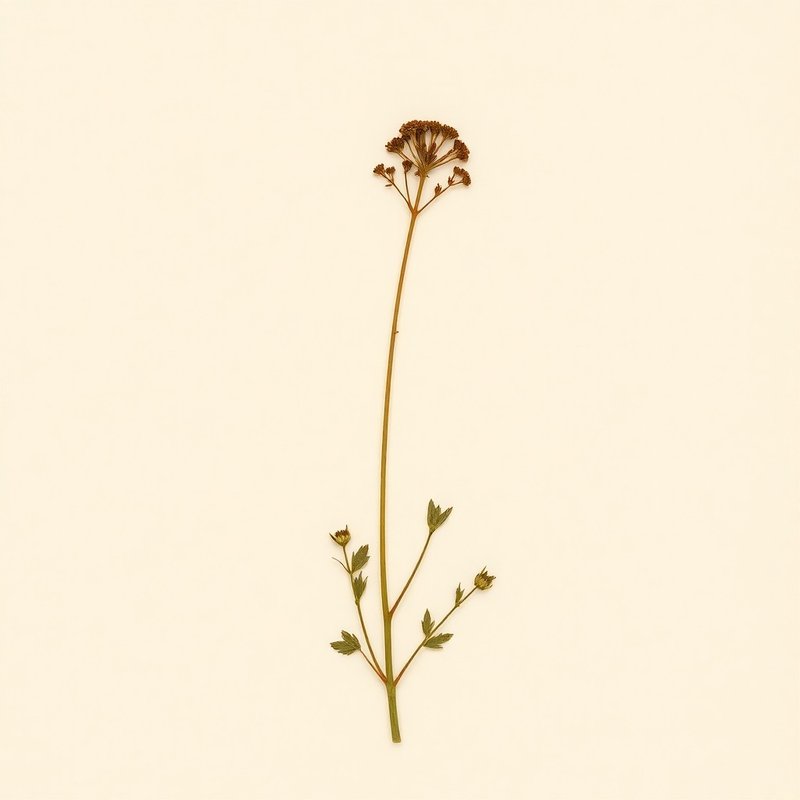
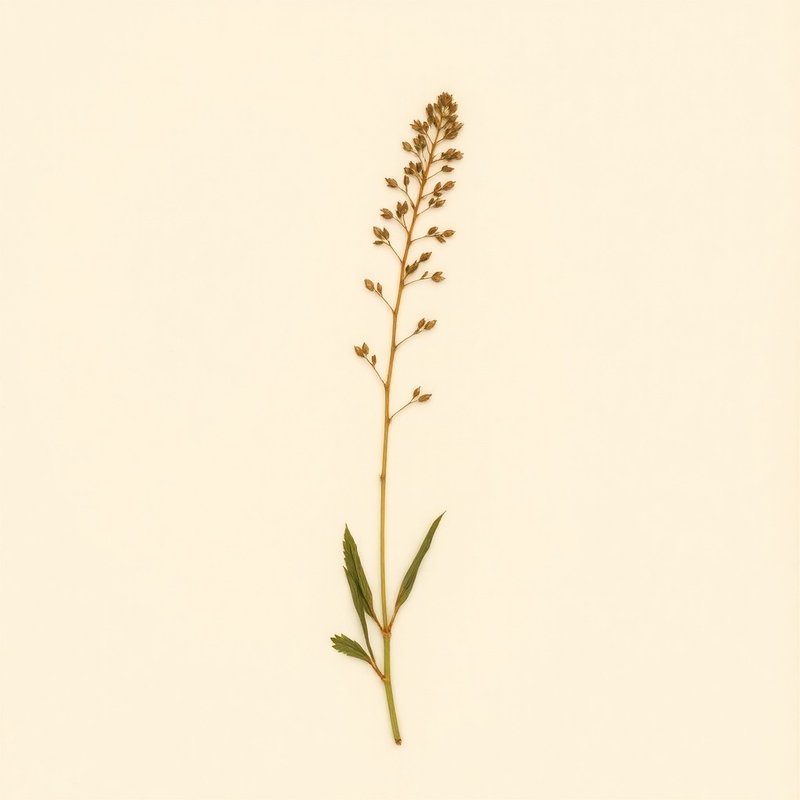
Eriogonum atrorubens, cunoscut sub numele de ceai roșu sălbatic, este un peren de tip arborel sau herb nativ în zonele aride și semiaride din regiunile nord-est și nord-vest ale Meksicii precum și din Nuevo México. Această plantă se dezvolte în soare și poate tolera atât condițiile ușoare, cât și umede, fiind adaptabilă la diverse tipuri de suoli, inclusiv texturi ușoare (sandy) și medii. Având o înălțime de aproximativ 1 m, Eriogonum atrorubens este cunoscut pentru rădăcinile sale edibile, care reprezintă un resursă valabilă. Colorele sale roșie-îmbracăminte specifice adaugă valorii ornamentale în landscape-uri, diferențialându-l de alți membri ai genusului Eriogonum.
What is Red Wild Buckwheat?
Eriogonum atrorubens, cunoscut sub numele de ceai roșu sălbatic, este un peren de tip arborel sau herb nativ în zonele aride și semiaride din regiunile nord-est și nord-vest ale Meksicii precum și din Nuevo México.
What is Red Wild Buckwheat used for?
Traditionally used for immune support. Each claim is evidence-rated — see Section II for full citations.
IIBeneficii și dovezi
1 claim · traditional-use context
Beneficii și dovezi
1 claim · traditional-use context- Red Wild Buckwheat, like other Polygonaceae species, has been traditionally used in Native American medicine to support immune health. A decoction of the root may help bolster the body's natural defenses.
The mechanism is not fully characterised but likely involves polyphenols and flavonoids that have antioxidant properties and can modulate inflammatory responses.
▲ ModerateImmune support →
IV·bMixology suggestions
1 draft
Mixology suggestions
1 draftVCultivare
Cultivare
How to grow Red Wild Buckwheat for the first time
Start with Red Wild Buckwheat by ensuring you have the right conditions and care, making it a manageable project for beginners.
- 1
What you'll need
A small shovel or trowel, seeds or young plants, a watering can.
- 2
Best time to plant
Plant in spring after the last frost or in fall before the first freeze.
- 3
Soil and container prep
Choose well-draining soil with a pH between 6.0 and 7.5; ensure containers are at least 15 cm deep.
- 4
Sowing or transplanting
Direct sow seeds in the ground, covering them lightly; for transplants, space young plants about 30-45 cm apart.
- 5
First two weeks
Water regularly to keep soil moist but not waterlogged; avoid overwatering.
- 6
Ongoing care
Provide full sun and minimal watering once established, allowing the soil to dry out between waterings.
- 7
Harvest or pruning
Prune dead foliage in late winter to maintain plant health; no need for regular harvesting of edible parts.
- 8
Common mistakes
Overwatering, planting in heavy soils, neglecting sun exposure, not providing enough space between plants.
VIEdible & utility
Edible & utility
VIIDistribuție
3 native · 0 introduced
Distribuție
3 native · 0 introducedIXSpecimen gallery
1 image
Specimen gallery
1 imageXSee also
8 related
See also
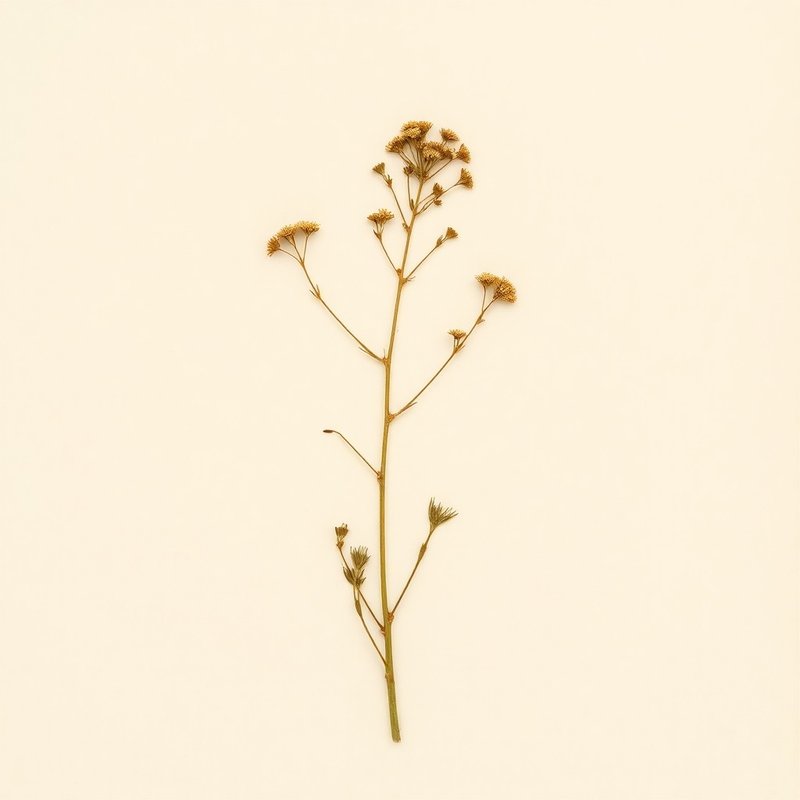
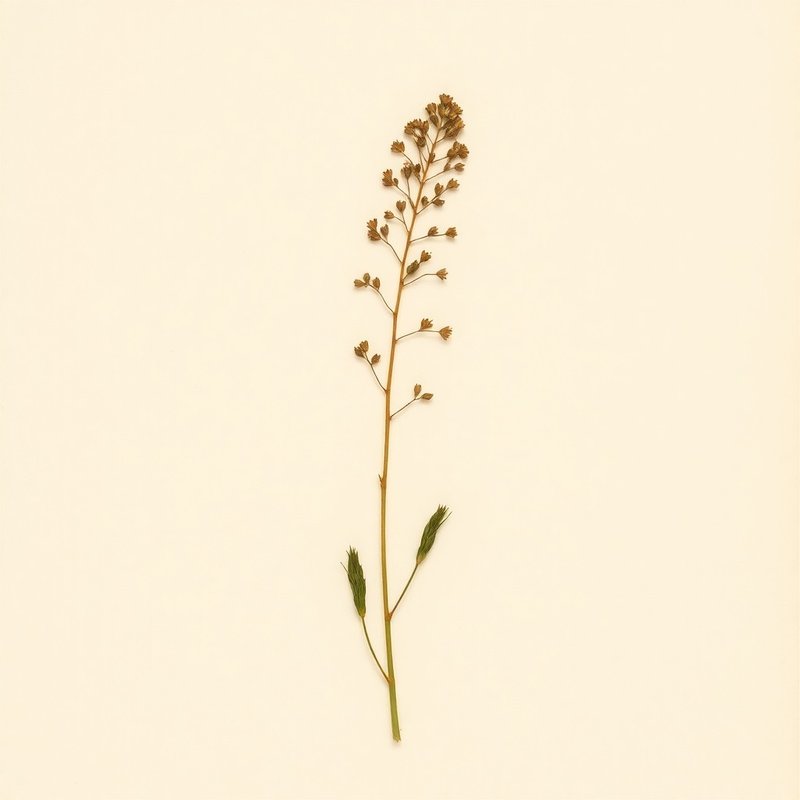
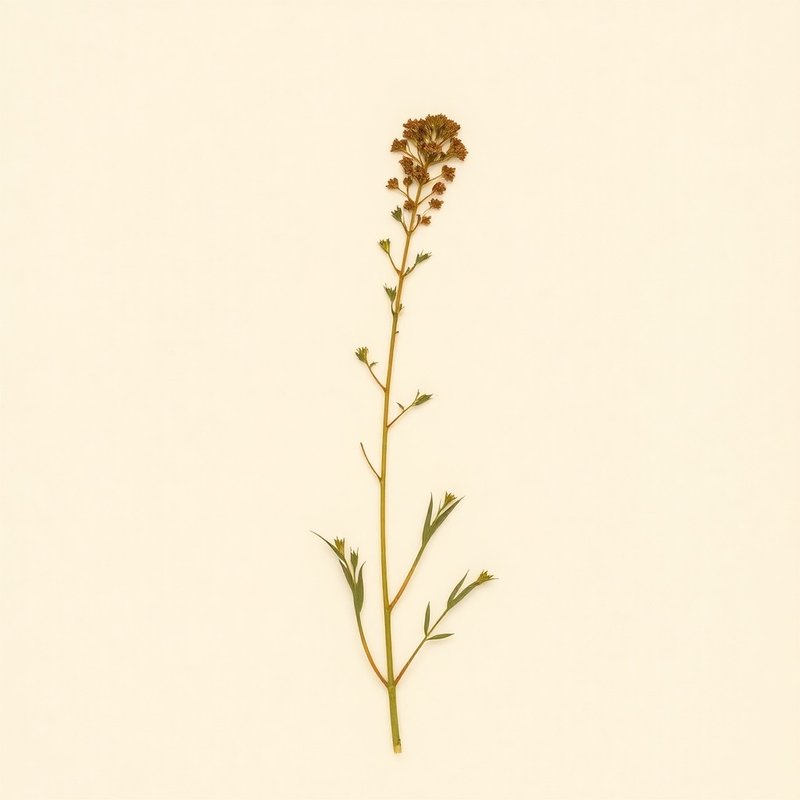
8 relatedPlants you might compare or use together — scored by shared family (Polygonaceae), common use cases, and growing requirements.
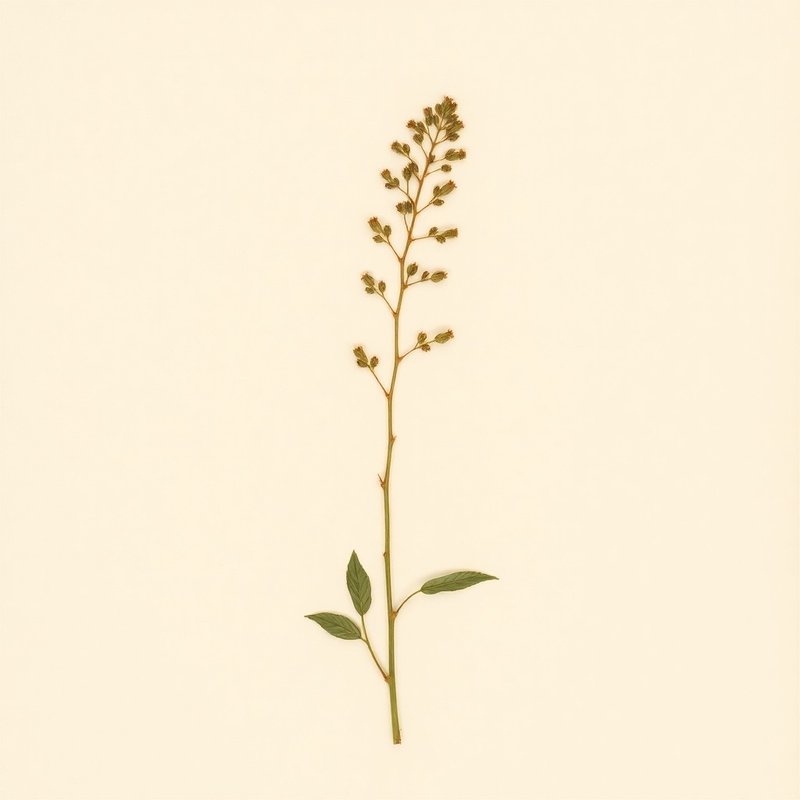
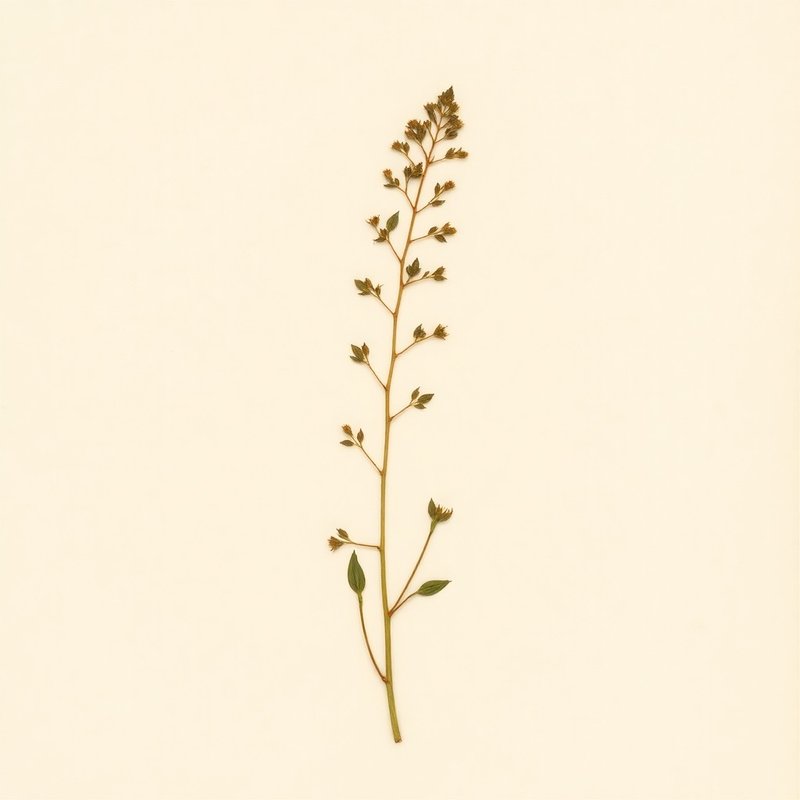
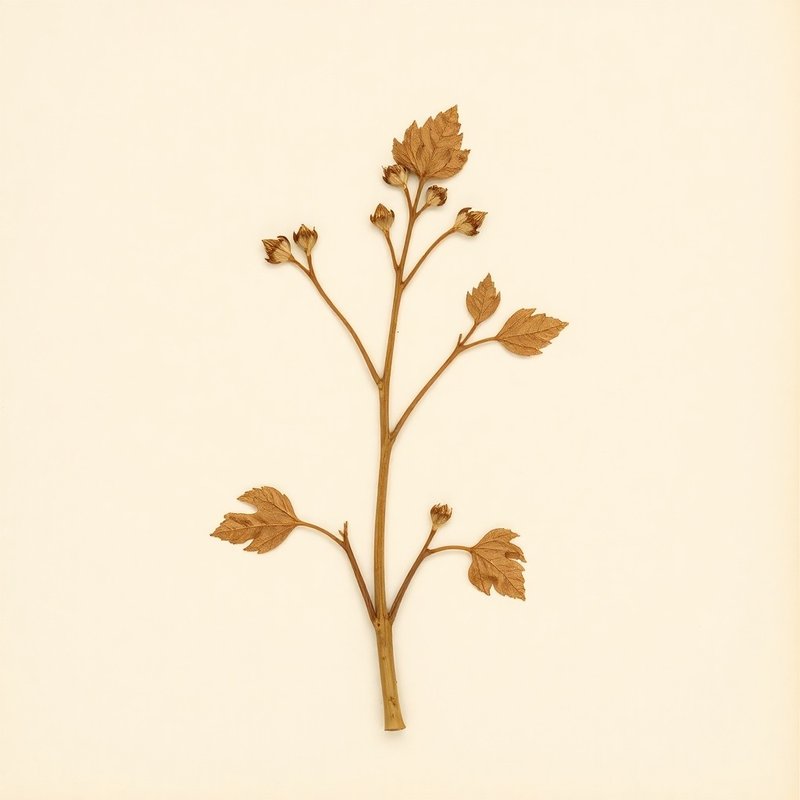
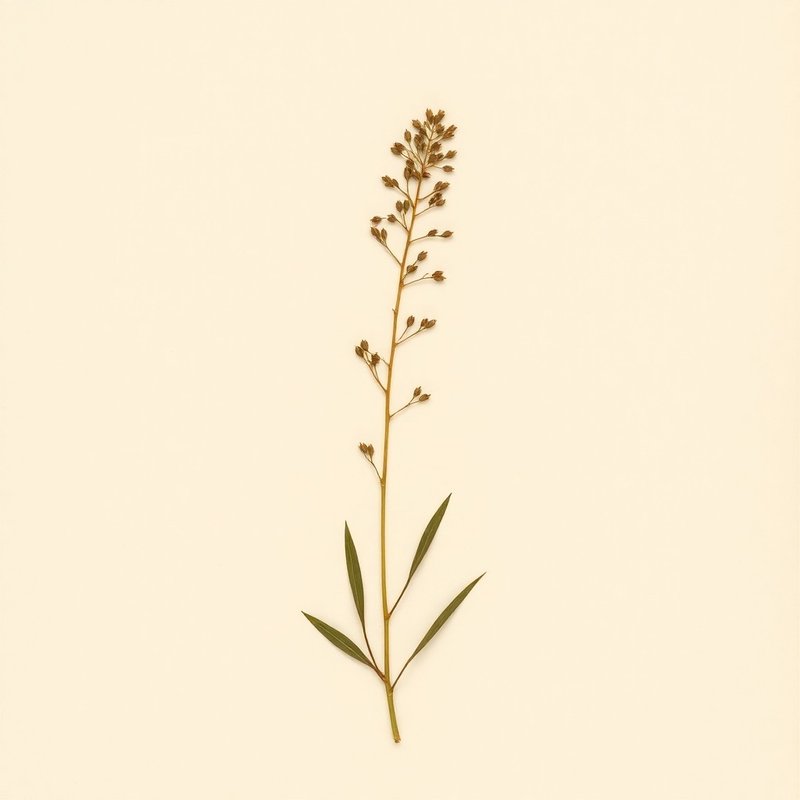
Explore further
About this entry
- Last updated
- Citation
- How to cite this entry · Submit a correction
Continue reading
Primește digest-ul săptămânal
Un email curat pe săptămână — profile noi de plante, note sezoniere de cultivare, adăugiri în arhiva de remedii. Gratuit, fără tracking, dezabonare oricând.