
Goat's Rue
IPrezentare
Prezentare
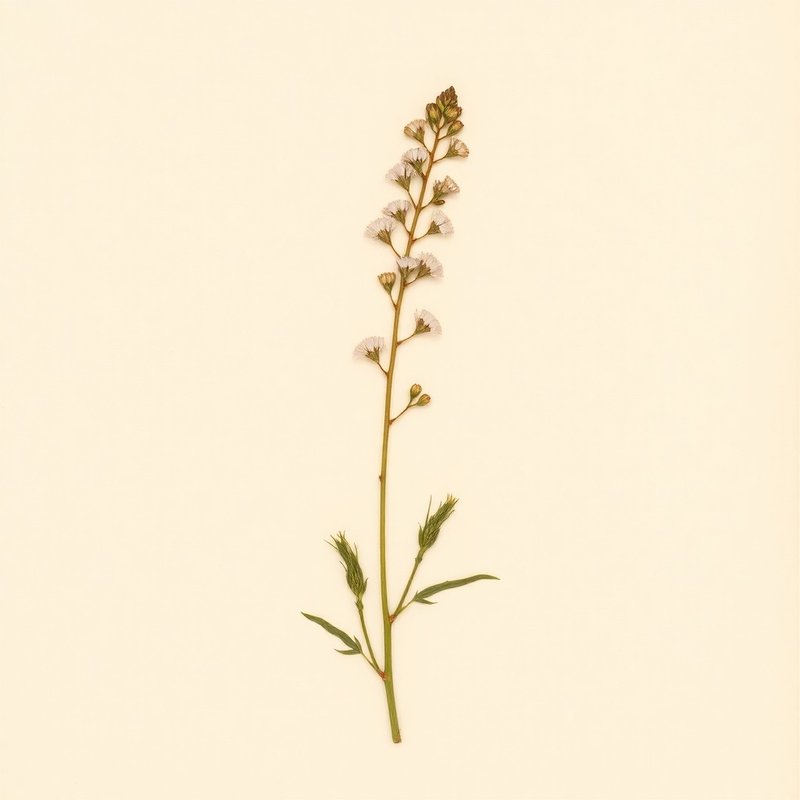
Galega officinalis (Galega officinalis) este un subarbust sau hibrit pereniu care atinge înălțimi până la 1,2 m și se dezvolte în soluri umide, de luminositate medie sau grea cu pH între 7-7,5. Nativ din regiuni precum Albania, Austria, Bulgaria și Franța, această plantă a naturalizat de asemenea în alte părți ale Europei, Asiisului și chiar din America de Sud. Cunoscut pentru frunzele sale comestibile, care pot fi utilizate în aplicații culinare, Galega officinalis este valorificată atât ca plantă ornamentală cât și ca surse de aliment. Un caracter distinctiv care îl distinge este preferența sa pentru soluri de luminositate medie sau ușoare și rezistența sa în zonele 4-8, fapt ce o face adaptabilă la diferite condiții de creștere.
What is Goat's Rue?
Galega officinalis (Galega officinalis) este un subarbust sau hibrit pereniu care atinge înălțimi până la 1,2 m și se dezvolte în soluri umide, de luminositate medie sau grea cu pH între 7-7,5.
What is Goat's Rue used for?
Traditionally used for immune support. Each claim is evidence-rated — see Section II for full citations.
IIBeneficii și dovezi
1 claim · traditional-use context
Beneficii și dovezi
1 claim · traditional-use context- Goat's Rue has been traditionally used in European herbal medicine to support immune function, often prepared as a decoction. It is believed to enhance the body’s natural defenses.
The mechanism by which Goat's Rue supports immunity is not fully characterised but may involve compounds that modulate inflammatory responses and stimulate immune cells.
▲ ModerateImmune support →
IV·bMixology suggestions
1 draft
Mixology suggestions
1 draftVCultivare
Cultivare
How to grow Goat's Rue for the first time
Start with planting Goat's Rue in a well-prepared soil and follow basic care instructions for success.
- 1
What you'll need
Goat's Rue seeds or young plants, garden tools like a trowel and rake.
- 2
Best time to plant
Plant in spring after the last frost or in fall before the first freeze.
- 3
Soil and container prep
Choose a location with moist, light (sandy), medium, or heavy soil. Ensure good drainage and a pH of 7–7.5.
- 4
Sowing or transplanting
Direct sow seeds in the garden or start them indoors 4-6 weeks before planting outside. Transplant young plants if needed.
- 5
First two weeks
Water regularly to keep soil moist but not waterlogged. Monitor for pests and diseases.
- 6
Ongoing care
Provide consistent moisture, especially during dry periods. Fertilize sparingly with compost or well-rotted manure.
- 7
Harvest or pruning
Prune in late winter to early spring to encourage new growth and maintain shape.
- 8
Common mistakes
Overwatering, planting in poor soil conditions, neglecting regular pruning.
VIEdible & utility
Edible & utility
VIIDistribuție
25 native · 22 introduced
Distribuție
25 native · 22 introducedIXSpecimen gallery
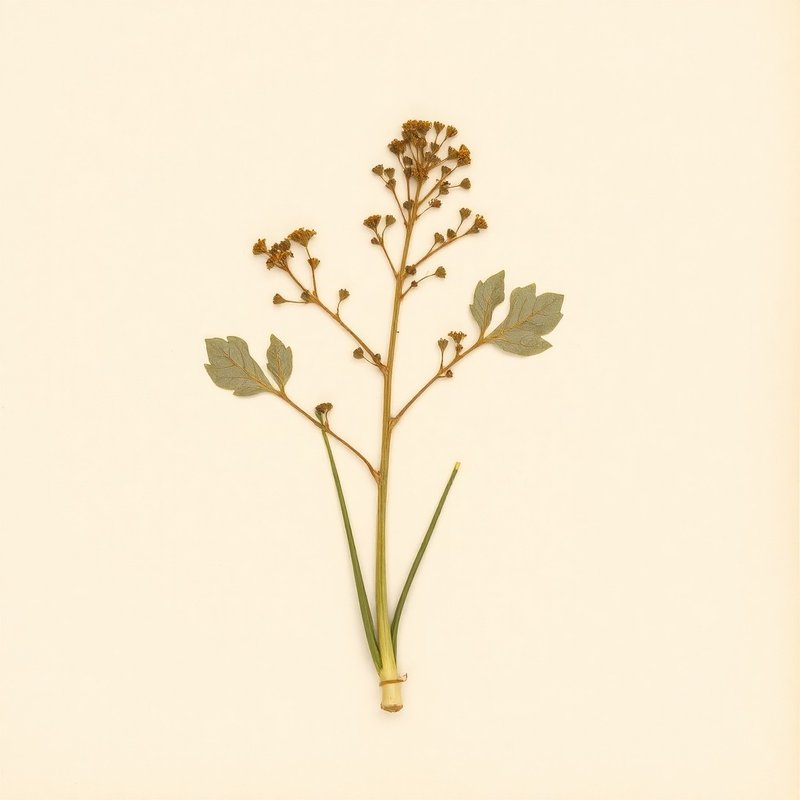
1 image
Specimen gallery
1 imageXSee also
8 related
See also
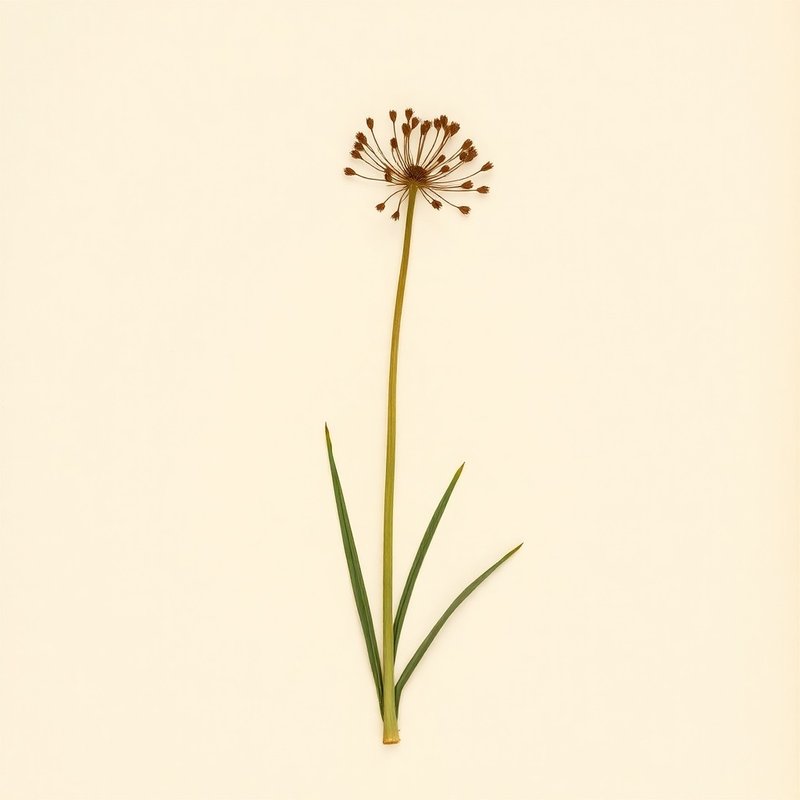
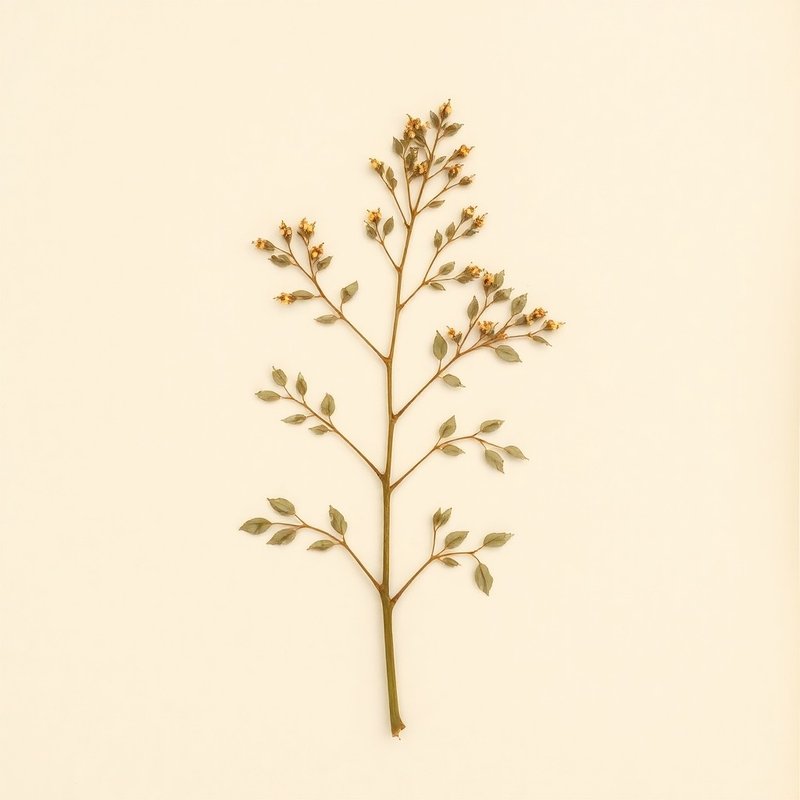
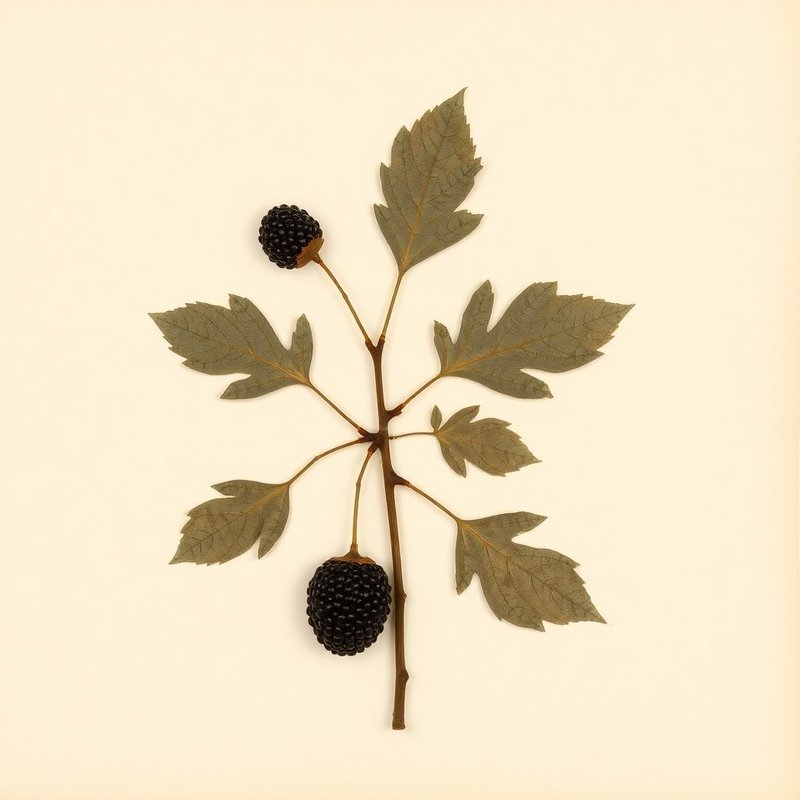
8 relatedPlants you might compare or use together — scored by shared family, common use cases, and growing requirements.
Explore further
About this entry
- Last updated
- Citation
- How to cite this entry · Submit a correction
Continue reading
Primește digest-ul săptămânal
Un email curat pe săptămână — profile noi de plante, note sezoniere de cultivare, adăugiri în arhiva de remedii. Gratuit, fără tracking, dezabonare oricând.