
Jewelweed
Impatiens capensis
Educational content — not medical, botanical, or professional advice. Always consult a qualified clinician before using any herbal preparation — especially during pregnancy, breastfeeding, while on medication, or for children. How we source & review →
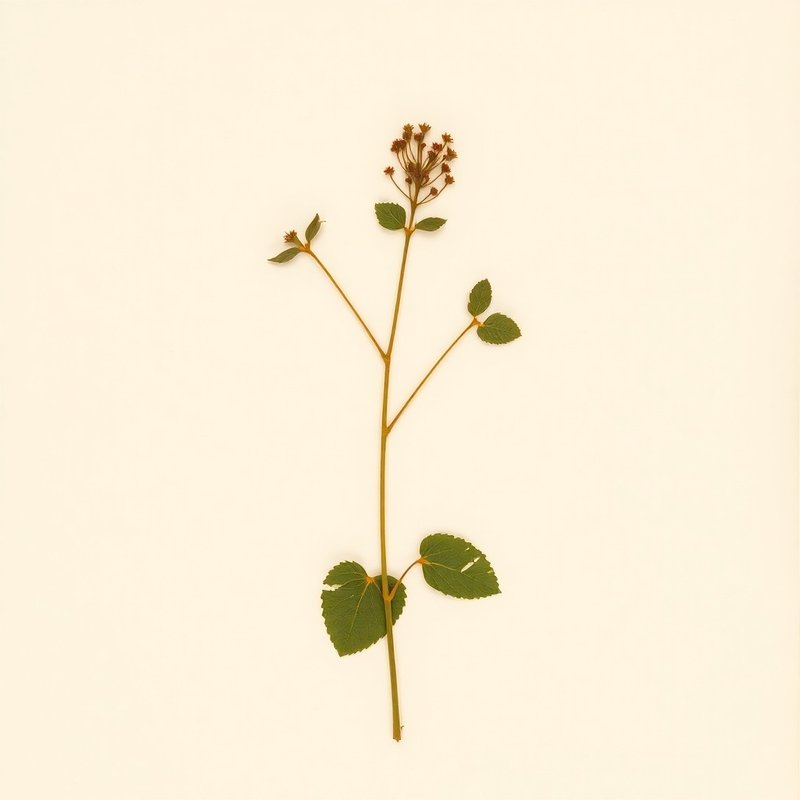
Pl. 3F23 — Impatiens capensis
Impatiens capensisImpatiens capensisImpatiens capensisImpatiens capensisImpatiens capensisImpatiens capensisImpatiens capensisImpatiens capensisImpatiens capensisImpatiens capensisImpatiens capensisImpatiens capensisImpatiens capensisImpatiens capensis
IPrezentare
Prezentare
Jewelweed (Impatiens capensis) este un anual nativ de tip forb/herbă găsit în soluri umede până la soiuri ușoare (sandy), medii și grele (clay) din estul Nord-American, de la Alabama până în Manitoba și sud către Texas. Cunoscut pentru valorile sălbatici sale datorită flori vibrante de culoare orange sau galben cu poduri de semințe distinctiv droopente, jewelweed are atât utilizări alimentare cât și medicinale. Foliile, culmele, stemurile și semințele pot fi consumate, deși plantul este mai cunoscut pentru energia sa ușoară (5/10) și capacitatea sa de a se adapta într-o varietate de habitaturi. Rangule natice includ state precum Florida, Georgia, Illinois, Indiana, Iowa, Kentucky, Maine, Massachusetts, Michigan, Minnesota, Mississippi, Missouri, New York, Ohio, Pennsylvania, Virginia și Wisconsin, printre altele.
Quick answers
What is Jewelweed?
Jewelweed (Impatiens capensis) este un anual nativ de tip forb/herbă găsit în soluri umede până la soiuri ușoare (sandy), medii și grele (clay) din estul Nord-American, de la Alabama până în Manitoba și sud către Texas.
What is Jewelweed used for?
Traditionally used for topical & skin. Each claim is evidence-rated — see Section II for full citations.
Best for
Top 1 evidence-ranked use of Jewelweed
Clinicaluses · safety · chemistry · dosagemedicinal profile
IIBeneficii și dovezi
1 claim · 0 sources
Beneficii și dovezi
1 claim · 0 sources- Traditional-use note: Jewelweed appears in herbal sources around traditional skin-care routines, often as a tincture. PlantSage presents this as ethnobotanical context, not as medical advice.
Traditional context only. This reviewed claim keeps the original low confidence level, but avoids treatment, disease, dosage, or guaranteed-effect language.
IV·bMixology suggestions
1 draft
Mixology suggestions
1 draftEditorial drafts. These pairings are AI-suggested from traditional herbal lore. Always verify with a qualified herbalist before brewing.
Jewelweed support blend
generaltea
AI returned a direct ingredient list; normalized into one draft blend for editorial review.
Growingconditions · propagation · uses
VCultivare
Cultivare
Jewelweed se dezvolte în condiții umede și preferă soiuri ușoare până la medie, deși poate adapta și la soluri mai grele (clay). Îl necesită o parte din umbra sau soare, cu toleranța luminosă de 5/10 indicând că poate suporta unele zori directe, dar beneficiază de parțial umbrit. Pentru propagație, plantează semințele direct în pământul jardincii unde vor crește, asigurându-te că pH-ul soiului este între 6.4 și 7.4. Această plantă anuală crește până la o înălțime de 1,2 m și este nativă din estul Nord-American, făcând-o o alegere fermecătoare pentru regiuni temperate. Părțiile mâncătoare ale sale includ folii, culmele, stemurile și semințele.
Light
5/10
Water
Moist
Soil
Light (sandy), Medium, Heavy (clay)
Life cycle
Annual
Habit
Forb/herb
Mature size
1.2 m tall
Soil pH
6.4–7.4
- Propagation
- Seed - direct sow
For first-time growers
How to grow Jewelweed for the first time
8steps
Start with Jewelweed by planting seeds directly in the ground, as it's an annual and easy to grow from seed.
- 1
What you'll need
Jewelweed seeds, a garden trowel or your hands, and a sunny spot in the garden.
- 2
Best time to plant
Plant Jewelweed seeds in early spring after the last frost, when soil is moist but not waterlogged.
- 3
Soil and container prep
Choose a location with light (sandy), medium, or heavy (clay) soil that stays moist. Ensure good drainage to avoid root rot.
- 4
Sowing or transplanting
Direct sow seeds 1-2 cm deep in the garden bed. Space them about 30 cm apart for best growth.
- 5
First two weeks
Keep soil consistently moist during germination, which takes about 7-14 days. Thin seedlings to ensure they have enough space as they grow.
- 6
Ongoing care
Water regularly, especially in dry spells, and mulch around the plants to retain moisture and suppress weeds. Fertilize sparingly with compost if needed.
- 7
Harvest or pruning
Prune dead flowers to encourage more blooms and maintain a neat appearance. Harvest leaves for use in teas or salads as needed.
- 8
Common mistakes
Overwatering, planting too deep, neglecting to thin seedlings, and not providing enough light are common issues beginners should avoid.
VIEdible & utility
Edible & utility
Edible parts:LeavesSeedShootsStem
Edible uses: Jewelweed's leaves, shoots, and stems can be eaten raw or cooked. The seeds are also edible but require drying before consumption. Typically, the plant is prepared by either eating it fresh or incorporating it into soups and stews for added nutrition. Skip the seeds if you prefer a milder taste.
Other uses:Dyeantifungal
Contextrange · companions · related
VIIDistribuție
30 native · 0 introduced
Distribuție
30 native · 0 introducedDistribution across1 continent· 30 native
Asia1 region
native (1)Georgia
Broader regions
native:North Carolina, Arkansas, Colorado, Newfoundland, District of Columbia, Florida, Idaho, Alberta, New York, Iowa, Kansas, Kentucky, Louisiana, Maine, Manitoba, Maryland, Massachusetts, Illinois, Connecticut, Indiana, Eastern North America, Michigan, Minnesota, Mississippi, Missouri, Nebraska, New Brunswick, New Jersey, North Dakota
VIIIGarden companions
1 pair
Garden companions
1 pairPlant near these
These plants help — by repelling pests, fixing nitrogen, attracting pollinators, or sharing space well.
IXSpecimen gallery
1 image
Specimen gallery
1 imageXSee also
8 related
See also
8 relatedPlants you might compare or use together — scored by shared family, common use cases, and growing requirements.
shared use cases
Different families, similar therapeutic role — good for comparing.

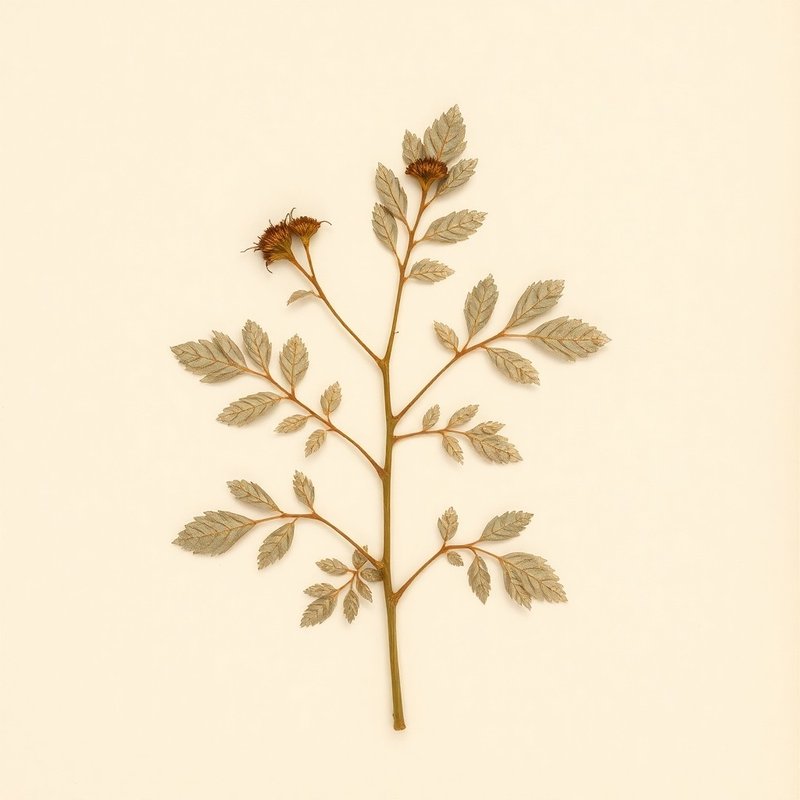
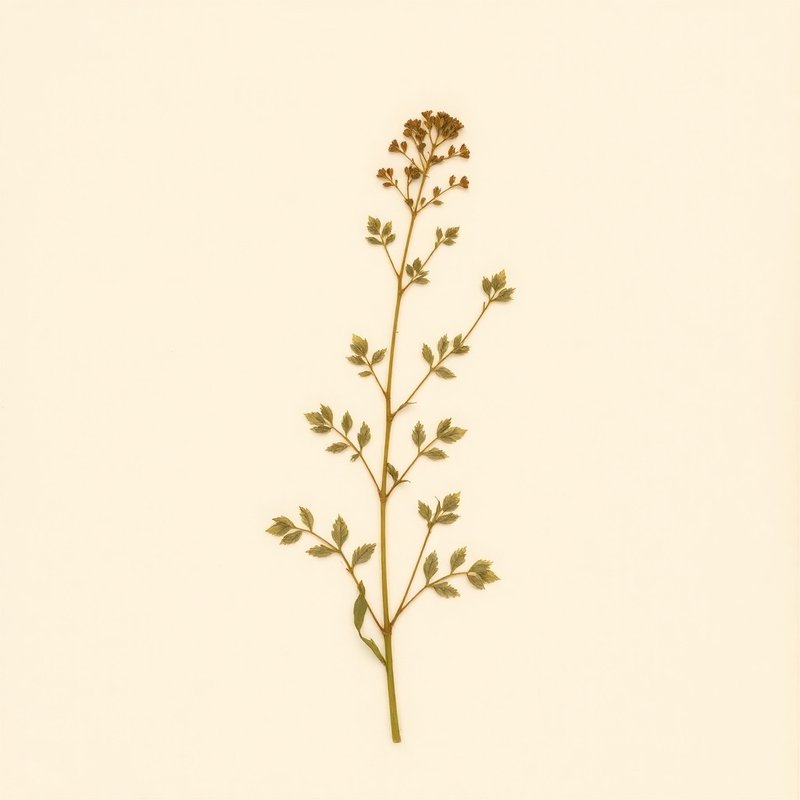
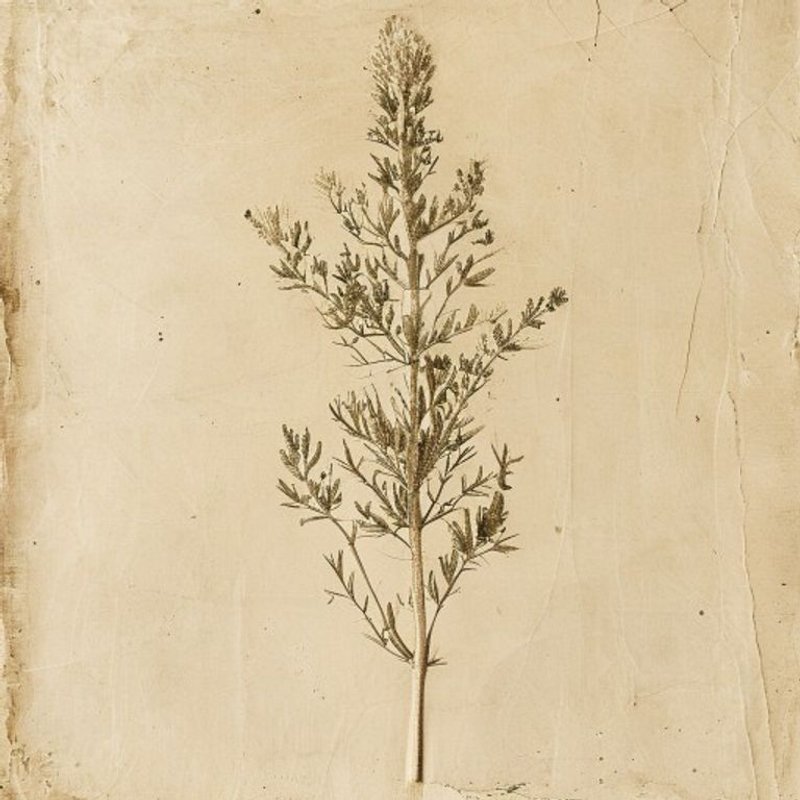

XI
Explore further
Companion planting
Health goals
Compare with similar plants
XII
About this entry
- Last updated
- Citation
- How to cite this entry · Submit a correction
Back to the cataloguePlant id · 3f237fb6-0413-4412-a74b-656ac1988619
Decision aid
Choosing between Jewelweed and something else?
Continue reading
❦❦❦❦
Endpaper · archive updates
Primește digest-ul săptămânal
Un email curat pe săptămână — profile noi de plante, note sezoniere de cultivare, adăugiri în arhiva de remedii. Gratuit, fără tracking, dezabonare oricând.