
Blue Lupin
IPrezentare
Prezentare
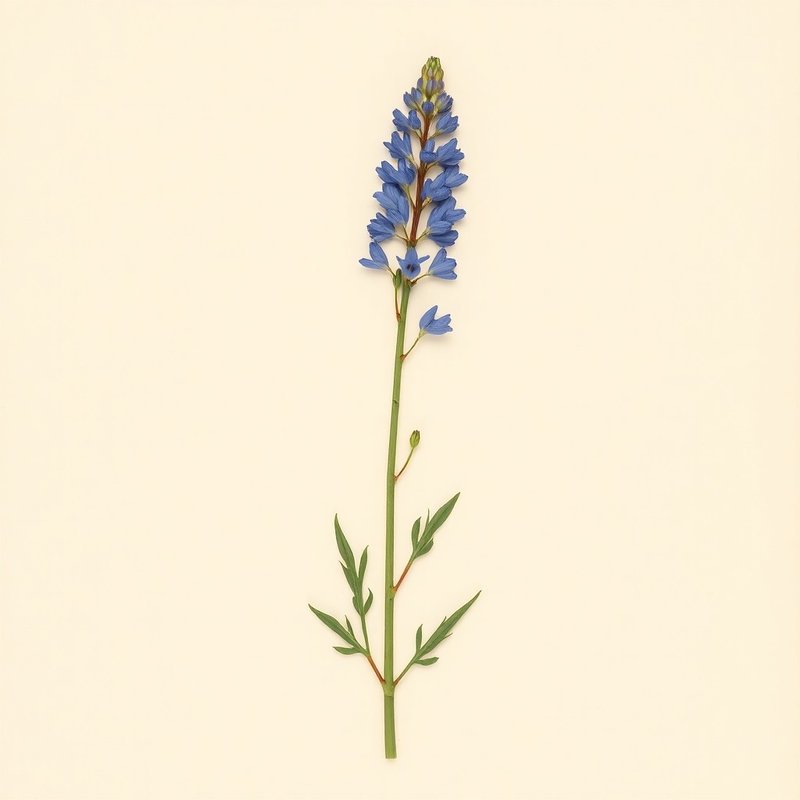
Lupinul albastru (Lupinus angustifolius) este un anual durabil care se dezvolte în sucuri de soare slabe sau medii și necesită soare plin cu condiții umide. Nativ din Europa, Asia și Africa de Nord, această plantă poate fi găsită în diverse regiuni, inclusiv Albania, Bulgaria, Franța, Grecia, Italia și Turcia-de-Est. Cunoscut pentru semințele sale comestibile, este și ornamental din cauza floarelor sale distincte albastre. Lupinul albastru crește până la o înălțime de 1 m și se propagează prin semințe direct plantezate în exterior aproximativ opt săptămâni înainte de ultimul gheare. Este necesar un densitate de spațiere de aproximativ 80 de plante pe metru pătrat și ia între 105-150 de zile pentru a matura.
What is Blue Lupin?
Lupinul albastru (Lupinus angustifolius) este un anual durabil care se dezvolte în sucuri de soare slabe sau medii și necesită soare plin cu condiții umide. Nativ din Europa, Asia și Africa de Nord, această plantă poate fi găsită în diverse regiuni, inclusiv Albania, Bulgaria, Franța, Grecia, Italia și Turcia-de-Est.
What is Blue Lupin used for?
Traditionally used for mood support, digestion. Each claim is evidence-rated — see Section II for full citations.
IIBeneficii și dovezi
2 claims · traditional-use context
Beneficii și dovezi
2 claims · traditional-use context- Traditional-use note: Blue Lupin appears in herbal sources around emotional well-being traditions, often as a tea. PlantSage presents this as ethnobotanical context, not as medical advice.
Traditional context only. This reviewed claim keeps the original moderate confidence level, but avoids treatment, disease, dosage, or guaranteed-effect language.
▲ ModerateMood support → - Blue Lupin has been traditionally used in European herbal medicine to support digestive health, particularly for occasional bloating and discomfort. Its seeds are often prepared as a decoction.
The mechanism by which Blue Lupin supports digestion is not fully characterised but may involve compounds that help regulate gut motility and reduce inflammation.
▲ ModerateDigestion →
IV·bMixology suggestions
1 draft
Mixology suggestions
1 draftVCultivare
Cultivare
- Propagation
- Seed - direct sow
- Sow outdoors
- 8 weeks before last frost date
- Germination
- 10-14 days
- Days to maturity
- 105-150
- Spacing
- 80 plants per m2
How to grow Blue Lupin for the first time
Start with Blue Lupin seeds for a simple and rewarding gardening experience.
- 1
What you'll need
Blue Lupin seeds, a garden plot or large container, soil, watering can.
- 2
Best time to plant
Plant 8 weeks before the last frost date in your area.
- 3
Soil and container prep
Use light (sandy) to medium soil. Ensure good drainage for outdoor planting.
- 4
Sowing or transplanting
Direct sow seeds outdoors, spacing them 80 plants per square meter.
- 5
First two weeks
Water regularly to keep the soil moist but not waterlogged.
- 6
Ongoing care
Provide full sun and continue regular watering. Monitor for pests like aphids.
- 7
Harvest or pruning
Prune spent flowers to encourage more blooms and maintain plant shape.
- 8
Common mistakes
Overwatering, planting too close together, neglecting to prune.
VIEdible & utility
Edible & utility
VIIDistribuție
22 native · 43 introduced
Distribuție
22 native · 43 introducedIXSpecimen gallery
1 image
Specimen gallery
1 imageXSee also
8 related
See also
8 relatedPlants you might compare or use together — scored by shared family, common use cases, and growing requirements.
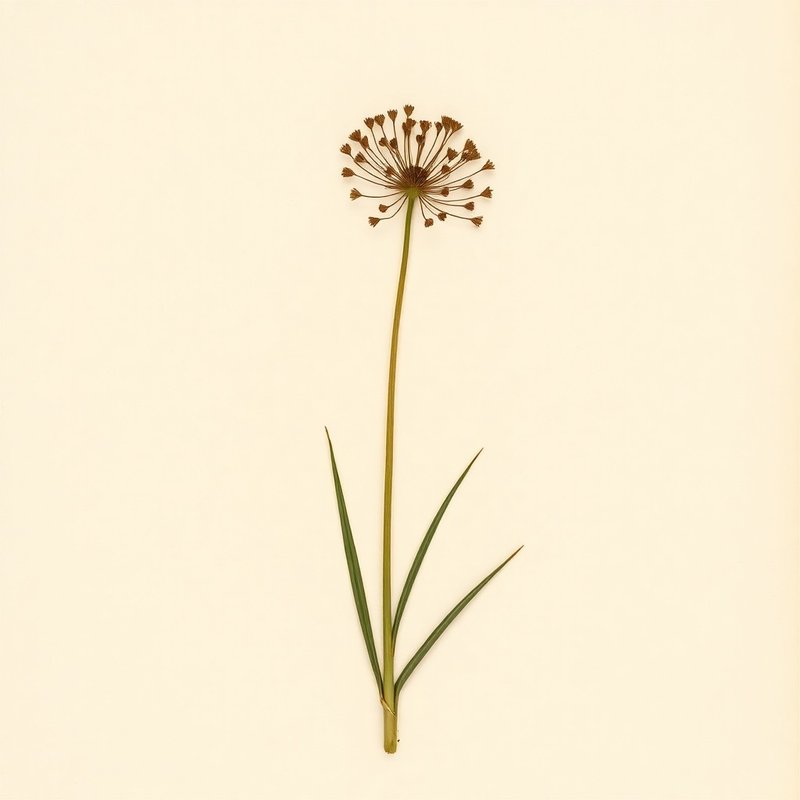
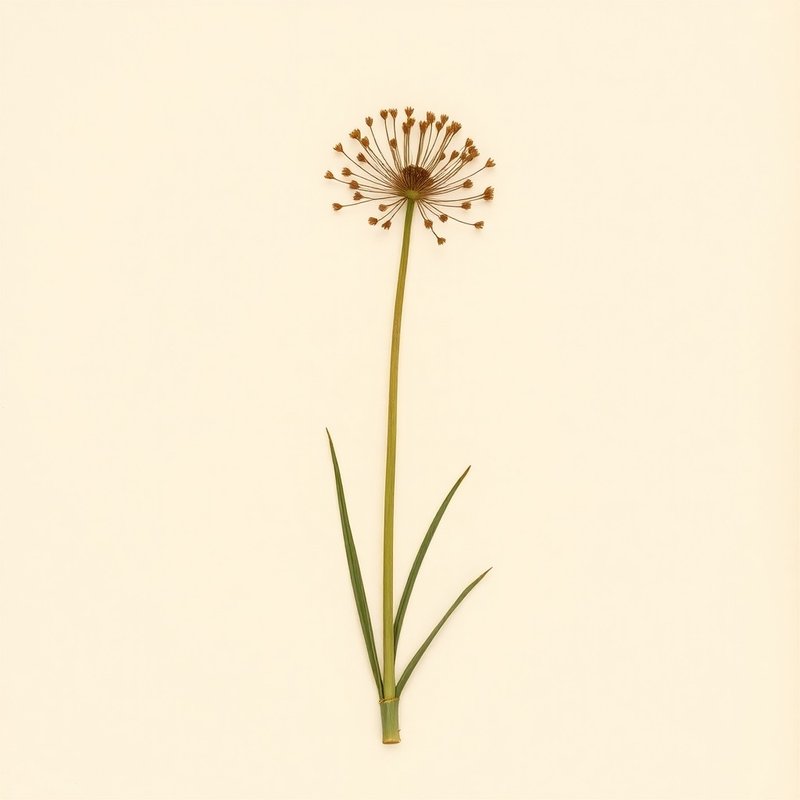
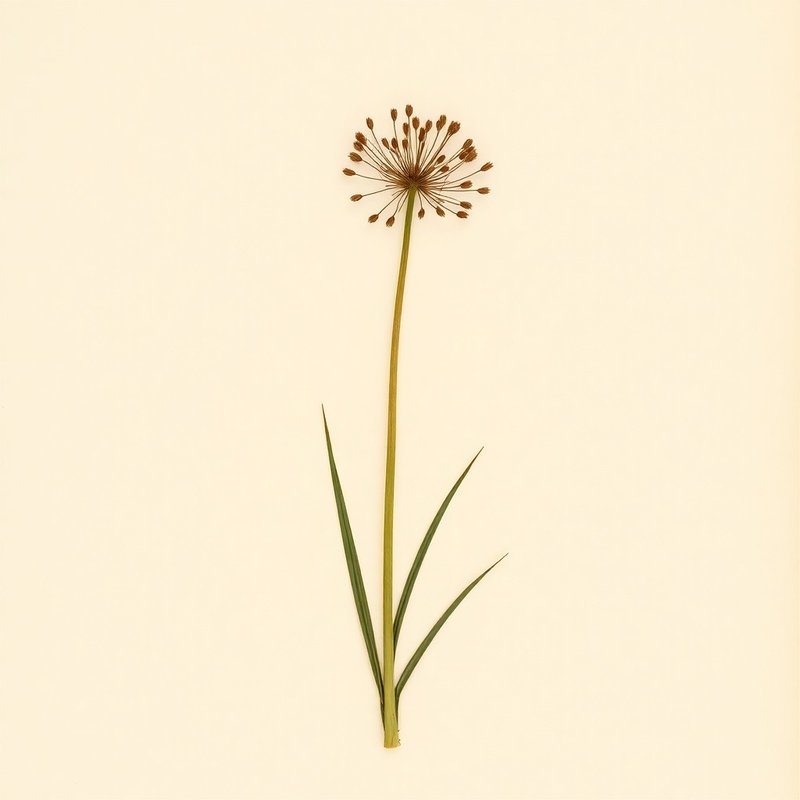
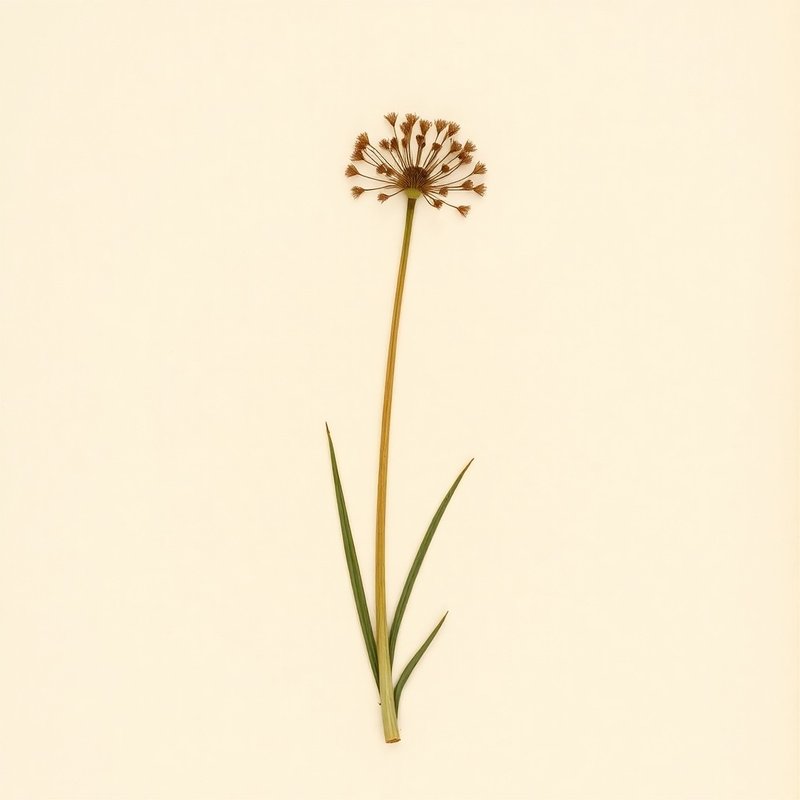
Explore further
About this entry
- Last updated
- Citation
- How to cite this entry · Submit a correction
Continue reading
Primește digest-ul săptămânal
Un email curat pe săptămână — profile noi de plante, note sezoniere de cultivare, adăugiri în arhiva de remedii. Gratuit, fără tracking, dezabonare oricând.