
Lycium ruthenicum
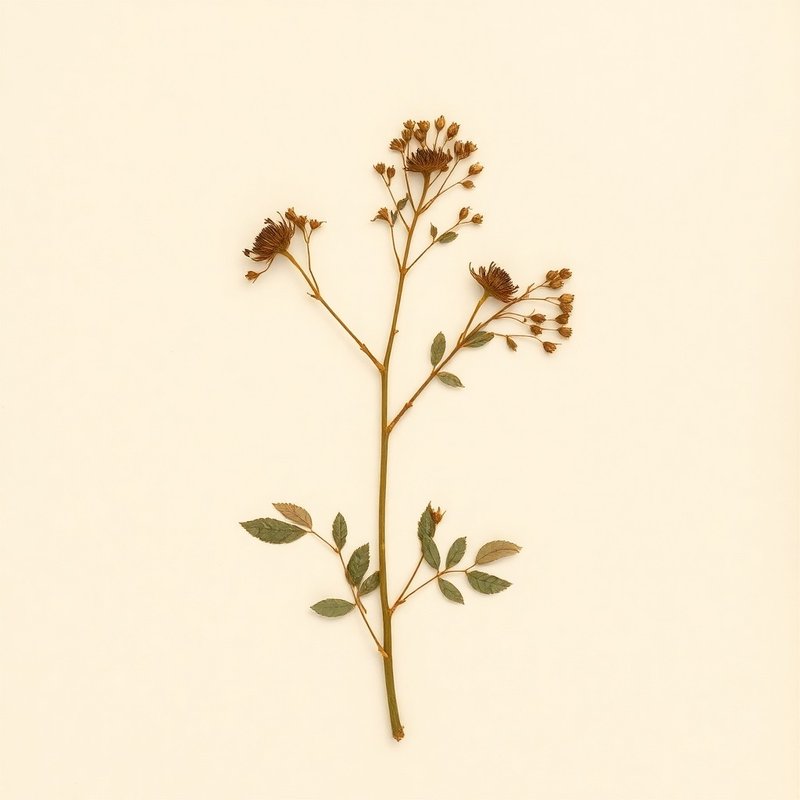
IPrezentare
Prezentare
Lycium ruthenicum, cunoscut sub numele de mereuș sau boțor, este un arborec deciduu nativ în Asia Centrală și Occidentală, incluziind regiuni precum Afganistan, Nord-Centrul Chinez, Inner Mongolia, Iran, Irak, Kazakhstan, Kirgizstan, Mongolia și alte țări. Această plantă se dezvoltă în soare plin cu tipuri de sustrat variate—lucioasă (șand), medie și grea (argila)—și poate tolera condițiile umide până la sec. Este durabil în zonele 5-9 și atinge o înălțime de aproximativ 2 m. Cunoscut pentru fructele sale comestibile, care sunt adesea folosite în băuturi și mâncăruri tradiționale, Lycium ruthenicum prezintă și fructe roșii distincte care îl face un plant ornamental atractiv.
What is Lycium ruthenicum?
Lycium ruthenicum, cunoscut sub numele de mereuș sau boțor, este un arborec deciduu nativ în Asia Centrală și Occidentală, incluziind regiuni precum Afganistan, Nord-Centrul Chinez, Inner Mongolia, Iran, Irak, Kazakhstan, Kirgizstan, Mongolia și alte țări.
What is Lycium ruthenicum used for?
Traditionally used for immune support, mood support. Each claim is evidence-rated — see Section II for full citations.
IIBeneficii și dovezi
2 claims · traditional-use context
Beneficii și dovezi
2 claims · traditional-use context- Lycium ruthenicum, like its close relative L. barbarum (goji berry), has been traditionally used in Chinese medicine to support immune function and overall vitality. A decoction of the fruit may help enhance resistance against common illnesses.
The berries contain polysaccharides that stimulate immune cells such as macrophages, enhancing their ability to engulf pathogens. However, specific mechanisms for Lycium ruthenicum are not fully characterised.
▲ ModerateImmune support → - Traditional-use note: Lycium ruthenicum appears in herbal sources around emotional well-being traditions, often as a tea. PlantSage presents this as ethnobotanical context, not as medical advice.
Traditional context only. This reviewed claim keeps the original moderate confidence level, but avoids treatment, disease, dosage, or guaranteed-effect language.
▲ ModerateMood support →
IV·bMixology suggestions
1 draft
Mixology suggestions
1 draftVCultivare
Cultivare
How to grow Lycium ruthenicum for the first time
Start with a simple planting approach for Lycium ruthenicum, focusing on basic care and maintenance.
- 1
What you'll need
A small shrub or seeds, suitable soil, and a container if planting in a pot.
- 2
Best time to plant
Plant Lycium ruthenicum during spring when the weather starts warming up.
- 3
Soil and container prep
Use well-draining soil with a mix of light, medium, or heavy textures. Ensure containers have drainage holes.
- 4
Sowing or transplanting
Transplant young shrubs or sow seeds directly into the ground or pot, covering them lightly with soil.
- 5
First two weeks
Water sparingly to avoid waterlogging but ensure the soil doesn't dry out completely. Keep in a sunny spot.
- 6
Ongoing care
Provide full sun and regular watering during dry periods, adjusting based on local conditions. Prune lightly to maintain shape.
- 7
Harvest or pruning
Prune the shrub after fruiting to encourage new growth and prevent overcrowding.
VIEdible & utility
Edible & utility
VIIDistribuție
19 native · 0 introduced
Distribuție
19 native · 0 introducedIXSpecimen gallery
1 image
Specimen gallery
1 imageXSee also
8 related
See also
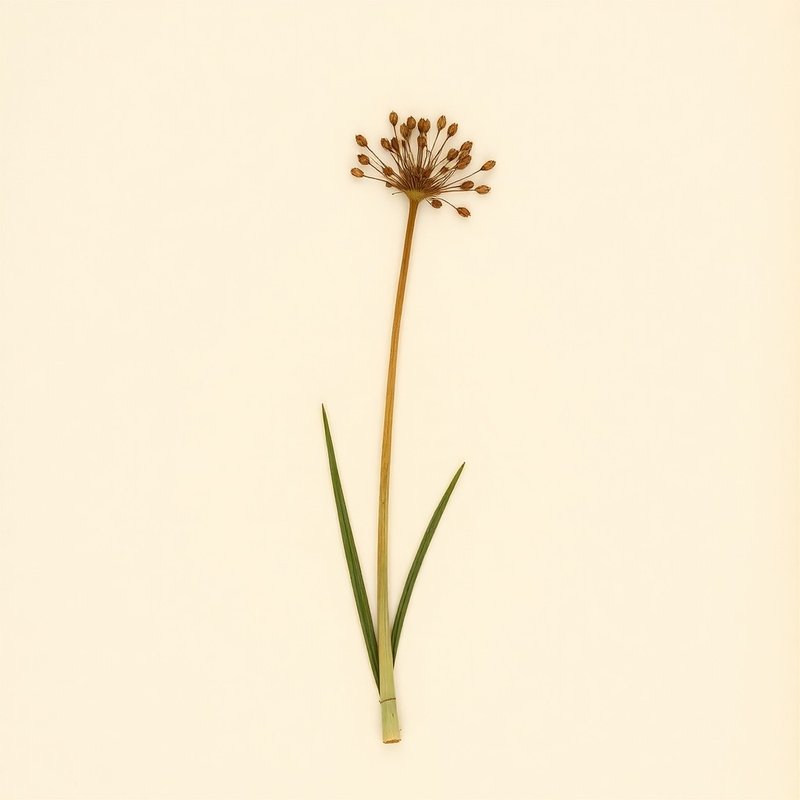
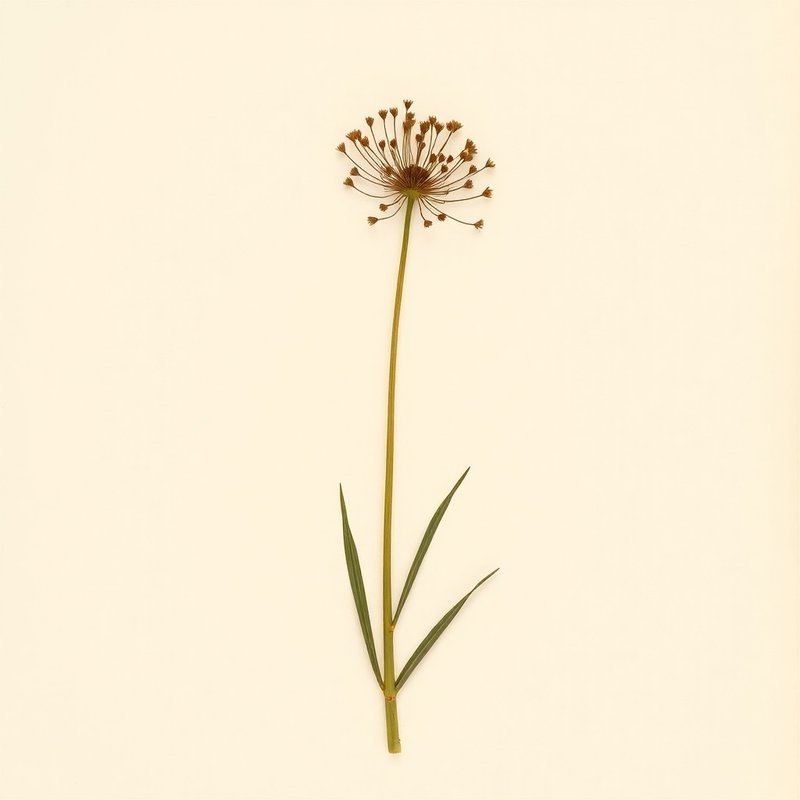
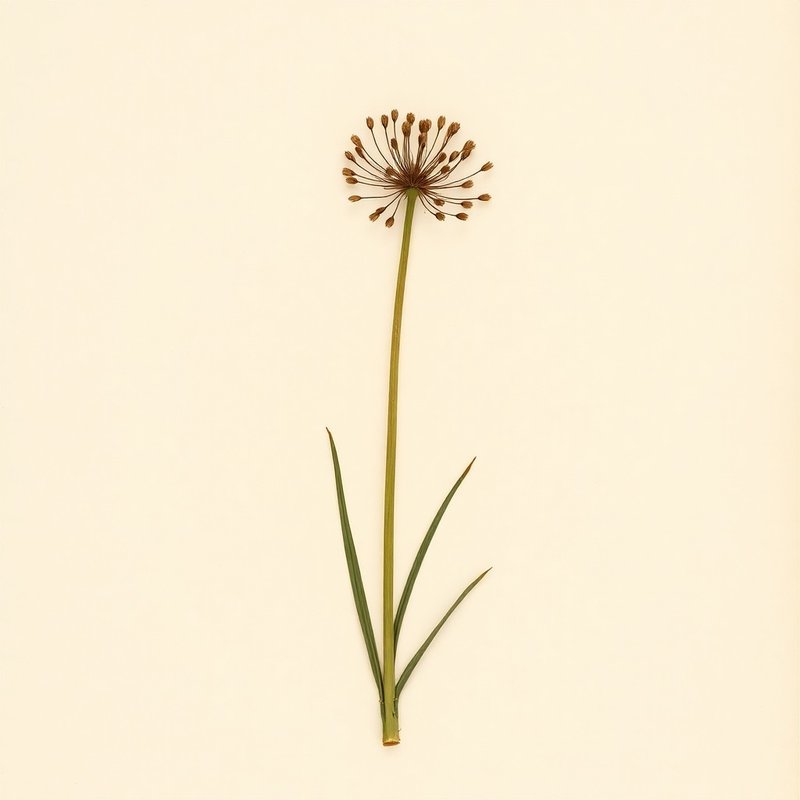
8 relatedPlants you might compare or use together — scored by shared family, common use cases, and growing requirements.

Explore further
About this entry
- Last updated
- Citation
- How to cite this entry · Submit a correction
Continue reading
Primește digest-ul săptămânal
Un email curat pe săptămână — profile noi de plante, note sezoniere de cultivare, adăugiri în arhiva de remedii. Gratuit, fără tracking, dezabonare oricând.