Skip to content
IIIFolio · plant profile№ 1DD3edible
Data provenancePermapeopleTreflePFAFPOWOreviewed 16 Oct 2026methodology → read
Home/Plants/Rosaceae

Malus praecox

Malus praecoxfam. Rosaceae
Educational content — not medical, botanical, or professional advice. Plant identification, safety, and edibility depend on local conditions, cultivars, and correct identification. Consult a qualified botanist or forager before consuming or handling wild specimens. How we source & review →
edibletreesedibleedible fruitnative asiatree
Updated·Quick Q&A →
Garden journal pausedUse profile notes below
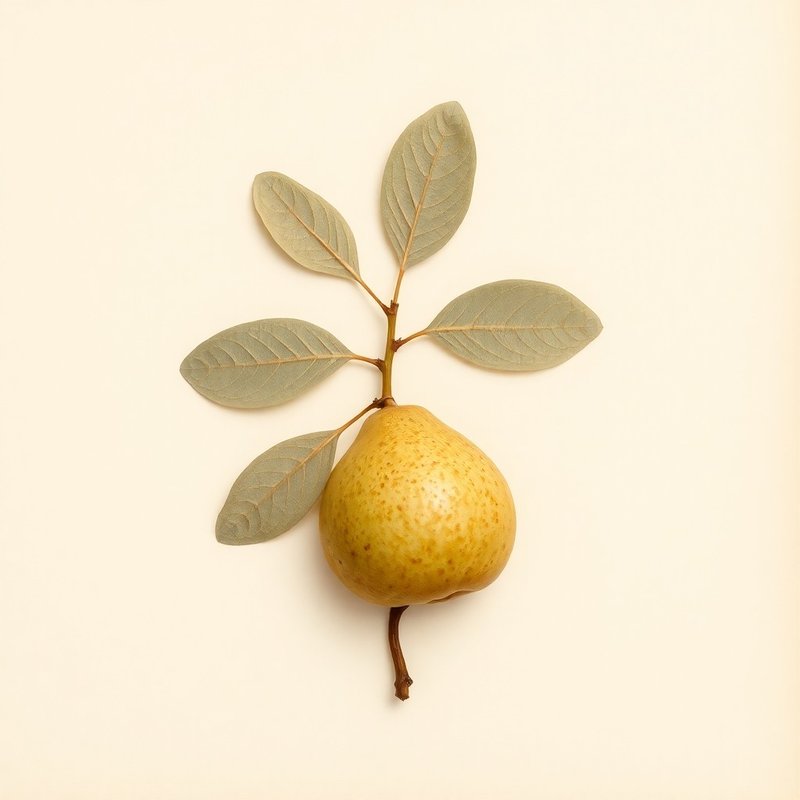
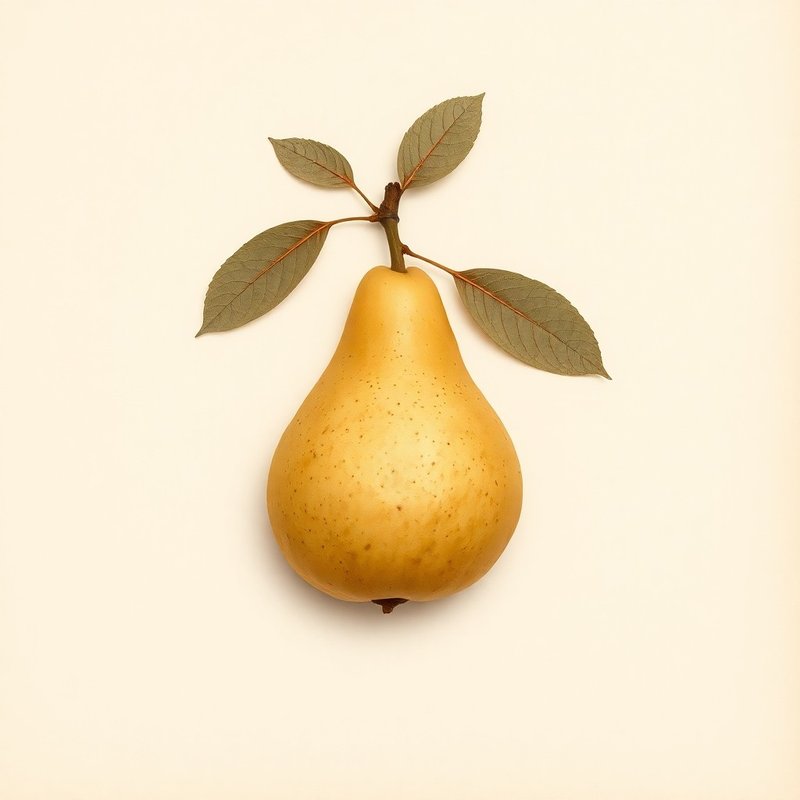
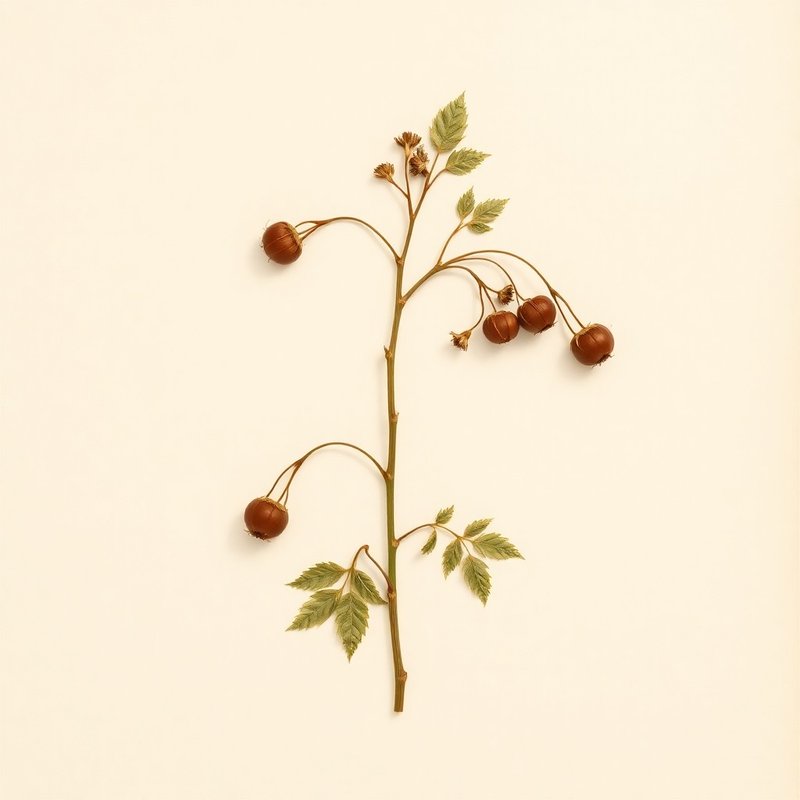
Malus praecox (Malus praecox) — botanical photograph
Pl. 1DD3 — Malus praecox
Malus praecoxMalus praecoxMalus praecoxMalus praecoxMalus praecoxMalus praecoxMalus praecoxMalus praecoxMalus praecoxMalus praecoxMalus praecoxMalus praecoxMalus praecoxMalus praecox
I

Prezentare

Malus praecox, cunoscută sub numele de crabapple timpurie, este un arbore decidu origine Central și Vestul Asia. Înfloreste în habitaturi precum Afganistan, Kazahstan, Kirgizstan, Pakistan, Tajikistan, Uzbekistan și Xinjiang. Această plantă este valorificată pentru fructele sale comestibile, care pot fi utilizate în diverse aplicații culinare. Un caracter distinctiv al Malus praecox este capacitatea sa de a crește bine în diferite tipuri de sustrat - liniștit (sândal), mediu și greu (argila) - și preferă condițiile umide cu expunere completă sau parțială la soare.

Quick answers

What is Malus praecox?

Malus praecox, cunoscută sub numele de crabapple timpurie, este un arbore decidu origine Central și Vestul Asia. Înfloreste în habitaturi precum Afganistan, Kazahstan, Kirgizstan, Pakistan, Tajikistan, Uzbekistan și Xinjiang.

Compare with:Almond-leaved pear→Amelanchier weigandii→Asian Pear→all comparisons →
Growingconditions · propagation · uses
V

Cultivare

Malus praecox se dezvolte în lumină plină sau parțială și preferă sustrat umed, bine drenat care poate fi liniștit (sândal), mediu sau greu (argila). Această arbore fructifer este durabil în regiuni temperate și este origine Afganistan, Kazahstan, Kirgizstan, Pakistan, Tajikistan, Uzbekistan și Xinjiang. Pentru cultivarea reușită, asigurați-vă că sustratul rămâne umed constant în timp ce oferiți expunere suficientă la soare. Propagarea poate fi făcută prin semințe sau greacuit.
Light
Full sun, Partial sun/shade
Water
Moist
Soil
Light (sandy), Medium, Heavy (clay)
For first-time growers

How to grow Malus praecox for the first time

8steps

Start with planting Malus praecox in a sunny spot, and you'll have a rewarding experience as a beginner gardener.

  1. 1

    What you'll need

    A young Malus praecox sapling, well-draining soil, and a garden fork.

  2. 2

    Best time to plant

    Plant in early spring or late autumn when the ground is workable but not frozen.

  3. 3

    Soil and container prep

    Ensure your soil is light (sandy), medium, or heavy with good drainage. Amend as needed for better fertility.

  4. 4

    Sowing or transplanting

    Transplant the sapling carefully, ensuring the root ball remains intact. Plant at the same depth it was in its container.

  5. 5

    First two weeks

    Water regularly to keep the soil moist but not waterlogged. Monitor for any signs of stress or pests.

  6. 6

    Ongoing care

    Provide full sun exposure and regular watering, especially during dry spells. Mulch around the base to retain moisture.

  7. 7

    Harvest or pruning

    Prune in late winter before new growth starts to maintain shape and remove any dead branches. Harvest fruit when fully ripe.

  8. 8

    Common mistakes

    Overwatering, planting too deep, neglecting pruning, and not providing enough sunlight are common pitfalls.

VI

Edible & utility

Edible parts:Fruit
Edible uses: The fruit of Malus praecox is edible and can be eaten raw or used in various preparations. It is often cooked to make jams, jellies, and preserves due to its tart flavor. The fruit can also be dried for later use. Skip the invention of specific recipes; focus on these basic uses instead.
Contextrange · companions · related
VII

Distribuție

7 native · 95 introduced
Distribution across3 continents· 7 native· 95 introduced
Europe23 regions
introduced (23)AlbaniaBelarusBelgiumBulgariaCyprusDenmarkFinlandFranceGermanyGreeceHungaryIrelandItalyNetherlandsNorwayPolandPortugalRomaniaRussiaSpainSwedenUkraineUnited Kingdom
Asia10 regions
native (5)AfghanistanChinaKazakhstanPakistanUzbekistan
introduced (5)GeorgiaIraqNepalSouth KoreaTurkmenistan
Americas2 regions
introduced (2)EcuadorUnited States
Broader regions
native:Kirgizstan, Tadzhikistan
introduced:Alabama, Argentina Northeast, Argentina South, Arkansas, Baltic States, British Columbia, California, Colorado, Connecticut, Czechoslovakia, Delaware, District of Columbia, East Himalaya, Falkland Is., Illinois, Indiana, Iowa, Kansas, Kentucky, Louisiana, Maine, Manitoba, Maryland, Massachusetts, Michigan, Minnesota, Mississippi, Missouri, Montana, Nebraska, Nevada, New Brunswick, New Hampshire, New Jersey, New Mexico, New South Wales, New York, Newfoundland, North Carolina, North Dakota, Nova Scotia, Ohio, Ontario, Oregon, Pennsylvania, Prince Edward I., Québec, Rhode I., South Carolina, Tasmania, Tennessee, Utah, Vermont, Victoria, Virginia, West Virginia, Wisconsin, Wyoming, Yugoslavia
IX

Specimen gallery

1 image
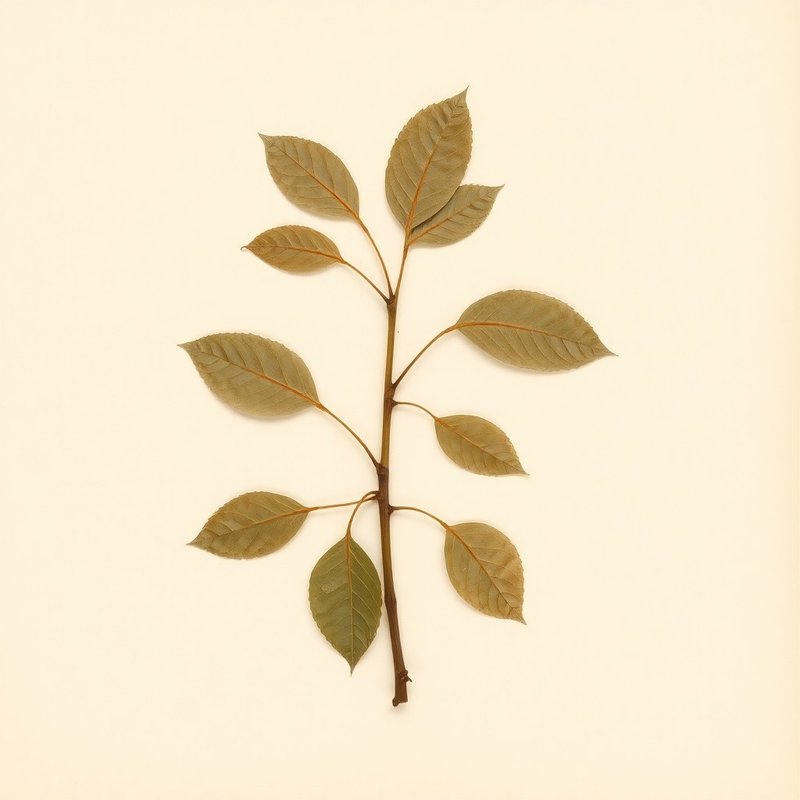
Malus praecox (Malus praecox) — botanical photograph
Malus praecox (Malus praecox)
X

See also

8 related
XI

Explore further

XII

About this entry

Last updated
Citation
How to cite this entry · Submit a correction
Back to the cataloguePlant id · 1dd334d8-bbc4-4b70-9d43-cbac3cc1e664
Decision aid
Choosing between Malus praecox and something else?
Compare with another plant

Continue reading

❦❦❦❦
Endpaper · archive updates

Primește digest-ul săptămânal

Un email curat pe săptămână — profile noi de plante, note sezoniere de cultivare, adăugiri în arhiva de remedii. Gratuit, fără tracking, dezabonare oricând.

Newsletter returning soon.
We are rebuilding the update list around a lightweight editorial workflow. New dispatches will resume after the next content review cycle.
iCare notes