
Malus praecox
Malus praecoxfam. Rosaceae
Educational content — not medical, botanical, or professional advice. Plant identification, safety, and edibility depend on local conditions, cultivars, and correct identification. Consult a qualified botanist or forager before consuming or handling wild specimens. How we source & review →
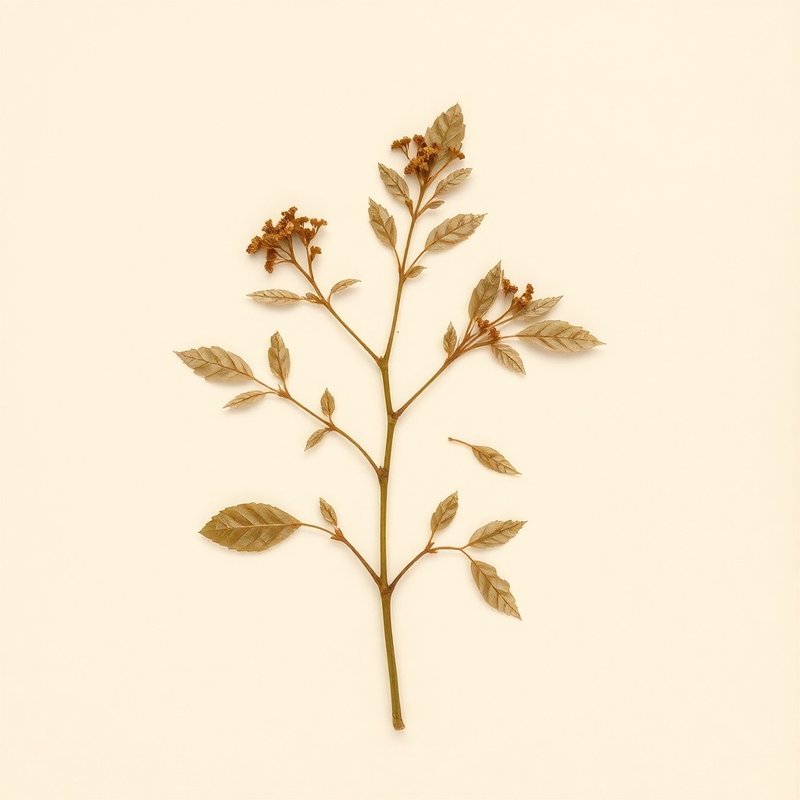
Pl. 1DD3 — Malus praecox
Malus praecoxMalus praecoxMalus praecoxMalus praecoxMalus praecoxMalus praecoxMalus praecoxMalus praecoxMalus praecoxMalus praecoxMalus praecoxMalus praecoxMalus praecoxMalus praecox
IOverview
Overview
Malus praecox, commonly known as the early flowering crabapple, is a deciduous tree native to Central and West Asia. It thrives in habitats such as Afghanistan, Kazakhstan, Kirgizstan, Pakistan, Tadzhikistan, Uzbekistan, and Xinjiang. This plant is valued for its edible fruit, which can be used in various culinary applications. One distinctive feature of Malus praecox is its ability to grow well in a variety of soil types—light (sandy), medium, and heavy (clay)—and it prefers moist conditions with full or partial sun exposure.
Quick answers
What is Malus praecox?
Malus praecox, commonly known as the early flowering crabapple, is a deciduous tree native to Central and West Asia. It thrives in habitats such as Afghanistan, Kazakhstan, Kirgizstan, Pakistan, Tadzhikistan, Uzbekistan, and Xinjiang.
Growingconditions · propagation · uses
VCultivation
Cultivation
Malus praecox thrives in full to partial sun and prefers moist, well-drained soil that can be light (sandy), medium, or heavy (clay). This fruit-bearing tree is hardy in temperate regions and is native to Afghanistan, Kazakhstan, Kirgizstan, Pakistan, Tadzhikistan, Uzbekistan, and Xinjiang. For successful cultivation, ensure the soil remains consistently moist while providing ample sunlight. Propagation can be done through seeds or grafting.
Light
Full sun, Partial sun/shade
Water
Moist
Soil
Light (sandy), Medium, Heavy (clay)
For first-time growers
How to grow Malus praecox for the first time
8steps
Start with planting Malus praecox in a sunny spot, and you'll have a rewarding experience as a beginner gardener.
- 1
What you'll need
A young Malus praecox sapling, well-draining soil, and a garden fork.
- 2
Best time to plant
Plant in early spring or late autumn when the ground is workable but not frozen.
- 3
Soil and container prep
Ensure your soil is light (sandy), medium, or heavy with good drainage. Amend as needed for better fertility.
- 4
Sowing or transplanting
Transplant the sapling carefully, ensuring the root ball remains intact. Plant at the same depth it was in its container.
- 5
First two weeks
Water regularly to keep the soil moist but not waterlogged. Monitor for any signs of stress or pests.
- 6
Ongoing care
Provide full sun exposure and regular watering, especially during dry spells. Mulch around the base to retain moisture.
- 7
Harvest or pruning
Prune in late winter before new growth starts to maintain shape and remove any dead branches. Harvest fruit when fully ripe.
- 8
Common mistakes
Overwatering, planting too deep, neglecting pruning, and not providing enough sunlight are common pitfalls.
VIEdible & utility
Edible & utility
Edible parts:Fruit
Edible uses: The fruit of Malus praecox is edible and can be eaten raw or used in various preparations. It is often cooked to make jams, jellies, and preserves due to its tart flavor. The fruit can also be dried for later use. Skip the invention of specific recipes; focus on these basic uses instead.
Contextrange · companions · related
VIIDistribution
7 native · 23 introduced
Distribution
7 native · 23 introducedDistribution across3 continents· 7 native· 23 introduced
Europe9 regions
introduced (9)AlbaniaBelarusBelgiumBulgariaCyprusDenmarkPortugalRussiaSpain
Asia5 regions
native (5)AfghanistanChinaKazakhstanPakistanUzbekistan
Americas1 region
introduced (1)United States
Broader regions
native:Tadzhikistan, Kirgizstan
introduced:Arkansas, Argentina South, Delaware, District of Columbia, Argentina Northeast, British Columbia, Colorado, Connecticut, Czechoslovakia, Baltic States, East Himalaya, Alabama
IXSpecimen gallery
1 image
Specimen gallery
1 imageXSee also
8 related
See also
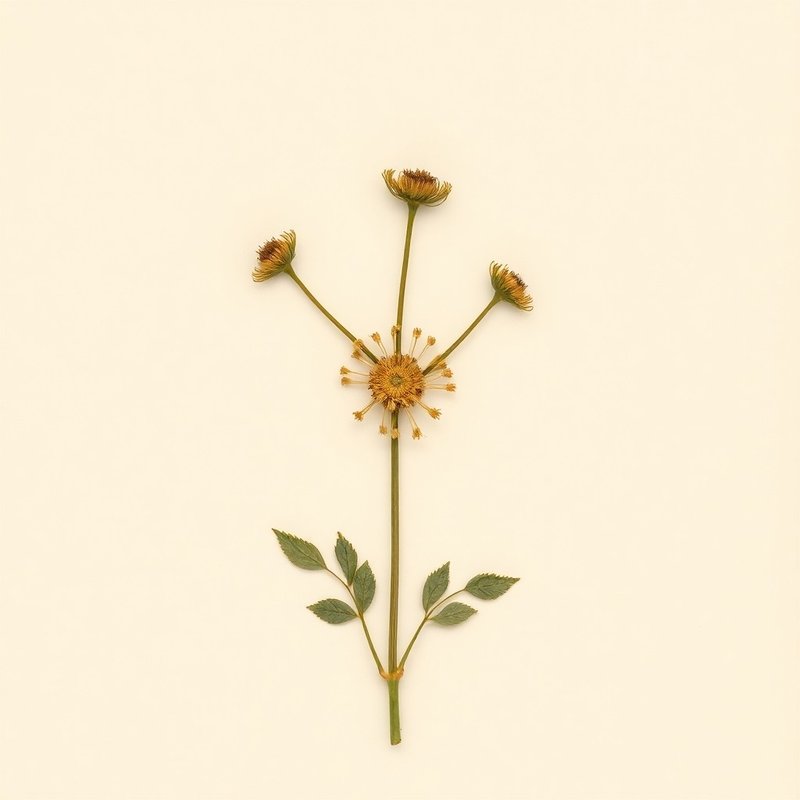
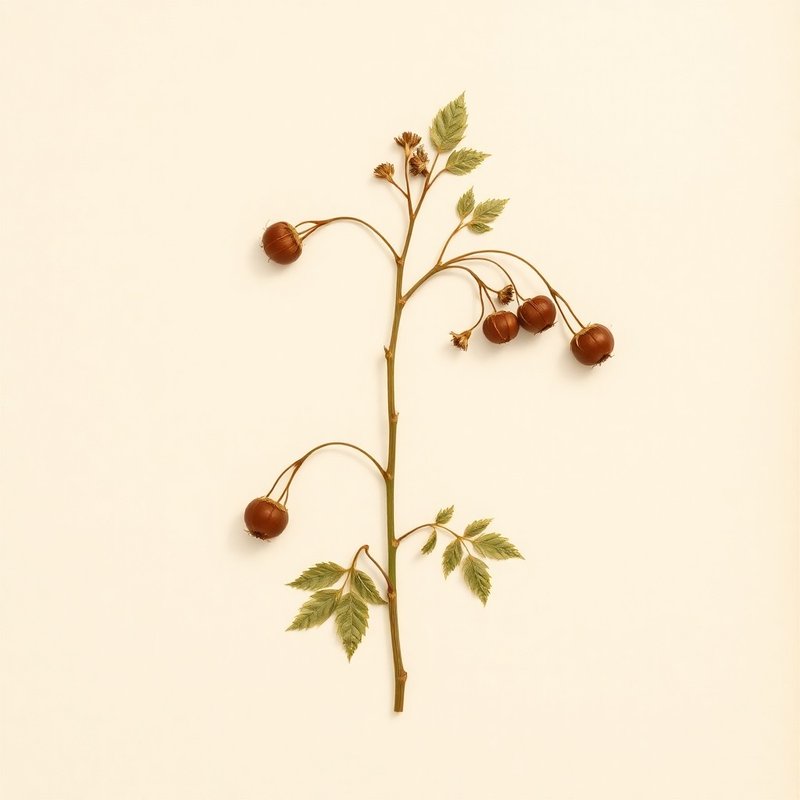
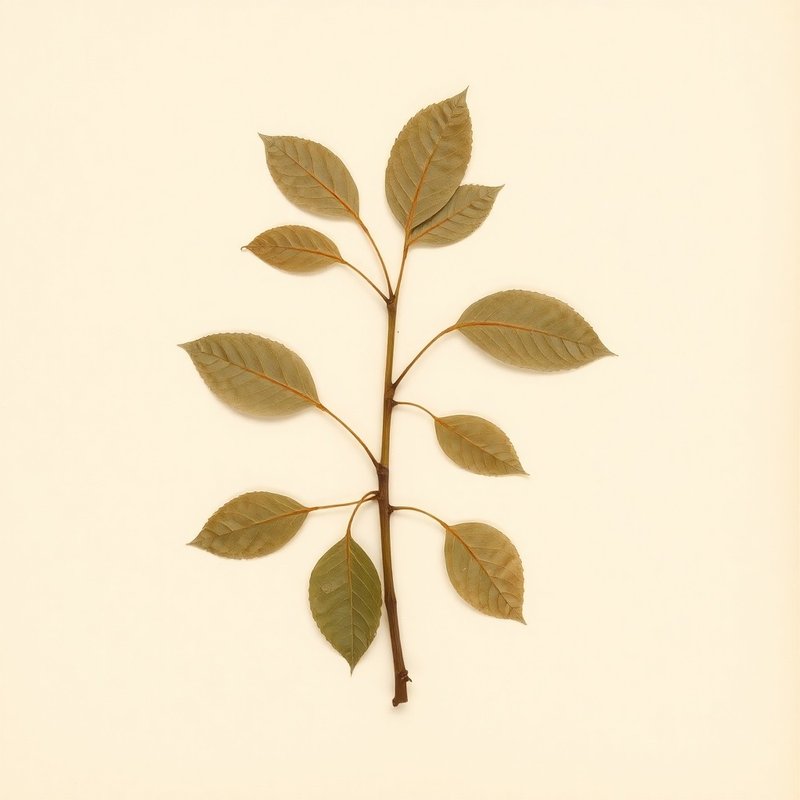
8 relatedPlants you might compare or use together — scored by shared family (Rosaceae), common use cases, and growing requirements.
same family · Rosaceae
Botanical relatives — often share phytochemistry + growing needs.


XI
Explore further
Companion planting
Compare with similar plants
XII
About this entry
- Last updated
- Citation
- How to cite this entry · Submit a correction
Back to the cataloguePlant id · 1dd334d8-bbc4-4b70-9d43-cbac3cc1e664
Decision aid
Choosing between Malus praecox and something else?
Continue reading
❦❦❦❦
Endpaper · archive updates
Get archive updates
Occasional email when substantial new content lands — plant profiles, seasonal growing notes, folk-remedy additions. Free, no tracking, unsubscribe anytime.