
Skip to content
IIIFolio · plant profile№ 8E5Dedible
Data provenancePermapeopleTrefleWikipediaPFAFPOWOreviewed 13 Oct 2026methodology → read

Bath Asparagus

Ornithogalum pyrenaicum
Educational content — not medical, botanical, or professional advice. Plant identification, safety, and edibility depend on local conditions, cultivars, and correct identification. Consult a qualified botanist or forager before consuming or handling wild specimens. How we source & review →
edibleherbsedible
Updated·Quick Q&A →
Garden journal pausedUse profile notes below
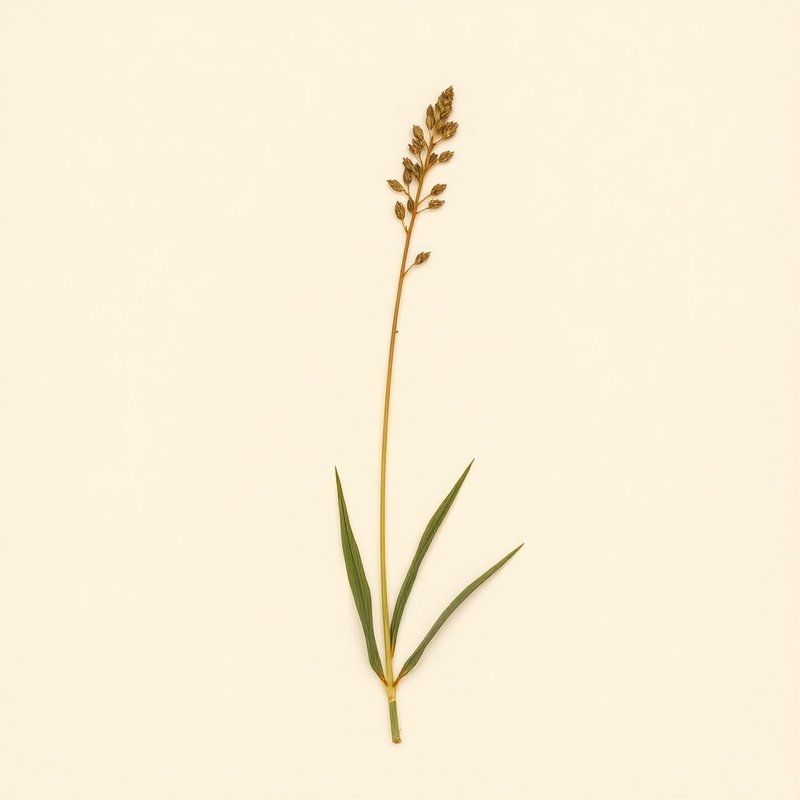
Ornithogalum pyrenaicum (Bath Asparagus) — botanical photograph
Pl. 8E5D — Ornithogalum pyrenaicum
Ornithogalum pyrenaicumOrnithogalum pyrenaicumOrnithogalum pyrenaicumOrnithogalum pyrenaicumOrnithogalum pyrenaicumOrnithogalum pyrenaicumOrnithogalum pyrenaicumOrnithogalum pyrenaicumOrnithogalum pyrenaicumOrnithogalum pyrenaicumOrnithogalum pyrenaicumOrnithogalum pyrenaicumOrnithogalum pyrenaicumOrnithogalum pyrenaicum
I

Prezentare

Ornithogalum pyrenaicum, cunoscut sub numele de asparagiu de Băth, este o plante perenă herbică origine mediteraneană, incluziind Grecia, Albania, Austria, Belgia, Bulgaria, Corsica și părți ale Franței. Această plantă atinge o înălțime de 0,6 m și se dezvoltă în sușteu luminos cu un pH între 7 și 7,5. Este cunoscut pentru plantele sale alimentare, scufunduri și stemuri, care pot fi consumate în bife culinare. Un caracter distinctiv al asparagului de Băth este ratingul sa energetică ușoară, fapt ce o face potrivită pentru zone cu lumină moderată. Planta este durabilă în regiuni temperaturne din zonele 5-9 și crește până la o înălțime de 0,6 m.

Quick answers

What is Bath Asparagus?

Ornithogalum pyrenaicum, cunoscut sub numele de asparagiu de Băth, este o plante perenă herbică origine mediteraneană, incluziind Grecia, Albania, Austria, Belgia, Bulgaria, Corsica și părți ale Franței. Această plantă atinge o înălțime de 0,6 m și se dezvoltă în sușteu luminos cu un pH între 7 și 7,5.

Growingconditions · propagation · uses
V

Cultivare

Ornithogalum pyrenaicum se dezvoltă bine în umor luminos sau moderat și preferă suștânci de sol cu bună absorbție a apului cu un pH între 7-7,5. Este durabil în regiuni temperaturne din zonele 5-9 și crește până la o înălțime de 0,6 m. Plantul necesită suștânci de sol umede, în special când se dezvoltă părți alimentare precum plantele, scufundurile și stemurile. Pentru cele mai bune rezultate, folosiți suștânci de sol luminos (sândal), medie sau grea (argil) care nu sunt prea sec. Evitați mulțirea dacă suștância de sol rămâne în mod constant umed.
Light
4/10
Water
Moist
Soil
Light (sandy), Medium, Heavy (clay)
Hardiness
5-9
Habit
Forb/herb
Mature size
0.6 m tall
Soil pH
7–7.5
Seasonal calendar
Northern hemisphere · UTC month is November
winterspringsummerautumnwinter
BloomJFMAMJJASOND
For first-time growers

How to grow Bath Asparagus for the first time

8steps

Start with planting Bath Asparagus in a well-prepared soil and follow basic care instructions for success.

  1. 1

    What you'll need

    Bath Asparagus bulbs, potting mix suitable for light to heavy soils, containers or garden beds.

  2. 2

    Best time to plant

    Plant in early spring or late fall when the soil is cool and moist.

  3. 3

    Soil and container prep

    Ensure the soil pH is between 7-7.5; mix in compost if needed for better drainage and fertility.

  4. 4

    Sowing or transplanting

    Plant bulbs about 10 cm deep, spacing them 20-30 cm apart to allow room for growth.

  5. 5

    First two weeks

    Water the soil thoroughly after planting; keep it consistently moist but not waterlogged.

  6. 6

    Ongoing care

    Fertilize with a balanced fertilizer in early spring and mid-summer. Mulch around plants to retain moisture.

  7. 7

    Harvest or pruning

    Prune dead leaves and spent flowers to maintain plant health; harvest shoots when they reach 15 cm for culinary use.

  8. 8

    Common mistakes

    Overwatering, planting too deep, neglecting mulching, using incorrect soil pH.

VI

Edible & utility

Edible parts:LeavesShootsStem
Edible uses: The Bath Asparagus (Ornithogalum pyrenaicum) is edible and its leaves, shoots, and stems can be consumed raw or cooked. Typically, these parts are prepared in salads or used as a vegetable side dish. They can also be dried for later use.
Contextrange · companions · related
VII

Distribuție

22 native · 22 introduced
Distribution across3 continents· 22 native· 22 introduced
Europe27 regions
native (14)AlbaniaAustriaBelgiumBulgariaFranceGreeceItalyPortugalRomaniaRussiaSpainSwitzerlandUkraineUnited Kingdom
introduced (13)AlbaniaAustriaBelgiumBulgariaFranceItalyPortugalRomaniaRussiaSpainSwitzerlandUkraineUnited Kingdom
Asia2 regions
native (1)Turkey
introduced (1)Turkey
Africa4 regions
native (2)LibyaMorocco
introduced (2)LibyaMorocco
Broader regions
native:East Aegean Is., Yugoslavia
introduced:East Aegean Is., West Virginia, Yugoslavia
IX

Specimen gallery

1 image
Ornithogalum pyrenaicum (Bath Asparagus) — botanical photograph
Bath Asparagus (Ornithogalum pyrenaicum)
XI

Explore further

XII

About this entry

Last updated
Citation
How to cite this entry · Submit a correction
Back to the cataloguePlant id · 8e5d02da-45d1-4382-8622-de1015e0fa01
Decision aid
Choosing between Bath Asparagus and something else?
Compare with another plant

Continue reading

❦❦❦❦
Endpaper · archive updates

Primește digest-ul săptămânal

Un email curat pe săptămână — profile noi de plante, note sezoniere de cultivare, adăugiri în arhiva de remedii. Gratuit, fără tracking, dezabonare oricând.

Newsletter returning soon.
We are rebuilding the update list around a lightweight editorial workflow. New dispatches will resume after the next content review cycle.
iCare notes