
Bath Asparagus
Ornithogalum pyrenaicum
Educational content — not medical, botanical, or professional advice. Plant identification, safety, and edibility depend on local conditions, cultivars, and correct identification. Consult a qualified botanist or forager before consuming or handling wild specimens. How we source & review →
Garden journal pausedUse profile notes below
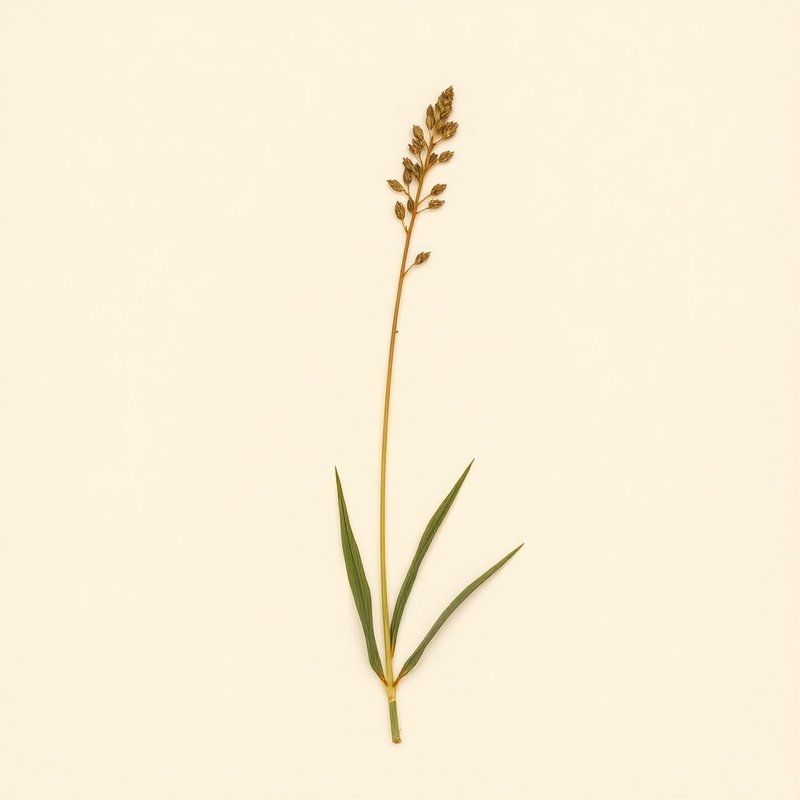
Pl. 8E5D — Ornithogalum pyrenaicum
Ornithogalum pyrenaicumOrnithogalum pyrenaicumOrnithogalum pyrenaicumOrnithogalum pyrenaicumOrnithogalum pyrenaicumOrnithogalum pyrenaicumOrnithogalum pyrenaicumOrnithogalum pyrenaicumOrnithogalum pyrenaicumOrnithogalum pyrenaicumOrnithogalum pyrenaicumOrnithogalum pyrenaicumOrnithogalum pyrenaicumOrnithogalum pyrenaicum
IOverview
Overview
Bath Asparagus (Ornithogalum pyrenaicum) is a perennial herb native to the Mediterranean region, including Greece and parts of Albania, Austria, Belgium, Bulgaria, Corsica, France, Great Britain, Italy, Crimea, Libya, Morocco, North Caucasus, Portugal, Romania, Sardinia, Spain, Switzerland, Turkey, Ukraine, and Yugoslavia. This plant reaches a height of 0.6 meters and thrives in moist, light to heavy soil with a pH between 7 and 7.5. It is known for its edible leaves, shoots, and stems, which can be enjoyed raw or cooked in salads or as a vegetable side dish. The plant's hardiness ranges from USDA zones 5-9, making it suitable for various climates within its native range. Bath Asparagus is particularly distinctive due to its light energy rating, indicating that it requires moderate sunlight. Its edible parts include the leaves, shoots, and stems, which can be harvested and prepared in a variety of culinary dishes. The plant's growth form as a forb/herb makes it an attractive addition to gardens or natural landscapes for those interested in edible landscaping. While Bath Asparagus is not known for medicinal properties, its edible nature makes it a valuable resource for gardeners and cooks alike. It can be introduced into new areas where suitable conditions exist, such as well-draining soils with moderate moisture levels. However, caution should be exercised when handling the plant, as some species within the Ornithogalum genus may have irritant properties.
Quick answers
What is Bath Asparagus?
Bath Asparagus (Ornithogalum pyrenaicum) is a perennial herb native to the Mediterranean region, including Greece and parts of Albania, Austria, Belgium, Bulgaria, Corsica, France, Great Britain, Italy, Crimea, Libya, Morocco, North Caucasus, Portugal, Romania, Sardinia, Spain, S
Growingconditions · propagation · uses
VCultivation
Cultivation
Bath Asparagus thrives in light to moderate shade and prefers well-draining soils with a pH of 7–7.5. It is hardy in temperate regions from zones 5-9 and grows up to 0.6 meters tall. The plant requires moist soil, particularly when growing edible parts such as leaves, shoots, and stems. For best results, use light (sandy), medium, or heavy (clay) soils that are not overly dry. Skip mulching if the soil remains consistently moist.
Light
4/10
Water
Moist
Soil
Light (sandy), Medium, Heavy (clay)
Hardiness
5-9
Habit
Forb/herb
Mature size
0.6 m tall
Soil pH
7–7.5
Seasonal calendar
Northern hemisphere · UTC month is November
winterspringsummerautumnwinter
BloomJFMAMJJASOND
For first-time growers
How to grow Bath Asparagus for the first time
8steps
Start with planting Bath Asparagus in a well-prepared soil and follow basic care instructions for success.
- 1
What you'll need
Bath Asparagus bulbs, potting mix suitable for light to heavy soils, containers or garden beds.
- 2
Best time to plant
Plant in early spring or late fall when the soil is cool and moist.
- 3
Soil and container prep
Ensure the soil pH is between 7-7.5; mix in compost if needed for better drainage and fertility.
- 4
Sowing or transplanting
Plant bulbs about 10 cm deep, spacing them 20-30 cm apart to allow room for growth.
- 5
First two weeks
Water the soil thoroughly after planting; keep it consistently moist but not waterlogged.
- 6
Ongoing care
Fertilize with a balanced fertilizer in early spring and mid-summer. Mulch around plants to retain moisture.
- 7
Harvest or pruning
Prune dead leaves and spent flowers to maintain plant health; harvest shoots when they reach 15 cm for culinary use.
- 8
Common mistakes
Overwatering, planting too deep, neglecting mulching, using incorrect soil pH.
VIEdible & utility
Edible & utility
Edible parts:LeavesShootsStem
Edible uses: The Bath Asparagus (Ornithogalum pyrenaicum) is edible and its leaves, shoots, and stems can be consumed raw or cooked. Typically, these parts are prepared in salads or used as a vegetable side dish. They can also be dried for later use.
Contextrange · companions · related
VIIDistribution
22 native · 22 introduced
Distribution
22 native · 22 introducedDistribution across3 continents· 22 native· 22 introduced
Europe27 regions
native (14)AlbaniaAustriaBelgiumBulgariaFranceGreeceItalyPortugalRomaniaRussiaSpainSwitzerlandUkraineUnited Kingdom
introduced (13)AlbaniaAustriaBelgiumBulgariaFranceItalyPortugalRomaniaRussiaSpainSwitzerlandUkraineUnited Kingdom
Asia2 regions
native (1)Turkey
introduced (1)Turkey
Africa4 regions
native (2)LibyaMorocco
introduced (2)LibyaMorocco
Broader regions
native:East Aegean Is., Yugoslavia
introduced:East Aegean Is., West Virginia, Yugoslavia
IXSpecimen gallery
1 image
Specimen gallery
1 imageXI
Explore further
Companion planting
Growing zone
XII
About this entry
- Last updated
- Citation
- How to cite this entry · Submit a correction
Back to the cataloguePlant id · 8e5d02da-45d1-4382-8622-de1015e0fa01
Decision aid
Choosing between Bath Asparagus and something else?
Continue reading
❦❦❦❦
Endpaper · archive updates
Get archive updates
Occasional email when substantial new content lands — plant profiles, seasonal growing notes, folk-remedy additions. Free, no tracking, unsubscribe anytime.
Newsletter returning soon.
We are rebuilding the update list around a lightweight editorial workflow. New dispatches will resume after the next content review cycle.