
Banana Passionfruit
IPrezentare
Prezentare
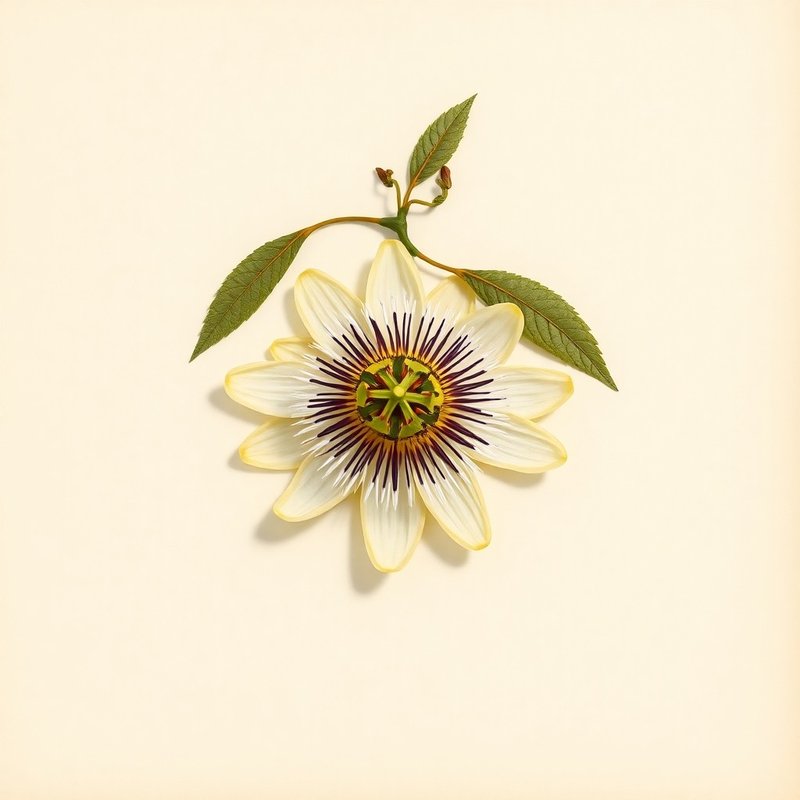
Banana Passionfruit (Passiflora antioquiensis) este o vină climândoare nativă din Colombia, unde se dezvolte în zonă plin de soare sau parțial ombrată. Această plantă este atât consumabilă cât și medicamentală, cu fructul fiind partea principală utilizată pentru consum. Cunoscută pentru necesitatea sa de lumină a unui soare plin sau parțial, preferă condițiile umide și poate crește în diverse tipuri de sucuri, inclusiv ușoară (sândal), medie și grea (argila). Vinia poate atinge o înălțime de 5 metri și este durabilă în zonele 10-12. O caracteristică distinctivă care îndemnă la distincție a acestei pasiune de floruri este fructul său consumabil, care combina saborurile de banana și de passionfruit, făcându-l o adaugare unică în jardine și landscaped.
What is Banana Passionfruit?
Banana Passionfruit (Passiflora antioquiensis) este o vină climândoare nativă din Colombia, unde se dezvolte în zonă plin de soare sau parțial ombrată. Această plantă este atât consumabilă cât și medicamentală, cu fructul fiind partea principală utilizată pentru consum.
What is Banana Passionfruit used for?
Traditionally used for stress & anxiety. Each claim is evidence-rated — see Section II for full citations.
IIBeneficii și dovezi
1 claim · traditional-use context
Beneficii și dovezi
1 claim · traditional-use context- Traditional-use note: Banana Passionfruit appears in herbal sources around calming and relaxation traditions, often as a tea. PlantSage presents this as ethnobotanical context, not as medical advice.
Traditional context only. This reviewed claim keeps the original moderate confidence level, but avoids treatment, disease, dosage, or guaranteed-effect language.
▲ ModerateStress & anxiety →
IV·bMixology suggestions
1 draft
Mixology suggestions
1 draftVCultivare
Cultivare
How to grow Banana Passionfruit for the first time
Start with a simple, sunny spot and basic care for your Banana Passionfruit.
- 1
What you'll need
A young plant or seeds, a pot if starting indoors, and some compost.
- 2
Best time to plant
Plant in spring when the last frost has passed.
- 3
Soil and container prep
Use well-draining soil with a mix of light (sandy), medium, or heavy clay types. Ensure containers are at least 30 cm wide.
- 4
Sowing or transplanting
Transplant young plants outdoors after the last frost. Sow seeds indoors about 6 weeks before planting outside.
- 5
First two weeks
Keep soil moist and provide partial shade to avoid sunburn. Monitor for pests like aphids.
- 6
Ongoing care
Water regularly, especially in dry spells. Fertilize lightly every 2-3 months with a balanced organic fertilizer.
- 7
Harvest or pruning
Prune to shape the plant and remove dead or weak stems. Harvest fruit when it softens slightly.
- 8
Common mistakes
Overwatering, not providing enough sunlight, and neglecting pruning are common issues.
VIEdible & utility
Edible & utility
VIIDistribuție
1 native · 3 introduced
Distribuție
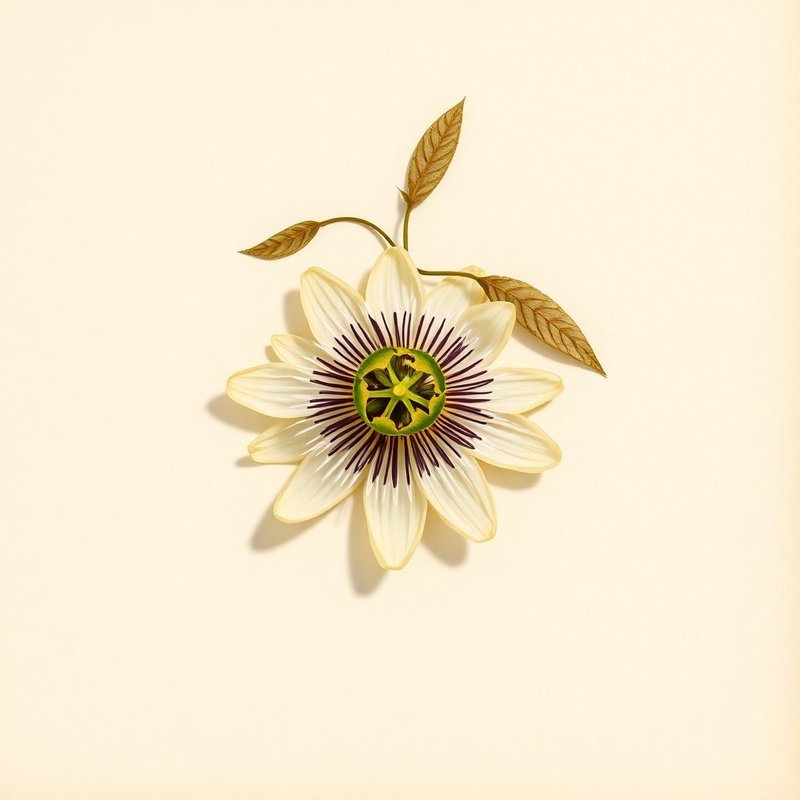
1 native · 3 introducedIXSpecimen gallery
1 image
Specimen gallery
1 imageXSee also
8 related
See also
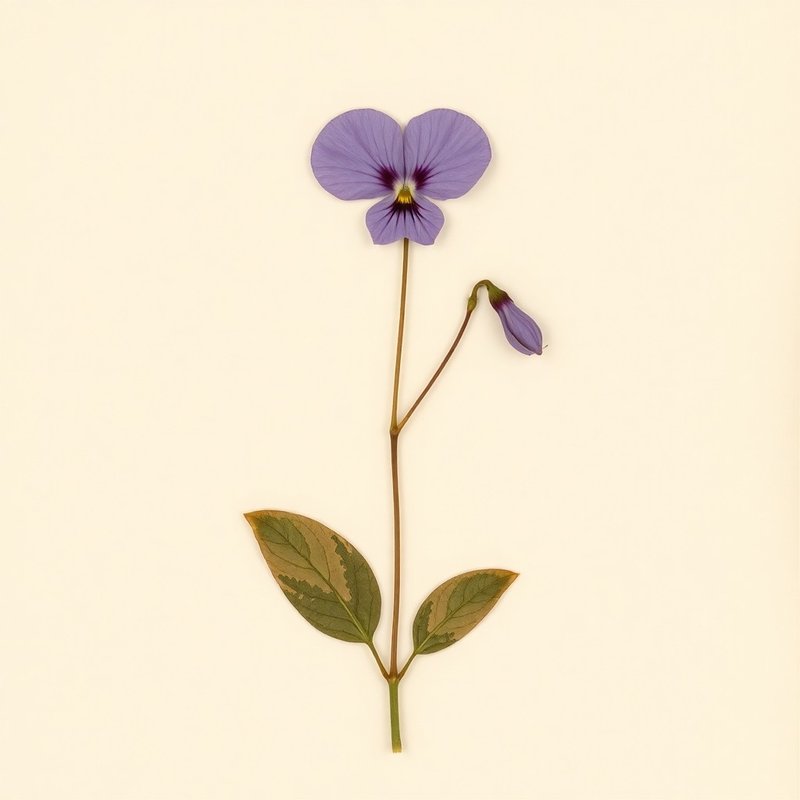
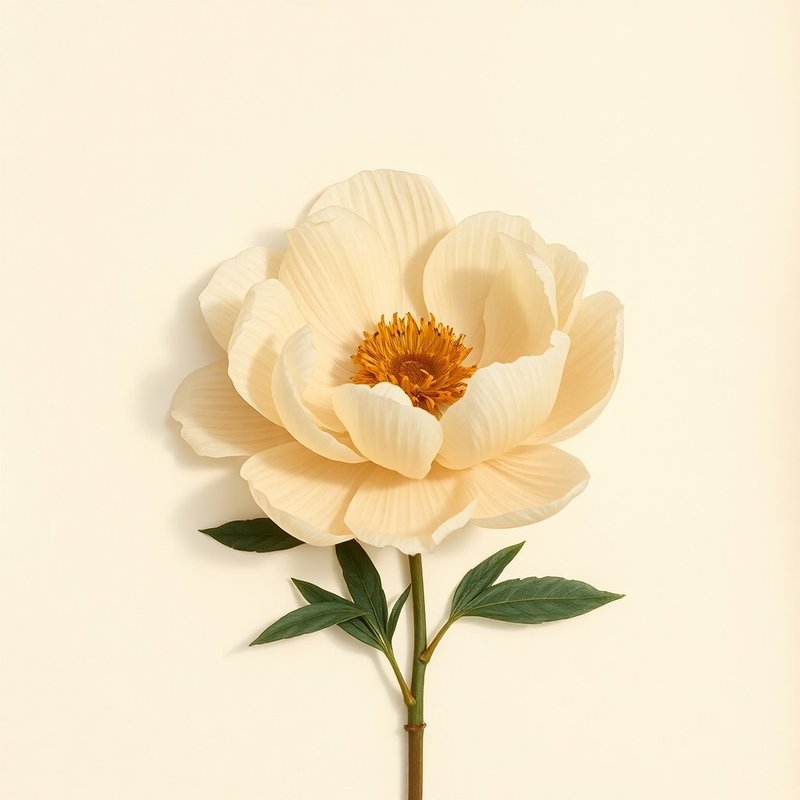
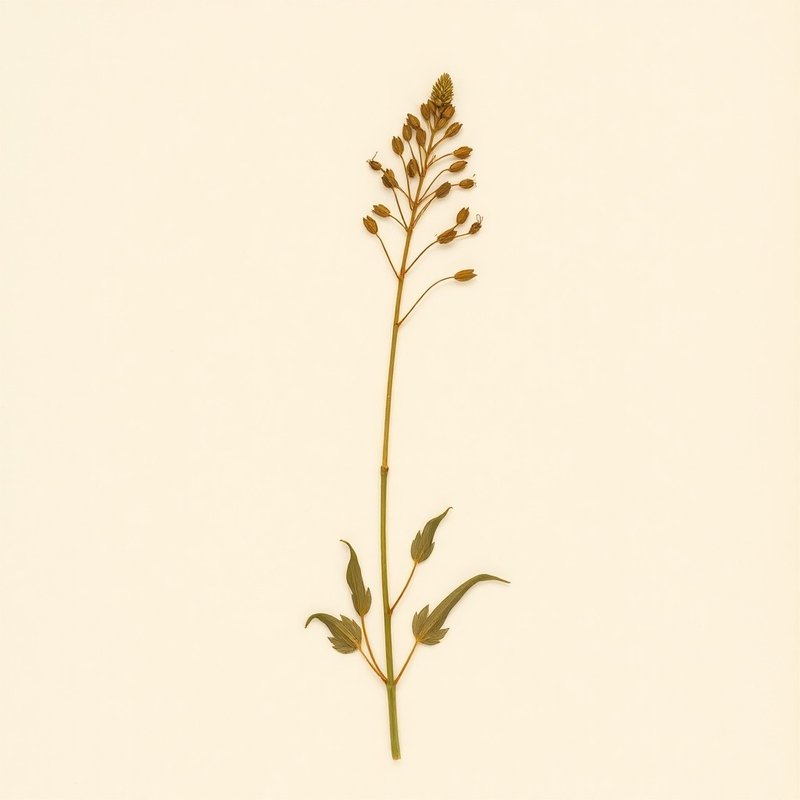
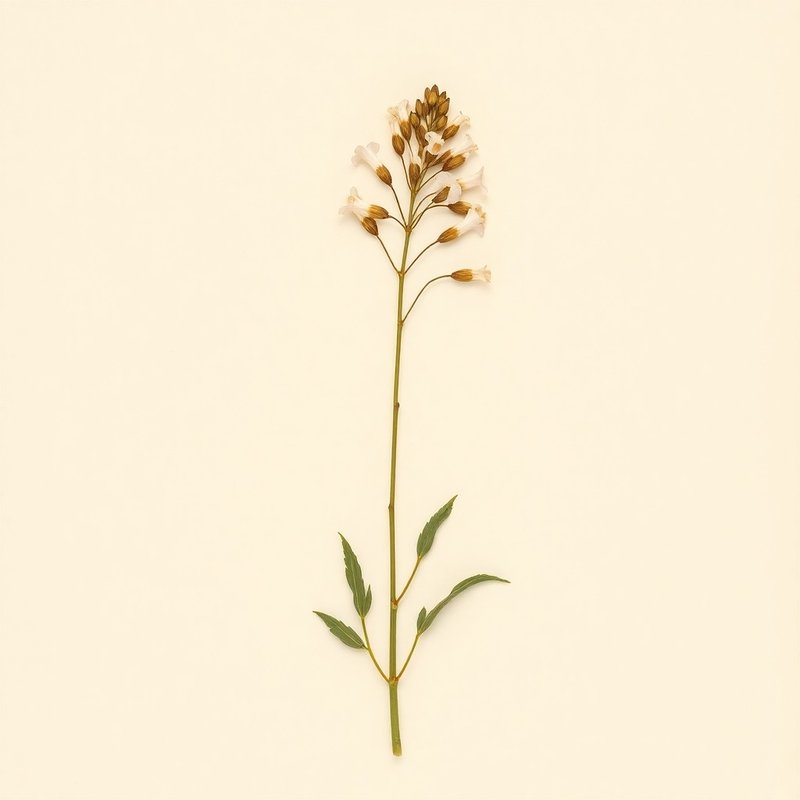
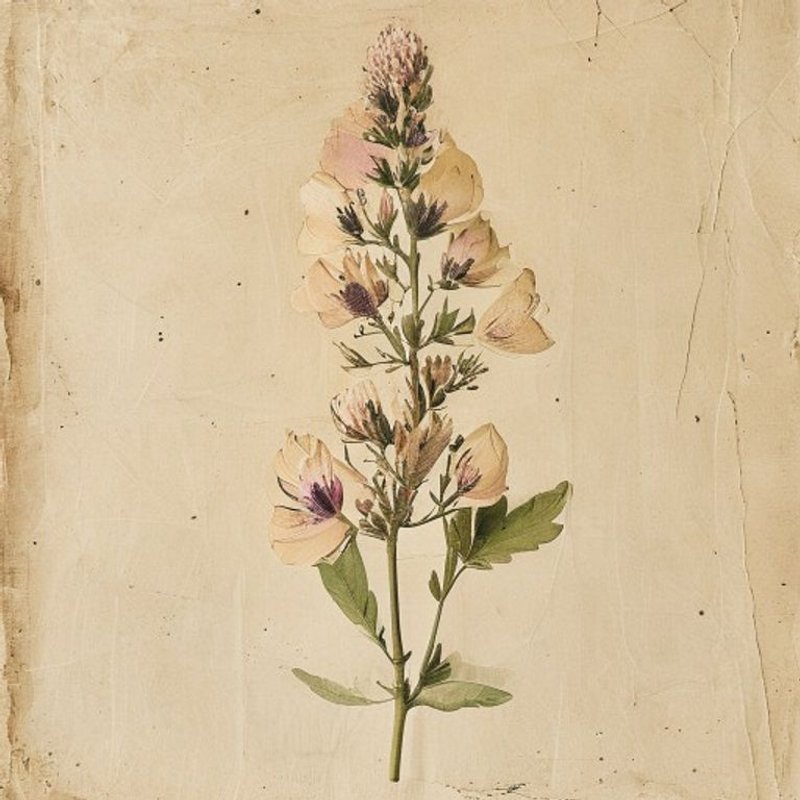
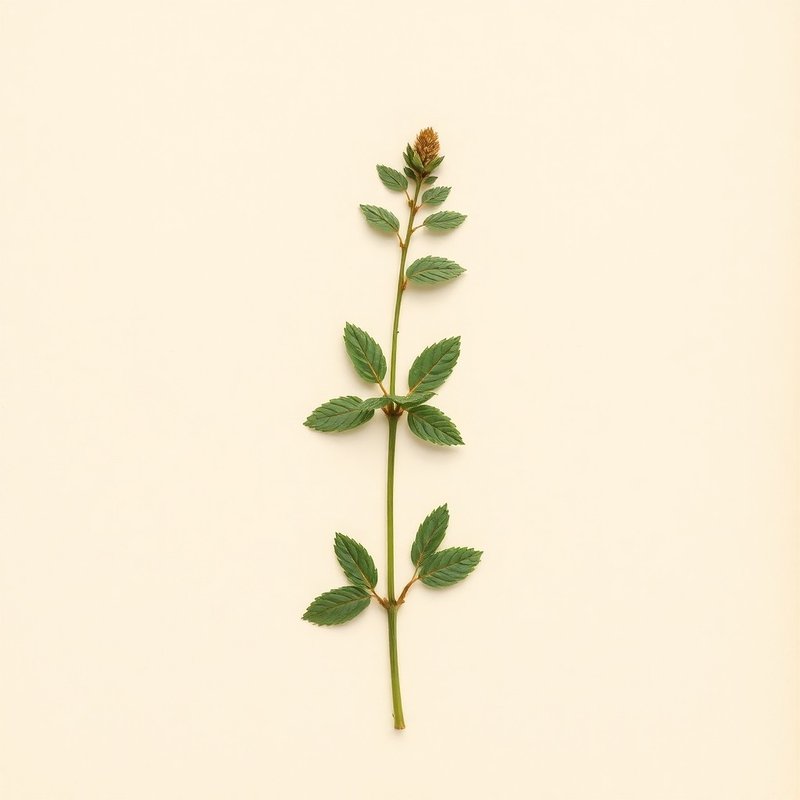
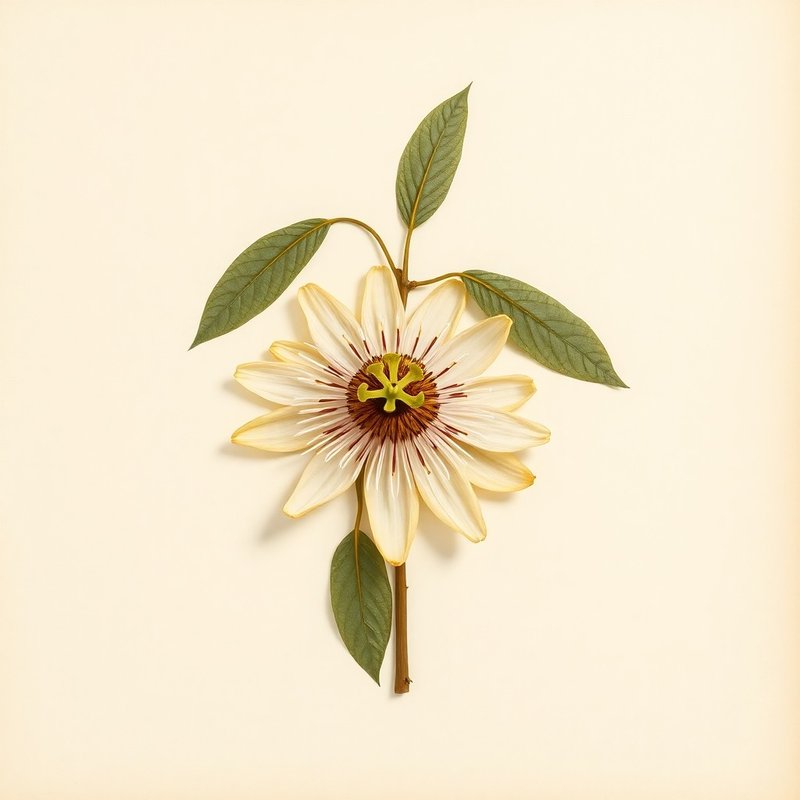
8 relatedPlants you might compare or use together — scored by shared family, common use cases, and growing requirements.
Explore further
About this entry
- Last updated
- Citation
- How to cite this entry · Submit a correction
Continue reading
Primește digest-ul săptămânal
Un email curat pe săptămână — profile noi de plante, note sezoniere de cultivare, adăugiri în arhiva de remedii. Gratuit, fără tracking, dezabonare oricând.