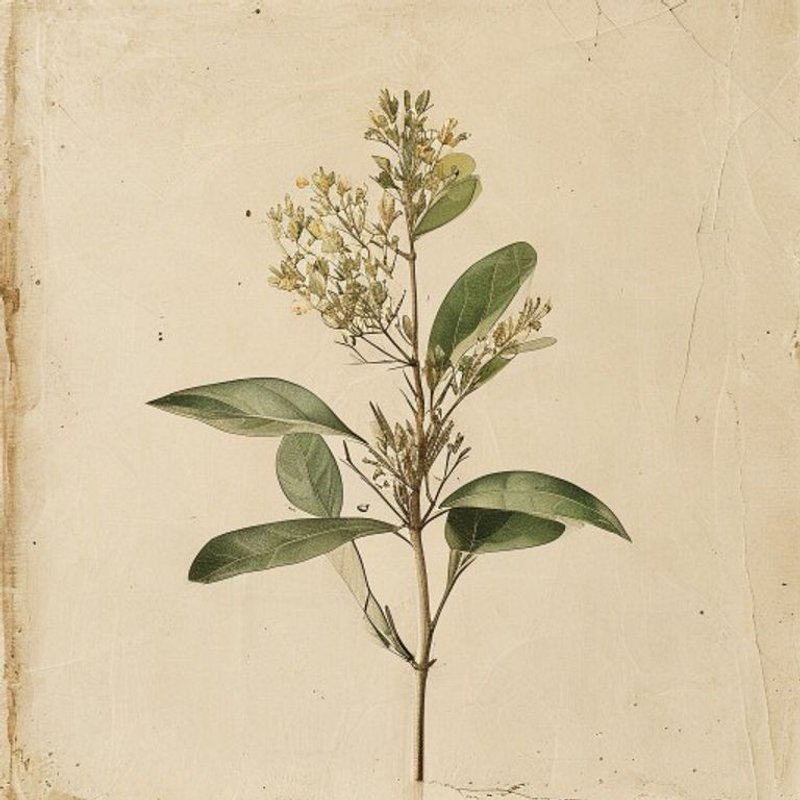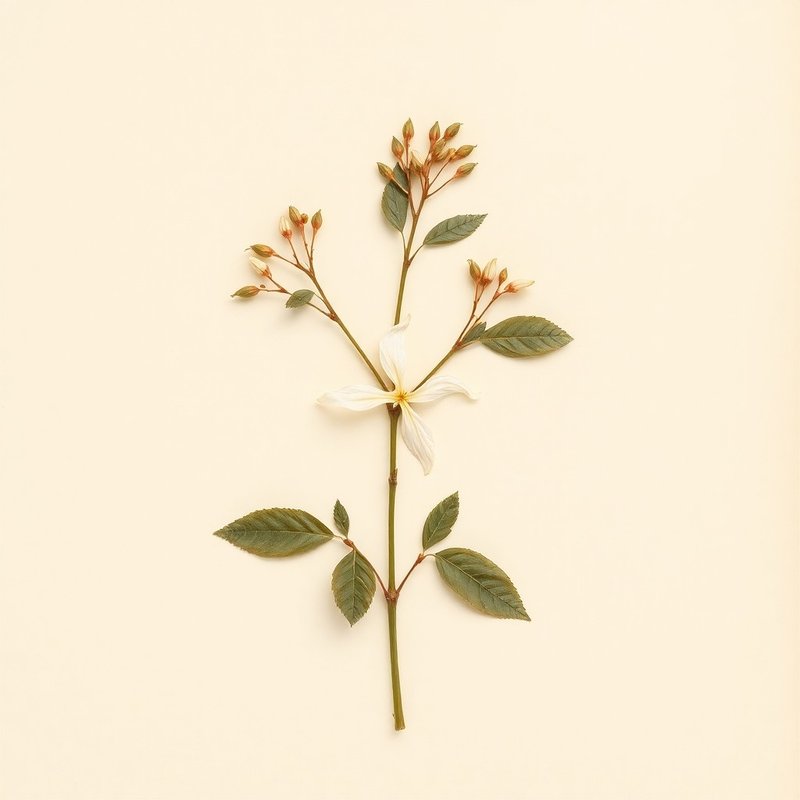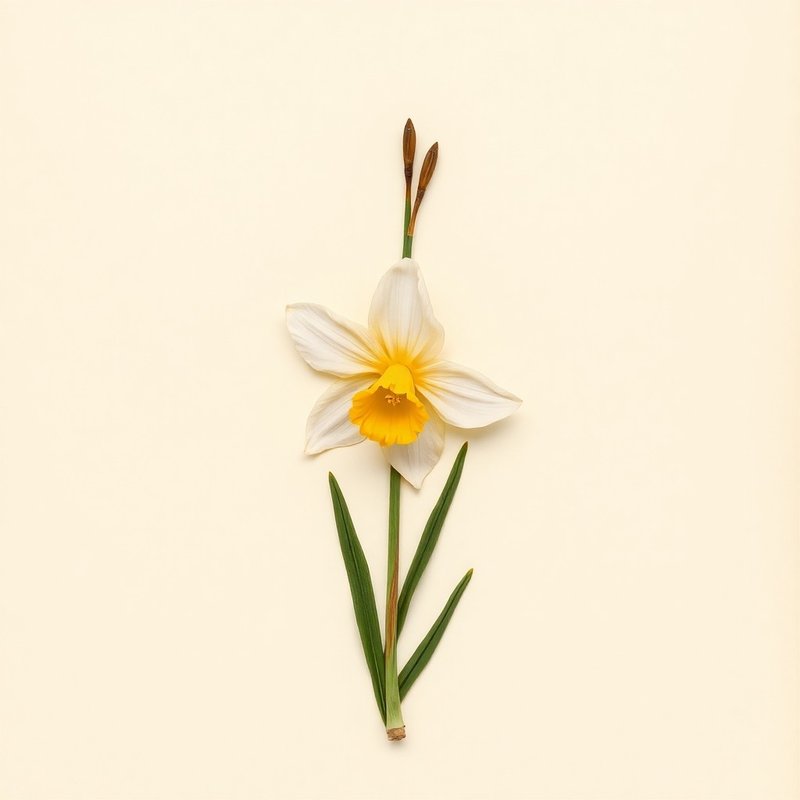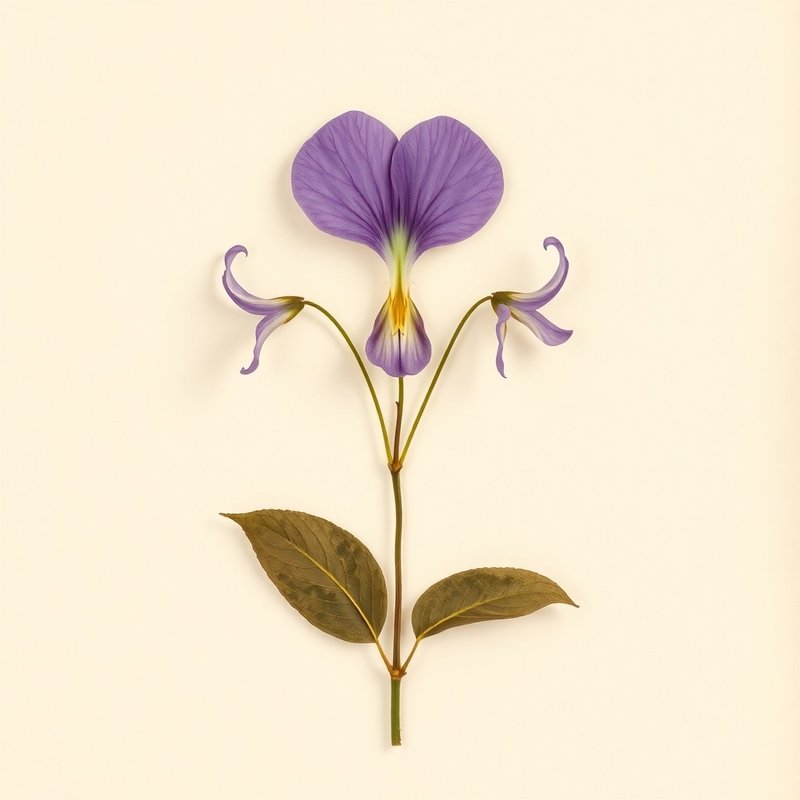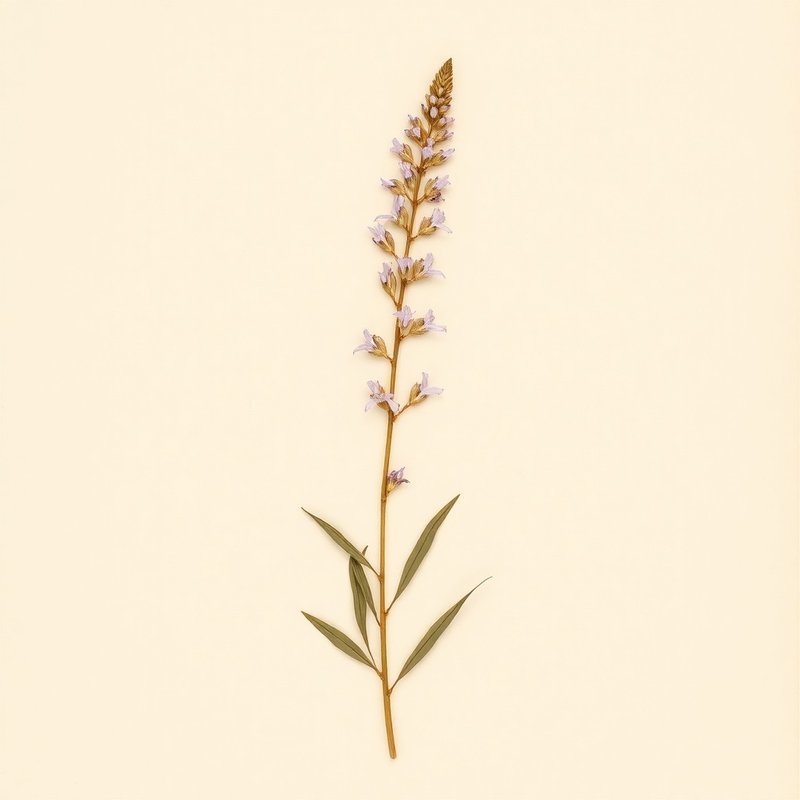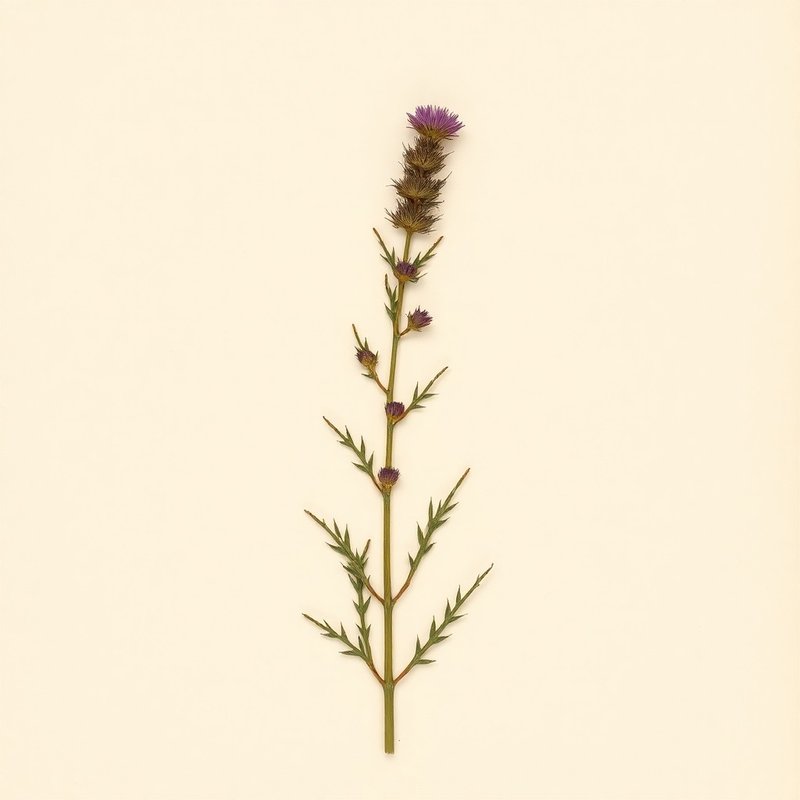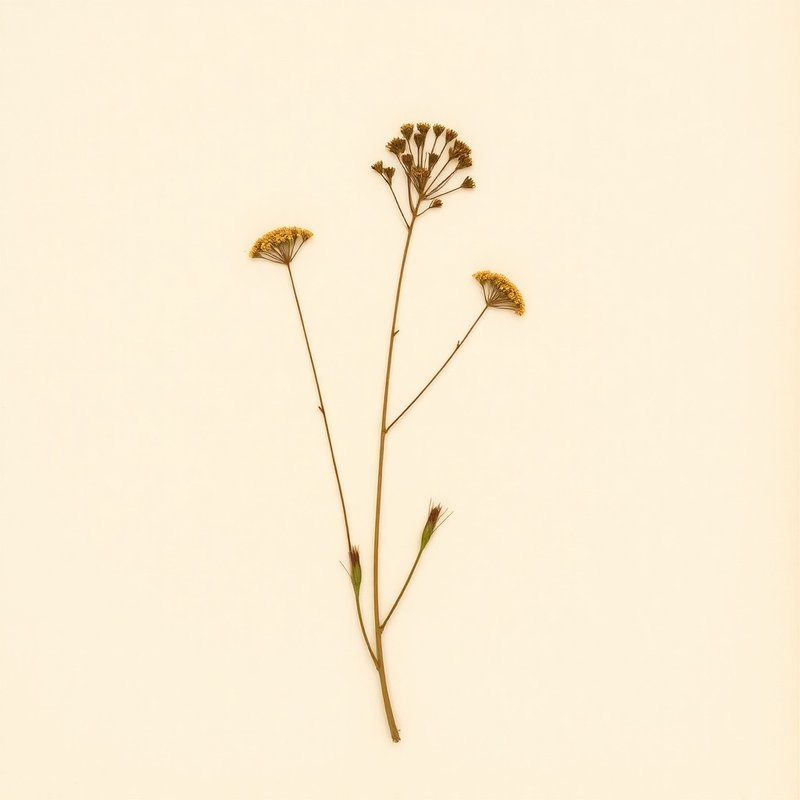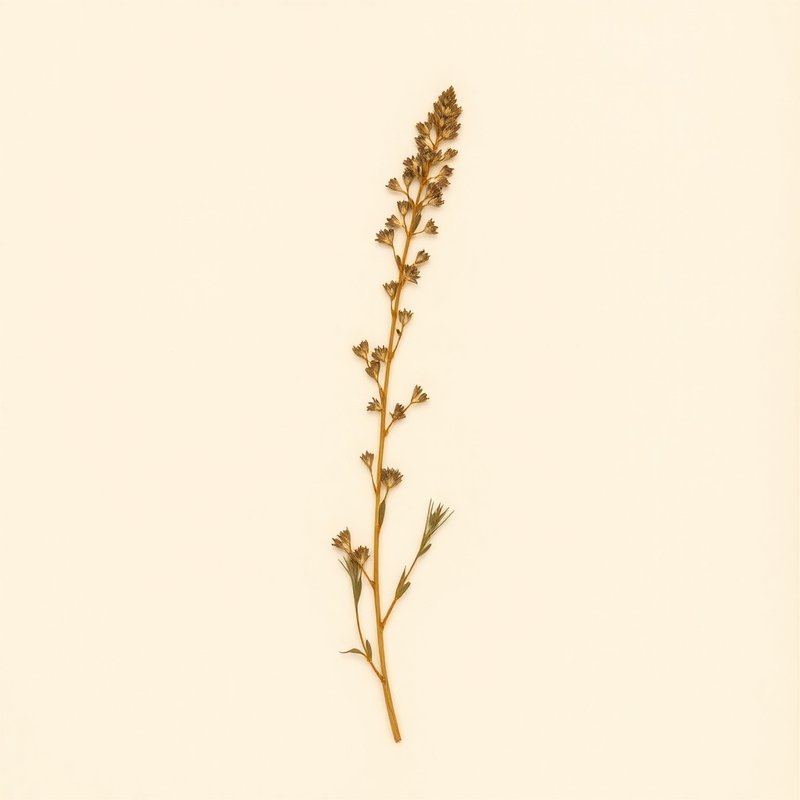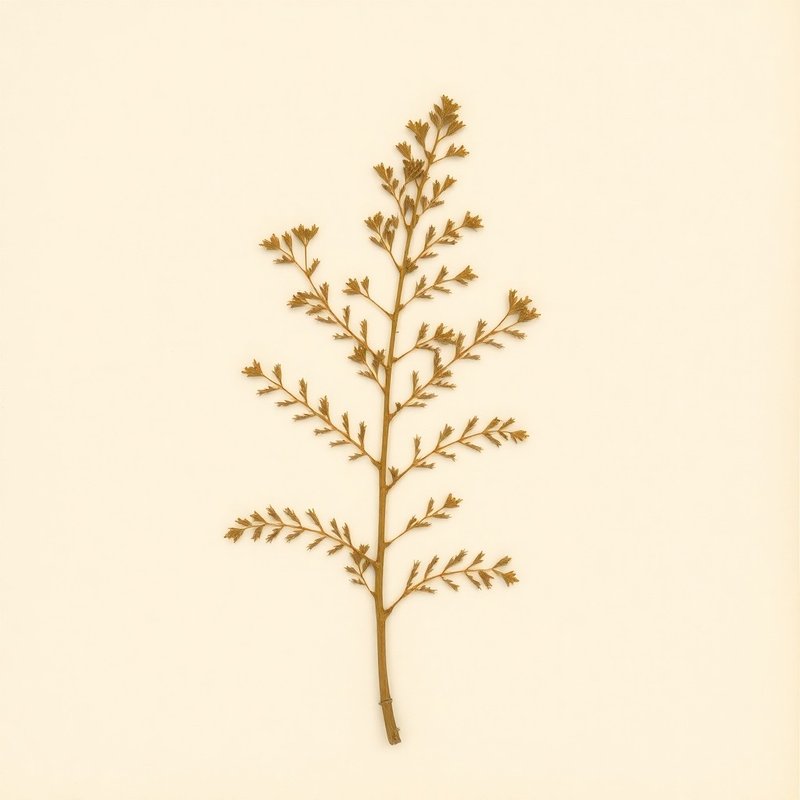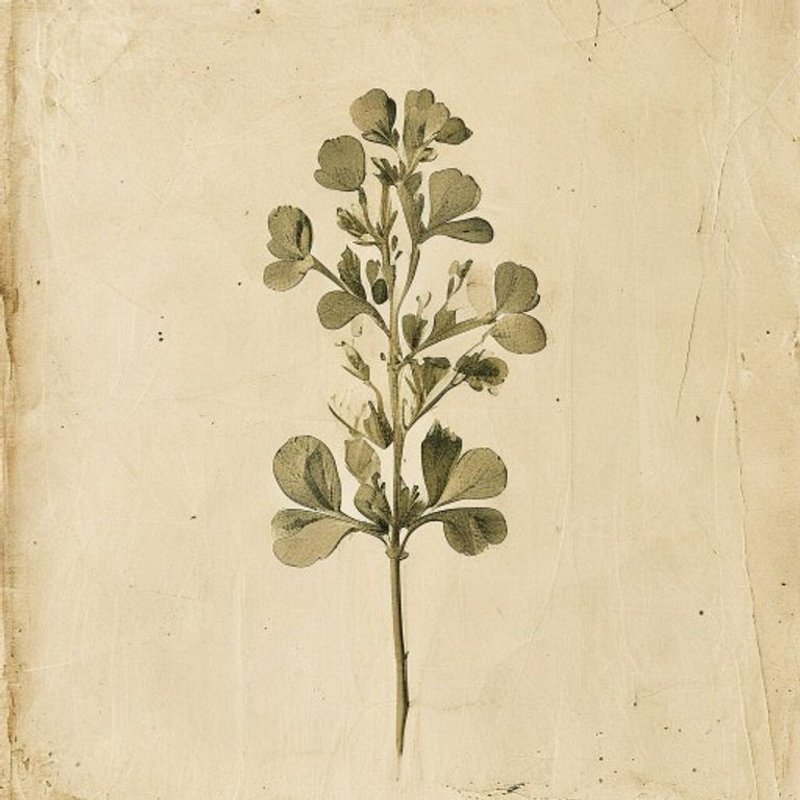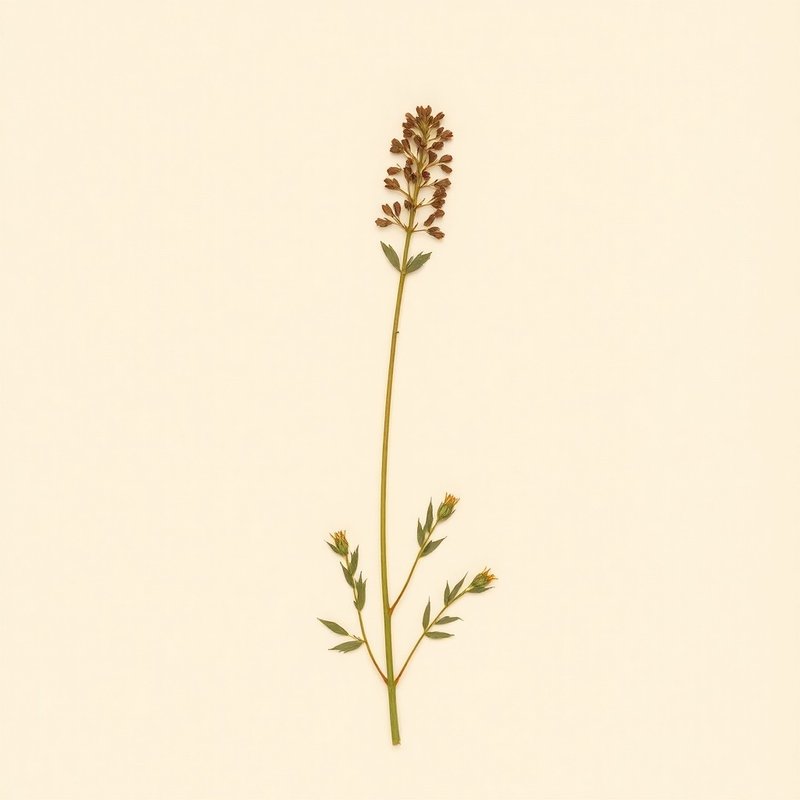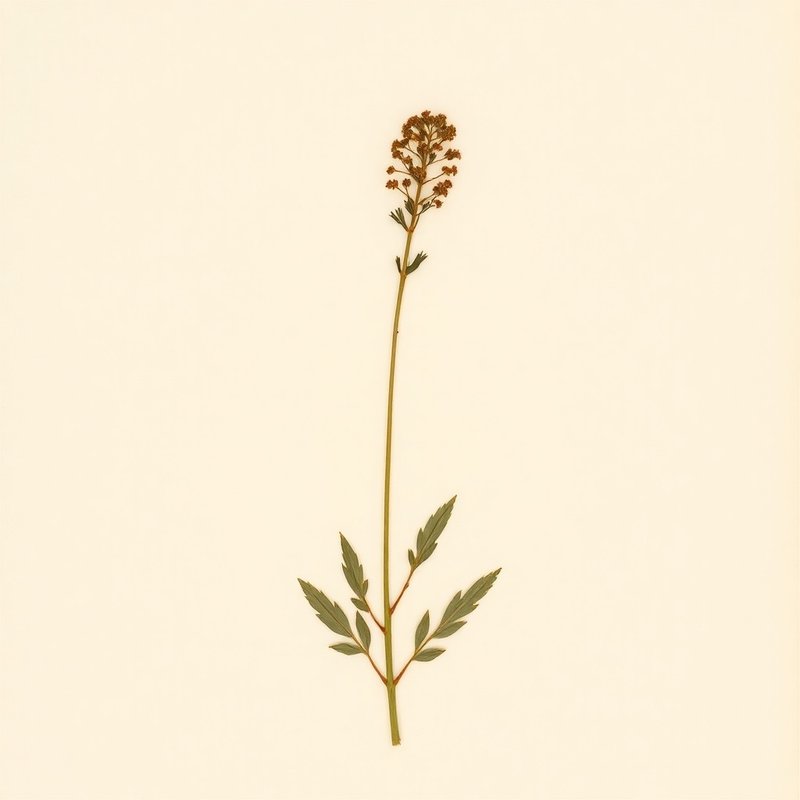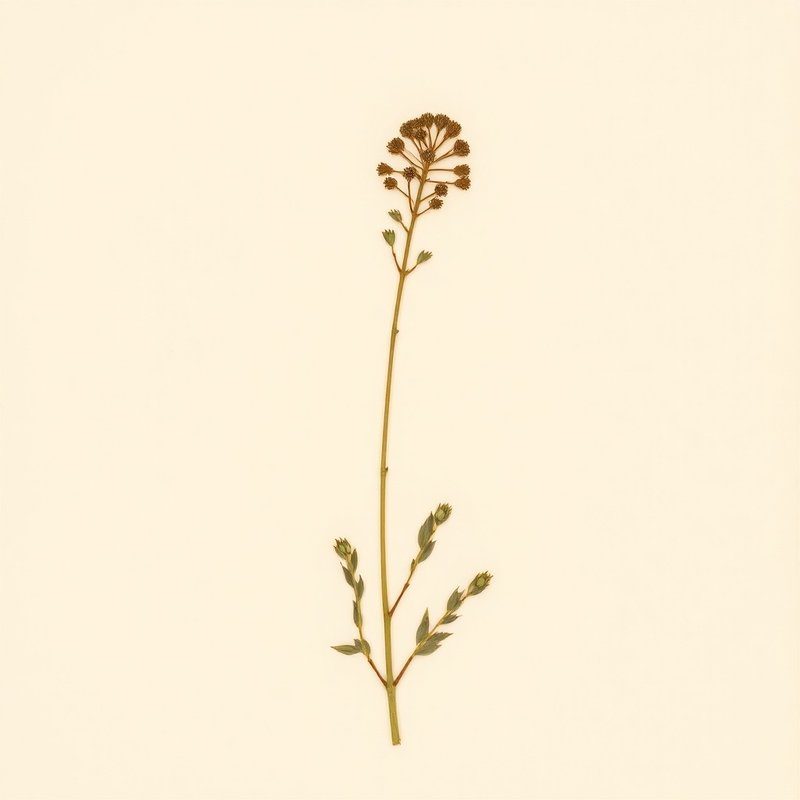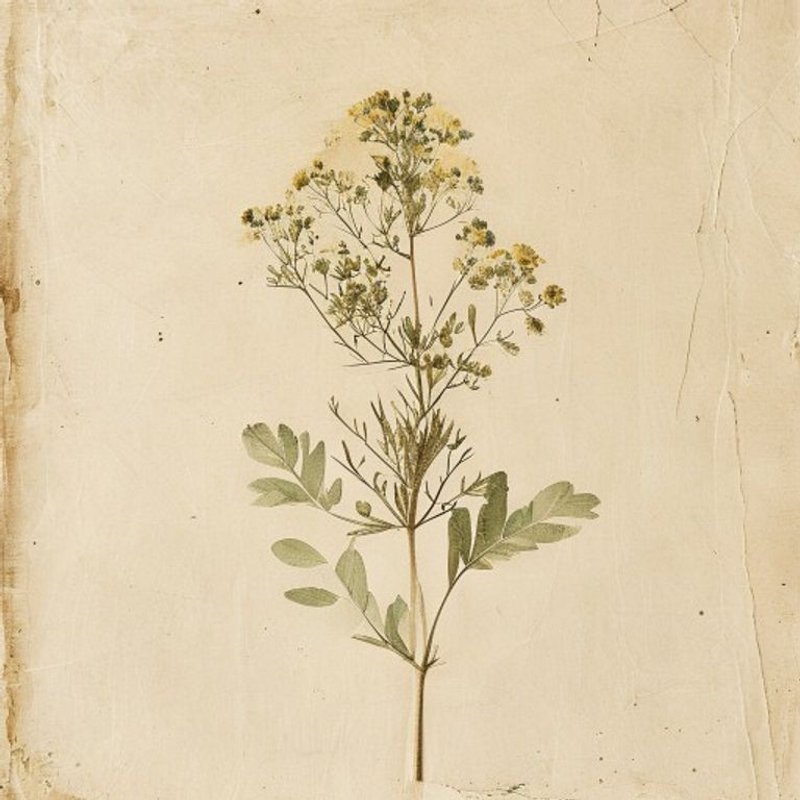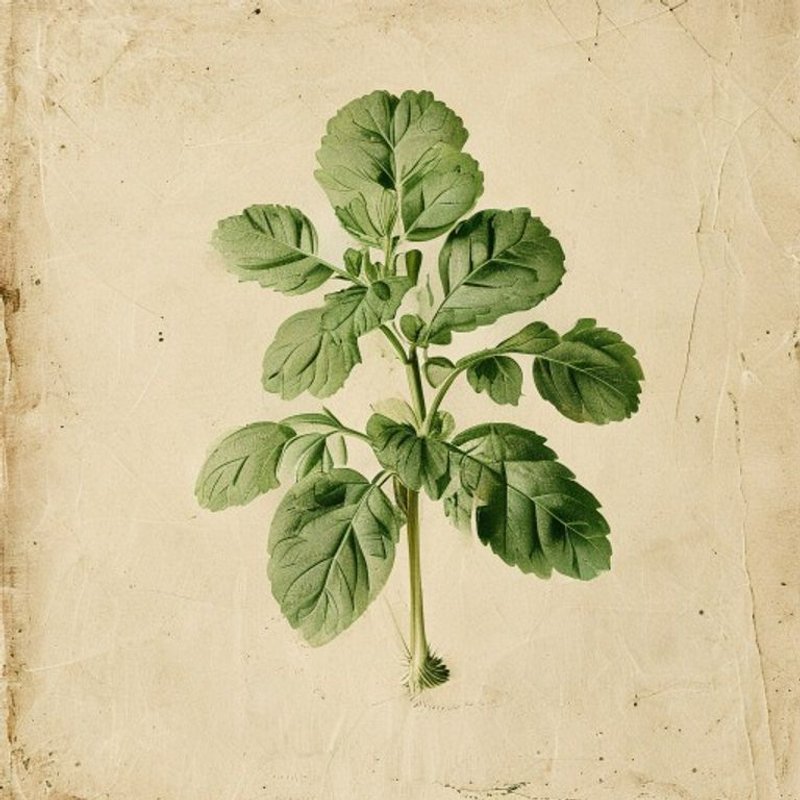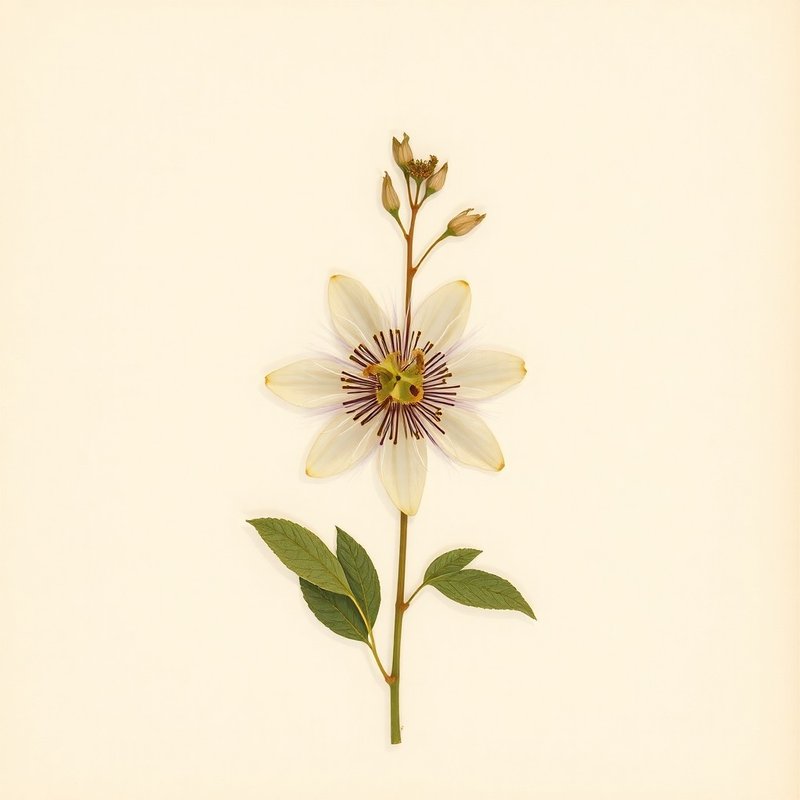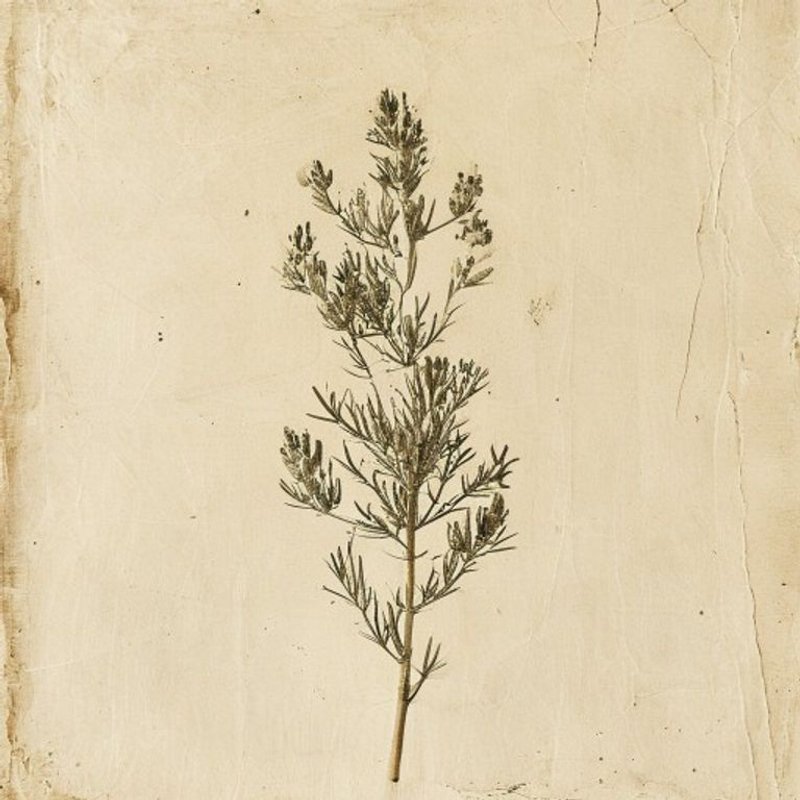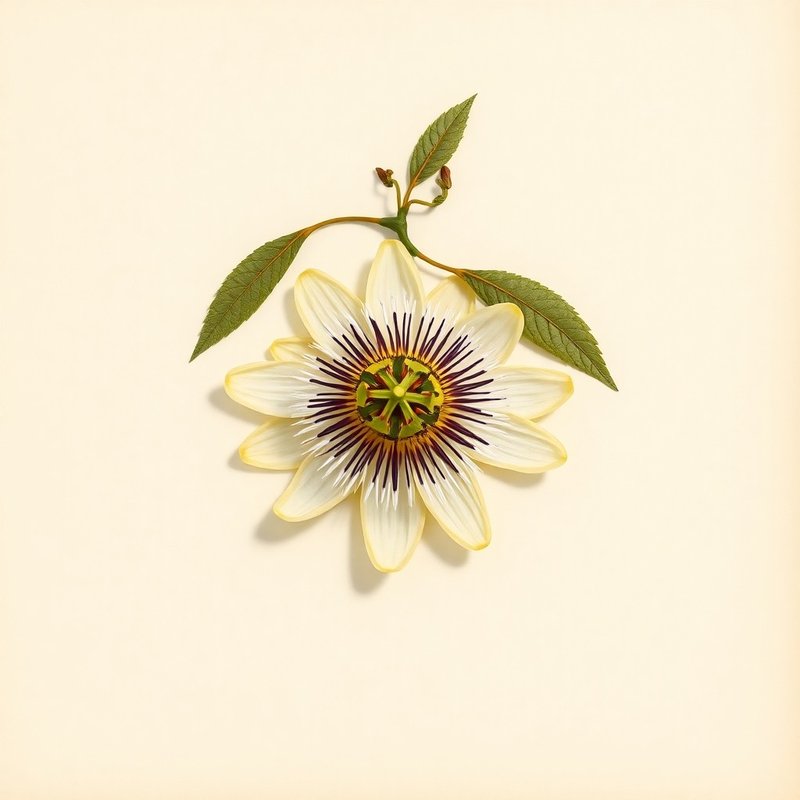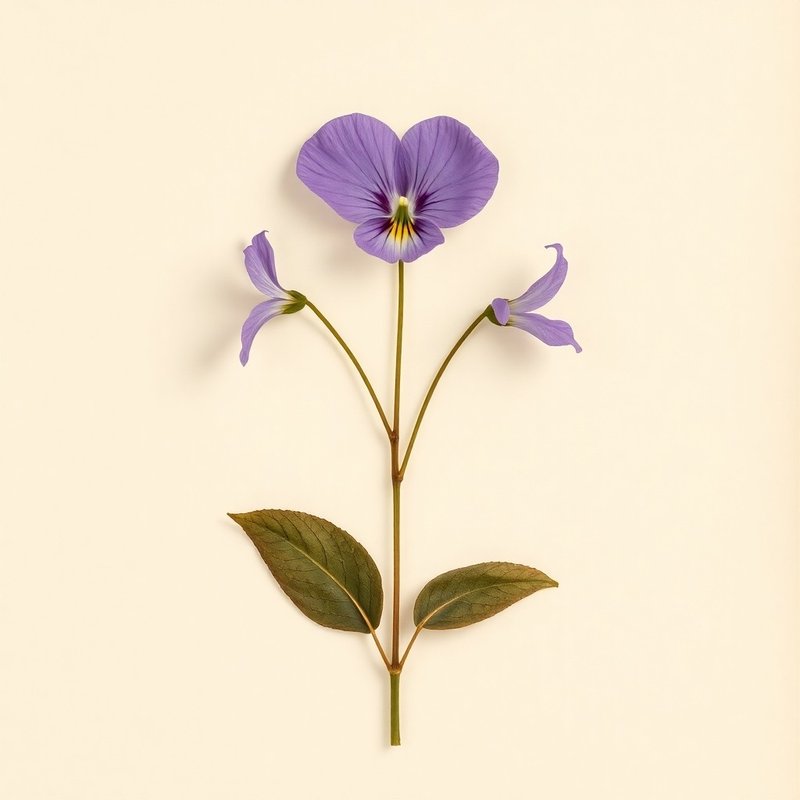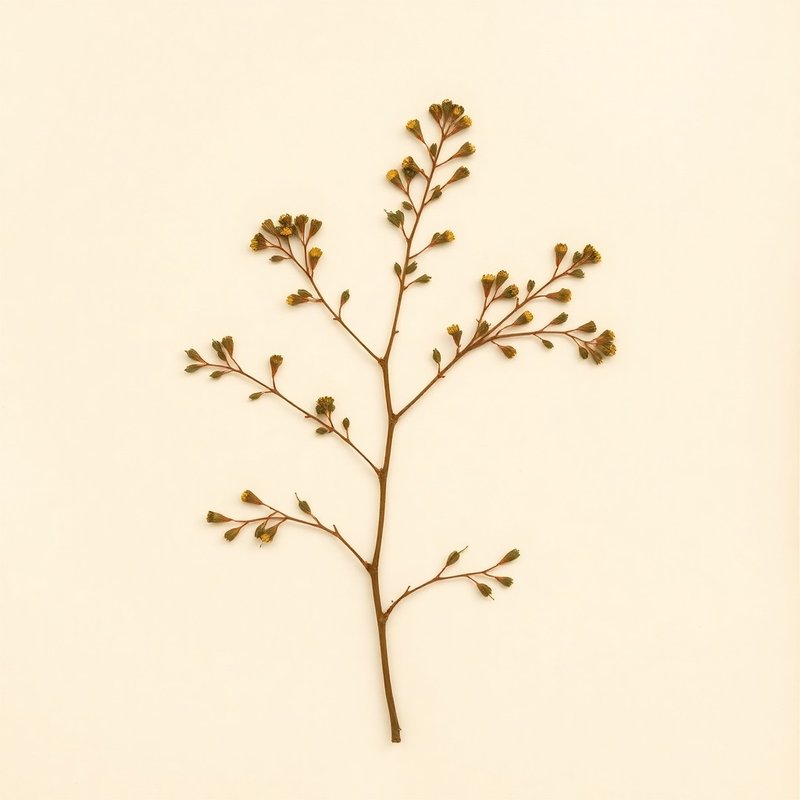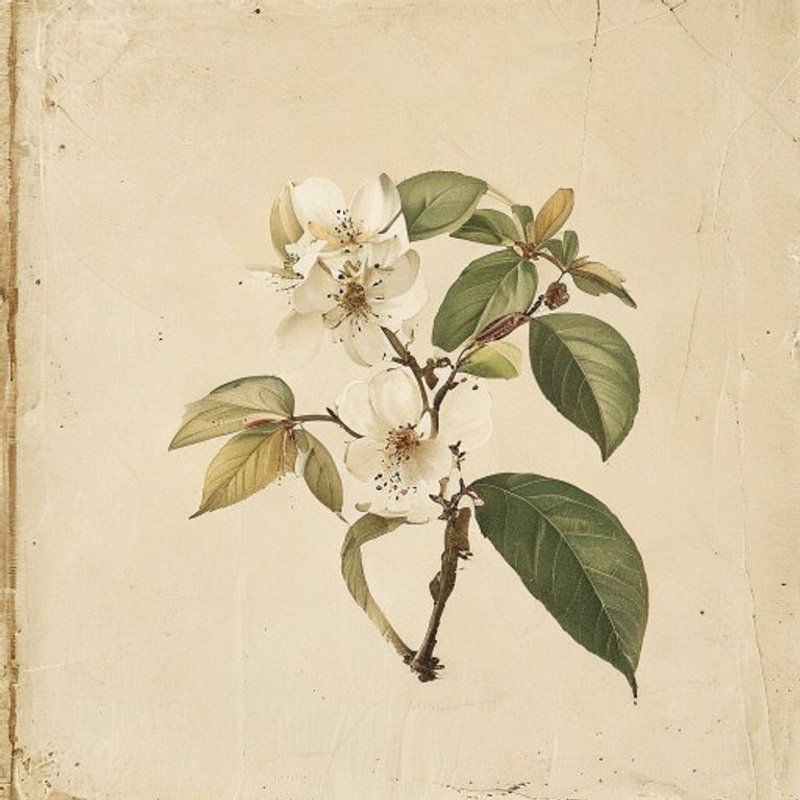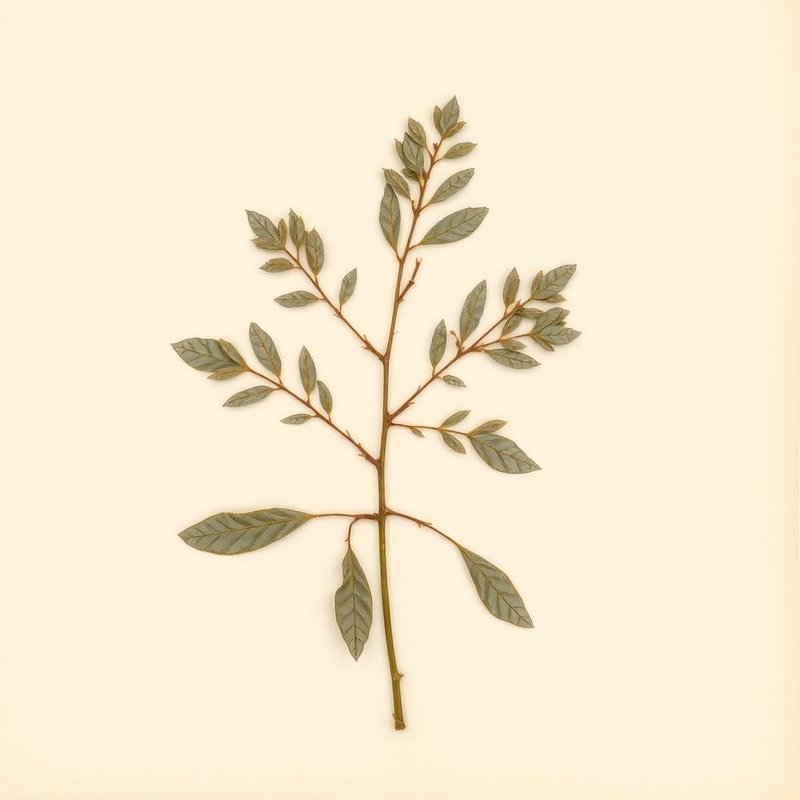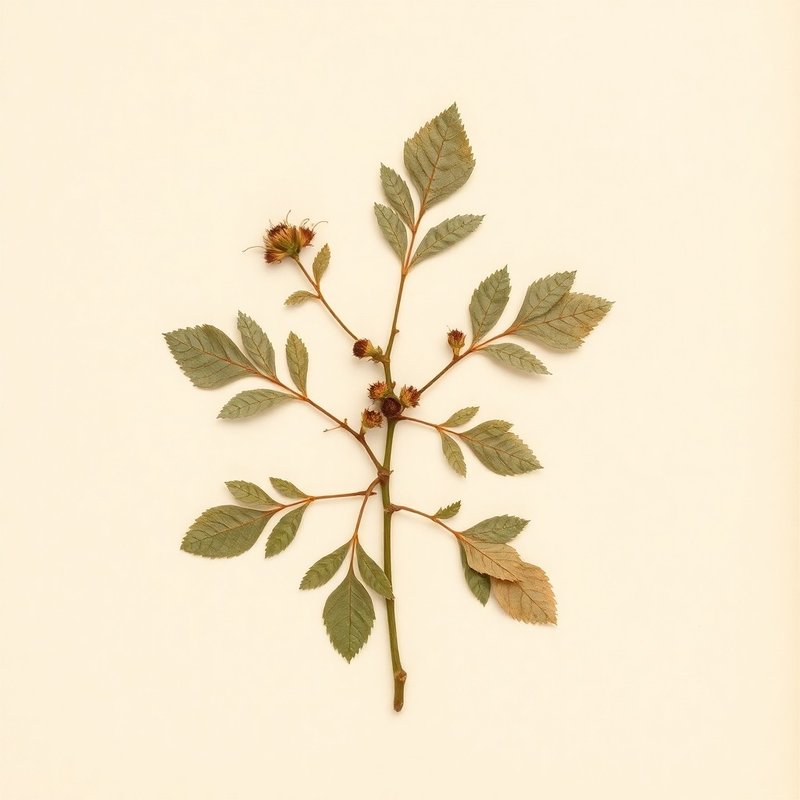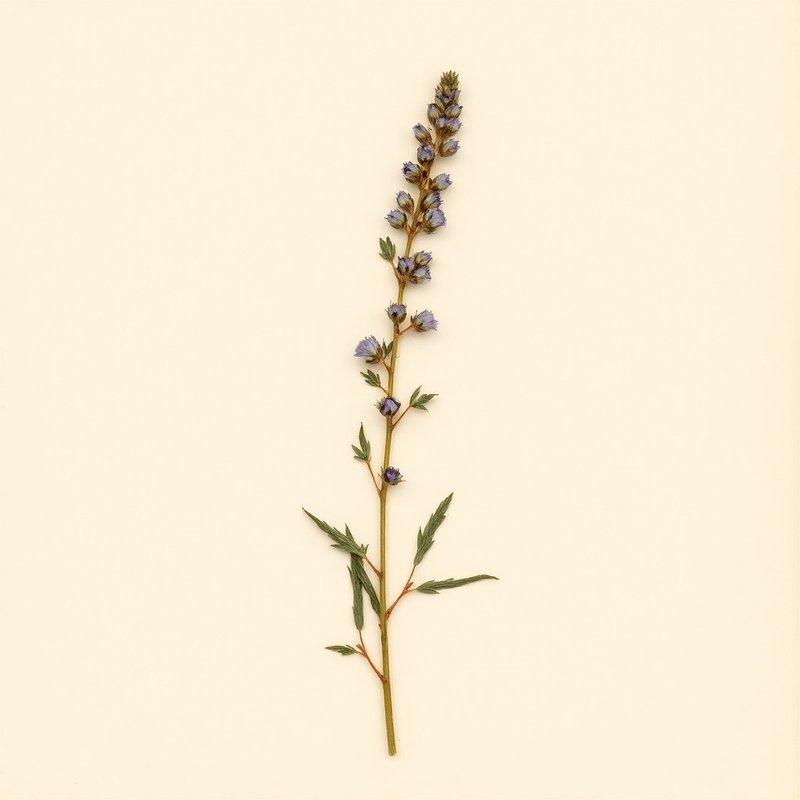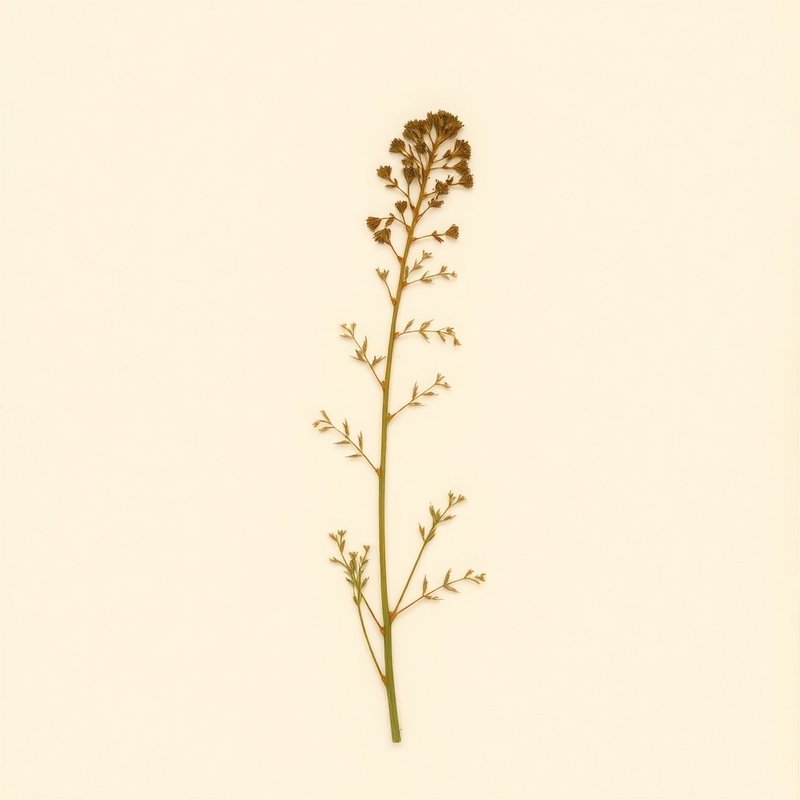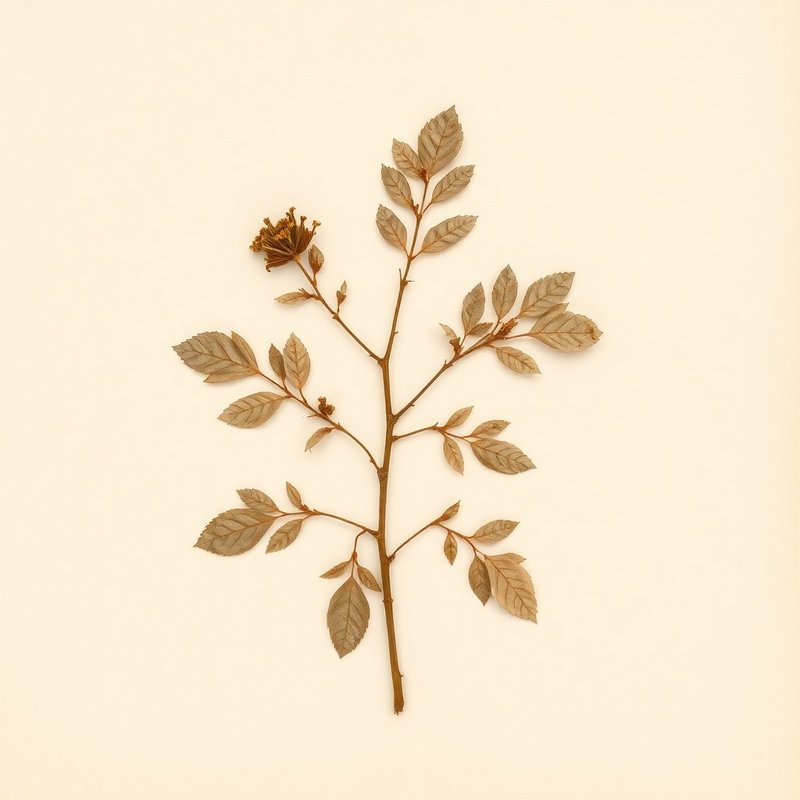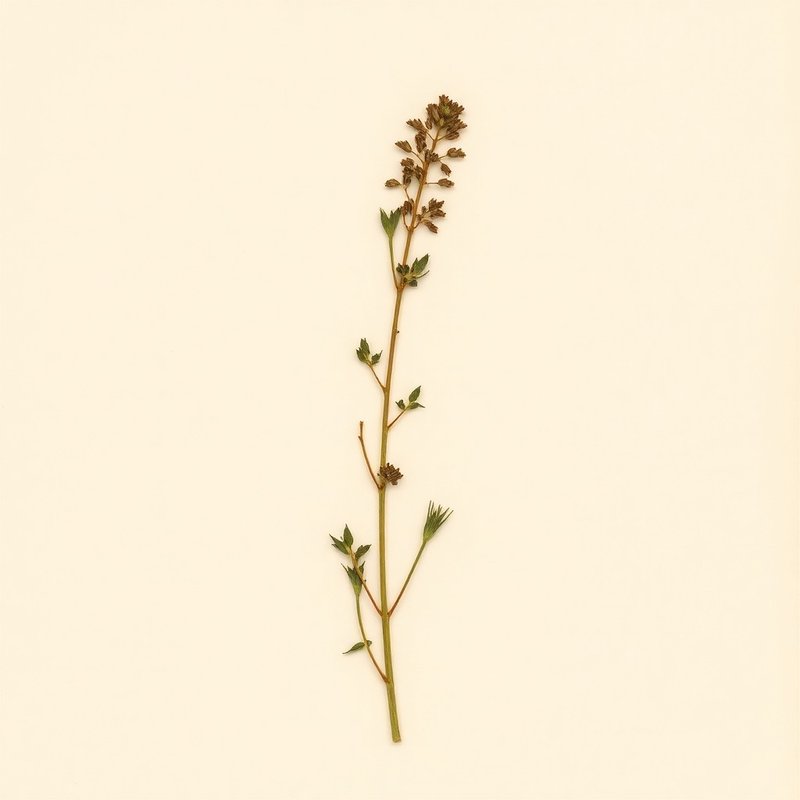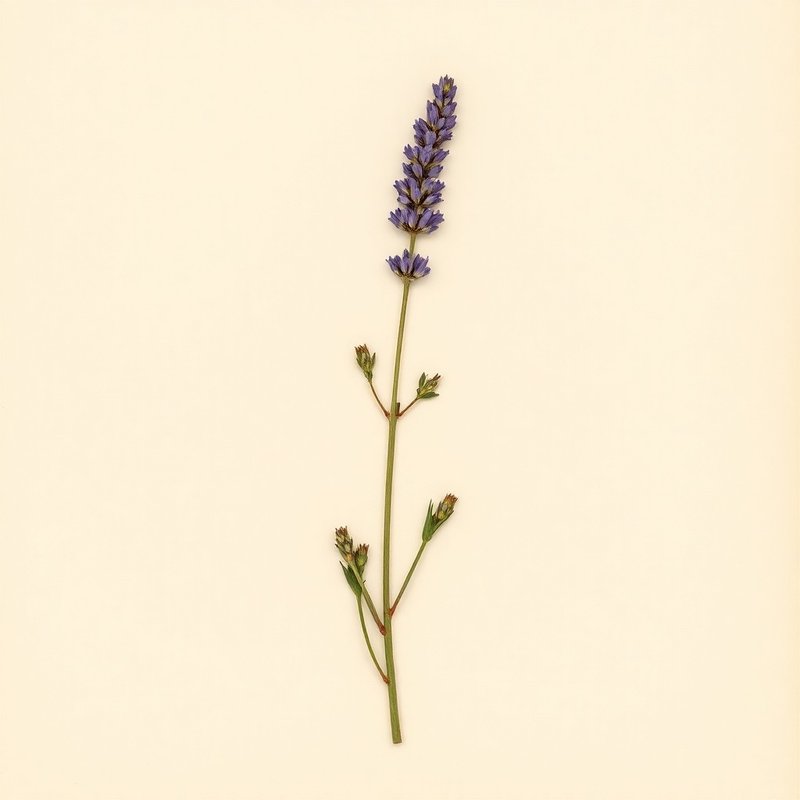
Lavender is one of the better-evidenced choices for Stress & anxiety — 2 cited references including RCT-grade clinical trials. Effect size d=0.82 (large). Standardized oral oil preparation (Silexan, 80mg/day) showed efficacy comparable to lorazepam in GAD over 6 weeks.
Cele mai bune plante pentru Stress & anxiety
We catalogue 305 plants traditionally used or clinically studied for Stress & anxiety. Each entry shows its mechanism and evidence quality — pick by what works, not what trends.
Editor's top picks
ranked · citedRanked by confidence × effect-size × evidence count. These are the plants we'd reach for first for Stress & anxiety. Click through for the full profile.
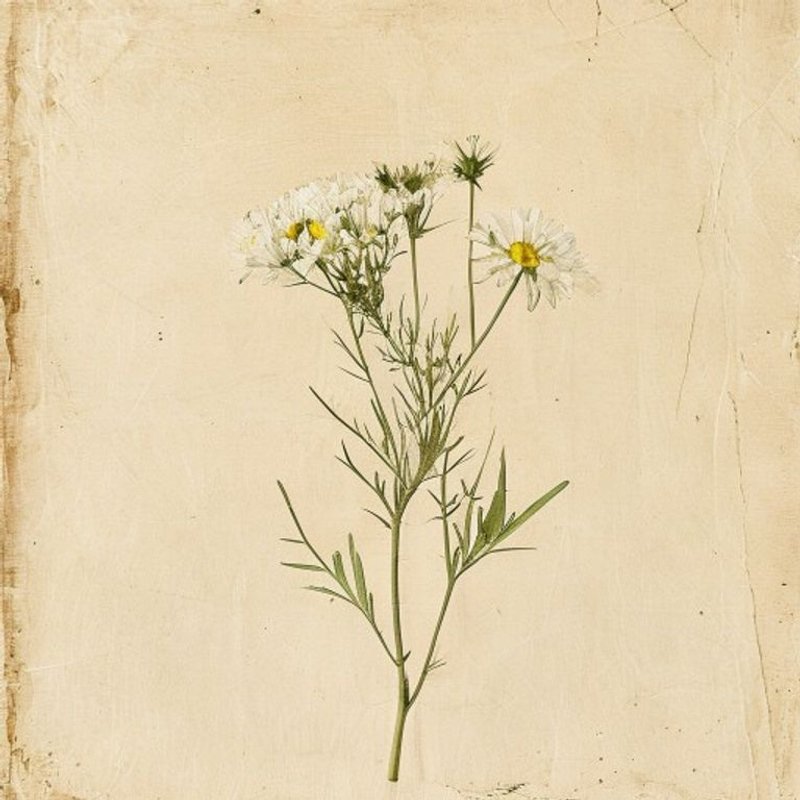
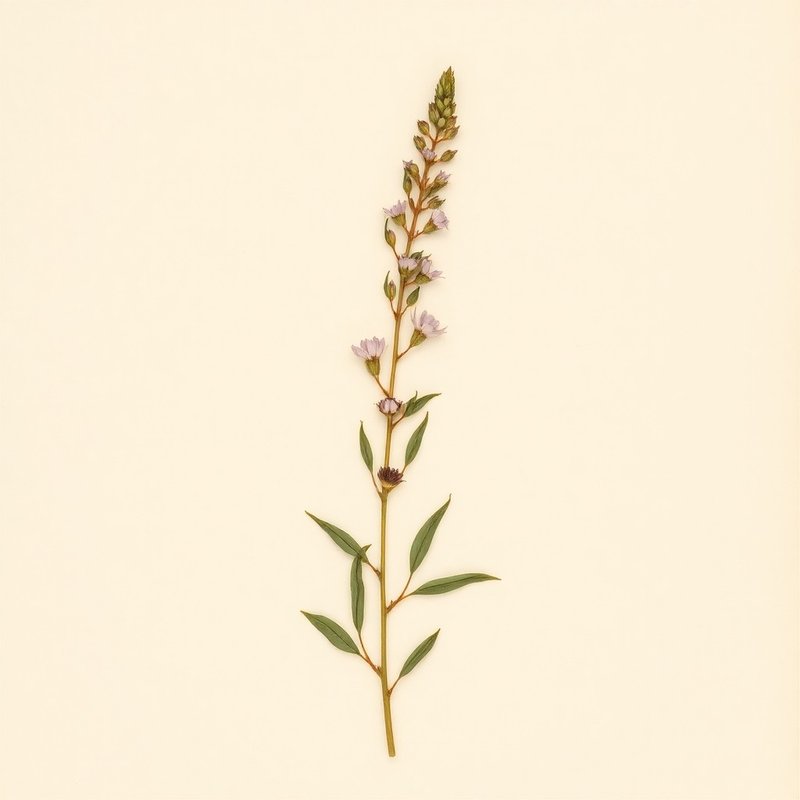
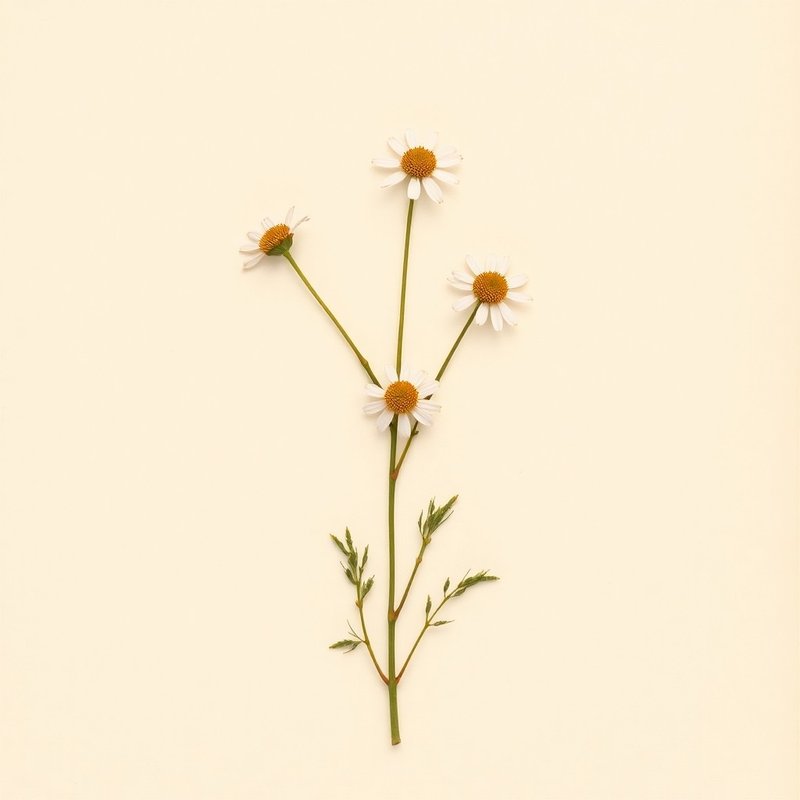
Chamomile is one of the better-evidenced choices for Stress & anxiety — 2 cited references including RCT-grade clinical trials. Effect size d=0.72 (large). Apigenin partial agonist at GABA-A.
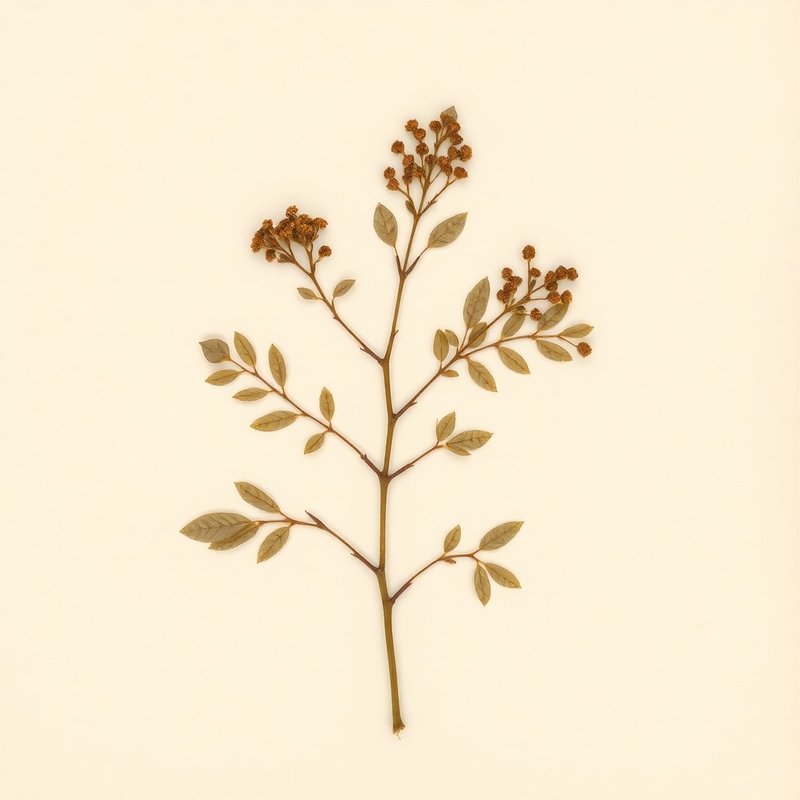
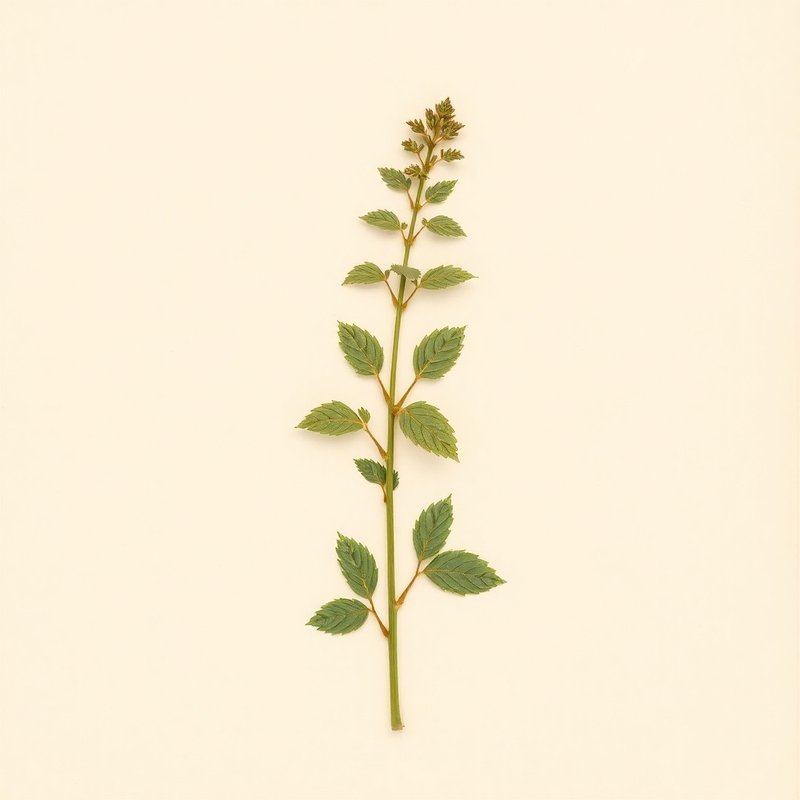
Lemon balm is one of the better-evidenced choices for Stress & anxiety — 2 cited references with moderate evidence quality. Effect size d=0.62 (moderate). Rosmarinic acid inhibits GABA-T, raising synaptic GABA.
At a glance
top 10Use the Decision guide below to filter for pregnancy-safe, gentle, or specific preparation forms. Or open any plant recommendation above for full evidence detail.
Cu încredere ridicată dovezi
2 plantsReduces generalized anxiety symptoms
Mechanism: Standardized oral oil preparation (Silexan, 80mg/day) showed efficacy comparable to lorazepam in GAD over 6 weeks.
Reduces moderate anxiety symptoms
Mechanism: Apigenin partial agonist at GABA-A. Open-label and RCT data show clinically meaningful reduction in HAM-A scores.
Cu încredere moderată dovezi
281 plantsReduces stress and improves calm
Mechanism: Rosmarinic acid inhibits GABA-T, raising synaptic GABA. RCTs show acute mood-improving effects.
Reduces pre-procedural and generalized anxiety
Mechanism: Likely GABAergic via flavone glycosides (vitexin, isovitexin). Small but consistent clinical signal.
Mild reduction in anxiety with depression
Mechanism: Indirect effect via mood improvement.
Mild reduction in tension
Mechanism: Same GABAergic mechanism. Smaller effect than for sleep.
Traditional-use note: Crataegus atrosanguinea appears in herbal sources around calming and relaxation traditions, often as a tincture. PlantSage presents this as ethnobotanical context, not as medical advice.
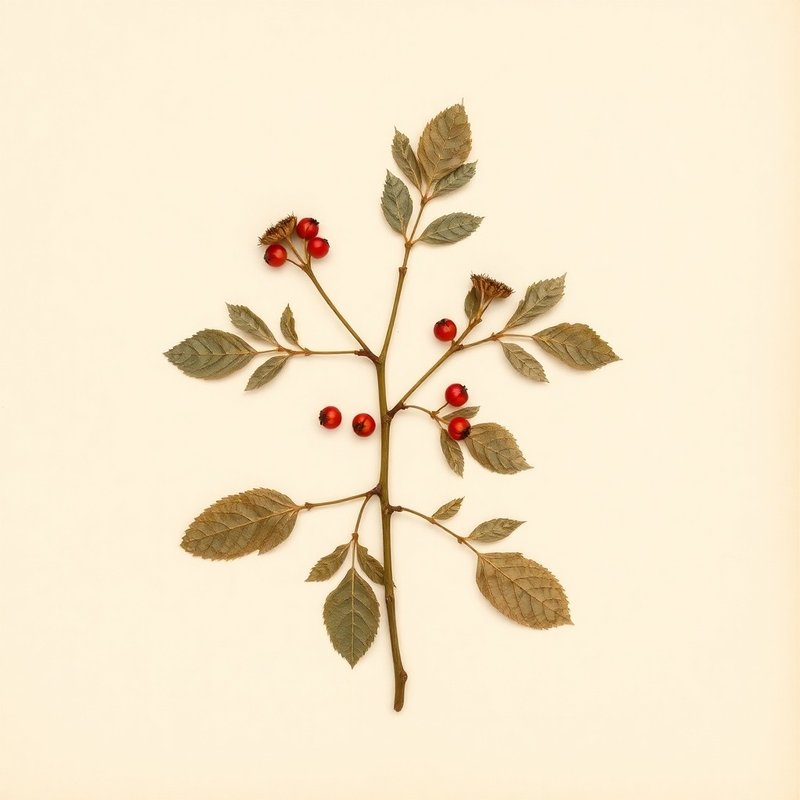
Mechanism: Traditional context only. This reviewed claim keeps the original moderate confidence level, but avoids treatment, disease, dosage, or guaranteed-effect language.
Traditional-use note: Agar Wood appears in herbal sources around calming and relaxation traditions, often as a aromatherapy. PlantSage presents this as ethnobotanical context, not as medical advice.
Mechanism: Traditional context only. This reviewed claim keeps the original moderate confidence level, but avoids treatment, disease, dosage, or guaranteed-effect language.
Traditional-use note: Alaska Violet Aleutian violet appears in herbal sources around calming and relaxation traditions, often as a tincture. PlantSage presents this as ethnobotanical context, not as medical advice.
Mechanism: Traditional context only. This reviewed claim keeps the original moderate confidence level, but avoids treatment, disease, dosage, or guaranteed-effect language.
Traditional-use note: Alchemilla alpina appears in herbal sources around calming and relaxation traditions, often as a tincture. PlantSage presents this as ethnobotanical context, not as medical advice.
Mechanism: Traditional context only. This reviewed claim keeps the original moderate confidence level, but avoids treatment, disease, dosage, or guaranteed-effect language.
Traditional-use note: Allium angulare appears in herbal sources around calming and relaxation traditions, often as a tincture. PlantSage presents this as ethnobotanical context, not as medical advice.
Mechanism: Traditional context only. This reviewed claim keeps the original moderate confidence level, but avoids treatment, disease, dosage, or guaranteed-effect language.
Traditional-use note: American Arbor-Vitae appears in herbal sources around calming and relaxation traditions, often as a tincture. PlantSage presents this as ethnobotanical context, not as medical advice.
Mechanism: Traditional context only. This reviewed claim keeps the original moderate confidence level, but avoids treatment, disease, dosage, or guaranteed-effect language.
Traditional-use note: American Basswood appears in herbal sources around calming and relaxation traditions, often as a tea. PlantSage presents this as ethnobotanical context, not as medical advice.
Mechanism: Traditional context only. This reviewed claim keeps the original moderate confidence level, but avoids treatment, disease, dosage, or guaranteed-effect language.
Traditional-use note: Amur Linden appears in herbal sources around calming and relaxation traditions, often as a tea. PlantSage presents this as ethnobotanical context, not as medical advice.
Mechanism: Traditional context only. This reviewed claim keeps the original moderate confidence level, but avoids treatment, disease, dosage, or guaranteed-effect language.
Traditional-use note: Anomalous peony appears in herbal sources around calming and relaxation traditions, often as a decoction. PlantSage presents this as ethnobotanical context, not as medical advice.
Mechanism: Traditional context only. This reviewed claim keeps the original moderate confidence level, but avoids treatment, disease, dosage, or guaranteed-effect language.
Traditional-use note: Apium filiforme appears in herbal sources around calming and relaxation traditions, often as a tea. PlantSage presents this as ethnobotanical context, not as medical advice.
Mechanism: Traditional context only. This reviewed claim keeps the original moderate confidence level, but avoids treatment, disease, dosage, or guaranteed-effect language.
Traditional-use note: Aquilegia buergeriana appears in herbal sources around calming and relaxation traditions, often as a tea. PlantSage presents this as ethnobotanical context, not as medical advice.
Mechanism: Traditional context only. This reviewed claim keeps the original moderate confidence level, but avoids treatment, disease, dosage, or guaranteed-effect language.
Traditional-use note: Aquilegia flabellata appears in herbal sources around calming and relaxation traditions, often as a decoction. PlantSage presents this as ethnobotanical context, not as medical advice.
Mechanism: Traditional context only. This reviewed claim keeps the original moderate confidence level, but avoids treatment, disease, dosage, or guaranteed-effect language.
Traditional-use note: Aquilegia formosa appears in herbal sources around calming and relaxation traditions, often as a decoction. PlantSage presents this as ethnobotanical context, not as medical advice.
Mechanism: Traditional context only. This reviewed claim keeps the original moderate confidence level, but avoids treatment, disease, dosage, or guaranteed-effect language.
Traditional-use note: Aquilegia jonesii appears in herbal sources around calming and relaxation traditions, often as a tea. PlantSage presents this as ethnobotanical context, not as medical advice.
Mechanism: Traditional context only. This reviewed claim keeps the original moderate confidence level, but avoids treatment, disease, dosage, or guaranteed-effect language.
Traditional-use note: Arnold hawthorn appears in herbal sources around calming and relaxation traditions, often as a tincture. PlantSage presents this as ethnobotanical context, not as medical advice.
Mechanism: Traditional context only. This reviewed claim keeps the original moderate confidence level, but avoids treatment, disease, dosage, or guaranteed-effect language.
Traditional-use note: Arnold Hawthorn appears in herbal sources around calming and relaxation traditions, often as a tea. PlantSage presents this as ethnobotanical context, not as medical advice.
Mechanism: Traditional context only. This reviewed claim keeps the original moderate confidence level, but avoids treatment, disease, dosage, or guaranteed-effect language.
Traditional-use note: Artemisia montana appears in herbal sources around calming and relaxation traditions, often as a decoction. PlantSage presents this as ethnobotanical context, not as medical advice.
Mechanism: Traditional context only. This reviewed claim keeps the original moderate confidence level, but avoids treatment, disease, dosage, or guaranteed-effect language.
Traditional-use note: Artemisia rubripes appears in herbal sources around calming and relaxation traditions, often as a decoction. PlantSage presents this as ethnobotanical context, not as medical advice.
Mechanism: Traditional context only. This reviewed claim keeps the original moderate confidence level, but avoids treatment, disease, dosage, or guaranteed-effect language.
Traditional-use note: Artemisia sibirica appears in herbal sources around calming and relaxation traditions, often as a tea. PlantSage presents this as ethnobotanical context, not as medical advice.
Mechanism: Traditional context only. This reviewed claim keeps the original moderate confidence level, but avoids treatment, disease, dosage, or guaranteed-effect language.
Traditional-use note: Artemisia wrightii appears in herbal sources around calming and relaxation traditions, often as a tincture. PlantSage presents this as ethnobotanical context, not as medical advice.
Mechanism: Traditional context only. This reviewed claim keeps the original moderate confidence level, but avoids treatment, disease, dosage, or guaranteed-effect language.
Traditional-use note: Asarum takaoi appears in herbal sources around calming and relaxation traditions, often as a tea. PlantSage presents this as ethnobotanical context, not as medical advice.
Mechanism: Traditional context only. This reviewed claim keeps the original moderate confidence level, but avoids treatment, disease, dosage, or guaranteed-effect language.
Traditional-use note: Asian Mint appears in herbal sources around calming and relaxation traditions, often as a tea. PlantSage presents this as ethnobotanical context, not as medical advice.
Mechanism: Traditional context only. This reviewed claim keeps the original moderate confidence level, but avoids treatment, disease, dosage, or guaranteed-effect language.
Traditional-use note: Aspen Poplar appears in herbal sources around calming and relaxation traditions, often as a tea. PlantSage presents this as ethnobotanical context, not as medical advice.
Mechanism: Traditional context only. This reviewed claim keeps the original moderate confidence level, but avoids treatment, disease, dosage, or guaranteed-effect language.
Traditional-use note: Balsam Fir appears in herbal sources around calming and relaxation traditions, often as a tea. PlantSage presents this as ethnobotanical context, not as medical advice.
Mechanism: Traditional context only. This reviewed claim keeps the original moderate confidence level, but avoids treatment, disease, dosage, or guaranteed-effect language.
Traditional-use note: Banana Passion Fruit appears in herbal sources around calming and relaxation traditions, often as a tea. PlantSage presents this as ethnobotanical context, not as medical advice.
Mechanism: Traditional context only. This reviewed claim keeps the original moderate confidence level, but avoids treatment, disease, dosage, or guaranteed-effect language.
Traditional-use note: banana passionfruit appears in herbal sources around calming and relaxation traditions, often as a tea. PlantSage presents this as ethnobotanical context, not as medical advice.
Mechanism: Traditional context only. This reviewed claim keeps the original moderate confidence level, but avoids treatment, disease, dosage, or guaranteed-effect language.
Traditional-use note: Banana Passionfruit appears in herbal sources around calming and relaxation traditions, often as a tea. PlantSage presents this as ethnobotanical context, not as medical advice.
Mechanism: Traditional context only. This reviewed claim keeps the original moderate confidence level, but avoids treatment, disease, dosage, or guaranteed-effect language.
Traditional-use note: Bao li appears in herbal sources around calming and relaxation traditions, often as a tea. PlantSage presents this as ethnobotanical context, not as medical advice.
Mechanism: Traditional context only. This reviewed claim keeps the original moderate confidence level, but avoids treatment, disease, dosage, or guaranteed-effect language.
Traditional-use note: Bay tree appears in herbal sources around calming and relaxation traditions, often as a tea. PlantSage presents this as ethnobotanical context, not as medical advice.
Mechanism: Traditional context only. This reviewed claim keeps the original moderate confidence level, but avoids treatment, disease, dosage, or guaranteed-effect language.
Traditional-use note: Beachhead Iris appears in herbal sources around calming and relaxation traditions, often as a decoction. PlantSage presents this as ethnobotanical context, not as medical advice.
Mechanism: Traditional context only. This reviewed claim keeps the original moderate confidence level, but avoids treatment, disease, dosage, or guaranteed-effect language.
Traditional-use note: Bee Orchid appears in herbal sources around calming and relaxation traditions, often as a tincture. PlantSage presents this as ethnobotanical context, not as medical advice.
Mechanism: Traditional context only. This reviewed claim keeps the original moderate confidence level, but avoids treatment, disease, dosage, or guaranteed-effect language.
Traditional-use note: Bellwort appears in herbal sources around calming and relaxation traditions, often as a tincture. PlantSage presents this as ethnobotanical context, not as medical advice.
Mechanism: Traditional context only. This reviewed claim keeps the original moderate confidence level, but avoids treatment, disease, dosage, or guaranteed-effect language.
Traditional-use note: Bergamot appears in herbal sources around calming and relaxation traditions, often as a tincture. PlantSage presents this as ethnobotanical context, not as medical advice.
Mechanism: Traditional context only. This reviewed claim keeps the original moderate confidence level, but avoids treatment, disease, dosage, or guaranteed-effect language.
Traditional-use note: Big-Fruit Hawthorn appears in herbal sources around calming and relaxation traditions, often as a tea. PlantSage presents this as ethnobotanical context, not as medical advice.
Mechanism: Traditional context only. This reviewed claim keeps the original moderate confidence level, but avoids treatment, disease, dosage, or guaranteed-effect language.
Traditional-use note: Biota appears in herbal sources around calming and relaxation traditions, often as a tincture. PlantSage presents this as ethnobotanical context, not as medical advice.
Mechanism: Traditional context only. This reviewed claim keeps the original moderate confidence level, but avoids treatment, disease, dosage, or guaranteed-effect language.
Traditional-use note: Black hawthorn appears in herbal sources around calming and relaxation traditions, often as a tincture. PlantSage presents this as ethnobotanical context, not as medical advice.
Mechanism: Traditional context only. This reviewed claim keeps the original moderate confidence level, but avoids treatment, disease, dosage, or guaranteed-effect language.
Traditional-use note: Blue Chives appears in herbal sources around calming and relaxation traditions, often as a tincture. PlantSage presents this as ethnobotanical context, not as medical advice.
Mechanism: Traditional context only. This reviewed claim keeps the original moderate confidence level, but avoids treatment, disease, dosage, or guaranteed-effect language.
Traditional-use note: Bog white violet appears in herbal sources around calming and relaxation traditions, often as a decoction. PlantSage presents this as ethnobotanical context, not as medical advice.
Mechanism: Traditional context only. This reviewed claim keeps the original moderate confidence level, but avoids treatment, disease, dosage, or guaranteed-effect language.
Traditional-use note: Boldu appears in herbal sources around calming and relaxation traditions, often as a tea. PlantSage presents this as ethnobotanical context, not as medical advice.
Mechanism: Traditional context only. This reviewed claim keeps the original moderate confidence level, but avoids treatment, disease, dosage, or guaranteed-effect language.
Traditional-use note: Brown's Peony appears in herbal sources around calming and relaxation traditions, often as a decoction. PlantSage presents this as ethnobotanical context, not as medical advice.
Mechanism: Traditional context only. This reviewed claim keeps the original moderate confidence level, but avoids treatment, disease, dosage, or guaranteed-effect language.
Traditional-use note: Bush Basil appears in herbal sources around calming and relaxation traditions, often as a tea. PlantSage presents this as ethnobotanical context, not as medical advice.
Mechanism: Traditional context only. This reviewed claim keeps the original moderate confidence level, but avoids treatment, disease, dosage, or guaranteed-effect language.
Traditional-use note: Canada Violet appears in herbal sources around calming and relaxation traditions, often as a tea. PlantSage presents this as ethnobotanical context, not as medical advice.
Mechanism: Traditional context only. This reviewed claim keeps the original moderate confidence level, but avoids treatment, disease, dosage, or guaranteed-effect language.
Traditional-use note: Carmine barberry appears in herbal sources around calming and relaxation traditions, often as a tincture. PlantSage presents this as ethnobotanical context, not as medical advice.
Mechanism: Traditional context only. This reviewed claim keeps the original moderate confidence level, but avoids treatment, disease, dosage, or guaranteed-effect language.
Traditional-use note: Carolina Basswood appears in herbal sources around calming and relaxation traditions, often as a tincture. PlantSage presents this as ethnobotanical context, not as medical advice.
Mechanism: Traditional context only. This reviewed claim keeps the original moderate confidence level, but avoids treatment, disease, dosage, or guaranteed-effect language.
Traditional-use note: Caughuawaga Hawthorn appears in herbal sources around calming and relaxation traditions, often as a tea. PlantSage presents this as ethnobotanical context, not as medical advice.
Mechanism: Traditional context only. This reviewed claim keeps the original moderate confidence level, but avoids treatment, disease, dosage, or guaranteed-effect language.
Traditional-use note: Cedar Wood appears in herbal sources around calming and relaxation traditions, often as a tea. PlantSage presents this as ethnobotanical context, not as medical advice.
Mechanism: Traditional context only. This reviewed claim keeps the original moderate confidence level, but avoids treatment, disease, dosage, or guaranteed-effect language.
Traditional-use note: Cherry plum appears in herbal sources around calming and relaxation traditions, often as a tincture. PlantSage presents this as ethnobotanical context, not as medical advice.
Mechanism: Traditional context only. This reviewed claim keeps the original moderate confidence level, but avoids treatment, disease, dosage, or guaranteed-effect language.
Traditional-use note: Chinese Motherwort appears in herbal sources around calming and relaxation traditions, often as a decoction. PlantSage presents this as ethnobotanical context, not as medical advice.
Mechanism: Traditional context only. This reviewed claim keeps the original moderate confidence level, but avoids treatment, disease, dosage, or guaranteed-effect language.
Traditional-use note: Chinese Peony appears in herbal sources around calming and relaxation traditions, often as a decoction. PlantSage presents this as ethnobotanical context, not as medical advice.
Mechanism: Traditional context only. This reviewed claim keeps the original moderate confidence level, but avoids treatment, disease, dosage, or guaranteed-effect language.
Traditional-use note: Cluster Rose appears in herbal sources around calming and relaxation traditions, often as a tea. PlantSage presents this as ethnobotanical context, not as medical advice.
Mechanism: Traditional context only. This reviewed claim keeps the original moderate confidence level, but avoids treatment, disease, dosage, or guaranteed-effect language.
Traditional-use note: Cockspur hawthorn appears in herbal sources around calming and relaxation traditions, often as a tincture. PlantSage presents this as ethnobotanical context, not as medical advice.
Mechanism: Traditional context only. This reviewed claim keeps the original moderate confidence level, but avoids treatment, disease, dosage, or guaranteed-effect language.
Traditional-use note: Columbian Hawthorn appears in herbal sources around calming and relaxation traditions, often as a tincture. PlantSage presents this as ethnobotanical context, not as medical advice.
Mechanism: Traditional context only. This reviewed claim keeps the original moderate confidence level, but avoids treatment, disease, dosage, or guaranteed-effect language.
Traditional-use note: Copenhagen hawthorn appears in herbal sources around calming and relaxation traditions, often as a tea. PlantSage presents this as ethnobotanical context, not as medical advice.
Mechanism: Traditional context only. This reviewed claim keeps the original moderate confidence level, but avoids treatment, disease, dosage, or guaranteed-effect language.
Traditional-use note: Corn Mint appears in herbal sources around calming and relaxation traditions, often as a tea. PlantSage presents this as ethnobotanical context, not as medical advice.
Mechanism: Traditional context only. This reviewed claim keeps the original moderate confidence level, but avoids treatment, disease, dosage, or guaranteed-effect language.
Traditional-use note: Cottonwood appears in herbal sources around calming and relaxation traditions, often as a tea. PlantSage presents this as ethnobotanical context, not as medical advice.
Mechanism: Traditional context only. This reviewed claim keeps the original moderate confidence level, but avoids treatment, disease, dosage, or guaranteed-effect language.
Traditional-use note: Cowslip appears in herbal sources around calming and relaxation traditions, often as a tincture. PlantSage presents this as ethnobotanical context, not as medical advice.
Mechanism: Traditional context only. This reviewed claim keeps the original moderate confidence level, but avoids treatment, disease, dosage, or guaranteed-effect language.
Traditional-use note: Crataegus acclivis appears in herbal sources around calming and relaxation traditions, often as a tincture. PlantSage presents this as ethnobotanical context, not as medical advice.
Mechanism: Traditional context only. This reviewed claim keeps the original moderate confidence level, but avoids treatment, disease, dosage, or guaranteed-effect language.
Traditional-use note: Crataegus elongata appears in herbal sources around calming and relaxation traditions, often as a tincture. PlantSage presents this as ethnobotanical context, not as medical advice.
Mechanism: Traditional context only. This reviewed claim keeps the original moderate confidence level, but avoids treatment, disease, dosage, or guaranteed-effect language.
Traditional-use note: Crataegus heterophylla appears in herbal sources around calming and relaxation traditions, often as a tincture. PlantSage presents this as ethnobotanical context, not as medical advice.
Mechanism: Traditional context only. This reviewed claim keeps the original moderate confidence level, but avoids treatment, disease, dosage, or guaranteed-effect language.
Traditional-use note: Crataegus illinoiensis appears in herbal sources around calming and relaxation traditions, often as a tincture. PlantSage presents this as ethnobotanical context, not as medical advice.
Mechanism: Traditional context only. This reviewed claim keeps the original moderate confidence level, but avoids treatment, disease, dosage, or guaranteed-effect language.
Traditional-use note: Crataegus missouriensis appears in herbal sources around calming and relaxation traditions, often as a tincture. PlantSage presents this as ethnobotanical context, not as medical advice.
Mechanism: Traditional context only. This reviewed claim keeps the original moderate confidence level, but avoids treatment, disease, dosage, or guaranteed-effect language.
Traditional-use note: Crataegus parvifolia appears in herbal sources around calming and relaxation traditions, often as a tea. PlantSage presents this as ethnobotanical context, not as medical advice.
Mechanism: Traditional context only. This reviewed claim keeps the original moderate confidence level, but avoids treatment, disease, dosage, or guaranteed-effect language.
Traditional-use note: Crataegus rotundifolia appears in herbal sources around calming and relaxation traditions, often as a tea. PlantSage presents this as ethnobotanical context, not as medical advice.
Mechanism: Traditional context only. This reviewed claim keeps the original moderate confidence level, but avoids treatment, disease, dosage, or guaranteed-effect language.
Traditional-use note: Crataegus subvillosa appears in herbal sources around calming and relaxation traditions, often as a tea. PlantSage presents this as ethnobotanical context, not as medical advice.
Mechanism: Traditional context only. This reviewed claim keeps the original moderate confidence level, but avoids treatment, disease, dosage, or guaranteed-effect language.
Traditional-use note: Crataegus szovitskii appears in herbal sources around calming and relaxation traditions, often as a tea. PlantSage presents this as ethnobotanical context, not as medical advice.
Mechanism: Traditional context only. This reviewed claim keeps the original moderate confidence level, but avoids treatment, disease, dosage, or guaranteed-effect language.
Traditional-use note: Creamcups appears in herbal sources around calming and relaxation traditions, often as a tincture. PlantSage presents this as ethnobotanical context, not as medical advice.
Mechanism: Traditional context only. This reviewed claim keeps the original moderate confidence level, but avoids treatment, disease, dosage, or guaranteed-effect language.
Traditional-use note: Crocus cancellatus appears in herbal sources around calming and relaxation traditions, often as a tea. PlantSage presents this as ethnobotanical context, not as medical advice.
Mechanism: Traditional context only. This reviewed claim keeps the original moderate confidence level, but avoids treatment, disease, dosage, or guaranteed-effect language.
Traditional-use note: Crocus nudiflorus appears in herbal sources around calming and relaxation traditions, often as a tincture. PlantSage presents this as ethnobotanical context, not as medical advice.
Mechanism: Traditional context only. This reviewed claim keeps the original moderate confidence level, but avoids treatment, disease, dosage, or guaranteed-effect language.
Traditional-use note: Dan Dao Zi Cai appears in herbal sources around calming and relaxation traditions, often as a tea. PlantSage presents this as ethnobotanical context, not as medical advice.
Mechanism: Traditional context only. This reviewed claim keeps the original moderate confidence level, but avoids treatment, disease, dosage, or guaranteed-effect language.
Traditional-use note: Darwin's Barberry appears in herbal sources around calming and relaxation traditions, often as a tincture. PlantSage presents this as ethnobotanical context, not as medical advice.
Mechanism: Traditional context only. This reviewed claim keeps the original moderate confidence level, but avoids treatment, disease, dosage, or guaranteed-effect language.
Traditional-use note: Dwarf Almond appears in herbal sources around calming and relaxation traditions, often as a tea. PlantSage presents this as ethnobotanical context, not as medical advice.
Mechanism: Traditional context only. This reviewed claim keeps the original moderate confidence level, but avoids treatment, disease, dosage, or guaranteed-effect language.
Traditional-use note: English laurel appears in herbal sources around calming and relaxation traditions, often as a tea. PlantSage presents this as ethnobotanical context, not as medical advice.
Mechanism: Traditional context only. This reviewed claim keeps the original moderate confidence level, but avoids treatment, disease, dosage, or guaranteed-effect language.
Traditional-use note: Fanleaf hawthorn appears in herbal sources around calming and relaxation traditions, often as a tea. PlantSage presents this as ethnobotanical context, not as medical advice.
Mechanism: Traditional context only. This reviewed claim keeps the original moderate confidence level, but avoids treatment, disease, dosage, or guaranteed-effect language.
Traditional-use note: Fawn Lily appears in herbal sources around calming and relaxation traditions, often as a tea. PlantSage presents this as ethnobotanical context, not as medical advice.
Mechanism: Traditional context only. This reviewed claim keeps the original moderate confidence level, but avoids treatment, disease, dosage, or guaranteed-effect language.
Traditional-use note: Fireberry Hawthorn appears in herbal sources around calming and relaxation traditions, often as a tea. PlantSage presents this as ethnobotanical context, not as medical advice.
Mechanism: Traditional context only. This reviewed claim keeps the original moderate confidence level, but avoids treatment, disease, dosage, or guaranteed-effect language.
Traditional-use note: Fleshy hawthorn appears in herbal sources around calming and relaxation traditions, often as a tea. PlantSage presents this as ethnobotanical context, not as medical advice.
Mechanism: Traditional context only. This reviewed claim keeps the original moderate confidence level, but avoids treatment, disease, dosage, or guaranteed-effect language.
Traditional-use note: Fringed Pink appears in herbal sources around calming and relaxation traditions, often as a tea. PlantSage presents this as ethnobotanical context, not as medical advice.
Mechanism: Traditional context only. This reviewed claim keeps the original moderate confidence level, but avoids treatment, disease, dosage, or guaranteed-effect language.
Traditional-use note: Fritillaria roylei appears in herbal sources around calming and relaxation traditions, often as a decoction. PlantSage presents this as ethnobotanical context, not as medical advice.
Mechanism: Traditional context only. This reviewed claim keeps the original moderate confidence level, but avoids treatment, disease, dosage, or guaranteed-effect language.
Traditional-use note: Frosted Hawthorn appears in herbal sources around calming and relaxation traditions, often as a tea. PlantSage presents this as ethnobotanical context, not as medical advice.
Mechanism: Traditional context only. This reviewed claim keeps the original moderate confidence level, but avoids treatment, disease, dosage, or guaranteed-effect language.
Traditional-use note: Gan Cao appears in herbal sources around calming and relaxation traditions, often as a decoction. PlantSage presents this as ethnobotanical context, not as medical advice.
Mechanism: Traditional context only. This reviewed claim keeps the original moderate confidence level, but avoids treatment, disease, dosage, or guaranteed-effect language.
Traditional-use note: Giant Hyssop appears in herbal sources around calming and relaxation traditions, often as a tea. PlantSage presents this as ethnobotanical context, not as medical advice.
Mechanism: Traditional context only. This reviewed claim keeps the original moderate confidence level, but avoids treatment, disease, dosage, or guaranteed-effect language.
Traditional-use note: Giant Knotweed appears in herbal sources around calming and relaxation traditions, often as a tincture. PlantSage presents this as ethnobotanical context, not as medical advice.
Mechanism: Traditional context only. This reviewed claim keeps the original moderate confidence level, but avoids treatment, disease, dosage, or guaranteed-effect language.
Traditional-use note: Glycyrrhiza malensis appears in herbal sources around calming and relaxation traditions, often as a tea. PlantSage presents this as ethnobotanical context, not as medical advice.
Mechanism: Traditional context only. This reviewed claim keeps the original moderate confidence level, but avoids treatment, disease, dosage, or guaranteed-effect language.
Traditional-use note: Granadilla de Quijos appears in herbal sources around calming and relaxation traditions, often as a tea. PlantSage presents this as ethnobotanical context, not as medical advice.
Mechanism: Traditional context only. This reviewed claim keeps the original moderate confidence level, but avoids treatment, disease, dosage, or guaranteed-effect language.
Traditional-use note: Great Saint John's Wort appears in herbal sources around calming and relaxation traditions, often as a tincture. PlantSage presents this as ethnobotanical context, not as medical advice.
Mechanism: Traditional context only. This reviewed claim keeps the original moderate confidence level, but avoids treatment, disease, dosage, or guaranteed-effect language.
Traditional-use note: Great Valley Gumweed appears in herbal sources around calming and relaxation traditions, often as a tea. PlantSage presents this as ethnobotanical context, not as medical advice.
Mechanism: Traditional context only. This reviewed claim keeps the original moderate confidence level, but avoids treatment, disease, dosage, or guaranteed-effect language.
Traditional-use note: Greek Sage appears in herbal sources around calming and relaxation traditions, often as a tea. PlantSage presents this as ethnobotanical context, not as medical advice.
Mechanism: Traditional context only. This reviewed claim keeps the original moderate confidence level, but avoids treatment, disease, dosage, or guaranteed-effect language.
Traditional-use note: Hairy Yerba Santa appears in herbal sources around calming and relaxation traditions, often as a tea. PlantSage presents this as ethnobotanical context, not as medical advice.
Mechanism: Traditional context only. This reviewed claim keeps the original moderate confidence level, but avoids treatment, disease, dosage, or guaranteed-effect language.
Traditional-use note: Haw appears in herbal sources around calming and relaxation traditions, often as a tea. PlantSage presents this as ethnobotanical context, not as medical advice.
Mechanism: Traditional context only. This reviewed claim keeps the original moderate confidence level, but avoids treatment, disease, dosage, or guaranteed-effect language.
Traditional-use note: Headed Savory appears in herbal sources around calming and relaxation traditions, often as a tea. PlantSage presents this as ethnobotanical context, not as medical advice.
Mechanism: Traditional context only. This reviewed claim keeps the original moderate confidence level, but avoids treatment, disease, dosage, or guaranteed-effect language.
Traditional-use note: Hemp appears in herbal sources around calming and relaxation traditions, often as a tincture. PlantSage presents this as ethnobotanical context, not as medical advice.
Mechanism: Traditional context only. This reviewed claim keeps the original moderate confidence level, but avoids treatment, disease, dosage, or guaranteed-effect language.
Traditional-use note: Henbit appears in herbal sources around calming and relaxation traditions, often as a tea. PlantSage presents this as ethnobotanical context, not as medical advice.
Mechanism: Traditional context only. This reviewed claim keeps the original moderate confidence level, but avoids treatment, disease, dosage, or guaranteed-effect language.
Traditional-use note: Himalayan Rose appears in herbal sources around calming and relaxation traditions, often as a tea. PlantSage presents this as ethnobotanical context, not as medical advice.
Mechanism: Traditional context only. This reviewed claim keeps the original moderate confidence level, but avoids treatment, disease, dosage, or guaranteed-effect language.
Traditional-use note: Hooker's Evening Primrose appears in herbal sources around calming and relaxation traditions, often as a tea. PlantSage presents this as ethnobotanical context, not as medical advice.
Mechanism: Traditional context only. This reviewed claim keeps the original moderate confidence level, but avoids treatment, disease, dosage, or guaranteed-effect language.
Traditional-use note: Hooker's willow appears in herbal sources around calming and relaxation traditions, often as a tincture. PlantSage presents this as ethnobotanical context, not as medical advice.
Mechanism: Traditional context only. This reviewed claim keeps the original moderate confidence level, but avoids treatment, disease, dosage, or guaranteed-effect language.
Traditional-use note: Horseshoe geranium appears in herbal sources around calming and relaxation traditions, often as a tea. PlantSage presents this as ethnobotanical context, not as medical advice.
Mechanism: Traditional context only. This reviewed claim keeps the original moderate confidence level, but avoids treatment, disease, dosage, or guaranteed-effect language.
Traditional-use note: Huang Ping appears in herbal sources around calming and relaxation traditions, often as a tea. PlantSage presents this as ethnobotanical context, not as medical advice.
Mechanism: Traditional context only. This reviewed claim keeps the original moderate confidence level, but avoids treatment, disease, dosage, or guaranteed-effect language.
Traditional-use note: Huannco appears in herbal sources around calming and relaxation traditions, often as a tea. PlantSage presents this as ethnobotanical context, not as medical advice.
Mechanism: Traditional context only. This reviewed claim keeps the original moderate confidence level, but avoids treatment, disease, dosage, or guaranteed-effect language.
Traditional-use note: Hungarian Hawthorn appears in herbal sources around calming and relaxation traditions, often as a tea. PlantSage presents this as ethnobotanical context, not as medical advice.
Mechanism: Traditional context only. This reviewed claim keeps the original moderate confidence level, but avoids treatment, disease, dosage, or guaranteed-effect language.
Traditional-use note: Hybrid poplar appears in herbal sources around calming and relaxation traditions, often as a tea. PlantSage presents this as ethnobotanical context, not as medical advice.
Mechanism: Traditional context only. This reviewed claim keeps the original moderate confidence level, but avoids treatment, disease, dosage, or guaranteed-effect language.
Traditional-use note: Hypericum attenuatum appears in herbal sources around calming and relaxation traditions, often as a decoction. PlantSage presents this as ethnobotanical context, not as medical advice.
Mechanism: Traditional context only. This reviewed claim keeps the original moderate confidence level, but avoids treatment, disease, dosage, or guaranteed-effect language.
Traditional-use note: Hypericum erectum appears in herbal sources around calming and relaxation traditions, often as a decoction. PlantSage presents this as ethnobotanical context, not as medical advice.
Mechanism: Traditional context only. This reviewed claim keeps the original moderate confidence level, but avoids treatment, disease, dosage, or guaranteed-effect language.
Traditional-use note: Hypericum kamtschaticum appears in herbal sources around calming and relaxation traditions, often as a tincture. PlantSage presents this as ethnobotanical context, not as medical advice.
Mechanism: Traditional context only. This reviewed claim keeps the original moderate confidence level, but avoids treatment, disease, dosage, or guaranteed-effect language.
Traditional-use note: hyssopleaf hedgenettle appears in herbal sources around calming and relaxation traditions, often as a tea. PlantSage presents this as ethnobotanical context, not as medical advice.
Mechanism: Traditional context only. This reviewed claim keeps the original moderate confidence level, but avoids treatment, disease, dosage, or guaranteed-effect language.
Traditional-use note: Iceland Poppy appears in herbal sources around calming and relaxation traditions, often as a tea. PlantSage presents this as ethnobotanical context, not as medical advice.
Mechanism: Traditional context only. This reviewed claim keeps the original moderate confidence level, but avoids treatment, disease, dosage, or guaranteed-effect language.
Traditional-use note: Indian Lettuce appears in herbal sources around calming and relaxation traditions, often as a tincture. PlantSage presents this as ethnobotanical context, not as medical advice.
Mechanism: Traditional context only. This reviewed claim keeps the original moderate confidence level, but avoids treatment, disease, dosage, or guaranteed-effect language.
Traditional-use note: Indian Pipe appears in herbal sources around calming and relaxation traditions, often as a tea. PlantSage presents this as ethnobotanical context, not as medical advice.
Mechanism: Traditional context only. This reviewed claim keeps the original moderate confidence level, but avoids treatment, disease, dosage, or guaranteed-effect language.
Traditional-use note: Iris filifolia appears in herbal sources around calming and relaxation traditions, often as a decoction. PlantSage presents this as ethnobotanical context, not as medical advice.
Mechanism: Traditional context only. This reviewed claim keeps the original moderate confidence level, but avoids treatment, disease, dosage, or guaranteed-effect language.
Traditional-use note: Italian Grape Hyacinth appears in herbal sources around calming and relaxation traditions, often as a tea. PlantSage presents this as ethnobotanical context, not as medical advice.
Mechanism: Traditional context only. This reviewed claim keeps the original moderate confidence level, but avoids treatment, disease, dosage, or guaranteed-effect language.
Traditional-use note: Japanese Barberry appears in herbal sources around calming and relaxation traditions, often as a tincture. PlantSage presents this as ethnobotanical context, not as medical advice.
Mechanism: Traditional context only. This reviewed claim keeps the original moderate confidence level, but avoids treatment, disease, dosage, or guaranteed-effect language.
Traditional-use note: Japanese Hop appears in herbal sources around calming and relaxation traditions, often as a tincture. PlantSage presents this as ethnobotanical context, not as medical advice.
Mechanism: Traditional context only. This reviewed claim keeps the original moderate confidence level, but avoids treatment, disease, dosage, or guaranteed-effect language.
Traditional-use note: Japanese Lime appears in herbal sources around calming and relaxation traditions, often as a tea. PlantSage presents this as ethnobotanical context, not as medical advice.
Mechanism: Traditional context only. This reviewed claim keeps the original moderate confidence level, but avoids treatment, disease, dosage, or guaranteed-effect language.
Traditional-use note: Japanese Maple appears in herbal sources around calming and relaxation traditions, often as a decoction. PlantSage presents this as ethnobotanical context, not as medical advice.
Mechanism: Traditional context only. This reviewed claim keeps the original moderate confidence level, but avoids treatment, disease, dosage, or guaranteed-effect language.
Traditional-use note: Jessamine appears in herbal sources around calming and relaxation traditions, often as a tincture. PlantSage presents this as ethnobotanical context, not as medical advice.
Mechanism: Traditional context only. This reviewed claim keeps the original moderate confidence level, but avoids treatment, disease, dosage, or guaranteed-effect language.
Traditional-use note: Jonquil appears in herbal sources around calming and relaxation traditions, often as a tea. PlantSage presents this as ethnobotanical context, not as medical advice.
Mechanism: Traditional context only. This reviewed claim keeps the original moderate confidence level, but avoids treatment, disease, dosage, or guaranteed-effect language.
Traditional-use note: Kneeling Angelica appears in herbal sources around calming and relaxation traditions, often as a tincture. PlantSage presents this as ethnobotanical context, not as medical advice.
Mechanism: Traditional context only. This reviewed claim keeps the original moderate confidence level, but avoids treatment, disease, dosage, or guaranteed-effect language.
Traditional-use note: Korean Mint appears in herbal sources around calming and relaxation traditions, often as a tea. PlantSage presents this as ethnobotanical context, not as medical advice.
Mechanism: Traditional context only. This reviewed claim keeps the original moderate confidence level, but avoids treatment, disease, dosage, or guaranteed-effect language.
Traditional-use note: Labrador Violet appears in herbal sources around calming and relaxation traditions, often as a tincture. PlantSage presents this as ethnobotanical context, not as medical advice.
Mechanism: Traditional context only. This reviewed claim keeps the original moderate confidence level, but avoids treatment, disease, dosage, or guaranteed-effect language.
Traditional-use note: Lactuca capensis appears in herbal sources around calming and relaxation traditions, often as a decoction. PlantSage presents this as ethnobotanical context, not as medical advice.
Mechanism: Traditional context only. This reviewed claim keeps the original moderate confidence level, but avoids treatment, disease, dosage, or guaranteed-effect language.
Traditional-use note: Lactuca formosana appears in herbal sources around calming and relaxation traditions, often as a decoction. PlantSage presents this as ethnobotanical context, not as medical advice.
Mechanism: Traditional context only. This reviewed claim keeps the original moderate confidence level, but avoids treatment, disease, dosage, or guaranteed-effect language.
Traditional-use note: Lactuca indica laciniata appears in herbal sources around calming and relaxation traditions, often as a decoction. PlantSage presents this as ethnobotanical context, not as medical advice.
Mechanism: Traditional context only. This reviewed claim keeps the original moderate confidence level, but avoids treatment, disease, dosage, or guaranteed-effect language.
Traditional-use note: Lactuca raddeana appears in herbal sources around calming and relaxation traditions, often as a decoction. PlantSage presents this as ethnobotanical context, not as medical advice.
Mechanism: Traditional context only. This reviewed claim keeps the original moderate confidence level, but avoids treatment, disease, dosage, or guaranteed-effect language.
Traditional-use note: Lanai Sandalwood appears in herbal sources around calming and relaxation traditions, often as a aromatherapy. PlantSage presents this as ethnobotanical context, not as medical advice.
Mechanism: Traditional context only. This reviewed claim keeps the original moderate confidence level, but avoids treatment, disease, dosage, or guaranteed-effect language.
Traditional-use note: Larkspur appears in herbal sources around calming and relaxation traditions, often as a tea. PlantSage presents this as ethnobotanical context, not as medical advice.
Mechanism: Traditional context only. This reviewed claim keeps the original moderate confidence level, but avoids treatment, disease, dosage, or guaranteed-effect language.
Traditional-use note: Lavalle corktree appears in herbal sources around calming and relaxation traditions, often as a tincture. PlantSage presents this as ethnobotanical context, not as medical advice.
Mechanism: Traditional context only. This reviewed claim keeps the original moderate confidence level, but avoids treatment, disease, dosage, or guaranteed-effect language.
Traditional-use note: Lemon Grass appears in herbal sources around calming and relaxation traditions, often as a tea. PlantSage presents this as ethnobotanical context, not as medical advice.
Mechanism: Traditional context only. This reviewed claim keeps the original moderate confidence level, but avoids treatment, disease, dosage, or guaranteed-effect language.
Traditional-use note: Lemon Thyme appears in herbal sources around calming and relaxation traditions, often as a tea. PlantSage presents this as ethnobotanical context, not as medical advice.
Mechanism: Traditional context only. This reviewed claim keeps the original moderate confidence level, but avoids treatment, disease, dosage, or guaranteed-effect language.
Traditional-use note: Lemon-Scented Gum appears in herbal sources around calming and relaxation traditions, often as a aromatherapy. PlantSage presents this as ethnobotanical context, not as medical advice.
Mechanism: Traditional context only. This reviewed claim keeps the original moderate confidence level, but avoids treatment, disease, dosage, or guaranteed-effect language.
Traditional-use note: Leopard Lily appears in herbal sources around calming and relaxation traditions, often as a tea. PlantSage presents this as ethnobotanical context, not as medical advice.
Mechanism: Traditional context only. This reviewed claim keeps the original moderate confidence level, but avoids treatment, disease, dosage, or guaranteed-effect language.
Traditional-use note: Lilac appears in herbal sources around calming and relaxation traditions, often as a tincture. PlantSage presents this as ethnobotanical context, not as medical advice.
Mechanism: Traditional context only. This reviewed claim keeps the original moderate confidence level, but avoids treatment, disease, dosage, or guaranteed-effect language.
Traditional-use note: Lilium maculatum appears in herbal sources around calming and relaxation traditions, often as a decoction. PlantSage presents this as ethnobotanical context, not as medical advice.
Mechanism: Traditional context only. This reviewed claim keeps the original moderate confidence level, but avoids treatment, disease, dosage, or guaranteed-effect language.
Traditional-use note: Lily Of The Valley appears in herbal sources around calming and relaxation traditions, often as a tea. PlantSage presents this as ethnobotanical context, not as medical advice.
Mechanism: Traditional context only. This reviewed claim keeps the original moderate confidence level, but avoids treatment, disease, dosage, or guaranteed-effect language.
Traditional-use note: Linden appears in herbal sources around calming and relaxation traditions, often as a traditional preparation. PlantSage presents this as ethnobotanical context, not as medical advice.
Mechanism: Traditional context only. This reviewed claim keeps the original moderate confidence level, but avoids treatment, disease, dosage, or guaranteed-effect language.
Traditional-use note: Lobelia sessilifolia appears in herbal sources around calming and relaxation traditions, often as a decoction. PlantSage presents this as ethnobotanical context, not as medical advice.
Mechanism: Traditional context only. This reviewed claim keeps the original moderate confidence level, but avoids treatment, disease, dosage, or guaranteed-effect language.
Traditional-use note: Long Dan Cao appears in herbal sources around calming and relaxation traditions, often as a decoction. PlantSage presents this as ethnobotanical context, not as medical advice.
Mechanism: Traditional context only. This reviewed claim keeps the original moderate confidence level, but avoids treatment, disease, dosage, or guaranteed-effect language.
Traditional-use note: Low Prairie Rose appears in herbal sources around calming and relaxation traditions, often as a tea. PlantSage presents this as ethnobotanical context, not as medical advice.
Mechanism: Traditional context only. This reviewed claim keeps the original moderate confidence level, but avoids treatment, disease, dosage, or guaranteed-effect language.
Traditional-use note: Manchurian Spikenard appears in herbal sources around calming and relaxation traditions, often as a tea. PlantSage presents this as ethnobotanical context, not as medical advice.
Mechanism: Traditional context only. This reviewed claim keeps the original moderate confidence level, but avoids treatment, disease, dosage, or guaranteed-effect language.
Traditional-use note: Manzanilla appears in herbal sources around calming and relaxation traditions, often as a tincture. PlantSage presents this as ethnobotanical context, not as medical advice.
Mechanism: Traditional context only. This reviewed claim keeps the original moderate confidence level, but avoids treatment, disease, dosage, or guaranteed-effect language.
Traditional-use note: Marjoram appears in herbal sources around calming and relaxation traditions, often as a tincture. PlantSage presents this as ethnobotanical context, not as medical advice.
Mechanism: Traditional context only. This reviewed claim keeps the original moderate confidence level, but avoids treatment, disease, dosage, or guaranteed-effect language.
Traditional-use note: Marsh Valerian appears in herbal sources around calming and relaxation traditions, often as a tincture. PlantSage presents this as ethnobotanical context, not as medical advice.
Mechanism: Traditional context only. This reviewed claim keeps the original moderate confidence level, but avoids treatment, disease, dosage, or guaranteed-effect language.
Traditional-use note: Masterwort appears in herbal sources around calming and relaxation traditions, often as a tincture. PlantSage presents this as ethnobotanical context, not as medical advice.
Mechanism: Traditional context only. This reviewed claim keeps the original moderate confidence level, but avoids treatment, disease, dosage, or guaranteed-effect language.
Traditional-use note: Meadowsweet appears in herbal sources around calming and relaxation traditions, often as a traditional preparation. PlantSage presents this as ethnobotanical context, not as medical advice.
Mechanism: Traditional context only. This reviewed claim keeps the original moderate confidence level, but avoids treatment, disease, dosage, or guaranteed-effect language.
Traditional-use note: Mentha x villosa alopecuroides appears in herbal sources around calming and relaxation traditions, often as a tea. PlantSage presents this as ethnobotanical context, not as medical advice.
Mechanism: Traditional context only. This reviewed claim keeps the original moderate confidence level, but avoids treatment, disease, dosage, or guaranteed-effect language.
Traditional-use note: Menyanthes trifoliata appears in herbal sources around calming and relaxation traditions, often as a tincture. PlantSage presents this as ethnobotanical context, not as medical advice.
Mechanism: Traditional context only. This reviewed claim keeps the original moderate confidence level, but avoids treatment, disease, dosage, or guaranteed-effect language.
Traditional-use note: Mexican Bush Sage appears in herbal sources around calming and relaxation traditions, often as a tea. PlantSage presents this as ethnobotanical context, not as medical advice.
Mechanism: Traditional context only. This reviewed claim keeps the original moderate confidence level, but avoids treatment, disease, dosage, or guaranteed-effect language.
Traditional-use note: Miss jones' hawthorn appears in herbal sources around calming and relaxation traditions, often as a tincture. PlantSage presents this as ethnobotanical context, not as medical advice.
Mechanism: Traditional context only. This reviewed claim keeps the original moderate confidence level, but avoids treatment, disease, dosage, or guaranteed-effect language.
Traditional-use note: Mochi Tree appears in herbal sources around calming and relaxation traditions, often as a tea. PlantSage presents this as ethnobotanical context, not as medical advice.
Mechanism: Traditional context only. This reviewed claim keeps the original moderate confidence level, but avoids treatment, disease, dosage, or guaranteed-effect language.
Traditional-use note: Mongolian Lime appears in herbal sources around calming and relaxation traditions, often as a decoction. PlantSage presents this as ethnobotanical context, not as medical advice.
Mechanism: Traditional context only. This reviewed claim keeps the original moderate confidence level, but avoids treatment, disease, dosage, or guaranteed-effect language.
Traditional-use note: Mountain Sagewort appears in herbal sources around calming and relaxation traditions, often as a tea. PlantSage presents this as ethnobotanical context, not as medical advice.
Mechanism: Traditional context only. This reviewed claim keeps the original moderate confidence level, but avoids treatment, disease, dosage, or guaranteed-effect language.
Traditional-use note: Native Hops appears in herbal sources around calming and relaxation traditions, often as a tea. PlantSage presents this as ethnobotanical context, not as medical advice.
Mechanism: Traditional context only. This reviewed claim keeps the original moderate confidence level, but avoids treatment, disease, dosage, or guaranteed-effect language.
Traditional-use note: Nepalese Crane's Bill appears in herbal sources around calming and relaxation traditions, often as a tincture. PlantSage presents this as ethnobotanical context, not as medical advice.
Mechanism: Traditional context only. This reviewed claim keeps the original moderate confidence level, but avoids treatment, disease, dosage, or guaranteed-effect language.
Traditional-use note: Origanum glandulosum appears in herbal sources around calming and relaxation traditions, often as a tea. PlantSage presents this as ethnobotanical context, not as medical advice.
Mechanism: Traditional context only. This reviewed claim keeps the original moderate confidence level, but avoids treatment, disease, dosage, or guaranteed-effect language.
Traditional-use note: Oxlip appears in herbal sources around calming and relaxation traditions, often as a tea. PlantSage presents this as ethnobotanical context, not as medical advice.
Mechanism: Traditional context only. This reviewed claim keeps the original moderate confidence level, but avoids treatment, disease, dosage, or guaranteed-effect language.
Traditional-use note: Pacific Silverweed appears in herbal sources around calming and relaxation traditions, often as a tea. PlantSage presents this as ethnobotanical context, not as medical advice.
Mechanism: Traditional context only. This reviewed claim keeps the original moderate confidence level, but avoids treatment, disease, dosage, or guaranteed-effect language.
Traditional-use note: Paeonia caucasica appears in herbal sources around calming and relaxation traditions, often as a decoction. PlantSage presents this as ethnobotanical context, not as medical advice.
Mechanism: Traditional context only. This reviewed claim keeps the original moderate confidence level, but avoids treatment, disease, dosage, or guaranteed-effect language.
Traditional-use note: Paeonia emodi appears in herbal sources around calming and relaxation traditions, often as a decoction. PlantSage presents this as ethnobotanical context, not as medical advice.
Mechanism: Traditional context only. This reviewed claim keeps the original moderate confidence level, but avoids treatment, disease, dosage, or guaranteed-effect language.
Traditional-use note: Panax trifolius appears in herbal sources around calming and relaxation traditions, often as a tincture. PlantSage presents this as ethnobotanical context, not as medical advice.
Mechanism: Traditional context only. This reviewed claim keeps the original moderate confidence level, but avoids treatment, disease, dosage, or guaranteed-effect language.
Traditional-use note: Passiflora herbertiana appears in herbal sources around calming and relaxation traditions, often as a tea. PlantSage presents this as ethnobotanical context, not as medical advice.
Mechanism: Traditional context only. This reviewed claim keeps the original moderate confidence level, but avoids treatment, disease, dosage, or guaranteed-effect language.
Traditional-use note: Passion Flower appears in herbal sources around calming and relaxation traditions, often as a tea. PlantSage presents this as ethnobotanical context, not as medical advice.
Mechanism: Traditional context only. This reviewed claim keeps the original moderate confidence level, but avoids treatment, disease, dosage, or guaranteed-effect language.
Traditional-use note: Passion Flower appears in herbal sources around calming and relaxation traditions, often as a tincture. PlantSage presents this as ethnobotanical context, not as medical advice.
Mechanism: Traditional context only. This reviewed claim keeps the original moderate confidence level, but avoids treatment, disease, dosage, or guaranteed-effect language.
Traditional-use note: Passion Flower appears in herbal sources around calming and relaxation traditions, often as a tea. PlantSage presents this as ethnobotanical context, not as medical advice.
Mechanism: Traditional context only. This reviewed claim keeps the original moderate confidence level, but avoids treatment, disease, dosage, or guaranteed-effect language.
Traditional-use note: Pear Hawthorn appears in herbal sources around calming and relaxation traditions, often as a tea. PlantSage presents this as ethnobotanical context, not as medical advice.
Mechanism: Traditional context only. This reviewed claim keeps the original moderate confidence level, but avoids treatment, disease, dosage, or guaranteed-effect language.
Traditional-use note: Pelargonium triste appears in herbal sources around calming and relaxation traditions, often as a traditional preparation. PlantSage presents this as ethnobotanical context, not as medical advice.
Mechanism: Traditional context only. This reviewed claim keeps the original moderate confidence level, but avoids treatment, disease, dosage, or guaranteed-effect language.
Traditional-use note: Peony appears in herbal sources around calming and relaxation traditions, often as a decoction. PlantSage presents this as ethnobotanical context, not as medical advice.
Mechanism: Traditional context only. This reviewed claim keeps the original moderate confidence level, but avoids treatment, disease, dosage, or guaranteed-effect language.
Traditional-use note: Populus pseudosimonii appears in herbal sources around calming and relaxation traditions, often as a decoction. PlantSage presents this as ethnobotanical context, not as medical advice.
Mechanism: Traditional context only. This reviewed claim keeps the original moderate confidence level, but avoids treatment, disease, dosage, or guaranteed-effect language.
Traditional-use note: Populus tremuloides appears in herbal sources around calming and relaxation traditions, often as a tea. PlantSage presents this as ethnobotanical context, not as medical advice.
Mechanism: Traditional context only. This reviewed claim keeps the original moderate confidence level, but avoids treatment, disease, dosage, or guaranteed-effect language.
Traditional-use note: Potentilla supina appears in herbal sources around calming and relaxation traditions, often as a tea. PlantSage presents this as ethnobotanical context, not as medical advice.
Mechanism: Traditional context only. This reviewed claim keeps the original moderate confidence level, but avoids treatment, disease, dosage, or guaranteed-effect language.
Traditional-use note: Prickly Lettuce appears in herbal sources around calming and relaxation traditions, often as a tea. PlantSage presents this as ethnobotanical context, not as medical advice.
Mechanism: Traditional context only. This reviewed claim keeps the original moderate confidence level, but avoids treatment, disease, dosage, or guaranteed-effect language.
Traditional-use note: Provence Rose appears in herbal sources around calming and relaxation traditions, often as a tincture. PlantSage presents this as ethnobotanical context, not as medical advice.
Mechanism: Traditional context only. This reviewed claim keeps the original moderate confidence level, but avoids treatment, disease, dosage, or guaranteed-effect language.
Traditional-use note: Prunella grandiflora appears in herbal sources around calming and relaxation traditions, often as a tea. PlantSage presents this as ethnobotanical context, not as medical advice.
Mechanism: Traditional context only. This reviewed claim keeps the original moderate confidence level, but avoids treatment, disease, dosage, or guaranteed-effect language.
Traditional-use note: Prunus cortapico appears in herbal sources around calming and relaxation traditions, often as a tea. PlantSage presents this as ethnobotanical context, not as medical advice.
Mechanism: Traditional context only. This reviewed claim keeps the original moderate confidence level, but avoids treatment, disease, dosage, or guaranteed-effect language.
Traditional-use note: Prunus padus appears in herbal sources around calming and relaxation traditions, often as a tea. PlantSage presents this as ethnobotanical context, not as medical advice.
Mechanism: Traditional context only. This reviewed claim keeps the original moderate confidence level, but avoids treatment, disease, dosage, or guaranteed-effect language.
Traditional-use note: Purplestem Angelica appears in herbal sources around calming and relaxation traditions, often as a tea. PlantSage presents this as ethnobotanical context, not as medical advice.
Mechanism: Traditional context only. This reviewed claim keeps the original moderate confidence level, but avoids treatment, disease, dosage, or guaranteed-effect language.
Traditional-use note: Quebec Hawthorn appears in herbal sources around calming and relaxation traditions, often as a tea. PlantSage presents this as ethnobotanical context, not as medical advice.
Mechanism: Traditional context only. This reviewed claim keeps the original moderate confidence level, but avoids treatment, disease, dosage, or guaranteed-effect language.
Traditional-use note: Quercus myrsinaefolia appears in herbal sources around calming and relaxation traditions, often as a tincture. PlantSage presents this as ethnobotanical context, not as medical advice.
Mechanism: Traditional context only. This reviewed claim keeps the original moderate confidence level, but avoids treatment, disease, dosage, or guaranteed-effect language.
Traditional-use note: Red Haw appears in herbal sources around calming and relaxation traditions, often as a tincture. PlantSage presents this as ethnobotanical context, not as medical advice.
Mechanism: Traditional context only. This reviewed claim keeps the original moderate confidence level, but avoids treatment, disease, dosage, or guaranteed-effect language.
Traditional-use note: Red-Leafed Rose appears in herbal sources around calming and relaxation traditions, often as a tea. PlantSage presents this as ethnobotanical context, not as medical advice.
Mechanism: Traditional context only. This reviewed claim keeps the original moderate confidence level, but avoids treatment, disease, dosage, or guaranteed-effect language.
Traditional-use note: Reverchon's Hawthorn appears in herbal sources around calming and relaxation traditions, often as a tea. PlantSage presents this as ethnobotanical context, not as medical advice.
Mechanism: Traditional context only. This reviewed claim keeps the original moderate confidence level, but avoids treatment, disease, dosage, or guaranteed-effect language.
Traditional-use note: Rhodiola tibetica appears in herbal sources around calming and relaxation traditions, often as a decoction. PlantSage presents this as ethnobotanical context, not as medical advice.
Mechanism: Traditional context only. This reviewed claim keeps the original moderate confidence level, but avoids treatment, disease, dosage, or guaranteed-effect language.
Traditional-use note: Roman chamomile appears in herbal sources around calming and relaxation traditions, often as a aromatherapy. PlantSage presents this as ethnobotanical context, not as medical advice.
Mechanism: Traditional context only. This reviewed claim keeps the original moderate confidence level, but avoids treatment, disease, dosage, or guaranteed-effect language.
Traditional-use note: Roof Iris appears in herbal sources around calming and relaxation traditions, often as a tea. PlantSage presents this as ethnobotanical context, not as medical advice.
Mechanism: Traditional context only. This reviewed claim keeps the original moderate confidence level, but avoids treatment, disease, dosage, or guaranteed-effect language.
Traditional-use note: Rosa coriifolia appears in herbal sources around calming and relaxation traditions, often as a tea. PlantSage presents this as ethnobotanical context, not as medical advice.
Mechanism: Traditional context only. This reviewed claim keeps the original moderate confidence level, but avoids treatment, disease, dosage, or guaranteed-effect language.
Traditional-use note: Rosa x beanii appears in herbal sources around calming and relaxation traditions, often as a tea. PlantSage presents this as ethnobotanical context, not as medical advice.
Mechanism: Traditional context only. This reviewed claim keeps the original moderate confidence level, but avoids treatment, disease, dosage, or guaranteed-effect language.
Traditional-use note: Round-Leaved Mint appears in herbal sources around calming and relaxation traditions, often as a tea. PlantSage presents this as ethnobotanical context, not as medical advice.
Mechanism: Traditional context only. This reviewed claim keeps the original moderate confidence level, but avoids treatment, disease, dosage, or guaranteed-effect language.
Traditional-use note: Russian Wormwood appears in herbal sources around calming and relaxation traditions, often as a decoction. PlantSage presents this as ethnobotanical context, not as medical advice.
Mechanism: Traditional context only. This reviewed claim keeps the original moderate confidence level, but avoids treatment, disease, dosage, or guaranteed-effect language.
Traditional-use note: Sage Brush appears in herbal sources around calming and relaxation traditions, often as a tincture. PlantSage presents this as ethnobotanical context, not as medical advice.
Mechanism: Traditional context only. This reviewed claim keeps the original moderate confidence level, but avoids treatment, disease, dosage, or guaranteed-effect language.
Traditional-use note: Sakhalin Spikenard appears in herbal sources around calming and relaxation traditions, often as a tincture. PlantSage presents this as ethnobotanical context, not as medical advice.
Mechanism: Traditional context only. This reviewed claim keeps the original moderate confidence level, but avoids treatment, disease, dosage, or guaranteed-effect language.
Traditional-use note: Salix 'Bowles hybrid' appears in herbal sources around calming and relaxation traditions, often as a tea. PlantSage presents this as ethnobotanical context, not as medical advice.
Mechanism: Traditional context only. This reviewed claim keeps the original moderate confidence level, but avoids treatment, disease, dosage, or guaranteed-effect language.
Traditional-use note: Salix alba vitellina appears in herbal sources around calming and relaxation traditions, often as a decoction. PlantSage presents this as ethnobotanical context, not as medical advice.
Mechanism: Traditional context only. This reviewed claim keeps the original moderate confidence level, but avoids treatment, disease, dosage, or guaranteed-effect language.
Traditional-use note: Salix appendiculata appears in herbal sources around calming and relaxation traditions, often as a decoction. PlantSage presents this as ethnobotanical context, not as medical advice.
Mechanism: Traditional context only. This reviewed claim keeps the original moderate confidence level, but avoids treatment, disease, dosage, or guaranteed-effect language.
Traditional-use note: Salix caprea appears in herbal sources around calming and relaxation traditions, often as a tea. PlantSage presents this as ethnobotanical context, not as medical advice.
Mechanism: Traditional context only. This reviewed claim keeps the original moderate confidence level, but avoids treatment, disease, dosage, or guaranteed-effect language.
Traditional-use note: Salix daphnoides appears in herbal sources around calming and relaxation traditions, often as a tea. PlantSage presents this as ethnobotanical context, not as medical advice.
Mechanism: Traditional context only. This reviewed claim keeps the original moderate confidence level, but avoids treatment, disease, dosage, or guaranteed-effect language.
Traditional-use note: Salix decipiens appears in herbal sources around calming and relaxation traditions, often as a decoction. PlantSage presents this as ethnobotanical context, not as medical advice.
Mechanism: Traditional context only. This reviewed claim keeps the original moderate confidence level, but avoids treatment, disease, dosage, or guaranteed-effect language.
Traditional-use note: Salix gracilistyla appears in herbal sources around calming and relaxation traditions, often as a decoction. PlantSage presents this as ethnobotanical context, not as medical advice.
Mechanism: Traditional context only. This reviewed claim keeps the original moderate confidence level, but avoids treatment, disease, dosage, or guaranteed-effect language.
Traditional-use note: Salix hybrids appears in herbal sources around calming and relaxation traditions, often as a decoction. PlantSage presents this as ethnobotanical context, not as medical advice.
Mechanism: Traditional context only. This reviewed claim keeps the original moderate confidence level, but avoids treatment, disease, dosage, or guaranteed-effect language.
Traditional-use note: Salix piperi appears in herbal sources around calming and relaxation traditions, often as a decoction. PlantSage presents this as ethnobotanical context, not as medical advice.
Mechanism: Traditional context only. This reviewed claim keeps the original moderate confidence level, but avoids treatment, disease, dosage, or guaranteed-effect language.
Traditional-use note: Salix pulchra appears in herbal sources around calming and relaxation traditions, often as a tea. PlantSage presents this as ethnobotanical context, not as medical advice.
Mechanism: Traditional context only. This reviewed claim keeps the original moderate confidence level, but avoids treatment, disease, dosage, or guaranteed-effect language.
Traditional-use note: Salix sungkianika appears in herbal sources around calming and relaxation traditions, often as a tincture. PlantSage presents this as ethnobotanical context, not as medical advice.
Mechanism: Traditional context only. This reviewed claim keeps the original moderate confidence level, but avoids treatment, disease, dosage, or guaranteed-effect language.
Traditional-use note: Salix x mollisima undulata appears in herbal sources around calming and relaxation traditions, often as a decoction. PlantSage presents this as ethnobotanical context, not as medical advice.
Mechanism: Traditional context only. This reviewed claim keeps the original moderate confidence level, but avoids treatment, disease, dosage, or guaranteed-effect language.
Traditional-use note: Salvia apiana appears in herbal sources around calming and relaxation traditions, often as a tea. PlantSage presents this as ethnobotanical context, not as medical advice.
Mechanism: Traditional context only. This reviewed claim keeps the original moderate confidence level, but avoids treatment, disease, dosage, or guaranteed-effect language.
Traditional-use note: Salvia japonica appears in herbal sources around calming and relaxation traditions, often as a decoction. PlantSage presents this as ethnobotanical context, not as medical advice.
Mechanism: Traditional context only. This reviewed claim keeps the original moderate confidence level, but avoids treatment, disease, dosage, or guaranteed-effect language.
Traditional-use note: Salvia lanata appears in herbal sources around calming and relaxation traditions, often as a tincture. PlantSage presents this as ethnobotanical context, not as medical advice.
Mechanism: Traditional context only. This reviewed claim keeps the original moderate confidence level, but avoids treatment, disease, dosage, or guaranteed-effect language.
Traditional-use note: Salvia multiorrhiza appears in herbal sources around calming and relaxation traditions, often as a decoction. PlantSage presents this as ethnobotanical context, not as medical advice.
Mechanism: Traditional context only. This reviewed claim keeps the original moderate confidence level, but avoids treatment, disease, dosage, or guaranteed-effect language.
Traditional-use note: Salvia plebeia appears in herbal sources around calming and relaxation traditions, often as a tea. PlantSage presents this as ethnobotanical context, not as medical advice.
Mechanism: Traditional context only. This reviewed claim keeps the original moderate confidence level, but avoids treatment, disease, dosage, or guaranteed-effect language.
Traditional-use note: Salvia reflexa appears in herbal sources around calming and relaxation traditions, often as a tincture. PlantSage presents this as ethnobotanical context, not as medical advice.
Mechanism: Traditional context only. This reviewed claim keeps the original moderate confidence level, but avoids treatment, disease, dosage, or guaranteed-effect language.
Traditional-use note: Salvia viridis appears in herbal sources around calming and relaxation traditions, often as a tea. PlantSage presents this as ethnobotanical context, not as medical advice.
Mechanism: Traditional context only. This reviewed claim keeps the original moderate confidence level, but avoids treatment, disease, dosage, or guaranteed-effect language.
Traditional-use note: Sambucus latipinna appears in herbal sources around calming and relaxation traditions, often as a traditional preparation. PlantSage presents this as ethnobotanical context, not as medical advice.
Mechanism: Traditional context only. This reviewed claim keeps the original moderate confidence level, but avoids treatment, disease, dosage, or guaranteed-effect language.
Traditional-use note: Sambucus nigra spp canadensis appears in herbal sources around calming and relaxation traditions, often as a tincture. PlantSage presents this as ethnobotanical context, not as medical advice.
Mechanism: Traditional context only. This reviewed claim keeps the original moderate confidence level, but avoids treatment, disease, dosage, or guaranteed-effect language.
Traditional-use note: Sambucus pubens appears in herbal sources around calming and relaxation traditions, often as a tincture. PlantSage presents this as ethnobotanical context, not as medical advice.
Mechanism: Traditional context only. This reviewed claim keeps the original moderate confidence level, but avoids treatment, disease, dosage, or guaranteed-effect language.
Traditional-use note: Scarlet Haw appears in herbal sources around calming and relaxation traditions, often as a tea. PlantSage presents this as ethnobotanical context, not as medical advice.
Mechanism: Traditional context only. This reviewed claim keeps the original moderate confidence level, but avoids treatment, disease, dosage, or guaranteed-effect language.
Traditional-use note: Scarlet Hawthorn appears in herbal sources around calming and relaxation traditions, often as a tea. PlantSage presents this as ethnobotanical context, not as medical advice.
Mechanism: Traditional context only. This reviewed claim keeps the original moderate confidence level, but avoids treatment, disease, dosage, or guaranteed-effect language.
Traditional-use note: Schisandra grandiflora appears in herbal sources around calming and relaxation traditions, often as a tea. PlantSage presents this as ethnobotanical context, not as medical advice.
Mechanism: Traditional context only. This reviewed claim keeps the original moderate confidence level, but avoids treatment, disease, dosage, or guaranteed-effect language.
Traditional-use note: Scutellaria indica appears in herbal sources around calming and relaxation traditions, often as a decoction. PlantSage presents this as ethnobotanical context, not as medical advice.
Mechanism: Traditional context only. This reviewed claim keeps the original moderate confidence level, but avoids treatment, disease, dosage, or guaranteed-effect language.
Traditional-use note: Sherard's downy rose appears in herbal sources around calming and relaxation traditions, often as a tea. PlantSage presents this as ethnobotanical context, not as medical advice.
Mechanism: Traditional context only. This reviewed claim keeps the original moderate confidence level, but avoids treatment, disease, dosage, or guaranteed-effect language.
Traditional-use note: Shiso appears in herbal sources around calming and relaxation traditions, often as a tea. PlantSage presents this as ethnobotanical context, not as medical advice.
Mechanism: Traditional context only. This reviewed claim keeps the original moderate confidence level, but avoids treatment, disease, dosage, or guaranteed-effect language.
Traditional-use note: shortfruit willow appears in herbal sources around calming and relaxation traditions, often as a tincture. PlantSage presents this as ethnobotanical context, not as medical advice.
Mechanism: Traditional context only. This reviewed claim keeps the original moderate confidence level, but avoids treatment, disease, dosage, or guaranteed-effect language.
Traditional-use note: Siberian Iris appears in herbal sources around calming and relaxation traditions, often as a tea. PlantSage presents this as ethnobotanical context, not as medical advice.
Mechanism: Traditional context only. This reviewed claim keeps the original moderate confidence level, but avoids treatment, disease, dosage, or guaranteed-effect language.
Traditional-use note: Skullcap Hosta appears in herbal sources around calming and relaxation traditions, often as a tea. PlantSage presents this as ethnobotanical context, not as medical advice.
Mechanism: Traditional context only. This reviewed claim keeps the original moderate confidence level, but avoids treatment, disease, dosage, or guaranteed-effect language.
Traditional-use note: Society Garlic appears in herbal sources around calming and relaxation traditions, often as a tincture. PlantSage presents this as ethnobotanical context, not as medical advice.
Mechanism: Traditional context only. This reviewed claim keeps the original moderate confidence level, but avoids treatment, disease, dosage, or guaranteed-effect language.
Traditional-use note: Solander's Geranium appears in herbal sources around calming and relaxation traditions, often as a tea. PlantSage presents this as ethnobotanical context, not as medical advice.
Mechanism: Traditional context only. This reviewed claim keeps the original moderate confidence level, but avoids treatment, disease, dosage, or guaranteed-effect language.
Traditional-use note: Solanum cari appears in herbal sources around calming and relaxation traditions, often as a tea. PlantSage presents this as ethnobotanical context, not as medical advice.
Mechanism: Traditional context only. This reviewed claim keeps the original moderate confidence level, but avoids treatment, disease, dosage, or guaranteed-effect language.
Traditional-use note: Southern Magnolia appears in herbal sources around calming and relaxation traditions, often as a decoction. PlantSage presents this as ethnobotanical context, not as medical advice.
Mechanism: Traditional context only. This reviewed claim keeps the original moderate confidence level, but avoids treatment, disease, dosage, or guaranteed-effect language.
Traditional-use note: Spanish broom appears in herbal sources around calming and relaxation traditions, often as a tea. PlantSage presents this as ethnobotanical context, not as medical advice.
Mechanism: Traditional context only. This reviewed claim keeps the original moderate confidence level, but avoids treatment, disease, dosage, or guaranteed-effect language.
Traditional-use note: Spanish Nut appears in herbal sources around calming and relaxation traditions, often as a tea. PlantSage presents this as ethnobotanical context, not as medical advice.
Mechanism: Traditional context only. This reviewed claim keeps the original moderate confidence level, but avoids treatment, disease, dosage, or guaranteed-effect language.
Traditional-use note: Spearmint appears in herbal sources around calming and relaxation traditions, often as a aromatherapy. PlantSage presents this as ethnobotanical context, not as medical advice.
Mechanism: Traditional context only. This reviewed claim keeps the original moderate confidence level, but avoids treatment, disease, dosage, or guaranteed-effect language.
Traditional-use note: Squaw Potato appears in herbal sources around calming and relaxation traditions, often as a tincture. PlantSage presents this as ethnobotanical context, not as medical advice.
Mechanism: Traditional context only. This reviewed claim keeps the original moderate confidence level, but avoids treatment, disease, dosage, or guaranteed-effect language.
Traditional-use note: Stachys baicalensis appears in herbal sources around calming and relaxation traditions, often as a tea. PlantSage presents this as ethnobotanical context, not as medical advice.
Mechanism: Traditional context only. This reviewed claim keeps the original moderate confidence level, but avoids treatment, disease, dosage, or guaranteed-effect language.
Traditional-use note: Stagberry appears in herbal sources around calming and relaxation traditions, often as a tea. PlantSage presents this as ethnobotanical context, not as medical advice.
Mechanism: Traditional context only. This reviewed claim keeps the original moderate confidence level, but avoids treatment, disease, dosage, or guaranteed-effect language.
Traditional-use note: Sticky Geranium appears in herbal sources around calming and relaxation traditions, often as a tea. PlantSage presents this as ethnobotanical context, not as medical advice.
Mechanism: Traditional context only. This reviewed claim keeps the original moderate confidence level, but avoids treatment, disease, dosage, or guaranteed-effect language.
Traditional-use note: Stream Violet appears in herbal sources around calming and relaxation traditions, often as a tea. PlantSage presents this as ethnobotanical context, not as medical advice.
Mechanism: Traditional context only. This reviewed claim keeps the original moderate confidence level, but avoids treatment, disease, dosage, or guaranteed-effect language.
Traditional-use note: Summer Haw appears in herbal sources around calming and relaxation traditions, often as a tincture. PlantSage presents this as ethnobotanical context, not as medical advice.
Mechanism: Traditional context only. This reviewed claim keeps the original moderate confidence level, but avoids treatment, disease, dosage, or guaranteed-effect language.
Traditional-use note: Sundial Lupine appears in herbal sources around calming and relaxation traditions, often as a tea. PlantSage presents this as ethnobotanical context, not as medical advice.
Mechanism: Traditional context only. This reviewed claim keeps the original moderate confidence level, but avoids treatment, disease, dosage, or guaranteed-effect language.
Traditional-use note: Tagutugan appears in herbal sources around calming and relaxation traditions, often as a tea. PlantSage presents this as ethnobotanical context, not as medical advice.
Mechanism: Traditional context only. This reviewed claim keeps the original moderate confidence level, but avoids treatment, disease, dosage, or guaranteed-effect language.
Traditional-use note: Tall Melilot appears in herbal sources around calming and relaxation traditions, often as a tea. PlantSage presents this as ethnobotanical context, not as medical advice.
Mechanism: Traditional context only. This reviewed claim keeps the original moderate confidence level, but avoids treatment, disease, dosage, or guaranteed-effect language.
Traditional-use note: Tea Rose appears in herbal sources around calming and relaxation traditions, often as a tea. PlantSage presents this as ethnobotanical context, not as medical advice.
Mechanism: Traditional context only. This reviewed claim keeps the original moderate confidence level, but avoids treatment, disease, dosage, or guaranteed-effect language.
Traditional-use note: Thistle Sage appears in herbal sources around calming and relaxation traditions, often as a tincture. PlantSage presents this as ethnobotanical context, not as medical advice.
Mechanism: Traditional context only. This reviewed claim keeps the original moderate confidence level, but avoids treatment, disease, dosage, or guaranteed-effect language.
Traditional-use note: Thorow-Wax appears in herbal sources around calming and relaxation traditions, often as a decoction. PlantSage presents this as ethnobotanical context, not as medical advice.
Mechanism: Traditional context only. This reviewed claim keeps the original moderate confidence level, but avoids treatment, disease, dosage, or guaranteed-effect language.
Traditional-use note: Threetip Sage Brush appears in herbal sources around calming and relaxation traditions, often as a tea. PlantSage presents this as ethnobotanical context, not as medical advice.
Mechanism: Traditional context only. This reviewed claim keeps the original moderate confidence level, but avoids treatment, disease, dosage, or guaranteed-effect language.
Traditional-use note: Thuja plicata appears in herbal sources around calming and relaxation traditions, often as a aromatherapy. PlantSage presents this as ethnobotanical context, not as medical advice.
Mechanism: Traditional context only. This reviewed claim keeps the original moderate confidence level, but avoids treatment, disease, dosage, or guaranteed-effect language.
Traditional-use note: Thunberg's geranium appears in herbal sources around calming and relaxation traditions, often as a tincture. PlantSage presents this as ethnobotanical context, not as medical advice.
Mechanism: Traditional context only. This reviewed claim keeps the original moderate confidence level, but avoids treatment, disease, dosage, or guaranteed-effect language.
Traditional-use note: Tilia oliveri appears in herbal sources around calming and relaxation traditions, often as a tea. PlantSage presents this as ethnobotanical context, not as medical advice.
Mechanism: Traditional context only. This reviewed claim keeps the original moderate confidence level, but avoids treatment, disease, dosage, or guaranteed-effect language.
Traditional-use note: Tilia tuan appears in herbal sources around calming and relaxation traditions, often as a tea. PlantSage presents this as ethnobotanical context, not as medical advice.
Mechanism: Traditional context only. This reviewed claim keeps the original moderate confidence level, but avoids treatment, disease, dosage, or guaranteed-effect language.
Traditional-use note: Tobacco Root appears in herbal sources around calming and relaxation traditions, often as a tincture. PlantSage presents this as ethnobotanical context, not as medical advice.
Mechanism: Traditional context only. This reviewed claim keeps the original moderate confidence level, but avoids treatment, disease, dosage, or guaranteed-effect language.
Traditional-use note: Trifolium hybridum appears in herbal sources around calming and relaxation traditions, often as a tea. PlantSage presents this as ethnobotanical context, not as medical advice.
Mechanism: Traditional context only. This reviewed claim keeps the original moderate confidence level, but avoids treatment, disease, dosage, or guaranteed-effect language.
Traditional-use note: Trifolium lupinaster appears in herbal sources around calming and relaxation traditions, often as a tincture. PlantSage presents this as ethnobotanical context, not as medical advice.
Mechanism: Traditional context only. This reviewed claim keeps the original moderate confidence level, but avoids treatment, disease, dosage, or guaranteed-effect language.
Traditional-use note: Turk's Cap Lily appears in herbal sources around calming and relaxation traditions, often as a tea. PlantSage presents this as ethnobotanical context, not as medical advice.
Mechanism: Traditional context only. This reviewed claim keeps the original moderate confidence level, but avoids treatment, disease, dosage, or guaranteed-effect language.
Traditional-use note: Valerian appears in herbal sources around calming and relaxation traditions, often as a tincture. PlantSage presents this as ethnobotanical context, not as medical advice.
Mechanism: Traditional context only. This reviewed claim keeps the original moderate confidence level, but avoids treatment, disease, dosage, or guaranteed-effect language.
Traditional-use note: Valeriana amurensis appears in herbal sources around calming and relaxation traditions, often as a tincture. PlantSage presents this as ethnobotanical context, not as medical advice.
Mechanism: Traditional context only. This reviewed claim keeps the original moderate confidence level, but avoids treatment, disease, dosage, or guaranteed-effect language.
Traditional-use note: Valeriana phu appears in herbal sources around calming and relaxation traditions, often as a tincture. PlantSage presents this as ethnobotanical context, not as medical advice.
Mechanism: Traditional context only. This reviewed claim keeps the original moderate confidence level, but avoids treatment, disease, dosage, or guaranteed-effect language.
Traditional-use note: Variegated Violet appears in herbal sources around calming and relaxation traditions, often as a decoction. PlantSage presents this as ethnobotanical context, not as medical advice.
Mechanism: Traditional context only. This reviewed claim keeps the original moderate confidence level, but avoids treatment, disease, dosage, or guaranteed-effect language.
Traditional-use note: Varongy appears in herbal sources around calming and relaxation traditions, often as a tea. PlantSage presents this as ethnobotanical context, not as medical advice.
Mechanism: Traditional context only. This reviewed claim keeps the original moderate confidence level, but avoids treatment, disease, dosage, or guaranteed-effect language.
Traditional-use note: Viburnum appears in herbal sources around calming and relaxation traditions, often as a tea. PlantSage presents this as ethnobotanical context, not as medical advice.
Mechanism: Traditional context only. This reviewed claim keeps the original moderate confidence level, but avoids treatment, disease, dosage, or guaranteed-effect language.
Traditional-use note: Viburnum furcatum appears in herbal sources around calming and relaxation traditions, often as a tincture. PlantSage presents this as ethnobotanical context, not as medical advice.
Mechanism: Traditional context only. This reviewed claim keeps the original moderate confidence level, but avoids treatment, disease, dosage, or guaranteed-effect language.
Traditional-use note: Viburnum mongolicum appears in herbal sources around calming and relaxation traditions, often as a decoction. PlantSage presents this as ethnobotanical context, not as medical advice.
Mechanism: Traditional context only. This reviewed claim keeps the original moderate confidence level, but avoids treatment, disease, dosage, or guaranteed-effect language.
Traditional-use note: Viola grypoceras appears in herbal sources around calming and relaxation traditions, often as a decoction. PlantSage presents this as ethnobotanical context, not as medical advice.
Mechanism: Traditional context only. This reviewed claim keeps the original moderate confidence level, but avoids treatment, disease, dosage, or guaranteed-effect language.
Traditional-use note: Viola keiskei appears in herbal sources around calming and relaxation traditions, often as a tea. PlantSage presents this as ethnobotanical context, not as medical advice.
Mechanism: Traditional context only. This reviewed claim keeps the original moderate confidence level, but avoids treatment, disease, dosage, or guaranteed-effect language.
Traditional-use note: Wayfaring Tree appears in herbal sources around calming and relaxation traditions, often as a tincture. PlantSage presents this as ethnobotanical context, not as medical advice.
Mechanism: Traditional context only. This reviewed claim keeps the original moderate confidence level, but avoids treatment, disease, dosage, or guaranteed-effect language.
Traditional-use note: Western Dog Violet appears in herbal sources around calming and relaxation traditions, often as a tincture. PlantSage presents this as ethnobotanical context, not as medical advice.
Mechanism: Traditional context only. This reviewed claim keeps the original moderate confidence level, but avoids treatment, disease, dosage, or guaranteed-effect language.
Traditional-use note: Western Mayhaw appears in herbal sources around calming and relaxation traditions, often as a tincture. PlantSage presents this as ethnobotanical context, not as medical advice.
Mechanism: Traditional context only. This reviewed claim keeps the original moderate confidence level, but avoids treatment, disease, dosage, or guaranteed-effect language.
Traditional-use note: western valerian appears in herbal sources around calming and relaxation traditions, often as a tincture. PlantSage presents this as ethnobotanical context, not as medical advice.
Mechanism: Traditional context only. This reviewed claim keeps the original moderate confidence level, but avoids treatment, disease, dosage, or guaranteed-effect language.
Traditional-use note: Western Wild Lettuce appears in herbal sources around calming and relaxation traditions, often as a tea. PlantSage presents this as ethnobotanical context, not as medical advice.
Mechanism: Traditional context only. This reviewed claim keeps the original moderate confidence level, but avoids treatment, disease, dosage, or guaranteed-effect language.
Traditional-use note: White Basswood appears in herbal sources around calming and relaxation traditions, often as a tincture. PlantSage presents this as ethnobotanical context, not as medical advice.
Mechanism: Traditional context only. This reviewed claim keeps the original moderate confidence level, but avoids treatment, disease, dosage, or guaranteed-effect language.
Traditional-use note: White Melilot appears in herbal sources around calming and relaxation traditions, often as a tea. PlantSage presents this as ethnobotanical context, not as medical advice.
Mechanism: Traditional context only. This reviewed claim keeps the original moderate confidence level, but avoids treatment, disease, dosage, or guaranteed-effect language.
Traditional-use note: White Trillium appears in herbal sources around calming and relaxation traditions, often as a tea. PlantSage presents this as ethnobotanical context, not as medical advice.
Mechanism: Traditional context only. This reviewed claim keeps the original moderate confidence level, but avoids treatment, disease, dosage, or guaranteed-effect language.
Traditional-use note: Whitebark Magnolia appears in herbal sources around calming and relaxation traditions, often as a decoction. PlantSage presents this as ethnobotanical context, not as medical advice.
Mechanism: Traditional context only. This reviewed claim keeps the original moderate confidence level, but avoids treatment, disease, dosage, or guaranteed-effect language.
Traditional-use note: Whitest Evening Primrose appears in herbal sources around calming and relaxation traditions, often as a tincture. PlantSage presents this as ethnobotanical context, not as medical advice.
Mechanism: Traditional context only. This reviewed claim keeps the original moderate confidence level, but avoids treatment, disease, dosage, or guaranteed-effect language.
Traditional-use note: Wild Bergamot appears in herbal sources around calming and relaxation traditions, often as a tea. PlantSage presents this as ethnobotanical context, not as medical advice.
Mechanism: Traditional context only. This reviewed claim keeps the original moderate confidence level, but avoids treatment, disease, dosage, or guaranteed-effect language.
Traditional-use note: Wild Indigo appears in herbal sources around calming and relaxation traditions, often as a tincture. PlantSage presents this as ethnobotanical context, not as medical advice.
Mechanism: Traditional context only. This reviewed claim keeps the original moderate confidence level, but avoids treatment, disease, dosage, or guaranteed-effect language.
Traditional-use note: Wild Lettuce appears in herbal sources around calming and relaxation traditions, often as a tincture. PlantSage presents this as ethnobotanical context, not as medical advice.
Mechanism: Traditional context only. This reviewed claim keeps the original moderate confidence level, but avoids treatment, disease, dosage, or guaranteed-effect language.
Traditional-use note: Wild Mignonette appears in herbal sources around calming and relaxation traditions, often as a tea. PlantSage presents this as ethnobotanical context, not as medical advice.
Mechanism: Traditional context only. This reviewed claim keeps the original moderate confidence level, but avoids treatment, disease, dosage, or guaranteed-effect language.
Traditional-use note: wonder violet appears in herbal sources around calming and relaxation traditions, often as a tea. PlantSage presents this as ethnobotanical context, not as medical advice.
Mechanism: Traditional context only. This reviewed claim keeps the original moderate confidence level, but avoids treatment, disease, dosage, or guaranteed-effect language.
Traditional-use note: Wood Rose appears in herbal sources around calming and relaxation traditions, often as a tea. PlantSage presents this as ethnobotanical context, not as medical advice.
Mechanism: Traditional context only. This reviewed claim keeps the original moderate confidence level, but avoids treatment, disease, dosage, or guaranteed-effect language.
Traditional-use note: Wormwood appears in herbal sources around calming and relaxation traditions, often as a tincture. PlantSage presents this as ethnobotanical context, not as medical advice.
Mechanism: Traditional context only. This reviewed claim keeps the original moderate confidence level, but avoids treatment, disease, dosage, or guaranteed-effect language.
Traditional-use note: Yellow Archangel appears in herbal sources around calming and relaxation traditions, often as a tea. PlantSage presents this as ethnobotanical context, not as medical advice.
Mechanism: Traditional context only. This reviewed claim keeps the original moderate confidence level, but avoids treatment, disease, dosage, or guaranteed-effect language.
Traditional-use note: Yellow Bee Orchid appears in herbal sources around calming and relaxation traditions, often as a tea. PlantSage presents this as ethnobotanical context, not as medical advice.
Mechanism: Traditional context only. This reviewed claim keeps the original moderate confidence level, but avoids treatment, disease, dosage, or guaranteed-effect language.
Scăzută / tradiționale doar dovezi
22 plantsTraditional use: agrimony classically for 'mental armor down' anxiety. Flower essence + tea.
Mechanism: Tannins + flavonoids
Traditional use: sweet basil aromatherapy for acute stress + anxiety relief. Mediterranean folk.
Mechanism: Linalool + estragole
Traditional use: blackcurrant leaf + bud French tradition for stress-induced inflammation + tension.
Mechanism: Anthocyanins + flavonoids
Traditional use: fenugreek for stress-induced metabolic dysregulation + cortisol balance.
Mechanism: Trigonelline + steroidal saponins
Traditional use: gotu kola for anxiety with cognitive overload. Ayurvedic + TCM tradition.
Mechanism: Triterpenes on cortisol + BDNF
Traditional use: bacopa reduces test-anxiety, supports memory under stress. 8-12 week onset.
Mechanism: Bacosides on cholinergic + monoamines
Traditional use: tulsi as adaptogen reducing perceived stress. Daily 300-600mg standardised extract.
Mechanism: Eugenol + adaptogenic
Traditional use: hops with valerian for anxious sleep. Gentle effect.
Mechanism: Myrcenol GABA modulation
Traditional use: jujube seed in TCM 'shen' calming formulas. 6-week protocols common.
Mechanism: Saponins + flavonoids
Traditional use: ginseng for stress resilience, particularly in convalescence. Best in morning.
Mechanism: Ginsenosides on HPA
Traditional use: rhodiola for stress-related fatigue and anxiety, particularly during mental burnout.
Mechanism: Salidroside on HPA-axis
Traditional use: sage for stress-related cognitive cloudiness + tension anxiety.
Mechanism: Camphor + cineole + thujone
Traditional use: vervain for low-grade chronic anxiety. Roman + Celtic ritual herb.
Mechanism: Verbenalin iridoids
Traditional use: wild thyme tea for general resilience under physical + emotional stress.
Mechanism: Thymol + carvacrol
Traditional use: schisandra as 'five-flavor' adaptogen; reduces anxiety + improves resilience.
Mechanism: Schisandrins
Traditional use: yuan zhi in TCM for restless mind. Acrid root.
Mechanism: Saponins + tenuigenins
Traditional-use note: Crocus kotschyanus appears in herbal sources around calming and relaxation traditions, often as a tincture. PlantSage presents this as ethnobotanical context, not as medical advice.
Mechanism: Traditional context only. This reviewed claim keeps the original low confidence level, but avoids treatment, disease, dosage, or guaranteed-effect language.
Traditional-use note: Lemon Verbena appears in herbal sources around calming and relaxation traditions, often as a tea. PlantSage presents this as ethnobotanical context, not as medical advice.
Mechanism: Traditional context only. This reviewed claim keeps the original low confidence level, but avoids treatment, disease, dosage, or guaranteed-effect language.
Traditional-use note: Love-In-A-Mist appears in herbal sources around calming and relaxation traditions, often as a tea. PlantSage presents this as ethnobotanical context, not as medical advice.
Mechanism: Traditional context only. This reviewed claim keeps the original low confidence level, but avoids treatment, disease, dosage, or guaranteed-effect language.
Traditional-use note: Pelargonium bowkeri appears in herbal sources around calming and relaxation traditions, often as a tincture. PlantSage presents this as ethnobotanical context, not as medical advice.
Mechanism: Traditional context only. This reviewed claim keeps the original low confidence level, but avoids treatment, disease, dosage, or guaranteed-effect language.
Traditional-use note: Poppy appears in herbal sources around calming and relaxation traditions, often as a tincture. PlantSage presents this as ethnobotanical context, not as medical advice.
Mechanism: Traditional context only. This reviewed claim keeps the original low confidence level, but avoids treatment, disease, dosage, or guaranteed-effect language.
Traditional-use note: Sambucus williamsii appears in herbal sources around calming and relaxation traditions, often as a tea. PlantSage presents this as ethnobotanical context, not as medical advice.
Mechanism: Traditional context only. This reviewed claim keeps the original low confidence level, but avoids treatment, disease, dosage, or guaranteed-effect language.
How to pick
Quick decision shortcuts for Stress & anxiety. Jump to a candidate that fits your constraints.
High-confidence picks only.
Plants without pregnancy contraindications in our database.
Plants with documented alcohol-extract dosing.
Întrebări frecvente
What is the best plant for Stress & anxiety?
Based on confidence × effect-size ranking, the top plants are Lavender, Chamomile, Lemon balm. See the High-confidence section above for full evidence and mechanism notes.
Which plants have the strongest clinical evidence for Stress & anxiety?
Lavender, Chamomile — each backed by RCTs or meta-analyses cited in the plant profile.
Are these plants safe to use for Stress & anxiety?
Each plant profile includes a Cautions section with contraindications, drug interactions, and population warnings (pregnancy, children, etc.). Always check before use, especially with prescription medication.
How do you rank evidence quality?
High = systematic reviews or multiple RCTs. Moderate = single RCT or strong observational data. Low = traditional use or in-vitro evidence only. We never inflate confidence — if a claim is shaky, we say so.
More on Stress & anxiety + herbal evidence
Weekly notes from the PlantSage editorial team — new evidence, dosage updates, and monograph highlights. No spam; unsubscribe in one click.
Alte obiective
Related concepts
Herbal terminology relevant to plants targeting stress & anxiety.
Primește digest-ul săptămânal
Un email curat pe săptămână — profile noi de plante, note sezoniere de cultivare, adăugiri în arhiva de remedii. Gratuit, fără tracking, dezabonare oricând.