
Patrinia villosa
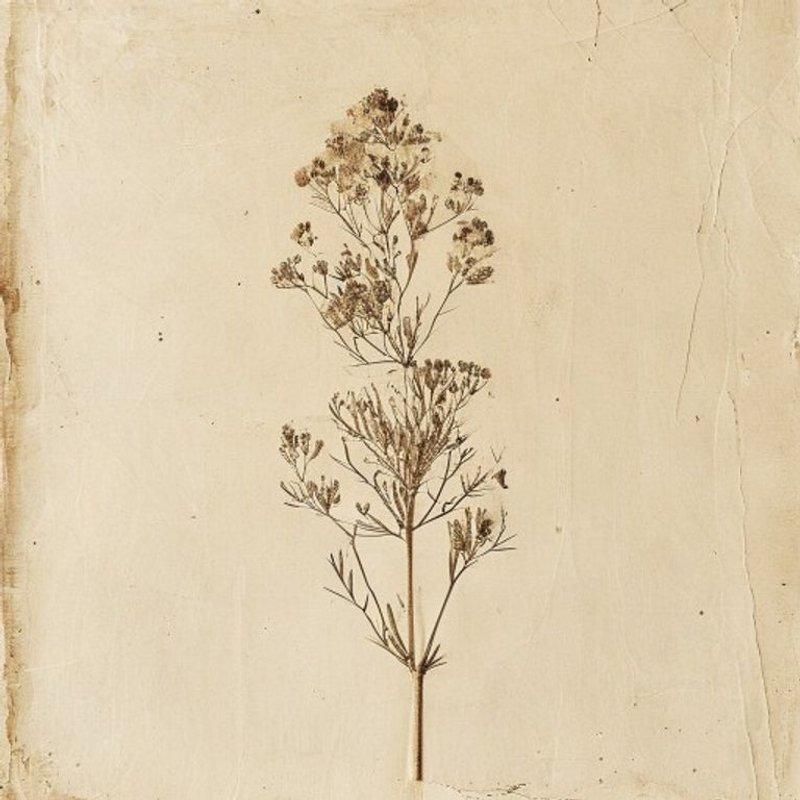
IPrezentare
Prezentare
Patrinia villosa, cunoscută sub numele de Patrinia villosa, este o plantă perenicolă originară din regiuni precum China Central-Sud, Sud-Est, Japonia, Coreea, Manchuria, Nansei-shoto, Taiwan și Vietnam. Această plantă se dezvolte în mediului umed cu expozție la lumină sau parțială de soare și poate tolera diverse tipuri de suștiții, de la sălbatic la bogat în argilă. Acest plant atinge o înălțime de aproximativ 1 m și este notabil pentru faptul că părțiile sale foliale sunt comestibile, făcându-l un adăugare valoare în jardine sau landscapede unde valorile sănătoase și culinare sunt apreciate.
What is Patrinia villosa?
Patrinia villosa, cunoscută sub numele de Patrinia villosa, este o plantă perenicolă originară din regiuni precum China Central-Sud, Sud-Est, Japonia, Coreea, Manchuria, Nansei-shoto, Taiwan și Vietnam.
VCultivare
Cultivare
How to grow Patrinia villosa for the first time
Start with Patrinia villosa as a simple, low-maintenance perennial for your garden.
- 1
What you'll need
Patrinia villosa plants or seeds, gardening gloves, trowel, watering can.
- 2
Best time to plant
Plant in spring after the last frost or in fall before the first freeze.
- 3
Soil and container prep
Choose a location with light to partial sun. Ensure soil is well-draining, suitable for light (sandy), medium, or heavy (clay) types.
- 4
Sowing or transplanting
Direct sow seeds in the ground after danger of frost has passed, or start seeds indoors 4-6 weeks before planting outside. Transplant young plants carefully.
- 5
First two weeks
Water regularly to keep soil moist but not waterlogged. Monitor for pests and diseases.
- 6
Ongoing care
Provide consistent moisture, especially during dry spells. Deadhead spent flowers to encourage more blooms. Divide plants every 3-4 years to maintain vigor.
- 7
Harvest or pruning
Prune in late winter before new growth starts to shape the plant and remove any dead or damaged parts.
- 8
Common mistakes
Overwatering, planting in heavy shade, neglecting to divide plants regularly.
VIEdible & utility
Edible & utility
VIIDistribuție
8 native · 0 introduced
Distribuție
8 native · 0 introducedIXSpecimen gallery
1 image
Specimen gallery
1 imageXSee also
8 related
See also
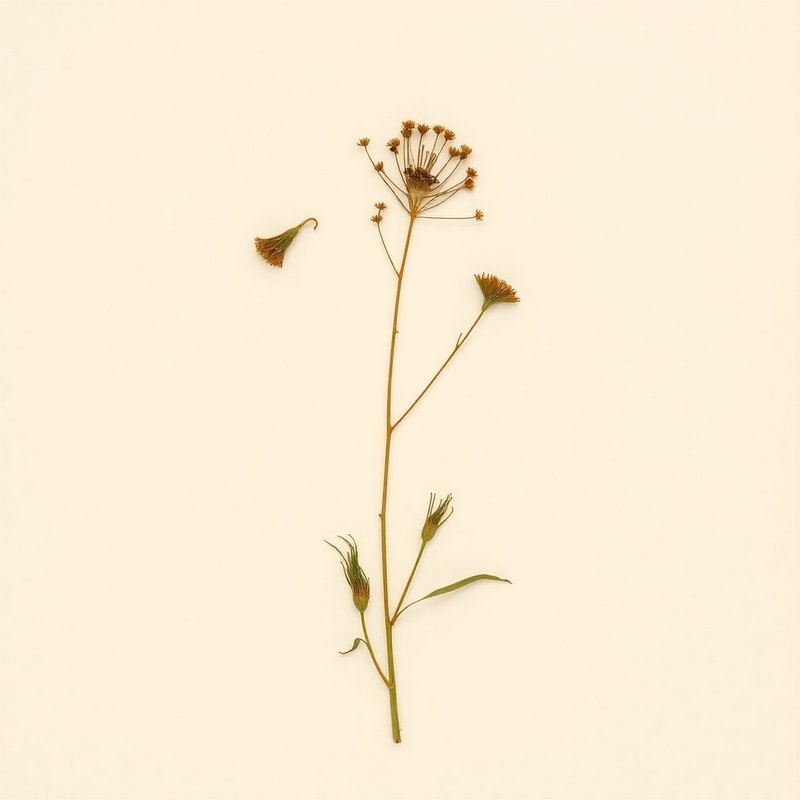
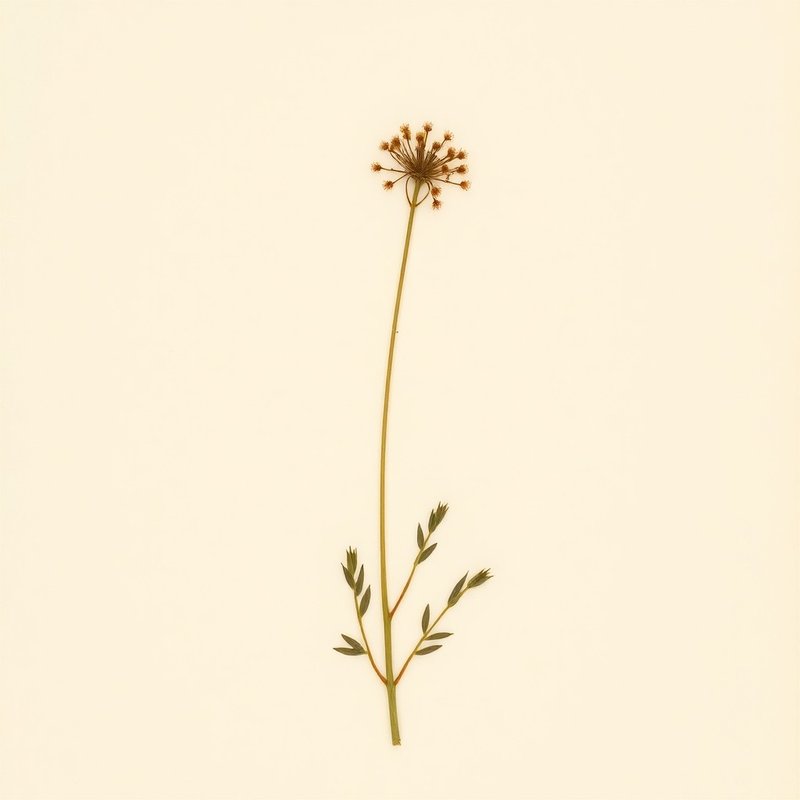
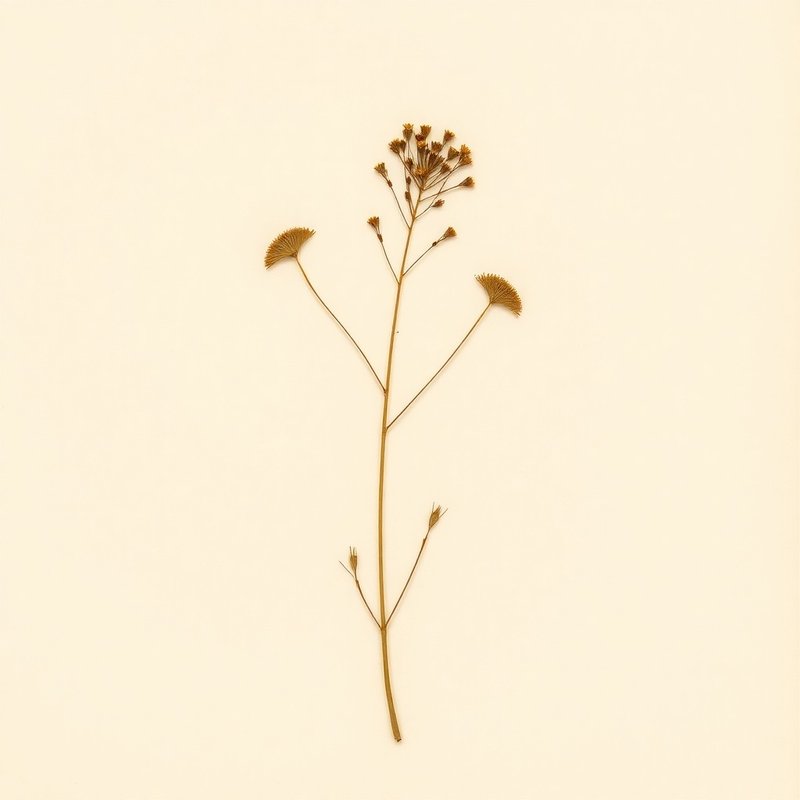
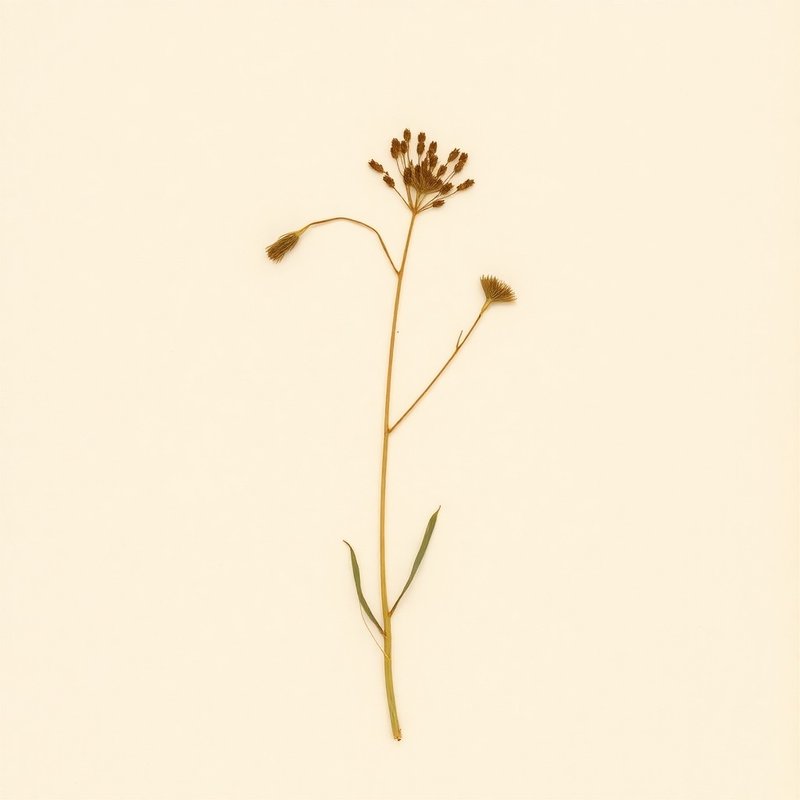
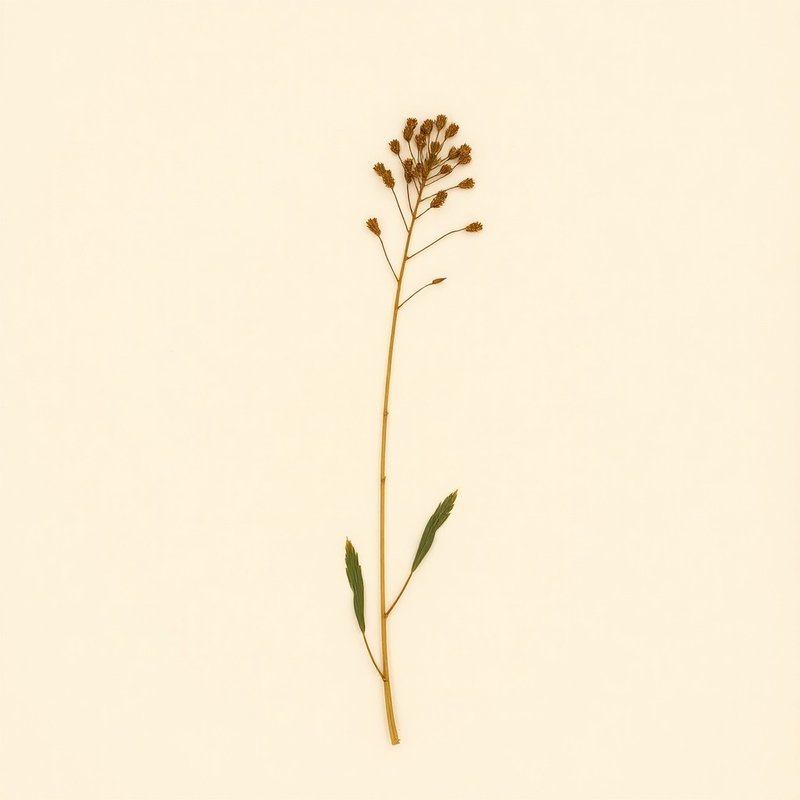
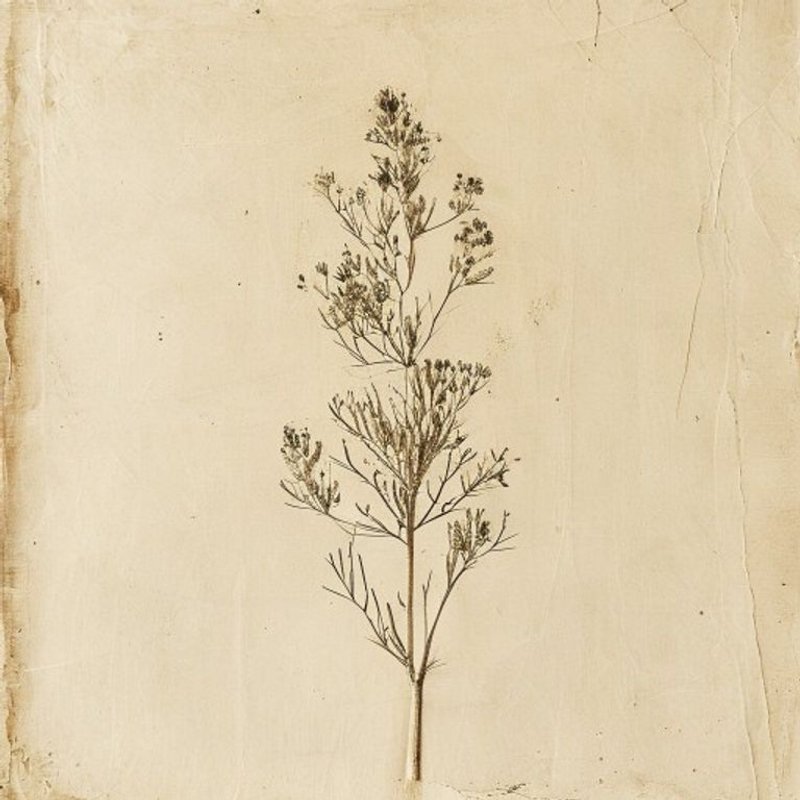
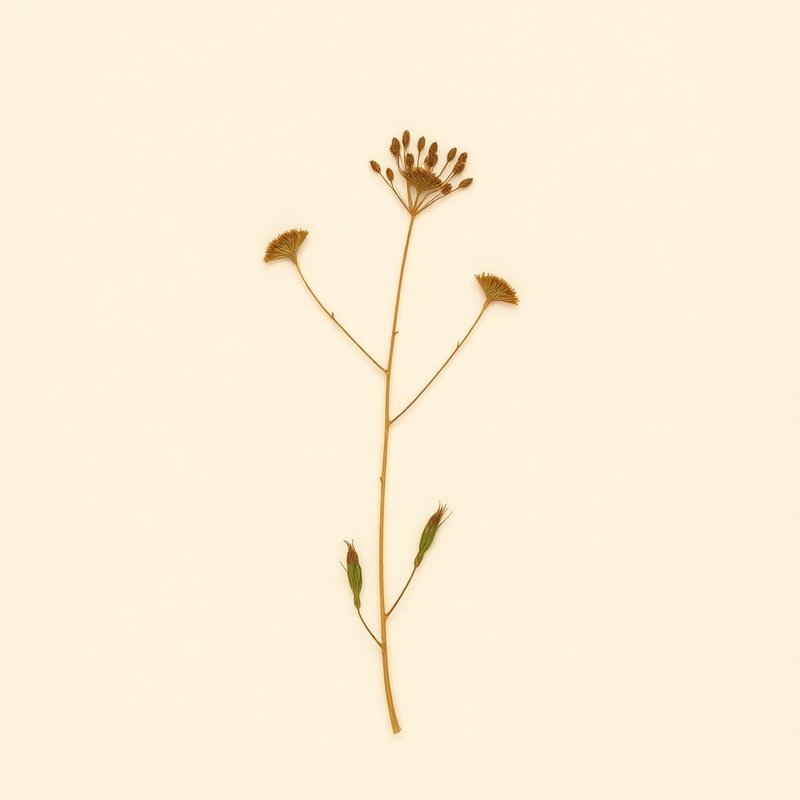
8 relatedPlants you might compare or use together — scored by shared family (Asteraceae), common use cases, and growing requirements.

Explore further
About this entry
- Last updated
- Citation
- How to cite this entry · Submit a correction
Continue reading
Primește digest-ul săptămânal
Un email curat pe săptămână — profile noi de plante, note sezoniere de cultivare, adăugiri în arhiva de remedii. Gratuit, fără tracking, dezabonare oricând.