
Skip to content
IIIFolio · plant profile№ 5CE8edible
Data provenancePermapeopleTreflePFAFPOWOreviewed 13 Oct 2026methodology → read

Physalis foetens

Physalis foetens
Educational content — not medical, botanical, or professional advice. Plant identification, safety, and edibility depend on local conditions, cultivars, and correct identification. Consult a qualified botanist or forager before consuming or handling wild specimens. How we source & review →
Updated·Quick Q&A →
Garden journal pausedUse profile notes below
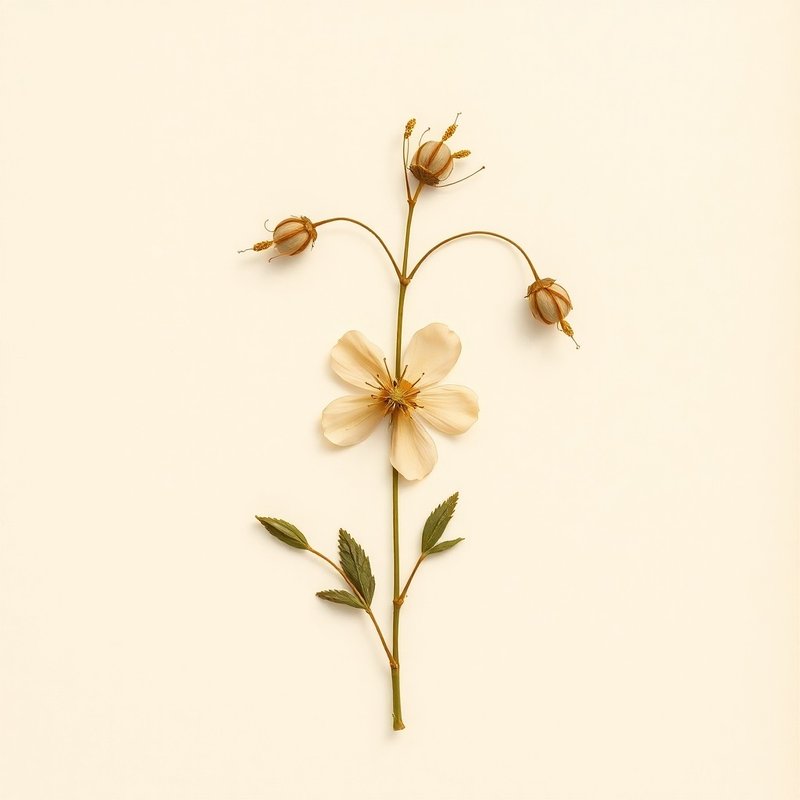
Physalis foetens (Physalis foetens) — botanical photograph
Pl. 5CE8 — Physalis foetens
Physalis foetensPhysalis foetensPhysalis foetensPhysalis foetensPhysalis foetensPhysalis foetensPhysalis foetensPhysalis foetensPhysalis foetensPhysalis foetensPhysalis foetensPhysalis foetensPhysalis foetensPhysalis foetens
I

Prezentare

Physalis foetens, cunoscută sub numele de physalis fetid sau fructul de pământ, este un herbă anuală care se dezvoltă într-o varietate de mediuni din America de Nord și America de Sud, de la Alabama până în Venezuela. Această plantă preferă soarele plin, condițiile umide și tipuri de sucuri legheți sau grele. Originează în zone ale Argentiniei, Boliviei, Braziliei, Colombiei și țărilor americane centrale precum Belize, fiind naturalizată de asemenea în câteva state din SUA, inclusiv Alabama, Arizona și Texas. Cunoscut pentru fructul său consumabil, folosit adesea în jamă sau desserturi, P. foetens se distinge prin calicul papieros care acoperă merele maturi, dulci.

Quick answers

What is Physalis foetens?

Physalis foetens, cunoscută sub numele de physalis fetid sau fructul de pământ, este un herbă anuală care se dezvoltă într-o varietate de mediuni din America de Nord și America de Sud, de la Alabama până în Venezuela. Această plantă preferă soarele plin, condițiile umide și tipuri de sucuri legheți sau grele.

Growingconditions · propagation · uses
V

Cultivare

Physalis foetens se dezvoltă bine în soarele plin și necesită sucuri umide care pot fi legheți (sândale), medii sau grele (argila). Această plantă anuală crește până la 0,6 m de înălțime și este potrivită pentru gardeni din zone temperate. Pentru propagație, semeneți direct în gardină după ce pericolul ghearelor a fost trecut. Plantul este durabil în zone temperate și este originar din zone ale Americii de Nord, Sud și Caraïbiene. Puteți-l cultiva ca sursă de fruct consumabil.
Light
Full sun
Water
Moist
Soil
Light (sandy), Medium, Heavy (clay)
Life cycle
Annual
Habit
Forb/herb
Mature size
0.6 m tall
For first-time growers

How to grow Physalis foetens for the first time

8steps

Start with a simple, sunny spot and basic care for your Physalis foetens.

  1. 1

    What you'll need

    Seeds or seedlings, potting soil, containers or garden space.

  2. 2

    Best time to plant

    Plant in spring after the last frost, when temperatures are warm.

  3. 3

    Soil and container prep

    Use well-draining soil with a mix of light (sandy), medium, or heavy clay. Ensure containers have drainage holes.

  4. 4

    Sowing or transplanting

    Start seeds indoors 4-6 weeks before planting outside. Transplant seedlings when they are strong and the weather is warm.

  5. 5

    First two weeks

    Water regularly to keep soil moist but not waterlogged. Place in a sunny spot, at least 6 hours of direct sunlight daily.

  6. 6

    Ongoing care

    Provide consistent moisture; avoid overwatering. Fertilize lightly every few weeks with a balanced plant food.

  7. 7

    Harvest or pruning

    Prune occasionally to encourage bushy growth and remove any dead or yellow leaves. Harvest fruits when they are fully colored.

  8. 8

    Common mistakes

    Overwatering, planting in heavy shade, neglecting regular pruning, using too much fertilizer, not providing enough support for the plant.

VI

Edible & utility

Edible parts:Fruit
Edible uses: The fruit of Physalis foetens is edible and can be eaten raw or used in various preparations. Typically, it is consumed fresh but can also be dried for later use.
Contextrange · companions · related
VII

Distribuție

49 native · 23 introduced
Distribution across4 continents· 49 native· 23 introduced
Europe4 regions
introduced (4)ItalyRomaniaRussiaUkraine
Asia2 regions
introduced (2)IndiaSaudi Arabia
Americas21 regions
native (21)BahamasBelizeBoliviaColombiaCosta RicaCubaDominican RepublicEl SalvadorFrench GuianaGuatemalaGuyanaHaitiHondurasJamaicaNicaraguaParaguayPeruPuerto RicoSurinameUruguayVenezuela
Africa7 regions
introduced (7)BeninCôte d'IvoireGabonGambiaGhanaMoroccoMozambique
Broader regions
native:Alabama, Argentina Northeast, Argentina Northwest, Arizona, Aruba, Brazil North, Brazil Northeast, Brazil South, Brazil Southeast, Brazil West-Central, Galápagos, Kentucky, Leeward Is., Maryland, Mexico Central, Mexico Gulf, Mexico Northeast, Mexico Northwest, Mexico Southeast, Mexico Southwest, Minnesota, Netherlands Antilles, New Mexico, Panamá, Tennessee, Trinidad-Tobago, Windward Is., Wisconsin
introduced:Bermuda, Christmas I., Czechoslovakia, East Himalaya, Illinois, Nansei-shoto, Ogasawara-shoto, Primorye, Victoria, Western Australia
IX

Specimen gallery

1 image
Physalis foetens (Physalis foetens) — botanical photograph
Physalis foetens (Physalis foetens)
XI

Explore further

XII

About this entry

Last updated
Citation
How to cite this entry · Submit a correction
Back to the cataloguePlant id · 5ce81305-e845-4733-a8df-6e89de982620
Decision aid
Choosing between Physalis foetens and something else?
Compare with another plant

Continue reading

❦❦❦❦
Endpaper · archive updates

Primește digest-ul săptămânal

Un email curat pe săptămână — profile noi de plante, note sezoniere de cultivare, adăugiri în arhiva de remedii. Gratuit, fără tracking, dezabonare oricând.

Newsletter returning soon.
We are rebuilding the update list around a lightweight editorial workflow. New dispatches will resume after the next content review cycle.
iCare notes