
Physalis foetens
IOverview
Overview
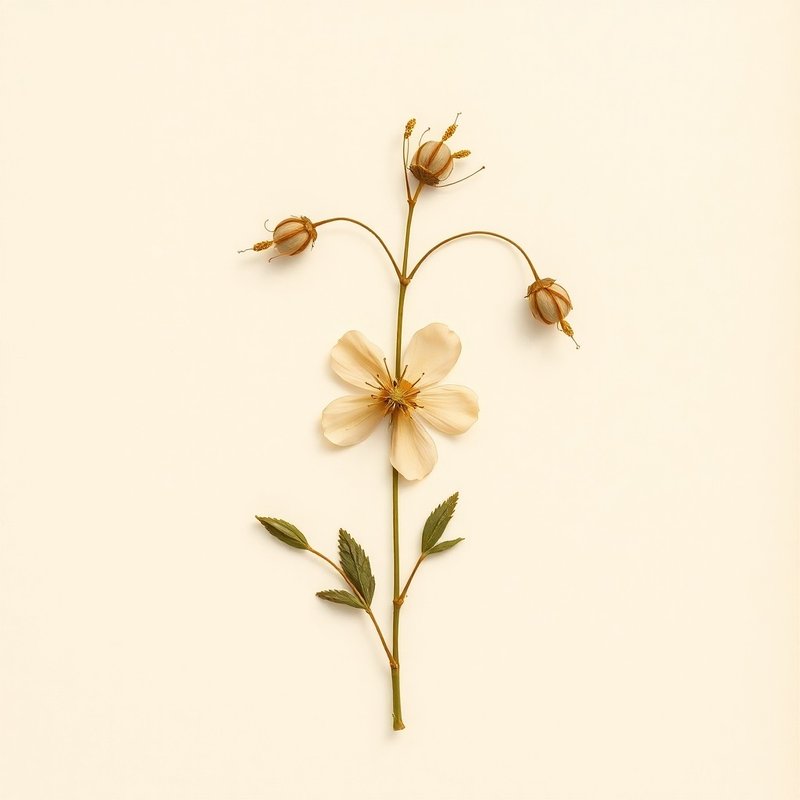
Physalis foetens, commonly known as the fetid physalis or ground cherry, is a versatile annual herb that thrives in diverse environments across North and South America, from Alabama to Venezuela. This plant prefers full sun and moist conditions, growing well in light (sandy), medium, or heavy (clay) soil types. Native to regions such as Argentina, Bolivia, Brazil, Colombia, and Central American countries like Belize, it has also been naturalized in several U.S. states including Alabama, Arizona, and Texas. The fruit of Physalis foetens is edible and can be eaten raw or used in various preparations. Typically consumed fresh, the fruit can also be dried for later use, making it a valuable addition to gardens in temperate regions. This plant stands out with its distinctive, papery calyx that encases the ripe, sweet berries. Physalis foetens thrives in full sun and requires moist soil that can be light (sandy), medium, or heavy (clay). This annual plant grows up to 0.6 meters tall and is suitable for gardens in temperate regions. For propagation, sow seeds directly in the garden after all danger of frost has passed. The plant is hardy in temperate regions and can serve as an edible fruit source in home gardens.
What is Physalis foetens?
Physalis foetens, commonly known as the fetid physalis or ground cherry, is a versatile annual herb that thrives in diverse environments across North and South America, from Alabama to Venezuela. This plant prefers full sun and moist conditions, growing well in light (sandy), medium, or heavy (clay) soil types.
VCultivation
Cultivation
How to grow Physalis foetens for the first time
Start with a simple, sunny spot and basic care for your Physalis foetens.
- 1
What you'll need
Seeds or seedlings, potting soil, containers or garden space.
- 2
Best time to plant
Plant in spring after the last frost, when temperatures are warm.
- 3
Soil and container prep
Use well-draining soil with a mix of light (sandy), medium, or heavy clay. Ensure containers have drainage holes.
- 4
Sowing or transplanting
Start seeds indoors 4-6 weeks before planting outside. Transplant seedlings when they are strong and the weather is warm.
- 5
First two weeks
Water regularly to keep soil moist but not waterlogged. Place in a sunny spot, at least 6 hours of direct sunlight daily.
- 6
Ongoing care
Provide consistent moisture; avoid overwatering. Fertilize lightly every few weeks with a balanced plant food.
- 7
Harvest or pruning
Prune occasionally to encourage bushy growth and remove any dead or yellow leaves. Harvest fruits when they are fully colored.
- 8
Common mistakes
Overwatering, planting in heavy shade, neglecting regular pruning, using too much fertilizer, not providing enough support for the plant.
VIEdible & utility
Edible & utility
VIIDistribution
49 native · 23 introduced
Distribution
49 native · 23 introducedIXSpecimen gallery
1 image
Specimen gallery
1 imageExplore further
About this entry
- Last updated
- Citation
- How to cite this entry · Submit a correction
Continue reading
Get archive updates
Occasional email when substantial new content lands — plant profiles, seasonal growing notes, folk-remedy additions. Free, no tracking, unsubscribe anytime.