
Single Leaf Piñon
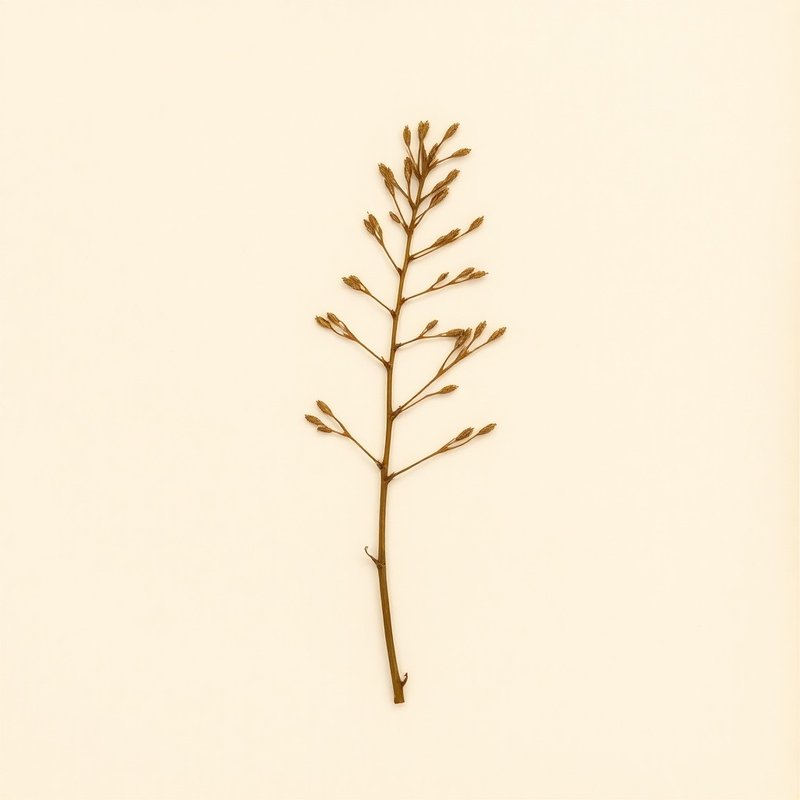
IPrezentare
Prezentare
Pinus monophylla, cunoscută sub numele de Piñon cu o Folia unică, este un arbore nativ în zonele aride din New Mexico și state-urile vecine, inclusiv Arizona, California, Colorado, Idaho, Nevada și părți ale Mexicului. Consemnate pentru cei mâncați, această plantă se dezvoltă în soare complet cu suport de pământ bine drenat care poate varia de la sandy la medium. Prefere un pH între 6,2 și 7,5 și este durabil în zonele 6-8. Îndepărtându-se de 10 metri în înălțime, Piñonul cu o Folia unică este distins printr-o folie unică precum un fil, separându-l de alte specii de pin.
What is Single Leaf Piñon?
Pinus monophylla, cunoscută sub numele de Piñon cu o Folia unică, este un arbore nativ în zonele aride din New Mexico și state-urile vecine, inclusiv Arizona, California, Colorado, Idaho, Nevada și părți ale Mexicului.
What is Single Leaf Piñon used for?
Traditionally used for immune support. Each claim is evidence-rated — see Section II for full citations.
IIBeneficii și dovezi
1 claim · traditional-use context
Beneficii și dovezi
1 claim · traditional-use context- Pinus species have been traditionally used in Native American medicine to support immune health, often prepared as a decoction. Single Leaf Piñon may help bolster the body's defenses against seasonal challenges.
The mechanism is not fully characterised but likely involves bioactive compounds such as phenolic acids and flavonoids that have antioxidant and anti-inflammatory properties.
▲ ModerateImmune support →
IV·bMixology suggestions
1 draft
Mixology suggestions
1 draftVCultivare
Cultivare
How to grow Single Leaf Piñon for the first time
Start with a simple single leaf piñon tree to experience growing a hardy, low-maintenance plant.
- 1
What you'll need
A young single leaf piñon sapling and well-draining soil.
- 2
Best time to plant
Plant in spring or fall when temperatures are mild.
- 3
Soil and container prep
Ensure the soil is light, sandy, with a pH between 6.2 and 7.5; avoid heavy clay.
- 4
Sowing or transplanting
Transplant young saplings from a nursery pot to your garden bed.
- 5
First two weeks
Water sparingly but thoroughly once every week, ensuring the soil is moist but not waterlogged.
- 6
Ongoing care
Provide full sun exposure and minimal watering; avoid overwatering. Prune only if necessary to remove dead branches.
- 7
Harvest or pruning
Prune in late winter to early spring to maintain tree shape, focusing on removing any weak or crossing branches.
- 8
Common mistakes
Overwatering, planting in heavy soil, and not providing enough sunlight are common pitfalls.
VIEdible & utility
Edible & utility
VIIDistribuție
8 native · 7 introduced
Distribuție
8 native · 7 introducedIXSpecimen gallery
1 image
Specimen gallery
1 imageXSee also
8 related
See also
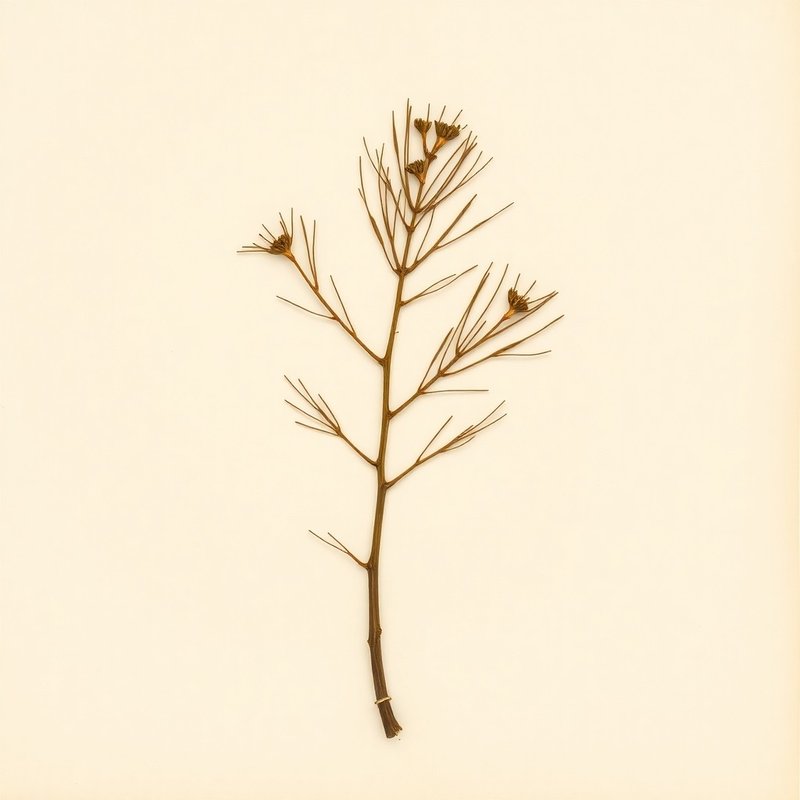
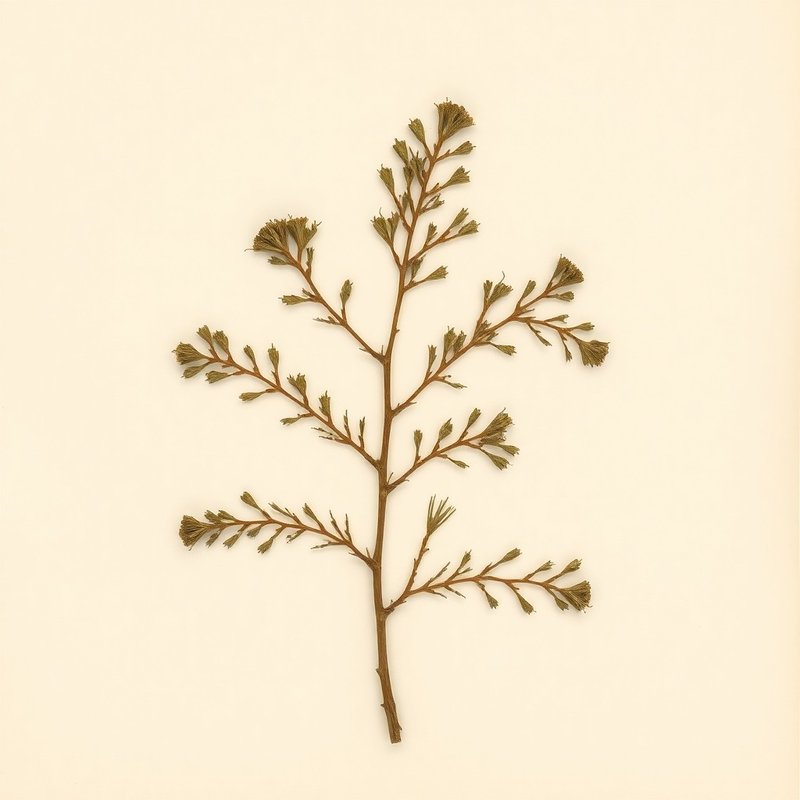
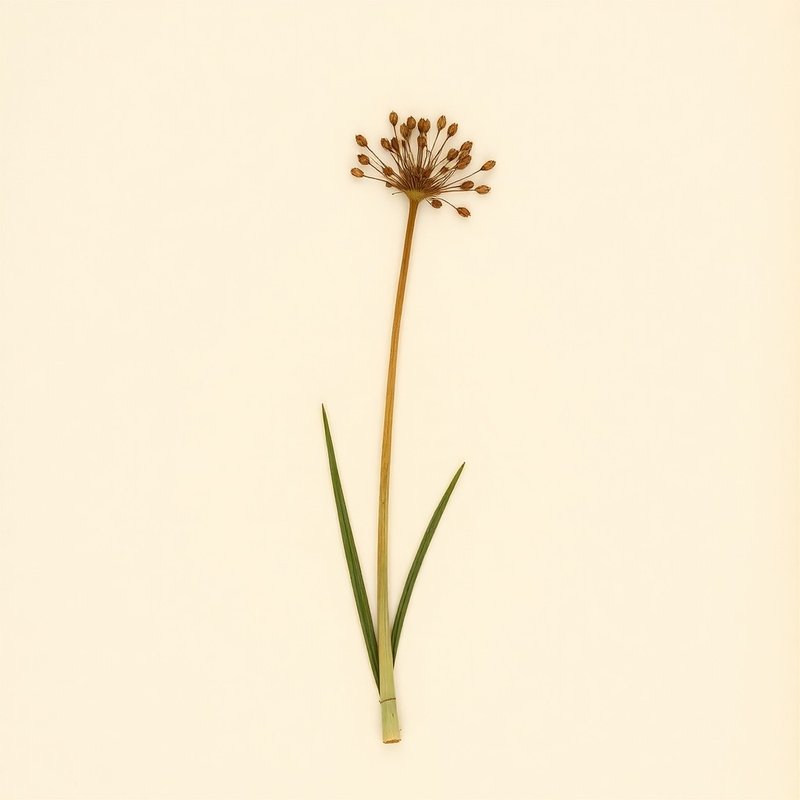
8 relatedPlants you might compare or use together — scored by shared family (Pinaceae), common use cases, and growing requirements.


Explore further
About this entry
- Last updated
- Citation
- How to cite this entry · Submit a correction
Continue reading
Primește digest-ul săptămânal
Un email curat pe săptămână — profile noi de plante, note sezoniere de cultivare, adăugiri în arhiva de remedii. Gratuit, fără tracking, dezabonare oricând.