
Polygonum polymorphum
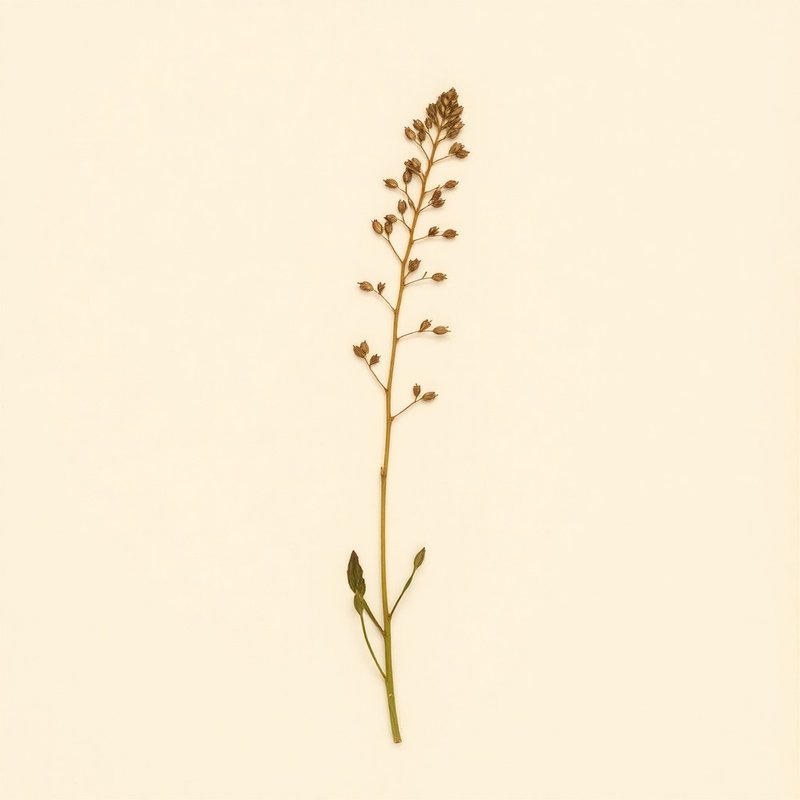
IPrezentare
Prezentare
Polygonum polymorphum, membră a familiei Polygonaceae, este nativ în regiuni care se întind de la Afghanistan și Albania până la China și Coreea. Această plantă adaptabilă se dezvolte în mediile umide cu expozție la lumina zării sau parte din ea și poate crește bine în diferite tipuri de suoli, inclusiv suoli sandy, medium și clay. Cunoscut pentru părți culinarele sale - frunze, semințe și plămâni - a fost cultivat pentru utilizări culinare pe parcursul zonei sale native. Abilitatea sa de a tolera diverse condiții îl face un adăugativ valabil în jardine și landscaped. O caracteristică distinctivă a acesteia este adaptabilitatea sa broad; poate fi găsit în habitaturi care se întind de la regiuni montane până la zonele costiere, evidențiind rezistența sa și versatilitatea sa.
What is Polygonum polymorphum?
Polygonum polymorphum, membră a familiei Polygonaceae, este nativ în regiuni care se întind de la Afghanistan și Albania până la China și Coreea.
What is Polygonum polymorphum used for?
Traditionally used for digestion. Each claim is evidence-rated — see Section II for full citations.
IIBeneficii și dovezi
1 claim · traditional-use context
Beneficii și dovezi
1 claim · traditional-use context- Polygonum polymorphum has been traditionally used in Chinese medicine for digestive issues, often prepared as a decoction to support gastrointestinal health.
The mechanism is not fully characterised but may involve compounds that interact with the gut's smooth muscle and improve motility.
▲ ModerateDigestion →
VCultivare
Cultivare
How to grow Polygonum polymorphum for the first time
Start with easy-to-grow Polygonum polymorphum for a rewarding beginner gardening experience.
- 1
What you'll need
Seeds or young plants, potting soil, containers or garden space, water.
- 2
Best time to plant
Plant in spring after the last frost or in early fall for best results.
- 3
Soil and container prep
Use well-draining soil with a mix of light (sandy), medium, or heavy clay. Ensure containers have drainage holes.
- 4
Sowing or transplanting
Direct sow seeds in the garden or start them indoors 4-6 weeks before planting outside. Transplant young plants carefully to avoid damaging roots.
- 5
First two weeks
Water regularly, keeping soil moist but not waterlogged. Place in a location with full sun to partial shade.
- 6
Ongoing care
Provide consistent moisture and light. Fertilize lightly every few months if needed. Watch for pests like aphids and slugs.
- 7
Harvest or pruning
Prune back after flowering to encourage new growth and prevent the plant from becoming leggy.
- 8
Common mistakes
Overwatering, planting in heavy shade, neglecting regular pruning, using too much fertilizer, not providing enough light.
VIEdible & utility
Edible & utility
VIIDistribuție
44 native · 5 introduced
Distribuție
44 native · 5 introducedIXSpecimen gallery
1 image
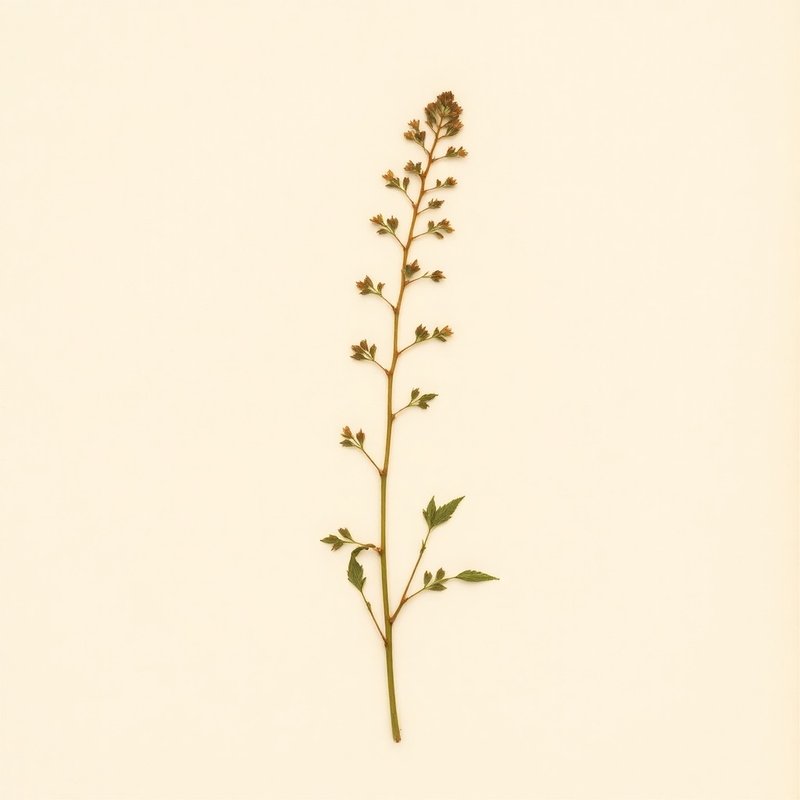
Specimen gallery
1 imageXSee also
8 related
See also
8 relatedPlants you might compare or use together — scored by shared family, common use cases, and growing requirements.



Explore further
About this entry
- Last updated
- Citation
- How to cite this entry · Submit a correction
Continue reading
Primește digest-ul săptămânal
Un email curat pe săptămână — profile noi de plante, note sezoniere de cultivare, adăugiri în arhiva de remedii. Gratuit, fără tracking, dezabonare oricând.